
Kids who write well do better in school. But getting them to actually sit down and write? That's the real challenge most parents and teachers face.
I've seen kids go from "I hate writing" to filling pages once they find activities they enjoy. Writing builds vocabulary, sharpens thinking, and grows confidence in ways you wouldn't expect.
The good news? It doesn't have to feel like homework.
In this post, I've rounded up 27 fun writing activities that spark creativity and keep kids genuinely interested.
Let's get into it.
Benefits of Writing Activities for Kids
Alt text: Children gathered around a table, engaged in writing and drawing activities with colorful materials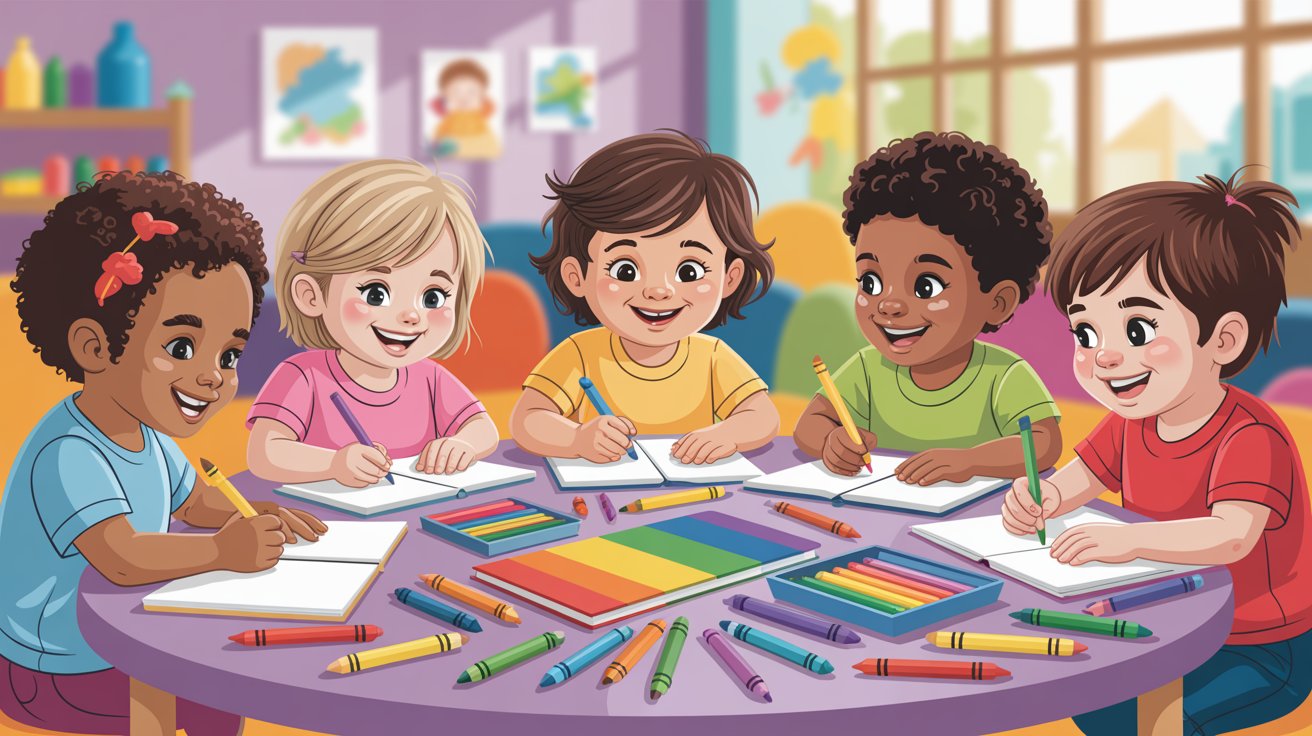
Writing activities do more than teach kids how to form sentences. They push kids to think freely, imagine new worlds, and express ideas they didn't know they had.
Over time, writing helps kids communicate clearly, both on paper and in real conversations. It also builds vocabulary and grammar in a natural way, without feeling like a lesson.
Most importantly, it gives kids a voice. When they see their own words on a page, their confidence grows fast.
List of 27 Writing Activities for Kids
These 27 activities make writing fun, creative, and stress-free for kids of all ages and skill levels.
1. Story Starters
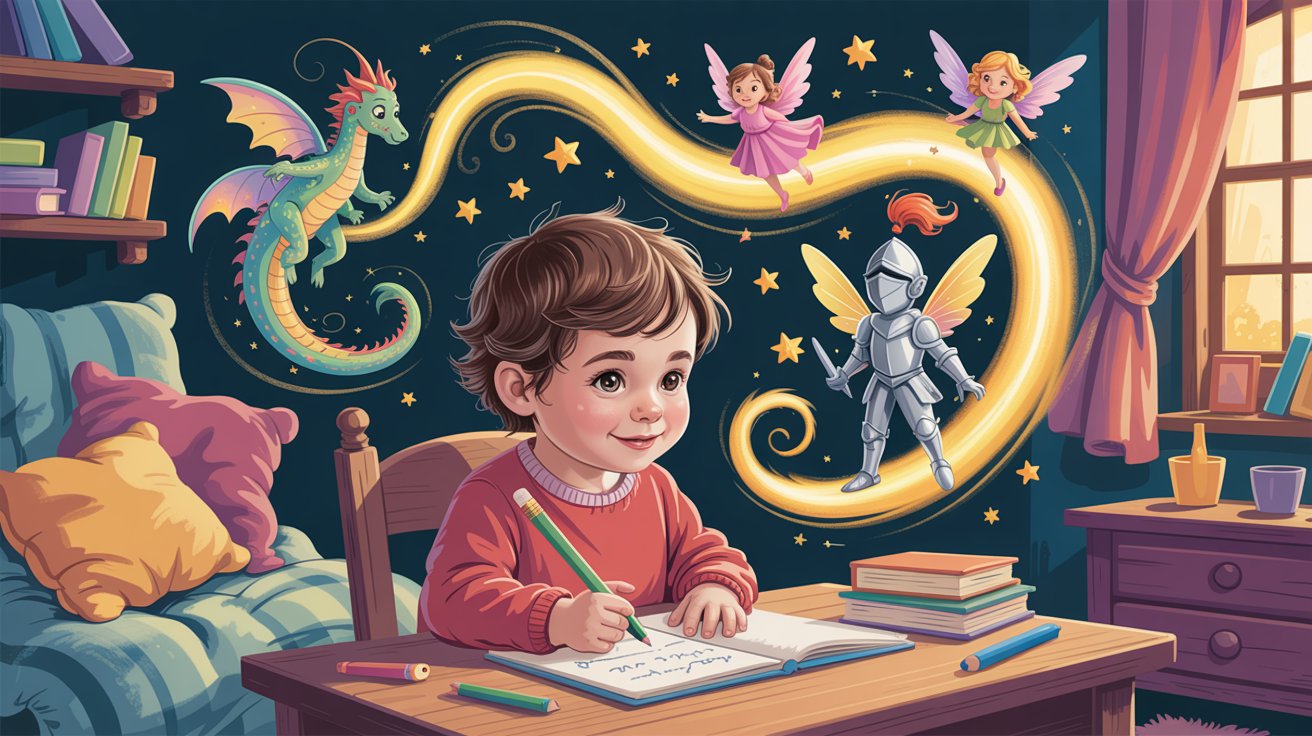
Give kids one opening sentence and let their imagination do the rest. It removes the blank page fear and gets them writing right away without overthinking it.
2. Picture Prompt Writing

Show a fun or interesting image and ask kids to write a story around it. Visuals spark ideas fast and make it easier for kids to start writing.
3. Create Your Own Fairy Tale
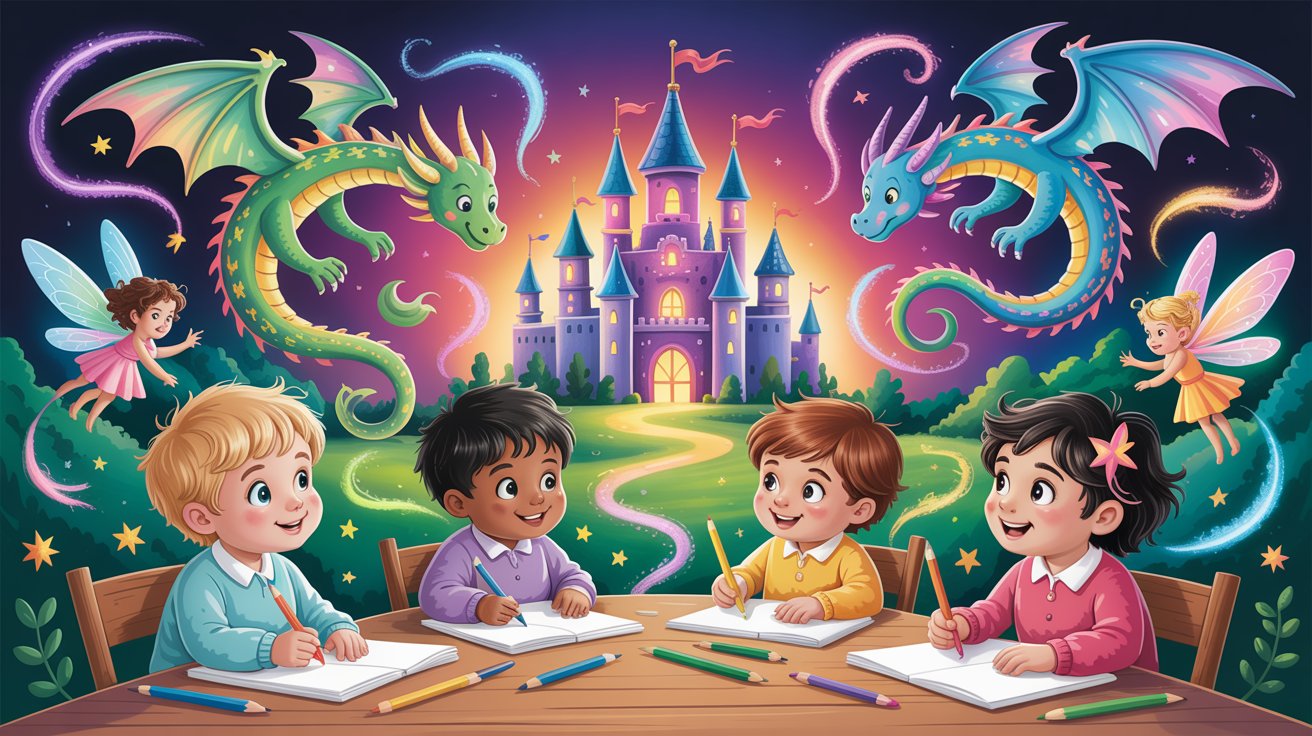
Kids get to build their own characters, setting, and plot from scratch. This activity gives them full creative control and makes writing feel like real storytelling.
4. Alternate Ending Writing
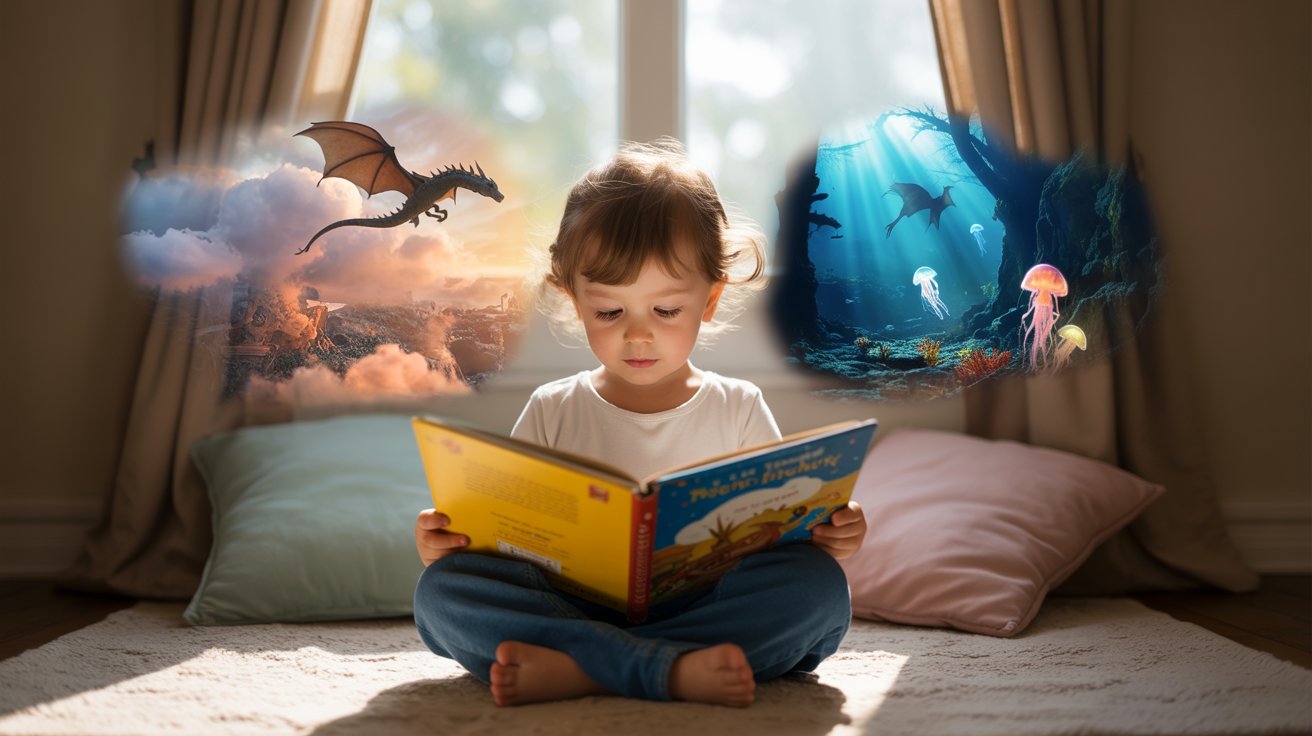
Take a story they already love and ask them to rewrite how it ends. It builds critical thinking and shows kids that stories can always go a different way.
5. Comic Strip Creation
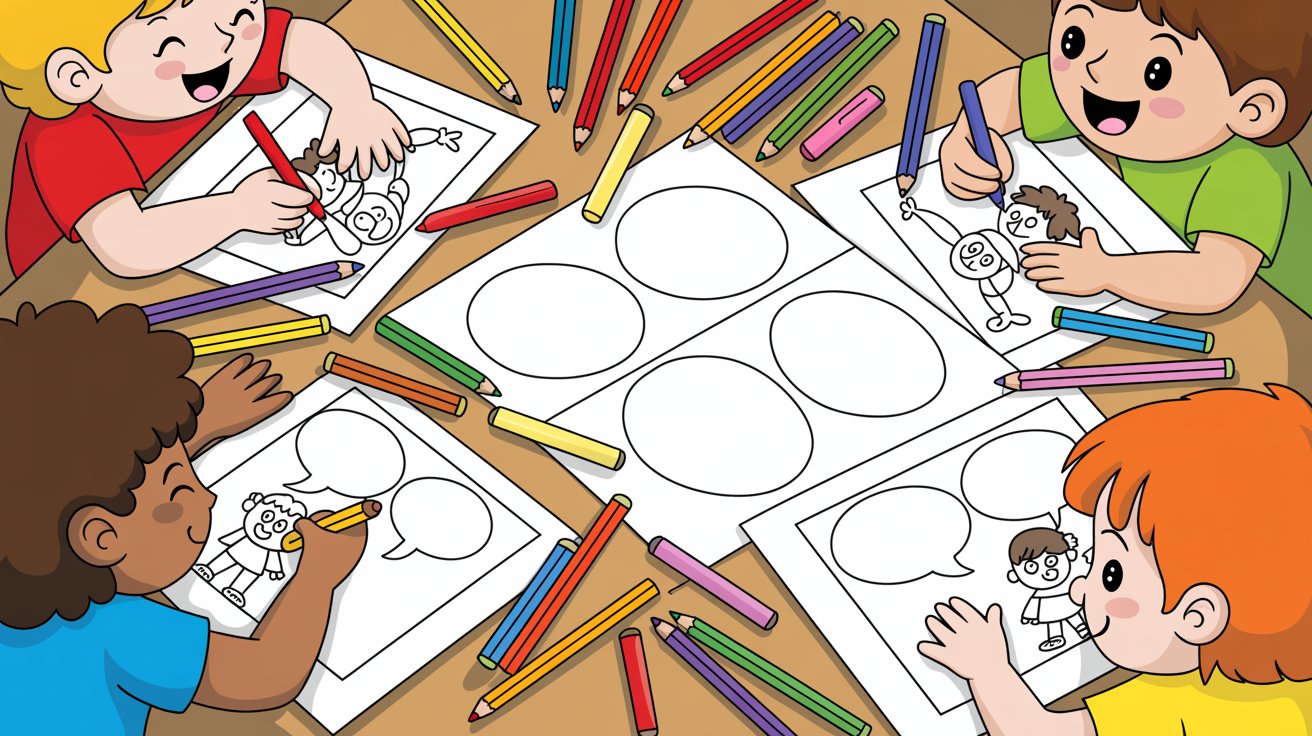
Kids draw a few panels and add short written dialogue to each one. Mixing art with writing keeps things light and makes the activity more engaging overall.
6. Mad Libs Style Stories
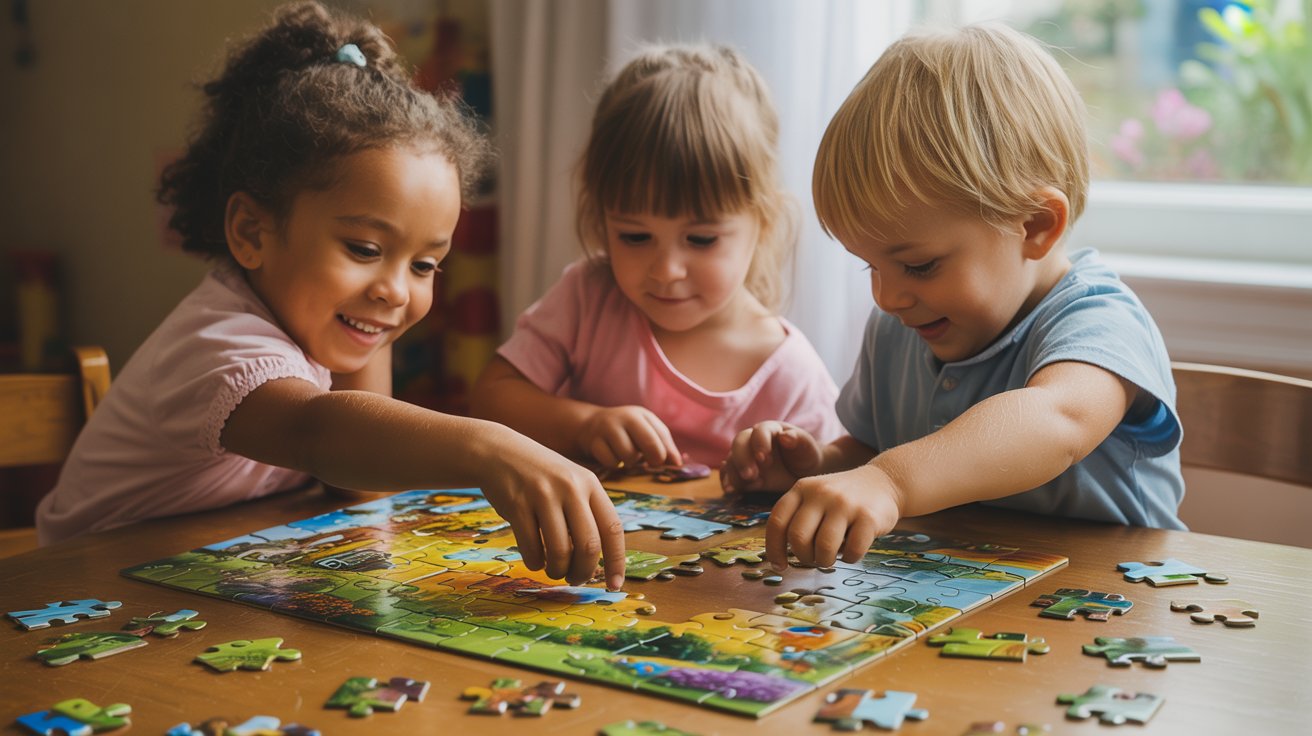
Leave blanks in a short story and ask kids to fill them with nouns, verbs, and adjectives. The silly results always get laughs and teach grammar without feeling like a lesson.
7. Pass-the-Story Game

Each child writes one sentence, then passes the paper to the next person. The story grows in unexpected directions, making it a great group writing activity for kids.
8. Word Jar Challenge
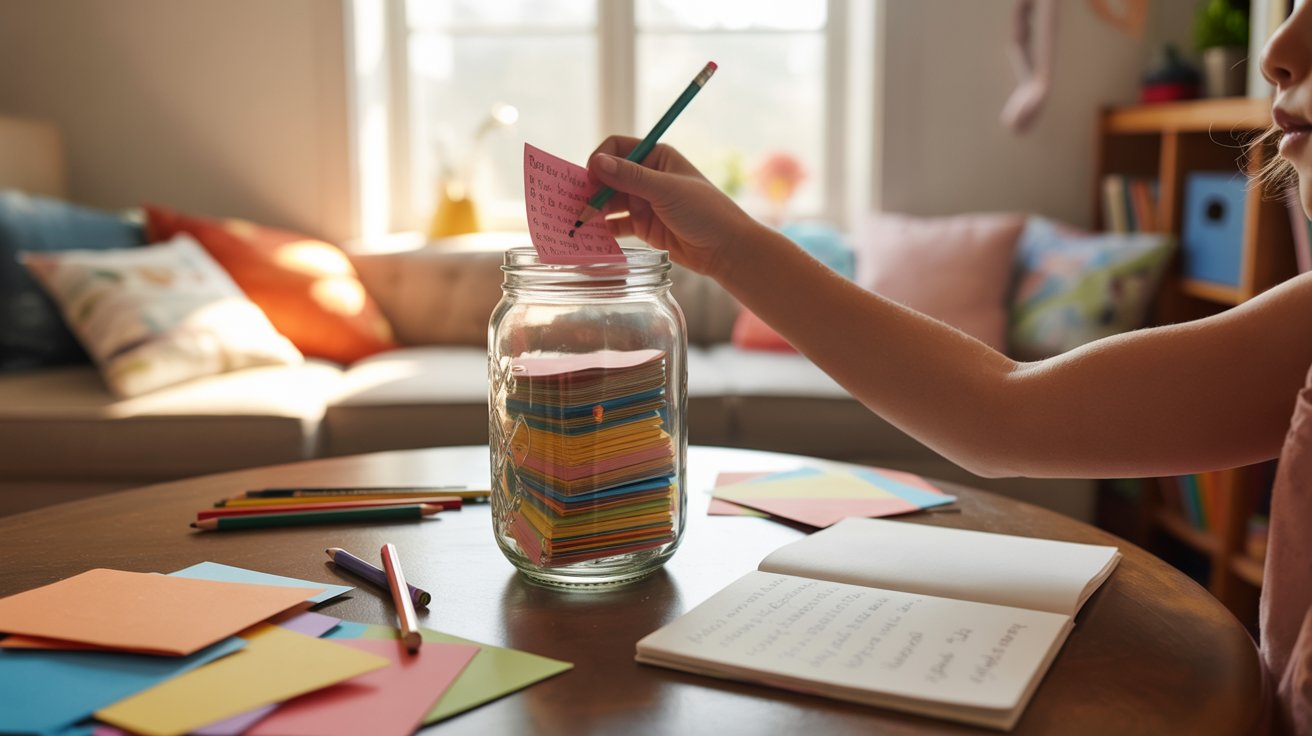
Write random words on slips of paper, drop them in a jar, and pick a few out. Kids then write a story using every word they picked. Simple and creative.
9. Sentence Scramble
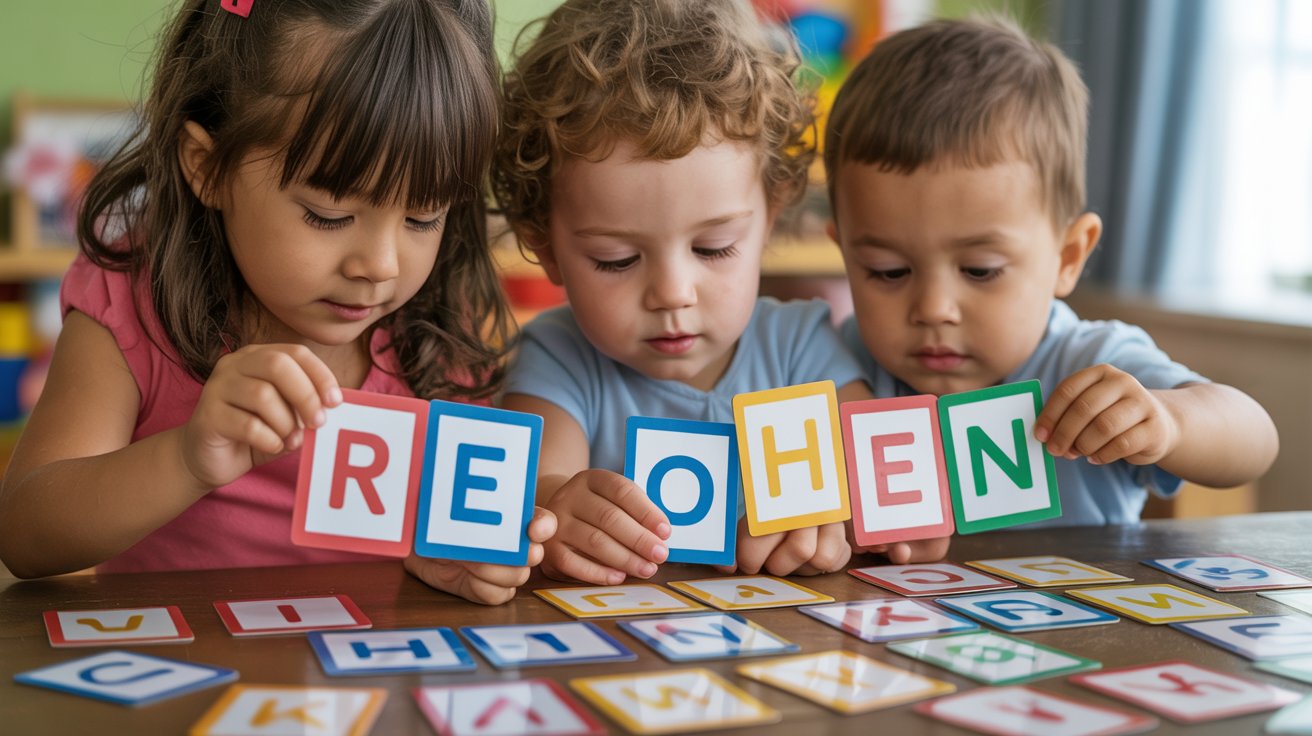
Mix up the words in a sentence and ask kids to put them back in the right order. It sharpens grammar skills and makes editing feel more like a puzzle than a task.
10. Story Dice Game
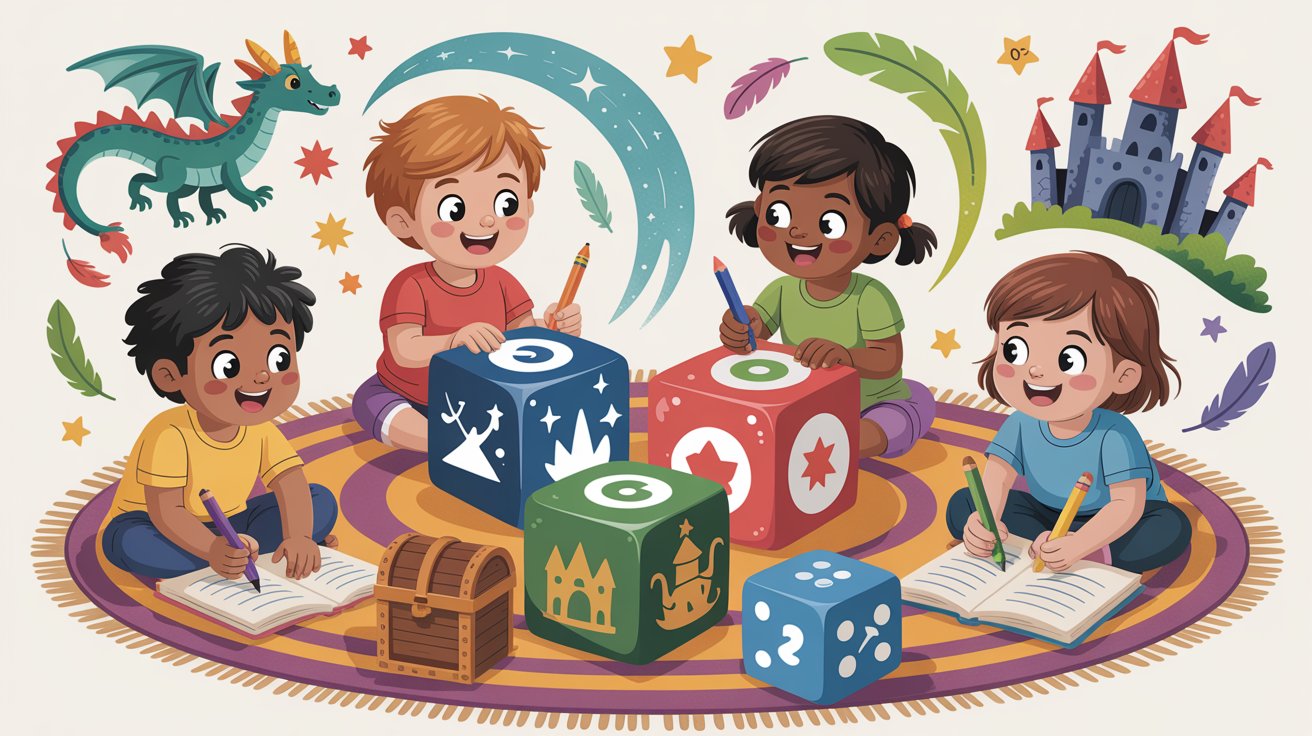
Roll dice that show characters, settings, and objects, then write a story using what comes up. The random combinations push kids to think outside the box every single time.
11. Daily Journal Writing

Give kids a notebook and ask them to write a few lines about their day. It builds the habit of writing regularly and helps them process thoughts in a healthy way.
12. Gratitude Journal
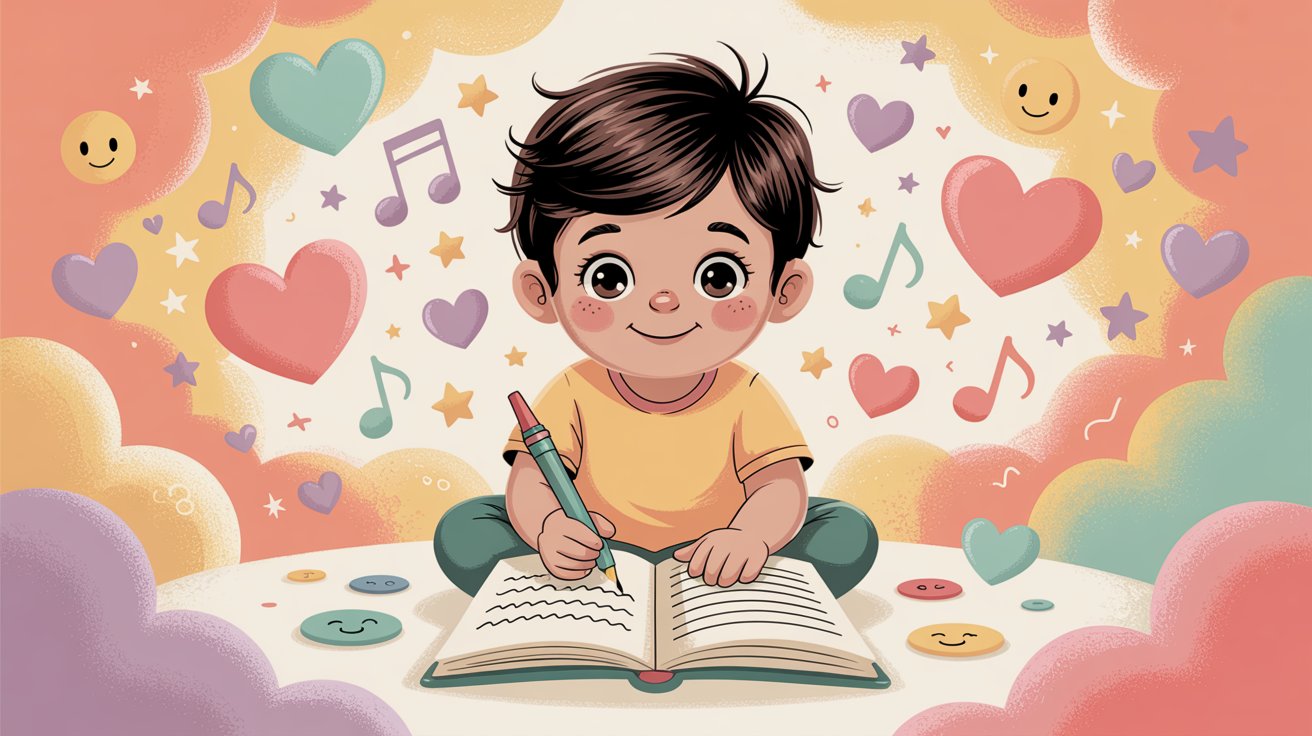
Each day, kids write down a few things they feel thankful for. It is a simple activity that combines writing practice with a positive, feel-good habit kids actually enjoy.
13. Letter Writing
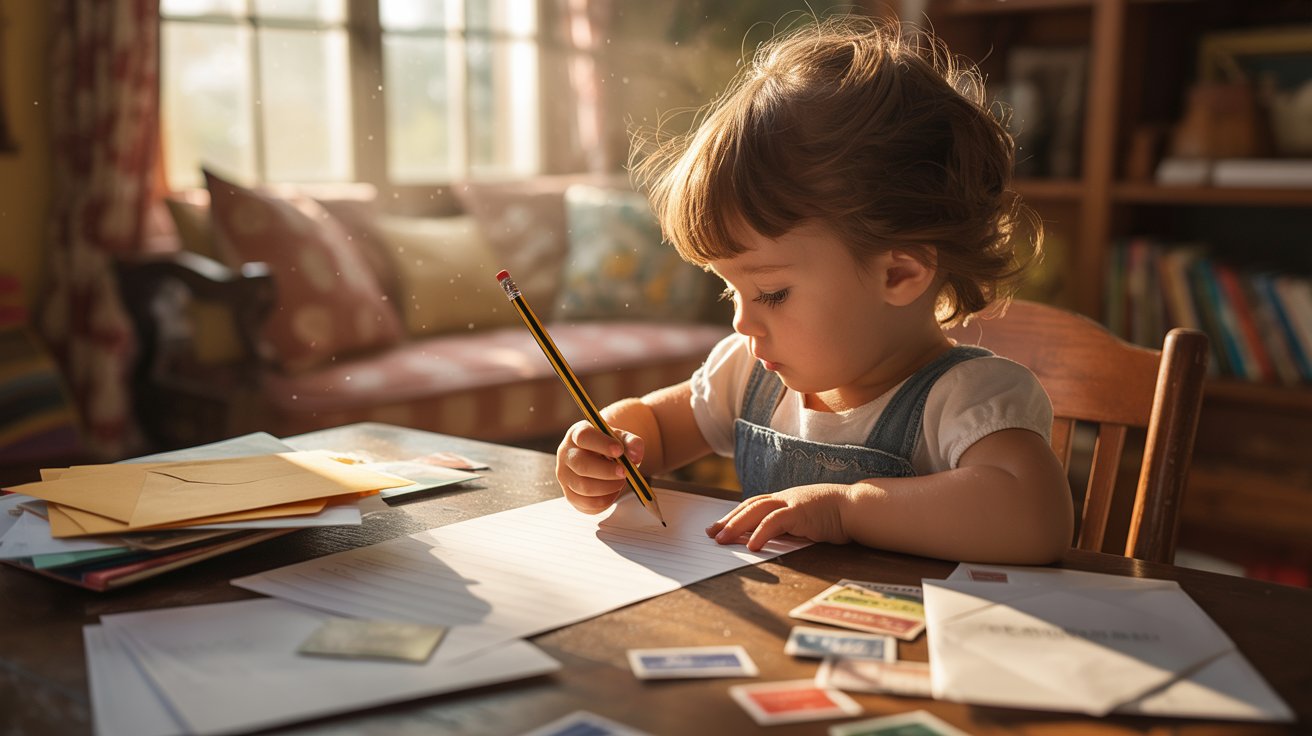
Kids write letters to a friend, family member, or even a made-up character. It teaches structure and tone while giving their writing a real sense of purpose and audience.
14. To-Do List Writing
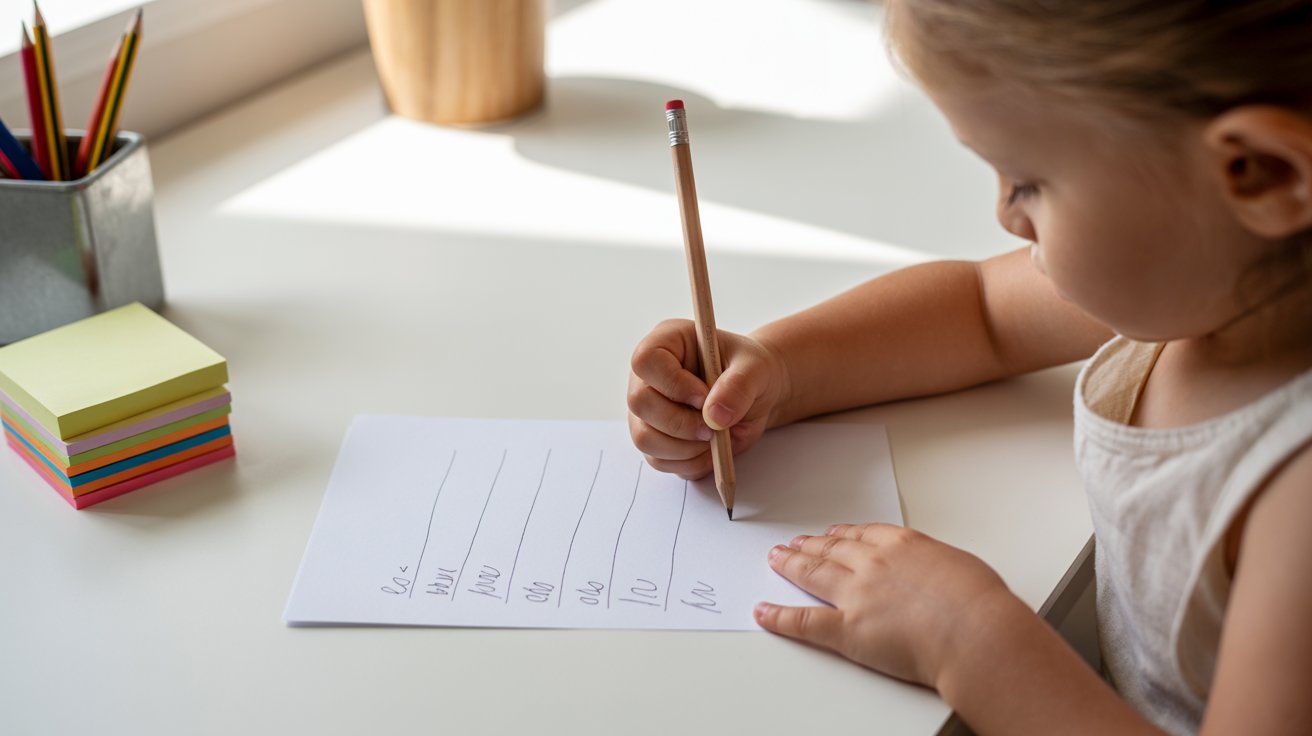
Ask kids to write a simple list of tasks for their day or weekend. It is a low-pressure way to practice writing while building planning and organizational skills at the same time.
15. Recipe Writing

Kids write step-by-step instructions for making their favorite snack or meal. This teaches how-to writing, sequencing, and the importance of being clear and specific with words.
16. Superhero Diary Entry
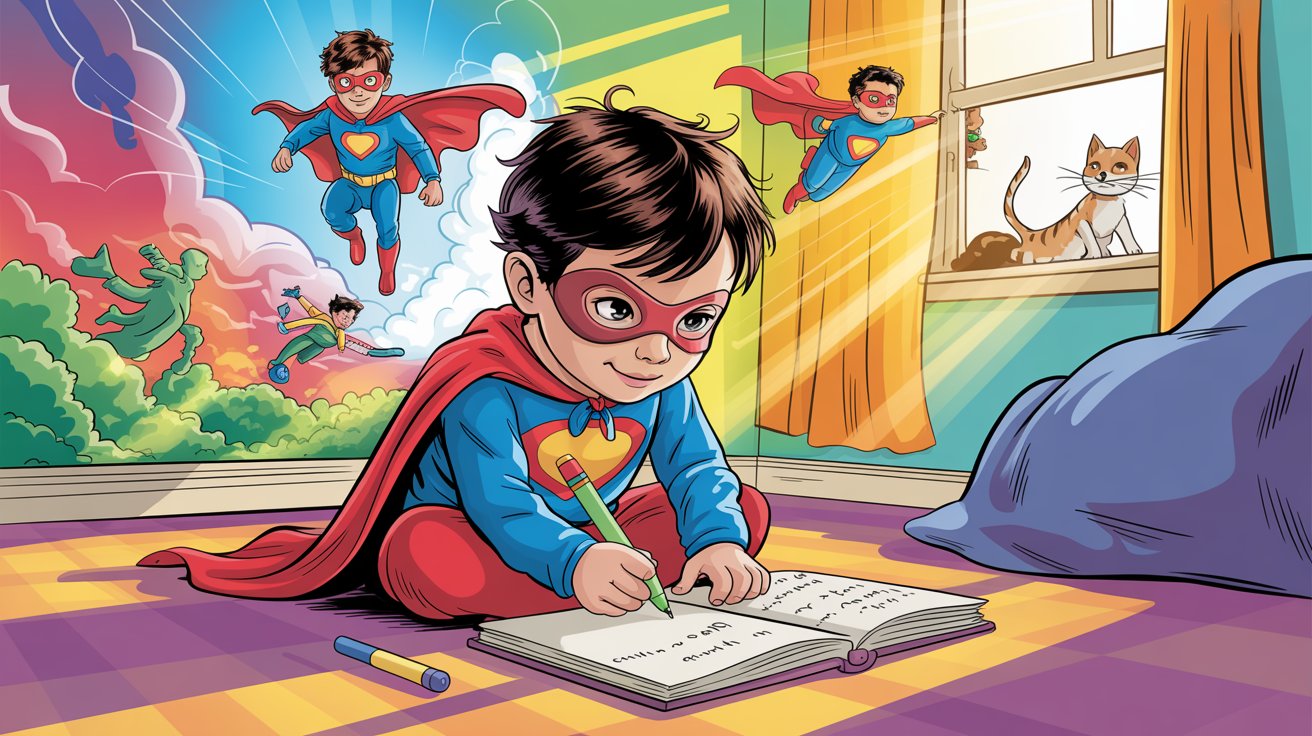
Kids write a diary entry as if they are a superhero after a big mission. It is a fun way to practice first-person writing and build a strong narrative voice.
17. Create a New Planet
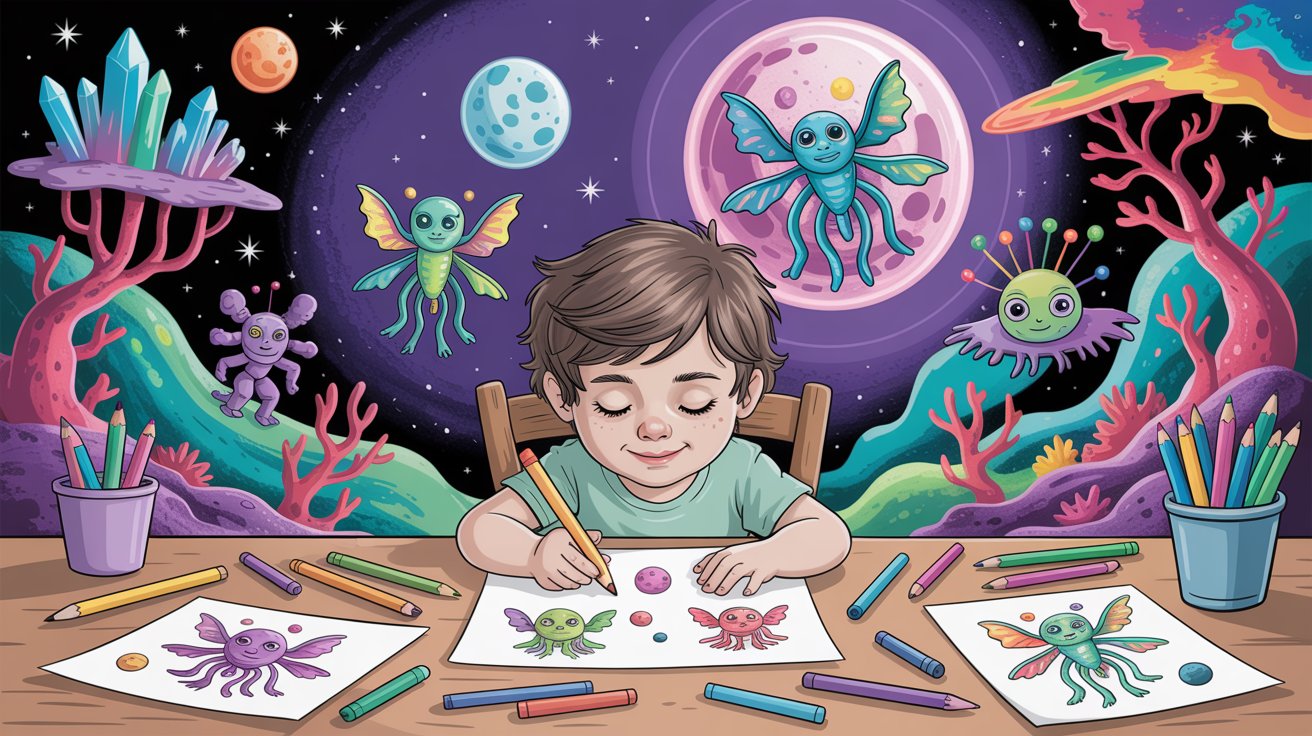
Ask kids to describe a completely made-up planet in detail, including its look, rules, and creatures. This activity encourages descriptive writing and big, creative thinking at the same time.
18. Newspaper Article Writing
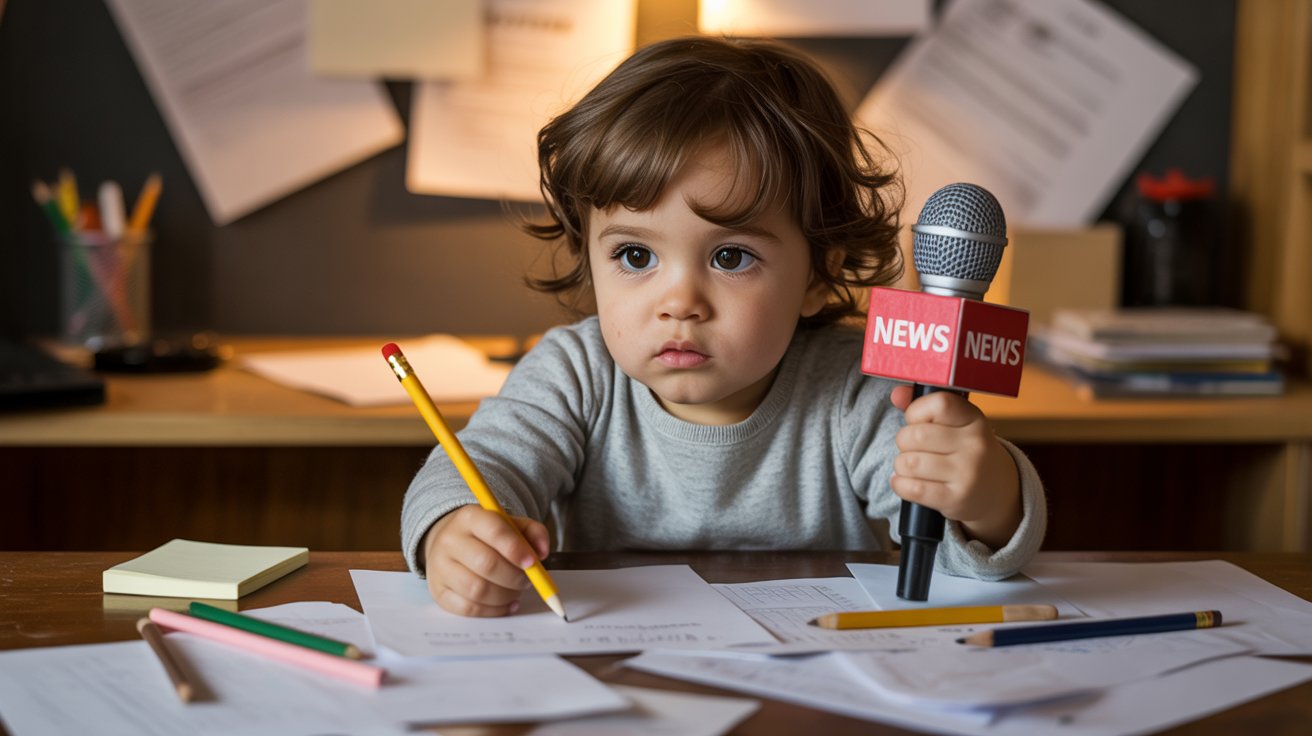
Kids pick a real or imaginary event and write about it like a news reporter. It teaches factual writing, structure, and how to present information in a clear and direct way.
19. Movie Script Writing
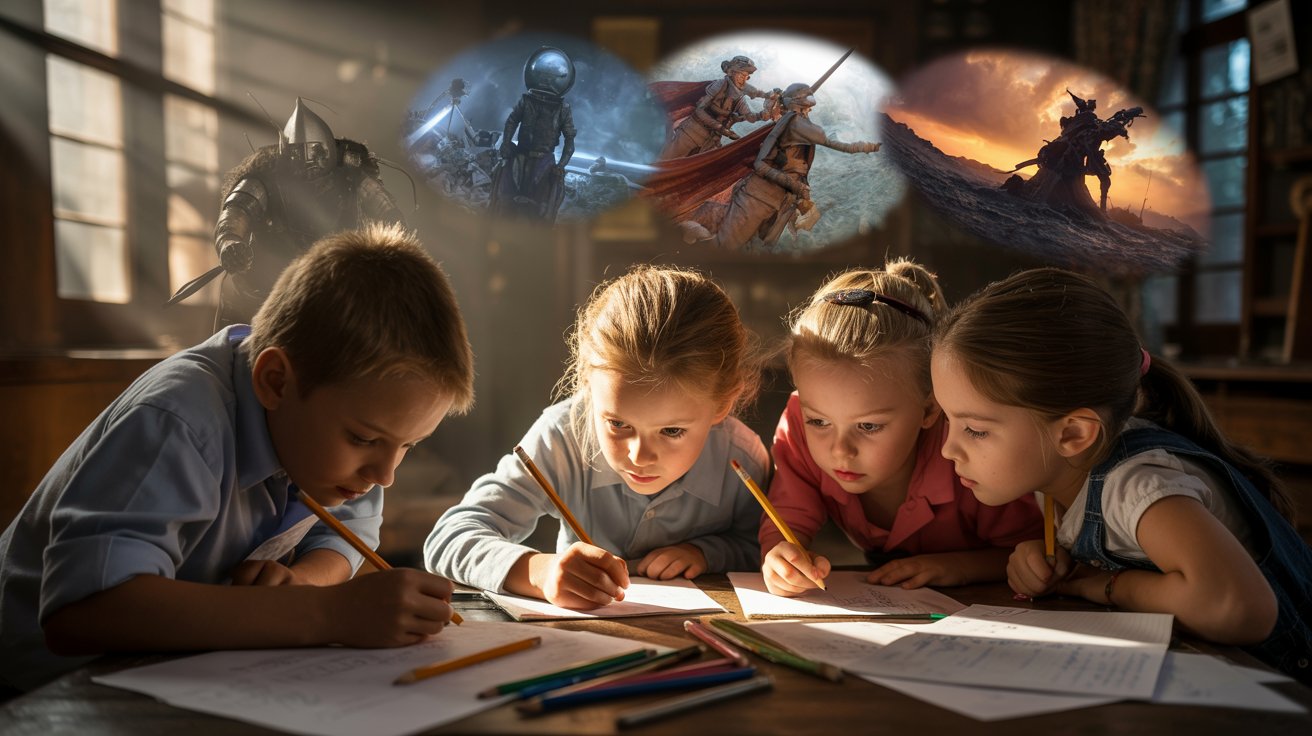
Kids write out a scene with character names, dialogue, and stage directions like a real script. This teaches a completely different writing format and makes storytelling feel exciting and cinematic.
20. Dialogue Writing
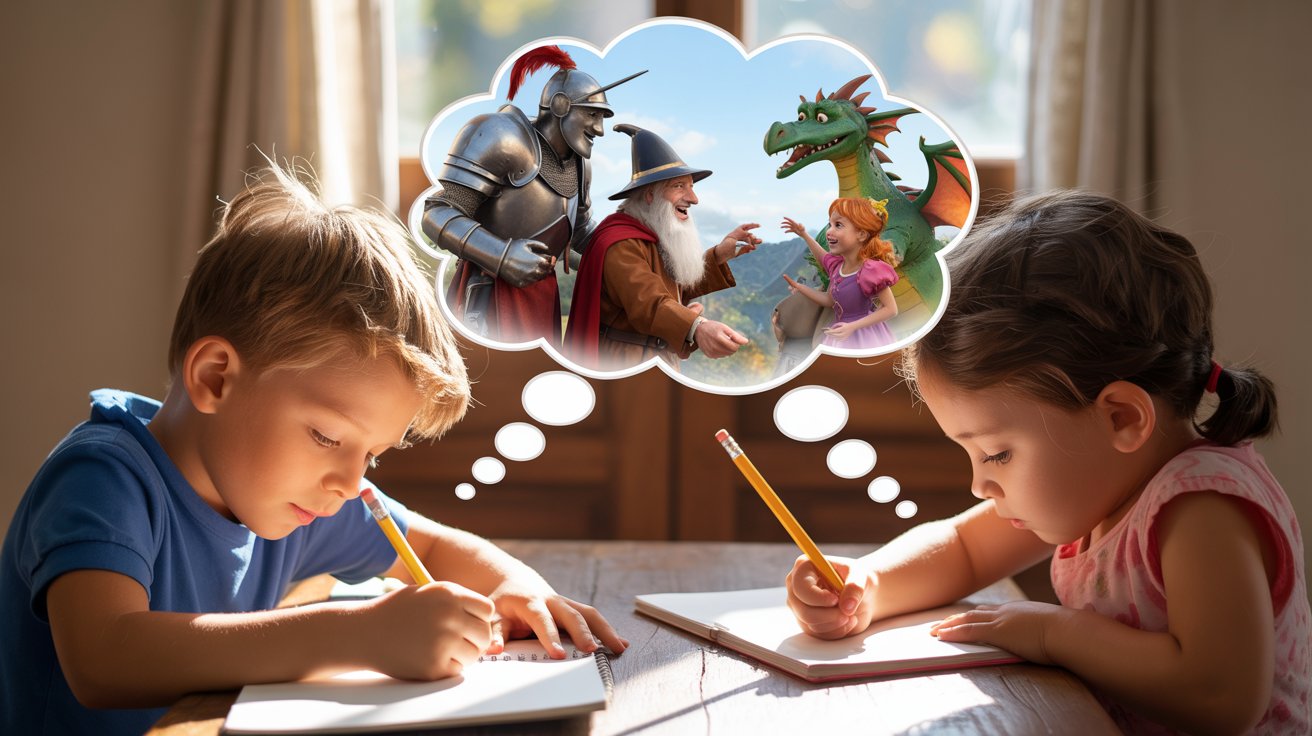
Ask kids to write a full conversation between two characters about any topic they choose. It is a great way to practice punctuation, voice, and how people naturally communicate with each other.
21. Describe Your Favorite Animal

Kids pick an animal they love and write about its looks, habits, and what makes it special. This builds descriptive writing skills and encourages kids to use specific, detailed language in their work.
22. My Day Story
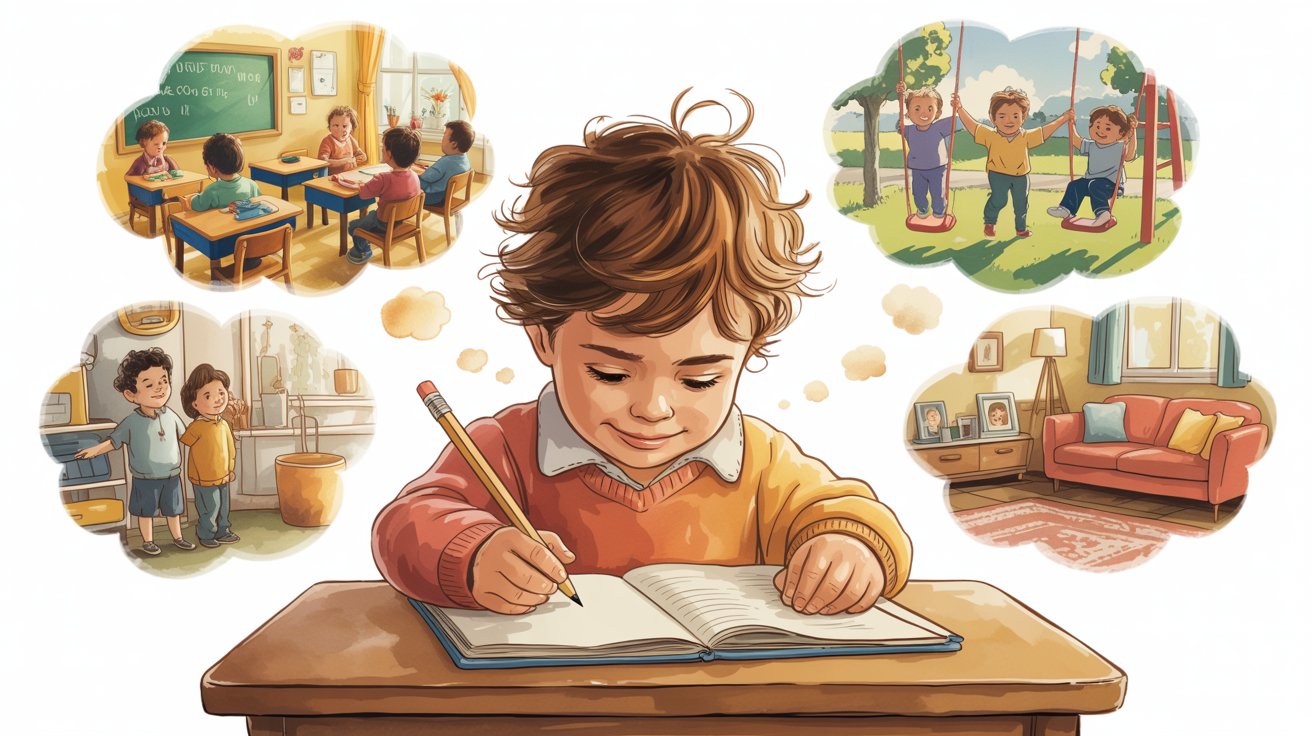
Kids write a short story based on what they did that day, from morning to night. Familiar topics make it easy to start writing and help build confidence with personal storytelling.
23. How-To Writing
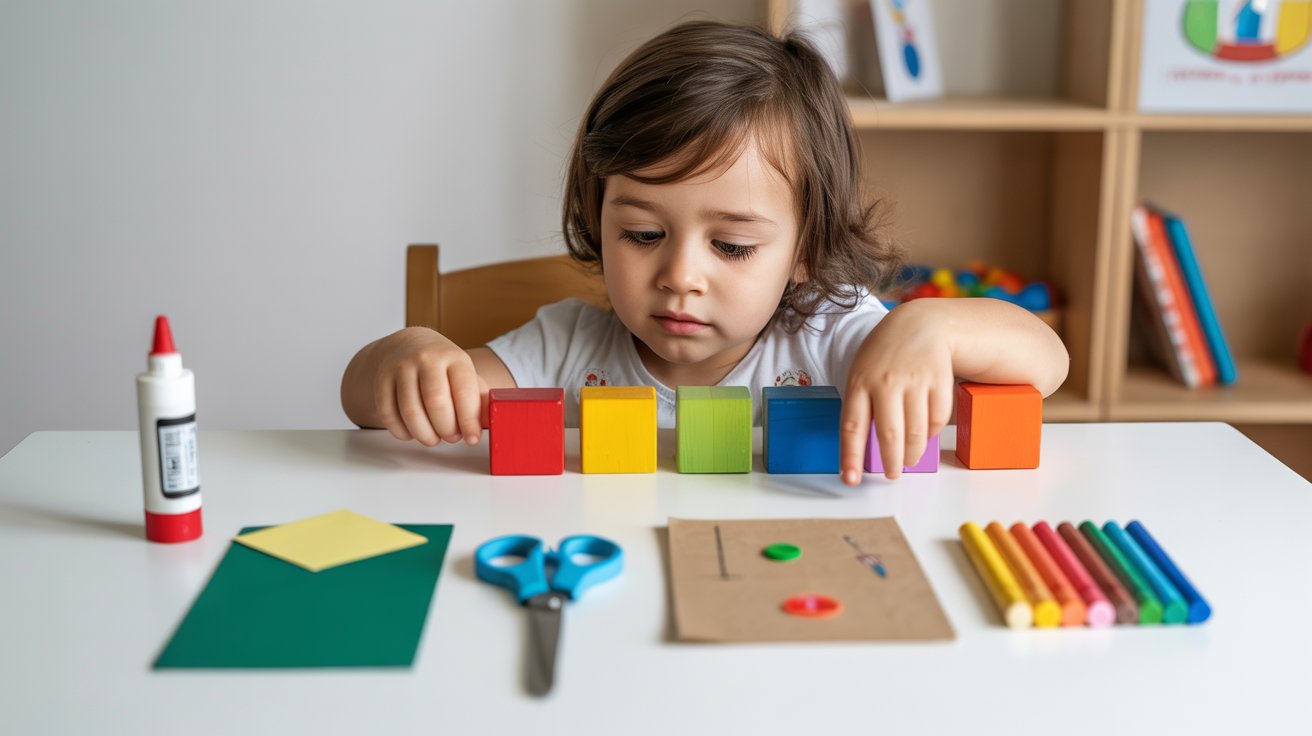
Kids pick something they know how to do and explain it step by step in writing. This teaches logical thinking, sequencing, and how to write clear instructions that are easy to follow.
24. Opinion Writing

Ask kids to share their thoughts on a favorite food, game, or topic and explain why. It builds persuasive writing skills and teaches them how to back up their point of view.
25. Holiday Card Writing

Kids write heartfelt messages for birthdays, holidays, or special occasions for people they care about. Short and purposeful, this activity teaches tone, audience awareness, and the power of kind, thoughtful words.
26. Vacation Story Writing

Kids describe a real trip they took or make up a completely imaginary one. It is a great way to practice descriptive writing and bring personal or made-up experiences to life on paper.
27. Birthday Story Writing

Kids write about their best birthday memory or describe their perfect dream birthday party in detail. This personal topic makes writing feel natural and gives kids plenty of vivid details to work with.
Tips to Encourage Kids to Write
- Keep writing sessions short and low-key. When there is no pressure to be perfect, kids feel more comfortable putting words on paper.
- Give them fun prompts to start with instead of leaving it open-ended. A simple "what if" question can get even the most reluctant writer going.
- Use photos, toys, or everyday objects as writing inspiration. Giving kids something to look at or hold makes it easier to find words and ideas.
- Read their work with genuine interest and tell them what you liked about it. A little encouragement goes a long way in building the habit of writing.
- Let them write about topics they actually care about, like their favorite game, pet, or cartoon. Kids write more when the subject feels personal and fun to them.
Conclusion
Writing activities do so much more than teach kids how to spell or form sentences. They help kids think, grow, and find their own voice over time.
I always say, mix the fun with the learning and you will see the best results. Try a few of these activities this week and see which ones your child connects with most.
The right activity can change how a kid feels about writing forever. Start today and watch the difference it makes.
Frequently Asked Questions
At what age is it best to start writing activities for kids?
Kids as young as 4 or 5 can start with simple activities like drawing and labeling. As they grow, you can move on to journaling, story writing, and more structured tasks.
How long should a writing session be for kids?
Keep it between 10 to 20 minutes for younger kids so it stays fun and does not feel like a chore. Older kids can go longer once they build the habit and confidence.
What if my child refuses to write?
Start with something they already love, like a favorite game or cartoon character, and build from there. Low-pressure prompts and short tasks work much better than forcing a full writing session.
Do writing activities help with school performance?
Yes, kids who write regularly tend to do better in reading, spelling, and overall communication at school. It builds skills that carry over into almost every subject they study.
Can writing activities be done at home without special materials?
Absolutely. All you need is paper and a pen to get started with most of these activities. A few ideas like story dice or word jars need minimal prep but are completely worth it.