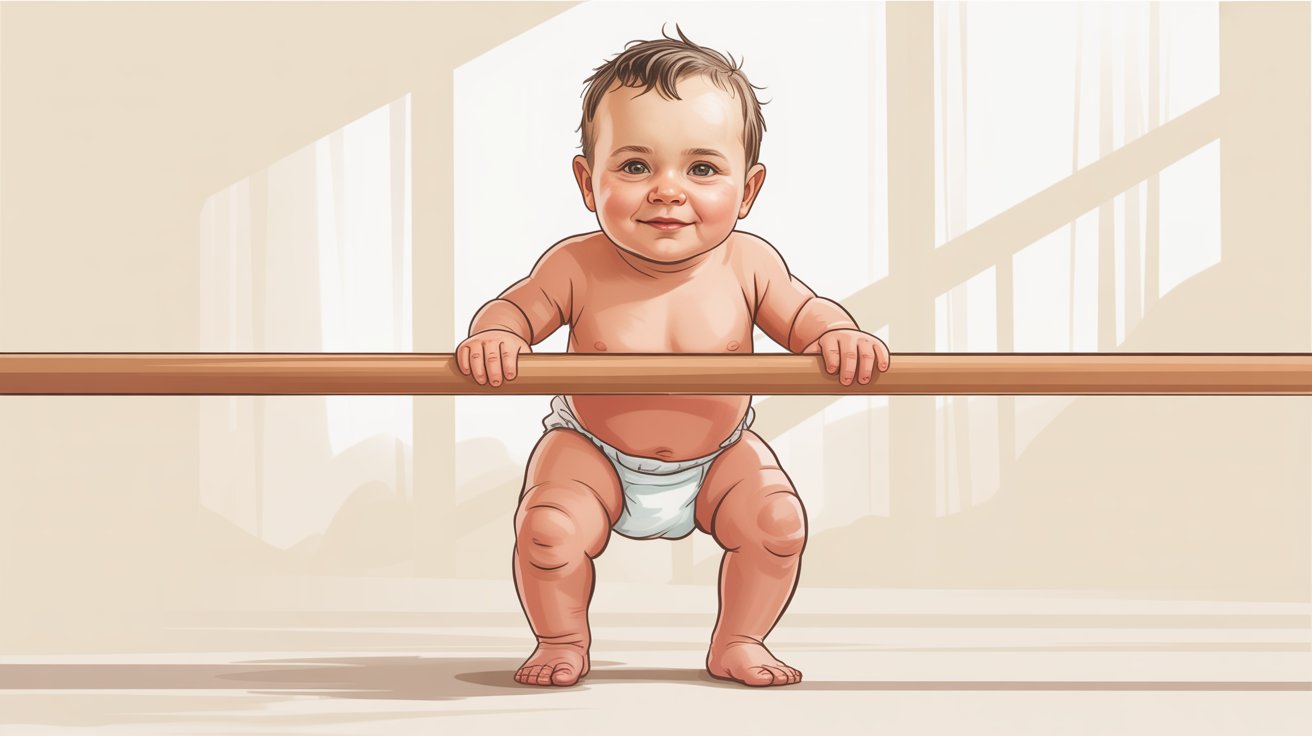
Most people assume babies are born without kneecaps. I believed that too, until I looked into it properly.
The truth is, babies do have kneecaps at birth. They just are not made of bone yet. They start as soft cartilage, which is why you cannot feel them the way you would on an adult knee.
Over time, that cartilage slowly turns into bone through a process called ossification. It takes years, not months.
So when exactly does that happen? Let me break it down for you.
Do Babies Have Kneecaps at Birth?
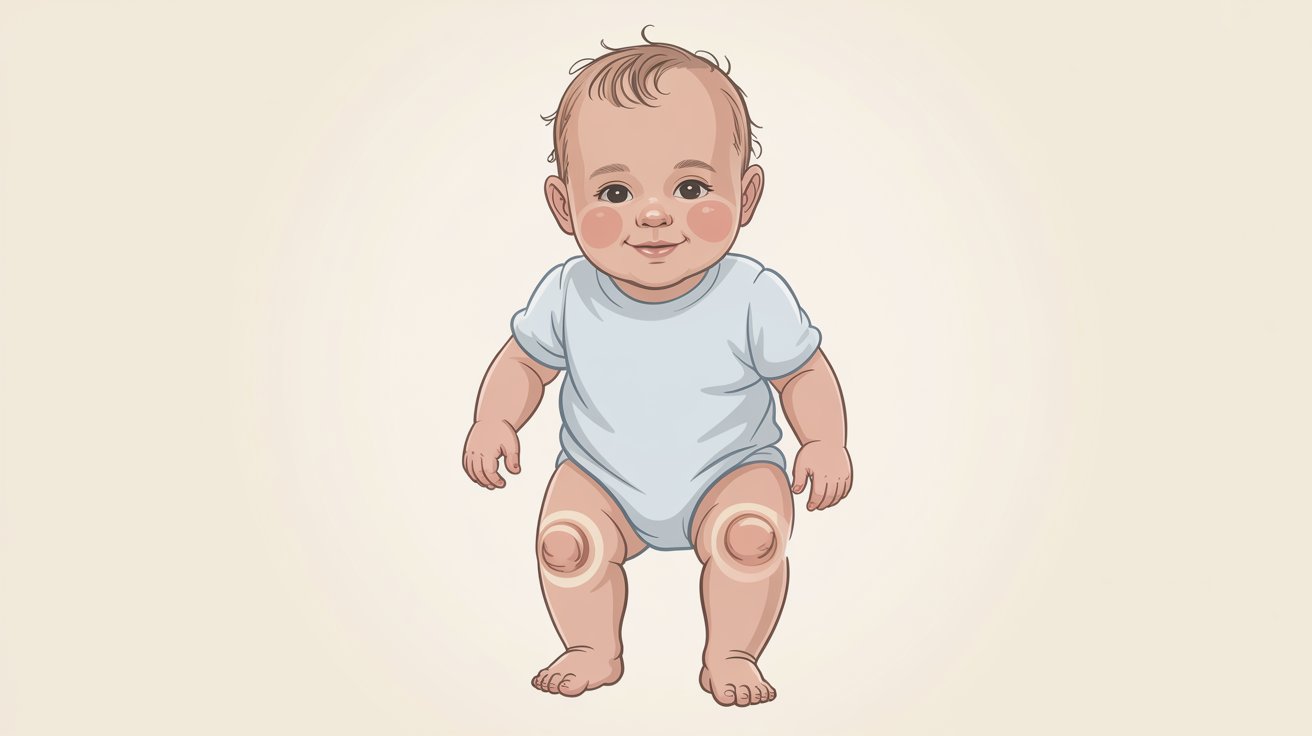
Babies are born with kneecaps, but they are made of cartilage, not bone. Cartilage does not show up on X-rays, which is why people think babies are missing them completely.
Cartilage is softer and more flexible than bone. It bends without breaking, which makes it perfect for a growing body.
That flexibility actually helps in more ways than one. It makes childbirth easier, cushions falls during crawling, and gives the body room to grow fast without any rigid bone getting in the way.
When Do Babies Get Kneecaps?
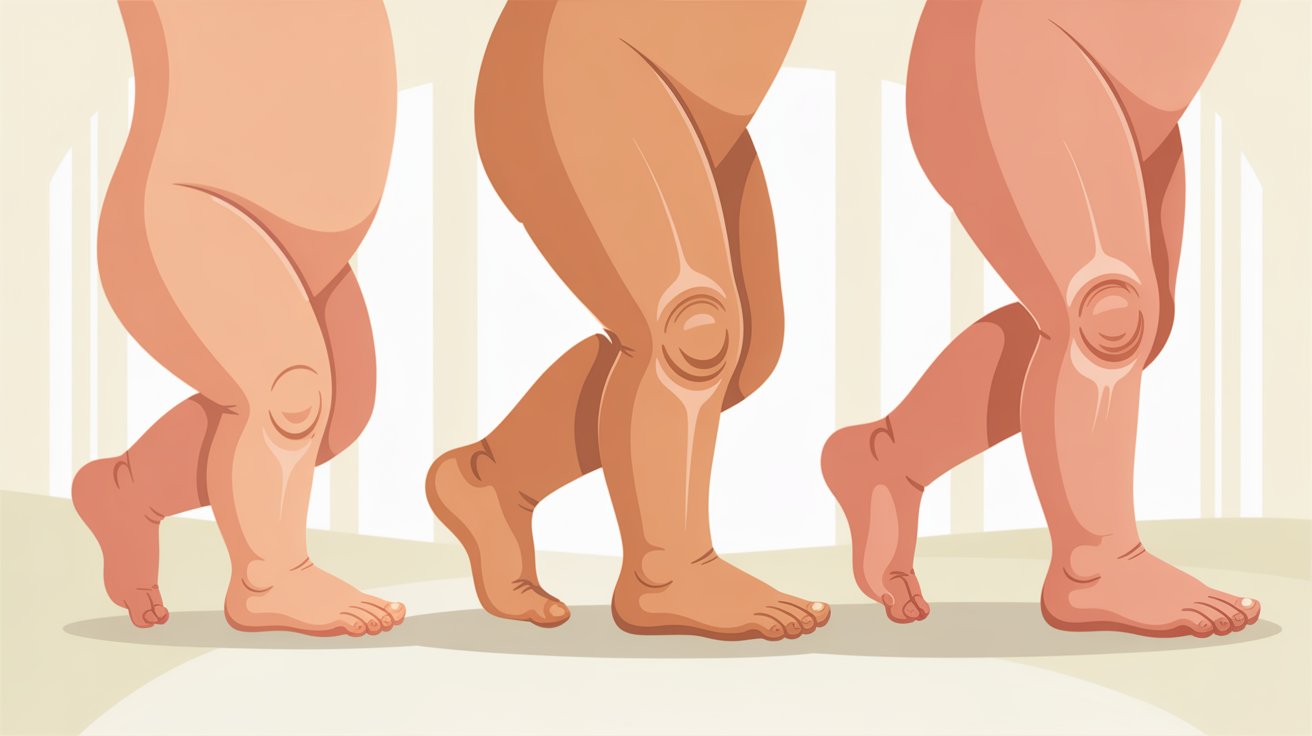
The kneecap does not form overnight. It goes through a slow, steady process that starts in early childhood and carries on for years.
The Ossification Process Explained
Ossification is the process where cartilage slowly turns into bone. It does not happen all at once.
Special cells start depositing calcium into the cartilage, and over time, it hardens into solid bone. Think of it like a soft clay model slowly drying and stiffening over time.
At What Age Do Kneecaps Start Hardening?
Bone centers in the kneecap start forming somewhere between ages 2 and 6.
Every child develops at their own pace, so there is no single exact age that applies to everyone. Some kids hit this stage earlier, others a little later, and both are completely normal.
When Are Kneecaps Fully Developed?
By ages 5 to 6, the kneecap starts feeling noticeably firmer to the touch. But the process does not stop there.
The bone keeps maturing through the childhood years and continues developing well into puberty. Full ossification usually wraps up sometime during the teenage years.
Stages of Baby Kneecap Development
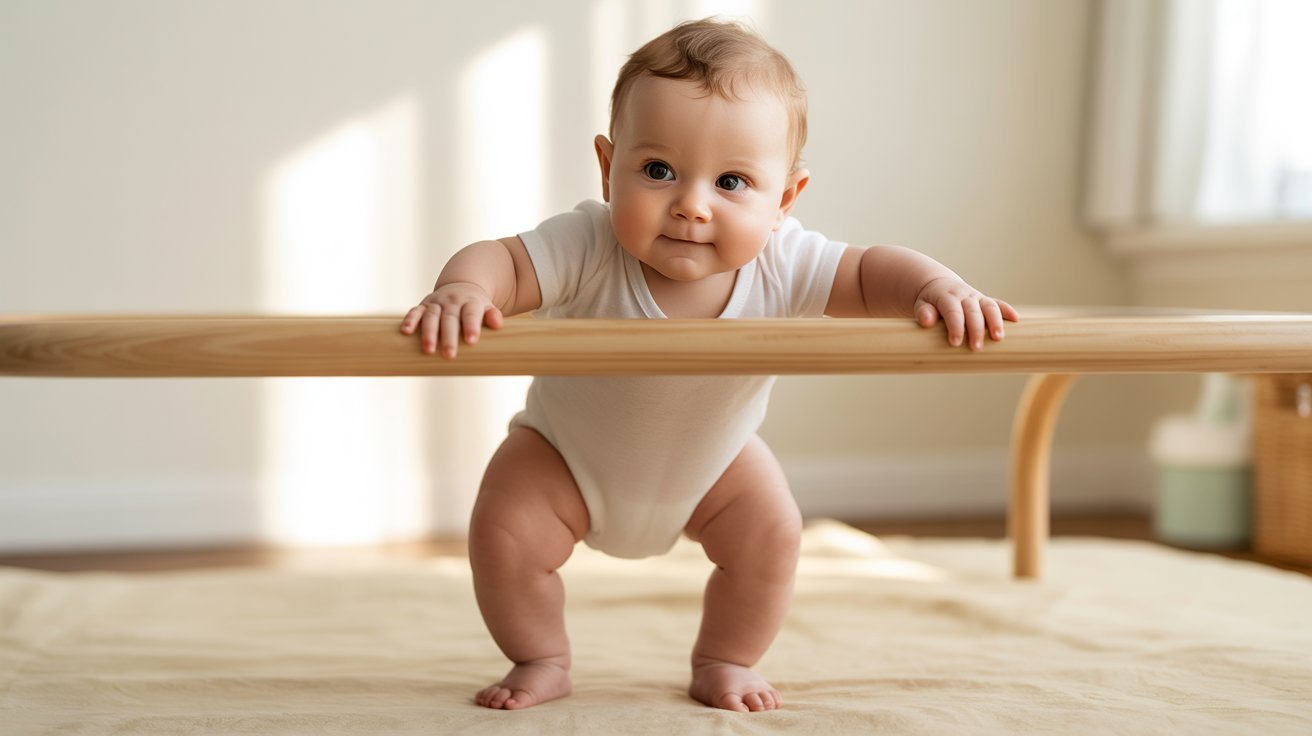
Kneecap development does not happen in one go. It moves through clear stages, starting from birth and finishing up during the teenage years.
Stage 1: Cartilage Kneecaps at Birth
At birth, the kneecap is fully made of soft cartilage. It is flexible and bendable, which is exactly what a newborn needs.
This soft structure supports all that kicking, stretching, and early movement without any risk of fracture.
Stage 2: Early Bone Formation (2–3 Years)
Around ages 2 to 3, small bone centers start showing up inside the cartilage. This is where ossification truly kicks off.
The cartilage begins its slow shift toward becoming solid bone, though it still has a long way to go at this point.
Stage 3: Kneecap Growth and Fusion
As the child grows, those small bone pieces slowly start fusing together. The kneecap takes on a more defined shape during this stage.
The knee also becomes more stable, which supports all the running, jumping, and climbing kids love to do.
Stage 4: Fully Formed Kneecaps
By adolescence, the kneecap reaches its mature structure. The bone is solid, well-formed, and strong enough to handle serious physical activity.
This is when the knee finally has the full support it needs for sports, growth spurts, and everything in between.
Why Baby Kneecaps Develop Slowly
Slow development is not a flaw. It is the body being smart about it.
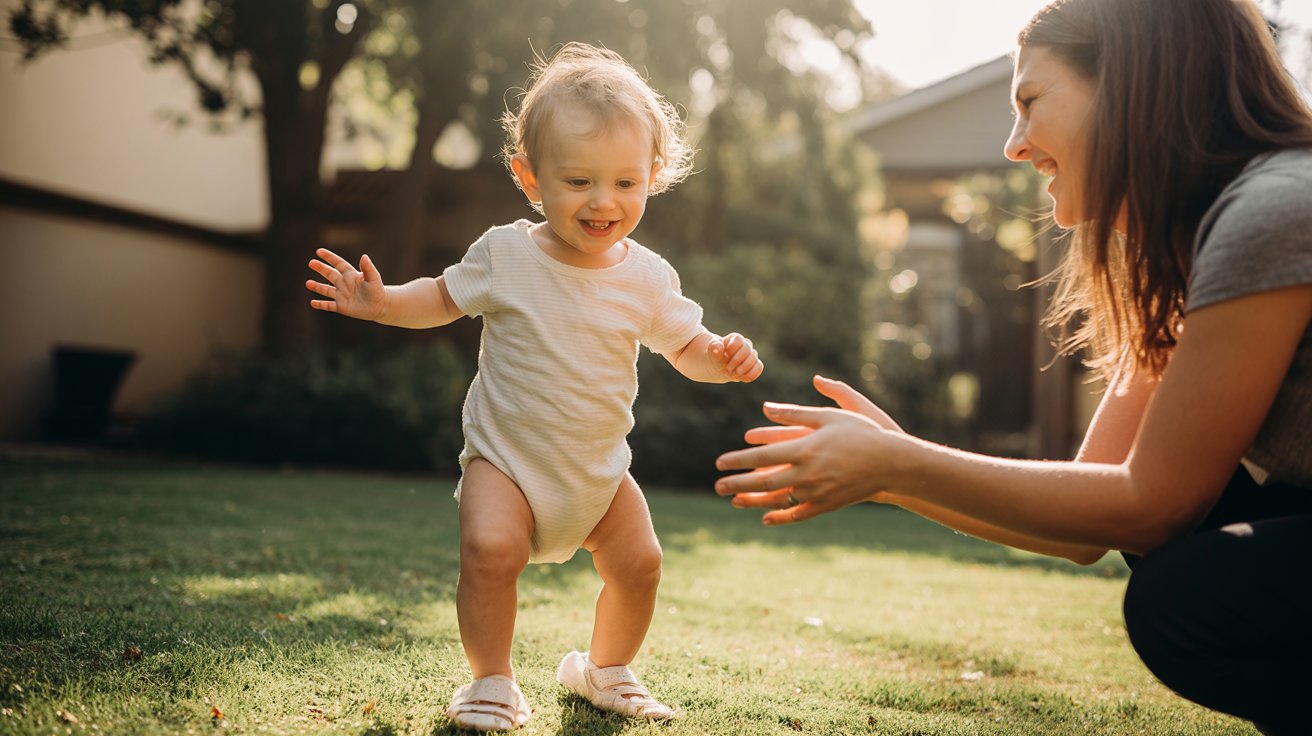
Soft cartilage gives babies the flexibility they need to crawl, pull themselves up, and take those first wobbly steps without stressing the joints.
It also acts as a natural shock absorber. When babies fall, and they fall a lot, the cartilage cushions the impact and lowers the risk of injury to the growing joint.
Signs of Healthy Kneecap Development

Healthy kneecap development mostly goes unnoticed, and that is a good thing. Here is what normal looks like and what to keep an eye on.
Normal Knee Development Milestones
Both knees should move evenly and symmetrically. As your child moves from crawling to standing to walking, the knees should support each stage without any obvious discomfort. Pain-free movement is the clearest sign that development is on track.
What Parents Should Watch For
Sometimes the knees need a closer look. Watch out for swelling around the knee area, any visible redness, or your child starting to limp without a clear reason.
Limited movement, like your child avoiding bending one knee or refusing to put weight on a leg, is also worth flagging to a doctor early.
When Should You Contact a Pediatrician?
Most knee development happens without any issues, but some signs are worth taking seriously.
If your child has persistent knee pain, struggles to walk, or shows stiffness and ongoing swelling, do not wait it out. These are signs that something may need medical attention.
Regular pediatric checkups also matter more than people think. They help track bone and joint development over time and catch any problems early, before they turn into bigger concerns.
Conclusion
Babies are not missing their kneecaps. They just start out as cartilage and slowly turn into bone over several years.
Ossification begins somewhere between ages 2 and 6, and full development carries on through the teenage years. Most of the time, it all happens naturally without any problems.
As a parent, knowing this takes a lot of unnecessary worry off the table. If something does look off, talk to your pediatrician.
Got questions about your child’s development? Drop them in the comments below.
Frequently Asked Questions
Are babies really born without kneecaps?
Not exactly. Babies are born with kneecaps made of soft cartilage. They are there from birth, just not in bone form yet.
At what age do kneecaps turn into bone?
The process usually starts between ages 2 and 6. It continues gradually and wraps up fully sometime during the teenage years.
Can you feel a baby’s kneecap?
Not always in early infancy. Since it is soft cartilage, it does not feel firm the way an adult kneecap does.
Do cartilage kneecaps cause any problems for babies?
No, they actually help. Soft cartilage protects the joint during falls and gives the body the flexibility it needs for crawling and walking.
When should I worry about my baby’s knee development?
If you notice swelling, limping, stiffness, or your child avoiding putting weight on a leg, it is worth checking in with your pediatrician.