
Watching your newborn closely is one of the hardest parts of early parenthood.
Every little cough, strange cry, or odd expression makes you ask: is my baby okay?
Many parents feel overwhelmed trying to tell the difference between normal newborn behavior and signs of illness.
In this blog, I’ll walk you through the signs my newborn is sick so you can act early and with confidence.
You’ll learn which physical and behavioral changes to watch for, what counts as a real red flag, and when to call the doctor.
I also cover what’s normal versus what isn’t, and how to check your baby’s health at home.
I’ve put this together using trusted guidance from the American Academy of Pediatrics and real parenting experience.
Why It’s Hard to Tell If a Newborn Is Sick

Newborns can’t talk. They can’t point to what hurts. They cry for many reasons, and it’s not always clear if something is truly wrong.
They also sleep a lot, eat in small amounts, and move in ways that can look alarming but are completely normal. Noisy breathing, twitching during sleep, and irregular pauses between breaths are all part of how newborns function.
Many parents second-guess themselves. They don’t want to overreact. Newborn symptoms can change quickly, which is why monitoring and early medical advice are important.
Knowing what to look for helps you stay calm and respond at the right time.
Early Changes That Could Mean Your Newborn Is Unwell

Some warning signs are easy to miss, especially when you’re exhausted and learning as you go.
Here are the early ones to watch closely:
- Feeding less than usual or repeatedly refusing to eat
- Crying more than normal with no clear cause
- Sleeping far more or far less than usual
- A weak or unusual-sounding cry
- Noticeably fewer wet diapers than normal
These changes don’t always mean something serious. But they often show that your baby’s body is under some kind of stress.
If your newborn repeatedly refuses feeds, seems unusually sleepy, or has noticeably fewer wet diapers than normal, seek medical advice from your pediatrician.
Physical Symptoms That Signal Illness in Newborns

Physical symptoms are usually the clearest.
Here’s what to look for:
Fever is one of the biggest red flags. A temperature of 100.4°F (38°C) or higher in a baby under three months needs immediate medical attention. Do not wait to see if it goes down on its own.
Other concerning changes to watch for:
- Skin that looks pale, yellow, or has a bluish tint around the lips
- Rapid or labored breathing
- A sunken or bulging soft spot on the head
- A rash that spreads quickly
Jaundice, which turns the skin yellow, is common in newborns. Mild cases often resolve on their own. But if the yellowing spreads to the belly or limbs, or your baby seems very sleepy and won’t feed, have your baby assessed right away.
Behavioral Changes That Could Mean Your Newborn Is Sick

Babies show distress through behavior, not words. Small shifts in how your baby acts are worth noting.
A baby who is very difficult to wake up is a concern. So is one who cannot be comforted despite feeding, changing, and holding.
Watch for these concerning behaviors:
- Reduced responsiveness to sound, touch, or normal interaction
- Arching the back repeatedly and inconsolably
- Unusual limpness or floppiness in the body
- Repetitive twitching that isn’t linked to being cold
Healthy babies are alert between sleep cycles. They notice sounds, light, and touch. When that responsiveness fades, schedule a medical evaluation.
Newborn Warning Signs That Need Emergency Attention
Some symptoms require immediate medical attention.
Go to the hospital or call 911 if you notice:
- Blue or purple lips or fingernails
- Breathing that stops, becomes labored, or causes blue skin or lips
- A seizure or uncontrolled shaking
- No response to touch or sound
- A bulging soft spot on the head
These symptoms should be treated as medical emergencies. Doctors are never bothered by a concerned parent.
Common Newborn Illnesses and Their Warning Signs
Recognizing sick newborn symptoms early helps parents respond faster and seek care when needed. Here are the most common illnesses to be aware of.
RSV (Respiratory Syncytial Virus) causes cold-like symptoms. Look for fast breathing, wheezing, or low energy that gets worse over 24 to 48 hours.
Jaundice shows as yellow skin or eyes. It’s usually mild and monitored closely after birth, but persistent or spreading jaundice needs treatment.
Sepsis is a serious blood infection. Concerns include very high or very low temperature, poor feeding, and pale or mottled skin. Some newborn illnesses can worsen quickly, so persistent or unusual symptoms should always be assessed by a doctor.
Meningitis can cause a bulging soft spot, high-pitched crying, unusual sleepiness, poor feeding, or stiffness in the body.
Thrush is a fungal mouth infection. Look for white patches on the tongue or inner cheeks that don’t wipe off easily.
When to Worry About a Newborn: Signs of Illness to Act On
You don’t have to wait for things to get worse.
Seek medical advice if:
- Your baby has a fever of 100.4°F or higher and is under 3 months old
- Feeding drops off significantly and stays that way
- There are noticeably fewer wet diapers than usual over a full day
- You see black stool after the first few days, white stool, or red or bloody stool
- The cry sounds unusually weak or high-pitched for an extended period
The AAP and CDC both recommend reaching out early when newborn symptoms concern you, rather than adopting a wait-and-see approach.
Resources likeAAP HealthyChildren.org andCDC Infant Health Guidance offer reliable checklists you can bookmark.
How to Check Your Newborn’s Health at Home
You can do basic checks at home without special tools.
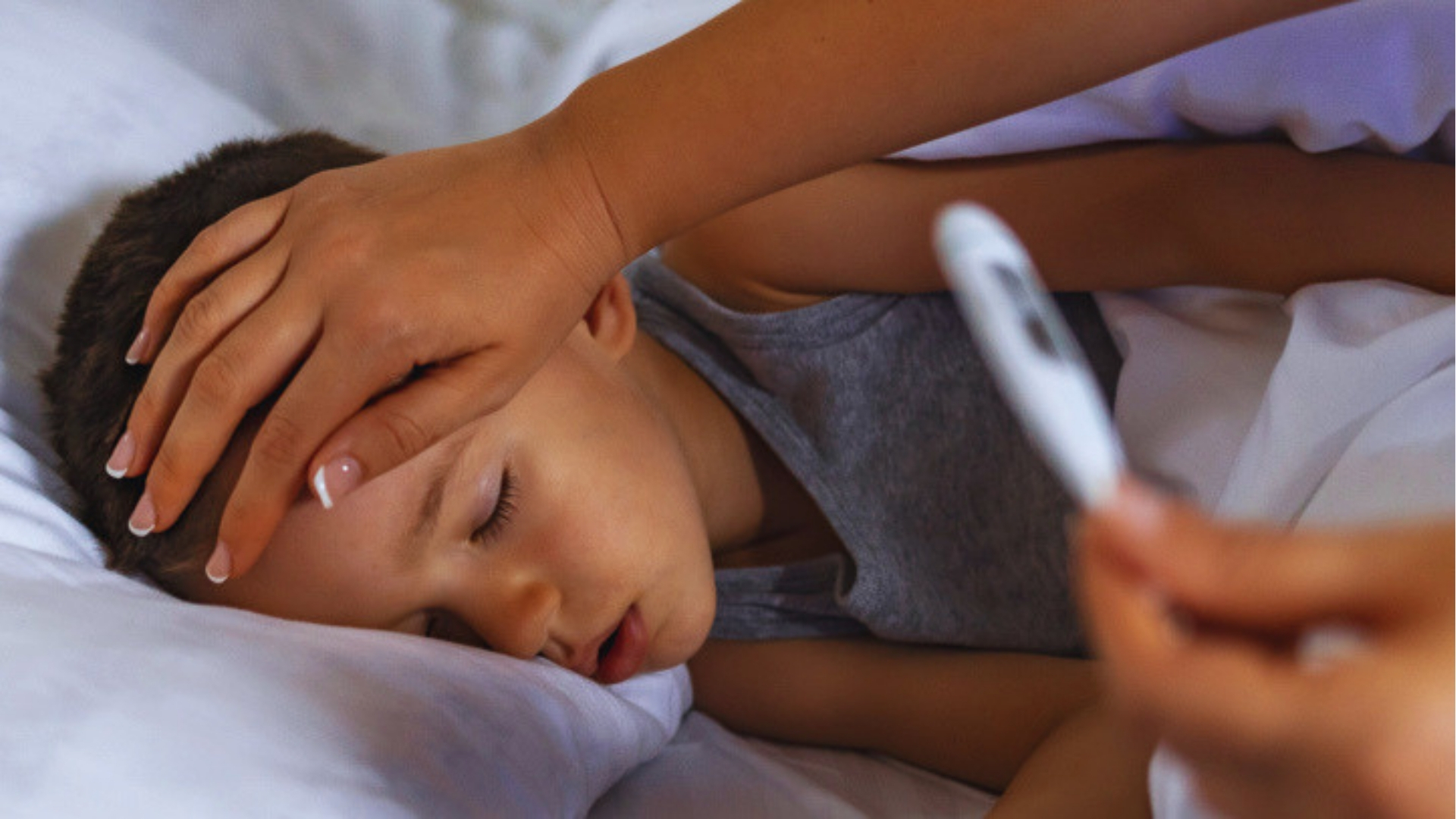
Take the temperature. A rectal thermometer gives the most accurate reading in newborns. Anything at or above 100.4°F needs a doctor’s attention.
Count wet diapers. Six or more in 24 hours after the first few days usually means your baby is getting enough fluids.
Watch the breathing. Normal newborn breathing is 30 to 60 breaths per minute. If the chest is visibly pulling in hard, or the nostrils are flaring, seek medical advice.
Check skin response. Press lightly on the skin and release. It should return to pink quickly. If it stays pale or takes longer than expected, have your baby assessed by a provider.
What’s Normal vs What’s Not in Newborn Behavior
Not every odd sound or movement means something is wrong. Here’s a quick guide to help you tell the difference.
Newborns often sneeze, hiccup, make noisy breathing sounds, and sleep for long stretches. These behaviors alone do not usually signal illness.
Normal:
- Hiccups after feeding
- Frequent sneezing to clear nasal passages
- Irregular sleep cycles
- Grunting while passing stool
- Periodic pauses between breaths during sleep
Not normal:
- High-pitched, constant crying lasting more than two hours
- Not waking up for feeds well beyond their usual pattern
- Black stool after the first few days, white stool, or red or bloody stool
- Yellowing of skin past the face or neck
When you’re unsure, your pediatrician is always the right call. There is no such thing as an unnecessary question when it comes to a newborn.
Tips to Keep Your Newborn Healthy
Small daily habits make a real difference:
- Wash hands before touching the baby, especially after being outside or around others
- Limit visitors in the first few weeks, particularly anyone who is unwell
- Keep feeding consistent, whether breastfeeding or using formula
- Stay current with all scheduled vaccines recommended by your pediatrician
- Keep the sleeping area clean with no loose items nearby
Keeping a simple daily log also helps. Write down feeding times, diaper counts, and any changes you notice.
This gives your provider a clear picture fast and takes some of the guesswork out of conversations during visits.
Conclusion
Spotting early signs of illness in newborns is one of the most important skills you can build in those first weeks.
I’ve covered the physical symptoms, behavioral changes, and red flags every parent should know, in clear and simple terms.
Your baby cannot tell you what’s wrong. That job falls to you.
The changes are often small at first: a missed feeding, a weak cry, a pale face. These things are worth noting and worth acting on when they persist.
You don’t need to be a doctor to protect your newborn. You just need to stay observant and reach out when something seems off.
Early attention and timely medical care can make a major difference in a newborn’s recovery and well-being.
Frequently Asked Questions
How do I know if my newborn is sick or just gassy?
Gassy babies often pull their legs up and settle after passing gas. A sick baby usually shows other symptoms alongside fussiness, like fever, poor feeding, or noticeable tiredness that doesn’t go away.
Can a newborn get sick from being cold?
Cold air alone does not cause illness, but viruses and bacteria do. Keeping your newborn away from people who are unwell matters far more than managing room temperature alone.
What temperature is too high for a newborn?
Any reading at or above 100.4°F (38°C) in a baby under three months old is a medical concern. Seek medical advice right away rather than waiting to see if it passes on its own.
How many wet diapers should a newborn have per day?
A healthy newborn should have at least six wet diapers in 24 hours after the first few days of life. Fewer than that may point to a feeding or hydration concern worth a medical evaluation.
Is it normal for a newborn to breathe fast?
Newborns normally breathe 30 to 60 times per minute, which is faster than adults. Short pauses during sleep can also be normal. However, if breathing becomes labored or is paired with color changes, have your baby assessed without delay.