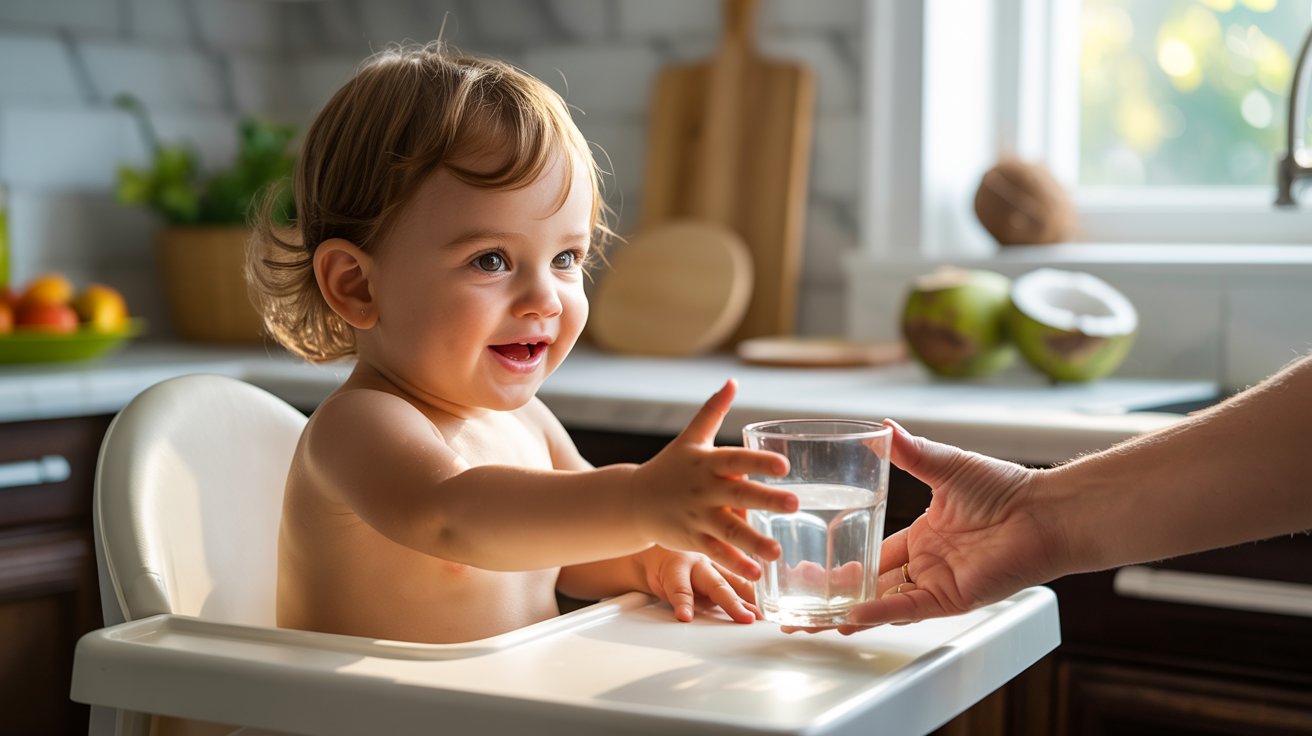
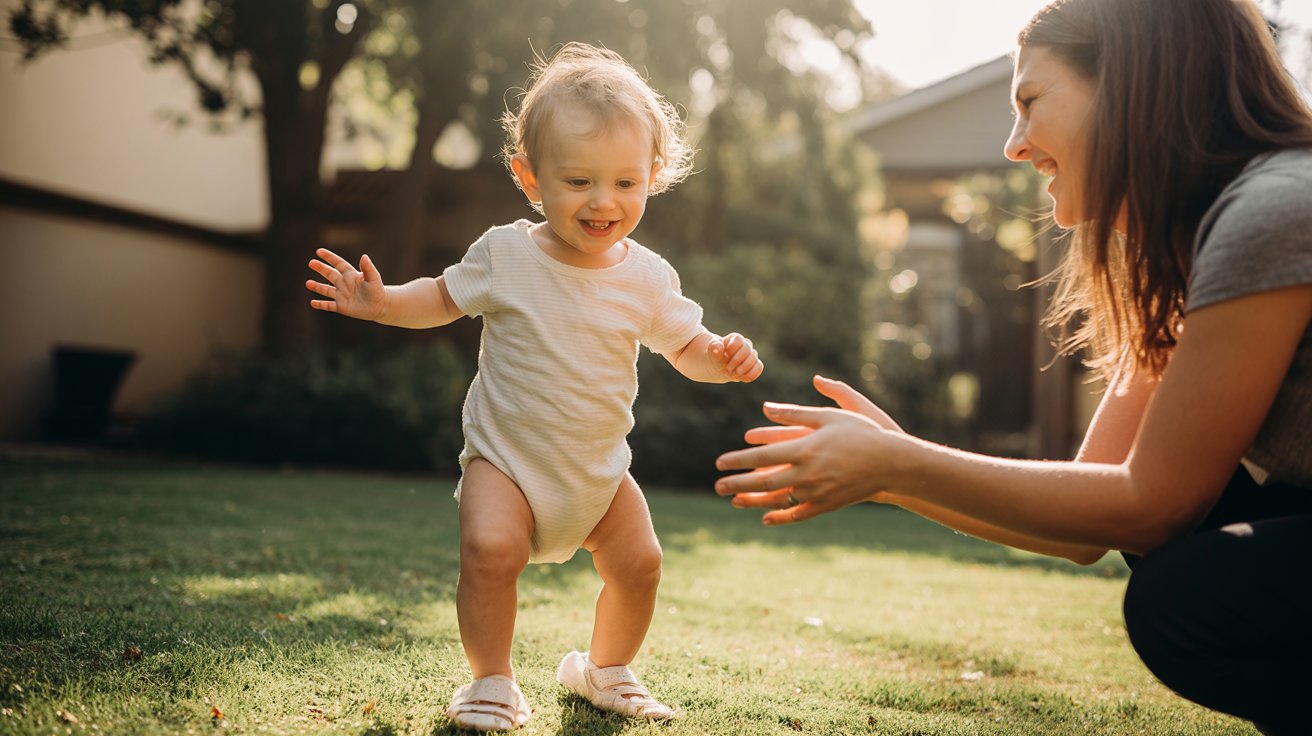
If you've been wondering when do babies start wearing shoes, here's the short answer:most babies are ready between 9 and 18 months, once they're walking outdoors confidently.
In this blog, I'll cover the right age, signs to look for, how to pick the right pair, how to measure little feet, and mistakes most parents make.
I've pulled guidance from trusted sources like the American Academy of Pediatrics so you can make informed choices fast.
Let’s get started.
When Do Babies Start Wearing Shoes?
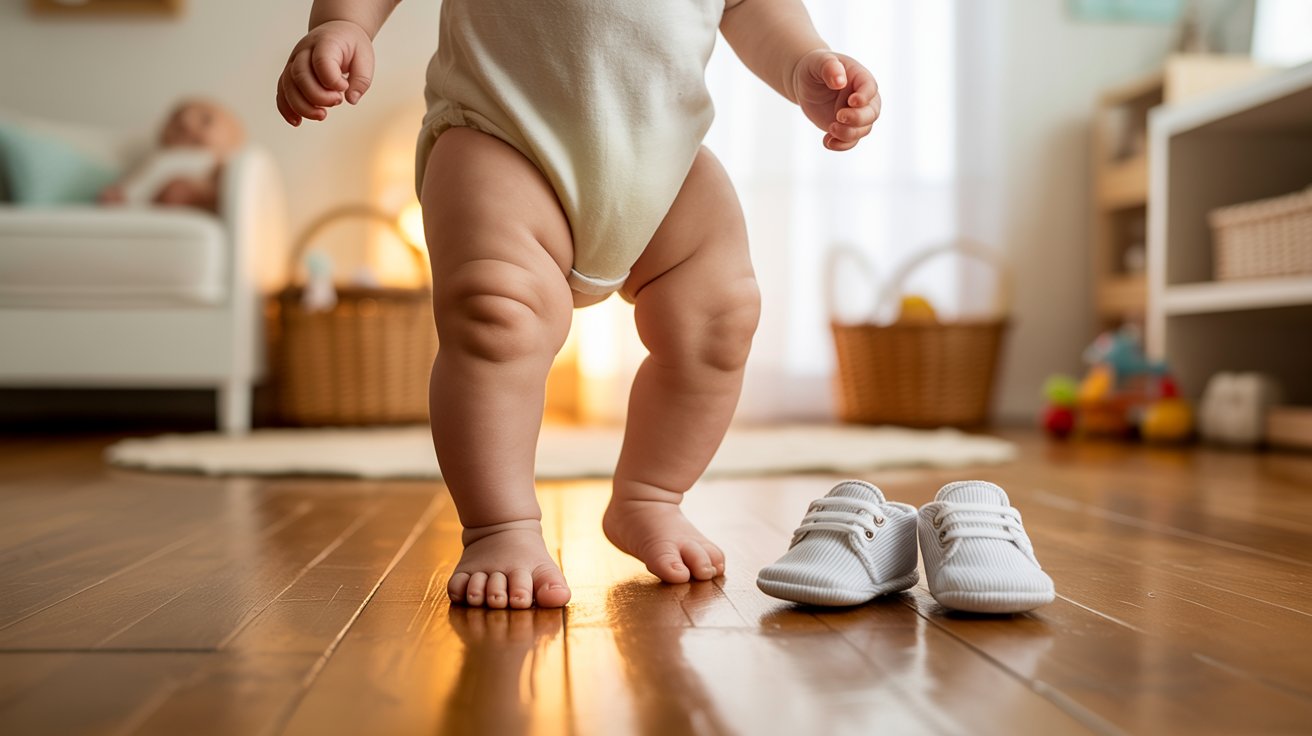
Most babies start needing shoes between 9 and 18 months, once they're walking confidently outdoors. The range is wide because every baby develops at their own pace.
Before walking, shoes are usually worn for warmth or style rather than development. They don't help the feet grow stronger and can sometimes limit natural movement.
Once your baby is taking steady steps outside, that's the right time to think about footwear.
Why Barefoot Walking Is Important for Babies
Bare feet are really good for babies. Walking without shoes lets their feet feel the ground, which builds balance and coordination naturally.
It also strengthens the small muscles in the feet and ankles. Barefoot walking may also help support natural arch development over time.
Guidance from the American Academy of Pediatrics and the American Podiatric Medical Association supports plenty of barefoot time on safe surfaces for healthy foot development. Shoes should work alongside that, not against it.
Signs Your Baby Is Ready for Their First Shoes
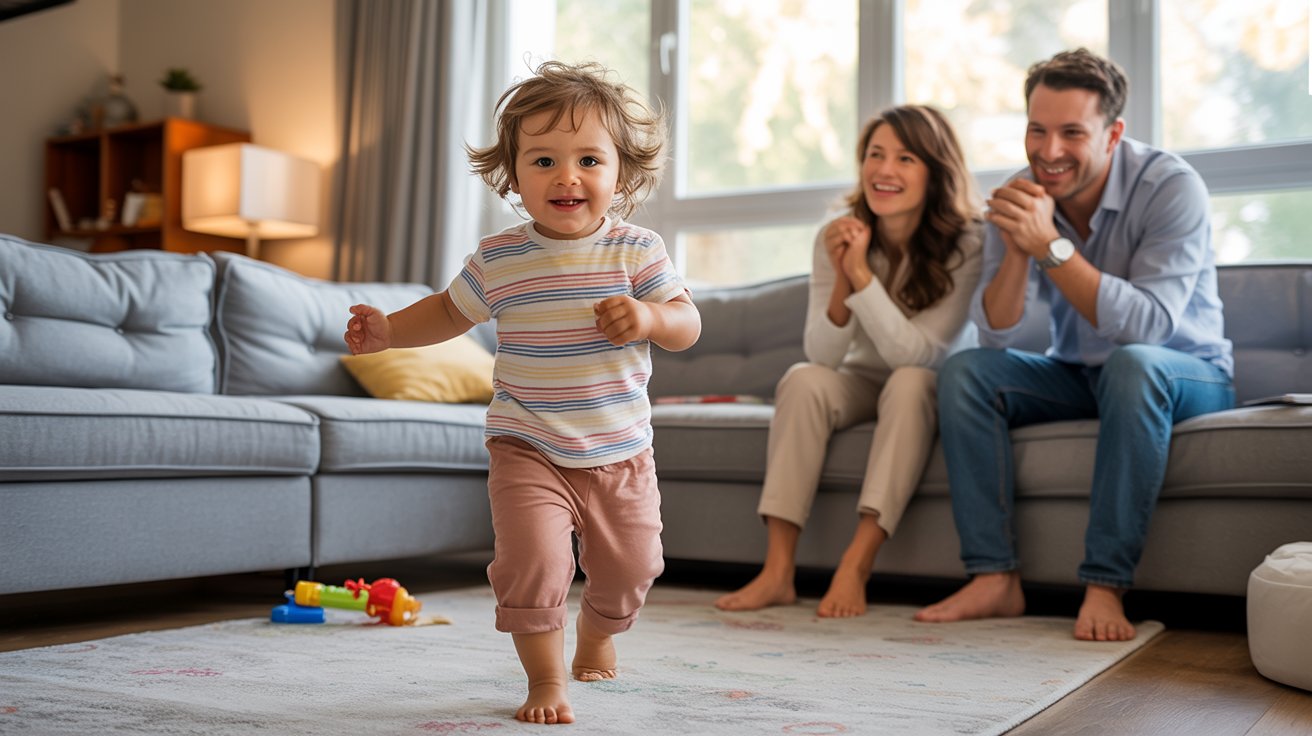
Here's what to look for:
- Your baby walks on their own without holding on.
- They're heading outside where surfaces can hurt bare feet.
- They can balance for a few seconds without support.
- They're walking more than crawling through the day.
Don't rush it because another baby is already wearing shoes. Every baby gets there at their own time. Watching for these signs is far more reliable than going by age alone.
When Do Babies Start Wearing Shoes Outside?
This is where shoes actually matter. Once your baby is walking on outdoor surfaces like pavement, grass, or gravel, shoes become useful.
Before that, like when they're pulling up on furniture or cruising the living room, bare feet work better. Let those feet build strength first.
Most babies hit this outdoor walking stage somewhere between 9 and 18 months. Watch your baby's confidence, not just the calendar.
Best First Shoes for Babies Learning to Walk
The right shoe for an early walker is simple.
Look for these qualities:
- Flexible sole. It should bend easily when you press it.
- Lightweight build. Heavy shoes make walking harder for little legs.
- Wide toe box. Toes need space to spread naturally.
- Non-slip soles. This helps with balance on smooth surfaces.
- Breathable material. Mesh or soft leather keeps feet comfortable.
Skip anything stiff or thick-soled. The shoe should feel like a light cover, not a heavy boot. Your baby's feet still need to sense the ground while being protected.
Baby Shoes vs Booties vs Socks
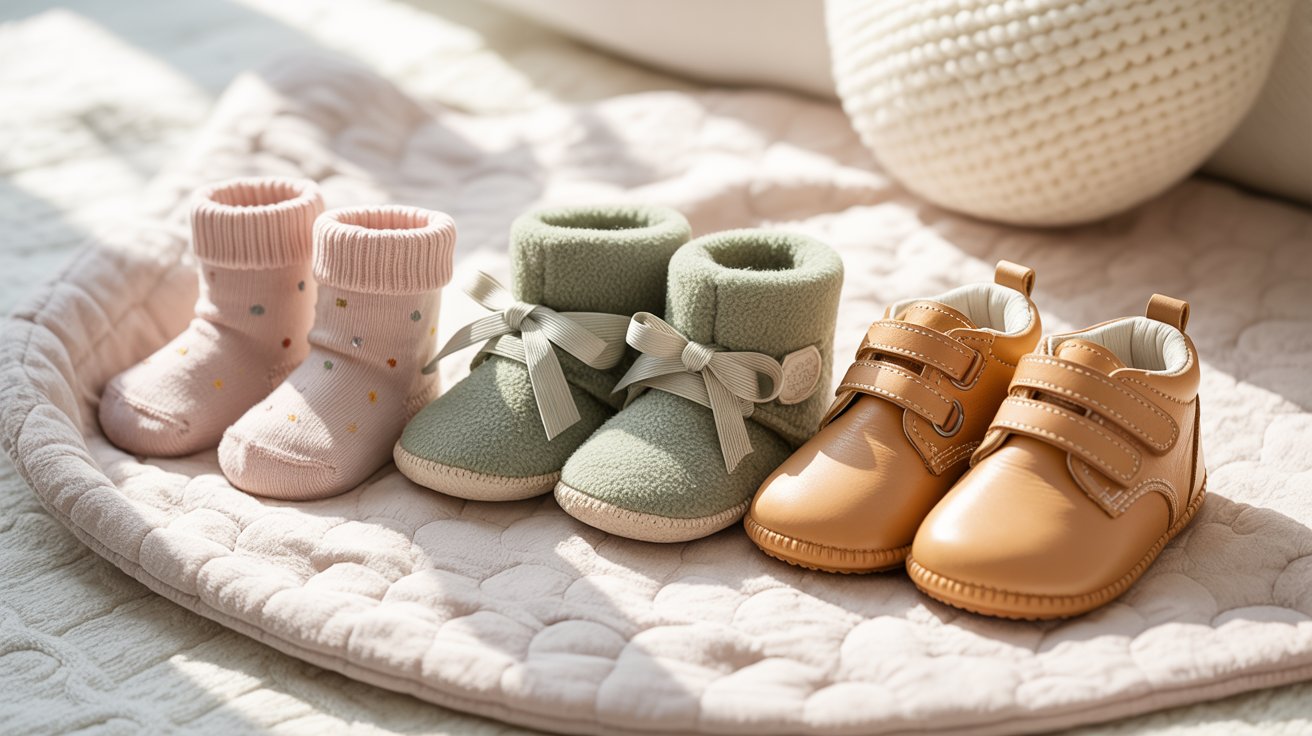
These three serve different purposes, and mixing them up is easy to do.
Socks keep feet warm. They offer no support and can slip on hard floors.
Booties are soft and cozy. Great for newborns who aren't walking yet. They stay on better than socks but have no real structure.
Shoes are for walkers going outdoors. Once your baby is taking steady steps outside, proper shoes with non-slip soles are what they need.
The simple rule:newborns get socks or booties. Walkers who go outside get shoes.
Common Mistakes Parents Make With Baby Shoes
I've seen these come up a lot:
- Buying shoes too early, before the baby walks.
- Getting tight shoes thinking they give better support.
- Skipping regular size checks. Baby feet can grow every 6 to 8 weeks.
- Choosing stiff shoes for looks over function.
- Using heavily worn hand-me-downs. Old shoes mold to one foot shape and may not work well for a different baby.
A poor-fitting shoe can cause red marks, toe curling, and extra tripping. Check fit often and replace when needed.
How to Measure Your Baby's Feet Correctly
Here's how I do it at home:
- Place your baby's foot flat on a piece of paper.
- Trace around the foot with a pencil.
- Measure from heel to the longest toe.
- Leave about a thumb-width of space at the front for growth room.
Always measure both feet. One is often slightly bigger. Buy for the larger foot.
Beyond measuring, watch for these practical signs that shoes no longer fit:
- Red marks on the skin after removing shoes.
- Toes that look curled inside the shoe.
- The heel slipping out when walking.
- Your baby tripping more than usual.
Seasonal Tips for Baby Footwear
Seasons make a real difference in what goes on those little feet.
In summer, breathable shoes work best. Mesh and soft leather keep feet cool. Secure sandals are fine on warm days as long as they don't slip off.
In winter, insulated boots help keep feet warm. Make sure there's still room to wiggle toes inside. Tight boots in cold weather are a very common mistake.
In rainy weather, waterproof shoes or rubber boots are practical. Just check they're not too heavy for your baby to move in comfortably.
Do Babies Need Shoes Indoors?
No. Inside the house, bare feet are the better option on safe surfaces. If the floor is cold or slippery, non-slip socks give just enough grip without restricting foot movement.
Save the shoes for outside. That's where they actually do their job.
Expert Tips for Supporting Healthy Foot Development
A few things worth keeping in mind:
- Let your baby go barefoot on safe surfaces as much as possible.
- Don't push shoes early just based on age alone.
- Check shoe fit every 6 to 8 weeks.
- Avoid heavily worn hand-me-down shoes.
- Pick shoes based on your baby's walking stage, not style.
Guidance from the American Academy of Pediatrics and the American Podiatric Medical Association points to early footwear choices having a real impact on long-term foot health.
Give those little feet the room to grow right.
Conclusion
Knowing when do babies start wearing shoes helps you make smarter choices from the start.
Most babies are ready between 9 and 18 months, once they're walking outdoors on their own.
Before that, bare feet and soft booties do the job just fine. When the time does come, pick flexible, lightweight shoes with a wide toe box.
Let your baby go barefoot indoors as much as possible. Skip the heavily worn hand-me-downs.
The goal is simple:protect your baby's feet without restricting natural development. If you're ever unsure, your baby's doctor is the best person to check in with.
Frequently Asked Questions
Should babies wear shoes while learning to walk?
Not necessarily. Barefoot walking on safe surfaces helps build foot strength and balance naturally. Shoes become useful once your baby is walking outside regularly.
Can babies wear second-hand shoes?
It's better to avoid heavily worn pairs. Old shoes mold to another child's foot shape and may not give your baby the right support or a proper fit.
What size shoes do babies usually wear first?
Most babies start in a size 2 or 3, which fits feet around 3.5 to 4 inches long. Always measure your baby's feet before buying rather than guessing by age.
How can I tell if my baby's shoes no longer fit?
Look for red marks after removing the shoes, toes that look curled, heels slipping out, or your baby tripping more often. Any of these signs mean it's time for a bigger pair.
Is it okay to buy baby shoes a size up to save money?
One thumb-width of growing room is fine, but going beyond that creates a tripping risk. Buying too big too soon can slow down balance development in early walkers.