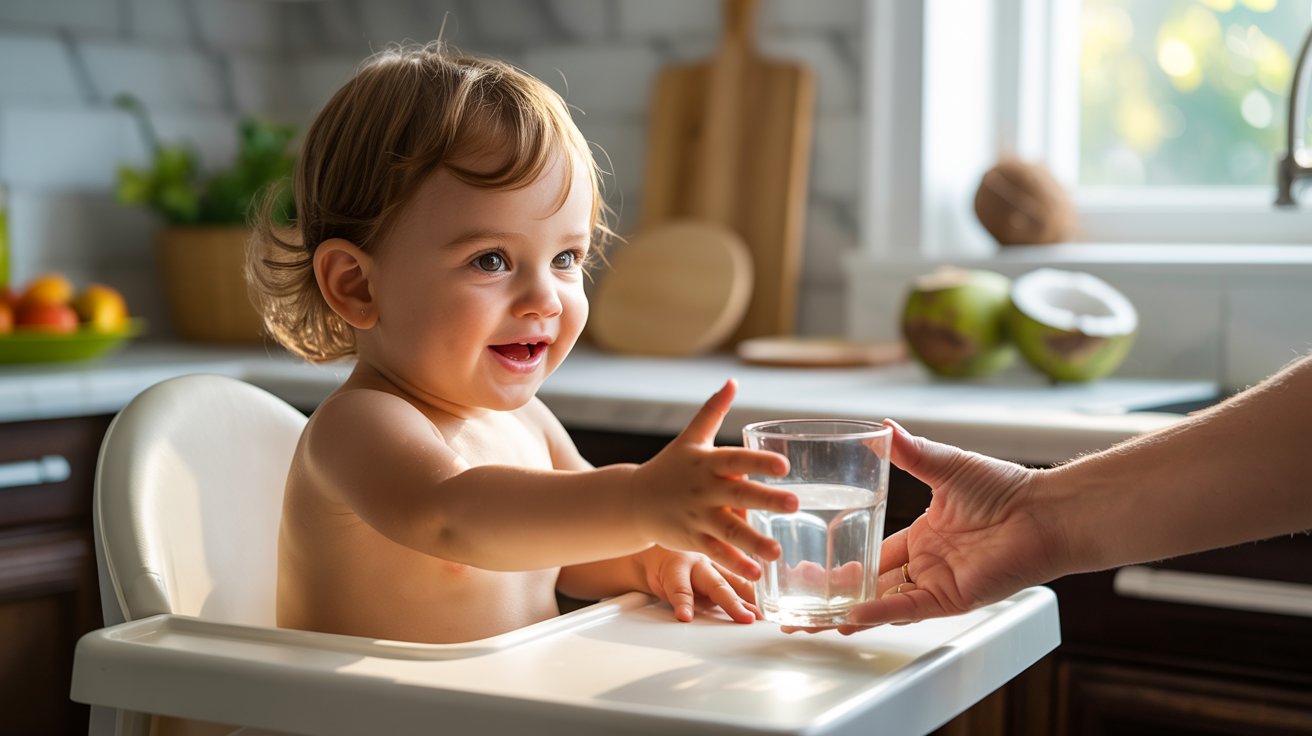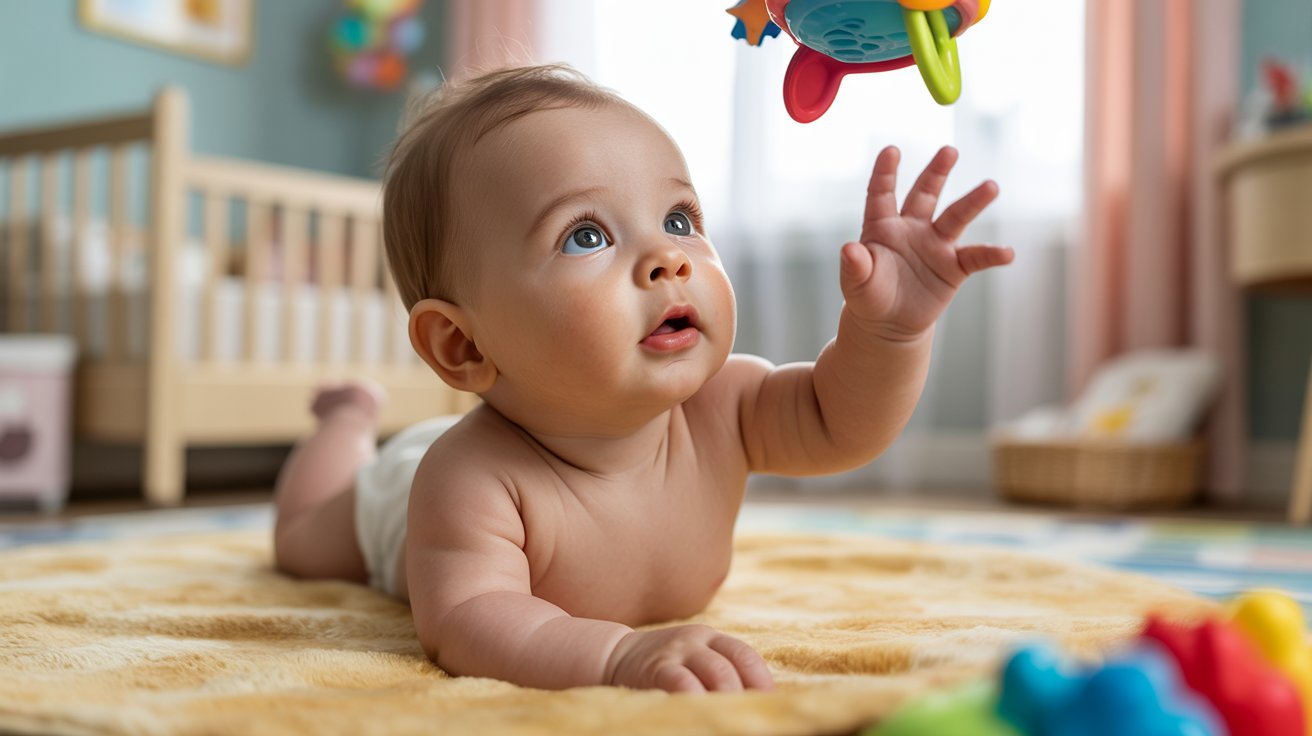

Wondering when do kids start talking? You’re not alone. I’ve been there myself, watching other toddlers chatter while mine stayed quiet.
This article shares real stories from parents who’ve lived through the waiting game. You’ll learn when most kids say their first words, start using sentences, and speak clearly.
We’ll cover what’s typical and what’s not. I’ve gathered experiences from dozens of parents to help you understand your child’s speech timeline.
These aren’t just stats from a textbook. They’re honest accounts from people who worry just like you. This guide will solve your concerns with real answers from real families.
On Average, When Do Kids Start Talking?

Most children say recognizable words between 10 and 15 months, though this varies widely among individual kids.
Kids typically say their first word around their first birthday. Some start at 8 months. Others wait until 18 months. Both are normal. Common first words include mama, dada, or no.
Babbling usually happens between 6 and 10 months before real words appear. About 40% of parents said their child spoke between 10 and 12 months.
Another 35% reported words between 12 and 15 months. The remaining 25% didn’t hear clear words until after 15 months.
Average means half of kids talk earlier and half talk later. Charts show ranges, not rules.
When Do Kids Start Talking More and Using More Words?

Vocabulary typically expands rapidly between 18 and 24 months as toddlers build on their early word foundation. Most kids have about 50 words by 18 months.
By age 2, that number jumps to 200 or more words. Toddlers learn names for foods, toys, animals, and family members. Action words like go and eat appear around 16 to 20 months.
The vocabulary explosion usually happens between 18 and 24 months. Before this, children might add one or two words per week. During the explosion, they learn several words daily.
Not every child has this sudden burst. Some add words steadily. Both patterns are fine.
When Do Kids Start Talking Clearly and Properly?
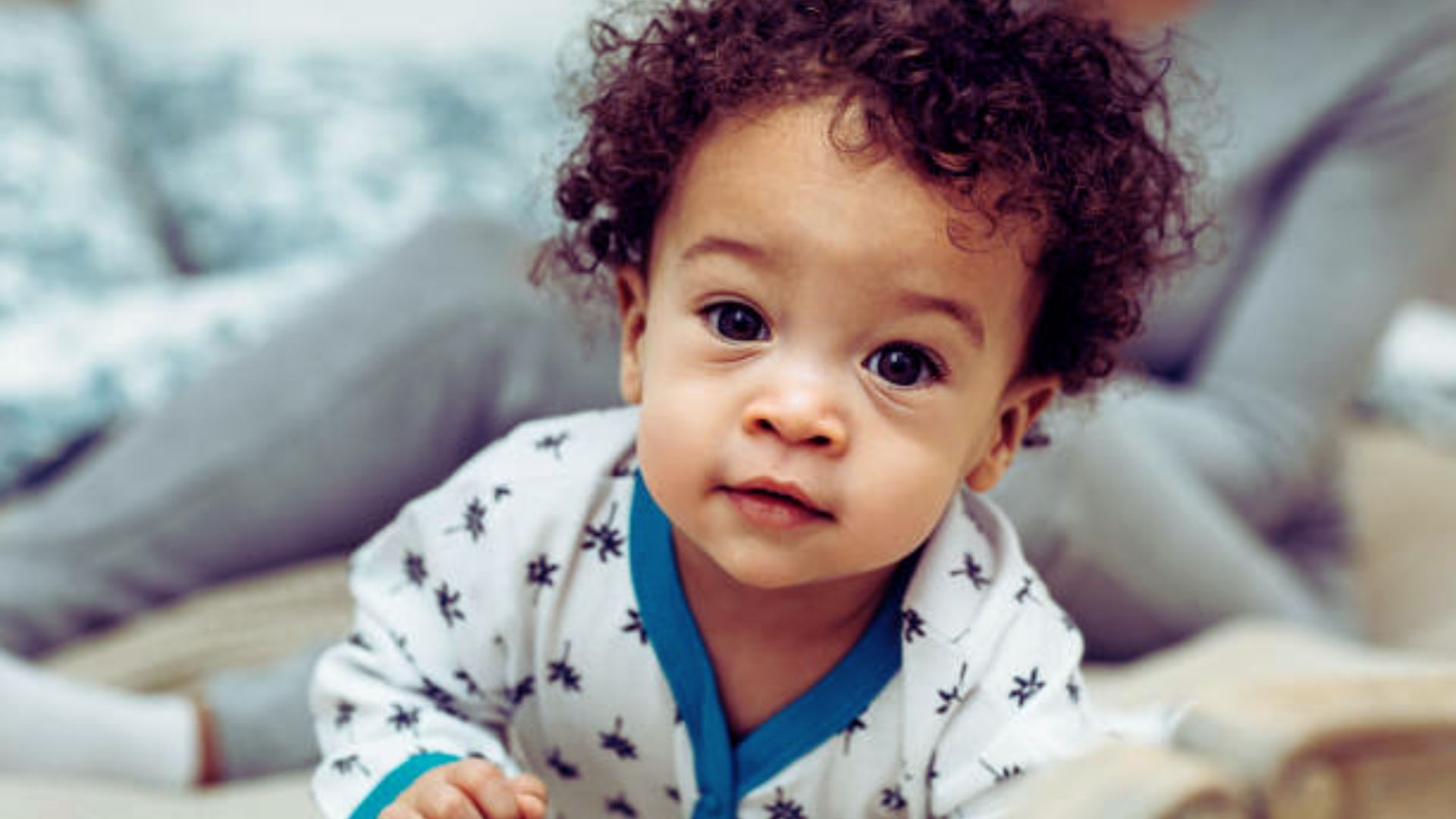
Clear, understandable speech typically develops between ages 2 and 4 as children master sound production and pronunciation.
Most 2-year-olds speak clearly enough for their family to understand about half of what they say. By age 3, familiar adults understand about 75% of their speech.
By age 4, most kids speak clearly enough for anyone to understand them. Kids master easy sounds like m and b first. Harder sounds like r and th might not arrive until age 5 or 6.
A 2-year-old might tell me to go to the park. By 4, most say I went to the park. Clear speech requires muscle control and time.
When Do Kids Start Talking in Sentences?

Simple two-word sentences usually appear between 18 and 24 months, with longer sentences developing through age 3.
Two-word combinations like more milk or daddy go typically show up around 18 to 20 months. By age 2, many kids use three-word sentences like I want cookies.
Complete sentences appear around age 2.5 to 3. At first, grammar might be wrong. Her good store shows sentence structure even with incorrect word forms.
Four-year-olds use complex sentences like I want to play outside because it’s sunny.
When Do Kids Start Talking Fluently?

Fluent, conversational speech typically develops between ages 3 and 5 as children build vocabulary and language confidence.
Fluency means speaking smoothly without long pauses or excessive repetition. For young kids, it means putting sentences together easily and explaining what they want.
Fluent doesn’t mean perfect. Kids can be fluent while still making grammar mistakes. Most parents say their kids became fluent talkers between ages 3 and 4.
Some get there earlier. Others don’t reach fluency until age 4 or even 5. Practice makes speech smoother and faster.
Talking Milestones Parents Commonly Observe

Parents typically notice key moments like first words, word combinations, and conversational exchanges as signs of language development.
Certain moments stick in parents’ minds. First words always rank high. The first time a child says I love you stands out. Other memorable milestones include asking why or having a back-and-forth conversation.
Kids understand far more than they can say. A 15-month-old might only say five words but understand 100. This gap is completely normal.
Increased babbling signals that words are coming soon. Pointing and gesturing show the desire to communicate. When kids show frustration at not being understood, they’re ready for words.
When Do Kids Start Talking and Walking?

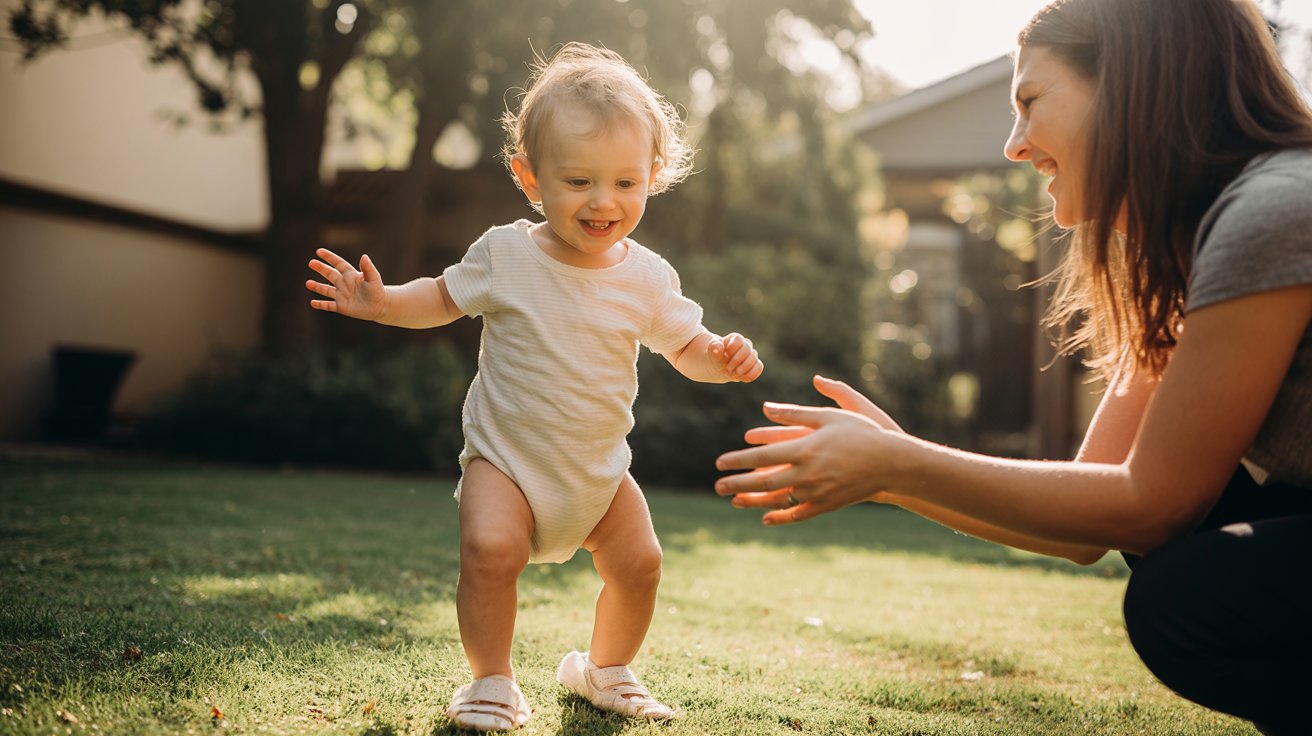
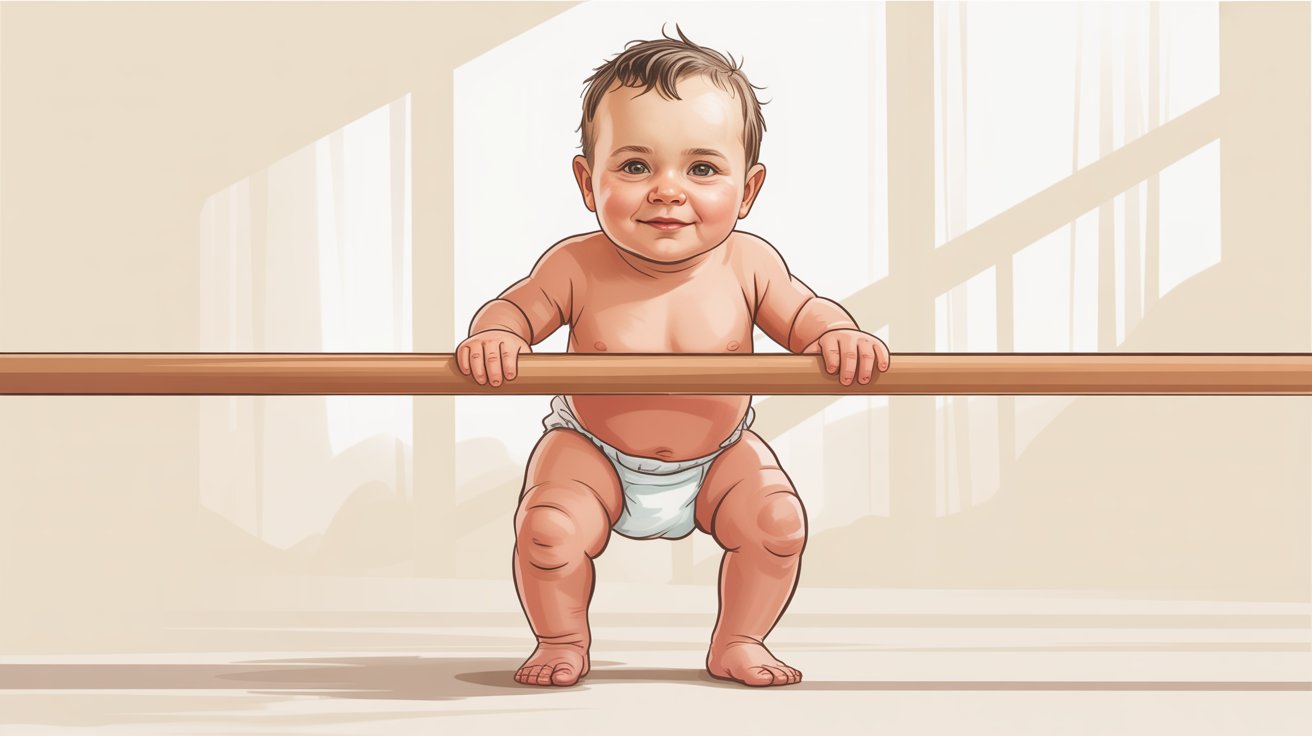
Walking and talking develop independently, with most children achieving both milestones between 9 and 18 months in varying orders. Some kids walk first. Others talk first.
One parent’s son said 20 words before his first step at 14 months. Another daughter walked at 10 months but didn’t say her first word until 16 months.
Walking and talking use different brain systems. About half of kids walk before they talk. The other half talk before they walk. Both are typical.
Walking early doesn’t cause speech delays. Research shows no connection between walking age and talking age.
When Parents Start Worrying About Speech Delays
Most parents begin seeking reassurance around 18 to 24 months if their child has limited vocabulary or unclear speech. Parents worry at different ages.
By 18 months, worries increase if a child has fewer than 10 words. At age 2, parents expect short sentences.
By age 3, if strangers can’t understand the child’s speech, parents often seek help.The 18-month and 2-year checkups are common times for concerns.
Pediatricians ask about word count and two-word combinations. Many kids just need more time and catch up completely within months.
Key Takeaways from Real Parents About Talking Timelines
Every child develops speech differently, with progress and effort mattering far more than specific ages or word counts.
- Charts show ranges, not requirements. One parent’s kid talked at 10 months. Another’s waited until 2 years. Both kids are now in kindergarten speaking normally.
- Comparing your child to others causes stress without helping anything. Each kid has their own timeline built into their development.
- Steady forward movement is the key thing to watch. Professionals care about trends, not single data points. A child with 10 words who’s actively learning shows better progress than a child with 30 words who hasn’t added any in three months.
- Studies show that most kids who talk late but have normal comprehension catch up by age 4 or 5. These “late bloomers” often explode with language once they start.
- Some kids need speech therapy to catch up. That’s okay too. Therapy works well, and most kids close the gap quickly with support. The important part is monitoring progress and getting help if your child seems stuck rather than just slow.
Conclusion
Comparing your child to others steals your joy. Instead of celebrating your child’s first word, you’re thinking about someone else’s child who has 20 words already.
I remember the waiting. When do kids start talking? When they’re ready. Your child is building skills you can’t see yet. Trust the process.
Talk to them anyway. Read books. Sing songs. If you’re worried, call your pediatrician. But most of the time, patience is all you need. Share your experience in the comments. What age did your child start talking?
Frequently Asked Questions
When should I worry if my child isn’t talking?
Talk to your doctor if your child has fewer than 10 words by 18 months or doesn’t use two-word phrases by age 2. Also seek help if they lose words they previously used or don’t respond when you call their name.
Can too much screen time delay talking?
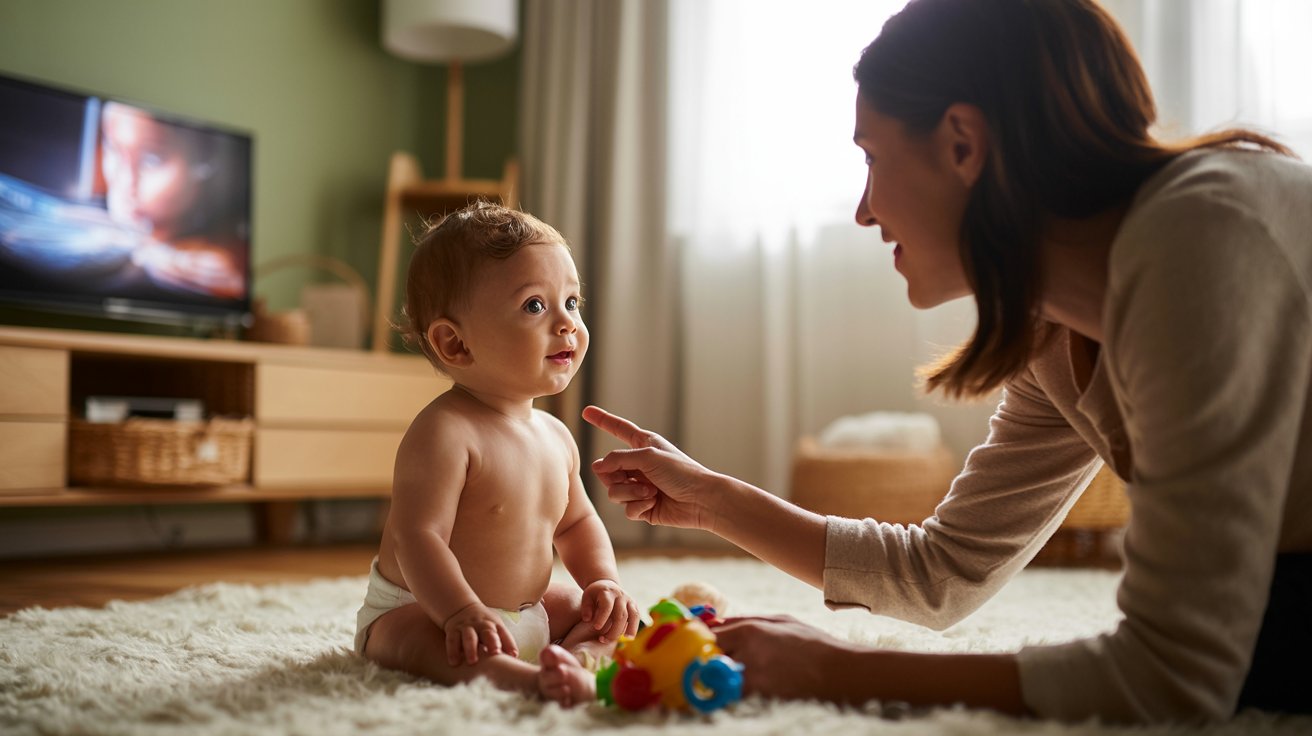
Excessive screen time can reduce opportunities for conversation and interaction, which are crucial for language development. Kids learn language from back-and-forth conversations with real people, not from passive watching. Limit screens and prioritize talking, reading, and playing together.
Do bilingual kids talk later than others?
Bilingual children might seem delayed in each individual language, but their total vocabulary across both languages is usually normal. They’re learning two language systems at once, which is impressive work. Most catch up to monolingual peers by preschool age.
How can I encourage my child to talk more?
Talk to your child throughout the day about what you’re doing. Read books together and pause to let them respond. Ask open questions instead of yes/no questions. Repeat and expand on what they say to model correct language.
Is it normal for my child to say some words thṣen stop?
Yes, this can happen and doesn’t always signal a problem. Kids sometimes drop words temporarily as they work on other skills or reorganize their language knowledge. Monitor whether new words replace the lost ones or if vocabulary is shrinking overall without replacement.