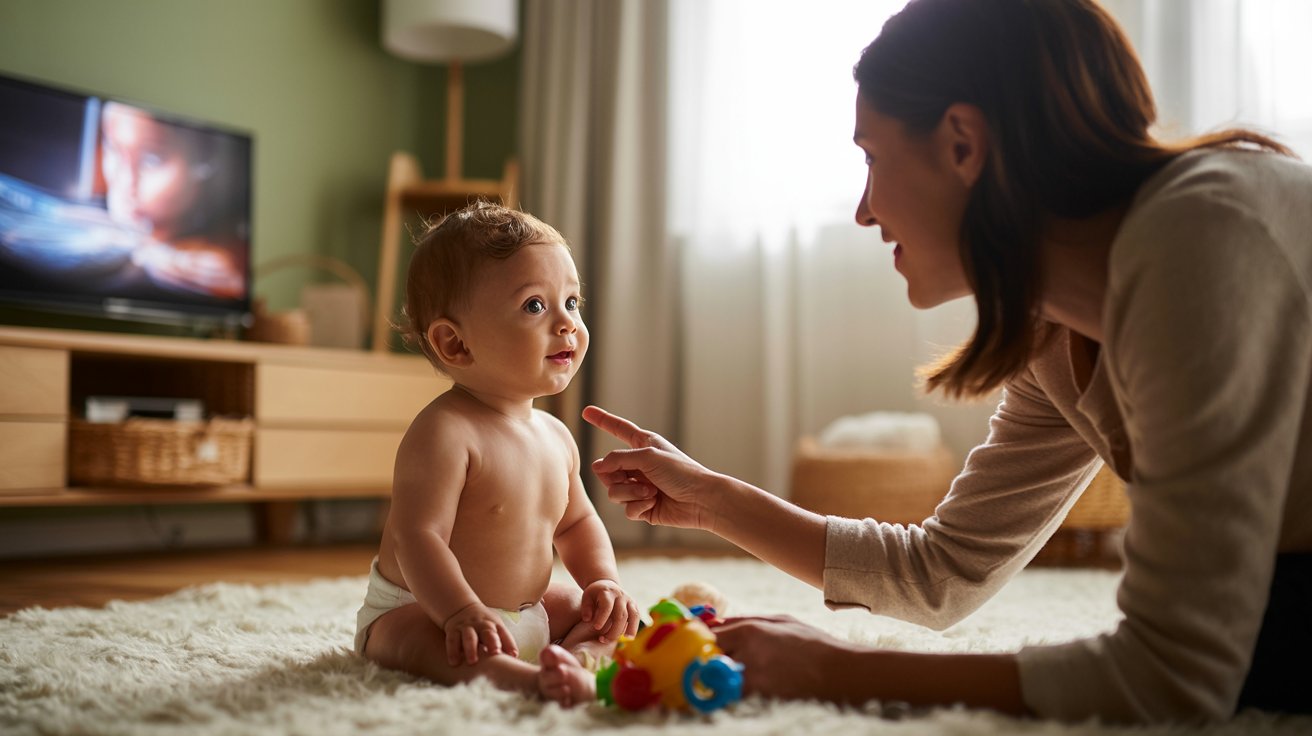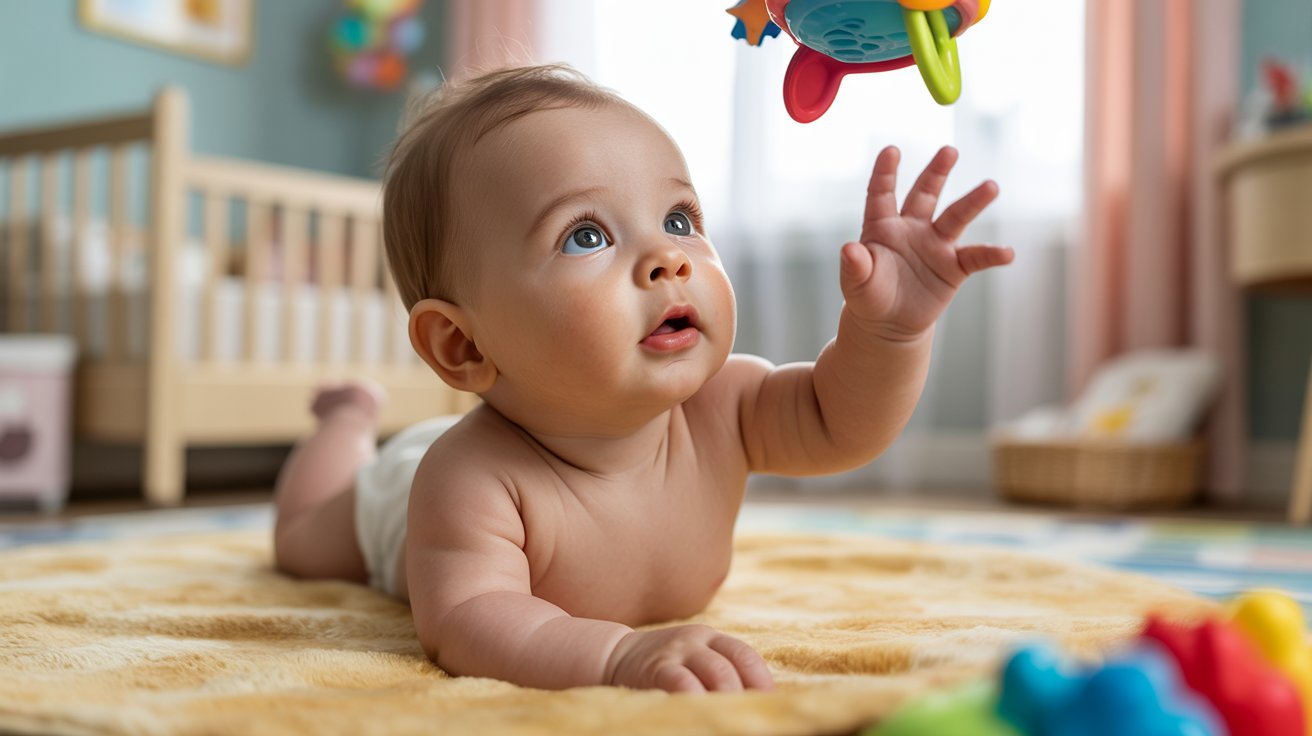

When do babies start self soothing? Most infants begin showing early signs around 3 to 6 months, though every child follows their own timeline.
In this article, I’ll walk you through the stages of self-soothing development, share practical techniques that worked for my own kids, and help you support your baby through this important milestone.
You’ll learn what to expect at each age, how to recognize the signs, and when extra support might be needed.
I’ve been there through countless sleepless nights, so I understand how exhausting this phase can be. Let’s figure this out together.
What is Self-Soothing in Babies?
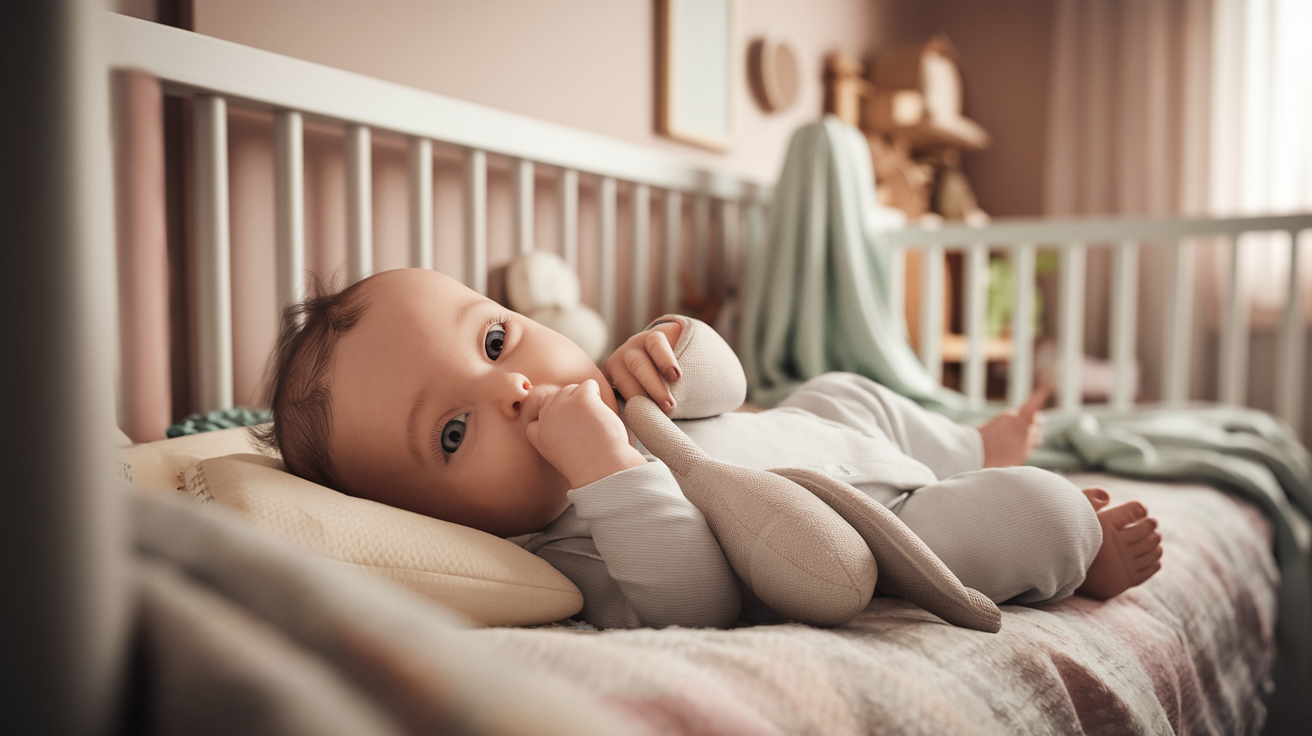
Self-soothing helps babies calm down without constant parent intervention. It’s a skill they develop gradually over time.
Self-soothing means your baby can settle themselves when upset or tired. Newborns rely completely on caregivers for comfort. That’s normal.
As babies grow, they learn ways to calm down on their own. They might suck their thumb, rub their feet, or make soft sounds. It’s not about leaving babies to cry alone.
It’s about giving them space to practice while you’re still there for them. Babies who can self-soothe sleep better. This skill builds independence and reduces stress for everyone.
When Do Babies Start Self Soothing?

Babies typically begin self-soothing between 3 and 6 months, with skills strengthening as they grow older. Newborns can’t really self-soothe yet.
Their nervous systems are still developing. Around 2 to 3 months, you might notice small changes. Your baby might suck on their hands more or calm down when they hear your voice.
Between 3 and 6 months, self-soothing really starts to show up. Many babies begin sucking their thumbs or making quiet sounds.
By 6 months, most babies have stronger self-soothing abilities. Many can sleep through the night without needing you. Setbacks happen with teething or illness. That’s normal.
Common Self-Soothing Techniques
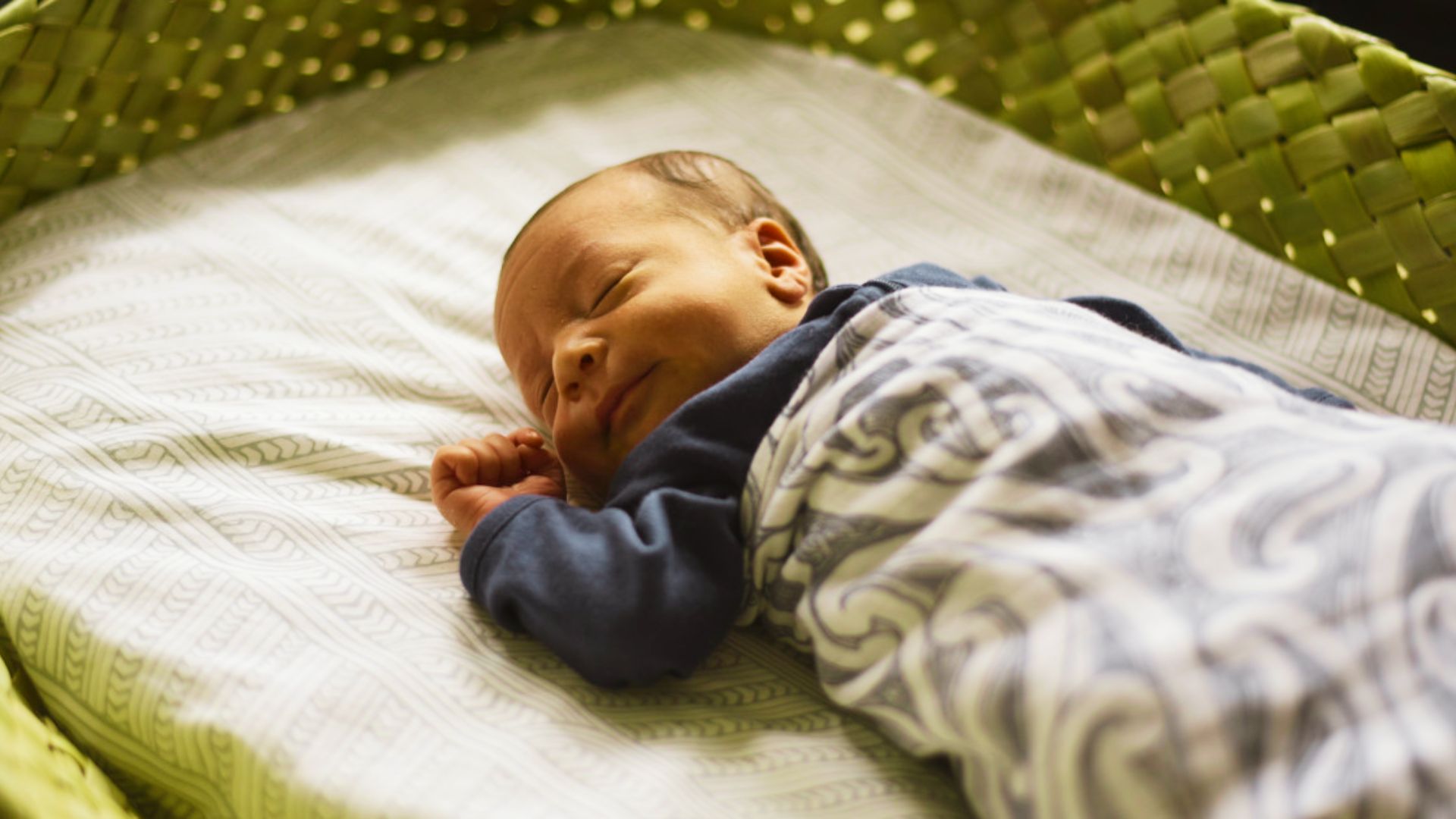
Babies use various methods like hand-sucking, movement, and sensory comfort to calm themselves down naturally.
Sucking is one of the earliest and most effective self-soothing methods. Babies often find their hands around 8 to 12 weeks. Thumb sucking usually starts between 3 and 4 months.
Pacifiers work well for some babies. Around 5 to 6 months, many babies can replace the pacifier themselves. Loveys and small blankets become important around 6 months.
Many babies rock or sway themselves to sleep. Some rub their feet together or gently kick their legs. Your baby might also babble quietly or make humming sounds.
White noise helps many babies calm down. Darkness signals sleep time. Some babies like swaddles or sleep sacks. A cool room around 68-72°F helps babies sleep better.
How Parents Can Encourage Self-Soothing
Parents support self-soothing by creating consistent routines and giving babies safe opportunities to practice calming themselves.
Create a Consistent Sleep Routine

Babies thrive on predictability. A bedtime routine signals that sleep is coming. Keep it simple and short. Bath, pajamas, books, songs. The same order every night.
Start the routine at the same time each evening. This helps set your baby’s internal clock. Dim the lights. Keep your voice quiet and gentle.
Consistency is more important than perfection. If you skip a bath one night, just keep the other steps the same.
Put Babies Down Drowsy but Awake
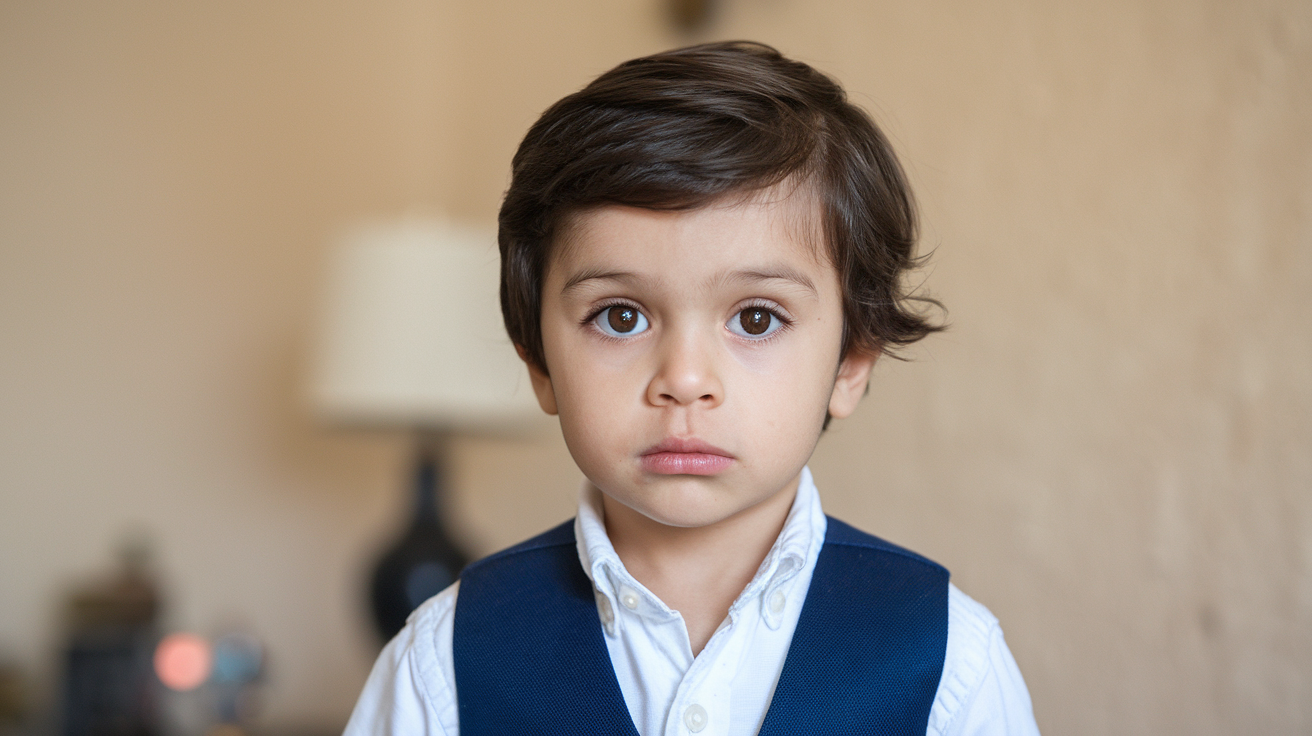
This is the most important tip for building self-soothing skills. Your baby needs to learn how to fall asleep in their crib.
If they always fall asleep in your arms, they’ll need your arms to fall back asleep at night. Watch for sleepy cues. Yawning, eye rubbing, or staring off into space.
Put your baby down when they’re tired but still slightly awake. They might fuss a little. That’s okay. Give them a few minutes to see if they settle.
Allow Short Pauses During Night Wakings
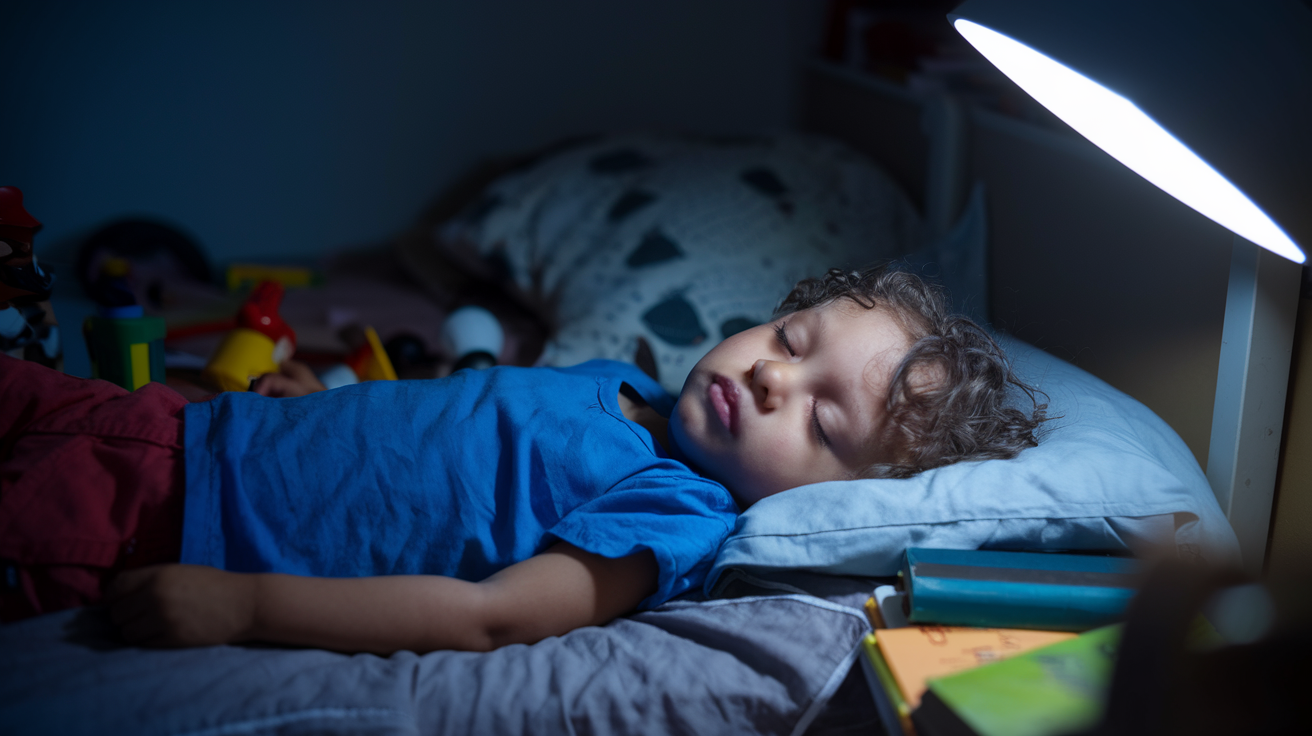
When your baby wakes at night, wait 30 to 60 seconds before going in. Many babies will settle themselves back down. You’re giving them a chance to self-soothe first.
If the crying escalates, go to them. But if it’s just fussing, pause and listen. Sometimes babies cry a bit between sleep cycles without fully waking up.
Parent Experiences and Insights

Real parents share what worked for them and the challenges they faced while teaching self-soothing. Many parents find that consistency pays off within a few weeks.
One mom shared that her 5-month-old started sleeping through the night after sticking to the drowsy-but-awake method. Another parent said white noise and a lovey made all the difference.
Not every night goes smoothly. Growth spurts, teething, and illness disrupt self-soothing. Many parents struggle with knowing when to intervene.
The biggest lesson is to be flexible. What works one week might not work the next.
When to Seek Help
Most babies learn to self-soothe naturally, but some need extra support from pediatricians or sleep specialists.
If your baby is 9 months or older and still waking every hour, talk to your pediatrician. Extreme difficulty calming down even with your help is another red flag.
Watch for signs of sleep apnea. Loud snoring, gasping, or pauses in breathing need medical attention. If you’ve tried everything for 6 to 8 weeks with no improvement, ask for help.
Your pediatrician can rule out medical issues. Sleep consultants create plans based on your baby’s age and temperament.
Tips for Supporting Self-Soothing
Help your baby build self-soothing skills by meeting their needs and creating the right conditions for practice.
- Make sure your baby isn’t hungry, wet, or uncomfortable before bed. A full belly and dry diaper set them up for success.
- Learn your baby’s tired signs. Watch for yawning, ear pulling, or decreased activity. Acting on these cues prevents overtiredness.
- Give your baby chances to practice self-soothing every day, not just at bedtime. Naptime is great for this.
- Keep expectations low and pressure off. Self-soothing is a skill that takes time to develop.
- Keep the sleep space calm and consistent. Same temperature, same darkness, same sounds every time. This predictability helps your baby know what to expect.
Conclusion
When do babies start self soothing? Most begin showing signs between 3 and 6 months, with skills growing stronger through their first year.
Every baby moves at their own pace, so try not to compare your child to others. The techniques we covered work, but they take time and patience.
I remember feeling exhausted and doubtful during those early months with both my kids, but consistent routines made all the difference.
Give yourself grace during this process. Your baby will get there. Have questions or tips to share? Drop a comment below.
Frequently Asked Questions
Can newborns self-soothe?
No, newborns can’t self-soothe yet. Their nervous systems are too immature. They need your help to calm down and feel secure during the first few months.
Is crying it out the only way to teach self-soothing?
Not at all. Gradual methods work just as well. You can stay nearby while your baby practices settling down. Many families successfully teach self-soothing without extended crying.
What if my baby only self-soothes with a pacifier?
That’s fine as a starting point. Around 5 to 6 months, help your baby learn to replace it themselves. You can also gradually reduce pacifier dependence over time.
Will sleep training harm my baby emotionally?
Research shows age-appropriate sleep training doesn’t cause emotional harm. The key is responding to real distress while allowing your baby space to practice self-regulation. Trust your instincts.
How long does it take to see results?
Most families notice improvement within 1 to 3 weeks of consistent practice. Some babies catch on faster, others need more time. Stick with your approach for at least two weeks before changing strategies.