As a parent, I know how worrying it feels when your little one has a fever at night but seems normal by morning.
If you’ve been searching for toddler fever at night and gone in the morning, you’re not alone. Many parents notice this pattern and feel unsure about what it means.
In this blog, I’ll explain the possible reasons behind it, what may be causing it, and when it needs attention.
You’ll also find simple, practical tips to handle night fevers at home with more clarity and confidence.
Understanding Fever Patterns in Toddlers
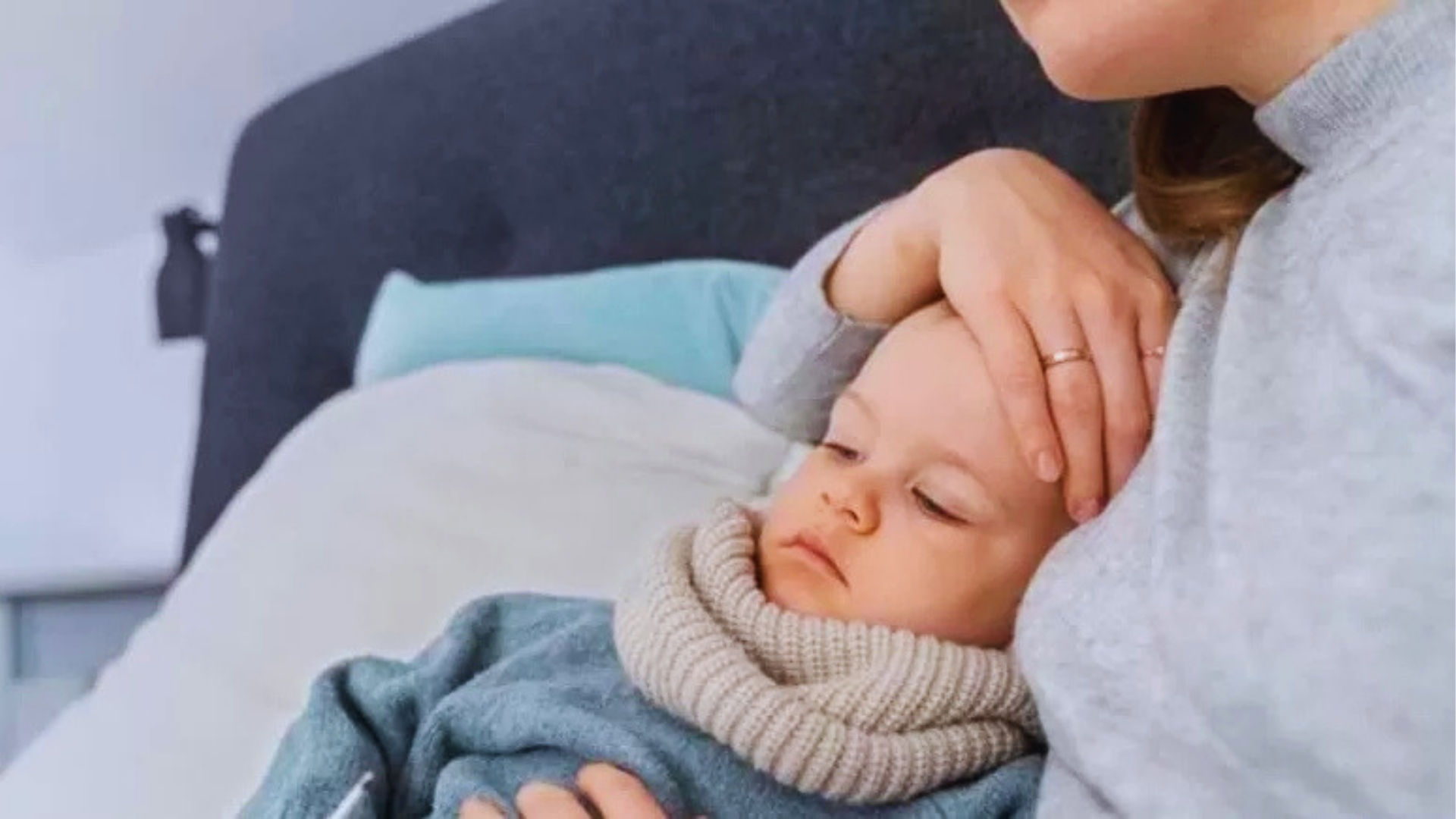
A toddler’s body temperature changes naturally over the course of the day, which is why fever can seem more noticeable at night.
It is usually lower in the morning and gradually rises by evening, a pattern seen in both children and adults. Because of this, a slight increase at night does not always signal illness.
During nighttime, the body shifts into a resting state and certain hormones, such as cortisol, decrease.
With lower levels of this hormone, the body may not respond to inflammation as effectively, making even a mild fever feel stronger after bedtime.
Why Toddler Fever at Night Gone in Morning Happens
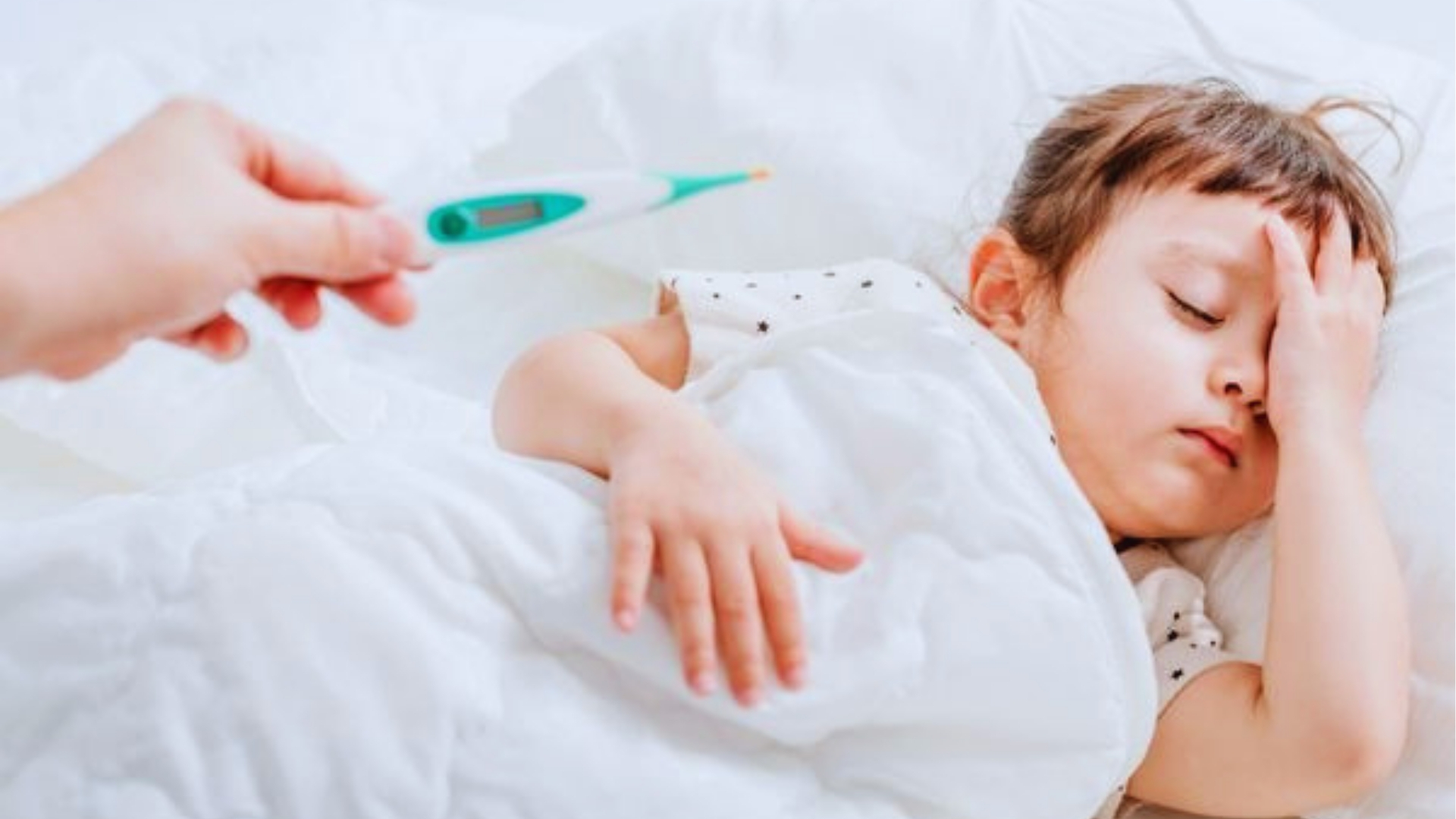
Several body processes work together at night, making fevers spike then fade by morning.
Natural Body Clock (Circadian Rhythm)
Toddlers follow a 24-hour internal body clock that affects temperature changes. In the evening, body heat naturally rises, while it drops again before early morning.
Because of this pattern, a fever noticed around 10 PM may reduce or disappear by morning around 7 AM. This shift is part of normal daily rhythm and not always a sign of worsening illness.
Increased Immune Activity at Night
During sleep, the body focuses more on recovery and healing. The immune system becomes more active and releases chemicals to fight infections.
This activity can cause a temporary rise in body temperature. As the infection is controlled, the temperature gradually returns to normal by morning.
Role of Brain Temperature Control
The brain regulates body heat through a control center known as the hypothalamus. It works like a thermostat and adjusts temperature based on infection or stress.
At night, it may raise body heat to support immune response. By morning, it resets and brings the temperature back down.
Common Causes of Night Fever in Toddlers
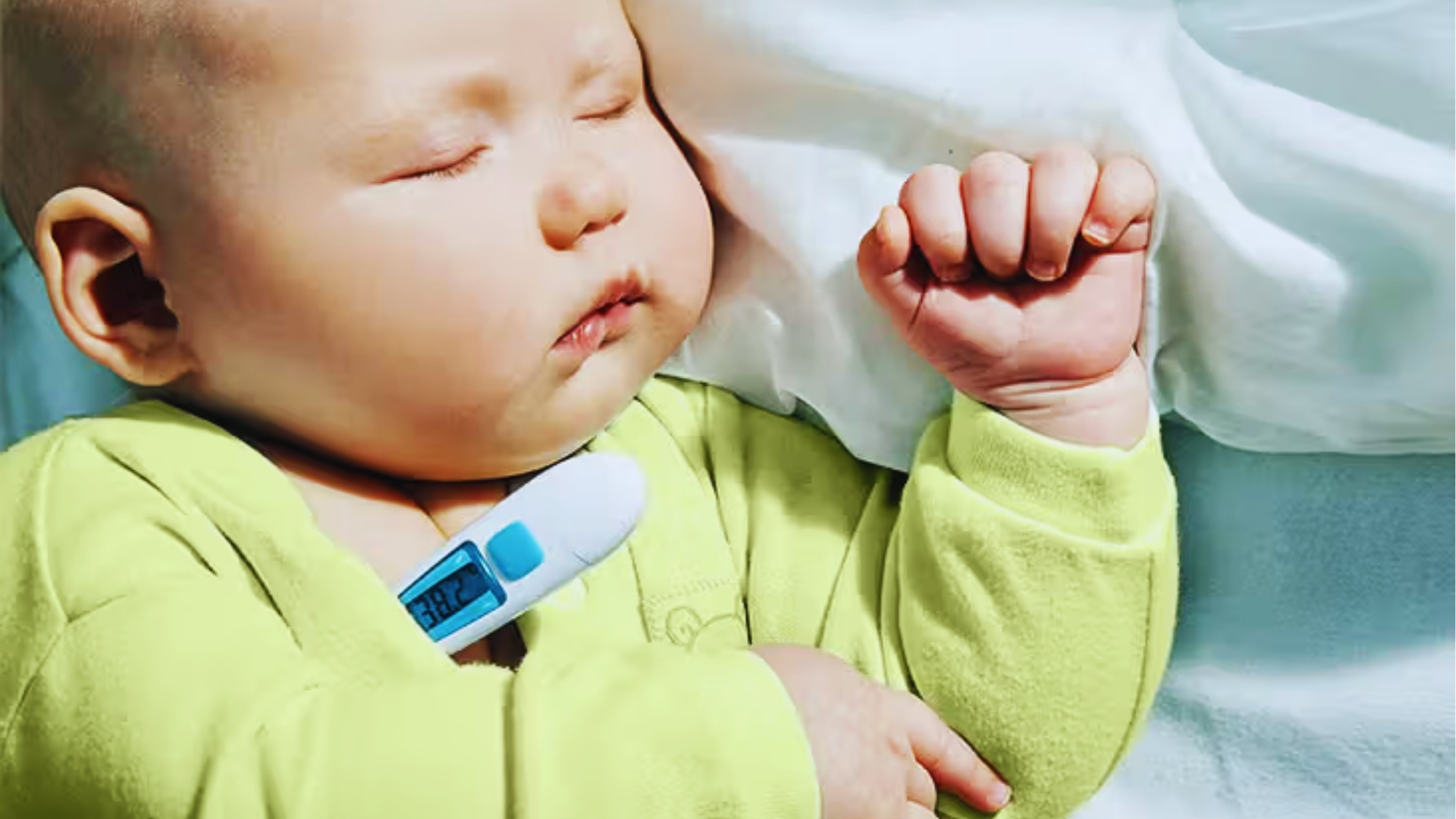
Many small infections and outside factors can trigger fevers that show up only at night.
Viral Infections (Cold, Flu)
Most night fevers in toddlers are caused by common viral infections like cold, flu, or stomach bugs. These infections often bring mild fever that becomes more noticeable after evening.
In most cases, the condition settles on its own within 2 to 3 days with rest and fluids. Monitoring other symptoms like runny nose or cough can help identify the cause.
Bacterial Infections
Bacterial infections such as ear infections, throat infections, or urinary tract infections can also lead to night fever. Unlike viral cases, these may not improve quickly and often need medical attention.
A doctor’s check-up is important to confirm the cause. In some cases, prescribed antibiotics may be required for recovery.
Post-Vaccination Fever
Some toddlers develop a mild fever after routine vaccinations. This usually lasts for 1 to 2 nights and is a normal response as the body builds protection.
The temperature generally returns to normal by morning without any treatment. Keeping the child comfortable and hydrated is usually enough.
Environmental Factors
Sometimes fever-like symptoms are linked to external conditions rather than illness. A warm room, heavy blankets, or thick clothing can increase body heat.
This can make a child appear feverish even when they are not sick. Checking room temperature and adjusting clothing can help rule out overheating.
When Should You Be Concerned?
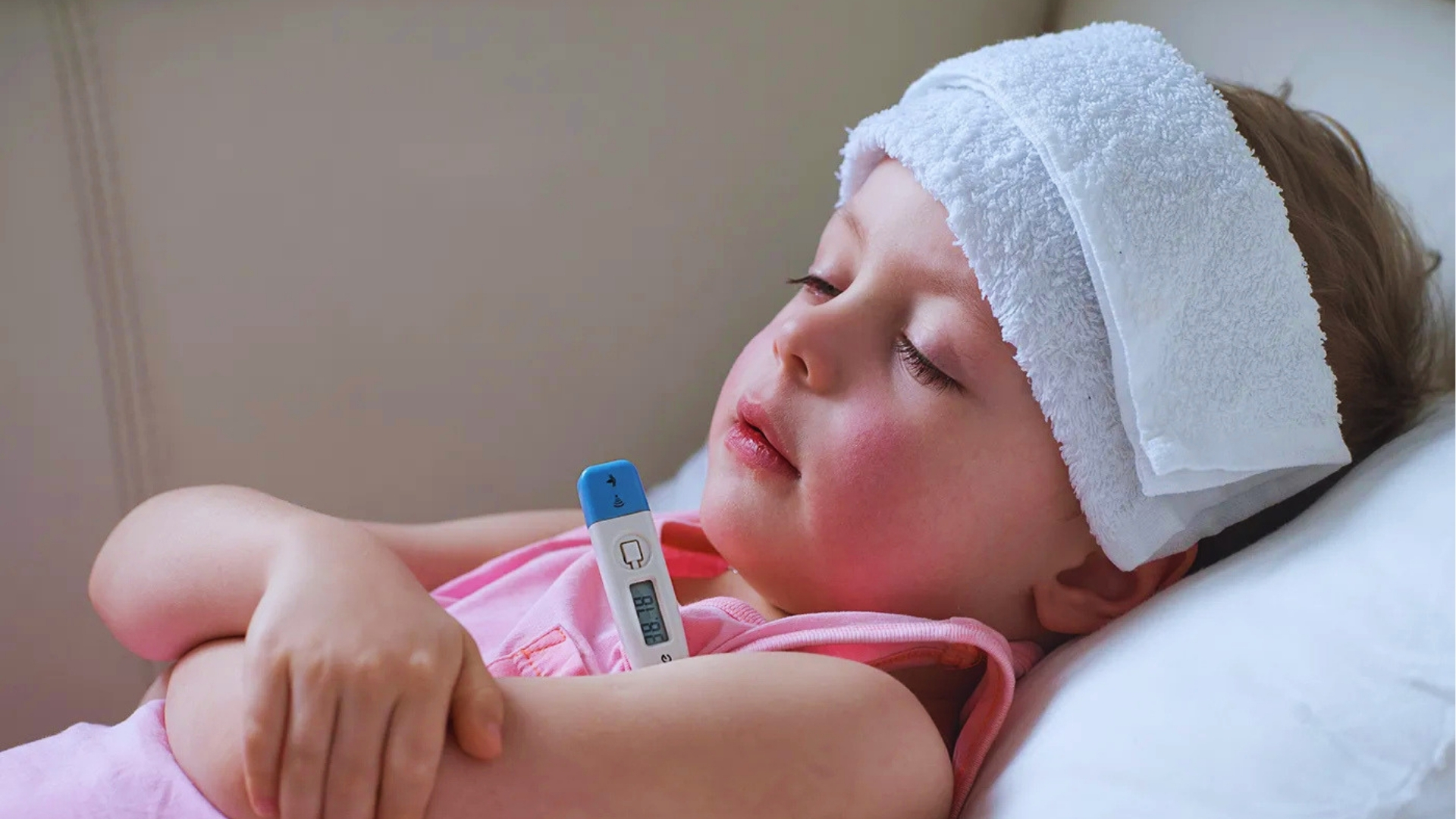
Some fever signs need quick medical care, so knowing the red flags helps protect your toddler.
Fever Lasting More Than 3 Days
If the fever continues for more than three nights in a row, it should not be ignored. This may indicate an infection that the body is not able to handle on its own.
In such cases, medical advice is needed to understand the cause.
Fever Returning Every Night
When fever keeps coming back at the same time each night, it forms a repeating pattern. This can sometimes point to an underlying infection or another health-related issue.
It is important to observe this pattern closely and consult a doctor if it continues.
Warning Signs (Lethargy, Dehydration, Breathing Issues)
Watch for these signs
- Very sleepy or hard to wake
- Dry lips, no tears, or fewer wet diapers
- Fast or difficult breathing
- Rash or stiff neck
If you notice any of these signs, get medical help right away.
How to Monitor and Manage Fever at Home
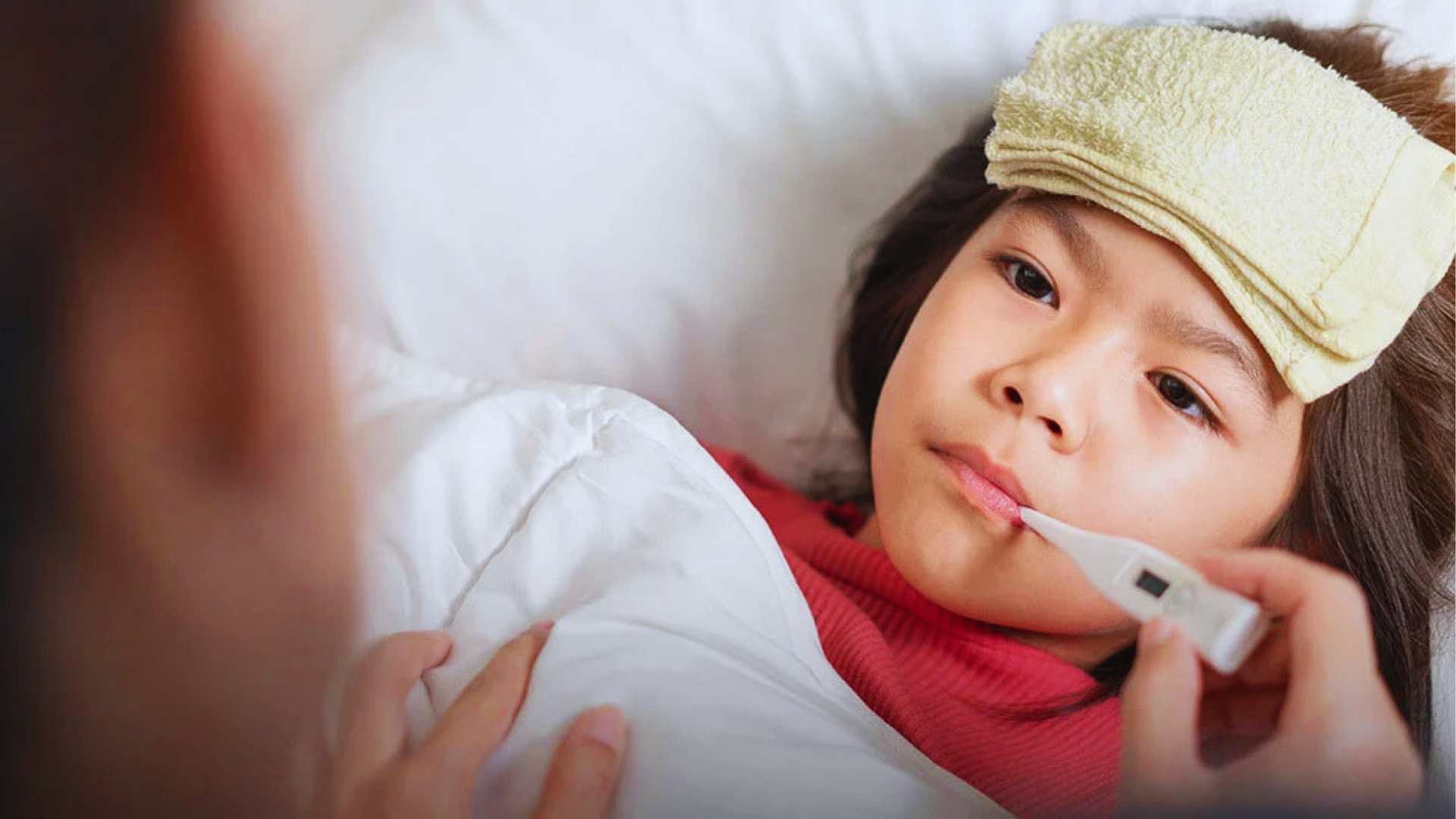
Simple home steps can keep your toddler safe and comfortable while their body fights the fever.
Checking Temperature Correctly
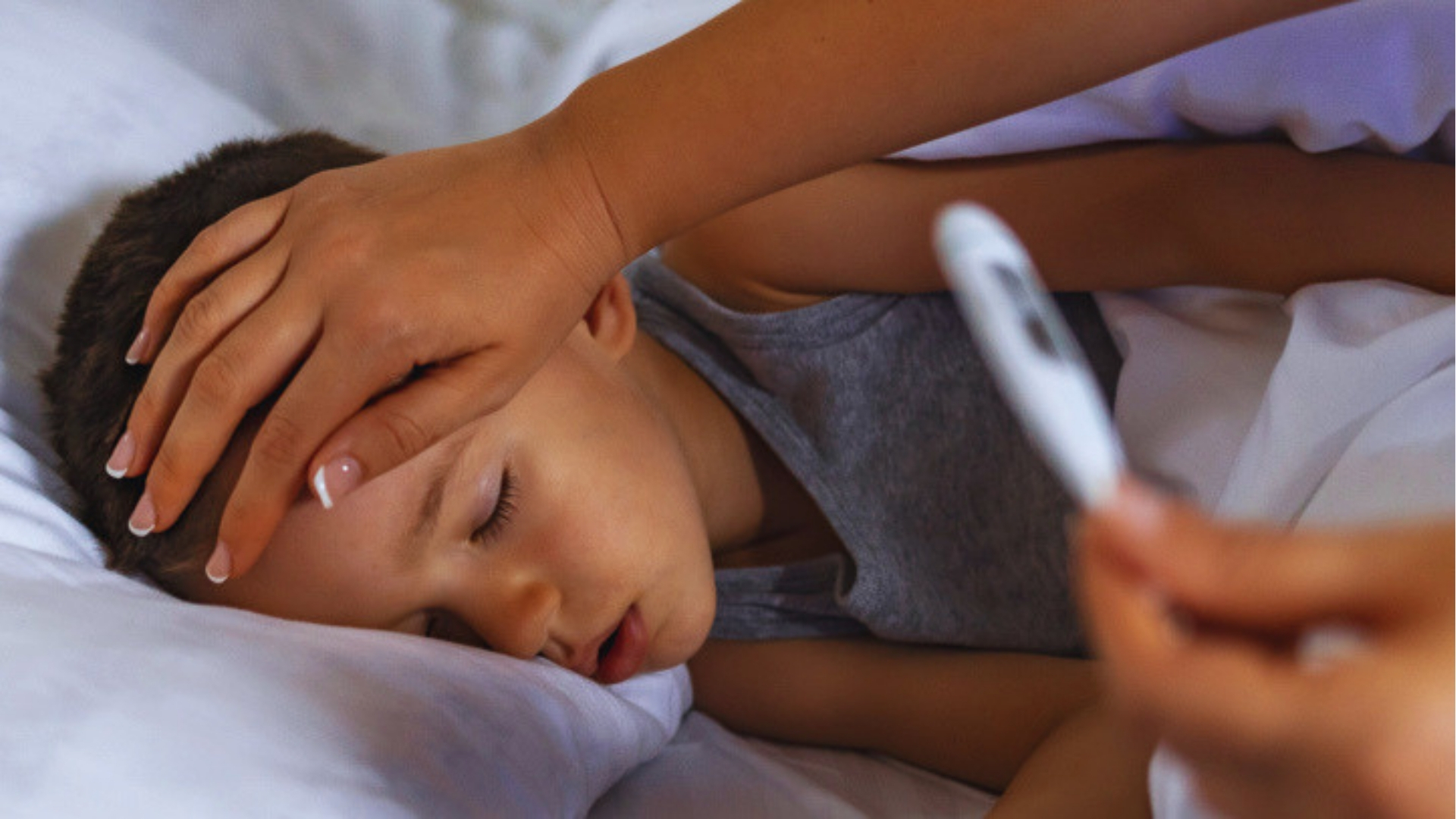
Use a digital thermometer. For toddlers under 3, a rectal reading is most accurate. For older kids, an underarm or ear reading works well. Always clean the thermometer before and after use.
Keeping Your Toddler Comfortable
Dress your child in light clothes. Use a thin sheet instead of a heavy blanket. A lukewarm sponge bath can also help cool them down gently.
Safe Use of Fever Medicines
Paracetamol or ibuprofen can help, but only with the right dose for your child’s weight. Never give aspirin to a toddler. Ask your doctor before mixing medicines.
Tips for Parents to Handle Night Fevers
Small bedtime changes can lower fever risk and help your toddler sleep through the night.
- Keep the bedroom cool between 68–72°F and use light bedding to avoid heat buildup and help your toddler sleep more comfortably through the night.
- Offer water, milk, or oral rehydration drinks before bedtime to replace fluids lost during fever and keep your child properly hydrated overnight.
- For infants, continue breastfeeding or formula feeding as usual, since it supports hydration and provides comfort during fever episodes at night.
- Monitor temperature and note fever timing, highest reading, and duration to understand patterns and support better medical assessment if needed.
- Record any extra symptoms like cough, rash, or tiredness along with fever details to help identify possible causes more quickly.
- Keep a simple log on paper or phone so you can share accurate information with the doctor if fever repeats or continues.
Conclusion
I still remember the first time my toddler had a fever at night and gone in the morning. I felt anxious and unsure, just like many parents may feel at that moment.
The positive part is that most of these fevers are mild and often settle without any treatment.
Pay attention to your child’s behavior, notice any warning signs, and contact a doctor if something does not feel right. You know your child’s normal habits best.
If this guide helped you feel more calm, share it with other parents and connect through your experiences.
Frequently Asked Questions
Is it normal for a toddler’s fever to come only at night?
Yes, it’s common due to the body’s natural rhythm. Fevers often rise in the evening and drop by morning.
Should I wake my toddler to give fever medicine?
No, don’t wake a sleeping child unless the fever is very high or they look uncomfortable. Rest helps healing.
How high is too high for a toddler’s night fever?
A fever above 102°F (38.9°C) that does not drop with medicine, or any fever above 104°F, needs a doctor’s call.
Can teething cause night fever in toddlers?
Teething may cause a slight rise in temperature, but not a true fever. If it goes above 100.4°F, look for another cause.
When should I take my toddler to the ER for fever?
Go right away if your child has trouble breathing, will not wake up, has a stiff neck, or shows signs of dehydration.