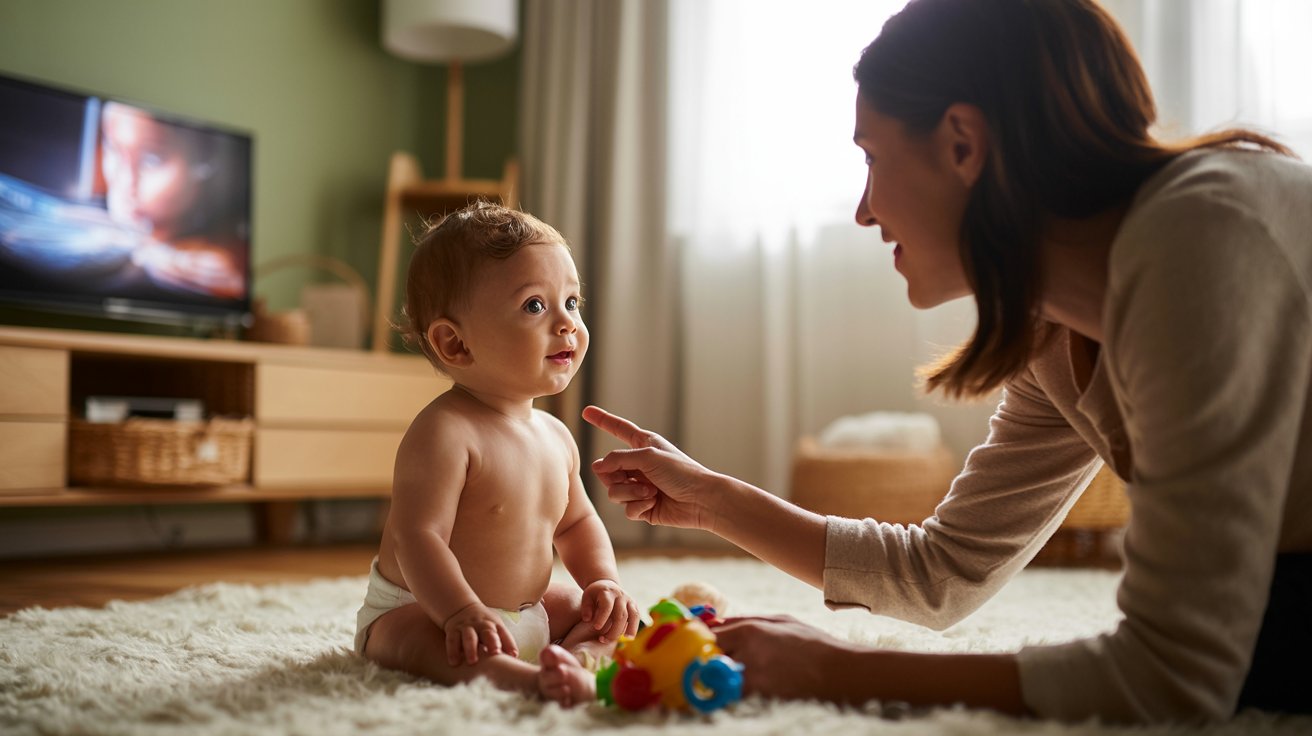
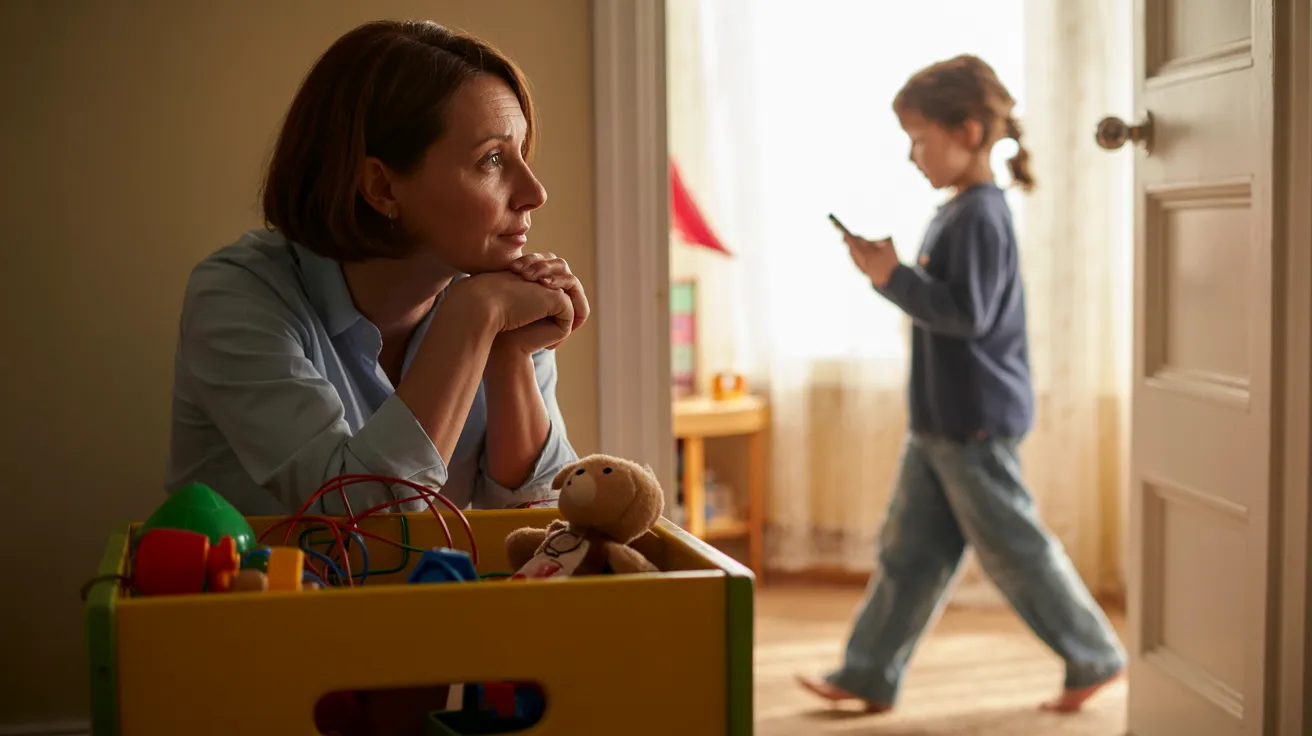
I remember the day my child walked right past the toy box without a second glance. It felt strange.
What age do kids stop playing with toys? Most parents ask this at some point. And it can feel like a bigger deal than it is.
In this post, I will cover the signs, the reasons, and what you can do during this shift. I have spent time on this topic so you get real, helpful answers.
You are not alone in this. I have got you covered.
What Age Do Kids Usually Stop Playing with Toys?

Most kids start showing less interest in traditional toys between ages 9 and 12. But this varies widely.
Some children hold on to toys well into their teens, while others move on earlier. Girls often shift away from dolls around age 10, while boys may continue with action figures or building sets a little longer.
There is no exact age when play ends. It is more of a slow, gradual shift than a sudden stop, and that is completely normal.
Signs a Child Is Moving Away from Toys

You may notice certain changes in your child's behavior before they fully stop reaching for their toys.
Less Interest in Playing with Toys
One of the first signs I noticed was simple. Toys sat untouched for days. My child stopped asking for new ones too.
If your kid no longer picks up toys or shows little excitement during playtime, that is a clear signal.
It does not mean something is wrong. It is just part of growing up, and most parents will spot this shift gradually.
Preference for Friends, Hobbies, or Screen Time
At some point, kids start choosing people and activities over toys. They want to hang out with friends, take up a sport, or watch videos.
This is completely normal. Social connection becomes more important as kids grow older. When toys take a back seat to real-life experiences and friendships, that is a shift worth paying attention to as a parent.
Choosing Experiences Over Physical Toys
Older kids often ask for outings or activities instead of physical toys. A trip somewhere beats a new action figure.
This shows real growth. They are starting to value memories and feelings over objects. If your child is asking for experiences rather than things, they are growing in a healthy and natural direction that you can fully support.
Why Kids Stop Playing with Toys

Kids stop playing with toys for real reasons. Here is what usually drives that shift in most children.
Growing Interest in Hobbies and Social Activities
As kids grow, they find things they genuinely love. Drawing, football, music, cooking. These activities take up the time toys once did.
It is not rejection. It is growth. Hobbies give kids a sense of skill and progress. That feeling is more rewarding than playing with the same toy they have had sitting on the shelf for years.
Influence of Peers and "Growing Up" Mindset
Kids pay close attention to what their friends are doing. If their friend group no longer plays with toys, they often follow.
There is also a strong desire to feel older. Playing with toys can feel "babyish" to them. Peer pressure and self-image play a big role in when and how quickly this change actually happens for most kids.
Shift Toward Technology and Games
Screens offer stimulation that physical toys often cannot match. Video games, streaming, and social apps grab attention very quickly.
As kids get older, digital entertainment starts to feel more exciting to them. This is one of the biggest reasons toy play drops off.
Technology is not going anywhere, so finding the right balance at home is what matters most right now.
Do Kids Completely Stop Playing?

Play does not fully stop. It just changes shape. Here is what that looks like in real life.
Play Continues in Different Forms (Sports, Games, Creativity)
Kids do not stop playing. They just play differently. Sports, board games, art projects, and building things are all forms of play.
I still think a good card game counts as play. As long as your child is engaged, laughing, and creating, play is very much alive. It has simply grown up right alongside them over the years.
Some Kids Still Enjoy Toys Occasionally
Not every child fully leaves toys behind. Some teenagers still enjoy building sets, puzzles, or collectibles. And that is completely fine.
There is no age limit on what brings joy. If your child picks up a toy now and then, let them. It means they feel comfortable being themselves without worrying about what others around them might think.
What Parents Should Know

This shift is normal and healthy. Your child moving away from toys is not something to worry about. It means they are growing up.
What matters most is keeping communication open. Ask about their interests. Show real curiosity about what they enjoy now.
Forcing toy play when a child has outgrown it can feel dismissive to them. Support the new hobbies.
Be present in the activities they care about. That connection matters far more than the toys ever did.
Tips for Parents During This Transition
Small shifts in how you show up can make this whole change feel a lot easier for both of you.
- Follow their lead. Let your child show you what they are into now.
- Ask real questions. Show genuine interest in their hobbies and new activities.
- Clear out toys together. Make it a shared moment, not a chore they dread.
- Replace toy time with quality time. Walks, games, and cooking together work well.
- Do not rush the process. Every child moves at their own pace, and that is okay.
Conclusion
Watching my child grow out of toys was bittersweet, if I am being honest. But I came to see it as something worth celebrating.
What age do kids stop playing with toys does not have one fixed answer. It is personal to every child and every family. What matters most is that you stay close and stay curious about who they are becoming.
I hope this gave you something helpful to hold on to. Drop a comment below and tell me where your child is in this process.
I would love to hear your experience. And if this helped, share it with another parent who might need it too.
Frequently Asked Questions
What age do kids stop playing with toys on average?
Most kids begin moving away from traditional toys between ages 9 and 12. That said, it varies by child, and some continue enjoying certain toys well into their teenage years.
Is it normal for a 10-year-old to stop playing with toys?
Yes, it is very common. Many children around age 10 begin shifting toward hobbies, social time, and screens rather than physical toys. It is a healthy and expected part of growing up.
Should I be worried if my child suddenly loses interest in toys?
Not at all. Losing interest in toys is a normal part of child development. It usually means your child is ready for more age-appropriate activities, friendships, and personal interests.
What can replace toy play as kids get older?
Sports, creative hobbies, board games, and time with friends are all healthy replacements. These activities keep kids engaged and active in ways that suit where they are developmentally.
How can I support my child through this change?
Stay curious and open about their new interests. Ask questions and take part when you can. Your involvement in their changing world matters far more than any specific activity they choose.