
Speech therapy does not have to feel like a chore. I have seen kids shut down the moment it feels like a lesson.
But the second you turn it into a game? They light up.
Games make kids want to practice without even knowing they are learning. This guide is for parents, teachers, and caregivers who want real results without the struggle.
If your child needs help with sounds, words, or sentences, you are in the right place. These 17 speech therapy games are fun, simple, and they actually work.
Benefits of Speech Therapy Games for Kids
Speech therapy games do more than keep kids busy. They get kids to participate, practice, and actually enjoy the process. When learning feels fun, there is no stress and no resistance.
Kids build real confidence every time they speak up. Over time, these games sharpen pronunciation, improve articulation, and grow vocabulary.
Kids also get better at forming full sentences and listening carefully. Turn-taking during games teaches patience and social communication too. These are skills that stick for life.
List of 17 Best Speech Therapy Games for Kids
These games are simple to set up and easy to play at home or in class. Kids practice speech naturally without feeling pressured.
1. Hopscotch Word Game

Write a word inside each hopscotch box. As your child jumps, they say the word out loud. It gets the body moving and the mouth working together. Kids stay focused and enjoy every round.
2. I Spy Language Game
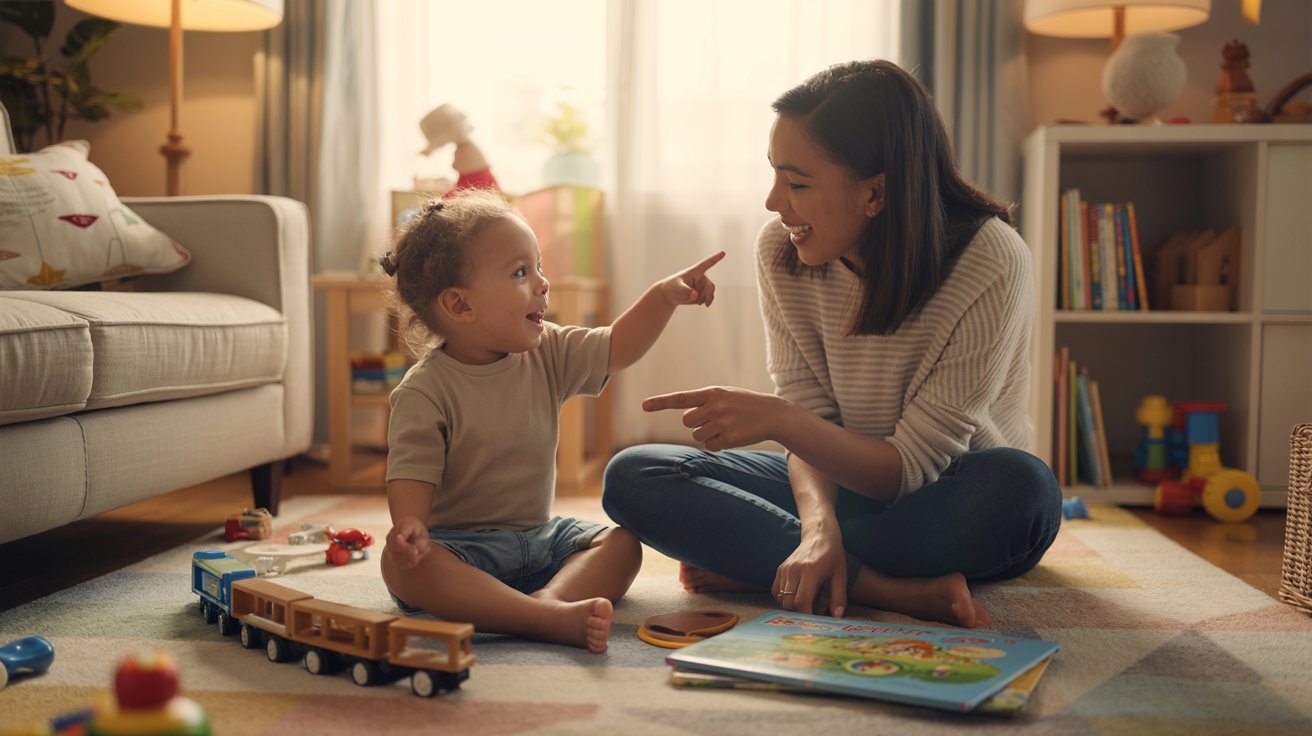
Pick an object and give clues. Ask your child to guess it and describe it in a full sentence. This builds vocabulary, observation, and sentence structure in one simple game.
3. Alphabet Hunt
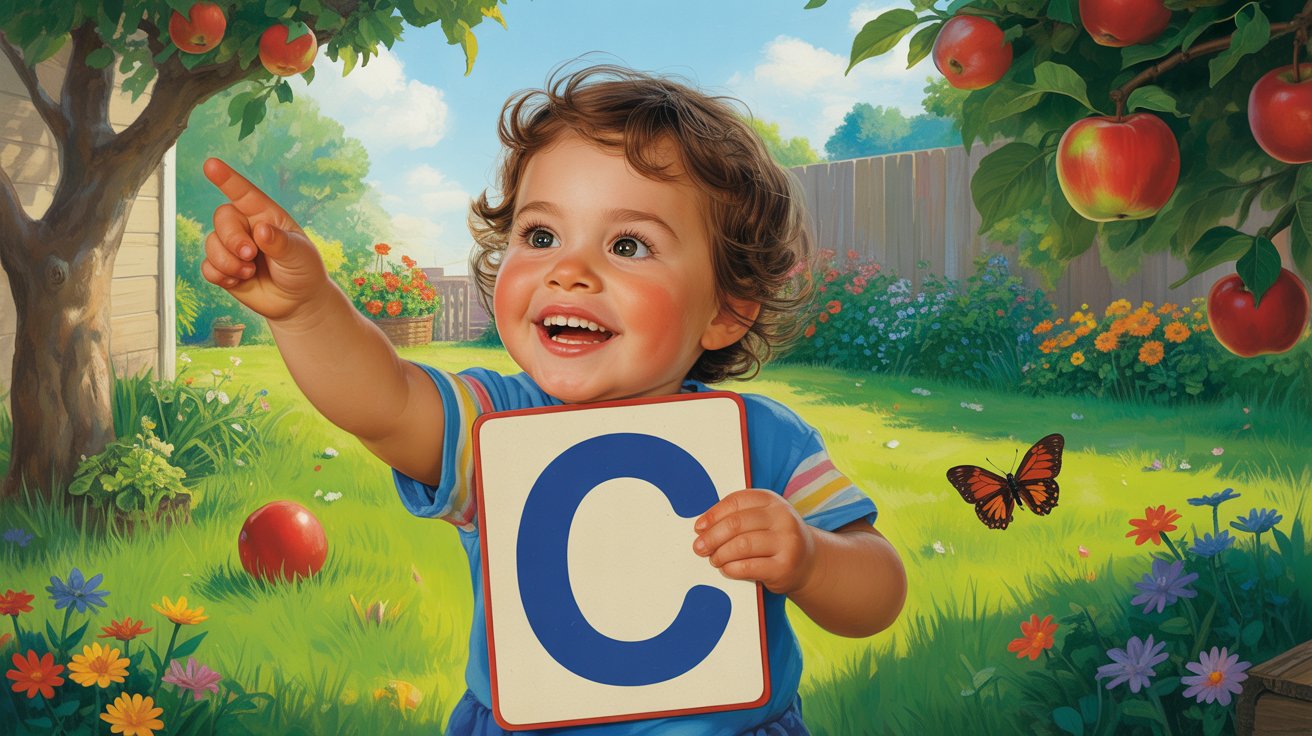
Call out a letter and ask your child to find something that starts with it. Once found, they say the word clearly. It builds phonics awareness fast and works well indoors and outdoors.
4. Hidden Object Word Game

Hide small objects around the room. When your child finds one, they say its name out loud. Ask them to use it in a sentence too. It makes speech practice feel like a fun hunt.
5. Word Search Speaking Activity
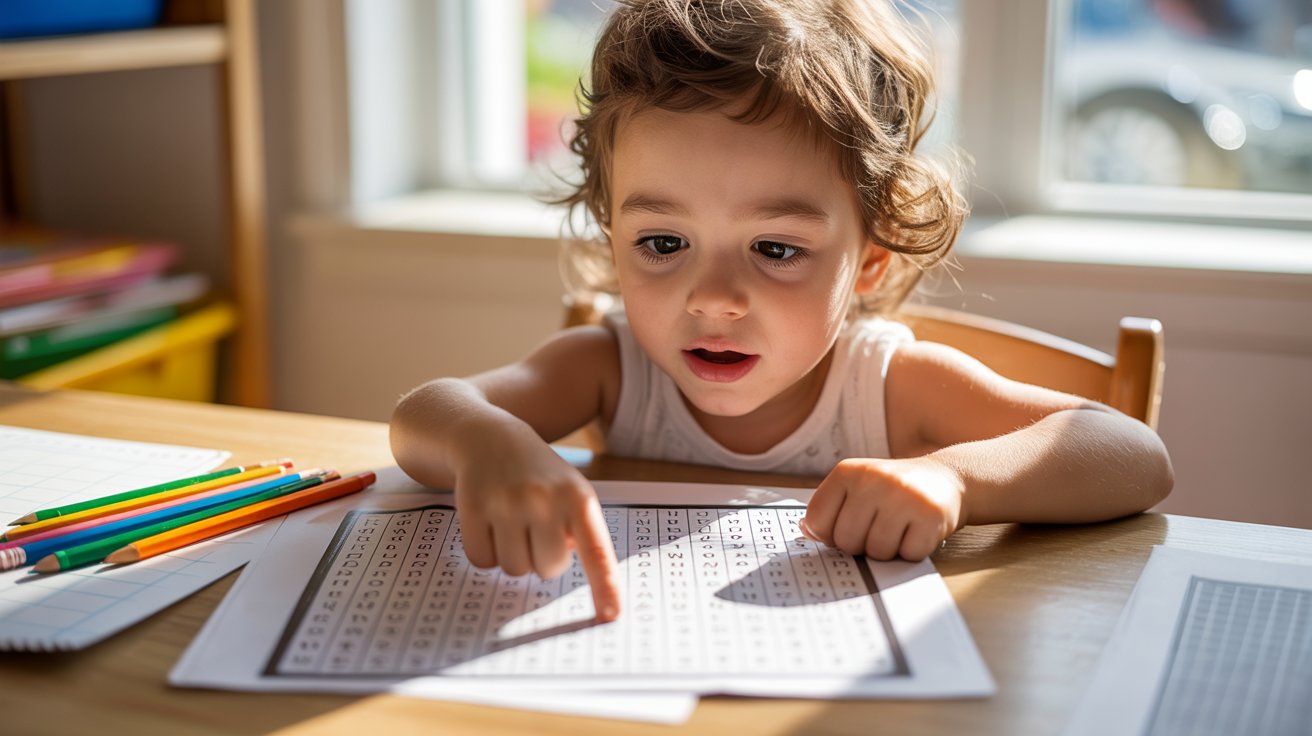
Give your child a word search sheet. Each time they find a word, they say it out loud. Ask them to spell it or use it in a sentence for extra practice. Simple and effective.
6. Word Card Hide and Seek
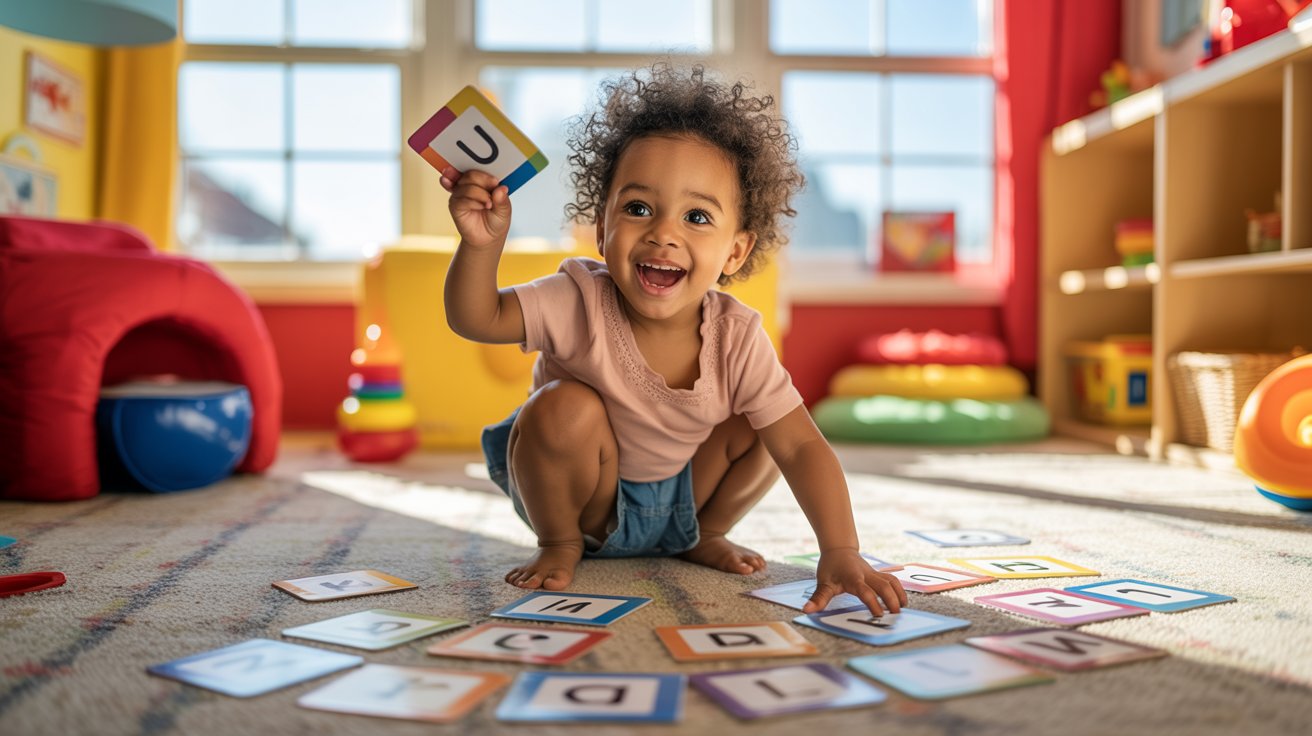
Write words on small cards and hide them around the room. When your child finds a card, they read it out loud. Ask them to use the word in a sentence for added practice.
7. Flashcard Naming Game

Hold up picture flashcards one at a time. Ask your child to name what they see. Add a challenge by asking them to describe it in a sentence. Great for vocabulary and articulation practice.
8. Rhyming Words Game

Say a word and ask your child to find something that rhymes with it. Take turns going back and forth. Rhyming sharpens phonological awareness and teaches kids to listen carefully to sounds.
9. Sound Imitation Game
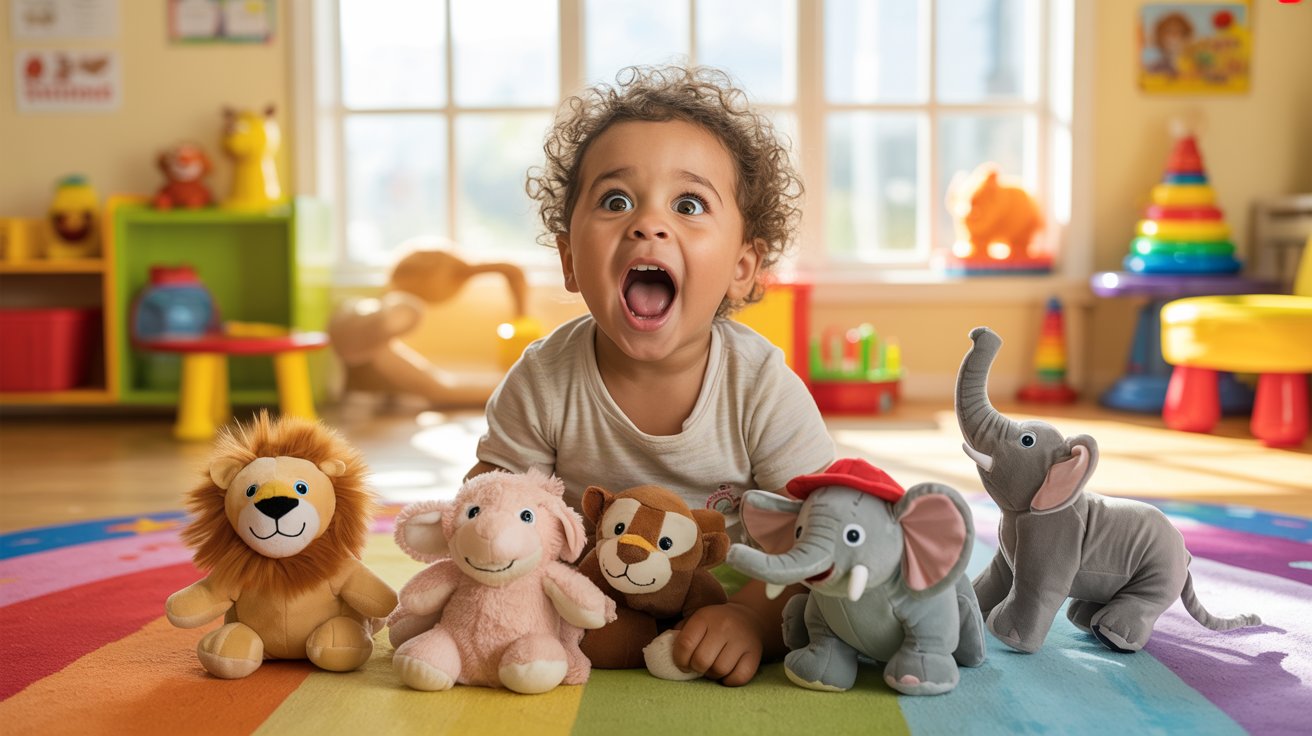
Make a sound or copy an animal noise and ask your child to repeat it. Start simple and get more complex over time. This trains mouth muscles and keeps energy high during practice.
10. Story Building Game
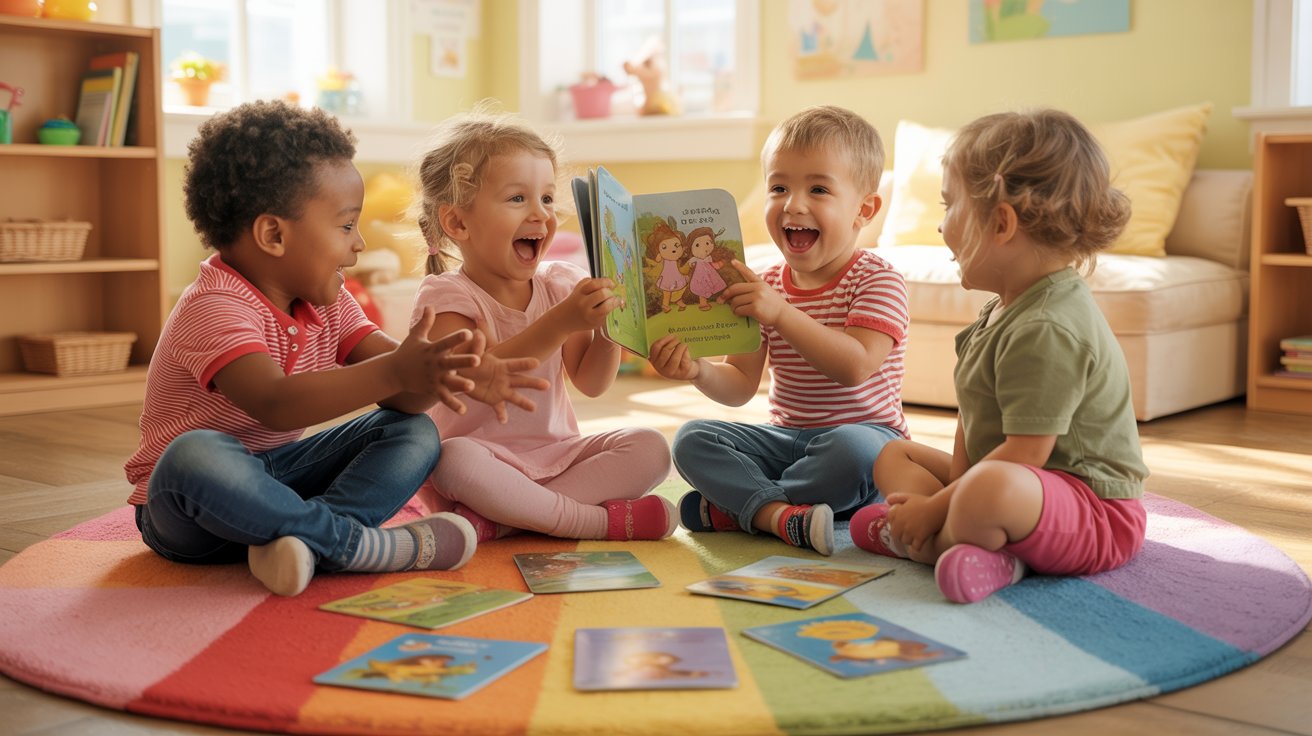
Give your child a few words or pictures and ask them to build a short story. Each person adds one sentence at a time. This builds sentence formation, creativity, and listening skills together.
11. Opposites Game

Say a word and ask your child to give its opposite right away. Keep the pace fast to make it exciting. This builds vocabulary and quick thinking using simple everyday words.
12. Category Naming Game

Pick a category like fruits or animals. Ask your child to name as many items as they can in 30 seconds. This builds vocabulary fast and teaches kids to organize words in their mind.
13. Sentence Builder Game
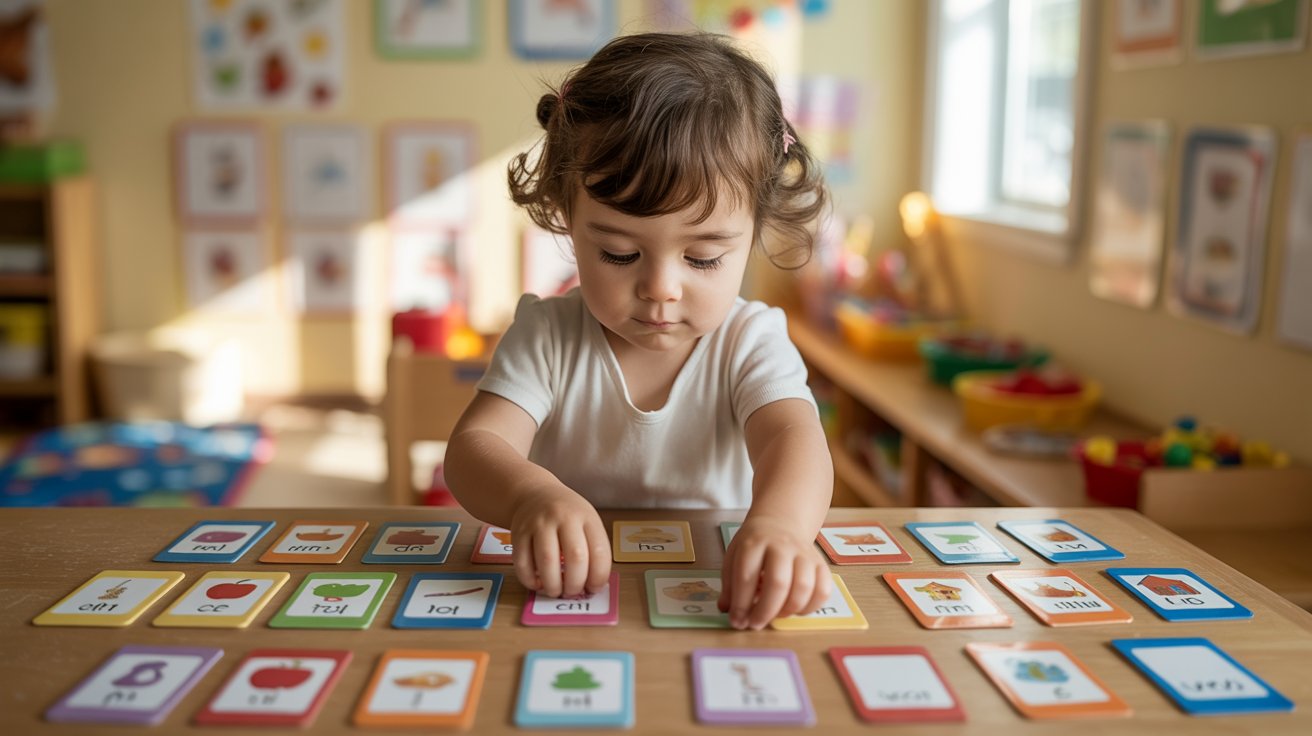
Write random words on cards. Ask your child to pick a few and build a sentence. This teaches word order and sentence structure. Even silly sentences help kids practice forming complete thoughts.
14. Action Word Game

Act out a verb like jumping or clapping. Ask your child to say the word as you do it. Then switch roles. This connects movement to language and helps kids remember action words easily.
15. Guess the Object Game
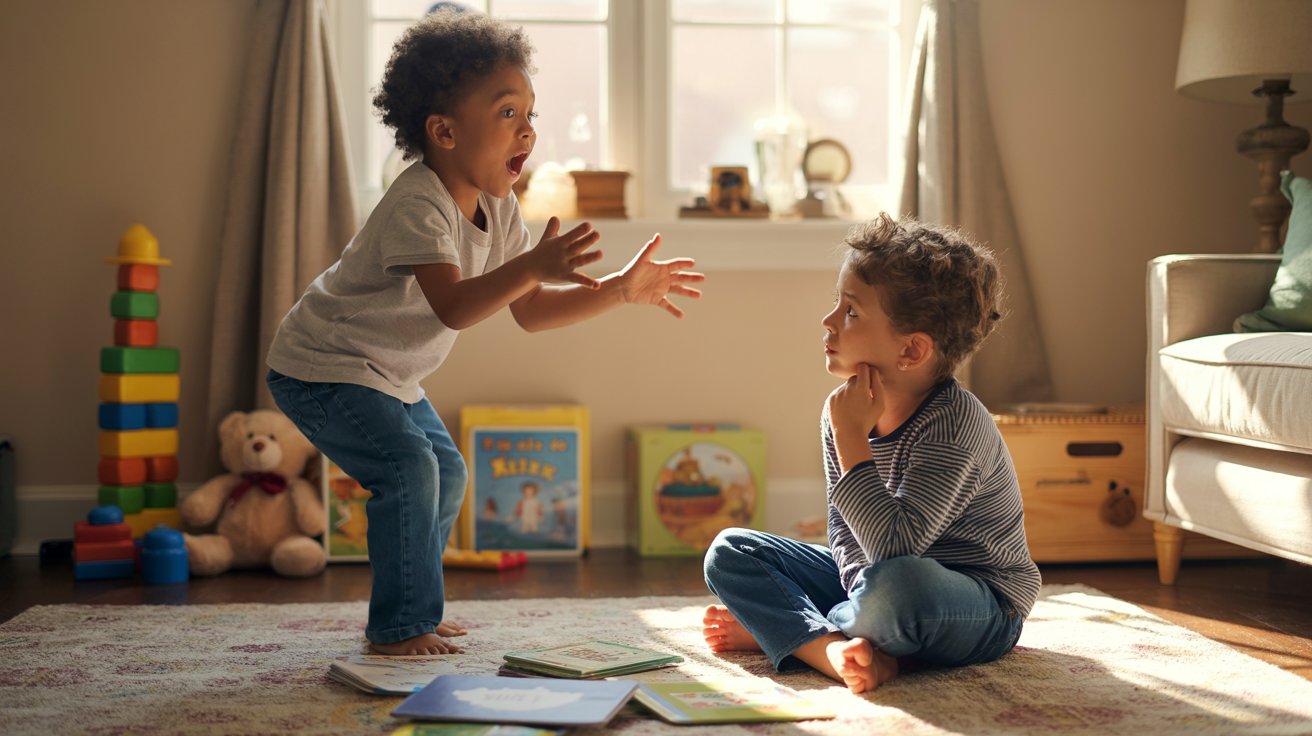
Pick an object and describe it without saying its name. Your child guesses what it is. Then swap roles. This builds descriptive language, listening skills, and vocabulary in a fun way.
16. Sound Focused Sentence Game
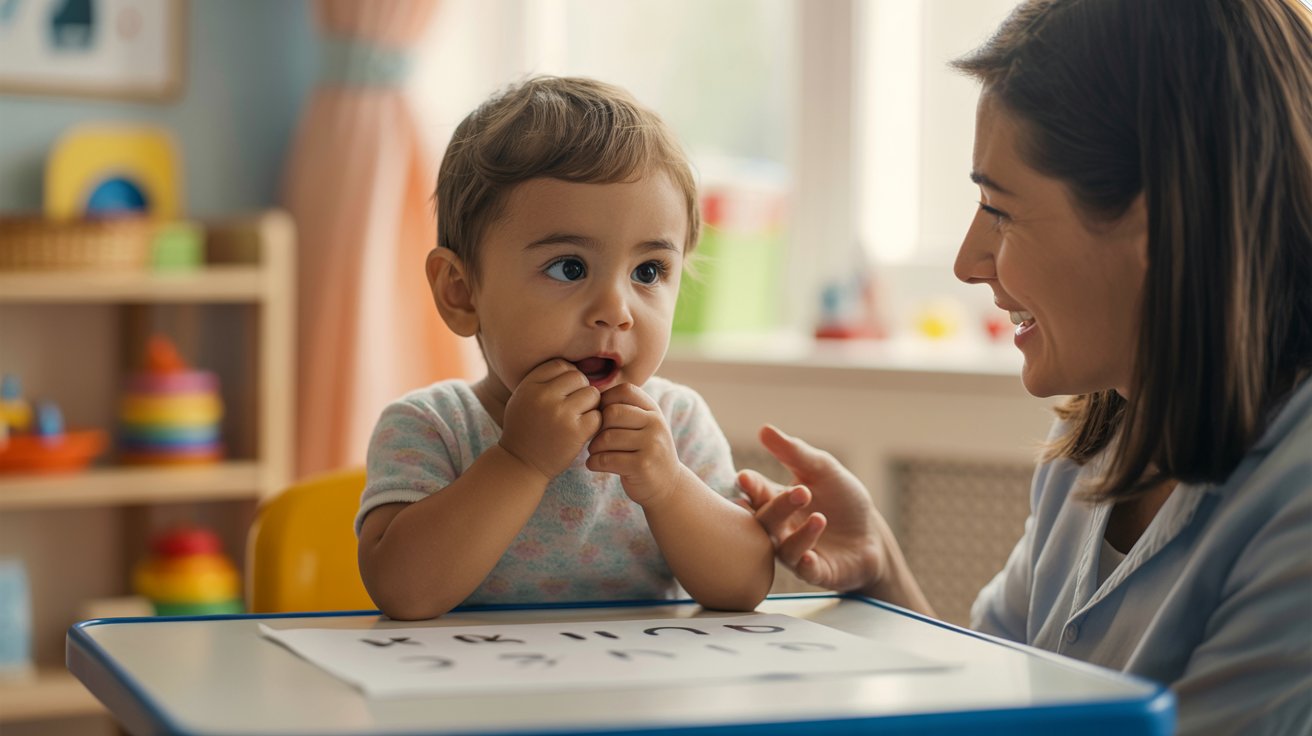
Pick a target sound like S or R. Ask your child to say a sentence using words with that sound. This gives focused practice on tricky sounds. Repeating it a few times builds real improvement.
17. Picture Description Game

Show your child a picture and ask them to describe what is happening. Encourage full sentences and details. This builds vocabulary, sentence formation, and speaking confidence with every session.
Tips to Make Speech Therapy Games More Effective
- Start simple with toddlers by using single words and short phrases. Older kids can handle full sentences and more complex word choices.
- Short daily sessions work far better than long weekly ones. Even 10 minutes a day adds up to big results over time.
- Always encourage effort, not just the right answer. A simple "great try" goes a long way in keeping kids motivated.
- Repeat the same game a few times before switching to a new one. Repetition helps kids build real confidence with sounds and words.
- Make every session feel low pressure and fun. Kids speak more freely when they do not feel like they are being tested.
Conclusion
Speech therapy games work because kids do not even realize they are practicing. I have seen real progress happen through simple, playful activities done consistently every day.
The key is to keep it fun and keep showing up. Pick one or two games from this list and start today. Even five minutes of play-based practice makes a difference.
If this guide helped you, share it with another parent or caregiver who needs it right now.
Frequently Asked Questions
What age is best to start speech therapy games with kids?
You can start as early as age 2 with simple sound and word games. The earlier you begin, the faster kids build strong communication skills.
How long should each speech therapy game session last?
Short sessions of 10 to 15 minutes daily work best for young kids. Consistency matters more than the length of each session.
Can I use these speech therapy games at home without a therapist?
Yes, most of these games are designed for parents, teachers, and caregivers to use at home. No special training or equipment is needed to get started.
How do I know if the speech therapy games are working?
Look for small signs like clearer pronunciation, longer sentences, or more confidence when speaking. Progress may be slow at first but it builds steadily with regular practice.
How many games should I play in one session with my child?
Stick to one or two games per session to avoid overwhelming your child. Repeating the same game a few times helps reinforce the skill being practiced.