
Solar system activities for kids don't have to be hard to plan. I remember spending way too much time searching for ideas that were fun, simple, and actually taught something.
That search ends here. This blog covers 43 hands-on crafts, material lists, teaching tips, and FAQs.
Everything here is tested, simple, and works for home or school.
No fluff. No confusion. Just clear ideas to make space learning exciting for your child. I built this guide to solve exactly what you are looking for.
Let us get into it.
Why Solar System Activities Are Important for Kids
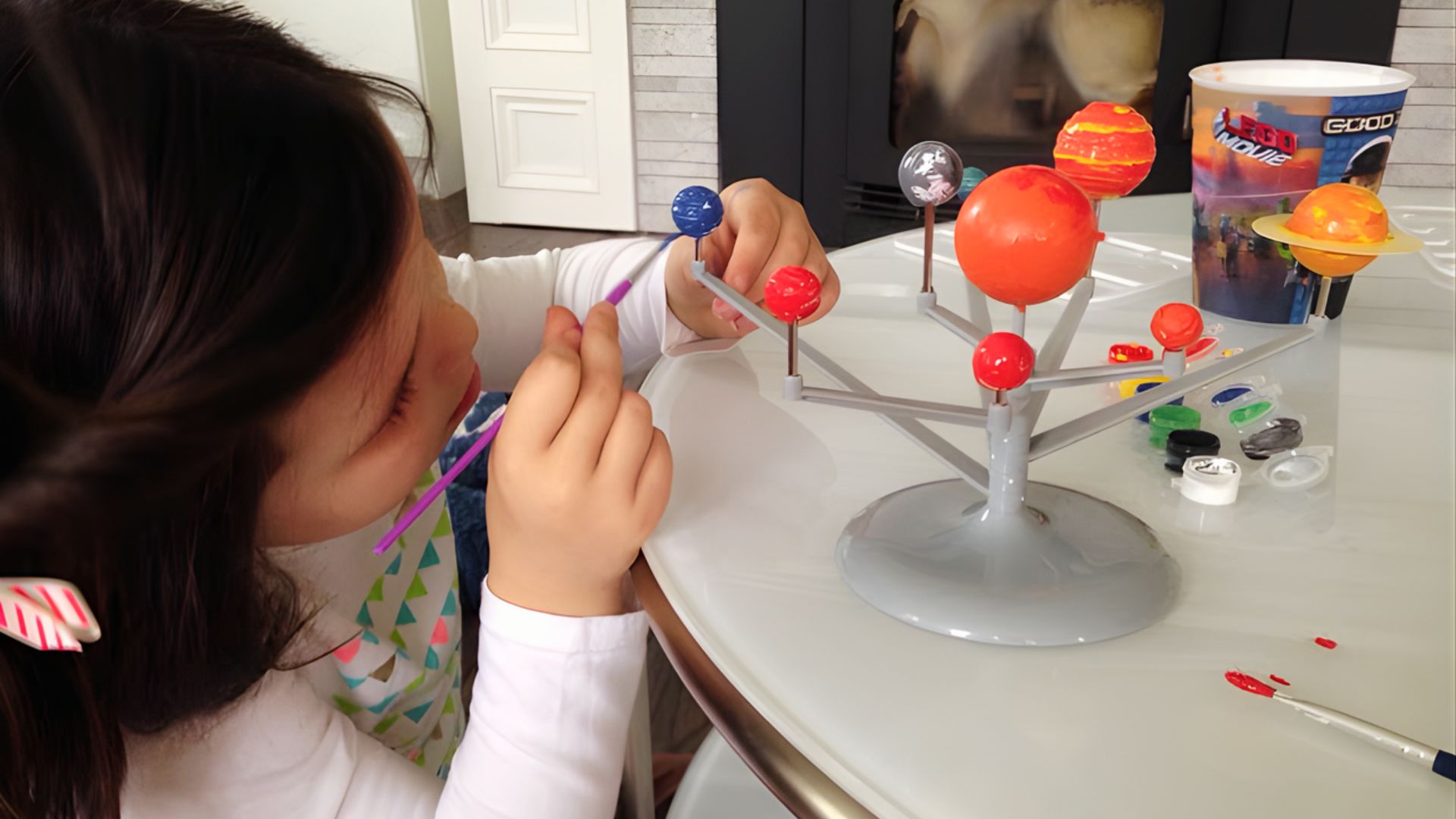
Kids learn better when they use their hands. Solar system activities help children understand the size, order, and features of planets in a way that textbooks simply cannot match.
These activities build science skills, spark curiosity, and improve focus. They also make abstract ideas like orbit and gravity feel real and relatable.
When a child makes a planet model or sorts paper planets by size, they are doing real science thinking without even knowing it.
Hands-on learning stays in memory longer.It also builds confidence. Kids feel good when they create something themselves.
That feeling keeps them interested in learning more about the world around them.
Materials Needed
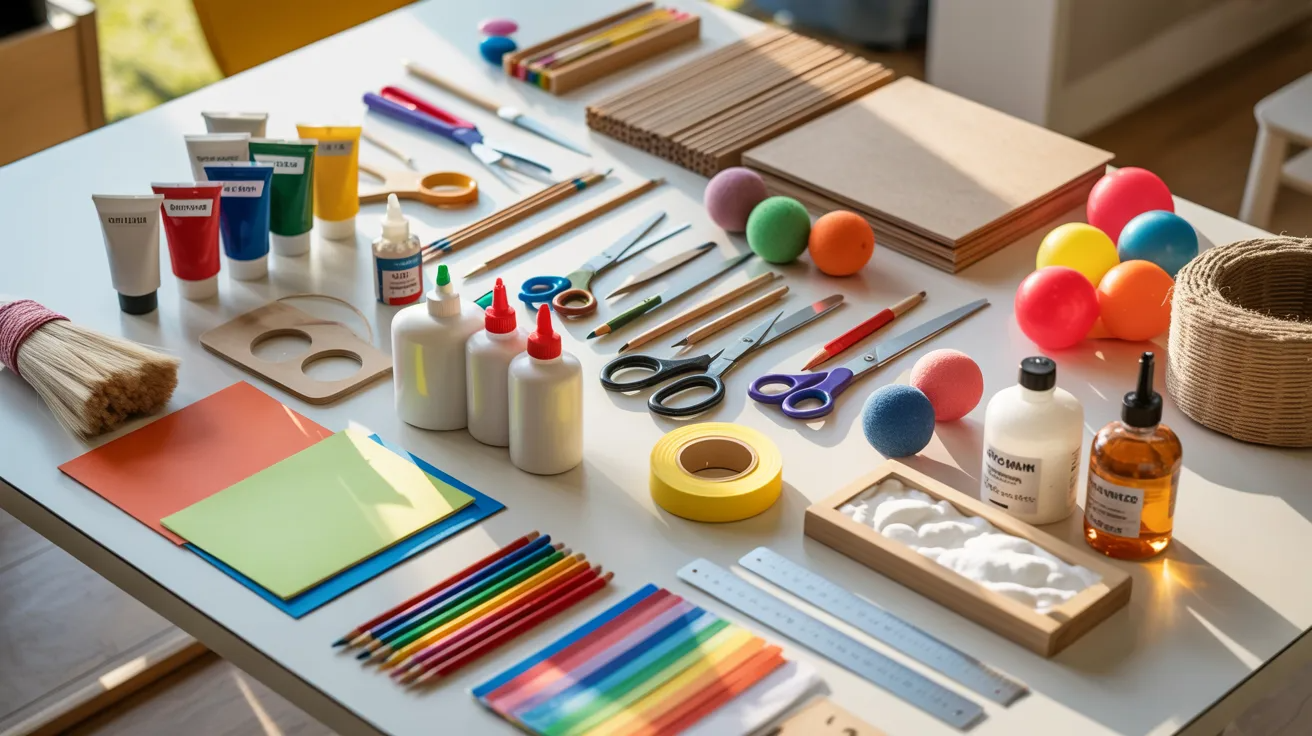
Most of these activities need simple, low-cost items you may already have at home.
- Craft Supplies: Paint, brushes, scissors, glue, cardboard, foam balls, and string cover most craft activities on this list.
- Printable Worksheets:Free planet worksheets and solar system charts can be printed from many educational and teacher resource websites.
- Basic Classroom Materials:Pencils, markers, tape, construction paper, and rulers are all you need for most basic projects.
- STEM Experiment Materials: Balloons, baking soda, vinegar, measuring tape, or simple lab tools may be needed for science-based activities.
Having these items ready before you start will save time and keep things running smoothly.
List of 43 Hands-On Solar System Craft Activities
Here are 43 easy and fun solar system crafts your kids can make at home or in class across every skill level and age group.
1. Paper Plate Solar System
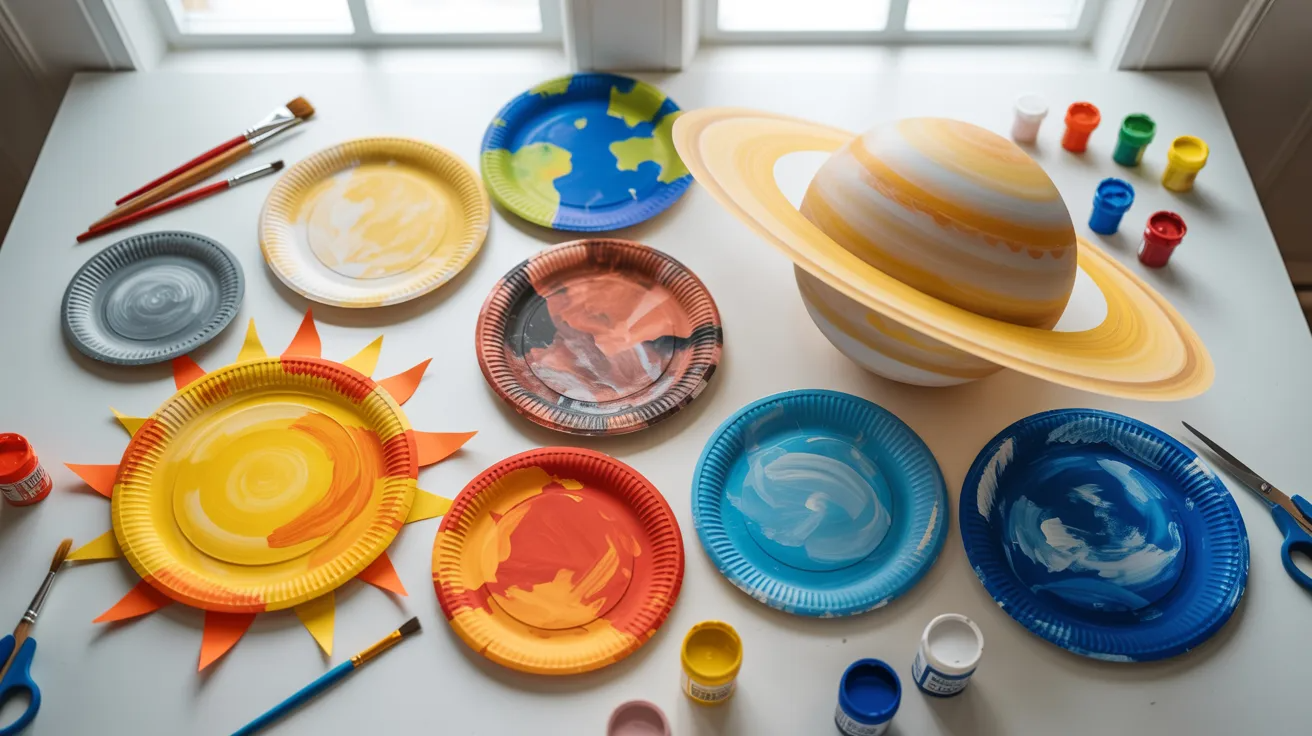
Paint paper plates in different colors to show each planet. Arrange them in order from the sun. This is a great first activity for young kids learning planet names and order.
2. Playdough Planet Models
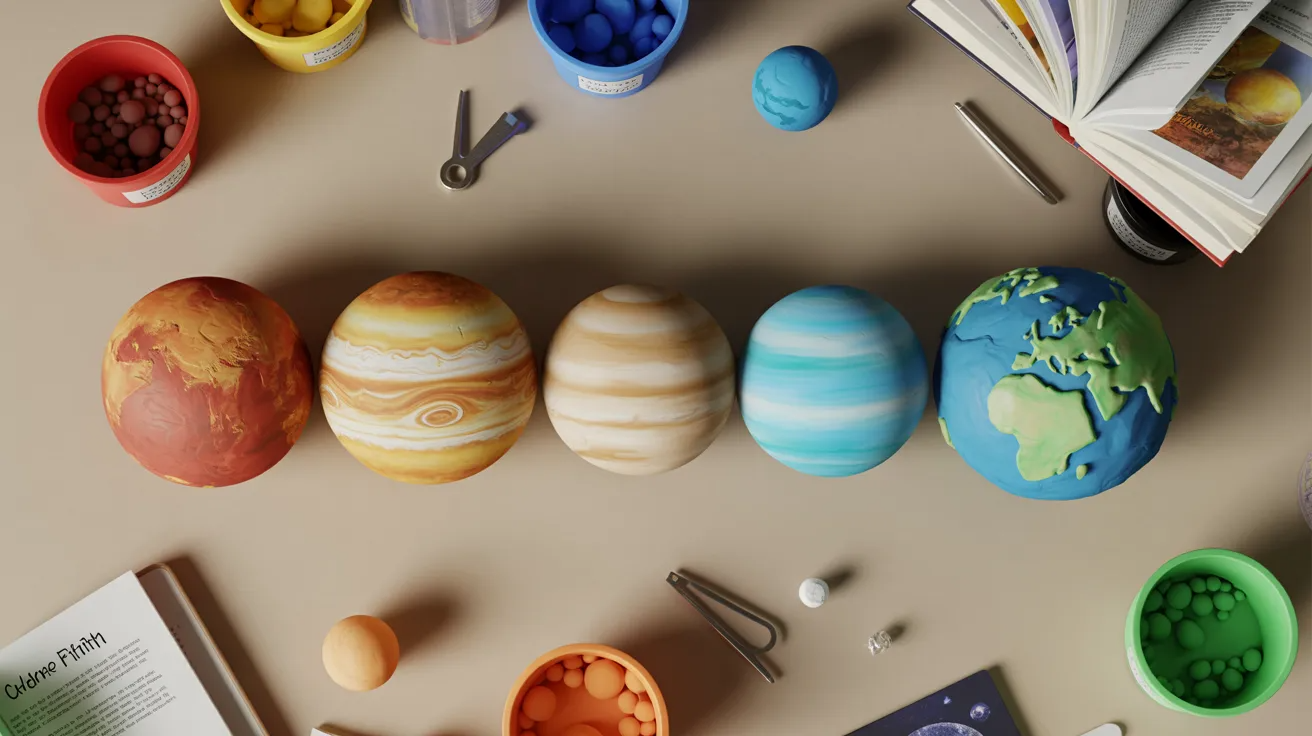
Use colorful playdough to shape each planet by size. This hands-on activity helps kids feel the difference between big and small planets while staying creative and engaged throughout.
3. Hanging Solar System Mobile
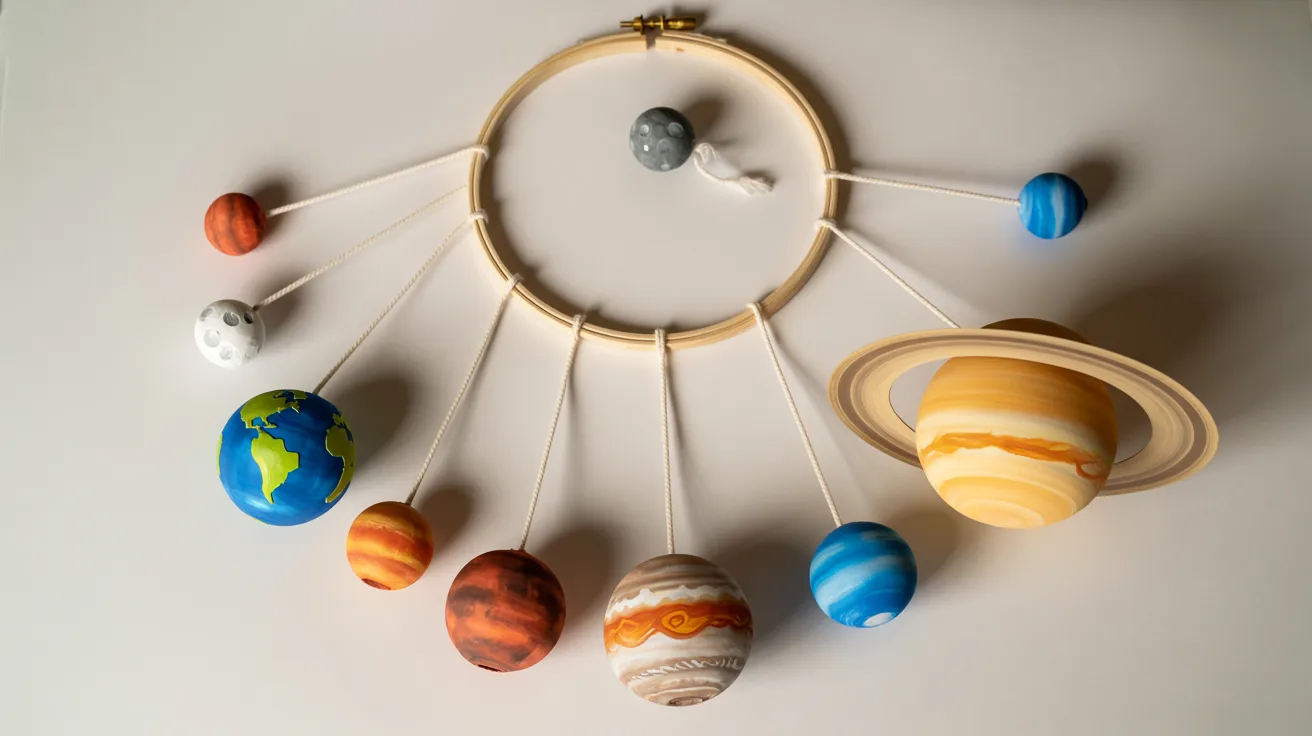
Cut out planet shapes from cardboard, paint them, and hang with string from a hanger. This makes a fun classroom display that kids will want to show off after completing.
4. Painted Rock Planets
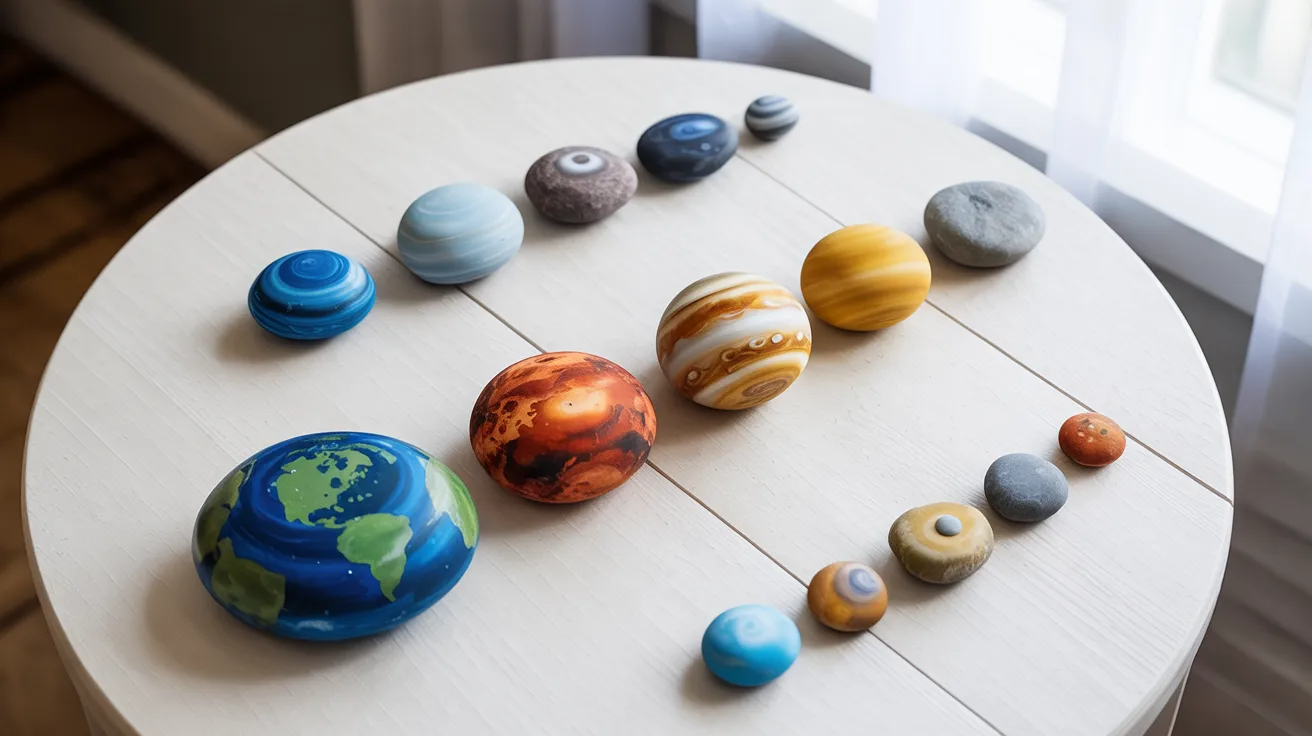
Collect smooth, round rocks and paint them to look like each planet. Use reference images to get the colors right. A simple, lasting craft that kids can display at home.
5. Balloon Planet Craft
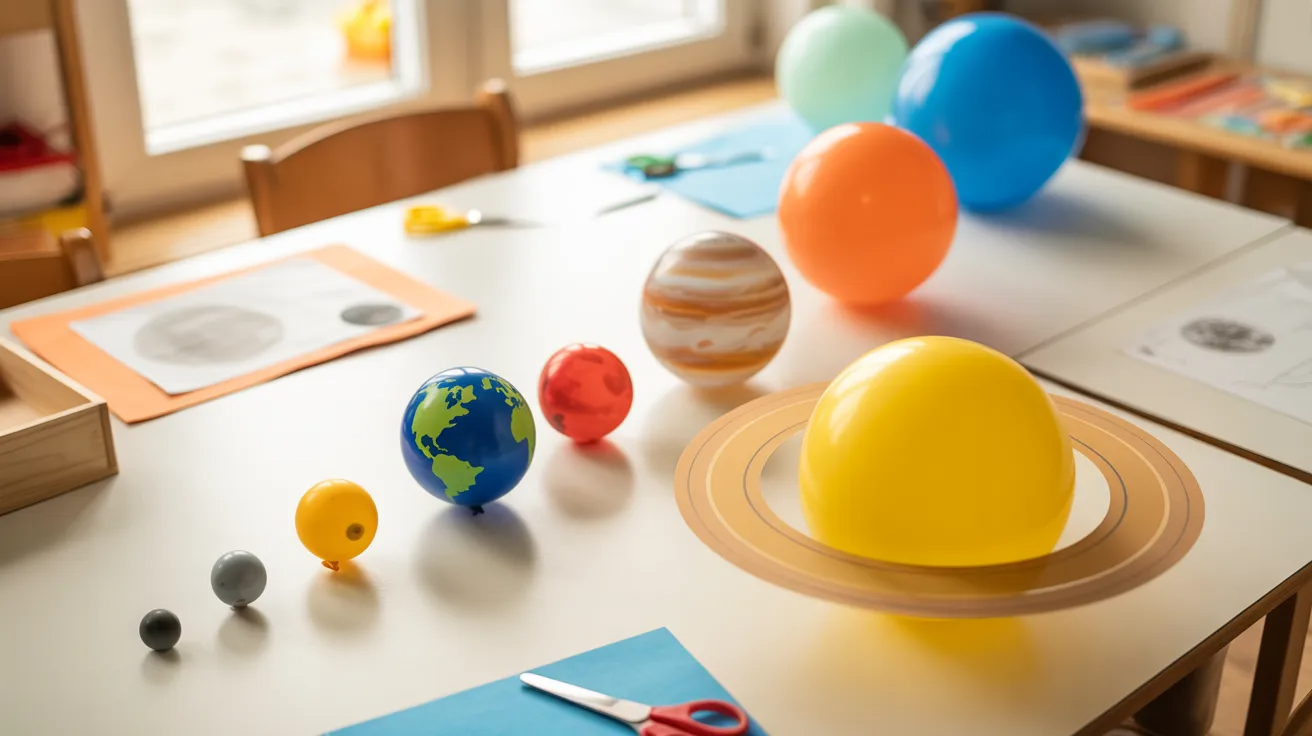
Blow up balloons in different sizes to show how planets compare to each other. Label each balloon with the planet name. A quick, fun visual activity that needs no art skills.
6. Coffee Filter Planets
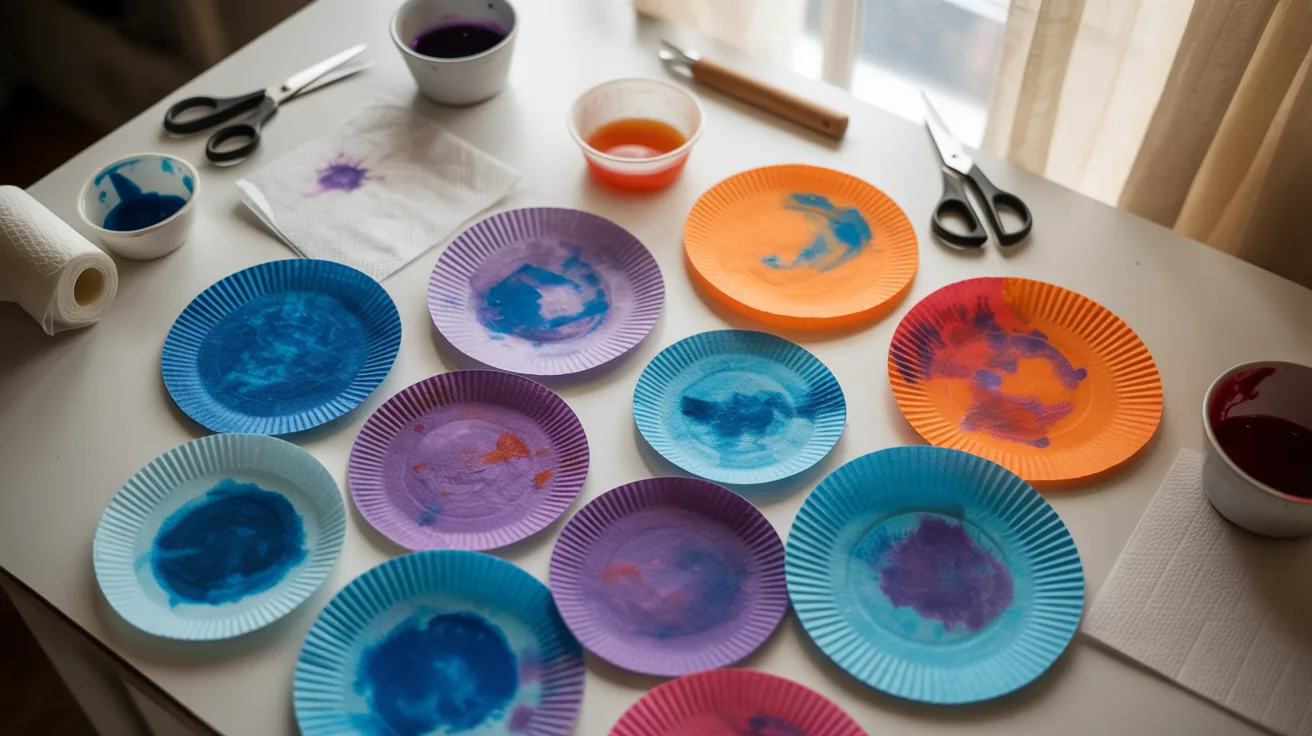
Wet coffee filters and drop food coloring on them to make colorful planet designs. Let them dry, cut into circles, and label each one. Easy, budget-friendly, and looks great displayed.
7. Cardboard Solar System Model

Cut planet circles from cardboard and paint them. Arrange on a large board with the sun at the center. Label each planet in order from the sun as a classroom reference.
8. Yarn Planet Craft
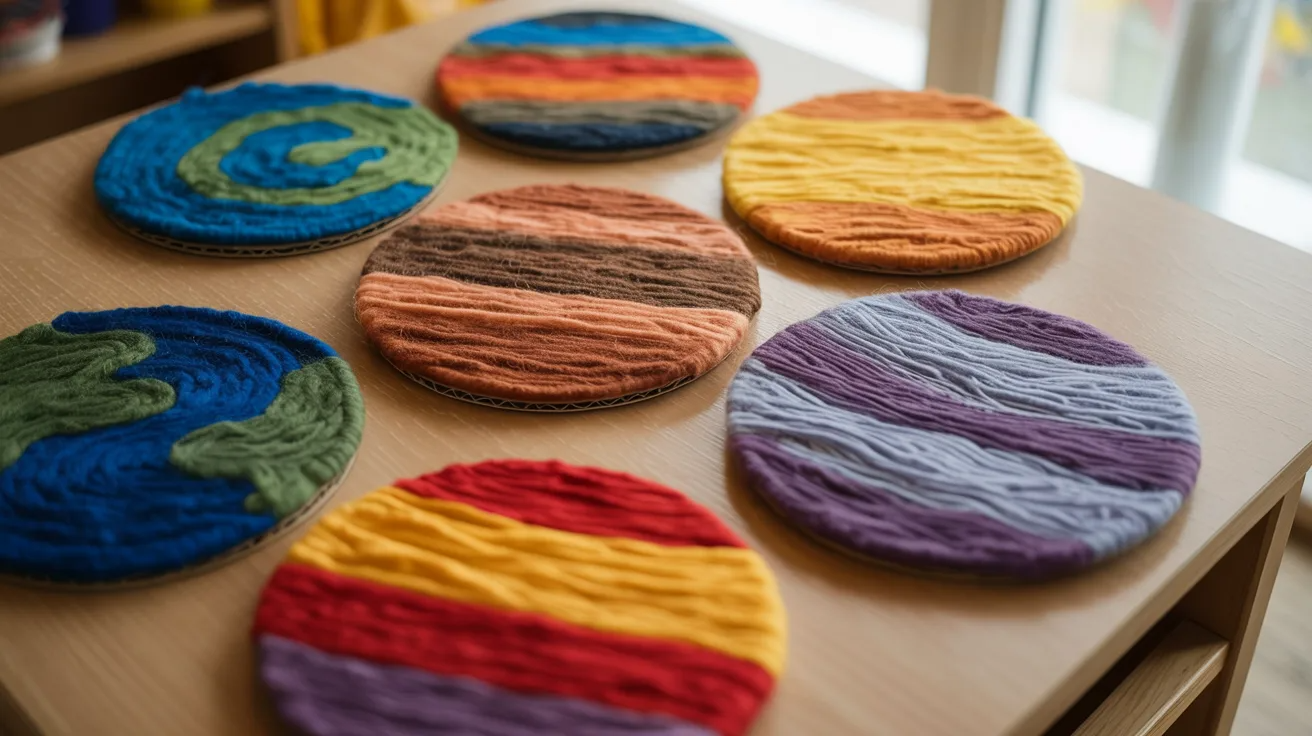
Wrap yarn around cardboard planet cutouts to add texture and color. Each planet gets its own color scheme. This tactile craft works well for younger kids who enjoy hands-on textures.
9. Solar System Collage
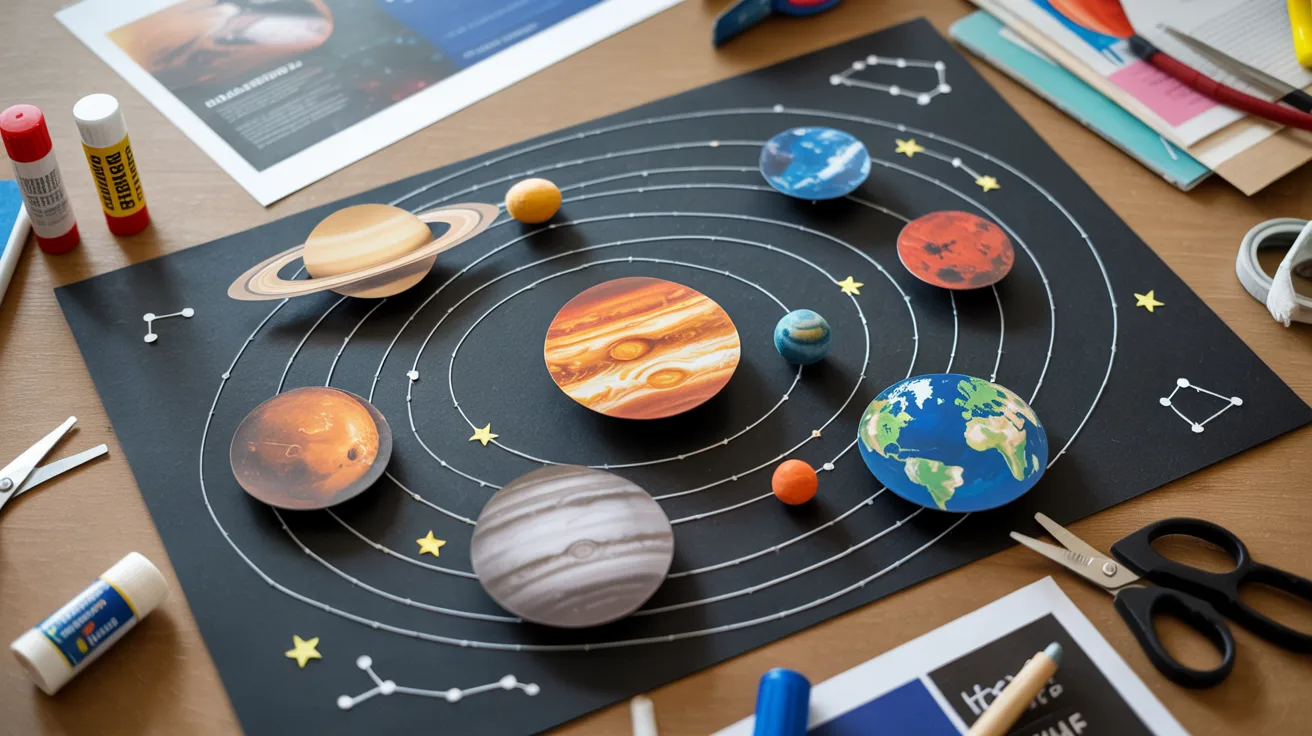
Cut planet images from old magazines or print them out. Glue them onto black paper in order from the sun. Add stars using white paint or stickers to finish.
10. Paper Cup Planets
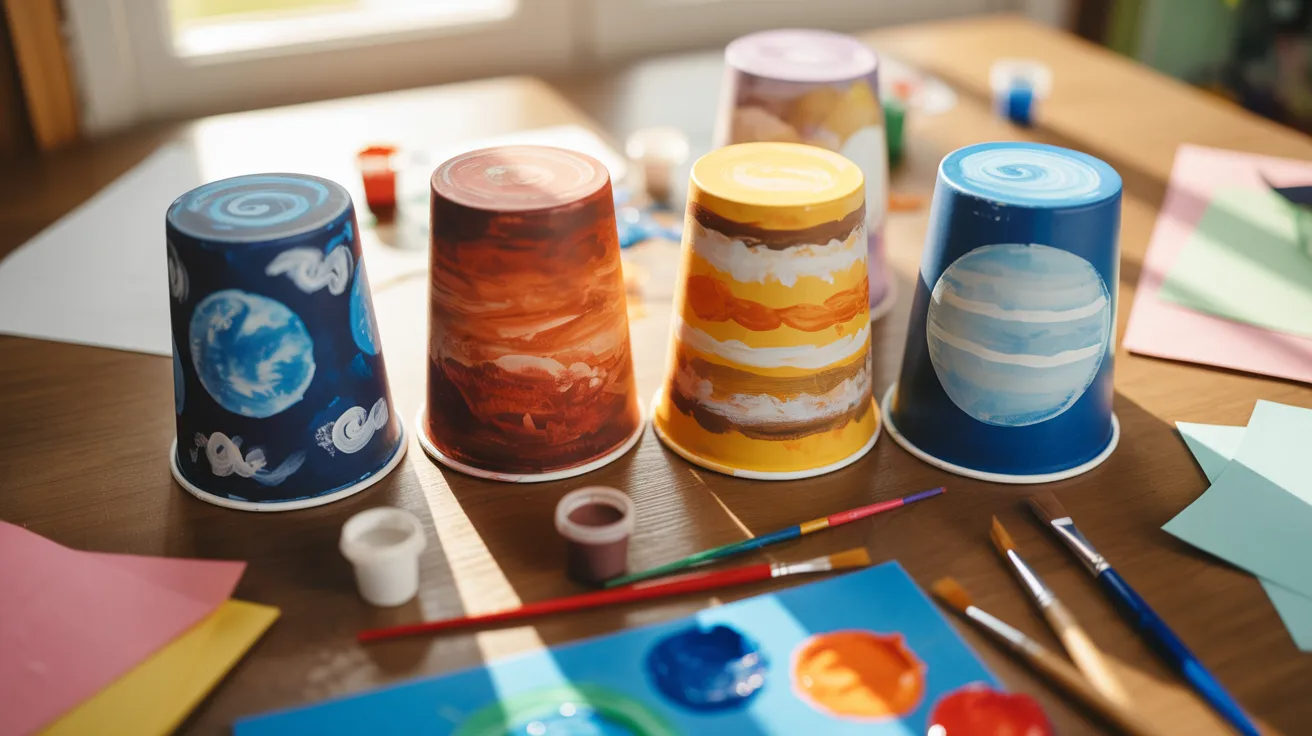
Paint paper cups in different planet colors and arrange them in a line. Write one planet fact inside each cup. A creative way to combine art with reading comprehension skills.
11. Bottle Cap Solar System
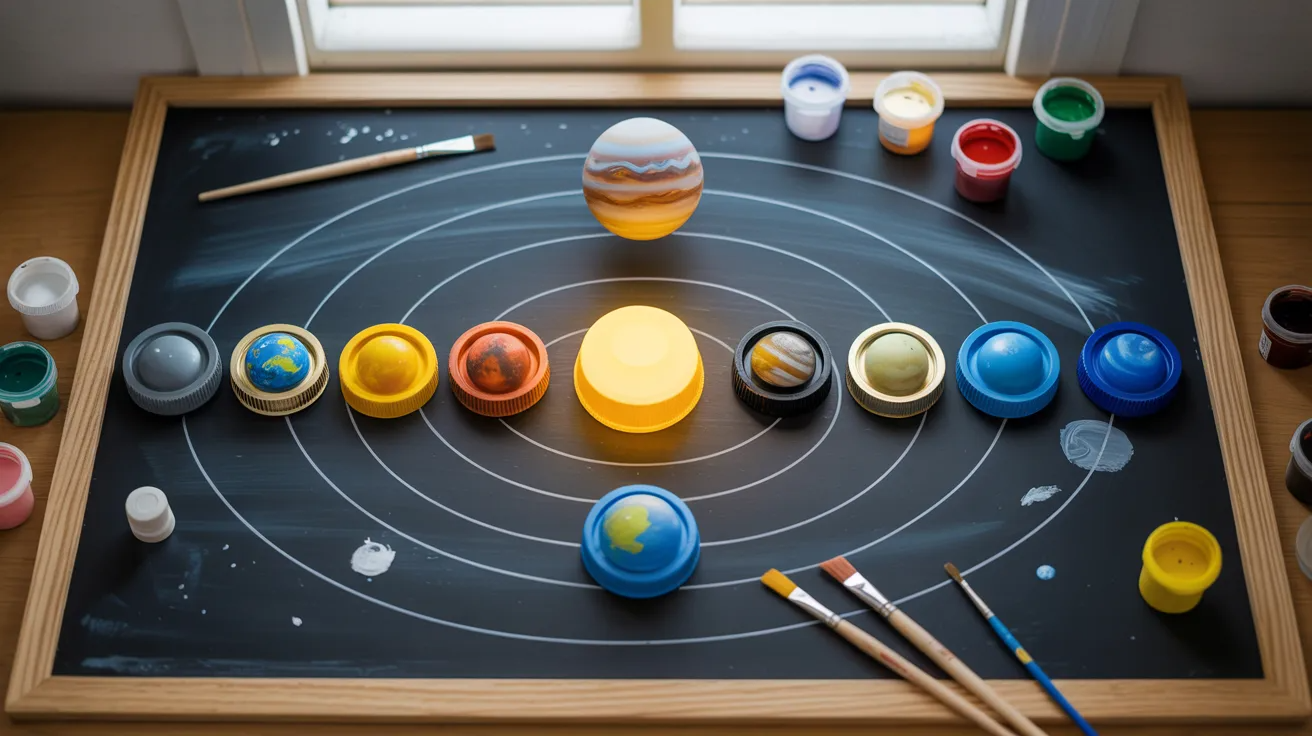
Paint bottle caps in planet colors and glue them onto black boards in order. This recycled craft is low-cost and great for teaching kids about reusing materials responsibly.
12. Clay Planet Models
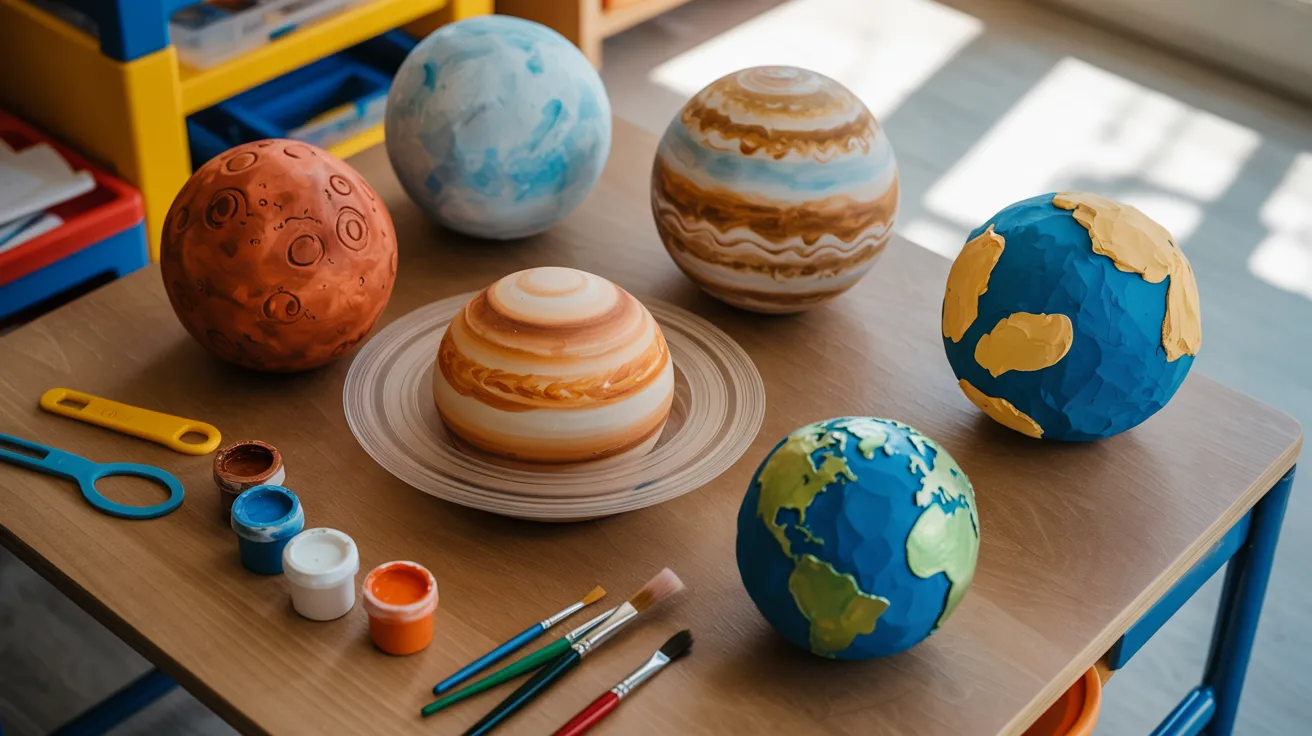
Use air-dry or oven-bake clay to shape detailed planet models. Let kids add texture to show rings or craters. Paint and seal when fully dry and display on a shelf.
13. Solar System Necklace
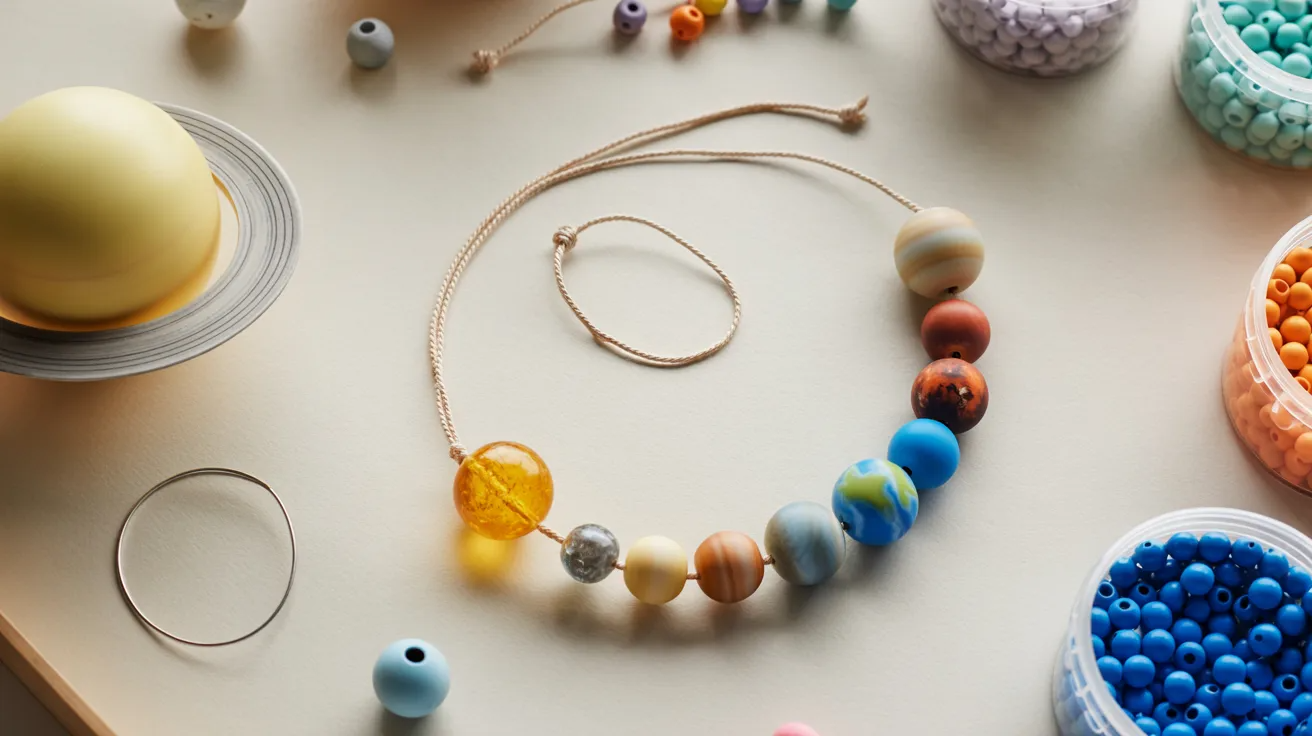
String painted beads in planet colors onto a cord in order from the sun. Each bead represents one planet. A wearable and fun way to remember the correct planet order.
14. Planet Stick Puppets
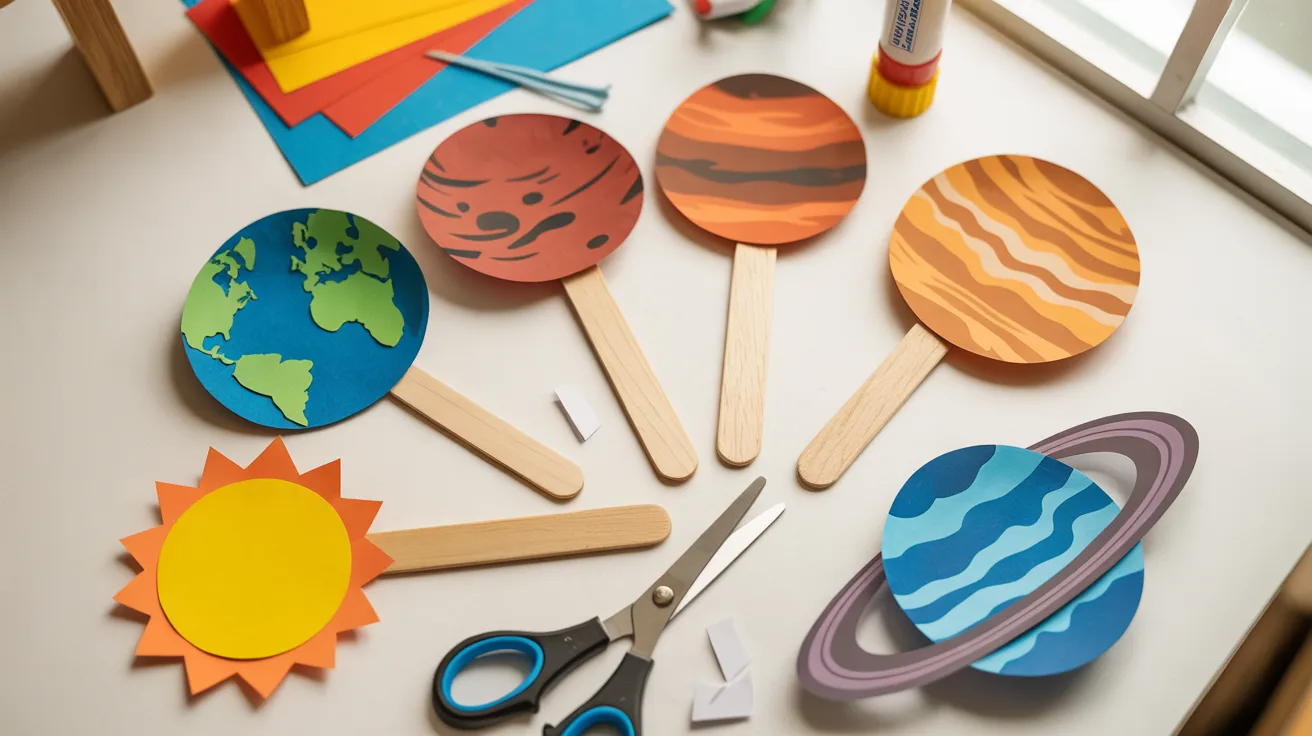
Draw and cut out planet shapes, color them carefully, and glue to craft sticks. Kids can use them to act out facts about each planet during a fun group presentation.
15. Sponge Painted Planets
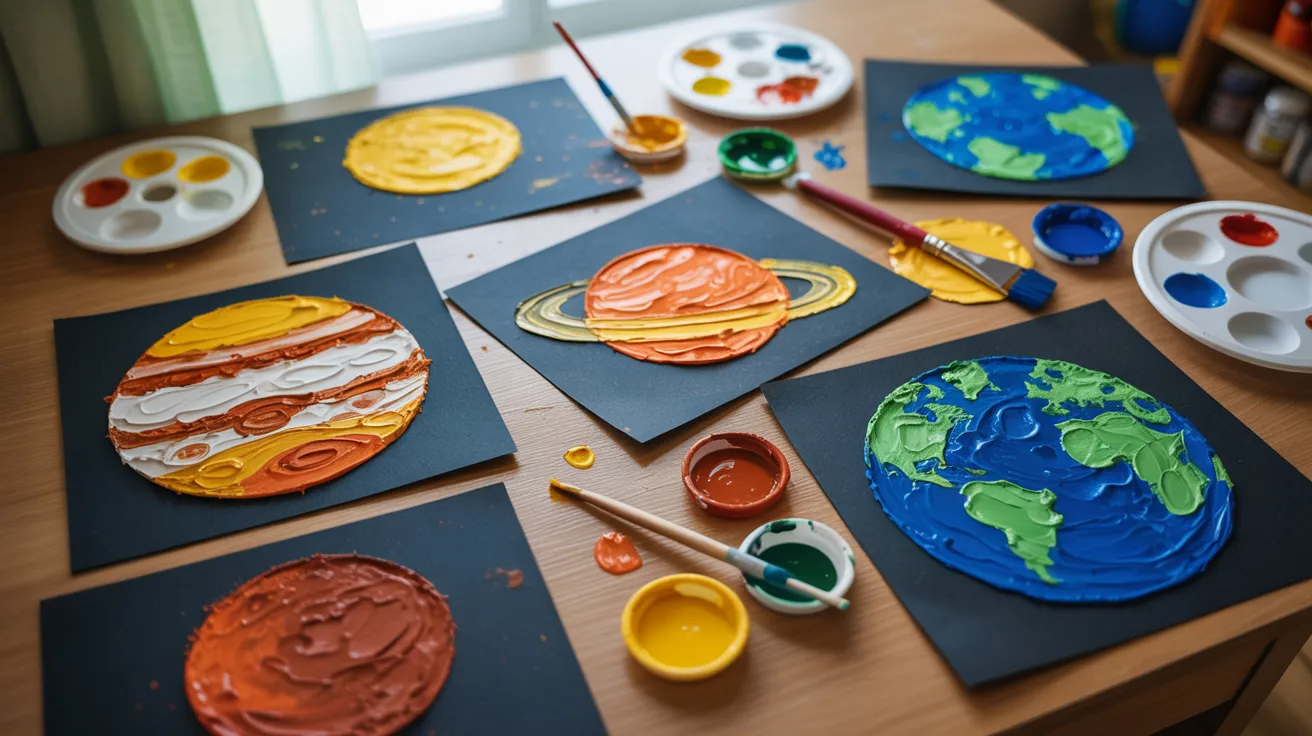
Cut sponges into circles and dip them in paint to stamp planet shapes onto dark paper. Layer colors carefully to get the look of real planet surfaces from reference images.
16. Foil Planet Art
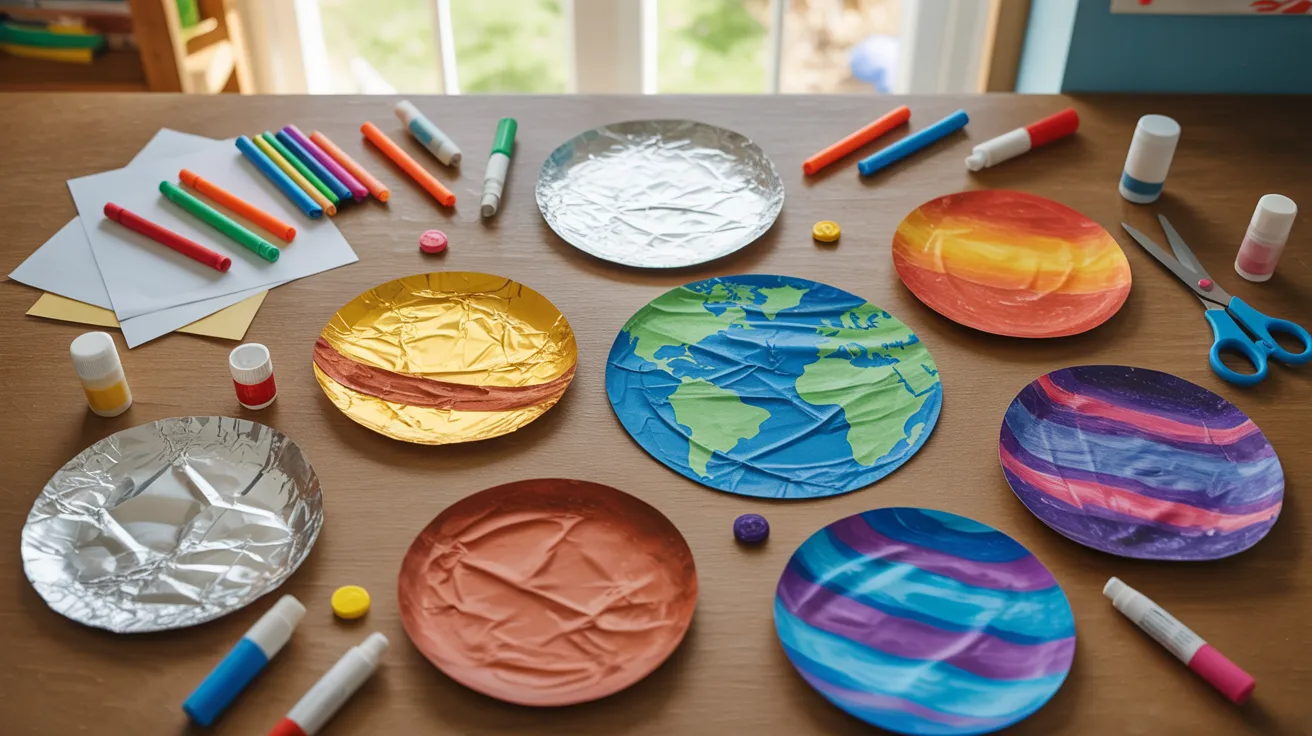
Press aluminum foil over cardboard planet shapes and color with permanent markers. The shiny surface gives a space-like finish. A quick and visually striking craft for all skill levels.
17. Pom-Pom Planets

Glue pom-poms in planet colors onto paper or string. Sort them by size to show how planets compare in scale. Simple enough for preschoolers and very early grade kids.
18. Paper Mache Planets
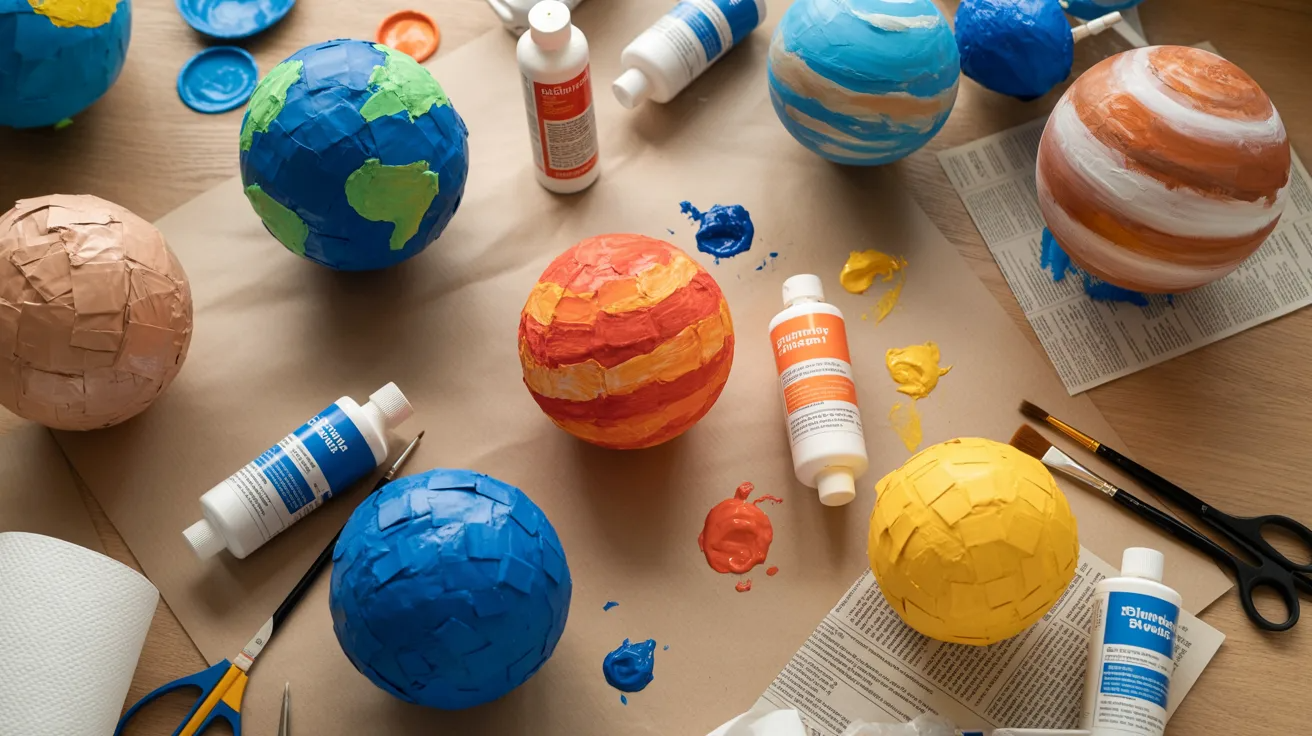
Blow up balloons and cover with strips of glue-soaked paper. Once dry, pop the balloon inside and paint as planets. A messy but rewarding multi-day project kids love.
19. Solar System Garland
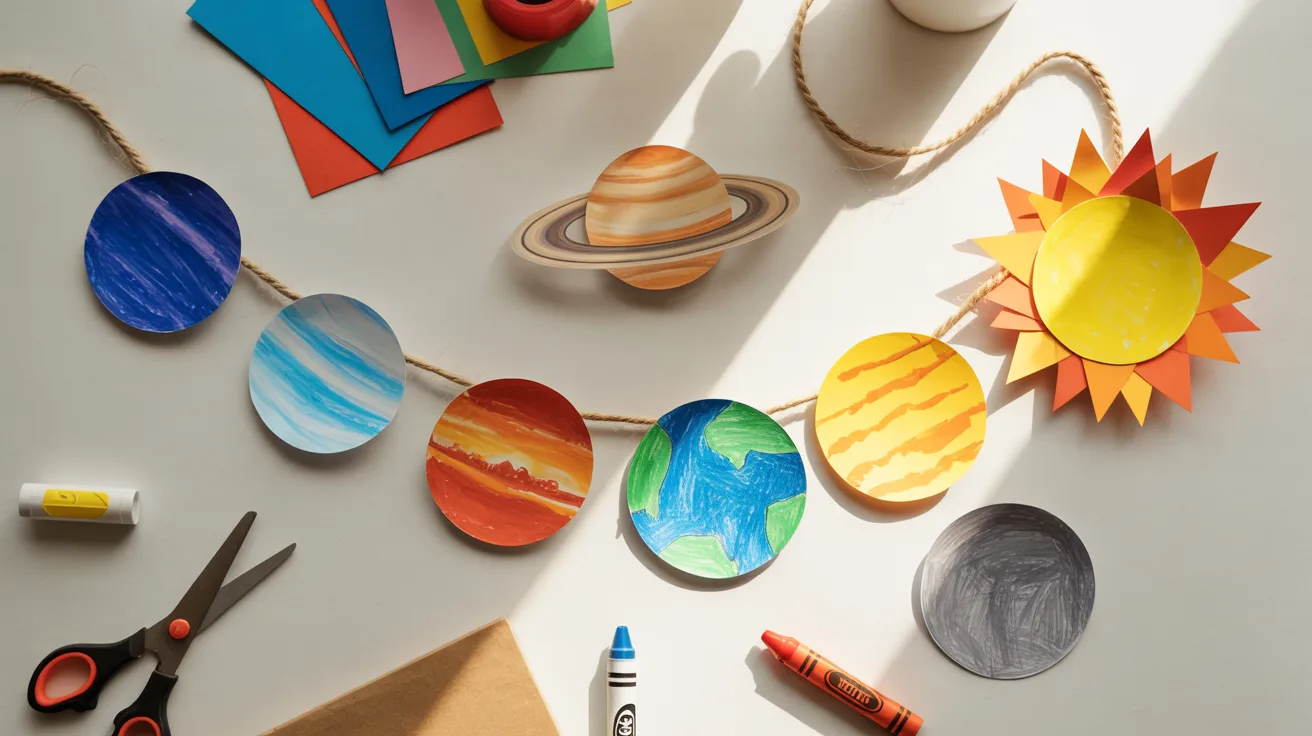
Cut planet circles from colored paper, write the planet name on each, and string them together. Hang across a wall or window as a fun and colorful classroom space decoration.
20. Planet Headband Craft
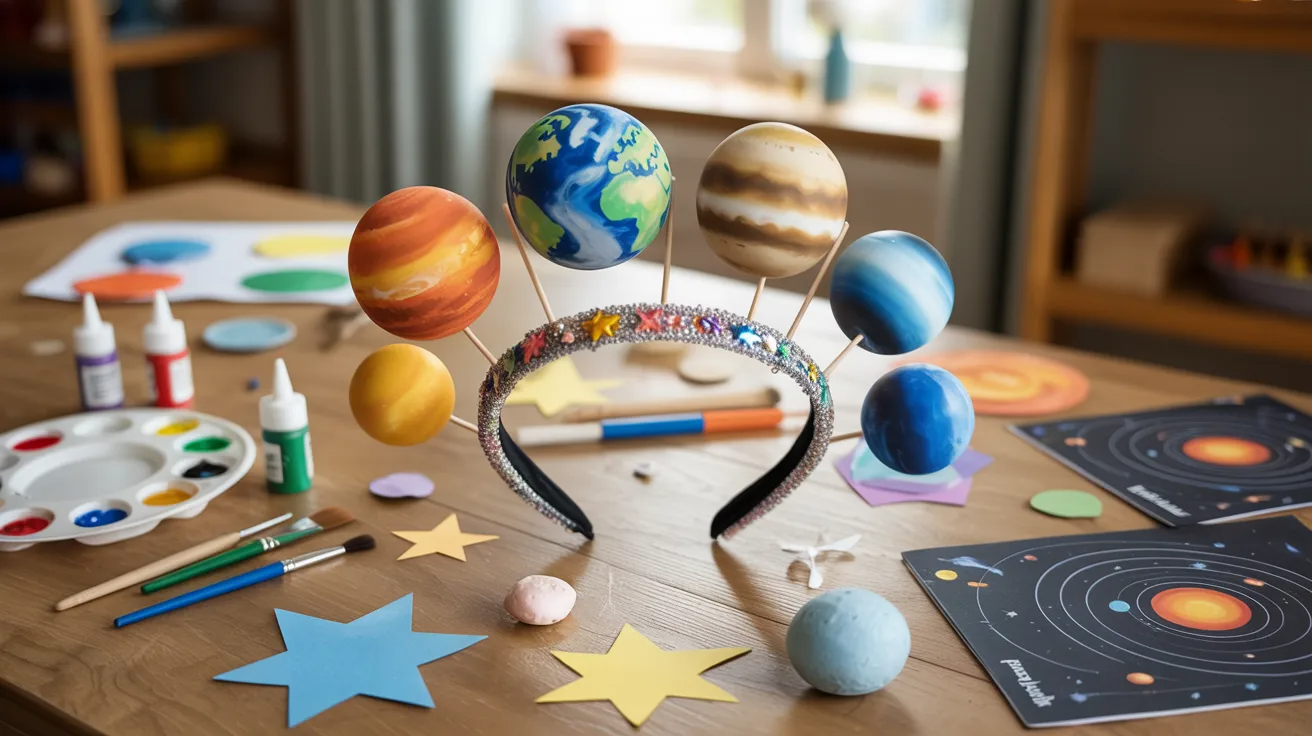
Make small planet models and attach them to a plain headband. Kids wear their solar system like a crown. Works well for space-themed school days and group presentations.
21. Solar System Bookmark Craft
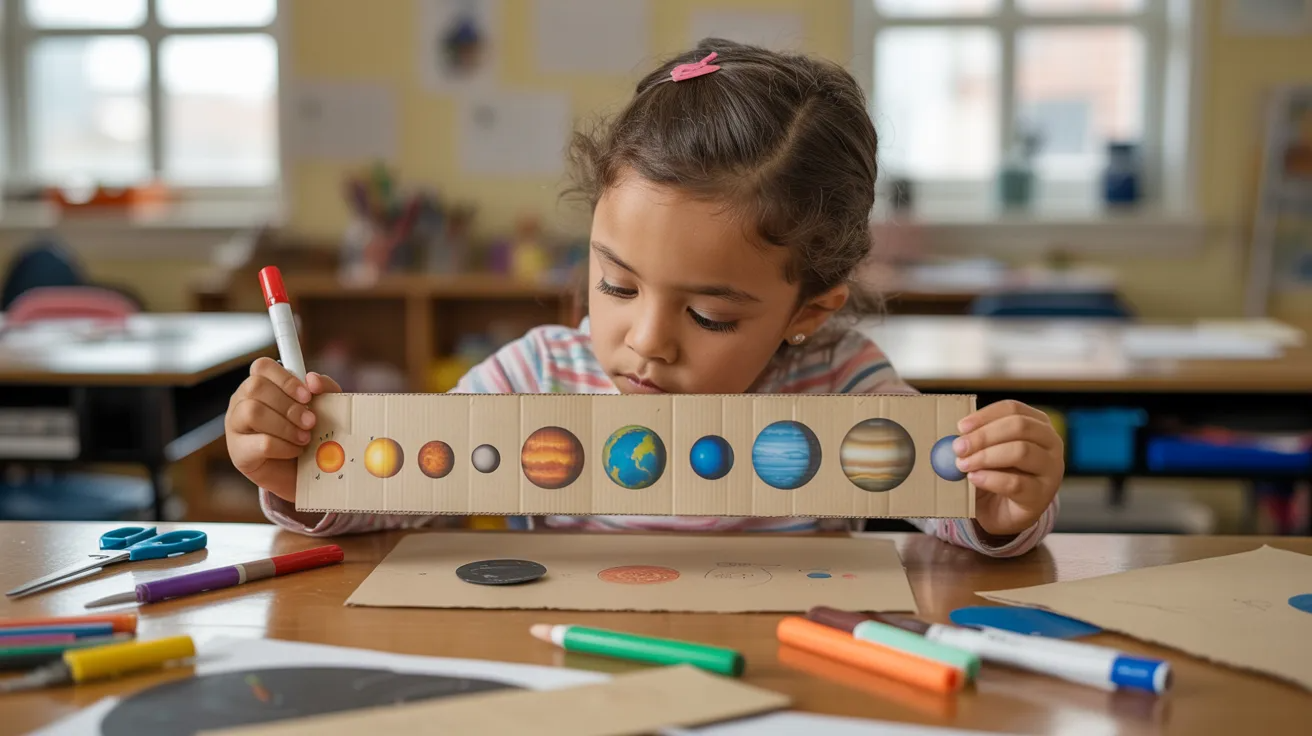
Draw a mini solar system on a strip of cardboard and cover with clear tape. Kids use it in their books daily. A small but constant reminder of planet order and names.
22. Felt Planet Board
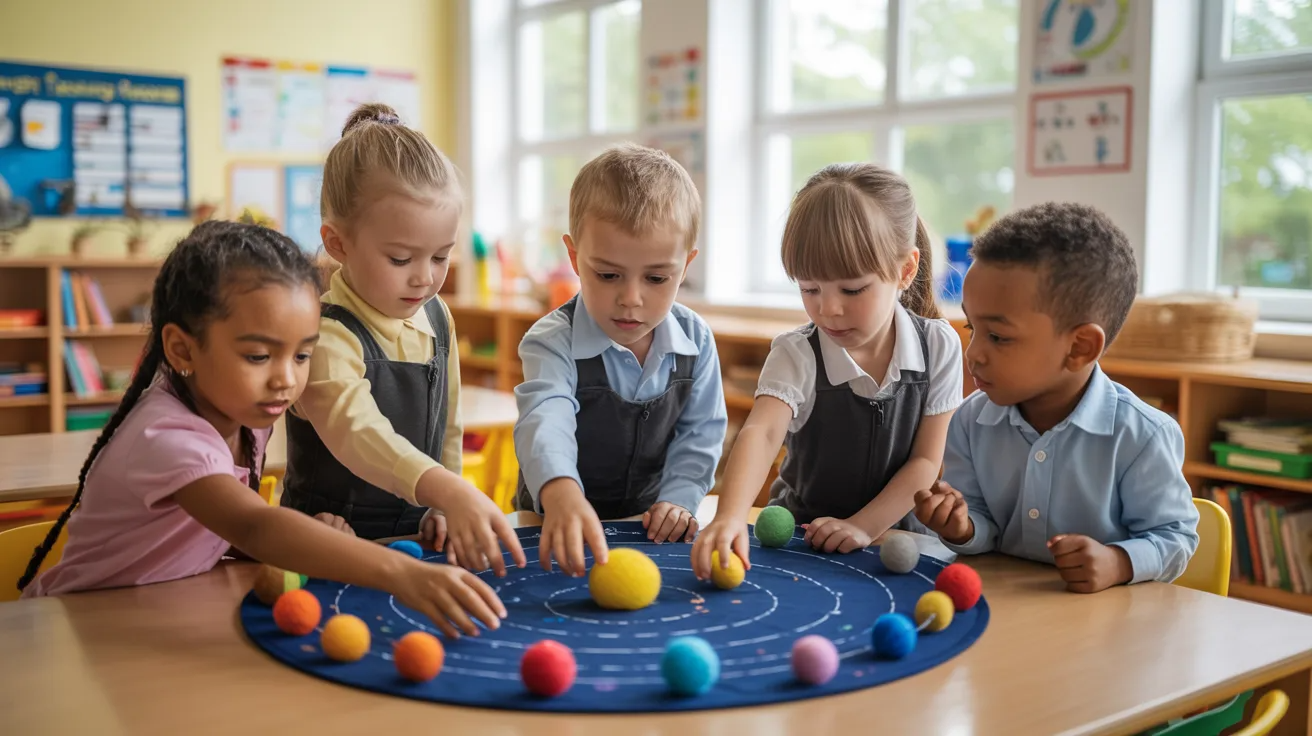
Cut felt into planet shapes and place them on a felt board in the correct order. Kids can rearrange and re-match planets freely. Great for interactive group learning sessions.
23. Planet Pebble Craft
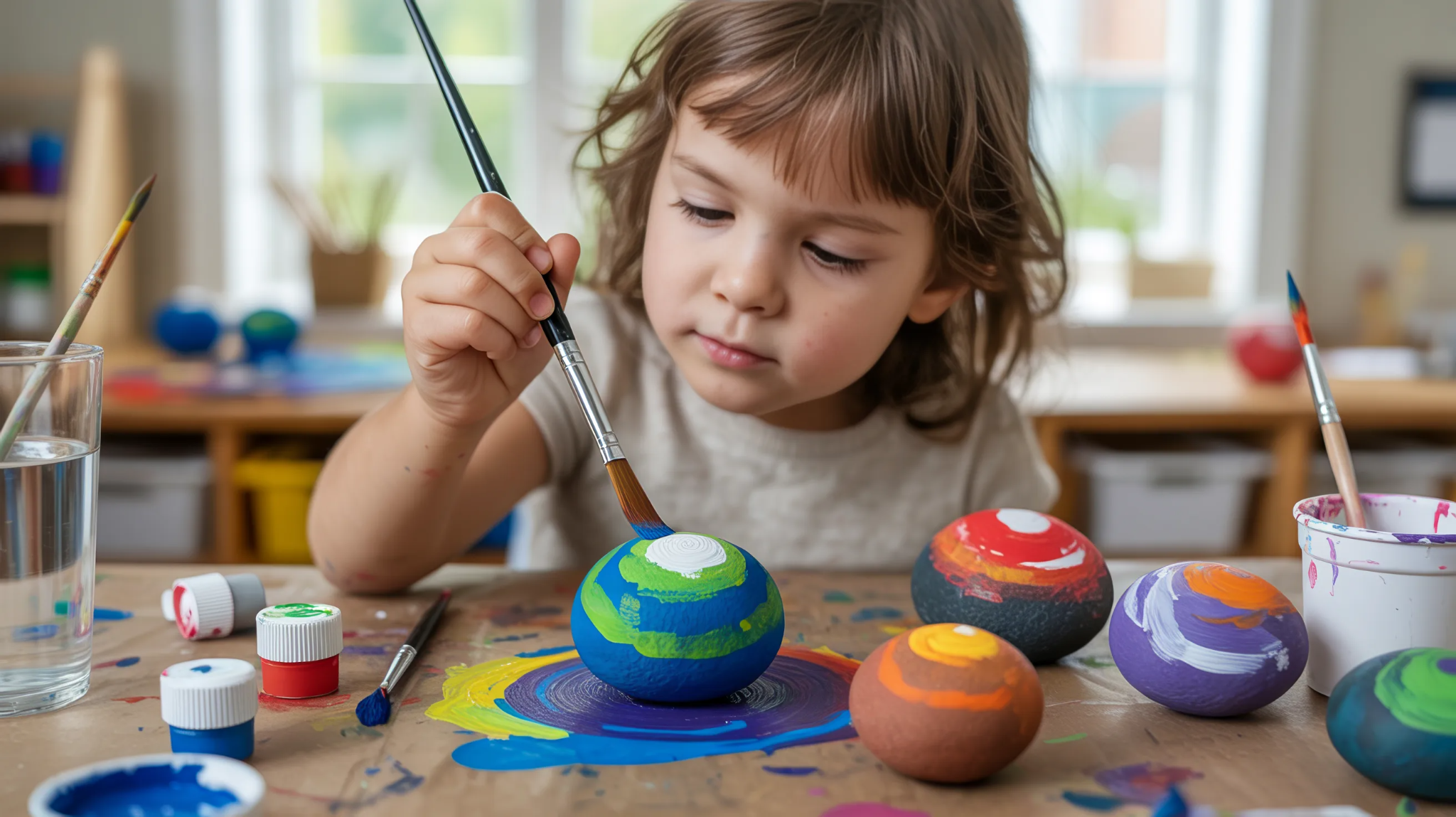
Paint small pebbles to look like each planet using reference images. Use a fine brush for details like Saturn's rings. Display in a small tray or labeled wooden box.
24. Solar System Diorama
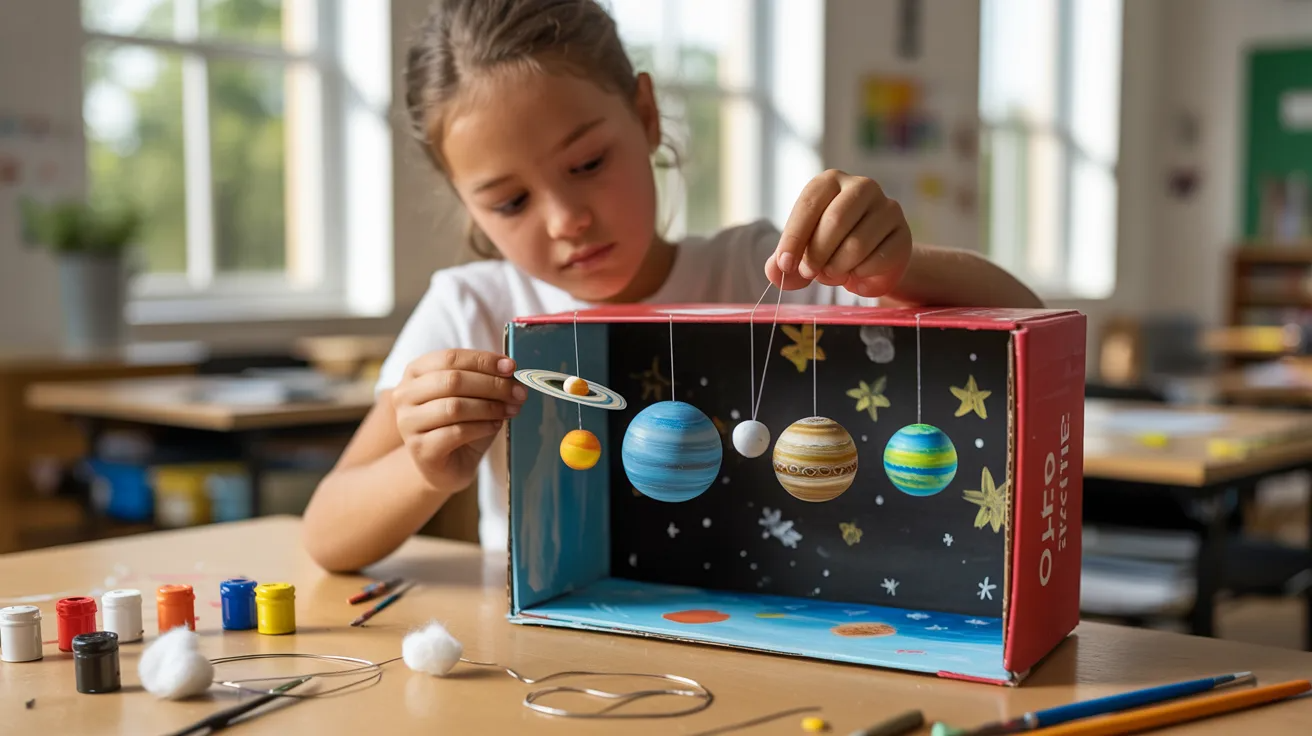
Use a shoebox to create a 3D solar system scene. Paint the inside black, add stars, and hang small planet models inside. A complete space display in one simple box.
25. Cardboard Tube Rocket and Planets

Roll cardboard tubes into rocket shapes and decorate them with paint. Place next to painted planet cutouts for a full space scene. Works well for group craft projects too.
26. Planet Sticker Scene
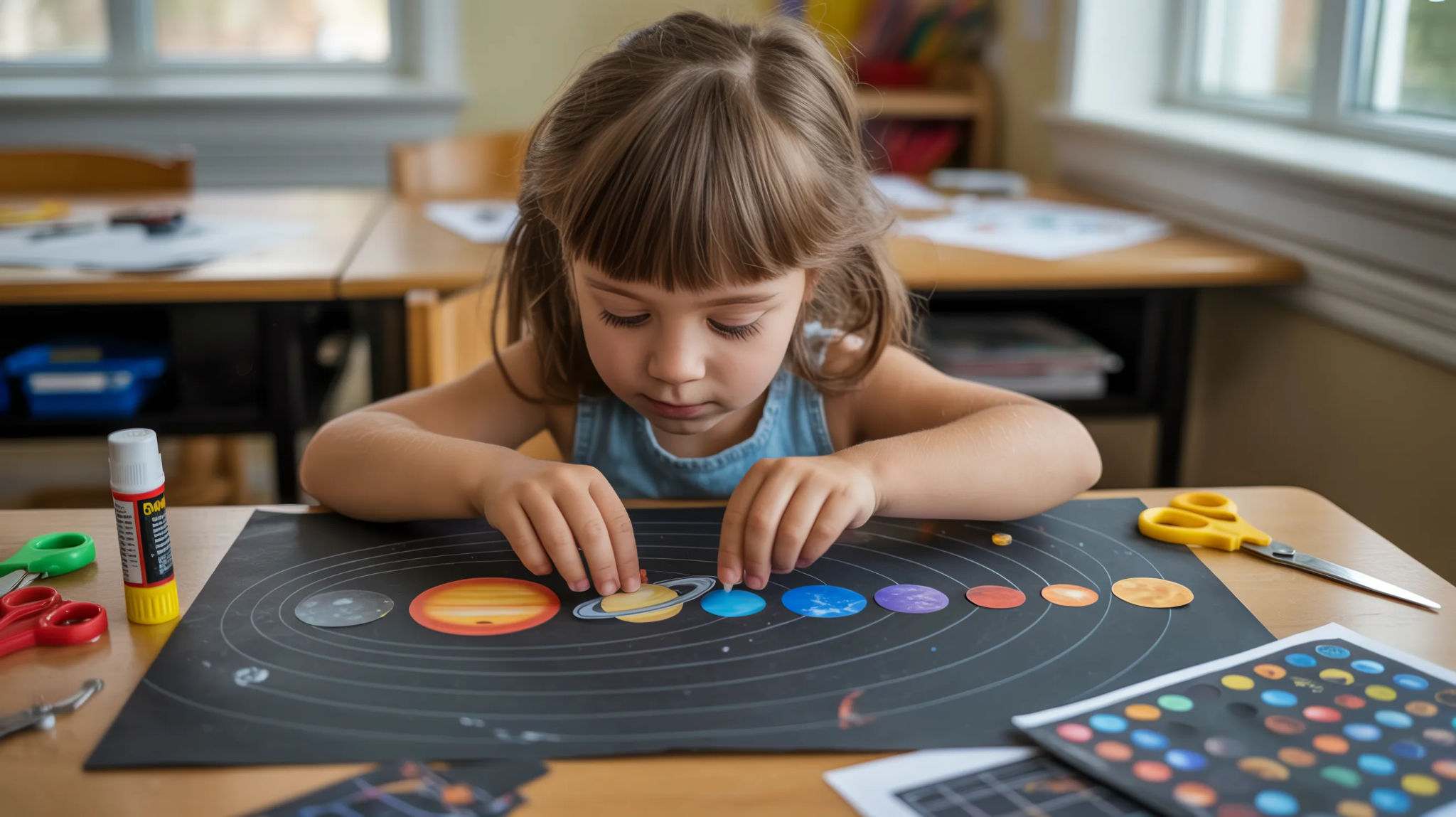
Use planet-shaped stickers or make your own from foam stickers. Place them on black paper in order. Kids can label and write one fact next to each sticker they place.
27. Finger Painting Planets
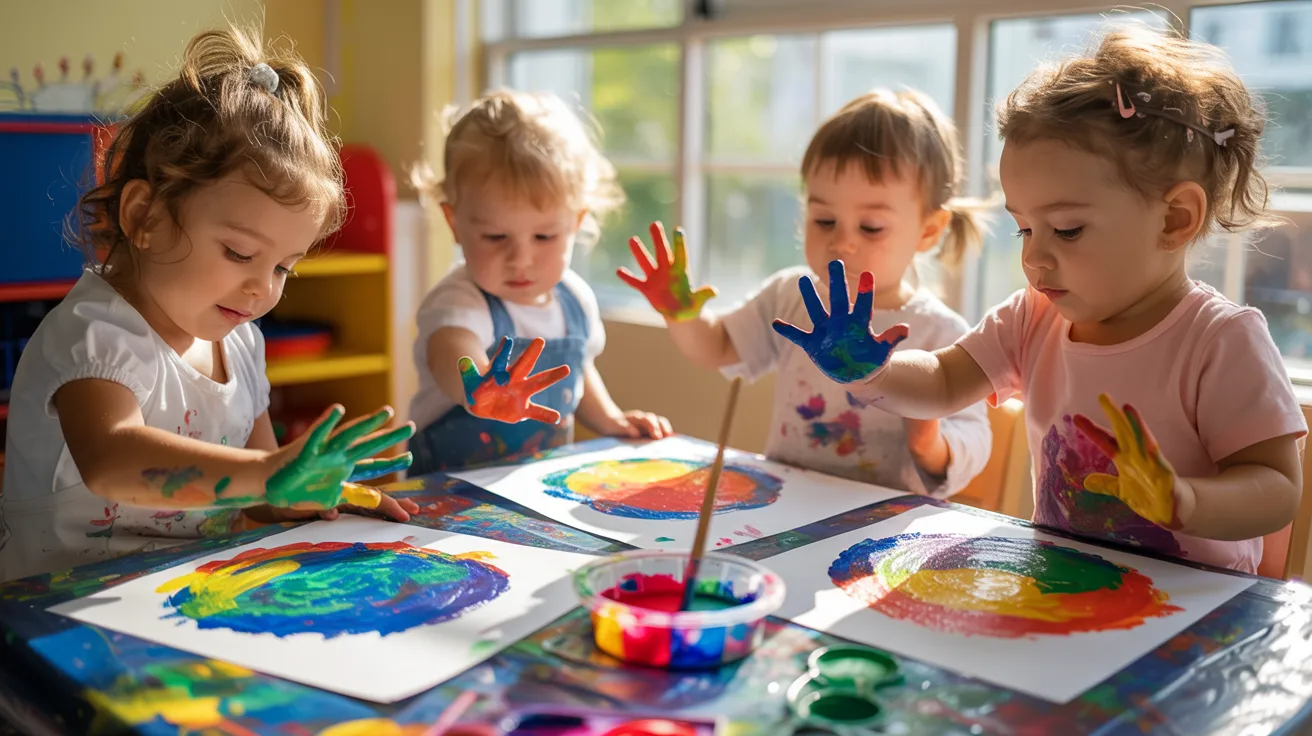
Let kids use their fingers to press and swirl paint into planet shapes on paper. No brushes needed for this one. A great sensory activity especially for early learners.
28. Planet Suncatcher Craft
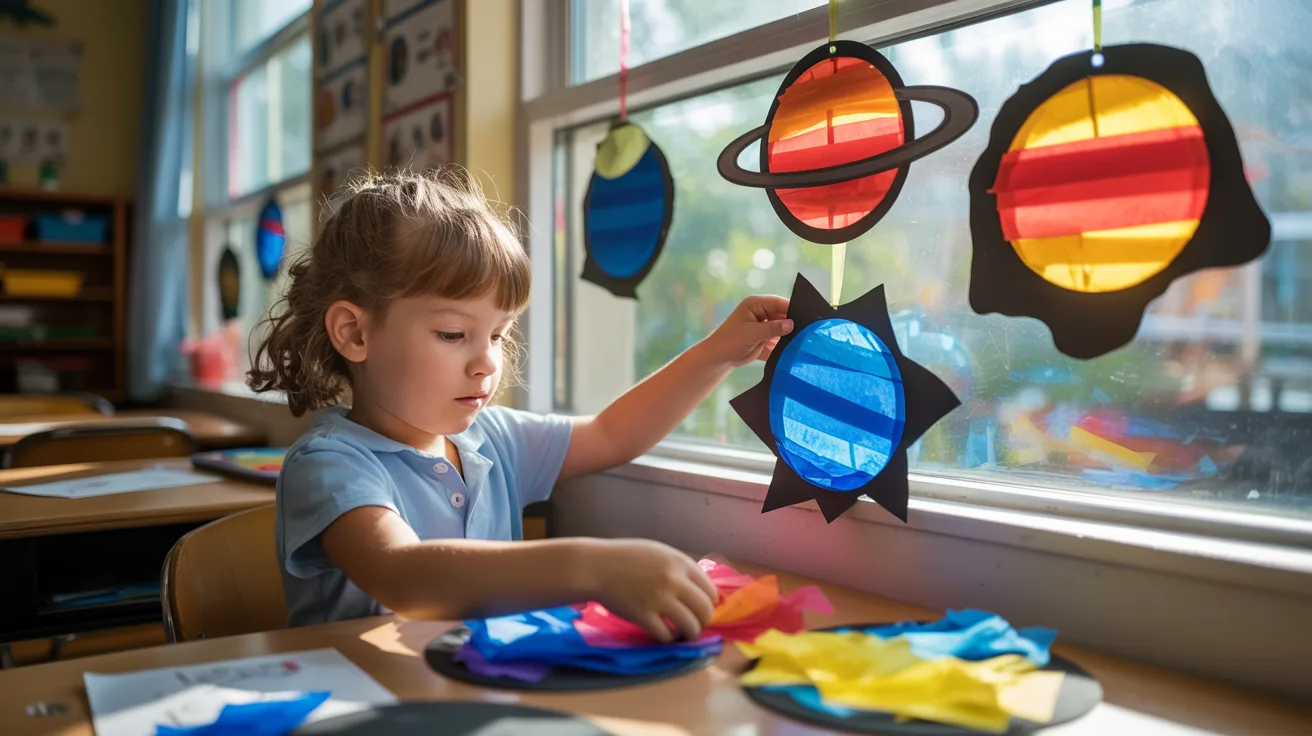
Cut planet shapes from black cards and fill the holes with colored tissue paper. Tape to a window and let sunlight shine through for a glowing and colorful space effect.
29. Salt Dough Planets
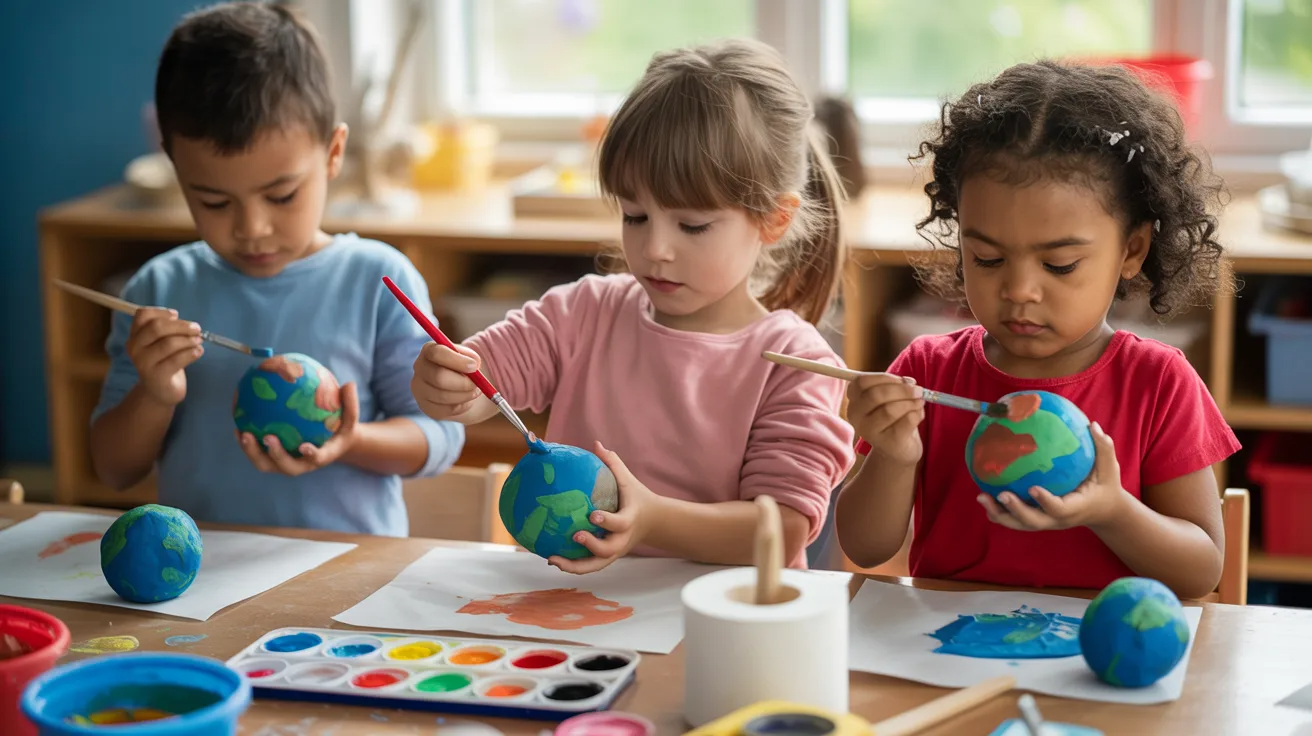
Mix salt, flour, and water to make dough. Shape into planet models, bake until hard, and paint. Salt dough dries firm and holds detail well for long-term display at home.
30. Solar System Wheel Craft
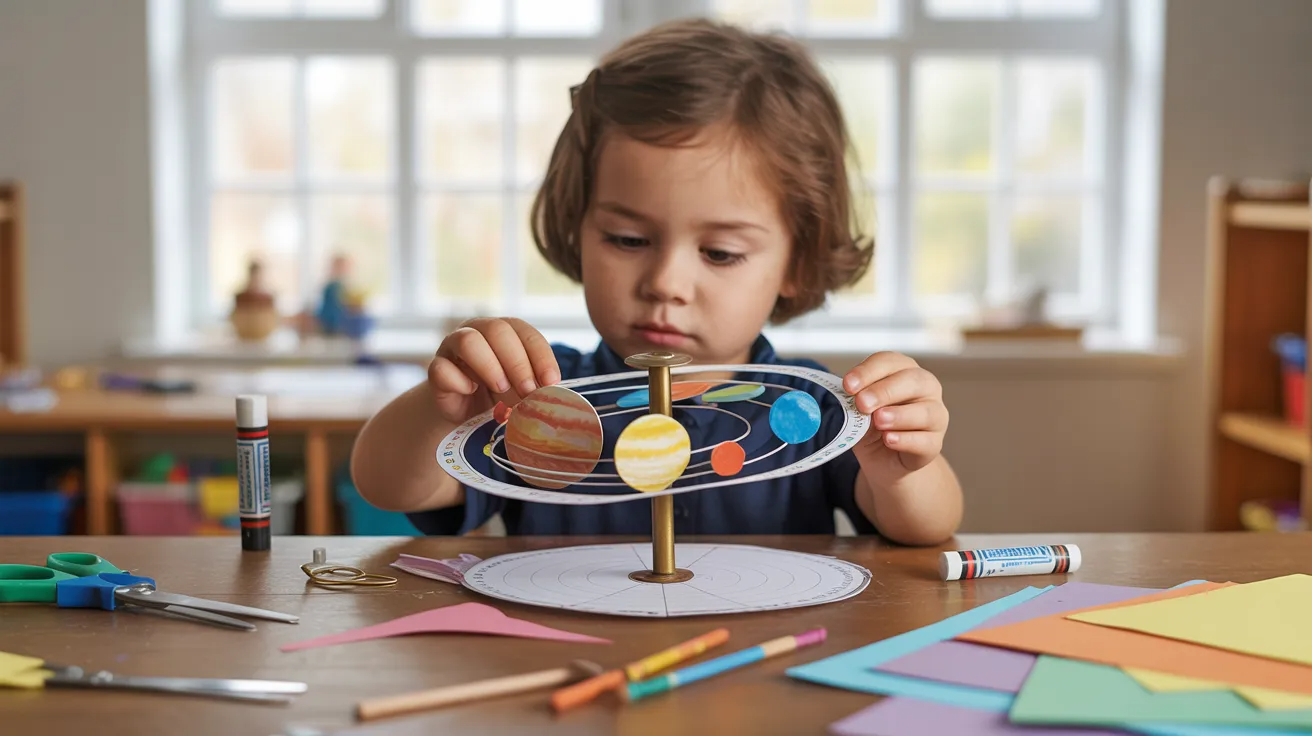
Create a spinning paper wheel that shows each planet when turned. Add one planet fact on each section. A compact and interactive way to study the solar system independently.
31. Planet Paper Fans
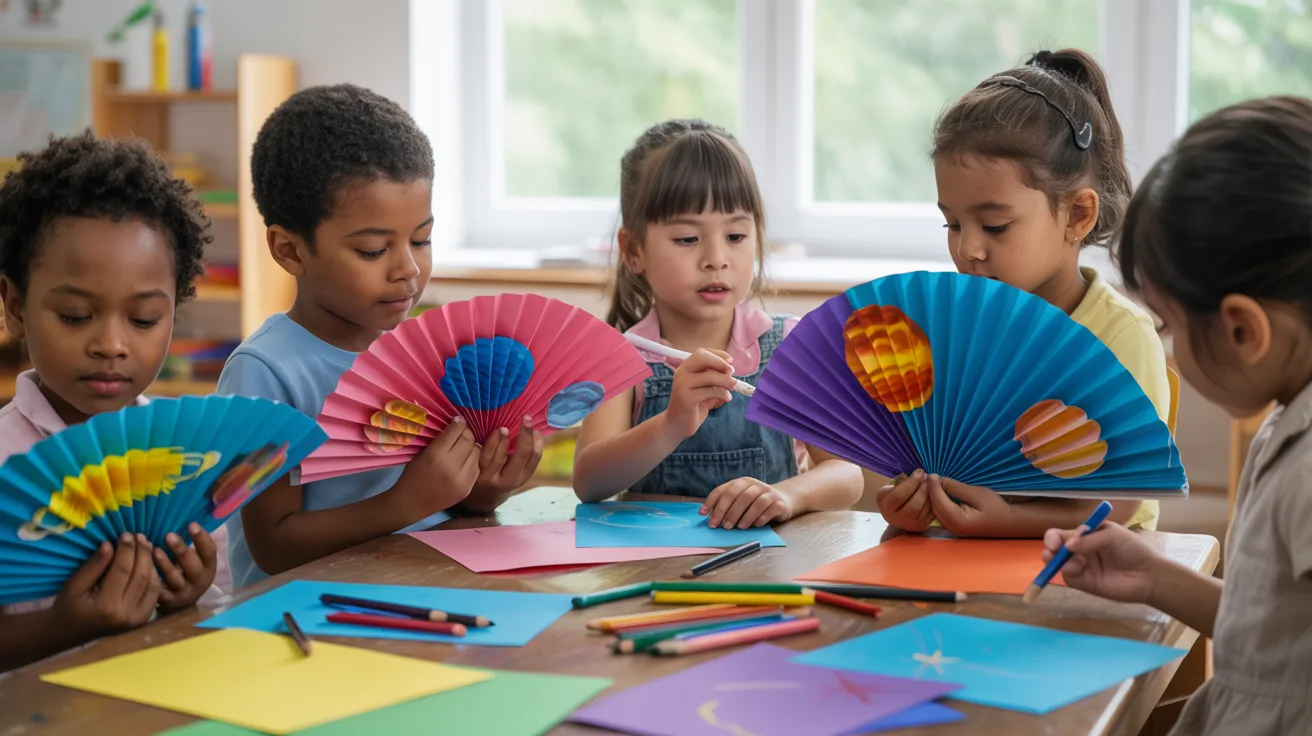
Fold strips of paper into fan shapes and draw a planet on each one. Stand them up together to make a space-themed table display that looks great in any classroom.
32. Solar System Flip Book
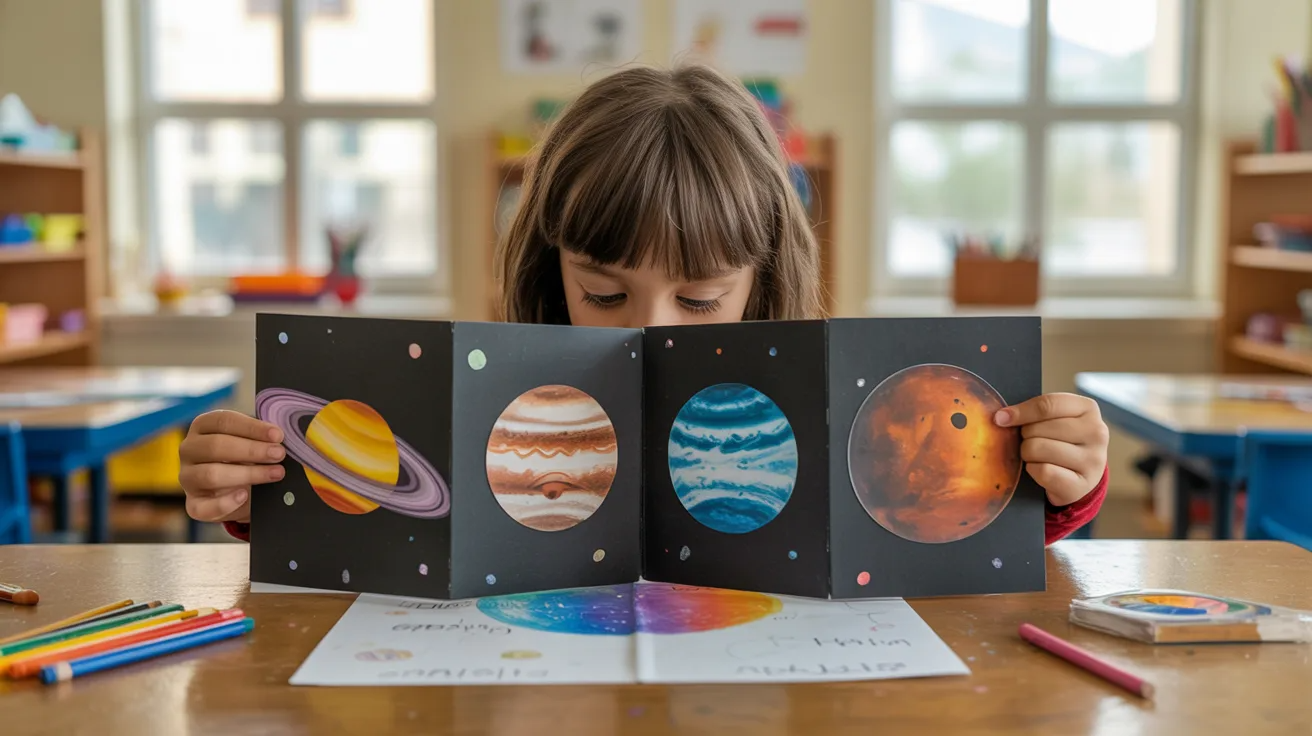
Draw each planet on a separate page in order from the sun. Add one fact per page. Flip through it like a mini book to review planet information at any time.
33. Planet Button Craft
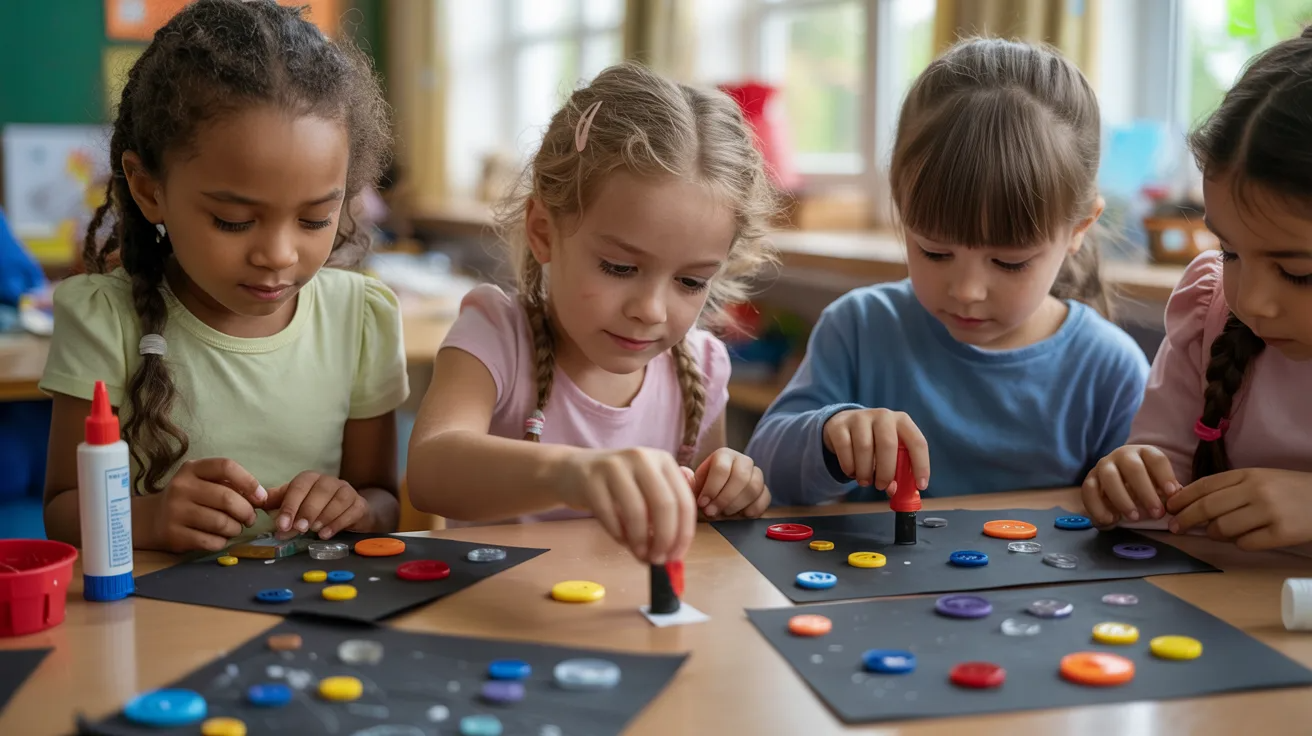
Glue buttons of different sizes onto a dark background to represent planets. Use colors that roughly match each planet. A simple and creative art activity suitable for all ages.
34. Egg Carton Planets
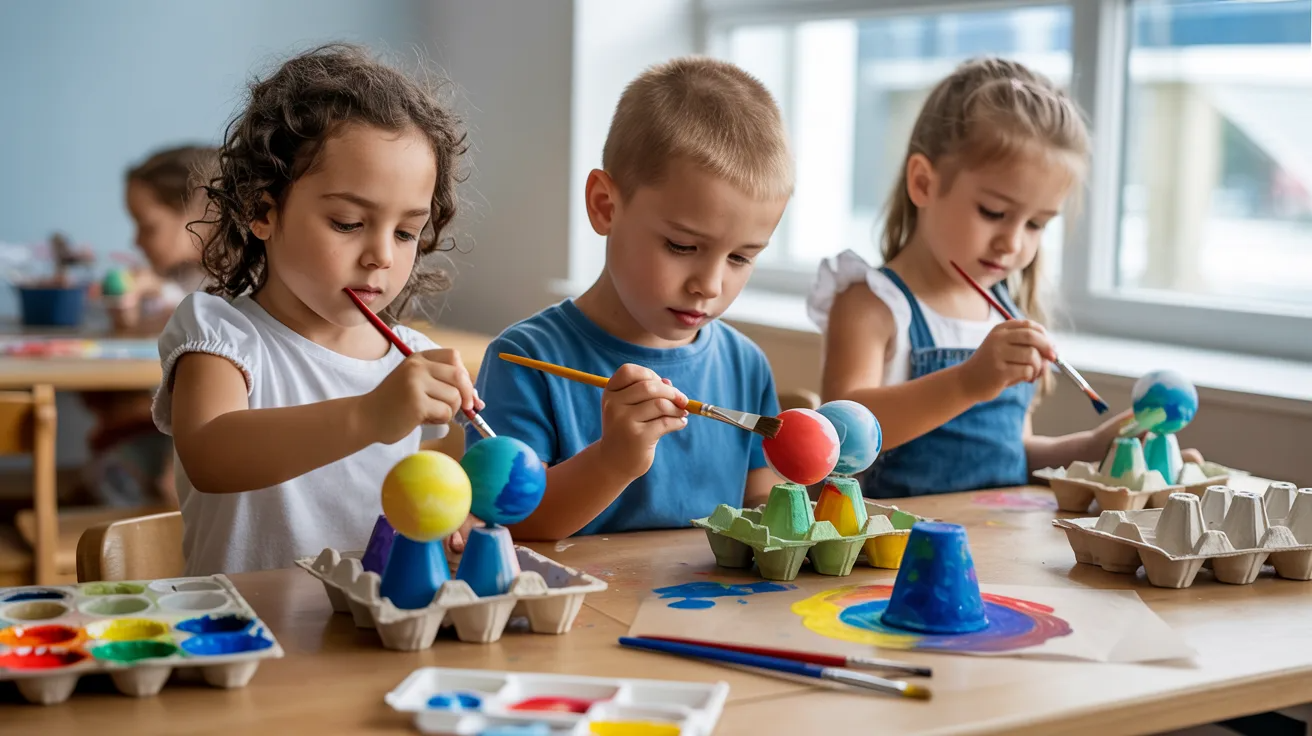
Cut apart an egg carton and paint each cup as a different planet. Arrange in order in a tray or on a board. A great recycled material craft with minimal prep needed.
35. Solar System Bracelet
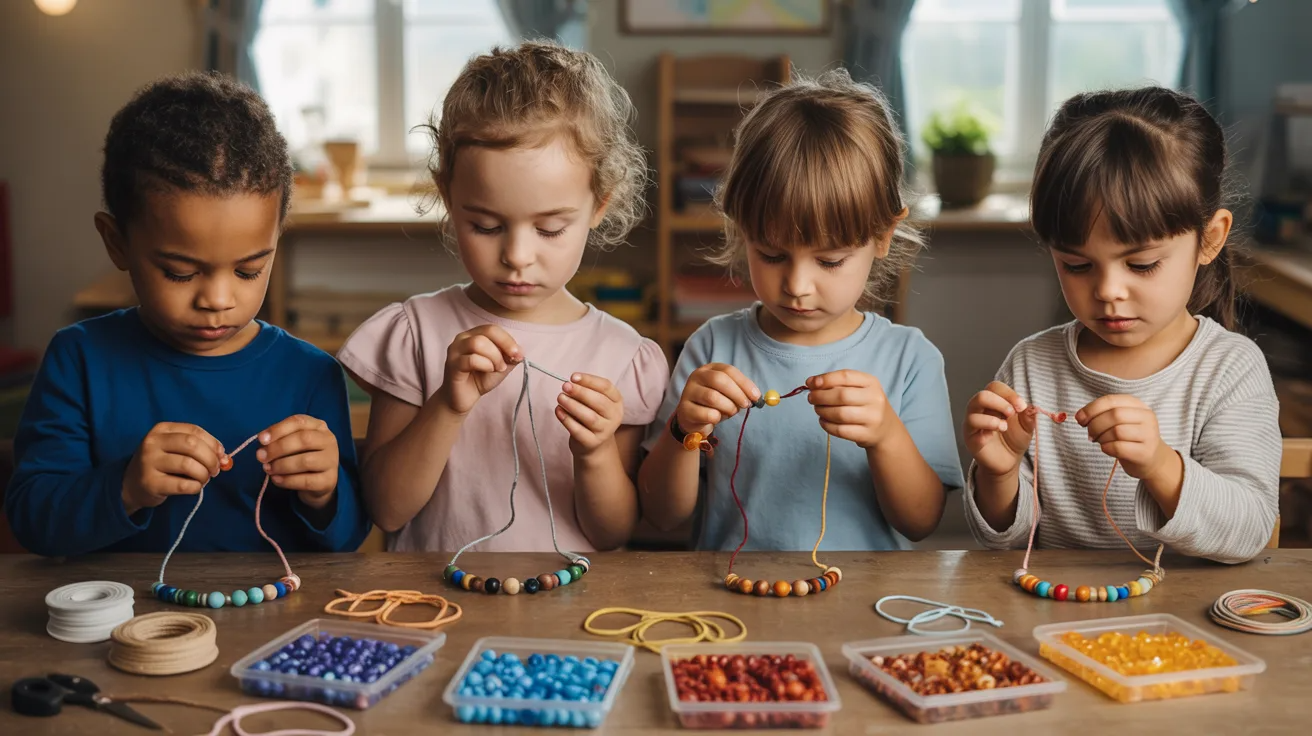
String beads in the correct planet colors in order from the sun. Kids wear the bracelet as a learning tool. A fun way to memorize planet order that goes everywhere with them.
36. Chalk Pastel Planets
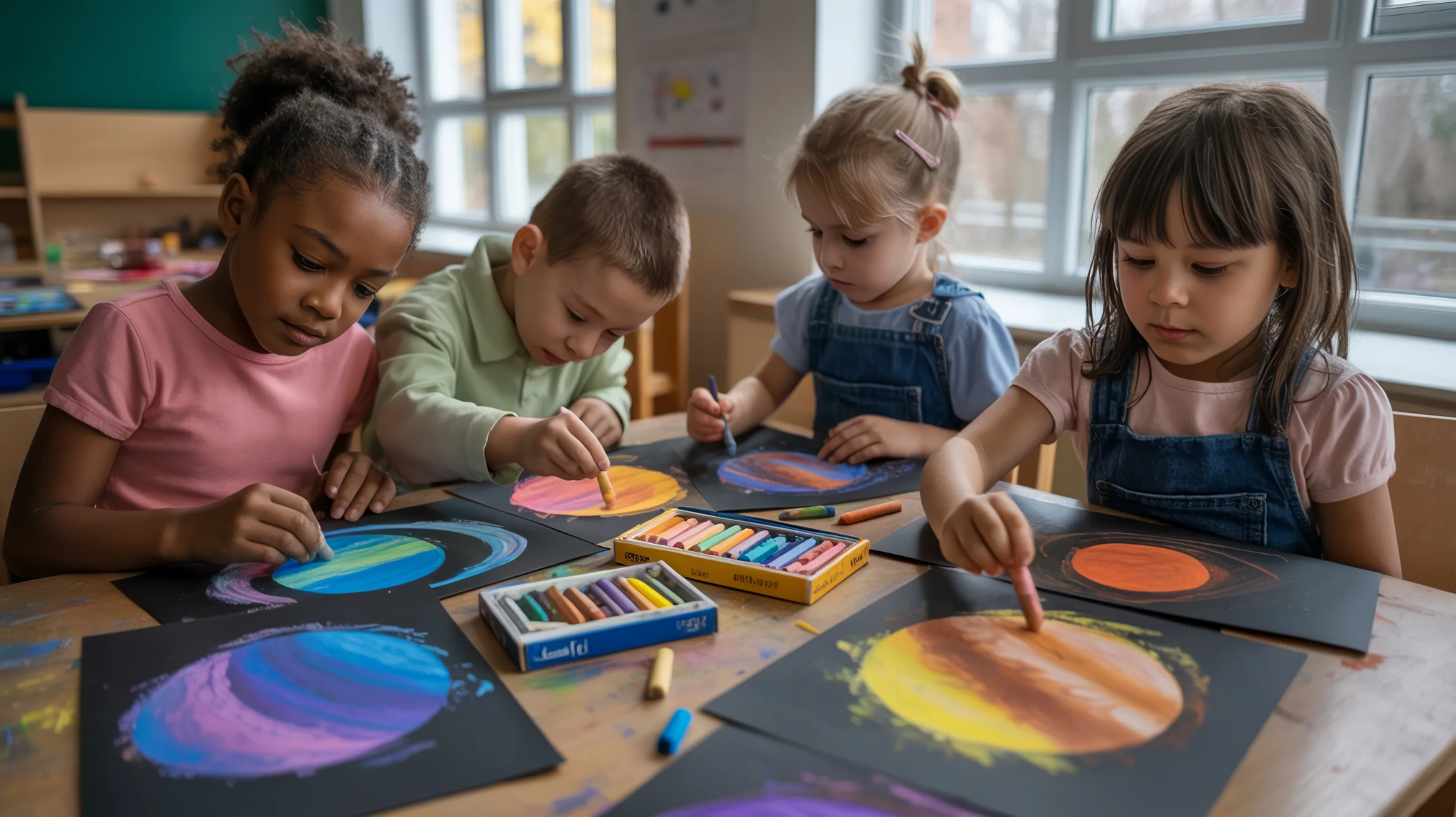
Use chalk pastels to draw planets on dark paper. Blend colors with your finger to get a soft and glowing look. A relaxing and visually impressive craft for older kids.
37. Planet Paper Chains

Cut strips of paper in planet colors and link them into chains in planet order. Hang across the room as space-themed decor. A good project for building fine motor skills.
38. Glow-in-the-Dark Solar System
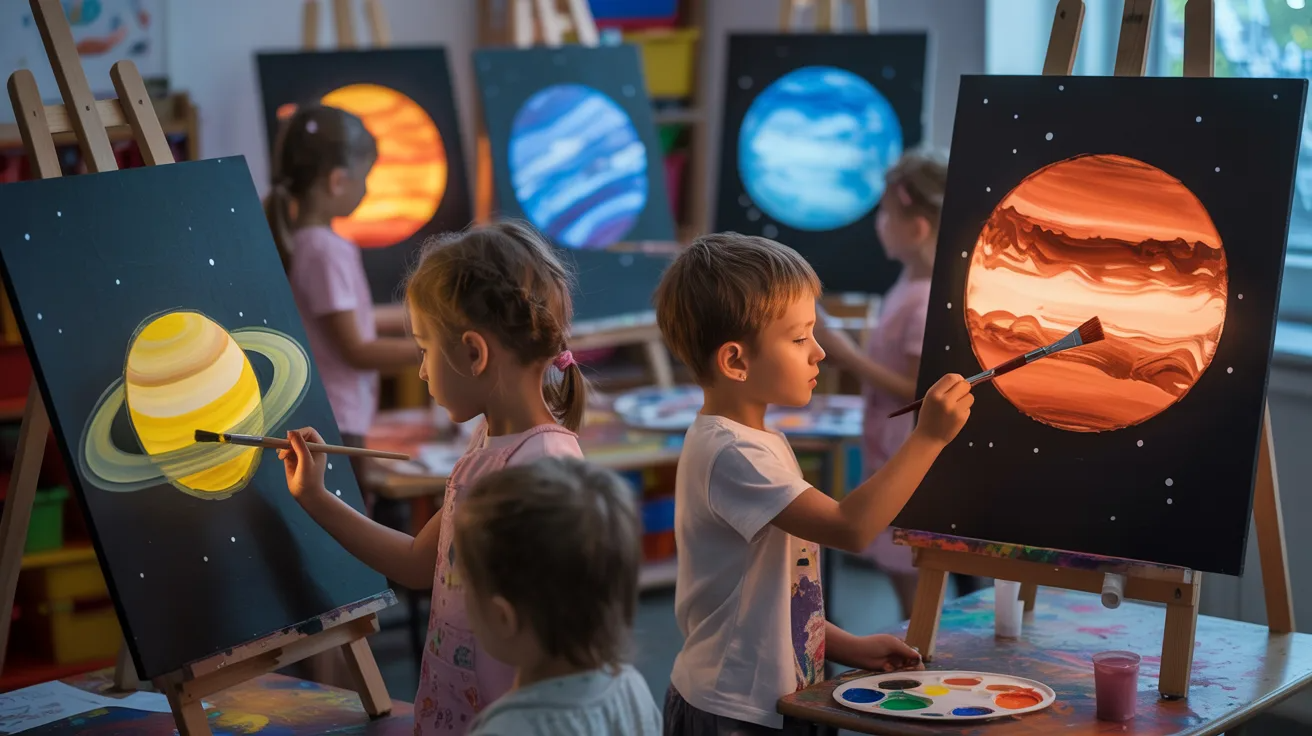
Paint planets with glow-in-the-dark paint on a dark board. Turn off the lights and watch the planets glow. A memorable and exciting activity for kids of all ages.
39. Foam Ball Planet Model
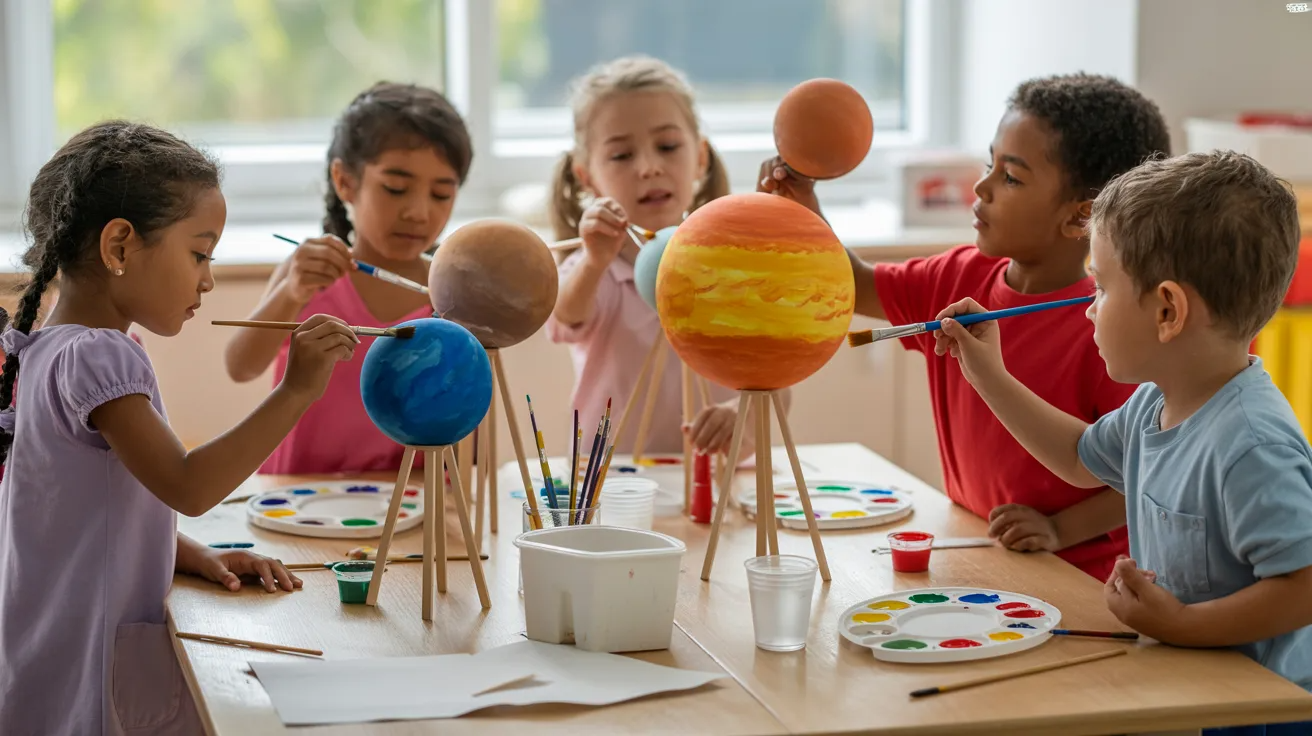
Paint foam balls of different sizes to represent each planet. Mount them on sticks or hang from string in order from the sun. A durable and easy-to-display model.
40. Planet Magnet Craft
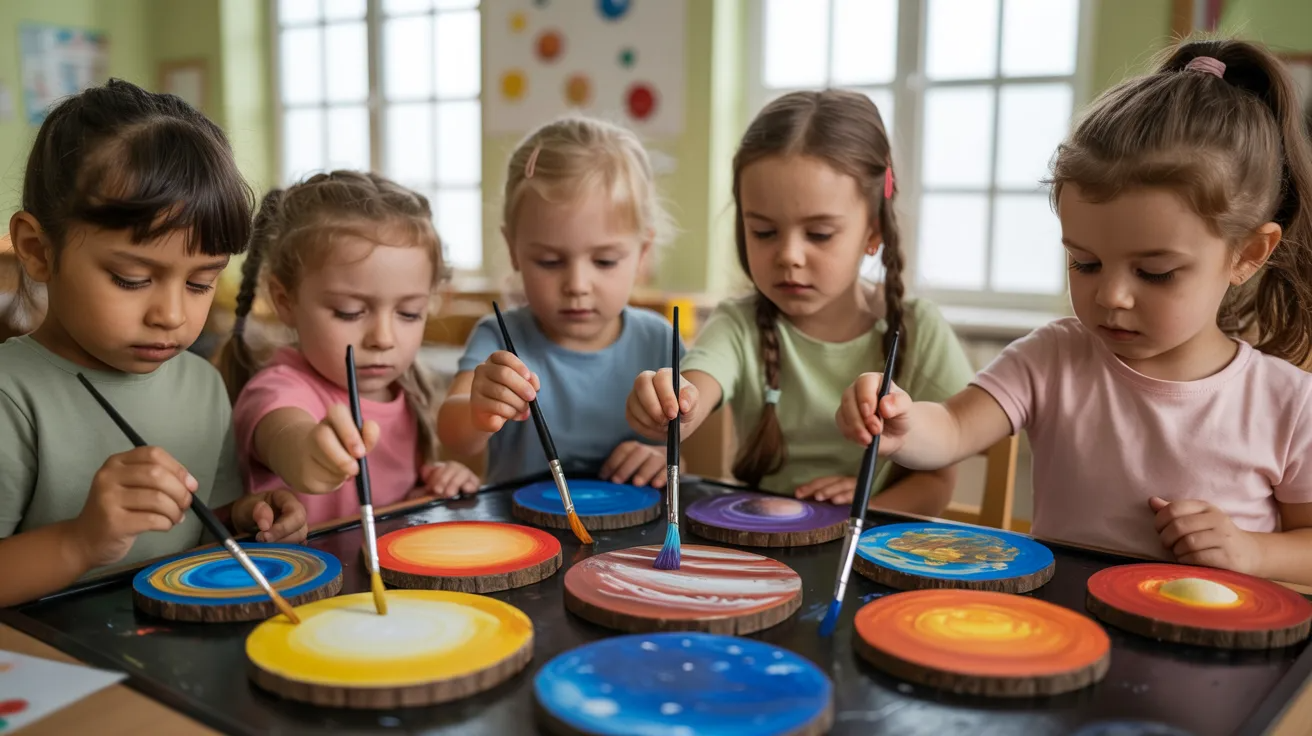
Paint small wooden circles or stones as planets and attach a magnet to the back of each. Stick them to a fridge or magnetic board for everyday visual learning.
41. Solar System Shadow Box
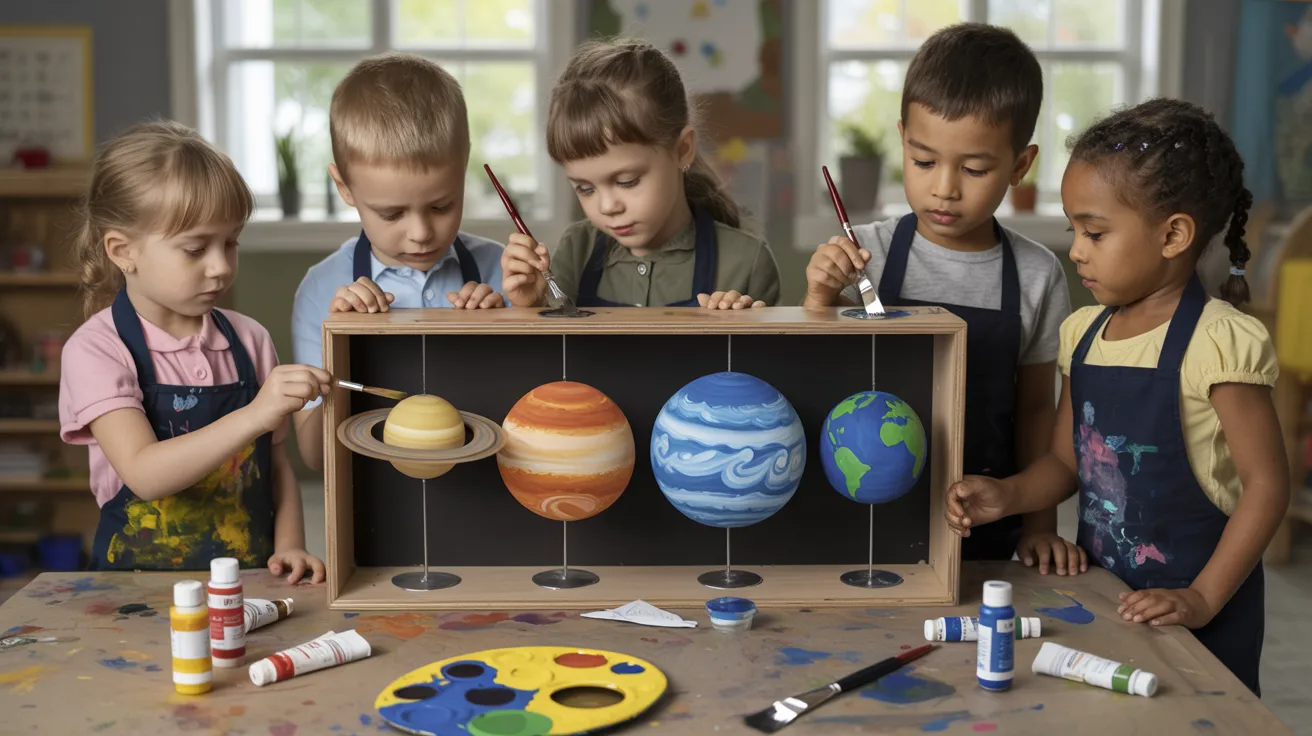
Use a deep frame or box, paint it black inside, and place painted planet models inside. Hang on the wall for a 3D space piece that looks great in any room.
42. Tissue Paper Planet Craft
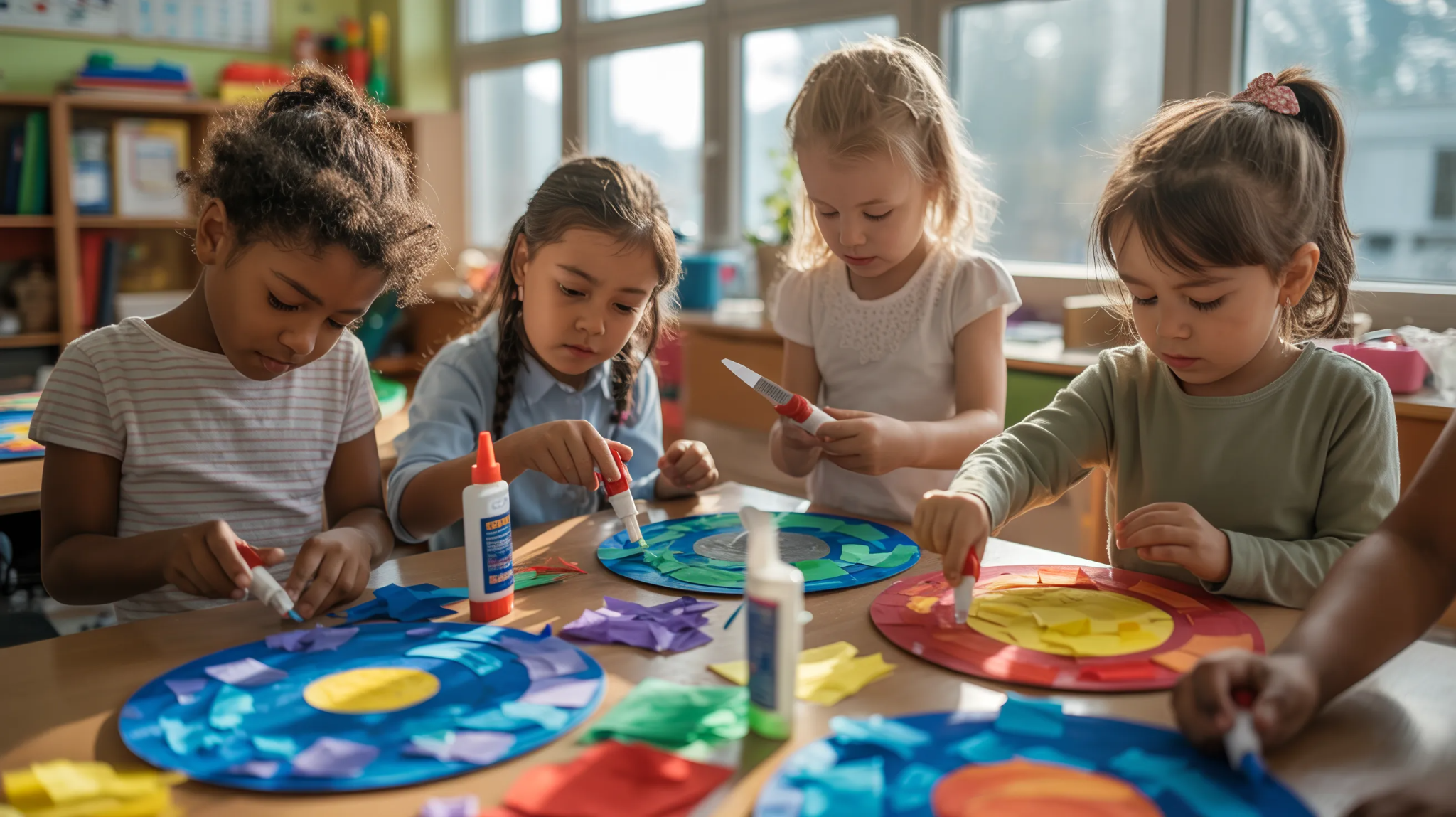
Tear tissue paper into small pieces and layer them onto planet circles to create color and texture. Glue and smooth down. A soft and colorful paper craft with great results.
43. Recycled Materials Solar System
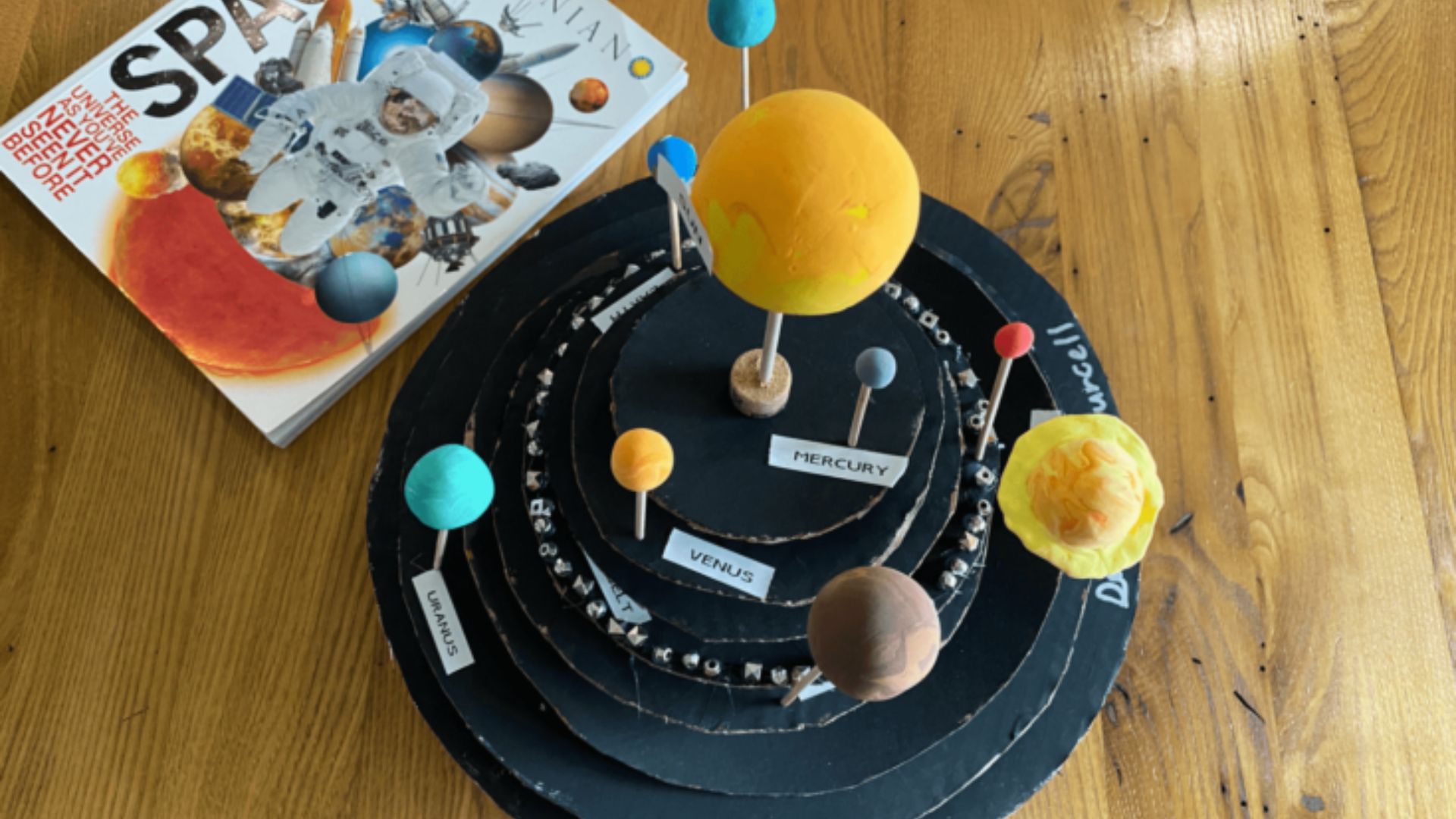
Use bottle caps, cans, cardboard rolls, and old CDs to build a solar system model. This is a creative way to teach space science while also showing the value of recycling.
Tips for Teaching Solar System to Kids
Teaching space topics gets easier when you use the right methods from the start.
- Let kids build and create instead of just watching or listening
- Encourage questions and treat every curious moment as a learning opportunity
- Pair each craft with one simple planet fact to mix art with science
- Use games, quizzes, and group activities to keep energy high
- End each session with one fun fact kids can share at home
The right approach makes space learning something kids actually look forward to.
Conclusion
Space learning clicked for me the day I made my first planet model. It was messy, imperfect, and I loved every second.
That memory never left. That is what hands-on learning does.
Now you have 43 activities, tips, and ideas to make the solar system come alive for your child.
Pick one craft and try it this week.Drop a comment below and tell me which activity your kids loved most.
Let us make learning fun, one planet at a time.
Frequently Asked Questions
What age group are solar system activities best for?
Most activities on this list work well for kids aged 4 to 12, with some crafts suitable for toddlers with adult help.
How long do these solar system crafts take to complete?
Most crafts take between 20 to 45 minutes, making them easy to fit into a school day or afternoon.
Do I need expensive materials for these activities?
No, most crafts use paper, paint, cardboard, and glue that you likely already have at home.
Can these activities be done in a classroom setting?
Yes, most projects work well in groups and are simple enough for classroom use without much prep.
What is the best solar system craft for beginners?
The paper plate solar system or painted rock planets are the easiest starting points for first-time crafters.