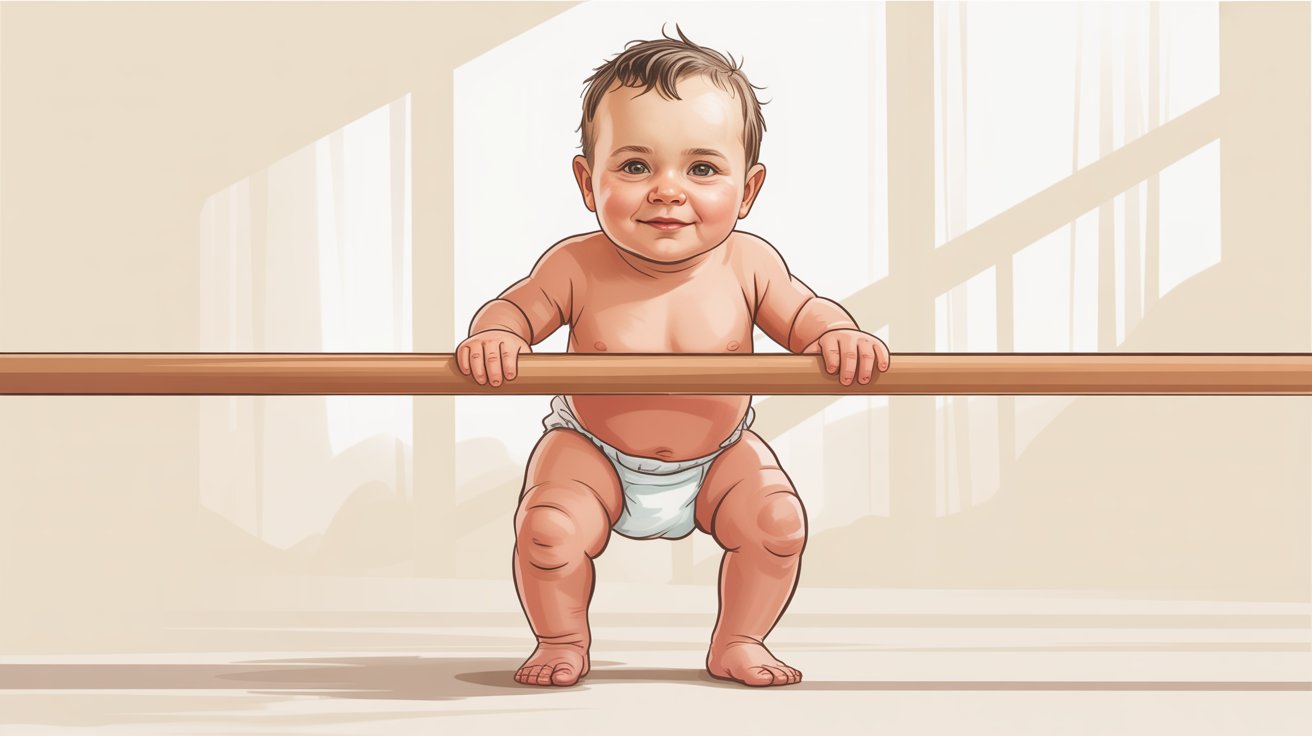

I’ve seen it happen in countless families. One child starts acting out when a new baby arrives. Or siblings constantly fight for attention.
Recognizing the signs of sibling jealousy early helps you step in before small problems grow bigger. This article shows you what to watch for at every age.
You’ll know how to spot subtle behaviors and when to take action. I’m sharing practical tips from years of working with families.
You can trust this advice because it comes from real experience. We’ll cover toddlers, young children, teenagers, and even adults.
What Are the Signs of Sibling Jealousy?

Understanding what sibling jealousy looks like helps you respond with care instead of frustration when conflicts arise.
Sibling jealousy happens when a child feels they’re getting less love or attention than their brother or sister. It’s not about being mean.
It’s about feeling scared or left out. Kids show this through anger, withdrawal, or acting extra sweet to win approval.
Every child experiences some jealousy. It’s part of learning to share space, time, and parents. Normal jealousy passes quickly and doesn’t control behavior for long.
The child can still play and laugh with siblings most of the time.Jealousy becomes a problem when it’s constant and intense.
Watch for daily physical aggression, refusing to be near a sibling, sleep problems, eating changes, or falling grades. When jealousy interferes with daily life, professional help might be needed.
Early Warning Signs of Sibling Jealousy
Catching subtle changes in behavior early gives you time to address feelings before they become major problems.
Subtle Behaviors Parents Often Miss
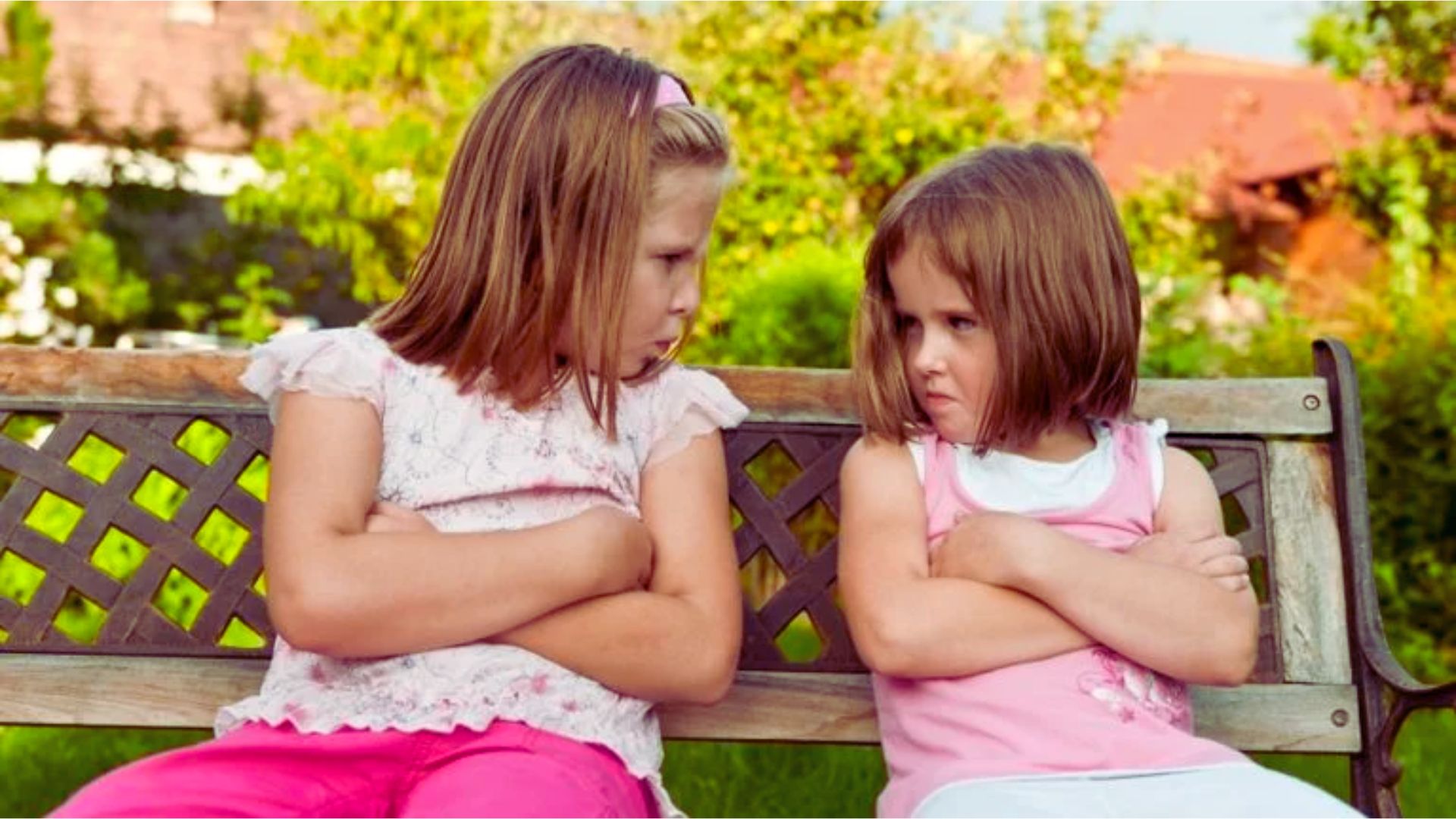
Small changes often go unnoticed in busy households. A child might get quieter during family dinners. They might “forget” to mention good things that happened to their siblings.
Some kids start lingering near you when you’re with another child. Others ask repetitive questions to keep your focus.
Pay attention to body language. Crossed arms during sibling activities. Looking away when you praise another child. These silent signals matter.
Listen for backhanded comments. “That’s nice, I guess” instead of genuine happiness. These moments reveal underlying feelings.
When Occasional Jealousy Becomes a Pattern
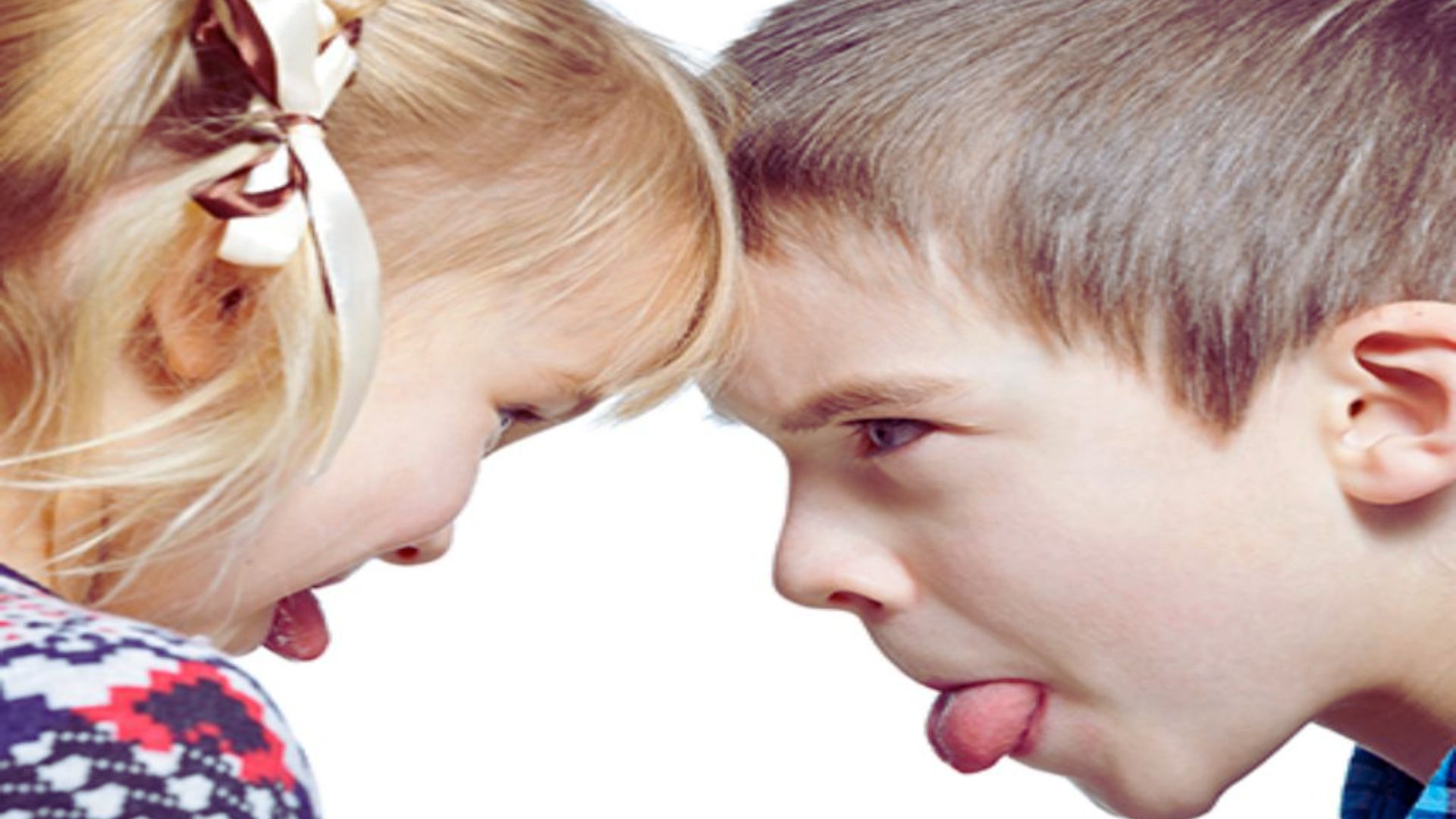
Everyone has bad days. What matters is the trend over time.
Track how often conflicts happen. Once a week is normal. Multiple times daily is a pattern.
Notice if the jealousy spreads. Does it now affect school friendships? Does the child compare themselves to everyone, not just siblings?
Patterns develop when underlying needs aren’t met. The child learns that jealous behavior gets attention, even if it’s negative attention.
Common Causes of Sibling Jealousy
Knowing what triggers jealousy helps you prevent it or respond more effectively when it appears in your family.
Changes in Family Dynamics
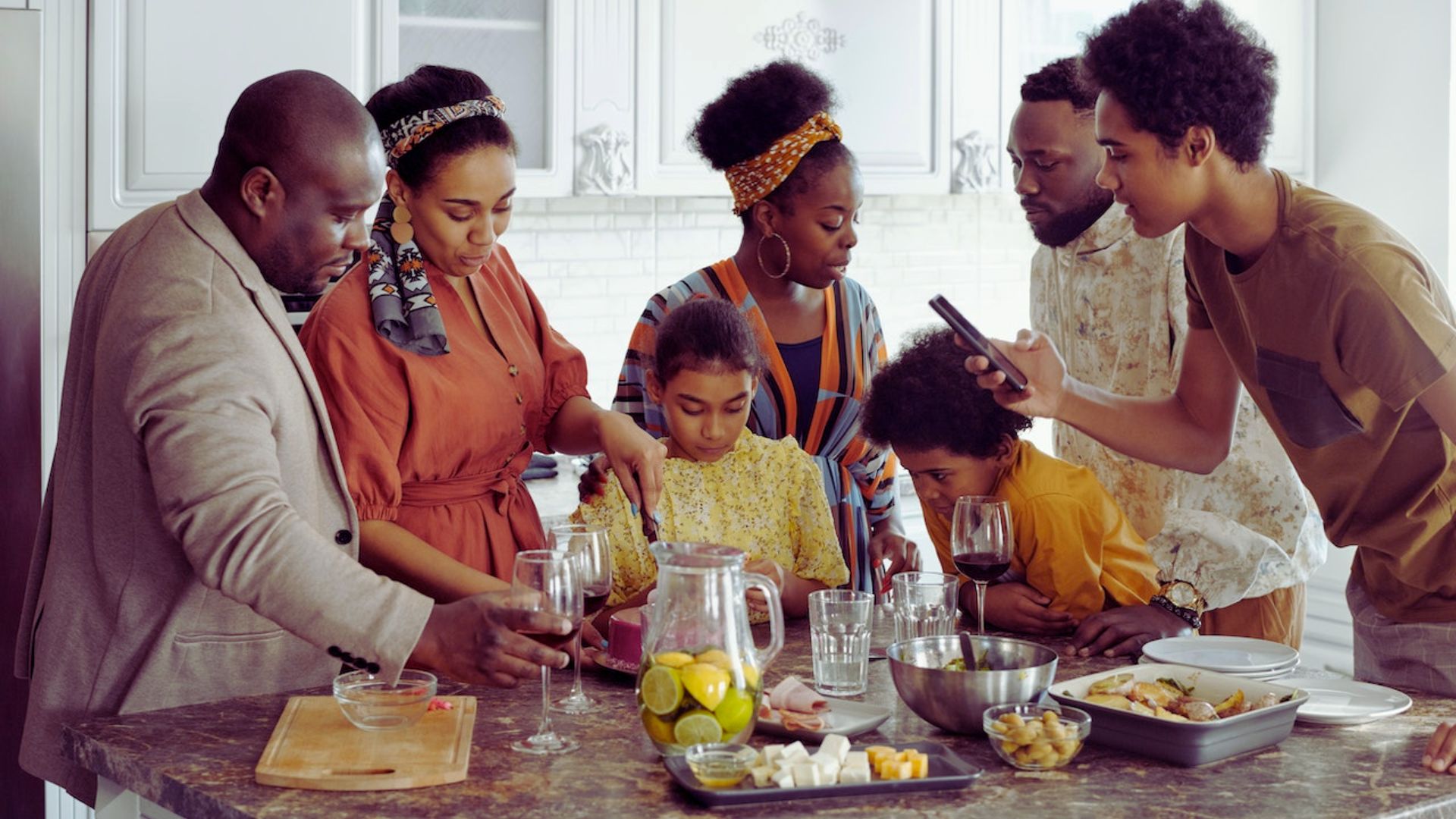
A new baby flips everything upside down. The older child goes from center stage to sharing the spotlight.
Moving to a new house creates stress. Starting at a new school does too. Any big change can trigger jealousy.
Divorce or a parent’s new relationship introduces complicated feelings. Children might compete harder for the attention that feels scarcer.
Even positive changes cause stress. A parent getting a promotion might mean less time at home. Kids feel this shift deeply.
Perceived Favoritism
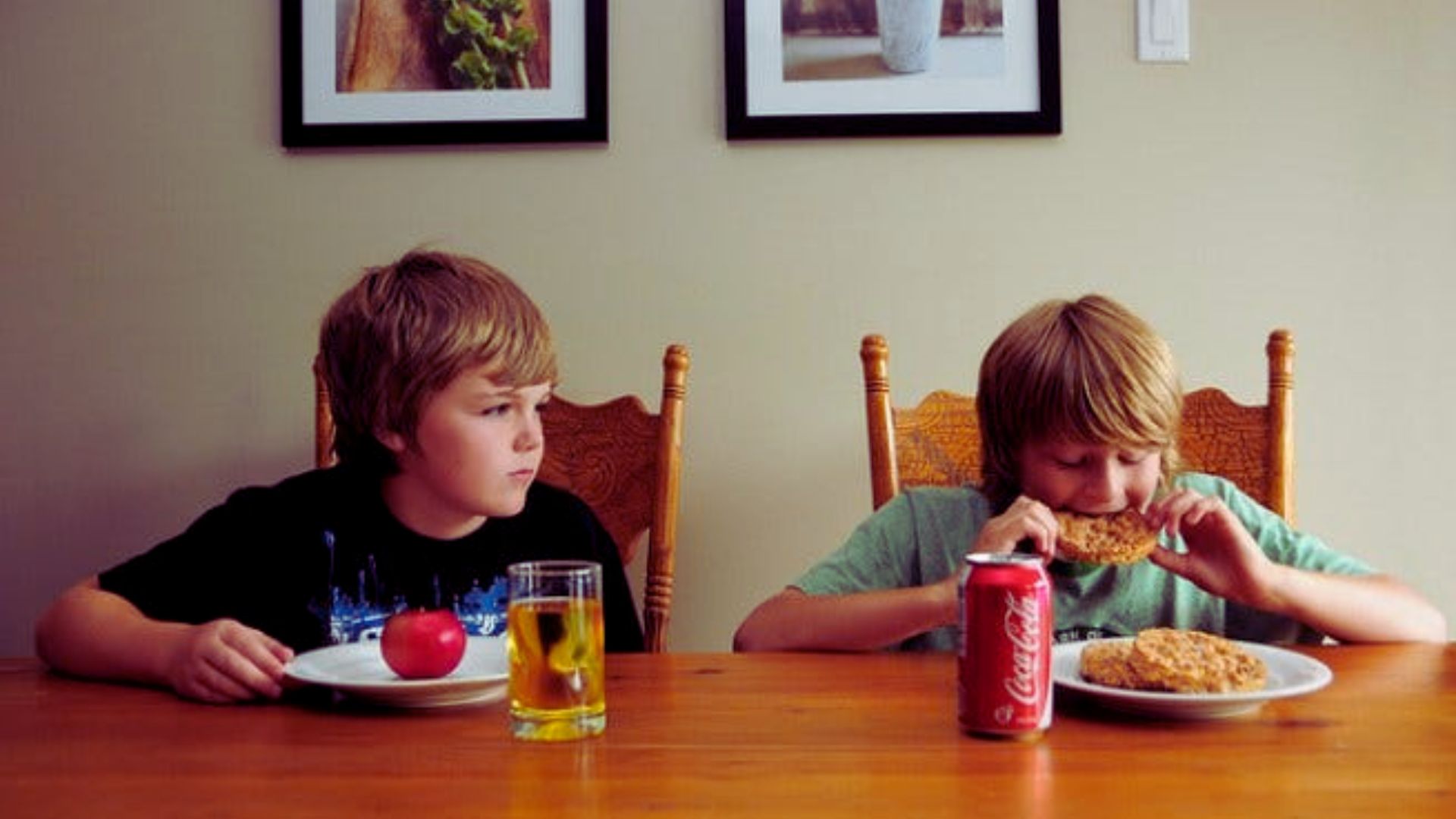
Children have radar for unfairness. They notice who gets more hugs. Who gets away with breaking rules. Who gets praised more often.
Sometimes favoritism is real. Parents might relate better to a child with similar interests. Other times, it’s all in perception.
A child who needs more help might get more attention. Siblings see the extra time but not the reason behind it.
Birth order creates natural differences. The baby gets carried. The oldest gets freedom. Middle children feel squeezed.
Competition for Attention
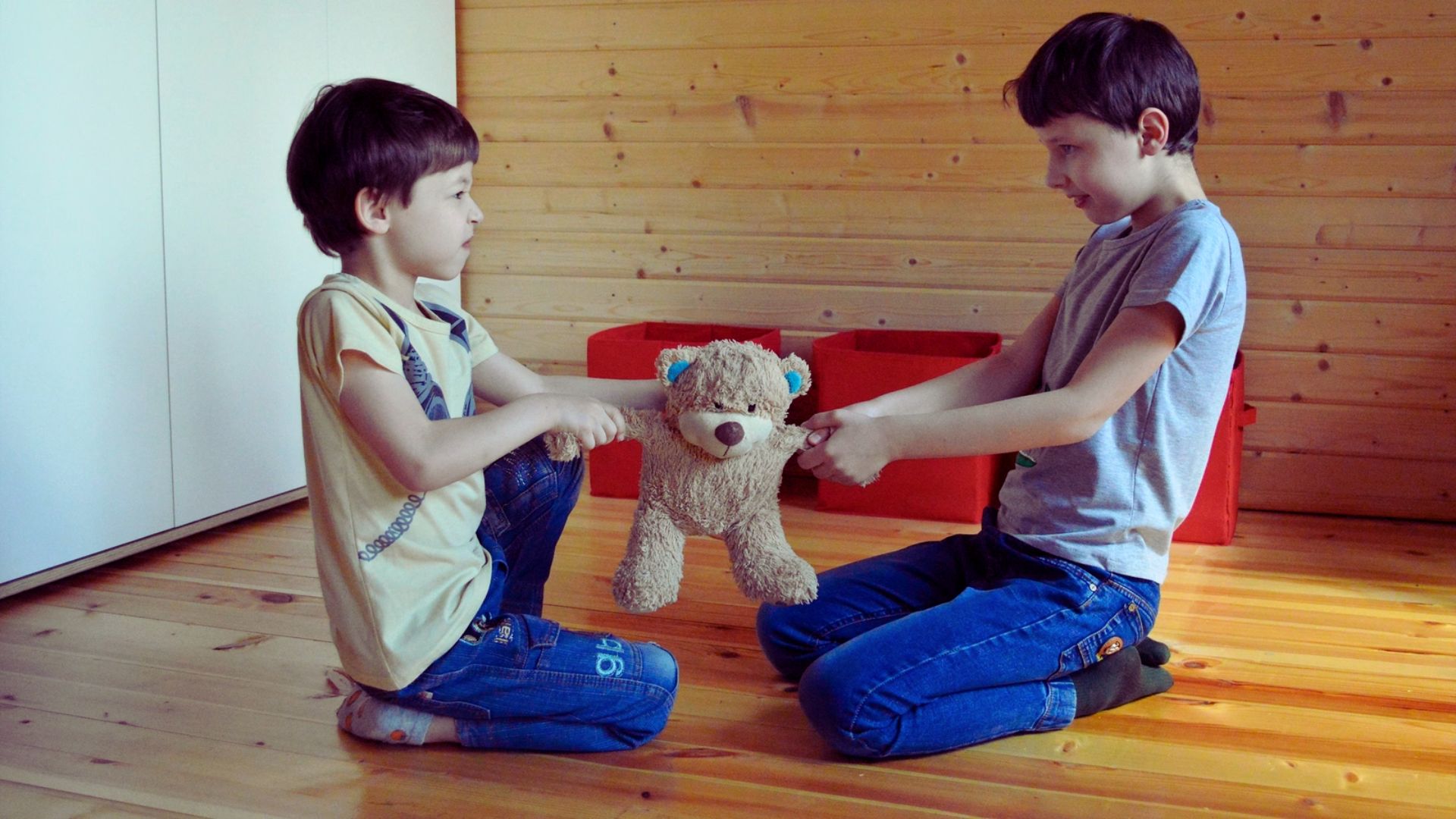
Parents have limited time and energy. Children know this without being told.When you’re tired, children compete harder.
They interrupt each other. They try to outdo siblings with stories or achievements.Working parents face extra challenges.
The after-work hours feel like a sprint. Every child wants their moment.Technology makes it worse. When you’re on your phone, kids act out to reclaim your focus.
Developmental Differences Between Siblings
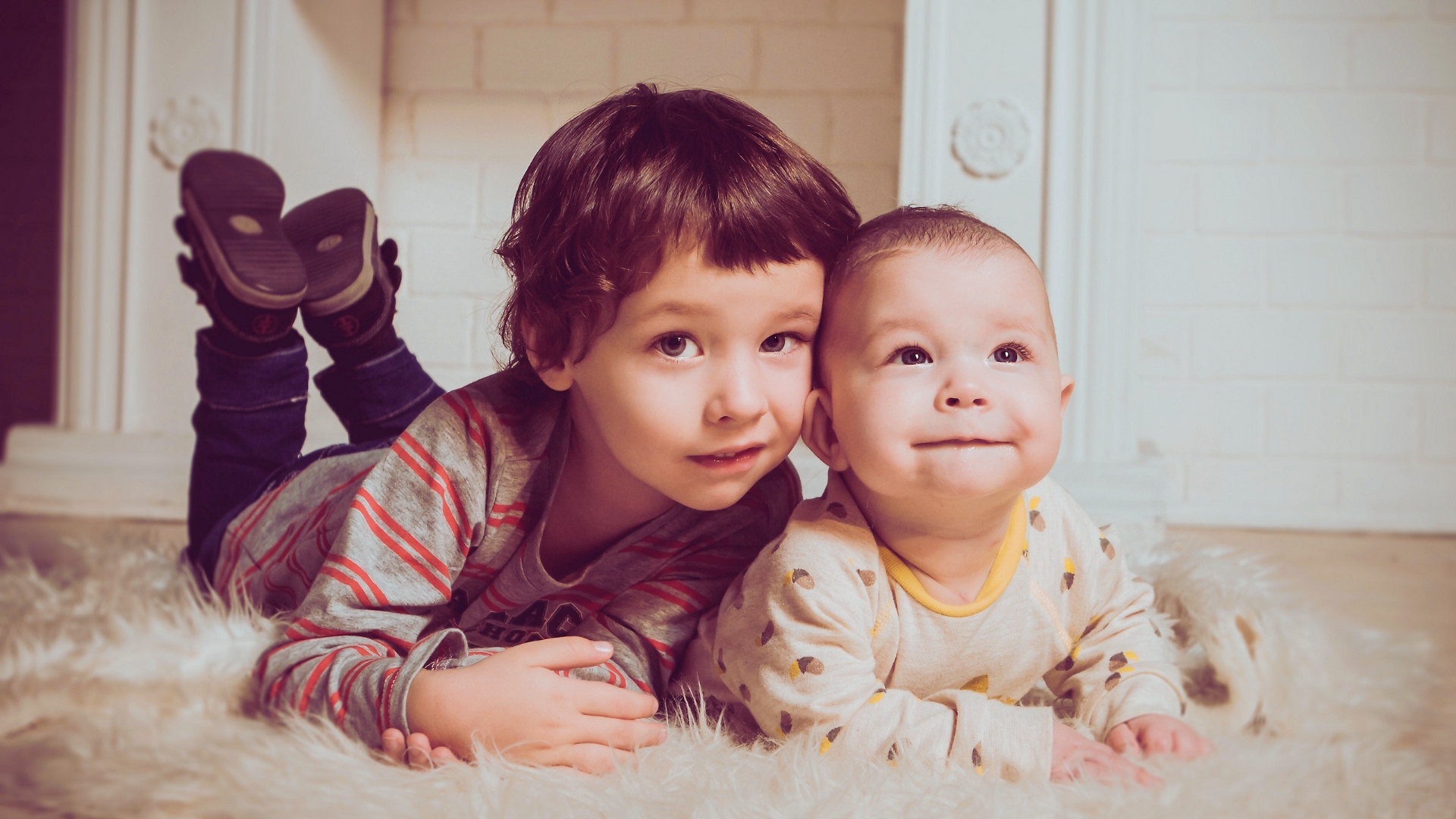
A five-year-old can’t do what a ten-year-old does. This creates natural frustration.The younger child wants to keep up.
The older child wants to do things without a “baby” tagging along.Different abilities show up early. One child reads easily. Another struggle.
One makes friends naturally. Another feels shy.These differences aren’t anyone’s fault. But they create comparison and competition.
Signs of Sibling Jealousy in Young Children
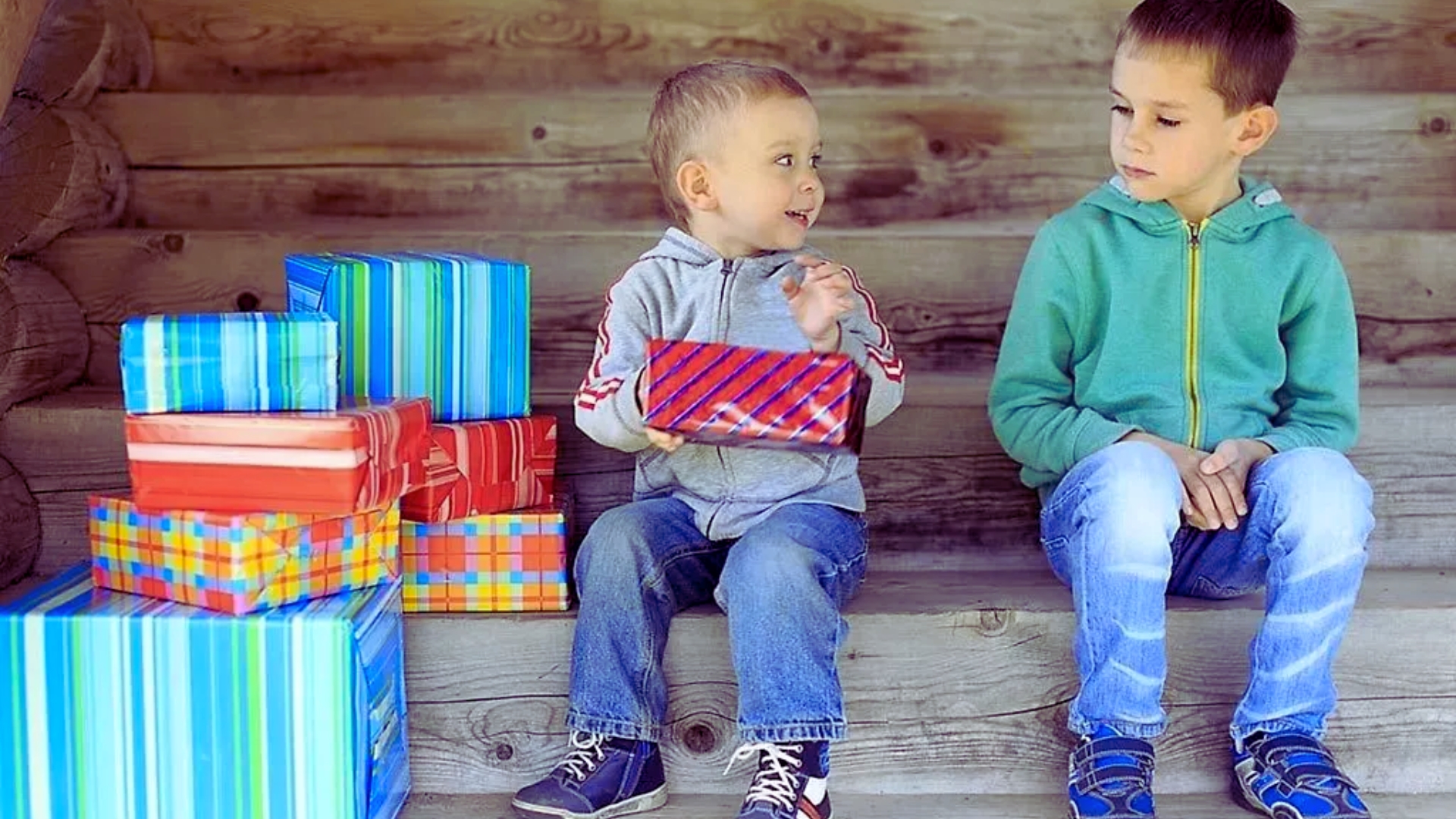
Elementary-age kids show jealousy through social behaviors, as they now have more emotional awareness and vocabulary.
Children find creative ways to grab focus. They interrupt constantly, tell elaborate stories, and create small emergencies.
Common tactics include talking over siblings, exaggerating injuries, breaking rules, and asking the same questions repeatedly.
Sharing becomes a battleground. Everything belongs to them. They guard their room fiercely and hide their favorite toys.
Arguments happen multiple times daily. Every interaction becomes a contest. The fights feel personal and mean.
One child copies everything the other does or goes the opposite direction. The child measures worth by how they stack up against the sibling.
Signs of Sibling Jealousy in Teenagers
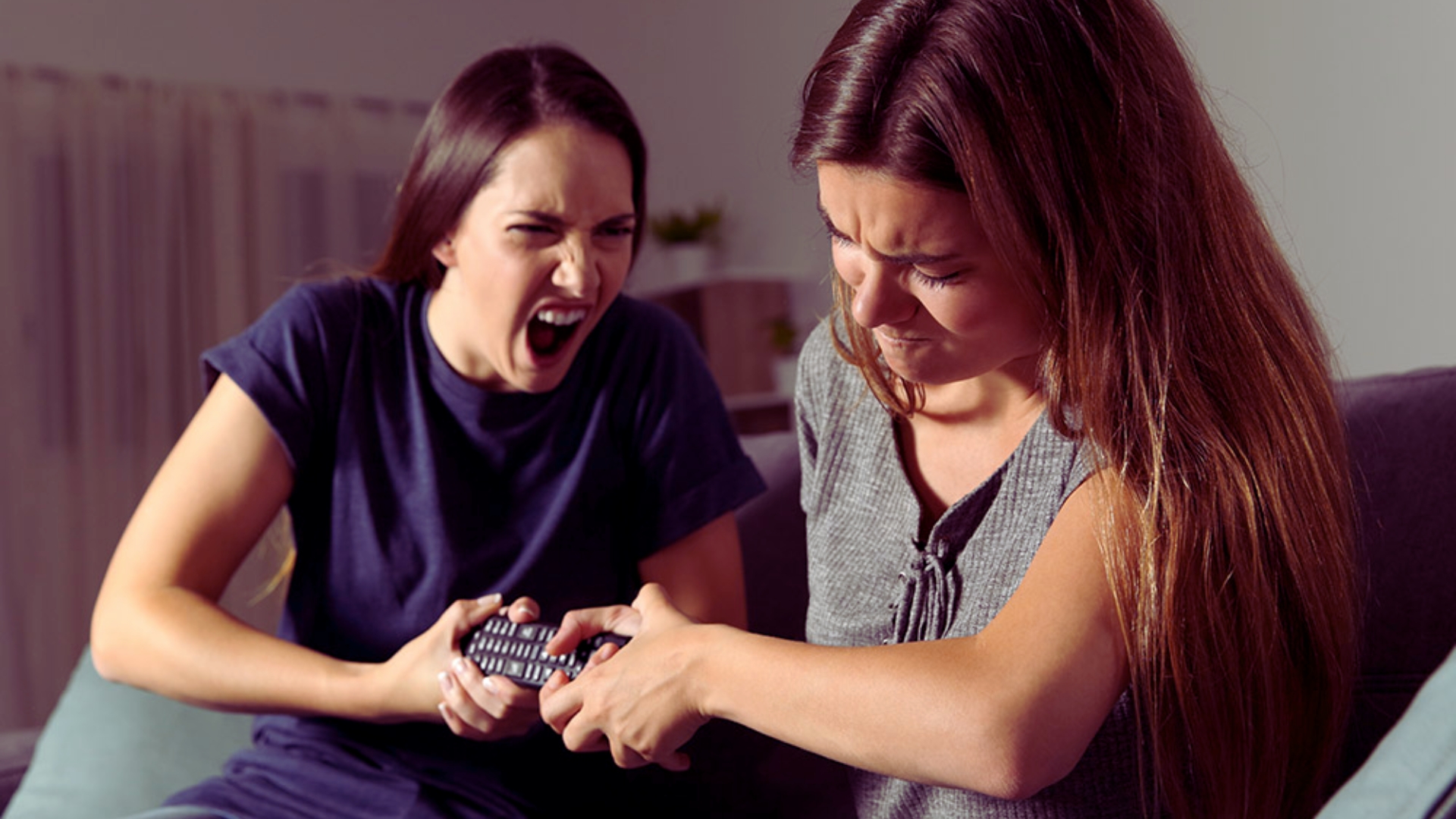
Teen jealousy looks more sophisticated but hurts just as much, often showing up in emotional distance.
Your teen suddenly stops joining family dinners. They stay in their room and find excuses to be absent. This withdrawal happens when they feel like an outsider in their own family.
Every comment drips with attitude. Sarcasm replaces actual conversation. “Must be nice” becomes a frequent phrase. They can’t celebrate sibling success without adding a dig.
Teens compare achievements, looks, popularity, and parental treatment. They keep score of everything. Social media makes it worse.
Acting out often masks jealousy. Breaking rules and talking back all say “notice me.”
Signs of Sibling Jealousy in Adults

Adult sibling jealousy often surprises people, but childhood patterns can continue for decades without resolution.
Adult siblings might compete over careers, homes, children, or relationships. The contest never ends.
Family gatherings become performance stages where everyone shares accomplishments to establish rank.
One sibling’s good news triggers bad feelings in another. The resentment isn’t about the success itself. It’s about old wounds and who was the favorite.
Some adult siblings barely speak. They avoid family events and keep relationships superficial. Adults rarely show jealousy directly.
It comes out sideways through subtle digs, forgotten invitations, and withheld support.
Tips to Reduce Sibling Jealousy
Small daily actions prevent jealousy from taking root and create a family culture where every child feels valued.
- Schedule regular solo time with each child. Even ten minutes of focused attention fills their emotional tank and reduces competition.
- Create team activities where siblings work together. Praise group efforts and avoid games where one wins and one loses. Cooperation builds connection.
- Set clear rules that apply equally to everyone. No hitting. Use kind words. Share common spaces. Consistent boundaries reduce fairness arguments.
- Notice and praise when siblings play nicely. Positive attention for cooperation reduces the need for negative attention. What you focus on grows.
- Give children words for feelings. Model healthy expressions and teach them to say “I need attention” instead of acting out. These skills last forever.
Conclusion
I’ve watched families transform when parents address jealousy with patience and intention. Your children can be lifelong friends, not lifelong rivals. Start noticing the small signs today.
Give each child what they need to feel secure. Remember that recognizing the signs of sibling jealousy early helps you respond with love instead of frustration.
Share this article with someone who needs it. Leave a comment about what works in your family. Your siblings taught you something valuable about relationships, good or bad.
Give your children the tools to make theirs better.
Frequently Asked Questions
What are the most common signs of sibling jealousy in young children?
Young children show jealousy through fighting, refusing to share, attention-seeking behavior, regression like thumb-sucking, and physically hurting siblings.
Is sibling jealousy normal or should I be concerned?
Sibling jealousy is completely normal. It becomes concerning when it’s constant, involves daily aggression, or interferes with school or friendships.
How can I tell the difference between sibling rivalry and serious jealousy?
Rivalry involves temporary conflicts and children make up quickly. Serious jealousy shows ongoing tension, avoidance, and fear of losing parental love.
At what age do children typically show signs of sibling jealousy?
Jealousy can start as early as toddlerhood when a new baby arrives. Children of any age can experience it when family dynamics change.
When should I consider getting professional help for sibling jealousy?
Seek help if jealousy involves violence that doesn’t improve, self-harm, severe anxiety, complete estrangement, or worsening behaviors despite your efforts.