
Building self-esteem in kids is one of the most important things we can do as parents and teachers. I've seen firsthand how a confident child handles setbacks differently than one who doubts themselves.
This article covers 11 proven self-esteem activities for kids from journaling and games to role-play and kindness tasks.
You'll find practical ideas you can start using today. We only share activities that are tested, simple, and actually work. No fluff.
You'll learn why self-esteem matters, get 11 hands-on activities, and find tips for parents, teachers, and common mistakes to avoid.
Why Self Esteem Activities for Kids Matter

Self-esteem shapes how children see themselves and the world around them.
Kids with healthy self-esteem make friends easily, handle criticism better, and bounce back faster after failure. Low self-esteem can hold them back in school, friendships, and daily life.
Confidence-building activities work because they give kids real proof of their abilities. Each small win adds up.
Poor confidence often shows up as aggression, withdrawal, or a constant need for approval. Watch for signs like giving up too quickly, avoiding new things, or saying "I can't do anything right."
If you notice these patterns, don't panic. The activities in this guide can help.
Self Esteem Activities for Kids That Actually Work
Here are 11 simple, proven activities you can start using today at home or in the classroom.
1. Positive Affirmation Activities

Positive affirmations are simple statements kids repeat to themselves. They shift thinking from negative to hopeful. Kids don't need to believe them at first. With repetition, the brain starts to accept them.
Mirror Affirmations: Have your child stand in front of a mirror each morning and say three positive things out loud. It feels awkward at first. That's normal. Keep going.
Affirmation Jar: Write affirmations on strips of paper and put them in a jar. Each morning, your child picks one and reads it aloud. You can make it a family activity too.
Sticky Note Reminders: Let kids write their favorite affirmations on sticky notes and place them on their mirror, desk, or lunch box. Small reminders throughout the day add up.
2. Gratitude Journal Activity

Gratitude shifts attention from what's missing to what's present. That shift alone can change how a child feels about their day.
Keep it short and consistent. Three things per day is enough. Ask your child to write one thing that made them smile, one person they're glad is in their life, and one thing they did well. A few words work fine.
3. "About Me" Worksheet Activity
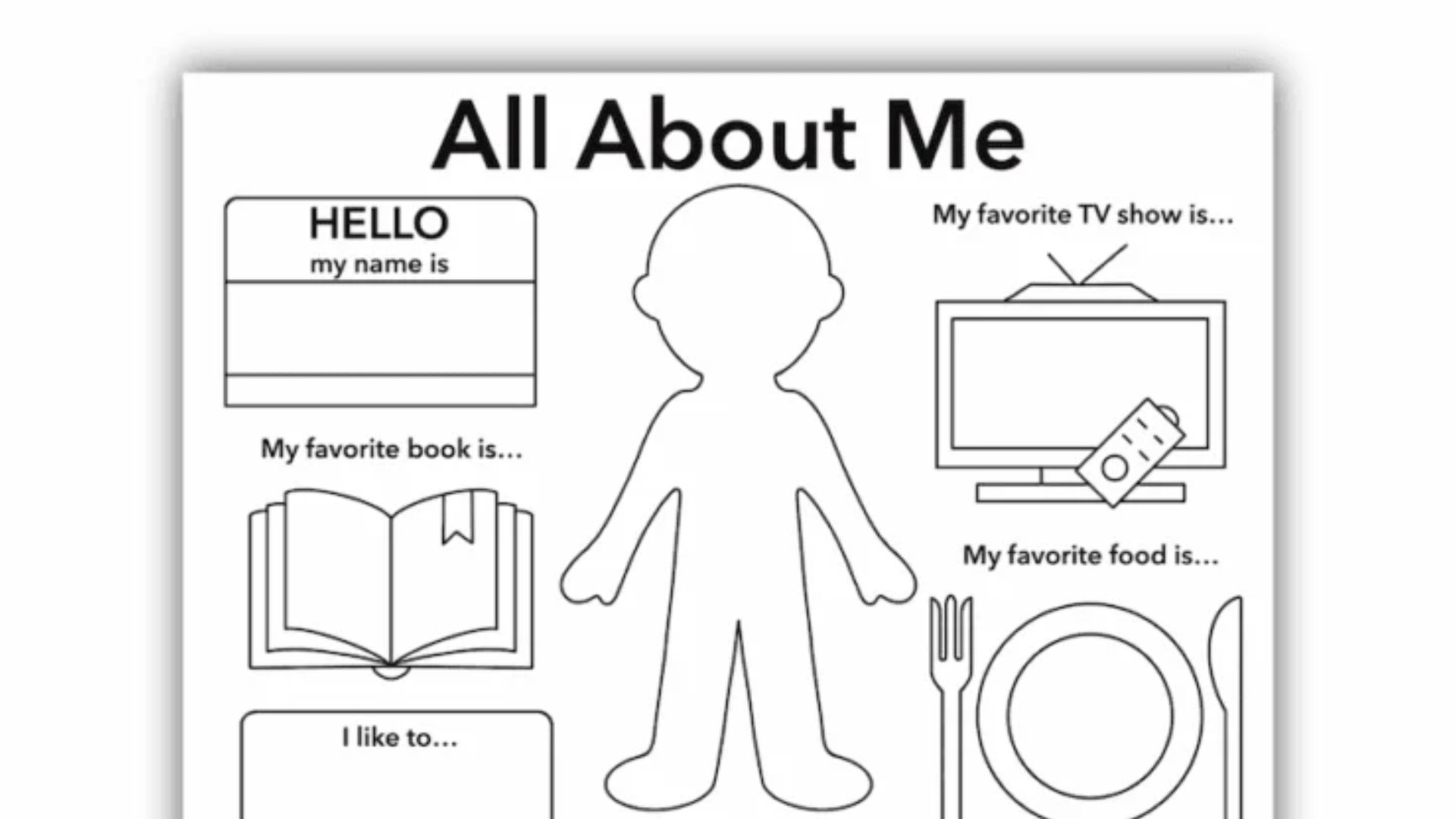
A simple worksheet with questions like "What am I good at?" helps kids identify who they are. Many children never stop to think about this.
Guide them with prompts. What do people compliment you on? What do you enjoy most? Write their answers together, then read them back. Hearing their own strengths out loud is powerful.
4. Self-Esteem Journaling
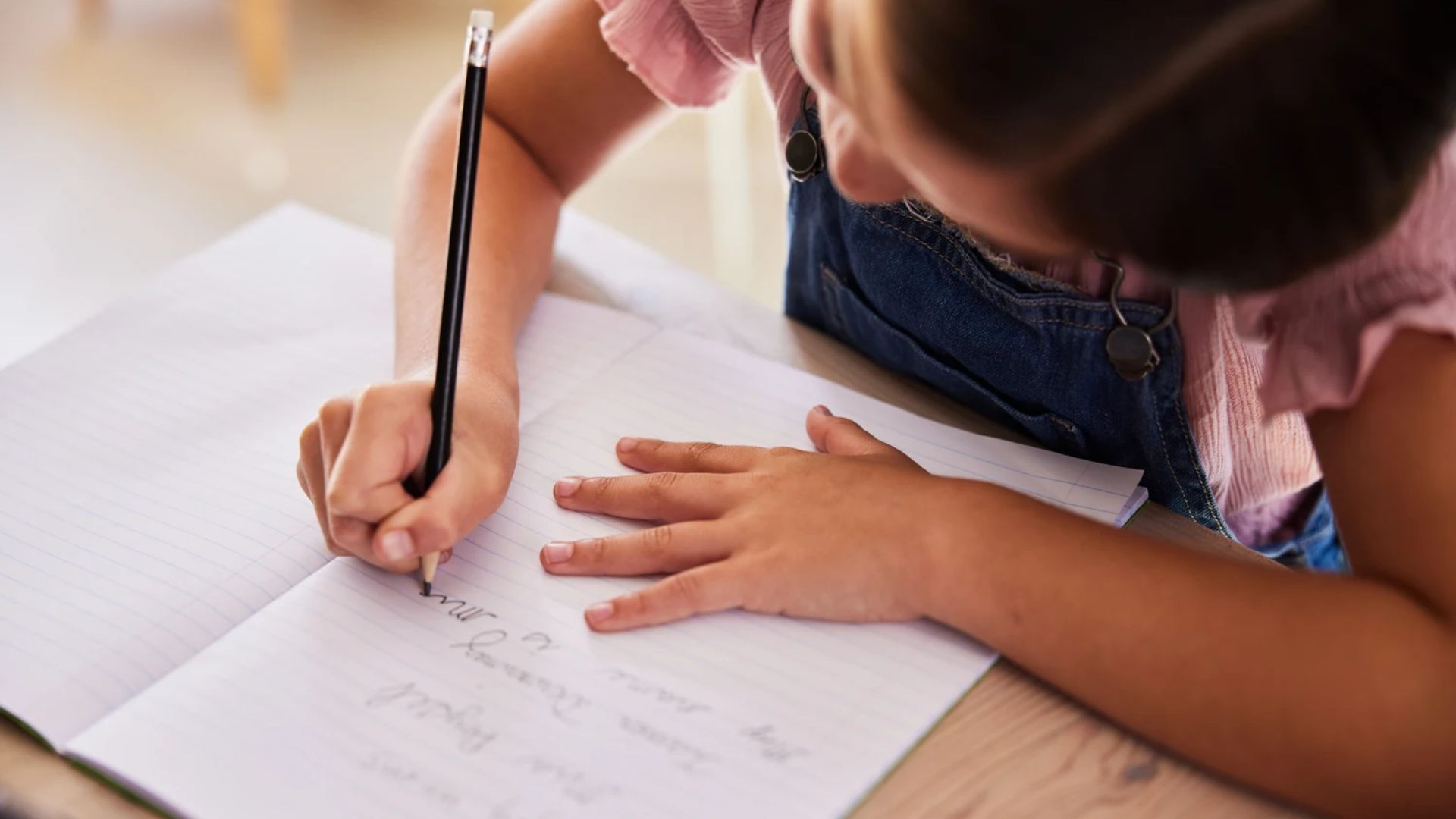
Journaling gives kids a private space to process feelings without judgment. It helps them name emotions, builds self-awareness, and reduces anxiety. Even five minutes a day can make a big difference.
Use prompts like "What's one thing I'm proud of this week?" or "When did I feel brave recently?" Don't correct grammar or spelling. The goal is expression, not perfection.
5. Role-Playing Confidence Scenarios

Role-playing lets kids practice real situations in a safe setting. When they rehearse, the real moment feels less scary.
Making Friends: Practice simple conversations like "Hi, can I sit with you?" Let them try different ways until it feels natural.
Handling Conflict: Act out a disagreement between two friends. Help your child practice saying how they feel without shutting down.
Expressing Feelings: Role-play helps kids say "I feel upset when you do that" instead of acting out physically.
6. Self-Esteem Games for Kids
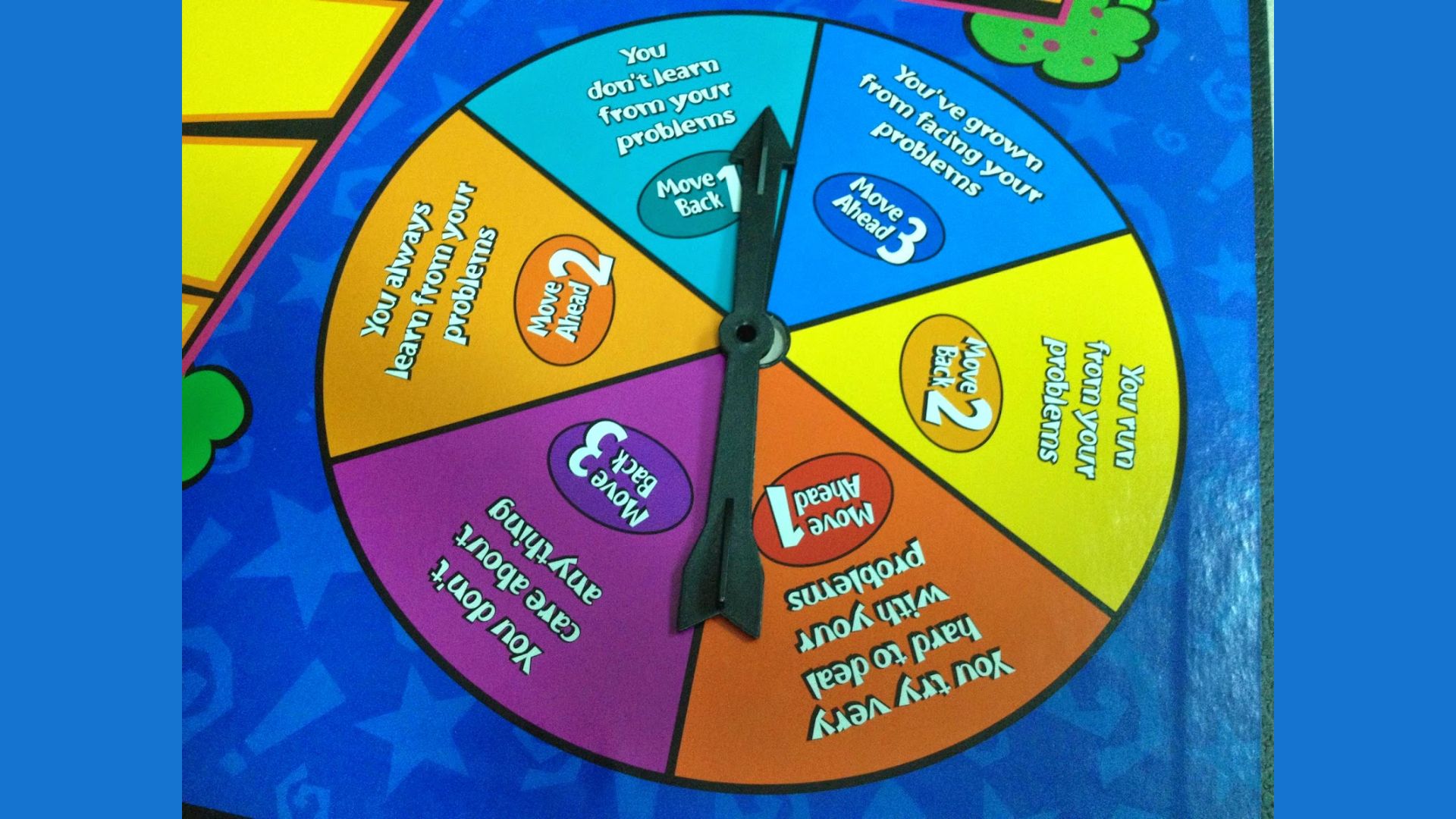
Games make learning fun. When a child is having fun, they don't realize they're also building confidence. A game removes the pressure of doing it right, and that relaxed state is the best time for learning.
Positive Thinking Games: Try "Two Truths and a Dream" where each player shares two real things about themselves and one goal.
Self-Esteem Card Games: Card decks made for kids prompt conversations about strengths and feelings. You can also make your own with index cards and simple prompts.
7. Creative Art Activities
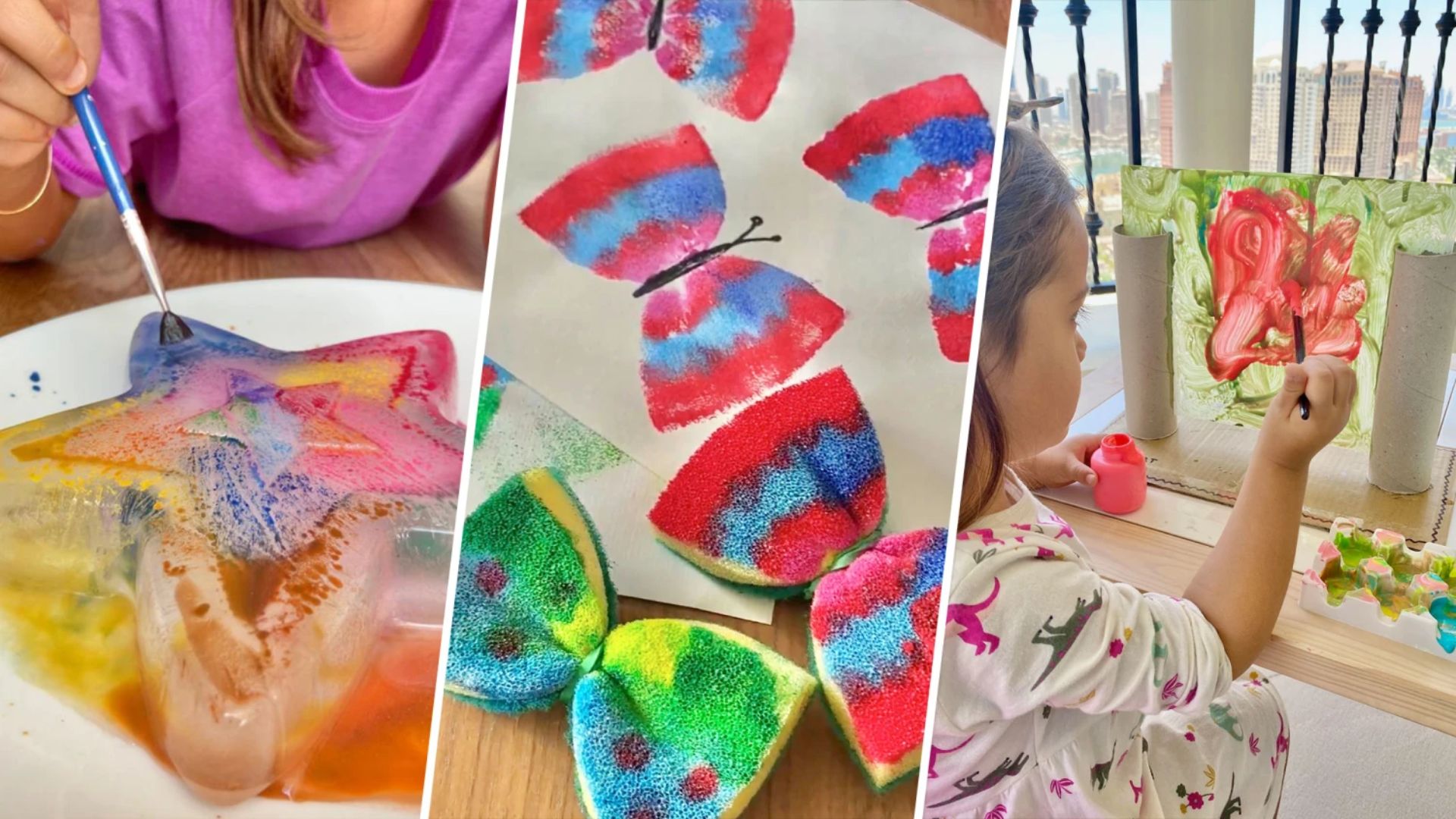
Art gives kids a way to express what they can't always say out loud. When a child finishes a piece of artwork, they feel proud.
That feeling tells the brain:"I made something. I am capable."
Motivational Posters: Have kids write their favorite affirmation and decorate it. Hang it somewhere they see it every day.
Self-Esteem Poems: A simple acrostic poem using their name works well. Each letter stands for something they like about themselves.
Personal Artwork: Ask kids to draw or paint "who I am." No rules. Let them choose freely.
8. Chores and Responsibility Tasks

Giving kids real responsibilities is one of the most overlooked tools for building confidence. When a child completes a task, they feel capable because they did it themselves. That internal proof sticks.
Ages 4 to 6 can put toys away or water a plant. Ages 7 to 10 can pack their school bag or help with simple cooking.
Ages 11 and up can do laundry or manage their own schedule. Start small and let them struggle a little. That struggle is where the confidence comes from.
9. Problem-Solving Challenges
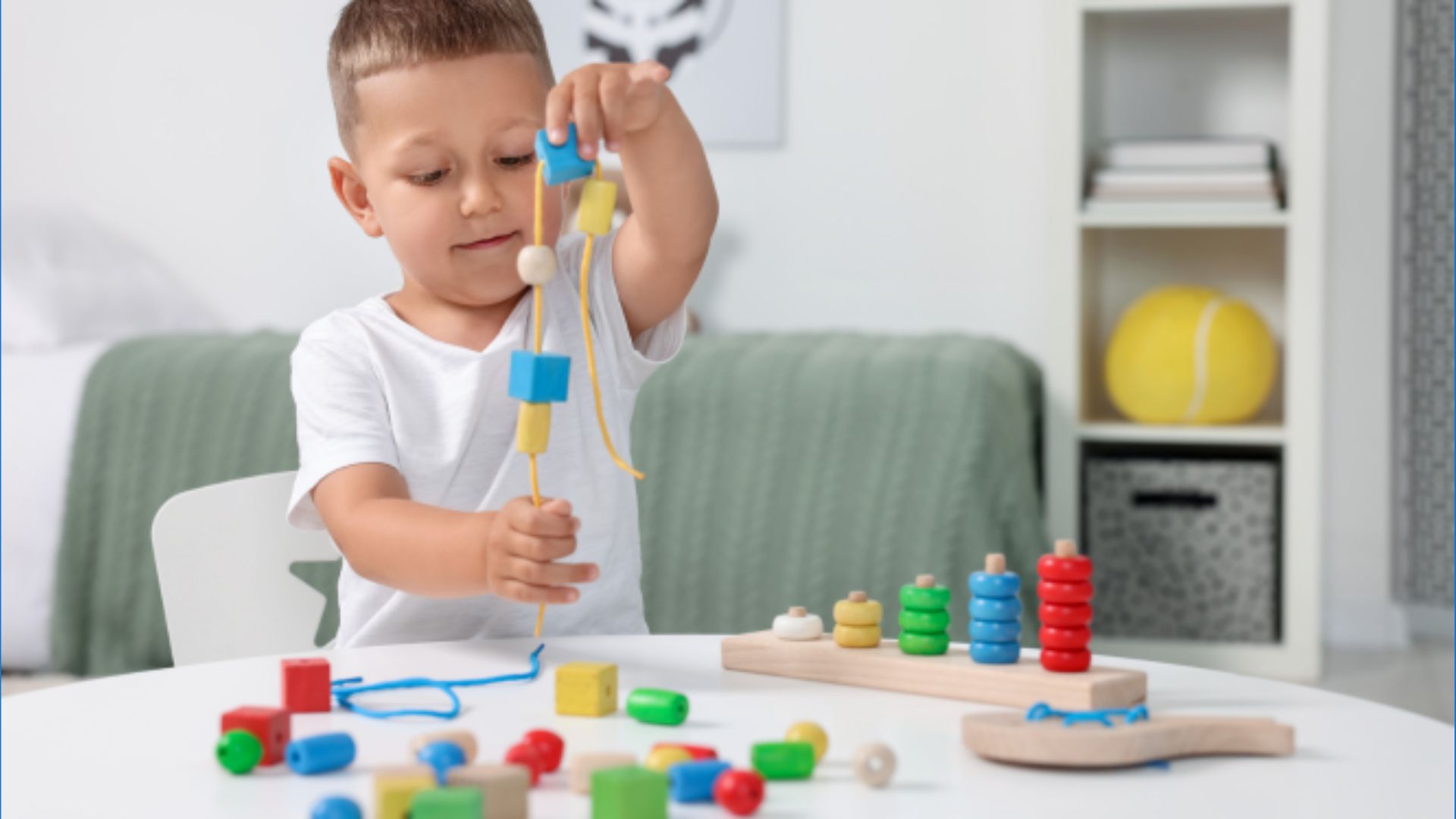
When kids solve problems on their own, they stop waiting for adults to fix things. Resist the urge to jump in too fast. Ask guiding questions instead and let them lead.
Boat Challenge: Give kids paper, tape, and foil and ask them to build a boat that floats. The goal is not a perfect boat. It is the process of trying, failing, and trying again.
Plan and Prepare a Snack: Let your child pick a simple snack and make it themselves. This builds planning skills and gives them a real sense of accomplishment.
10. Acts of Kindness Activities

Doing something kind for others makes kids feel good about who they are. When kids help others, they see themselves as someone who matters. That feeling of making a difference is a strong foundation for healthy self-esteem.
Simple ideas include writing a thank-you note to a teacher, drawing a picture for a grandparent, or helping a sibling with something hard.
Keep a "Kindness Log" where they write one kind act each day. Over time, this builds their identity as a caring and capable person.
11. Video-Based Learning Activities

Videos can be powerful tools when used well. Kids are visual learners. Seeing someone their age talk about confidence or overcome a challenge can be more powerful than reading about it.
Look for short, age-appropriate videos focused on growth mindset and effort over talent. Watch together when possible. Pause and talk about what you see.
Tips for Parents, Teachers, and Counselors
Support the child but don't do the work for them. Here are a few simple ways to make these activities work better.
- Say "I noticed how hard you tried" instead of "You're so smart." Effort is something kids can control.
- Let kids make mistakes and work through them. That discomfort teaches more than any activity can.
- Make home and school a safe place to fail. If kids fear judgment, they will stop trying.
- Combine journaling with games, art with role-play. Different kids respond to different things.
- Stay consistent. One activity done daily beats ten activities done once.
Common Mistakes to Avoid
Even well-meaning adults can accidentally slow down a child's confidence growth.
Overloading Kids with Activities
More is not always better. Doing five confidence activities a day can feel like pressure, not support. Pick one or two and do them consistently.
Focusing Only on Results
If you only praise the finished product, kids learn that outcomes matter more than effort. That's a fragile kind of confidence, it breaks the moment they fail.
Not Allowing Independence
Doing everything for a child sends one message:"You can't do this yourself." Step back. Let them figure things out. Stay close, but don't hover.
Conclusion
I remember the first time I saw a child's face change after finishing a simple "About Me" worksheet. She looked genuinely surprised by her own strengths. That moment reminded me how much these small activities matter.
Self-esteem activities for kids don't have to be complicated. They just have to be consistent. Start with one activity this week. See what happens.
Did any of these ideas speak to you? Drop a comment below and share which activity you're trying first. And if this helped, pass it along to another parent or teacher who might need it.
Frequently Asked Questions
How early can I start self-esteem activities with my child?
You can start as early as age three. Simple activities like naming feelings or praising effort go a long way even with very young children.
How long does it take to see results from self-esteem activities?
Most parents notice small changes within two to four weeks of consistent practice. Long-term confidence builds gradually, so stay patient and keep going.
What if my child refuses to do the activities?
Don't force it. Offer choices instead of commands. Let them pick which activity they want to try. Giving kids control actually supports confidence building.
Can teachers use these activities in the classroom?
Yes. Activities like journaling, role-play, and gratitude exercises work well in group settings. Many teachers use them as morning routines or social-emotional learning breaks.
Are self-esteem activities enough, or does my child need professional help?
If your child shows signs of severe anxiety, withdrawal, or ongoing sadness, a counselor or child therapist can help. These activities support healthy growth but are not a replacement for professional support when it's needed.