
Teaching kids respect is one of the most important things you can do as a parent or teacher. I've seen firsthand how the right activities can shift a child's mindset completely.
In this article, I'll walk you through 17 simple respect activities for kids that actually work. You'll find fun, easy exercises for home and school.
These activities build real values, not just good behavior on the surface. Trust me I've tested many of these myself.
Let's respect something kids want to practice, not something they're forced to do.
What Is Respect for Kids?
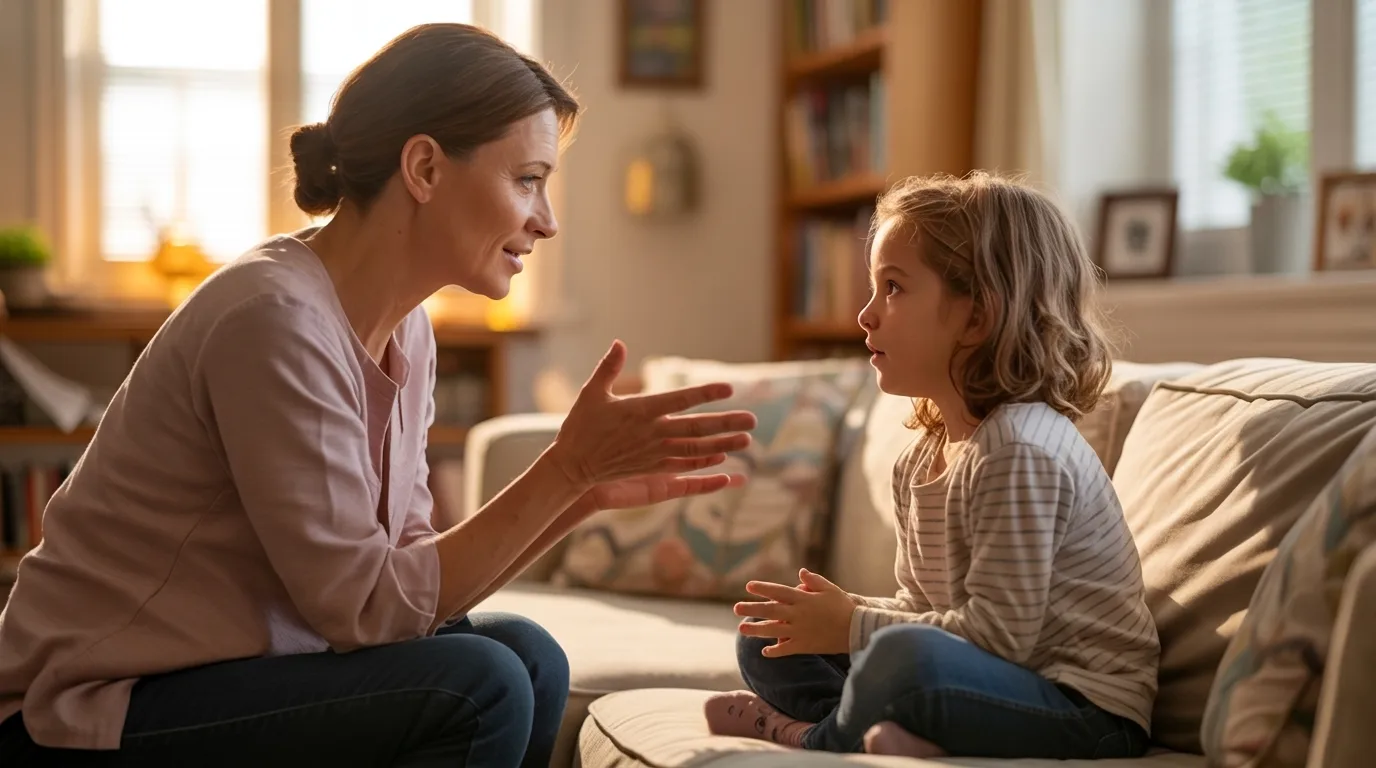
Respect is a value every child needs, and explaining it simply makes all the difference. Respect means treating others the way you want to be treated.
It means listening when someone speaks, being kind with your words, and never hurting others on purpose. Kids see respect in small, everyday moments.
It looks like waiting your turn to speak, saying "thank you" and "please," not making fun of someone who seems different, and listening when a teacher or parent talks.
These small actions add up. When kids understand what respect looks and feels like, they are far more likely to practice it.
17 Best Respect Activities for Kids for Learning Values
These activities make learning respect fun, hands-on, and easy to remember.
1. Defining Respect in Your Own Words
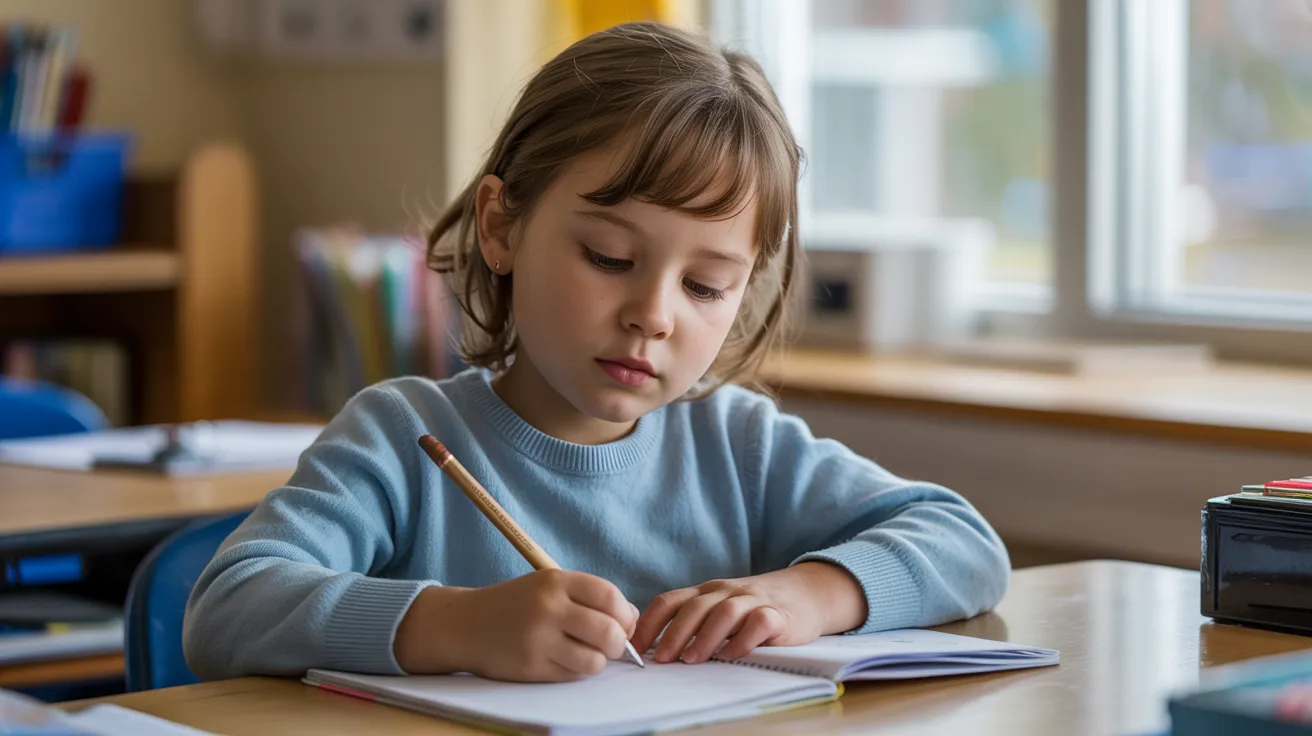
Ask kids to write or say what respect means to them in their own words. No wrong answers here, every response is valid.
This helps them think about the word personally instead of just memorizing a definition. When kids define something themselves, they feel connected to it.
Over time, that personal connection turns into real behavior change.
2. Ketchup Squirt Lesson on Words
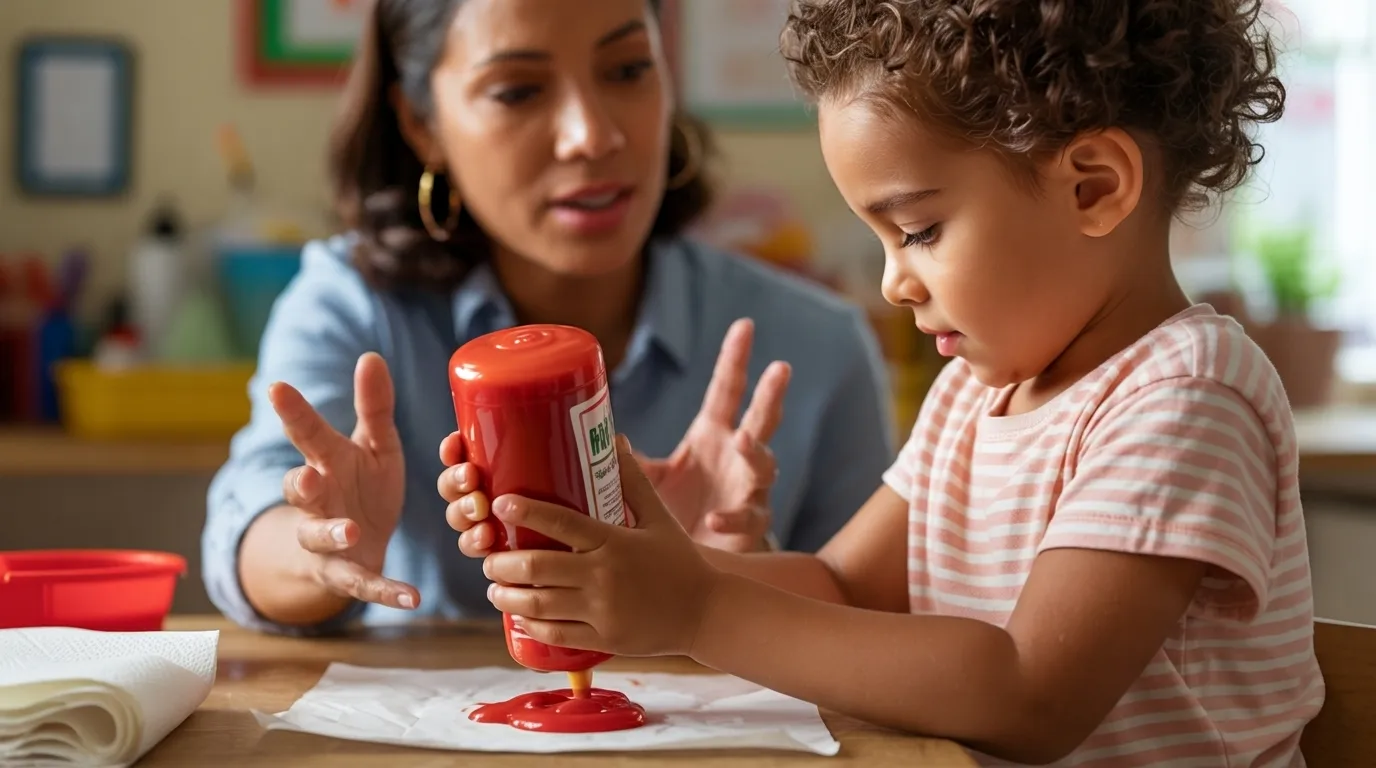
Squeeze ketchup out of a bottle, then ask kids to put it back in. They can't and that's the whole point. This shows how hurtful words, once said, cannot be taken back.
It's a messy, hands-on lesson that stays with kids long after the activity ends. Simple visuals like this make abstract ideas very easy to understand.
3. Daily Compliment Challenge
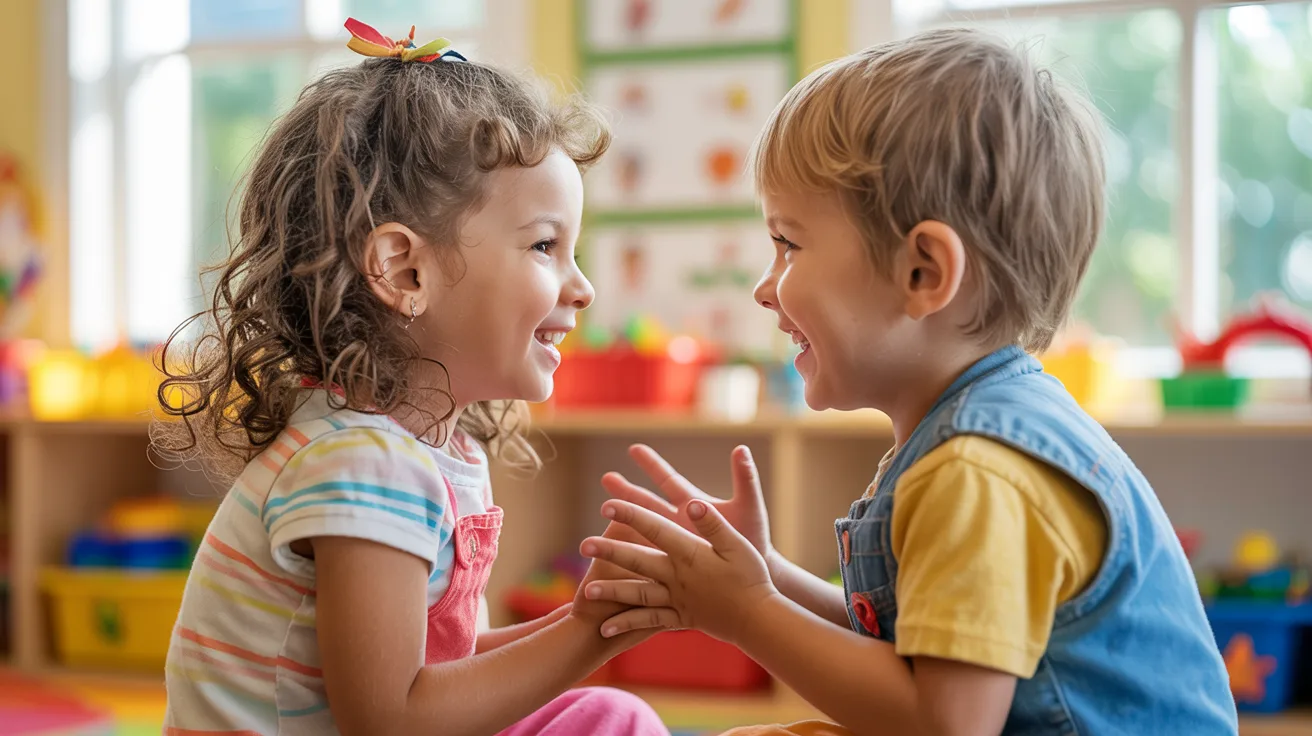
Each day, kids give one honest compliment to someone around them. It can be a classmate, a sibling, or a teacher.
This small habit trains kids to look for the good in others instead of focusing on the negative.
Over a week, it creates a more positive and respectful atmosphere at home or in class. Honest compliments also build confidence in the person receiving them.
4. Create a Respect Word Ring
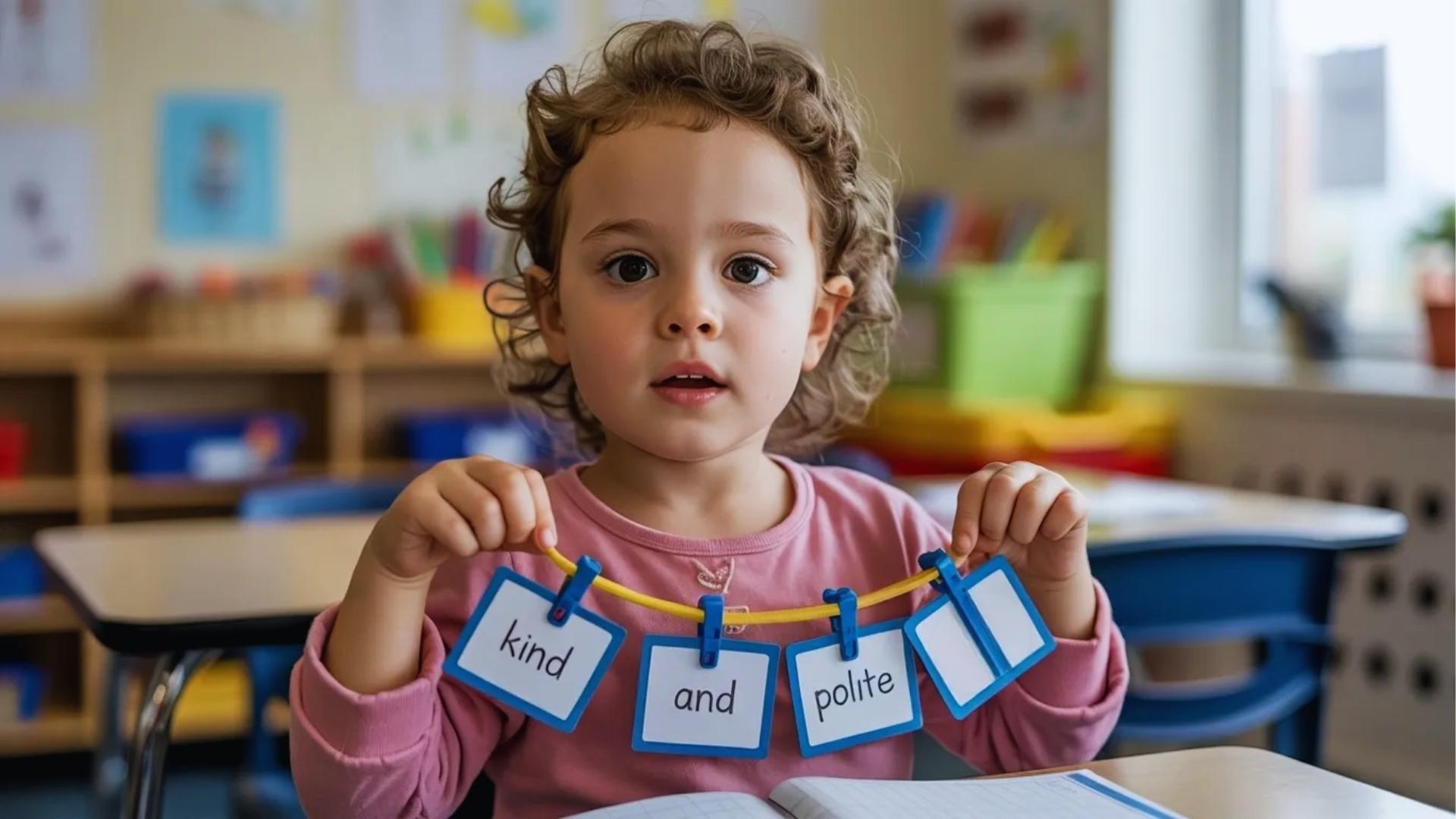
Write words related to respect on separate index cards words like kind, polite, fair, and caring. Punch a hole in each card and bind them together on a ring.
Kids can flip through their word ring during the day as a quick reminder. This activity builds vocabulary while keeping the idea of respect visible and present.
It works great as a desk tool or a take-home activity.
5. Make a Respect Role Model List
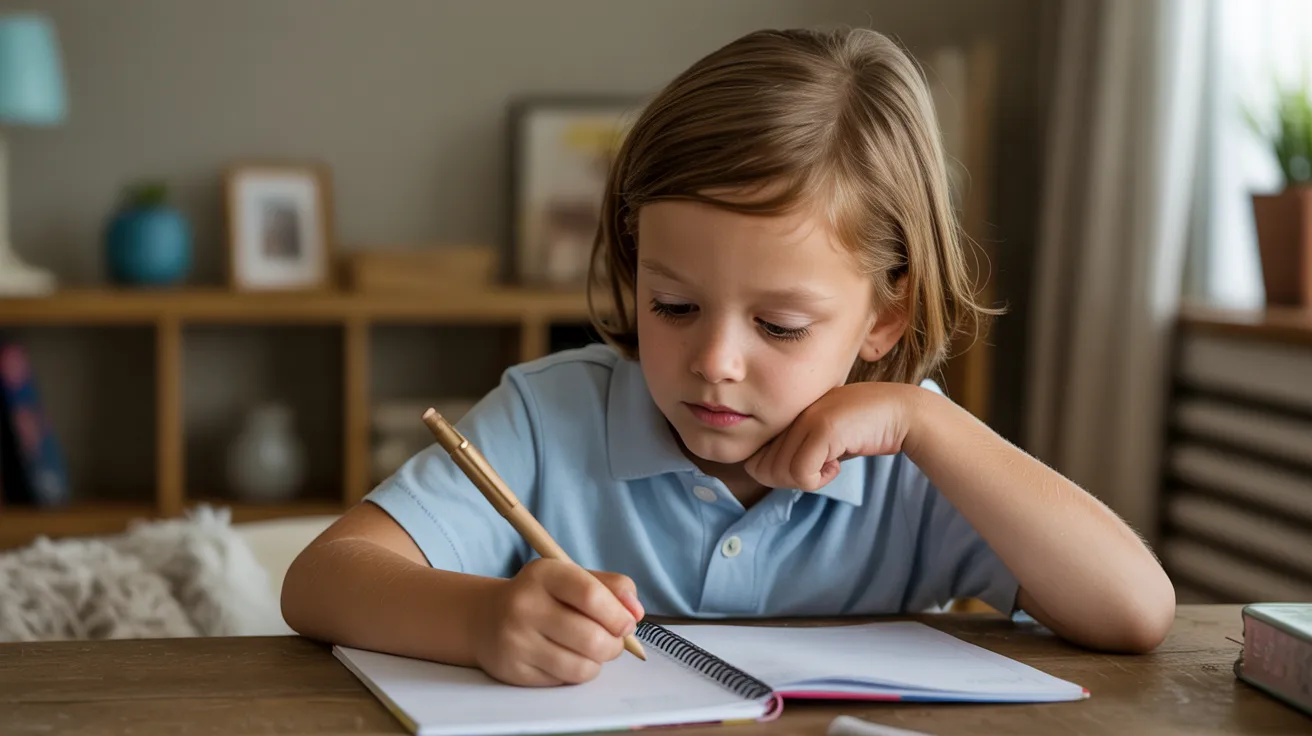
Ask kids to name three people they truly respect and explain why they chose each one. It could be a parent, a teacher, a coach, or even a cartoon character.
Talking about real role models helps kids connect the idea of respect to actual people in their lives. This activity also helps them think about what qualities they want to develop themselves.
It turns respect into something worth working toward.
6. Respect Rap or Chant Activity
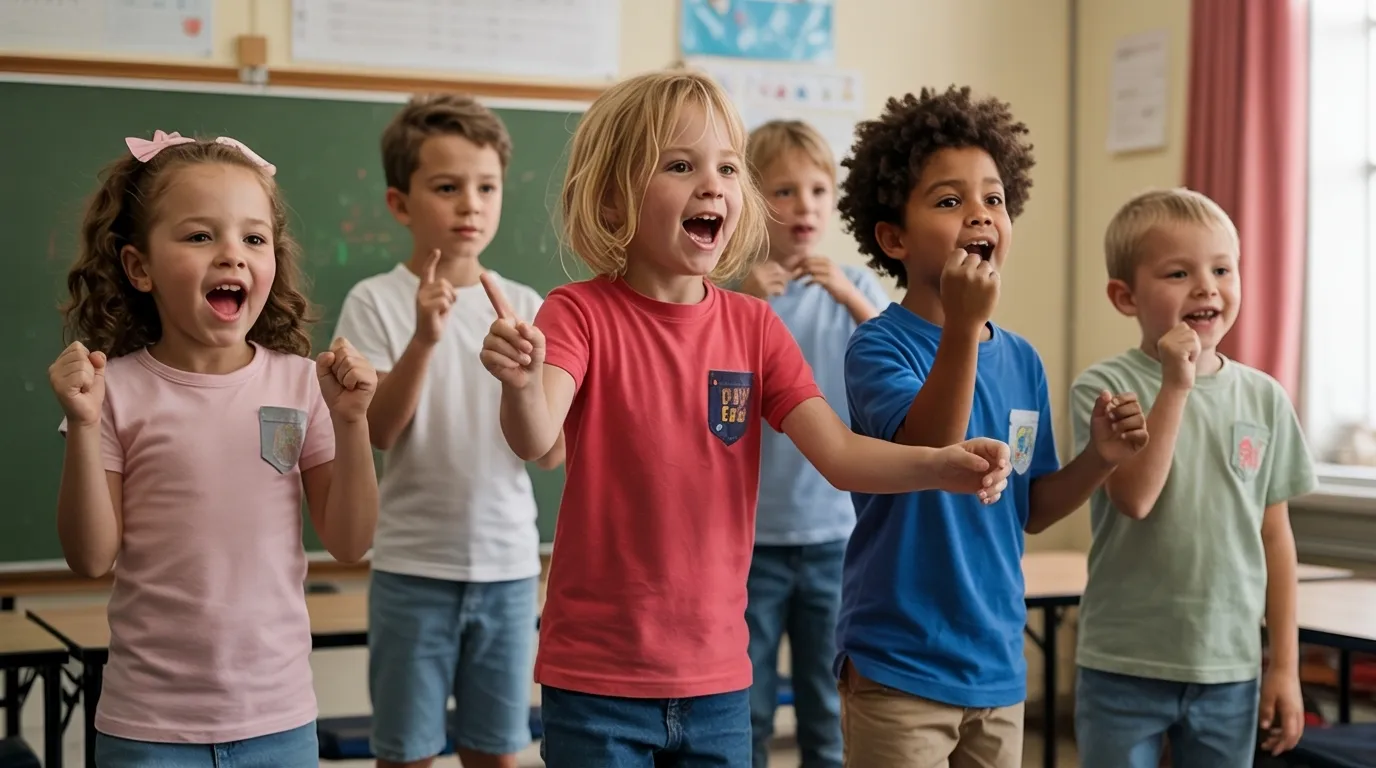
Let kids write a short rap or chant that talks about respect in their own style. It doesn't need to rhyme perfectly or sound professional.
Music and rhythm help kids remember ideas far better than reading or writing alone. This activity also gives kids who struggle with traditional learning a fun way to engage.
Performing the rap for the class adds even more excitement and confidence.
7. What Respect Looks and Sounds Like
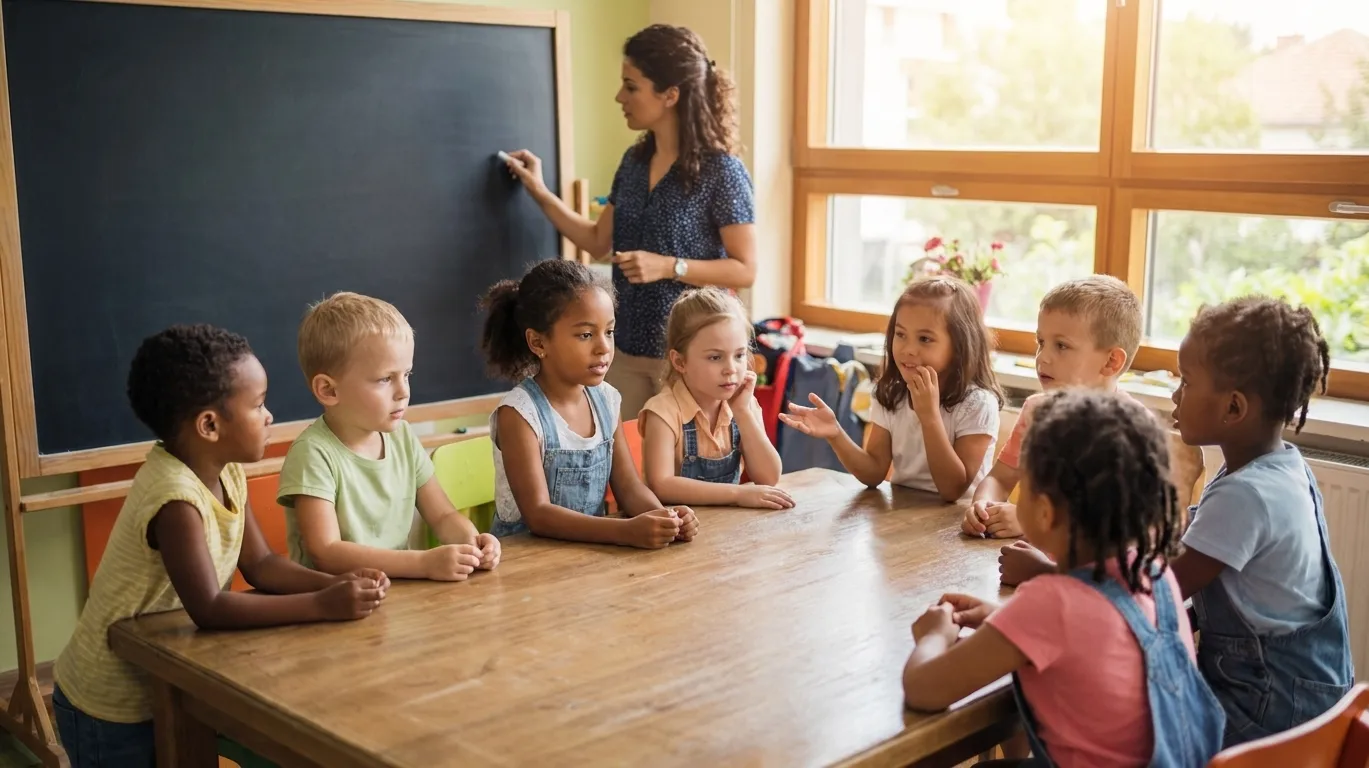
Draw a T-chart on the board or paper. Label one side "looks like" and the other side "sounds like." Kids fill it in together as a group, sharing ideas from their daily lives.
This makes respect concrete and visual instead of just a fuzzy feeling. Seeing it written out helps kids recognize respect and disrespect when it happens in real time.
8. $1 vs 100 Pennies Comparison
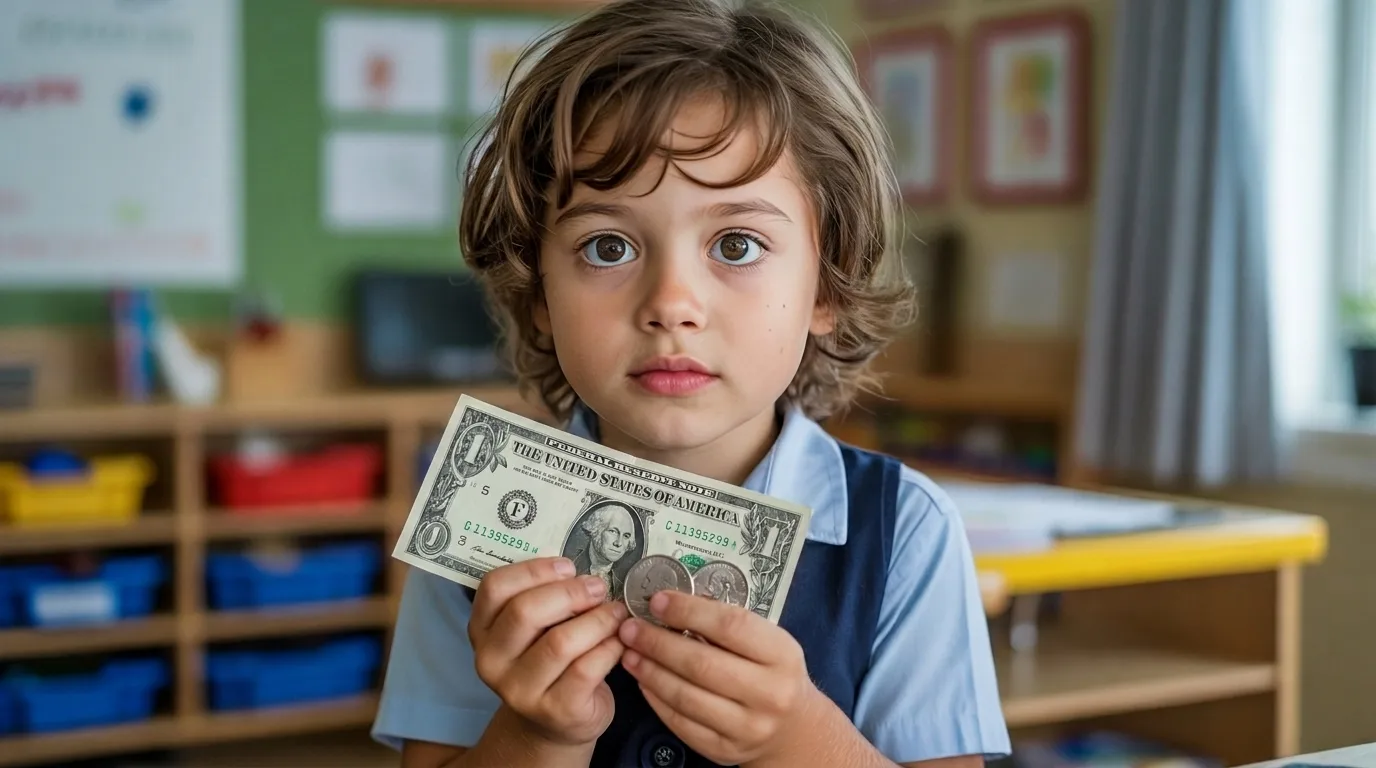
Hold up a dollar bill and 100 pennies and ask kids which one is worth more. They quickly learn both are equal in value.
Use this moment to explain that all people have equal worth, no matter how they look or where they come from.
It's a simple comparison that carries a powerful message about treating everyone fairly. Kids remember this one because it involves money, which always gets their attention.
9. Respect Art Collage
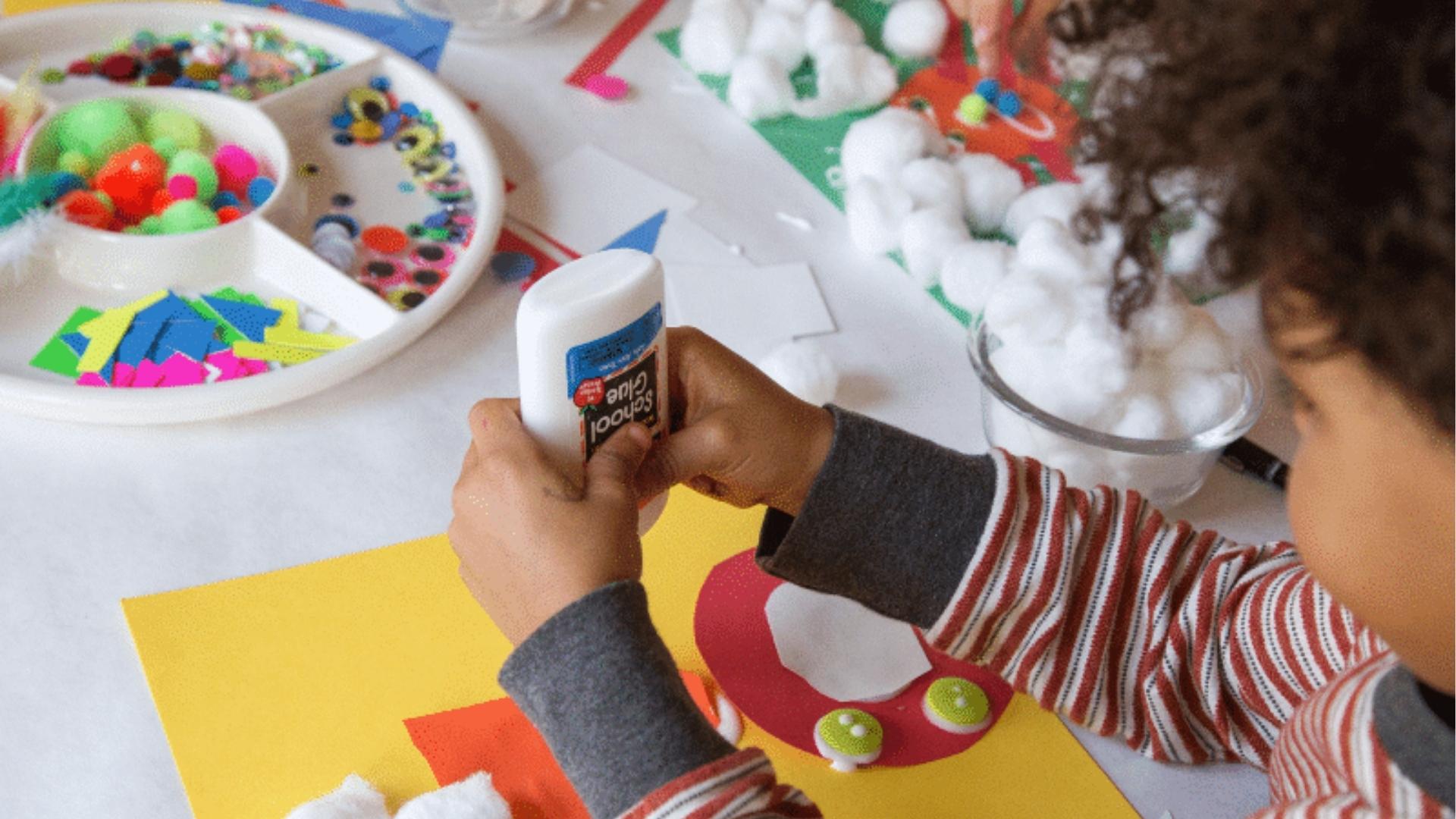
Kids look through old magazines and cut out pictures or words that show respect in action. They paste everything onto a large poster or piece of paper.
This creative activity gets kids thinking about what respect actually looks like in the real world. It also sparks great conversations when they share their collages with the class.
Art-based learning connects emotions and ideas in a way that writing alone often can't.
10. "Caught Ya!" Respect Slips
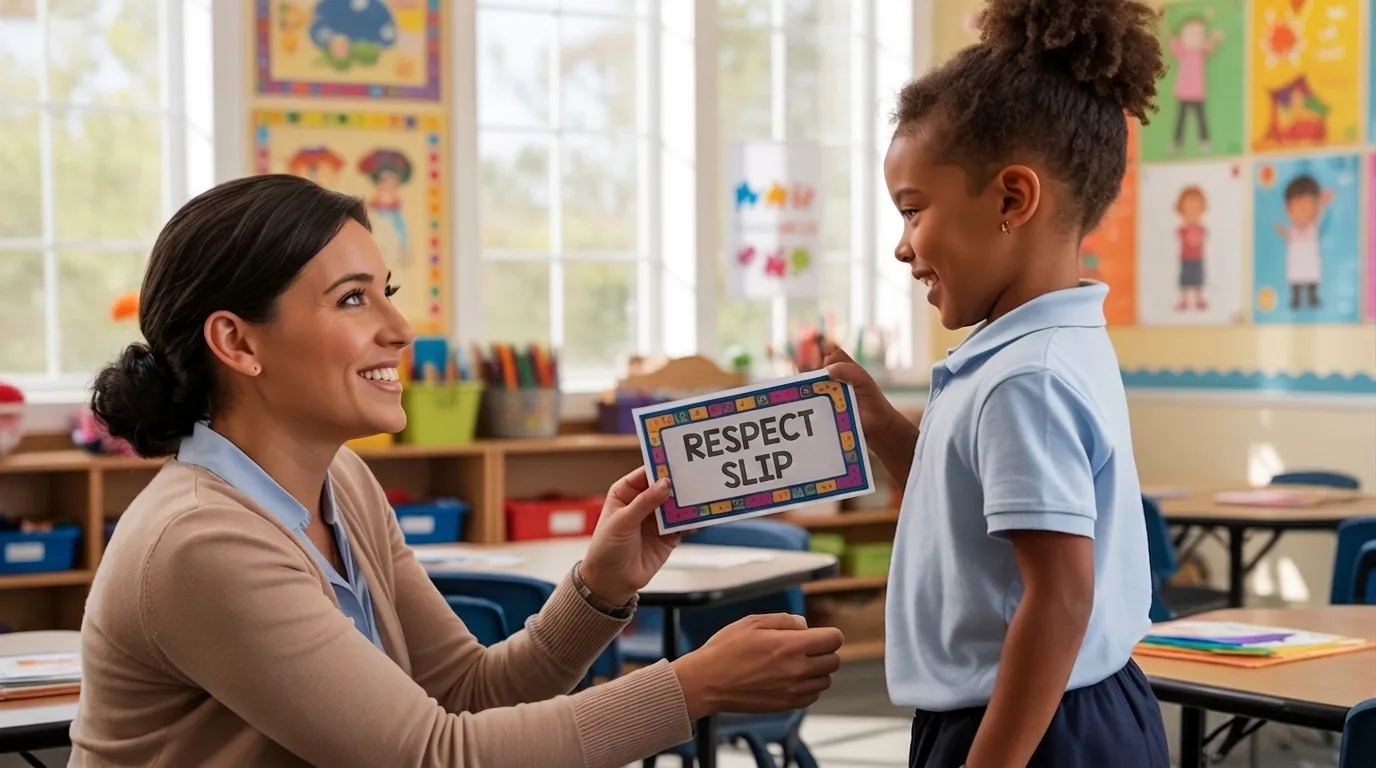
Whenever you notice a child acting respectfully, hand them a small slip that says "Caught Ya being respectful!" Kids can collect these slips and trade them in for a small reward or just keep them as a reminder.
This activity uses positive reinforcement, which works much better than only reacting to bad behavior.
It also encourages kids to be respectful more often because they know someone is watching for the good stuff. It creates a culture where respect is noticed and celebrated.
11. Emotions Thermometer Exercise
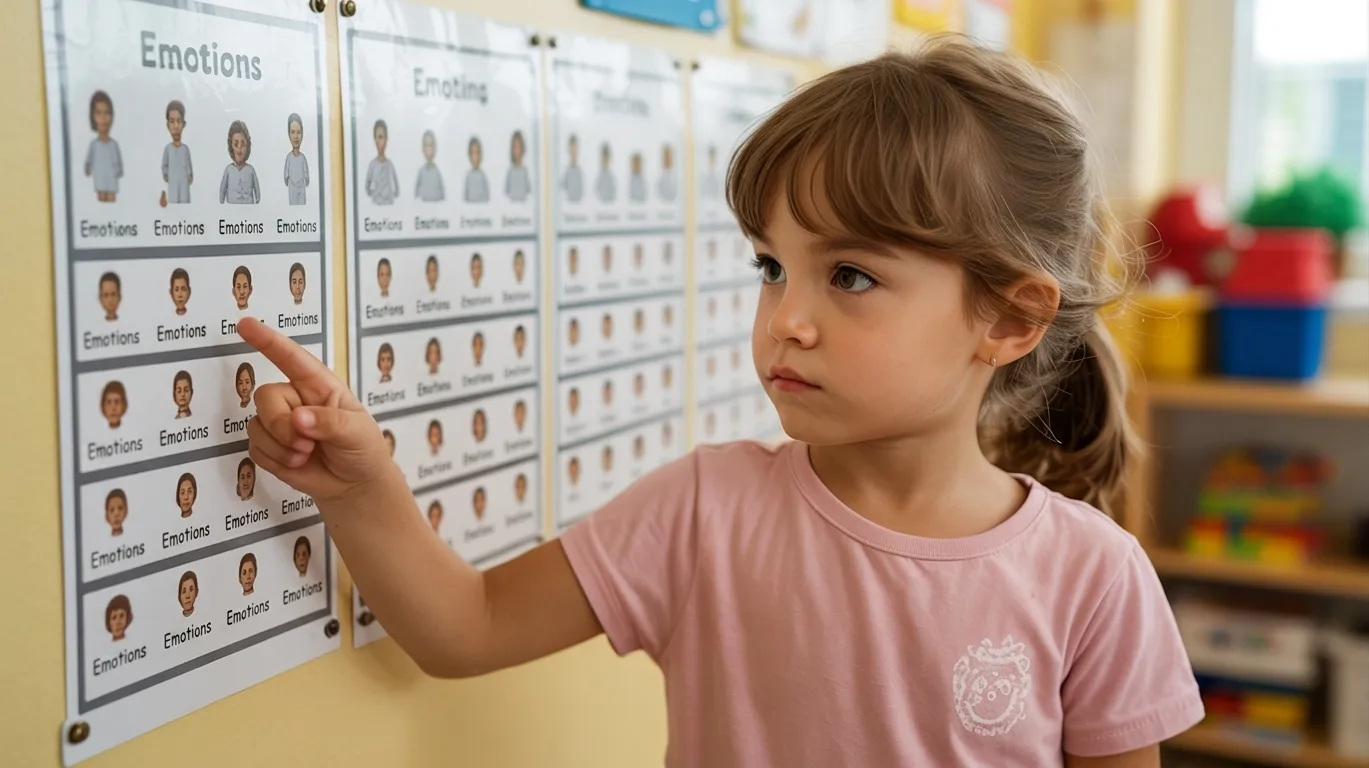
Draw a large thermometer on paper or the board. Label the bottom "calm" and the top "very angry," with levels in between.
Ask kids to mark where they feel emotionally before they make a choice that might be disrespectful. This teaches self-awareness, which is the first step toward self-control.
When kids can recognize their emotions, they are better able to pause and choose a respectful response.
12. Respectful vs Disrespectful Responses
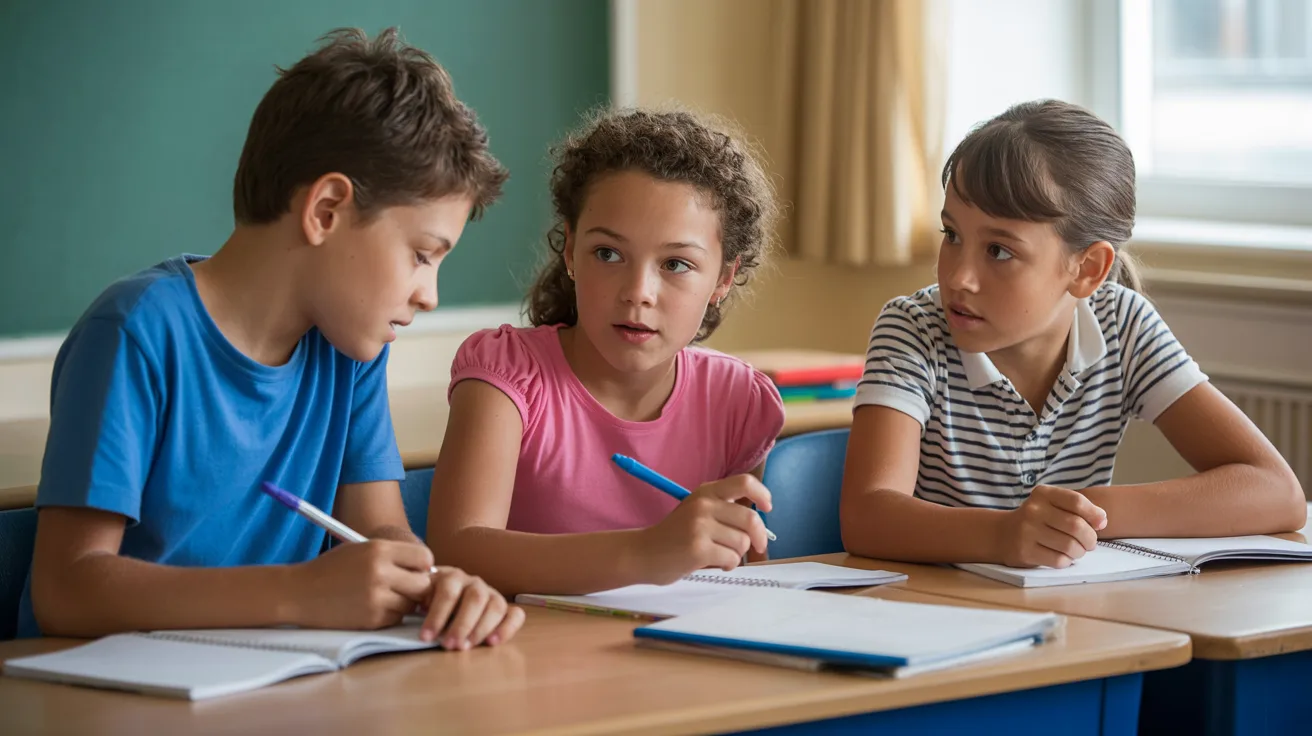
Give kids a real-life scenario like a classmate taking their pencil without asking. Ask them to write two different responses: one respectful and one not.
Then the group discusses what changes when you choose respect. This activity builds empathy and critical thinking at the same time.
Kids often surprise themselves with how clearly they can tell the difference once they slow down and think it through.
13. Create a Respect Campaign Poster
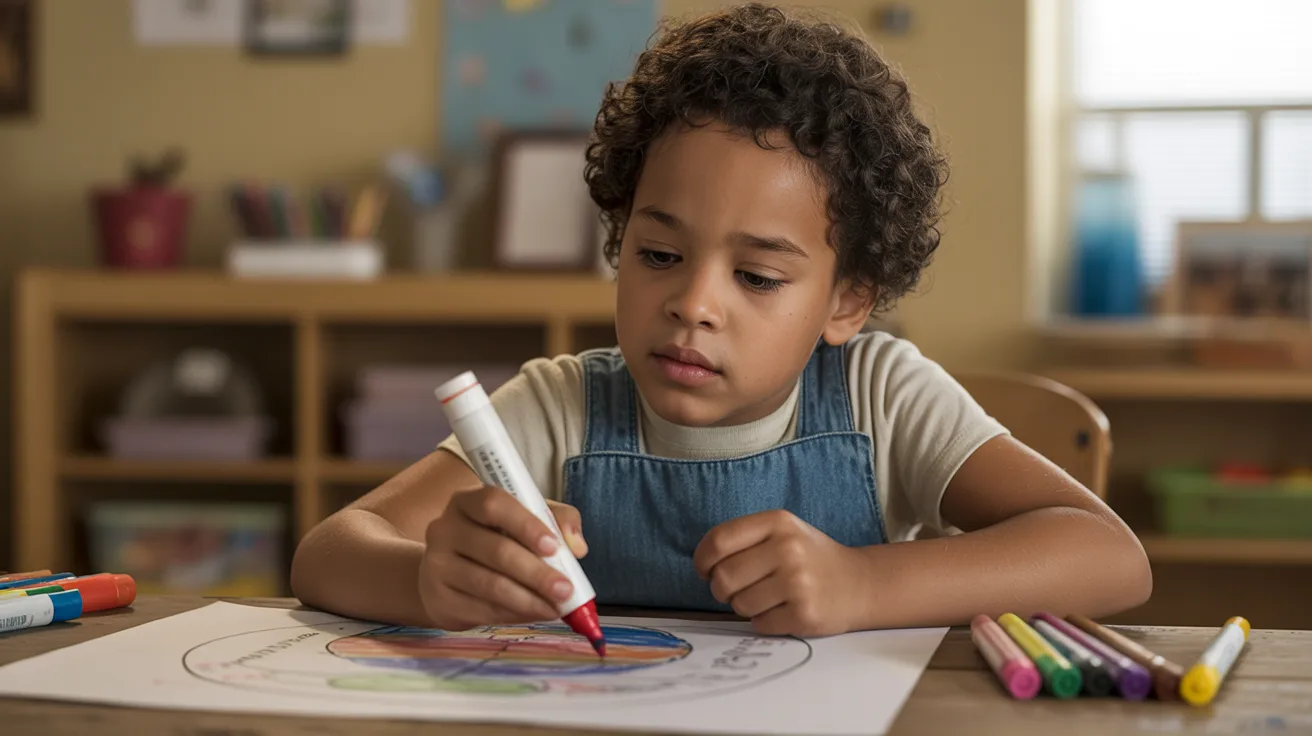
Kids design a poster that spreads a message about respect. They pick the words, colors, and images on their own. Display the finished posters in the classroom, hallway, or at home on the fridge.
When kids create something with their own hands, they feel ownership over the message. This activity also encourages creativity while keeping the focus on an important value.
14. Synonym Chain Activity
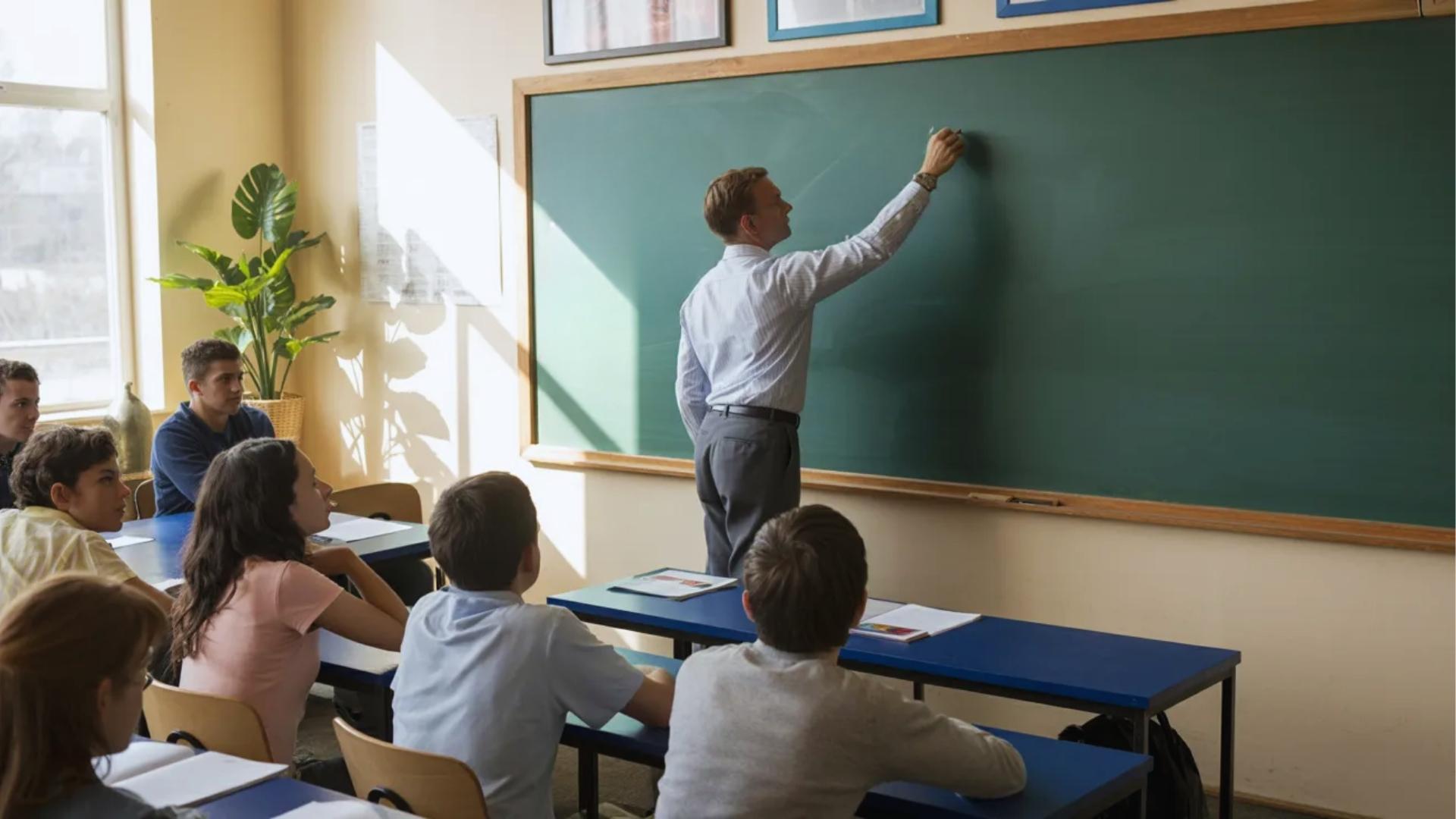
Start with the word "respect" written on the board. Ask kids to call out words that mean something similar, kind, polite, fair, thoughtful, caring.
Keep adding to the chain until you run out of ideas. The longer the chain, the deeper the conversation gets.
This activity helps kids see that respect isn't just one word it's a whole mindset made up of many small, daily choices.
15. "What If?" Scenario Discussions

Pose questions that put kids in someone else's shoes: "What if someone made fun of your idea in front of the class?" or "What if no one listened when you were speaking?" Let kids answer honestly and talk about how those situations would feel.
This builds empathy because it connects respect to personal emotions kids already understand. The more real the scenarios feel, the more meaningful the discussion becomes.
16. Role-Playing Respectful Situations
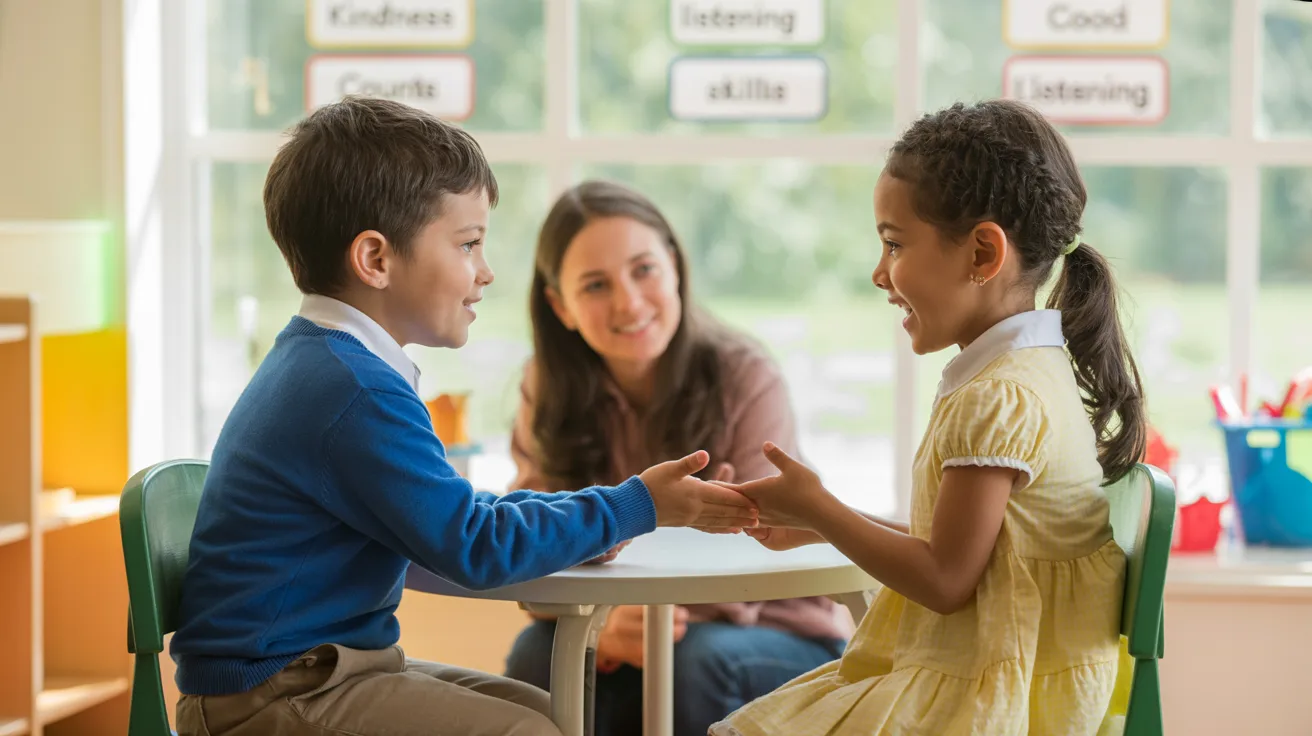
Set up a simple role-play where one kid is a student and another is a teacher or peer. Act out a situation that requires a respectful response like disagreeing with someone or asking for help.
Then switch roles so each child gets to experience both sides. Role-play makes the lesson feel real and gives kids practice before they face similar moments in real life.
Kids who act it out are far more likely to remember it when it counts.
17. Gratitude and Thankfulness Journal
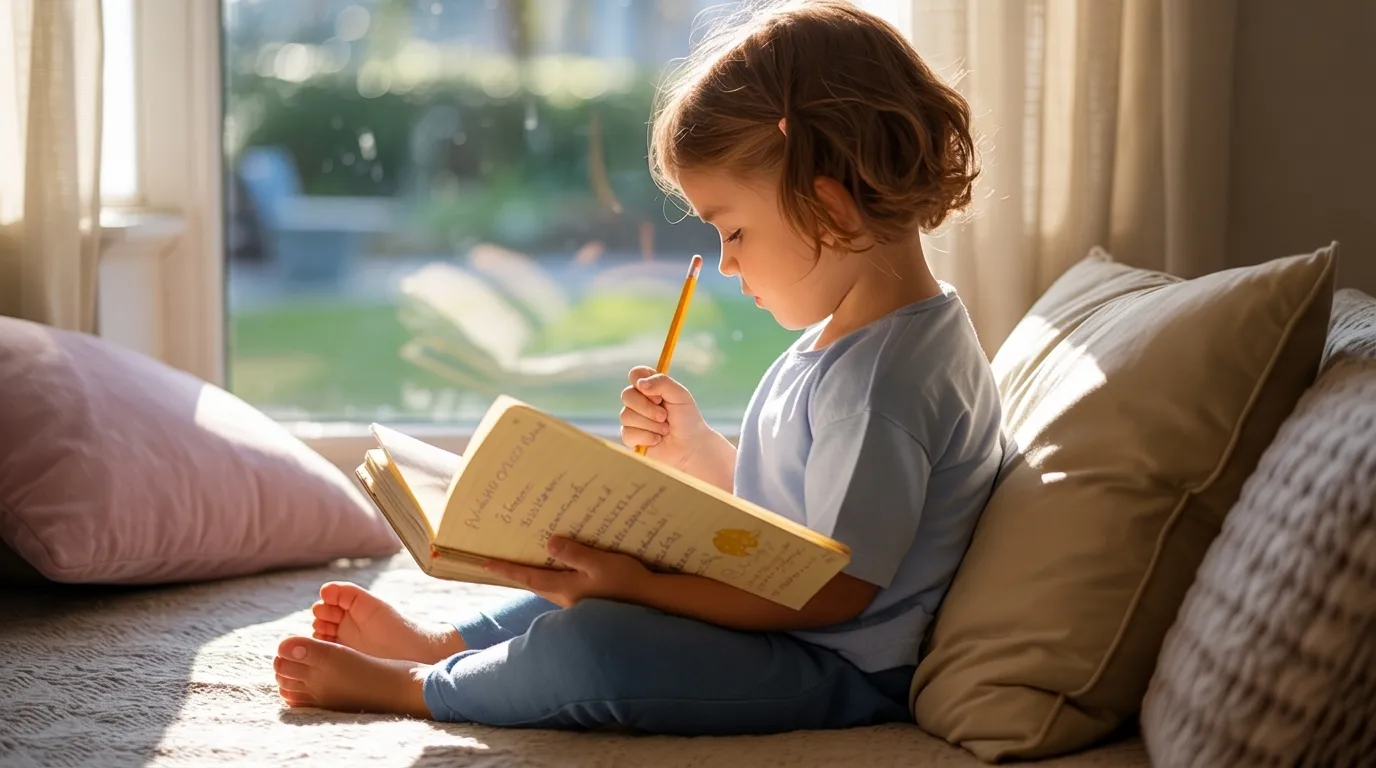
Each week, kids write down three things they are genuinely thankful for a person, a moment, or something kind someone did.
Gratitude and respect are closely connected because when you appreciate others, you naturally treat them better.
Over time, this journal becomes a record of the good things in a child's life. It shifts their focus from what's wrong to what's right.
That small shift in thinking can have a big impact on how they treat the people around them.
Common Challenges While Teaching Respect
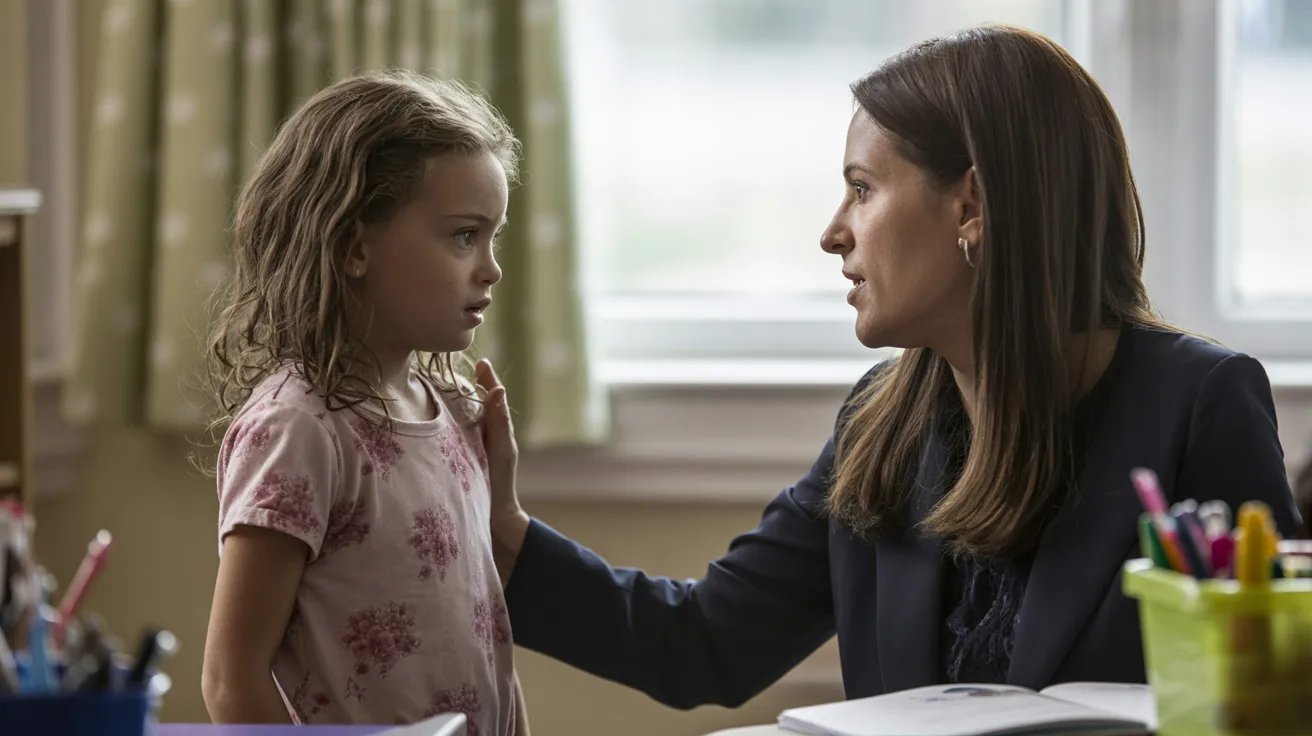
Teaching respect is not always easy knowing these challenges help you handle them better.
Handling Disrespectful Behavior Calmly
Stay calm when a child acts out. React with patience, not anger. Kids watch how adults handle hard moments. Your response teaches more than any lesson.
Teaching Respect in Tough Situations
Some kids come from homes where respect isn't modeled. Be patient and consistent. Small steps matter. A kind word from a teacher can change a child's day and over time, their habits.
Building Long-Term Respect Habits
One lesson isn't enough. Respect needs to be practiced daily. Revisit activities often. Celebrate progress. Make respect a part of your classroom or home culture, not just a one-time topic.
Tips for Parents and Teachers
Small daily actions from adults make a big difference in how kids learn respect.
- Set clear rules and stick to them every day so kids always know what is expected.
- Stay consistent when expectations keep changing, kids feel confused and lost.
- Praise respectful behavior out loud with specific words, not just a simple "good job."
- Let kids ask questions and share feelings so they learn to listen to others too.
- Model respect yourself, greet kindly, listen without cutting in, and own your mistakes.
- Kids copy what they see, so your actions will always teach more than your words.
Conclusion
These respectful activities for kids are not just classroom exercises, they're life skills. I remember doing a simple role-play with a group of kids, and one child said, "Now I get why it hurts."
That moment stuck with me. Respect takes time to build, but these activities make the process fun and real. Start with one activity this week.
Watch how kids begin to shift. If this helped you, share it with another parent or teacher who needs it. Drop a comment below. I'd love to hear what worked for you!
Frequently Asked Questions
What age is best to start teaching respect activities for kids?
You can start as early as age 3 with simple activities like saying "please" and "thank you." More structured activities work well for kids aged 5 and above.
How often should respectful activities be done at home?
Try to include at least one small activity or conversation about respect each week. Daily moments like praising kind behavior also count as practice.
Can these activities work for kids with behavior problems?
Yes. Many of these activities are designed to build empathy and self-awareness. They work especially well for kids who struggle with impulsive or disrespectful behavior.
How do I get kids to actually care about respect?
Connect respect to their own feelings. Ask how they feel when someone is unkind to them. When kids feel the impact personally, they are more likely to care.
Are these activities suitable for both home and school?
Absolutely. Most activities on this list can be done at a kitchen table or in a classroom. They need little to no supplies and work in small or large groups.