

<
Kids learn best when they are having fun. That is just a fact.
If you are a parent or teacher looking for ways to sharpen your child's thinking, you are in the right place.
This blog covers 17 problem solving games for kids that are easy to try, genuinely fun, and actually build skills.
Having worked with kids and tested dozens of activities, I can tell you that the right game makes all the difference.
You will find options for all ages, from simple puzzles to creative challenges. We cover why these games matter, 17 of the best games to try, and tips to make them work better.
Why Problem Solving Games for Kids Are Important

These games do more than keep kids busy. They shape how children think and handle real situations.
When kids work through a puzzle or figure out a strategy in a board game, they train their brains to think in steps. This kind of thinking helps in math, reading, and everyday decisions.
Not every problem has one answer. Games that let kids find different solutions teach them to think outside the box. Over time, they stop waiting to be told what to do and start figuring things out on their own.
Many of these games require kids to pay attention and think before they act. That kind of practice builds patience and sharper decision-making, both inside and outside the classroom.
A child who has learned to stay calm during a tricky maze or a lost chess match is better prepared for real-life setbacks. These small wins build real confidence.
17 Best Problem Solving Games for Kids (Fun and Educational)
From classic board games to hands-on challenges, here are the top picks that kids actually enjoy.
1. Jigsaw Puzzles

Jigsaw puzzles are one of the oldest and most effective tools for building focus and spatial thinking. Kids have to look at shapes, colors, and patterns to figure out where each piece fits.
Start with age-appropriate puzzles. Younger kids do well with 24 to 48 pieces. Older kids can handle 100 pieces or more. The process of trial and error teaches patience without feeling like work.
2. Sudoku for Kids
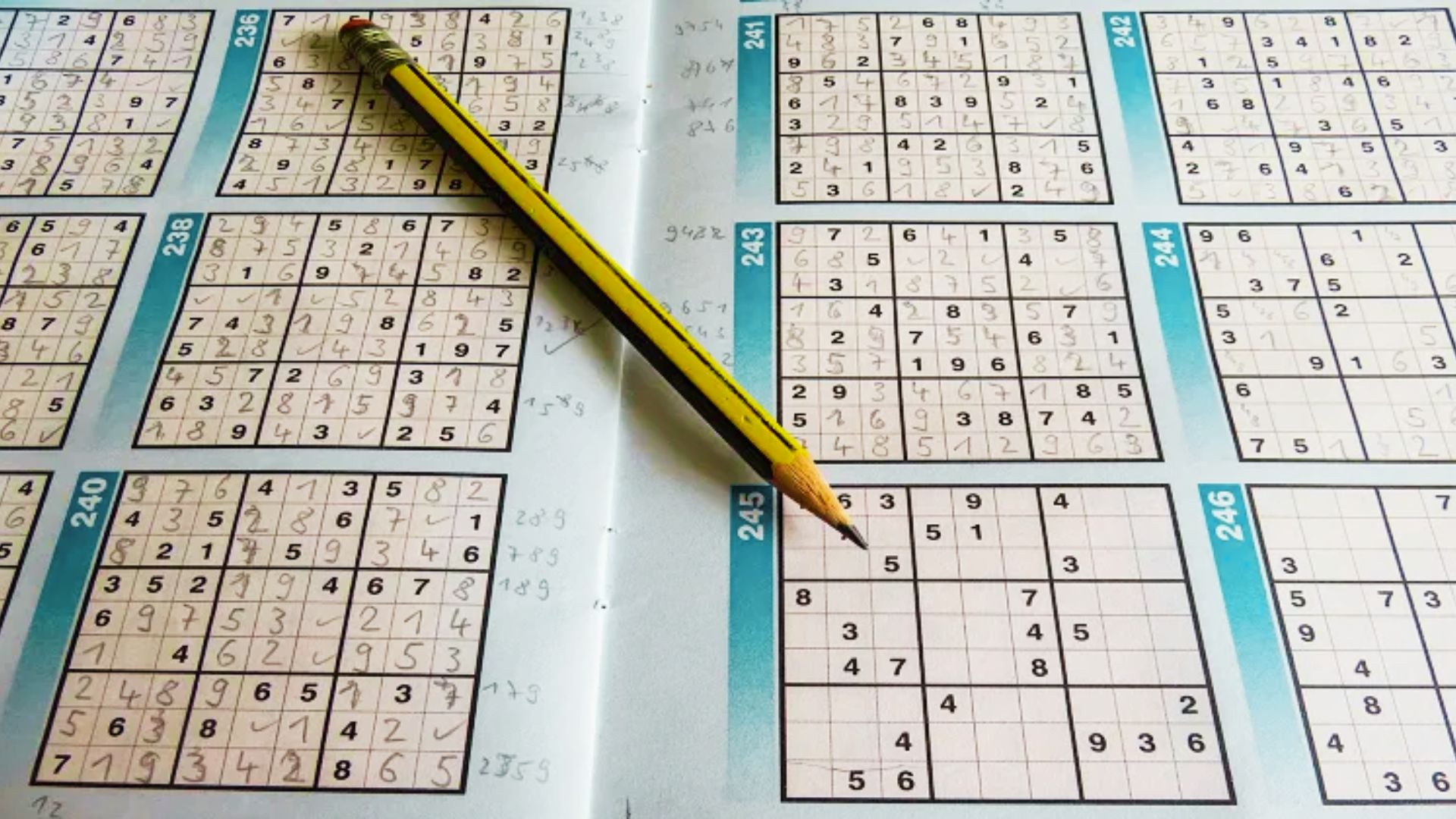
Sudoku is not just for adults. Kid-friendly versions use pictures, shapes, or small grids to make it approachable. The goal is to fill in the grid without repeating anything in a row, column, or box.
It builds number sense, logical thinking, and attention to detail. Many schools now use Sudoku as a quiet activity that also sharpens the mind.
3. Memory Matching Games
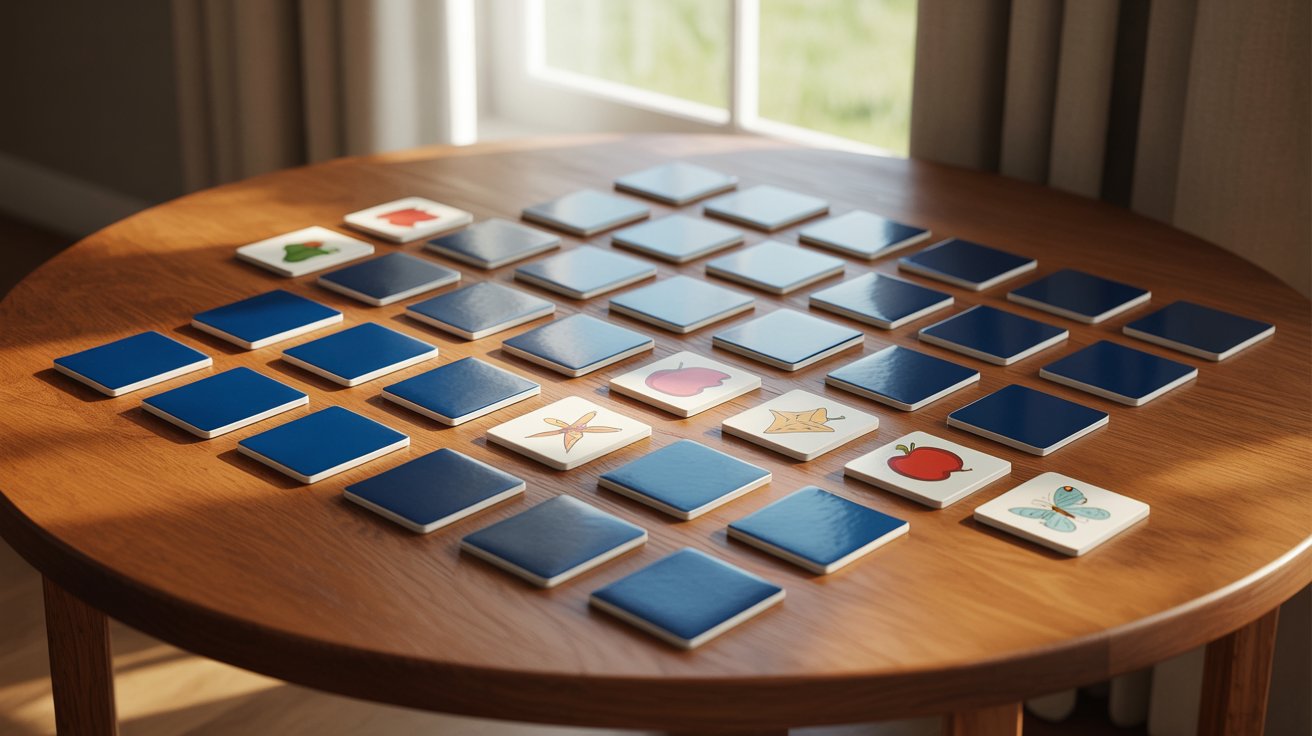
Memory games are simple but powerful. Kids flip cards and try to find matching pairs by remembering where each one is placed.
This improves short-term memory, concentration, and pattern recognition. You can find printed versions, card decks, and digital apps that make this game easy to set up anywhere.
4. Riddles and Brain Teasers

Riddles push kids to think differently. The answer is never obvious, which forces them to look at a problem from more than one angle.
You can share riddles at dinner, during car rides, or as a morning warm-up before school. They are free, quick, and surprisingly effective at building flexible thinking.
5. Maze Challenges
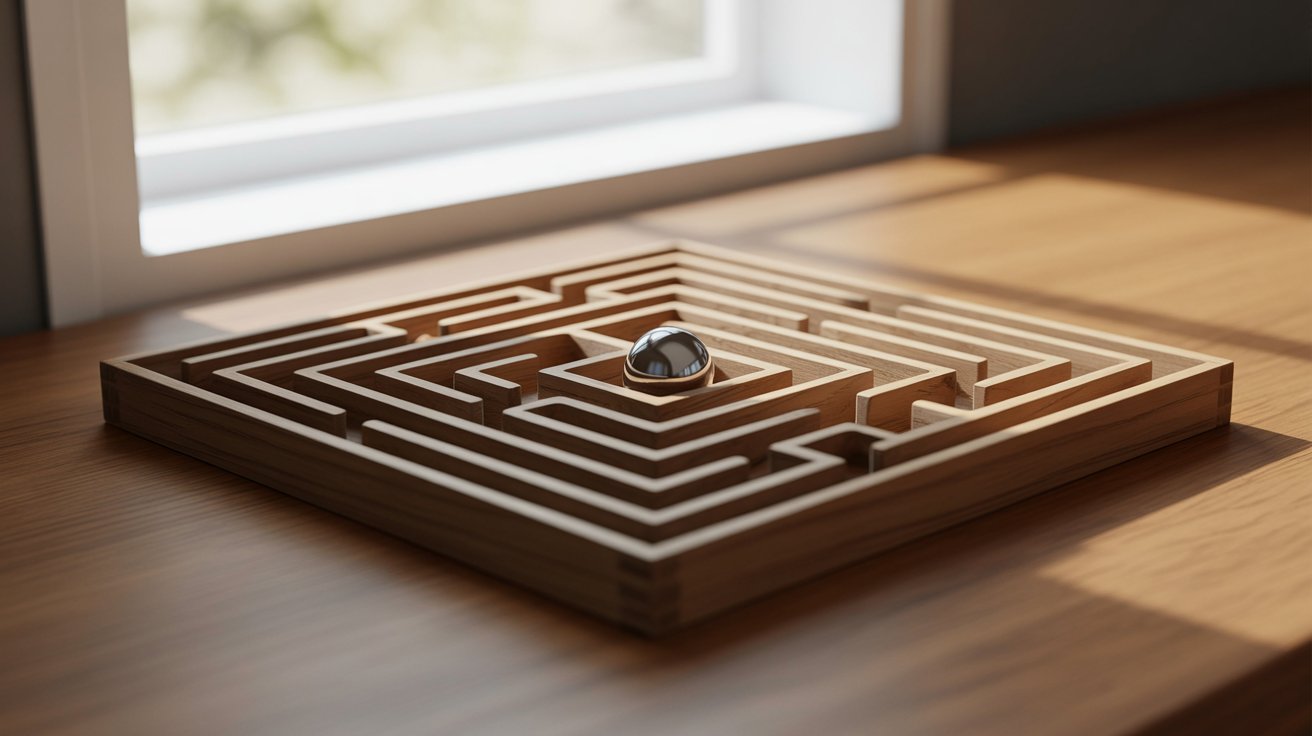
Printed or digital mazes are great for kids who need a visual challenge. They have to plan a path, hit a dead end, backtrack, and try again.
This teaches kids that failing once does not mean it is over. It is a simple but meaningful lesson in persistence and planning.
6. Board Games (Chess, Scrabble, Clue)

Classic board games are some of the best tools for building strategic thinking.
Chess teaches kids to plan multiple steps ahead. Scrabble builds vocabulary and creative word-finding.
Clue teaches deductive reasoning. All three require focus, patience, and the ability to adapt when things do not go as planned.
7. Building Block Challenges (LEGO Tasks)
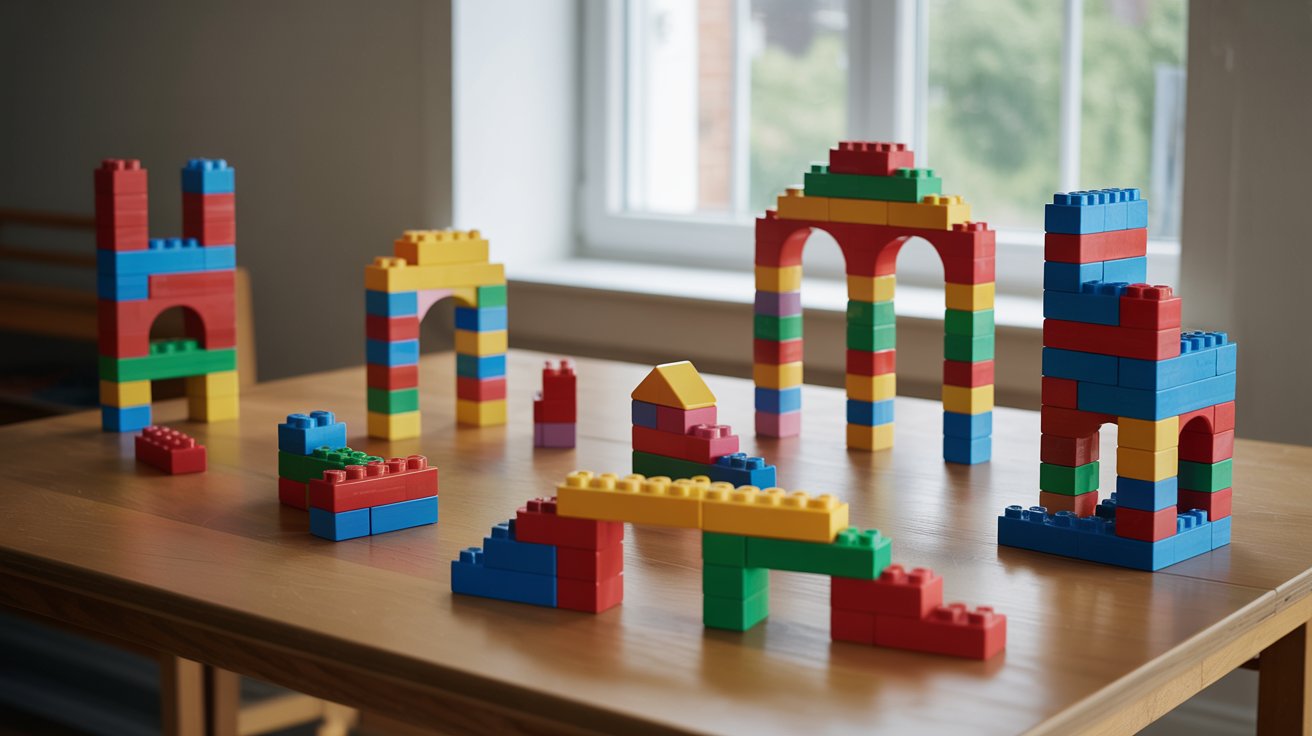
Give kids a specific challenge with building blocks, like building a bridge that can hold a toy car, or creating a structure using only a certain number of pieces.
This kind of open-ended challenge encourages creative thinking and engineering skills. Kids learn to plan, test, and adjust, which is exactly how real problem solving works.
8. Escape Room Games at Home
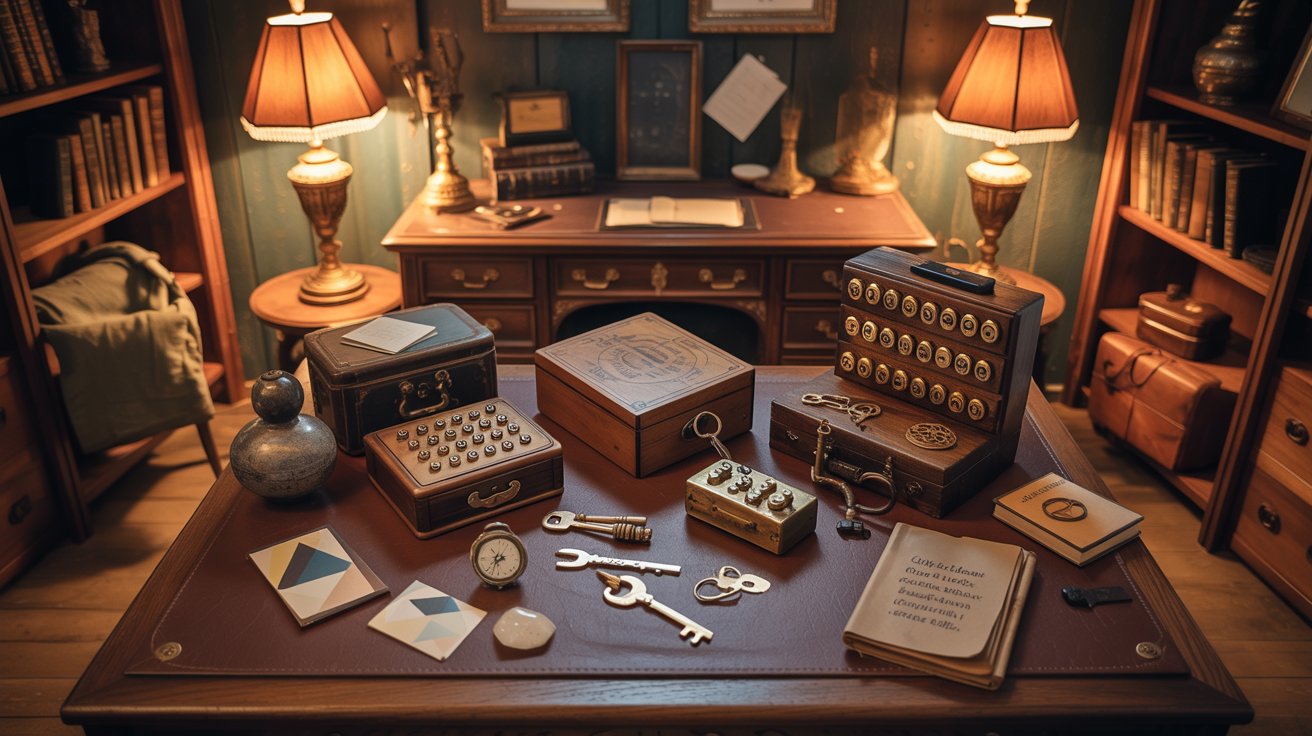
You do not need to go anywhere for this one. Home escape rooms can be set up with simple clues, locks, and puzzles using things you already have.
Kids have to work through a series of problems to reach a goal. It builds teamwork, logical thinking, and focus. It is also a huge hit with kids of almost all ages.
9. Scavenger Hunt Game

A scavenger hunt is fun and packed with learning. You can design clues that involve reading, math, or general knowledge.
Kids have to follow directions, think critically, and stay organized to finish. It works great at home, in the backyard, or even at school during special events.
10. Coding Games for Kids
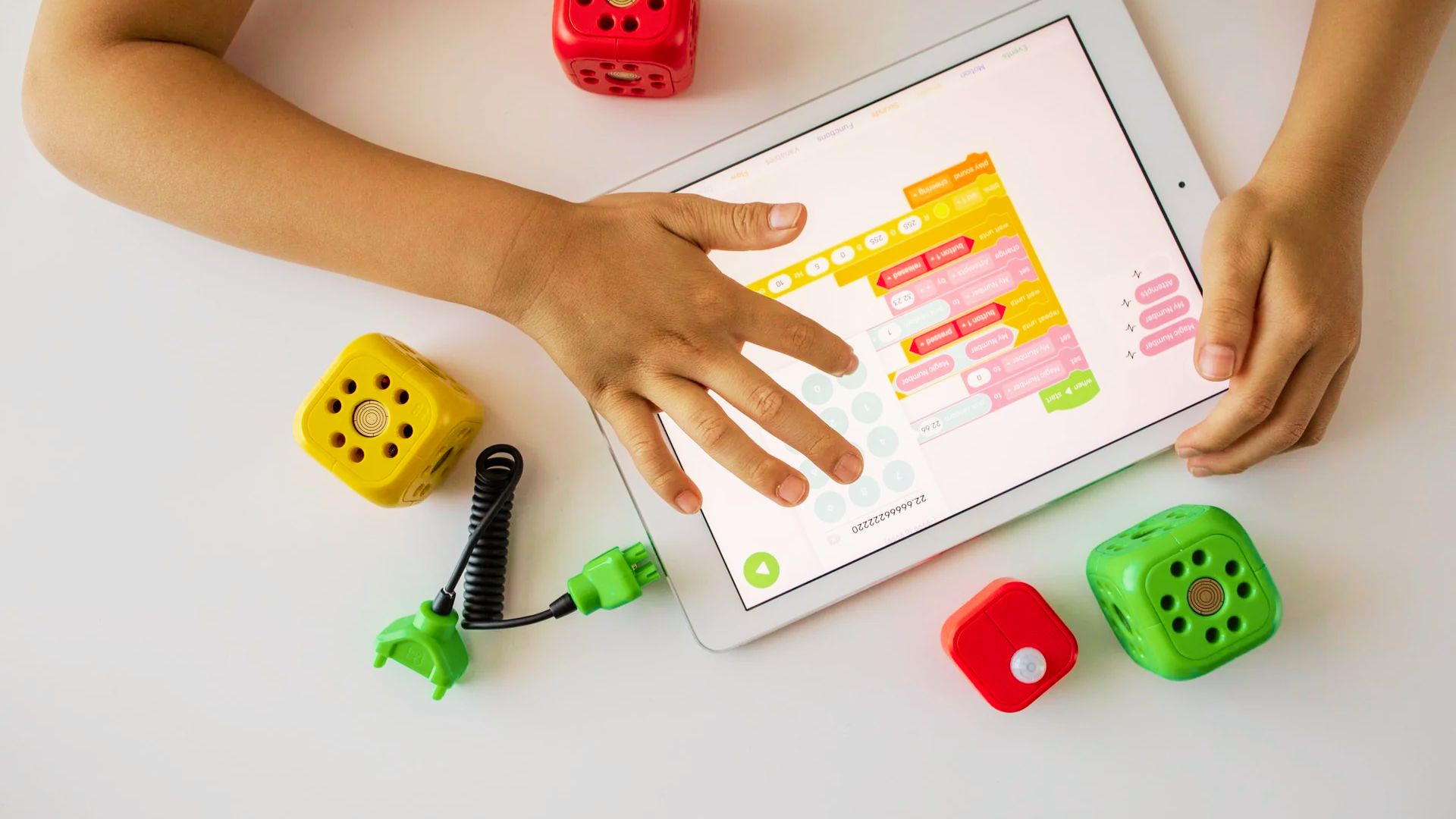
Platforms like Scratch, Code.org, and Tynker teach kids to code through games and puzzles. No experience is needed to get started.
Coding teaches kids to break big problems into small steps, test solutions, and fix mistakes. These are skills that go far beyond the screen.
11. Role-Playing Problem Solving Game
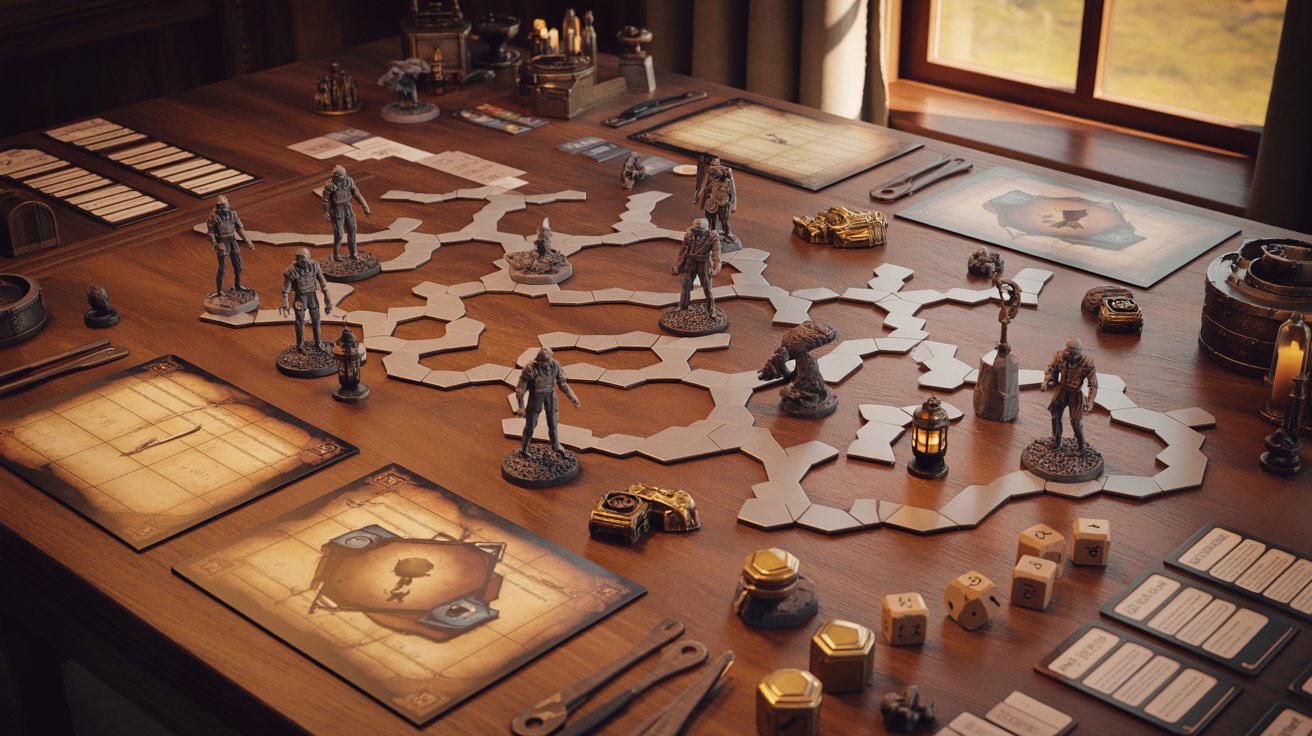
In role-play games, kids take on characters and work through made-up situations. For example, they might play shopkeeper and customer, or pretend they are stranded on an island and have to find food and shelter.
These games build communication, empathy, and creative thinking. They also help shy kids open up in a low-pressure setting.
12. Story-Based Decision Games
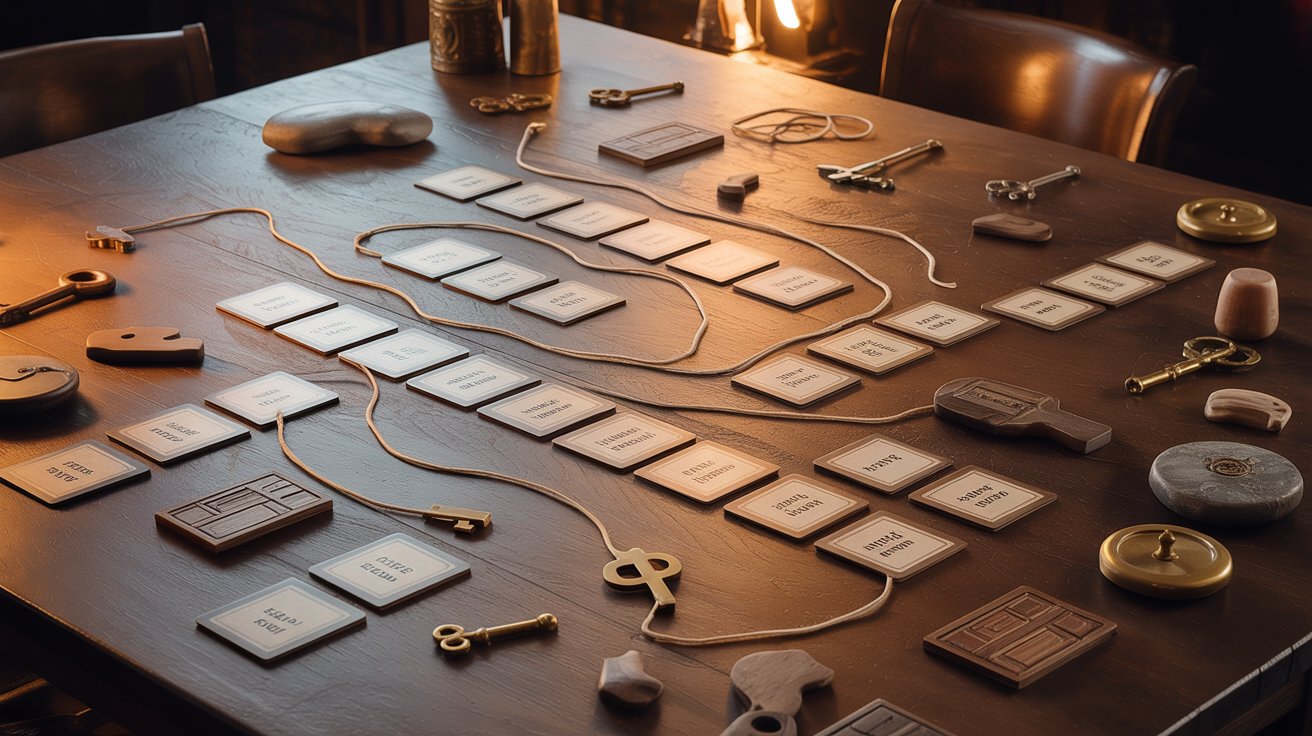
These games give kids a story and ask them to make choices at key moments. Each choice leads to a different outcome.
Books like the Choose Your Own Adventure series work well here, along with many digital apps. Kids learn that their decisions have consequences, which is one of the most important lessons they can get.
13. DIY Obstacle Course Challenge
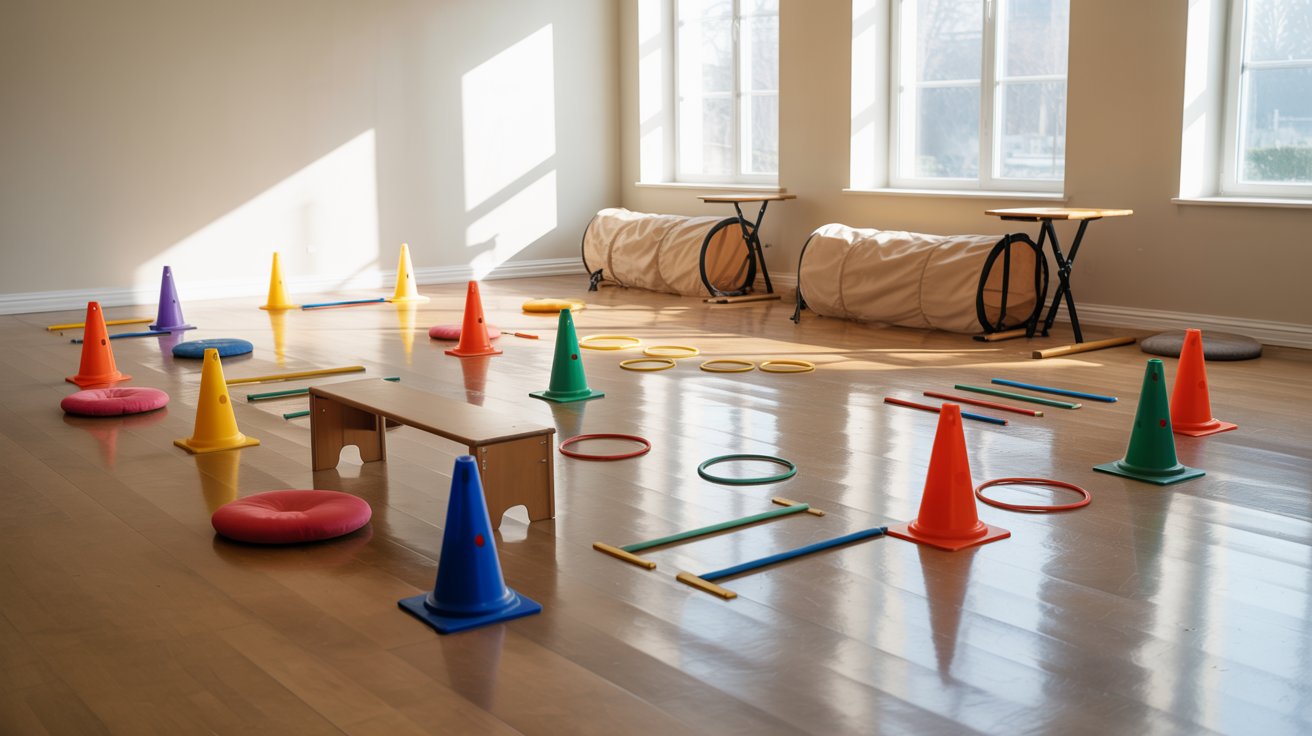
Set up a simple obstacle course in the backyard or living room. Add a twist by giving kids a task to complete at each station, like solving a quick math problem or building something before they move on.
This combines physical activity with mental challenges. It keeps kids moving and thinking at the same time.
14. The Egg Drop Challenge
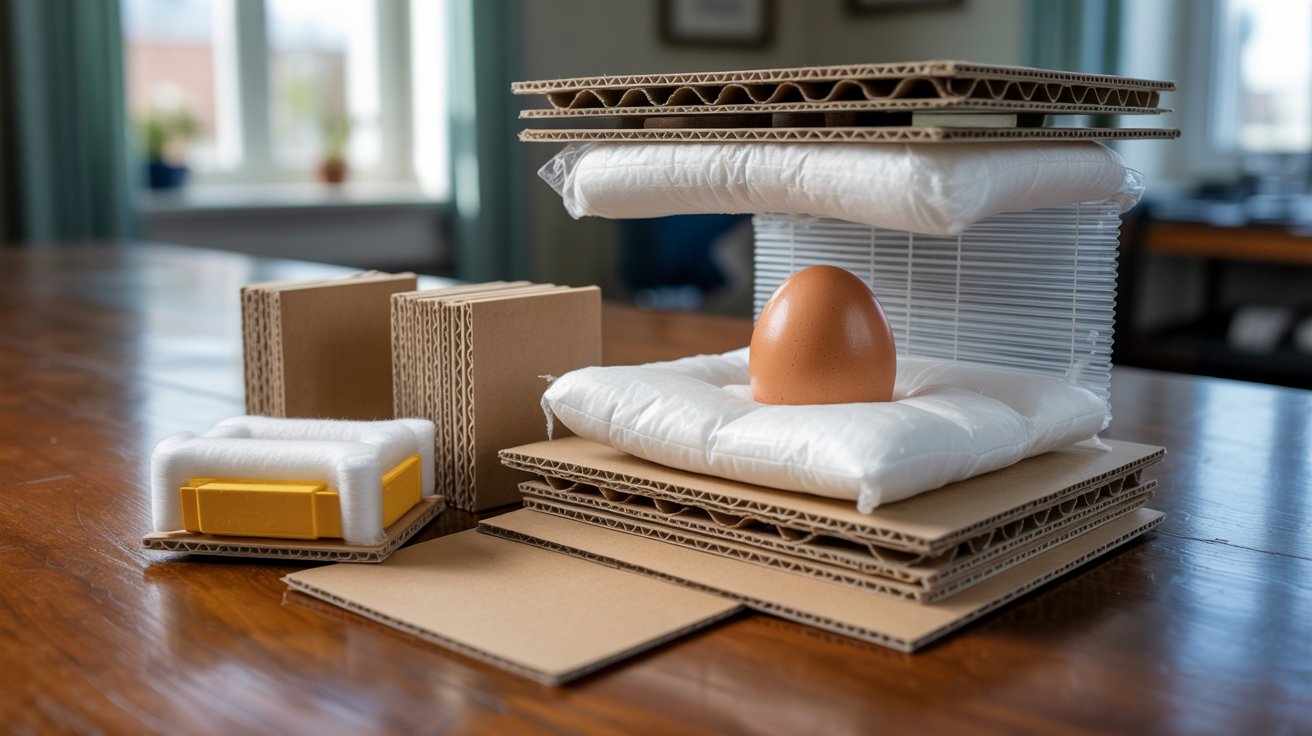
This is a classic science activity. Kids are given an egg and a set of materials like straws, tape, and cotton. Their task is to build something that protects the egg from a short drop.
It teaches kids to plan, test, and rethink their approach. There is no single right answer, which is exactly what makes it such a great thinking exercise.
15. Pattern Recognition Games

These games ask kids to look at a series of shapes, numbers, or pictures and figure out what comes next.
Pattern recognition is a core skill in math and science. It also trains the brain to spot connections quickly, which improves overall problem solving ability.
16. Logic Grid Puzzles

Logic grid puzzles give kids a set of clues and ask them to figure out the relationship between different items. For example, matching names to pets, or colors to objects.
These puzzles build deductive reasoning, organization, and careful reading. They are printable, free to find online, and work well for kids aged 8 and up.
17. Treasure Hunt with Clues

Similar to a scavenger hunt but with a final reward at the end. Each clue leads to the next location, and kids have to read carefully and think about where to go.
You can make the clues easy or tricky depending on the age group. It builds reading comprehension, direction-following, and the motivation to keep going until the job is done.
Tips to Make Problem Solving Games More Effective
A few small changes in how you run these activities can make a big difference in how much kids actually learn.
- Encourage trial and error so kids learn that mistakes are part of the process
- Ask open-ended questions like "What do you think will happen if you try this?" instead of giving answers
- Let kids explain their thinking out loud so they process their own logic
- Praise effort over results because how they think matters more than whether they win
- Keep activities fun and pressure-free so kids stay motivated and curious
Conclusion
Problem solving games for kids build real skills without feeling like schoolwork.
I set up a simple treasure hunt for my younger cousin one afternoon. Watching her think, backtrack, and finally figure it out was more rewarding than any worksheet ever could be.
Start small. Try one game this week and see how your child responds.
If this helps, share it with a parent or teacher who needs it. Drop your favorite game in the comments too. We would love to hear what is working for your family.
Frequently Asked Questions
What are the best problem solving games for kids?
Games like jigsaw puzzles, chess, scavenger hunts, coding platforms, and logic grid puzzles are among the most effective. They cover a wide range of thinking skills and work for different age groups and learning styles.
Are online problem solving games for kids actually useful?
Yes, when used in the right amount, online games can be very effective. Platforms like Scratch and Code.org build logical thinking and creativity in a way that feels fun rather than like studying.
Where can I find printable problem solving games for kids?
Websites like Teachers Pay Teachers, Education.com, and a simple Google search will give you plenty of free worksheets, logic puzzles, and mazes. They are easy to print and use at home or in class.
How often should kids play problem solving games?
A few times a week works well for most kids. Regular sessions help build thinking habits over time without making it feel like another chore.
At what age should kids start playing problem solving games?
Kids as young as three can start with simple matching games and basic puzzles. As they grow, you can move to more complex activities like logic grids, coding games, and strategy board games that match their level.