

Teens face tough choices every day. From school stress to friendship problems, life throws a lot at them.
This blog gives you 43 problem solving activities for teens that actually work in classrooms, homes, and group settings.
I've worked with teen groups for years, and I know what keeps them engaged and what falls flat.
You will find group-based challenges, critical thinking games, real-life scenario activities, and printable worksheets.
These activities help teens grow in ways that stick. Let's get into it.
Why Group Problem Solving Activities for Teens Are Important

Working together teaches teens more than any textbook ever could.
When teens work in groups, they learn to share ideas and listen. Different people bring different strengths, and learning to work with those differences is a skill they will use for life.
Group activities push teens to step up naturally. They learn to speak clearly, explain their ideas, and hear others out. These small moments build strong communication habits over time.
Life does not wait for teens to be ready. These activities create safe spaces to practice decision-making before real stakes are involved. Think of it as a practice run for real life.
There is no one right answer in most of these activities. Teens learn to ask better questions, look at problems from different angles, and think beyond the obvious.
43 Problem Solving Activities for Teens (Group-Based Ideas)
These activities cover teamwork, logic, real-life skills, and emotional growth, all in one list.
1. Escape Room Challenge
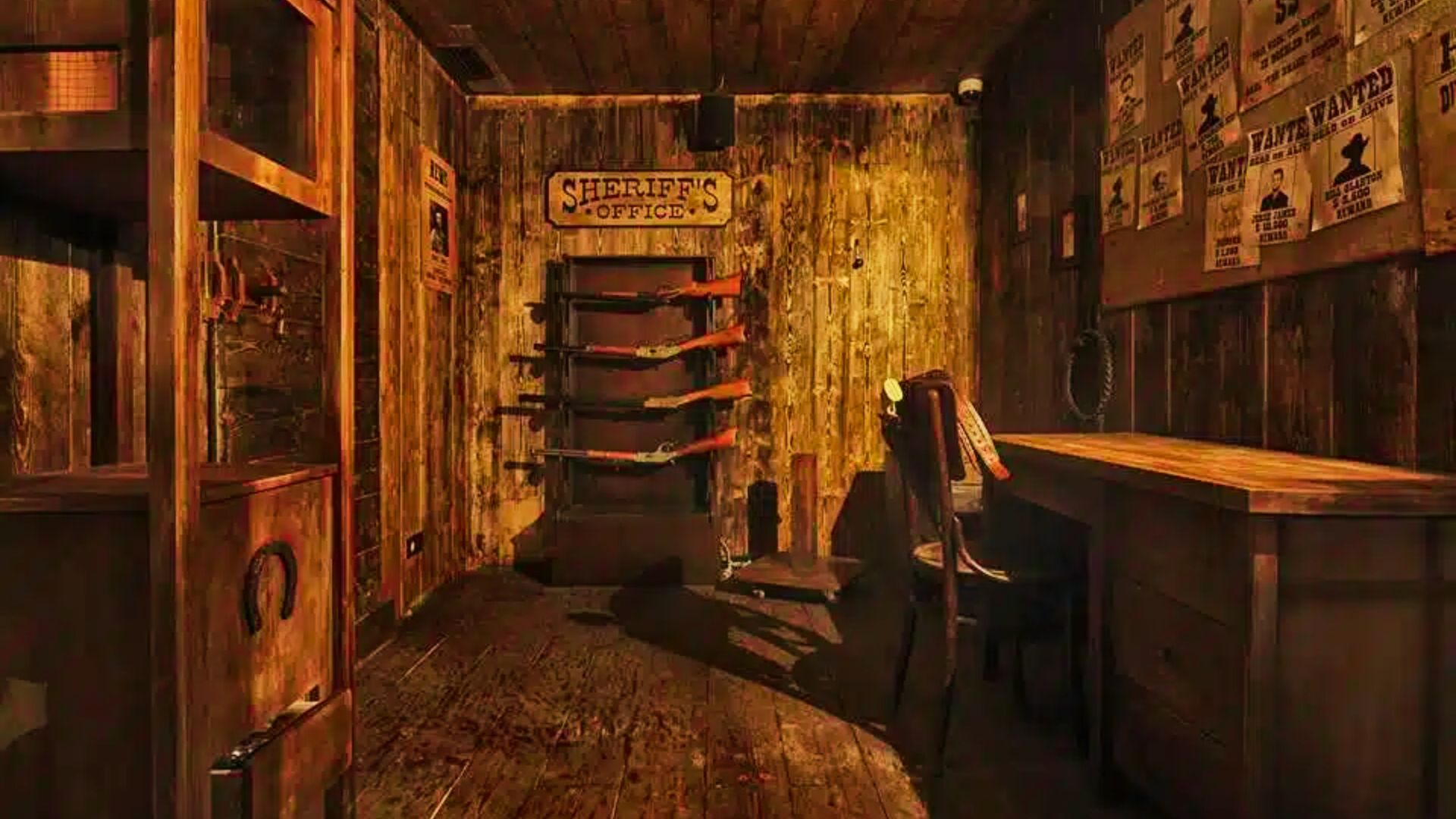
Set up a room with clues and puzzles teens must solve together to "escape." Each clue leads to the next, so the group has to communicate and stay organized the whole time.
It builds focus, teamwork, and quick thinking in a high-energy setting. Even teens who are usually quiet tend to open up during this one because everyone has a role to play.
2. Build a Structure Challenge
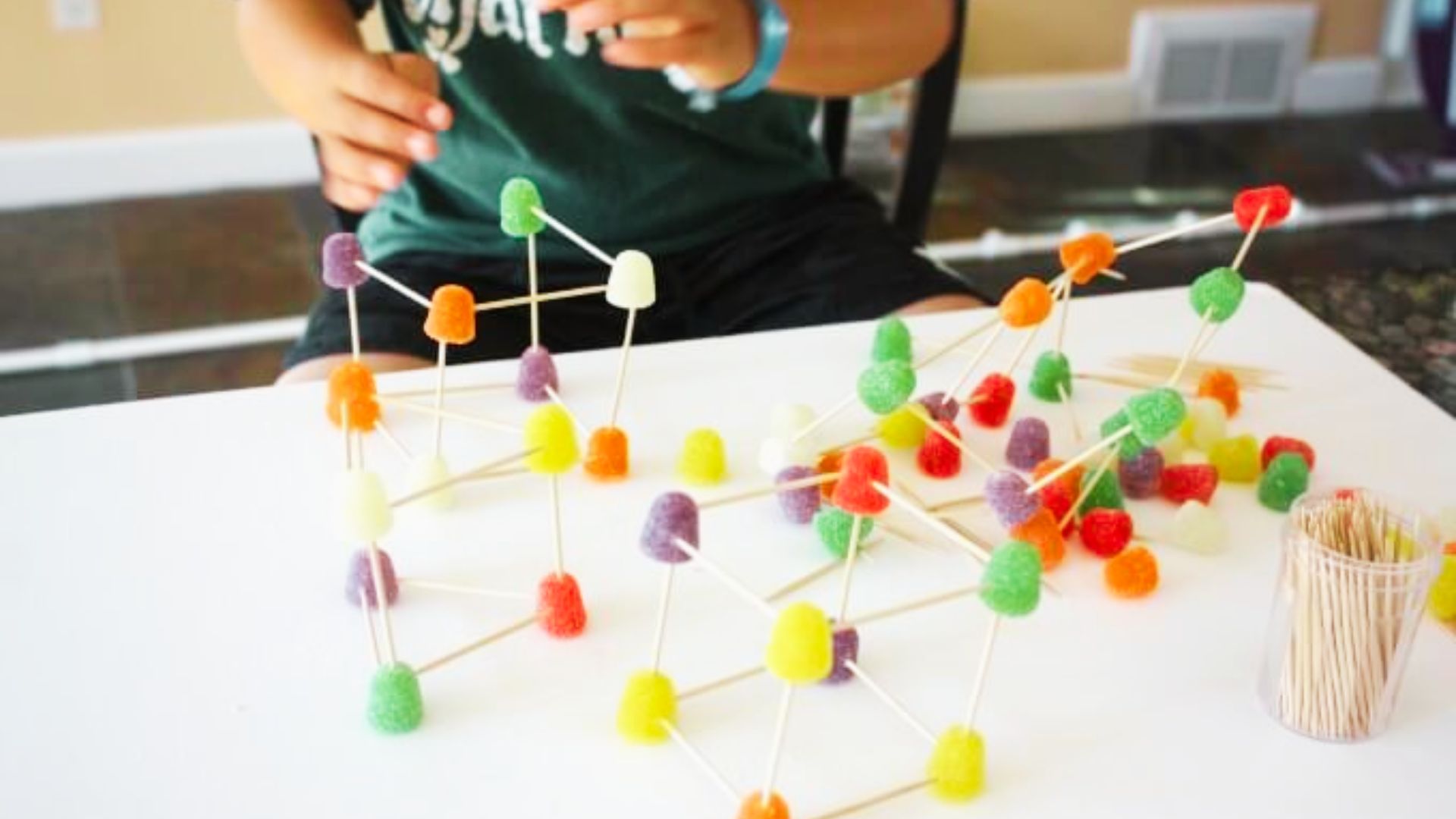
Give each group the same basic materials such as paper, tape, and straws, and ask them to build the tallest or strongest structure. The challenge is not just building.
It is agreeing on a plan, dividing the work, and adjusting when things go wrong. Simple setup, big learning. It shows teens how planning and teamwork directly affect results.
3. Silent Line-Up
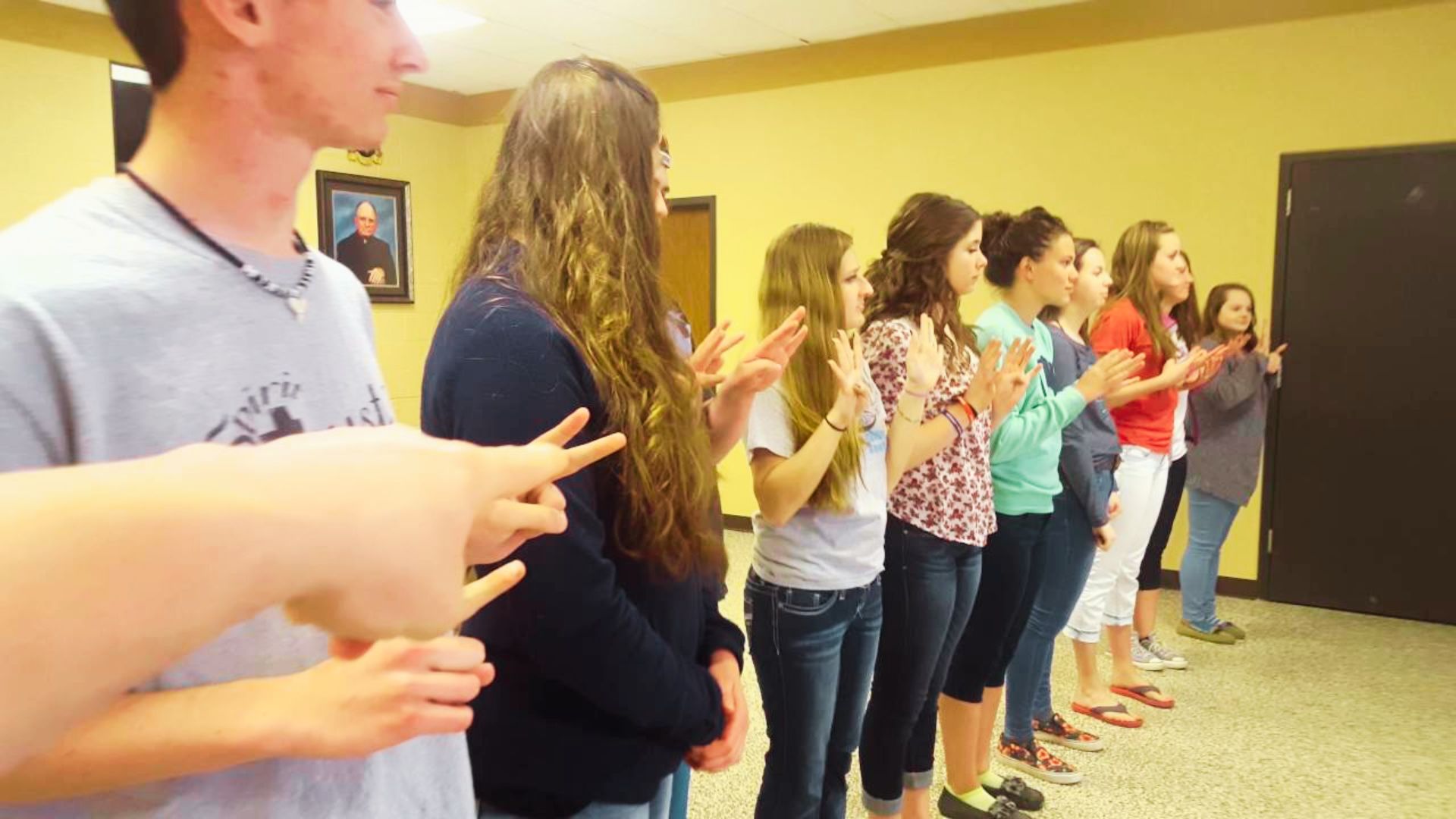
Ask teens to line up by birthday, height, or another factor without speaking. They must find creative ways to communicate using only gestures, facial expressions, or written notes.
It is harder than it sounds and always brings out a lot of laughter. The debrief after this one is powerful because teens quickly realize how much they depend on words to connect with others.
4. Survival Scenario Game
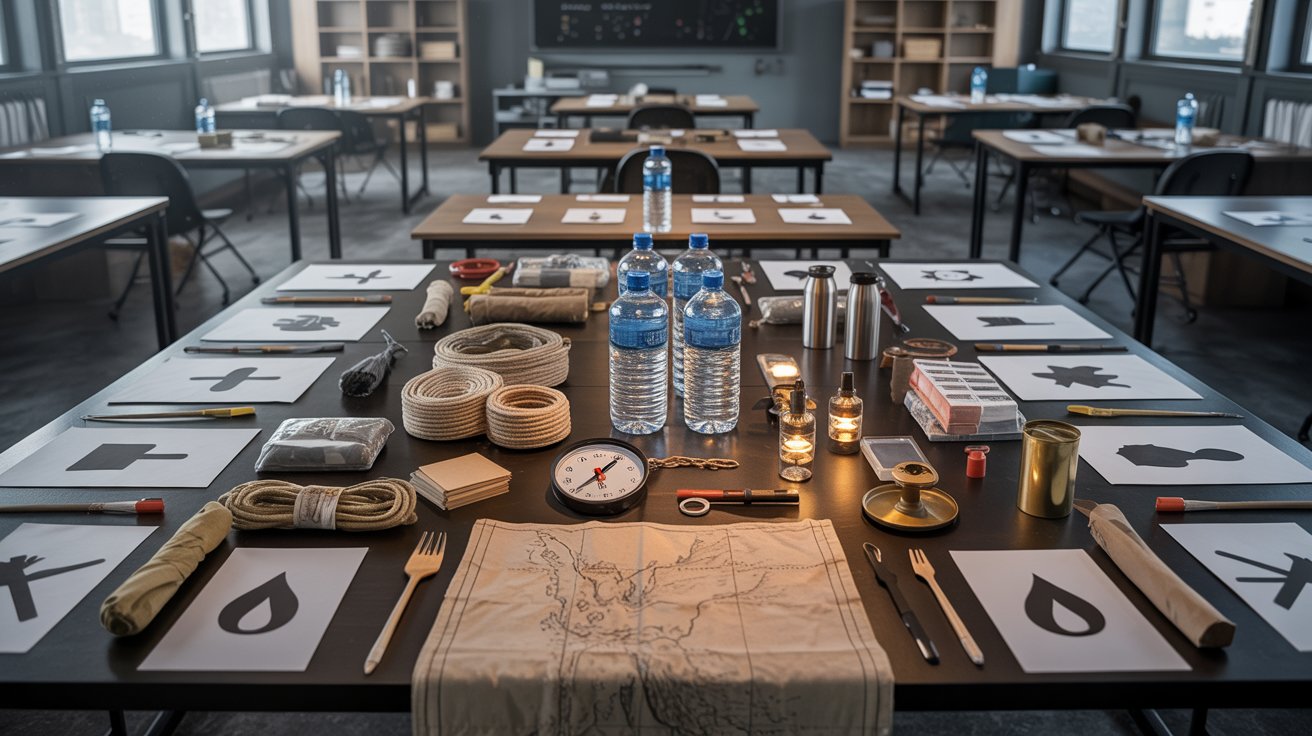
Give them a list of items and ask them to rank what to keep and what to leave behind.
Every person will have a different opinion, and that is exactly the point. Great for group debate and reasoning.
5. Human Knot Challenge
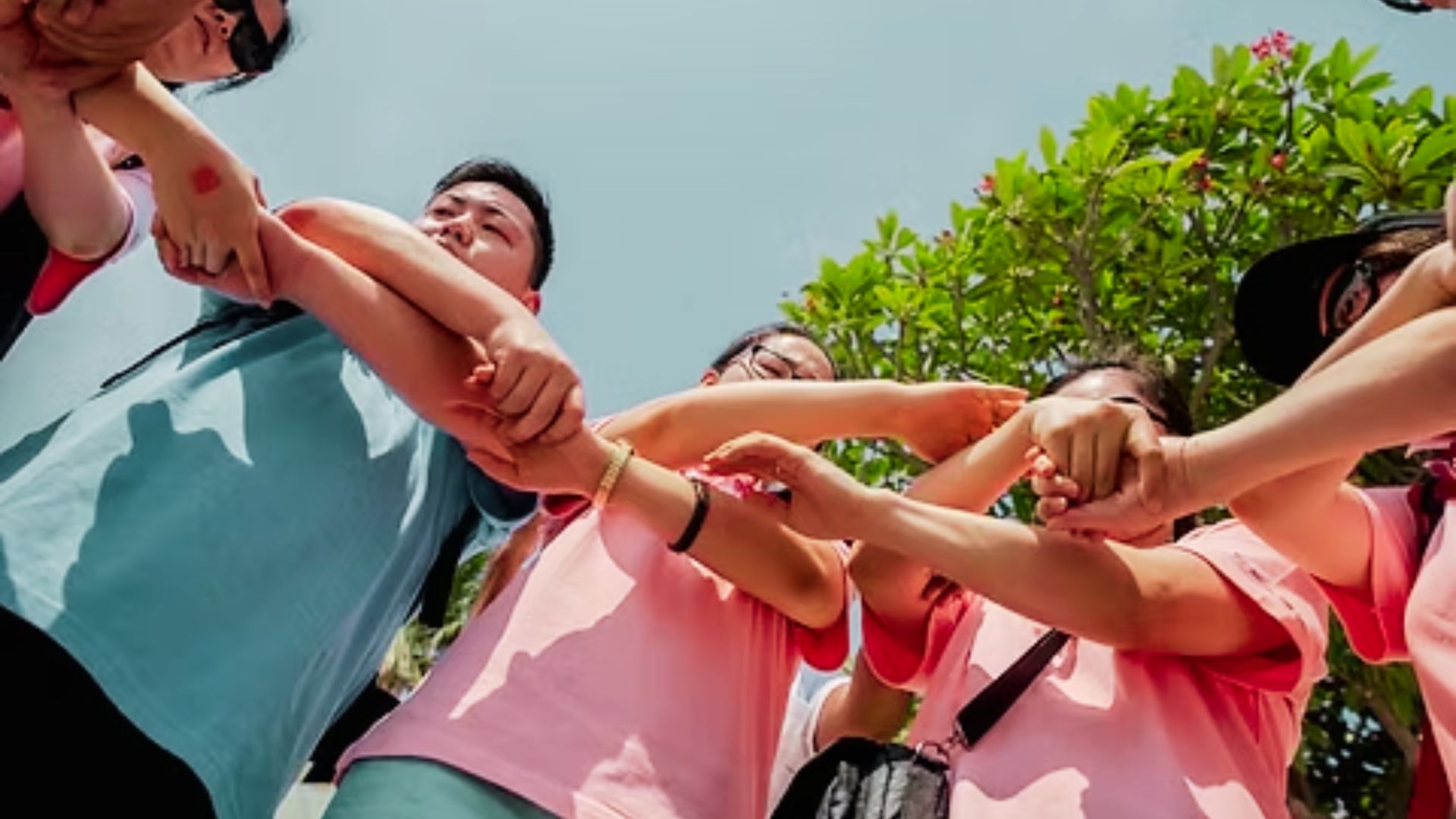
Everyone stands in a circle, grabs two different hands across the group, and must untangle the human knot without letting go. It requires patience, clear communication, and a willingness to try things that might not work.
Teens have to listen carefully and move slowly, which is not always easy for this age group. It is one of those activities where the struggle itself is the lesson.
6. Scavenger Hunt Problem Solving
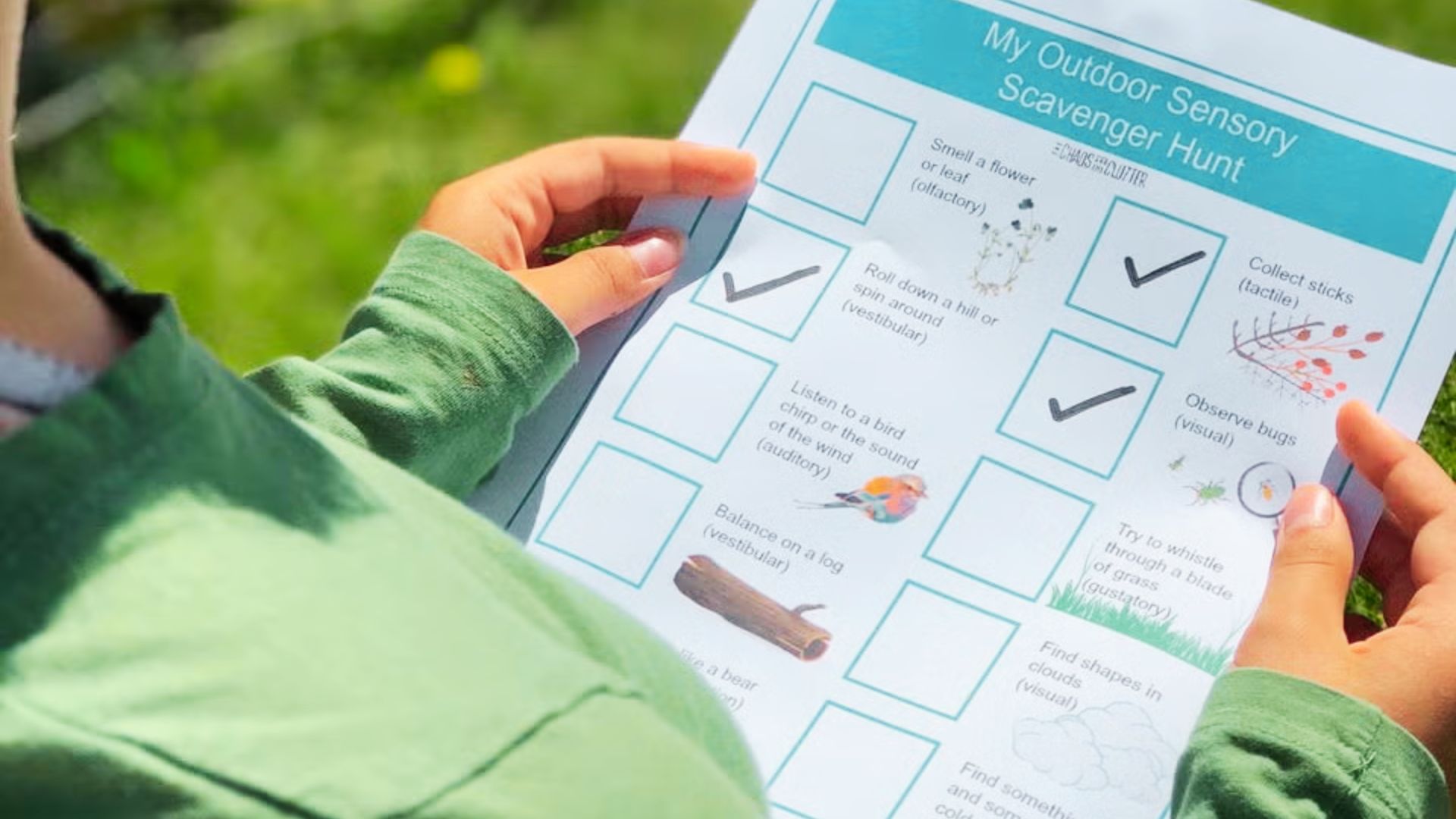
Add problem-solving clues to a classic scavenger hunt. Each clue requires the group to think and work together before they can move to the next one. It keeps energy high while building logic skills and teamwork.
You can make the clues as simple or as complex as you need depending on the age and ability of your group.
7. Obstacle Course Strategy Game
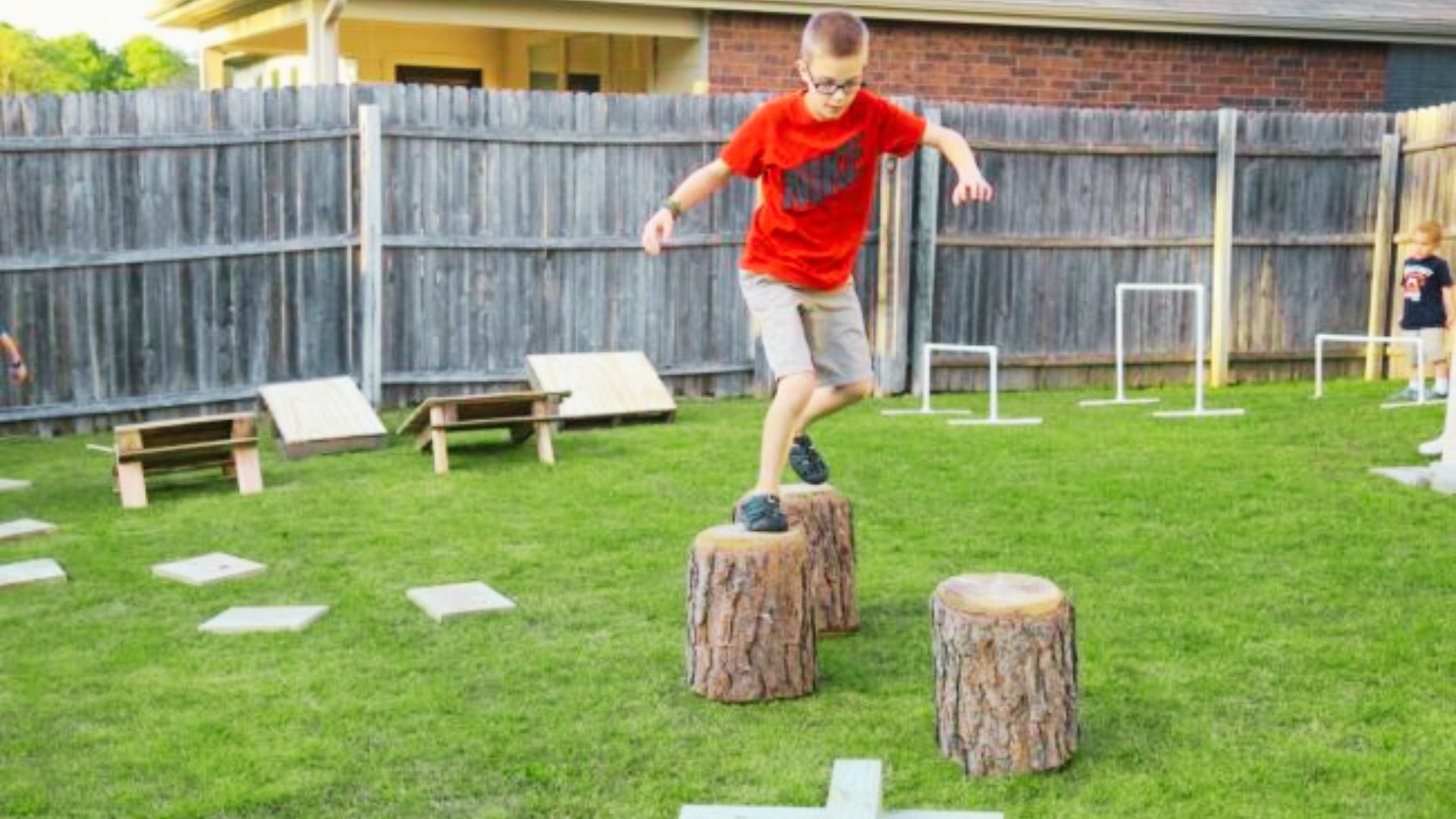
Design a simple physical or mental obstacle course and give teams time to plan their approach before they start. The planning phase is just as important as the course itself.
Teams that communicate well during planning almost always do better. It teaches teens that thinking before acting leads to better results than just jumping in.
8. The Minefield Game
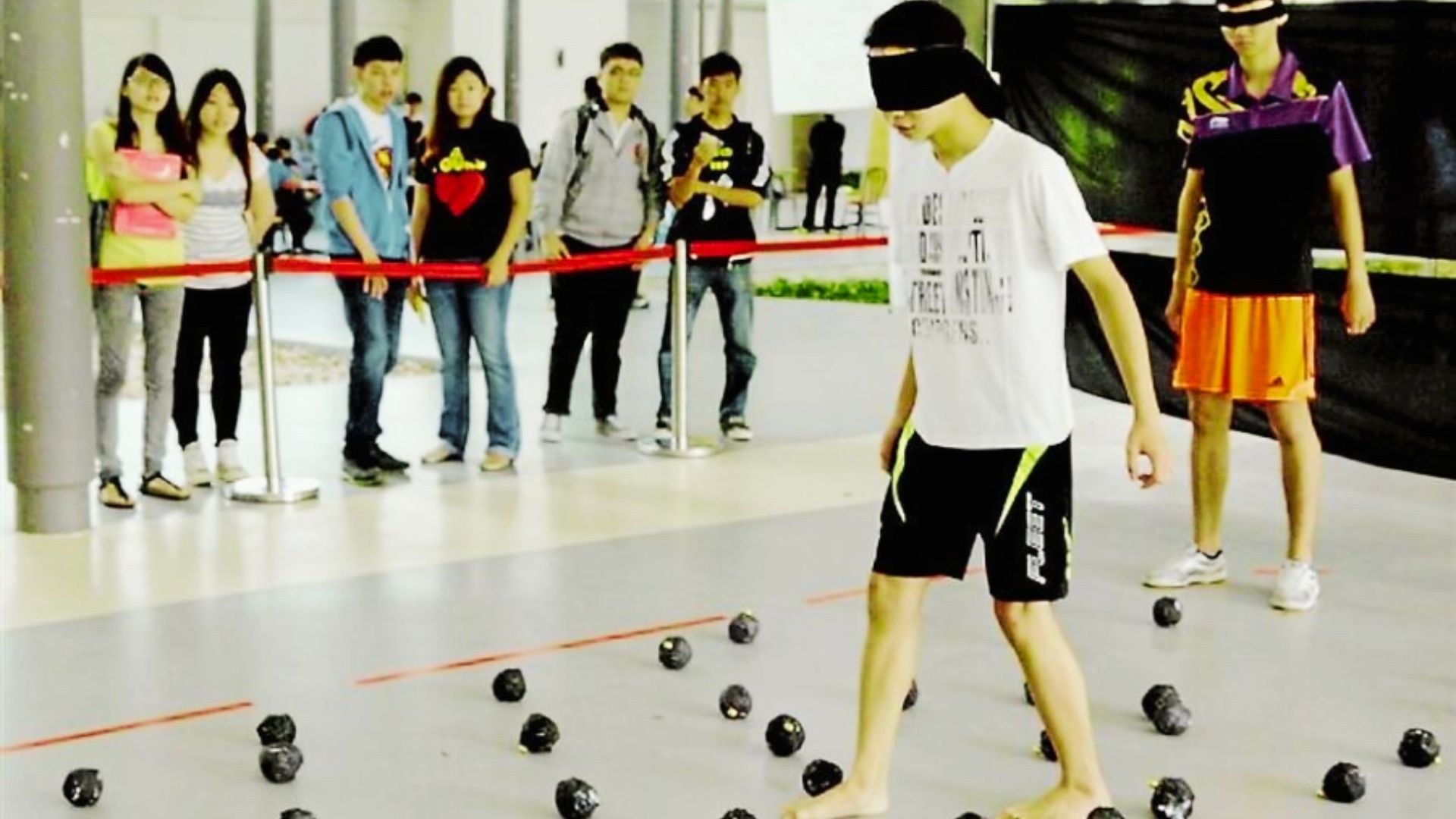
Spread objects on the floor to create a minefield and blindfold one teen. Others must guide them through using only verbal instructions, no touching allowed.
The blindfolded teen has to trust their teammates completely, and the guides have to speak clearly and precisely. Trust and clear communication are everything in this activity.
9. Invent a Solution
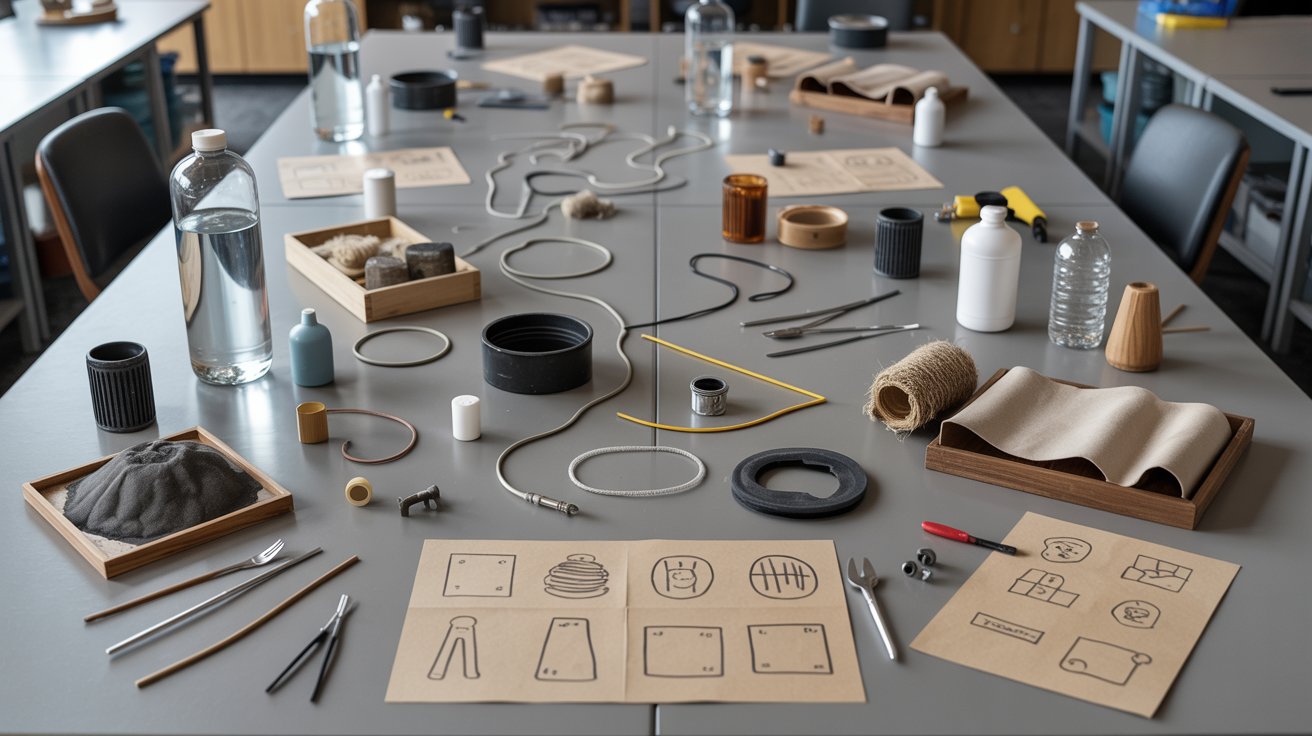
Give teens a made-up problem such as no one has clean water for a week and ask them to invent a solution using only a limited set of resources.
There are no wrong answers here, and wild ideas are welcome. The goal is to get teens thinking beyond the obvious and to practice defending their ideas to the group. Creativity and reasoning work together in this one.
10. Redesign a Common Object
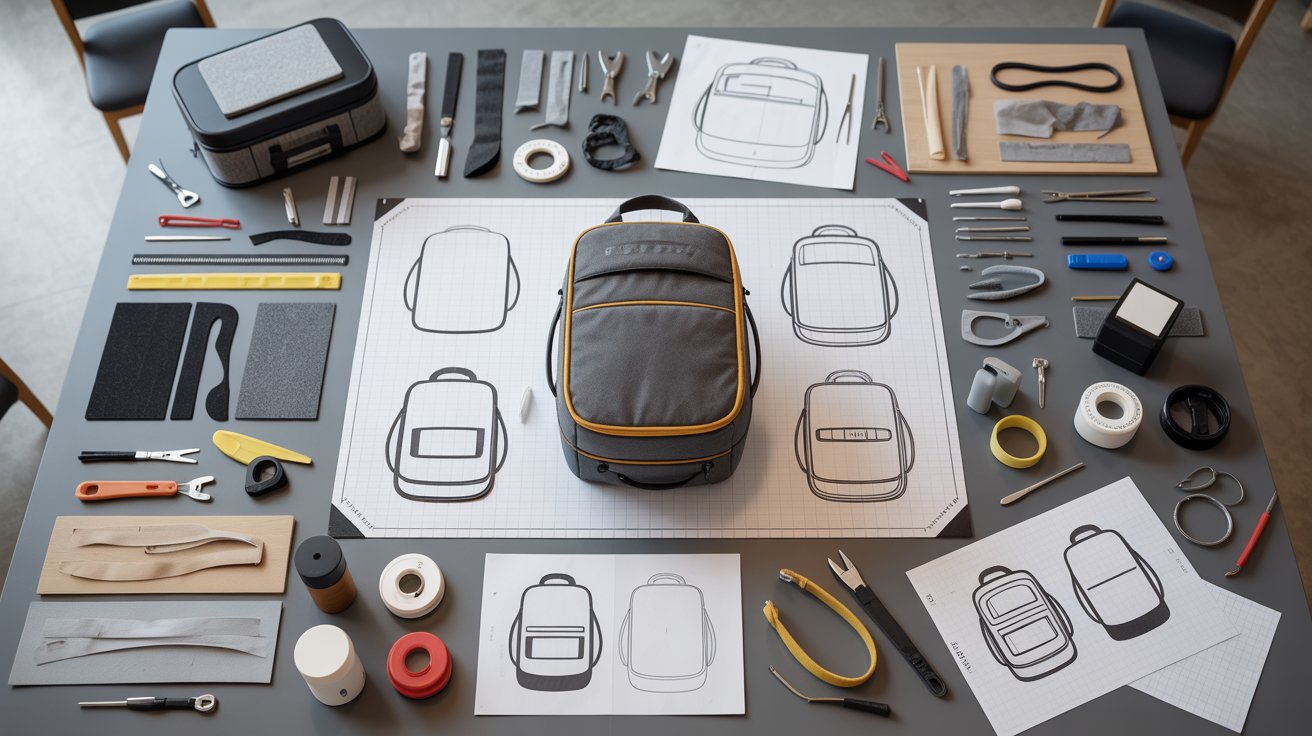
Ask groups to take something ordinary like a school bag or a lunch box and redesign it to solve a new or different problem. They must explain what the problem is and how their redesign fixes it. Creativity takes over fast.
This activity also helps teens see that everyday objects were designed by someone solving a problem, just like they are doing now.
11. Fix the Rules Game
Give teens a set of school or home rules and ask them to identify what is not working and why. They must then come up with better rules and agree on them as a group.
It teaches negotiation, fairness, and the ability to see a situation from more than one perspective. Teens tend to be very engaged in this one because rules feel personal to them.
12. Storytelling Problem Challenge
One person starts a story with a problem built into it. Each person in the group adds a line to move the story forward.
The twist is the group must work together to steer the story toward solving the central problem by the end.
13. Worst Possible Idea Exercise

Ask the group to come up with the absolute worst solution to a problem on purpose. Then ask them to flip those bad ideas into good ones.
Often the worst ideas spark the most creative solutions because they remove the pressure of getting it right.
14. One Problem, Many Solutions

Pick one real or made-up problem such as traffic in a city and ask every group to come up with at least five different solutions.
No repeats are allowed across groups, which forces deeper thinking. This activity shows teens that most problems have more than one solution and that the first idea is rarely the best one.
15. Lateral Thinking Challenge

Present a strange or unusual situation and ask teens to figure out what happened using only yes or no questions. Classic lateral thinking puzzles work great here.
This activity stretches how teens think by pushing them to ask better questions instead of jumping to conclusions. It is a quiet but powerful way to build logical reasoning.
16. Riddles and Brain Teasers
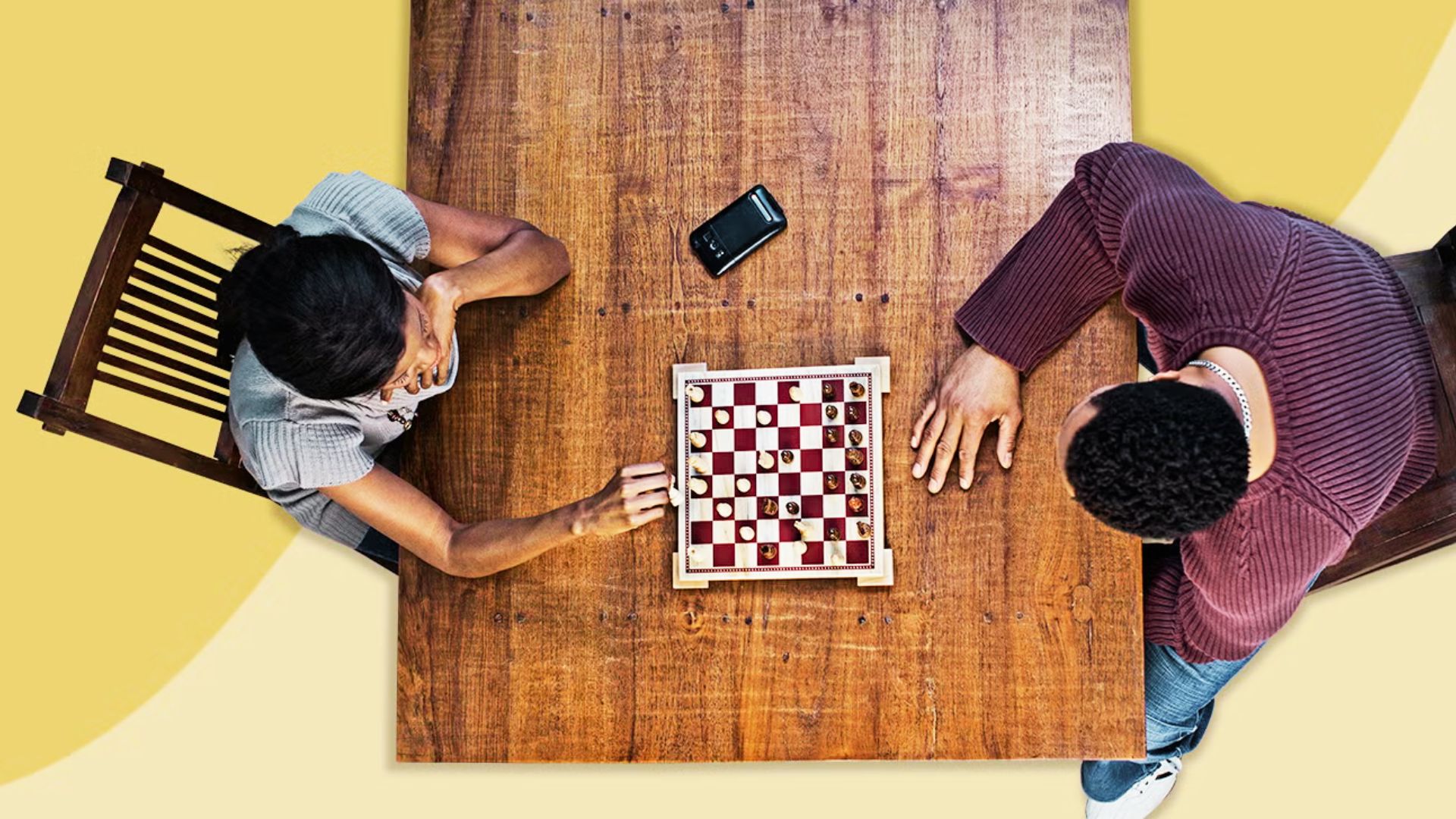
Share tricky riddles and let groups work through them together. It feels like fun but quietly sharpens focus, patience, and logical thinking.
When teens get stuck, they have to try a different approach instead of giving up. That habit of trying again is one of the most valuable things this activity builds.
17. Mystery Solving Game

Create a short mystery story with clues hidden inside the text. Groups must read carefully, discuss what they notice, and work together to name the suspect or solve the case. Great for reading comprehension and reasoning.
It also teaches teens to pay attention to details and not jump to conclusions based on limited information.
18. Pattern Recognition Challenge

Show a sequence of numbers, shapes, or colors and ask teens to find the pattern and predict what comes next. Pair them up so there is discussion involved, not just individual guessing.
This activity builds the kind of analytical thinking that helps teens in math, science, and everyday decision-making. It is short but very effective for warming up a group's thinking.
19. Reverse Engineering Activity
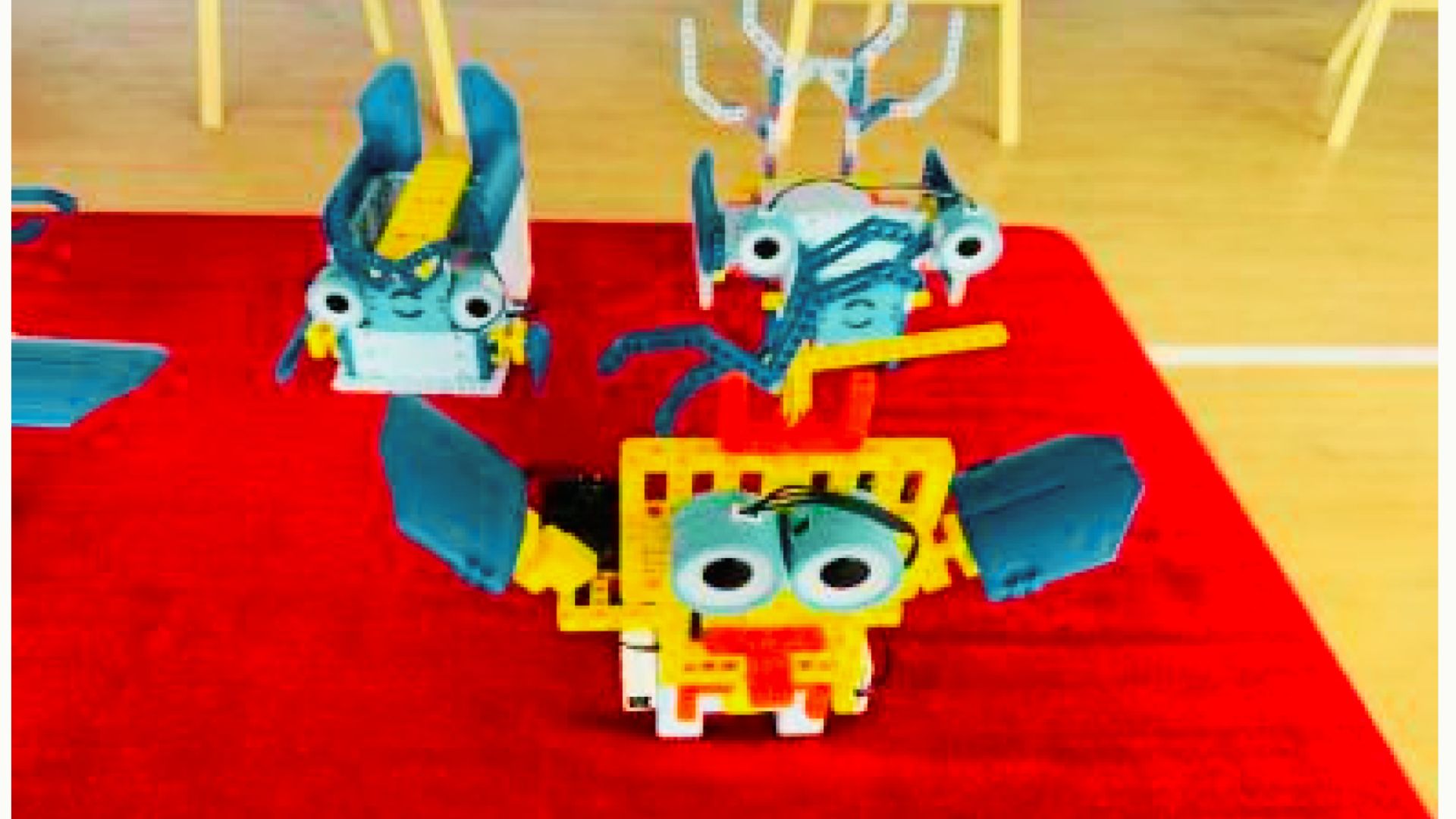
Give teens a finished product such as a simple toy or a small gadget and ask them to figure out how it was built, what each part does, and what problem it was originally designed to solve.
This encourages analytical thinking and helps teens understand that everything around them was created with purpose. It also sparks ideas for their own inventions.
20. Think Like a Detective

Present a real or made-up scenario and give teens a set of clues. They must gather the evidence, ask the right questions, and build a case together before naming their conclusion.
This teaches logical thinking, patience, and the importance of not rushing to judgment. Teens who love mystery stories tend to really shine in this activity.
21. Solve It Backwards
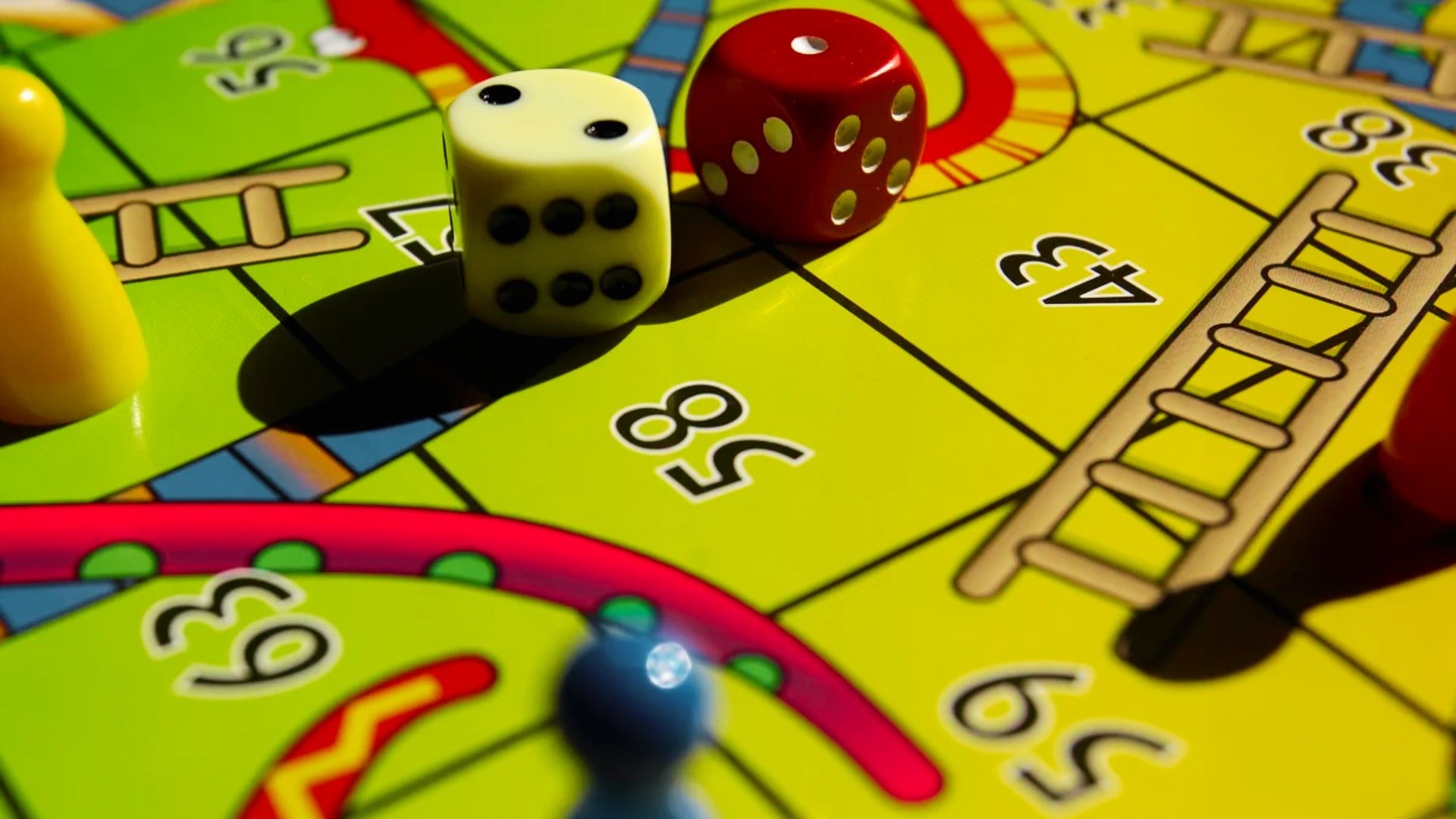
Give teens the end result of a situation and ask them to work backwards step by step to figure out how it happened.
Reversing the thinking process builds strong logic skills and helps teens understand cause and effect in a new way. It is a simple idea that produces surprisingly deep conversations when done in a group.
22. Missed the Bus Scenario

You missed the bus and have a big test in 30 minutes. What do you do? Let groups brainstorm as many fast solutions as possible and then decide which one is most realistic.
Real and relatable for most teens. This activity is great because it connects problem solving to everyday life in a way that feels immediate and personal.
23. Tech Troubleshooting Challenge

Give groups a fake tech problem such as an app crashing or a forgotten password and ask them to walk through every step they would take to fix it.
This activity is very relevant for today's teens who use technology daily but rarely think critically about how it works. It also teaches patience and the value of trying one thing at a time instead of panicking.
24. Time Management Puzzle
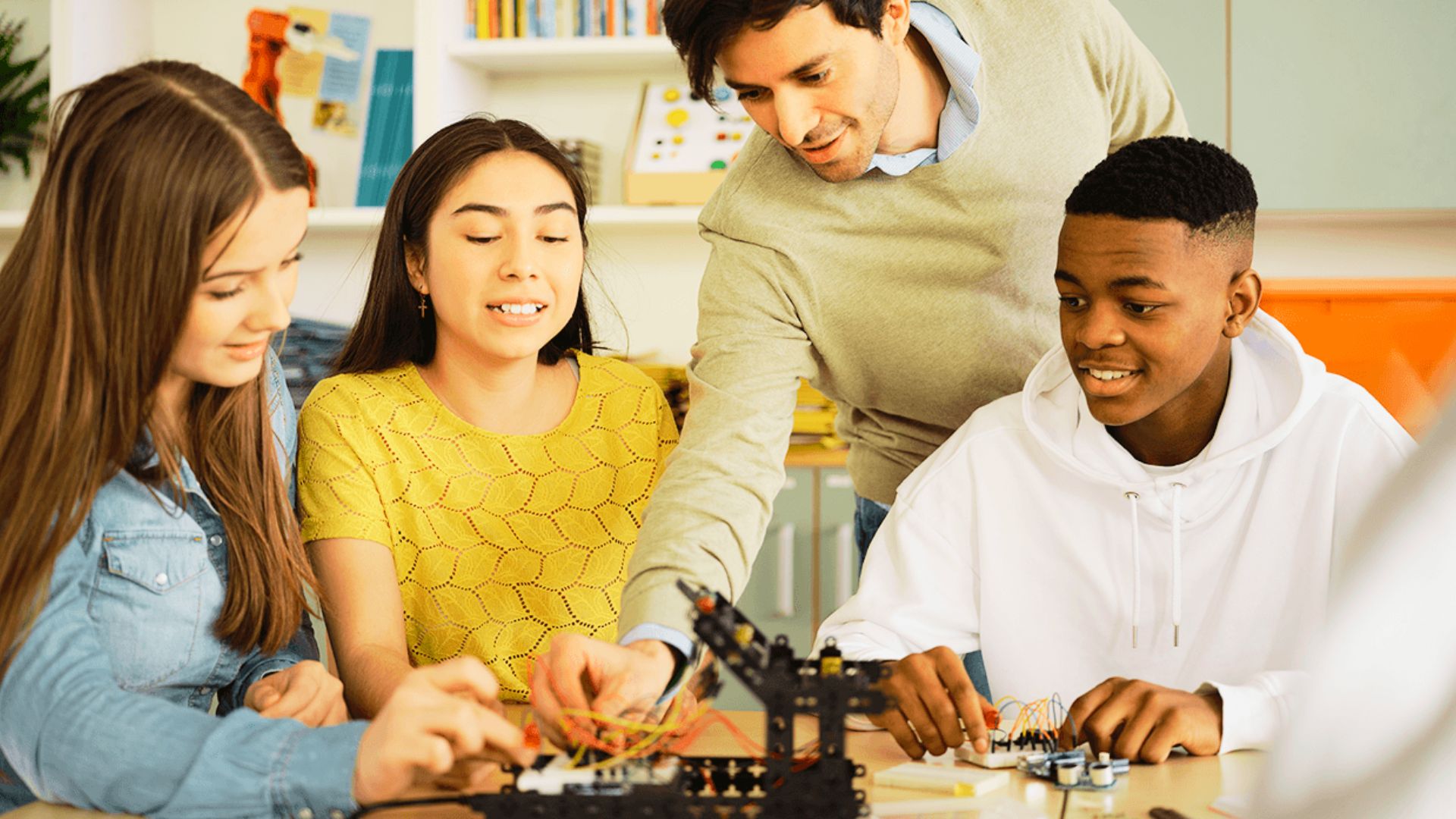
Give a list of tasks and a limited amount of time. Groups must figure out what to do first, what can wait, and how to get everything done without dropping anything important.
A real-life skill dressed up as a game. Teens often realize during this activity that time management is less about being fast and more about making smart choices.
25. Budget Planning Challenge

Give teens a set amount of fake money and a detailed list of needs and wants. They must budget it out as a group and agree on every decision.
Disagreements are part of the process and that is exactly where the learning happens. This activity helps teens understand tradeoffs and the reality that resources are always limited.
26. Community Problem Solving
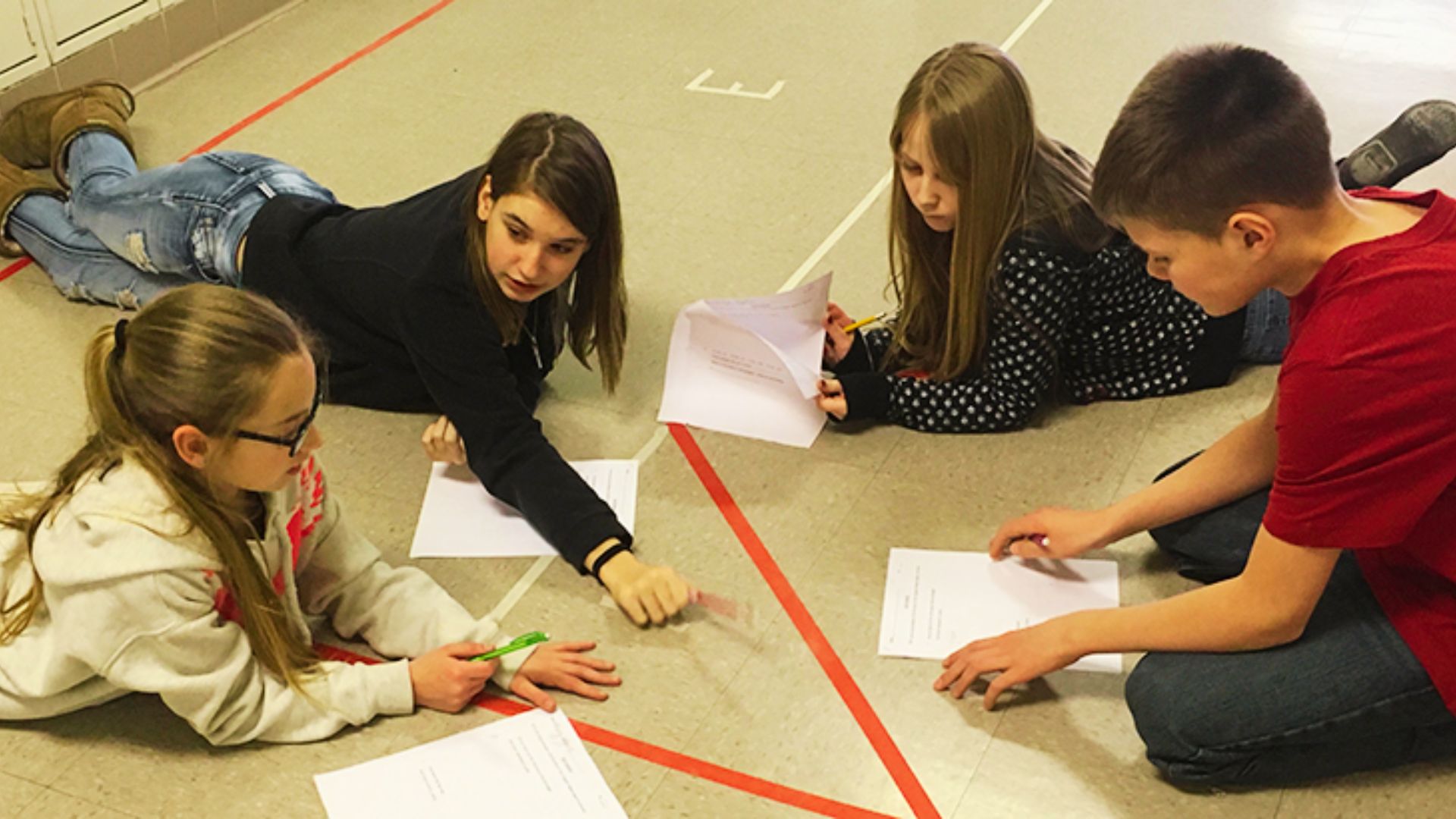
Ask teens to pick a real local issue such as littering in a park or not enough seating in the school cafeteria and come up with a realistic plan to fix it. Connecting problem solving to the real world makes it feel meaningful.
Teens are often more motivated when they know their ideas could actually make a difference in a place they care about.
27. Real-Life Reflection Activity
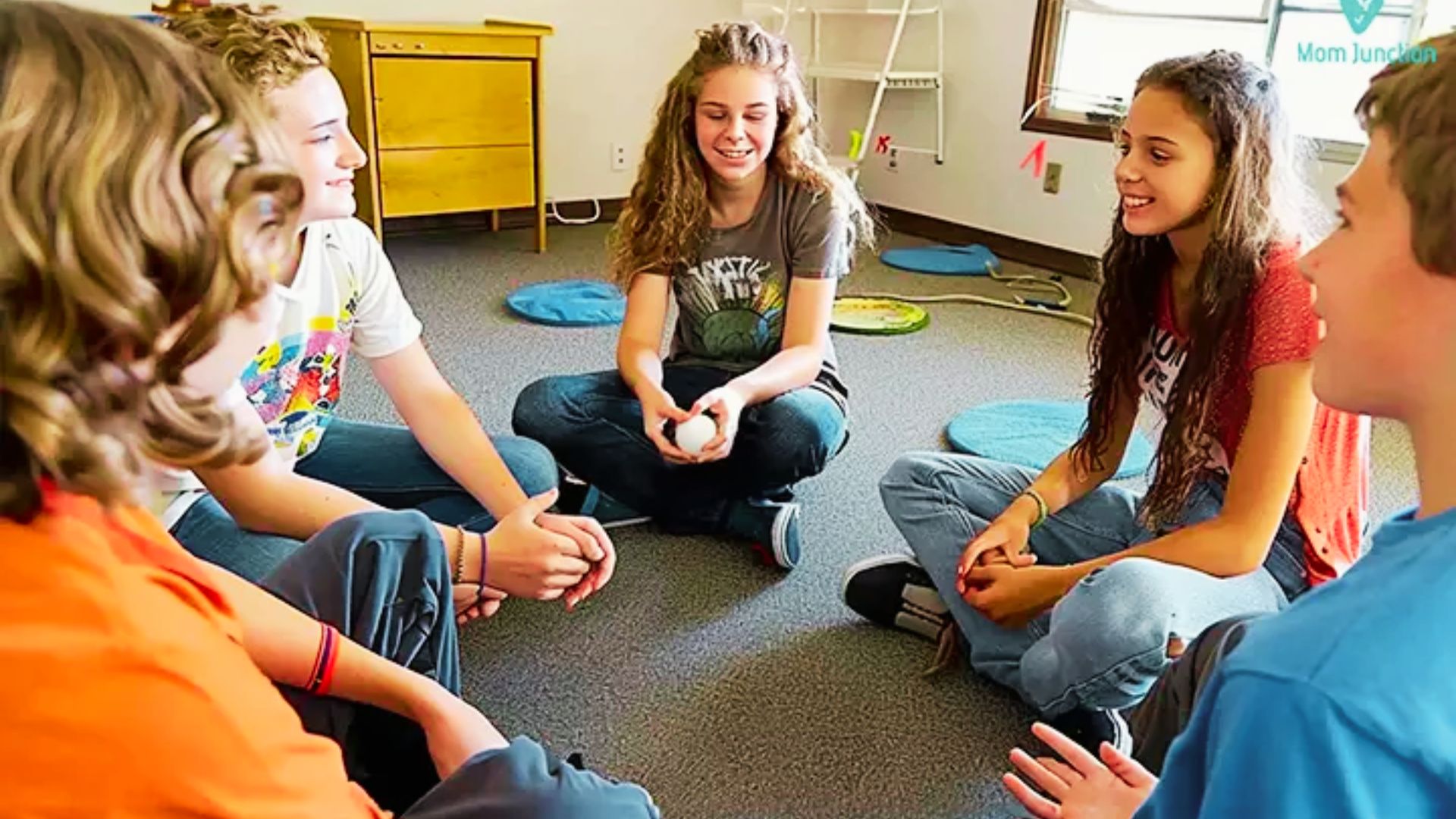
Ask teens to think of a time they faced a tough problem and share how they handled it with the group. The group then gives feedback and suggests what else could have been tried.
This builds self-awareness and helps teens see that their experiences are worth learning from. It also shows them that others have faced similar situations, which builds connection.
28. Friendship Dilemma

Read out a realistic friend-group conflict and ask teens to decide how they would handle it. All choices must be explained and backed up with reasoning.
No wrong answers but weak reasoning gets challenged. Very real for this age group. Teens often get deeply invested in these scenarios because they reflect situations they have actually experienced.
29. Group Conflict Resolution

Role-play a conflict between two people in the group and ask others to step in as mediators. The mediators must listen to both sides, stay neutral, and help find a solution that works for everyone.
Teaches empathy, active listening, and the ability to find middle ground even when emotions are high. A powerful activity for any group that spends a lot of time together.
30. Peer Pressure Role-Play

Act out a scenario where one teen is being pressured to do something they should not. The group must practice how to say no clearly and help the person walk away from the situation.
This activity gives teens language and confidence for moments they may already be facing. Practicing it in a safe setting makes it easier to act on in real life.
31. Text Misinterpretation Exercise

Show a short text conversation where the tone or meaning is unclear and ask groups to interpret what they think the sender meant. Sparks real conversation about how easy it is to misread digital communication.
Teens quickly realize how often they assume meaning that was never there. It is a relevant and eye-opening activity for this generation.
32. Apology Challenge

Give teens a conflict scenario and ask them to write or say a genuine apology for their part in it. The group then rates the apology on how sincere and specific it felt and suggests ways to make it stronger.
This builds emotional awareness and teaches teens that a good apology is a skill, not just words.
33. Difficult Conversations Practice

Pair teens up and give them a tough topic to talk through such as telling a friend something hard, setting a boundary, or asking for help.
After the role-play, groups share what felt awkward, what worked, and what they would do differently. Practicing difficult conversations in a low-stakes setting makes teens far more prepared when those conversations happen in real life.
34. Two-Minute Decision Challenge

Give a realistic scenario and give the group only two minutes to reach a decision together. The time pressure is the point of the activity.
It teaches teens to think fast, prioritize quickly, and not get stuck overthinking when a decision needs to be made. The debrief helps them reflect on whether their rushed decision was actually a good one.
35. Moral Dilemmas Discussion

Would you lie to protect a friend? Would you speak up if you saw something wrong? These classic moral questions get teens talking, thinking, and sometimes disagreeing.
No right answer, only good reasoning. This activity helps teens develop their own values while learning to respect that others may see the same situation very differently.
36. Leadership Decision Game

One teen plays the role of a team leader and must make a key group decision under pressure while others can advise but not decide. The role rotates each round so everyone gets a turn in the leadership seat.
This helps teens understand what leadership actually feels like and builds empathy for the people who are often making decisions on behalf of a group.
37. Delegation Challenge

Give a large task with more work than one person can handle and not enough time to do it all. The designated leader must divide the work fairly and trust others to do their part.
Teams then reflect honestly on whether the delegation worked and why or why not. A great activity for showing teens that strong leaders do not try to do everything themselves.
38. React or Think Exercise
Give a fast-moving scenario and ask teens to respond immediately without thinking. Then pause, replay it slowly, and ask the group what a more thoughtful response would have looked like.
The contrast between the two responses is always interesting. Teens start to see how much their first instinct can differ from their best choice when they take a breath and think it through.
39. Frustration Tolerance Puzzle
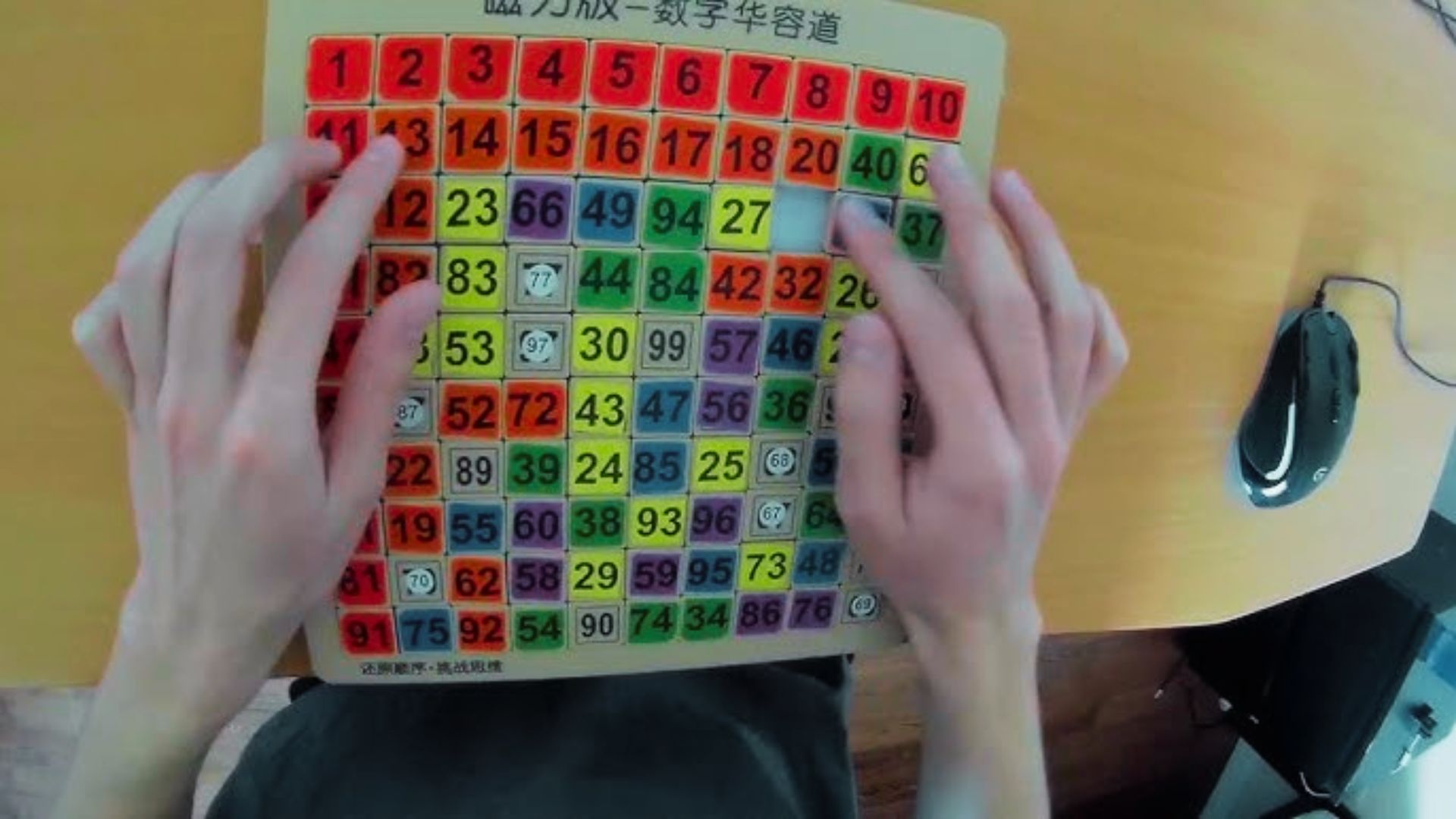
Give groups a deliberately difficult puzzle with very few instructions. The goal is not necessarily to solve it but to watch how the group handles frustration and keeps going.
The debrief after this one matters most. Talking about what it felt like to be stuck and how they pushed through teachers teens that frustration is a normal part of problem solving, not a reason to quit.
40. Mindfulness Problem Solving
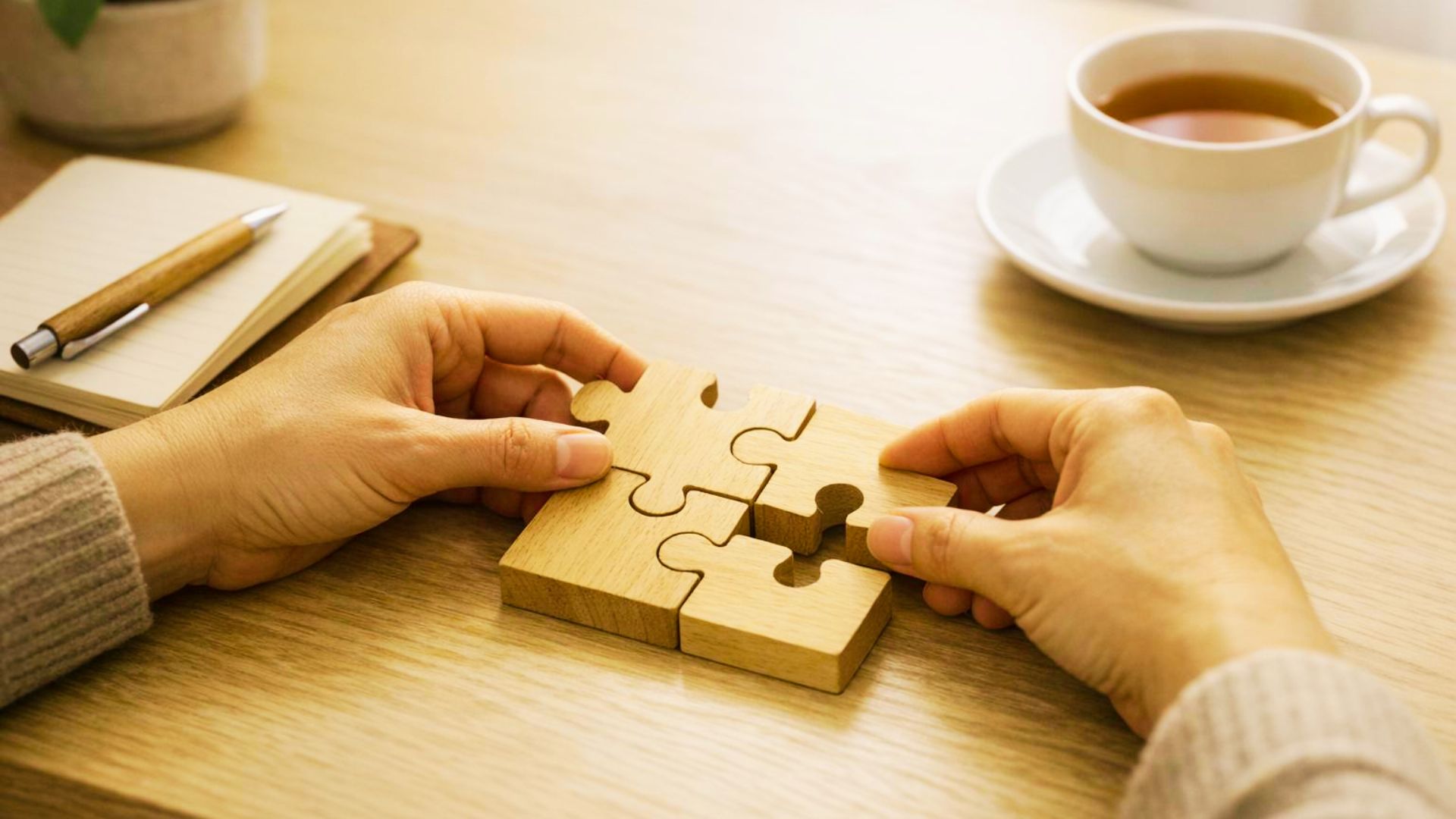
Before giving the group a problem to solve, lead them through a short breathing or grounding exercise. Then introduce the task and observe how their calm state affects their thinking.
Teens often notice that they come up with better ideas and stay more patient with each other when they start from a settled place. A small habit with a big impact.
41. Self-Reflection Questions

Give each teen a few open-ended questions about a past challenge they have faced. After they write their answers, share in small groups.
This builds the habit of looking inward and thinking critically about their own choices before reacting. It also helps teens realize they have more self-awareness than they give themselves credit for.
42. Printable Problem Solving Worksheets for Teens
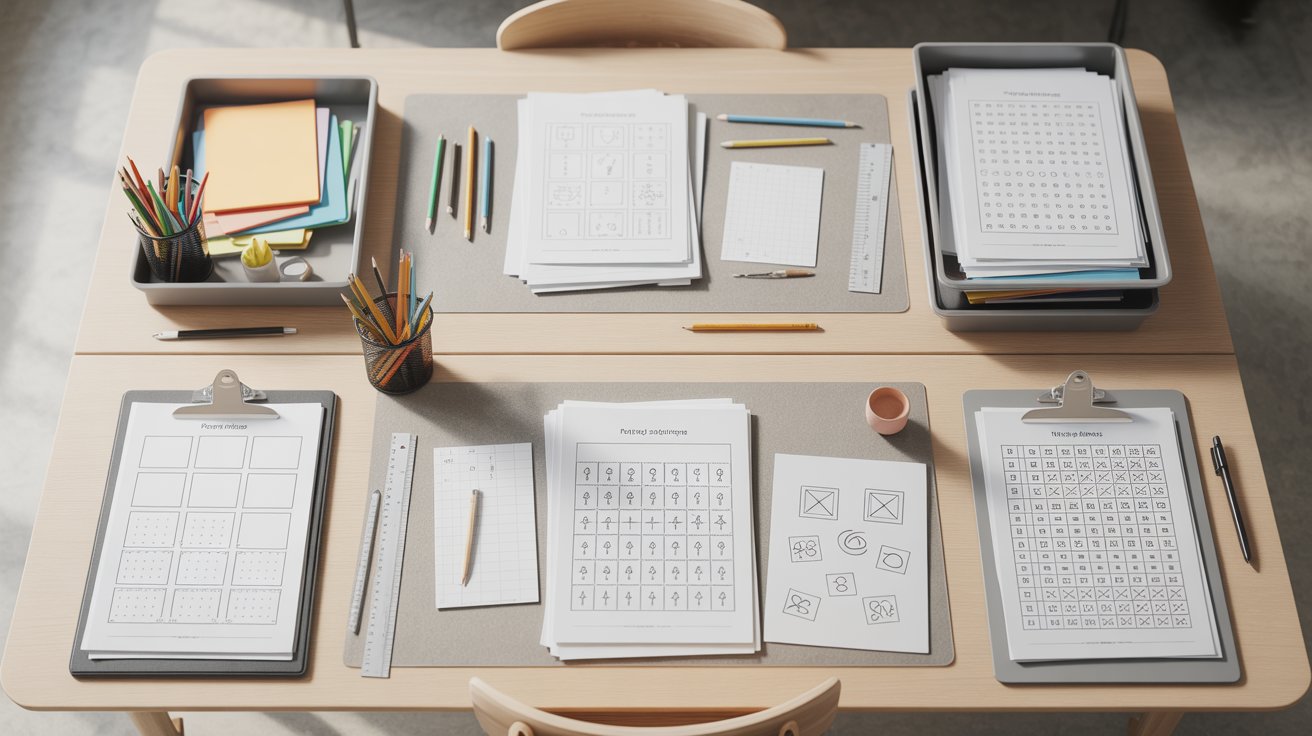
Worksheets give teens a structured and quiet way to think through a problem step by step. They are asked to identify the problem, consider possible solutions, weigh the pros and cons, and choose a path forward.
They work well in classrooms or at home and can be reused across many different situations throughout the year.
43. Open-Ended Questions Printable Activity
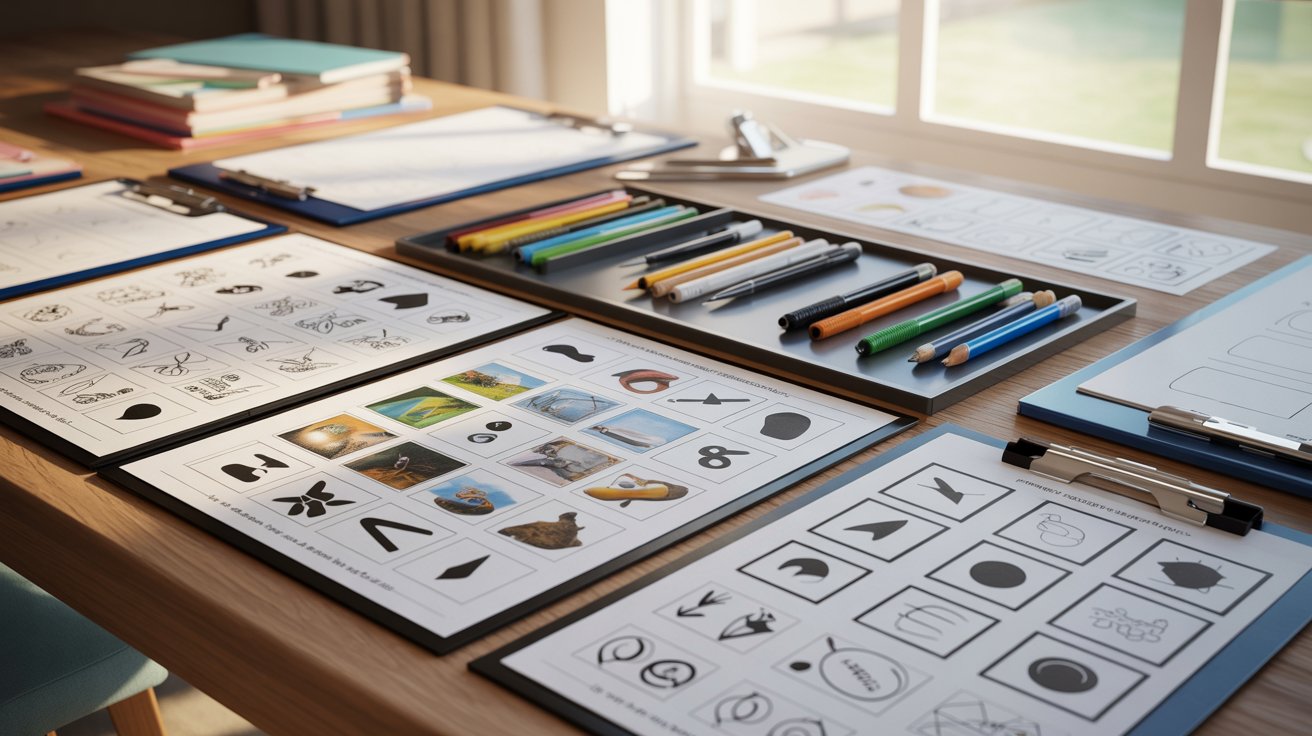
This printable gives teens a thoughtful set of open-ended questions to work through whenever they are facing a problem. Questions like "What do I actually know about this situation?" and "What is one thing I could try right now?" help teens slow down and think instead of reacting.
A simple tool that builds a lifelong habit of reflective thinking.
Tips to Make Problem Solving Activities More Effective
Small changes in how you run these activities can make a big difference in what teens actually take away.
- Encourage teamwork instead of competition so teens focus on the goal, not winning
- Use open-ended questions to push teens to explain their thinking, not just give answers
- Allow trial and error without pressure so teens feel safe making mistakes
- Promote discussion and reflection after each activity to lock in the learning
- Create a safe and supportive environment where every teen feels heard and respected
Conclusion
I still remember the first time I ran a group problem solving activity with a room full of quiet, unsure teens. By the end, they were laughing, debating, and genuinely proud of what they figured out together.
These 43 problem solving activities for teens are not just games. They build skills teens will use for life, confidence, leadership, and the ability to think clearly under pressure.
Start with one activity this week and see what happens.
If this helped you, leave a comment below or share it with someone who works with teens. You might just make their day a little easier.
Frequently Asked Questions
What are the best problem solving activities for teens in groups?
Escape room challenges, survival scenario games, and group conflict resolution activities work really well. They keep teens engaged while building real teamwork and thinking skills.
How do group activities improve problem-solving skills?
Group activities push teens to share ideas, listen to others, and make decisions together. That process builds both logical thinking and emotional awareness at the same time.
Are printable problem solving activities for teens useful?
Yes, printable worksheets give teens a clear structure to follow. They work well in classrooms or at home and are easy to reuse with different problems or scenarios.
How often should teens practice problem solving activities?
Even once a week makes a noticeable difference over time. Regular practice helps teens get comfortable with thinking through problems instead of avoiding them.
Can these activities be used in classrooms and workshops?
Absolutely. Most of these activities need little to no materials and work with any group size. Teachers and workshop leaders use them to build life skills alongside academic ones.