
<
Teaching kids about personal space can feel tricky. But it does not have to be.
In this article, I share 23 fun, easy activities that actually help kids understand boundaries. You will also find simple tips to reinforce what they learn every day.
I have worked with kids long enough to know that learning through play works best. We will cover what personal space means, why it matters, how to teach it, 23 hands-on activities, and simple tips to make it stick.
This guide is here to help you solve that problem, step by step.
What Is Personal Space for Kids?

Personal space is the area around your body that belongs to you. It is the space you need to feel safe and comfortable.
Think of it as an invisible bubble that stretches around your whole body. When someone steps inside that bubble without asking, it can feel strange or wrong.
Teaching kids this concept early helps them feel secure, build better friendships, and learn to respect the boundaries of others.
23 Personal Space Activities for Kids That Work
These activities make learning about personal space fun, clear, and easy to remember.
1. Personal Space Dance

Put on some music and let kids dance freely. Tell them to stay inside their own "space bubble" the whole time. If they bump into someone, they pause and reset.
This activity helps kids feel what their space feels like while they move. It is fun and teaches body awareness at the same time.
Best for: Ages 4 to 8
2. Freeze Dance with Space Rules

Play freeze dance, but add a rule. When the music stops, every child must check that they are not too close to anyone else. If they are, they must take one step back.
This small addition turns a classic game into a lesson about spacing and awareness.
Best for: Preschool to early elementary
3. Space Bubble (Hula Hoop Activity)

Give each child a hula hoop. Tell them the hula hoop is their personal bubble. They must carry it around or stand inside it and move without touching anyone else's hoop.
This is one of the most visual and hands-on ways to teach the bubble concept.
Best for: Ages 4 to 10
4. Six-Foot Freeze Game

Mark a six-foot distance on the floor with tape. Kids walk around freely. When you call "freeze," they must check if they are at least six feet from the nearest person.
This helps older kids understand safe distancing in a fun and active way.
Best for: Ages 6 to 12
5. Airplane Arms Activity

Ask kids to stretch both arms out wide like airplane wings. That arm span equals their personal space. Tell them to spin slowly and make sure no one is within their arm's reach.
It is a quick, physical way to show kids exactly how much space they need.
Best for: Ages 3 to 8
6. Personal Space Discussion Cards

Create simple cards with different scenarios.
For example:"Your friend hugs you without asking. How do you feel?" or "Someone stands too close in line. What do you do?"
Read each card aloud and talk about it together. This builds emotional awareness and communication skills.
Best for: Ages 5 to 12
7. Puppet Role-Play Scenarios

Use puppets to act out situations involving personal space. One puppet stands too close. The other one uses kind words to ask for space.
Kids love watching puppets. It gives them a safe way to see how to handle tricky situations.
Best for: Ages 3 to 7
8. Personal Space Charades
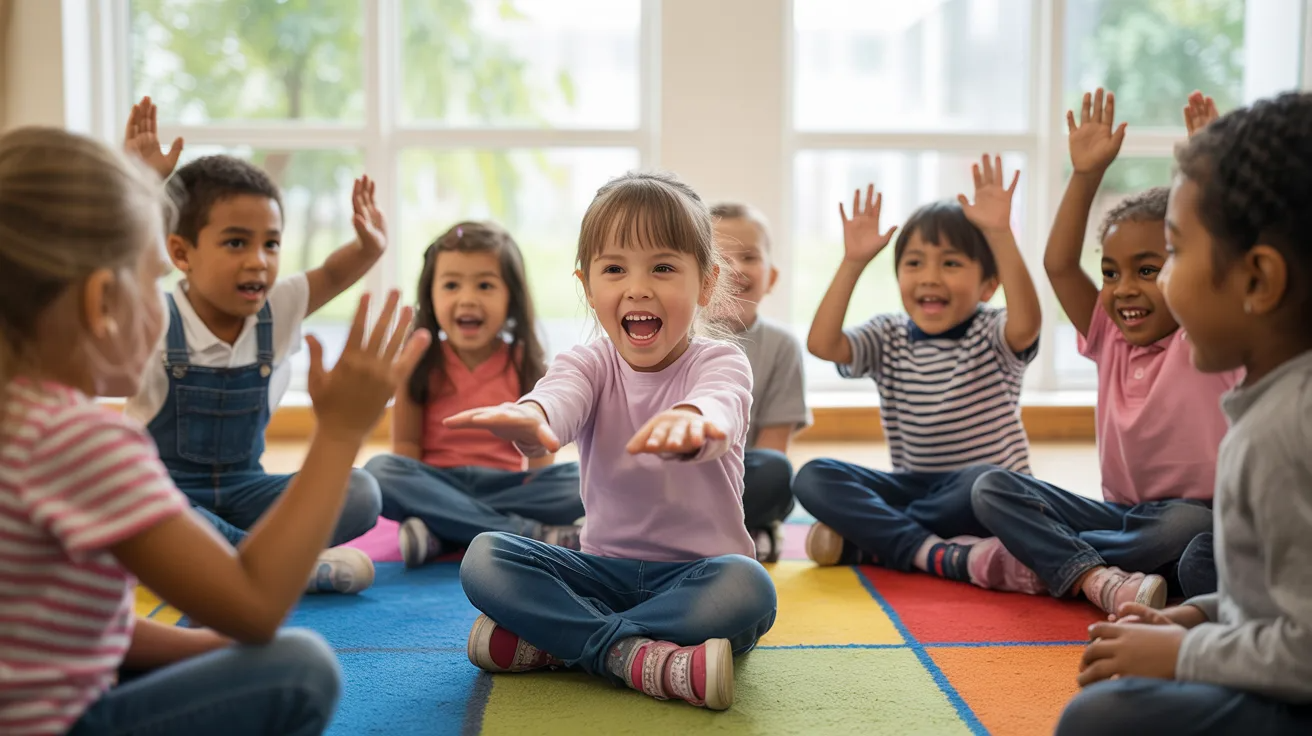
Write out personal space actions on cards.
For example: "Give a high five," "Ask before hugging," or "Step back when someone looks uncomfortable."
Kids take turns acting out the card. Others guess what they are doing.
Best for: Ages 6 to 12
9. Role-Play Real-Life Situations
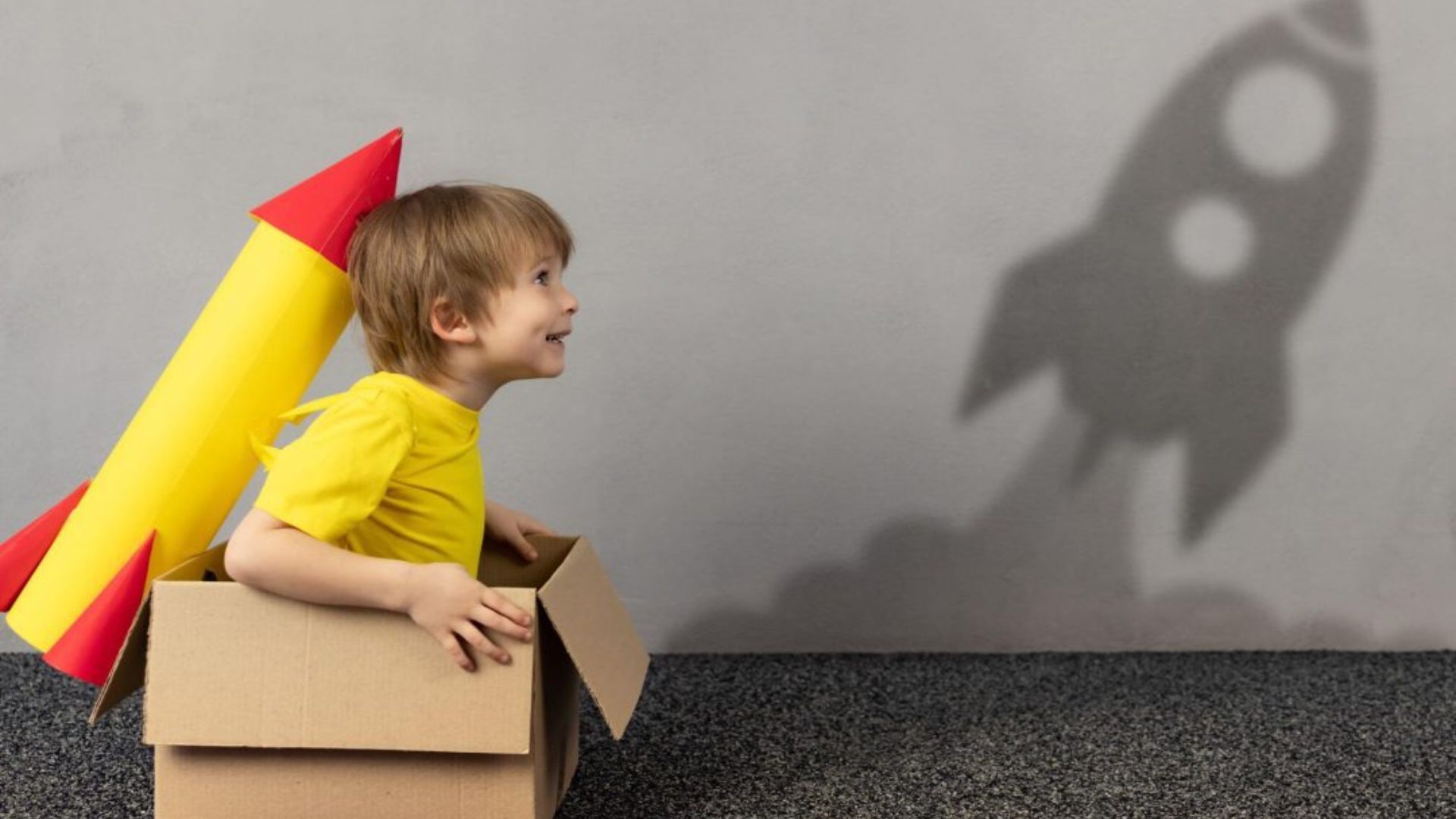
Act out everyday moments like standing in line, sitting at lunch, or playing at recess. Guide kids through how to check if they are giving others enough space.
This brings the lesson to life. Kids see exactly how personal space applies outside the classroom.
Best for: Ages 5 to 10
10. Personal Space Obstacle Course

Set up an obstacle course where kids must move around objects and other kids without touching them. Reward kids who complete it while keeping their bubble intact.
This makes the lesson physical, fun, and easy to repeat.
Best for: Ages 4 to 9
11. Hula Hoop Walk
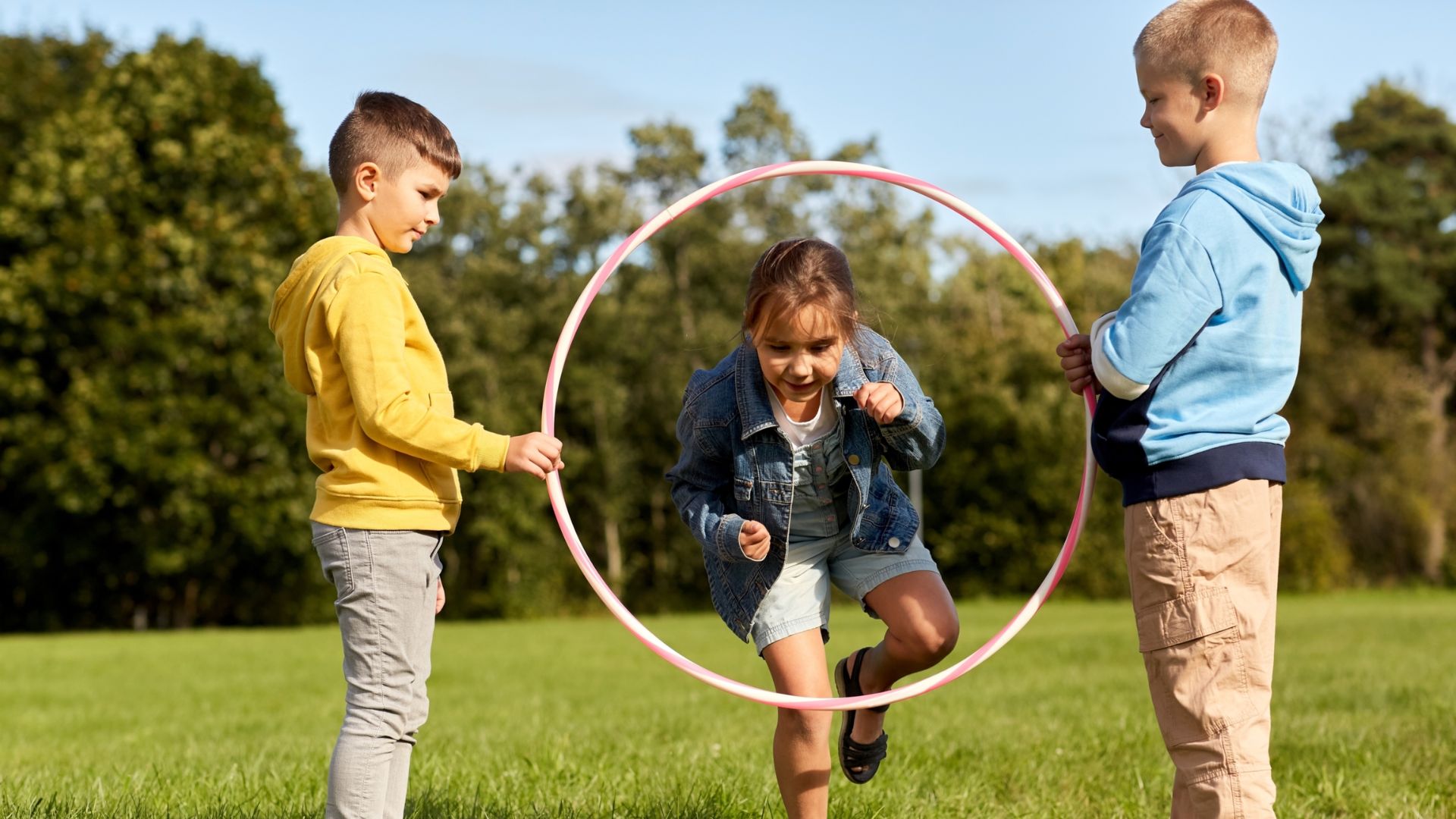
Give each child a hula hoop to hold around their waist. Have them walk through a space filled with other kids. The goal is to get from one end to the other without touching anyone else's hoop.
It is a simple but very effective way to practice awareness while moving.
Best for: Ages 4 to 10
12. String Distance Activity

Give each child a piece of string about one to two feet long. Have them hold one end and ask a friend to hold the other. That distance between them is their personal space zone.
This gives kids a hands-on and visual way to feel the right distance between people.
Best for: Ages 5 to 10
13. Personal Space Circle (Target Game)
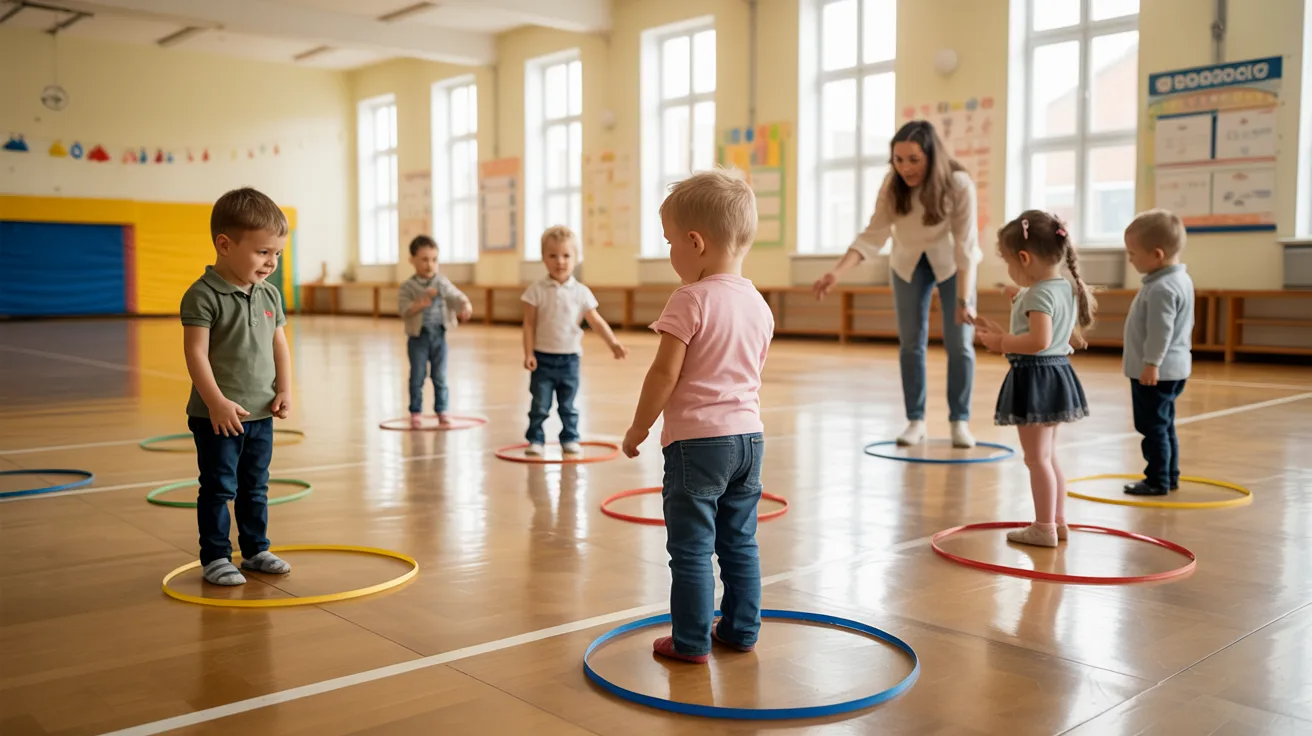
Draw circles on the floor with tape. One large circle is "too close." A medium circle is "just right." A wide circle is "too far."
Have kids stand in different circles and decide which one feels comfortable. This helps kids figure out what the right distance feels like for them.
Best for: Ages 4 to 8
14. Red Light, Green Light Space Game

Play the classic game with a twist. Green light means walk. Yellow light means check your space. Red light means freeze and make sure no one is in your bubble.
Kids stay active while building the habit of checking their spacing.
Best for: Ages 4 to 8
15. Simon Says (Personal Space Version)

Play Simon Says with personal space commands.
For example:"Simon says take one step back." Or: "Simon says stretch your arms and make sure no one is in your bubble."
This is a low-prep, high-fun option that fits into any classroom or home routine.
Best for: Ages 4 to 9
16. Personal Space Yoga

Guide kids through simple yoga poses. Remind them that each pose requires them to stay within their own space. Poses like "tree" or "warrior" help kids feel their body boundaries.
Yoga also builds self-regulation and focus alongside body awareness.
Best for: Ages 5 to 12
17. Body Awareness Sticker Game

Place stickers on different parts of your child's body and ask them to name each part. Then talk about which parts need extra personal space and why.
This activity builds body awareness and starts a natural conversation about consent and comfort.
Best for: Ages 3 to 7
18. Body Tracing Activity

Lay a large piece of paper on the floor. Have your child lie down and trace around their body. Then draw a second outline around the first to show their personal space bubble.
Kids love seeing themselves on paper. It makes the bubble concept very real.
Best for: Ages 4 to 9
19. Personal Space Collage

Have kids cut out pictures from magazines that show people in different situations.
Ask them to sort the pictures into two groups:good personal space and too close.
This builds critical thinking while reinforcing the lesson in a creative way.
Best for: Ages 5 to 10
20. Reflection Journals

Give kids a small notebook. After each activity or at the end of the school day, ask them to write or draw about a time they gave someone space or asked for space.
Journals build self-awareness and help kids process what they are learning.
Best for: Ages 6 to 12
21. Personal Space Pictionary

Write personal space scenarios on slips of paper. One child draws the scene. Others guess what is happening and whether personal space is being respected.
It brings creativity into the lesson and sparks good conversations.
Best for: Ages 6 to 12
22. Personal Space Trivia Game

Create simple trivia questions like:"How much space should you give someone in line?" or "What do you do if someone stands too close?"
Play it as a team or one-on-one. Kids love games, and this one reviews what they have learned in a low-pressure way.
Best for: Ages 6 to 12
23. Social Stories for Personal Space

Write or read short stories where a child character deals with personal space situations. After reading, talk about what the character did well and what they could do better.
Social stories are especially helpful for kids who need more support understanding social rules.
Best for: All ages, especially children who benefit from structured learning
Tips to Reinforce Personal Space Skills
Small, consistent habits make personal space a natural part of how kids interact every day.
- Pick a short cue phrase like "check your bubble" and use it every single day.
- Ask simple questions like "Did that feel okay?" to help your child notice how they feel around others.
- Remind them that everyone has a bubble and it deserves the same respect as their own.
- When your child gives someone space or asks before touching, say something and mean it.
- Use specific praise like "That was really kind of you to step back" so they know exactly what they did right.
Final Thoughts
Teaching personal space is one of the best gifts you can give your child. It shapes how they treat others and how they expect to be treated.
I remember the moment my own child looked at a friend and said, "Can I hug you?" That small moment meant everything.
These 23 activities make learning feel natural and fun. Start with one or two and build from there.
Which activity will you try first? Share in the comments, or pass this along to a parent or teacher who could use it.
Frequently Asked Questions
At what age should I start teaching personal space?
You can start as early as age two or three. Simple lessons like "give your friend some room" are enough at that stage. Build from there as they grow.
How do I explain personal space without making it scary?
Keep it light and positive. Use fun ideas like the invisible bubble. Focus on comfort and kindness rather than fear or rules.
What if my child keeps invading others' personal space?
Stay calm and consistent. Use cue words, gentle reminders, and role-play activities. Some kids need more practice than others, and that is completely normal.
Are these activities useful for kids with autism or sensory needs?
Yes, many of these activities work well for children with different learning needs. Social stories, body tracing, and visual tools tend to be especially helpful for those kids.
How often should I practice personal space activities with my child?
Short, regular practice works best. Even five minutes a few times a week adds up. Tie it into daily routines so it feels natural rather than like a separate lesson.