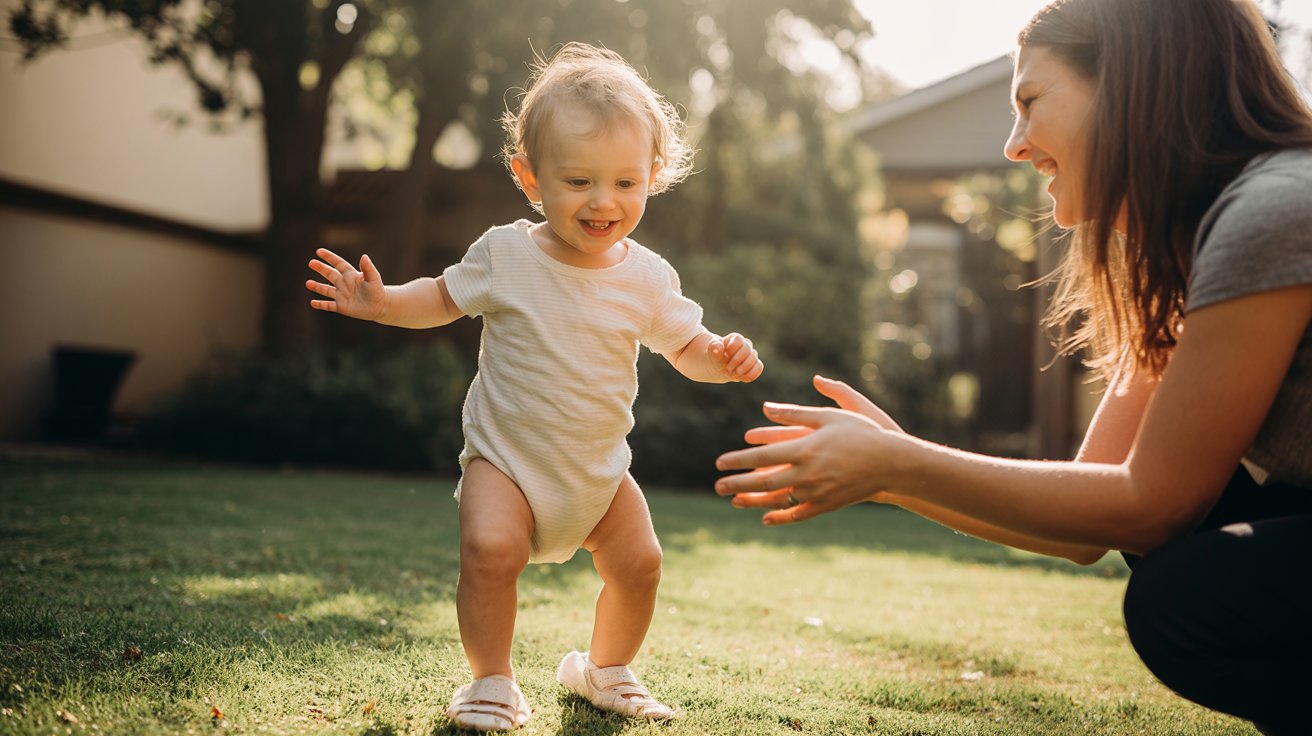
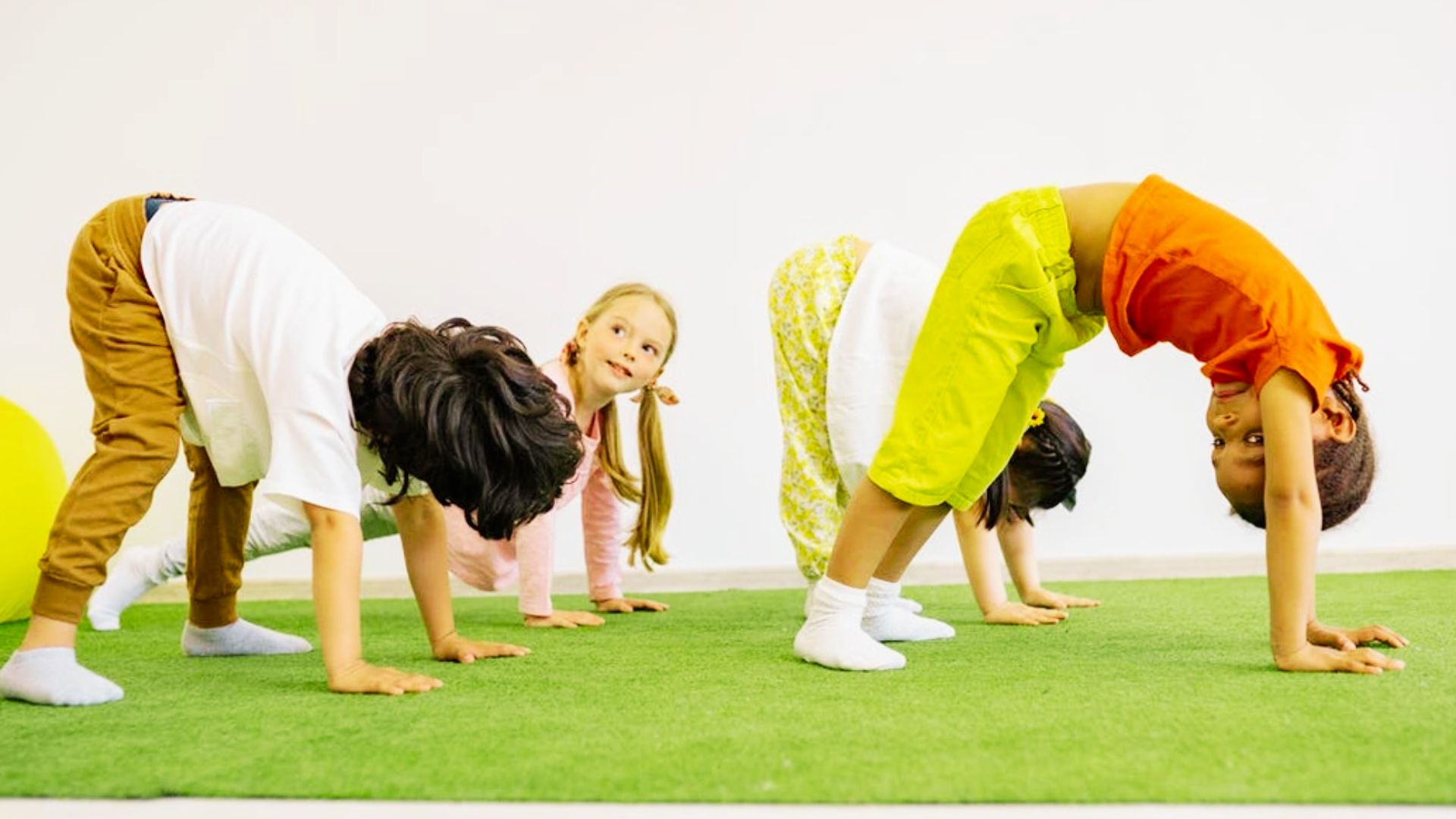
Kids need to move. It helps them think, focus, and feel better.
This article covers 31 simple movement activities you can use at home or in the classroom. Each one is easy to set up and fun for kids of all ages.
You will also learn:How movement supports learning When to use brain breaks Tips to make it work every day
With years of experience working with active kids, I know what actually works. These ideas are tried and tested, not just theory.
What Are Movement Activities for Kids?

Movement activities are simple actions that get kids up and active during the day.
Movement-based learning means using physical activity to support how kids learn. Instead of sitting still, kids move their bodies while they think, practice, or play.
This helps the brain stay alert and ready to take in new information.
Kids are not built to sit for long periods. When they move, their brains get more oxygen. This improves memory, focus, and mood.
Active play also builds coordination, confidence, and social skills. It gives kids a healthy outlet for energy, which often leads to better behavior and attention during learning time.
31 Movement Activities for Kids (Fun Learning Ideas)
Here are 31 easy and fun movement activities to get kids active, happy, and learning every day.
1. Jumping Jacks
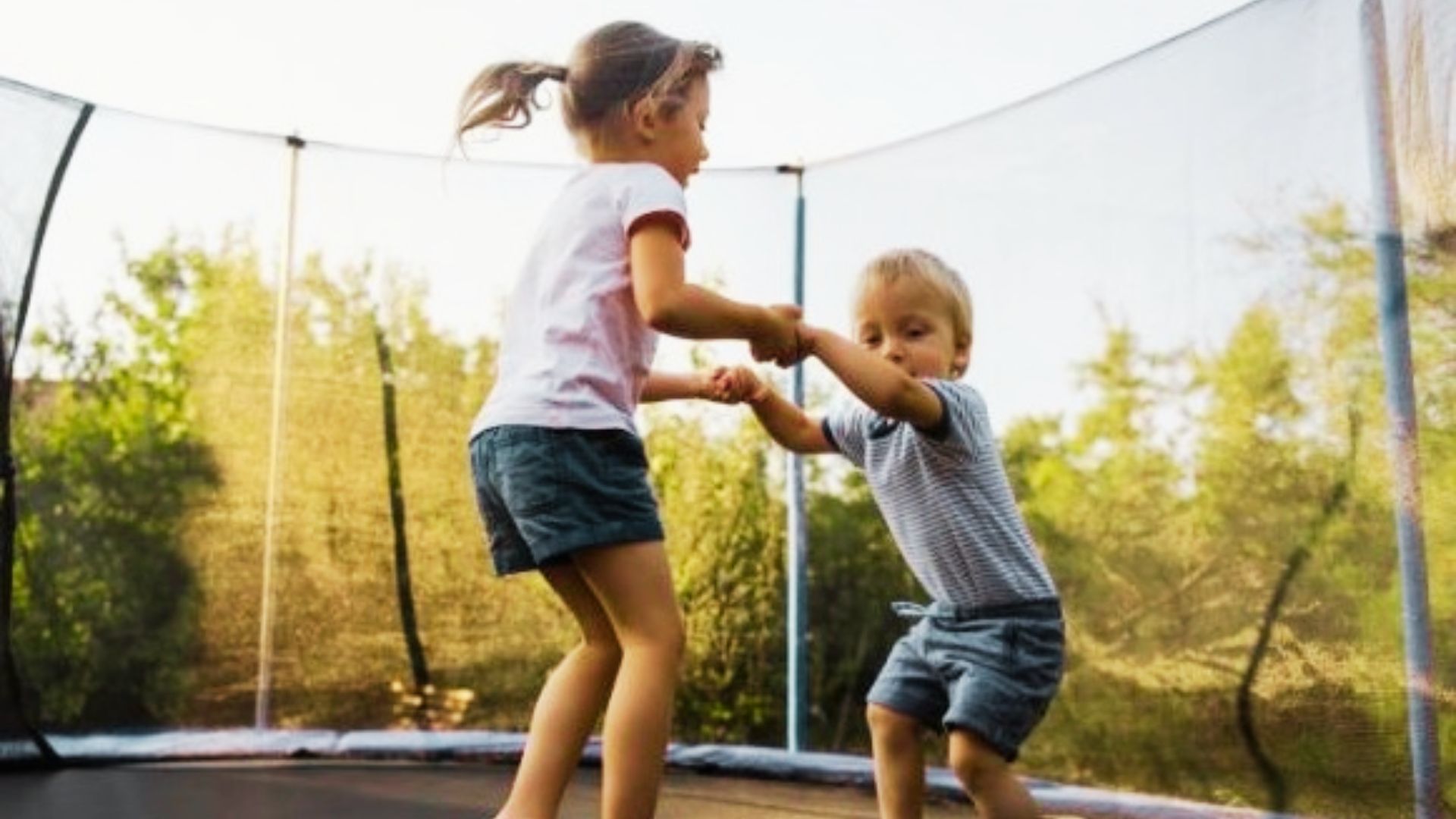
Jumping jacks are a classic for good reason. They get the heart rate up fast and are easy for most kids to do.
Ask kids to count out loud as they jump. This adds a simple math layer to the activity and keeps everyone focused.
Start with 10 and build up as kids get stronger.
2. March in Place
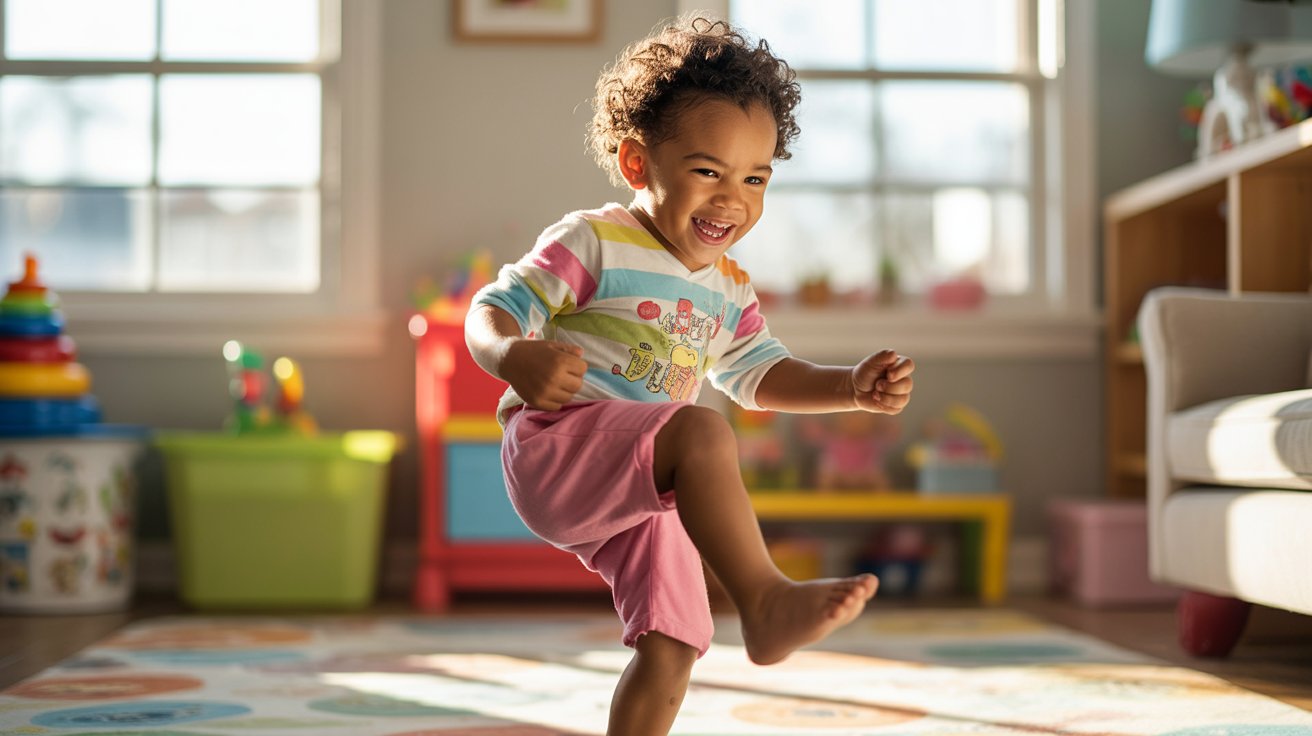
Marching in place is low-effort and works in small spaces. Kids lift their knees high and swing their arms.
Try adding a beat by clapping or playing music. It keeps kids engaged and adds a fun rhythm to the break.
3. Toe Touch Stretch
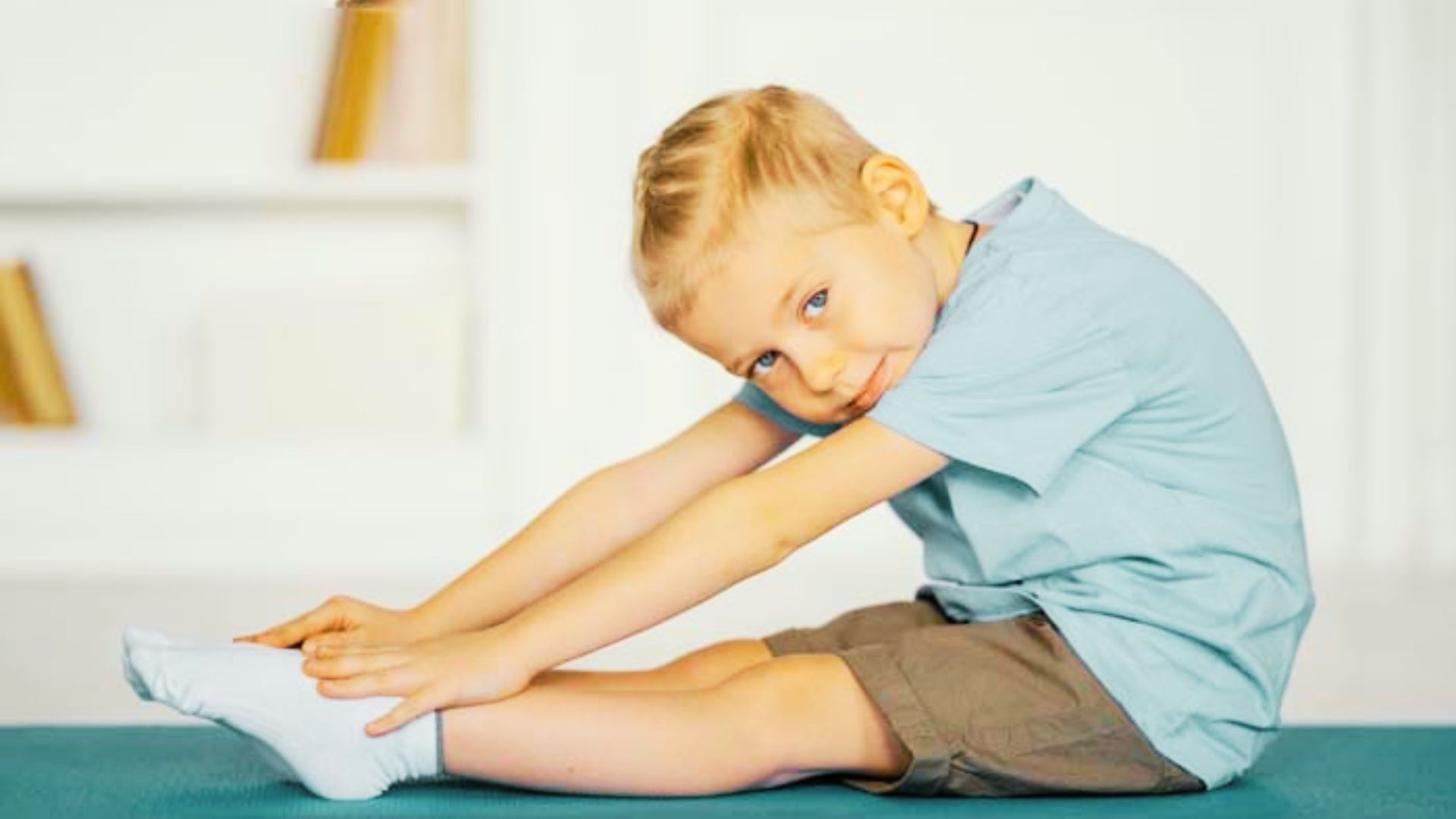
This one is great for cooling down or starting the day calmly. Kids stand tall, then reach down toward their toes.
Hold for five seconds and stand back up. Repeat a few times. It stretches the back and legs without needing any equipment.
4. One-Leg Balance Stand
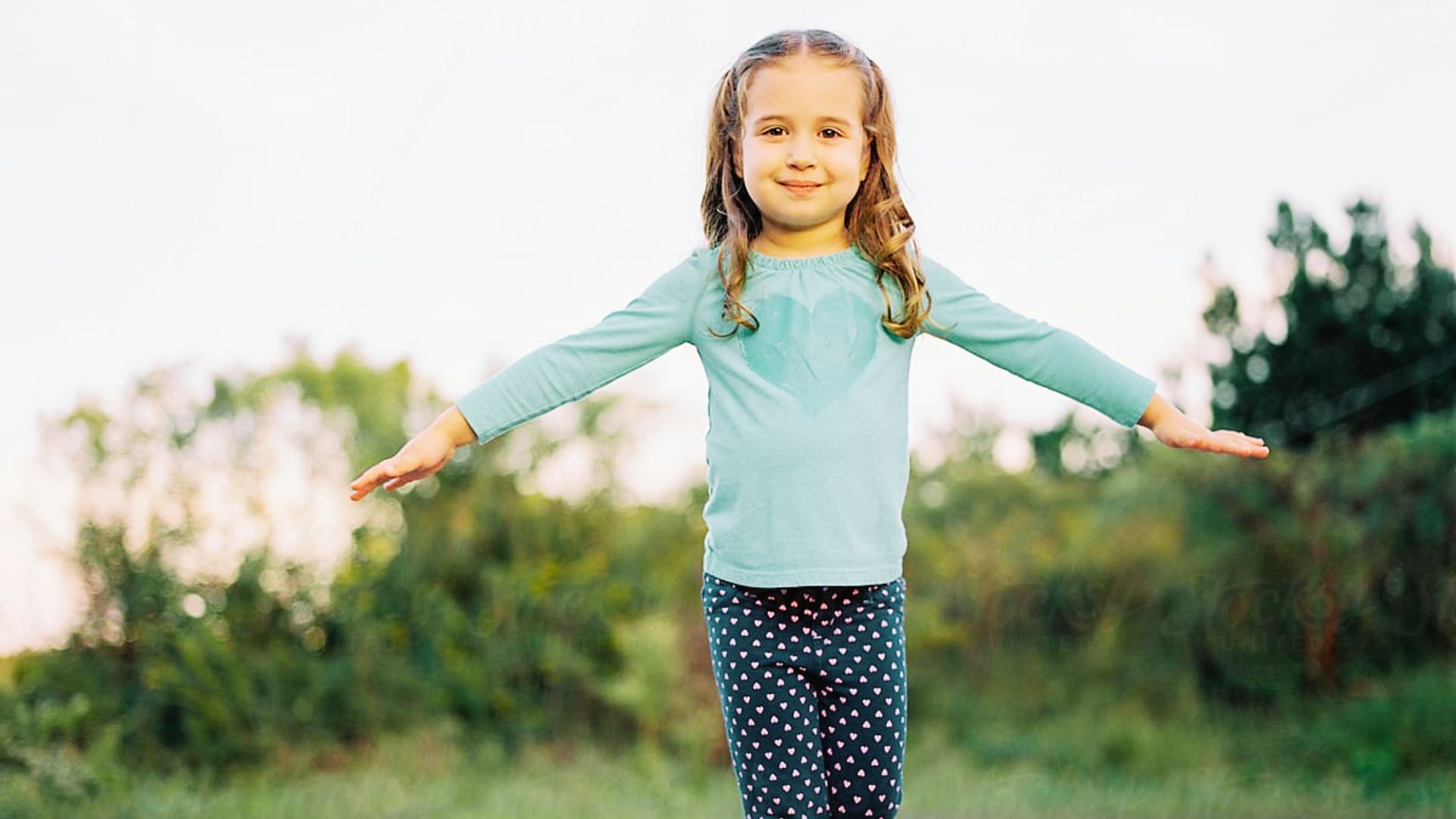
Kids stand on one foot and try to hold still for as long as they can. Then they switch feet.
This builds core strength and focus. You can make it harder by asking them to close their eyes or hold their arms out straight.
5. Hop on One Foot
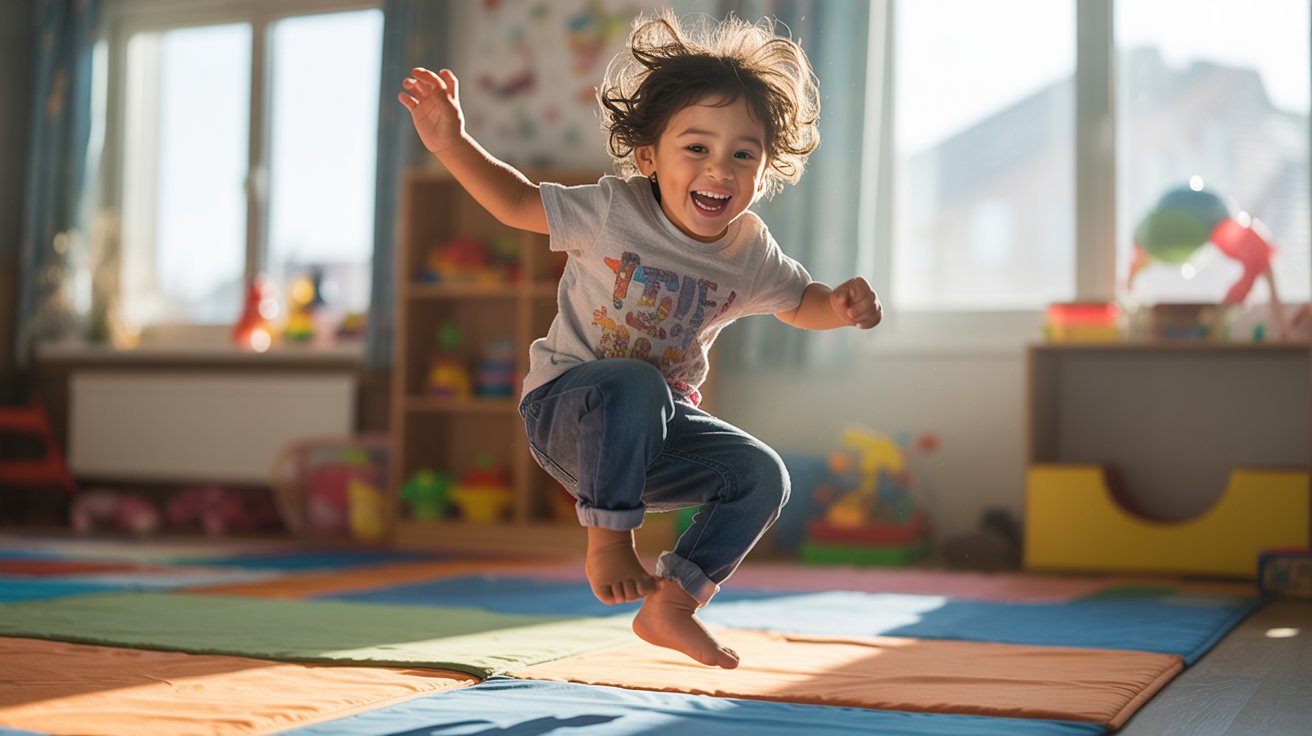
Simple and playful. Kids hop on one foot across a room or around a space.
Set a line to hop to and hop back. Count the hops together. This works great as a quick brain break between lessons.
6. Squat and Jump

Kids squat low, then jump up as high as they can. This builds leg strength and gets energy out fast.
Do a few rounds and let kids rest in between. It is great before a focused work session.
7. Spin and Freeze Game
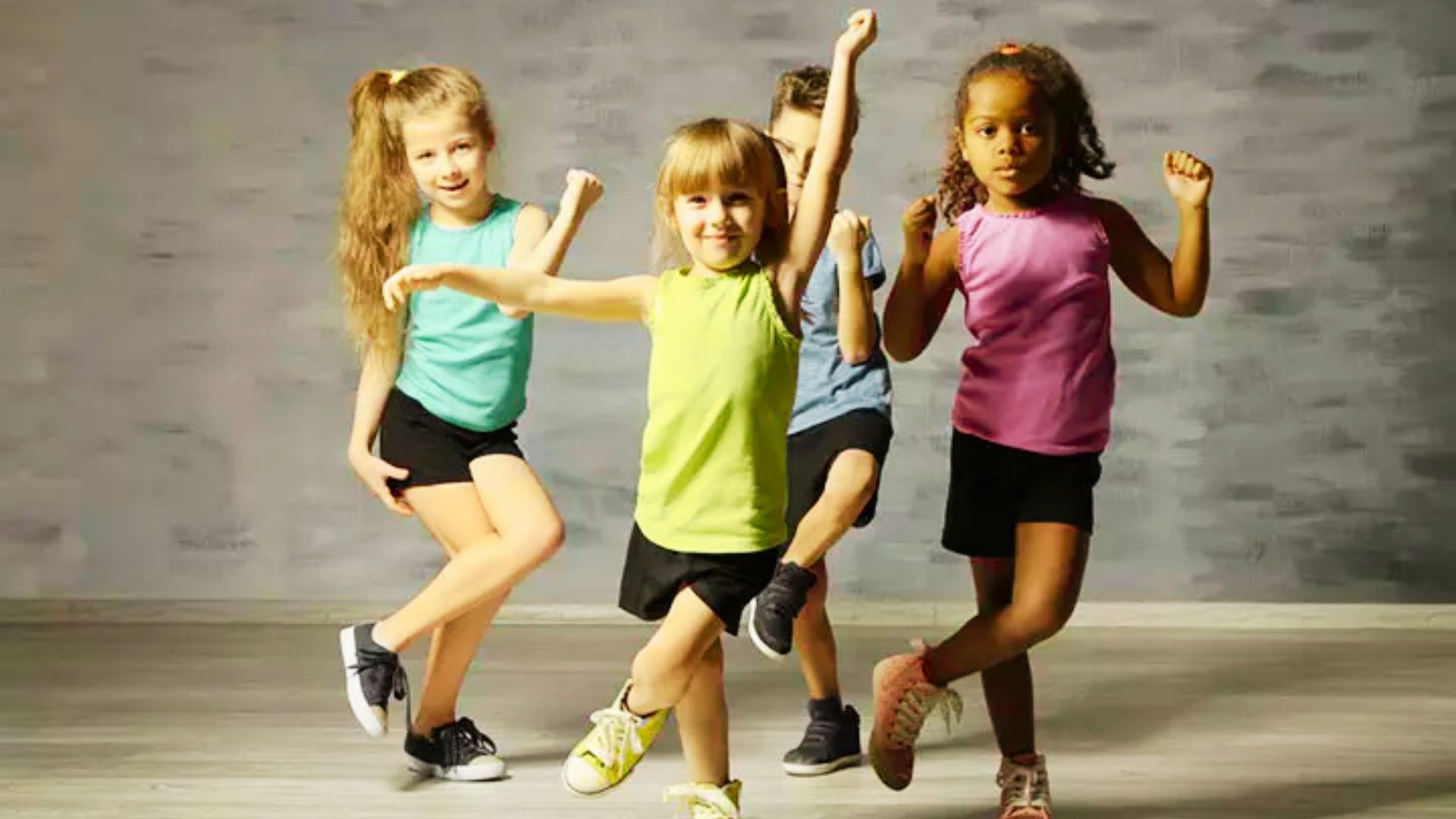
Kids spin around slowly, then freeze when the music stops or when you call out "freeze."
This teaches body control and listening skills. Keep the spins gentle to avoid dizziness. It works well in groups and always gets a few laughs.
8. Animal Walks (Bear Crawl, Crab Walk, Frog Jump)
Kids love pretending to be animals. Bear crawls use all four limbs and build arm and core strength. Crab walks are done facing up with hands and feet on the floor.
Frog jumps get kids squatting low and leaping forward. Mix them up and call out the animal. It turns exercise into play.
9. Simon Says Movement Game
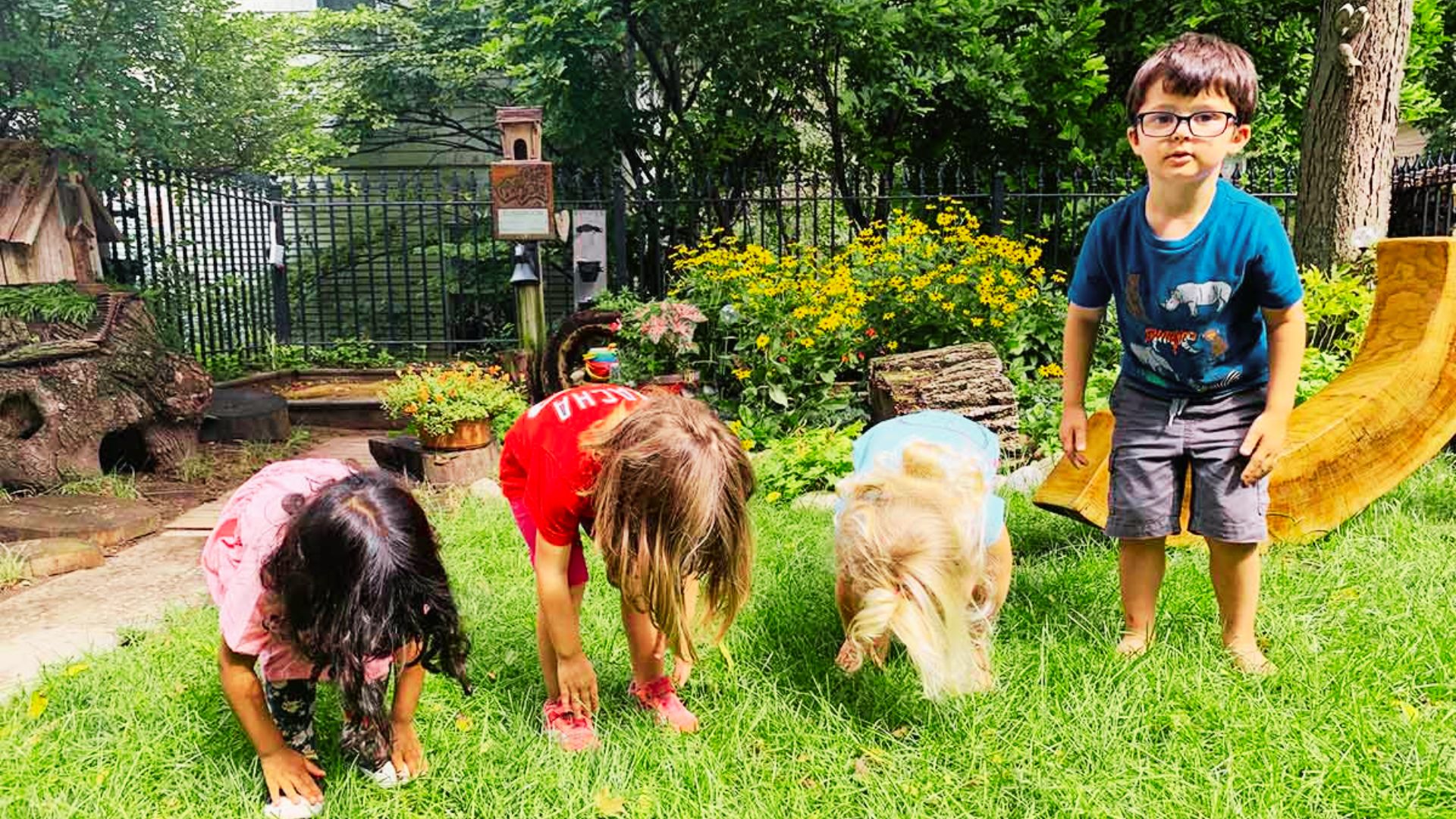
A classic that never gets old. One person is Simon and gives commands. Kids only follow if the command starts with "Simon says."
This builds listening skills and body awareness. Add movement commands like "Simon says do 5 squats" to make it more active.
10. Freeze Dance
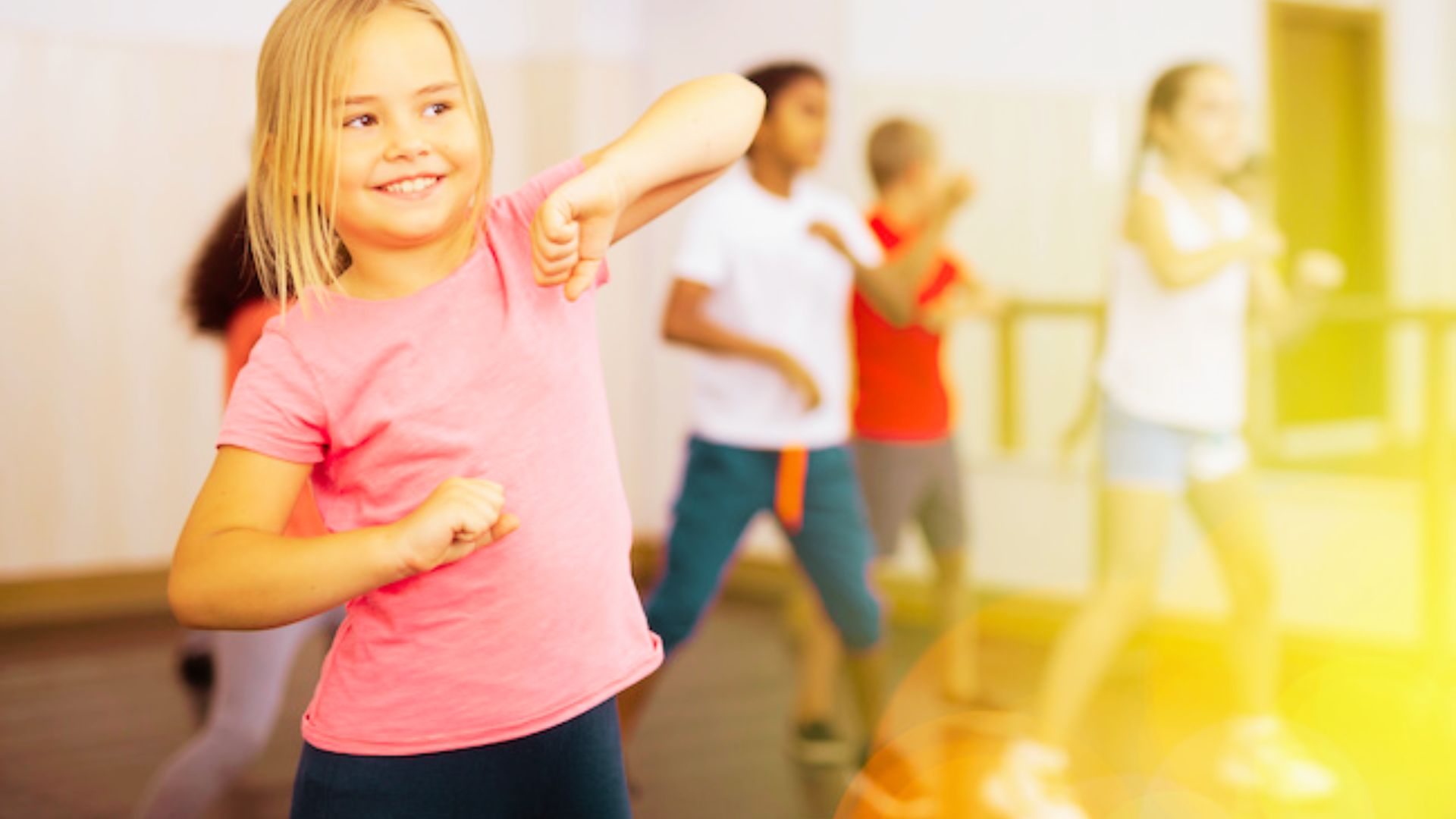
Play music and let kids dance freely. When the music stops, everyone freezes.
This gets kids moving and laughing. It is great for releasing energy in a short time. Use a mix of fast and slow songs to keep it interesting.
11. Musical Statues
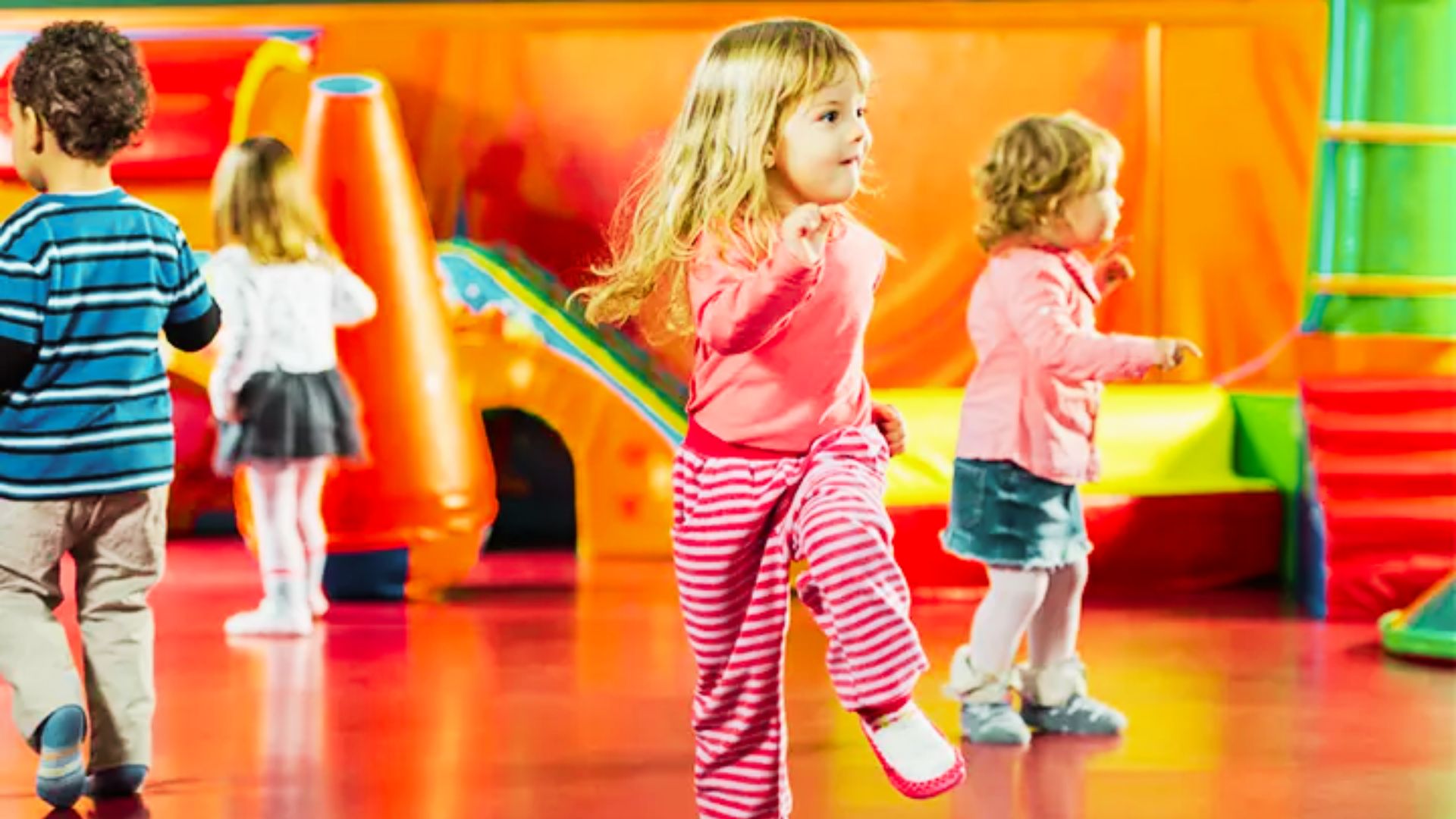
Similar to freeze dance, but with a twist. When the music stops, kids must hold their position like a statue.
Anyone who moves is out. The last one standing wins. It builds self-control and adds friendly competition.
12. Dance Party Brain Break

Put on an upbeat song and let kids have a full dance break for two to three minutes.
No rules, just movement. This kind of brain break is one of the most effective ways to reset focus before going back to work.
13. Scavenger Hunt Walk

Set up a simple scavenger hunt around the home or classroom. Kids walk, look, and collect items from a list.
This combines movement with thinking skills. It works indoors and outdoors and can be themed around what kids are learning.
14. Tape Line Balance Walk
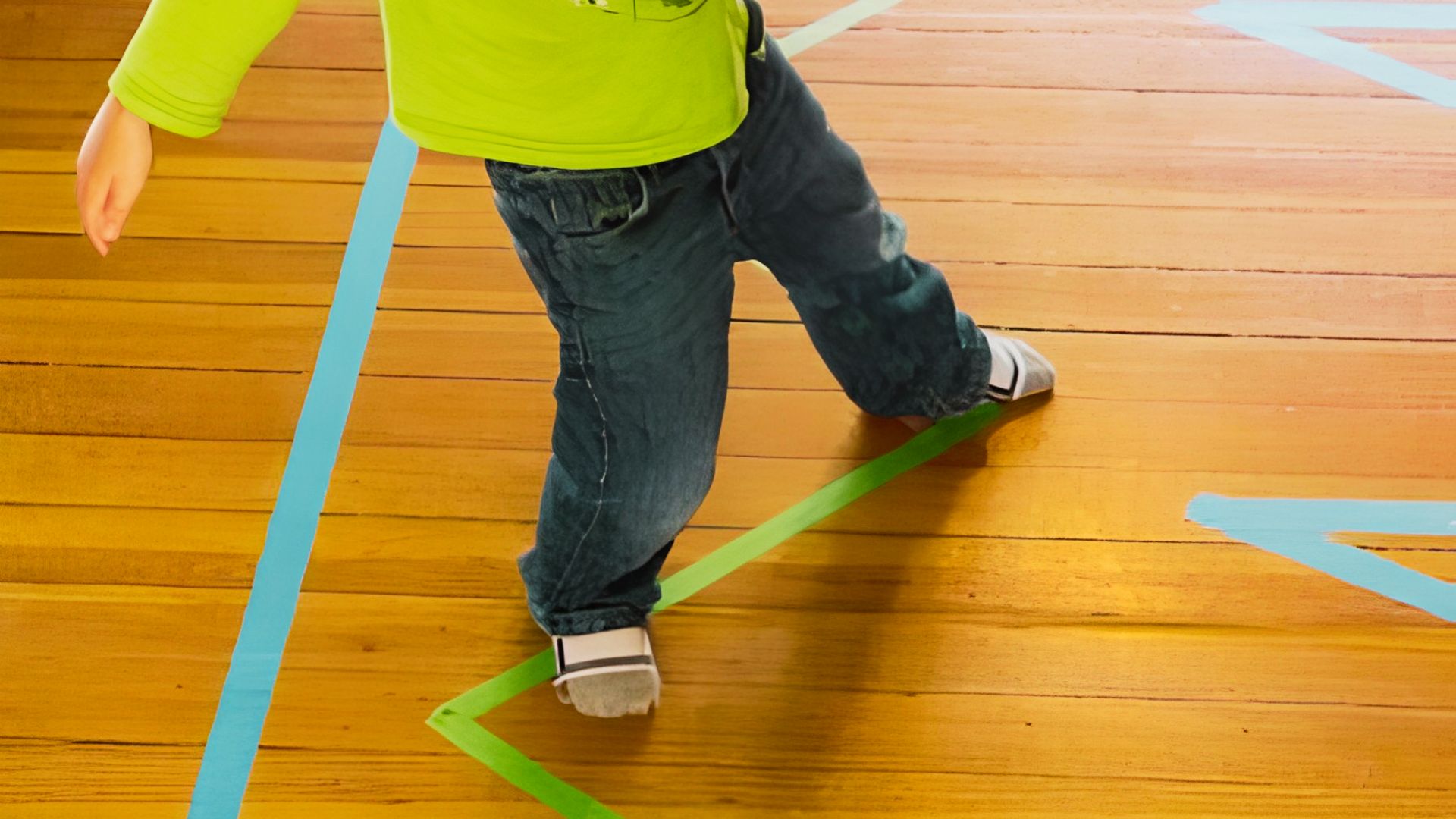
Place a strip of tape on the floor. Kids walk along the line without stepping off.
This builds balance and concentration. Make it harder by asking kids to walk backward or carry a small object while balancing.
15. Hopscotch Game
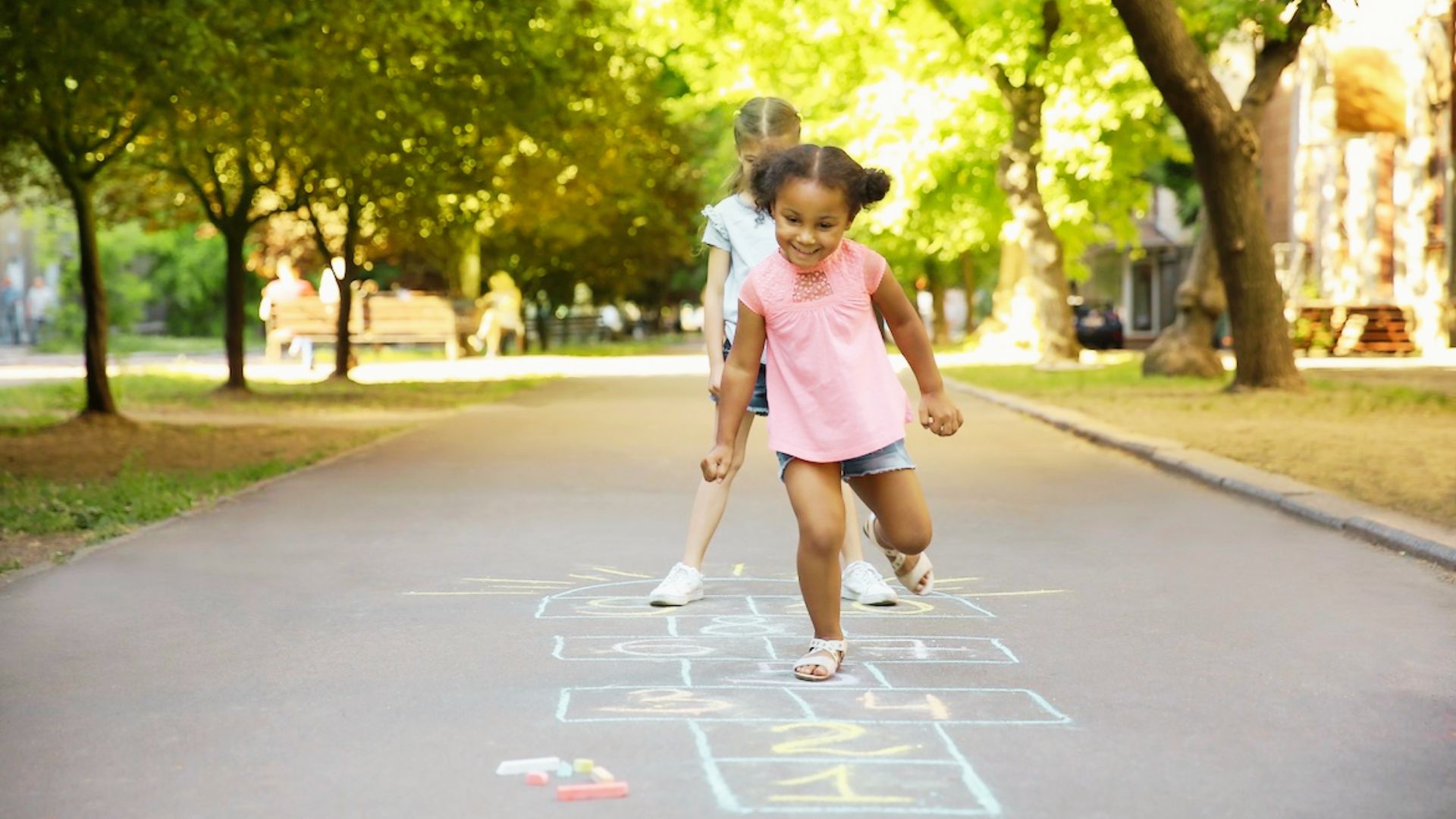
A well-loved outdoor game that builds coordination and counting skills. Draw the grid with chalk or use tape indoors.
Kids hop through the squares in order, picking up a marker as they go. You can change the numbers to match what they are learning in class.
16. Obstacle Course Challenge
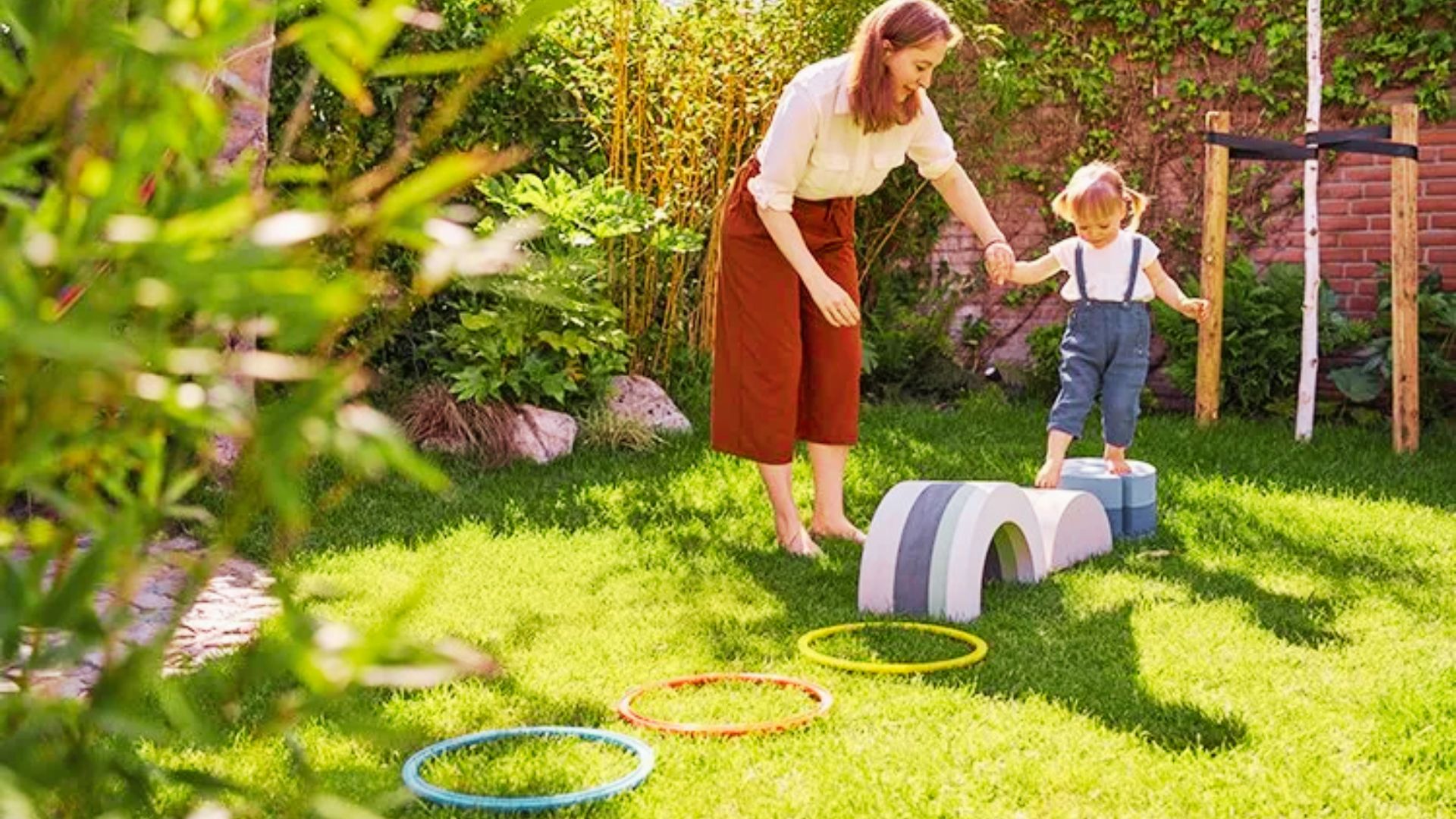
Set up a simple course using pillows, cones, tape, or chairs. Kids crawl under, jump over, and run around each obstacle.
This builds problem-solving and physical skills together. Change the layout each time to keep it fresh.
17. Relay Race Runs

Divide kids into two groups. Each person runs to a point and comes back before the next person goes.
This teaches teamwork and builds speed. Use simple objects to pass between teammates to add an extra challenge.
18. Balloon Keep-Up Game
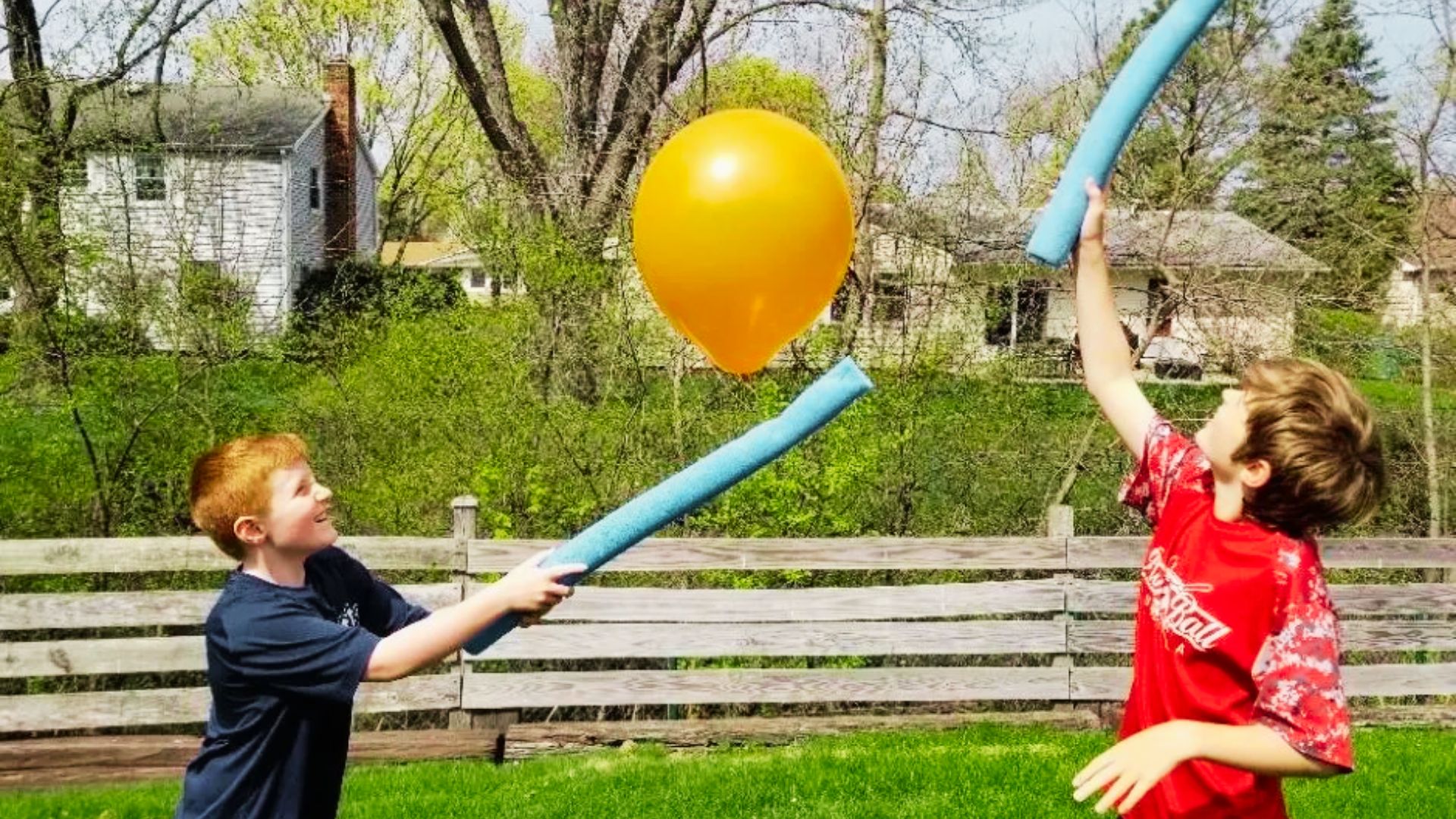
Give kids a balloon and ask them to keep it in the air without letting it touch the floor.
It sounds simple but gets kids moving quickly. Try using two balloons at once for an extra challenge.
19. Jump Rope Challenge
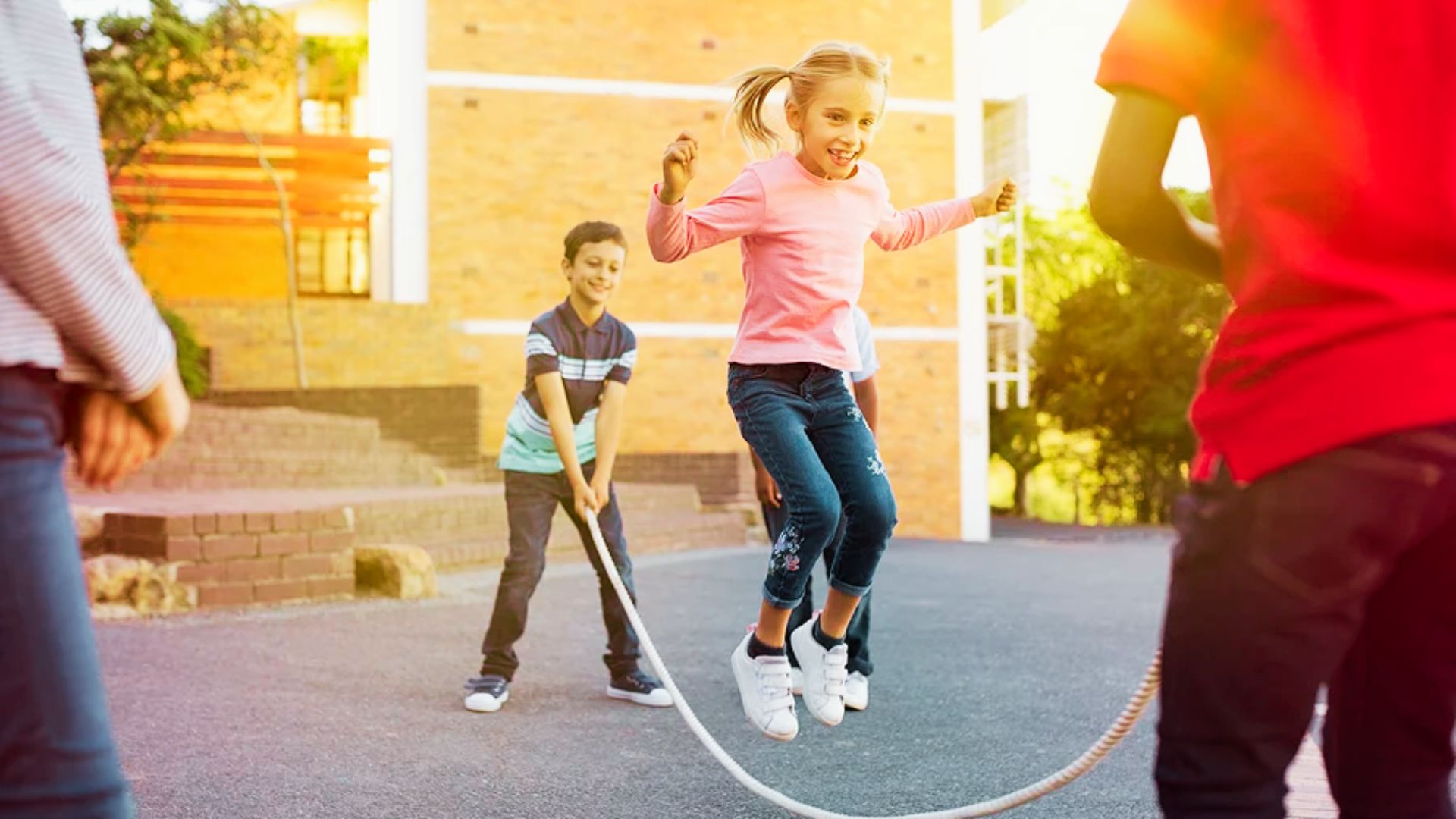
Jump rope is great for coordination, timing, and cardio. Kids can jump solo or take turns with a long rope.
Count jumps together and tries to beat the last round. Set small goals to keep kids motivated.
20. Ball Toss and Catch Game
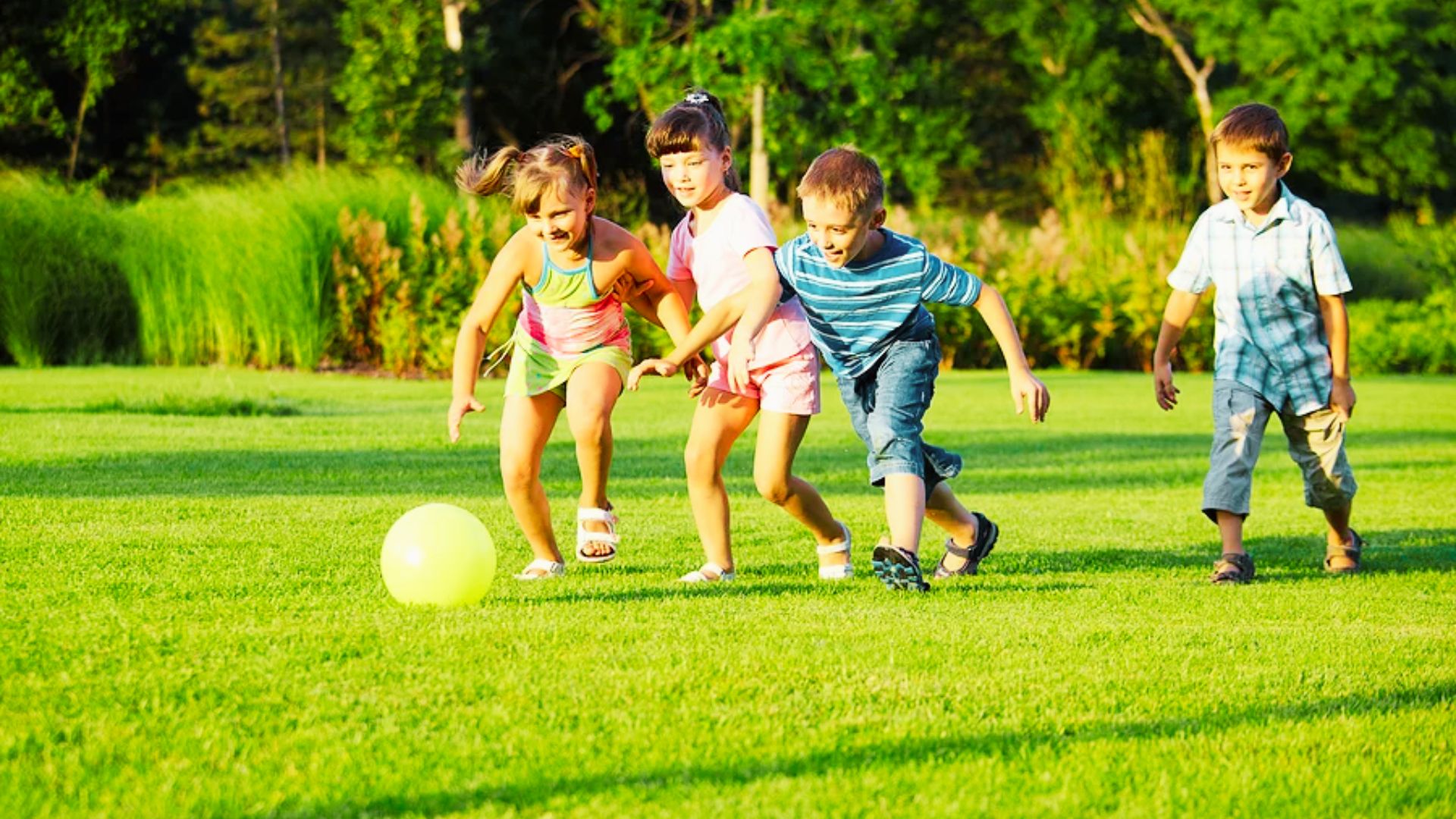
Kids toss a ball back and forth with a partner. Start close and step back after each successful catch.
This builds hand-eye coordination and focus. Use a soft ball to keep it safe indoors.
21. Floor is Lava Game
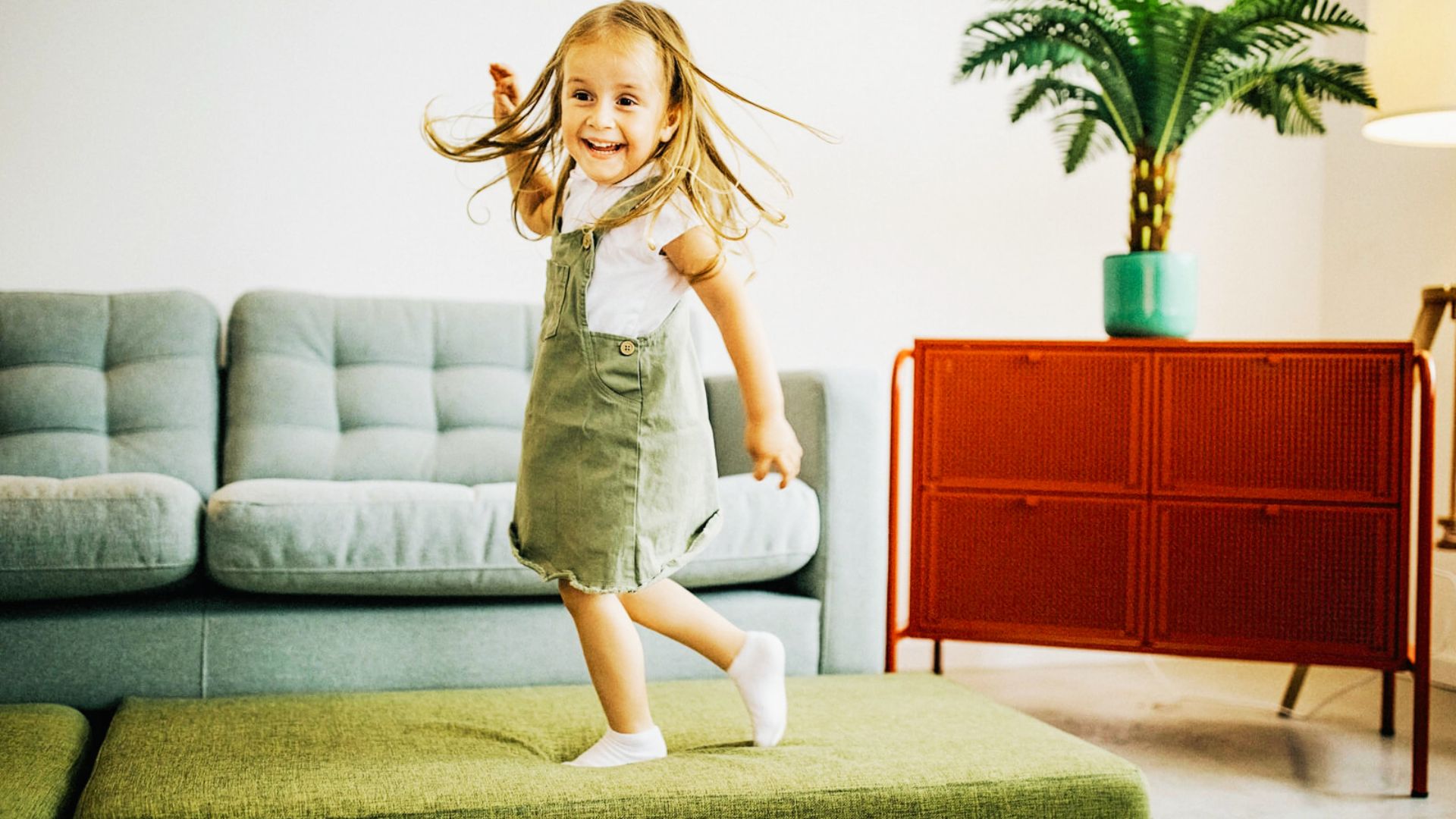
Place cushions, paper squares, or mats around the room. Kids must move from one to another without touching the floor.
This gets kids thinking and moving at the same time. It is one of those activities that kids will ask to play again and again.
22. Follow the Leader Movement Game
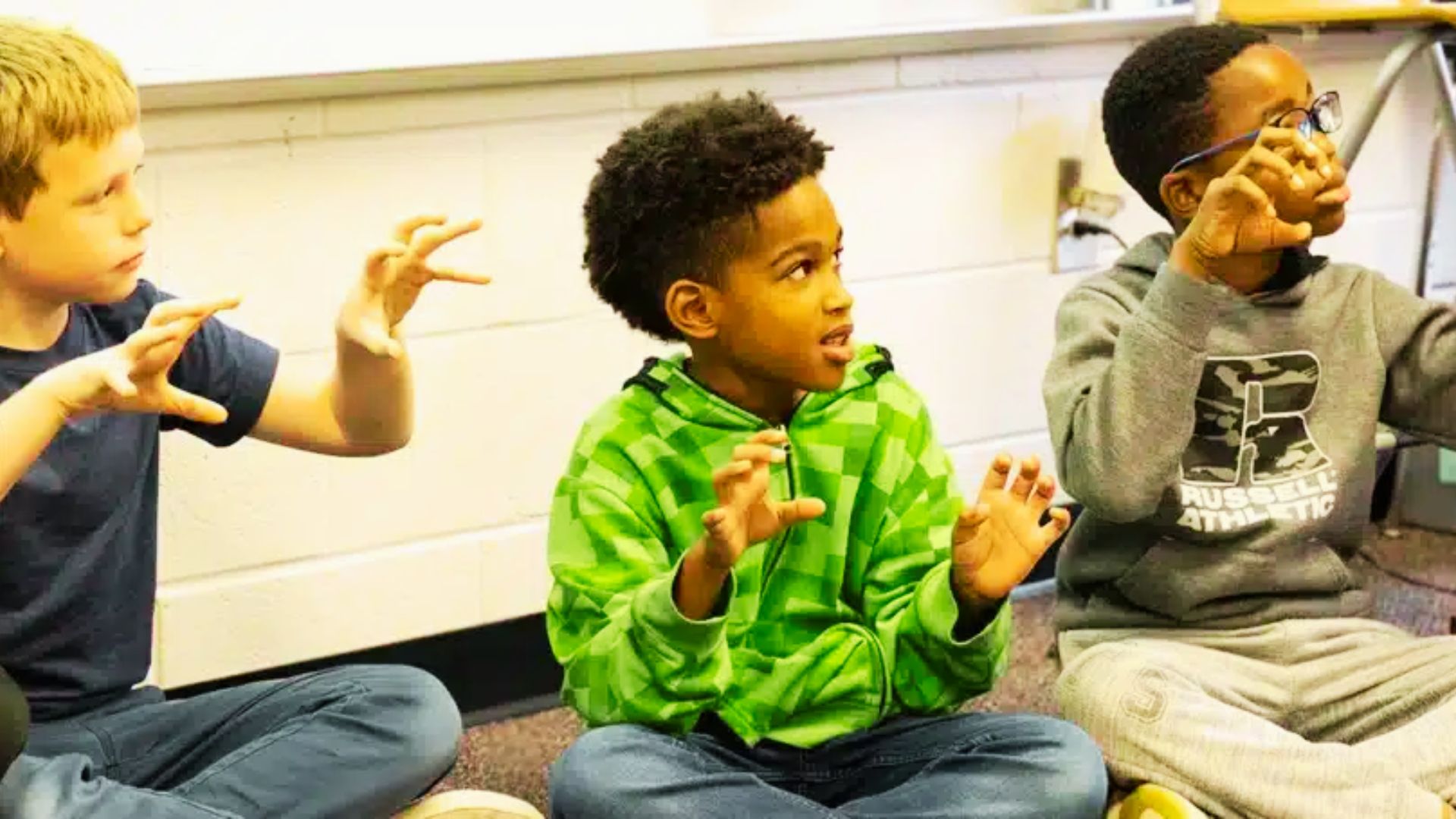
One child leads and everyone else copies their movements. Switch leaders every minute or two.
This builds attention and creativity. It also gives quieter kids a chance to lead and feel confident.
23. Yoga Tree Pose
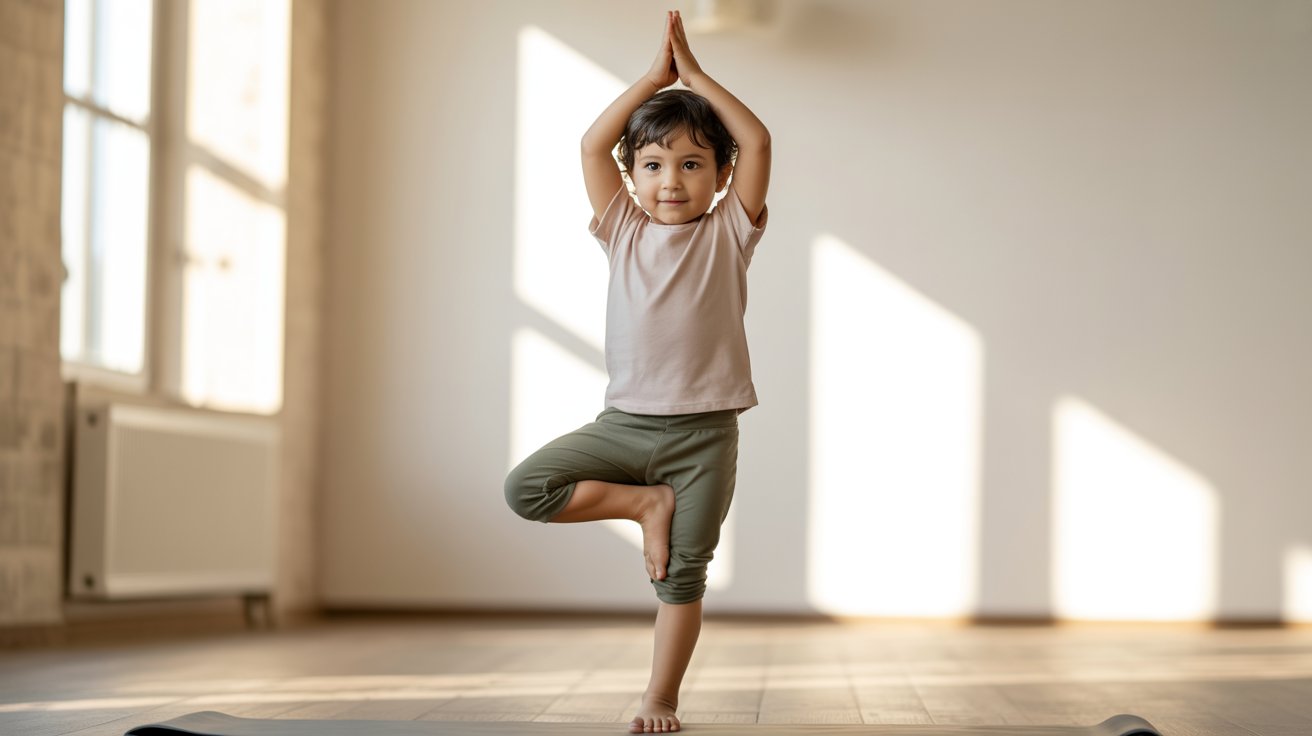
Kids stand on one foot, place the other foot on their inner thigh or calf, and raise their arms like branches.
Hold for 10 to 15 seconds. This builds balance, strength, and calm focus. It pairs well with a quiet moment in the day.
24. Chair Yoga Stretch Break
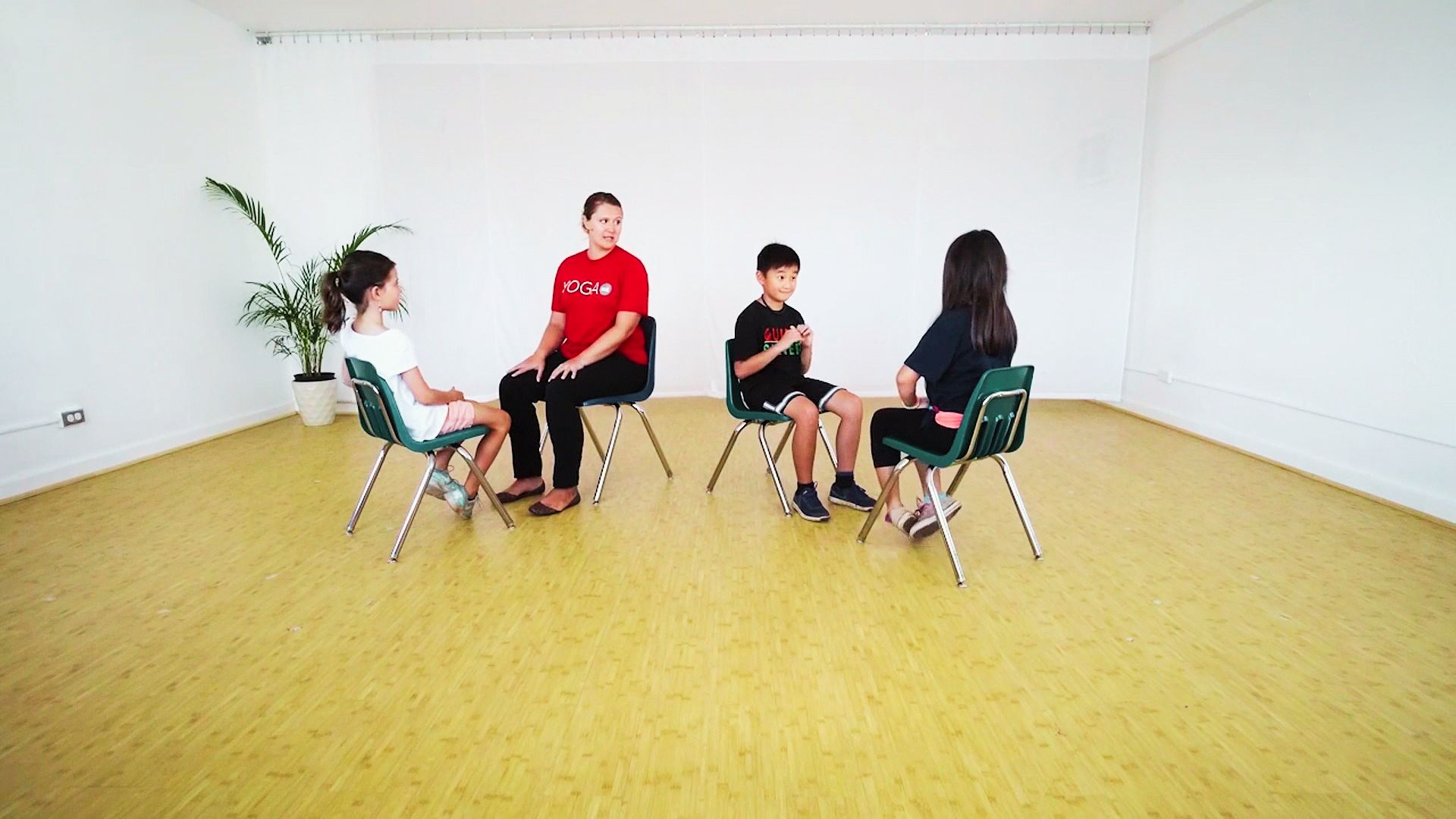
Kids stay in their seats but stretch their arms up, twist side to side, and roll their shoulders.
This is perfect when there is no space to move around. Even two minutes of chair yoga can help kids feel more relaxed and ready to focus.
25. Deep Breathing with Stretching
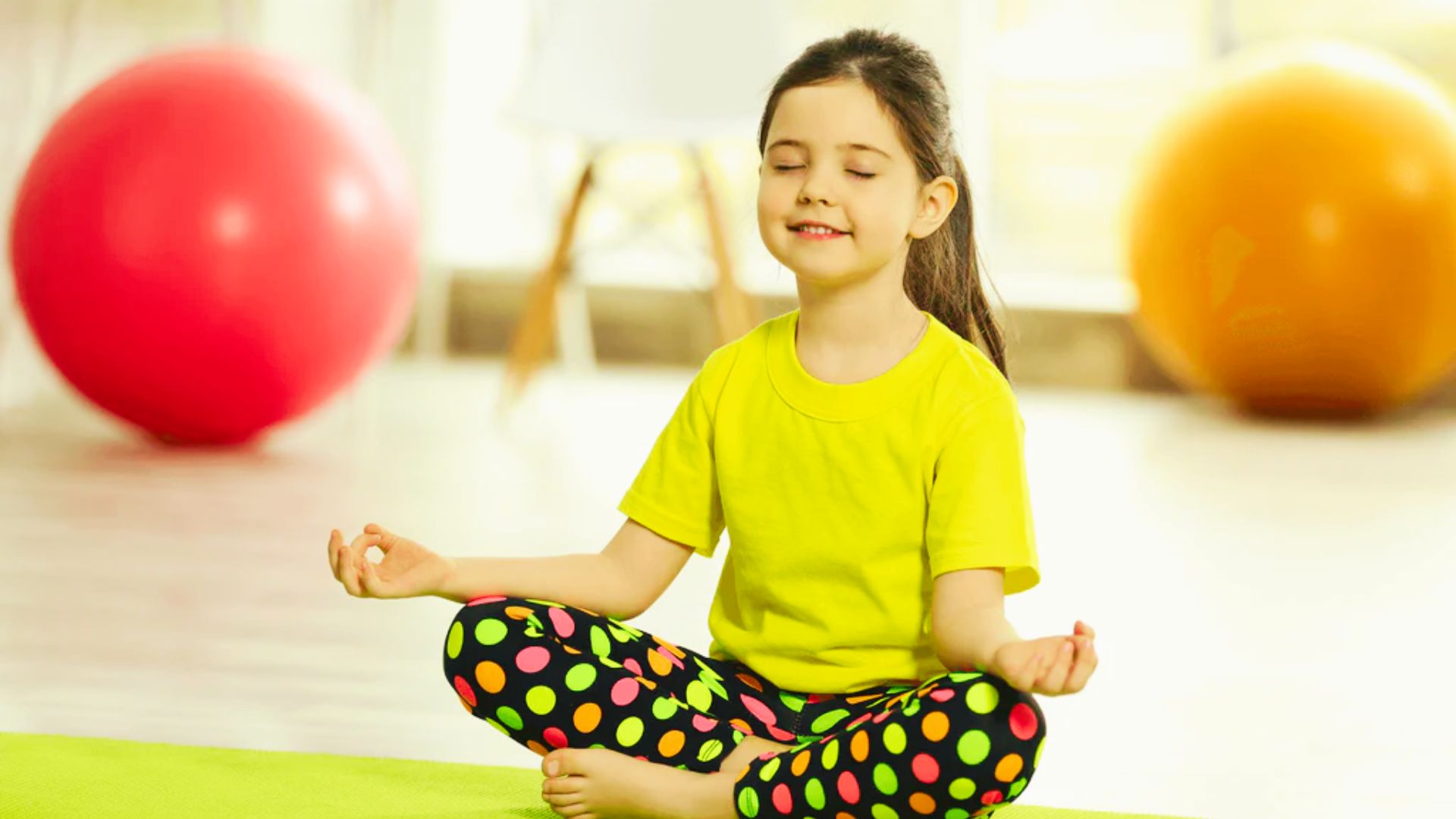
Teach kids to breathe in slowly while raising their arms, then breathe out while lowering them.
Pair this with a gentle side stretch or forward bend. It calms the nervous system and helps kids who feel anxious or overwhelmed.
26. Story-Based Movement Activity
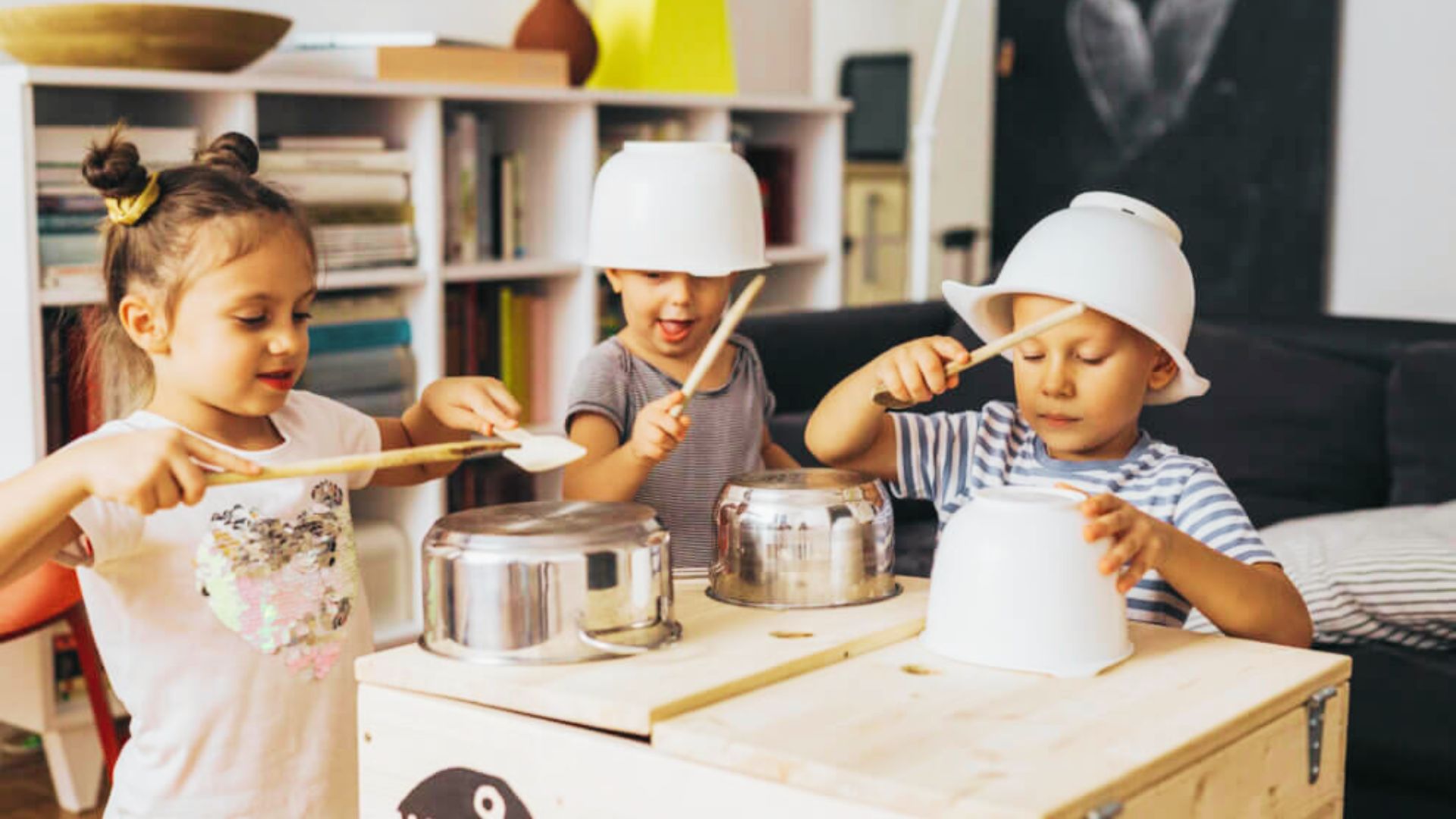
Read a short story out loud and ask kids to act out the movements as they happen. If a character runs, kids run in place. If a character climbs, kids pretend to climb.
This connects reading and imagination with physical activity.
27. Animal Movement Imitation Game

Call out an animal and kids must move like that animal for 30 seconds. Try a snake (slither on the floor), a kangaroo (hop), or a penguin (waddle).
This is great for creativity and gets a lot of giggles.
28. Rhythm Clapping Game
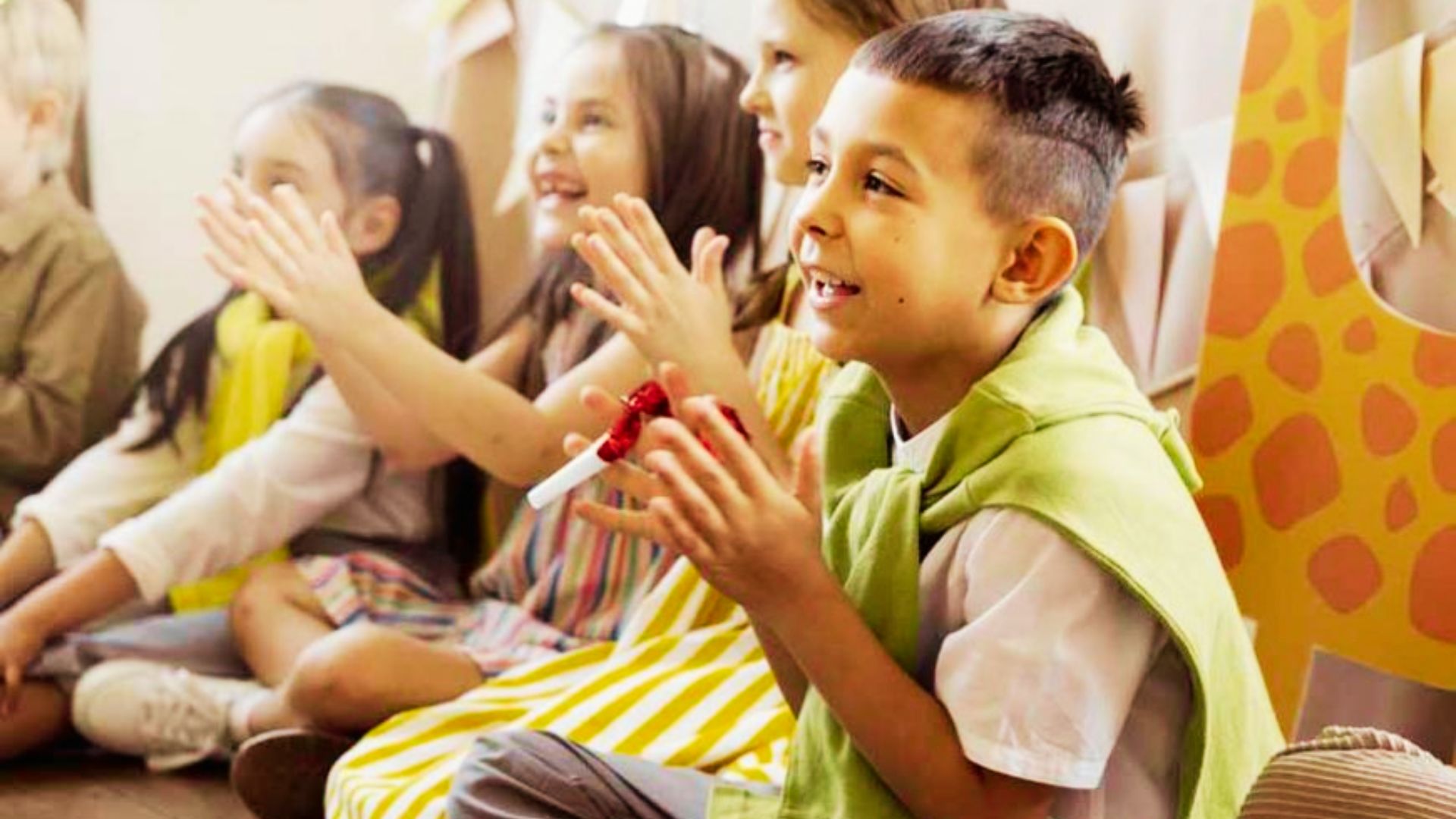
Clap a simple pattern and ask kids to clap it back. Make the patterns harder as kids improve.
This builds listening skills and rhythm awareness. It can also be done while marching or stomping to add a movement layer.
29. Movement Dice Challenge

Make a simple dice with six movement options written on the sides, such as 10 jumping jacks or 5 frog jumps.
Kids roll the dice and do whatever it lands on. This makes movement feel like a game, not a task.
30. Hallway Walking Challenge
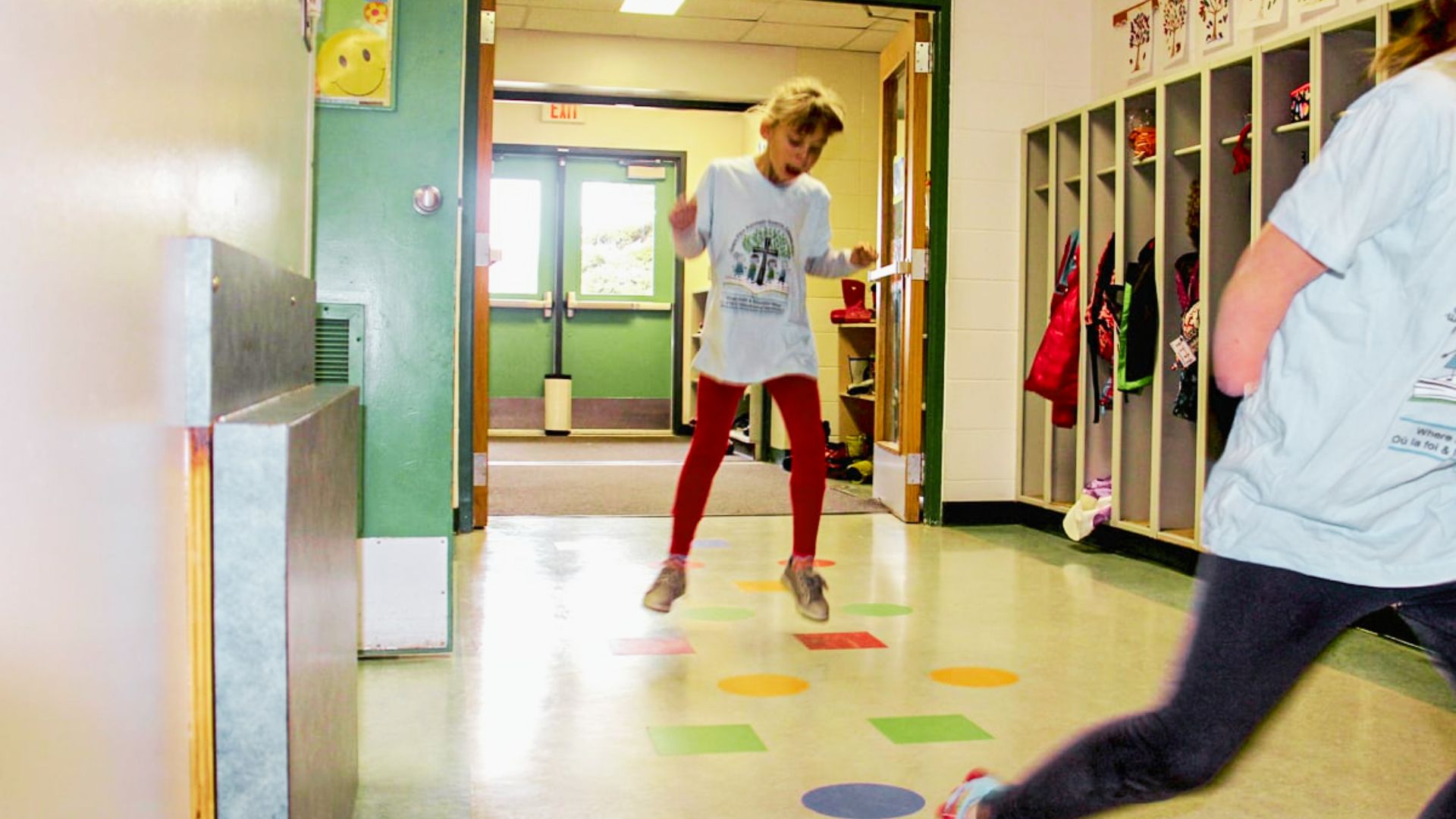
Set up a quiet walking challenge in the hallway. Kids walk heel to toe, as slowly as possible, from one end to the other.
This teaches control and mindfulness. It works well as a calm-down activity after something high energy.
31. Backyard Obstacle Course
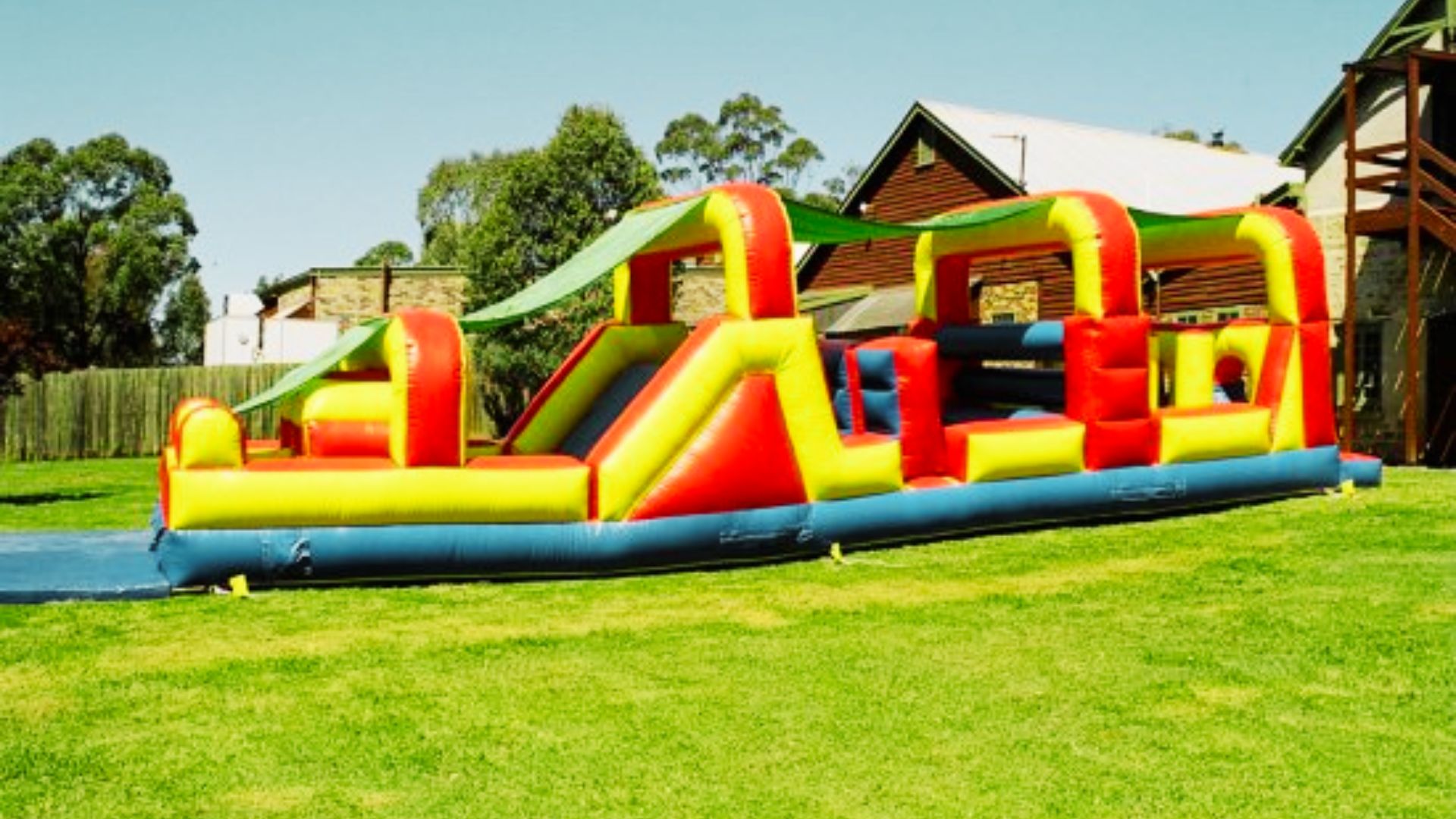
Use outdoor items like hula hoops, buckets, and jump ropes to create a course. Kids run, jump, crawl, and balance through each section.
Change the layout weekly to keep kids coming back. This is a great way to make outdoor time more structured.
Benefits of Movement Activities for Kids
Movement is not just about physical health. It affects how kids think, feel, and connect with others.
Physical Development Benefits
Regular movement helps kids build strength, flexibility, and coordination. It supports healthy bone growth and keeps the heart strong.
Kids who move daily tend to sleep better and have more energy during the day. Physical activity also helps maintain a healthy weight and builds habits that last into adulthood.
Cognitive and Learning Benefits
Movement increases blood flow to the brain. This helps kids focus, remember information, and process new ideas.
Studies show that physically active kids perform better in school. Movement also supports the development of motor skills that are tied to reading and writing.
Emotional and Social Benefits
When kids move together, they build social skills like taking turns, communicating, and cooperating.
Movement also helps manage stress and anxiety. Physical activity releases feel-good chemicals in the brain that improve mood. Kids who have regular movement breaks tend to feel calmer and more in control of their emotions.
Tips for Teachers and Parents
Making movement a regular part of the day takes some planning, but it is well worth it.
- Keep activities short, between two and five minutes, so they feel like a break and not a chore.
- Mix indoor and outdoor movement to keep things fresh.
- Use movement during transitions, such as moving from one subject to another or from lunch back to class.
- Always check that the space is safe and that kids are supervised, especially during high-energy activities.
- Let kids help choose activities. When they have a say, they are more excited to participate.
Conclusion
Movement does not have to be perfect or planned to make a real difference. Some of my favorite moments with kids have come from a quick dance break or a silly animal walk across the living room. Those small moments add up.
If you start with just one or two activities from this list, that is enough. Build from there. Kids grow when they move, and they enjoy learning more when their bodies are part of the process.
Try one activity today and see how your child responds. Feel free to leave a comment sharing what worked for you!
Frequently Asked Questions
How much movement do kids need each day?
Most health guidelines recommend at least 60 minutes of physical activity for children each day. This does not have to happen all at once. Short bursts spread through the day's work just as well.
Can movement activities help kids with attention issues?
Yes. Regular movement breaks have been shown to improve focus and reduce restlessness in kids who have difficulty sitting still. Many teachers use them as a daily support tool in the classroom.
What age are these activities best for?
Most activities on this list work for children between 3 and 12 years old. Some, like yoga poses or obstacle courses, can be adjusted to match the age and ability of the child.
Do I need any equipment for these activities?
Most of the activities listed here need little to no equipment. A balloon, a ball, some tape, or a playlist of songs is all you need for many of them.
How do I get kids to actually want to do movement activities?
Make it fun and low pressure. Let kids choose activities when possible and celebrate effort over performance. When movement feels like play, kids are much more likely to want to do it again.