
I used to do everything for my kid. Pack the bag, wipe the spills, sort the clothes. Sound familiar?
The moment I started stepping back and letting them try, everything shifted. Small tasks turned into big confidence.
That is exactly why I put together this list of 105 life skills activities for kids.
If you are a parent or a teacher, this blog gives you simple, practical activities that build independence and responsibility.
No complicated methods. Just real activities that work, starting today.
What Are Life Skills Activities for Kids?
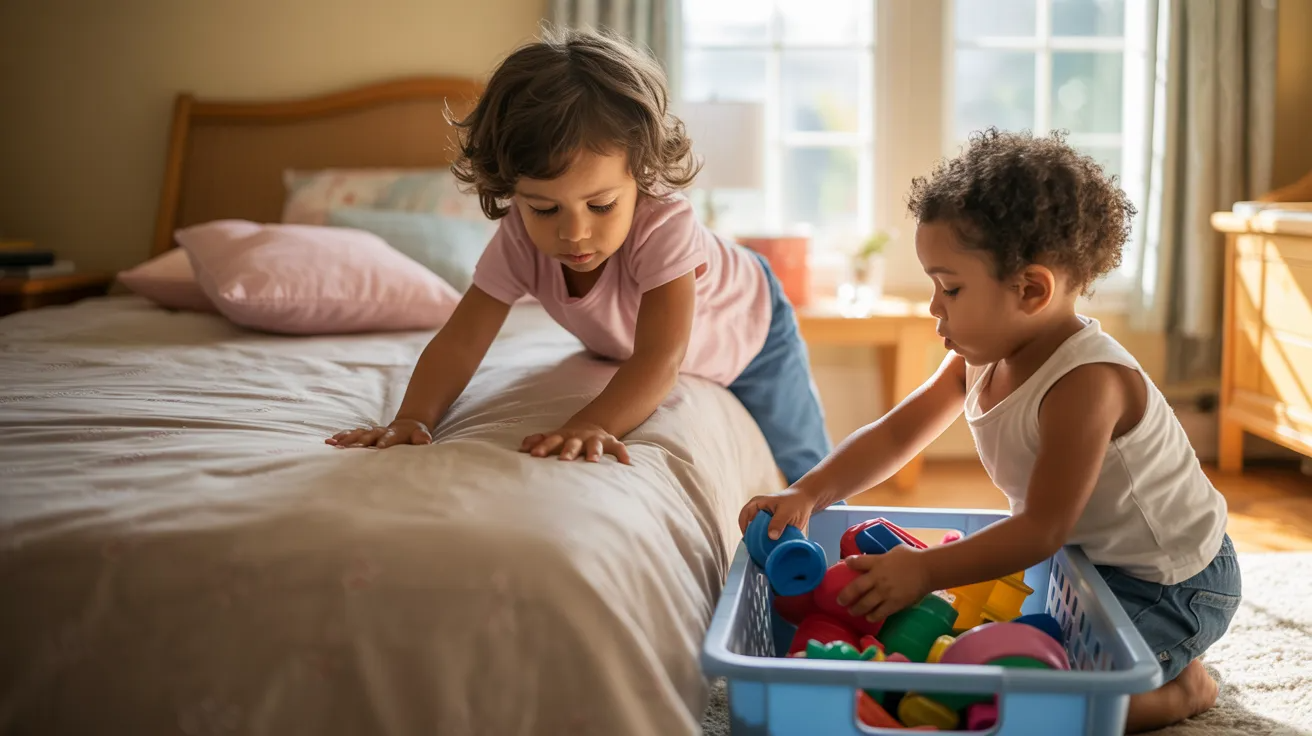
Life skills activities are simple, everyday tasks that help kids learn how to take care of themselves and work well with others.
They are not just school subjects. They are the skills kids use every single day, like making their bed, saying sorry, or asking for help.
When kids practice these activities early, they grow up feeling more confident and capable.
I think of life skills as the building blocks of real-world readiness.
A child who knows how to manage emotions, solve small problems, and handle basic chores is better prepared for life than one who only knows textbook answers.
Educational Materials for Teaching Life Skills to Kids
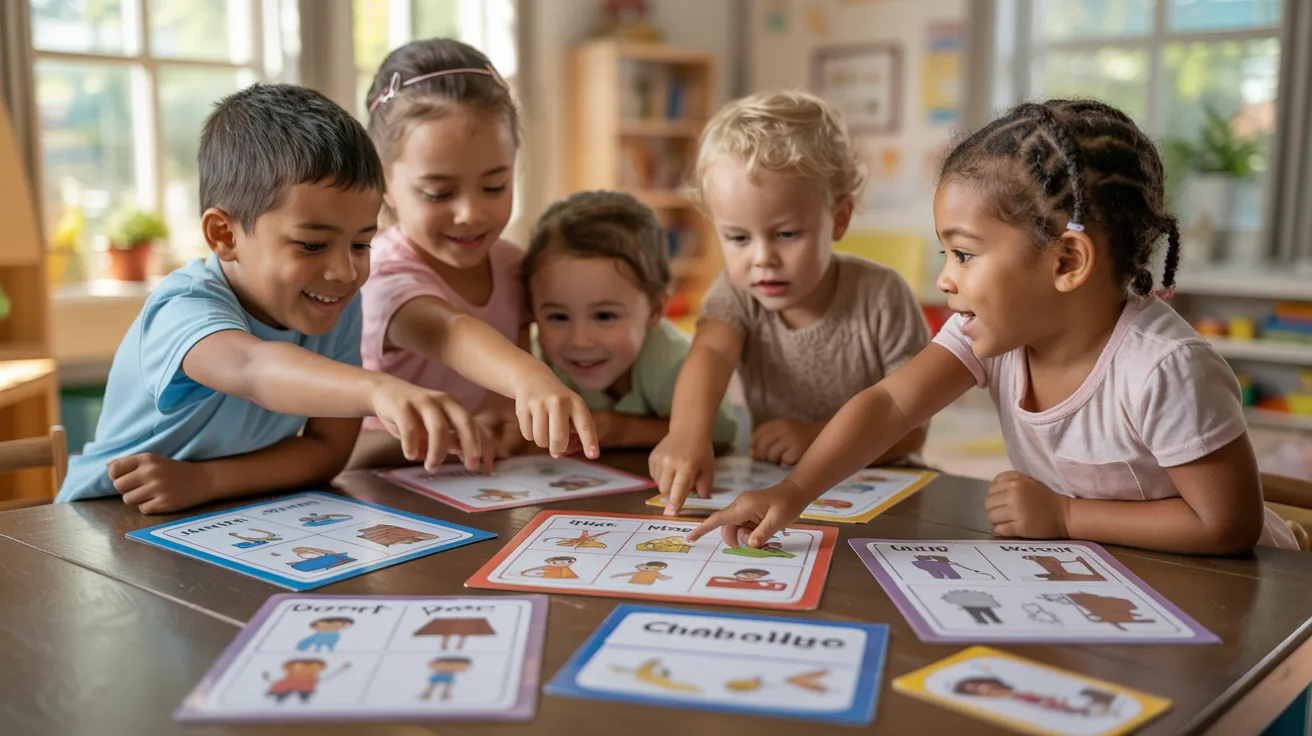
The right materials make learning life skills easy and fun.
- Printable Worksheets and Activity Sheets: Let kids practice real-life skills on paper before trying them out.
- Visual Charts and Routine Cards: Help younger kids follow daily steps without needing constant reminders.
- Hands-On Learning Materials: Make learning stick through doing, not just watching or listening.
- Role-Play and Scenario Cards: Prepare kids for real situations before they actually face them.
- Chore Charts and Responsibility Trackers: Turn daily tasks into a routine kids can follow and feel proud of.
Start with one material, stay consistent, and watch the habits build naturally.
List of 105 Life Skills Activities for Kids
These 50 activities give kids the hands-on practice they need to handle everyday tasks with confidence.
1. Making the Bed

Making the bed teaches kids to start their day with a small win. It builds a sense of order and responsibility right from the morning.
2. Brushing Teeth Properly
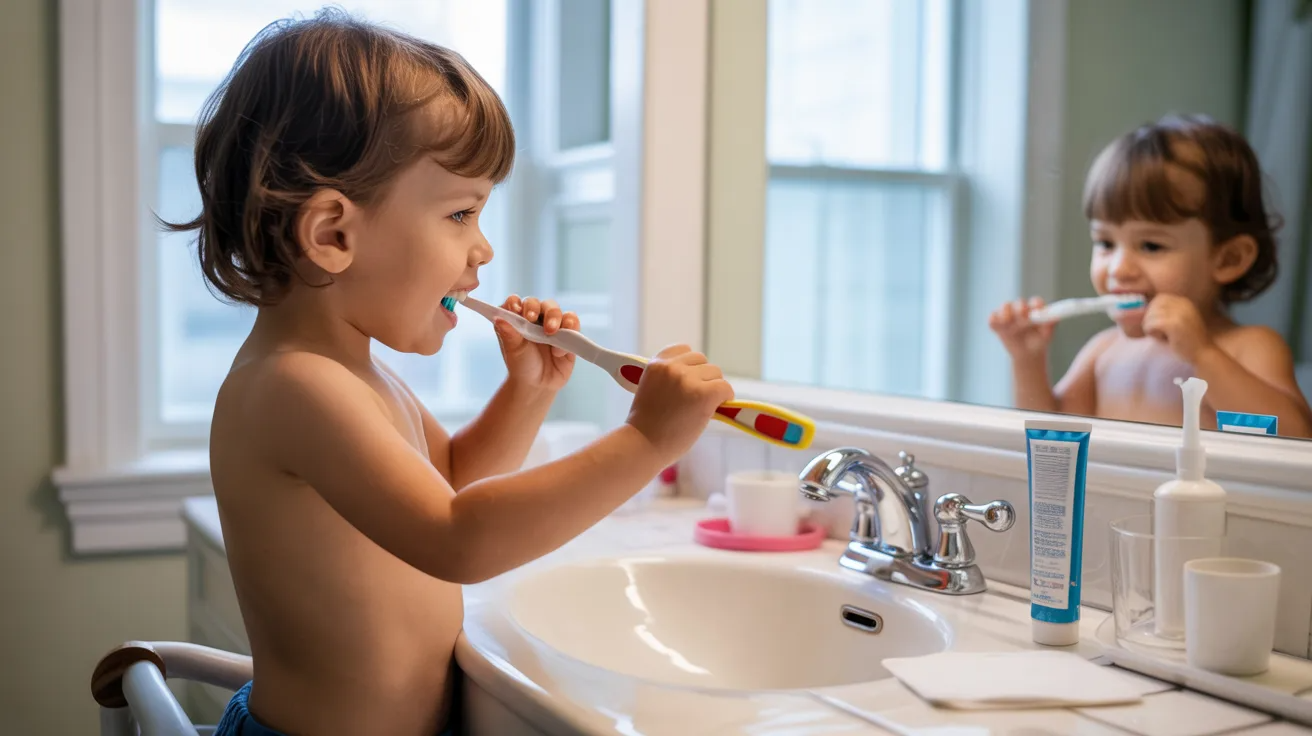
Brushing teeth the right way is a health habit kids need for life. Teach them the two-minute rule and make it part of every morning and night.
3. Washing Hands Correctly

Hand washing with soap and water is a basic hygiene skill. Kids learn when to wash their hands and how to do it the right way.
4. Getting Dressed Independently

Getting dressed on their own helps kids feel capable. Start with simple outfits and work up to buttons and zippers as they grow.
5. Packing School Bag
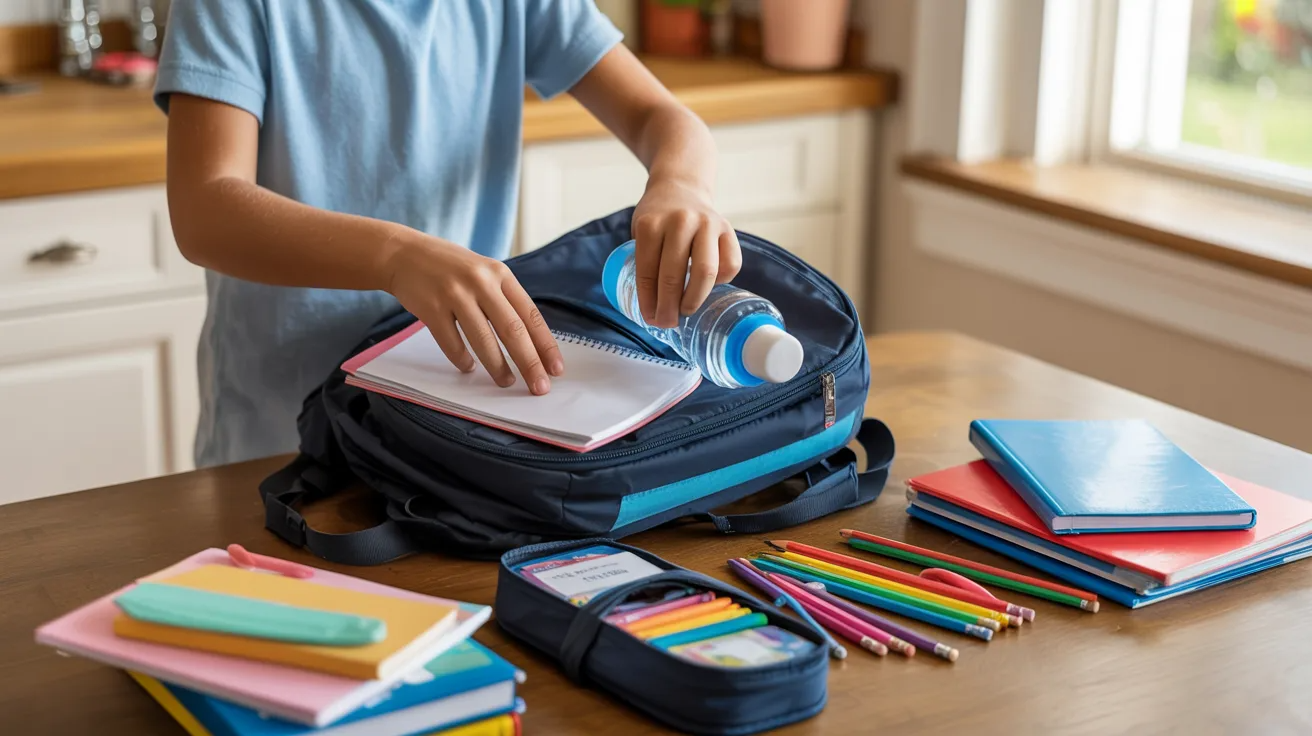
Packing their own school bag teaches kids to plan ahead. They learn to check what they need and take responsibility for their belongings.
6. Cleaning Up Toys

Putting toys away after playtime is a simple but powerful habit. It teaches kids to respect their space and take ownership of messes.
7. Setting the Table
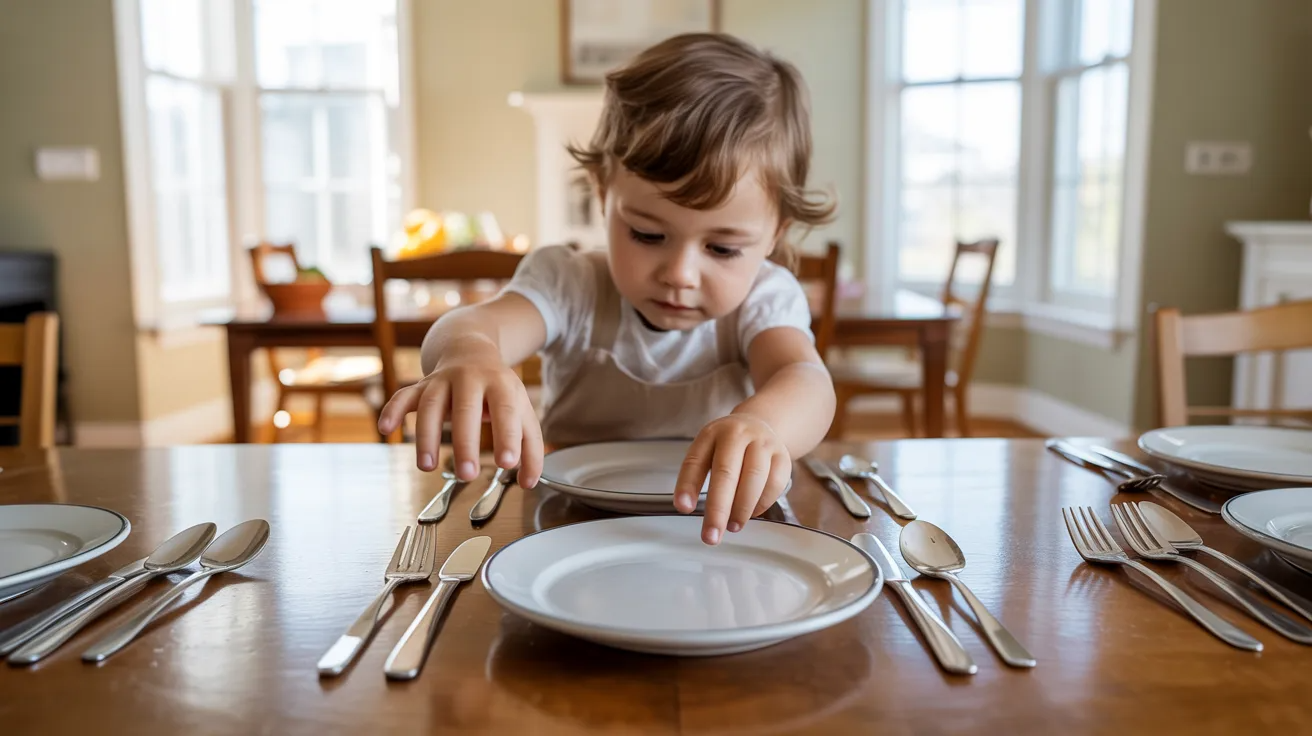
Setting the table before a meal is a great way to involve kids in family routines. They learn where each item goes and why it matters.
8. Clearing the Table After Meals
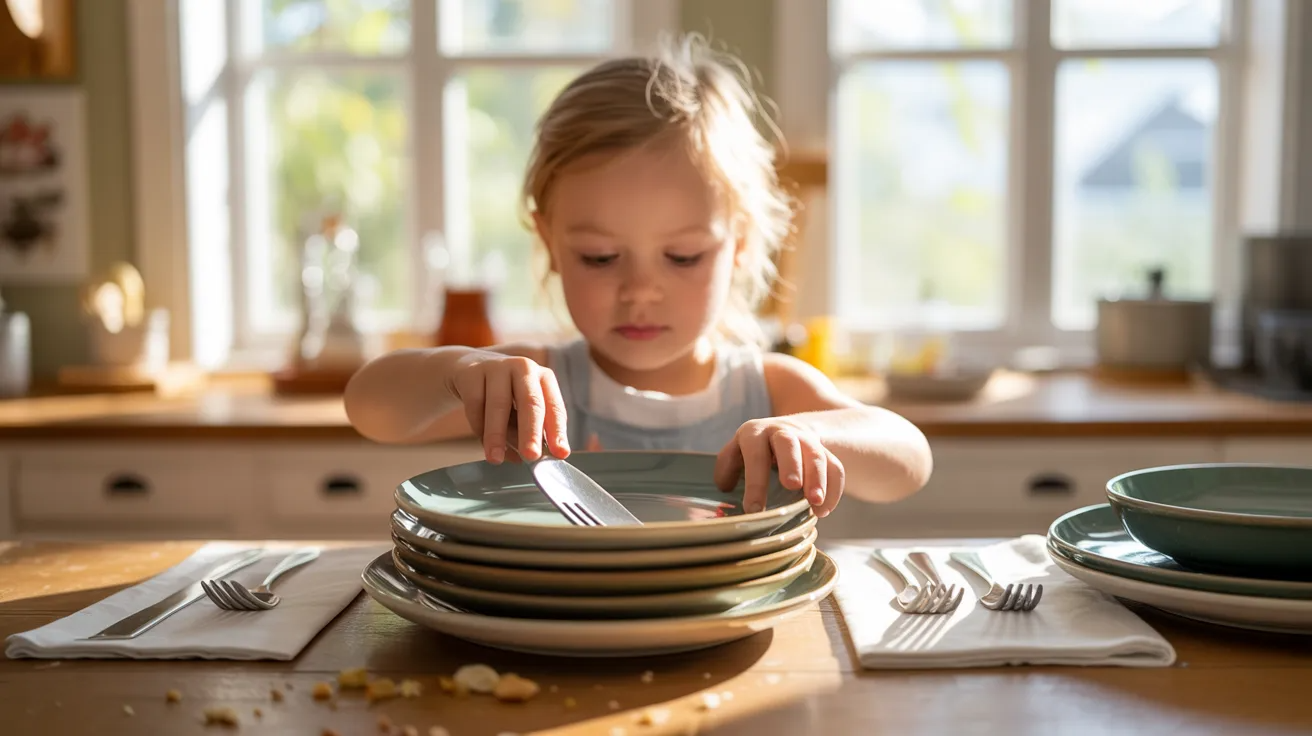
Clearing the table after eating shows kids that helping out is part of being in a family. It also builds a habit of finishing what they start.
9. Folding Clothes
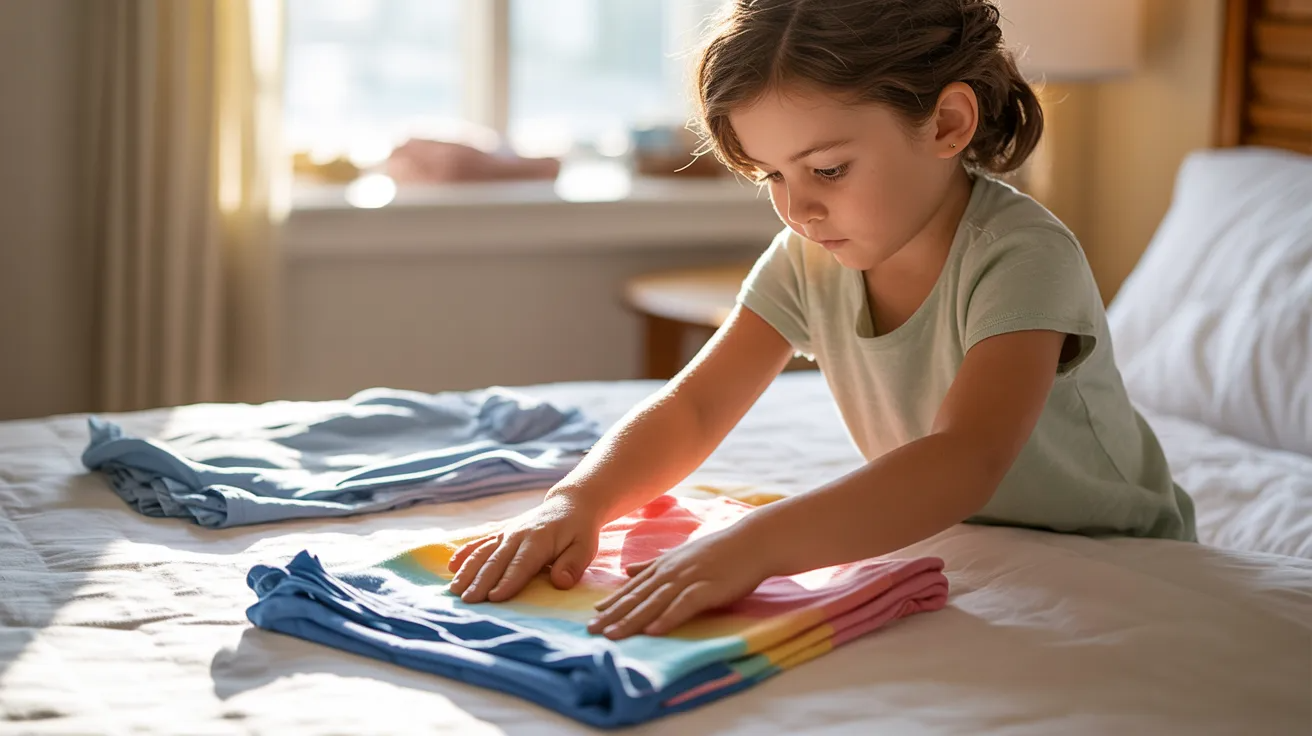
Folding clothes is a practical skill kids can start learning young. Begin with simple items like hand towels and work up to shirts and pants.
10. Organizing Books
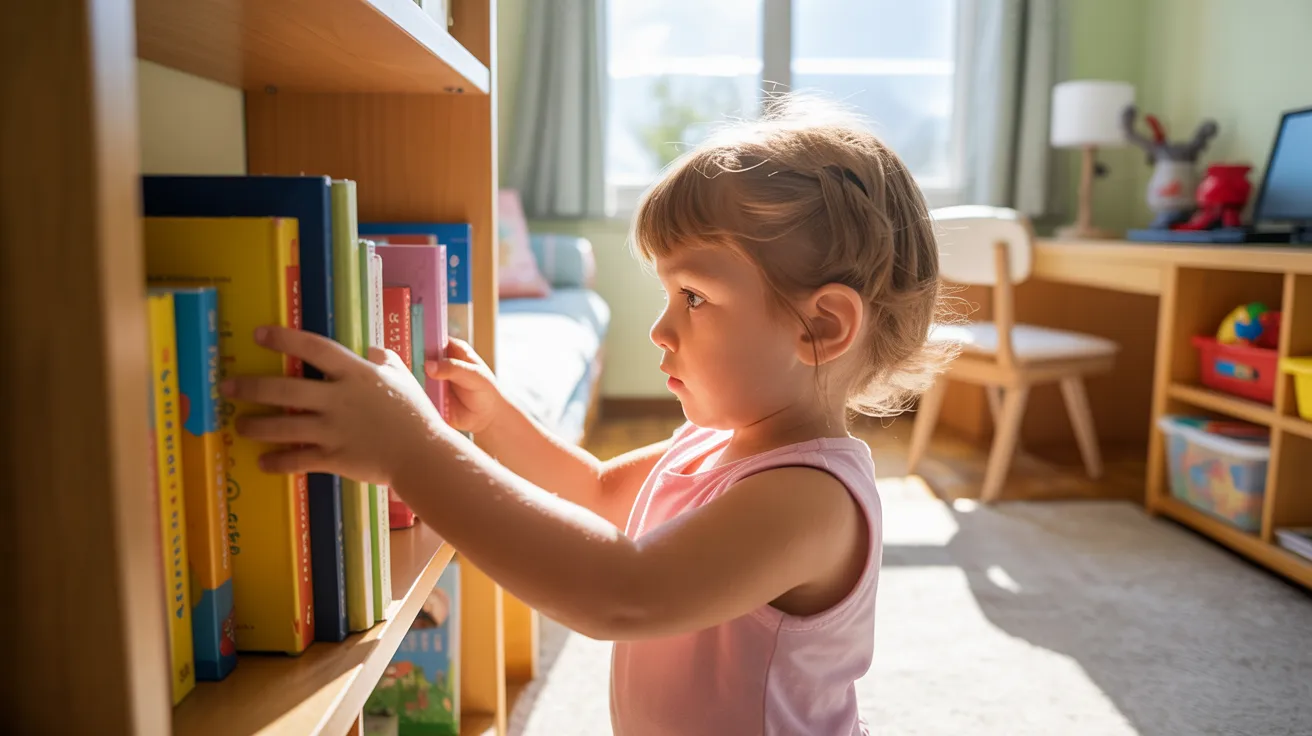
Organizing books by size, color, or subject teaches kids basic sorting skills. It also makes finding books easier and keeps their space tidy.
11. Putting Shoes in Place
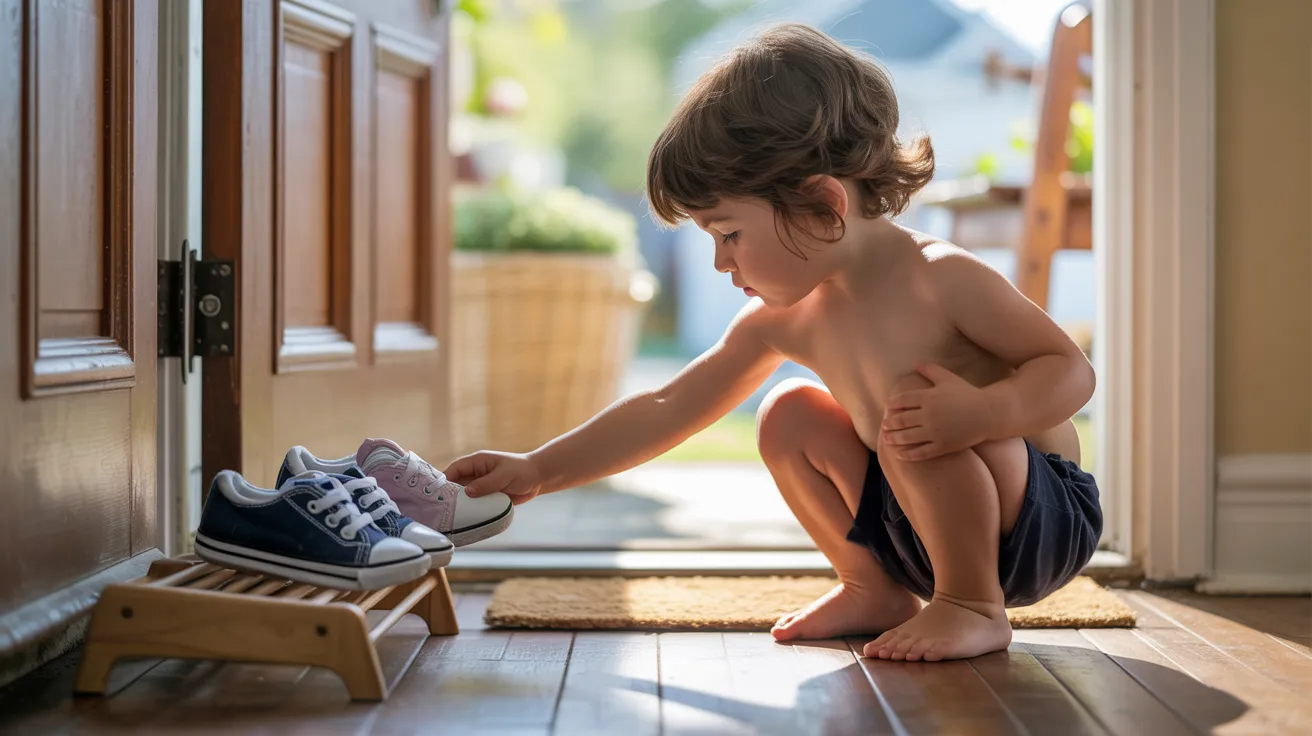
Teaching kids to put shoes in a set spot reduces morning chaos. It builds the habit of keeping things where they belong.
12. Watering Plants
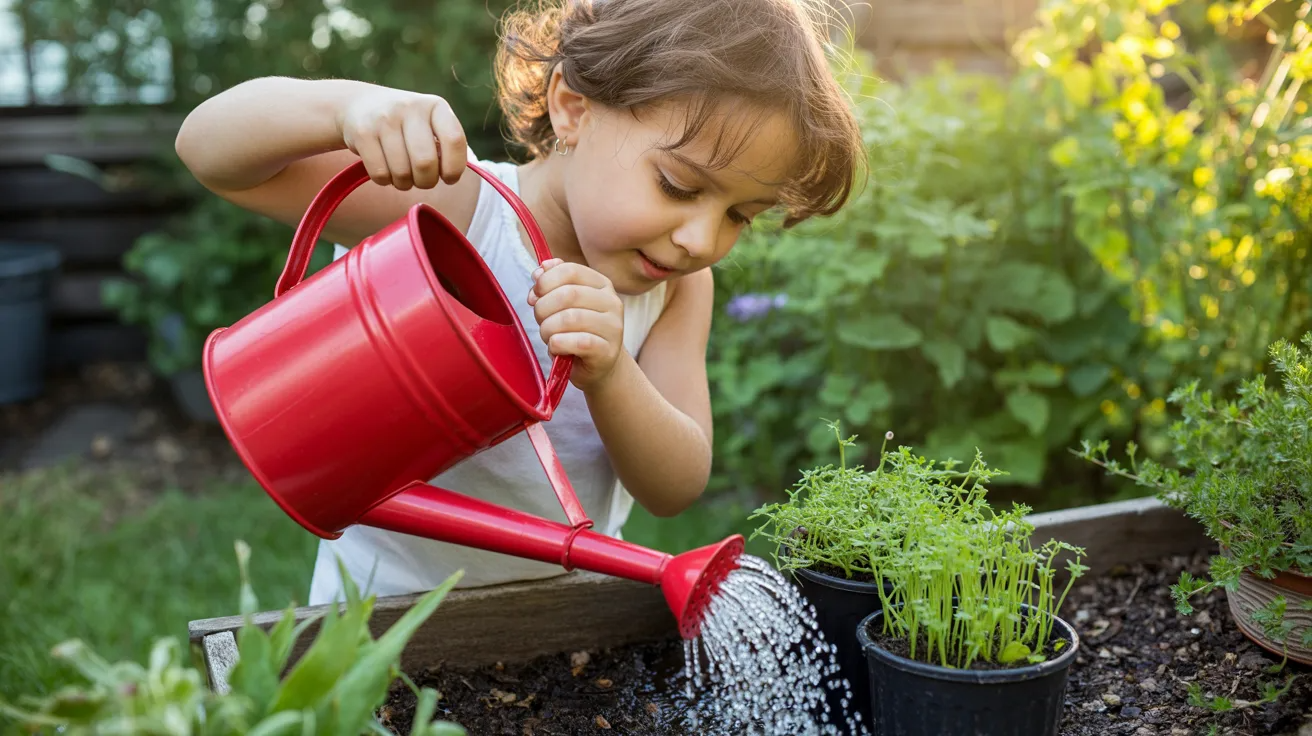
Watering plants teaches kids to care for living things. It also builds a routine of checking in and taking small, consistent action.
13. Feeding Pets
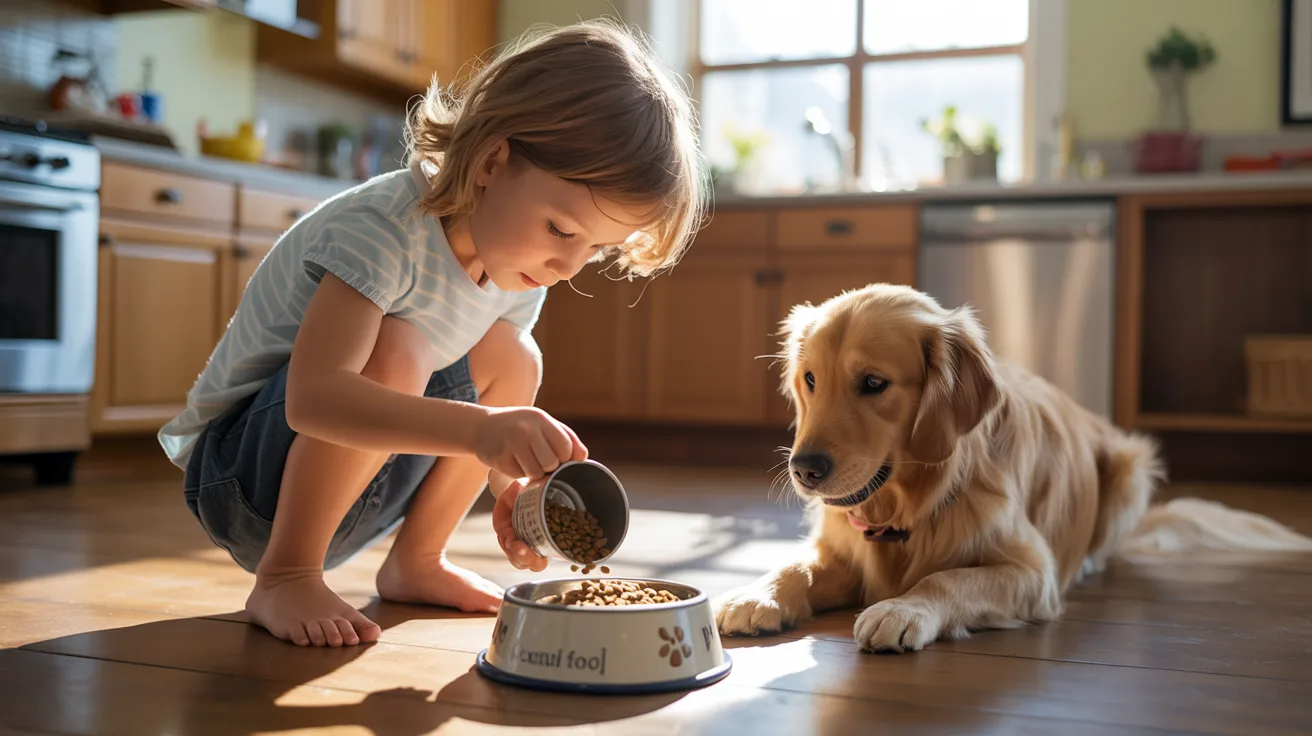
If your family has a pet, feeding it is a great responsibility for kids. It builds empathy and shows them that others depend on them.
14. Sorting Laundry
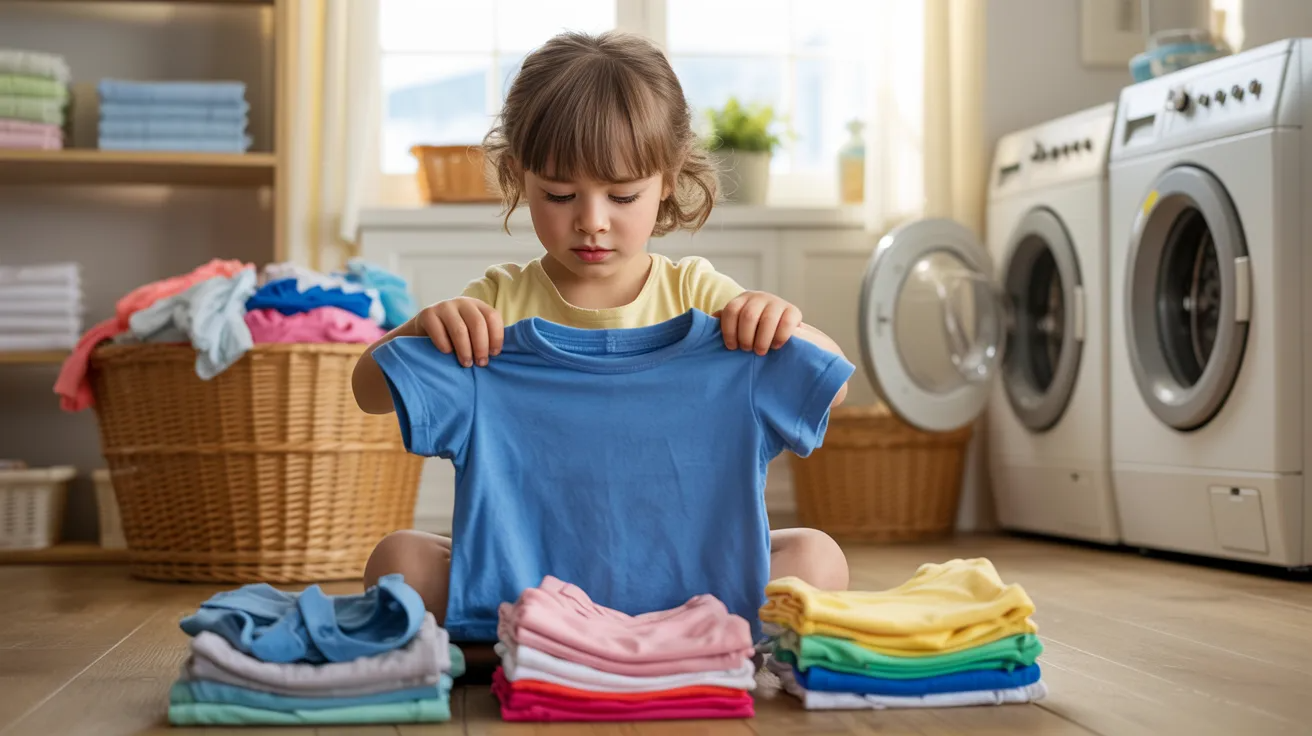
Sorting laundry by color or type is a fun and practical task. Kids learn the basics of doing laundry while helping the household run smoothly.
15. Dusting Furniture

Dusting teaches kids to notice dirt and take care of shared spaces. It is a simple chore that builds awareness and a habit of cleanliness.
16. Making Simple Snacks
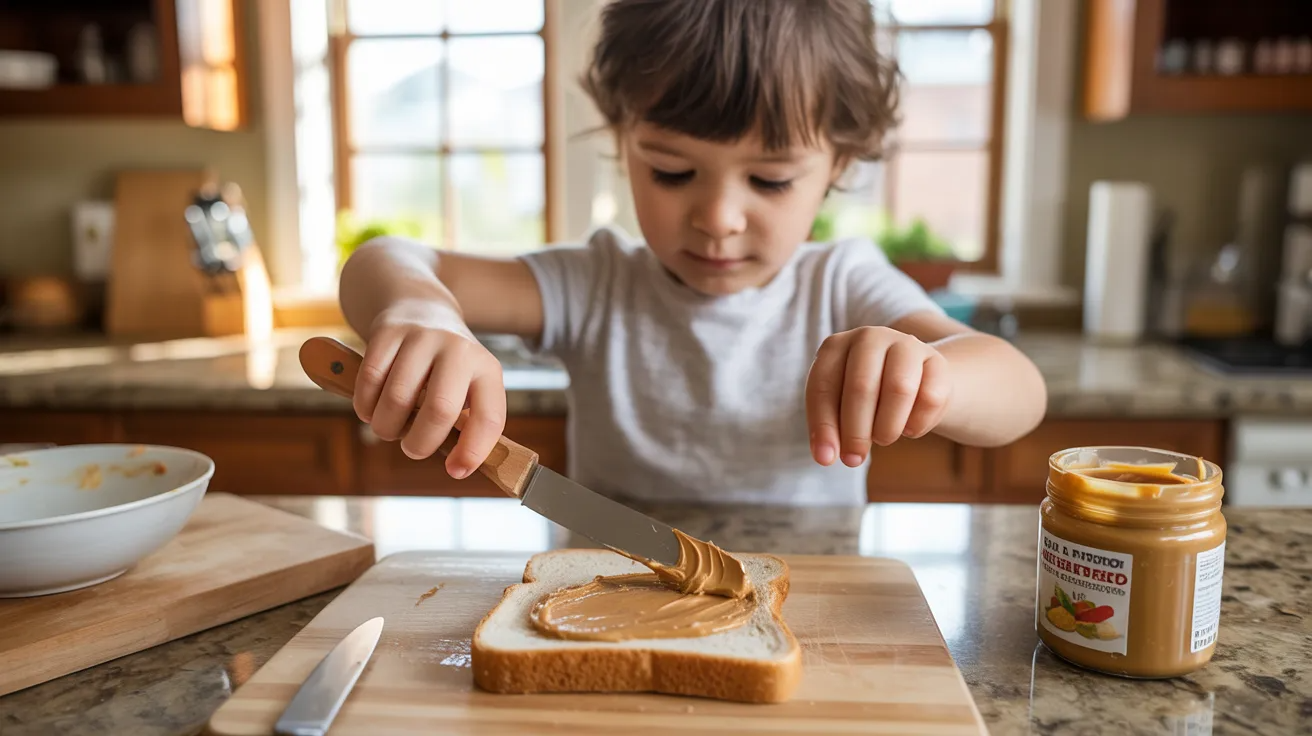
Making a snack like crackers with peanut butter teaches basic food prep. Kids gain confidence in the kitchen and learn a little about nutrition too.
17. Washing Fruits and Vegetables

Teaching kids to wash produce before eating is a health and safety habit. It shows them that food prep involves more than just eating.
18. Filling Water Bottles
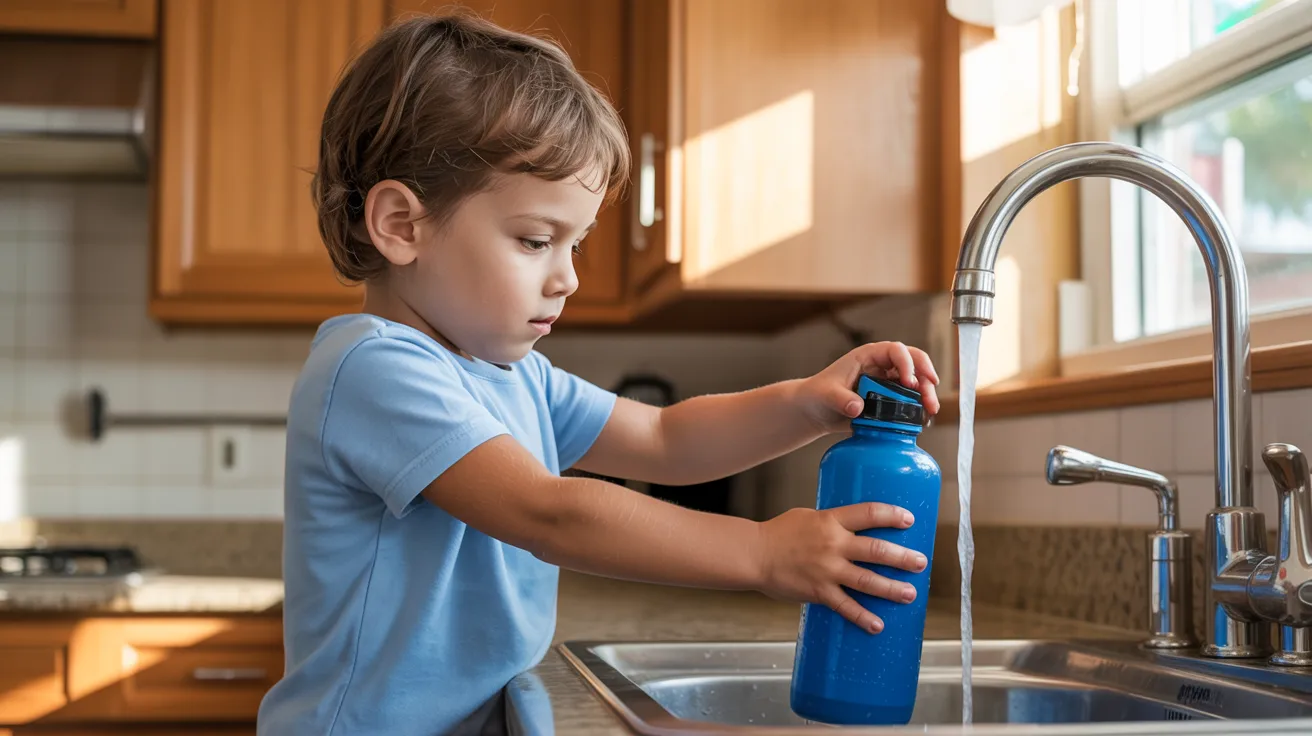
Filling their own water bottle teaches kids to stay hydrated and be self-sufficient. It is a small task with a big impact on daily health habits.
19. Helping With Groceries
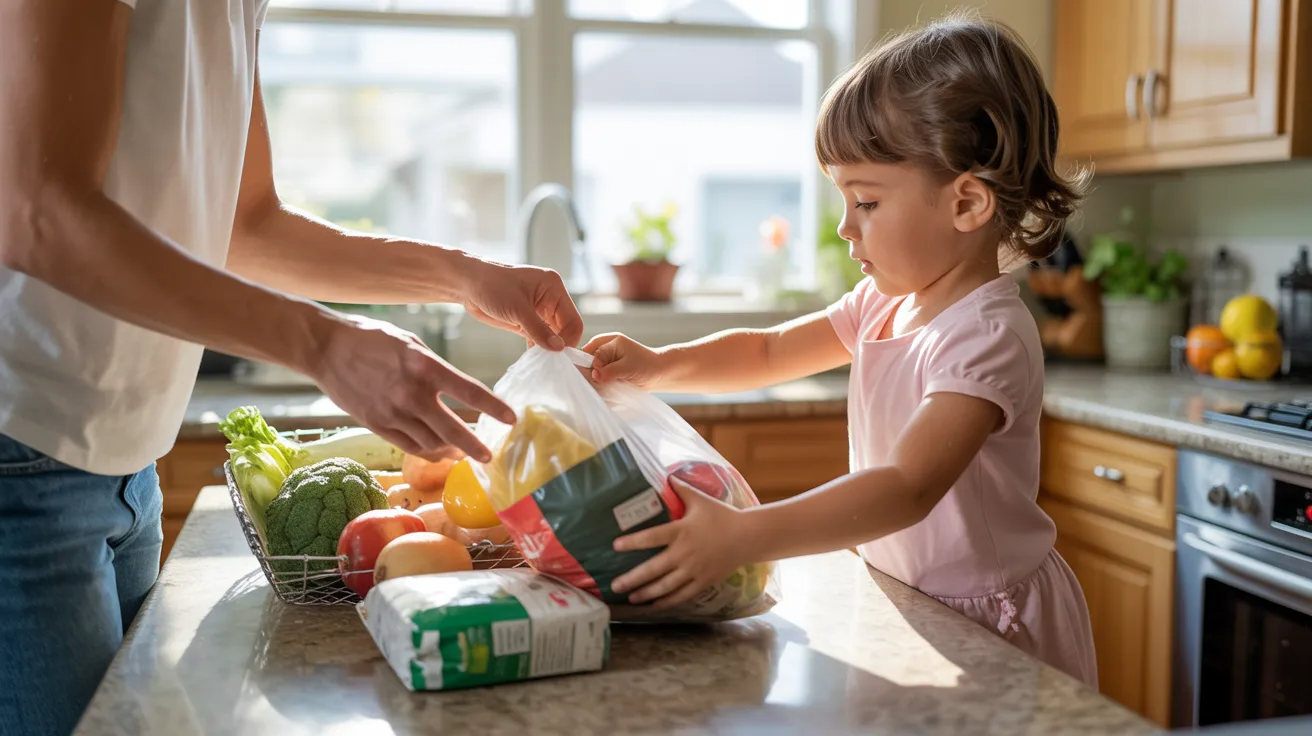
Carrying light grocery bags or putting away items teaches teamwork. Kids feel proud when they help with real family tasks.
20. Throwing Trash Properly
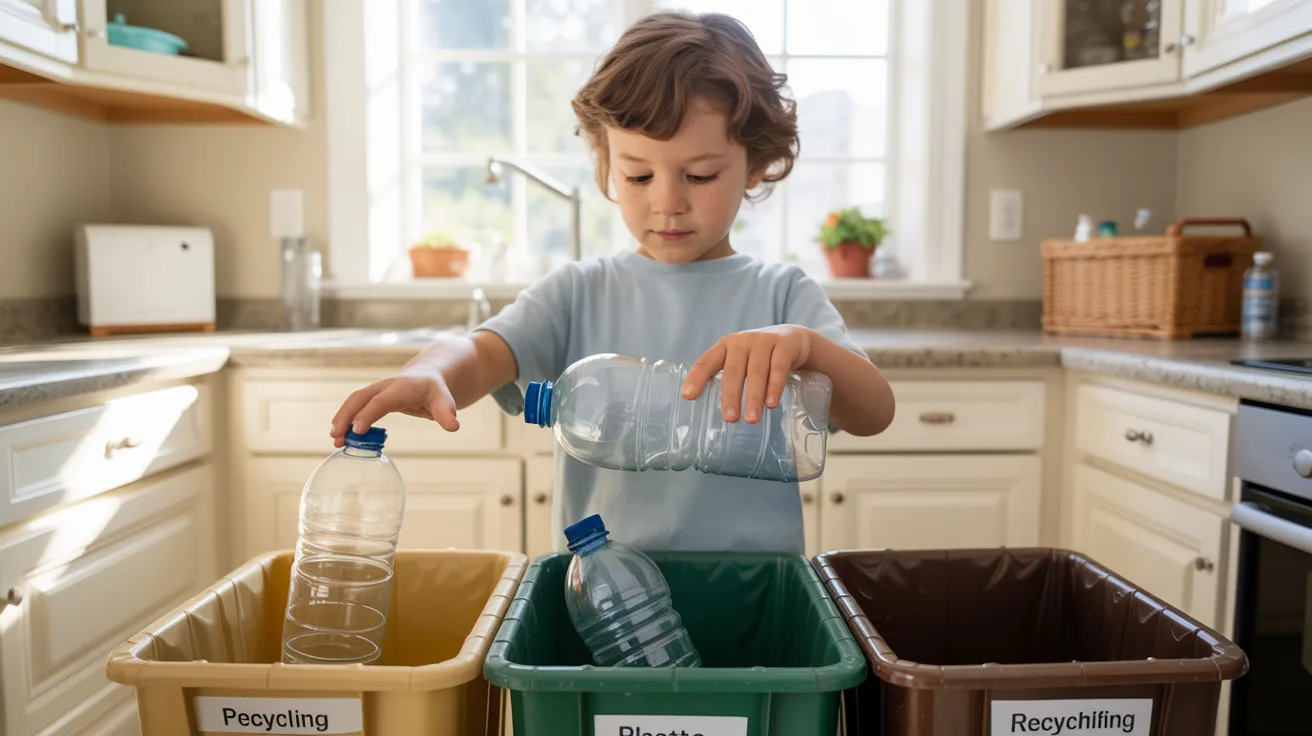
Learning to use the trash bin correctly keeps spaces clean. Teach kids which items go in regular trash and which go in recycling.
21. Cleaning Study Desk
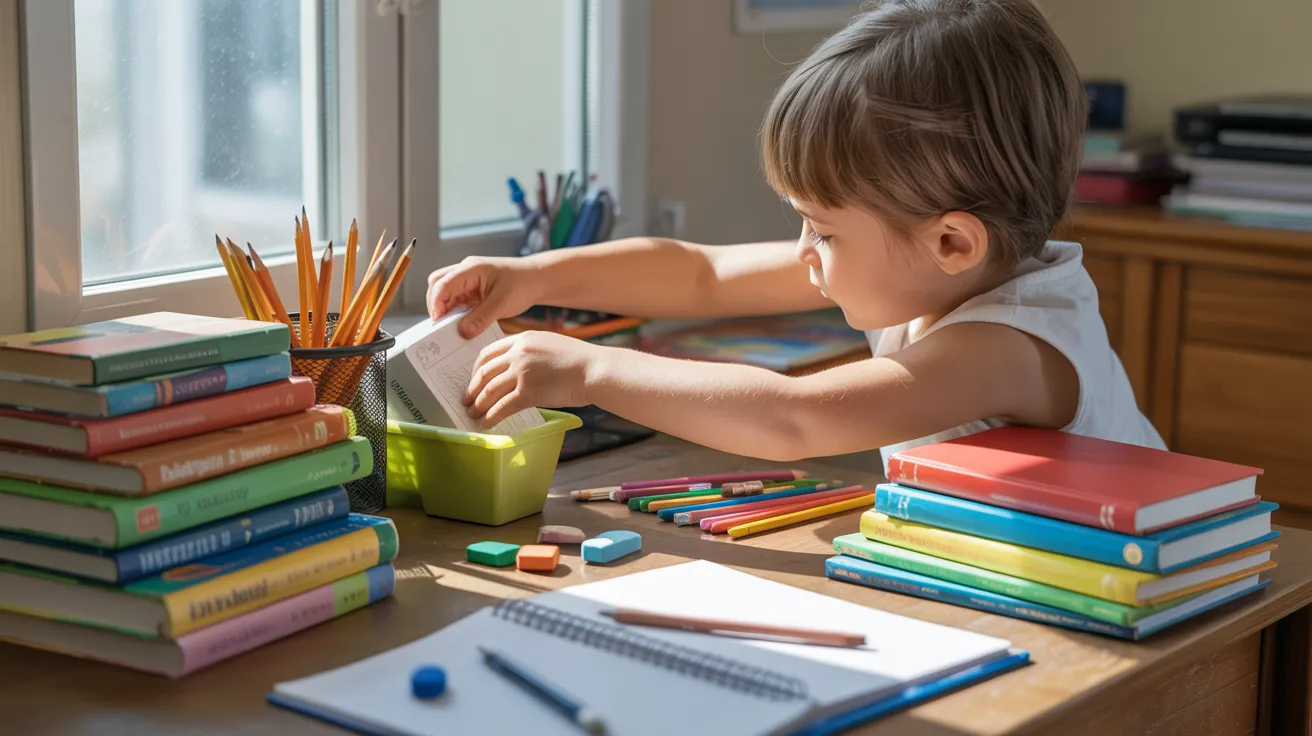
A tidy desk helps kids focus better. Teach them to clear it before and after study time as a quick daily habit.
22. Arranging School Supplies
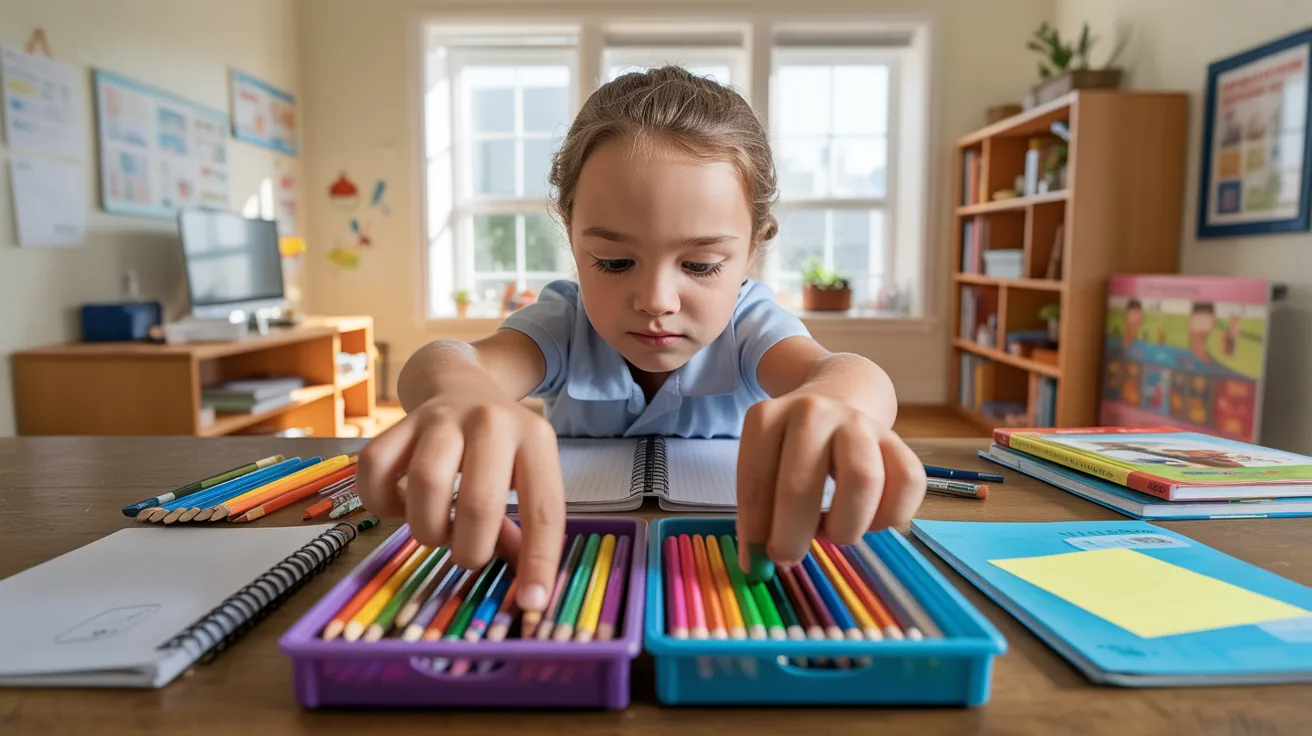
Keeping pencils, erasers, and books in order helps kids stay ready for school. This habit also saves time every morning.
23. Using a Laundry Basket
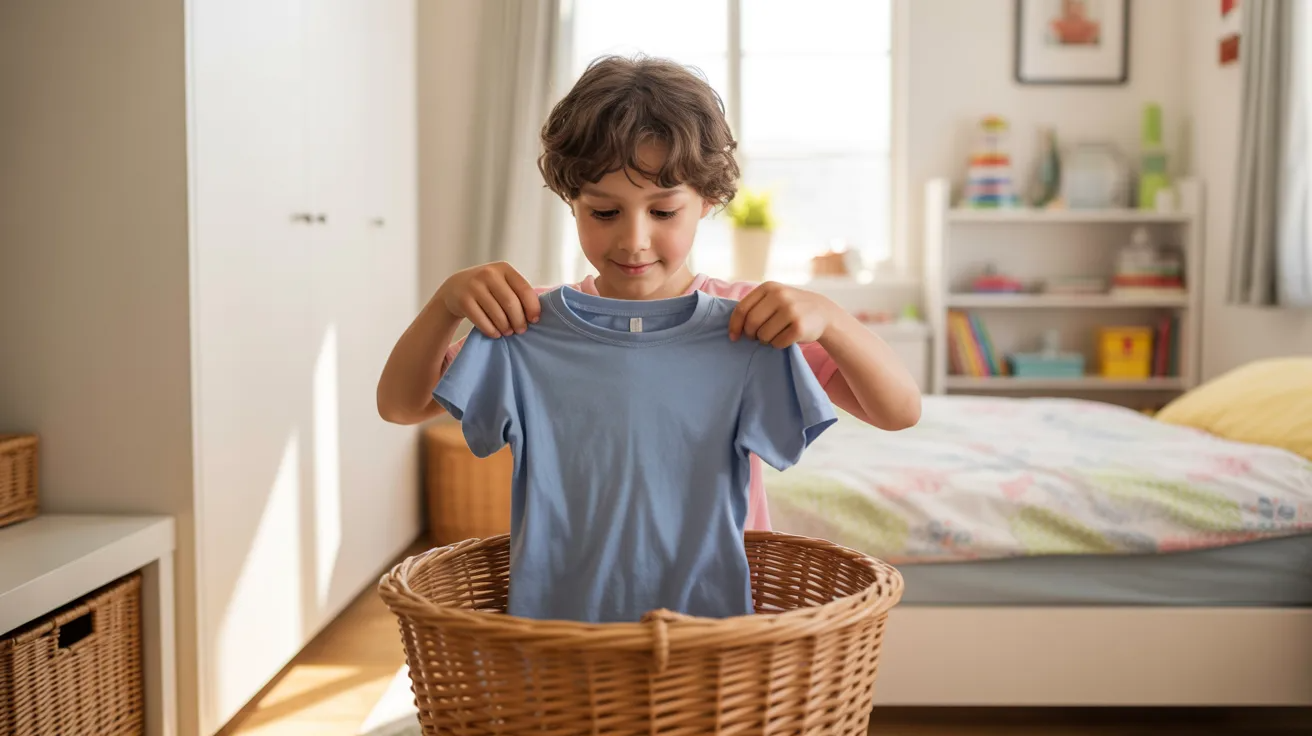
Putting dirty clothes in the laundry basket instead of on the floor is a small but important habit. It keeps rooms tidy and makes laundry day easier.
24. Wiping Spills
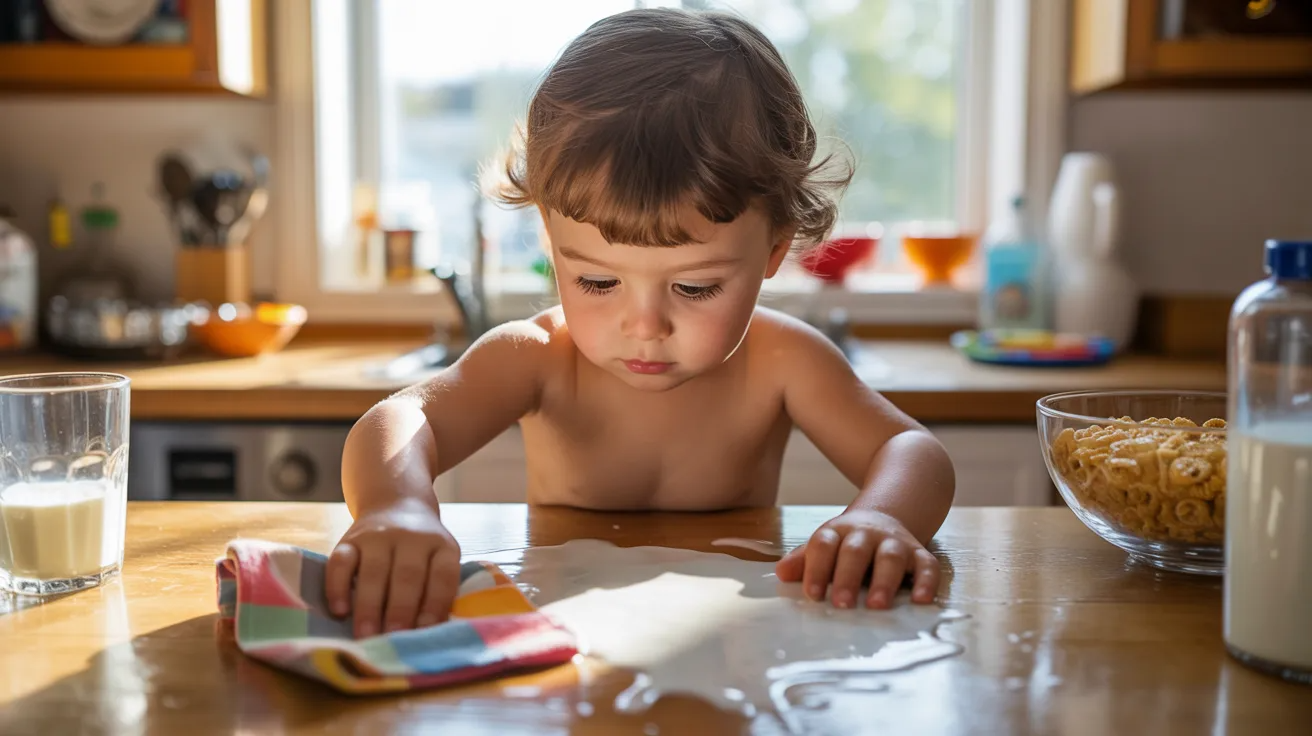
Teaching kids to wipe up spills right away builds responsibility. It also prevents bigger messes and shows care for shared spaces.
25. Organizing Wardrobe

Helping kids organize their clothes by type or season is a useful skill. It makes getting dressed faster and reduces morning stress.
26. Making Simple Sandwich
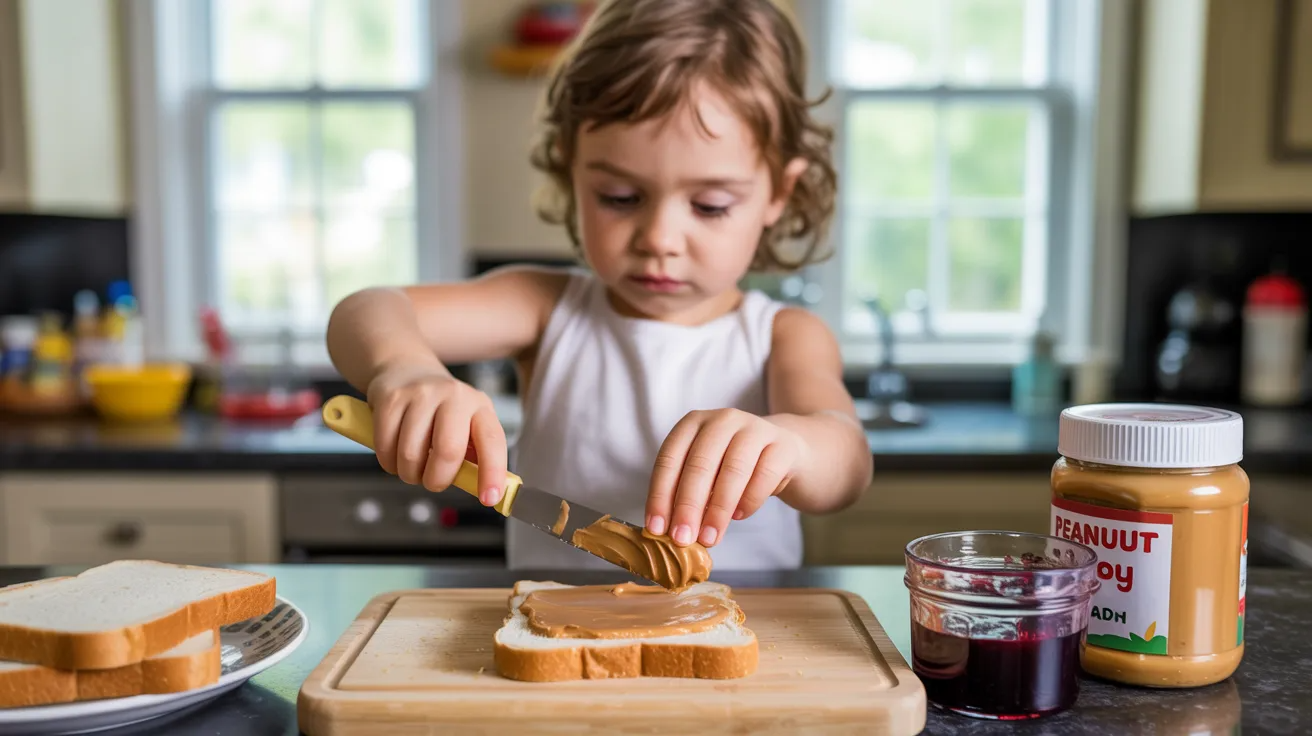
Making a sandwich is a foundational kitchen skill. Kids learn about food, safety, and the satisfaction of preparing their own meal.
27. Using Napkins Properly

Using a napkin during meals is a basic table manner. It keeps kids clean and helps them feel comfortable in any eating setting.
28. Practicing Table Manners

Table manners like chewing with your mouth closed or not talking with food teach social awareness. These small habits matter in everyday life and social settings.
29. Carrying Own Backpack
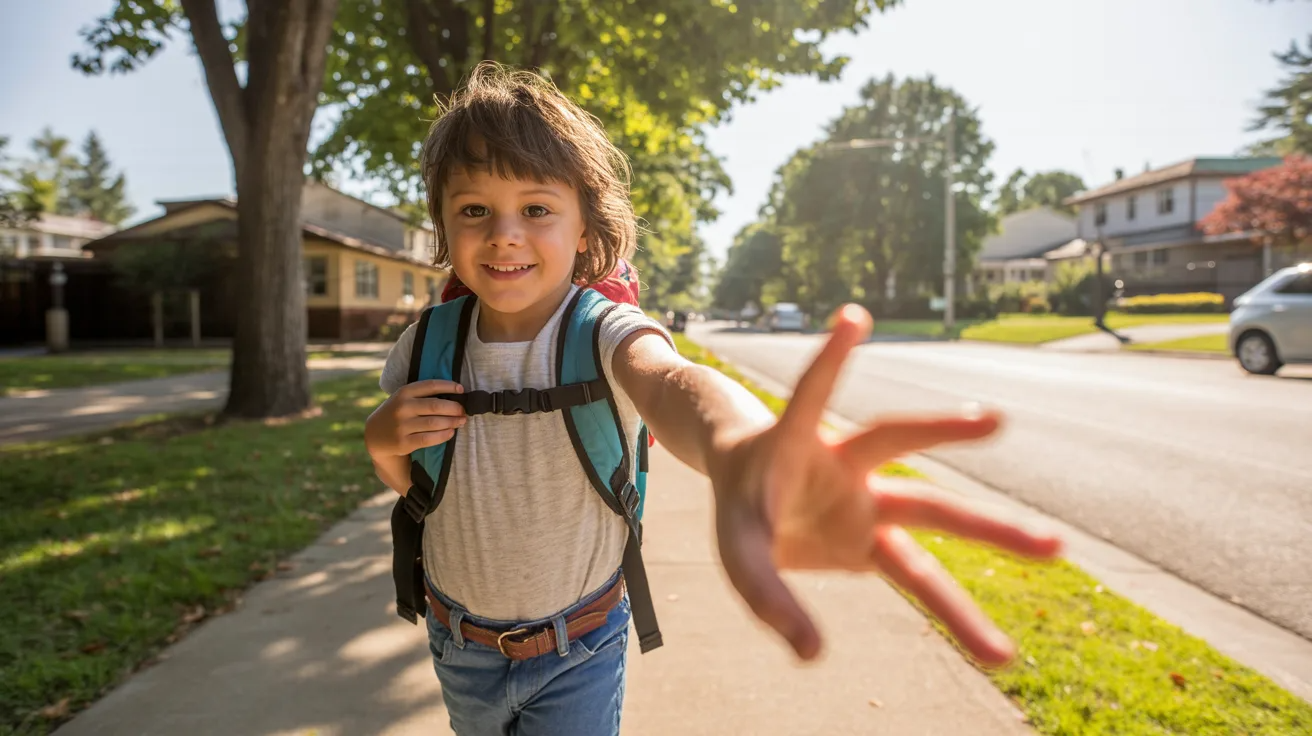
Carrying their own backpack builds physical strength and independence. It also teaches kids to take ownership of their school items.
30. Putting Away Dishes
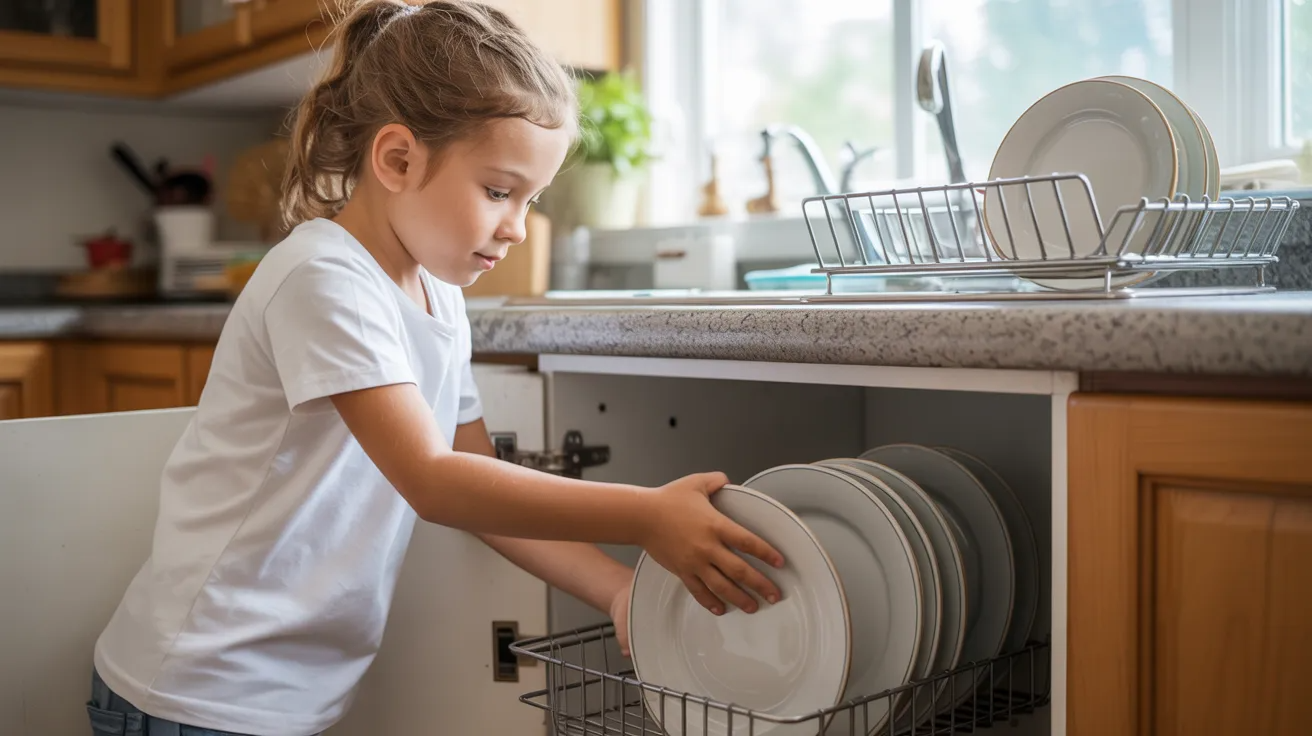
Putting clean dishes in the right place after washing is a helpful household task. It teaches kids where things belong and how to contribute at home.
31. Sweeping Small Areas
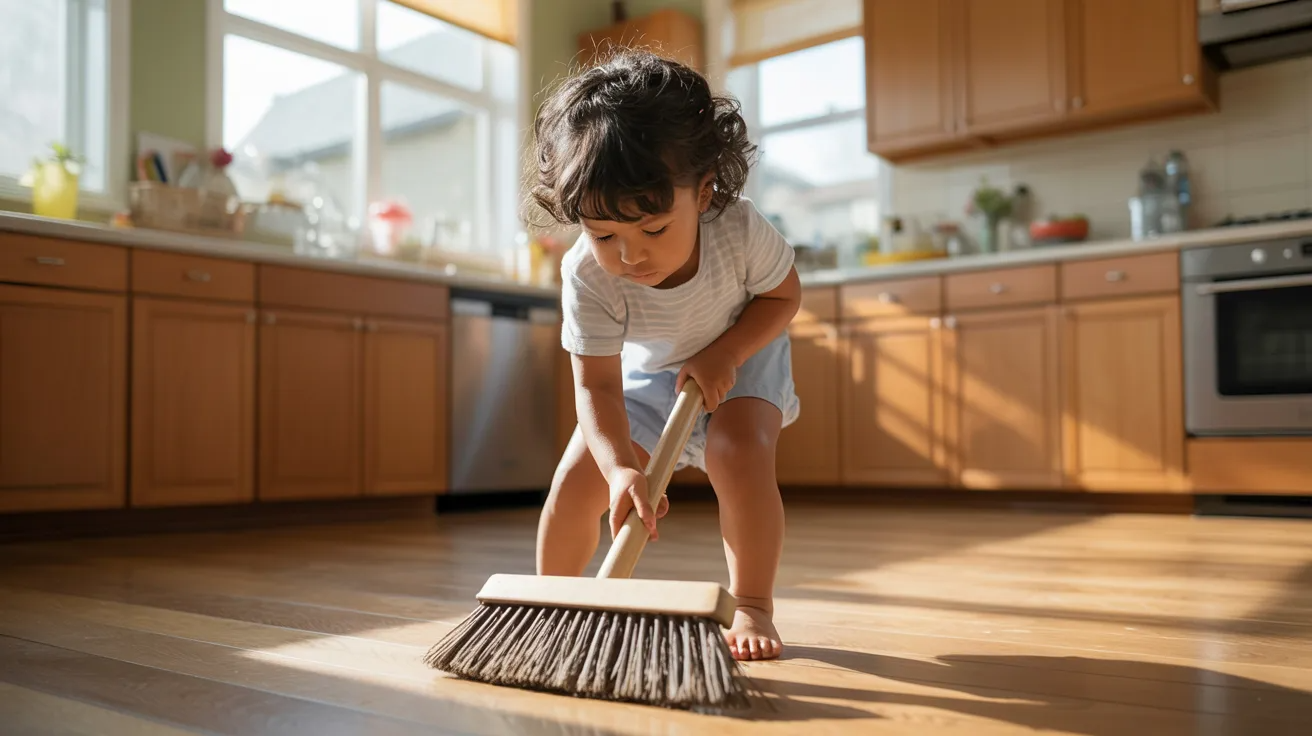
Sweeping a small floor area is a great starter chore for kids. It builds motor skills and teaches them that keeping shared spaces clean is everyone's job.
32. Using a Timer for Tasks
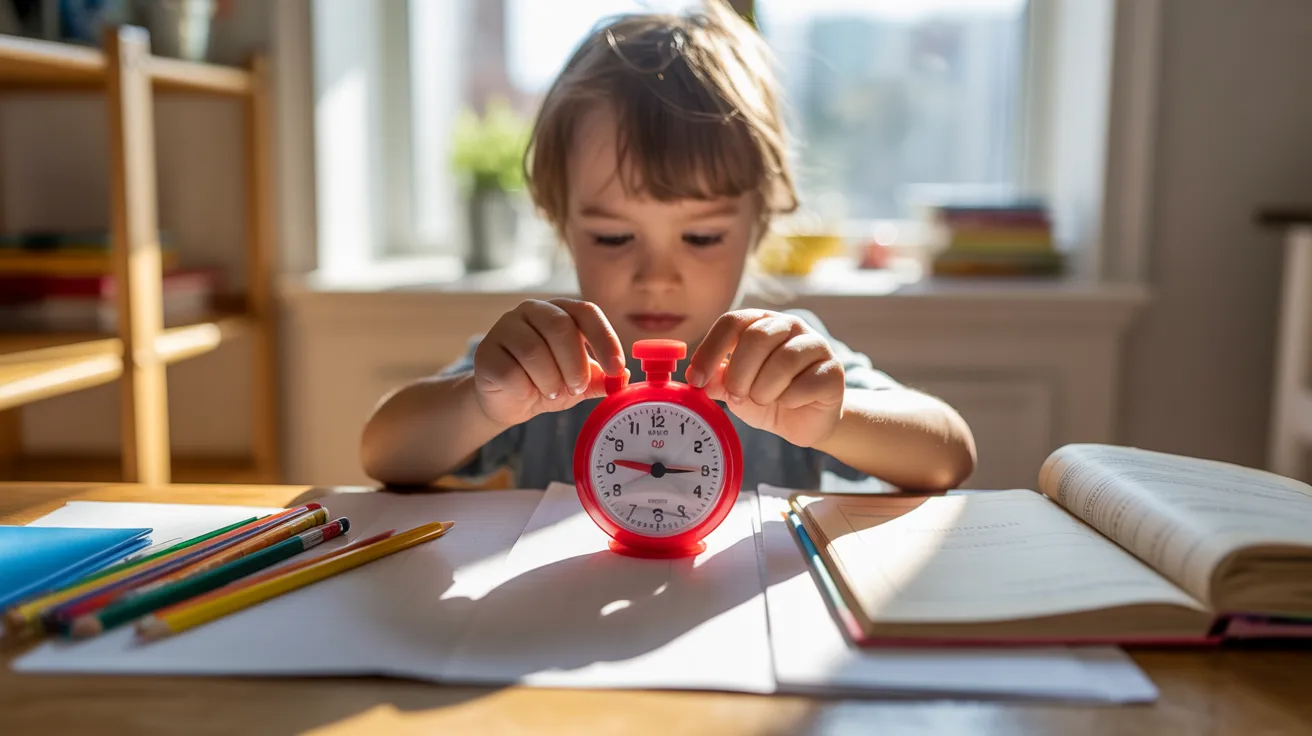
Teaching kids to use a timer for chores or homework builds time awareness. It also makes tasks feel more manageable and less overwhelming.
33. Preparing School Uniform
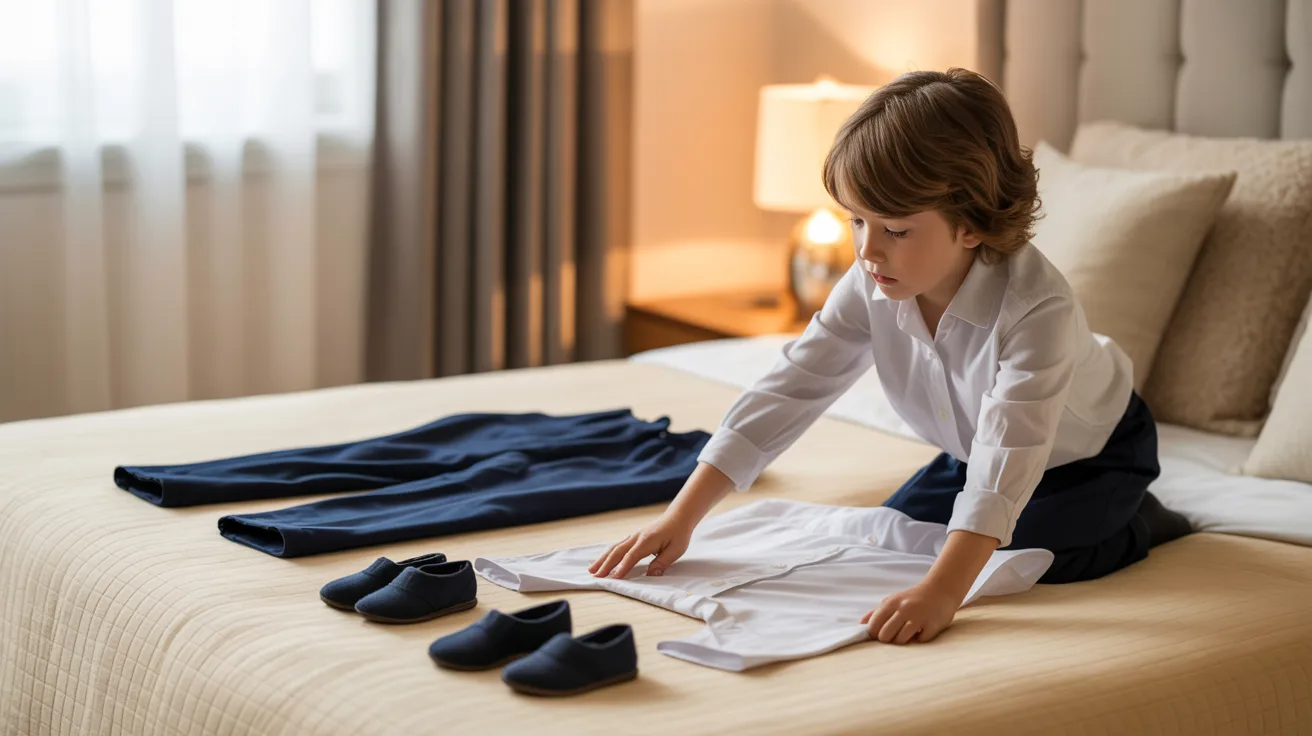
Laying out their school clothes the night before saves morning time. It also teaches kids to plan ahead and be organized.
34. Organizing Lunch Box

Packing and organizing their own lunch box is a practical daily task. It teaches kids about food choices and prepares them for more independence.
35. Cleaning Shoes
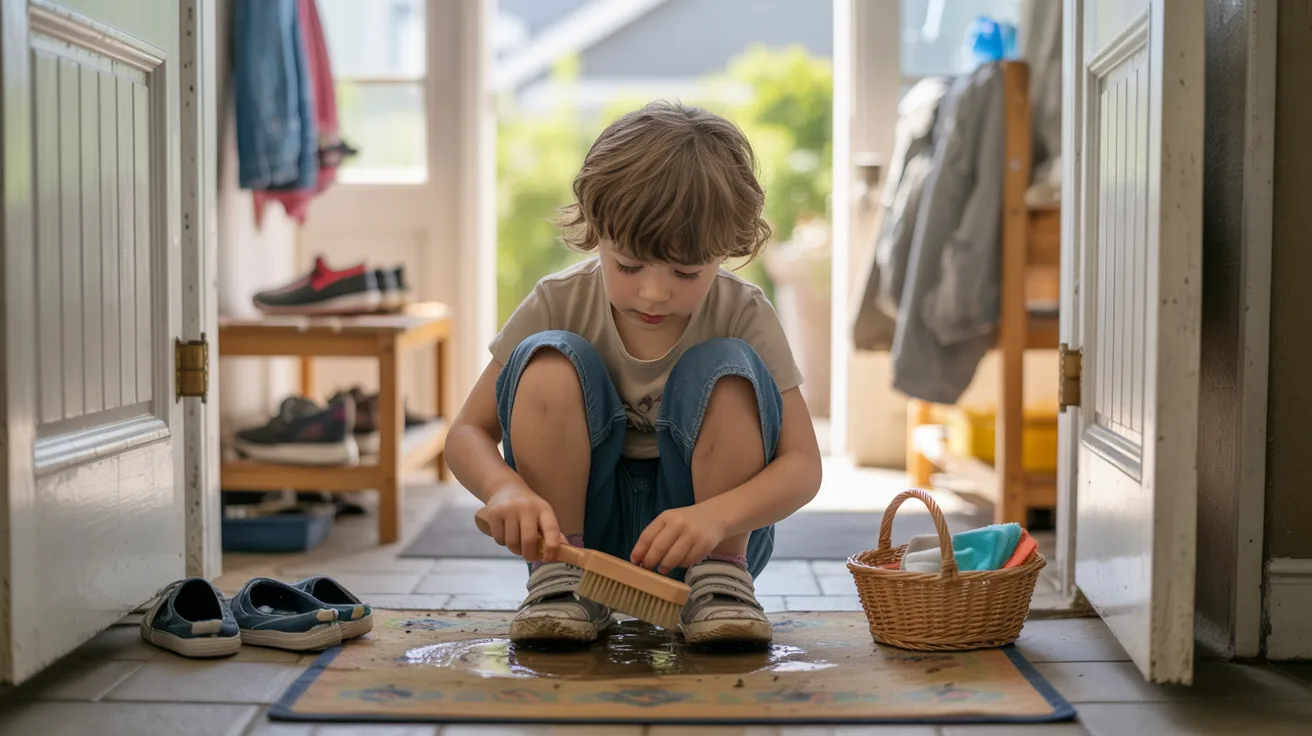
Wiping or brushing shoes teaches kids to take care of their belongings. It also builds a habit of noticing when things need attention and acting on it.
36. Learning to Tie Shoelaces
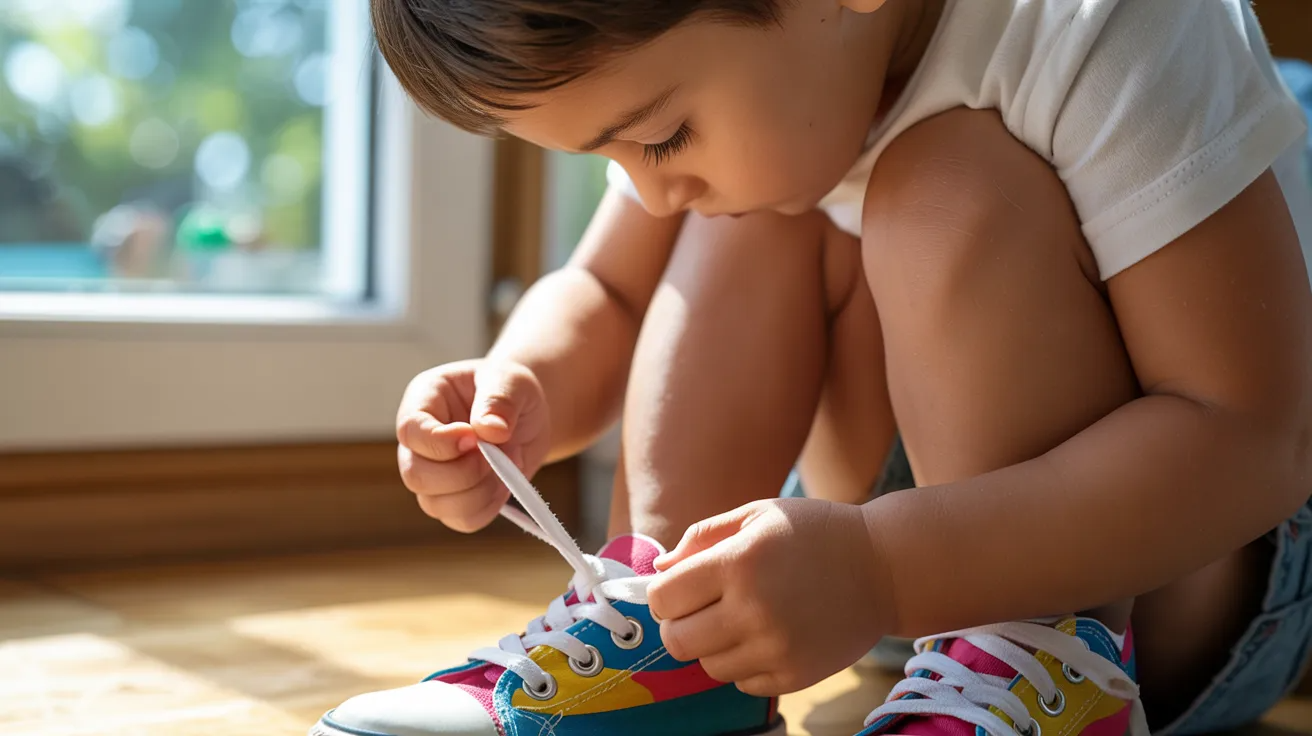
Tying shoelaces is a classic independence skill every child needs. Practice makes it easy, and once they get it, kids feel genuinely proud of themselves.
37. Using a Tissue Properly
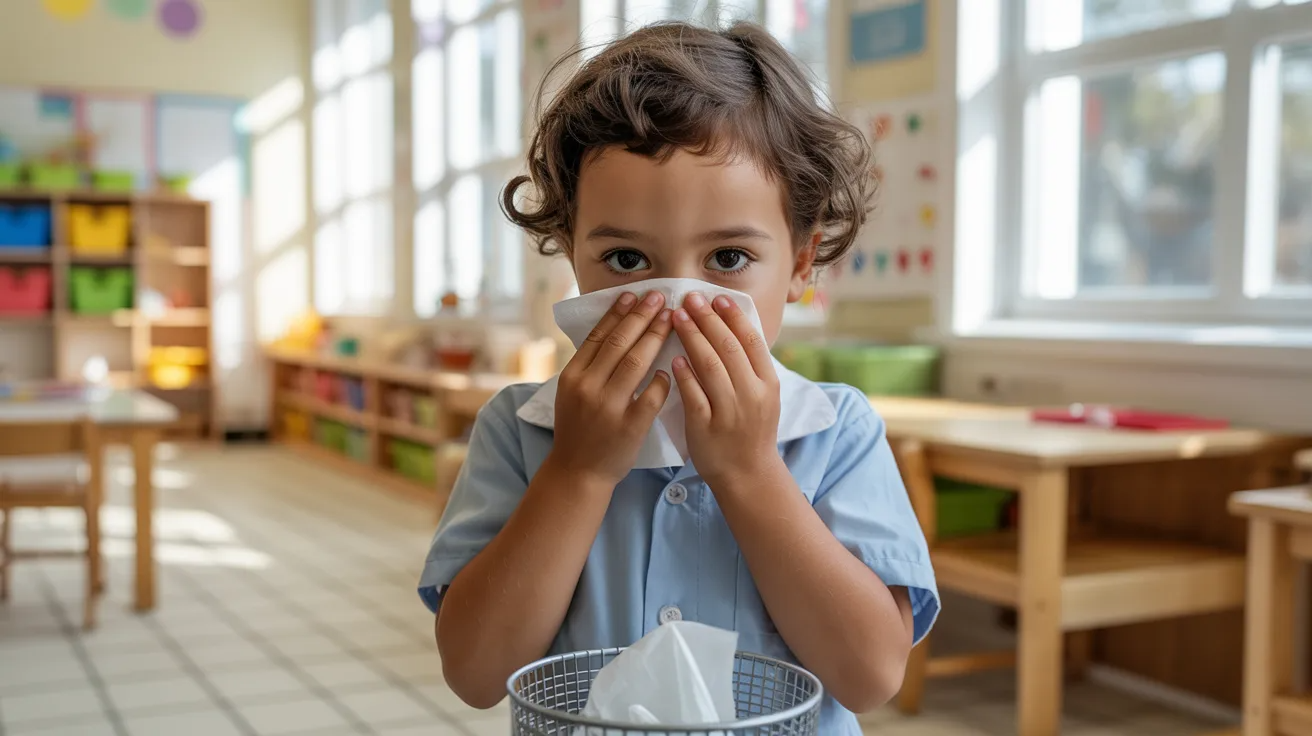
Using a tissue and disposing of it properly is a basic hygiene habit. It also shows kids how to be considerate of others around them.
38. Arranging Dining Area
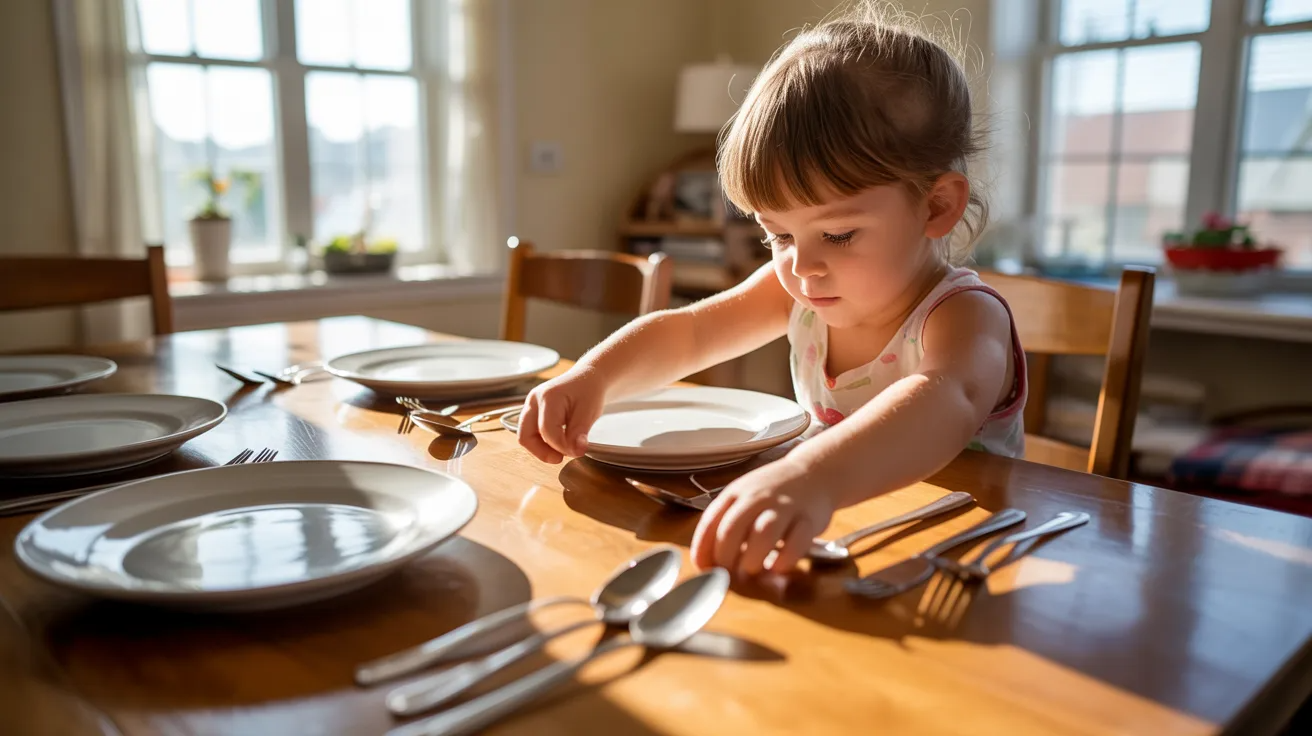
Helping set up the dining space before meals teaches kids about order and preparation. It makes them feel like an active part of family meals.
39. Learning to Use Trash Bags
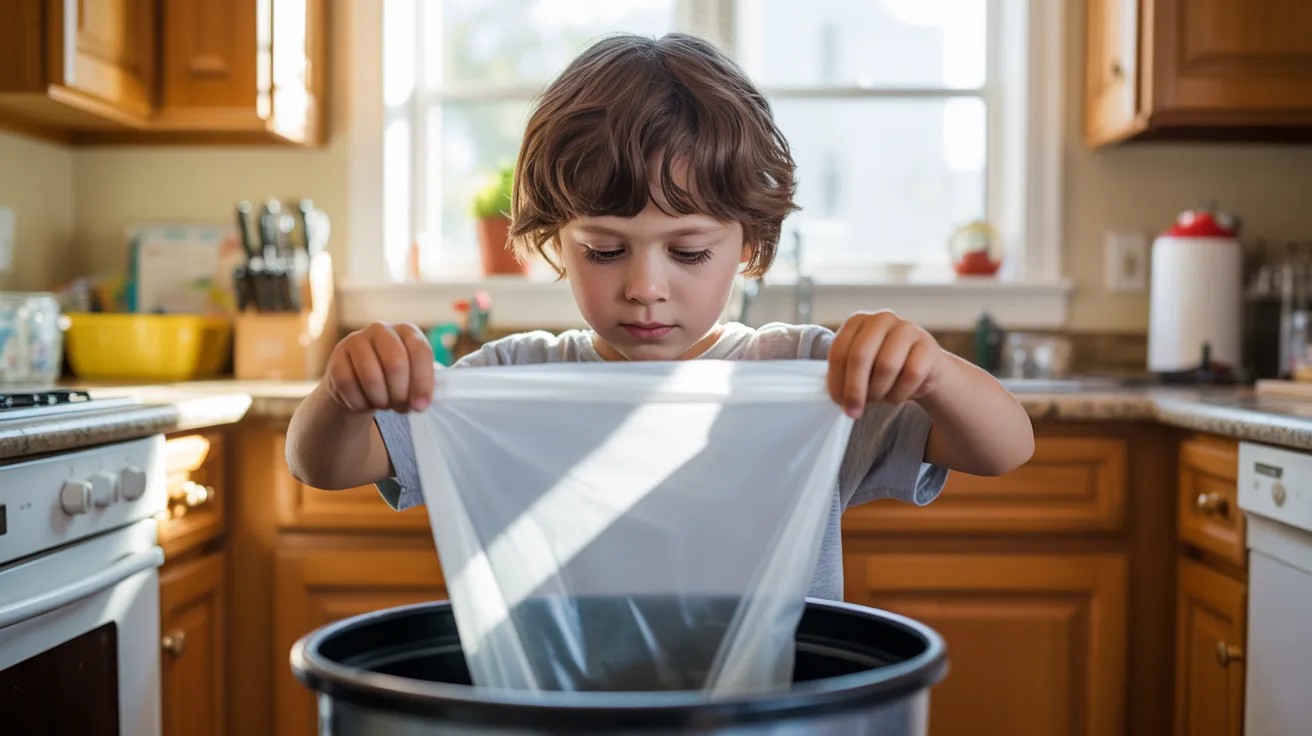
Teaching kids how to change a trash bag is a useful household skill. It shows them how to handle a small but important home task.
40. Helping in Kitchen
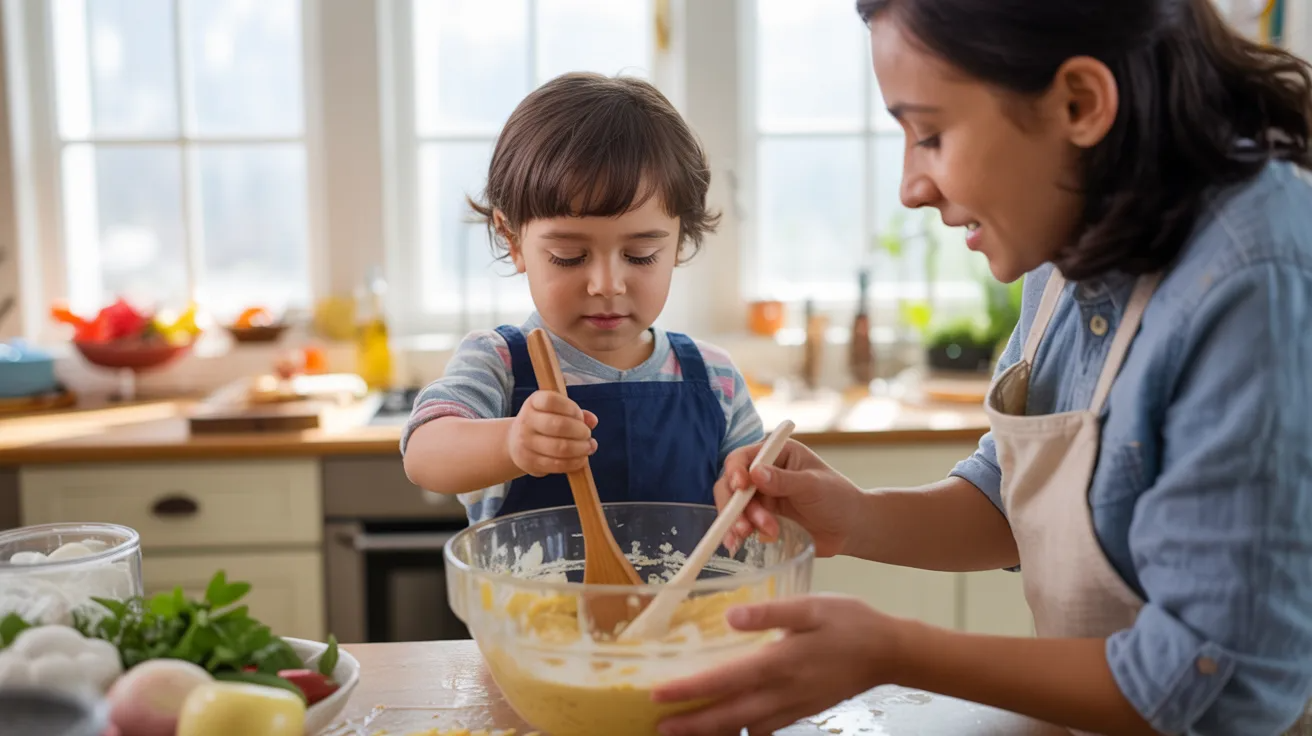
Kitchen helpers learn to measure, stir, pour, and prep ingredients. Even small tasks like washing bowls build confidence and kitchen awareness over time.
41. Refilling Soap Dispenser

Refilling the soap dispenser when it runs out is a simple awareness task. It teaches kids to notice when something needs attention and take action.
42. Organizing Toy Shelf
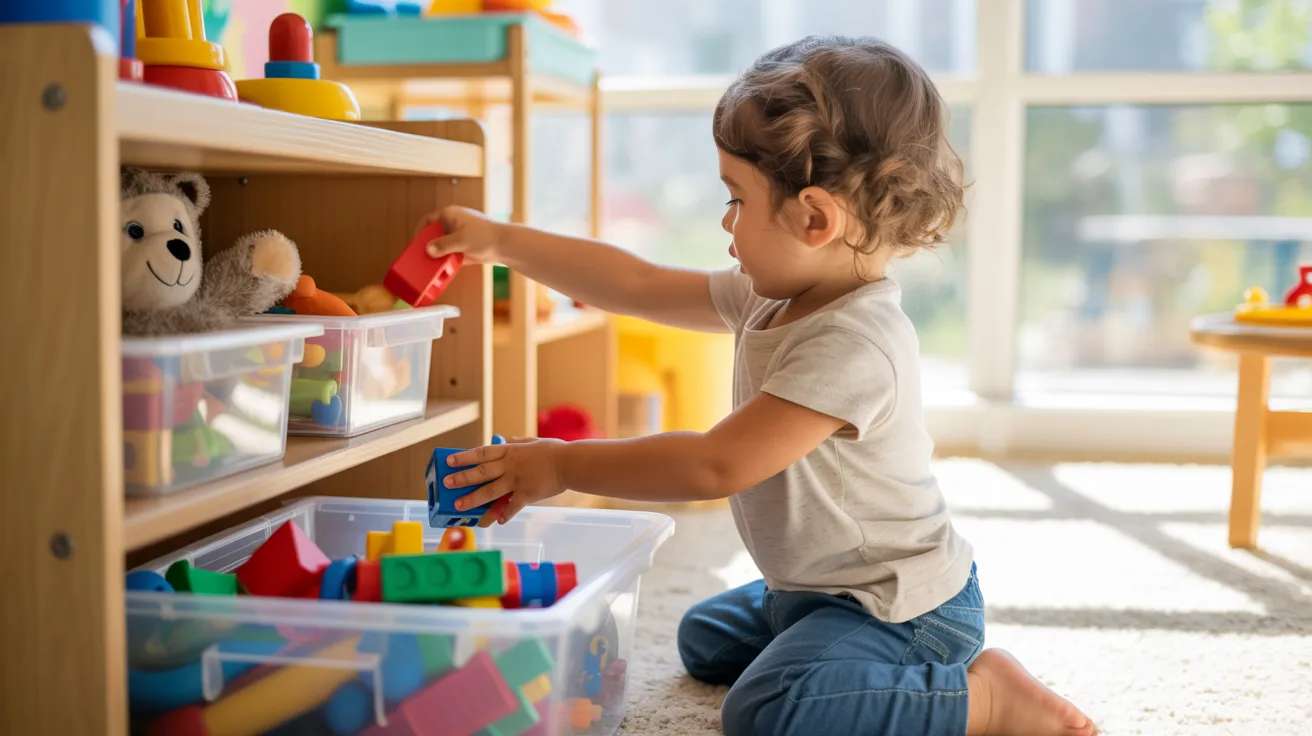
Sorting toys into bins or shelves teaches categorization and responsibility. A tidy toy area also makes it easier for kids to find what they want.
43. Putting Books Back

Returning books to their place after reading builds respect for belongings. It also makes finding books later much easier for everyone in the house.
44. Helping With Gardening
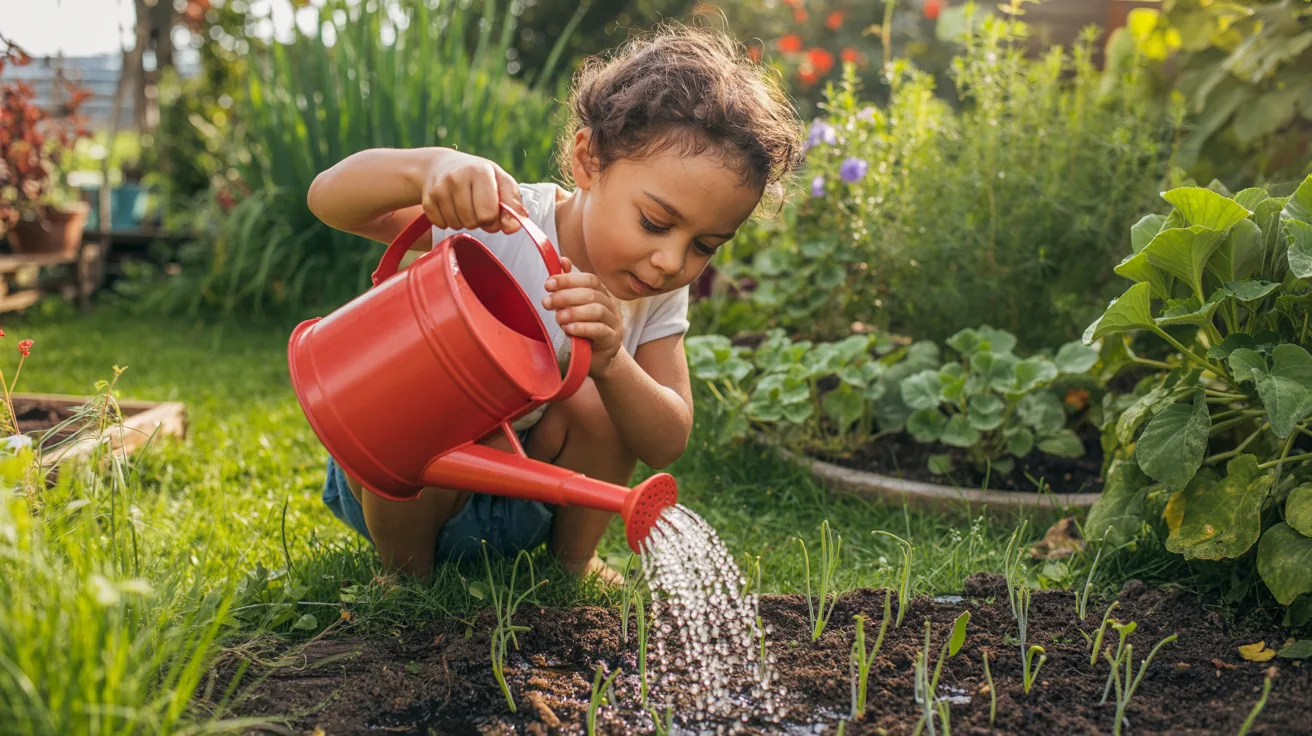
Planting seeds, pulling weeds, or watering a garden connects kids to nature. It builds patience and shows them that growth takes consistent effort and care.
45. Carrying Light Items
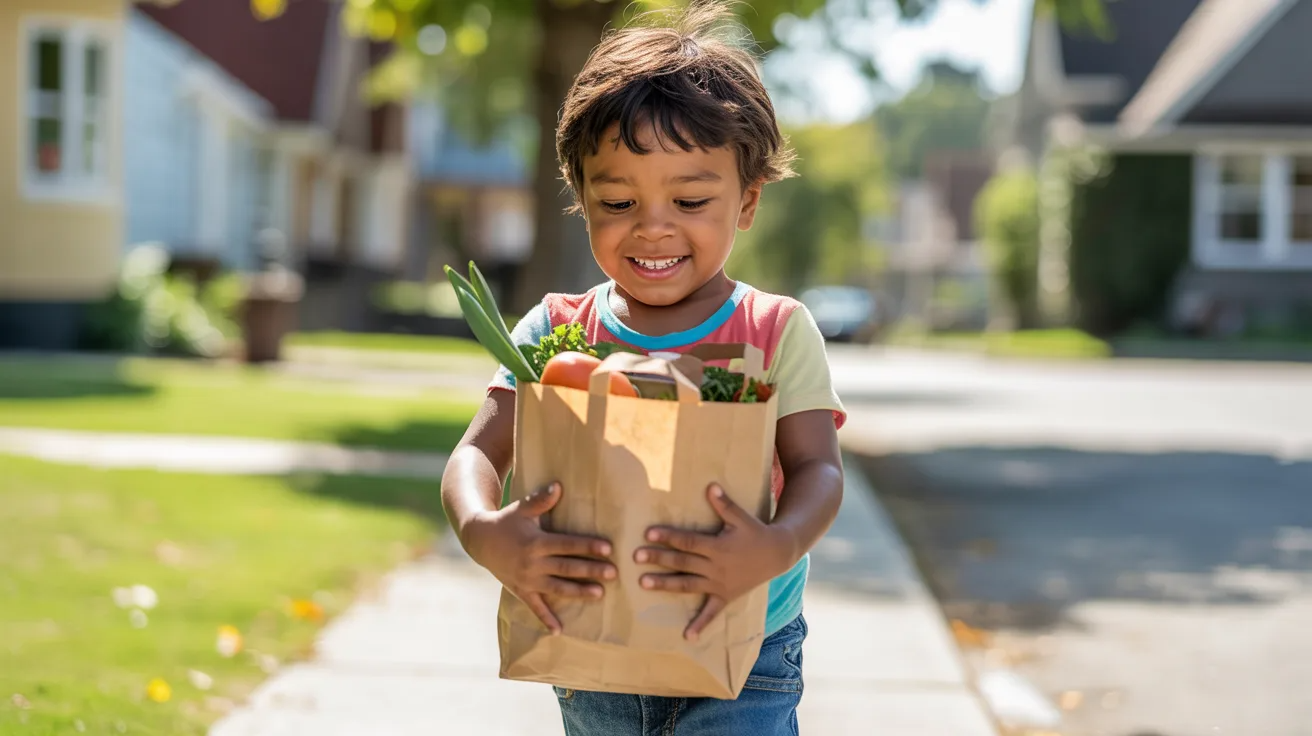
Carrying light groceries, bags, or boxes teaches kids to be helpful. It also builds physical coordination and the habit of pitching in without being asked.
46. Sorting Recycling Items
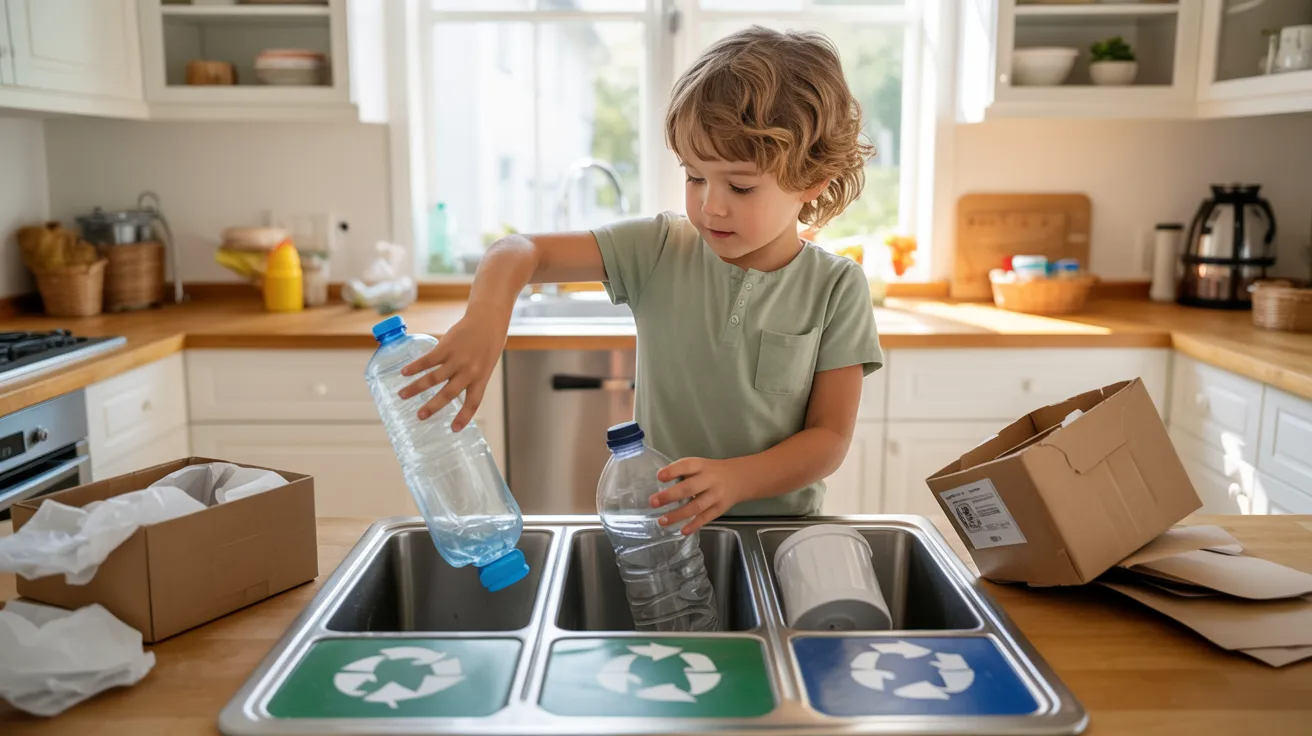
Learning to separate recyclables from regular trash is an environmental skill. It teaches kids responsibility beyond the home and care for the world around them.
47. Making Simple Breakfast
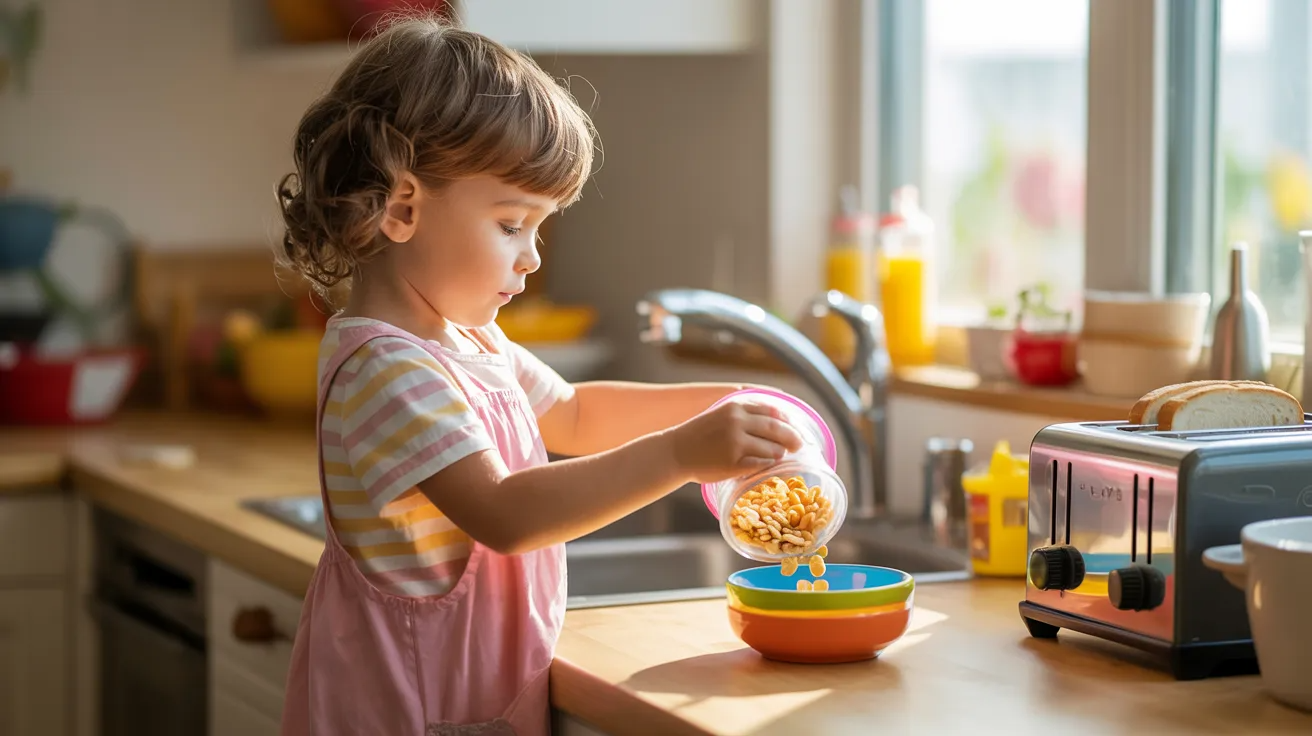
Pouring cereal, making toast, or assembling a quick breakfast is a great first cooking step. It builds morning independence and confidence in the kitchen.
48. Using Water Carefully
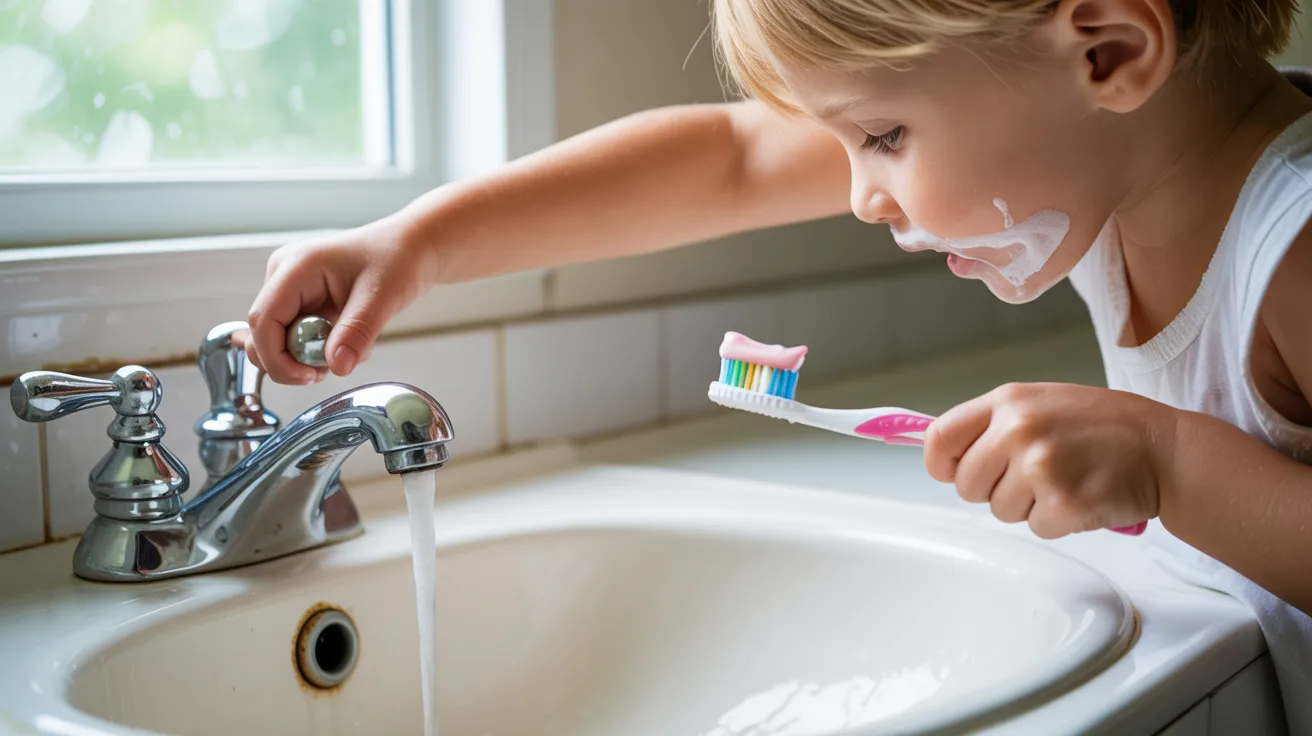
Turning off the tap while brushing or not wasting water during washing builds conservation habits. Kids learn that small choices have a real impact on the world.
49. Cleaning Whiteboard
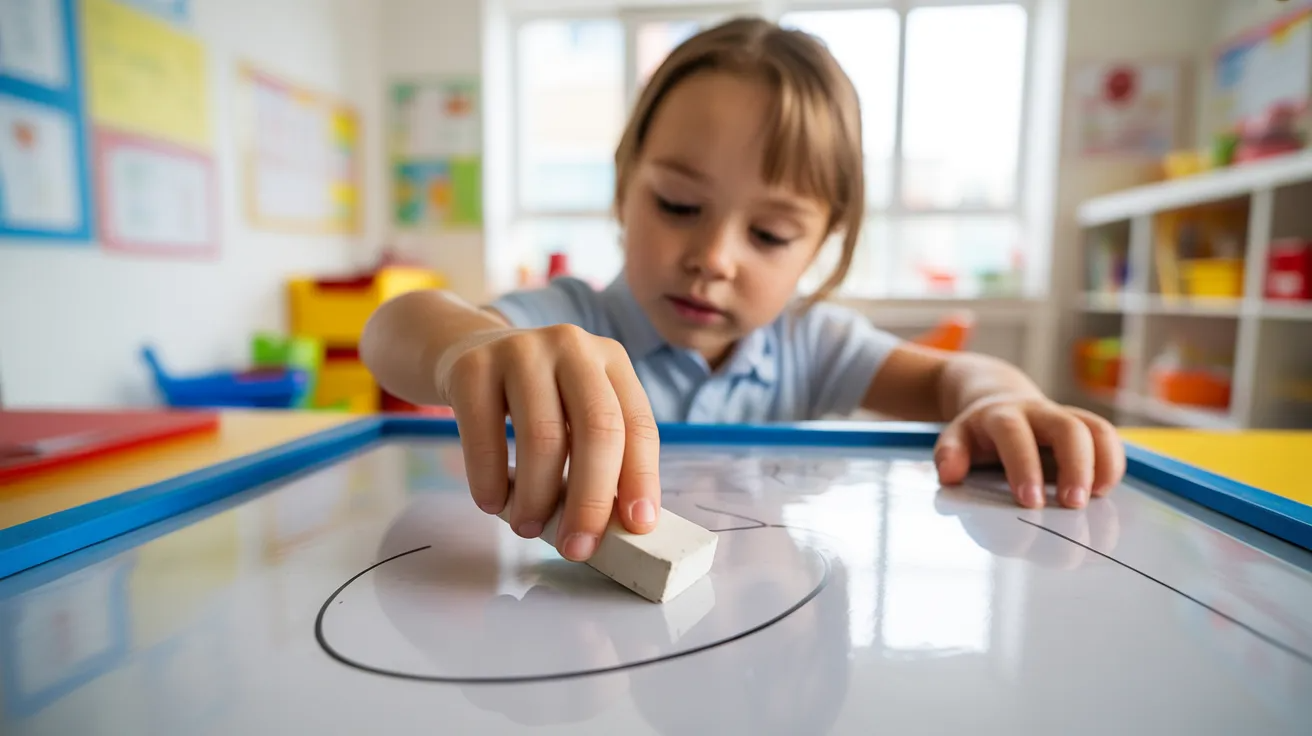
Erasing and cleaning a whiteboard or chalkboard is a simple task with a visible result. It teaches kids to complete a task from start to finish.
50. Packing Activity Materials
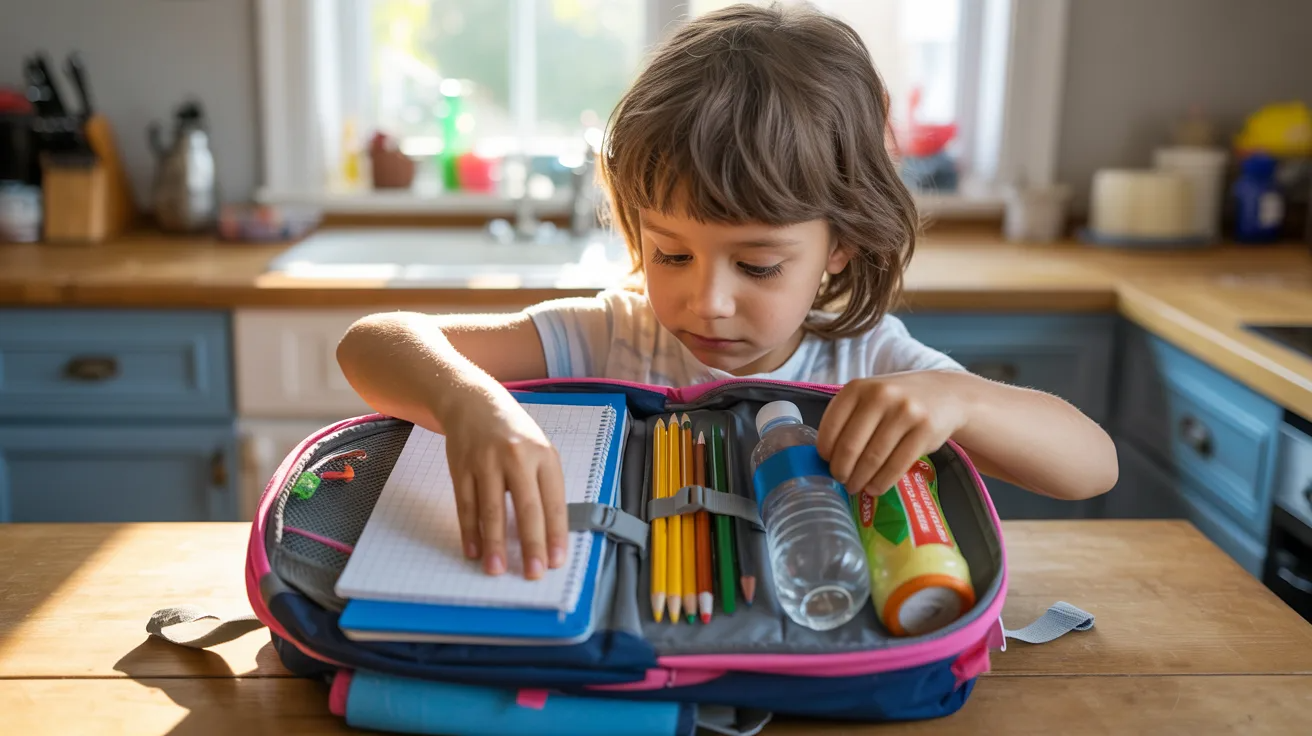
Packing their own art supplies, sports gear, or activity bag prepares kids for outings. It builds planning skills and reduces dependence on adults for everyday prep.
Social and Communication Skills
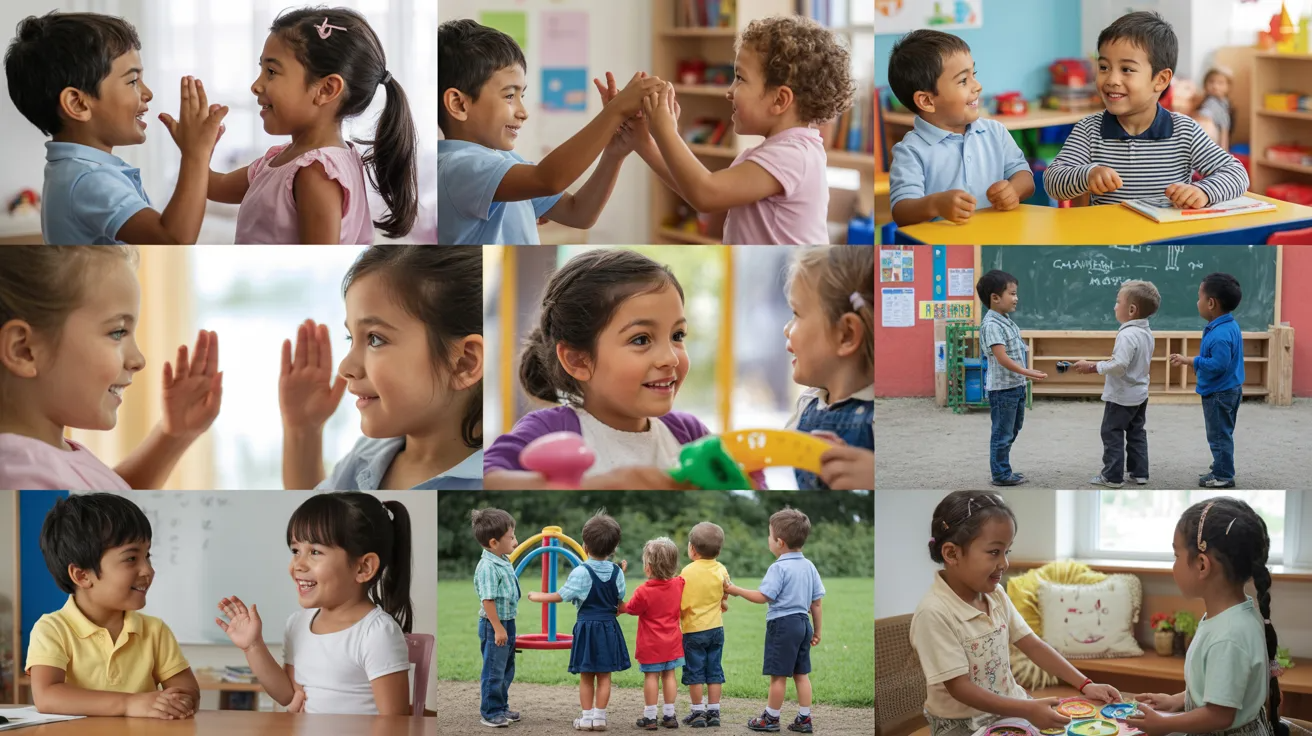
Learning to connect with others is just as important as any chore or task.
51. Practicing Greetings: Saying hello, good morning, or goodbye is the first step in being friendly. Kids who greet others well make better first impressions and feel more comfortable socially.
52. Saying Thank You: Expressing gratitude teaches kids to acknowledge others. It is a small habit that builds good character and strengthens relationships over time.
53. Asking for Help: Knowing when and how to ask for help is a real strength. Teach kids to raise their hand, use kind words, and explain what they need clearly.
54. Sharing Toys: Sharing builds generosity and teaches kids that relationships matter more than objects. Practice this with siblings or friends during playtime at home.
55. Taking Turns: Waiting for your turn is a foundational social skill. Kids who take turns are easier to play with and learn patience through real-time practice.
56. Listening Carefully: Active listening means looking at the speaker and not interrupting. Kids who listen well understand more and show respect to everyone around them.
57. Introducing Themselves: Knowing how to say their name and a little about themselves helps kids feel confident. It sets them up for school, activities, and social situations with ease.
58. Making Eye Contact: Eye contact shows respect and attention during conversations. Teach kids that looking at the person they are speaking to is a sign of good manners.
59. Participating in Group Play: Joining group games or activities builds teamwork and social awareness. Kids who play well with others are more adaptable and well-liked by peers.
60. Asking Questions: Asking good questions shows curiosity and keeps conversations going. Encourage kids to ask "why," "how," and "what" during discussions and learning moments.
61. Following Conversation Rules: Understanding when to speak and when to listen keeps conversations balanced. Kids learn this through practice, modeling, and gentle reminders from adults.
62. Expressing Opinions Politely: Sharing what you think while staying respectful is a life skill many adults still work on. Teach kids to use phrases like "I think" or "in my opinion."
63. Using Kind Words: Words have power, and kind words build trust. Encourage phrases like "please," "thank you," and "I'm sorry" in everyday conversations with kids.
64. Respecting Others' Opinions: Disagreeing without being mean is a skill worth practicing early. Teach kids that it is okay to think differently and still be friends.
65. Asking Permission: Asking before taking, touching, or joining in teaches kids about boundaries. It builds respect for others and reduces conflict in group settings.
Emotional and Self-Management Skills

Helping kids manage their feelings now builds habits that last a lifetime.
66. Identifying Emotions: Naming feelings like "I feel angry" or "I feel sad" helps kids process them. When kids can name an emotion, they are better at handling it calmly.
67. Practicing Deep Breathing: Slow, deep breaths calm the nervous system during stressful moments. Teach kids the "breathe in for four, hold for four, out for four" method.
68. Talking About Feelings: Creating a safe space for kids to express their emotions prevents bottling up. Regular check-ins like "how are you feeling today" make a big difference.
69. Handling Frustration: Learning to pause before reacting is a skill kids need at school and home. Role-play frustrating scenarios and practice calm responses together with your child.
70. Waiting Patiently: Patience is a skill, not just a personality trait. Use everyday waiting moments like being in line or waiting for food to practice staying calm.
71. Positive Self Talk: Replacing "I can't do this" with "I'll try again" builds resilience. Teach kids to talk to themselves the way they would talk to a good friend.
72. Apologizing Sincerely: A real apology includes saying sorry, owning the mistake, and saying what they will do differently. Teach kids all three parts so apologies actually mean something.
73. Showing Empathy: Asking how someone else feels and listening with care builds emotional connection. Read stories together and talk about how the characters might be feeling.
74. Practicing Gratitude: Saying or writing down three things they are grateful for each day rewires how kids see life. It builds a habit of noticing the good in everyday moments.
75. Managing Anger: Anger is normal, but throwing things or shouting is not okay. Teach kids to stomp their feet, squeeze a pillow, or draw their feelings out instead.
76. Practicing Patience: Some things take time, and that is okay. Help kids learn to wait for results by working on longer projects like growing a plant or completing a puzzle.
77. Accepting Mistakes: Mistakes are part of learning. Help kids see each mistake as feedback, not failure, so they stay curious and keep trying new things.
78. Staying Calm in Difficult Situations: When things go wrong, staying calm is the best first step. Practice this by reading about or role-playing tough situations and choosing calm responses together.
79. Following Rules: Rules exist to keep everyone safe and happy. Help kids understand the "why" behind rules so they follow them out of understanding, not just fear.
80. Completing Tasks Independently: Finishing a task without adult help builds real confidence. Start with small tasks and give kids the space to work through them at their own pace.
Problem-Solving and Thinking Skills
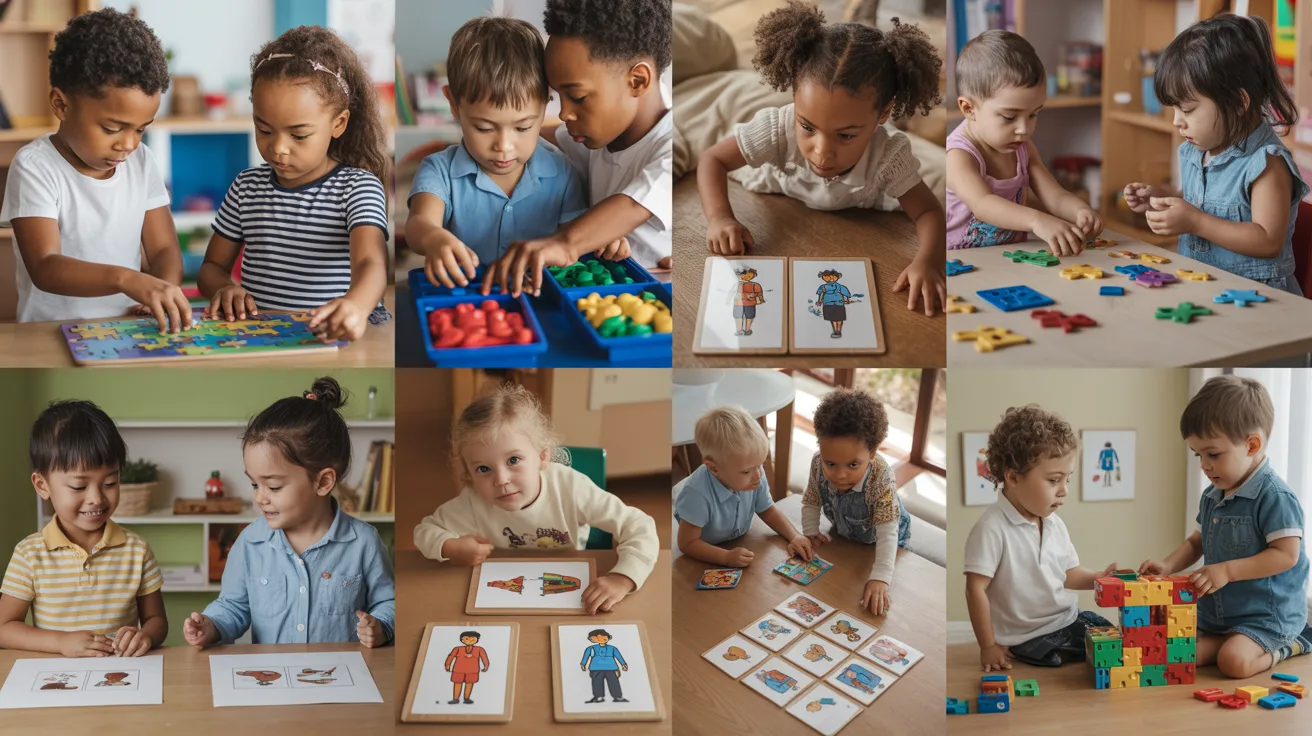
These activities build the kind of thinking that helps kids face real-life challenges on their own.
81. Solving Puzzles: Puzzles build patience, focus, and logical thinking. They teach kids to try different approaches until one works, which is a mindset they will use forever.
82. Matching Games: Matching games build memory and concentration. They also teach kids to notice details and make connections between similar things, which helps with reading and math.
83. Sorting Activities: Sorting objects by color, size, or type builds categorization skills. This kind of thinking helps kids organize information in school and in everyday life.
84. Memory Games: Games like "Simon Says" or matching card pairs build short-term memory. Strong memory skills help kids follow instructions and retain information better at school.
85. Decision Making Activities: Give kids simple choices during the day to practice deciding. Choosing between two snacks or two activities builds the habit of thinking before acting.
86. Following Instructions: Completing multi-step instructions teaches listening and focus. Start with two-step tasks and slowly increase complexity as the child gets more confident.
87. Completing Simple Tasks: Finishing a task from start to finish teaches follow-through. Choose age-appropriate tasks that feel achievable so kids build confidence with each success.
88. Planning Activities: Helping kids plan a small event like a playdate or a project builds forward thinking. They learn that good outcomes usually start with a solid plan.
89. Role Playing Situations: Acting out real-life scenarios like visiting a doctor or asking for help builds practical thinking. It prepares kids for situations before they actually face them.
90. Building Challenges: Challenges like stacking blocks or building with cardboard encourage creative problem-solving. Kids learn to test ideas, fail fast, and try a new approach quickly.
91. Creative Thinking Activities: Drawing, storytelling, or brainstorming silly solutions to everyday problems builds creative thinking. There is no right or wrong answer, and that freedom is the point.
92. Guessing Games: "I spy" and guessing games build observation and deductive thinking. Kids learn to use clues, narrow down options, and make smart guesses based on what they know.
93. Observation Activities: Asking kids to notice five things in a room or spot differences in two pictures sharpens attention. Observation skills support science, reading, and critical thinking.
94. Simple Strategy Games: Games like checkers, connect four, or tic-tac-toe teach planning and strategy. Kids learn that thinking ahead matters and that every move has a consequence.
95. Sequencing Activities: Putting story pictures in order or following steps to complete a task builds sequential thinking. This skill supports reading comprehension, math, and everyday problem-solving.
Safety and Awareness Skills
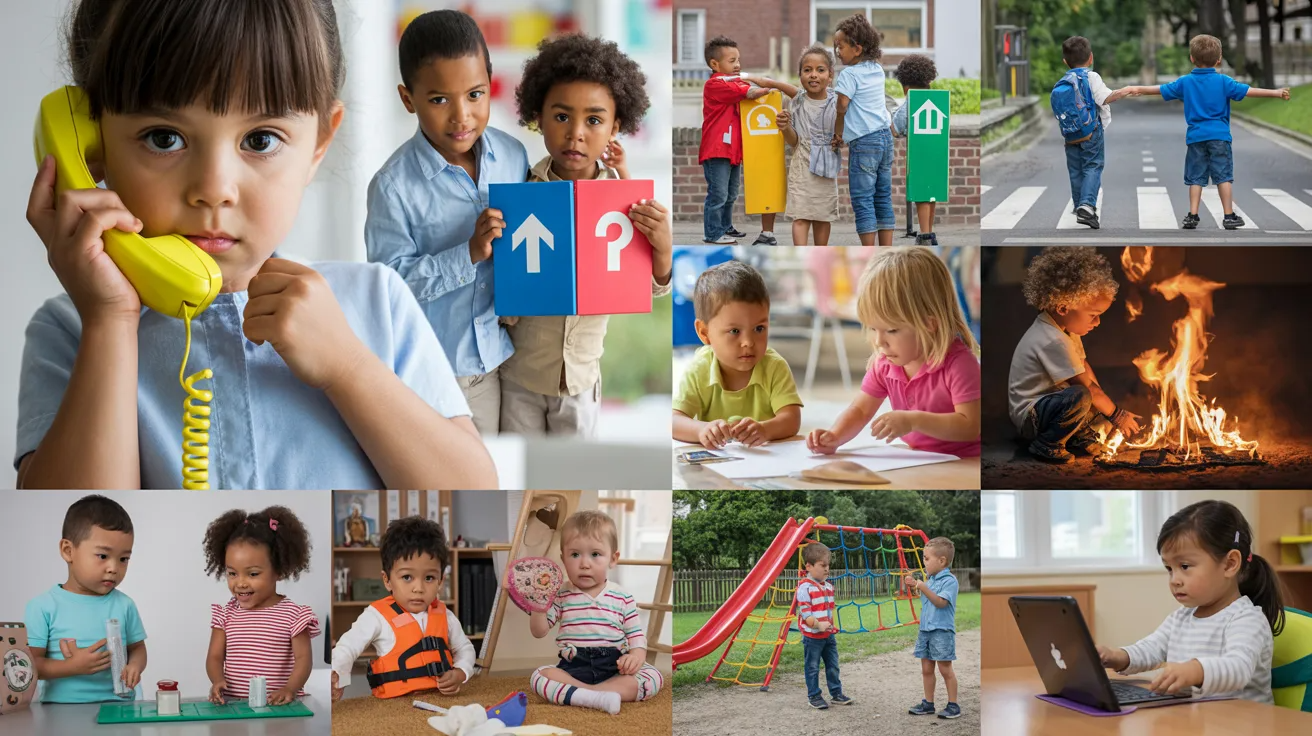
Teaching kids basic safety is one of the most important things you can do as a parent or teacher.
96. Learning Emergency Numbers: Every child should know how to call for help in an emergency. Teach them local emergency numbers and when it is appropriate to use them.
97. Identifying Trusted Adults: Kids need to know which adults they can turn to for help. Discuss teachers, parents, neighbors, and school staff as trusted points of contact.
98. Road Safety Basics: Looking both ways, using crosswalks, and not running into the street are non-negotiable habits. Practice road safety every time you walk with your child.
99. Fire Safety Awareness: Teach kids to stop, drop, and roll, and how to exit a building during a fire drill. Regular practice makes this second nature in a real emergency.
100. Stranger Safety Rules: Help kids understand the difference between strangers and trusted adults. Teach them to never go anywhere with someone they do not know without telling a trusted adult first.
101. Basic First Aid Awareness: Kids can learn to apply a bandage, recognize a deep cut, or call for help when someone is hurt. These skills can make a real difference in an emergency.
102. Safe Use of Tools: Scissors, kitchen tools, and craft supplies all come with safety rules. Teach kids to handle tools carefully, use them only for their intended purpose, and always ask for help when unsure.
103. Water Safety Basics: Kids should know never to swim alone and to always wear a life jacket when needed. Talk about pool rules, ocean safety, and the importance of staying with an adult near water.
104. Playground Safety Rules: Running safely, not pushing others, and using equipment as designed keeps kids safe. Walk through the rules before playtime so kids know what is and is not okay.
105. Internet Safety Basics: Teach kids to never share personal information online and to tell a trusted adult if something feels wrong. Set clear screen time boundaries and talk openly about safe online behavior.
Structured Life Skills Program for Kids
A good program turns random activities into a system that builds real habits.
- Daily Life Skills Routine: Small daily tasks like making the bed and packing a bag build discipline faster than any one-time lesson ever will.
- Weekly Life Skills Plan: Introducing one new skill per week keeps learning consistent and easy to track for both parents and teachers.
- Monthly Skill Development Plan: Each month can target a new area like cooking or communication, building a well-rounded skill set over time.
- Age-Based Learning Structure: Matching tasks to the right age group makes learning feel natural, achievable, and genuinely motivating for kids.
- Progress Tracking and Assessment: A simple checklist or weekly review keeps everyone on track and shows kids how far they have come.
Pick a plan, stay consistent, and the results will follow.
Conclusion
Life skills are the best gift you can give a child. Not toys. Not grades. Real habits that actually stick.
I started with just one activity a week, and the difference it made was real. You can do the same.
Pick one activity from this list and try it today. It does not have to be perfect. It just has to start.
Found this helpful? Share it with a parent or teacher who needs it right now.
Frequently Asked Questions
What age should kids start learning life skills?
Kids can start as young as 2 to 3 years old with simple tasks like putting toys away or washing their hands.
How many life skills should I teach my child at once?
Start with one or two skills at a time so kids can practice and build confidence before moving on to more.
Can life skills activities help kids with anxiety?
Yes, learning to manage tasks independently and handle emotions gives kids a stronger sense of control and calm.
What are the most important life skills for school-age kids?
Basic self-care, communication, emotional management, and simple problem-solving are the most valuable skills for kids in school.
How long does it take for a child to learn a new life skill?
Most kids pick up simple habits in a few weeks with daily practice, patience, and positive feedback from adults.