
Teaching kids to recognize letters does not have to feel like a chore. I have worked with early learners long enough to know that the right activity makes all the difference.
This blog covers why letter recognition matters, 11 hands-on activities kids actually enjoy, and tips to make learning stick.
Every activity here is simple, low-prep, and tested with real kids.
I have seen small changes create big results. You do not need fancy tools or hours of prep. Just the right idea at the right time.
Short lessons. Big results. Let's get started.
Why Letter Recognition Activities Are Important for Kids

Letter recognition is the first step toward reading. When a child can name and spot letters, everything else becomes easier.
Before a child reads words, they must know letters. Before they know letters, they must see them over and over in fun ways.
It builds a strong reading base early. It helps kids connect sounds to symbols. It also boosts confidence in young learners.
Kids who struggle with letters often fall behind in reading by first grade. Starting early with playful practice closes that gap fast.
The good news? You do not need fancy tools. A little creativity goes a long way.
11 Fun Letter Recognition Activities
These 11 activities are hands-on, kid-approved, and easy to set up at home or in the classroom.
1. Alphabet Hunt
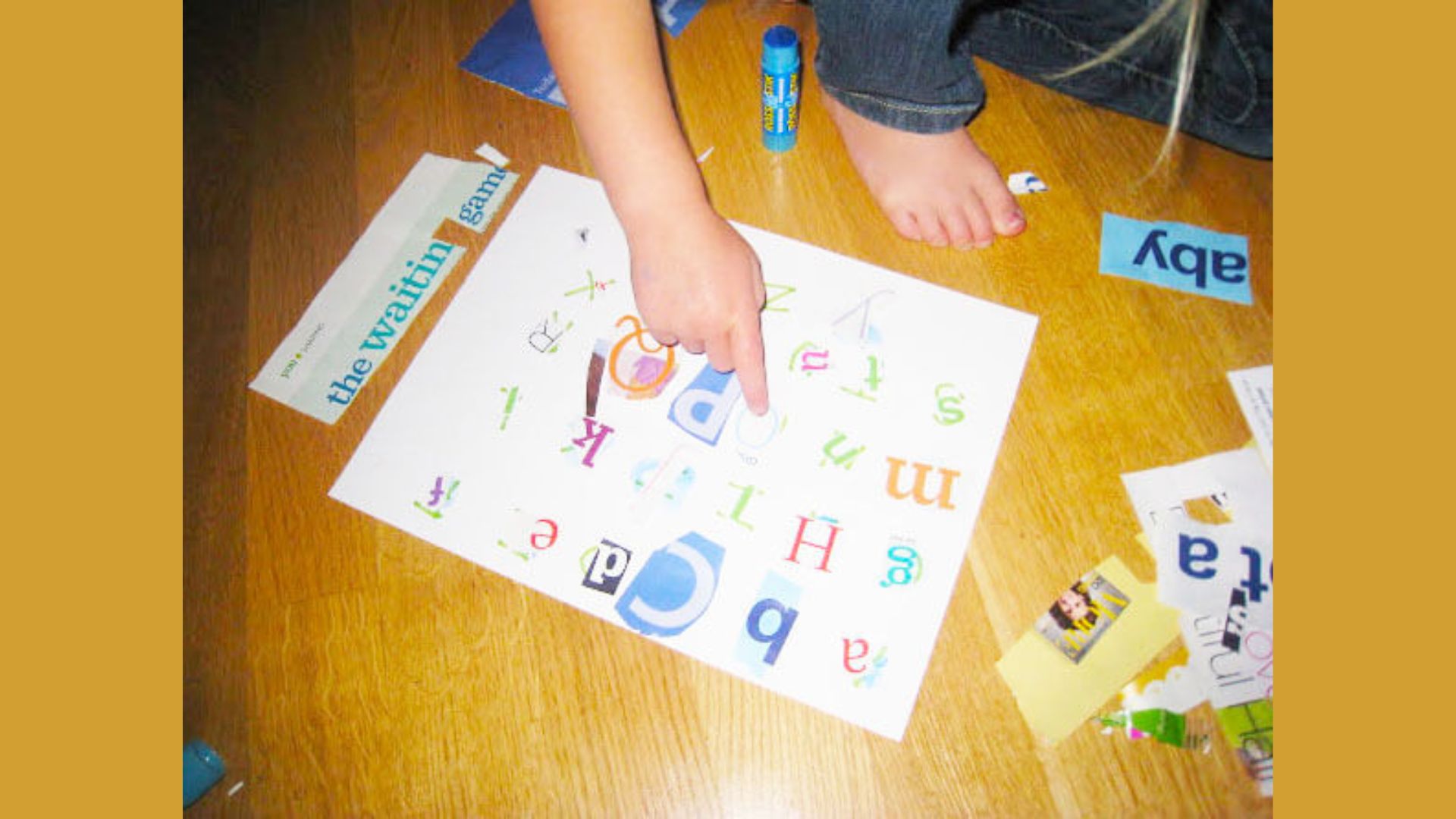
Hide letter cards around a room. Ask your child to find them one by one.
This works because kids love searching. It turns a simple task into a game.
How to do it:
- Write letters on index cards or paper.
- Hide them around the room.
- Call out a letter. Let your child find it.
You can also do this outside. Tape letters to trees or under rocks. Fresh air plus learning is always a win.
2. Letter Hide-and-Seek

This one is similar to the alphabet hunt but with a twist. You hide one specific letter. The child has to find only that letter among others.
It sharpens focus and attention.
Lay out many letters on the floor. Mix them up. Ask your child to find the letter "B" or the letter "M."
This builds letter sorting skills too. Kids learn to tell apart letters that look alike, like "b" and "d."
3. Playdough Letters
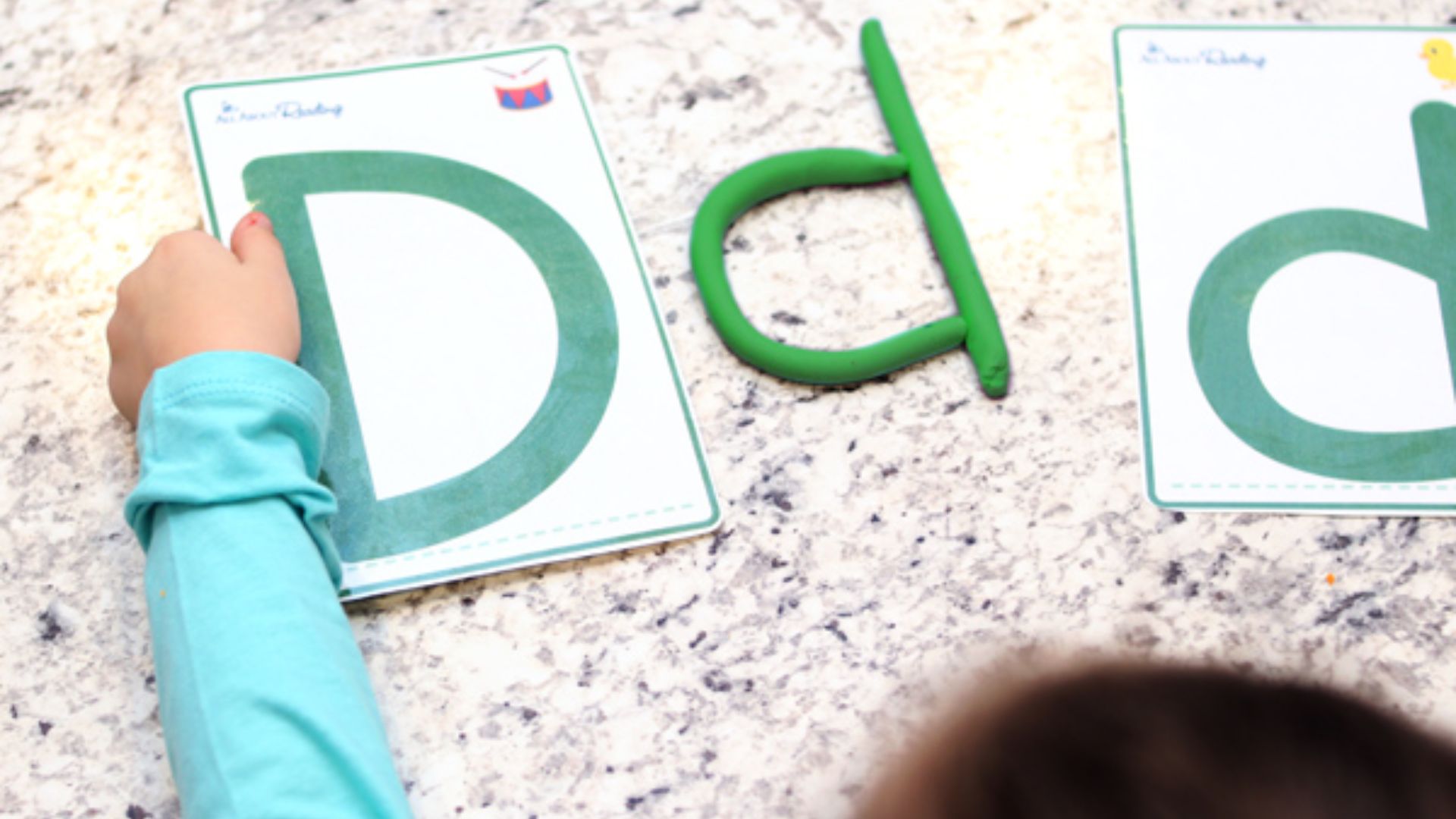
Kids love playdough. Use that love to teach letters.
Roll it. Shape it. Learn it.
How to do it:
- Give your child a ball of playdough.
- Show them a letter on a card.
- Ask them to shape that letter.
This works well for hands-on learners. The act of forming the letter with their hands helps them remember it better than just looking at it.
You can also press letter stamps into the playdough for a quicker version.
4. Letter Match Puzzle
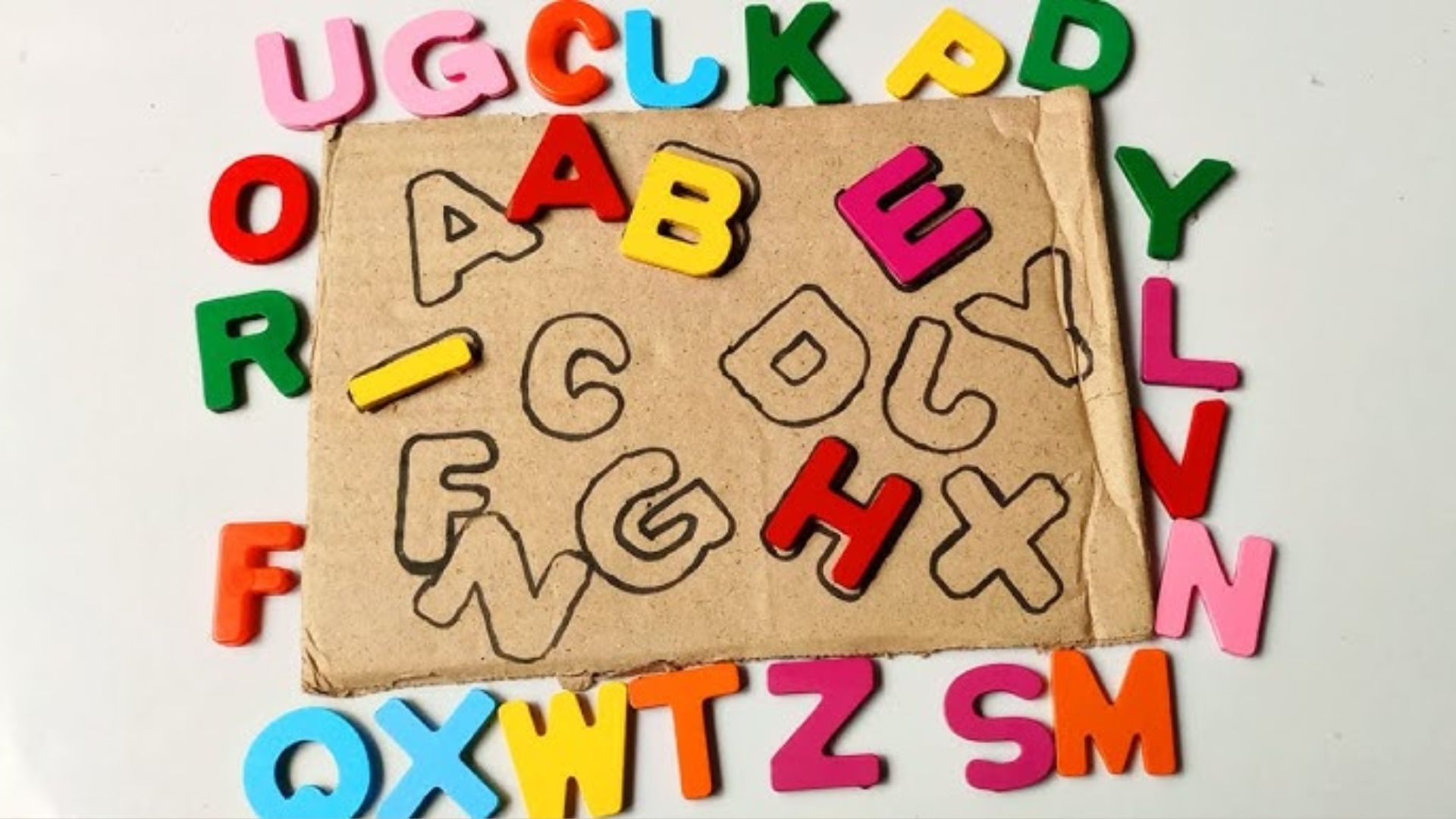
Cut out two sets of the same letters. Ask your child to match them up.
This is great for visual recognition.
You can make this at home with cardstock and a marker. Or print free letter cards online.
Try these matching styles:
- Uppercase to uppercase
- Lowercase to lowercase
- Uppercase to lowercase
Start with the third option only after your child knows both forms well. Go slow. Build confidence.
5. Alphabet Sensory Bin
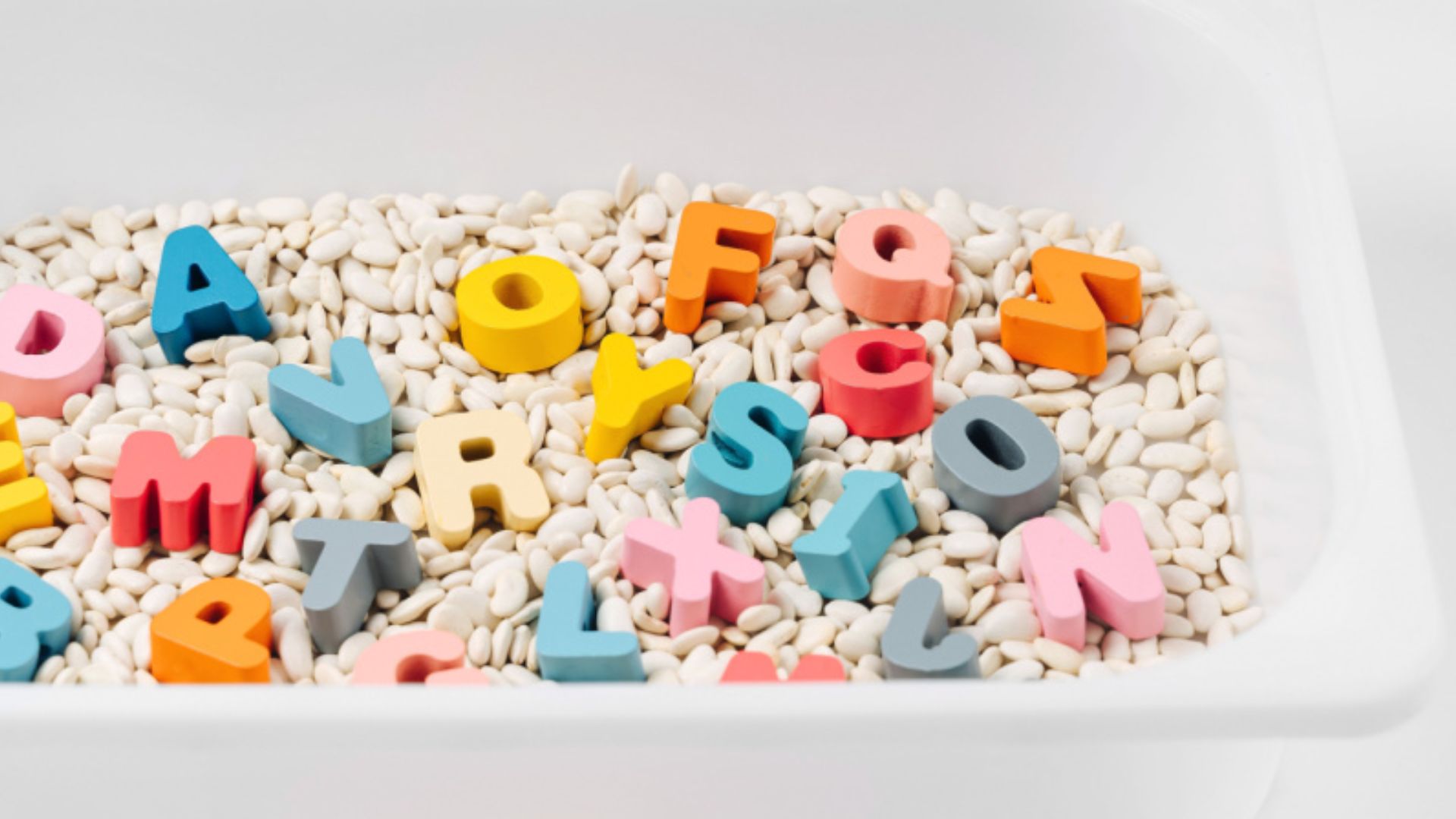
Fill a bin with rice, sand, or kinetic sand. Bury plastic or foam letters inside.
Kids dig through the bin to find letters.
This keeps them busy and learning at the same time.
How to use it:
- Fill a container with your chosen material.
- Mix in foam or plastic letters.
- Ask your child to pull out letters and name them.
You can also ask them to sort what they find by color or put them in ABC order. A simple bin can do so much.
6. Letter I Spy
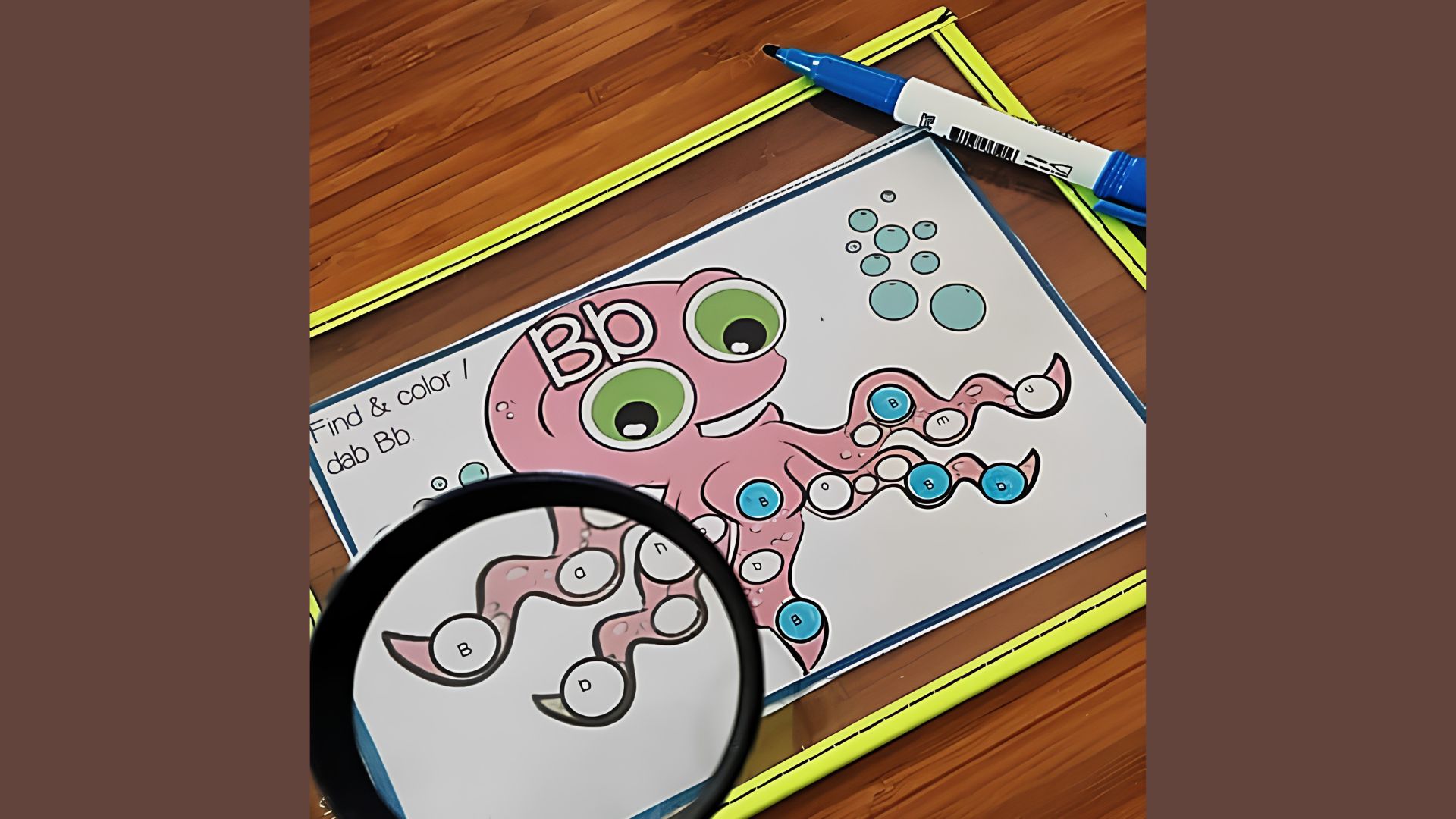
This is a classic game with a learning twist.
Say:"I spy something that starts with the letter S."
Your child looks around the room and guesses.
This builds letter-to-sound connections. It also works anywhere. In the car. At the store. At home.
No materials needed. Just your voice and their curiosity.
Start with easy letters like S, M, and T. Move to harder ones like X and Q once they get the hang of it.
7. Letter Swat Game
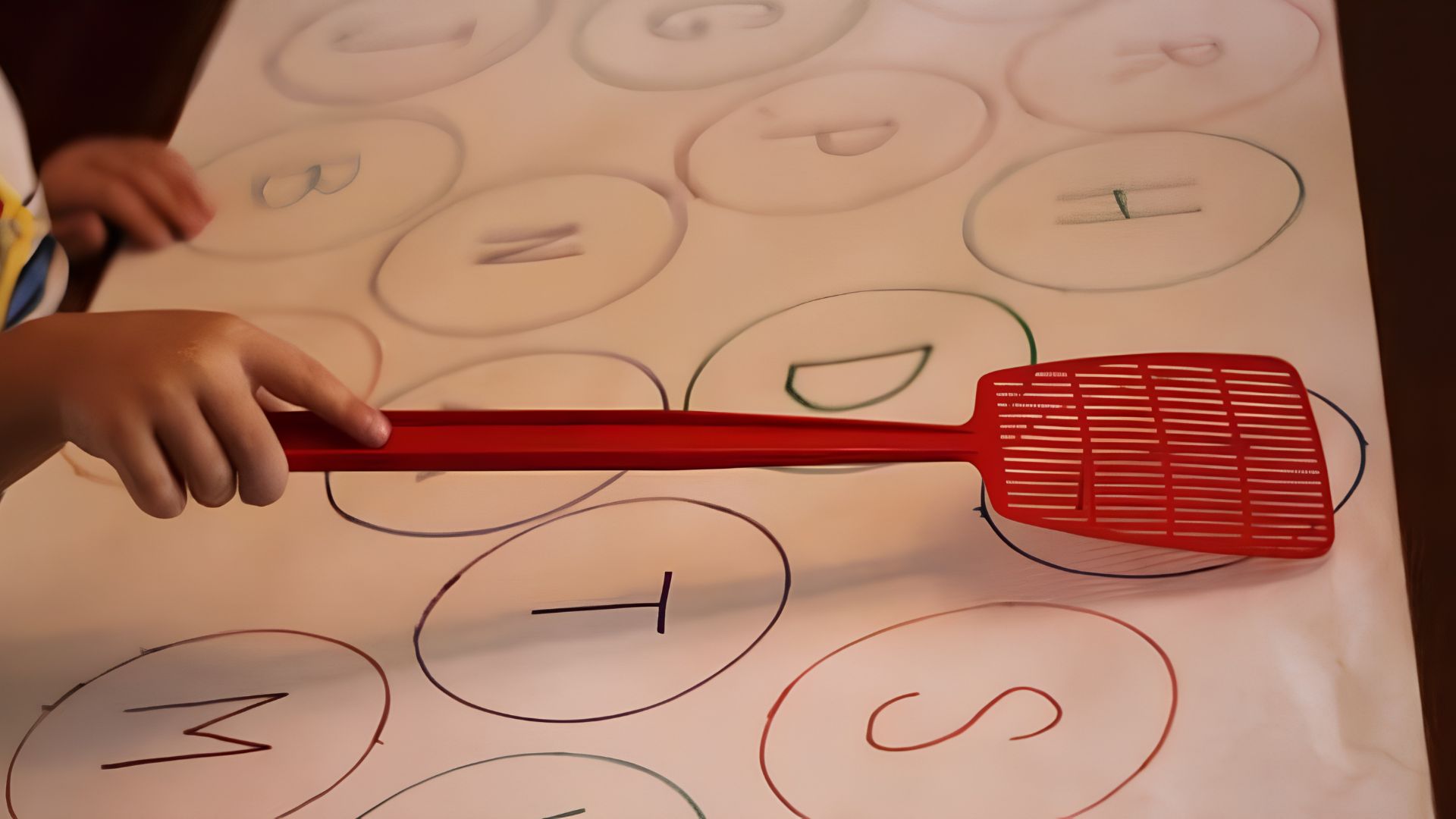
Write letters on sticky notes or paper. Stick them on a wall or table.
Give your child a fly swatter.
Call out a letter. They swat it.
Kids go wild for this game. The movement keeps them focused and engaged.
Tips for this activity:
- Start with 5 to 6 letters.
- Add more as they improve.
- Mix up the positions often so they cannot guess by location.
This is one of my personal favorites because it burns off energy while teaching. Two wins in one.
8. Fishing for Letters
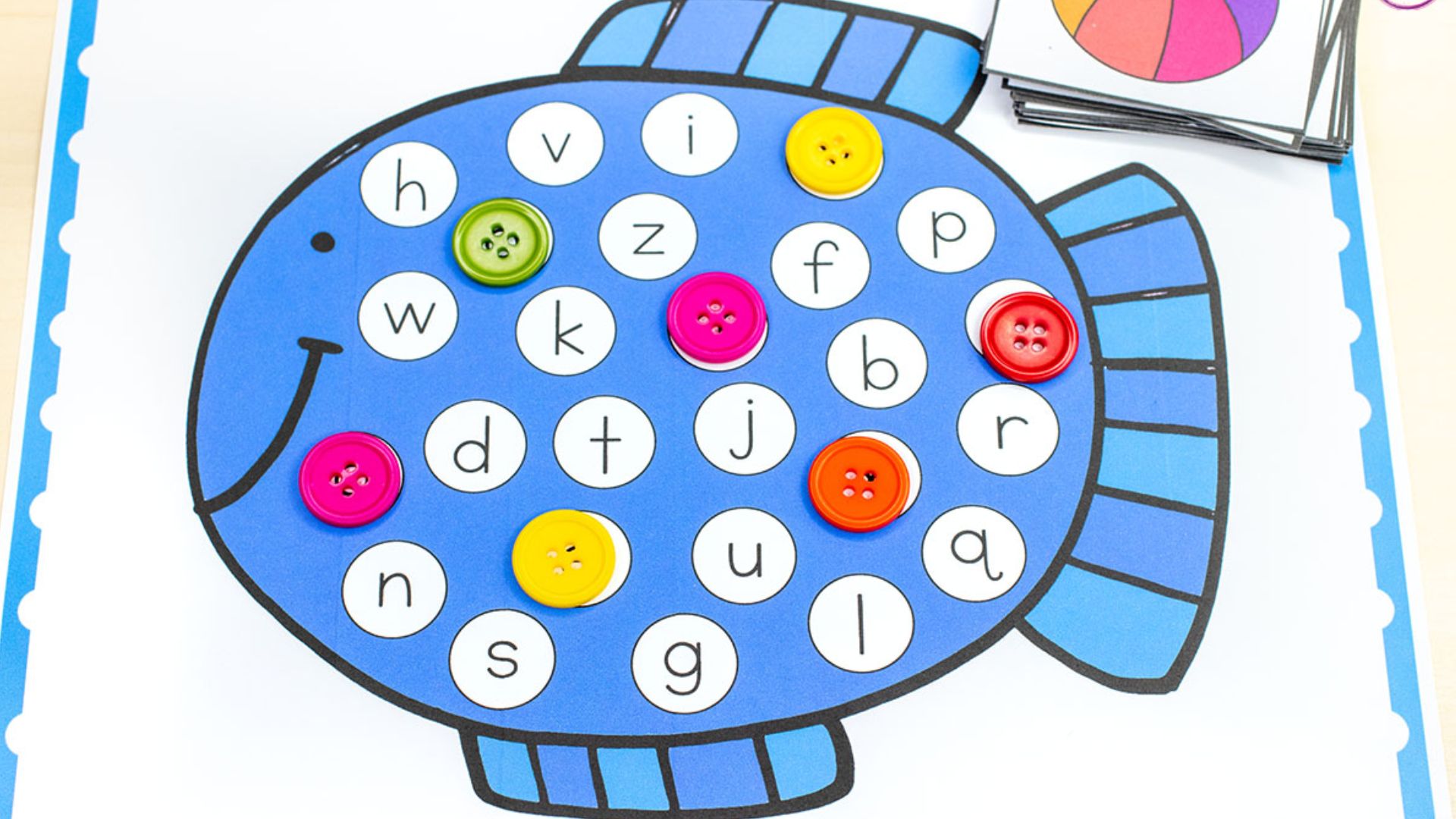
Attach paper clips to letter cards. Use a magnet tied to a string as a fishing rod.
Kids fish for letters and name what they catch.
This is a hit with younger kids, especially ages 3 to 5.
How to set it up:
- Write letters on cardstock squares.
- Attach a paper clip to each one.
- Tie a small magnet to a stick or pencil with string.
- Let your child fish them out of a bin or box.
Name the letter each time it is caught. Repeat the sound too.
9. Alphabet Memory Game
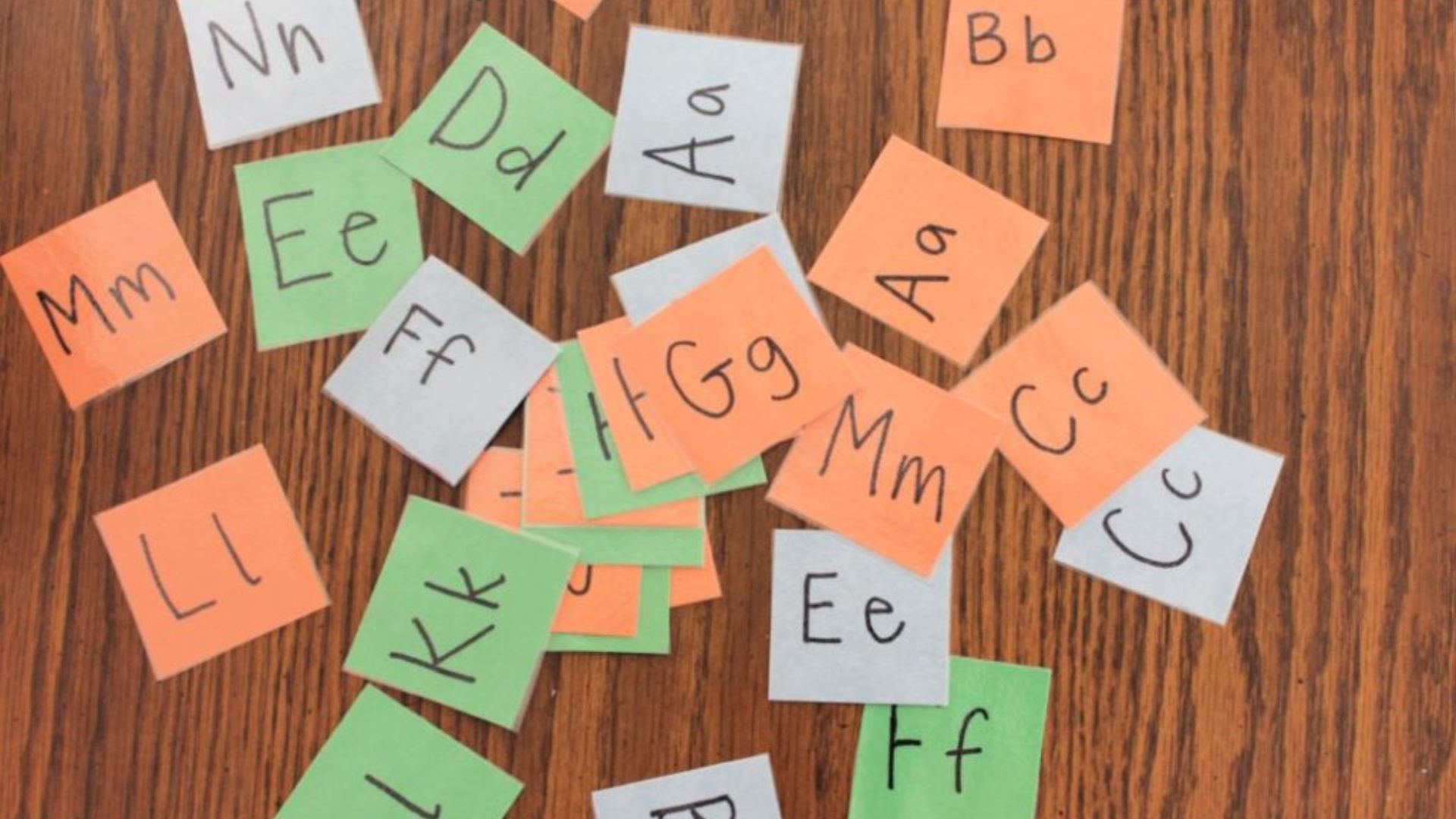
Make two sets of letter cards. Place them face down in a grid.
Players flip two cards at a time, trying to find a match.
This builds memory and letter recognition at the same time.
Start with just 6 to 8 pairs. Add more cards as your child gets better.
You can also mix uppercase and lowercase so each match is one of each. This adds a layer of learning without adding stress.
10. Letter Hop Activity
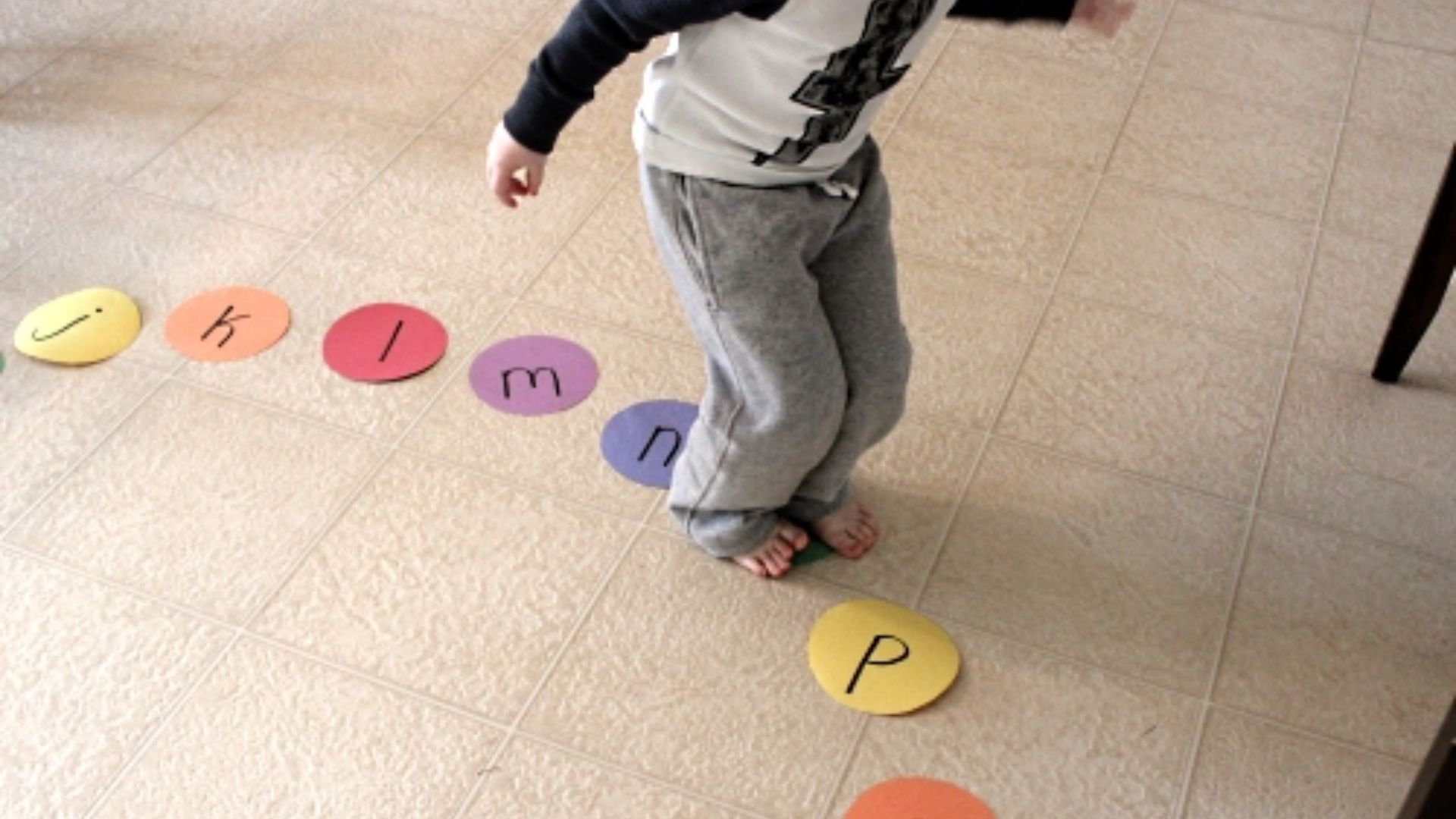
Write letters on paper plates or tape them to the floor.
Call out a letter. Your child hops to it.
This gets kids moving. Movement helps the brain hold on to new information.
Try these variations:
- Hop to the letter you hear.
- Hop to the letter that makes the sound you hear.
- Hop to all the letters in your name.
This one works well in classrooms or open spaces. It is also great for kids who have trouble sitting still.
11. Alphabet Bingo
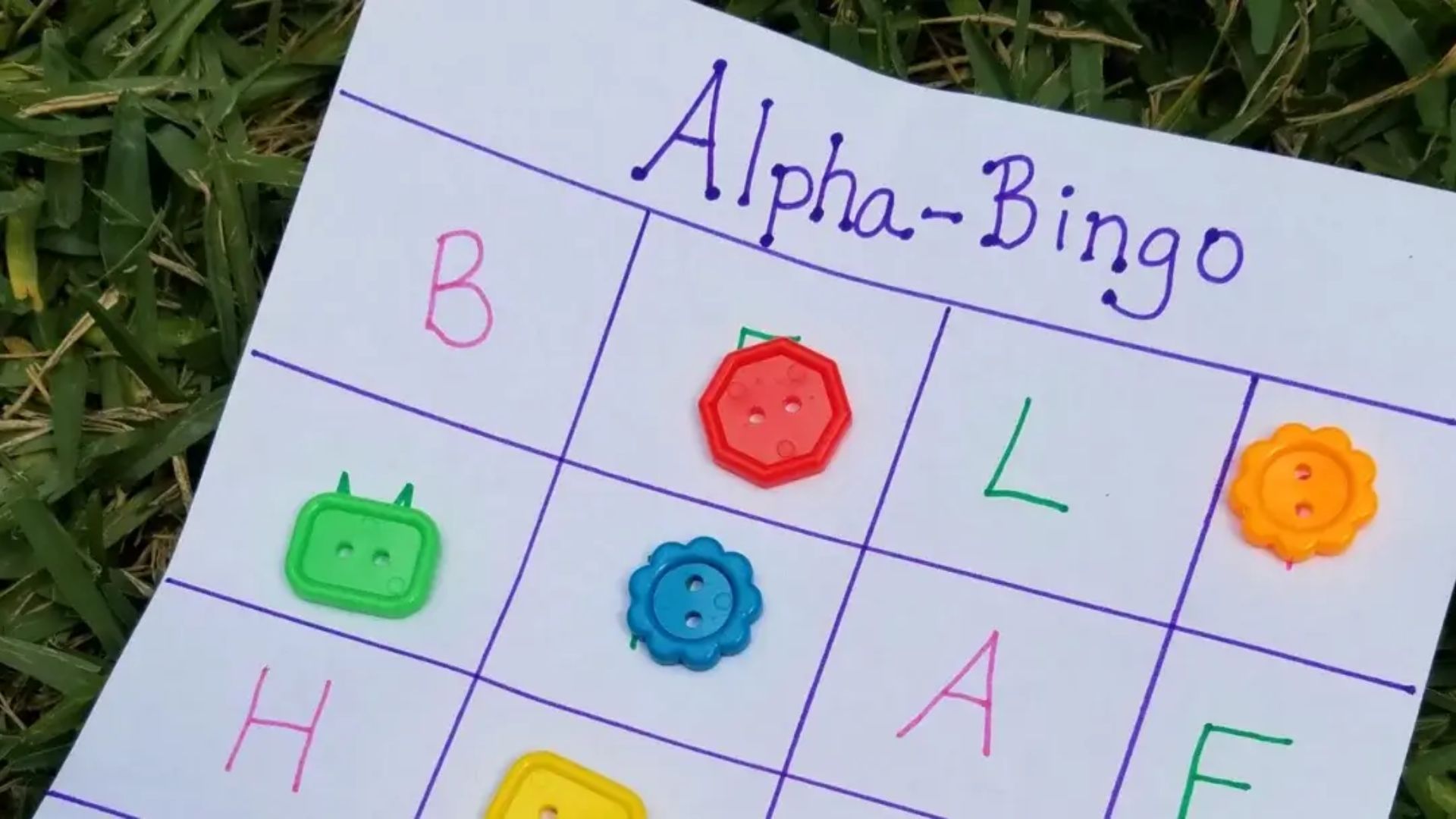
Make simple bingo cards with letters instead of numbers.
Call out letters one at a time. Kids mark their cards.
You can make these cards with a free printout or draw them by hand. Use stickers, coins, or small toys as markers.
This works great in groups. But it is just as fun one-on-one.
Kids stay focused because they want to win. Use it as a reward activity or a Friday fun game.
Tips to Make Letter Learning Fun and Effective
Small changes in how you teach can make a big difference in how much kids learn.
- Keep sessions short. Kids learn better in 10 to 15 minute blocks. Long lessons lead to boredom. Short, focused ones stick.
- Repeat often. Learning a letter once is not enough. Come back to it across different activities and different days.
- Follow their interests. If your child loves dinosaurs, write letters on dinosaur cutouts. Connect learning to what they love.
- Praise the effort, not just the answer. When a child tries, say so. "I love how hard you worked on that" goes further than just "Good job."
- Use letters in real life. Point out letters on signs, cereal boxes, and books. Make it part of everyday life, not just school time.
Conclusion
Letter recognition activities do not have to be boring or stressful. I have seen kids go from not knowing a single letter to reading simple words in just a few weeks, simply because someone made it fun for them.
You do not need to spend money or hours on prep. Pick one activity. Try it today. See what your child enjoys.
If this helped you, leave a comment below and share which activity your child loved most. You can also share this post with a parent or teacher who might find it useful.
Frequently Asked Questions
At what age should kids start learning letter recognition?
Most children are ready to begin around age 3 to 4. Starting early with playful, low-pressure activities builds a strong reading base before formal school begins.
How long does it take for a child to learn all 26 letters?
It varies for every child. With regular short practice sessions, most kids can recognize all letters within a few months of consistent and fun learning.
What is the best way to teach letter recognition at home?
Mix different activities to keep things interesting. Use games, movement, and sensory play so your child stays engaged and does not feel like they are studying.
Should I teach uppercase or lowercase letters first?
Most experts suggest starting with uppercase letters since they are easier to tell apart. Once your child is confident, introduce lowercase letters gradually.
How do I know if my child is struggling with letter recognition?
If your child regularly confuses letters, avoids reading activities, or cannot name letters by age 5, speak with their teacher. Early support makes a big difference.