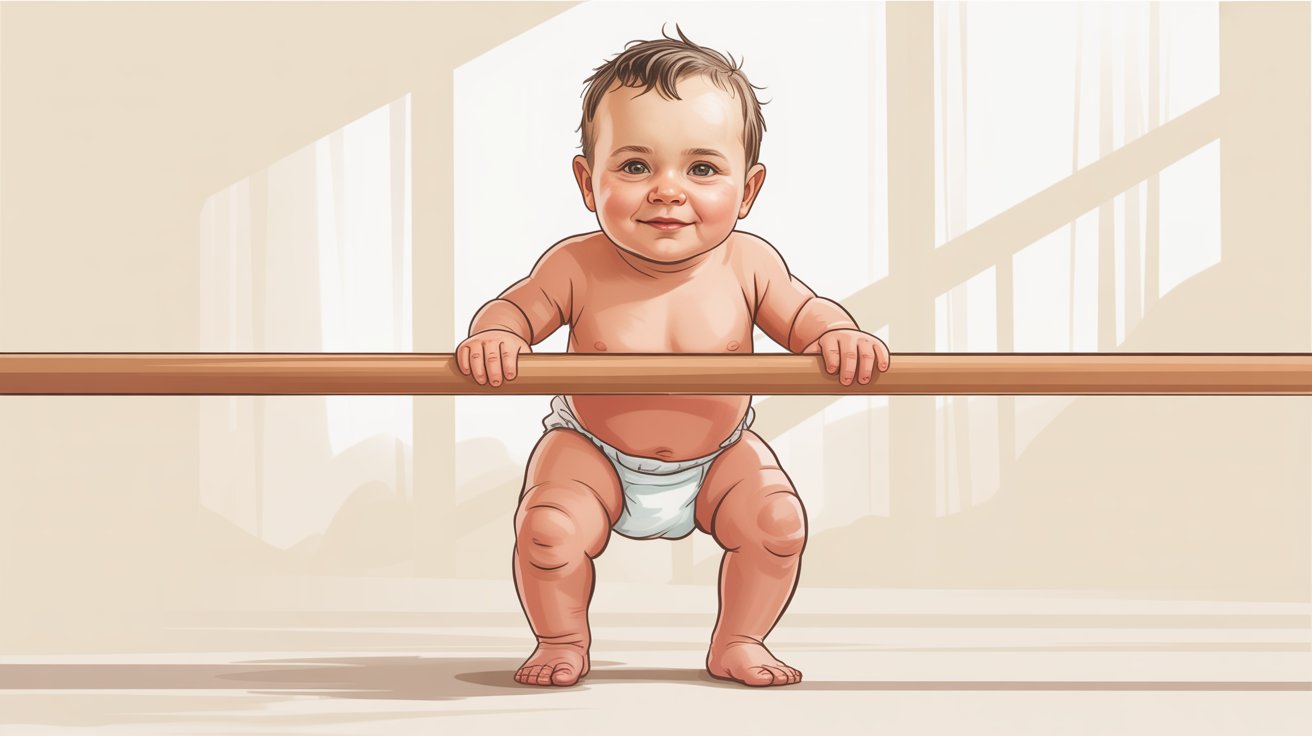

Does your child act before thinking? You're not alone. Many parents deal with kids who blurt out answers, grab things, or can't wait their turn. It can be frustrating, but it's not a behavior problem. It's a skill gap.
In this guide, I'll share 17 simple, fun impulse control activities that actually work. These are tried-and-tested ideas used by parents and child development experts alike.
You'll find what impulse control means for kids, real examples of impulsive behavior, 17 hands-on activities to build self-control, and tips to make them work at home.
What Is Impulse Control in Children?

Impulse control is the ability to pause before acting. It means a child can stop, think, and then choose what to do.
This skill doesn't come naturally to young kids. Their brains are still developing, especially the part that handles self-regulation.
A child with good impulse control can wait their turn, hold back an angry reaction, or ask before grabbing. It's not about being perfect. It's about building the habit of thinking first.
You've probably seen impulsive behavior at home or school. Kids interrupting, grabbing things, reacting with big emotions, or speaking without thinking. These behaviors are normal. But without practice, they can get in the way of friendships and learning.
17 Impulse Control Activities for Kids
These simple, fun activities help kids build self-control one step at a time.
1. Red Light, Green Light

What it teaches: Stop-and-go body control
This classic game is more than just fun. When kids freeze on "red light," they practice controlling their body on command. That pause trains the brain to stop before acting.
Play it in the backyard, living room, or classroom. Even a few rounds a week makes a difference.
2. Simon Says

What it teaches: Listening before responding
Kids have to wait, listen carefully, and only move when the right cue is given. If they act too fast, they're out. This gentle pressure helps children slow down their reactions.
It also makes them laugh, which keeps them engaged.
3. Freeze Dance
Alt text: Group of children playing Freeze Dance in a bright playroom, some dancing with arms up while others are frozen mid-movement, an impulse control activity for kids 
What it teaches: Body awareness and self-control
Turn on music and let kids dance freely. When the music stops, they freeze. This on-off switch helps children become aware of their body and practice control in a playful setting.
It works especially well with younger kids aged 3 to 7.
4. The Waiting Game

What it teaches: Delayed responses and patience
Give your child a small reward, like a snack or sticker. Then ask them to wait before taking it. Start with 30 seconds. Build up to a few minutes over time.
This mirrors the famous "marshmallow test" and directly builds patience in everyday life.
5. Emotion Charades

What it teaches: Recognizing and expressing emotions
Write emotion words on cards, like "excited," "nervous," or "frustrated." Kids pick a card and act out the emotion without words. Others guess what it is.
This helps kids name their feelings. And kids who can name emotions are better at managing them.
6. Breathing Buddies

What it teaches: Calm breathing and mindfulness
Have your child lie down and place a stuffed animal on their belly. Ask them to breathe in slowly so the toy rises, then breathe out so it falls.
This simple activity teaches kids how to calm themselves down before reacting. It's a tool they can use anywhere.
7. Stop, Think, Act Strategy

What it teaches: Internal self-regulation
Teach kids a three-step routine:
- Stop: Pause before reacting
- Think: What are my choices?
- Act: Choose the best one
Practice this during calm moments so it becomes automatic during tough ones. Role-play different situations to make it stick.
8. Turn-Taking Board Games

What it teaches: Patience and rule-following
Games like Uno, Snakes and Ladders, or Connect Four require kids to wait, follow rules, and handle winning and losing. These are real-world impulse control skills.
Play regularly as a family. It builds self-control without feeling like a lesson.
9. Storytelling with Questions

What it teaches: Thinking before responding
Start a short story and pause at key moments. Ask your child, "What do you think happens next?" Then ask them to wait five seconds before answering.
This builds the habit of pausing and thinking. It also improves listening and creativity.
10. Role-Playing Scenarios

What it teaches: Real-life decision-making
Act out situations your child finds hard.
For example:
- "What do you do when someone takes your toy?"
- "How do you act when you lose a game?"
Let your child practice different responses. When they rehearse good choices, they're more likely to use them in the real moment.
11. The Mirror Game

What it teaches: Focus and imitation control
Two players face each other. One leads slow movements. The other mirrors them exactly. Then they switch.
To mirror correctly, kids must focus, slow down, and wait. It builds concentration and body control without any competition.
12. Whisper Challenge

What it teaches: Listening and attention skills
One person whispers a short sentence. The other must listen carefully and repeat it. No shouting, no rushing.
This gentle challenge trains kids to focus their attention. It also makes them giggle, which keeps the mood light.
13. Sensory Calming Activities

What it teaches: Managing overstimulation
Some kids act impulsively because they feel overwhelmed. Sensory activities help calm the nervous system.
Try:
- Playing with kinetic sand or playdough
- Squeezing a stress ball
- Running fingers through a bin of rice
These give kids a physical outlet that brings them back to a calm state.
14. Jenga or Stack Games

What it teaches: Slow, careful actions
Pulling a Jenga block, or stacking cups carefully, forces kids to slow down their movements. One wrong move and the tower falls. That natural consequence teaches care and control.
It's also a great activity for kids who struggle with physical impulsivity.
15. Mindfulness Moments

What it teaches: Awareness and focus
Set aside two to three minutes a day for a quiet mindfulness moment. Ask your child to:
- Close their eyes
- Notice five things they can hear
- Take three slow breaths
Over time, this builds the mental habit of pausing and noticing. That's the foundation of impulse control.
16. "Do-Over" Practice

What it teaches: Better choices through repetition
When a child reacts badly, don't just correct them. Give them a do-over. Say, "Let's try that again. What's a better way to handle it?"
This teaches that mistakes are part of learning. It removes shame and replaces it with practice.
17. Physical Activities (Sports and Yoga)
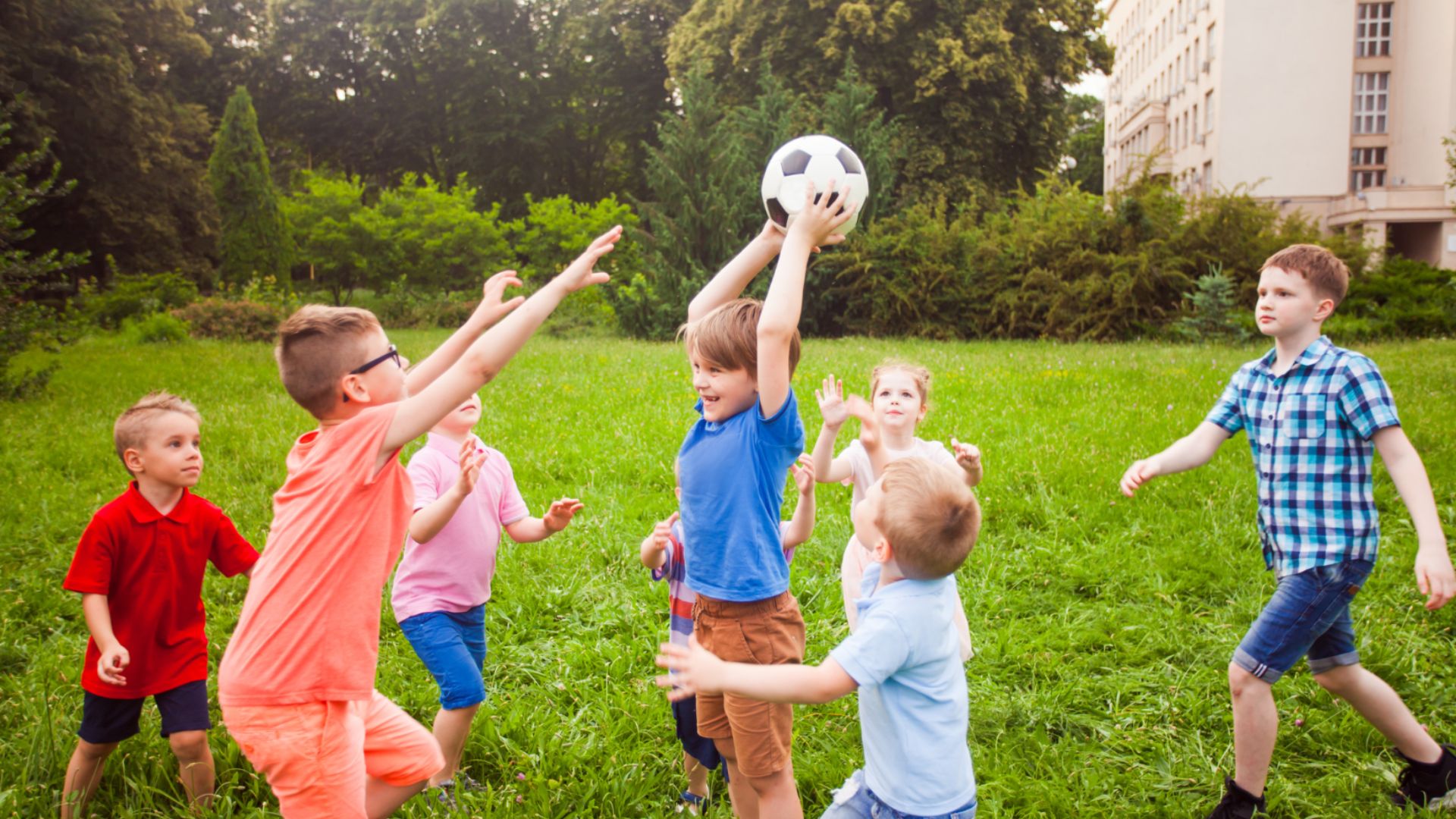
What it teaches: Discipline and body control
Sports like swimming, martial arts, or soccer teach kids to follow rules, wait for signals, and control their movements. Yoga takes it further with breathing and body poses.
Both build self-discipline through the body. And a child with body control often shows better mental control too.
Tips for Using These Activities Effectively
Making these activities work takes more than just trying them once. Here's how to get real results.
- Match activities to your child's age and ability. Start simple and build over time.
- Don't overwhelm them. One or two activities at a time is enough.
- Practice daily or weekly. Consistency matters more than duration.
- Praise the effort, not just the result. Small wins build big habits.
- When your child pauses before reacting, notice it and say so out loud.
Common Mistakes to Avoid
Even well-meaning parents can get in the way of progress. Here are the most common mistakes to watch for.
Expecting Quick Results
Impulse control develops over months, not days. Give it time.
Being Inconsistent
If you only practice sometimes, the skill won't stick. Make it part of the routine.
Focusing Only on Discipline
Saying "stop that" doesn't teach a child what to do instead. These activities fill that gap. They teach the skill, not just the rule.
Conclusion
I've worked with kids who seemed like they'd never slow down. But with patience and the right activities, I watched them grow into kids who could pause, think, and choose. That shift was everything.
Impulse control is a skill. And skills take practice.
Start with one or two activities from this list. Stay consistent. Celebrate small wins.
If this helped you, leave a comment below and tell me which activity you're trying first. Share this post with another parent who needs it. Let's help more kids thrive.
Frequently Asked Questions
What age should impulse control activities start?
You can start as early as age 3 with simple games like Freeze Dance. As kids grow, the activities can become more structured and complex.
How long does it take to see improvement in impulse control?
Most kids show small changes within a few weeks of consistent practice. Bigger changes often appear after one to three months of regular activity.
Can these activities help kids with ADHD?
Yes, many of these activities support kids with ADHD. They work best alongside professional guidance from a therapist or pediatrician.
How often should I do these activities with my child?
Aim for at least three to four times a week. Short, regular sessions work better than long ones done once in a while.
What if my child resists doing these activities?
Keep it light and make it feel like play. Let your child pick the activity sometimes. When kids have a choice, they're more likely to take part.