
Teaching letters to your child does not have to feel hard. I have helped many parents and teachers use simple methods that actually work.
In this guide, you will find when to start, what methods work best, and mistakes to avoid.
We will also cover fun activities and easy daily habits that make letter learning stick. Whether your child is just starting out or needs a little extra support, this blog has you covered.
Let's keep it simple, keep it fun, and get real results together.
Why Learning Letters Is Important
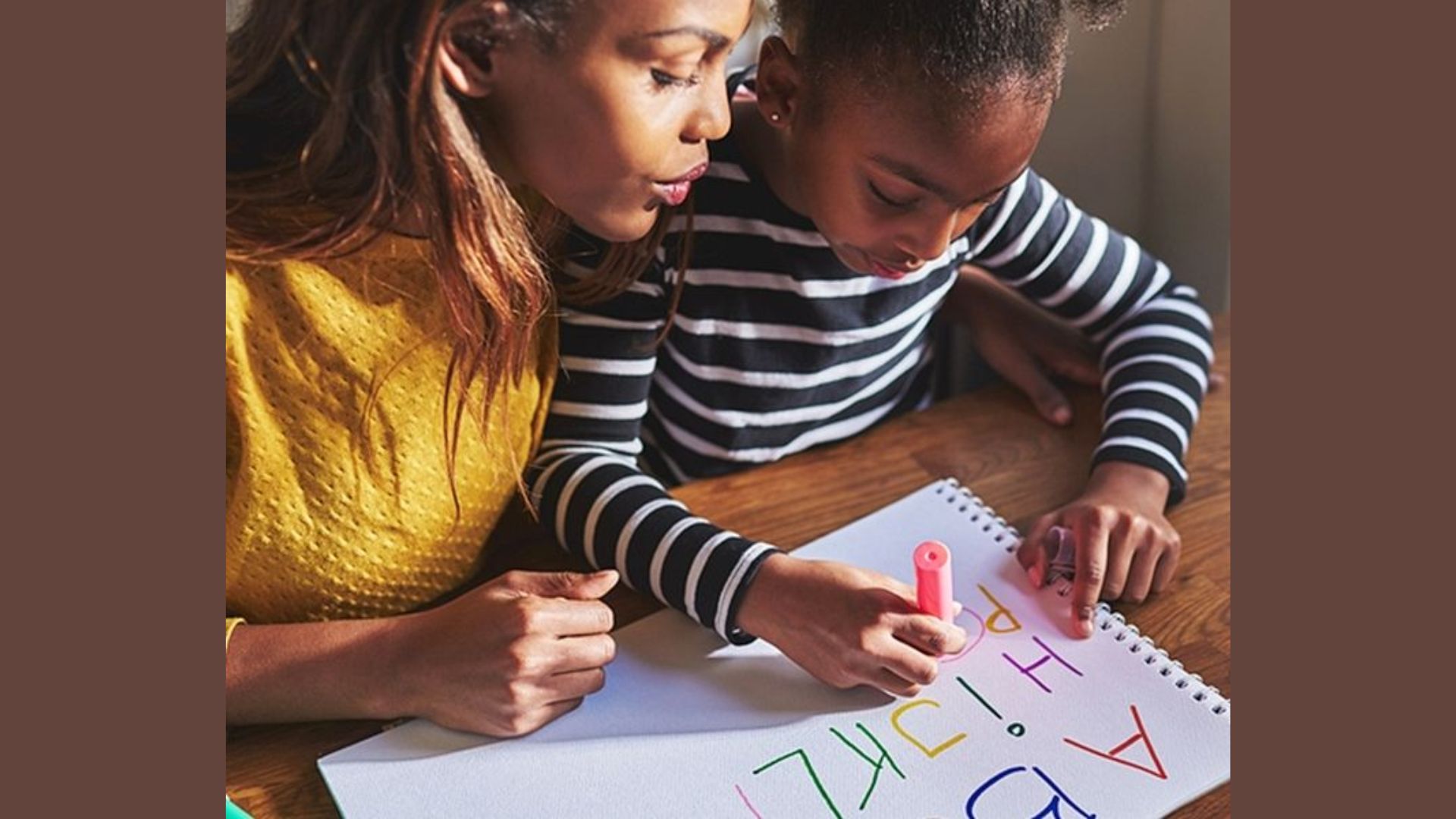
Learning letters is the first real step toward reading and writing. It builds a strong base for school and lifelong communication.
Letter recognition means a child looks at a letter and knows what it is. Not just the shape, but the sound and name connected to it.
Once that clicks, phonics begins. Letters lead to sounds. Sounds lead to words. Words lead to sentences. It all builds from there.
Kids who know their letters early tend to read more smoothly and feel more confident in class.
When Should You Start Teaching Letters?
Starting at the right time matters. Too early can cause stress. Too late can mean your child misses a key window.
Age Milestones (2 to 5 Years)
Here is a general guide for what to expect at each age:
Age 2: Start with simple exposure. Sing the alphabet. Point to letters on signs or books. Keep it playful, not structured.
Age 3: Kids often start recognizing a few letters, especially the ones in their own name. This is a great time to make it personal.
Age 4: Most children can recognize 10 or more letters. They may start writing a few, too.
Age 5:By now, many kids know most or all letters and are starting to connect letters to sounds.
These are rough guides, not strict rules. Every child moves at their own pace, and that is completely fine.
Signs Your Child Is Ready
You do not have to wait for a specific birthday. Watch for these signs instead:
Your child points to letters and asks what they are. They try to write or scribble and call it "writing." They show interest in books and stories. They recognize their own name in print.
These signs tell you your child is ready and curious. That curiosity is your best tool.
Step-by-Step Method to Teach Letters
There is no single magic method. But there is a clear path that works well for most children.
Step 1: Introduce the Letter Clearly
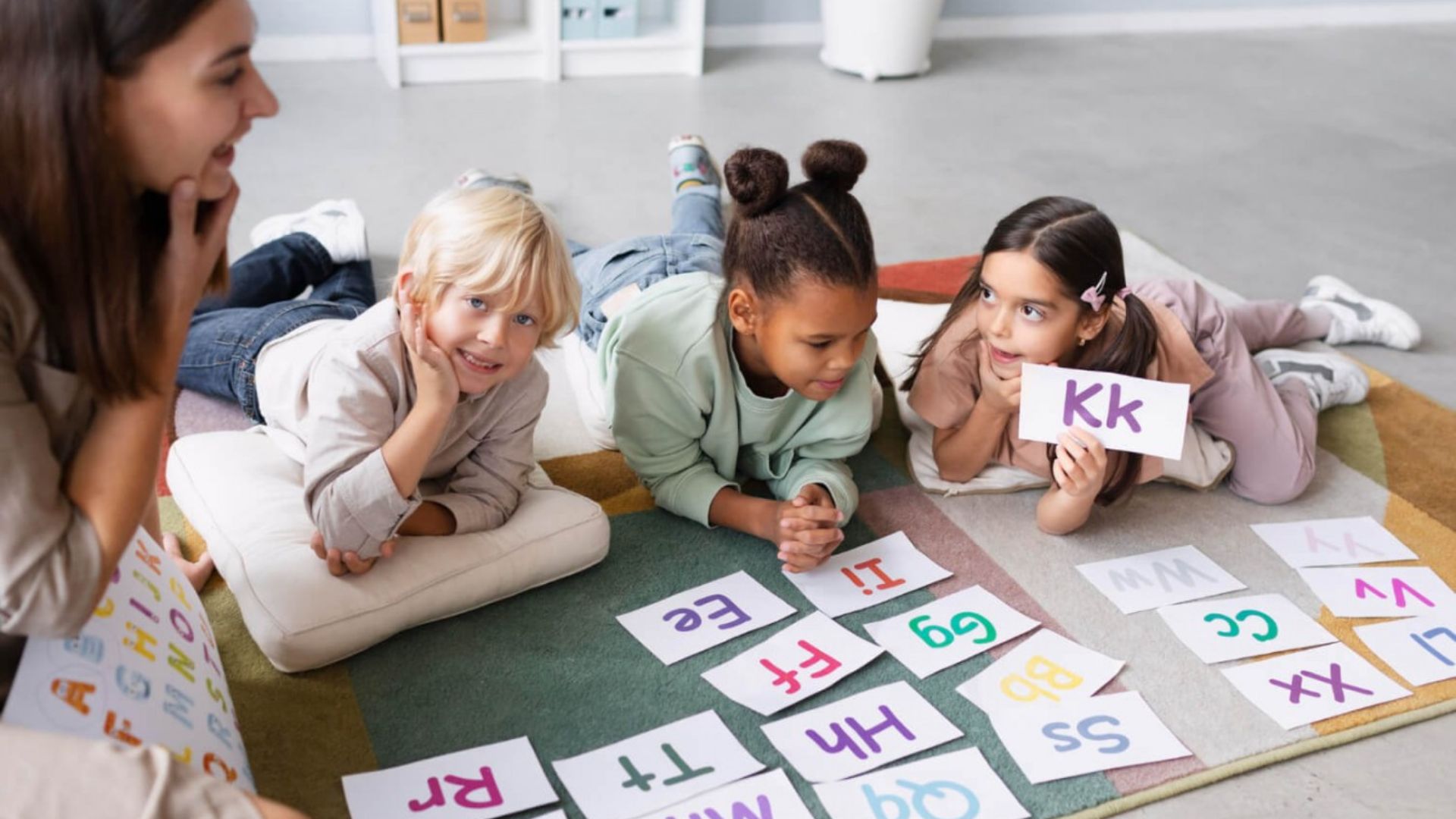
Start with one letter at a time. Do not rush through the whole alphabet in a week.
Say the letter name. Say the sound it makes. Show what it looks like. Do this together, slowly and clearly.
Use the child's name if possible. Starting with the first letter of their name makes it personal and meaningful.
Stick with one letter for a few days before moving on. Let it really sink in.
Step 2: Use Books and Visual Aids

Books are one of the best tools for letter learning. Alphabet books with clear pictures work well. Point to the letter as you say it.
Make letters visible in your home. Put an alphabet poster on the wall. Label things like the fridge, door, and chair with their starting letters.
The more a child sees letters in real life, the faster they remember them.
Step 3: Practice with Writing and Tracing

Tracing helps children feel the shape of a letter, not just see it. Use dotted letters on paper and let your child trace over them.
Keep the pencil grip loose and relaxed. Do not push for perfect handwriting at this stage. The goal is to build the connection between the shape and the hand movement.
You can also use finger tracing on a table, in the air, or on their back. These little tricks make it more interactive.
Step 4: Add Hands-On Activities

Kids learn by doing. Hands-on activities stick much better than worksheets alone.
Try these:
Stamp letters using foam stamps and paint. Build letters with blocks or sticks. Sort small toys by their starting letter. Make letters out of play dough.
These activities make learning feel like play, which is exactly what young children need.
Step 5: Review and Repeat Daily
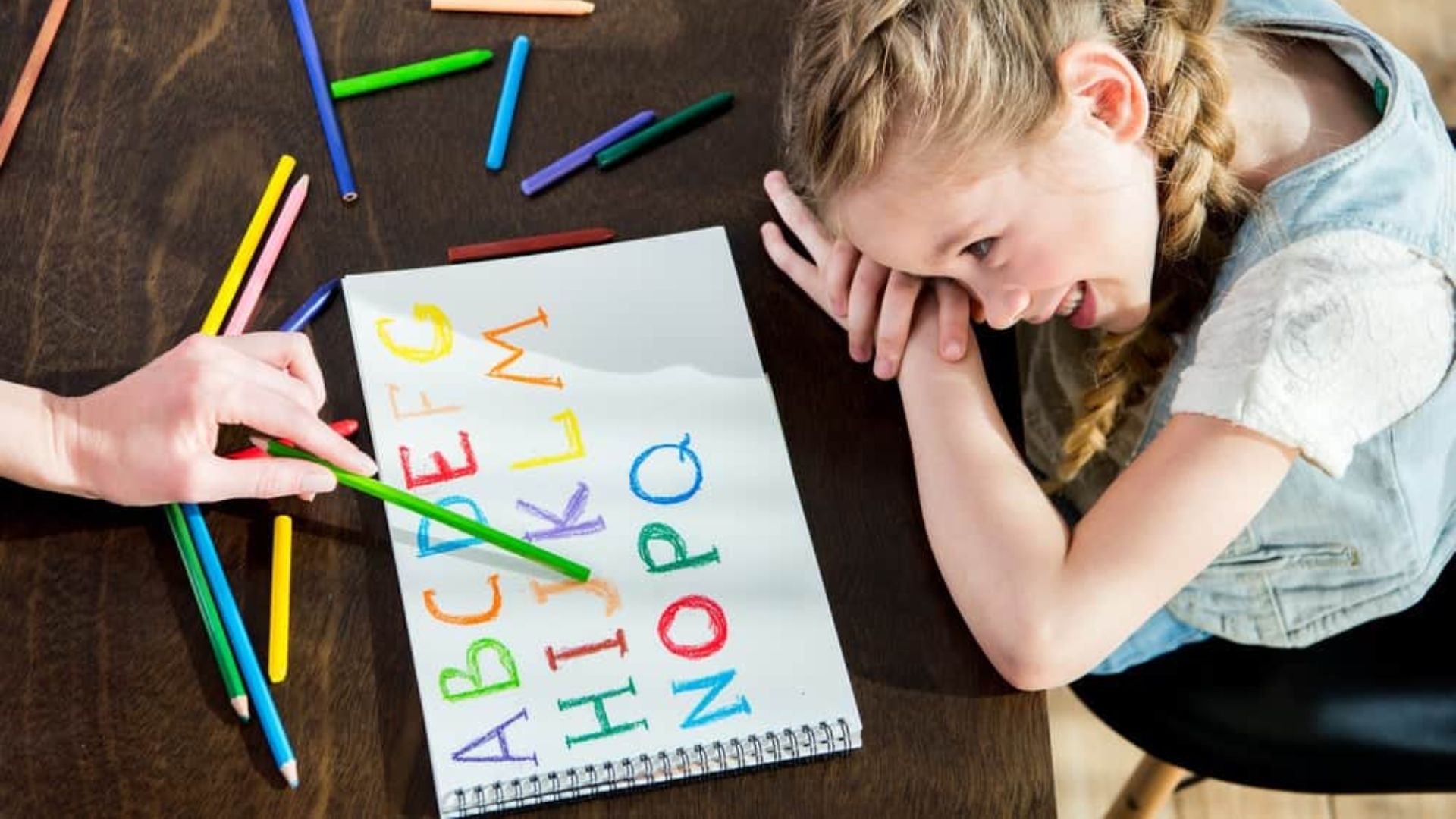
Short daily review matters more than long occasional sessions.
Spend 5 to 10 minutes a day going over letters your child already knows. Repetition builds memory. Do not skip this step, even when it feels repetitive to you.
Make it part of your routine. Morning drive, dinner table, bath time. Weave letters into everyday moments.
Common Mistakes to Avoid When Teaching Letters
Even well-meaning parents and teachers make these mistakes. Knowing them ahead of time helps.
Teaching Too Many Letters at Once
More is not better here. Teaching five letters at once often leads to confusion.
Focus on one or two letters at a time. Master those before adding more. Slow and steady leads to stronger learning.
Pushing Writing Too Early
Many parents want their child to write letters before they are physically ready. Small hands need time to develop the strength and coordination for writing.
Start with tracing. Move to writing only when the child seems ready and interested. Forcing it early can create frustration and resistance.
Focusing Only on Memorization
Drilling a child to say "A, B, C" in order is not the same as letter knowledge. A child can recite the alphabet perfectly and still not recognize individual letters on a page.
Make sure your child can identify letters out of order. Pull out a random letter and ask what it is. That is real recognition.
Simple Tips to Make Letter Learning Easier
Small changes in how you teach can make a big difference.
Here are five things that actually work:
- Keep lessons to 5 to 10 minutes. Short and focused beats long and boring every time.
- Use play as the main tool. Games, songs, and hands-on activities are how young kids learn best.
- Point out letters during daily life. Grocery stores, road signs, and snack time all count.
- Skip formal lessons on busy days. Casual, real-life exposure is enough to keep things moving.
- Follow your child's pace. Progress matters more than speed.
Conclusion
I know how much you want to get this right. Teaching letters can feel like a lot of pressure, but it really does not have to be.
I have seen firsthand how a relaxed, playful approach works so much better than forcing it. Start small. Stay consistent. Let your child lead when they show interest.
You are doing better than you think. Try one new activity this week and see how your child responds. Drop a comment below and share what worked for your little one. I would love to hear from you.
Frequently Asked Questions
What is the best age to start teaching letters?
Most children are ready to start learning letters between ages 3 and 4. Watch for signs of interest, like pointing to letters or asking what they say, rather than going strictly by age.
Should I teach uppercase or lowercase letters first?
Start with uppercase letters. They are easier to tell apart visually. Once your child knows most uppercase letters, introduce the lowercase versions alongside them.
How many letters should I teach per week?
Stick to one or two letters per week. This gives children enough time to recognize, practice, and remember each letter before moving on to the next.
My child keeps mixing up similar letters. What should I do?
This is very common, especially with letters like "b," "d," "p," and "q." Use memory tricks, like comparing "b" to a bat and ball. Practice one of the two letters until it is solid before working on the other.
Can screen time help with letter learning?
Some apps and shows can support letter learning when used in short sessions. But hands-on play and real-life interaction will always work better than screens alone. Use digital tools as a supplement, not a replacement.