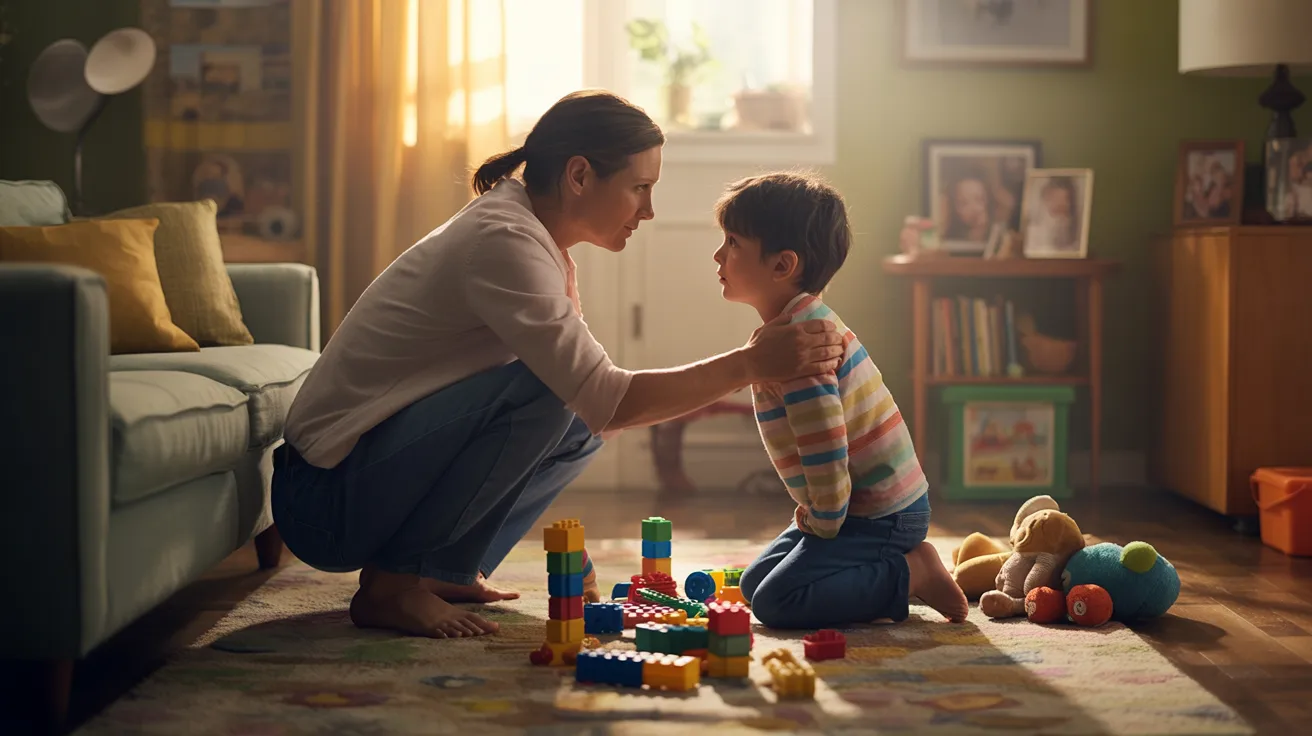
I remember handing my seven-year-old a simple task and walking back to find it completely ignored. No guilt. No explanation. Just nothing.
That's when I realized I wasn't just dealing with a messy room. I was dealing with a bigger gap.
Knowing how to teach kids responsibility isn't something that comes naturally to most parents.
But the good news? It's not as complicated as it feels.
In this blog, I'm sharing what actually worked for me. Simple, realistic, and something you can start today.
Why Teaching Responsibility Early Matters

Kids who learn responsibility early tend to handle life better. They're more organized, more dependable, and more confident in their choices. That's not a small thing.
When kids are held accountable for small tasks, they build self-discipline over time. They start to understand that actions have outcomes. That lesson follows them for life.
Good decision-making doesn't happen overnight. But when kids practice making small choices from a young age, they get better at it. Slowly, but surely.
And here's something parents often overlook. When kids take ownership of their responsibilities, parenting becomes less stressful. You spend less time reminding, chasing, and fixing.
9 Proven Tips on How to Teach Kids Responsibility
These are not vague suggestions. These are practical, everyday strategies that actually move the needle. Try even a few of these and you'll start to see a difference.
1. Start with Age-Appropriate Tasks

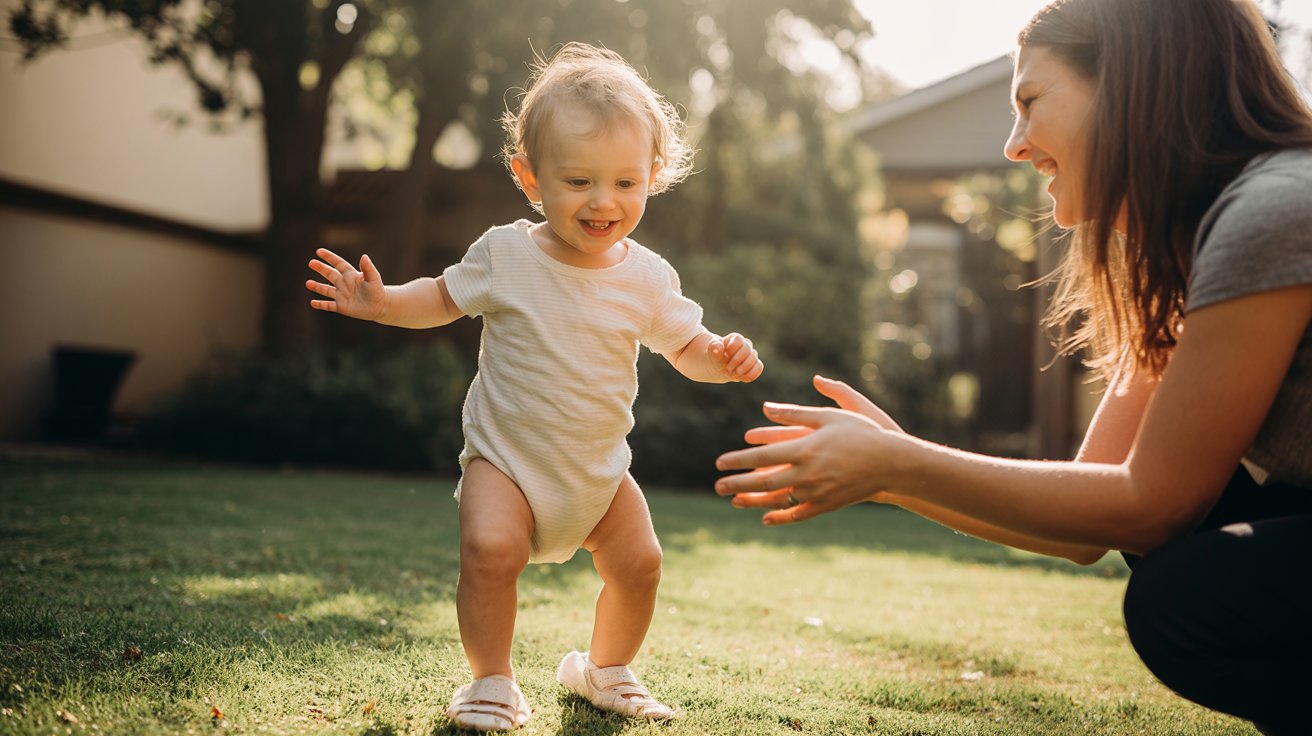
A toddler can put their toys in a basket. A seven-year-old can pack their school bag. The task should match the age.
Giving a child too much too soon sets them up to fail. That's not motivation. That's pressure.
Start small and build up gradually. Let success breed confidence before adding more. Don't worry about perfection at this stage. The goal right now is habit, not flawless execution.
2. Set Clear Expectations and Rules

Telling a child to "clean up" isn't enough. Be specific. "Put your shoes in the rack and your bag on the hook" gives them something clear to follow.
Vague instructions lead to inconsistent results. Kids need to know exactly what's expected of them.
Consistency matters more than strictness. If the rule applies today but not tomorrow, kids won't take it seriously. Keep the rules simple, repeat them calmly, and follow through every time.
3. Use Natural Consequences

If your child forgets their lunch, they go hungry at school. That's uncomfortable. It's also a lesson they won't forget.
Natural consequences are powerful teachers. They don't need anger or punishment. They just need space to happen.
Over-rescuing your child actually backfires. When you fix every mistake, they never learn to fix their own. Step back. Let the outcome do the teaching. That's often more effective than any lecture.
4. Create a Daily Routine

Routine is one of the most underrated tools in parenting. When kids know what to expect, they stop fighting the process.
A consistent morning routine means less nagging. A set bedtime routine means fewer negotiations. Structure removes the daily battle.
Kids feel more secure when they have a predictable schedule. It also helps them manage their time on their own. Start with just two or three fixed habits. Build from there.
5. Assign Regular Chores

Chores are not a punishment. They're a contribution. And that framing matters. When kids help around the house, they feel like they're part of something. They learn that effort keeps things running.
Make chores non-negotiable, but keep them fair. A five-year-old doesn't need to mop floors. But they can absolutely clear their plate after dinner.
Resist tying chores to rewards. The real lesson is that we all pitch in because it's the right thing to do.
6. Model Responsible Behavior

Kids are always watching. More than you think. If you follow through on your promises, pay bills on time, and own your mistakes, they notice. If you don't, they notice that too.
Telling kids to be responsible while acting the opposite sends a confusing message. Actions speak louder here.
Be the version of responsible you want to see in them. That's the most direct lesson you can give.
7. Encourage Problem-Solving

When your child comes to you with a problem, resist the urge to fix it immediately. Pause. Ask them, "What do you think you should do?"
That one question does more than you'd expect. It shifts the responsibility back to them, gently.
Let them think it through. Guide them with questions, not answers. When kids solve their own problems, their confidence grows. And so does their sense of ownership.
8. Praise Effort, Not Just Results

"You tried really hard to put that away" lands differently than "Good job."
Praising effort teaches kids that the process matters. That showing up and trying counts, even when things don't go perfectly.
This builds something called intrinsic motivation. Kids start doing things because it feels right, not just for praise or rewards. Responsible behavior grows when kids feel good about the effort they're putting in.
9. Give Them Ownership and Choices

Let your child choose what to wear, what snack to pack, or which chore to do first. Small choices add up.
When kids have some control, they feel respected. And that makes them more likely to cooperate.
Ownership also means letting them take credit for their wins. If they tidied their room, tell them you noticed. Specifically. This is a core part of how to teach kids responsibility without turning it into a power struggle.
Common Mistakes Parents Make When Teaching Responsibility
Most parents want to teach responsibility, but some common habits get in the way. It usually doesn't come from a bad place. It comes from wanting to help, avoid conflict, or just get things done faster.
Here's what to watch out for:
- Doing everything for the child instead of letting them try on their own
- Expecting perfection too soon and getting frustrated when kids fall short
- Having inconsistent rules that change depending on your mood or schedule
- Using bribes to get tasks done rather than building genuine values
None of these will ruin your child. But they do slow things down.
The fix isn't being tougher. It's being more consistent. Show up the same way every day, and your child will too.
Simple Daily Activities That Build Responsibility
You don't need special programs or big changes to see results. Small daily habits are enough.
Packing a school bag the night before teaches planning. It also reduces morning chaos for you.
Asking kids to clean up after playtime is a simple habit that builds discipline. They learn that they're responsible for the mess they make.
Getting kids involved in meal prep, even just washing vegetables or setting the table, teaches contribution. They feel useful and capable.
Managing a small allowance is another great tool. When kids decide how to spend their own money, they start to understand value, priorities, and consequences firsthand.
Conclusion
Teaching responsibility is a long game. But every small step you take today shapes the person your child becomes tomorrow.
You don't need to be a perfect parent. You just need to be a present one. I'd love to know where you're starting. Pick one tip from this list and try it this week.
Did something on here surprise you? Have a strategy that's worked in your house? Drop it in the comments below. Let's help each other out.
Share this with a parent who needs it today.
Frequently Asked Questions
At What Age Should I Start Teaching Kids Responsibility?
You can start as early as the toddler years with simple tasks like putting toys away. The earlier you begin, the more natural it becomes as they grow.
How Do I Teach Responsibility Without Being Too Harsh?
Focus on guidance, consistency, and natural consequences rather than punishment. A calm, steady approach works far better than strict demands.
What Are the Best Chores for Kids?
Age-appropriate chores like tidying their room, helping set the table, and organizing their belongings are great starting points. Keep tasks simple and matched to their ability.
Why Is My Child Not Taking Responsibility?
This often comes down to inconsistent rules, too much structure missing from the day, or parents doing tasks for them. Look at the pattern before assuming it's a behavior issue.
How Long Does It Take to Build Responsibility in Kids?
There's no fixed timeline. It develops gradually through consistent practice and daily habits over months and years.