
Losing a baby tooth is a big deal for kids. As a parent, I know the worry that comes with it. You want the tooth out quickly and without tears. You wonder if you’re doing it right. This guide shows you safe and painless ways to remove a loose tooth at home.
I’ll walk you through methods that work, signs to watch for, and when to call the dentist. After years of helping my own kids through this, I’ve learned what actually works.
You’ll learn how to make this milestone stress-free and even fun for your child.
Understanding Loose Teeth in Children

Losing baby teeth is normal. Permanent teeth push up from below and loosen the baby teeth above them. This process usually starts around age 6 and continues until age 12.
Sometimes a tooth gets loose from a fall, decay, or gum infection. These cases need a dentist’s attention.
Your child’s tooth is ready when it wiggles easily without much pain. Healthy gums look pink with no redness, swelling, or pus. If your child can eat and talk normally, the tooth is probably fine. Persistent pain or bleeding means you should wait or see a dentist.
Safe and Painless Methods to Remove a Tooth
These gentle methods work best when the tooth is already very loose and ready to come out.
1. The Wiggly Wiggle
Let your child wiggle the tooth themselves. They can use clean fingers or their tongue. This method lets kids control the process. They’ll stop if it hurts.
Wiggling helps the tooth loosen naturally. The root breaks down slowly. Your child feels confident because they’re in charge. This usually takes a few days to a week.
I always tell kids to wash their hands first. Then wiggle gently a few times each day. The tooth will come out when it’s ready.
2. Crunchy Foods
Apples work great for loosening teeth. So do carrots and celery. These foods are healthy and do the work naturally.
Cut apples into slices. Let your child bite down on the loose tooth side. The pressure from chewing helps the tooth break free. My kids loved this method because they got a snack.
Raw vegetables create the same effect. The crunching motion puts gentle pressure on the tooth. Plus, your child eats something good for them.
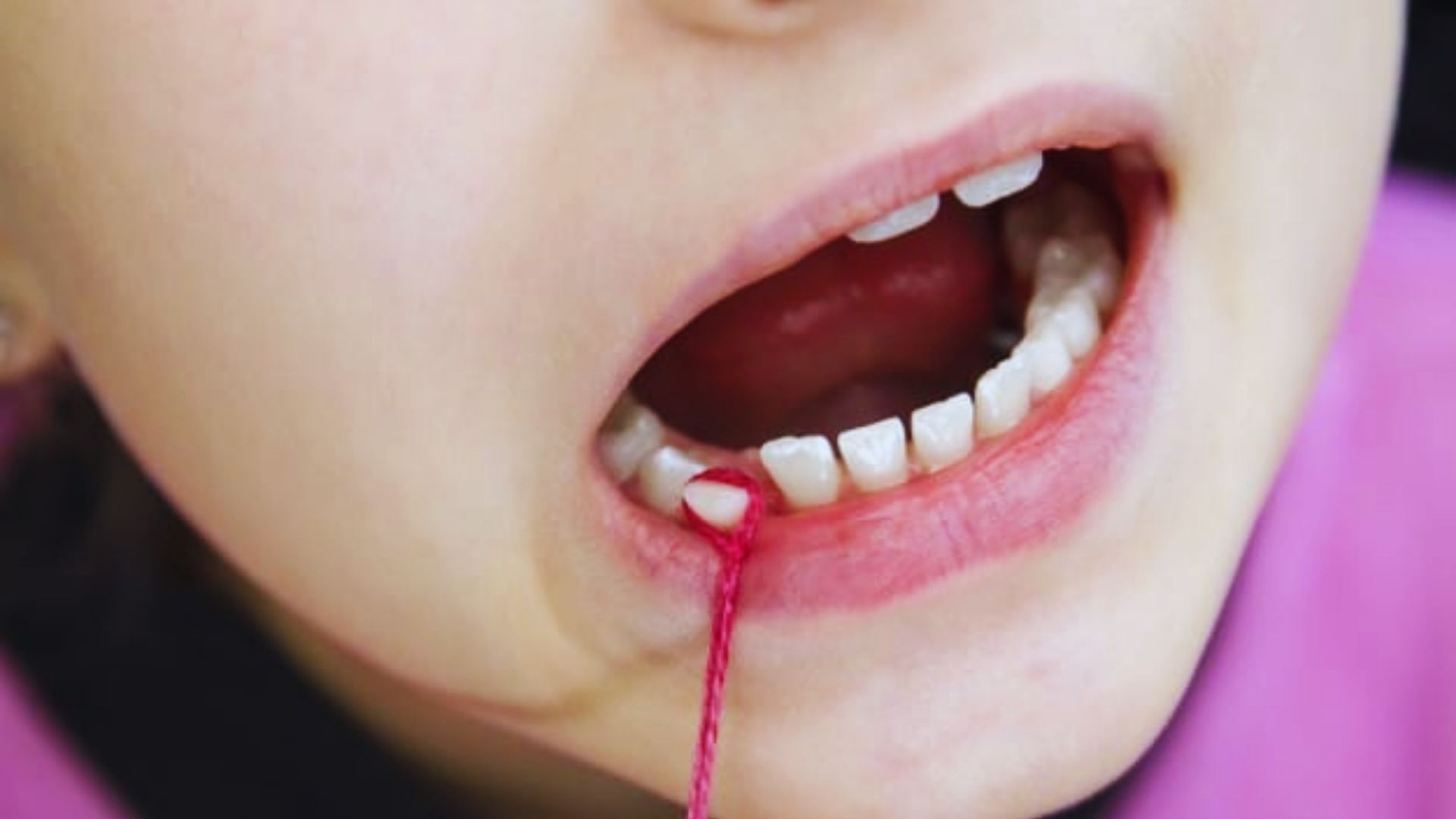
3. Dental Floss Method
This works best for very loose teeth. Take clean dental floss and make a loop. Slip the loop around the tooth near the gum line.
Hold both ends of the floss. Pull gently but firmly in one quick motion. The tooth should pop right out. Make sure the floss is clean to avoid infection.
This method is fast. But only use it when the tooth is barely hanging on. A tooth that’s still somewhat attached will hurt if you pull it.
4. Soft Toothbrush or Gentle Tug from Food
Regular brushing can help a loose tooth come out. Use a soft toothbrush around the wiggly tooth. Brush gently but with a little extra pressure.
Sticky foods sometimes pull teeth out naturally. Bananas or soft bread can catch a very loose tooth. The tooth sticks to the food as your child chews.
This happens by accident most of the time. Don’t force your child to eat specific foods just to pull a tooth. Let it happen naturally during normal meals.
5. Ice or Cold Compress
Cold helps numb the area before removal. Give your child an ice pop to suck on. The cold reduces discomfort in the gums.
You can also use a cold compress on the outside of the cheek. Hold it there for a few minutes. This makes the area less sensitive.
Ice works well before trying other removal methods. It calms nerves and reduces any pain. My kids always felt braver after having something cold first.
6. Tissue or Saltwater Squeeze
Grab a clean tissue and fold it. Grip the loose tooth through the tissue. Give it a gentle squeeze and twist. The tissue helps you get a better grip than fingers alone.
Warm saltwater rinses help too. Mix half a teaspoon of salt in warm water. Have your child swish it around their mouth. This cleans the area and can loosen the tooth more.
The saltwater also soothes sore gums. Use it after the tooth comes out to keep the area clean.
7. Fun and Magical Methods
Make tooth removal exciting instead of scary. Create a magic coin trick where pulling the tooth reveals a shiny coin. Kids love the surprise.
Set up a tooth fairy kit ahead of time. Include a special pillow or box for the tooth. Talk about what the tooth fairy might bring.
Dance around while wiggling the tooth. Sing songs about being brave. Tell stories about when you lost your teeth. These distractions reduce fear and make kids laugh.
Turn it into a celebration. Take photos of the gap-toothed smile. Let your child call grandparents to share the news. This creates positive memories.
8. When to Seek Professional Help
Some situations need a dentist. Persistent pain means something’s wrong. Swelling that gets worse could signal infection.
If the tooth won’t come out after several weeks of wiggling, see a dentist. Sometimes baby teeth have longer roots that need professional removal.
Severe tooth decay changes things. The tooth might break instead of coming out whole. A dentist can handle this safely.
Teeth that get loose from trauma need examination. The dentist checks for damage to the permanent tooth underneath. They can remove the baby tooth without causing more problems.
Aftercare for a Recently Removed Tooth

Bleeding is normal after a tooth comes out. Fold a piece of sterile gauze and have your child bite down on it. Apply gentle pressure for 5 to 10 minutes.
Change the gauze if blood soaks through. Most bleeding stops within 15 minutes. A small amount of blood mixed with saliva looks like more than it is.
Keep food soft for a day or two. Yogurt, soup, mashed potatoes, and scrambled eggs work well. Avoid hard, crunchy, spicy, or acidic foods. These can irritate the empty socket.
Your child can brush their teeth normally. Just be gentle around the area where the tooth was. Rinse with warm salt water after meals to keep it clean.
Watch for signs of problems. Redness, swelling, or pus means infection. Fever or pain that gets worse needs a visit. These symptoms are rare but important to catch early.
Tips to Make the Experience Positive
Making tooth loss fun helps kids feel brave instead of scared.
- Let your child lead the process when possible. They know their own comfort level. Forcing removal causes fear and tears.
- Share your own tooth-losing stories. Kids love hearing about when their parents were young. It normalizes what they’re going through.
- The tooth fairy tradition adds excitement. Let your child write a note to leave with the tooth. Some families leave glitter or tiny footprints as proof of the visit.
- Take photos of the milestone. That gap-toothed grin is adorable. These pictures become treasured memories. Some families keep baby teeth in a special box or make art projects with them.
- Praise your child for being brave. Even if they were scared, acknowledge their courage. This builds confidence for losing future teeth.
Conclusion
Getting a tooth out fast and painlessly is easier than you think. The methods I shared work because they’re gentle and let kids stay in control. I remember my daughter’s first loose tooth and how nervous we both were.
But using these simple steps made it painless. Trust your instincts as a parent. Watch for signs that the tooth is ready. Most importantly, make it a positive memory for your child.
Got questions or want to share your own tooth-pulling story? Drop a comment below. I’d love to hear how it went.
Frequently Asked Questions
How long does it take for a loose tooth to fall out naturally?
Most loose teeth fall out within one to two weeks. The timing depends on how wiggly it is and how much your child touches it. Let it happen naturally unless you see pain or infection.
Can I pull my child’s tooth if it’s only slightly loose?
No, don’t pull a slightly loose tooth. Wait until it’s very wiggly and barely hanging on. Pulling too early hurts and can damage the gums or the tooth coming in underneath.
What should I do if the tooth bleeds a lot after removal?
Have your child bite down on clean gauze for 10 minutes. Call your dentist if bleeding doesn’t slow down after 20 minutes. Light bleeding is normal and stops quickly.
Is it safe to tie a string to a tooth and pull it out?
The string method only works for extremely loose teeth. Use clean strings and pull fast. Letting your child wiggle it out themselves is safer and less frightening.
When should I take my child to the dentist for a loose tooth?
Visit the dentist for persistent pain, swelling, or signs. Also, go if the tooth stays loose for weeks without falling out or if an injury caused the looseness.