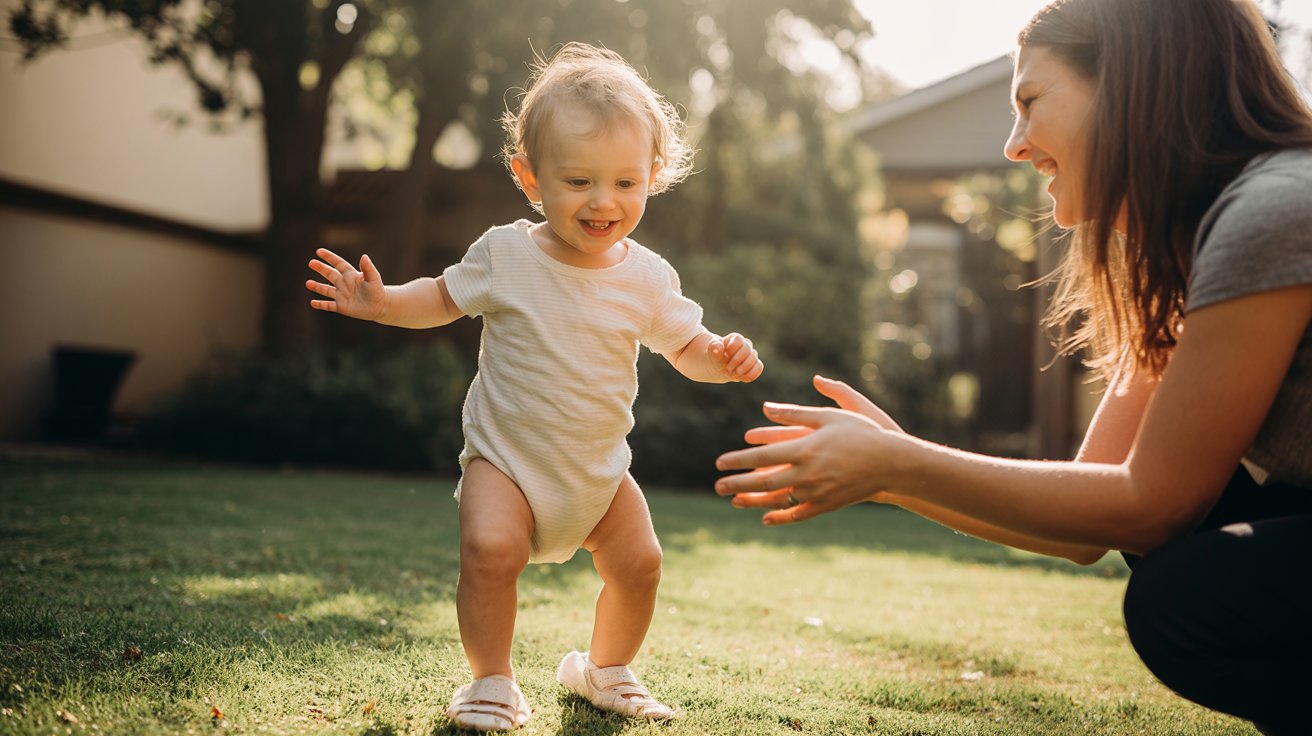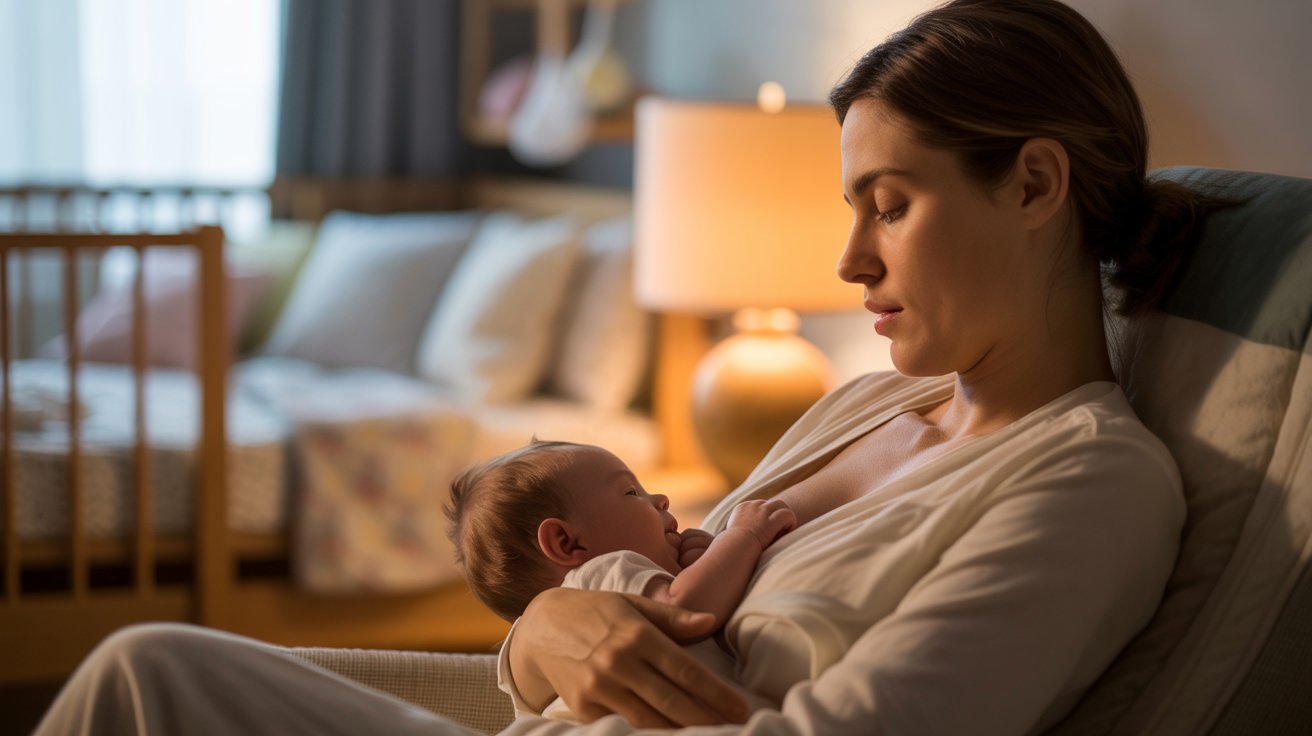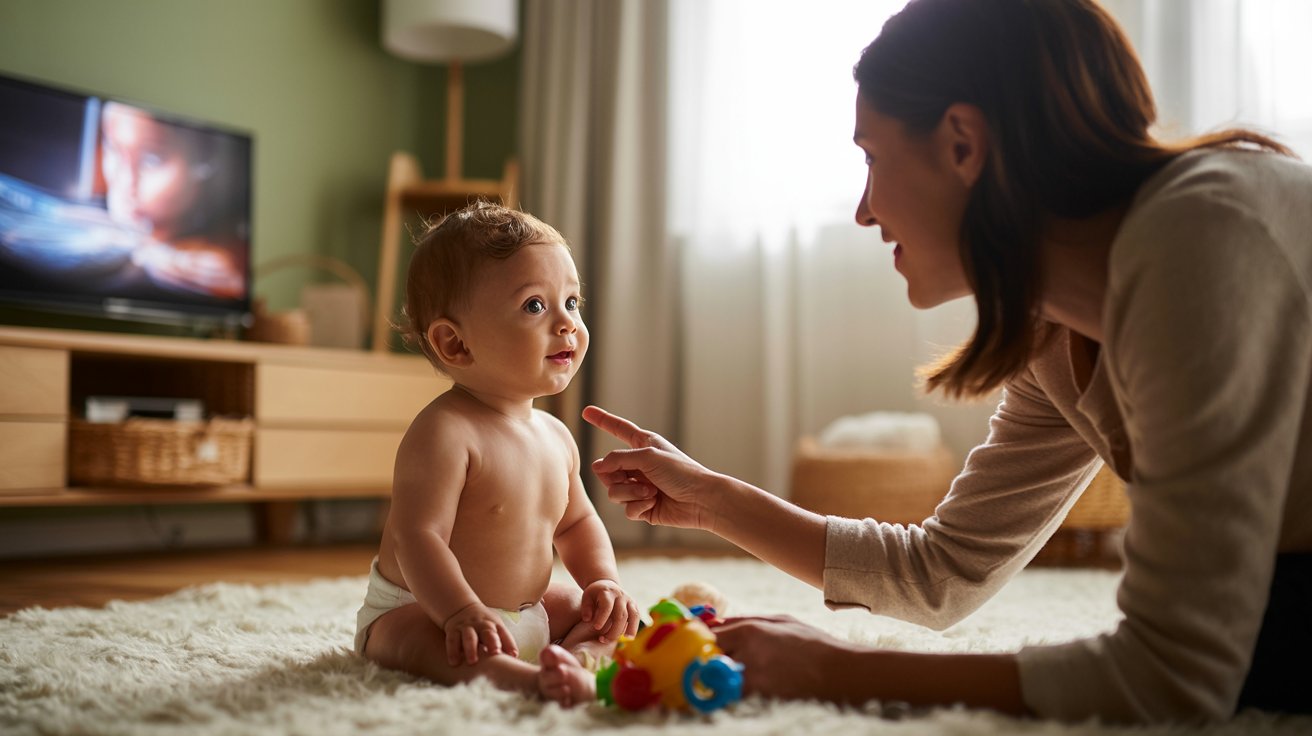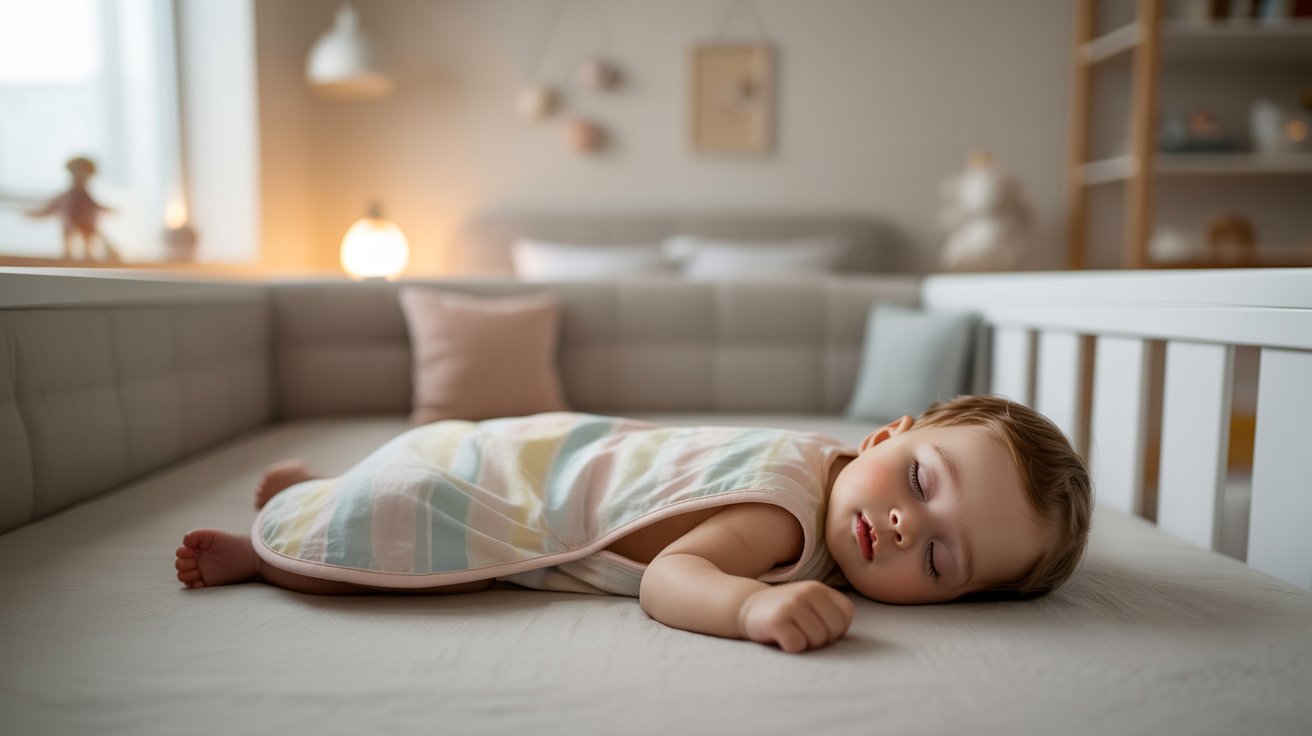
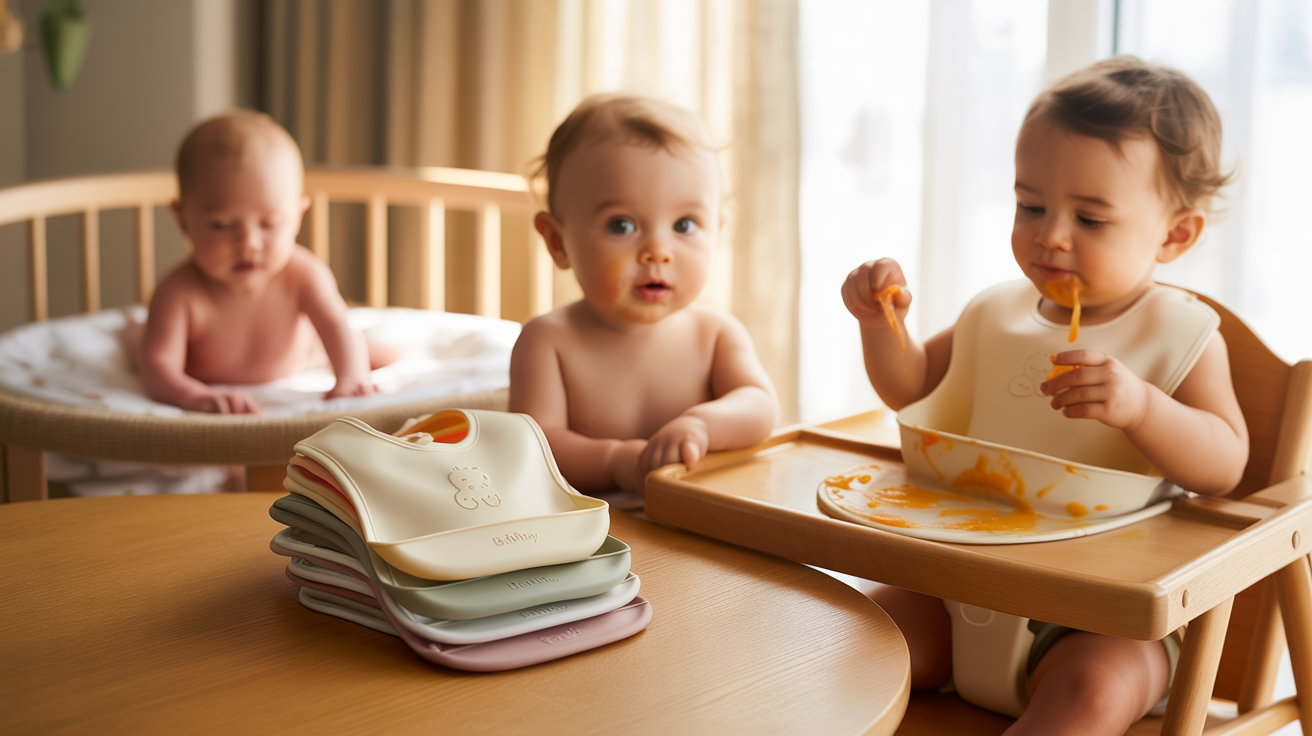
If you’re a new parent, you know that baby messes happen all the time. Spitting up, drool, and food spills are just part of daily life. Bibs help protect your baby’s clothes and make cleanup easier.
So how many bibs do I need? Most parents do well with 8 to 12 bibs to start. This gives you enough to get through the day without doing laundry constantly.
The exact number depends on your baby’s age, how messy they are, and how often you wash clothes. A newborn needs fewer bibs than a teething baby or one learning to eat solid foods. We’ll break down what works best for each stage so you can stock up the right way.
How Many Bibs Should You Have? The Quick Answer
The answer to how many bibs I need changes as your baby grows. Newborns between 0 and 3 months usually need about 6 to 8 bibs. They mostly spit up milk and drool a little, so they don’t go through bibs as fast.
Teething babies from 3 to 6 months and older are a different story. They drool constantly, sometimes soaking through a bib in just an hour or two. Plan on using 10 to 14 bibs or more each week during this phase.
Once babies start eating solid foods around 6 months, meals get messy fast. You might use 6 to 8 bibs per day just for feeding times. These numbers work for most families, but your situation might be different based on your baby and your routine.
|
Baby Stage |
Number of Bibs Needed |
|
Newborn (0-3 months) |
6-8 bibs |
|
Teething (3-6+ months) |
10-14+ bibs per week |
|
Eating solids (6+ months) |
6-8 bibs per day |
Breaking Down Bib Needs by Baby Stage
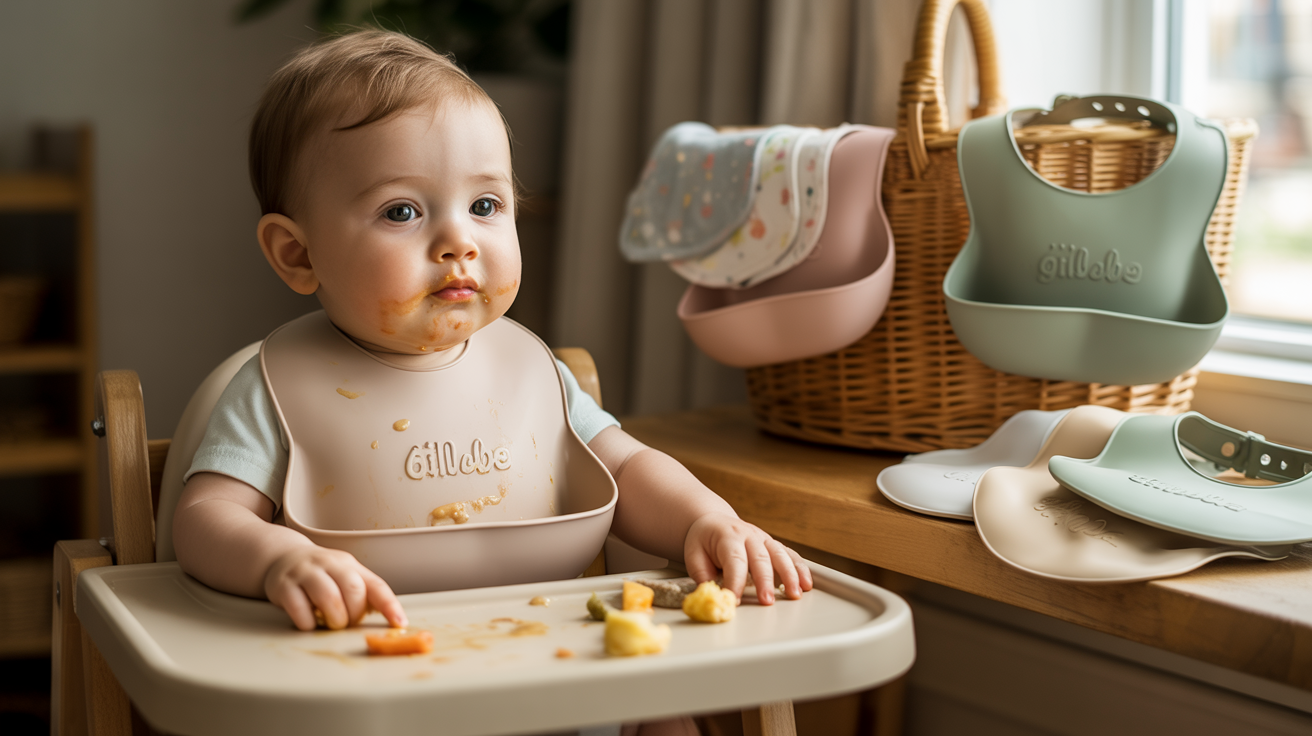
Let’s look at exactly how many bibs I need based on what stage your baby is in right now.
The Newborn Phase (0-3 Months)
Newborns use bibs mainly to catch milk that dribbles out during or after feeding. Some babies spit up more than others, but most don’t create huge messes yet.
Six to eight bibs usually work well for this age. Since newborns eat 6 to 8 times or more each day, you’ll change bibs regularly. Soft, small bibs made from cotton or muslin are best because they’re gentle on delicate skin.
The Drooling and Teething Stage (3-6+ Months)
This is when Bib use really picks up. Teething babies drool all day long, and the wetness can soak through their clothes fast. A bib might only stay dry for an hour or two before needing a change.
Plan on having 10 to 14 bibs per week at minimum, though you might need even more. Many parents love bandana-style bibs during this stage because they look cute and catch drool well. Keep several bibs on hand throughout the day.
Starting Solid Foods (6+ Months)
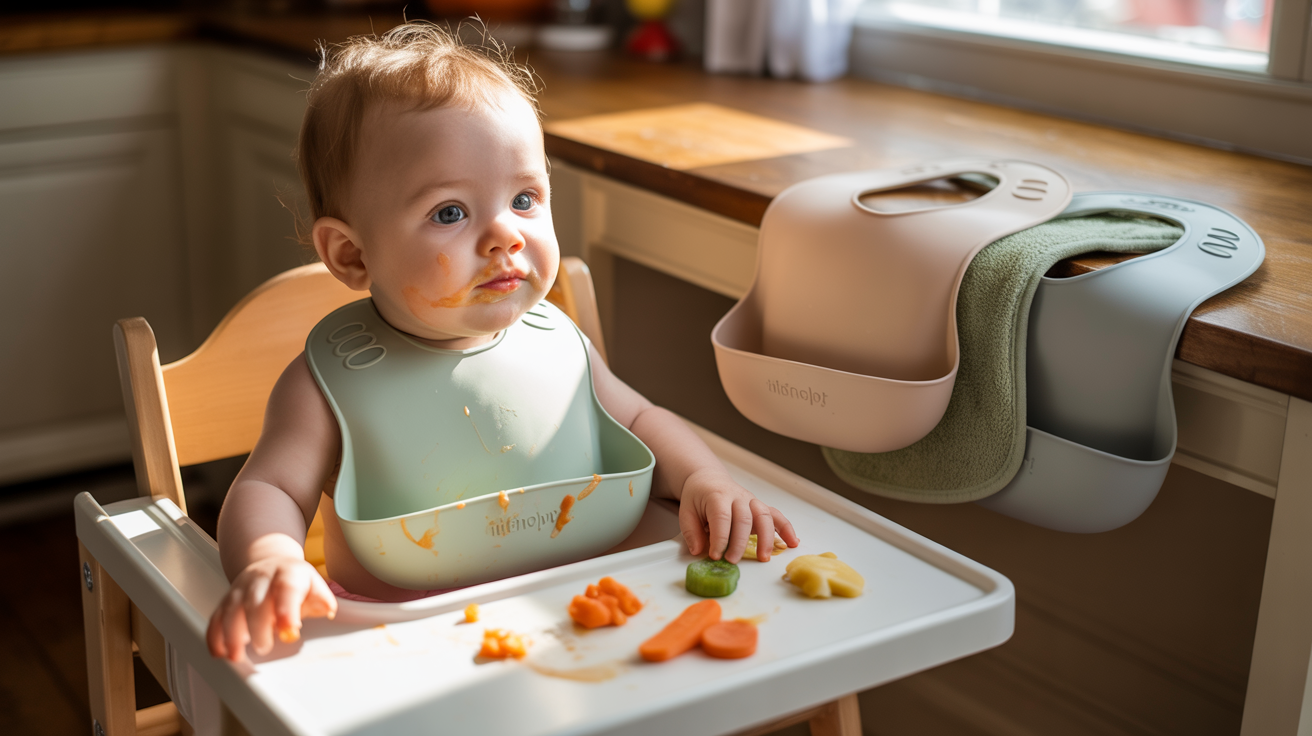
When your baby starts eating real food, get ready for a serious mess. Purees end up on faces, hands, and clothes. Finger foods get squished and thrown.
You might go through 6 to 8 bibs daily during this learning phase. Food stains are harder to clean than milk, and spills happen at every meal.
Waterproof or silicone bibs that you can wipe clean become really helpful. Consider keeping special meal bibs separate from your drool bibs.
When to Change Your Baby’s Bib
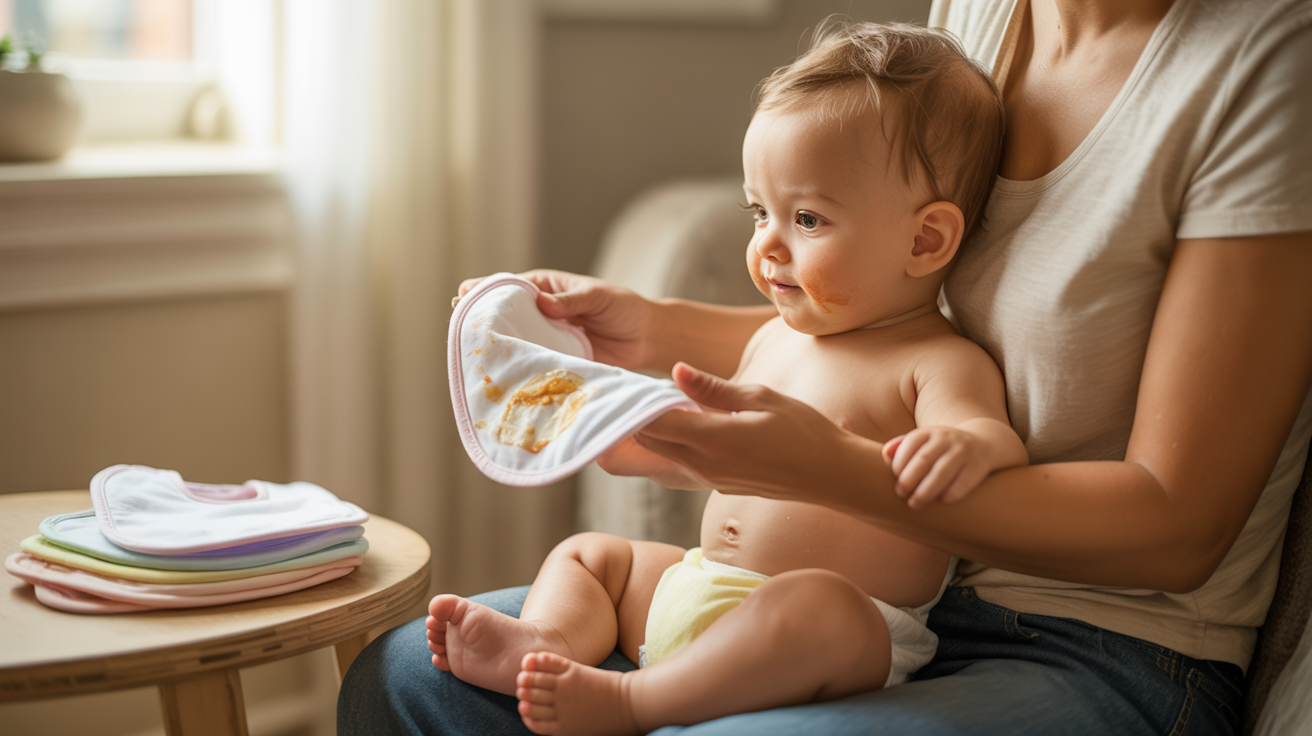
The basic rule is simple: change the bib whenever it gets wet or dirty. This seems obvious, but it’s important for your baby’s comfort and health.
Wet bibs that stay on too long can irritate your baby’s sensitive skin. The moisture can cause rashes, especially around the neck and chest. Nobody wants a cranky baby dealing with skin problems that could have been prevented.
Watch for signs that your baby needs a fresh bib. If the fabric feels damp to the touch, if you can see milk or food on it, or if your baby seems uncomfortable, swap it out. Keep extras in spots where you spend lots of time so you’re never searching for a clean one.
Choosing the Right Bib Materials
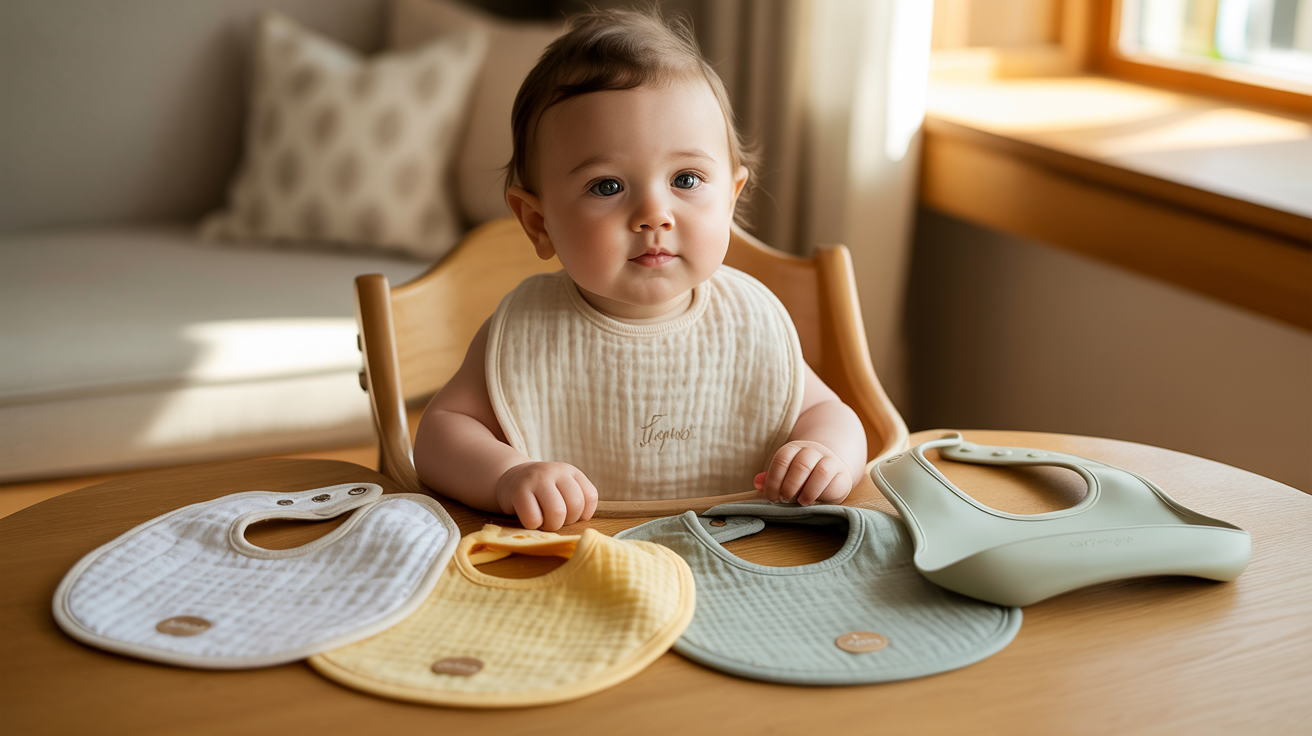
The type of bib material affects how many you’ll need and when you’ll use them. Different fabrics work better for different situations.
Here’s what each material offers:
- Cotton: Soft and comfortable for all-day wear. Soaks up drool and milk well. Good for everyday use and gentle on the skin.
- Muslin: Light and airy fabric that breathes well. Dries faster than regular cotton. Great for hot weather or babies who overheat easily.
- Bamboo: Super soft and naturally good at pulling moisture away from skin. Works well for babies with sensitive skin or eczema. Feels luxurious but costs more.
- Silicone: Totally waterproof and wipes clean in seconds. It can’t absorb anything, so it’s only good for catching food at mealtimes. Easy to throw in the dishwasher.
Material choice matters when figuring out how many bibs I need. Cotton and muslin bibs dry faster, so you can reuse them sooner if you’re in a pinch. Silicone bibs last forever and don’t stain, but you can’t use them for drool. Having a mix of materials helps you handle any situation.
Smart Tips for Managing Your Bib Collection
You don’t need to buy dozens of bibs right away. Start with a basic collection and add more if you find yourself running short.
Here are some tips that make life easier:
- Start with 8 to 10 bibs and see how it goes. You can always buy more later if needed.
- Rotate bibs throughout the day instead of using one until it’s soaked. This spreads out the wear.
- Keep bibs in multiple spots like the nursery, kitchen, and diaper bag. You won’t waste time searching.
- Buy a few extras as backup for when bibs are all in the wash, or you can’t find one quickly.
- Mix different materials, so you have the right bib for drooling, feeding, or going out.
- Stock up rather than run out because there’s nothing worse than needing a bib and having none clean.
The truth is that having more bibs than you think you need beats running out halfway through the day. Bibs are small and don’t take up much space. A bigger collection means less stress and fewer emergency laundry loads.
Conclusion
So, how many bibs do I need for my baby? Starting with 8 to 12 bibs gives most parents a solid foundation. From there, adjust based on your baby’s age and how messy they are.
Newborns need fewer bibs, while teething babies and new eaters go through them quickly. Your laundry routine also changes the math. If you wash clothes daily, you need fewer bibs than someone who does laundry weekly.
Having extra bibs on hand means less stress and fewer ruined outfits. You won’t panic when every bib is dirty, and your baby just spit up. Trust your gut and buy more if you keep running short. Every baby is different, and you’ll figure out what works best for your family.
Frequently Asked Questions
Should I Buy Bibs Before My Baby Is Born?
Get a starter pack of 6 to 8 basic bibs before birth. You can always buy more once you see how much your baby drools and spits up. Wait to stock up on specialty bibs until you know what you need.
Can My Baby Sleep in a Bib?
No, babies should not sleep in bibs. Bibs can be a choking risk during sleep and might cause overheating. Always remove bibs before putting your baby down for naps or bedtime, even if they drool a lot.
What’s the Difference Between Drool Bibs and Feeding Bibs?
Drool bibs are smaller and made from soft, absorbent fabric for all-day wear. Feeding bibs are larger with a waterproof backing or silicone material to catch food. Many have pockets to collect dropped food during meals.
How Do I Get Stains Out of Baby Bibs?
Rinse bibs right after use to prevent stains from setting. Soak stubborn stains in cold water with baking soda before washing. Use baby-safe stain remover and wash in warm water. Sunlight also helps bleach out stains naturally.
Are Expensive Bibs Worth the Money?
Higher-priced bibs often use better materials that last longer and stay softer after many washes. They may have better snaps or adjustable sizing. Budget bibs work fine too, so buy what fits your budget and needs.