How many baby clothes do I need? I asked myself this question when I was preparing for my little one. It felt overwhelming at first.
In this article, I’ll help you figure out exactly how many clothes your baby needs for each size.
I’ve done the research and talked to other parents. You can trust this guide to give you practical numbers that work.
I’ll break down each age group so you can plan ahead and stay within budget.
Let’s get started!
Why Planning Your Baby’s Wardrobe Matters

Planning saves money and stress. When you know what you need, you won’t overspend on cute outfits that sit unused in drawers. Your baby needs clean clothes every day.
Spit-ups happen. Diaper leaks are real. Growth spurts come fast. A well-planned wardrobe means you’re always prepared. You won’t panic when your baby outgrows everything overnight.
Focus on quality items that last. Buy fewer pieces that work harder. This approach keeps your baby comfortable and your budget happy.
Factors That Affect How Many Baby Clothes You Need
Several key factors determine your baby’s wardrobe size, from how often you do laundry to the season your baby arrives.
Baby’s Age
Newborns go through clothes quickly. They spit up often. Diaper leaks happen multiple times a day. You’ll change their outfits several times.
Older babies are different. Their clothes get dirty from crawling and exploring. But you won’t change them as often as newborns.
Season and Climate
Warm weather means lighter clothes. Your baby needs breathable fabrics and short sleeves. One layer usually does the job.
Cold weather requires more planning. Stock up on long sleeves, hats, and mittens. Blankets become your best friend. Layer up for warmth.
Laundry Frequency
Do you wash clothes every day? You can get by with fewer outfits. Your baby needs just enough for one or two days.
Wash every few days? Buy more backup clothes. You’ll need enough outfits to last between laundry sessions.
Fabric Quality
Organic cotton feels softer and lasts longer. These clothes hold up through many washes. You need fewer replacements.
Conventional fabrics wear out faster. They may need replacing sooner. Consider buying a few extra pieces if you choose these materials.
Basic Baby Clothing Categories

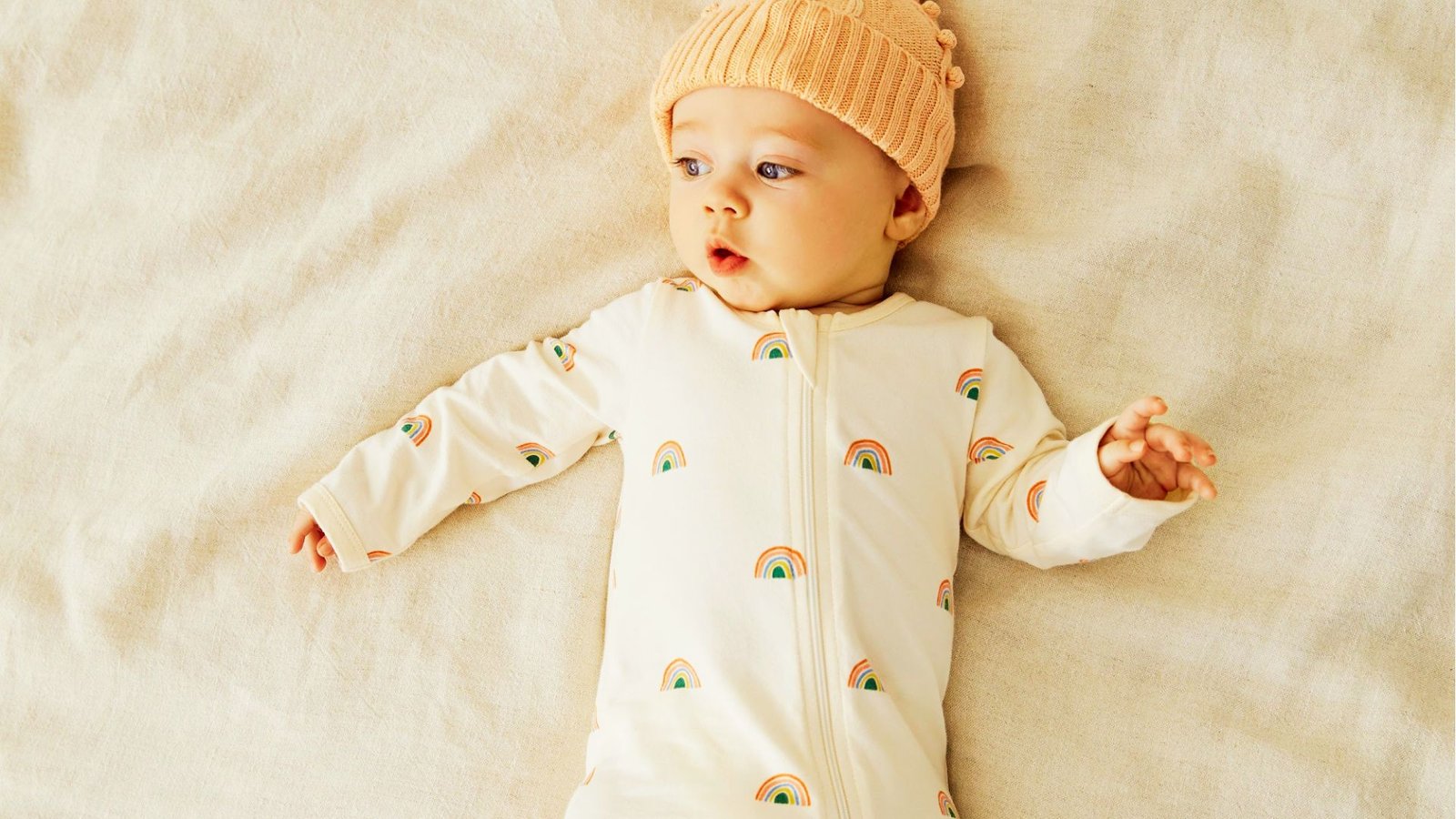
Start with bodysuits in both short and long sleeves. These work as base layers or standalone outfits. They keep diapers in place and tummies covered.
Sleepers and footies are your nighttime go-tos. They keep the baby cozy for sleep. Many parents use them during the day too. Swaddles and blankets help your baby feel secure.
They also work for tummy time and stroller rides. Socks, booties, and hats protect tiny hands and feet. Baby heads lose heat quickly, so hats matter in cool weather.
Burp cloths save your clothes from spit up. Keep several on hand throughout the day.
You might want pants, rompers, and gowns later. Mittens stop scratching. Shoes become helpful once a baby starts walking.
How Many Baby Clothes Do I Need by Size
Each age needs different amounts, from 8-12 newborn bodysuits down to 6-10 for older babies plus age specific items
Newborn 0-3 Months

Bodysuits: Get 8 to 12 in mixed sleeve lengths. These handle daily wear and frequent changes.
Sleepers: Buy 5 to 7 footies. They work day and night.
Hats: Keep 3 to 5 on hand. Newborns need head warmth.
Socks: Stock 6 to 10 pairs. Tiny feet need covering.
Burp cloths: Have 6 to 10 ready. Spit-up happens constantly.
Swaddles: Get 2 to 4 blankets. Rotation helps with washing.
0-3 Months

Bodysuits: You need 6 to 10 pieces. This covers regular changes.
Sleepers: Keep 4 to 6 in rotation. Babies sleep a lot.
Socks: Get 4 to 6 pairs if you want them. Not always needed.
Hats: Have 2 to 3 ready. Weather dependent.
Burp cloths: Stock 6 to 10. Drooling increases.
Blankets: Keep 2 to 4 for comfort and warmth.
3-6 Months

Bodysuits: Buy 6 to 10 for daily wear. Mix and match colors.
Sleepers: Keep 4 to 6 clean ones available. Sleep routines matter.
Socks: Get 4 to 6 pairs. Feet grow fast.
Hats: Have 2 to 3 based on season. Sun and cold protection.
Burp cloths: Stock 6 to 10. Still needed for drool.
Blankets: Keep 2 to 4 for various uses.
6-9 Months

Bodysuits: You need 6 to 10 pieces. Daily essentials.
Sleepers: Get 4 to 6 or try two-piece pajamas. Diaper changes get easier.
Socks: Keep 4 to 8 pairs. Crawling babies kick them off.
Hats: Have 2 to 3 ready. Still useful outdoors.
Burp cloths: Stock 4 to 8. Less spit-up now.
Blankets: Keep 2 to 3. Not needed as much.
9-12 Months

Bodysuits: Stock 6 to 10 for base layers. Still very useful.
Sleepers: Keep 4 to 6 pajamas ready. Sleep comfort matters.
Socks: Get 4 to 8 pairs. Shoes mean more sock wearing.
Hats: Have 2 to 3 on hand. Outdoor play increases.
Burp cloths: Keep 4 to 8. Mostly for mealtime messes now.
Blankets: Stock 2 to 3. Comfort items.
Organic vs Conventional Clothing
Understanding the Real Differences in Fabric, Cost, and Environmental Impact
| Feature | Organic Cotton | Conventional Fabric |
| Softness | Softer against baby’s skin | Less soft, may feel rougher |
| Breathability | Breathes better | Less breathable |
| Durability | Lasts through many washes | May wear thin faster |
| Cost | Higher upfront cost | Less expensive upfront |
| Quantity Needed | Buy fewer items | Need more backups |
| Replacement | Lasts longer | Replace sooner |
| Best For | Items baby wears most often | Occasional-use pieces |
Washing Frequency and Wardrobe Planning
Wash clothes daily? Stick to the lower end of my recommended numbers. You’ll always have clean outfits ready.
Wait two or three days between loads? Buy more clothes. You need enough to last until laundry day.
Use gentle cycles for organic fabrics. They stay soft longer. Skip harsh detergents that damage delicate materials.
Plan your wardrobe size based on washing habits. More frequent washing means less clothing needed. Simple math saves money.
Seasonal Considerations
Summer babies need lightweight options. Stock up on onesies and short sleeves. Dresses and shorts work great for warm days.
Winter requires extra warmth. Buy hats, mittens, and thick socks. Blankets and sleep sacks keep the baby cozy at night.
Keep multiple layers available. Temperature changes throughout the day. You’ll add or remove clothes as needed.
Plan ahead for the season when the baby arrives. But also think about the next season. Babies grow into new sizes quickly.
Tips to Avoid Overbuying and Overspending
Choose versatile pieces, focus on daily wear basics, and consider bundles to avoid spending too much money.
- Buy clothes that work together. Mix and match makes your wardrobe stretch further.
- Choose neutral colors. Everything coordinates easily and you need fewer pieces overall.
- Focus on everyday basics first. Save fancy outfits for special events your baby will wear once.
- Look for bundle deals. Many stores offer sets that save money without overpaying for individual items.
- Accept hand me downs from friends. Babies outgrow clothes before wearing them out so free clothes help your budget.
Conclusion
Figuring out how many baby clothes you need doesn’t have to feel hard. Start with the numbers I shared for your baby’s age. Adjust based on your washing routine and climate.
I learned that quality beats quantity every time. My baby stayed comfortable with fewer, better made pieces.
Now you have a clear plan. You won’t overspend or run short when messes happen.
Leave a comment below sharing what worked for you. What’s one baby clothing item you couldn’t live without?
Frequently Asked Questions
How many outfits does a newborn need per day?
Plan for 3 to 4 outfit changes daily. Newborns spit up often and have frequent diaper leaks. Keep extras ready for unexpected messes.
Should I buy more newborn or 0-3 month sizes?
Buy fewer newborn sizes. Many babies outgrow them within weeks. Stock up more on 0-3 month clothes for better value.
How often should I wash baby clothes?
Wash every 1 to 3 days depending on your wardrobe size. Spit-up and diaper messes mean frequent cleaning. Use gentle detergent always.
Can I skip certain clothing items for my baby?
Yes, shoes are optional until walking starts. Mittens and fancy outfits can wait too. Focus your budget on bodysuits and sleepers first.
Do I need different amounts for each season?
Absolutely. Winter babies need more layers, hats, and warm items. Summer babies get by with fewer clothes since lightweight outfits dry faster.