Group activities help kids grow in ways solo play simply cannot. They learn to listen, share ideas, and work as a team.
This article covers 17 fun group activities for both home and school. You will find ideas that fit any space, any age, and any budget.
We have tested these activities in real classrooms and family settings, so you can trust they actually work.
From creative storytelling to STEM challenges, every child will find something they enjoy. Let's get started.
What Are Group Activities for Kids?
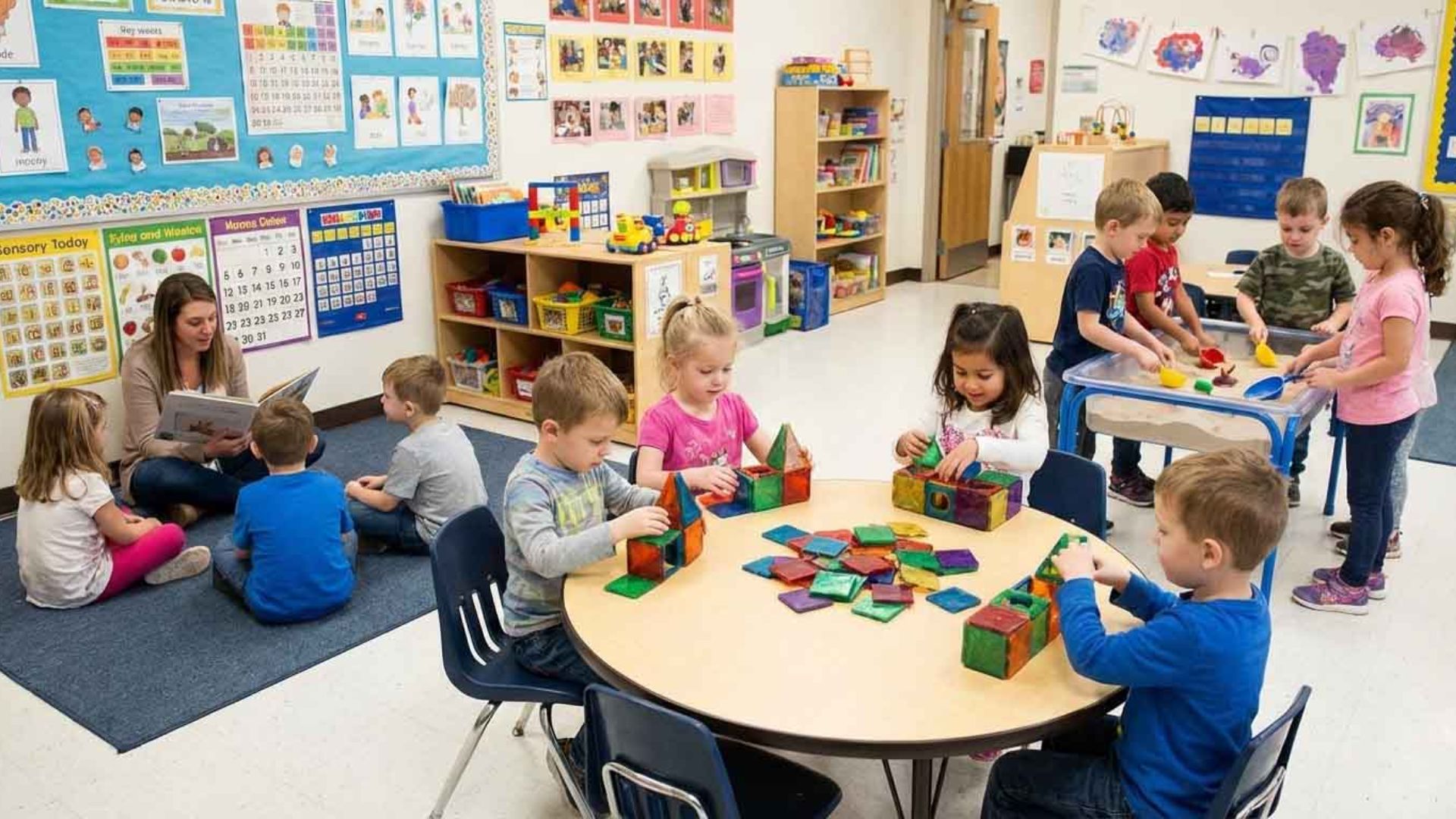
Group activities are tasks or games where two or more kids work or play together toward a shared goal. Unlike individual activities, these require kids to talk, listen, and cooperate.
Individual activities focus on personal skill. Group activities build connection and communication. They can be used at home during weekends, in classrooms during free periods, or even at summer camps.
The goal is simple:get kids engaged with each other, not just a screen.
Group Activities for Kids at Home
Finding good group activities at home can be tricky. Here are eight ideas that are easy to set up and genuinely fun.
1. Three Props and a Play

Give kids three random objects from around the house. Ask them to create a short play using all three items.
This works well because there are no rules about what the story should be. Kids get to be creative, funny, or dramatic. It builds storytelling skills and gets everyone talking.
Age group: 6 and above Players needed: 3 or more
2. Cold Wind Blows
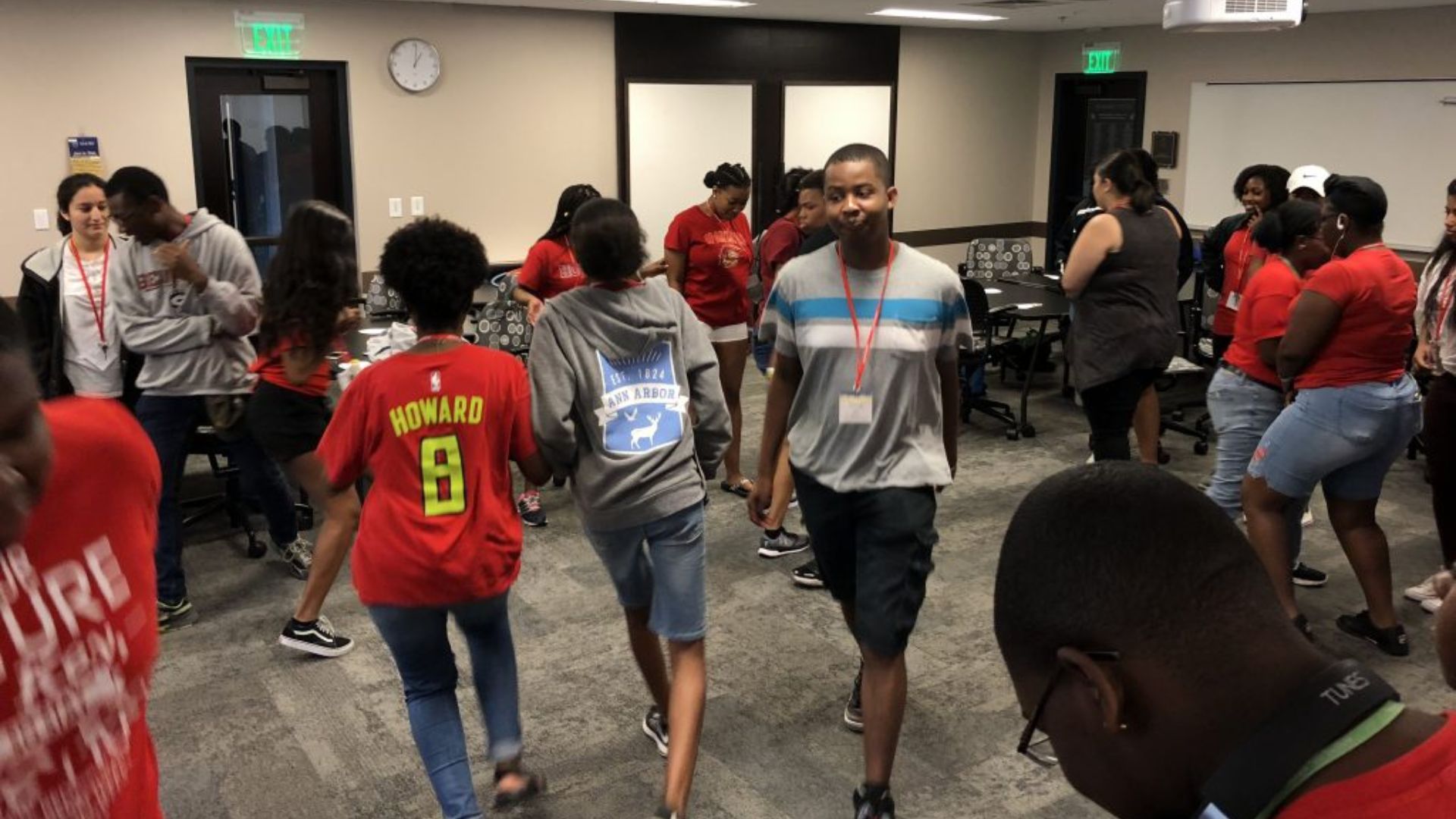
All players sit in a circle. One person stands in the middle and says something true about themselves, like "The cold wind blows for anyone who likes pizza."
Anyone that this applies to must get up and find a new seat. The last one standing takes the middle spot.
This game gets kids moving and helps them find things they have in common.
Age group: 7 and above Players needed: 5 or more
3. Weasel in the Middle
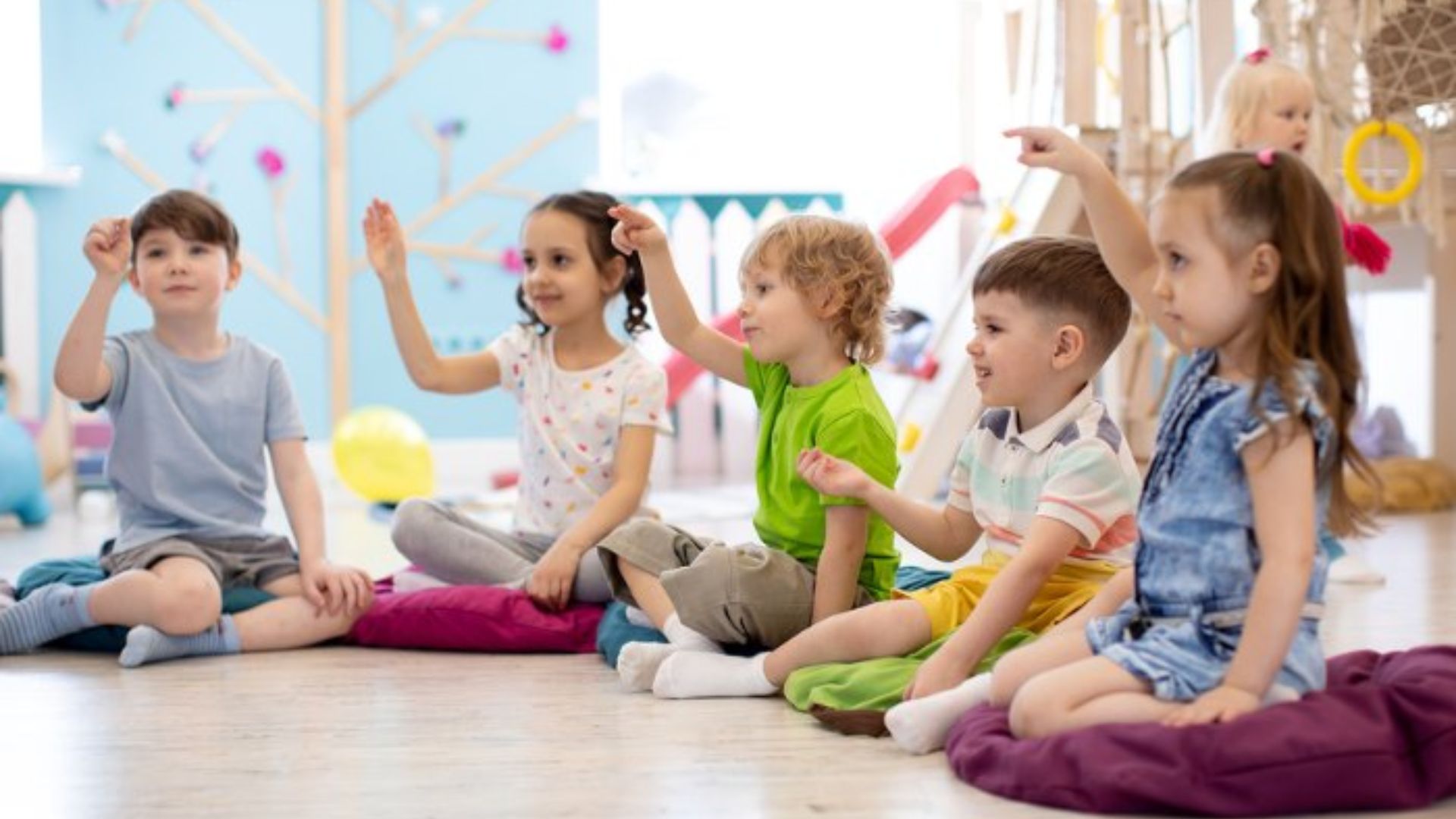
One player is the "weasel" and stands in the middle of a circle. The others pass a ball around and try to keep it away from the weasel.
If the weasel intercepts the ball, the player who last touched it takes their place.
This game improves hand-eye coordination and builds focus and quick thinking.
Age group: 6 and above Players needed: 4 or more
4. Look at Me!

Kids stand in a circle. Everyone looks down. A leader counts to three, and everyone looks up, staring directly at another player.
If two kids make eye contact, they both step out. The game continues until only one or two players remain.
It sounds simple. It is not. Kids end up laughing, overthinking, and having a blast.
Age group: 5 and above Players needed: 4 or more
5. Invent a Toy
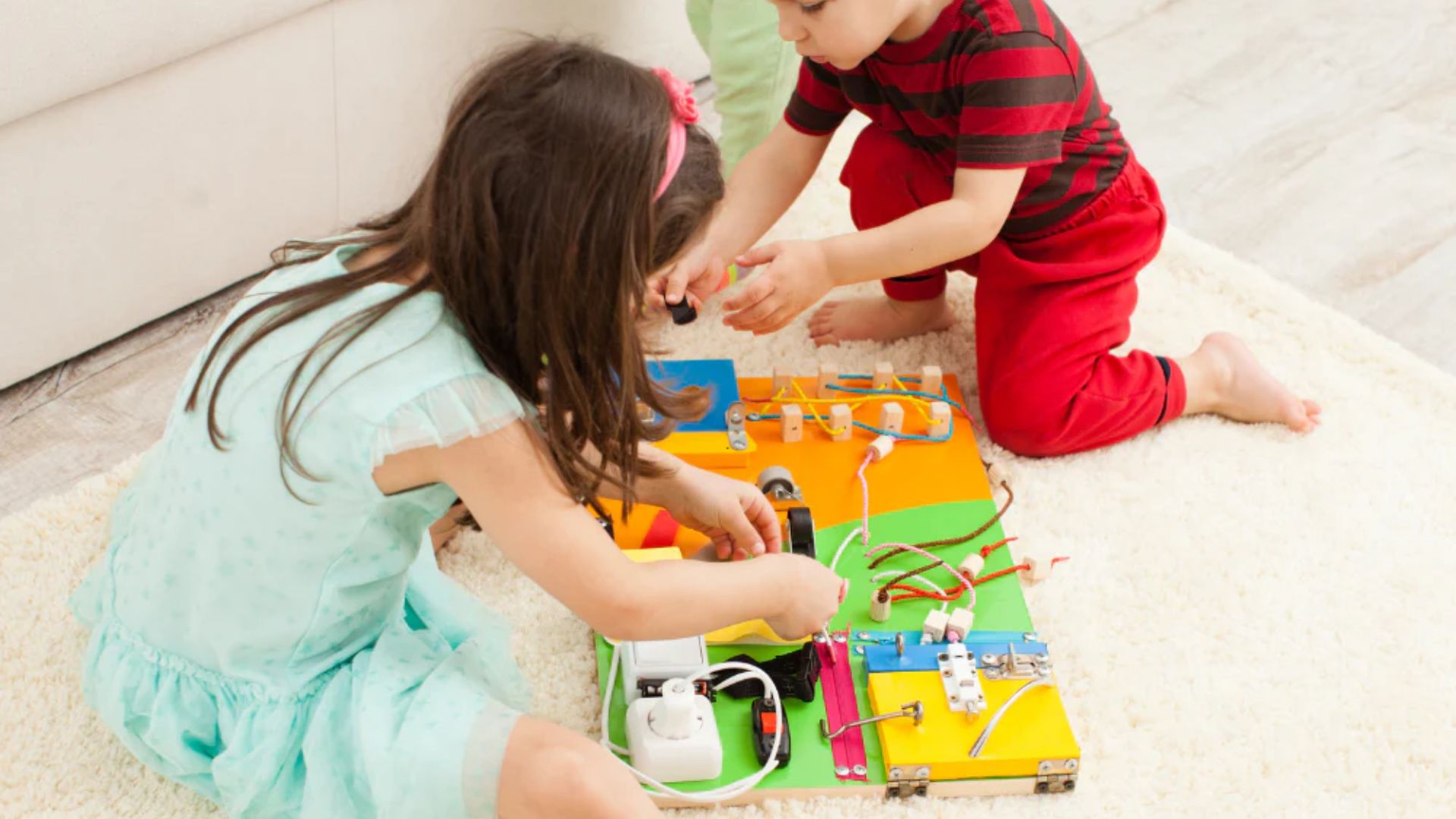
Give kids a box of random items: rubber bands, cardboard, tape, straws, paper clips. Ask them to invent a toy as a team.
No instructions. No rules. Just creativity.
This builds problem-solving skills and teaches kids how to share ideas without arguing. It also works as a quiet indoor activity.
Age group: 7 and above Players needed: 2 or more
6. Freeze Dance

Play music and let the kids dance. When the music stops, everyone must freeze in place. Anyone who moves is out.
This classic never gets old. It builds listening skills and gives kids a healthy way to burn energy at home.
Tip: Use a mix of fast and slow songs to keep kids on their toes.
Age group: 4 and above Players needed: 3 or more
7. Coding Game (Splash Clash)

Splash Clash is a simple coding-based game where kids work together to solve logic puzzles. It introduces basic programming concepts without a computer.
Kids give each other step-by-step instructions to complete a task, similar to how a computer receives commands. It makes abstract thinking feel like play.
Age group: 8 and above Players needed: 2 or more
8. Picture Story Game

One person starts a story with one sentence. The next person adds another sentence. This continues until everyone has contributed.
You can also use picture cards or magazine cutouts as prompts. Each image inspires the next part of the story.
This builds creativity, listening, and turn-taking. Every session ends with a completely different story.
Age group: 6 and above Players needed: 3 or more
9. Caterpillar Race
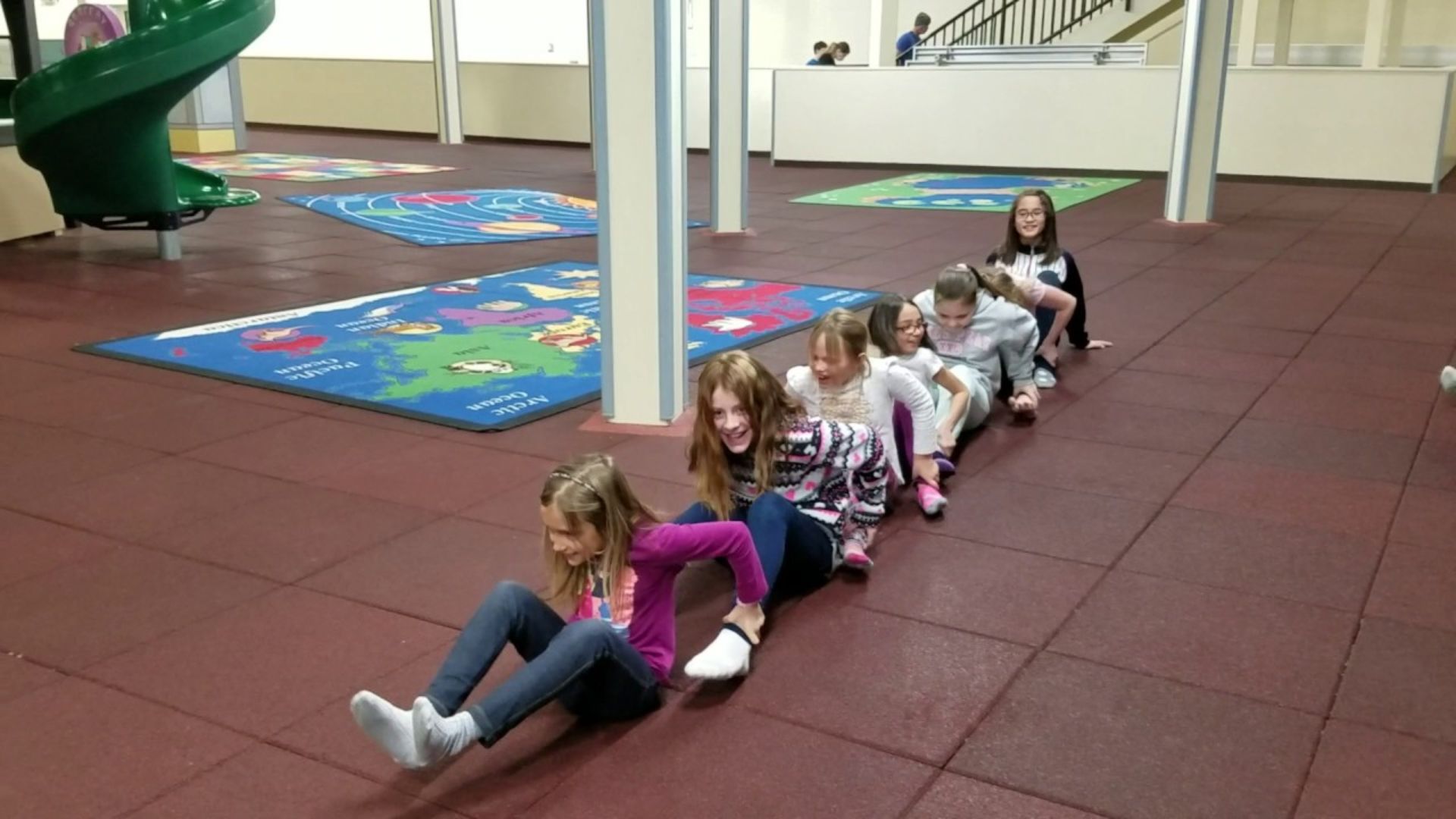
Kids get into a line and hold the shoulders of the person in front. The whole group must move together from one end of the room to the other.
If anyone breaks the chain, the group starts over. This game teaches coordination, patience, and trust in a fun way.
Age group: 6 and above Players needed: 5 or more
10. Common Denominator
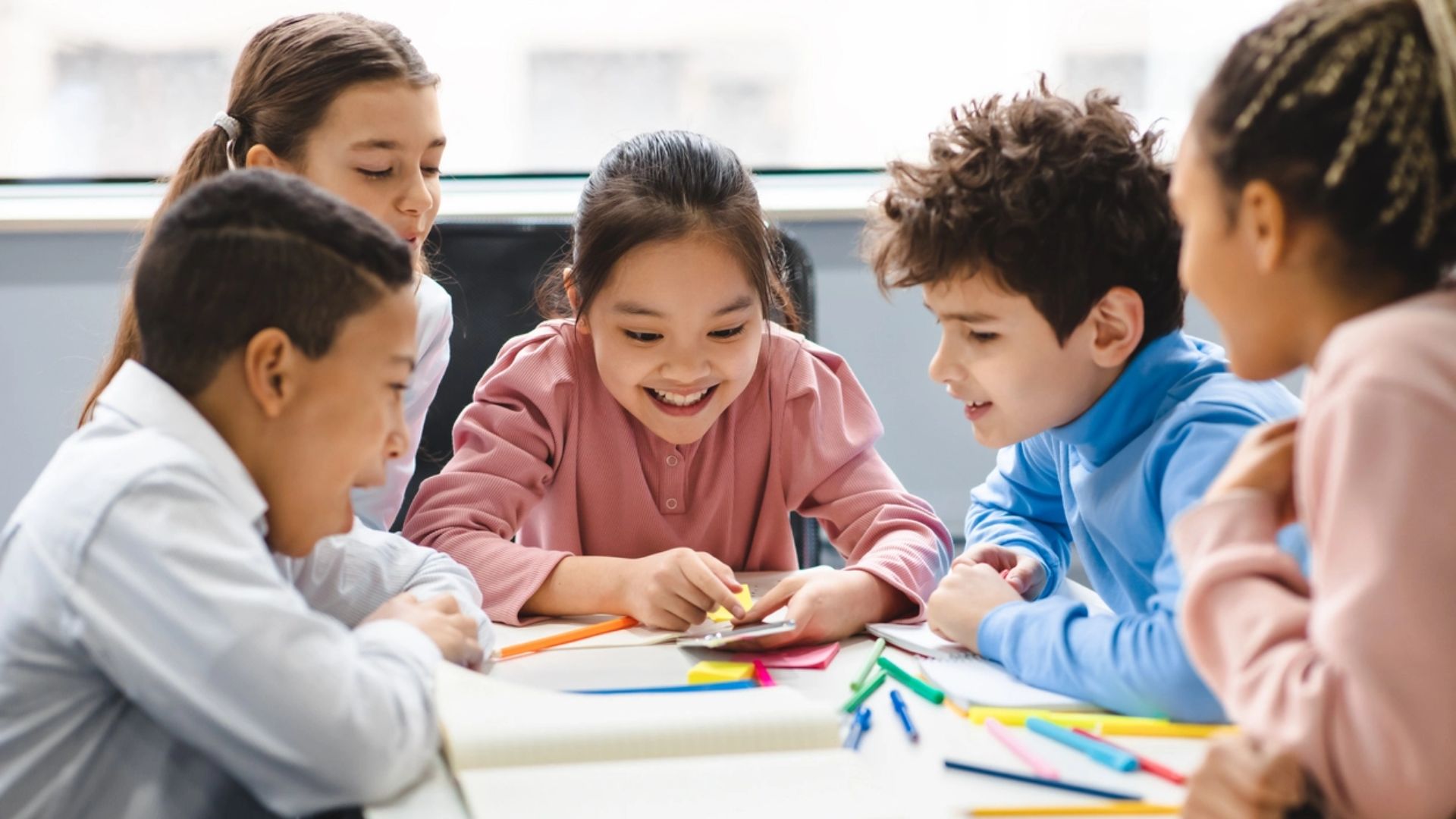
Split kids into groups. Each group has to find three things that every member has in common. No physical traits allowed.
They might find that everyone loves mangoes, hates alarm clocks, or knows how to ride a bike. This activity encourages kids to talk and listen to each other.
Age group: 8 and above Players needed: 3 or more per group
11. This or That
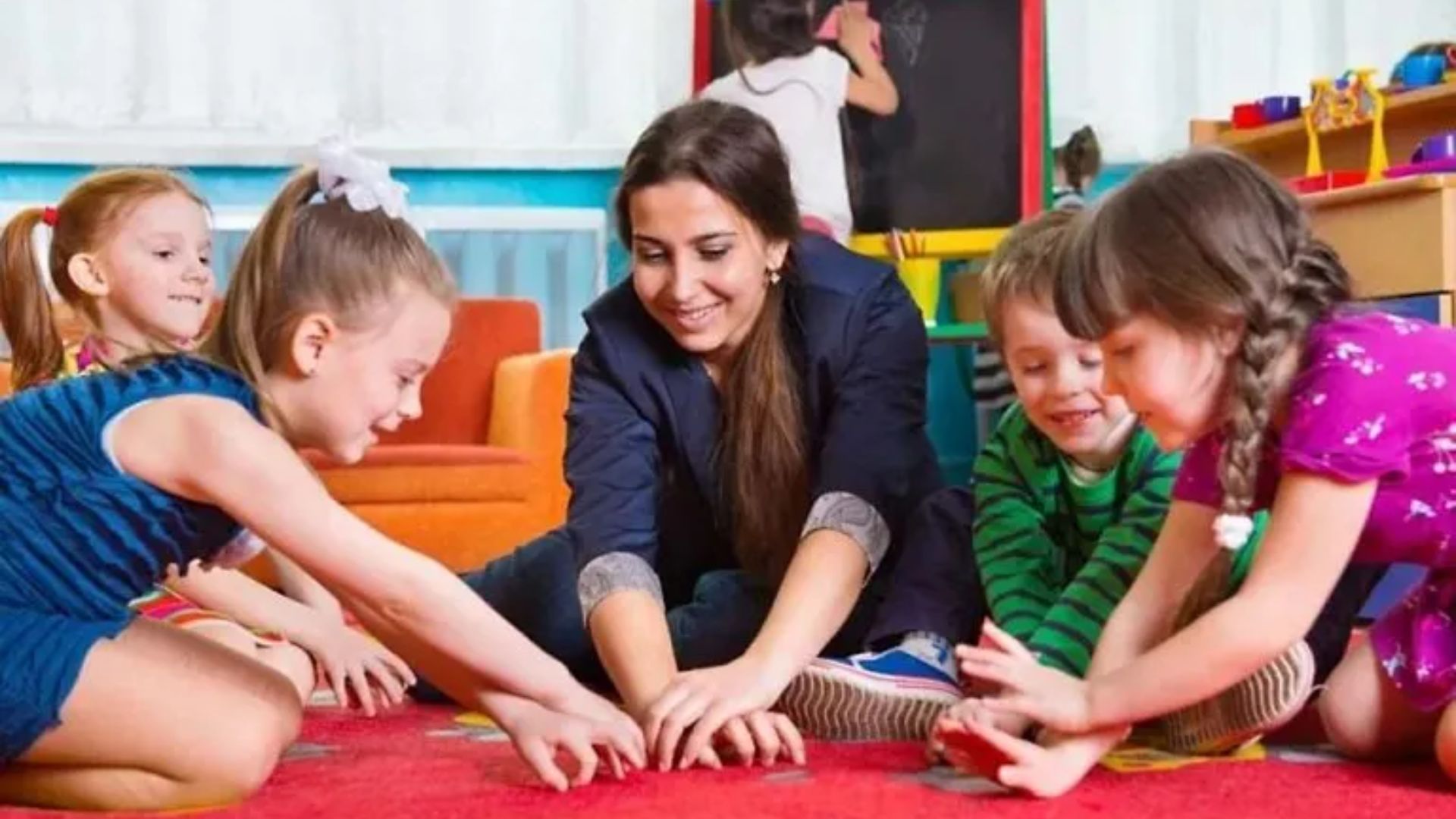
The teacher calls out two choices: "Mountains or beach?" "Books or movies?" Kids move to different sides of the room based on their answers.
Then each side has 30 seconds to explain their choice. This sparks discussion, builds confidence in speaking, and helps kids respect different opinions.
Age group: 7 and above Players needed: 6 or more
12. Copy Cats
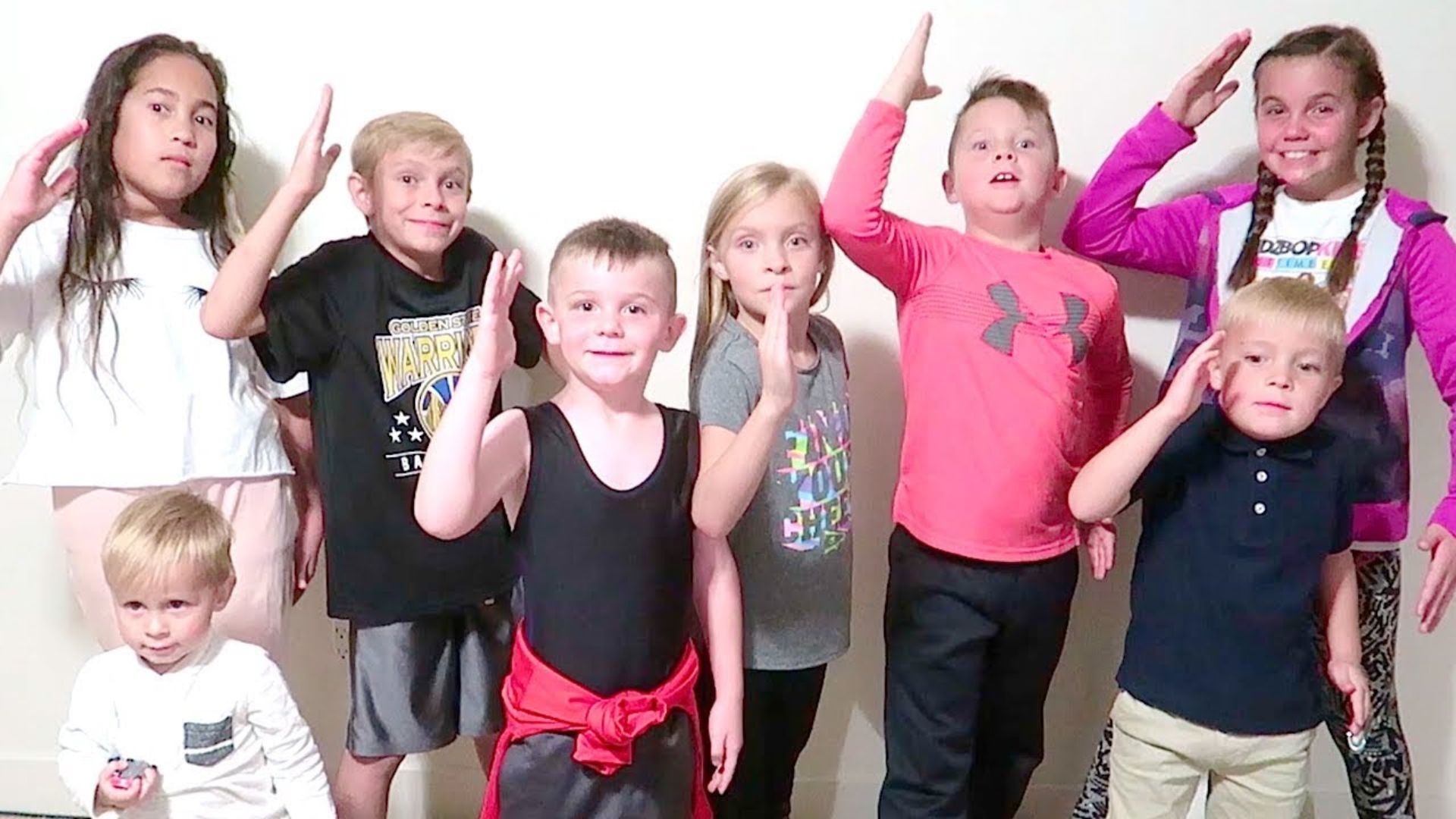
One player is the leader and makes slow, continuous movements. Everyone else must copy exactly.
After a few minutes, a new leader takes over. This game builds observation skills, focus, and gives every child a turn to lead.
It is a quiet game that works well indoors, even in a small classroom.
Age group: 5 and above Players needed: 4 or more
13. Group Together
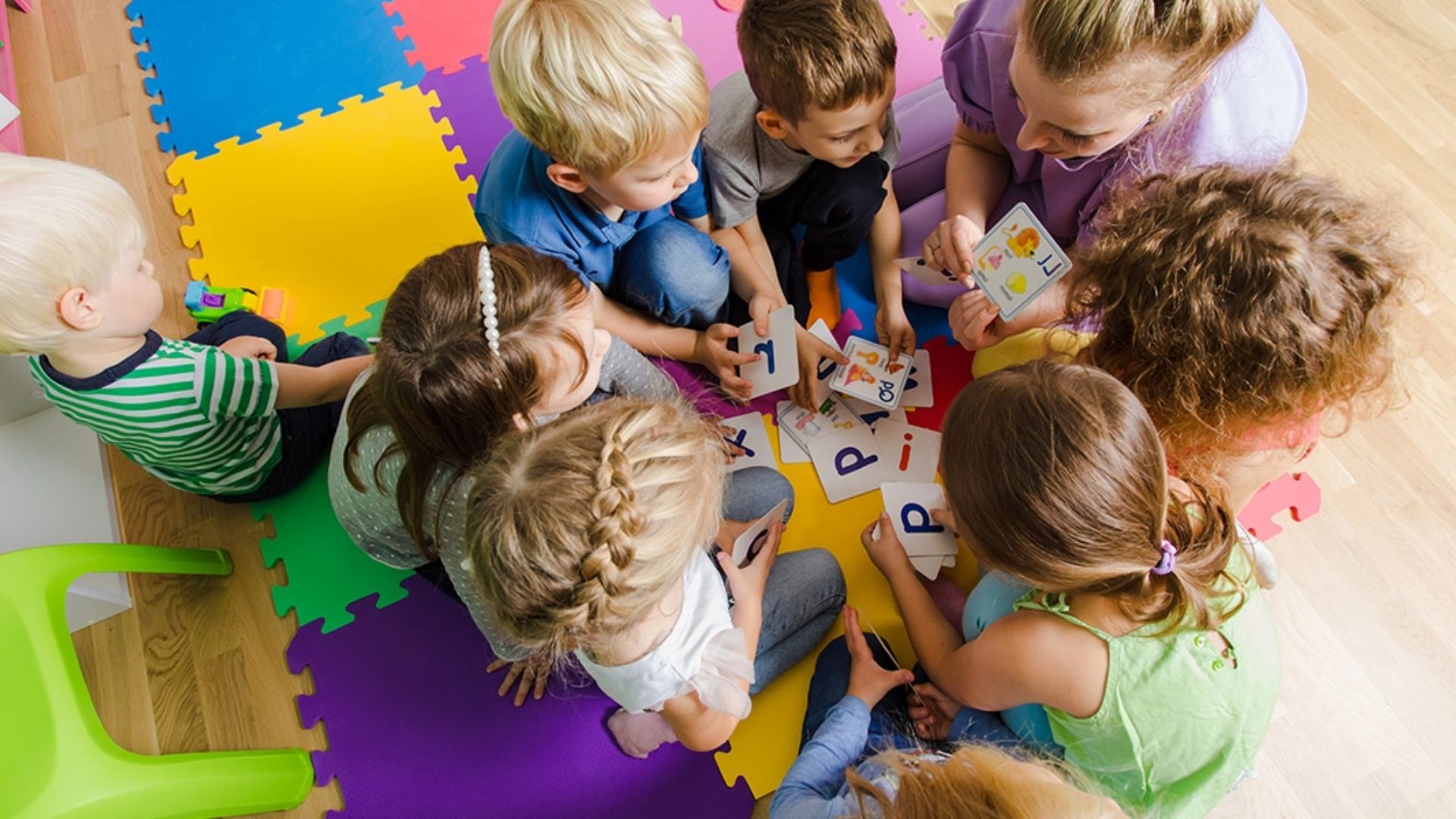
The teacher calls out a number, say "four." Every student must quickly form a group of exactly four people.
Anyone who does not make it into a group sits down. This continues with different numbers until a few players remain.
It builds quick thinking, social confidence, and teamwork under mild pressure.
Age group: 6 and above Players needed: 10 or more
14. Spaghetti Tower Challenge
Alt text:Two smiling children sitting by tall towers built from spaghetti and marshmallows, doing a STEM group building challenge for kids at home and school 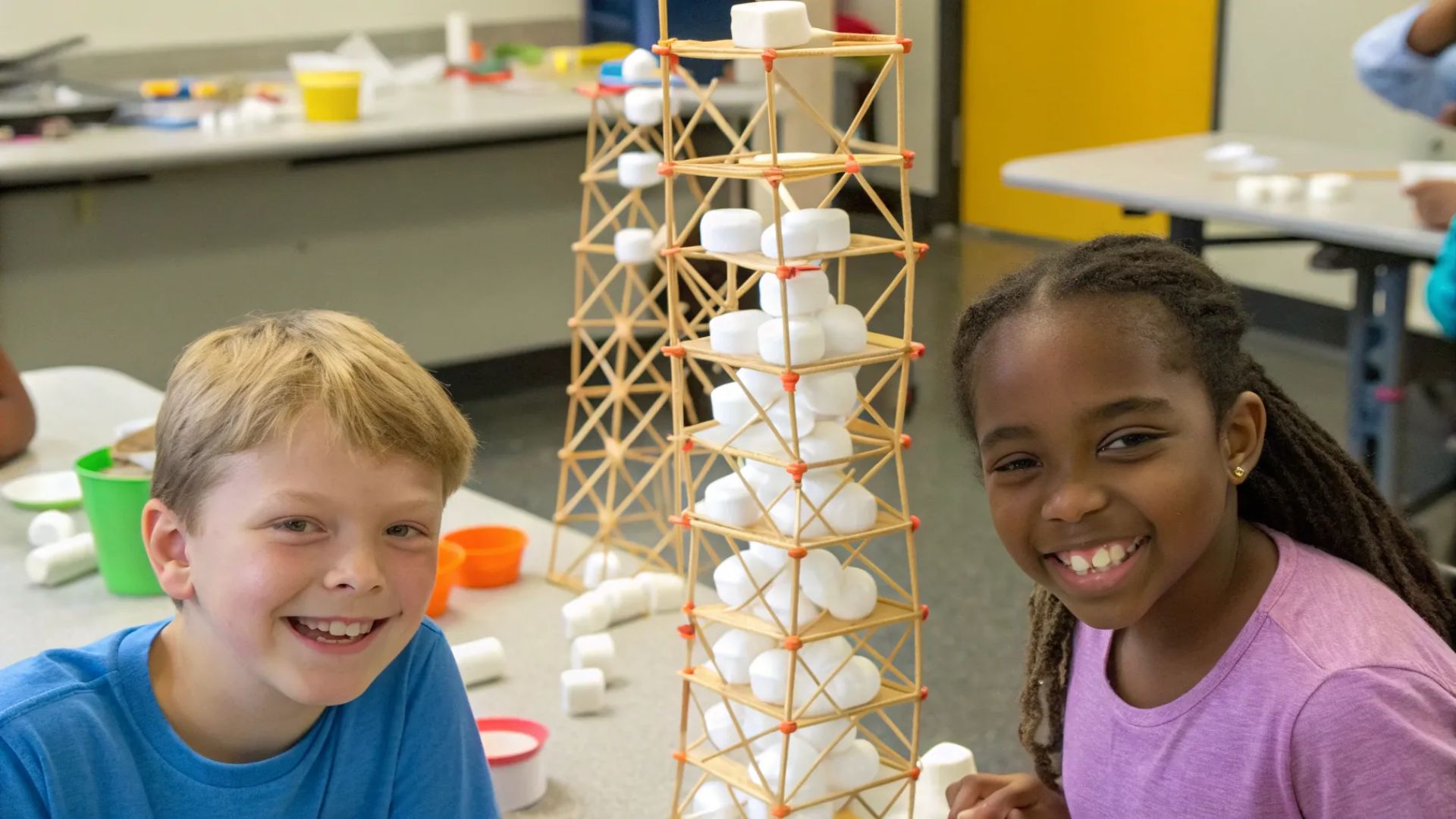
Each group gets a handful of spaghetti sticks, tape, and a marshmallow. The goal is to build the tallest tower that can hold the marshmallow on top.
This is a STEM-based activity that teaches kids how to plan, test, fail, and try again together.
Most kids surprise themselves with how well they work as a team when there is a clear, shared goal.
Age group: 8 and above Players needed: 3 to 5 per group
15. Newspaper Costume Show
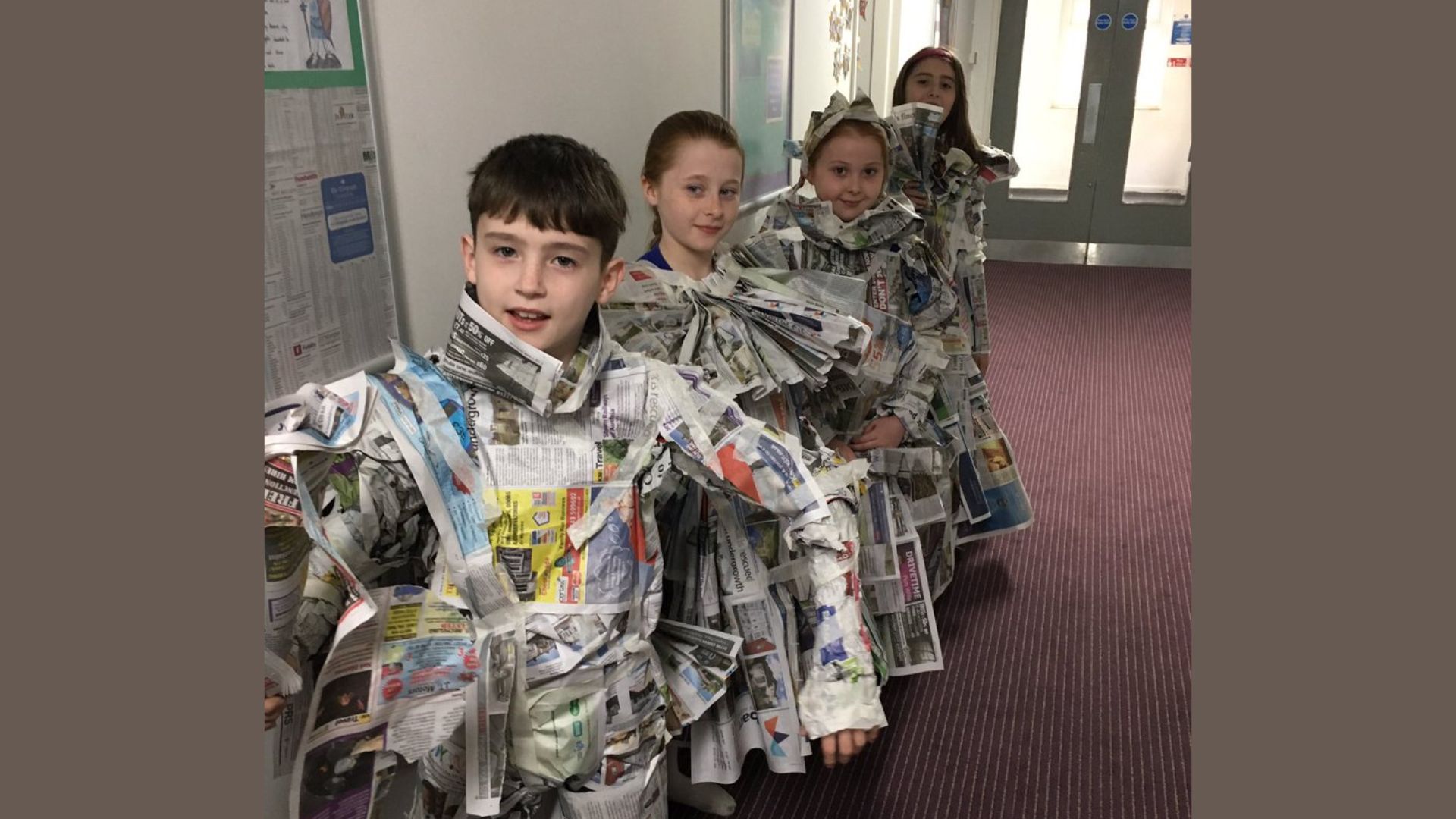
Give each group a stack of old newspapers, tape, and scissors. They must design and create an outfit, then put on a short fashion show.
This is messy, loud, and completely joyful. Kids practice communication, creativity, and cooperation all at once.
Tip: Set a 15-minute timer to keep energy high.
Age group: 7 and above Players needed: 3 or more
16. Pipeline Challenge
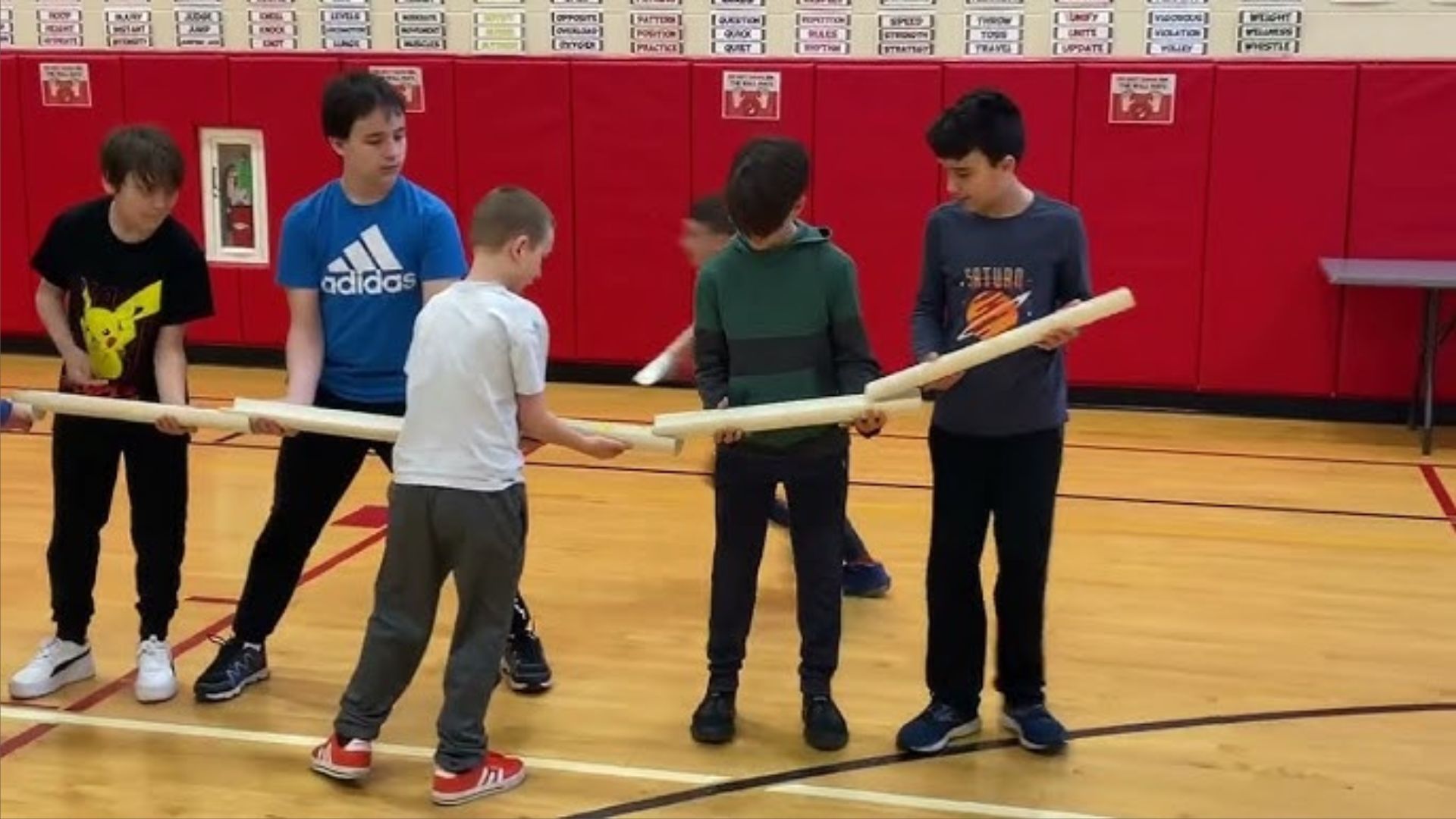
Each student gets a short piece of PVC pipe or cardboard tube. The goal is to pass a marble or small ball from one end of the line to the other without dropping it.
No one can move their feet once the ball starts moving. Kids must coordinate their angles and timing to keep the ball rolling.
Age group: 8 and above Players needed: 5 or more
17. Birthday Line-Up
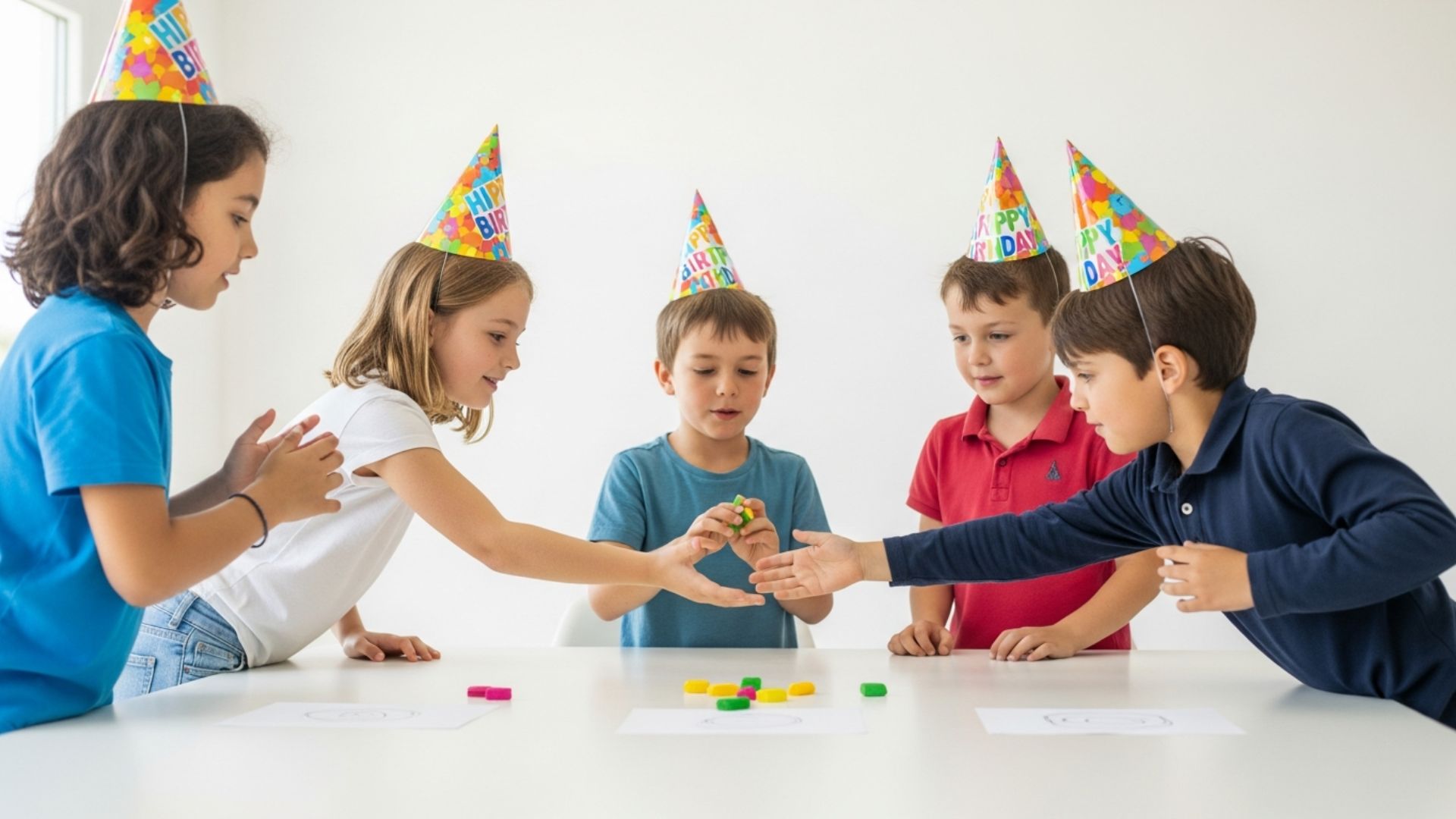
Ask all students to line up in order of their birthday, from January to December, without speaking. They can use gestures, hand signals, or written notes, but no talking.
This tests communication in a completely new way. Kids learn fast that there are many ways to get a message across.
Age group: 7 and above Players needed: 8 or more
Tips to Make Group Activities More Engaging
A few small changes can make any group activity go from dull to genuinely fun.
- Keep instructions short and say the goal in two sentences, then just start.
- Adjust rules for age so younger kids are not lost and older kids stay challenged.
- Give every child a role like timer, reporter, or builder so no one sits out.
- Focus on playing together, not winning, to keep the mood light and cooperative.
- Read the room and switch activities if energy drops, do not push through a flat game.
Conclusion
Group activities for kids are not just games. They shape how children communicate, cooperate, and grow.
I have seen quiet kids come alive during a Spaghetti Tower Challenge and shy ones take the lead in Birthday Line-Up. The right activity at the right moment can do more than a lecture ever could.
Mix the home and school ideas here to keep things fresh. Try one this weekend and watch what happens. Did one of these work for your kids? Drop a comment below or share this post with a parent or teacher who could use it.
Frequently Asked Questions
What age group benefits most from group activities?
Group activities work well for children aged 4 to 14. The games can be adjusted based on the complexity of rules and the attention span of the age group involved.
How many kids do you need for group activities?
Most activities work with as few as three children. Larger groups of ten or more work better for games like Group Together or Birthday Line-Up.
Can group activities be done in small spaces?
Yes. Many activities like Look at Me, Copy Cats, and Picture Story Game need very little space. They work well in living rooms, small classrooms, or even outdoors.
How do group activities help kids in school?
They build communication, cooperation, and confidence. Kids who regularly take part in group activities tend to do better in team projects and feel more comfortable speaking up in class.
What if a child refuses to take part in group activities?
Do not force participation. Give the child a supporting role like keeping score or setting up materials. Most children ease in naturally once they see others having fun.