
Teaching kids to be grateful is one of the best things you can do for them. But it is not always easy to make it stick.
This blog covers gratitude activities for kids that are simple, fun, and actually work. From journals and crafts to games and printables, there is something here for every child and every setting.
I have worked with kids long enough to know that gratitude grows best when it feels like play, not a lesson.
Here is what this blog covers:Start with what gratitude means for kids. Move into hands-on activity ideas. End with tips to make the habit last.
What Are Gratitude Activities for Kids?
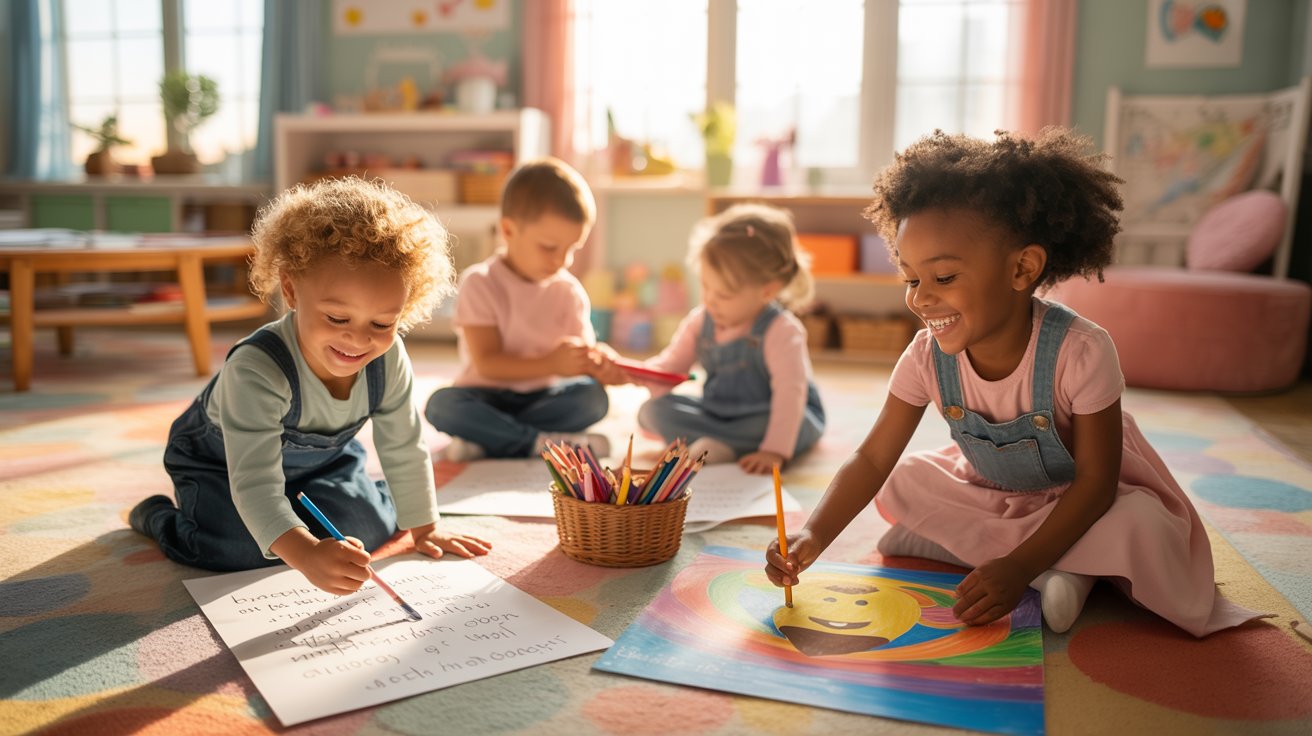
Simple, engaging ways to help children recognize and appreciate the good in their lives.
Gratitude means noticing and feeling thankful for the good things in life. It does not have to be big things. A sunny day, a kind friend, or a good meal counts too.
For children, gratitude is a skill. It needs to be taught and practiced, just like reading or math.
Research shows that kids who practice gratitude are happier, kinder, and more emotionally strong. They handle tough days better and build stronger relationships.
But here is the truth: telling a child to "just be thankful" rarely works. Activities make gratitude real and memorable. When a child writes it, draws it, or shares it out loud, it becomes a habit, not just a word.
43 Gratitude Activities for Kids (Easy and Fun Ideas)
From quick daily habits to creative crafts, these ideas make gratitude something kids actually look forward to.
1. Gratitude Journal
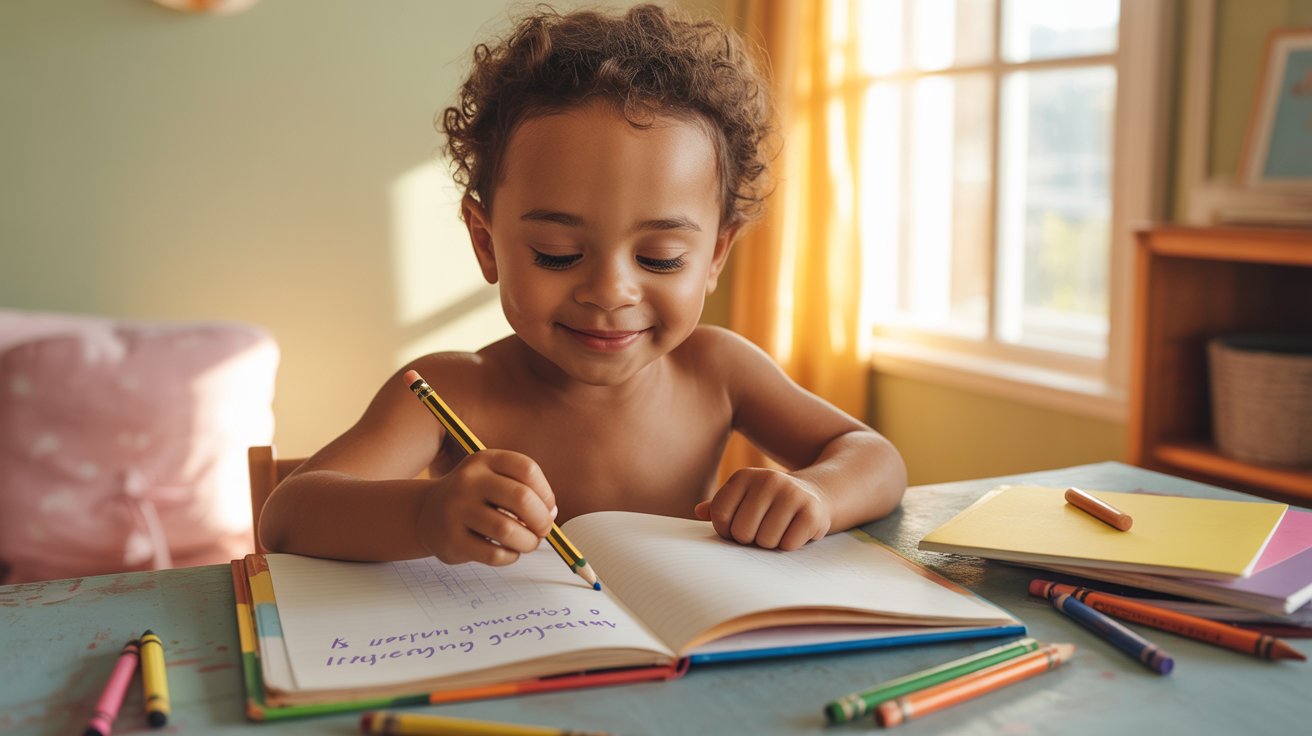
Give your child a notebook and ask them to write three things they are thankful for each day. It does not have to be long.
Even one sentence per item is enough. Over time, the journal becomes a record of good moments. Younger kids can draw their answers instead of writing.
2. Thankful Tree
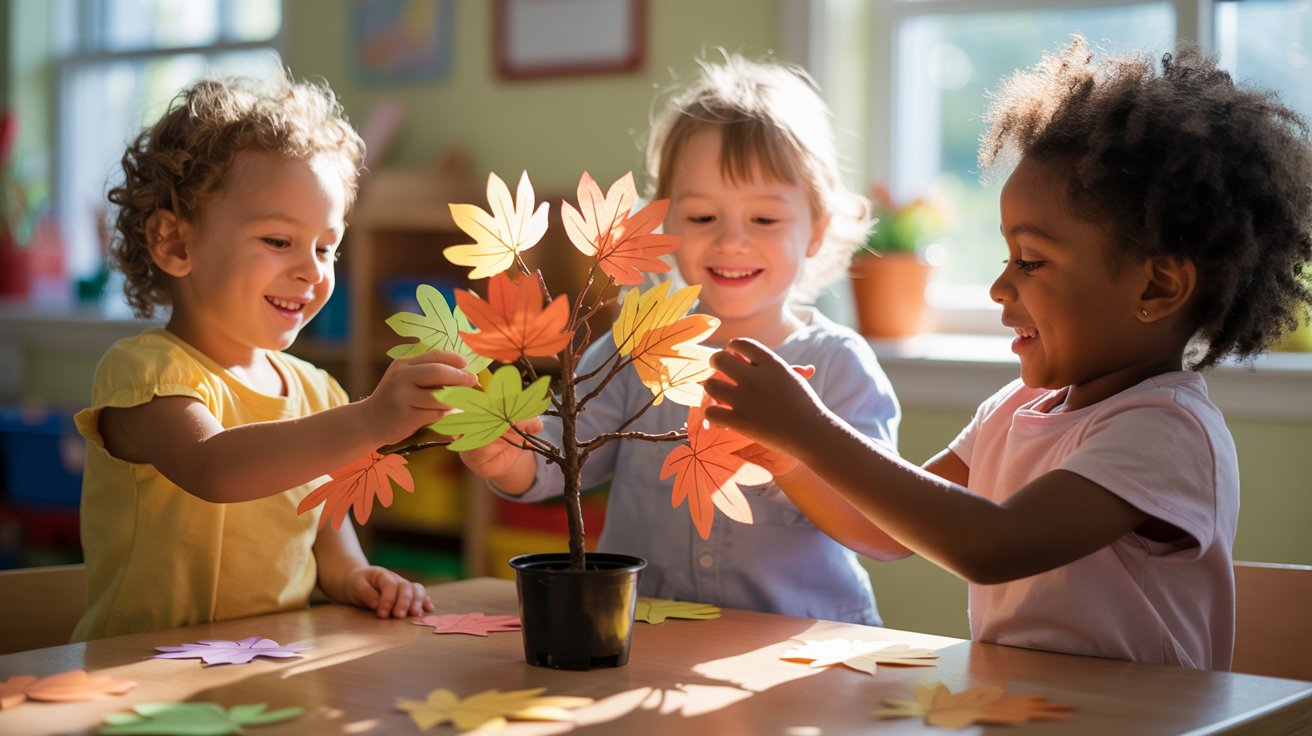
Draw or print a bare tree on paper. Each day, write something you are grateful for on a paper leaf and add it to the tree.
Watch it grow throughout the month. This works great in classrooms and at home. Kids love seeing the tree fill up with colorful leaves.
3. Gratitude Jar
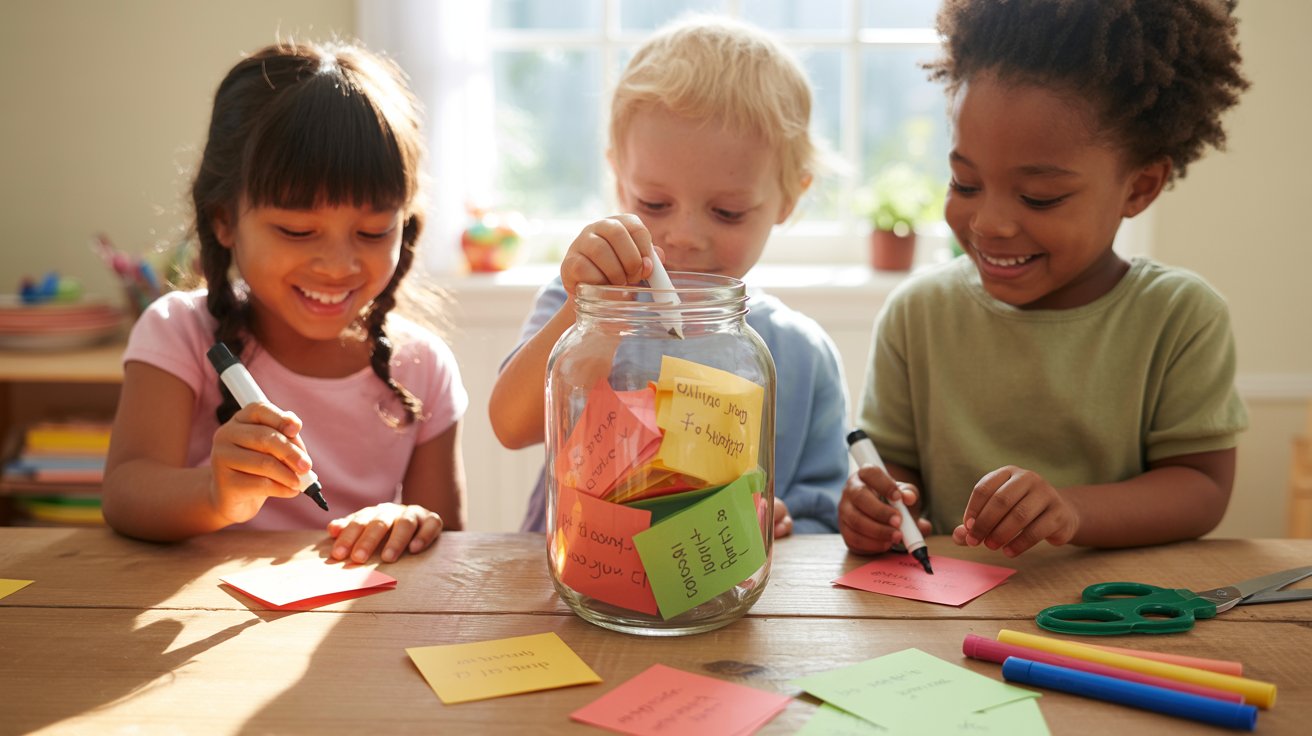
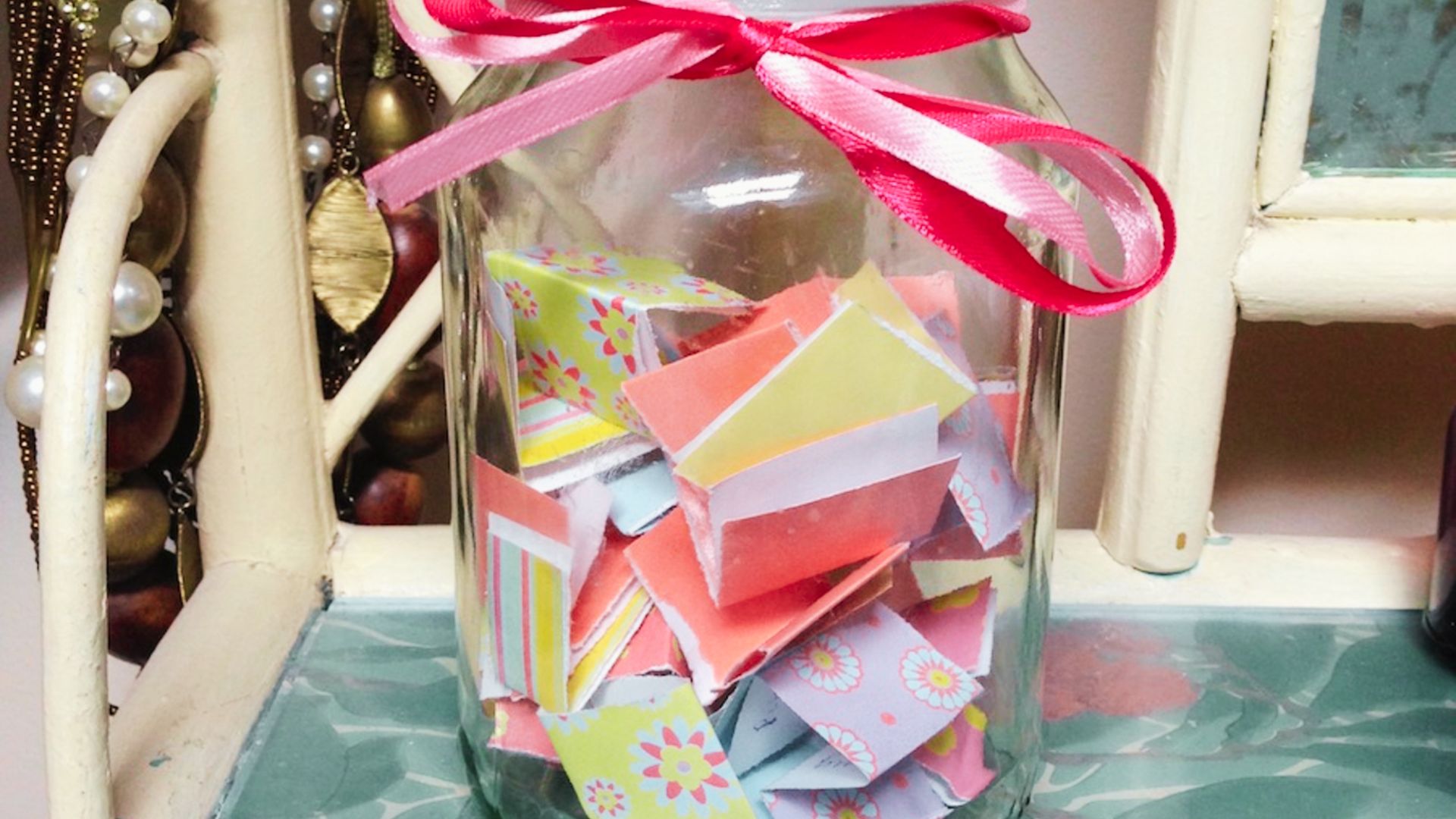
Place a jar on the kitchen counter or a classroom desk. Write one grateful thought on a small piece of paper each day and drop it in.
At the end of the week or month, read them all together. It is a simple way to collect happy moments and revisit them when things feel hard.
4. Thankful ABC List
Go through the alphabet and find one thing to be grateful for that starts with each letter. A for apples, B for books, C for cats.
It is a fun and easy activity for younger kids. It also builds vocabulary while practicing gratitude.
5. Daily 3 Good Things Practice

At the end of each day, ask your child to name three good things that happened. They can say them out loud at dinner, write them down, or draw them.
This simple habit trains the brain to focus on the positive. Studies show it can improve mood over time.
6. Gratitude Walk

Go outside and walk slowly. Ask your child to notice five things they are grateful for along the way. A tree, a bird, a breeze, or a neighbor waving hello.
This works well for kids who need movement. It combines mindfulness and gratitude in a natural way.
7. Bedtime Gratitude Sharing
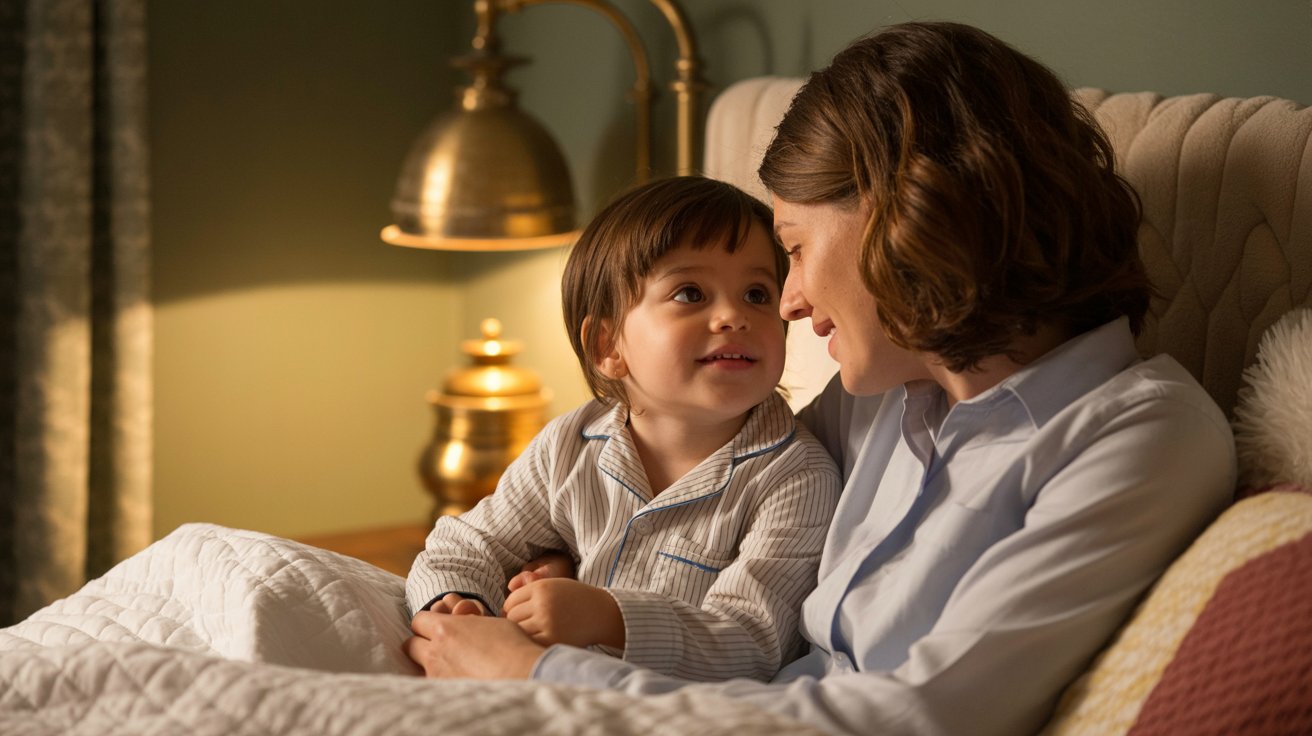
Before lights out, ask your child to share one thing they are thankful for from the day. Keep it low-pressure and conversational.
This builds a positive routine at the end of each day. It also gives you a window into what matters most to your child.
8. Gratitude Drawing
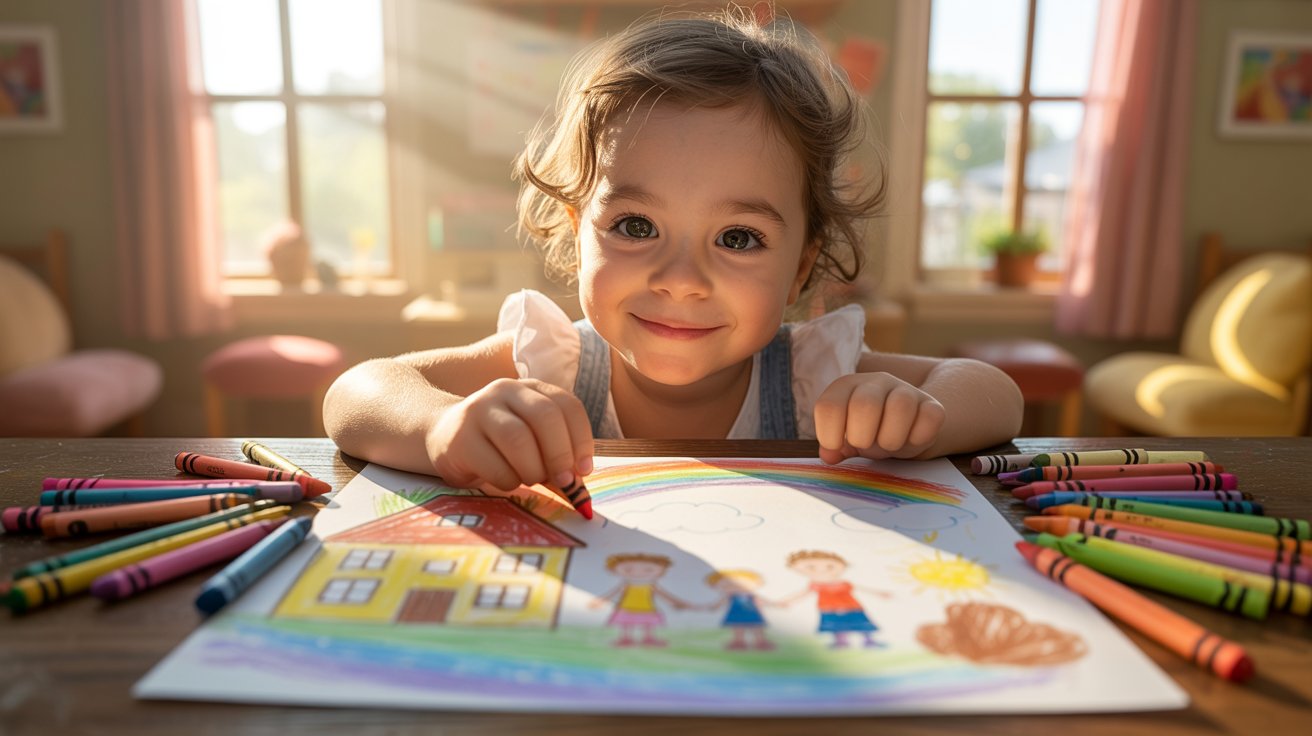
Give kids a prompt like "Draw someone who makes you happy" or "Draw your favorite place." Then talk about why they chose it.
Drawing is a powerful way for younger kids to express feelings they cannot put into words yet. It also makes the activity feel creative and fun.
9. Gratitude Scavenger Hunt
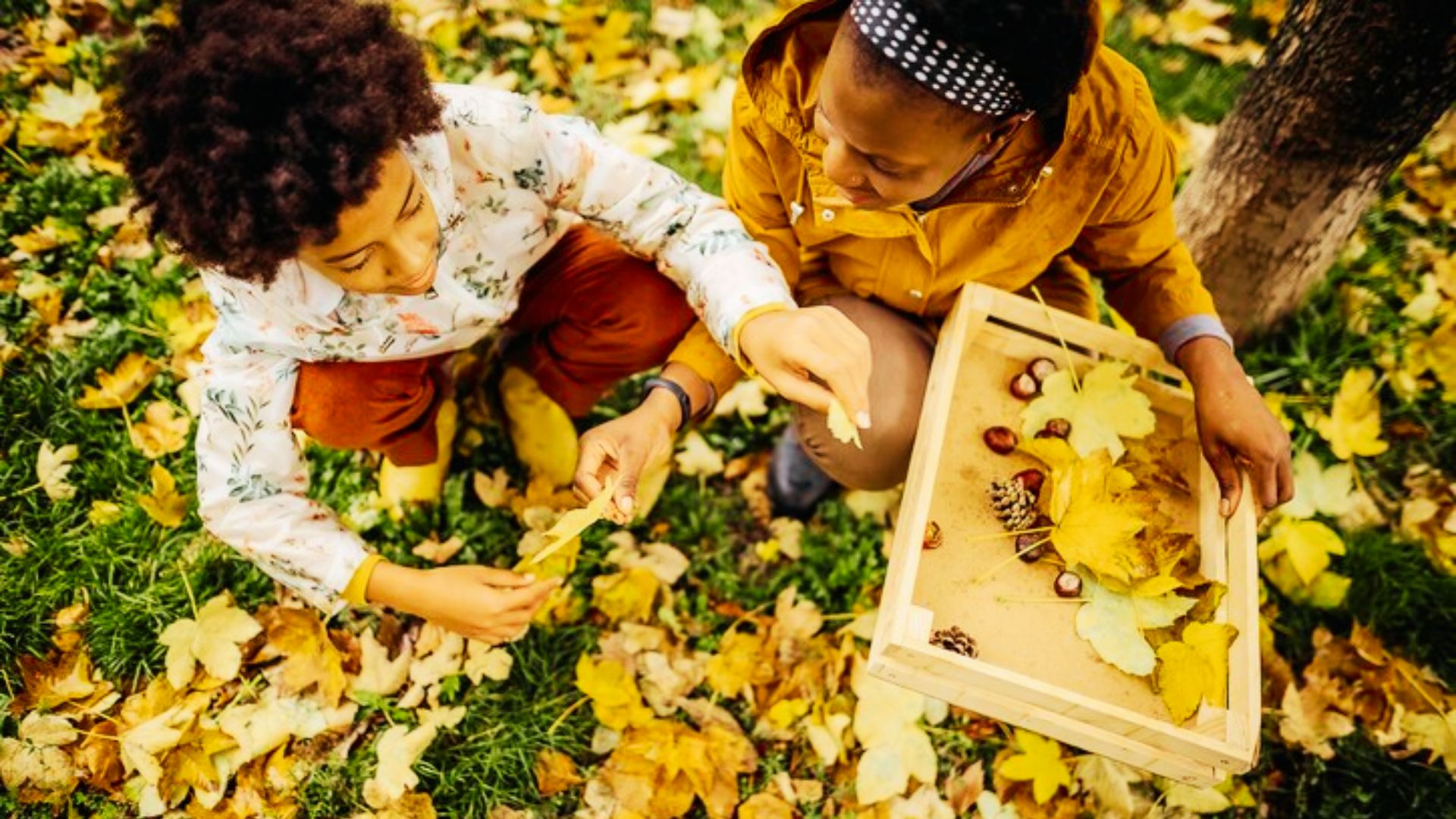
Create a list of things to find that represent gratitude.
Examples:something that makes you laugh, something that keeps you warm, something a friend gave you.
Kids search around the house or classroom to find each item. It turns gratitude into an active game.
10. Gratitude Bingo
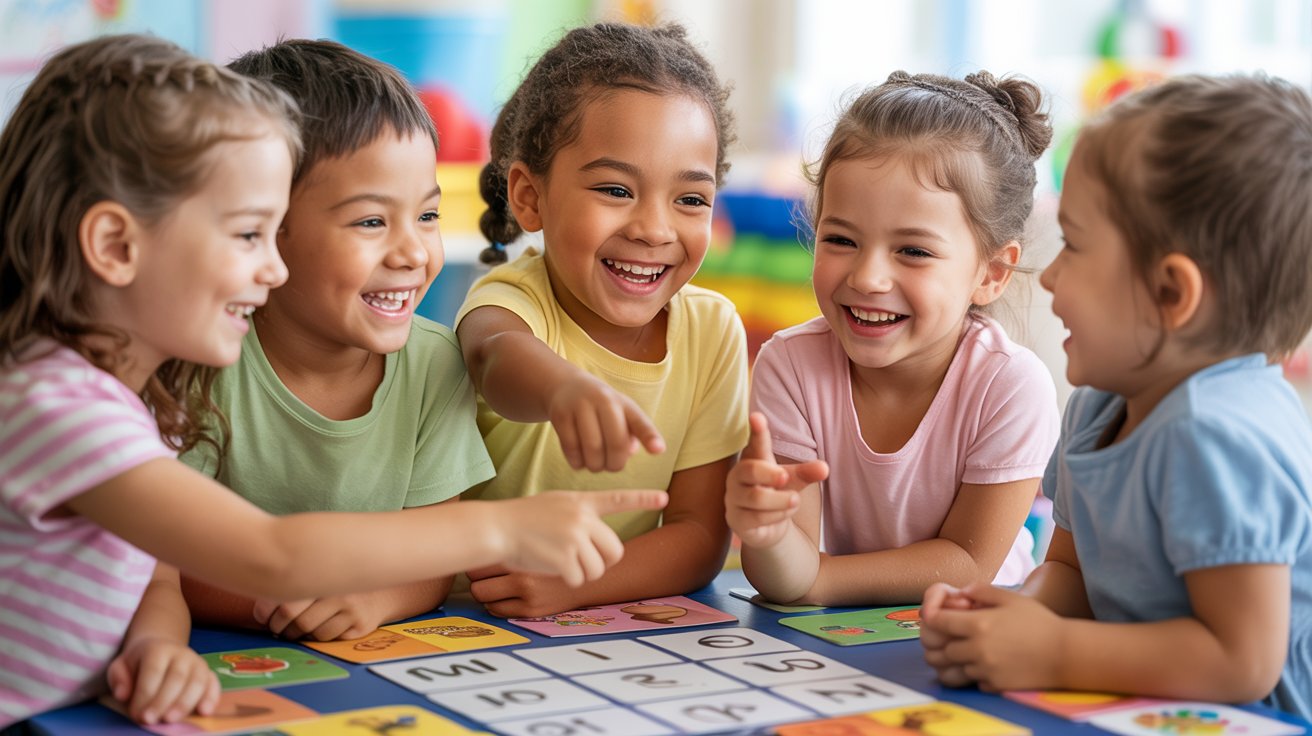
Make a bingo card with gratitude prompts in each square. Examples: something in nature, a person who helped you, a food you love.
Kids mark off squares as they think of answers. The first to complete a row wins. This works great in group settings and classrooms.
11. Beach Ball Gratitude Game
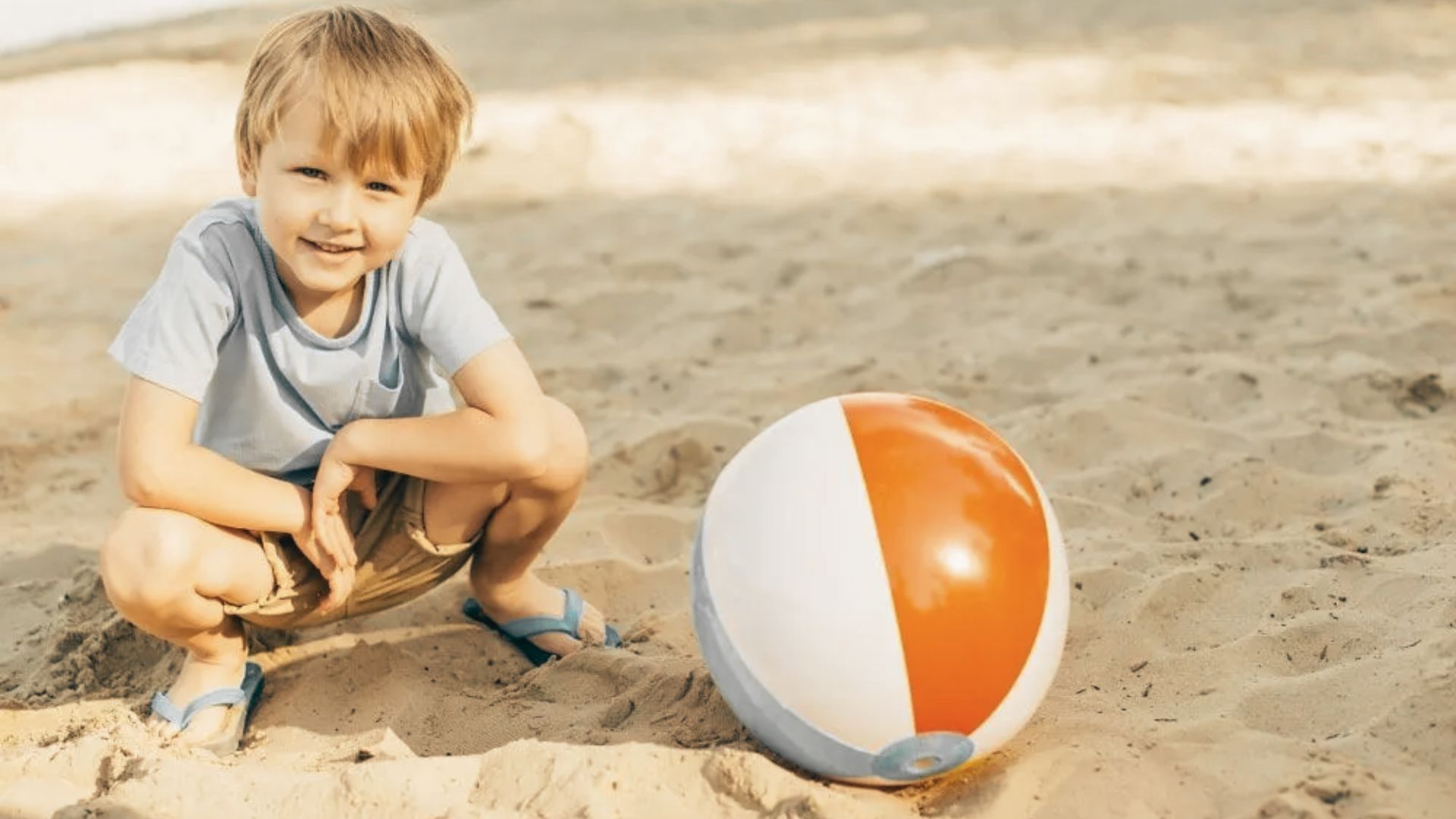
Write gratitude questions all over a beach ball with a marker. Toss it around. Whoever catches it answers the question their right thumb lands on.
Questions can be simple: "What food are you thankful for?" or "Who made you smile today?" Kids love the movement and surprise of this game.
12. Gratitude Charades
Write things kids are grateful for on slips of paper. Act them out without speaking. Others guess what it is.
It brings laughter and teamwork into the practice of gratitude. A pet, a favorite hobby, or a family tradition all make great charade prompts.
13. Pick-a-Stick Gratitude Game
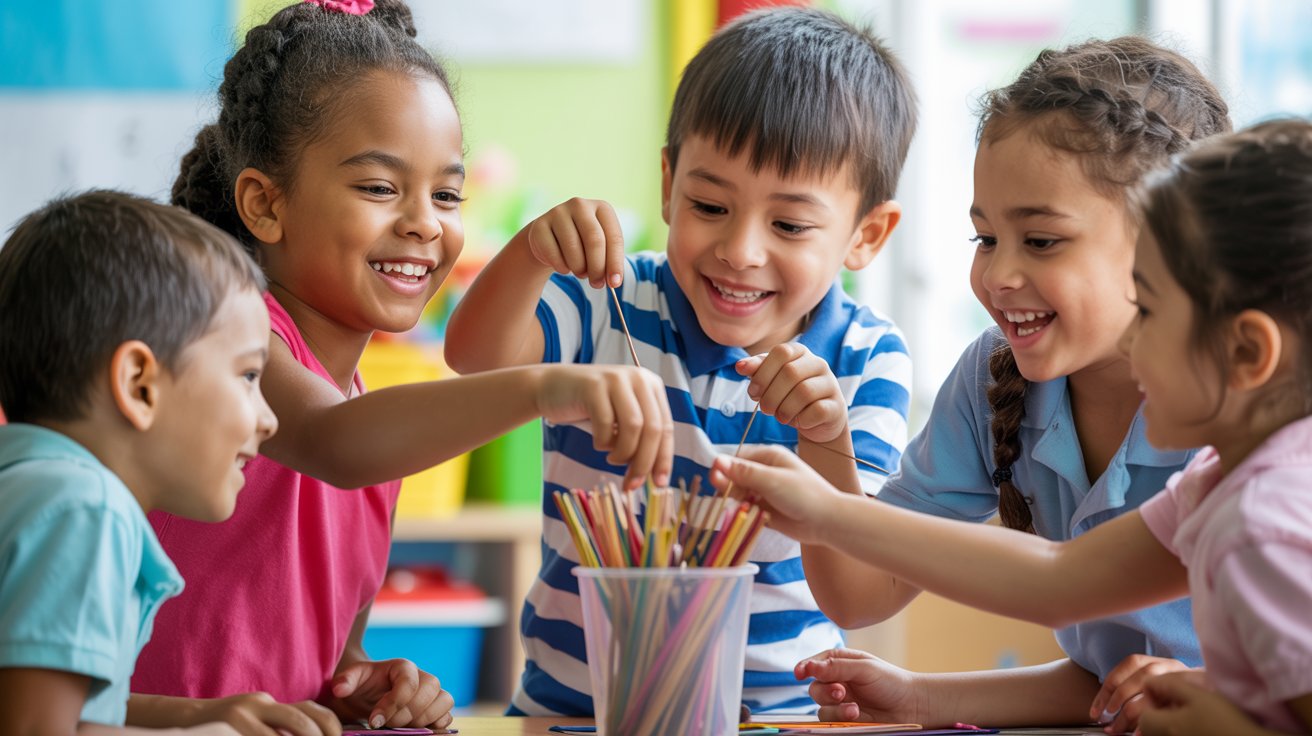
Write gratitude prompts on popsicle sticks and put them in a cup. Each day, a child picks one stick and answers the prompt.
Prompts can include: "Name a teacher who helped you" or "What outdoor activity do you enjoy?" It keeps the practice fresh because the question changes every day.
14. Gratitude Spinner

Make a spinner with different gratitude categories on each section. Categories can include people, places, food, activities, and memories.
Spin and share something from that category. Kids enjoy the randomness. It also helps them think about gratitude in different areas of life.
15. Compliment Circle
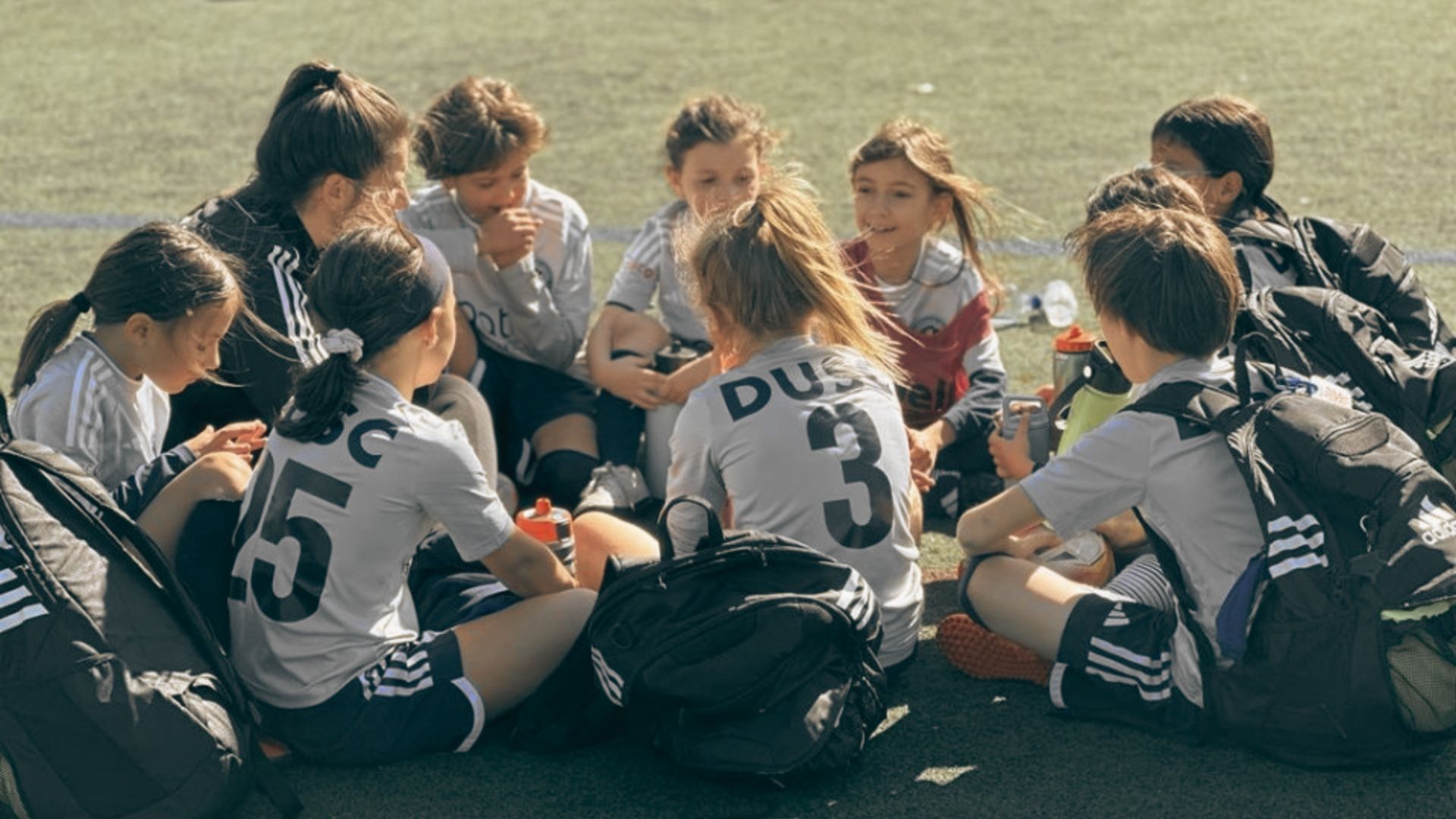
Sit in a circle and take turns giving each person a genuine compliment. Receiving kind words is a form of gratitude too.
It teaches kids to notice the good in others and to receive appreciation with grace. This is especially powerful in classroom or group settings.
16. Thankful Hearts Craft

Cut out heart shapes from colored paper. Ask kids to write or draw something they are thankful for in each heart.
Display them on a wall or string them together. This is a great Valentine's Day or any-day activity. It makes gratitude visible and creative.
17. Gratitude Collage
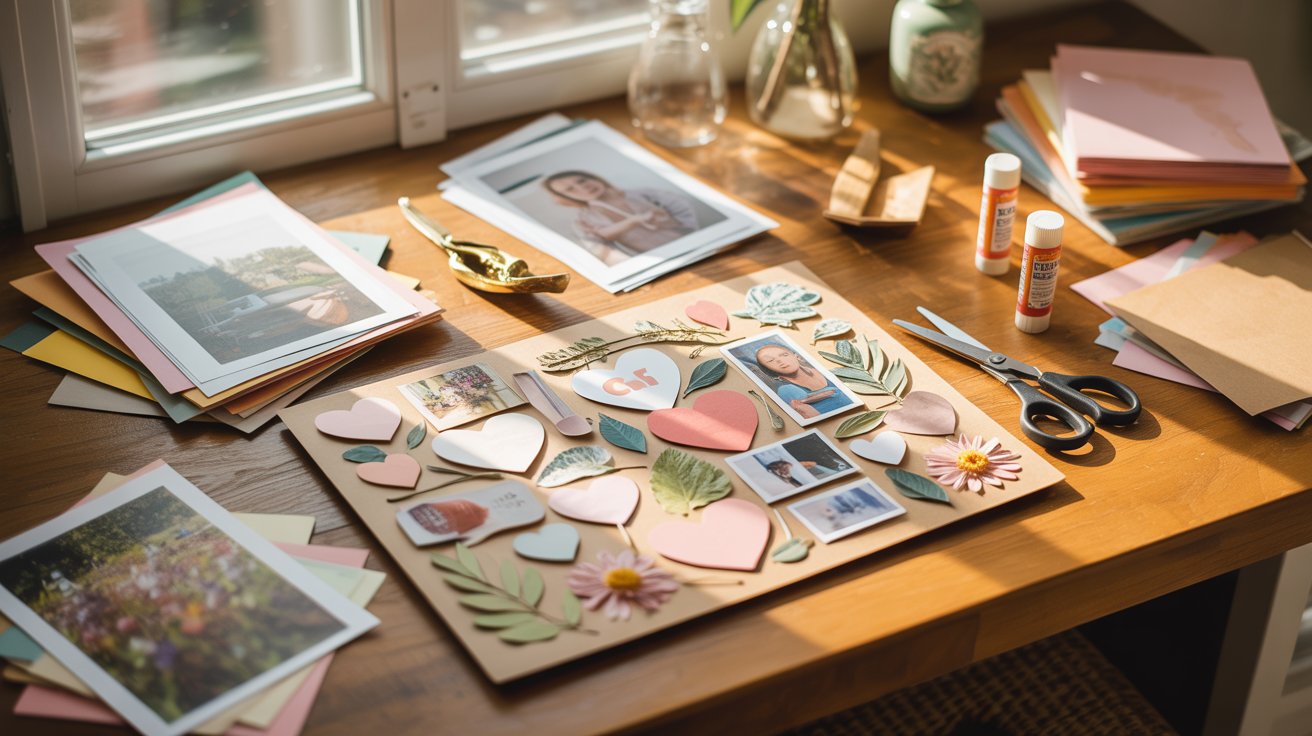
Give kids old magazines, scissors, and glue. Ask them to cut out pictures of things they are grateful for and glue them onto a large paper.
The result is a personal gratitude board. Kids can add to it over time. It is a visual reminder of everything good in their lives.
18. Gratitude Sunflowers
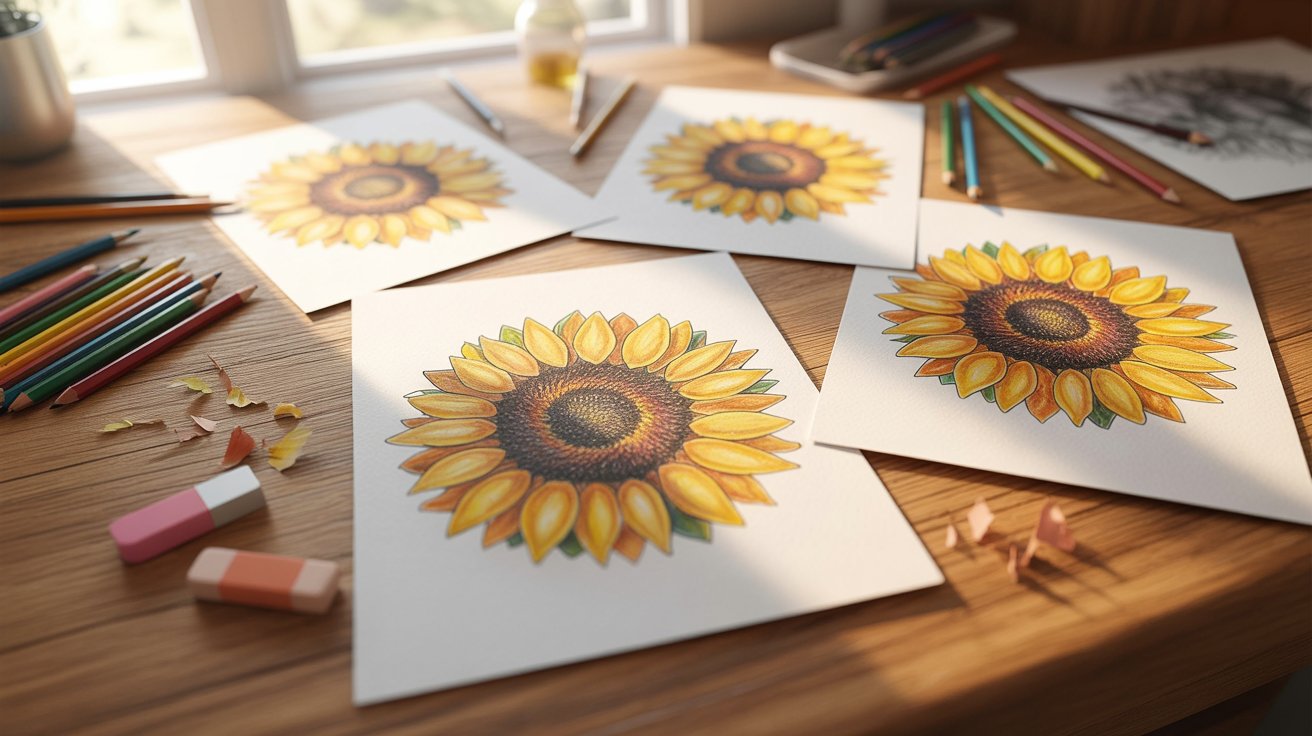
Draw or cut out a large sunflower center. On each petal, write or draw something you are thankful for. Display the finished sunflowers at home or in the classroom.
This craft is colorful, easy, and works for all ages. Younger kids can draw while older kids write.
19. Thankfulness Paper Chain

Write one grateful thought on a strip of paper. Link it into a chain. Add a new link each day. Hang the chain somewhere visible so kids can see it grow.
This is a satisfying visual activity. The longer the chain, the more gratitude they have collected.
20. Gratitude Leaf Garland
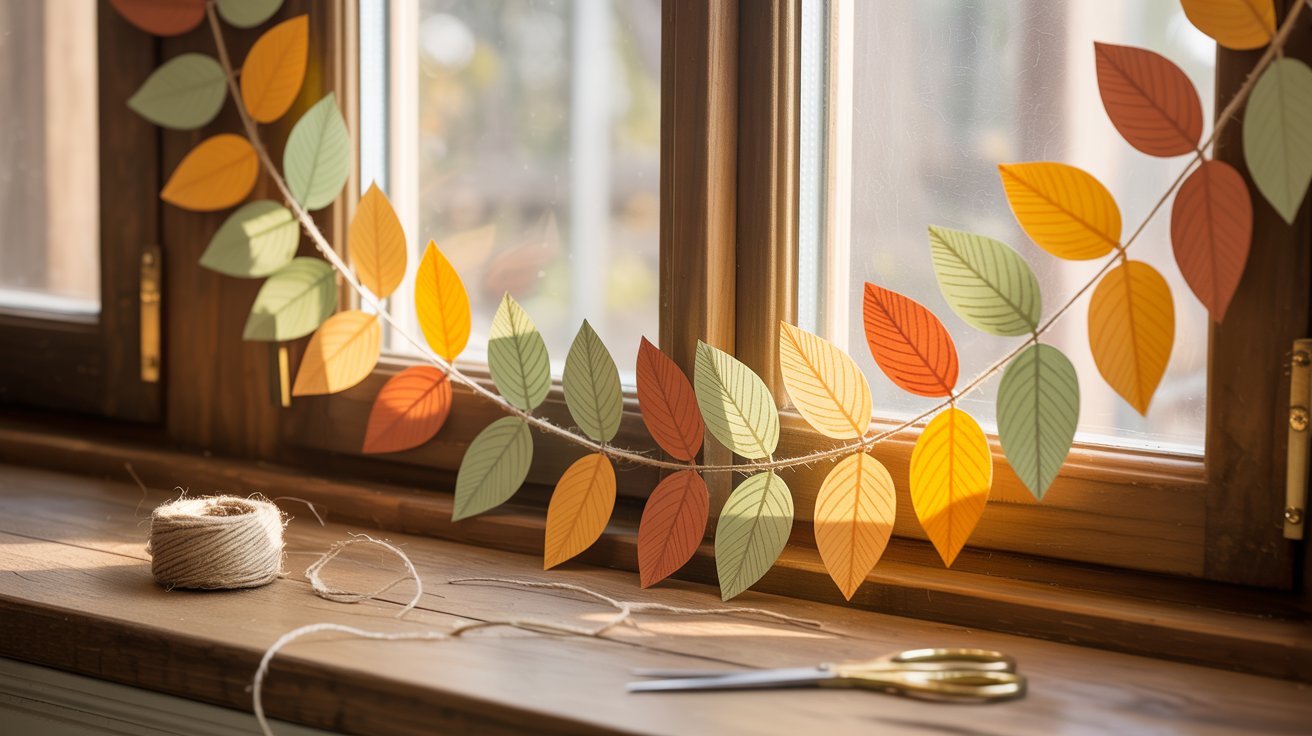
Cut out leaf shapes from paper. Write one thing you are grateful for on each leaf. String them together to make a garland.
Hang it in the classroom or living room. This works especially well in autumn when the theme of changing seasons fits the craft naturally.
21. Gratitude Stones
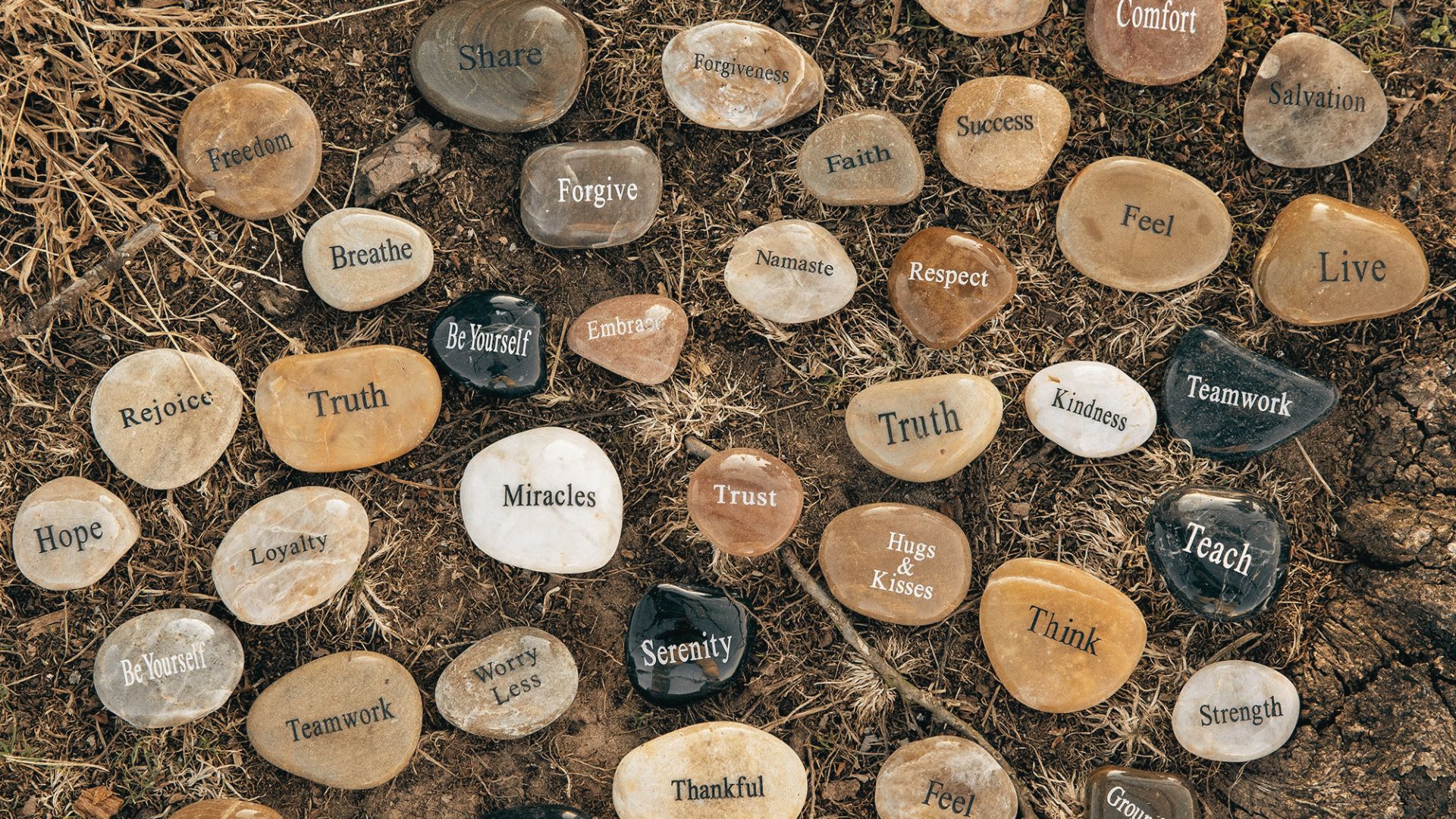
Collect smooth stones from outside. Paint or write words of gratitude on them. Words like "family," "kindness," "fun," or "health" work well.
Place them in a bowl or garden. Whenever a child touches one, it is a small reminder of something good. This is a calm, tactile activity.
22. Gratitude Posters
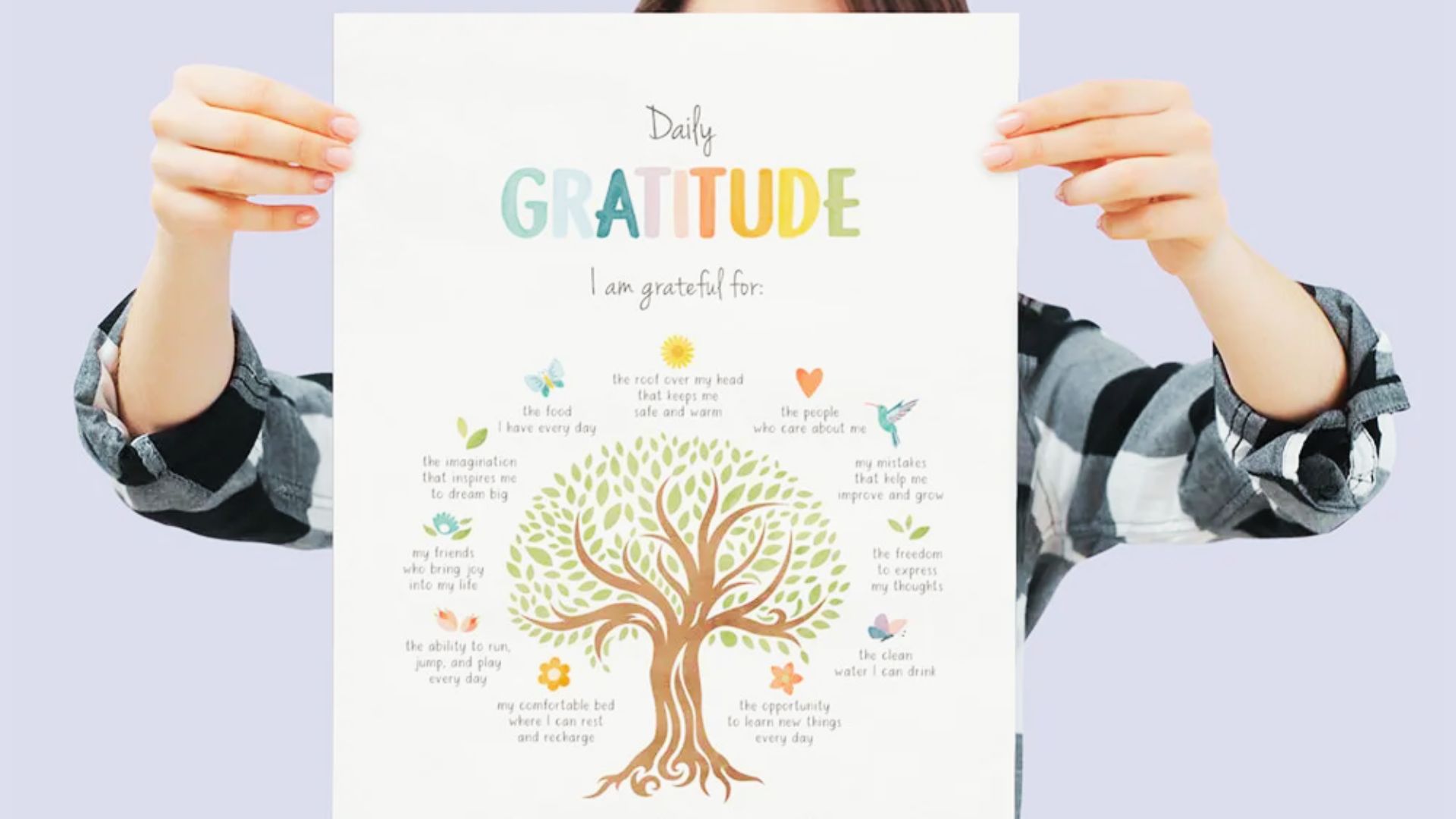
Ask kids to create a poster with the theme "I am thankful for…" Fill it with drawings, words, or magazine cutouts.
Display the posters around the room. It is a great classroom project that also creates a visually warm and positive space. Kids feel proud seeing their work displayed.
23. Gratitude Turkey Craft
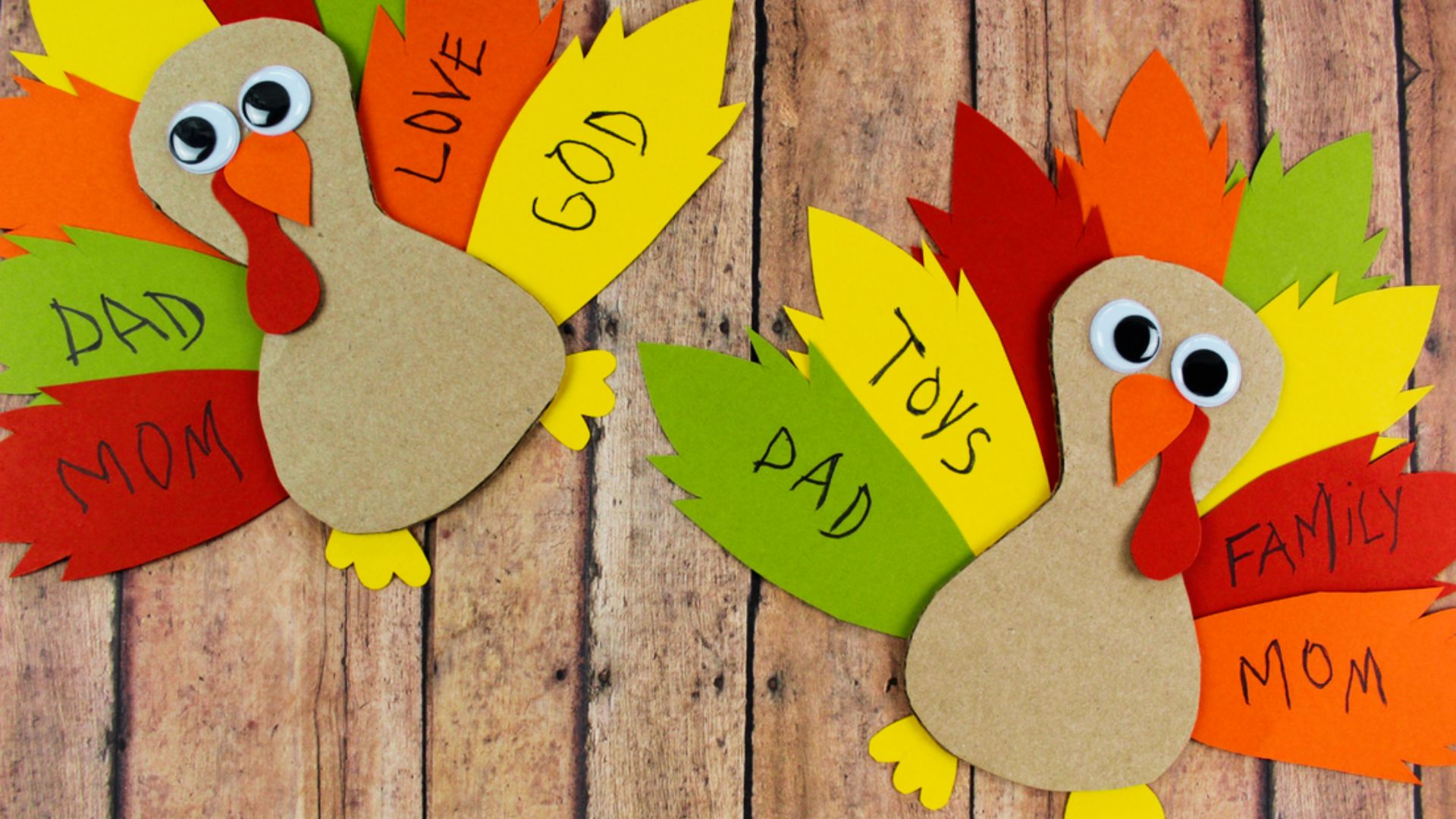
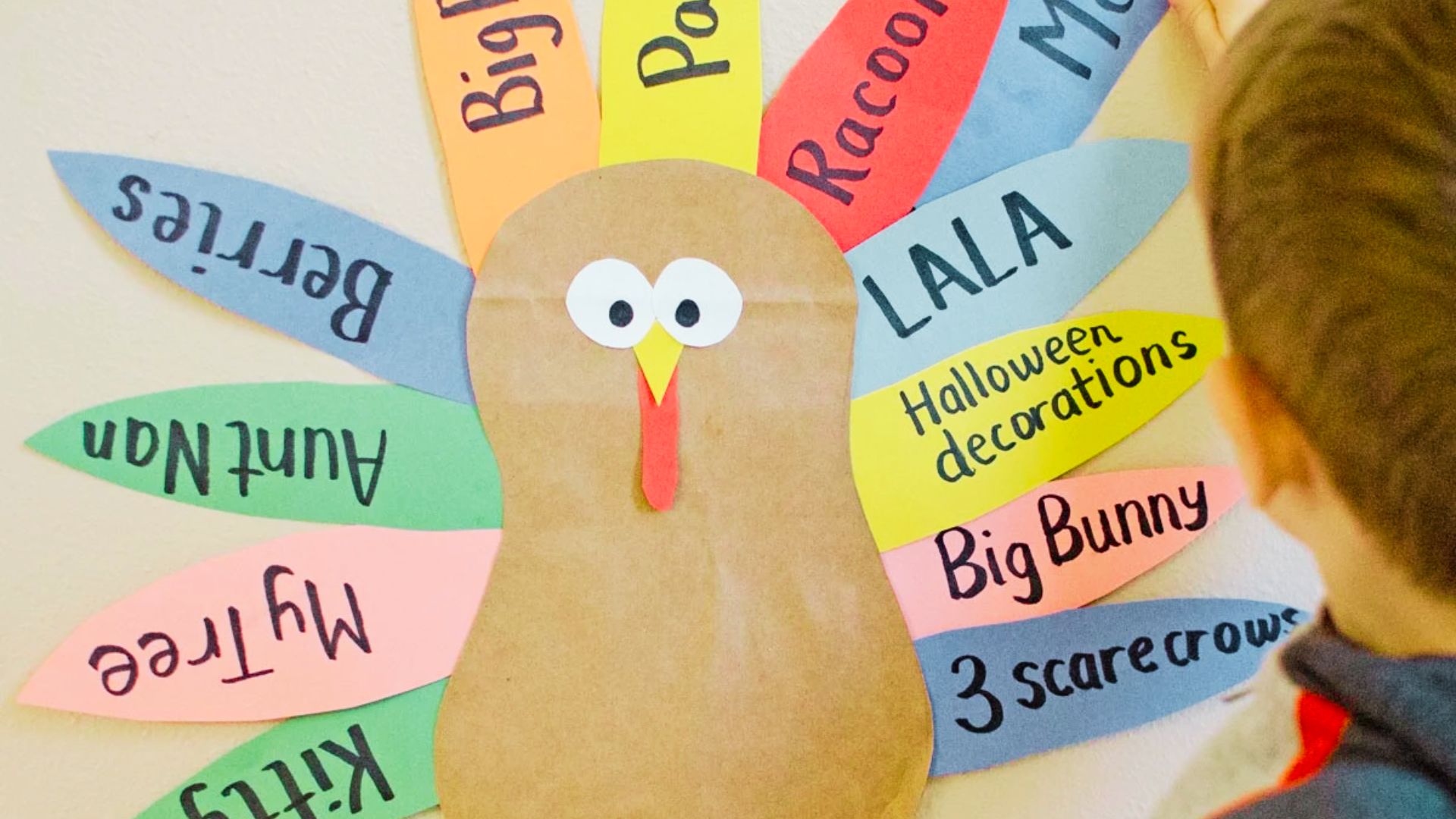
Draw a turkey and write one thing you are grateful for on each feather. The more feathers, the more things to be thankful for.
Kids love adding as many feathers as possible, which turns it into a fun gratitude challenge. This works any time of year, not just Thanksgiving.
24. Gratitude Journal Prompts Worksheet
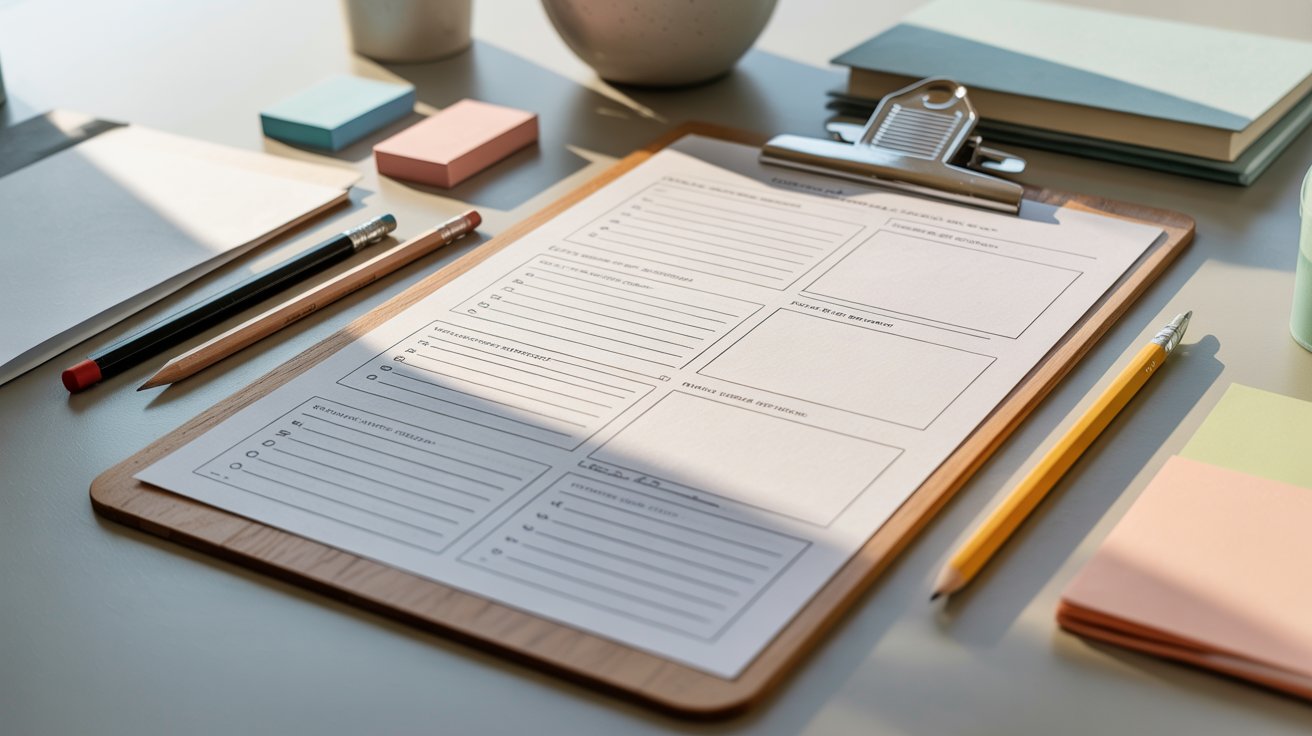
Print or create a worksheet with prompts like "I am glad I have…" or "Someone who helped me this week was…" Kids fill in the blanks at their own pace.
This is a structured way to journal for kids who need guidance. It takes the blank-page pressure away.
25. Printable Gratitude Jar
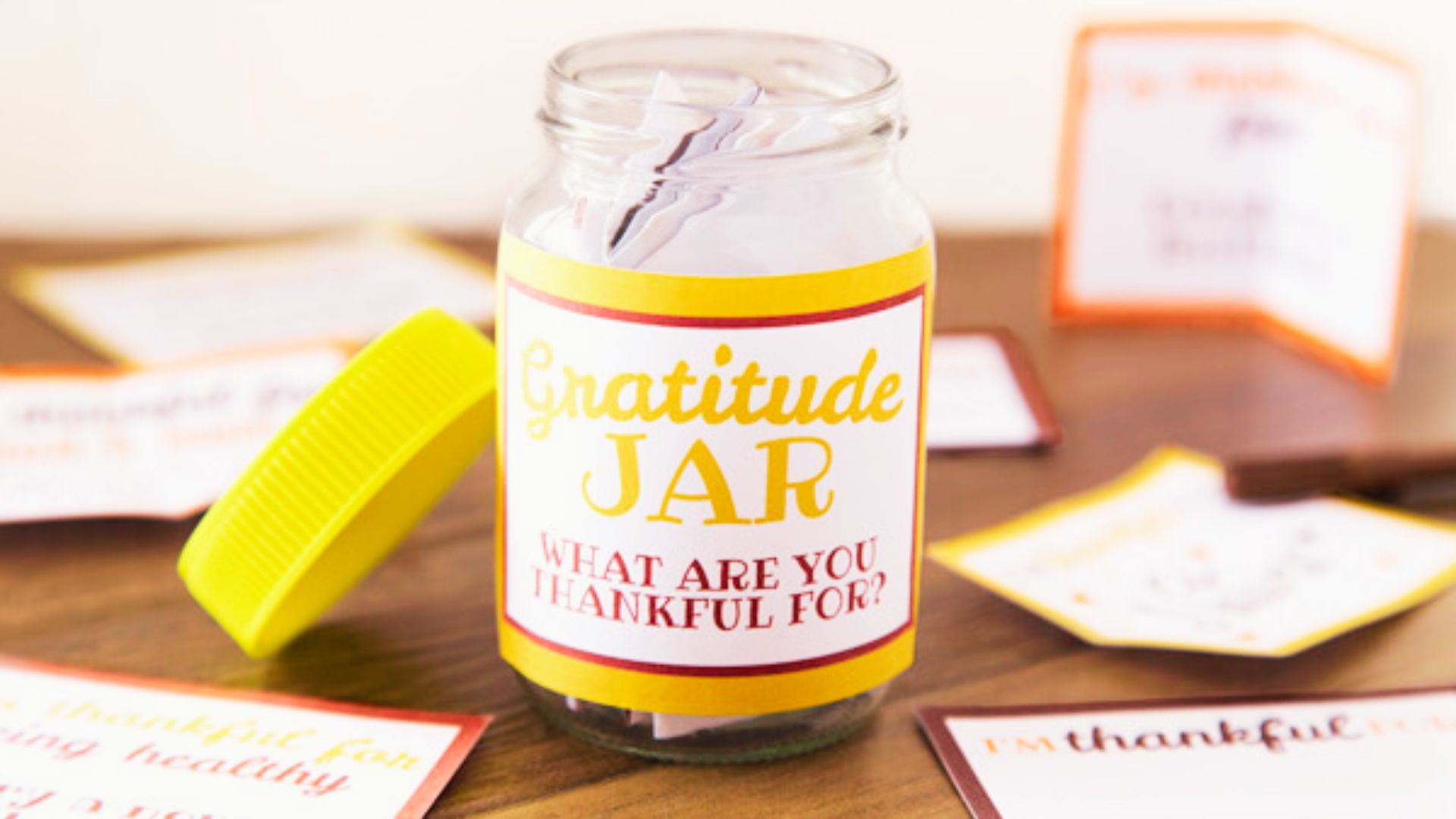
Print a paper jar template and cut out small paper strips. Write grateful thoughts on each strip and fold them up inside the jar.
This is a great alternative to a real jar for classrooms with limited supplies. Kids can take their paper jar home at the end of the week.
26. Gratitude Worksheets
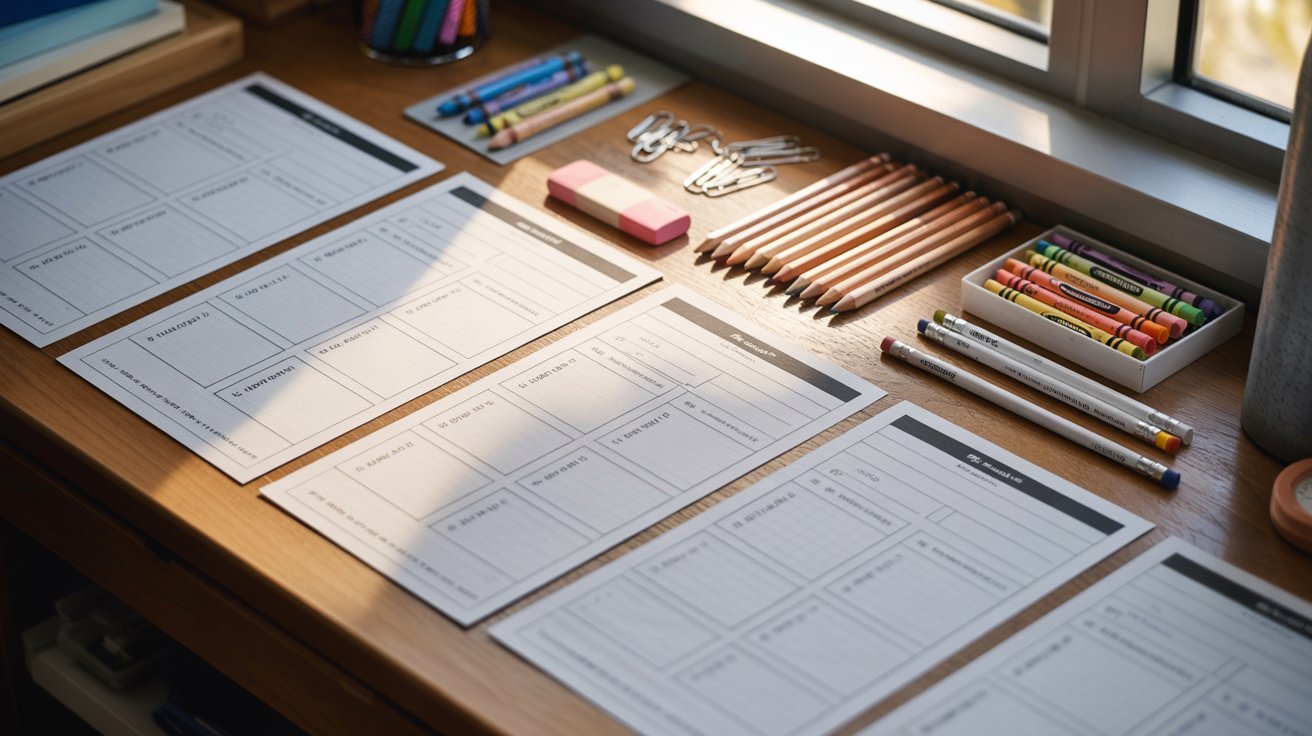
Use simple fill-in-the-blank or draw-and-write worksheets to guide children through gratitude practice. These are easy to use in morning routines or as quiet time activities.
Free versions are available online. They work especially well for early learners who are just starting to practice gratitude.
27. Gratitude Coloring Pages
Alt Text: A variety of blank coloring pages spread out on a table, showcasing different designs and patterns.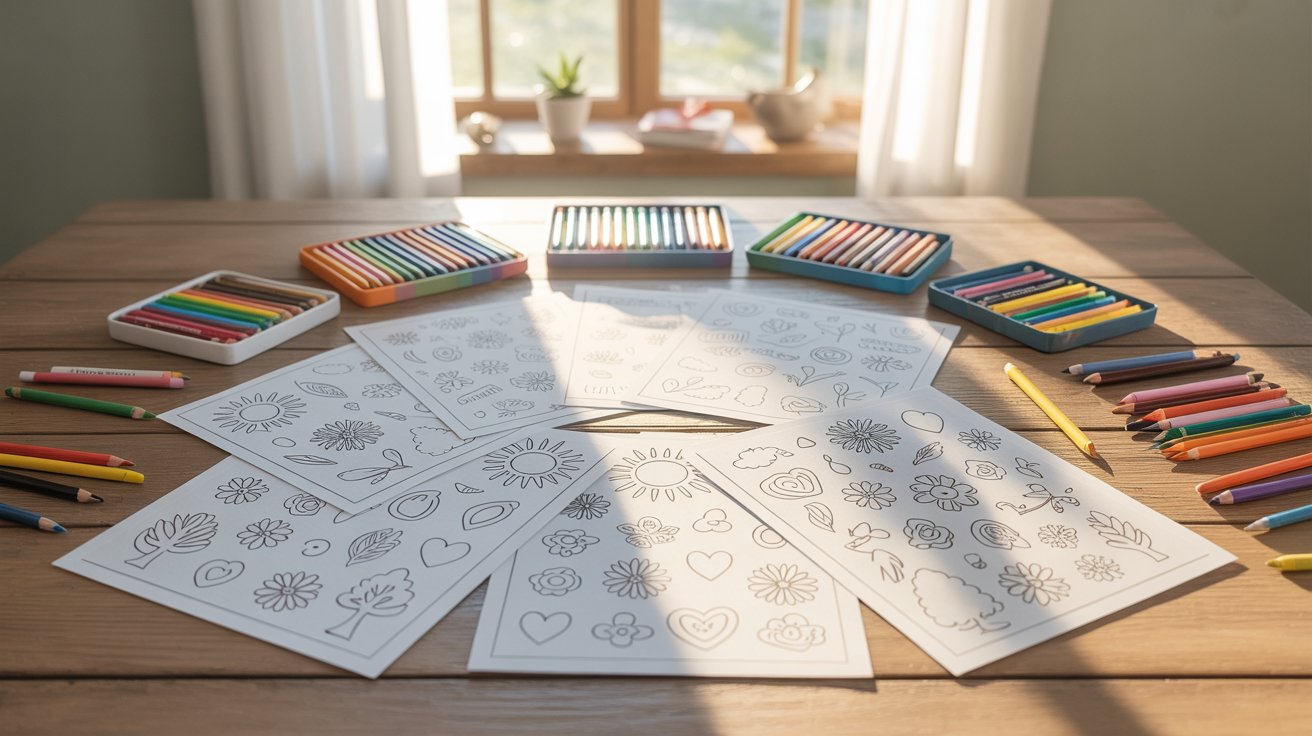
Print coloring pages with gratitude themes. Examples include pages with prompts like "Color something that makes you happy" or "Color your favorite family memory." Coloring helps kids relax while thinking about positive things.
It is a great activity for younger children who are not yet writing independently.
28. Gratitude Acrostic
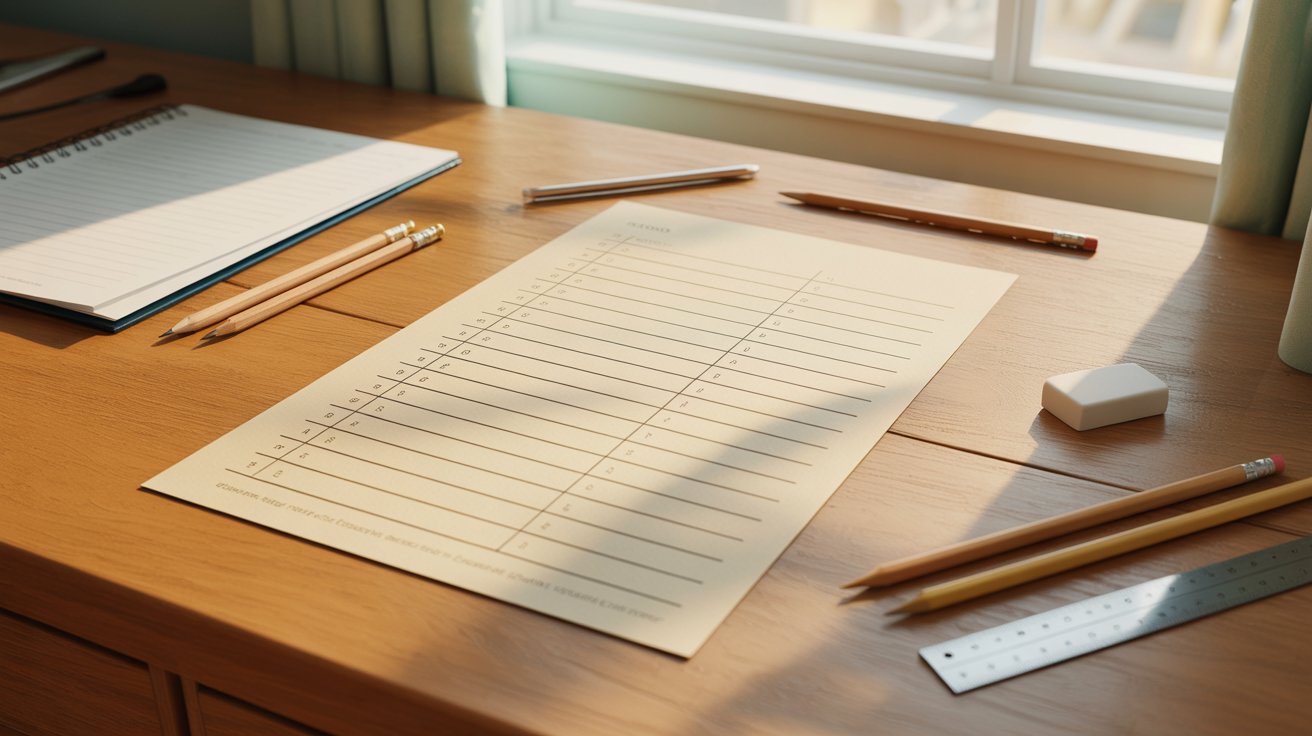
Write the word GRATEFUL vertically down a page. Ask kids to write something they are thankful for starting with each letter. G for grandma, R for recess, A for art class.
This is a fun language and gratitude activity combined. It also works as a classroom display piece.
29. Gratitude Bookmark
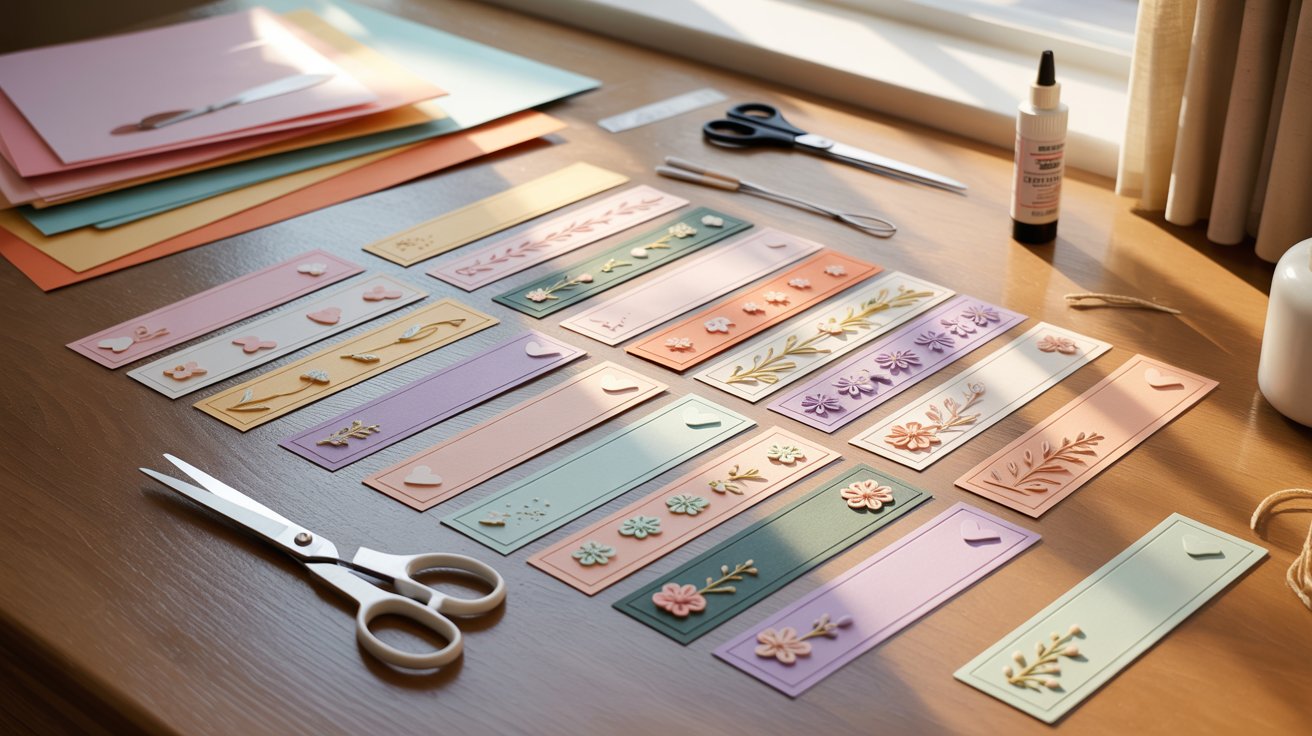
Cut a strip of paper or cardstock into a bookmark shape. Ask kids to write or draw three things they are grateful for on it. They can decorate it with colors and patterns.
Place it inside a favorite book as a daily reminder of good things. It is a quick, creative activity that takes less than ten minutes and works for all ages.
30. Reflection Worksheets
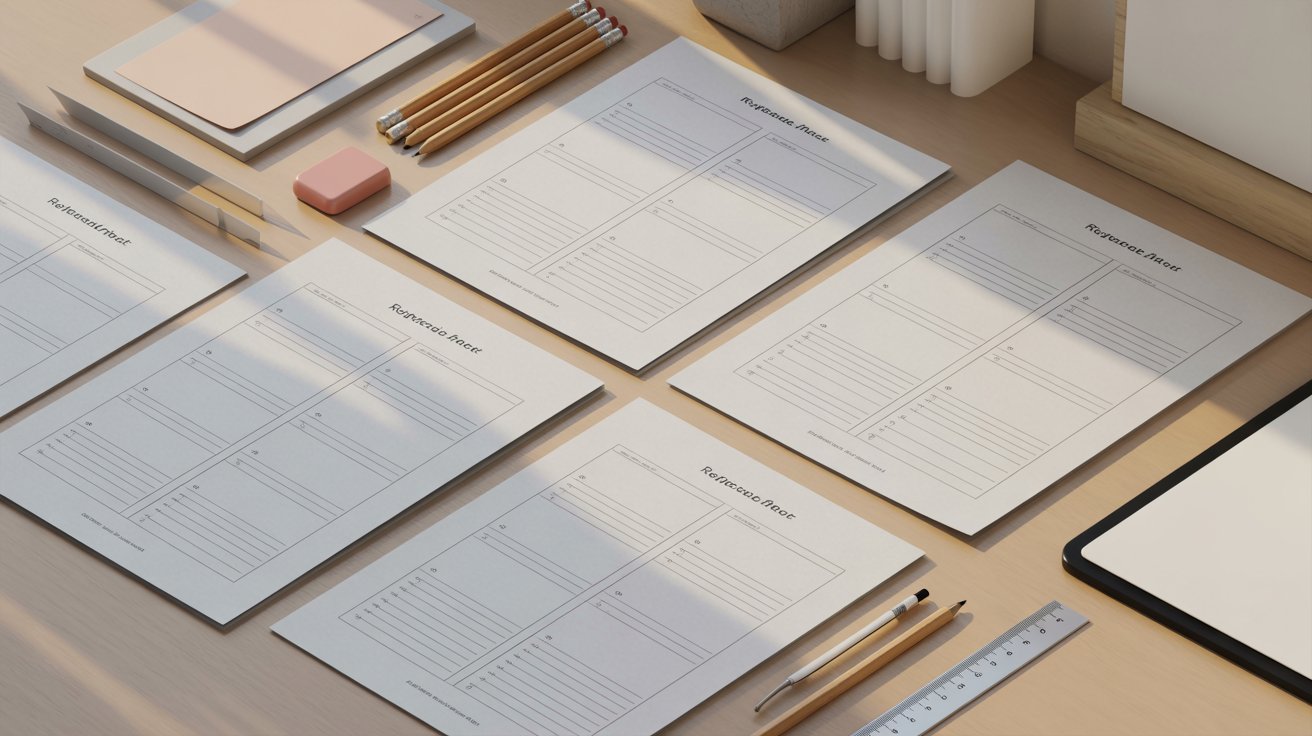
These worksheets ask kids to think back on their day or week and identify positive moments.
Questions like "What went well today?" or "Who showed you kindness this week?" help build self-awareness.
Reflection builds gratitude because it trains kids to look for the good in what already happened.
31. Gratitude Conversation Starters
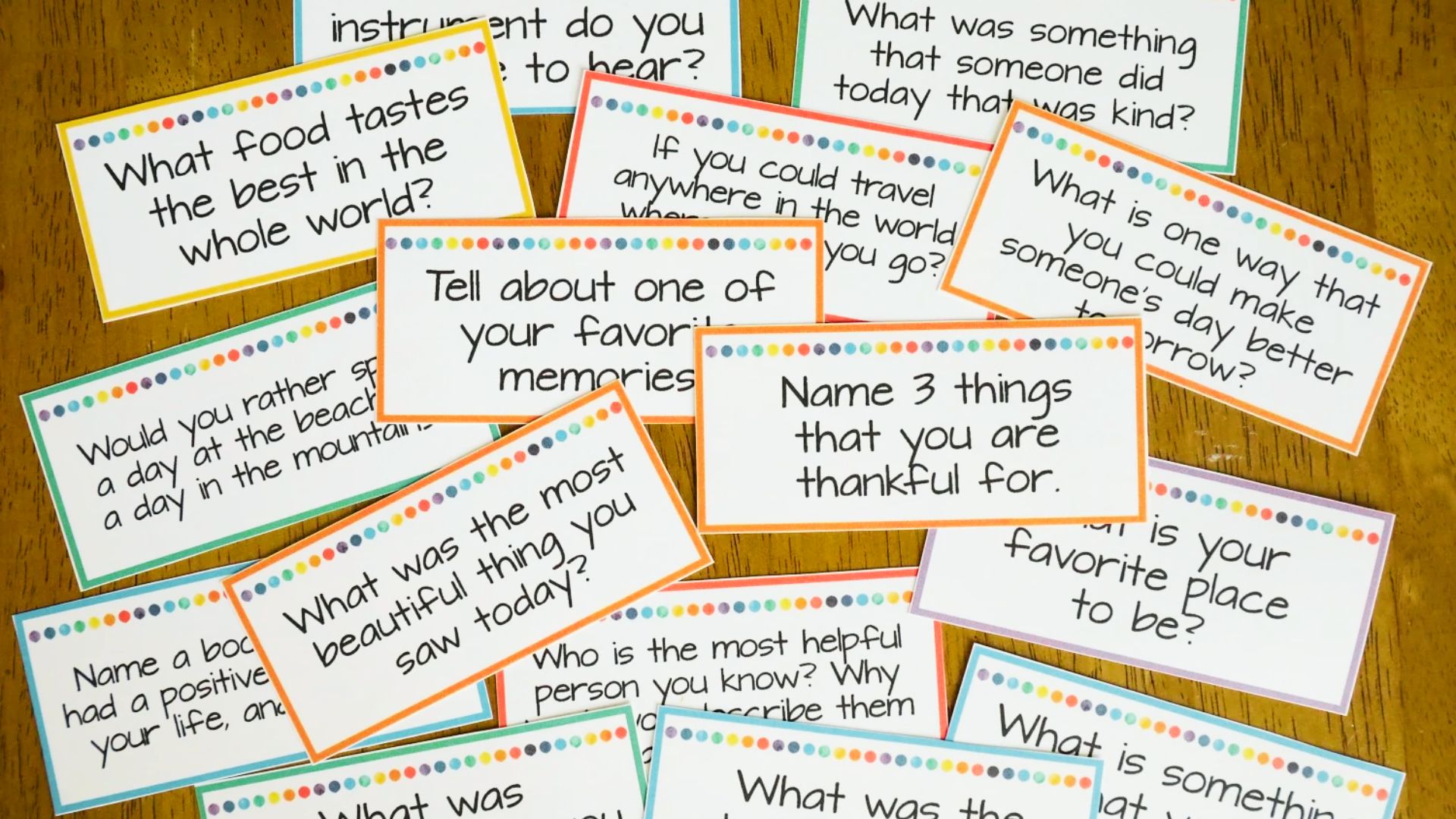
Use question cards at dinner or during car rides. Questions like "What made you laugh today?" or "What is something kind someone did for you this week?" spark natural conversations about gratitude.
No materials needed. Just a good question and a willing listener.
32. Thank-You Note Writing
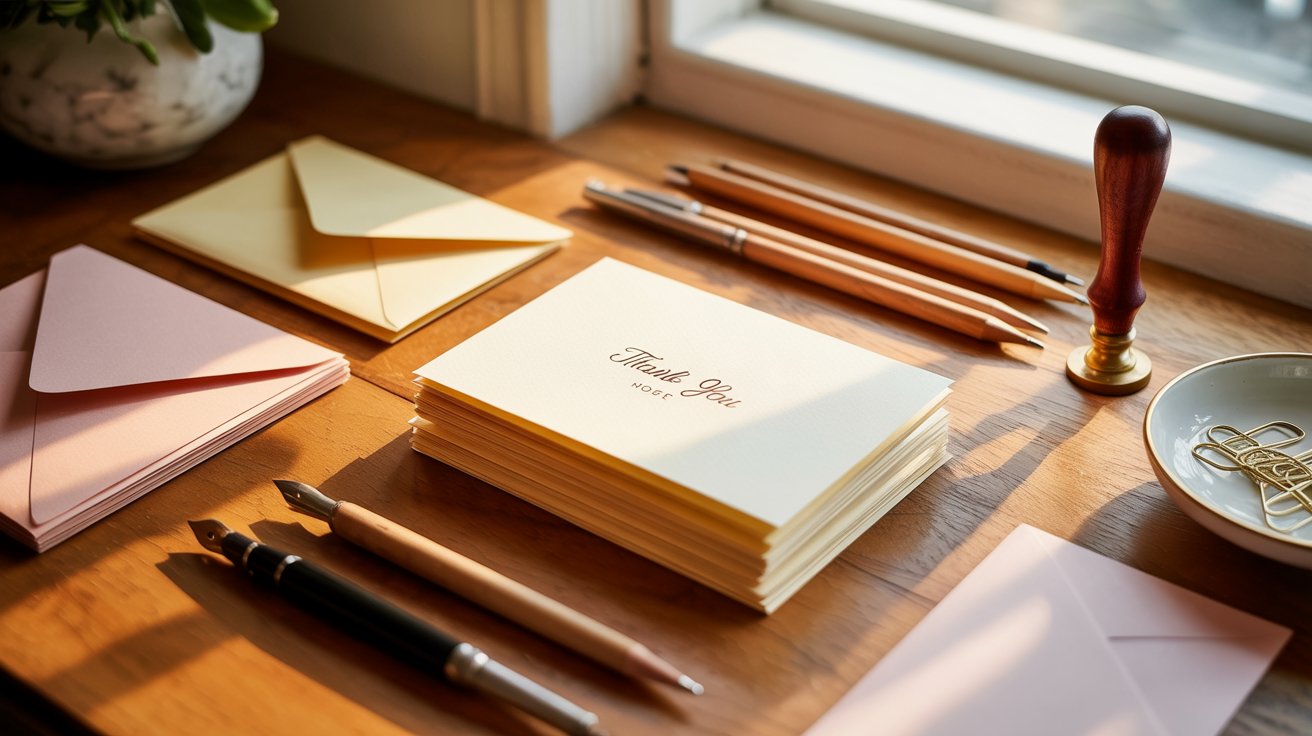
Ask kids to write a thank-you note to someone who helped or supported them. It can be a teacher, a friend, a grandparent, or a neighbor.
Writing a thank-you forces children to think specifically about what someone did and why it mattered. It also makes the receiver feel appreciated.
33. Gratitude Storytelling

Ask your child to tell a story about a time something good happened. Encourage detail: who was there, what happened, how it felt.
Storytelling helps children relive positive experiences and feel them again emotionally. It is a natural and enjoyable way to revisit gratitude through narrative.
34. Gratitude Sharing Circle
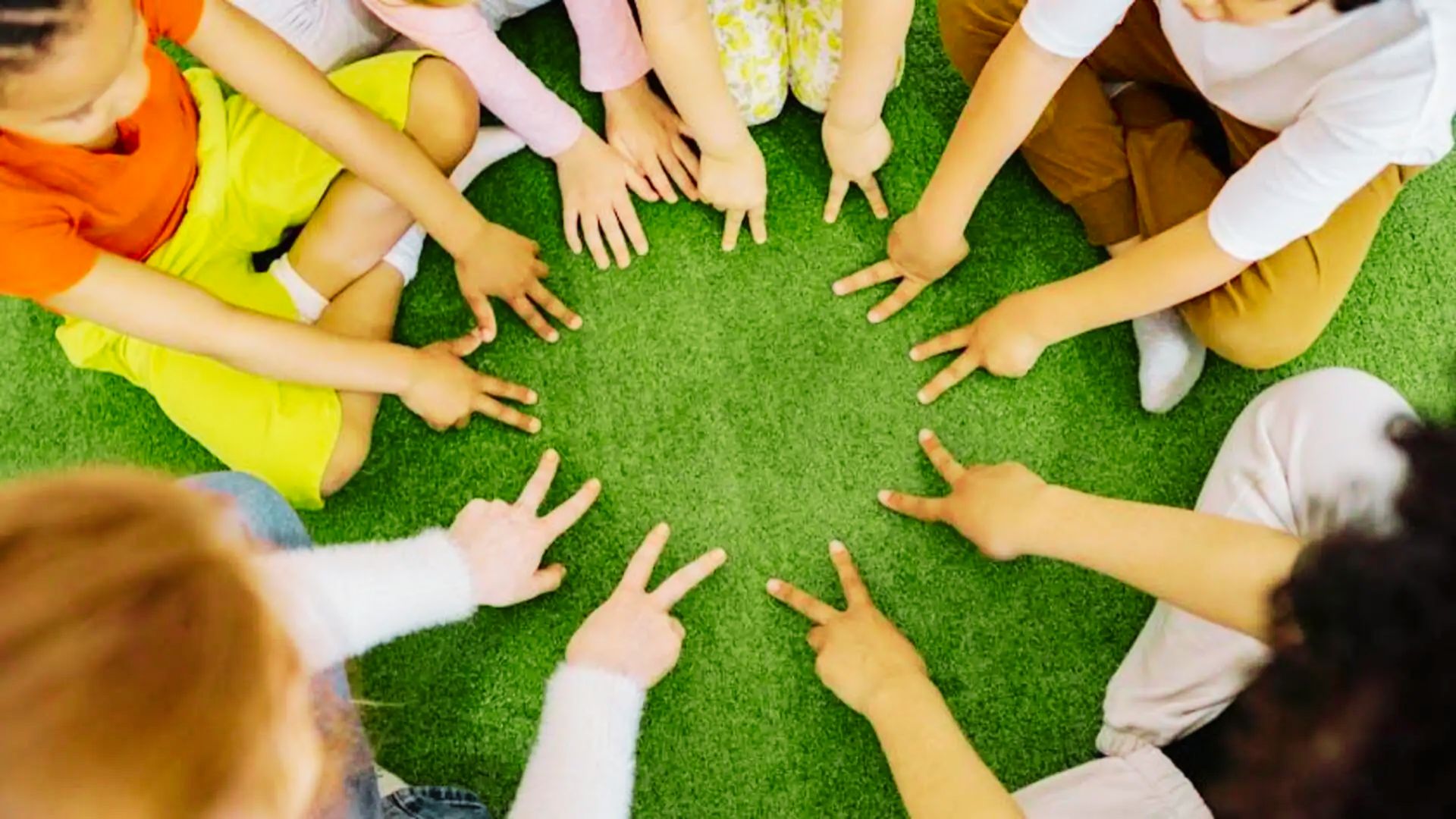
Gather in a circle and take turns sharing one thing each person is grateful for. No judging, no commenting, just listening.
This creates a safe and open space for kids to express positive feelings. It works well in classrooms, therapy groups, and family settings. Consistency makes it more powerful.
35. Gratitude Role-Play
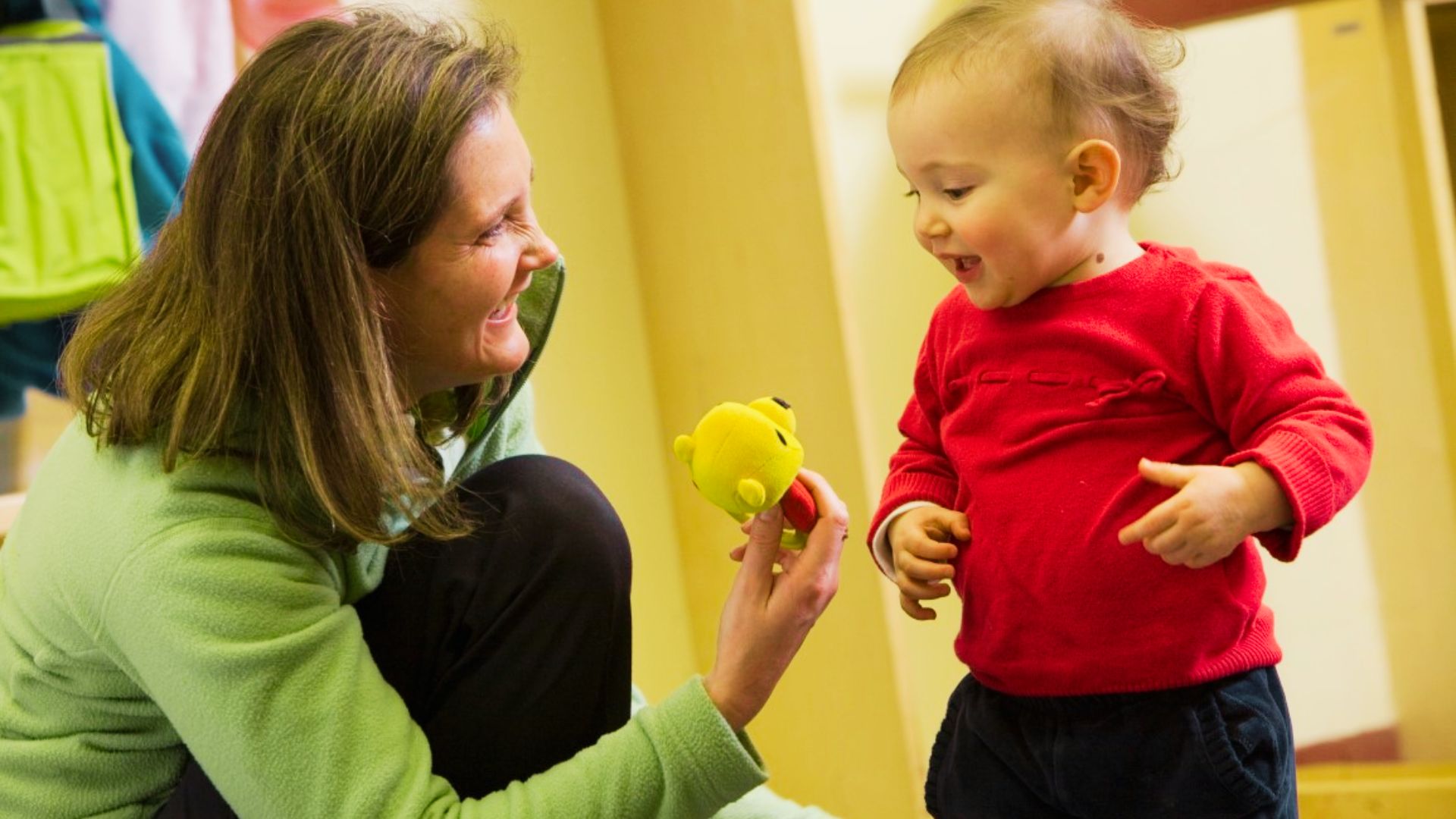
Act out scenes where characters show gratitude.
Examples:thanking a friend for help, appreciating a meal, or celebrating a small win.
Role-play helps kids practice gratitude in real-life situations before they encounter them. It builds emotional skills in a fun, low-stakes way.
36. Online Gratitude Wall
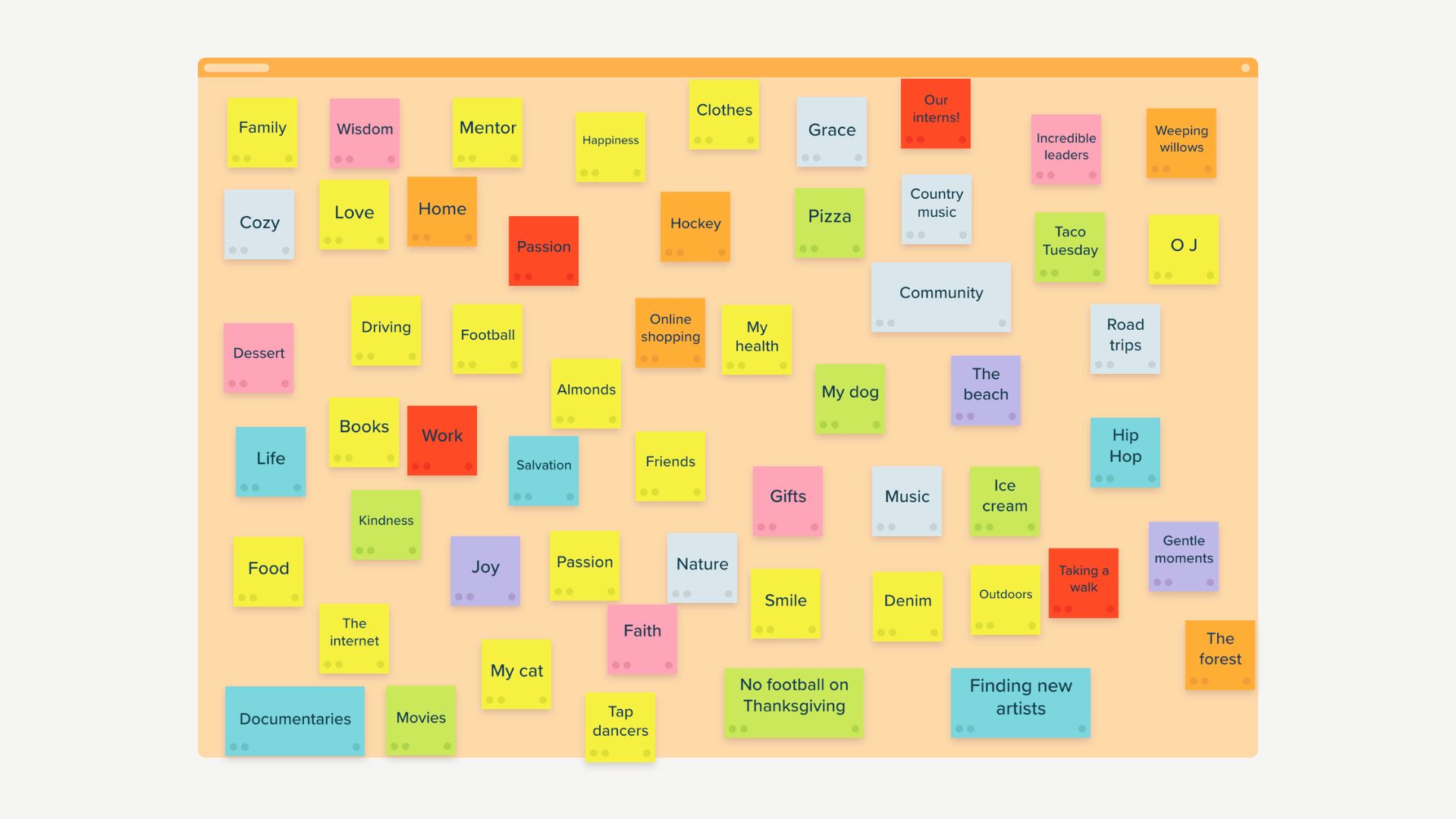
Use a digital tool like Padlet to create a shared online board where kids post what they are grateful for.
This works well for remote classrooms or hybrid learning. Each post can include text, drawings, or photos. Kids enjoy seeing each other's contributions and it builds a sense of community.
37. Virtual Gratitude Jar
Use a shared Google Doc or digital notes app to collect grateful thoughts from the whole class or family.
Anyone can add to it throughout the week. At the end of the week, read through all the entries together. It has the same effect as a physical jar but works in digital settings.
38. Digital Gratitude Slideshow

Ask kids to create a short slideshow with photos or drawings of things they are grateful for. Add simple captions.
Share it with the class or family. This is a great project for older kids who enjoy technology. It also builds presentation and creativity skills alongside gratitude.
39. Gratitude Video Reflections

Have kids record short videos where they share one thing they are grateful for that day. Watch the videos at the end of the week.
Seeing themselves speak positively is powerful for kids. It also creates a fun archive of their thinking over time.
40. Thankful Turkey Writing
Ask kids to write a short paragraph or a few sentences about what they are most thankful for this season.
Add a turkey drawing or template around it. This combines creative writing with gratitude in a festive and enjoyable way. It works well as a Thanksgiving classroom activity.
41. Family Gratitude Circle

Once a week, gather the family and take turns sharing one thing each person appreciated about another family member. Focus on specific actions, not just general feelings.
This builds connection and teaches kids to notice and value what others do for them. It also models gratitude for parents to demonstrate.
42. Gratitude Table Notes
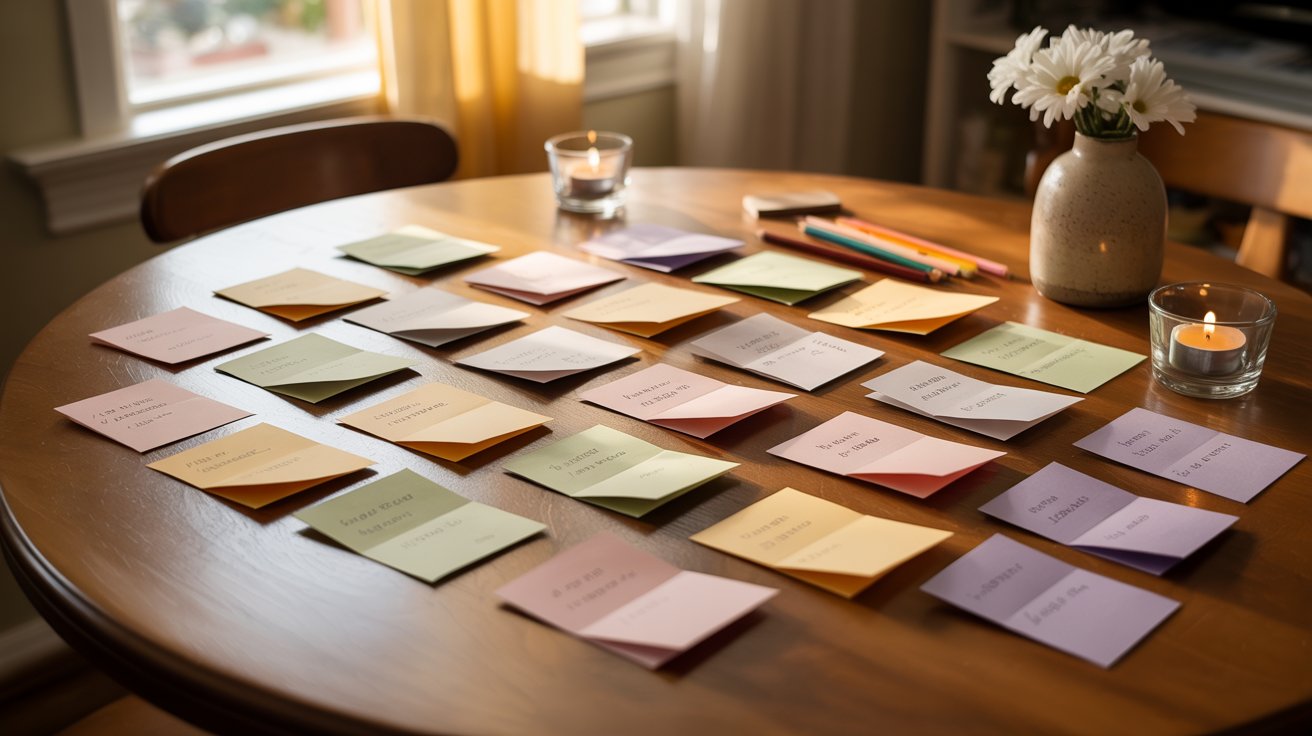
Leave small sticky notes or cards on the dinner table for family members to write grateful thoughts. Read them together before or after the meal.
This adds a warm and intentional moment to an everyday routine. It requires no prep and takes less than five minutes a day.
43. Thanksgiving Gratitude Crafts
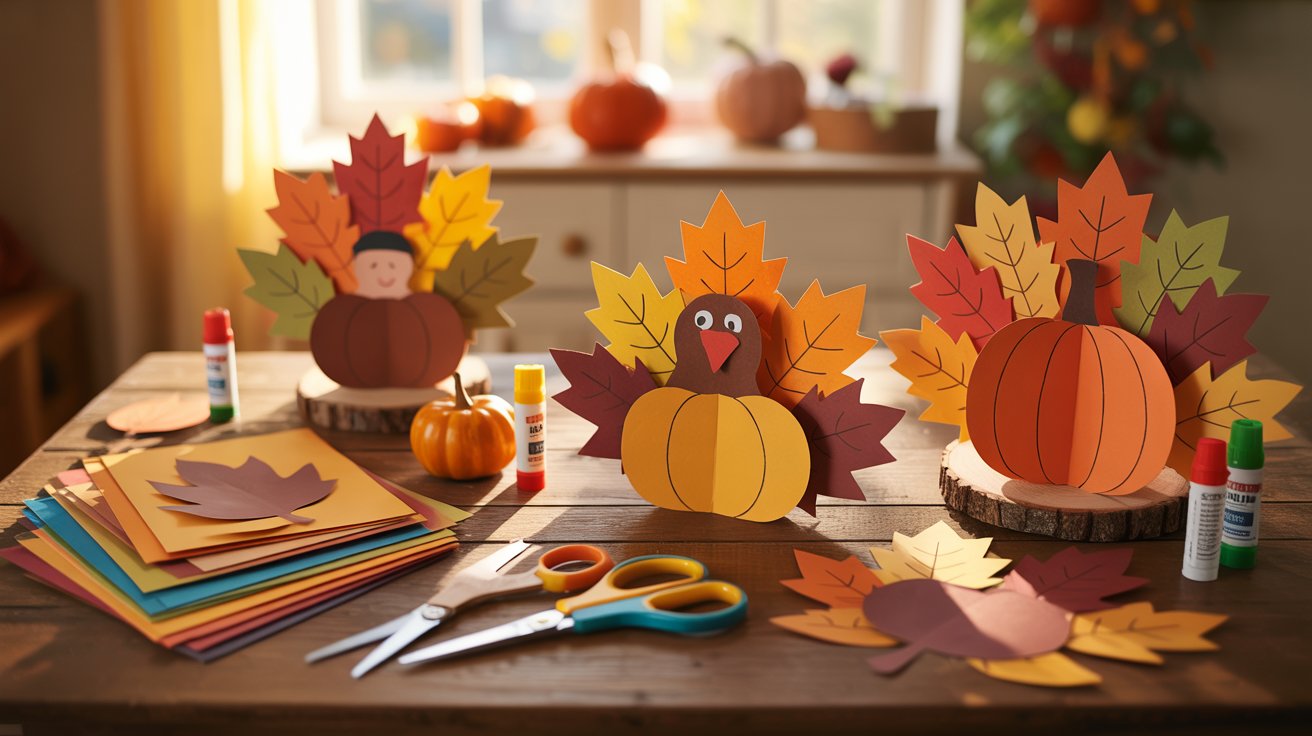
Use the Thanksgiving season to go deeper with gratitude through themed crafts. Examples include thankful placemats, gratitude cornucopias, or decorated paper pilgrim hats with grateful thoughts written inside.
These crafts make holiday traditions more meaningful and give kids a creative outlet for gratitude expression.
Tips to Make Gratitude Activities More Effective
A few simple habits can help gratitude practice actually stick with kids.
- Match the activity to the child's age. A drawing or one spoken sentence is enough for a 4-year-old. Older kids can handle journals and worksheets.
- Stay consistent. Even two minutes a day adds up. Pick one activity and repeat it for at least two weeks before switching.
- Let kids share freely. Avoid judging or correcting what they are grateful for. Any answer is a good answer.
- Model it yourself. Say your own gratitude out loud. Kids follow what they see adults do far more than what they are told.
- Keep it light and fun. The moment gratitude feels like a chore, kids switch off. Keep the tone positive and pressure-free.
Conclusion
Gratitude activities for kids are a simple but powerful way to build positivity, kindness, and emotional strength.
When gratitude becomes part of daily life, children start noticing the good around them naturally.
I remember starting a gratitude jar with a young child who often complained about small things. Within a month, they were spotting good moments on their own without being asked.
That small shift was everything. Start with one activity from this list. Stay consistent. The results will surprise you.
Frequently Asked Questions
What are the best gratitude activities for kids?
Activities like gratitude journals, thankful trees, and scavenger hunts work well because they are easy to set up and genuinely fun. They keep kids engaged while building a positive habit over time.
How do you teach gratitude to kids in a fun way?
Use games, crafts, and storytelling instead of treating it as a formal lesson. When gratitude feels playful and natural, kids are far more likely to practice it on their own.
Are there free gratitude activities for kids?
Yes, many activities like gratitude sharing circles, journaling, and conversation starters cost nothing at all. Free printable worksheets and PDFs are also widely available online for home and classroom use.
Can gratitude activities be used in classrooms?
Absolutely. Group activities like gratitude walls, sharing circles, and printable worksheets fit easily into classroom routines. They also help build a kinder and more positive environment for the whole class.
What age should kids start gratitude activities?
Children can start as young as three or four years old with simple activities like drawing or saying one thing they are thankful for. As they grow, the activities can become more detailed and reflective.