
Teaching kids how to make friends starts earlier than most people think. At ages 2–5, children are just learning to share, take turns, and be kind.
This article gives you 25+ simple friendship activities for preschoolers. Each one is easy to set up and fun to do. You will find crafts, games, storytelling ideas, and group activities, all built around trust, empathy, and real social skills.
I have spent years working with young children, and these activities genuinely make a difference.
This blog covers why friendship skills matter early, 25+ hands-on activities for home or school, tips to run activities smoothly, and common mistakes to avoid.
Why Friendship Activities Are Important for Preschoolers

Friendship activities do more than keep kids busy. They help children learn how to connect, communicate, and care for others from an early age.
Preschoolers are still figuring out how to take turns, share, and play without arguing. Simple group activities give them a safe space to practice these skills regularly.
Sharing and cooperation do not come naturally at this age. Working together helps kids see that cooperating feels better than going it alone.
Role-play and storytelling build empathy. When kids practice being kind in low-pressure settings, it slowly becomes part of how they naturally behave.
Friendship activities also help children name and manage their emotions. A child who understands their feelings handles social situations with more ease and confidence.
25+ Friendship Activities for Kids for Preschoolers
These activities are easy to try at home, in a classroom, or at playgroups. Each one is made with preschoolers in mind.
1. Friendship Bracelets (Large Beads for Safety)
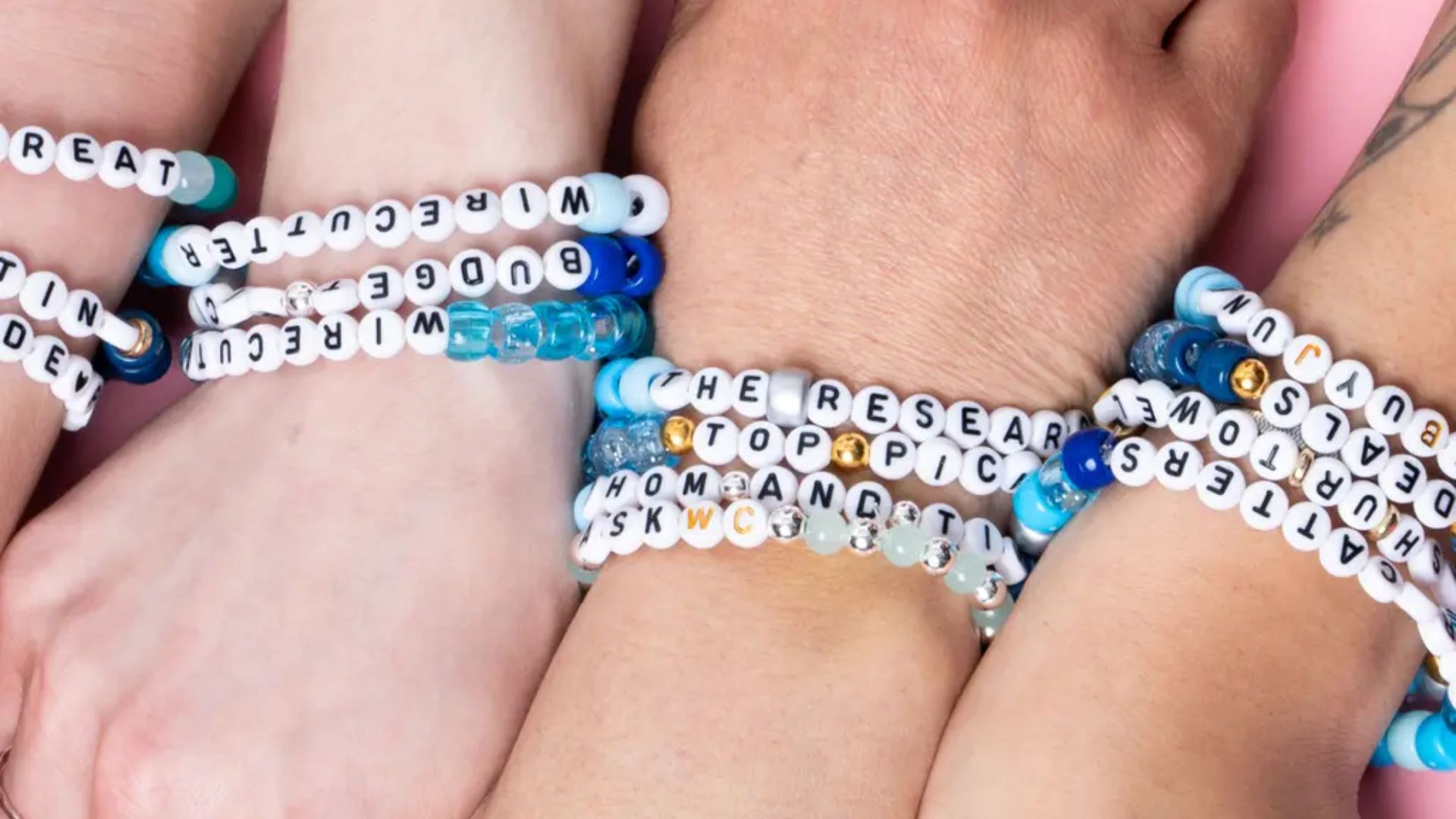
Give children large, colorful beads and a thick string. Let them make a bracelet for a friend in the group.
This activity teaches giving and thoughtfulness. When a child hands over something they made, it creates a real moment of connection. Always use beads big enough to avoid a choking risk.
2. Handprint Friendship Art
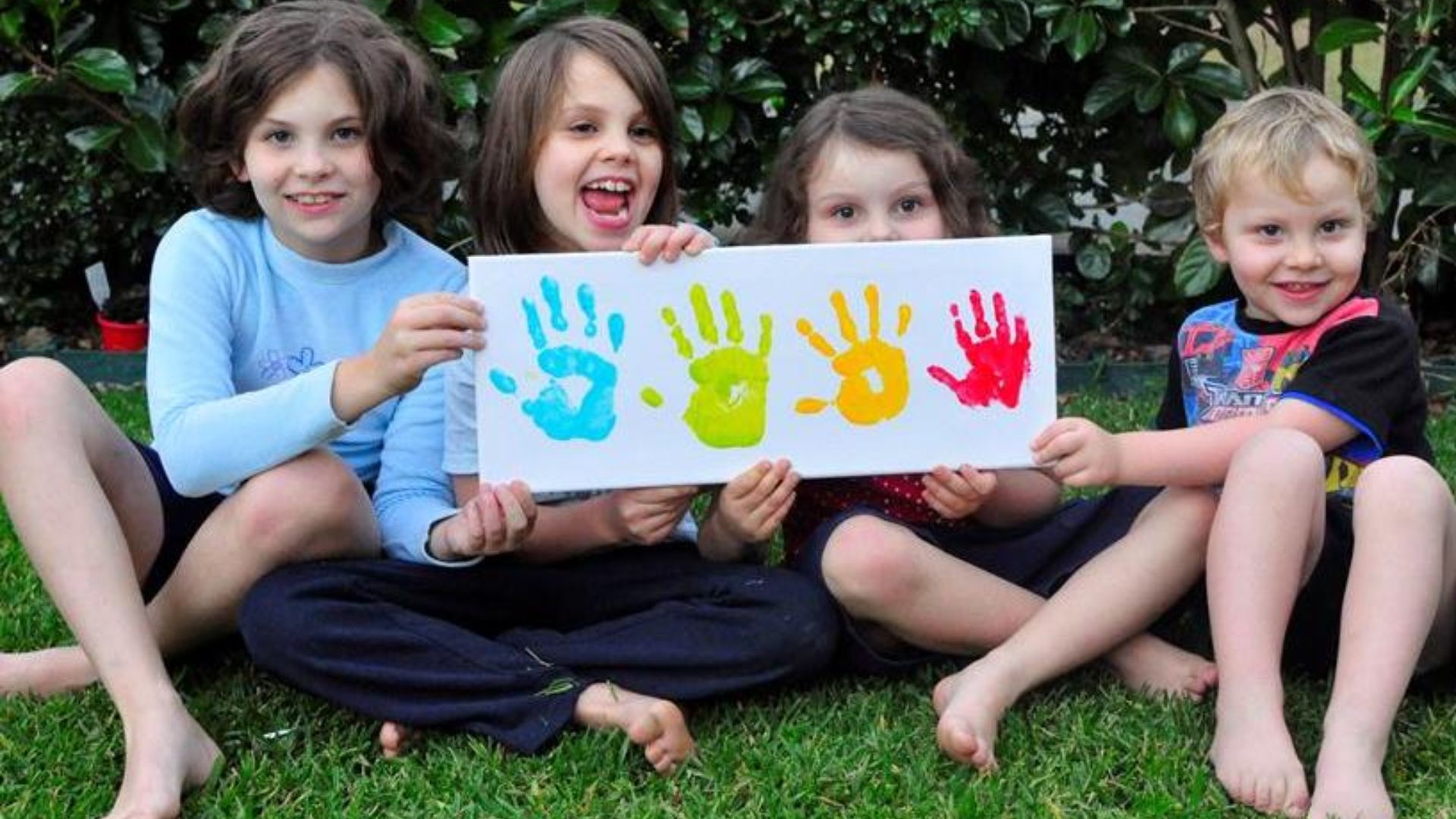
Have each child dip their hand in paint and press it onto a shared piece of paper. Write each child's name next to their print.
This is a great visual reminder that everyone in the group belongs. Kids love seeing their handprints next to their friends' prints. It creates a sense of togetherness without any pressure.
3. Friendship Paper Chain
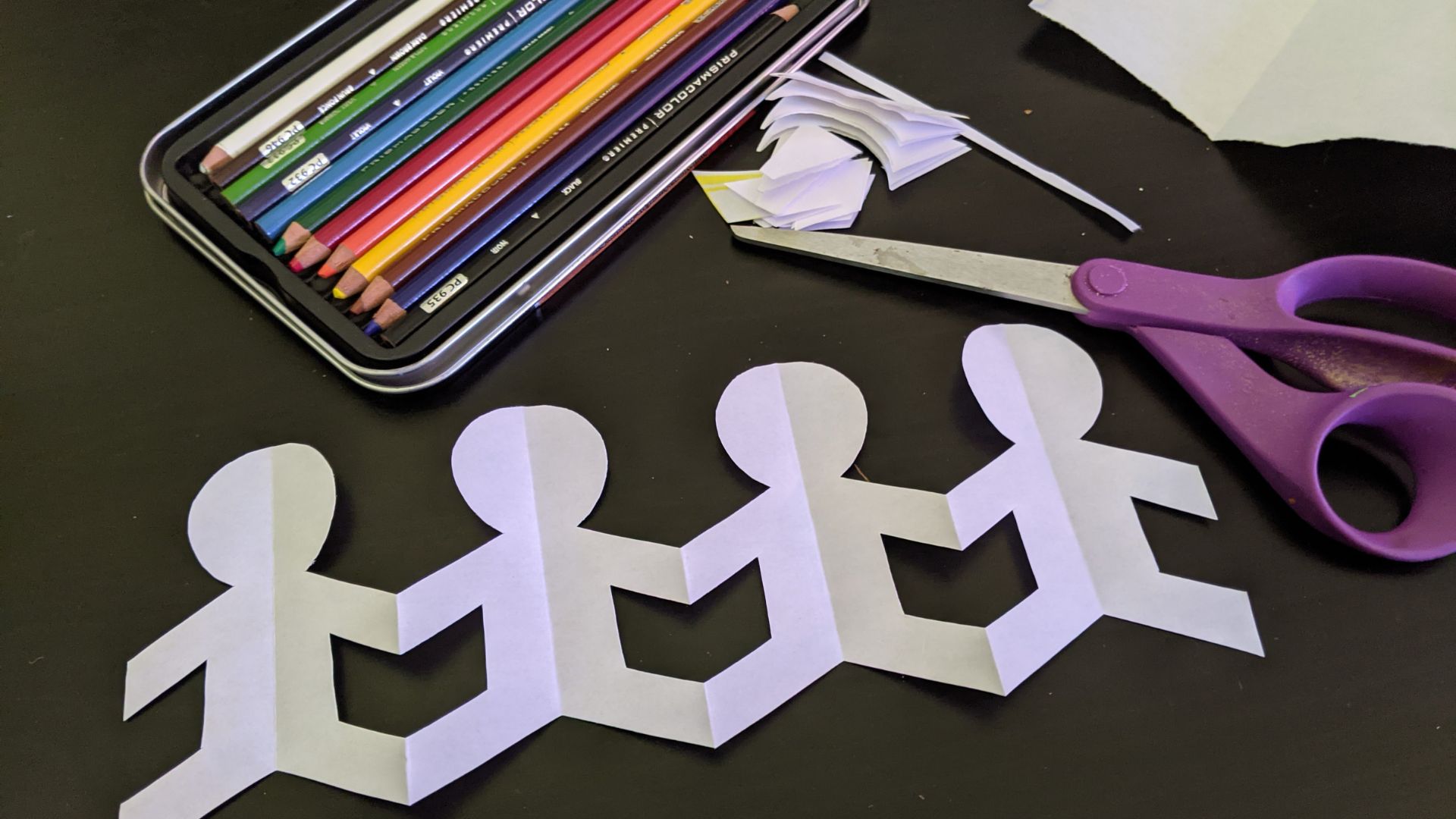
Cut strips of colored paper. Have each child write or draw something about a friend on their strip, then link them together into a chain.
As the chain grows, kids can see how friendships connect everyone in the group. You can hang it in the classroom or at home as a reminder of kindness.
4. Friendship Flowers Craft
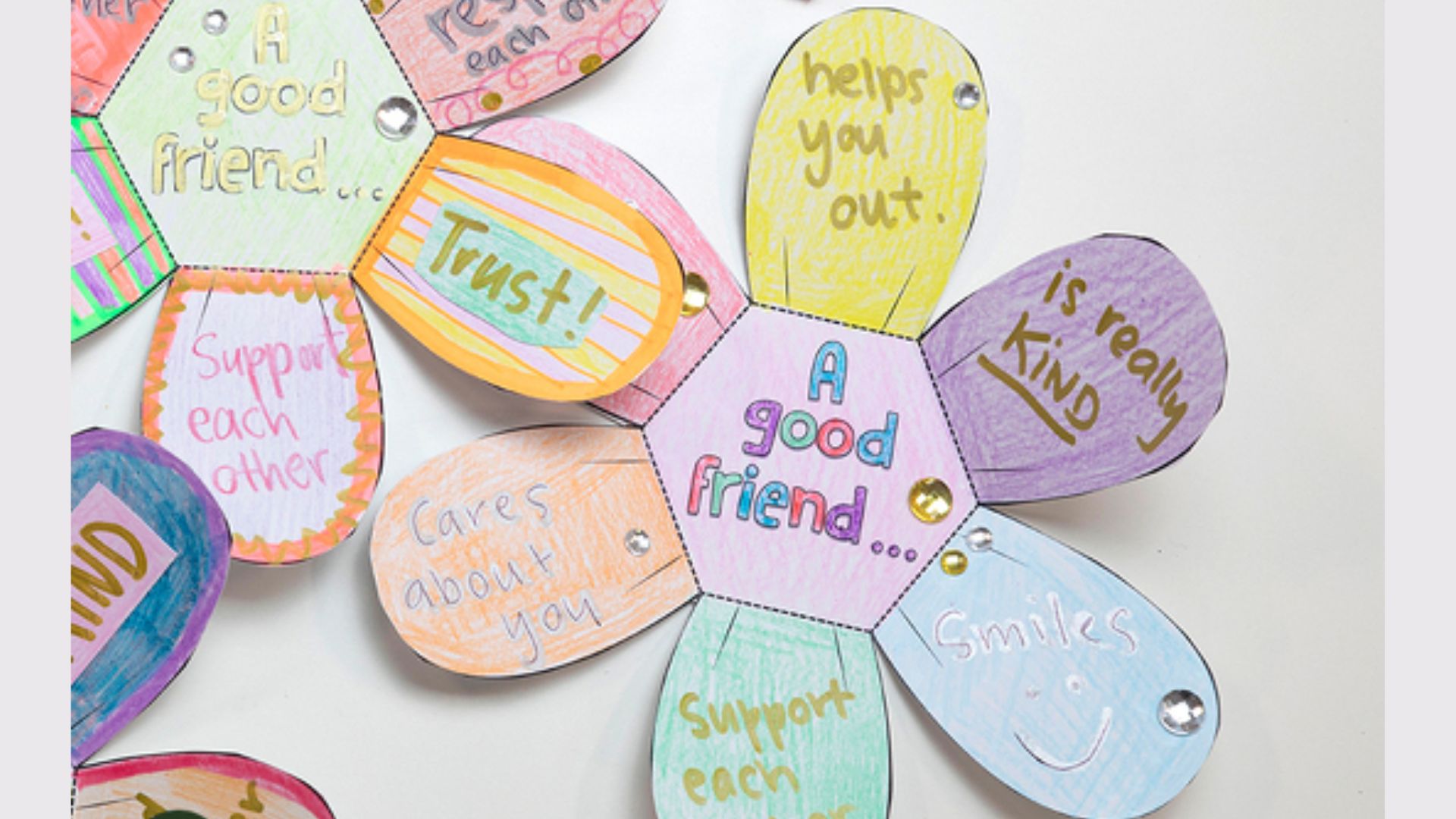
Give each child a flower template. Write their name in the center and let their classmates or friends decorate each petal with a kind word or drawing.
This craft helps kids feel seen and appreciated. It also gives children practice in saying something positive about someone else, which is a skill worth building early.
5. Compliment Collage

Collect magazines, printed photos, or drawings. Have children cut out images that remind them of a friend and paste them onto a shared board with kind words.
This works well as a group project. It sparks conversations about what makes someone a good friend and gives kids a chance to express appreciation in a creative way.
6. Decorate Friendship Cards
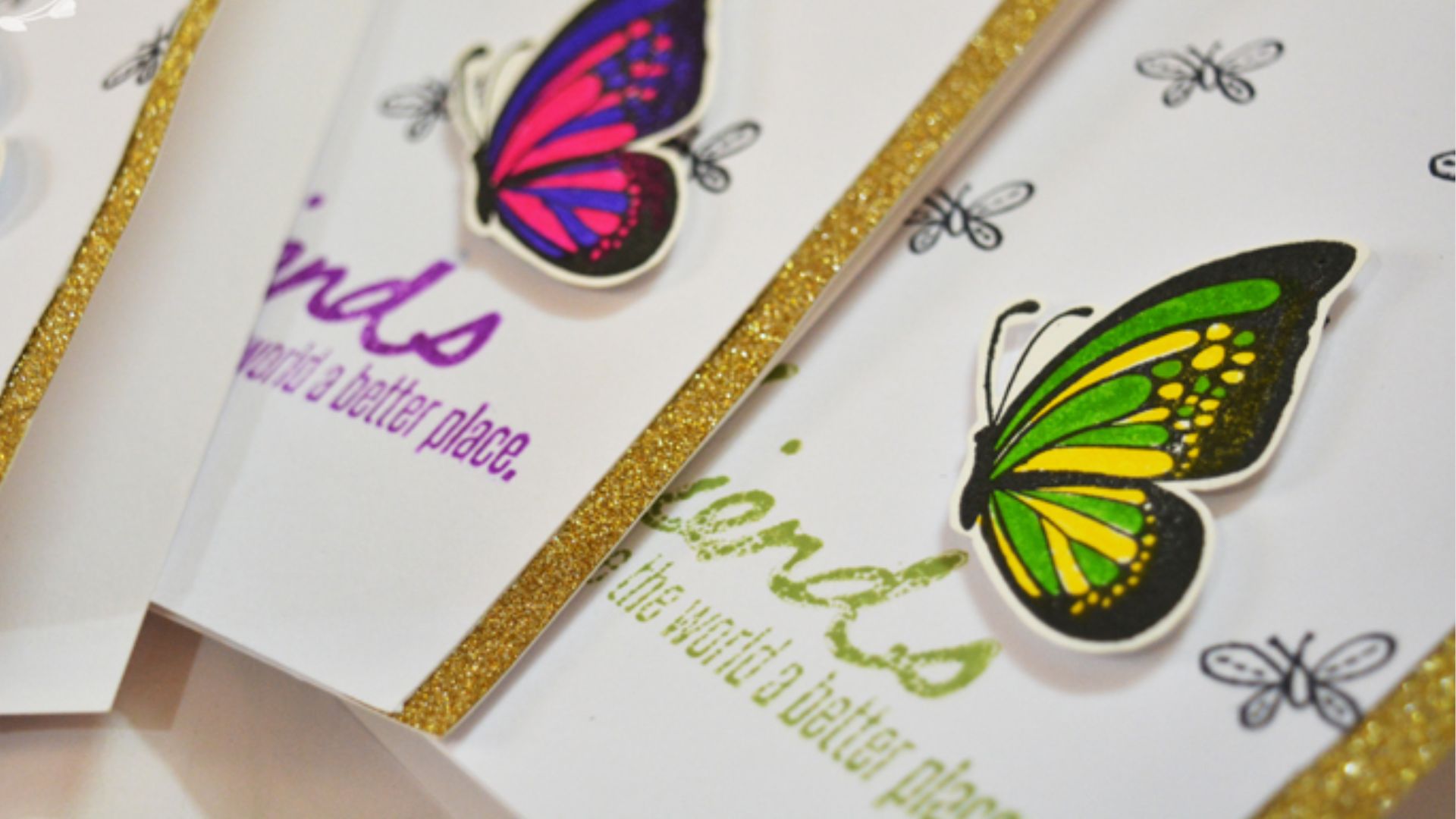
Give kids blank cards, crayons, and stickers. Ask them to make a card for someone they care about, whether it is a classmate, sibling, or neighbor.
Making cards teaches children that small acts of kindness matter. It also gives them an outlet for expressing feelings they might not yet have words for.
7. "That's Me!" Game
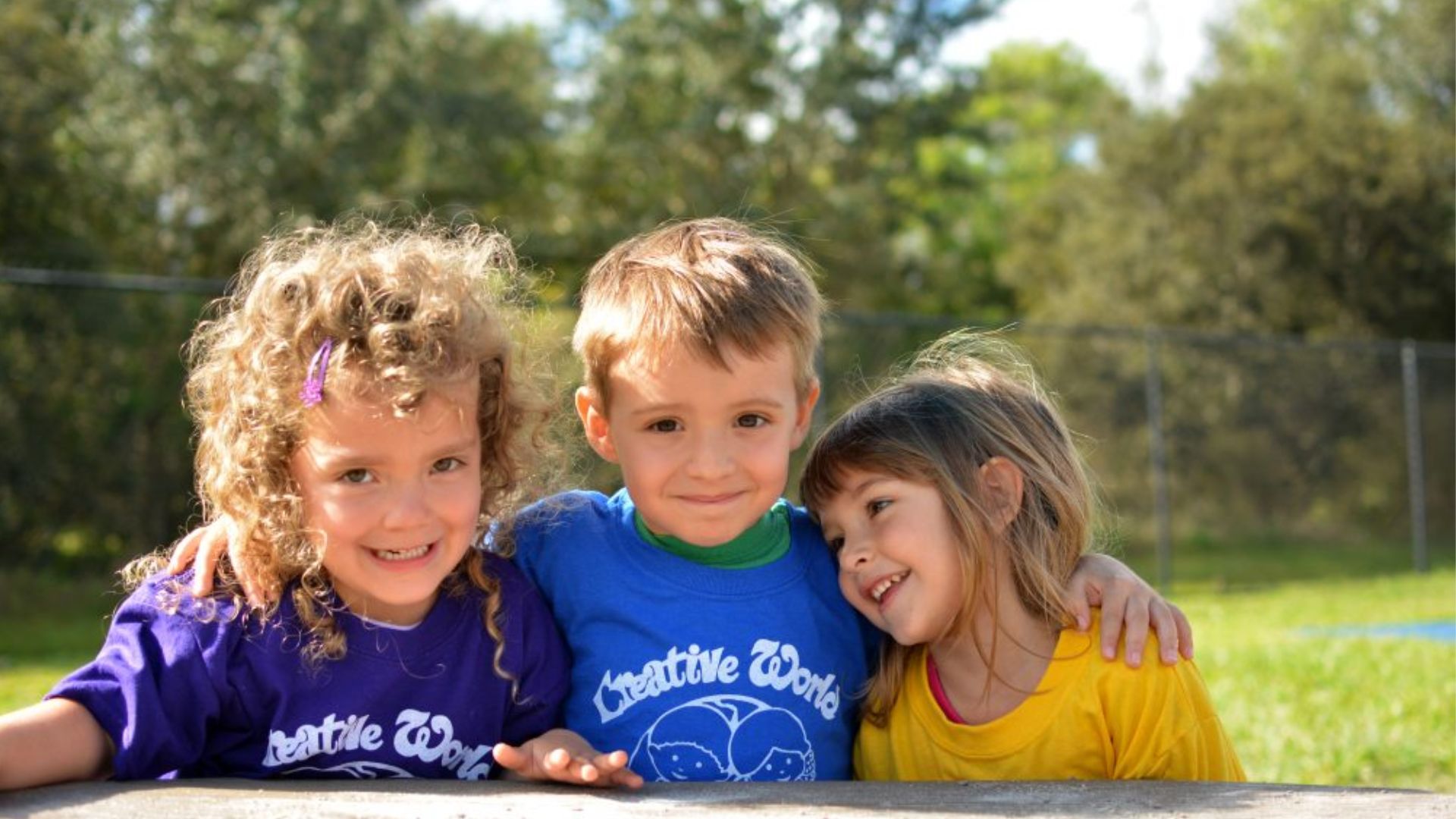
Read out simple statements like "I like dogs" or "I have a little brother." Kids who agree stand up or raise their hand and say, "That's me!"
This game helps children find things they have in common with others. Shared interests are often the starting point for real friendships. It is also a great icebreaker for new groups.
8. Pass the Ball (Turn-Taking Game)
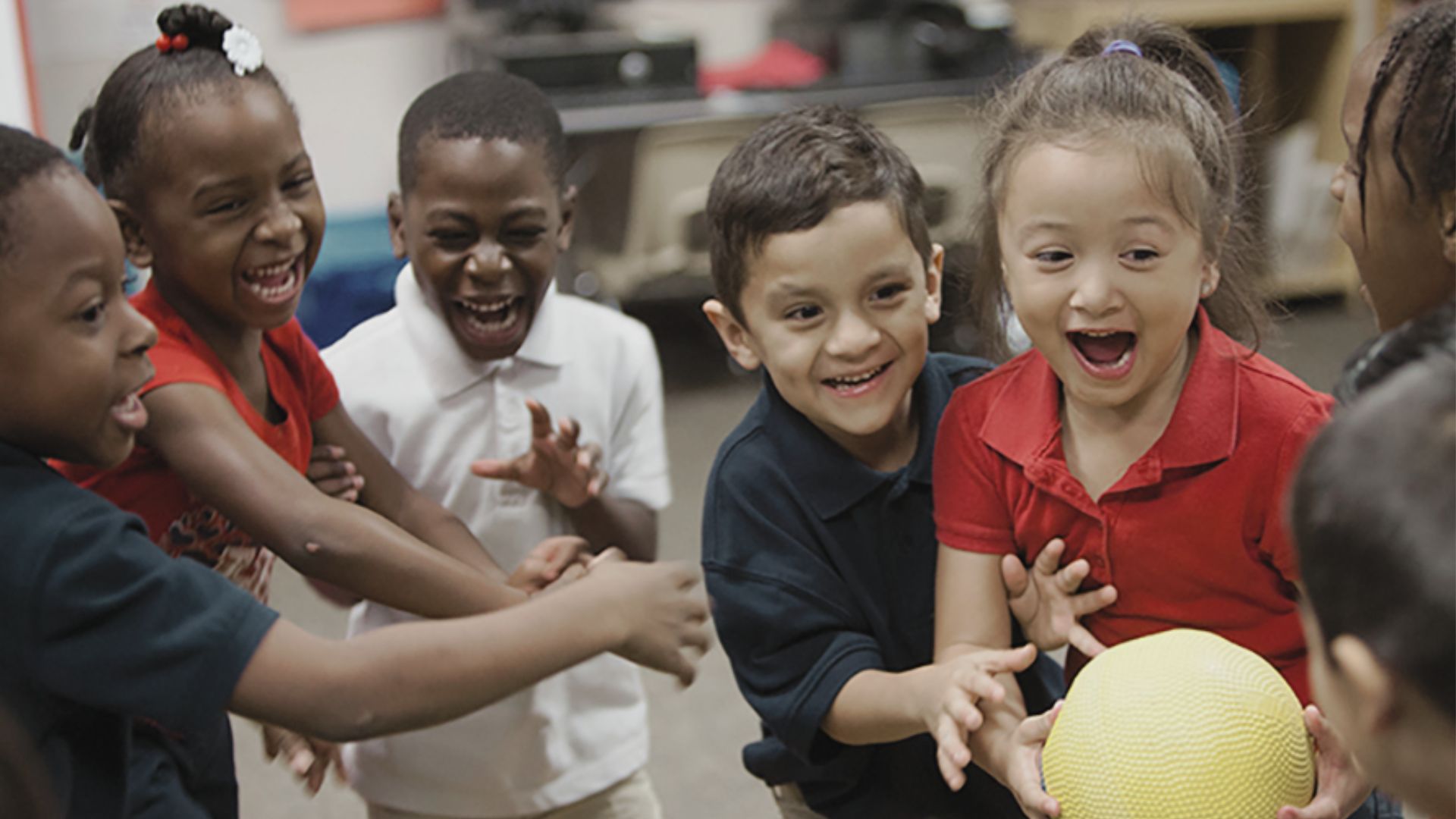
Sit in a circle and roll or toss a soft ball from one child to another. The child who catches it says something simple, like their name or their favorite color.
Turn-taking is a core friendship skill. This game makes it fun and clear. Even very young children can join in, and it can be adjusted for different group sizes.
9. Follow the Leader
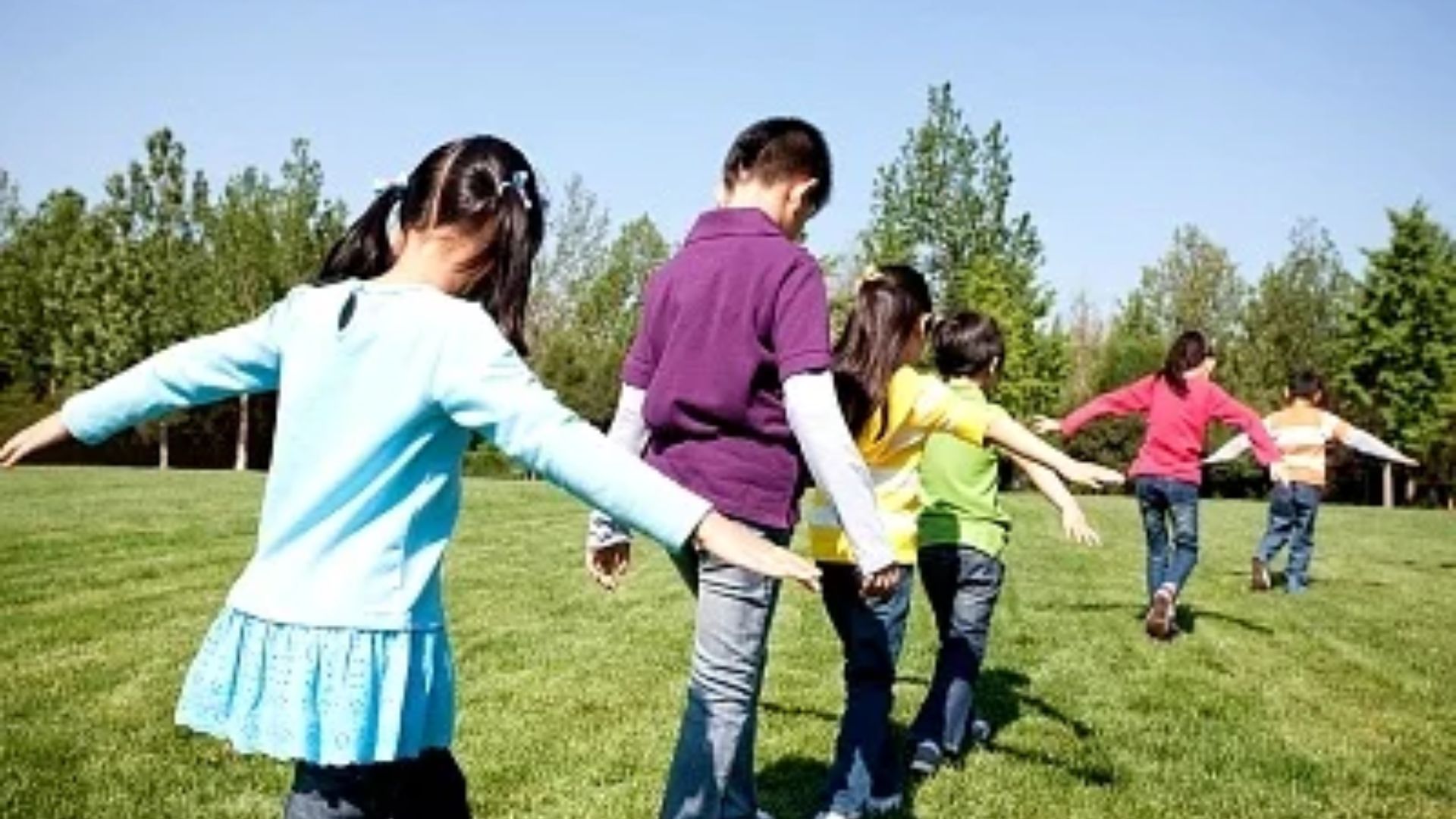
One child leads the group in simple actions like jumping, clapping, or spinning. Everyone else follows along.
This activity helps kids practice both leading and listening. Taking turns being the leader gives every child a moment to feel important. It also builds trust when kids follow someone else's direction without arguing.
10. Friendly Musical Chairs (Cooperative Version)
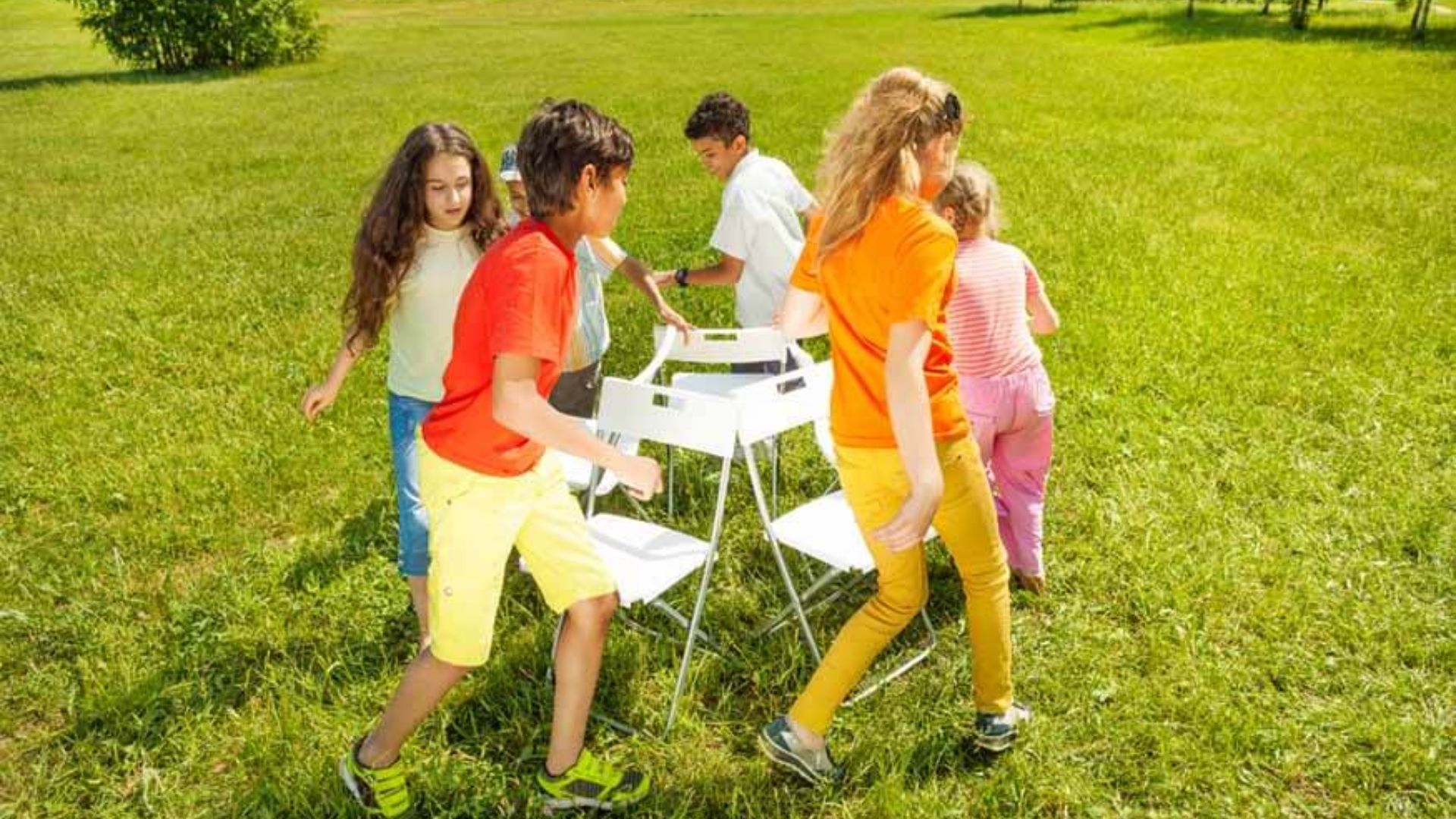
Instead of removing chairs when the music stops, have children share chairs or squeeze together so no one is left out.
This version removes the competitive element and replaces it with problem-solving and cooperation. Kids learn that working together is more fun than trying to win at someone else's expense.
11. Matching Game (Colors, Animals, Toys)
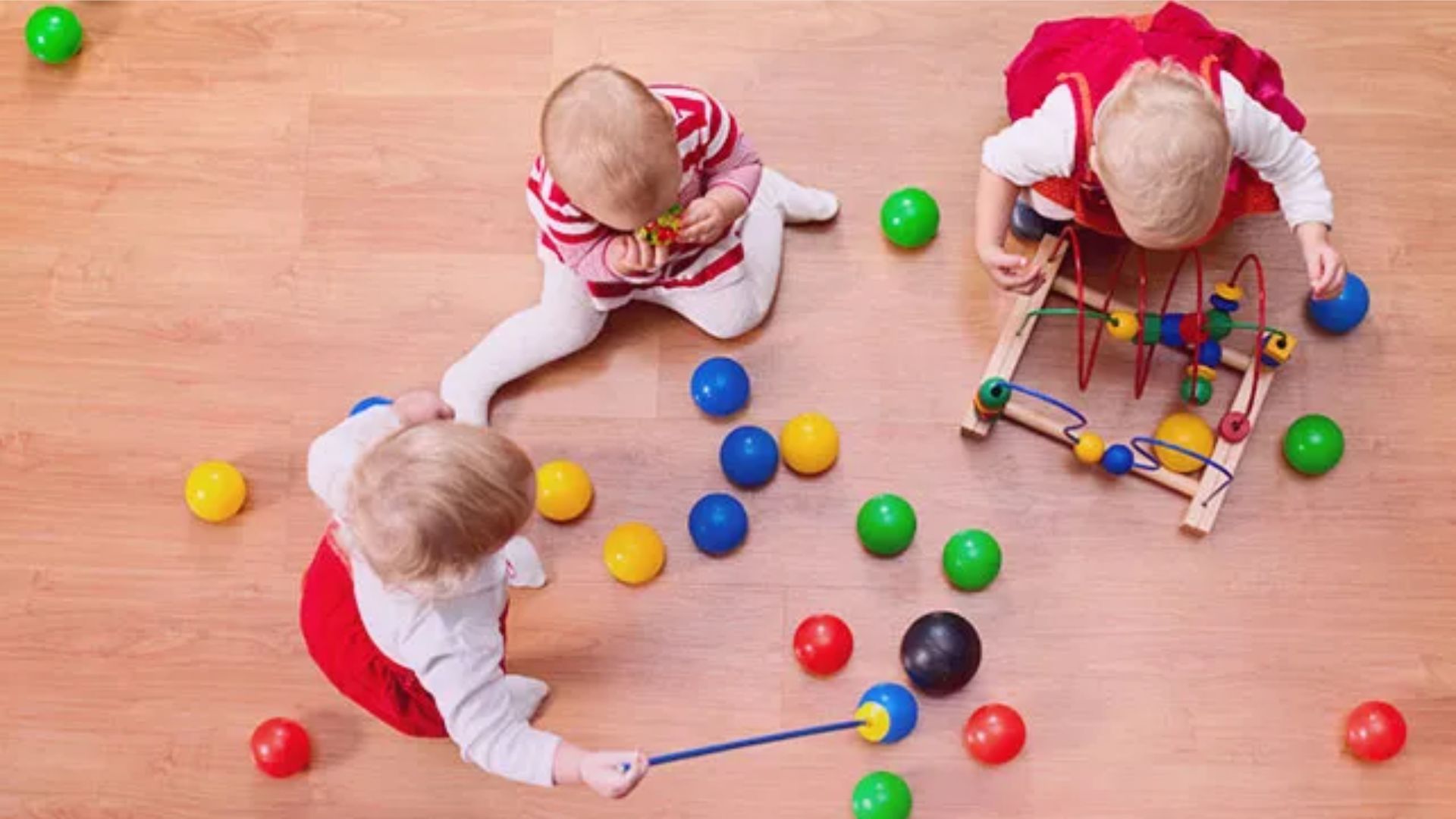
Create simple picture cards in pairs. Spread them face down and have children take turns flipping two cards to find matches.
Playing this with a partner adds a layer of social interaction. Kids cheer each other on, wait their turn, and celebrate small wins together. It is low-stress and works well for younger preschoolers.
12. Compliment Circle

Sit in a circle and pass a soft toy or special object around. When a child holds it, they say something kind about the person next to them.
This builds vocabulary around feelings and kindness. Children also get practice in receiving compliments, which can be just as important as giving them. Keep it light and positive.
13. Kindness Jar
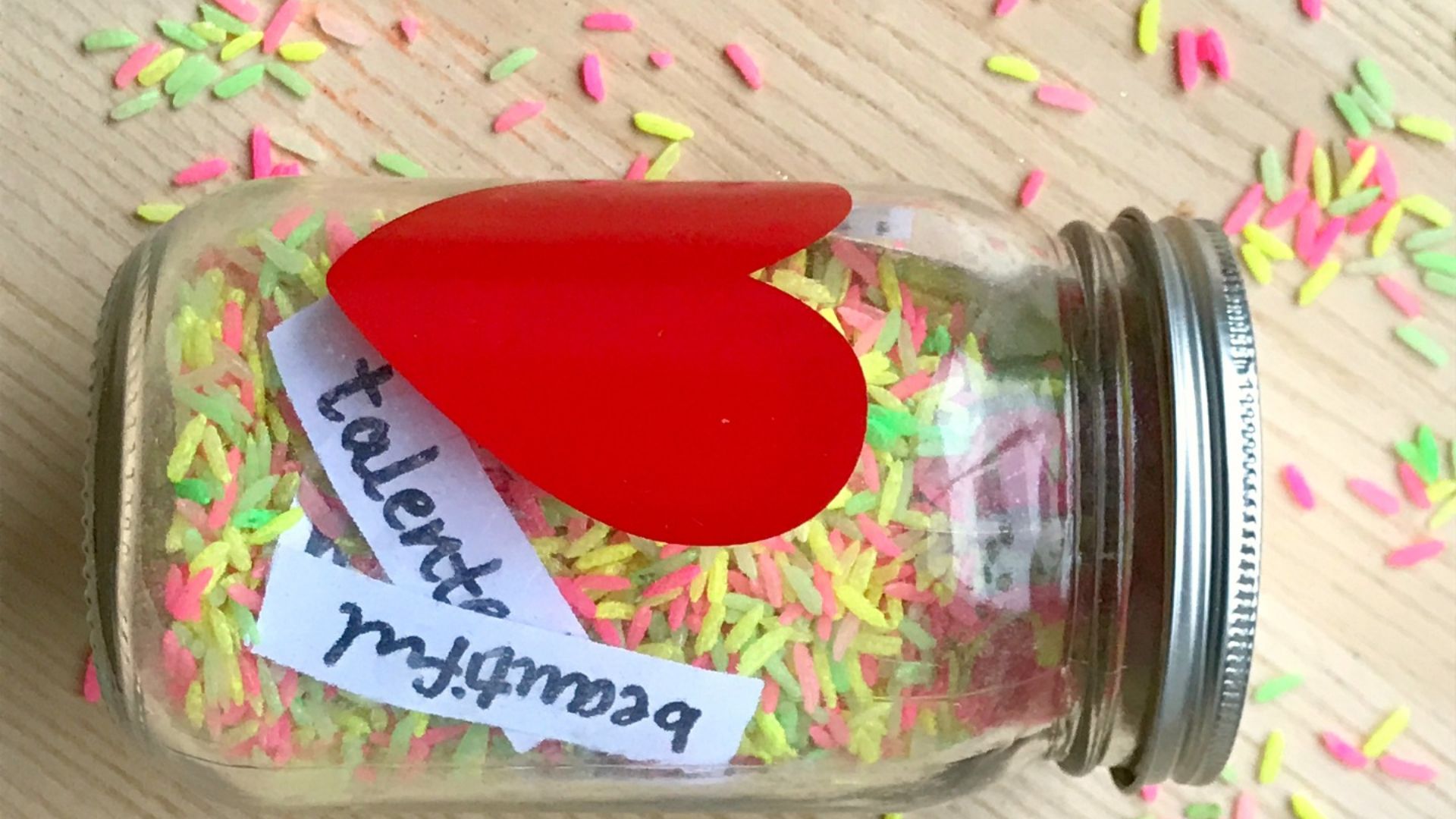
Place an empty jar in the classroom or at home. Whenever a child does something kind, write it on a slip of paper and add it to the jar.
Read the notes aloud at the end of the week. This activity shows children that small acts of kindness are noticed and valued. It also motivates them to keep looking for ways to be helpful.
14. Emotion Charades (Happy, Sad, Excited)
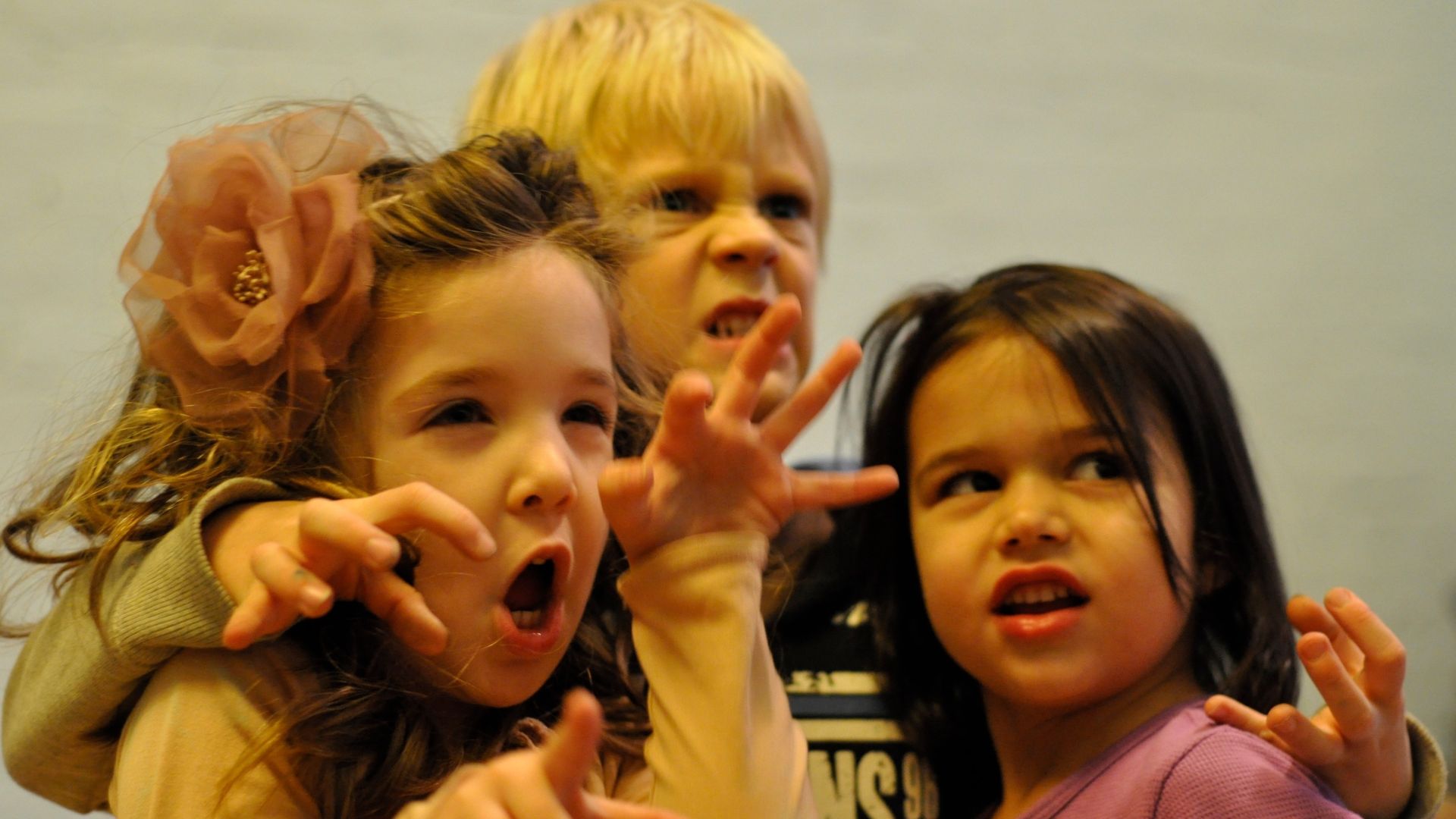
Write basic emotions on cards. One child picks a card and acts it out without speaking while the others guess.
This helps kids learn to read facial expressions and body language, both of which are key to understanding others. Keep the emotions simple and age-appropriate. Laugh together and keep the mood light.
15. Role-Play Sharing and Helping
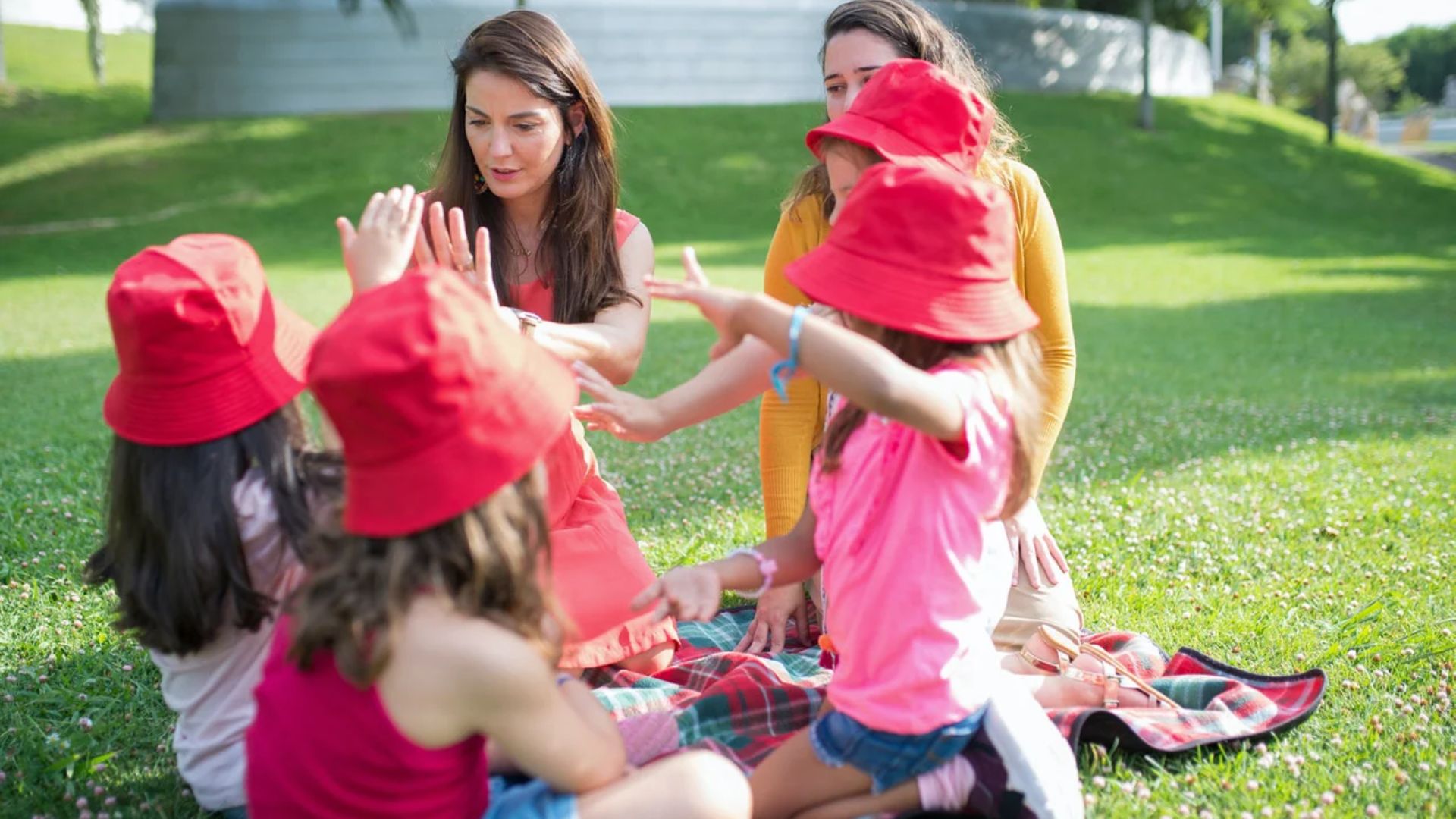
Set up simple scenarios like "Your friend wants to use the same toy" or "Someone fell down. What do you do?" Let children act out how to respond kindly.
Role-play gives kids a chance to practice friendship skills before they need them in real life. It also opens up conversations about how to handle tricky situations with care.
16. Friendship Recipe Activity
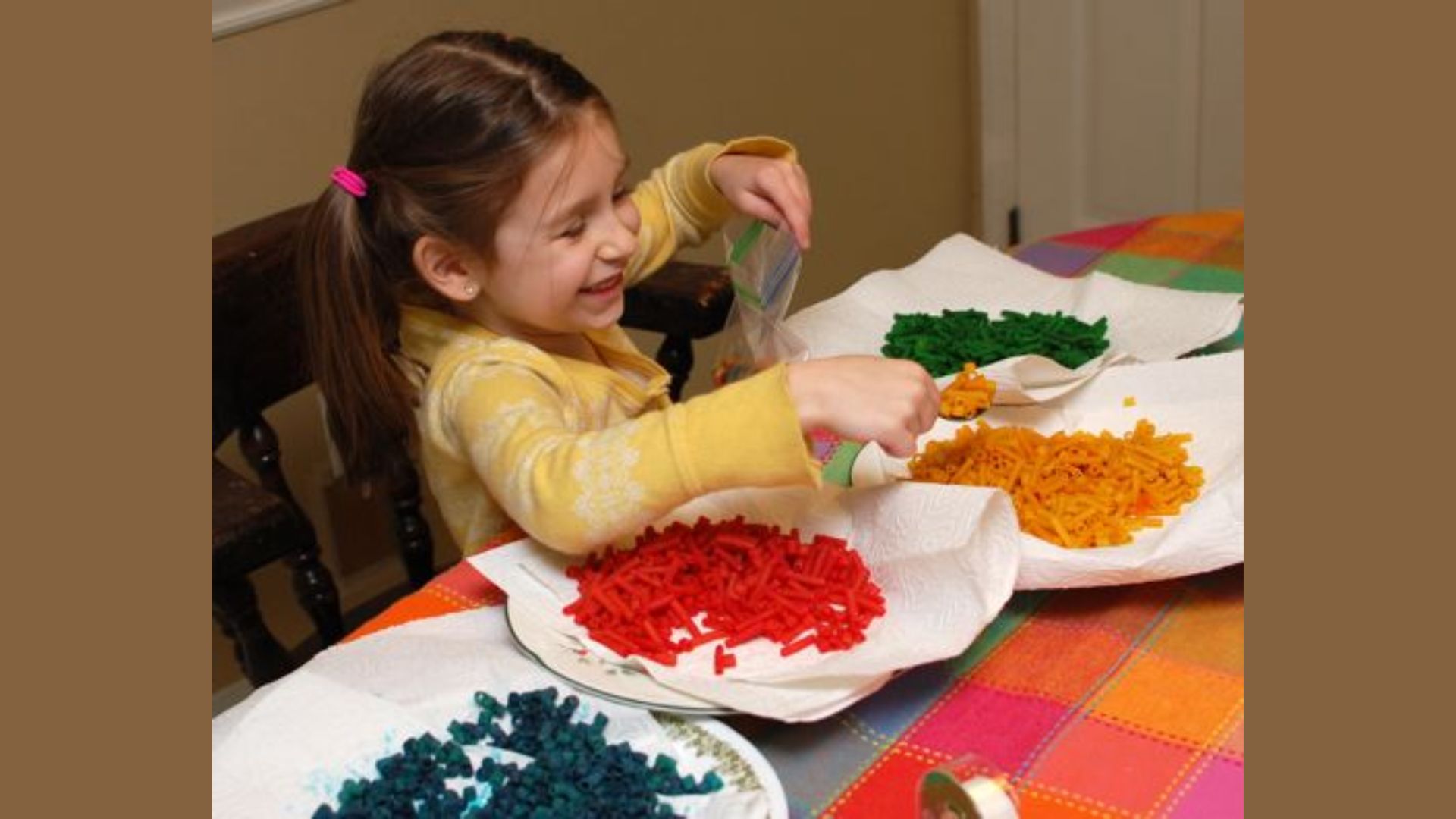
Ask children what makes a good friend. Write their answers on a card formatted like a recipe: "1 cup of kindness, 2 spoonfuls of sharing."
This activity is creative, funny, and meaningful. It helps kids think about what friendship really means in concrete terms. Display the recipes together as a class keepsake.
17. Read-Aloud Friendship Stories
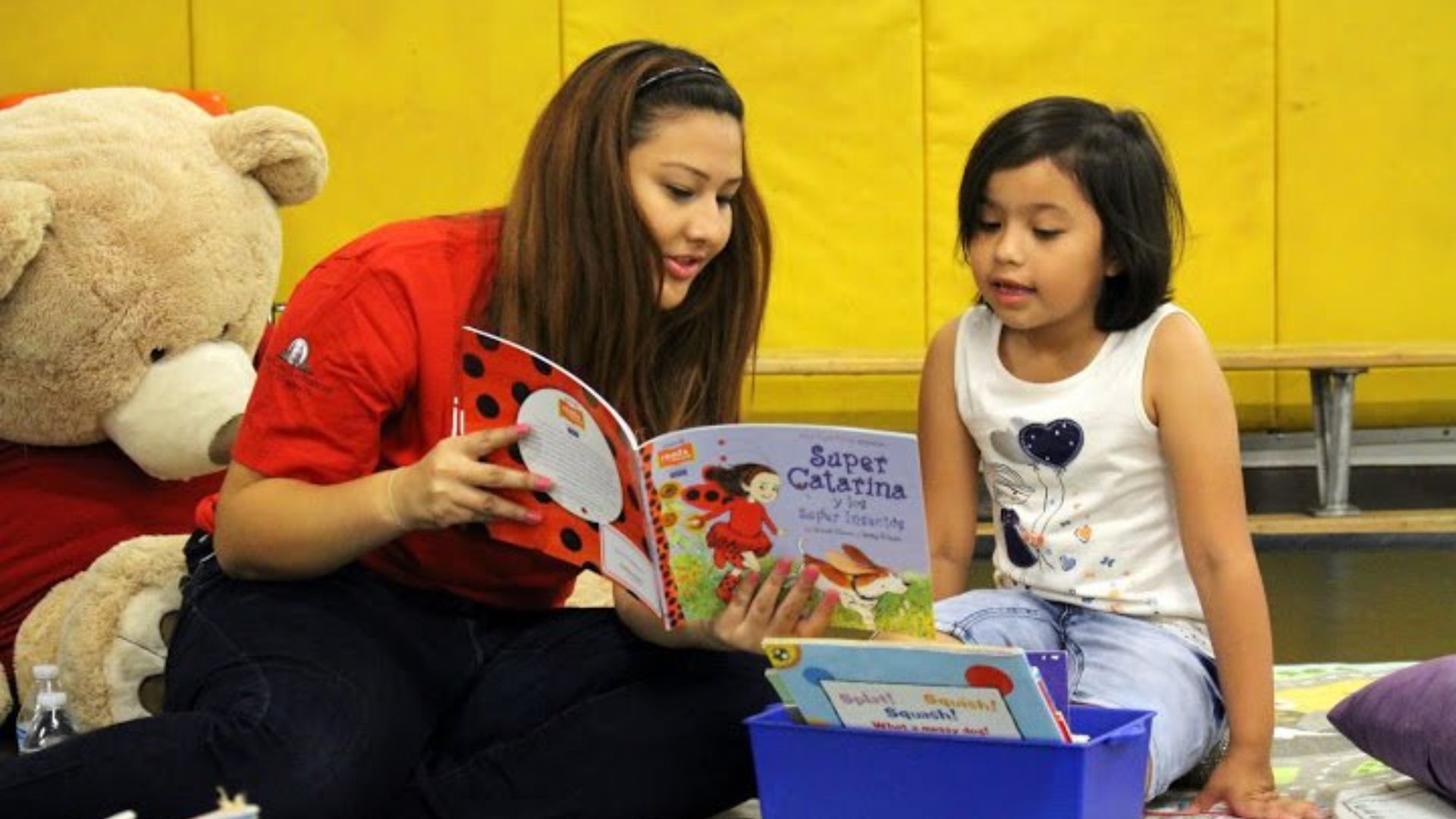
Choose a book about friendship and read it aloud to the group. Pause to ask simple questions like "Why was that kind?" or "How do you think the character felt?"
Books are one of the most powerful tools for teaching empathy. Children connect with story characters and begin to apply those lessons to their own friendships. Some great picks include The Invisible String and Enemy Pie.
18. Puppet Play and Storytelling
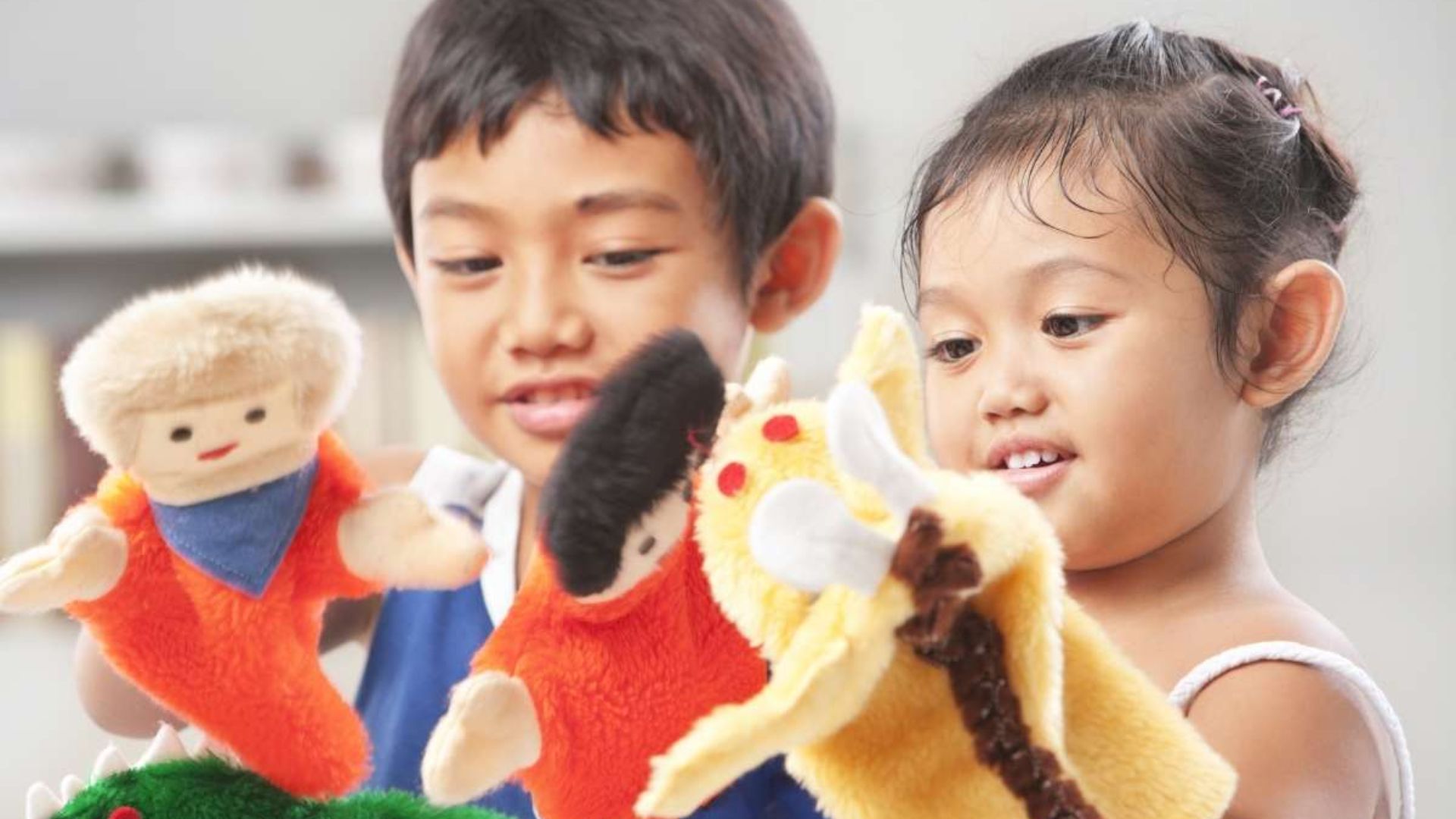
Give children simple sock puppets or paper bag puppets. Let them act out a short story where the characters become friends.
Puppets give kids emotional distance, which makes it easier to find social situations. A shy child may express things through a puppet that they would not say directly. This can be a revealing and helpful activity for caregivers.
19. Act Out Friendship Scenarios
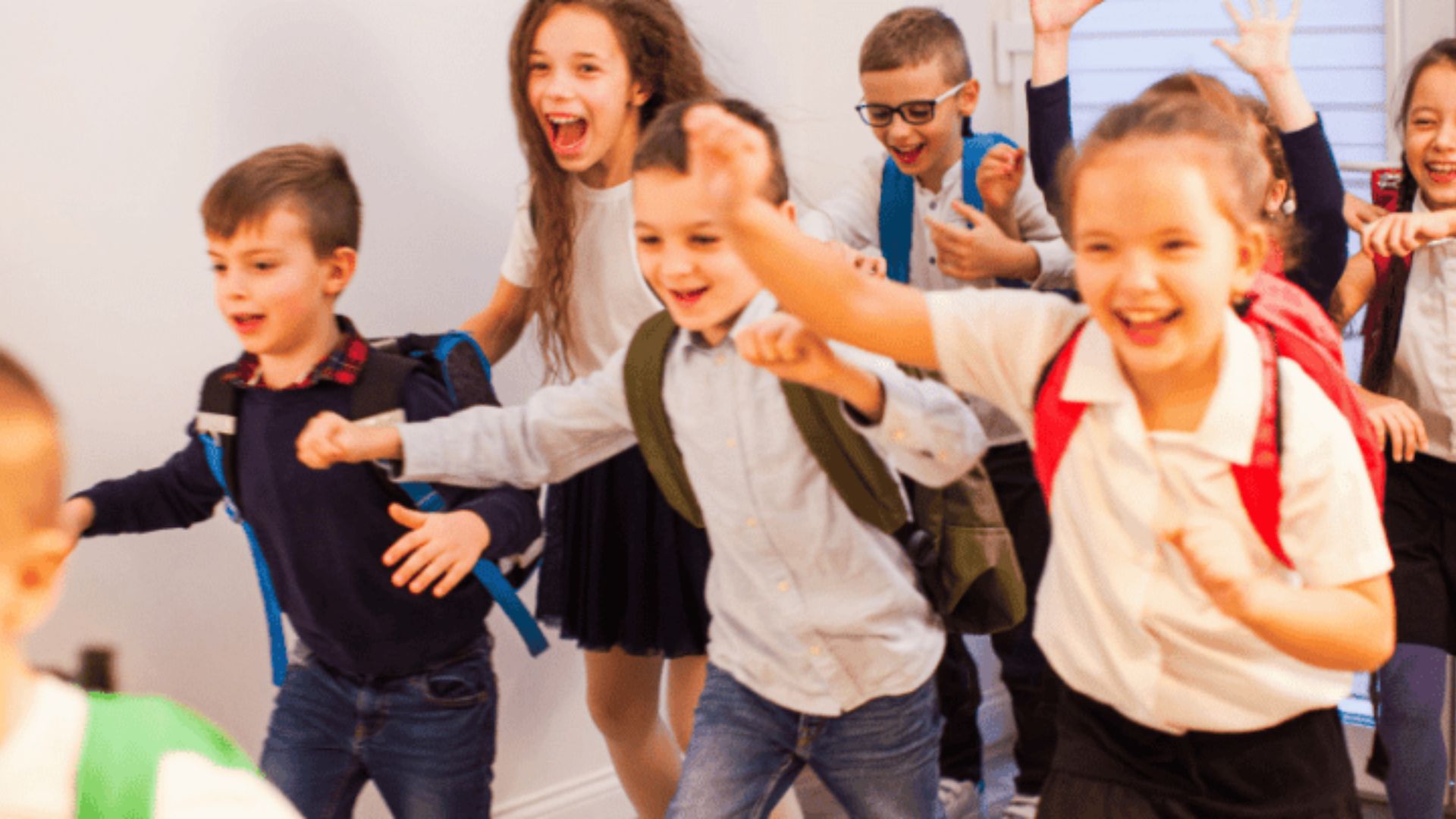
Give small groups a simple scene to act out, like meeting someone new on the playground or solving a disagreement over a toy.
Acting out scenarios builds real-life skills in a fun, low-pressure way. It helps children think through what to say and do before they are in the actual situation. Keep the scenes positive and solution-focused.
20. Ask Simple Reflection Questions
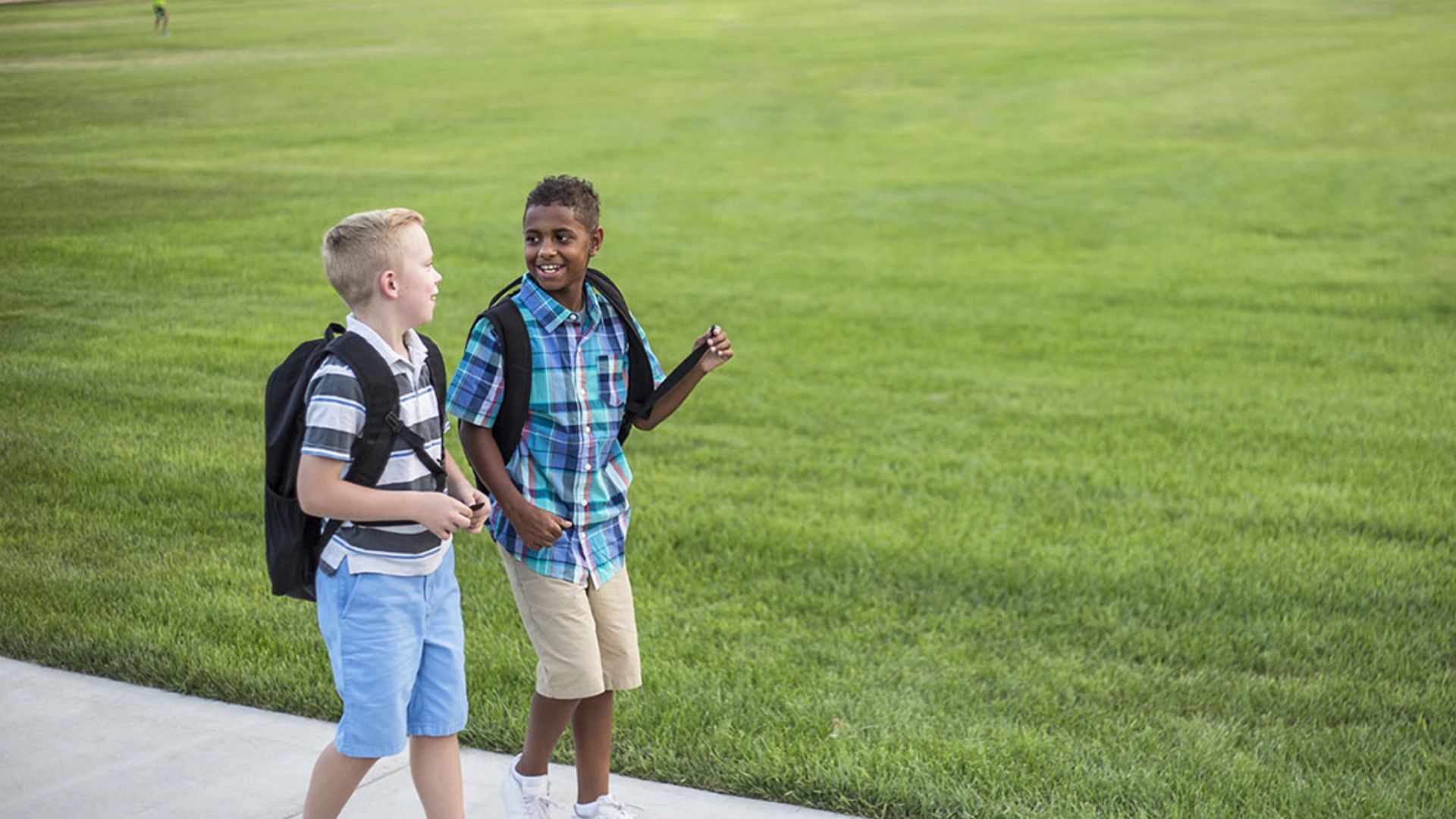
After a group activity, gather children and ask a few easy questions: "What did you do that was kind today?" or "How did it feel when someone helped you?"
Reflection helps children connect their actions to their feelings. Even short conversations like this build self-awareness and empathy over time. Keep it casual and let children share without pressure.
21. Friendship Scavenger Hunt
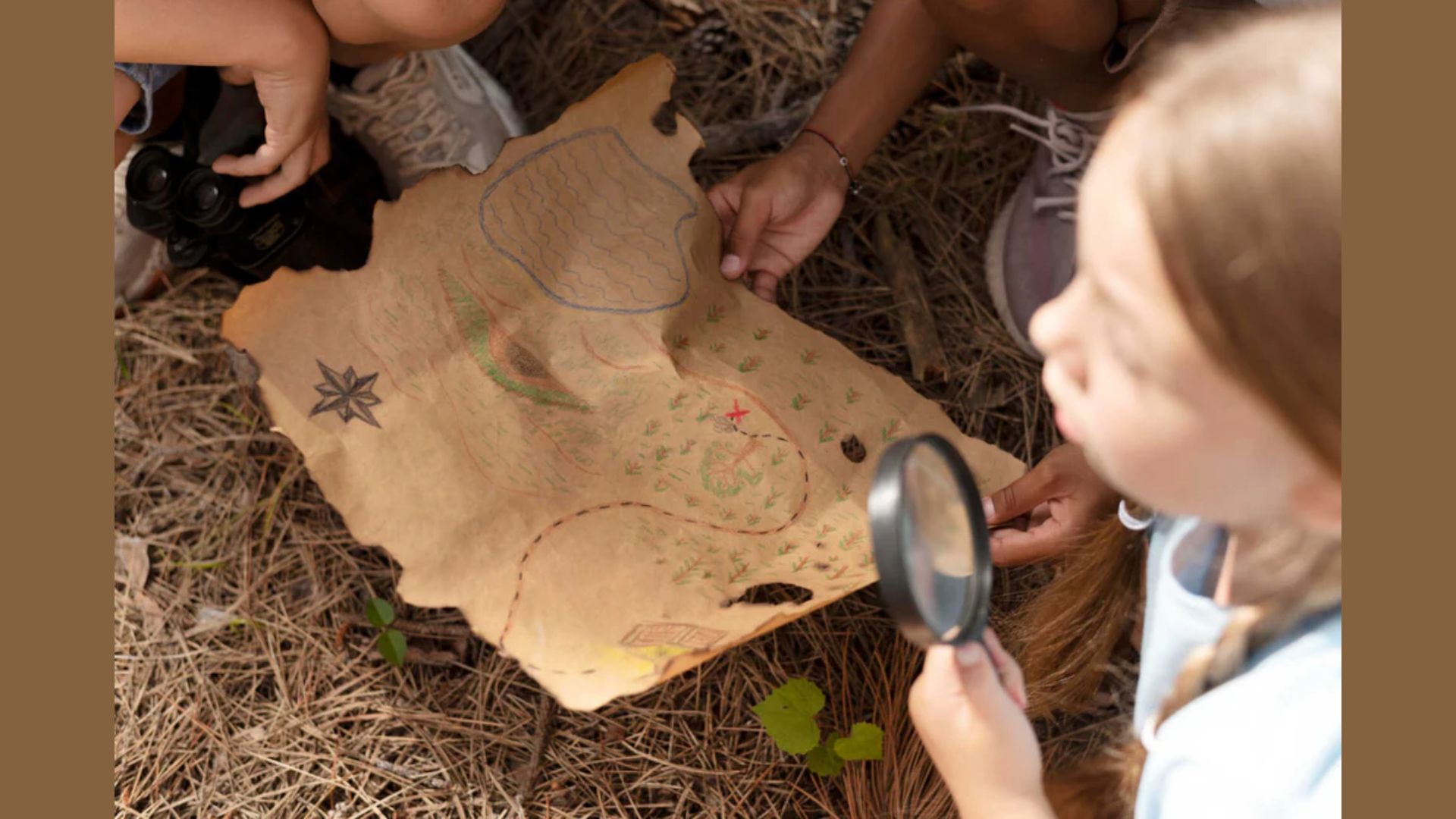
Create a list of simple friendship actions like "Find someone wearing the same color as you" or "Give a high five to someone new."
This gets kids moving and talking to each other in a natural way. It works well outdoors or in a classroom. The goal is connection, not competition, so cheer everyone on as they complete the list.
22. Picnic or Pretend Tea Party
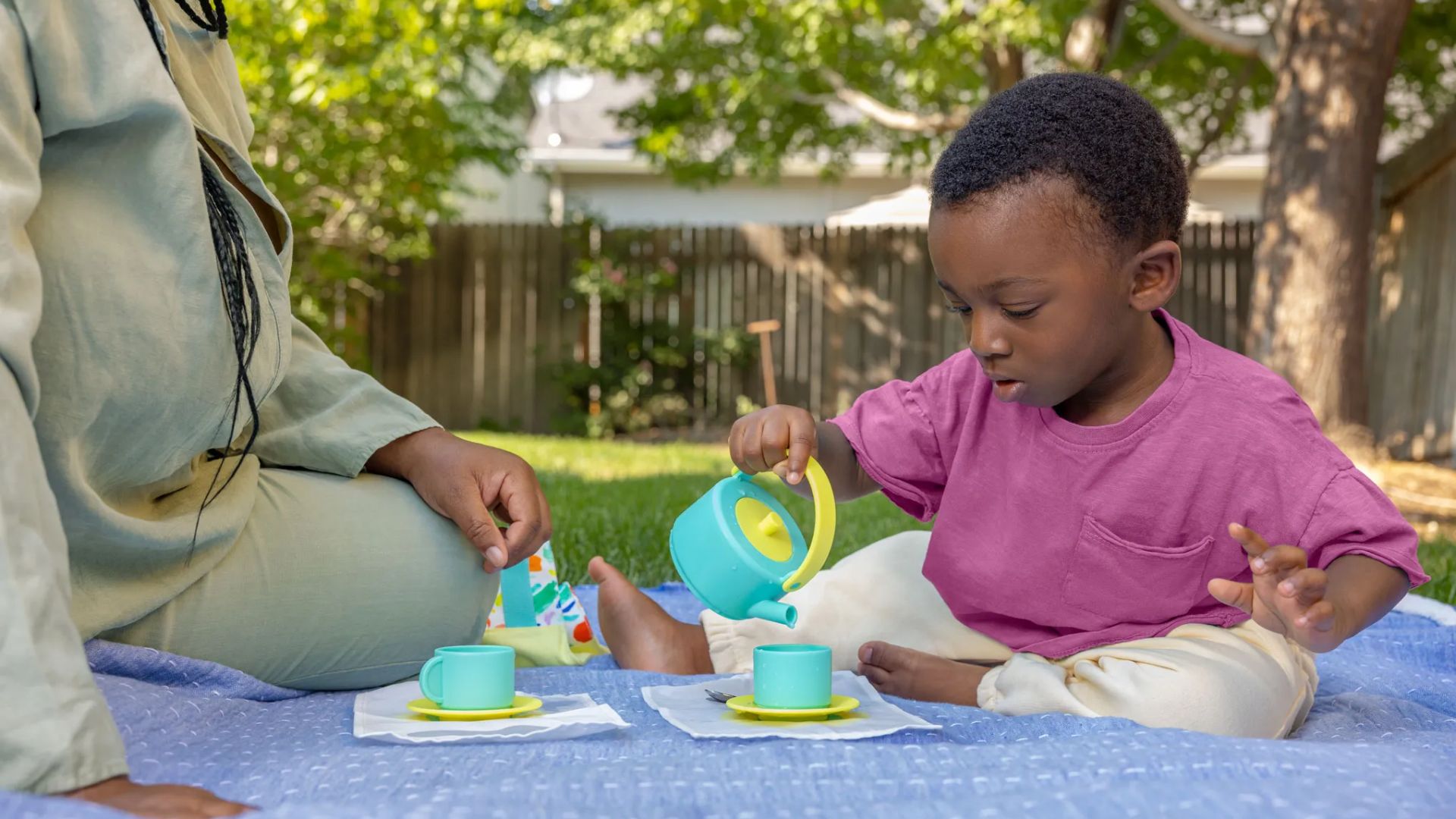
Set up a simple picnic with snacks or a pretend tea party with toy cups and plates. Encourage children to invite a friend and take turns serving each other.
Sharing food and sitting together is one of the oldest ways humans connect. Even a pretend version of this teaches hospitality, patience, and the joy of spending time with someone you like.
23. Partner Walk or Nature Activity
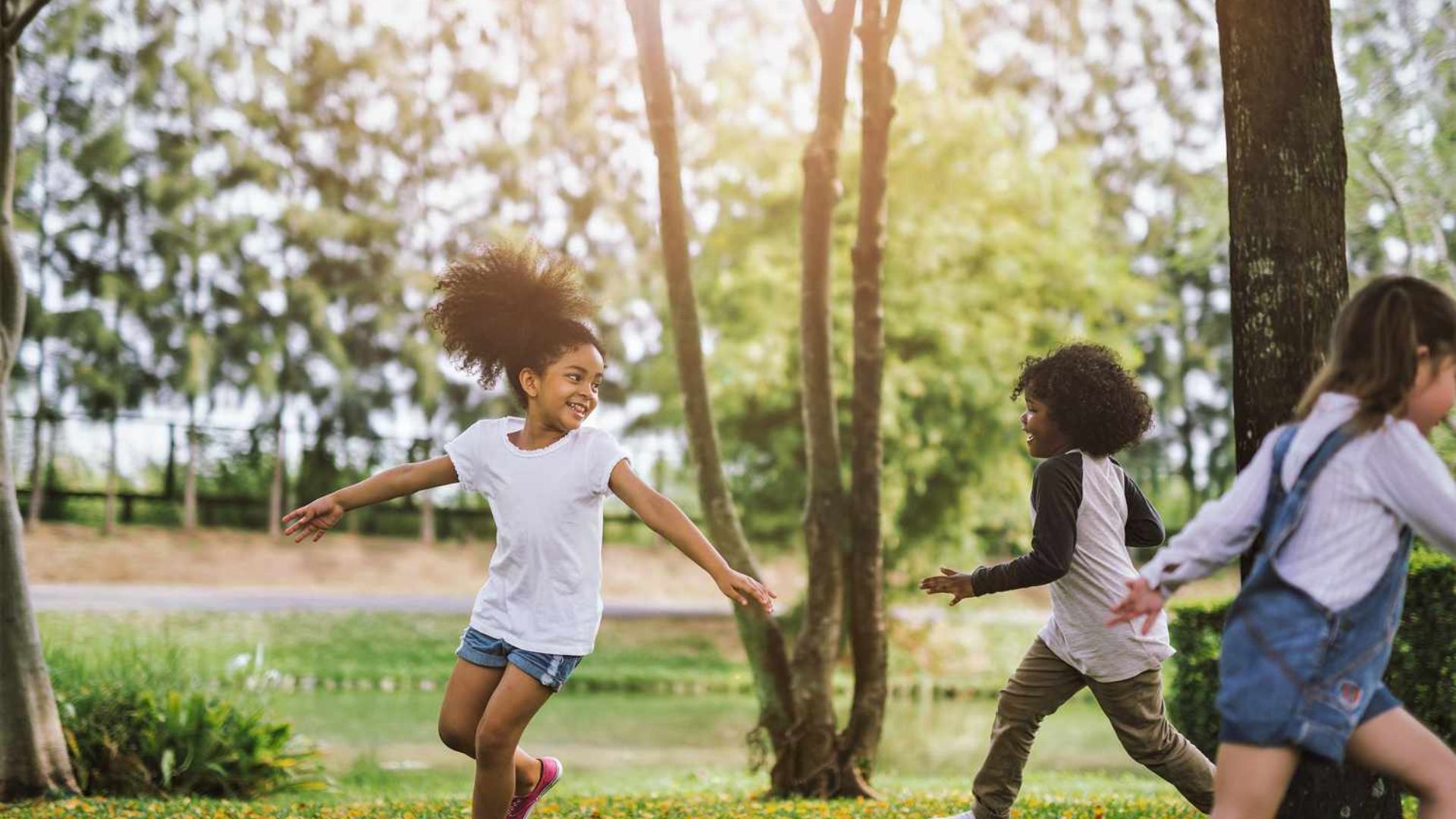
Pair children up and take a short walk together. Ask partners to point out things they notice and share with each other.
Walking side by side creates a relaxed setting for conversation. Children often open up more when they are moving than when they are sitting still. This is also a calming activity for kids who find group settings overwhelming.
24. Simple Relay or Partner Games
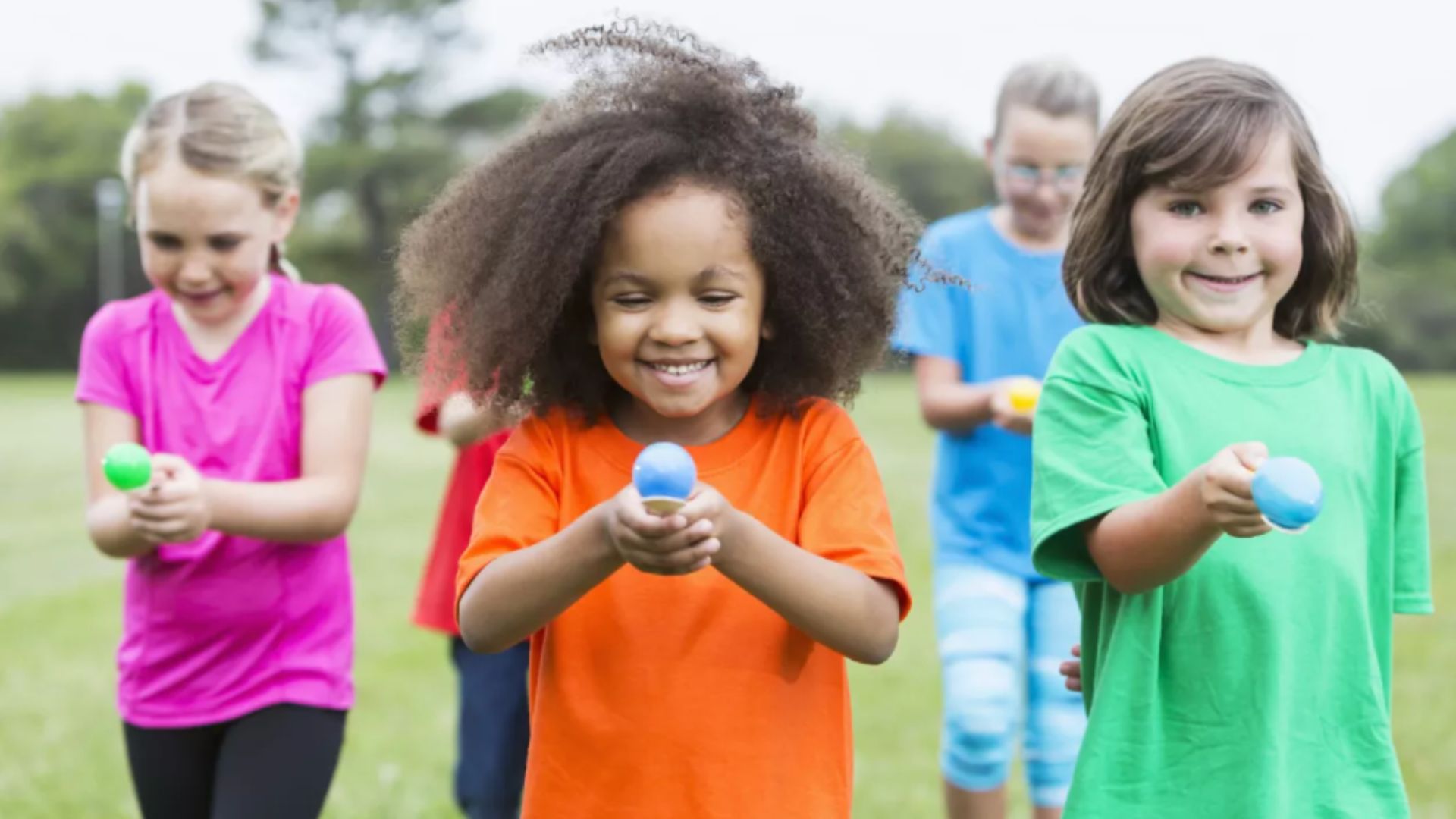
Set up a basic relay race or a simple partner activity where two children must work together, like carrying a balloon between them without using their hands.
Partner games build trust and teamwork. They are also naturally funny, which helps kids relax and enjoy each other's company. Keep the rules simple so the focus stays on fun.
25. Circle Time Games
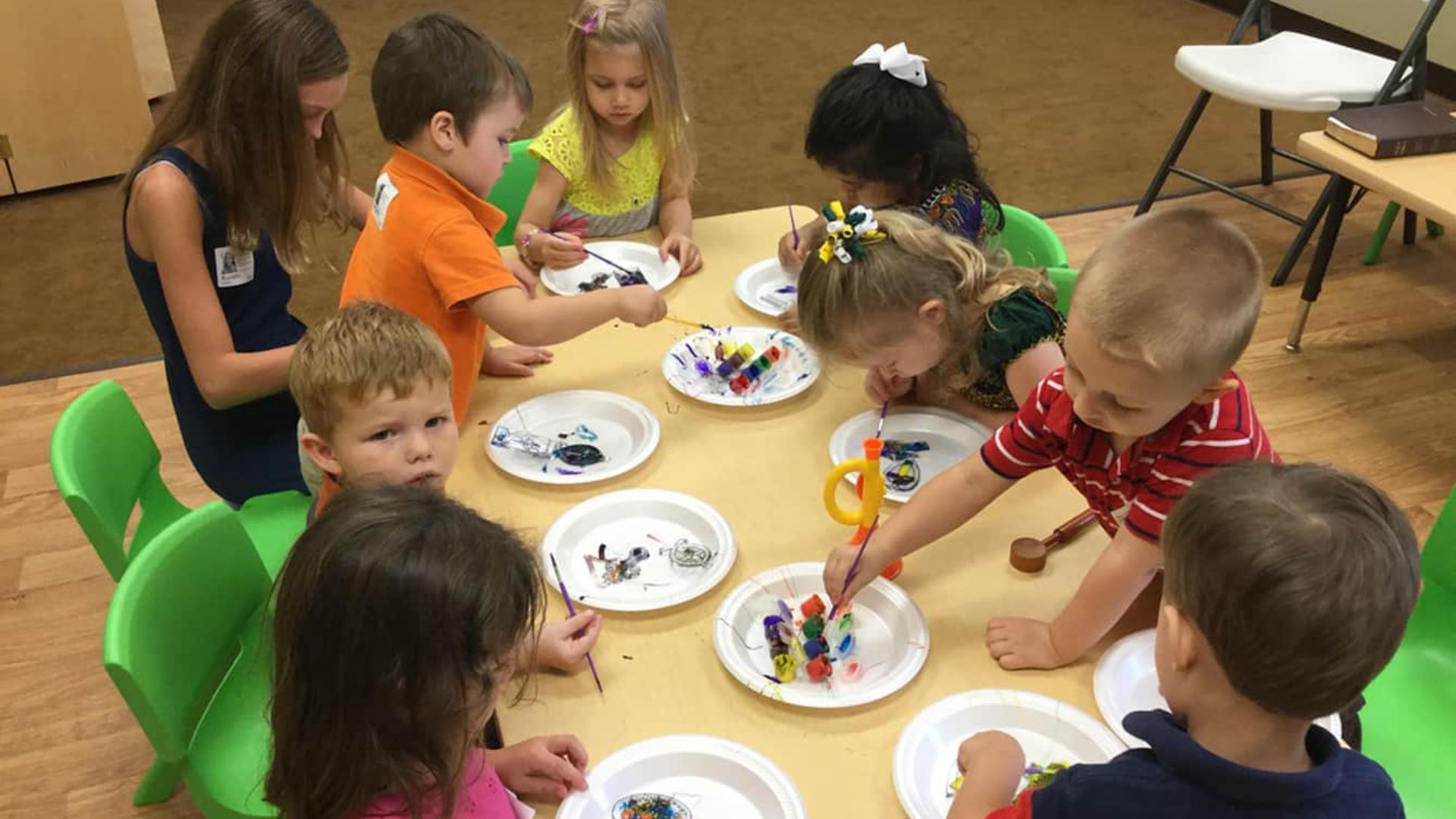
Use circle time for group games like "Duck, Duck, Goose" or simple clapping games where children follow a pattern together.
Circle time creates a sense of community. When everyone participates equally, no child feels left out. These games are also easy to lead without much preparation.
26. Friendship Bingo (With Pictures)
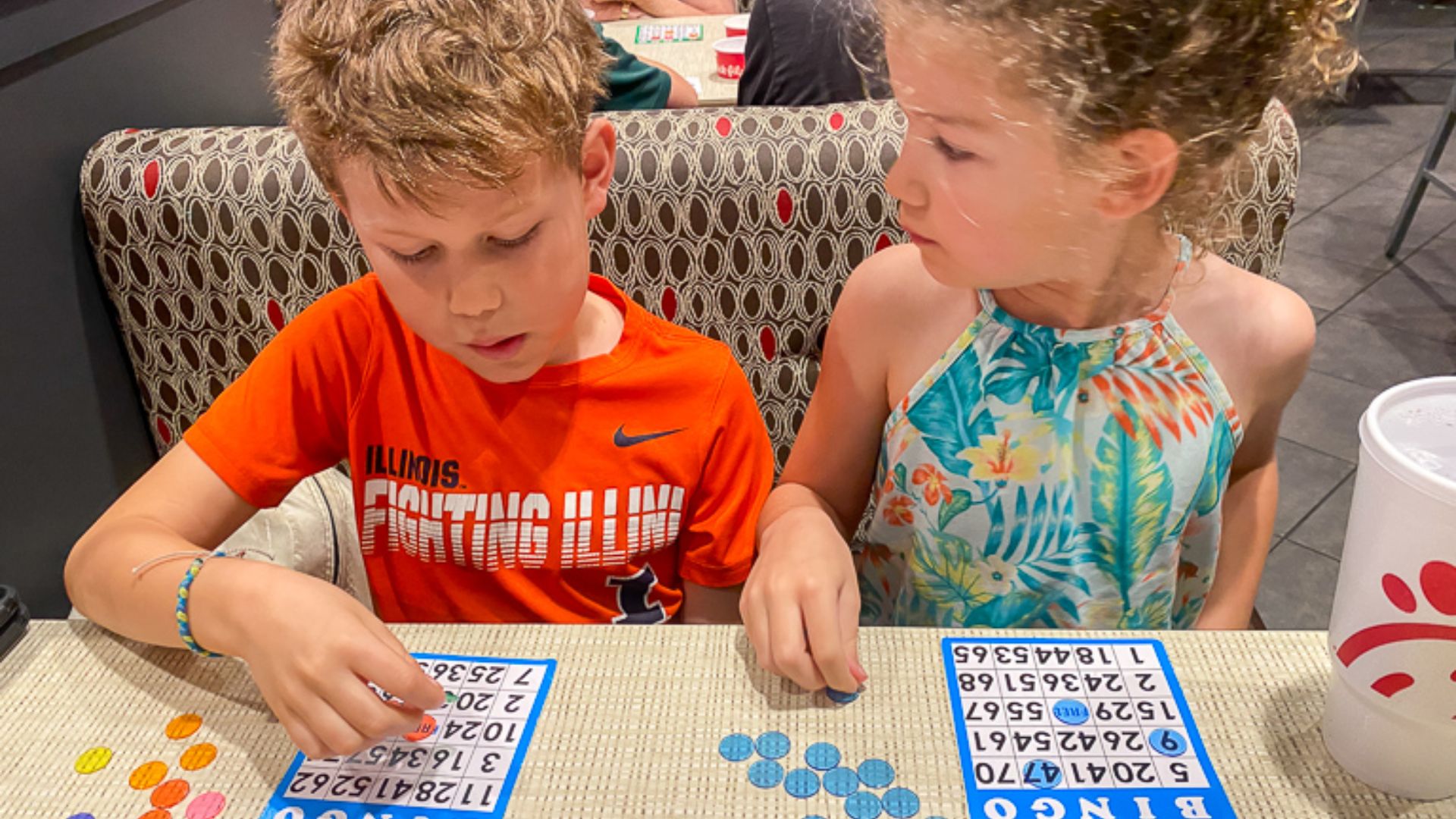
Alt text:Two preschool friends in a classroom placing blue blocks on different numbers as a friendship activity for preschoolers
Create bingo cards with pictures instead of numbers, such as two kids sharing, someone helping a friend, or a group hug. Call out the actions and have children mark their cards.
This game reinforces what positive friendship looks like. It is a visual and interactive way to teach kids to recognize kind behaviors in everyday moments.
27. Class Friendship Mural
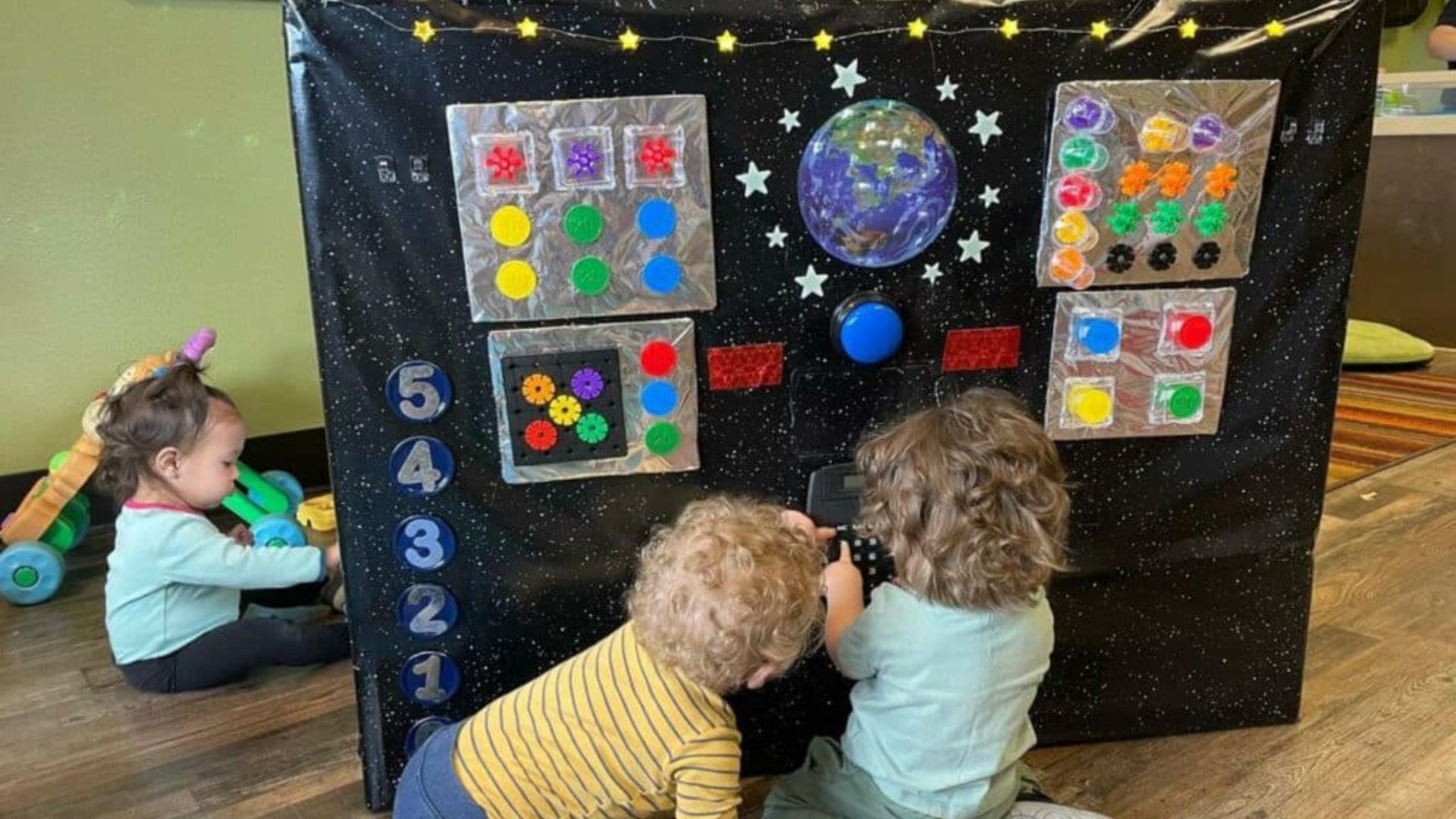
Alt text:Three preschoolers playing together at a space-themed interactive board with buttons and colors, building teamwork and social skills through a cooperative friendship activity for kids
Tape a large sheet of paper to the wall. Give every child a section to draw or paint their favorite thing about their friends or the group.
When it is finished, hang it somewhere visible. The mural becomes a shared symbol of connection. Children feel ownership over it and love pointing out their own section to visitors.
Tips to Make Friendship Activities Successful
Small steps can make a big difference in how well these activities go.
- Keep activities short: 10 to 15 minutes works best for preschoolers
- Skip the competition: focus on shared goals so every child feels good
- Name kind behavior out loud: specific praise helps kids know what to repeat
- Offer choices: let shy kids try one-on-one options instead of big groups
- Stay flexible: if something is not working, it is okay to switch things up
Conclusion
Watching a child make their first real friend is one of the most touching things you will ever see. I remember sitting with a group of four-year-olds during a compliment circle and seeing a quiet little girl light up when a classmate said something kind about her. That moment stayed with me.
These friendship activities for kids for preschoolers are simple, but the impact is real. Try one this week and see what happens.
Found this helpful? Share it with a parent or teacher who could use it. Leave a comment below and tell me which activity your child loved most.
Frequently asked questions
At what age should kids start friendship activities?
Children as young as 2 years old can begin simple friendship activities. At this age, the focus should be on parallel play and basic sharing before moving to more cooperative games.
How often should I do friendship activities with my preschooler?
Aim for two to three times a week. Short, regular activities are more effective than occasional long sessions, especially for young children who need consistency to build social habits.
What if my child does not want to participate?
Never force participation. Instead, let your child watch from a comfortable distance. Many children warm up naturally when they see others having fun and feel no pressure to join immediately.
Can these activities be done at home, or only in a classroom?
Most of these activities work perfectly at home with siblings, cousins, or neighborhood kids. You do not need a classroom setting. A living room or backyard is more than enough space to get started.
How do I know if a friendship activity is working?
Look for small signs like a child voluntarily helping another, using kind words without being prompted, or asking to play with someone specific. These everyday moments show that the learning is sticking.