
Finding fun, educational activities for kids can be tough. That is why we put together this list of 11 farm activities that work at home and in the classroom.
In this blog, you will find:Simple seed and plant activities, easy crafts and sensory games, math, science, and pretend play ideas
We have worked with parents and teachers to test what actually works. These activities keep kids engaged while teaching real skills. No fancy supplies needed. Just simple ideas that make learning feel like play.
Why Farm Activities Are Great for Kids
Farm activities give kids a break from screens. They also teach things that matter in real life.
Kids get to see where food comes from. They learn how plants grow, how animals live, and how farms work. This builds a stronger connection to the natural world.
These activities also work well in different settings. You can do most of them at a kitchen table or in a classroom. No farm required.
Here is why they work so well:
They use hands-on learning, which helps kids remember more. They mix fun with real knowledge. They build skills like counting, motor control, and creativity.
11 Farm Activities for Kids
Simple, hands-on ideas that help kids learn through play using fun farm themes.
1. Seed Germination Activity
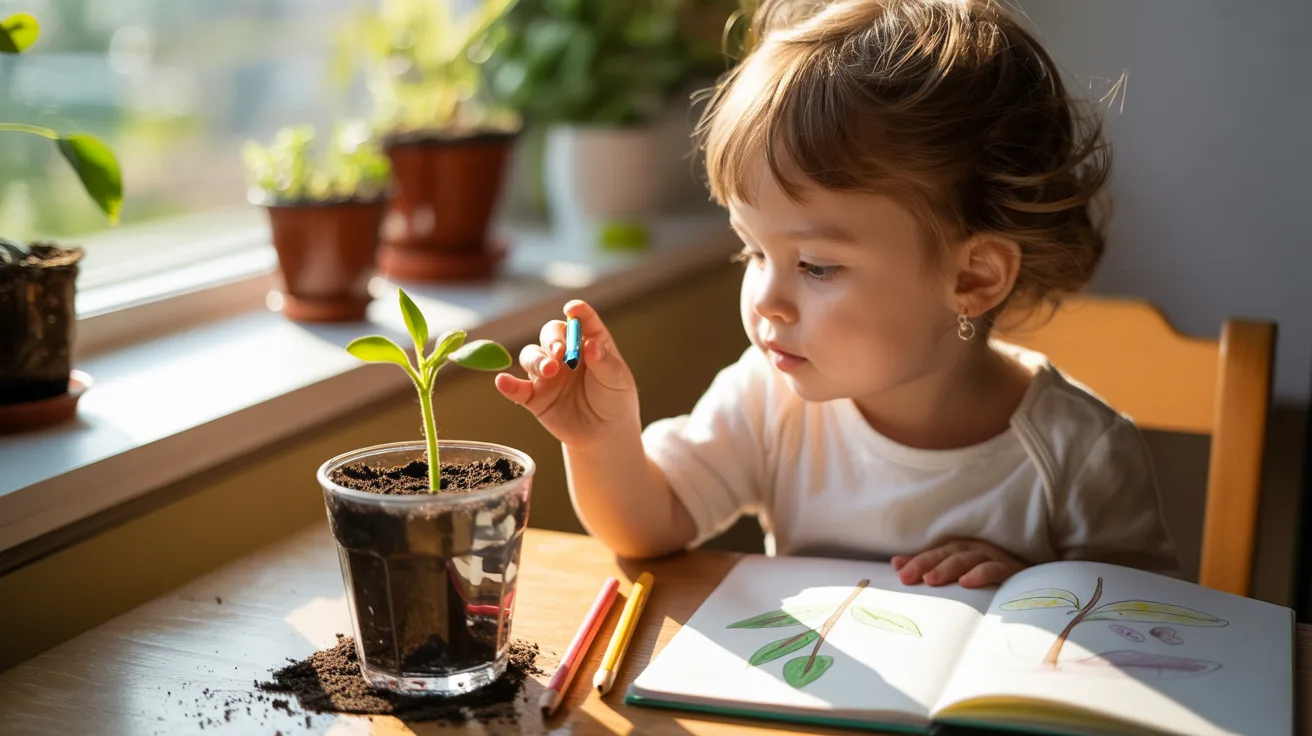
A simple way to watch a plant grow from scratch using just a cup and soil.
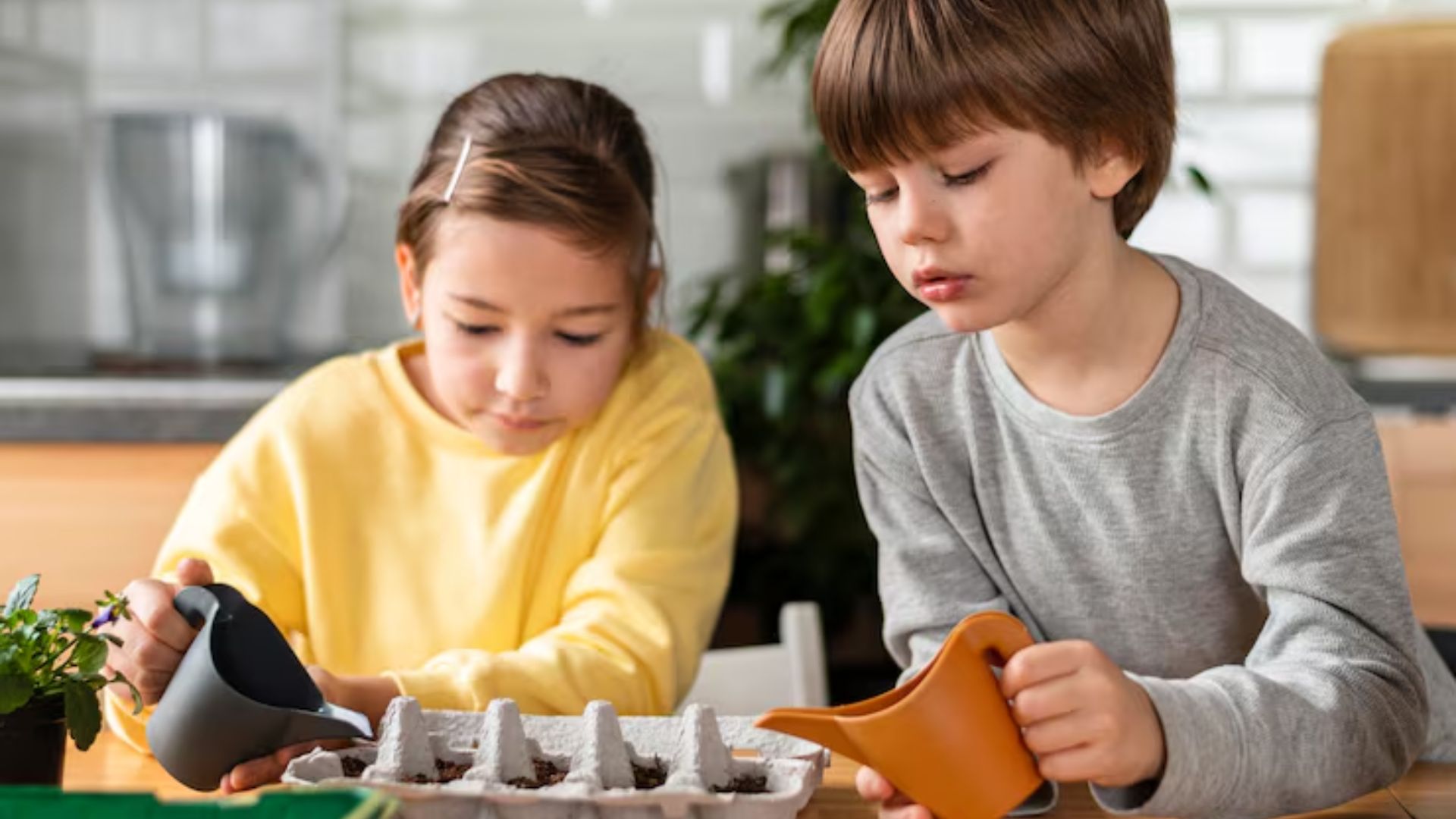
Kids learn about the plant life cycle. They see how a tiny seed becomes a plant. This builds curiosity and patience over time.
Place a seed in a clear cup with cotton or soil. Add a little water. Put it near a window and check it every day. Kids can draw what they see each day. This makes it a science and art activity in one.
2. Farm Animal Sound Game
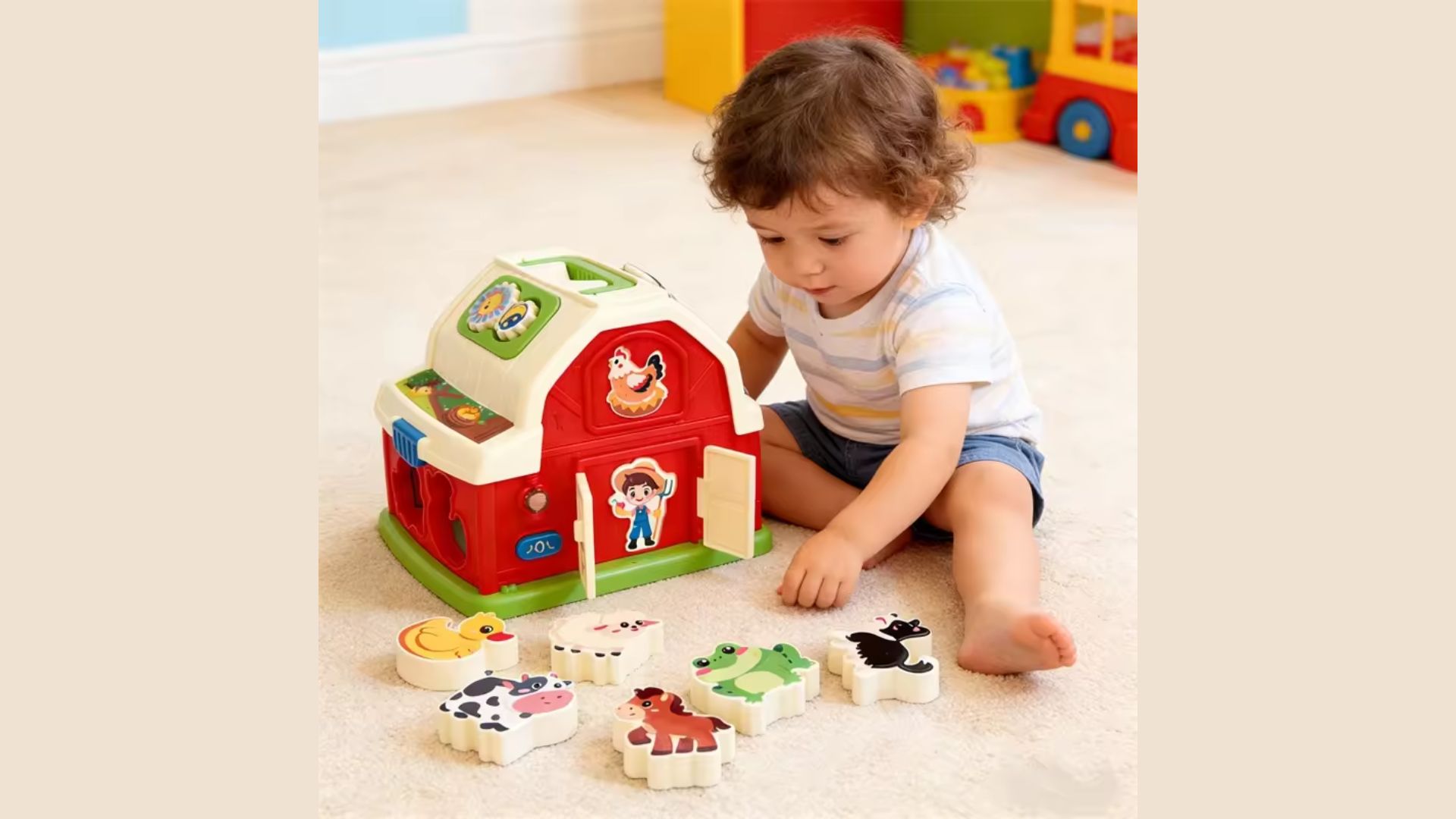
A listening game where kids match animals to the sounds they make.
Kids build animal recognition and listening skills. They also improve memory and focus while playing.
Call out an animal and have the child make its sound. Or flip it around. Make the sound and have the child guess the animal. You can also act it out. Kids love moving like a cow or a chicken. It gets them up and moving while they learn.
3. Build a Mini Farm Scene
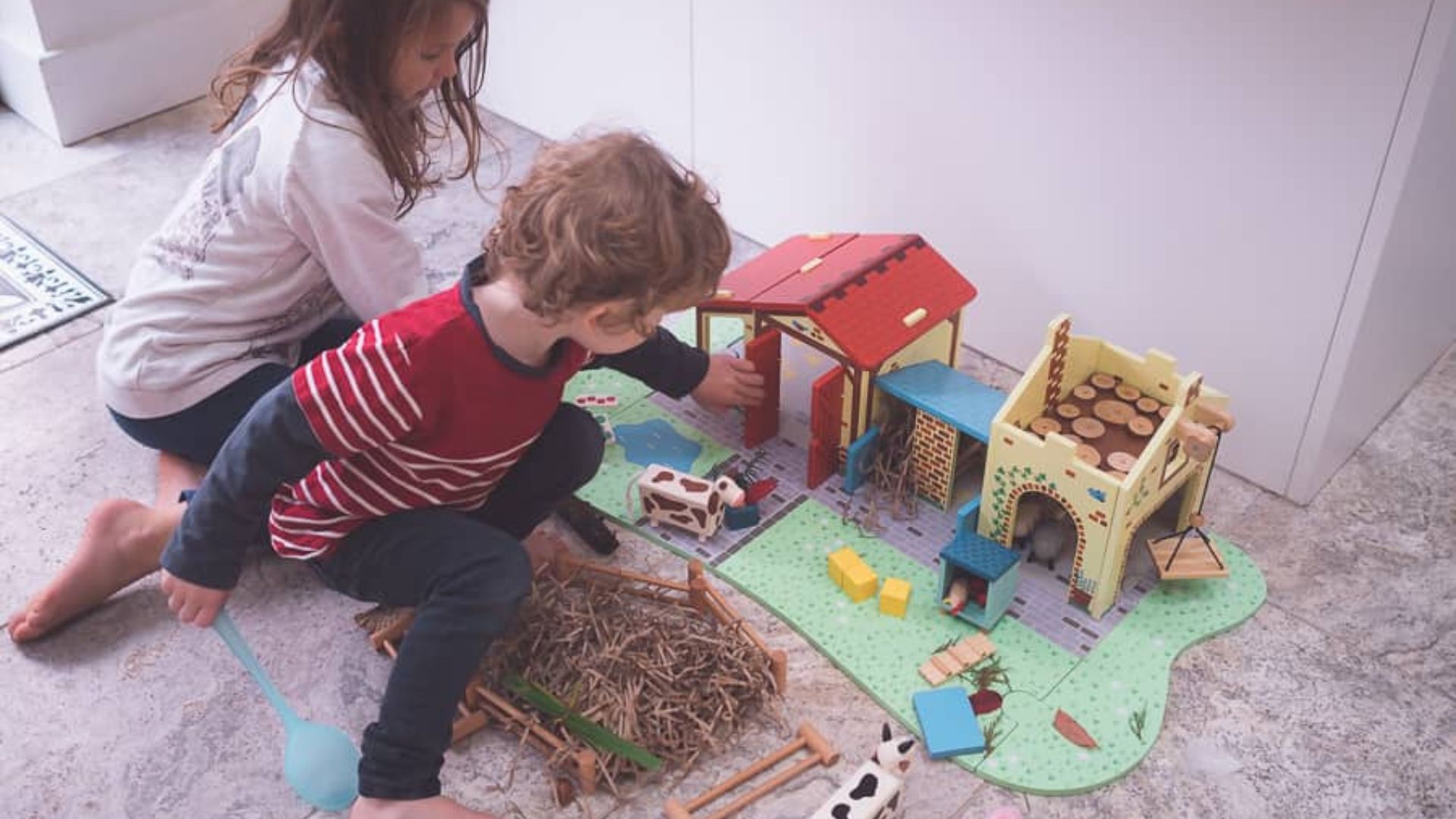
Kids use simple materials to create their own farm world from the ground up.
This activity builds creativity and imaginative play. Kids plan, build, and tell stories with what they make.
You do not need much. Use toy animals, wooden blocks, playdough, or even cardboard boxes. Let kids decide how their farm looks. There is no wrong way to do it. The goal is to imagine and create freely.
4. Simple Irrigation System
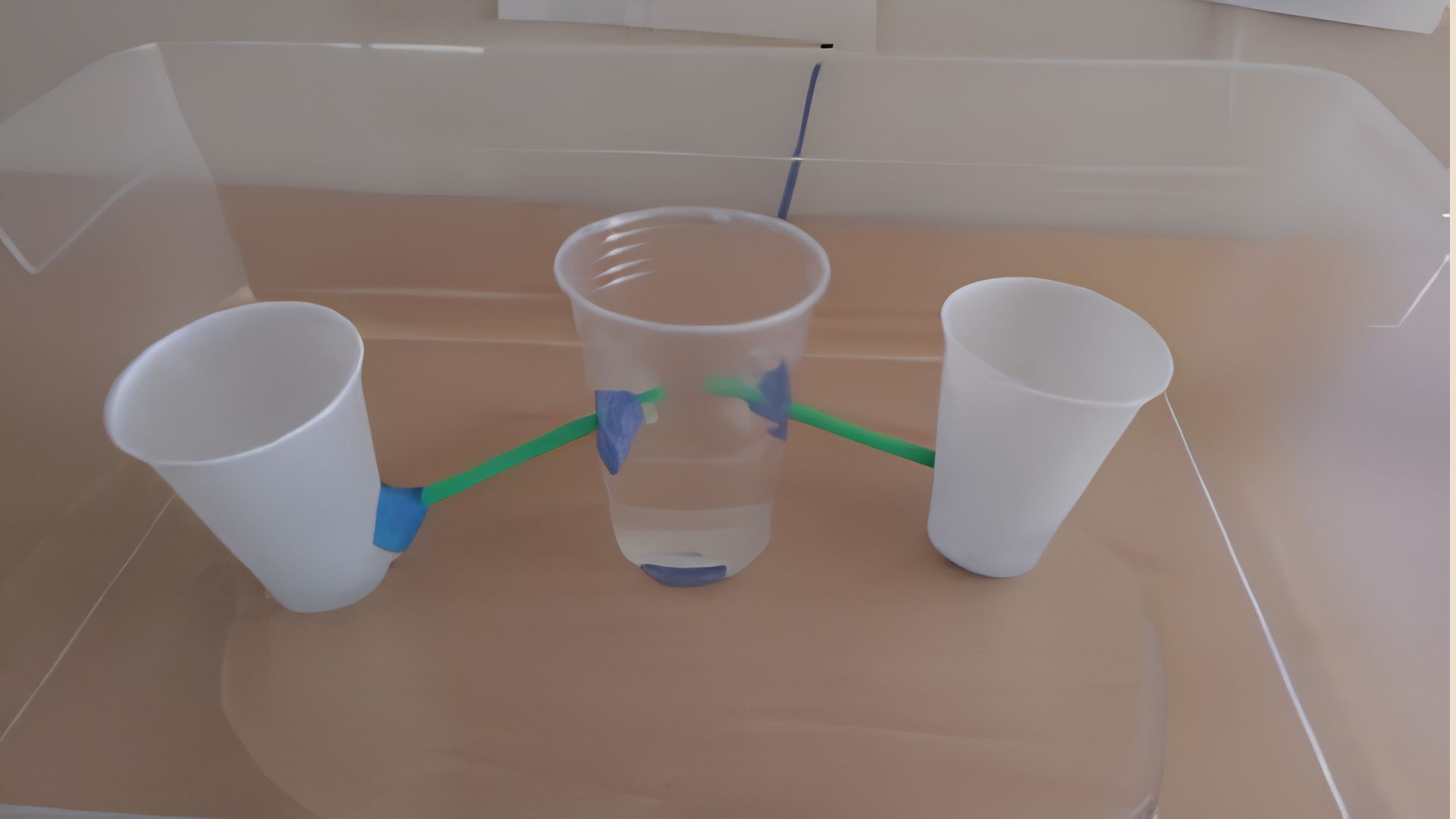
Kids use basic materials to move water from one place to another, just like a real farm.
Kids learn basic engineering and how water flows. They also practice problem-solving when things do not go as planned.
Use plastic bottles and straws to build a simple water path. Kids can tilt and adjust to direct the water. It is a great way to show how farmers bring water to crops. Keep a towel nearby. It can get a little messy.
5. Farm-Themed Crafts
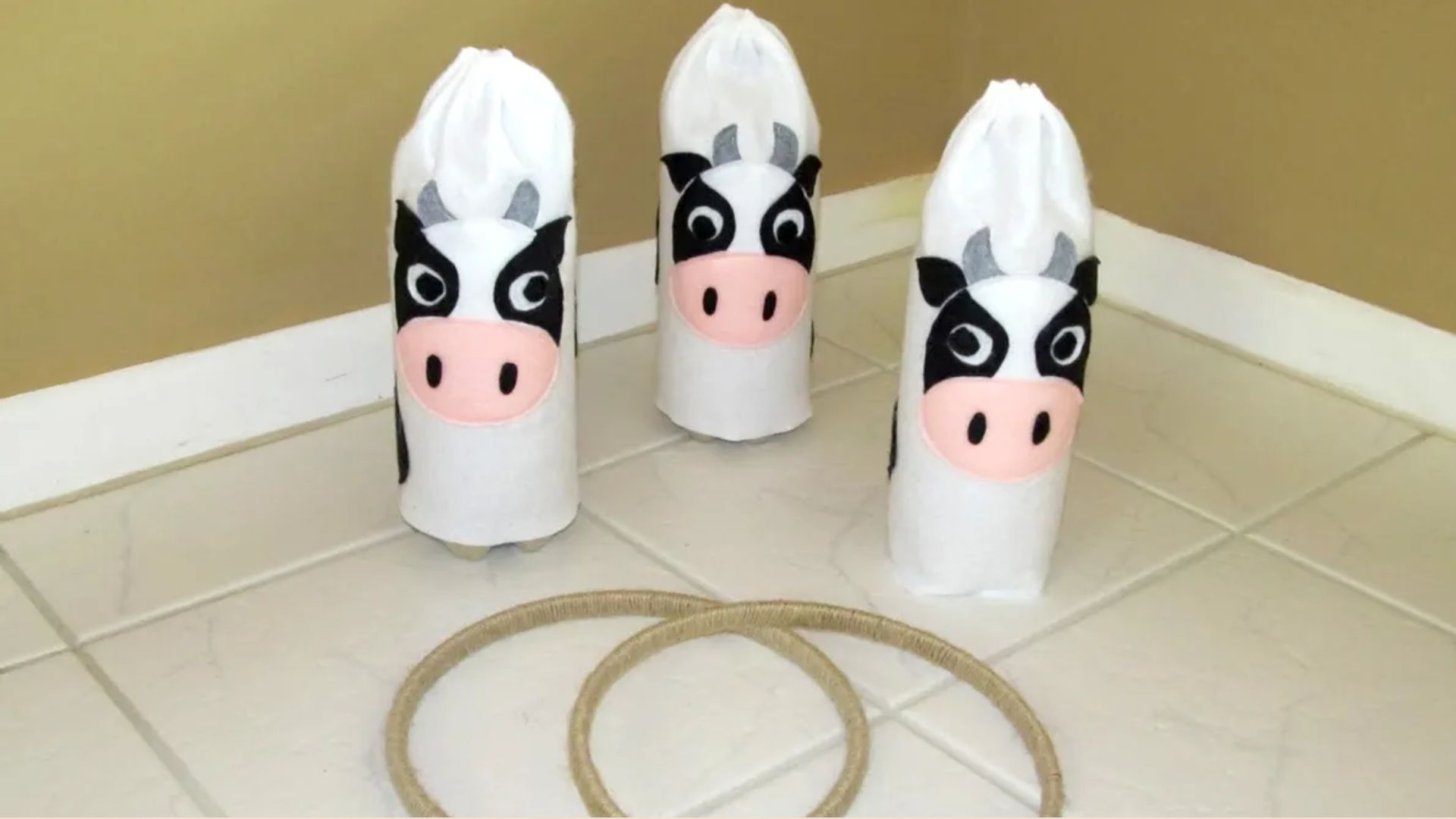
Fun crafts that let kids create farm animals using everyday art supplies.
Kids build fine motor skills while being creative. Cutting, pasting, and painting all strengthen hand control.
For a paper plate cow, paint a paper plate black and white and add ears, eyes, and a nose cut from paper. For handprint animals, dip a hand in paint and press it on paper.
With a few added lines, it becomes a chicken, a pig, or a duck. These crafts are simple and do not need a trip to the store.
6. Egg and Spoon Race
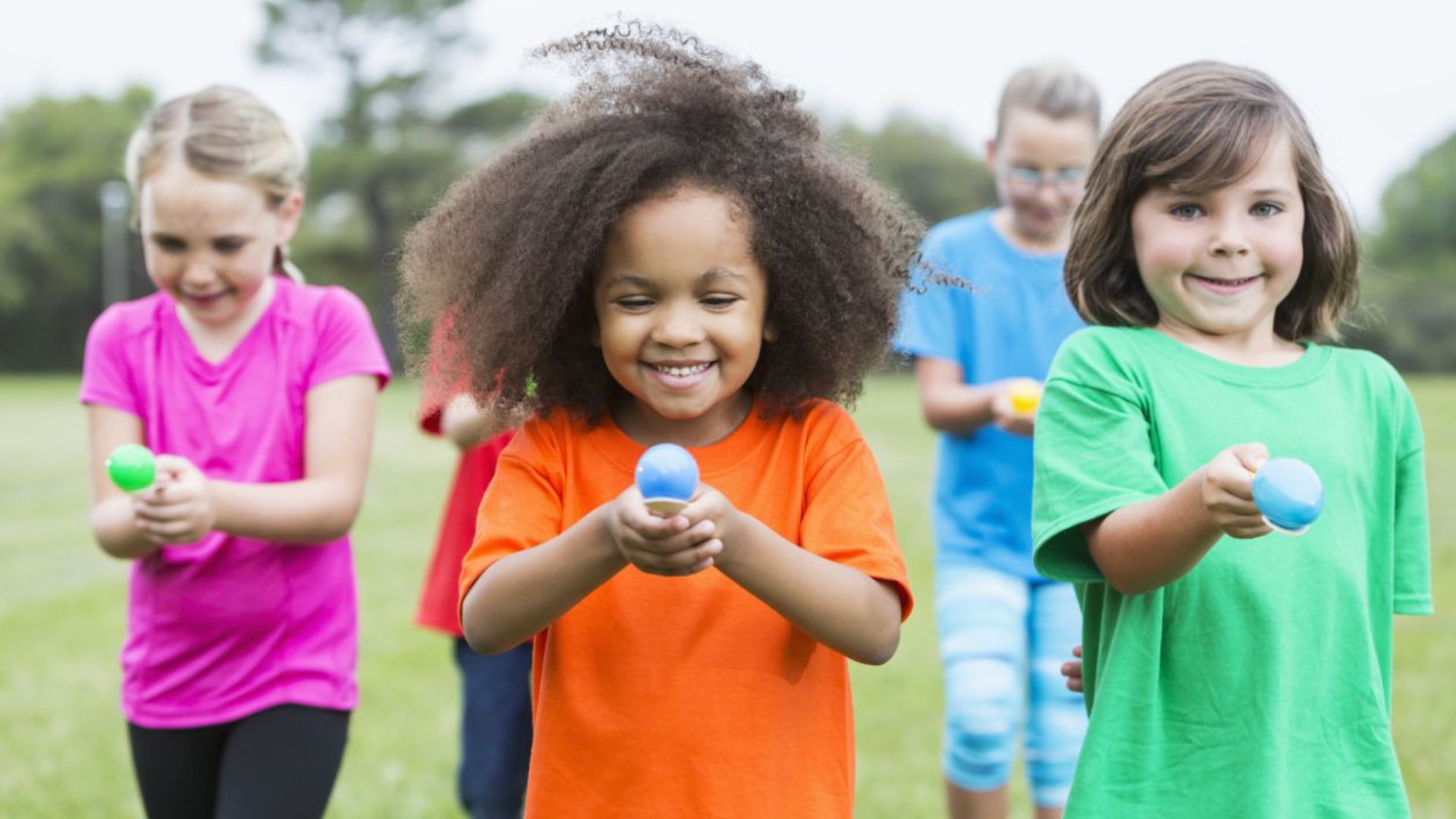
A classic outdoor game that tests balance and focus in a fun way.
Kids work on balance and body coordination. They also learn how to stay calm under pressure.
Give each child a spoon with an egg on top. They walk or run to the finish line without dropping it. Use plastic or boiled eggs to keep things safe. This works well in a yard or a school hallway. Kids of all ages enjoy it.
7. Farm Math Counting Game
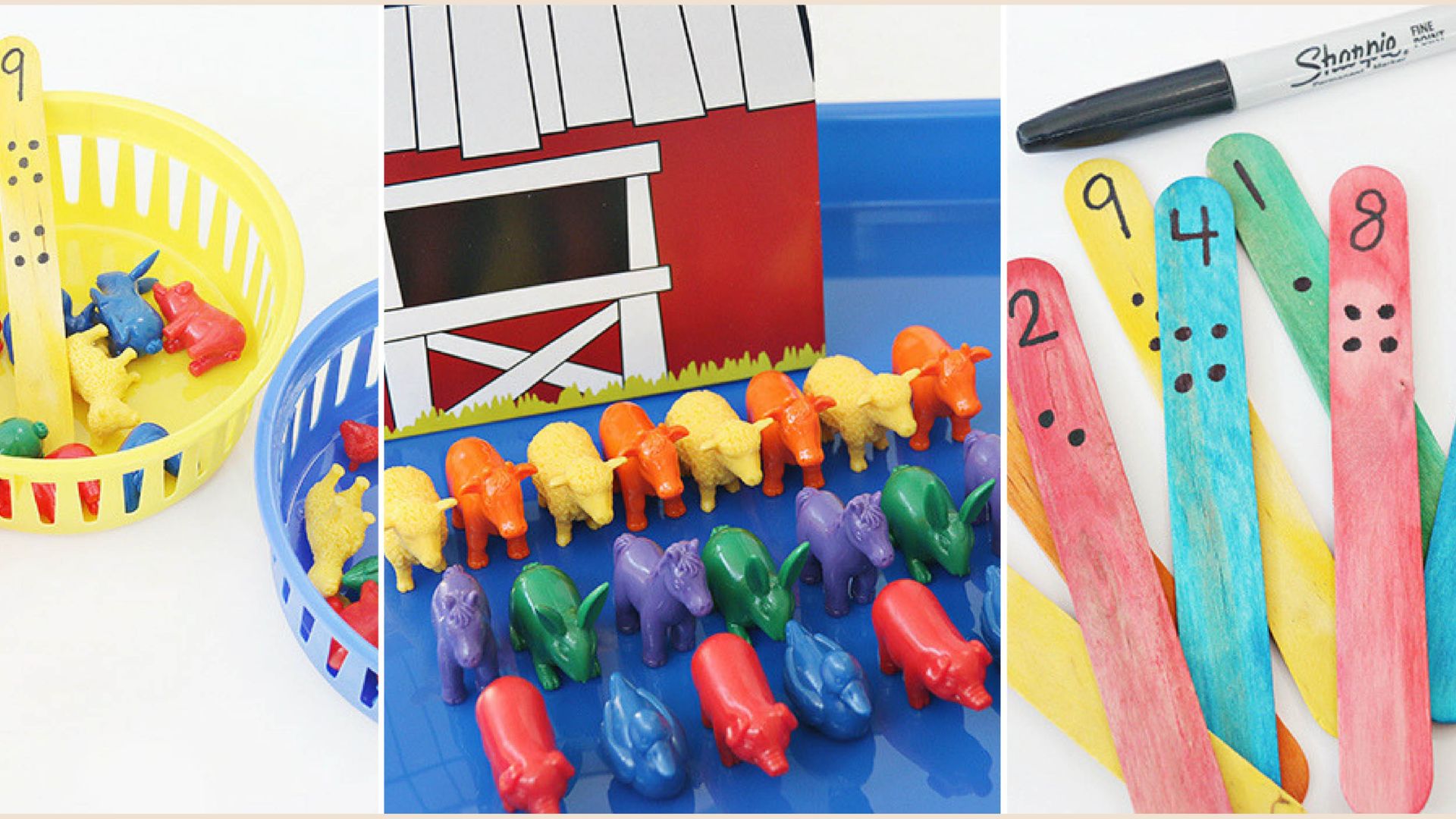
A playful way to practice counting and basic math using farm-themed objects.
Kids practice counting and simple math in a hands-on way. Sorting and comparing also build early thinking skills.
Set out toy animals or printed pictures of crops. Ask kids to count how many cows there are or which group has more. You can add simple addition too. "We have 3 pigs. Two more join. How many now?" It feels like play, not a worksheet.
8. Make Butter at Home
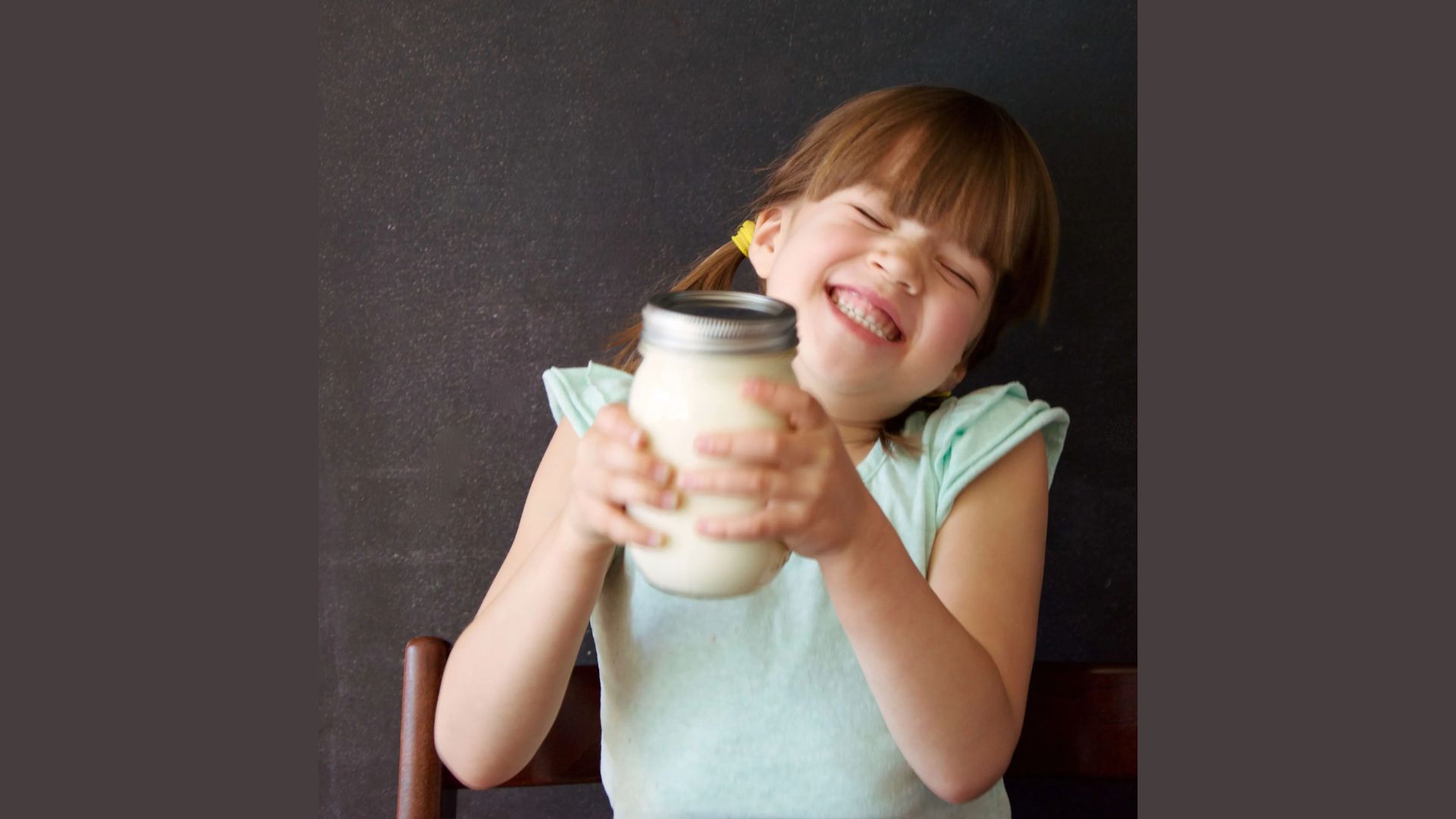
Kids shake cream in a jar and watch it turn into real butter.
Kids see a real food science change happen right in their hands. It shows how physical effort can change a material completely.
Pour heavy cream into a clean jar. Seal the lid tight. Take turns shaking it for about 10 to 15 minutes. The cream will thicken and then turn into butter. Spread it on crackers and enjoy. Kids are always surprised it actually works.
9. Farm Sensory Bin
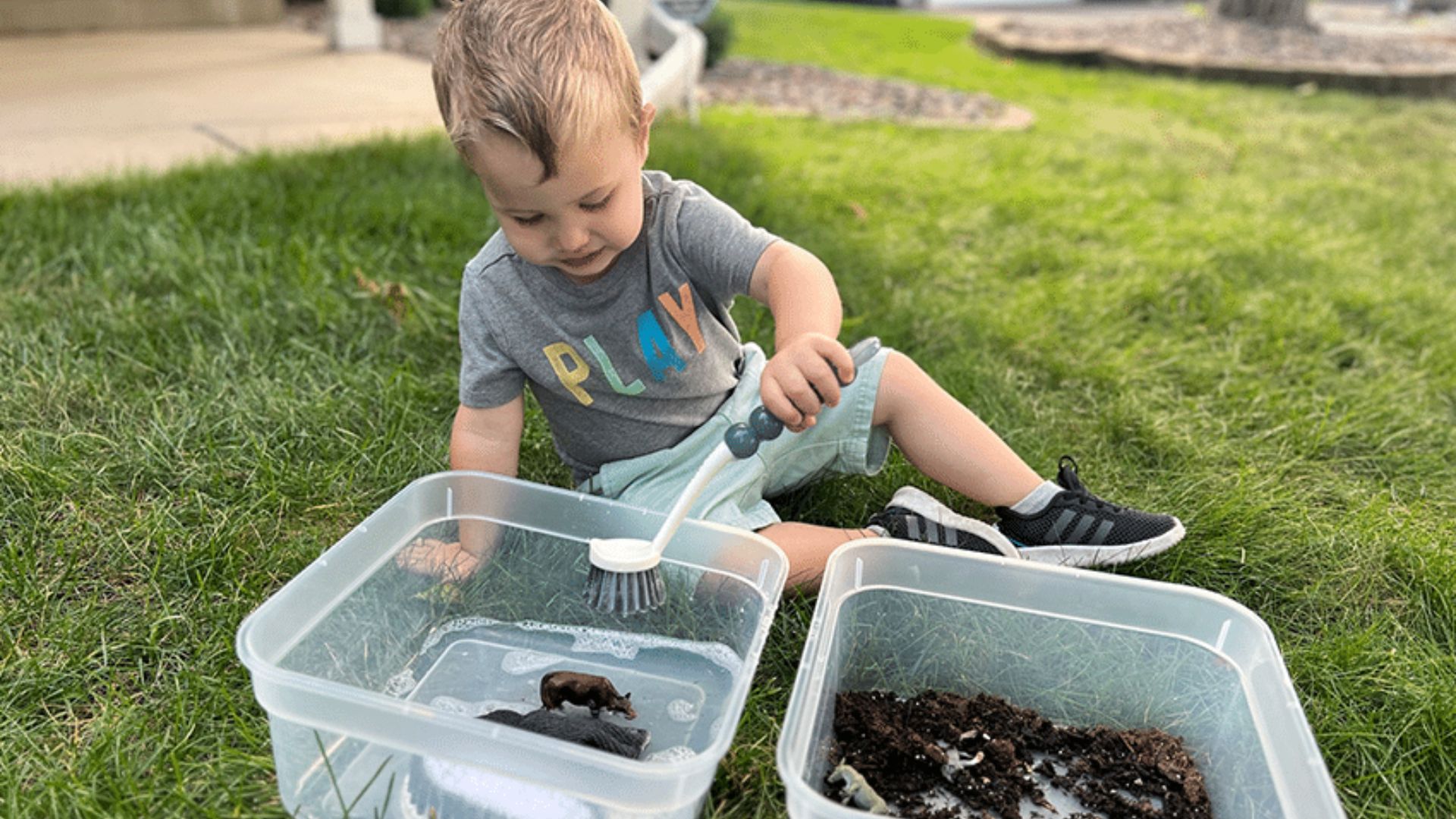
A hands-on bin filled with farm materials that kids can touch, scoop, and find.
Kids build sensory awareness and fine motor skills through touching and handling different textures.
Fill a bin with dried beans, corn kernels, and small toy animals. Add scoops and cups for digging and pouring. Let kids find freely. Younger kids especially love the feel of different textures. It keeps them busy and focused at the same time.
10. Pretend Farm Stand
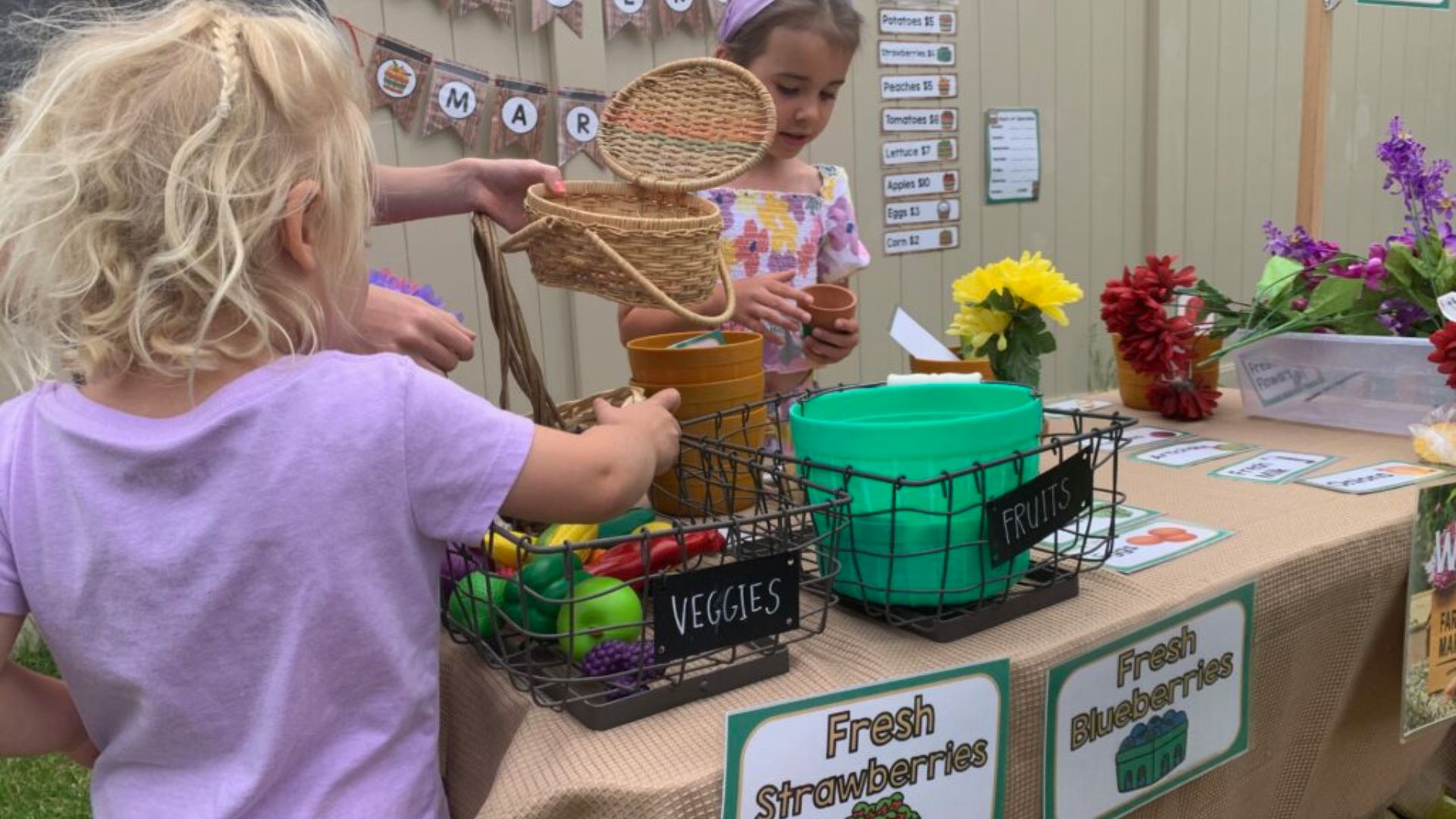
Kids set up their own mini market and practice selling fruits and vegetables.
This activity teaches basic money skills and social interaction. Kids practice counting, trading, and communicating with each other.
Use plastic or paper fruits and vegetables. Add some fake coins or printed money. One child plays the seller. Another plays the buyer. Switch roles so everyone gets a turn. It builds confidence and basic number skills in a really natural way.
11. Read Farm-Themed Books
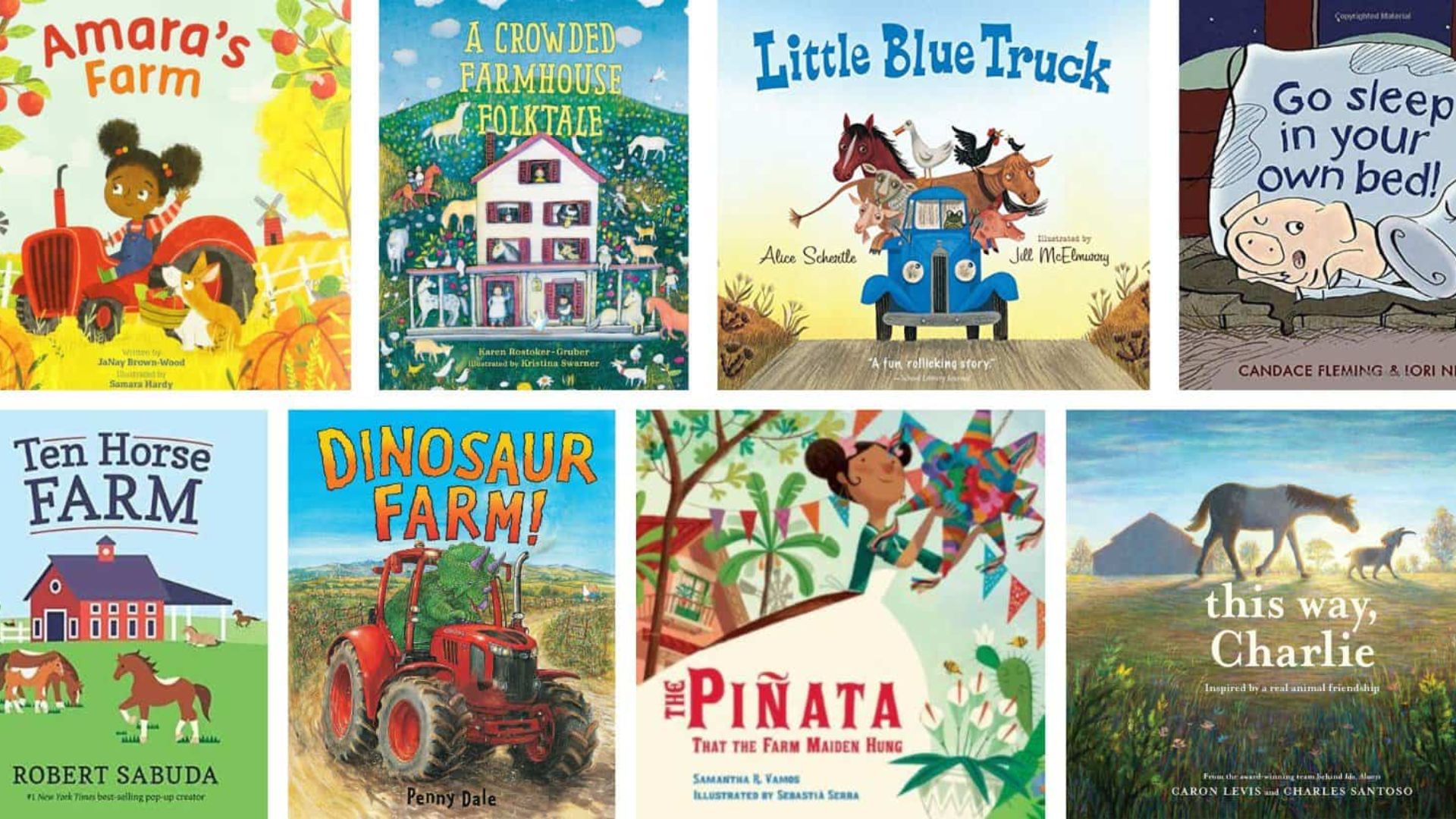
Sharing farm stories helps kids connect words and pictures to real farming ideas.
Kids build language skills and storytelling ability through reading. Good farm books also spark curiosity and great questions.
Charlotte's Web by E.B. White is a gentle story about friendship on a farm. It works well for ages 6 and up. Big Red Barn by Margaret Wise Brown is a simpler picture book great for younger kids just learning about farm animals. Read together and talk about what happens in the story. That conversation matters as much as the reading itself.
Tips for Doing Farm Activities at Home and School
These simple tips will help you get the most out of every farm activity with your kids.
- Keep activities short and simple. Most take under 30 minutes.
- Let kids change the rules. Flexibility keeps them interested.
- Use what you already have at home. No special supplies needed.
- Mix fun with learning. When kids play, they learn without realizing it.
- Let the child lead. Follow their curiosity and build from there.
Conclusion
I hope these farm activities give you some easy ideas to try with your kids. I remember doing a simple seed-growing experiment with my niece, and she talked about it for weeks. That kind of hands-on moment really stays with them.
Pick one activity and try it this week. You do not need the perfect setup. Just start small.
If you found this helpful, share it with another parent or teacher. Leave a comment below and let us know which activity your kids loved most.
Frequently Asked Questions
What age group are these farm activities best suited for?
Most of these activities work well for kids between ages 3 and 10. You can make them simpler or a bit harder depending on the child's age and skill level.
Do I need special materials for these farm activities?
No special materials are needed. Most activities use items you already have at home, like jars, dried beans, paper plates, and toy animals.
Can these activities be done in a classroom setting?
Yes, all of these activities can work in a classroom. Many of them are group-friendly and easy to manage with multiple kids at once.
How long does each farm activity take?
Most activities take between 15 and 30 minutes. Some, like the seed germination activity, take a few days to show results but only need a few minutes of daily attention.
Are farm activities helpful for kids who live in cities?
Absolutely. Farm activities help city kids connect with nature and understand where food comes from. They do not need a real farm to learn these important ideas.