
Are bibs really necessary for newborns? Many new parents ask this question. The short answer is yes. Bibs help keep your baby clean, dry, and comfortable during those early months. They protect tiny outfits from milk dribbles, spit-up, and drool. This means fewer wardrobe changes and less laundry for you.
In this article, I’ll explain why newborns need bibs, when to use them, and how to choose the right ones. You’ll also learn how many bibs you actually need and which types work best.
As a parent who’s been through countless feedings and outfit changes, I can tell you that bibs are worth having from day one.
Why Newborns Need Bibs?
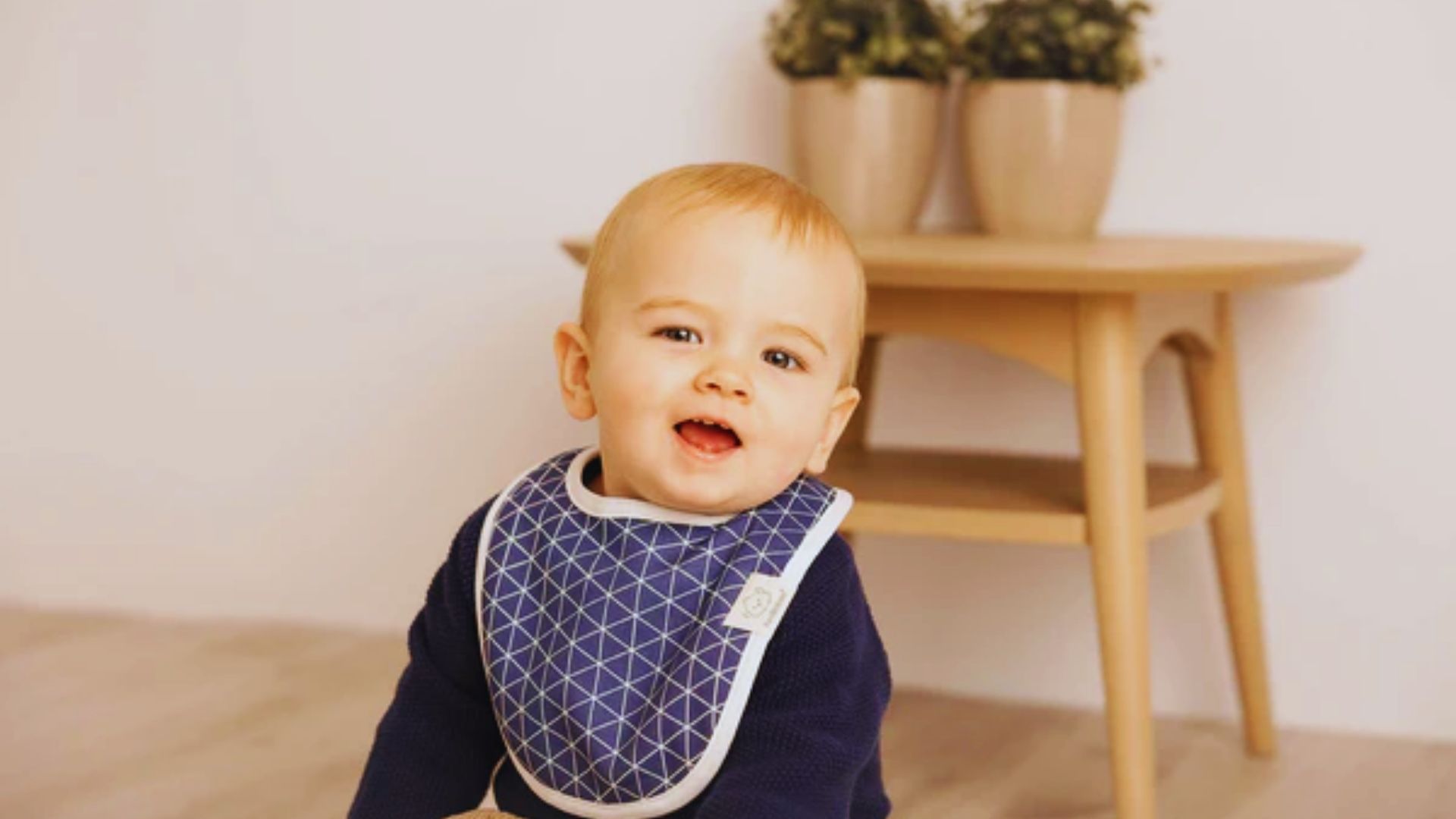
Milk dribbles happen. It doesn’t matter if you’re breastfeeding or bottle feeding. Some milk will escape from your baby’s mouth. Bibs catch these dribbles before they soak into clothes. This keeps your newborn dry and comfortable during and after feedings.
Newborns spit up a lot. Their digestive systems are still developing. This means milk often comes back up after feedings. A bib catches most of this spit-up before it ruins an outfit. You’ll save time by not changing clothes multiple times a day. You’ll also cut down on laundry loads.
Wet clothing against newborn skin can cause problems. Moisture trapped in fabric leads to rashes and irritation. Some babies develop what’s called “milk rash” on their neck and chin.
Bibs keep these areas dry. They create a barrier between wet spots and delicate skin. This helps prevent discomfort and skin issues.
When to Use Bibs?
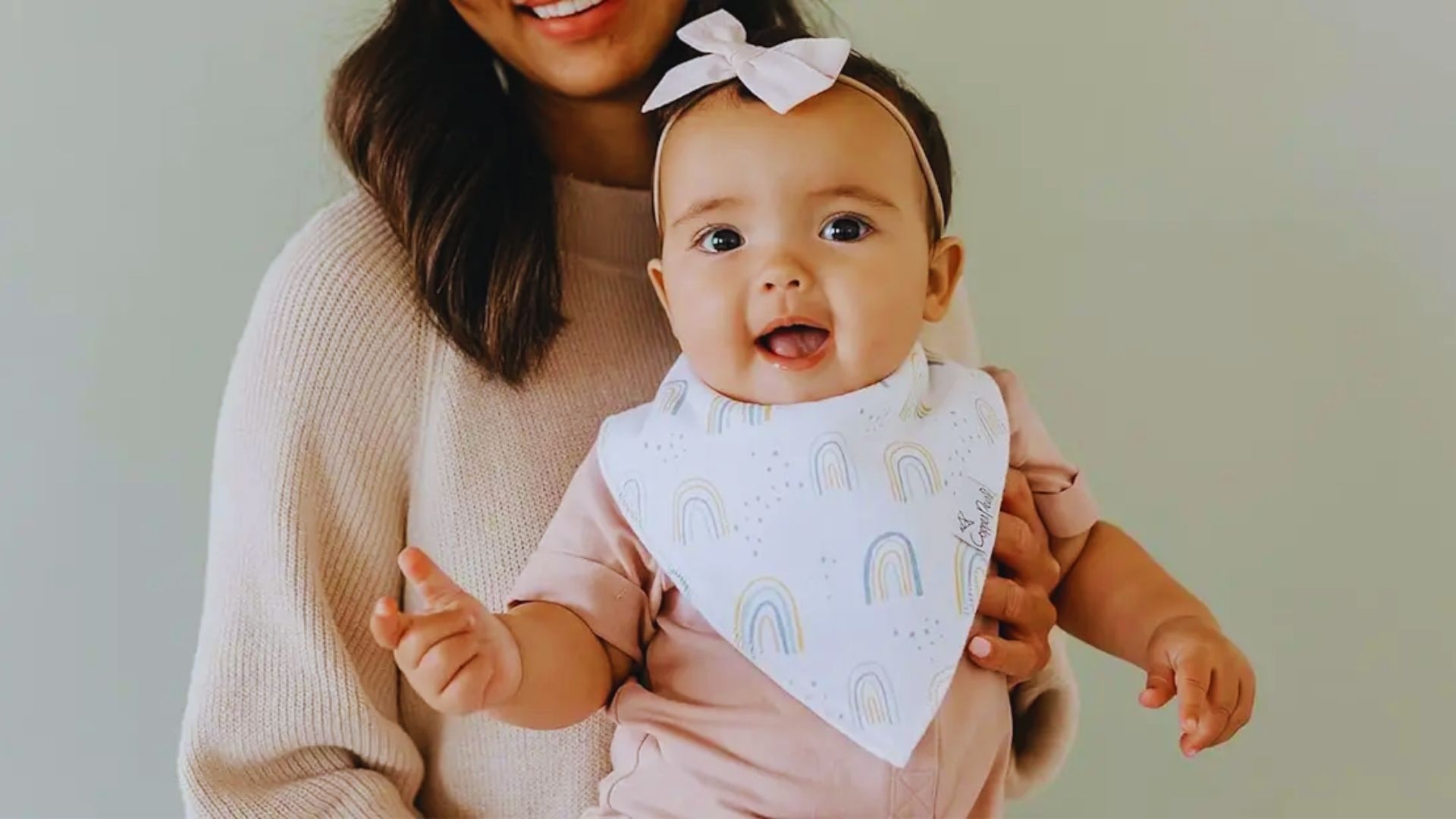
Timing matters when it comes to bib use.
You can use bibs from your baby’s very first feeding. They’re helpful right away. Newborns with reflux benefit even more from bibs. Babies who drool early also need them. Don’t wait to start using bibs.
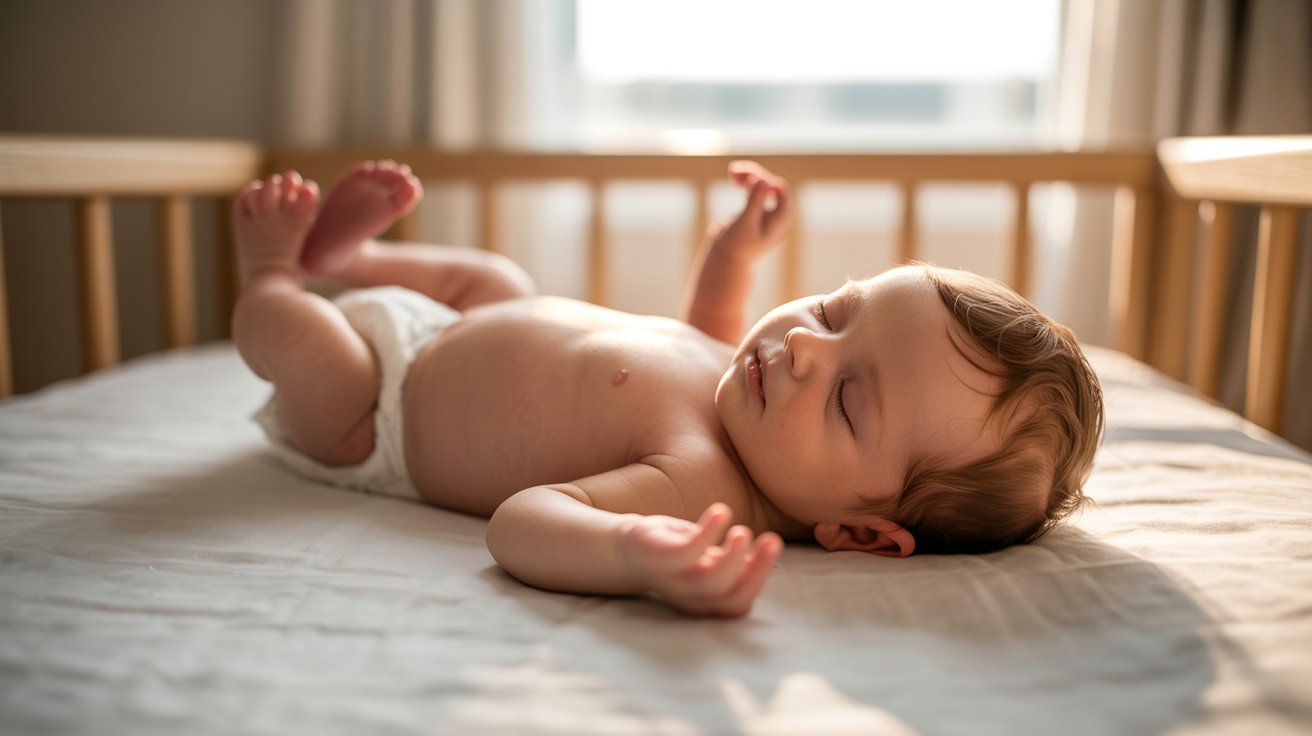
Never put a bib on your baby during sleep. This is a safety hazard. Bibs can pose a choking or strangulation risk during naps or nighttime.
Only use bibs when your baby is awake and supervised. During playtime, bibs are optional. If your baby isn’t drooling much, you can skip them during play.
How Many Bibs Do You Need?
Most parents need 8 to 20 bibs. The exact number depends on several factors. How often does your baby eat? How messy are feedings? Is your baby teething yet? How often do you do laundry?
Messier babies need more bibs. If you wash clothes daily, you can get by with fewer. If you do laundry twice a week, stock up on more.
The key is having clean bibs ready at all times. Running out of bibs means more outfit changes and more washing.
Types of Bibs for Newborns
Different bibs serve different purposes.
Drool Bibs
These bibs use soft, absorbent fabrics. Cotton and bamboo work well. Drool bibs handle teething and heavy drooling. They’re gentle on sensitive skin. The fabric soaks up moisture quickly.
Most drool bibs are small and lightweight, making them comfortable for all-day wear. They come in various thicknesses, so you can choose based on how much your baby drools.
Feeding Bibs
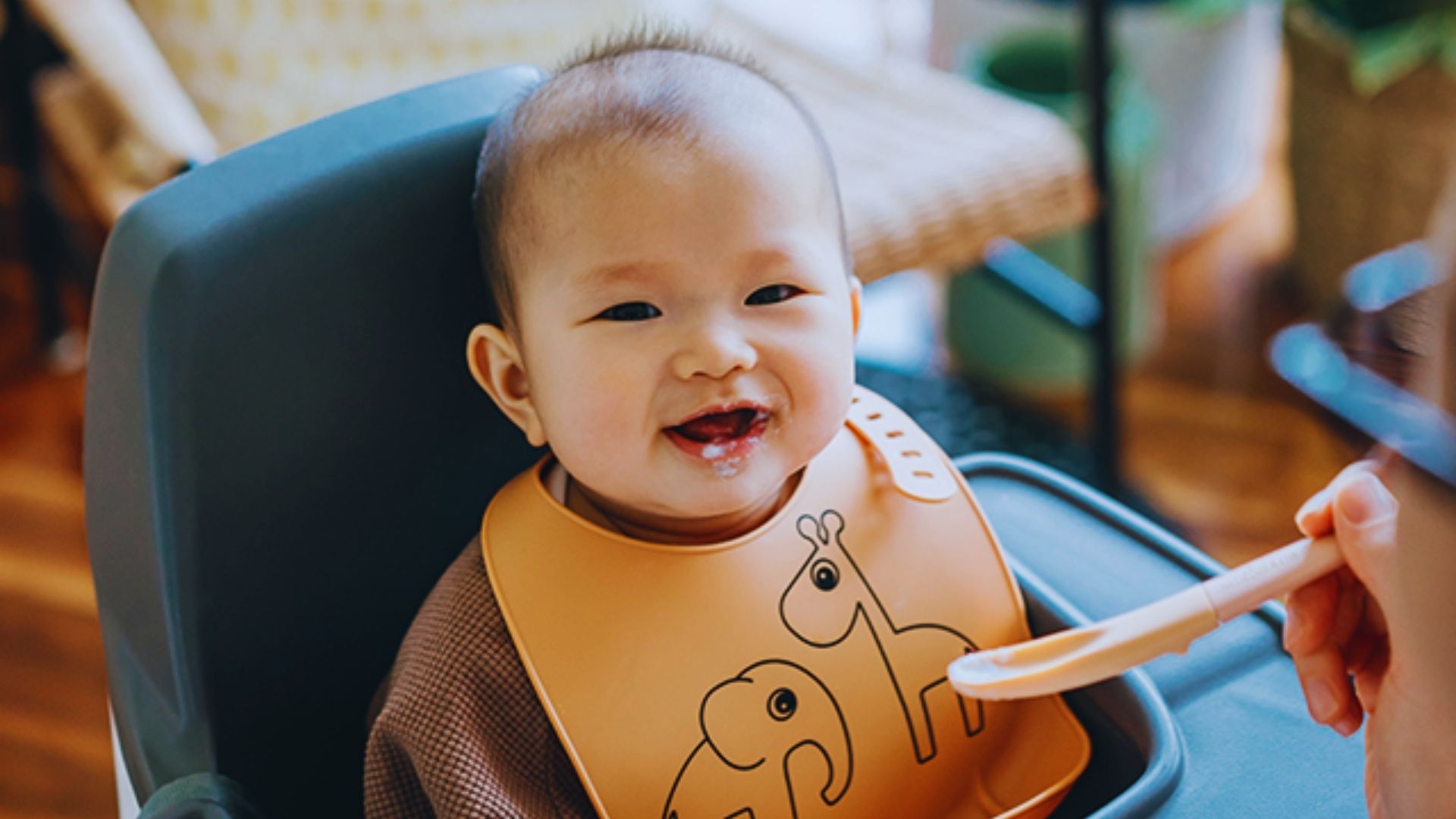
Feeding bibs have water-resistant materials. They work well for bottle feedings and first solid foods. Look for adjustable fits. Easy-to-clean materials save time. These bibs wipe down quickly between uses.
Many feeding bibs have a coated or laminated surface that repels liquids. This keeps milk and formula from soaking through to your baby’s clothes.
Bandana Bibs
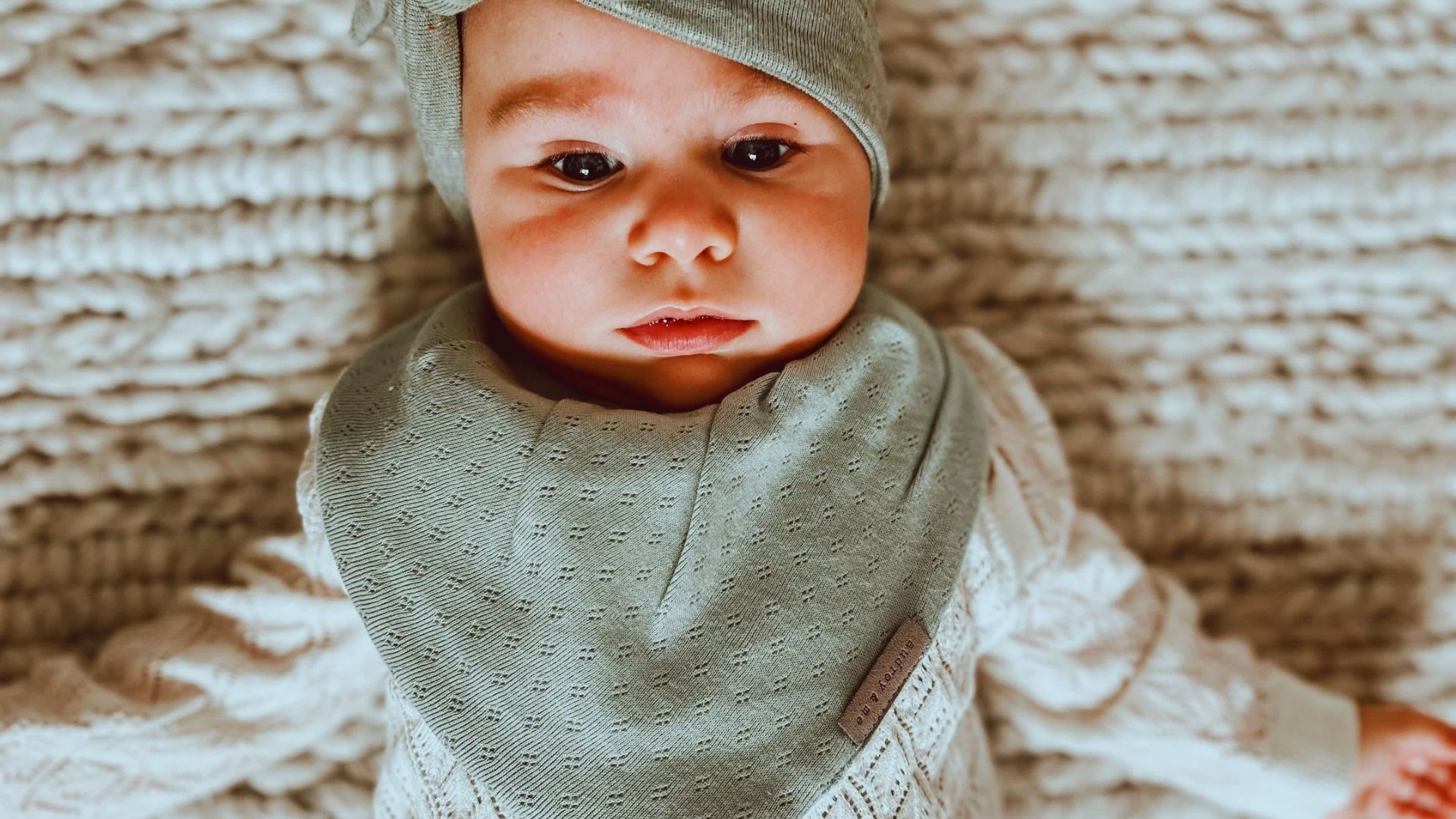
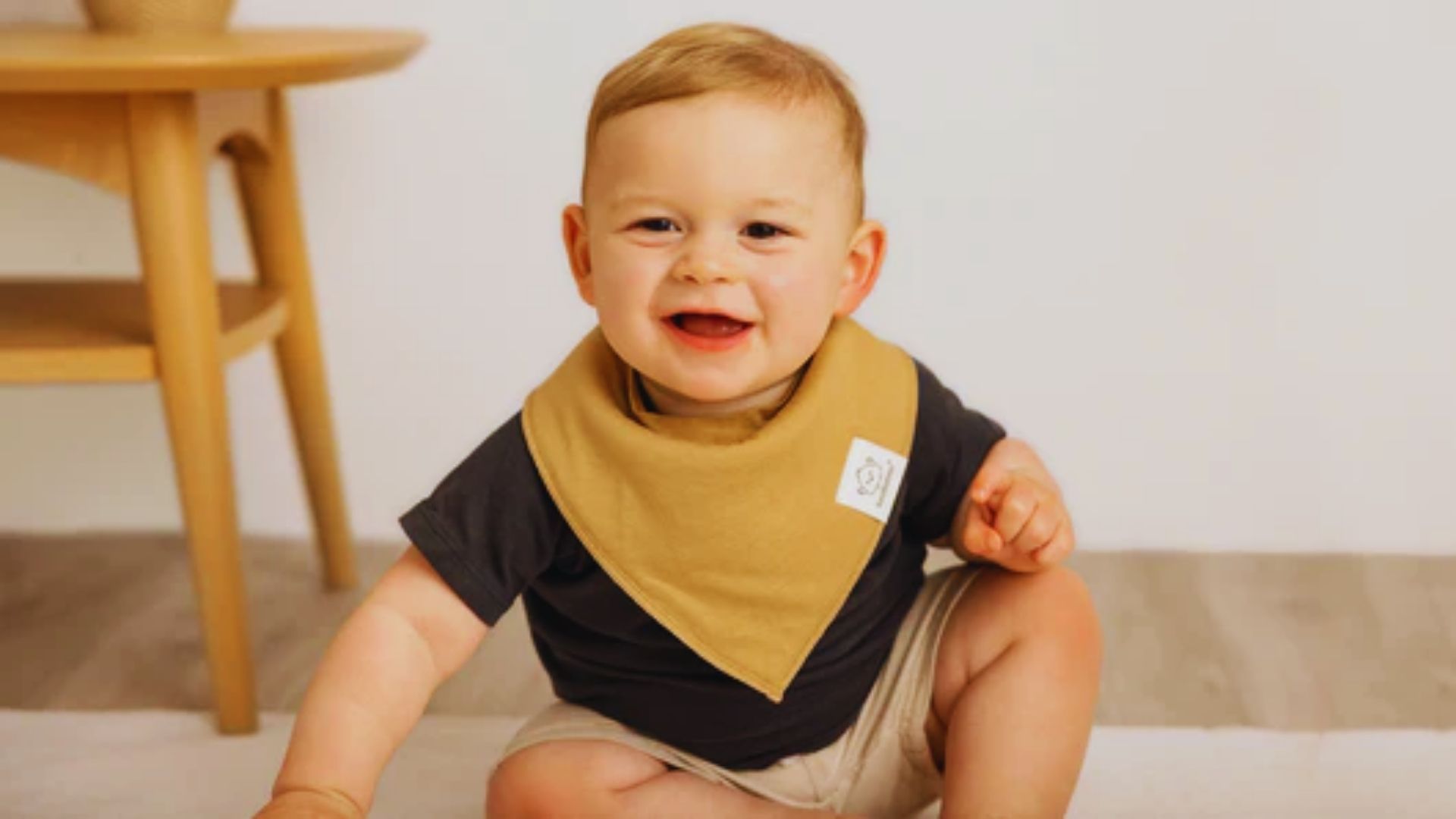
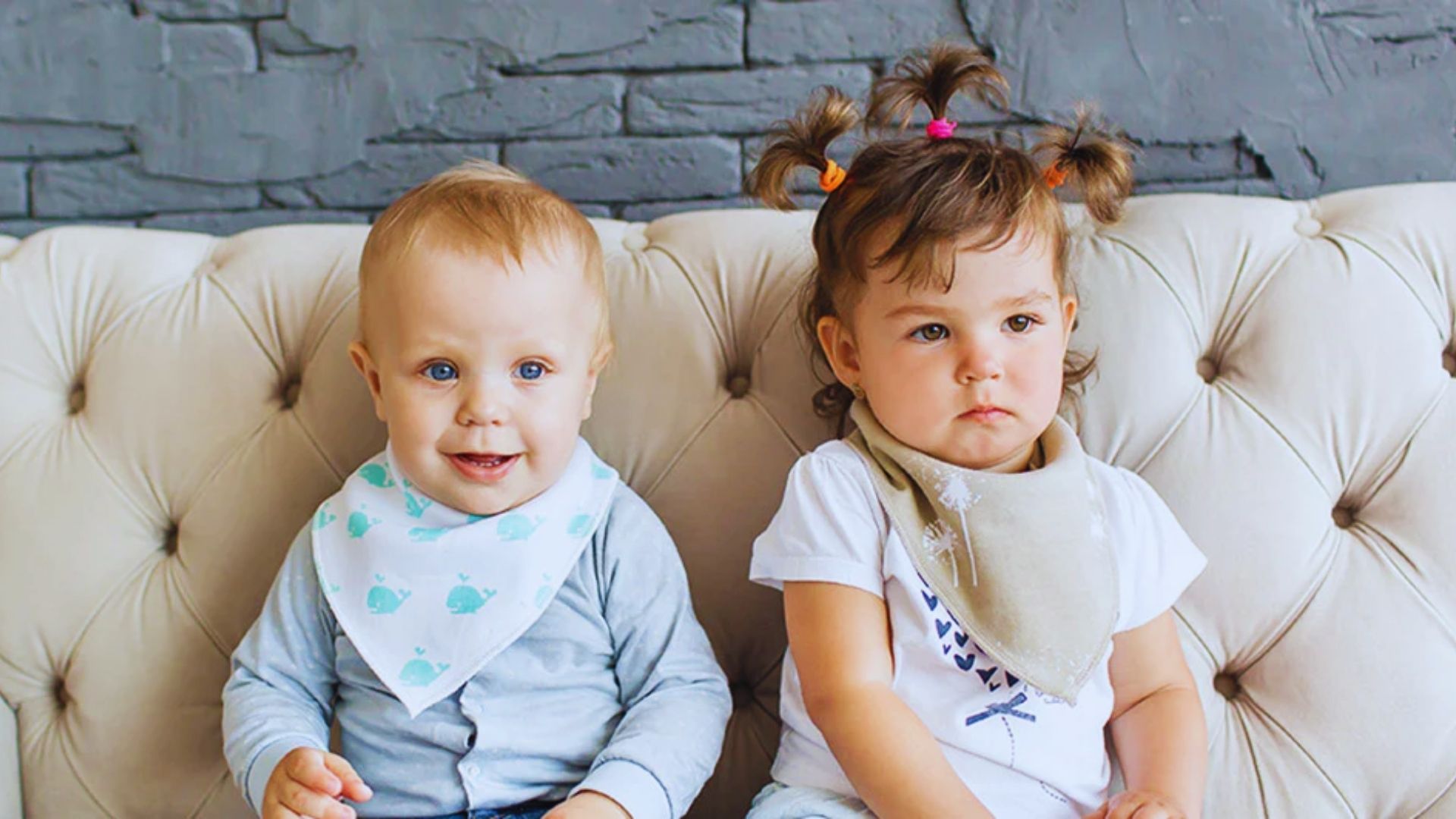
Bandana bibs have a triangular design. They’re lightweight and stylish. These work for light dribbles and drool. They don’t provide heavy-duty protection.
But they’re great for everyday wear when you want something cute and functional. The triangular shape sits nicely under your baby’s chin without bunching up. They also look good in photos.
Smock Bibs (Optional for Later Stage)
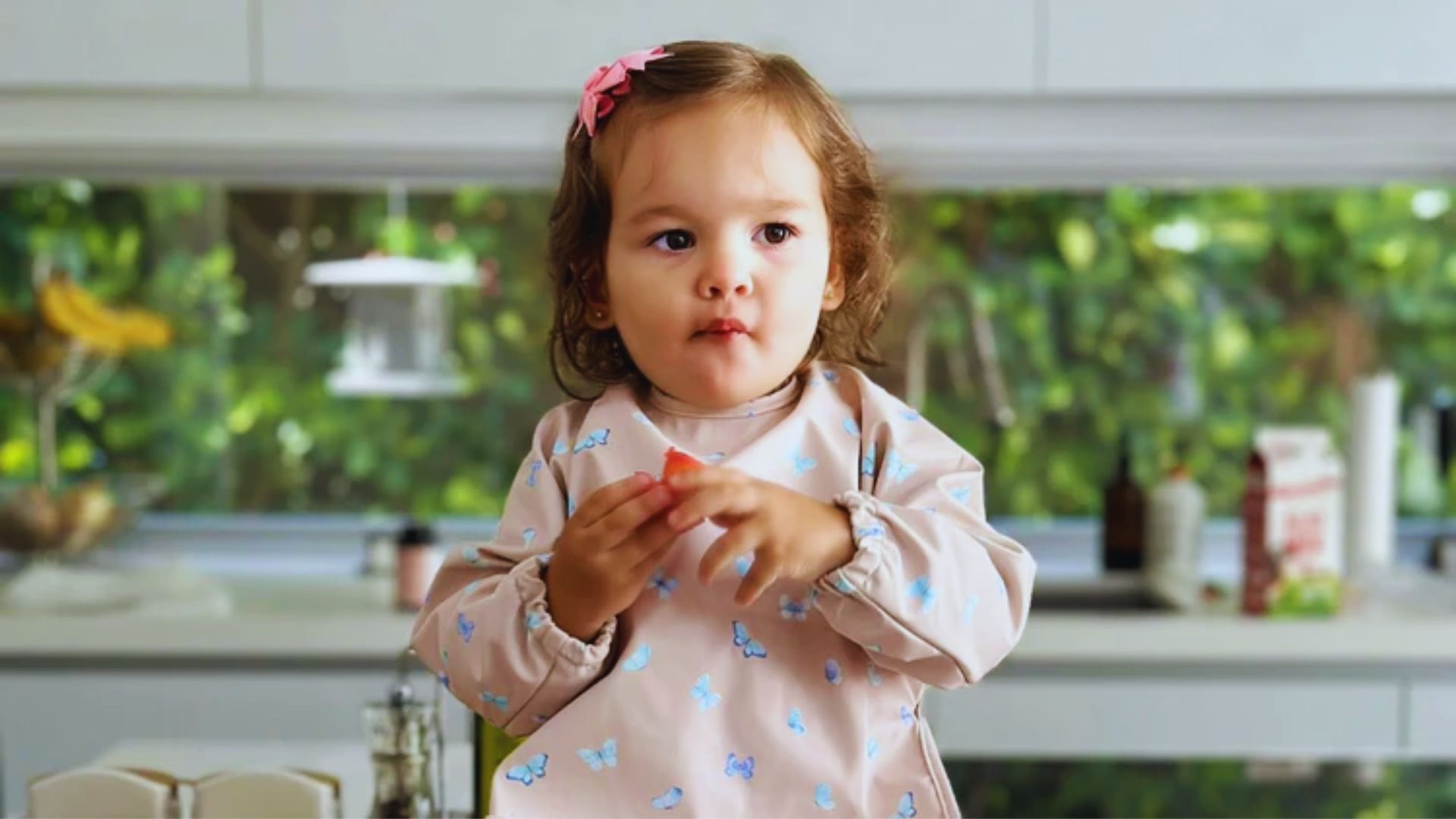
Smock bibs offer full coverage. They include sleeves for maximum protection. Newborns don’t usually need these right away. Save them for messy play sessions or early solid foods.
They’re more useful around 4 to 6 months. These bibs protect the entire torso and arms, making cleanup much easier during messy meals.
How to Choose the Right Bib?
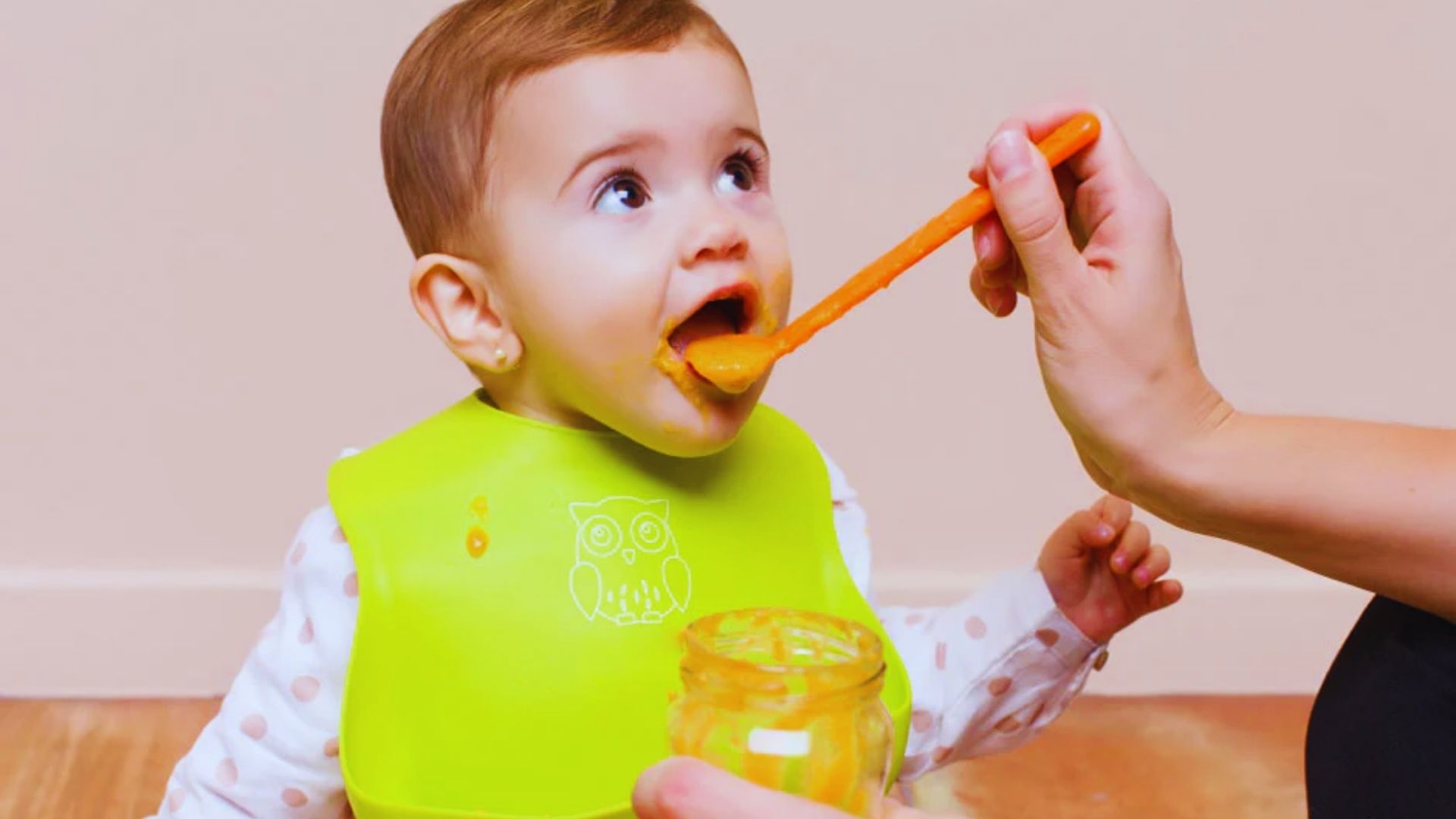
Not all bibs are created equal.
Material Safety
Stick with natural, ultra-soft fabrics. Organic cotton and bamboo rayon are good choices. Look for OEKO-TEX certified fabrics. These are tested and safe for sensitive newborn skin. Avoid rough materials or those with harsh chemicals.
Check that closures are also safe. Velcro should be covered when not in use, and snaps should be securely attached. Some bibs contain dyes or finishes that can irritate delicate skin, so always check labels.
Comfort and Fit
The bib should feel lightweight on your baby. It needs to be snug but not tight. Small to medium sizes work best for newborns. The bib should cover the chest area without being bulky. Your baby shouldn’t struggle to move their head or arms.
The neck opening is important too. It should close securely without rubbing or pinching. Adjustable closures let you modify the fit as your baby grows.
Ease of Cleaning
Pick bibs that go in the washing machine. Some bibs are wipeable, which is handy between washes. Water-resistant materials are easier to clean. The bib should hold up after many washings.
Cheap bibs fall apart quickly and need replacing. Look for bibs that don’t stain easily. White bibs may look clean initially, but they show every stain. Darker colors or patterns hide stains better between washes.
Age Appropriateness
Choose bibs made for 0 to 4 months. These fit newborn bodies properly. As your baby grows, you can layer bibs. Two thinner bibs work better than one thick bib for heavy drooling or teething.
Newborn-specific bibs have smaller neck openings and shorter lengths. Using a bib that’s too large can be uncomfortable and ineffective at catching spills.
Newborn vs. Toddler Bibs
Bib needs to change as babies grow. Newborn bibs are lightweight and small. They focus on catching drool and milk. The coverage is minimal because newborns aren’t eating solid foods yet. These bibs typically measure 6 to 8 inches in length.
Toddler bibs are much larger and more durable. Water-resistant materials are standard. These bibs handle food messes from self-feeding. The pocket at the bottom catches dropped food. Toddler bibs often measure 10 to 12 inches or longer to cover more area.
Your baby’s bib collection will change over time. What works at 2 months won’t cut it at 12 months. Plan to update your bib supply as your baby’s needs shift from drool control to full meal protection.
Extra Tips for Using Bibs
Get the most out of your bib collection with these helpful ideas.
- Large bibs can double as breastfeeding shields. They protect your clothes while nursing and catch any milk drips.
- Muslin cloths pair well with bibs for bigger spills. Keep both on hand during feeding time for extra protection.
- Front-pocket bibs are great as your baby gets older. The pocket catches crumbs and food bits, keeping your floors cleaner during mealtimes.
- Keep a few bibs in your diaper bag at all times. You never know when you’ll need one while out and about.
- Rotate bibs throughout the day instead of waiting until they’re soaked. This keeps your baby more comfortable and prevents skin irritation.
- Pre-treat stains right after feedings for easier washing. A quick rinse or stain remover spray helps bibs last longer.
- Buy bibs in different colors or patterns to match outfits. This makes photos look better and adds a fun element to dressing your baby.
Conclusion
Bibs make life with a newborn easier. They keep your baby comfortable and your laundry pile manageable. Start using them from birth and adjust your collection as needed.
I remember going through three or four bibs some days, but having extras on hand saved me from constant outfit changes. Trust me, a good bib stash is worth it.
What’s your biggest feeding challenge right now? Drop a comment below and share your experience. If this helps, check out our other baby care guides for more practical tips on newborn care.
Frequently Asked Questions
Can I use a bib on a sleeping newborn?
No, never use bibs during sleep. They can cause choking or strangulation. Only put bibs on your baby during wake times when you’re watching them.
How often should I wash newborn bibs?
Wash bibs after each use or when they get visibly dirty. Having 10 to 15 bibs lets you wash them every few days without running out.
What fabric is best for newborn bibs?
Organic cotton and bamboo are the best choices. They’re soft, absorbent, and safe for sensitive skin. Avoid synthetic fabrics that can irritate.
Do I need bibs if I’m breastfeeding?
Yes, breastfed babies still dribble milk and spit up. Bibs protect clothes and skin during nursing sessions. They’re just as useful as with bottle feeding.
When do babies stop needing bibs?
Most kids need bibs until age 2 or 3. Some need them longer if they drool heavily while teething. The need decreases as eating skills improve.