
What if the secret to getting preschoolers to actually learn was a plastic dinosaur? Sounds too simple, right? I thought so too.
Until I watched a four-year-old spend 30 focused minutes digging through a sand bin without a single complaint. No screen needed. No convincing. Just a dinosaur and some sand.
I started building more activities around that same energy. The results were hard to ignore.
This guide shares 13 of my favorite dinosaur activities that build real skills through play. Simple to set up, easy on the budget, and genuinely fun.
The best part? Number 7 surprised even me.
Why Dinosaur-Themed Learning Works in Preschool
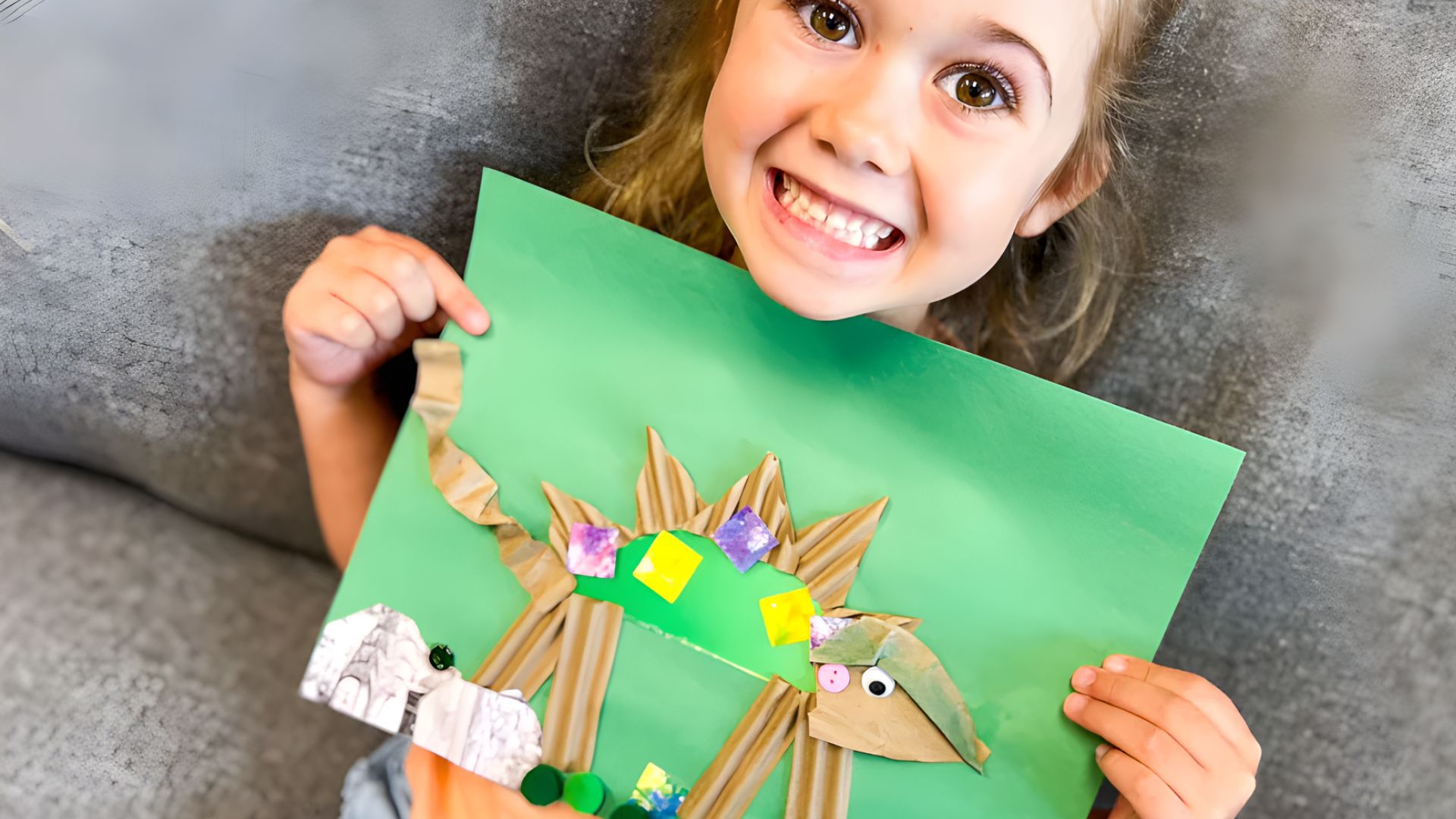
Dinosaurs grab kids' attention like almost nothing else. That natural excitement makes them a great tool for early learning.
When children pretend to be paleontologists or stomp like a T-Rex, they're building real skills.
Dinosaur play boosts curiosity and sparks imagination. It also lays the groundwork for STEM thinking through concepts like fossils, habitats, and extinction.
At the same time, kids practice literacy, counting, motor skills, and social skills. Learning feels like play.
That's exactly when it works best.
Dinosaur Themed Activities for Preschoolers
Here are 13 easy, hands-on dinosaur activities your preschooler will love doing again and again.
1. Dinosaur Sensory Bin Exploration
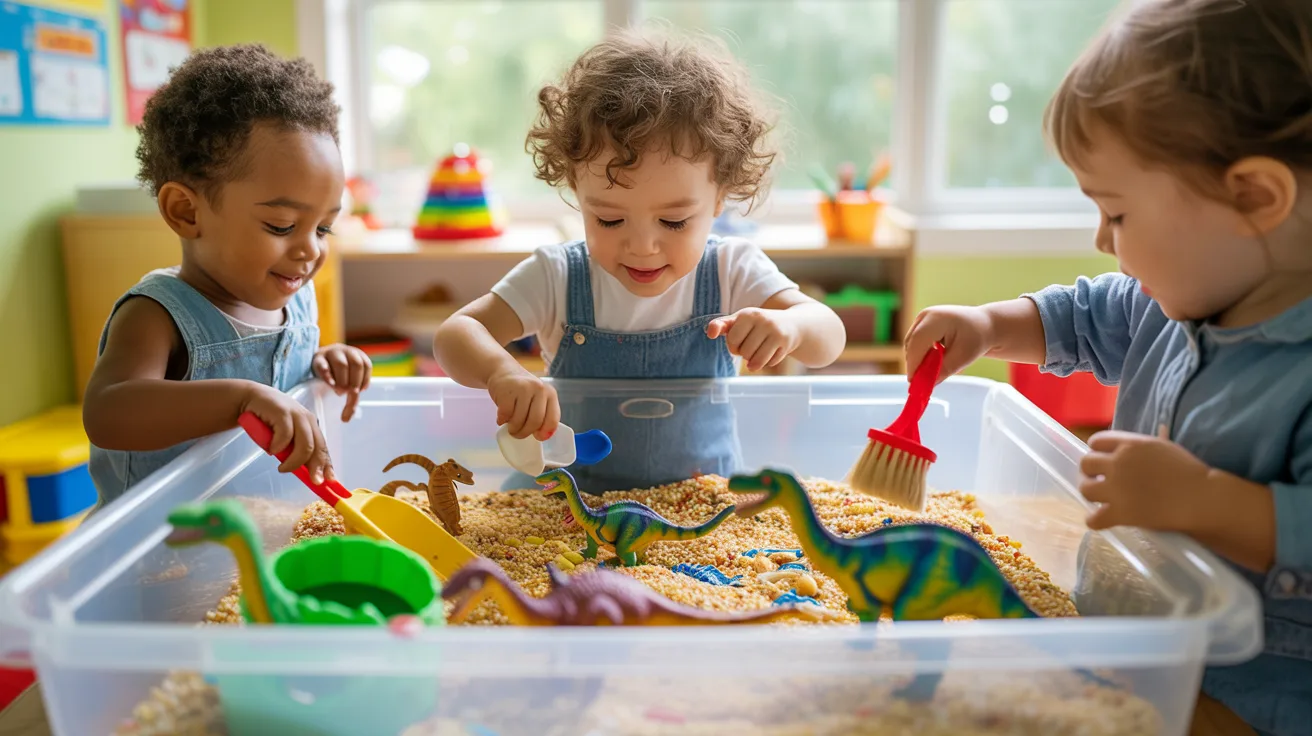
Fill a bin with sand, rice, or cloud dough. Hide small toy dinosaurs inside. Let kids dig with their hands or simple tools to find them.
This builds sensory awareness and fine motor skills at the same time. Kids stay focused longer because the activity feels like a game.
It's one of the easiest setups you can do at home with things you already have.
2. Fossil Dig Excavation Activity
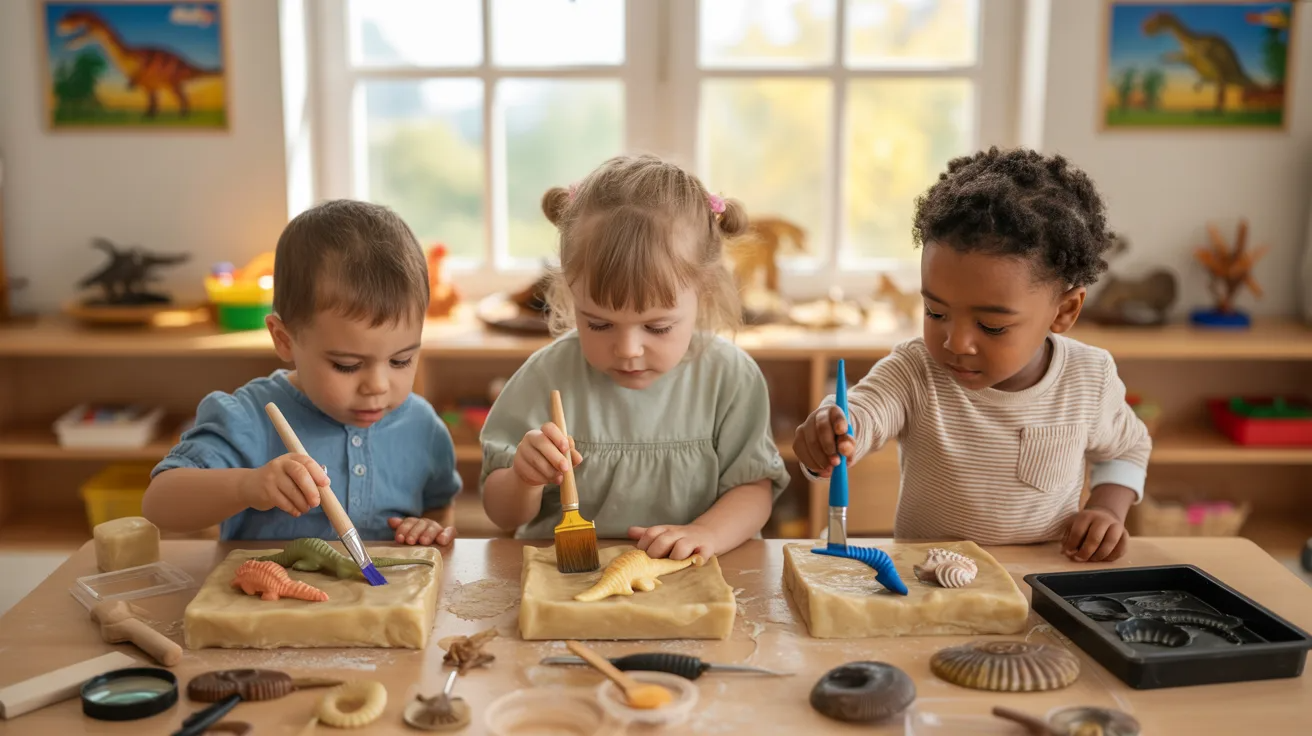
Press small toys or shells into salt dough or plaster and let it dry. Then hand kids soft brushes and let them dig.
They feel like real scientists uncovering something old. This teaches patience, focus, and basic science ideas like fossils and preservation.
It works great for small groups. Even shy kids open up when they're holding a brush and looking for something to find.
3. Dinosaur Volcano Eruption Experiment
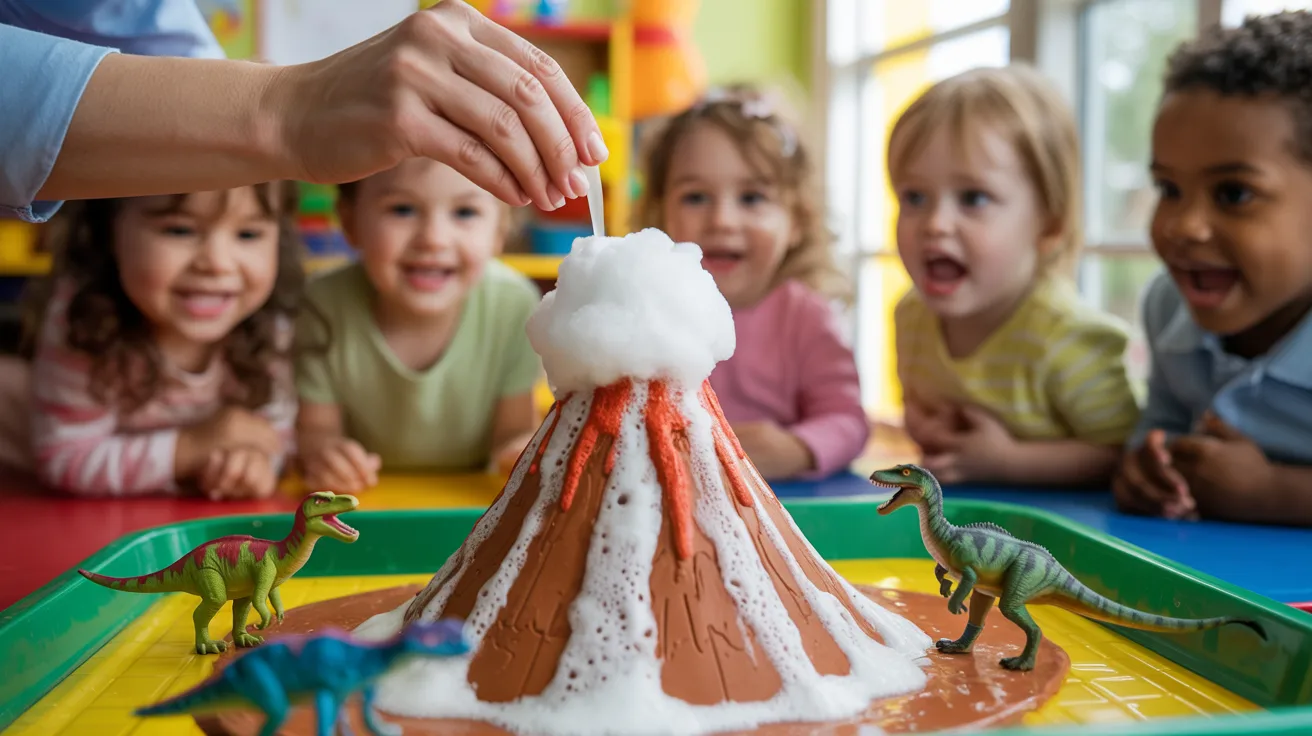
Build a small volcano shape using clay or a cup. Add baking soda inside. When kids pour in vinegar, it erupts.
This is a crowd favorite for a reason. It introduces basic chemistry in a way that makes kids gasp and cheer.
You can tie it to volcanoes and extinction talks. Simple, affordable, and endlessly fun. Reset and repeat as many times as they want.
4. Frozen Dinosaur Egg Rescue Activity
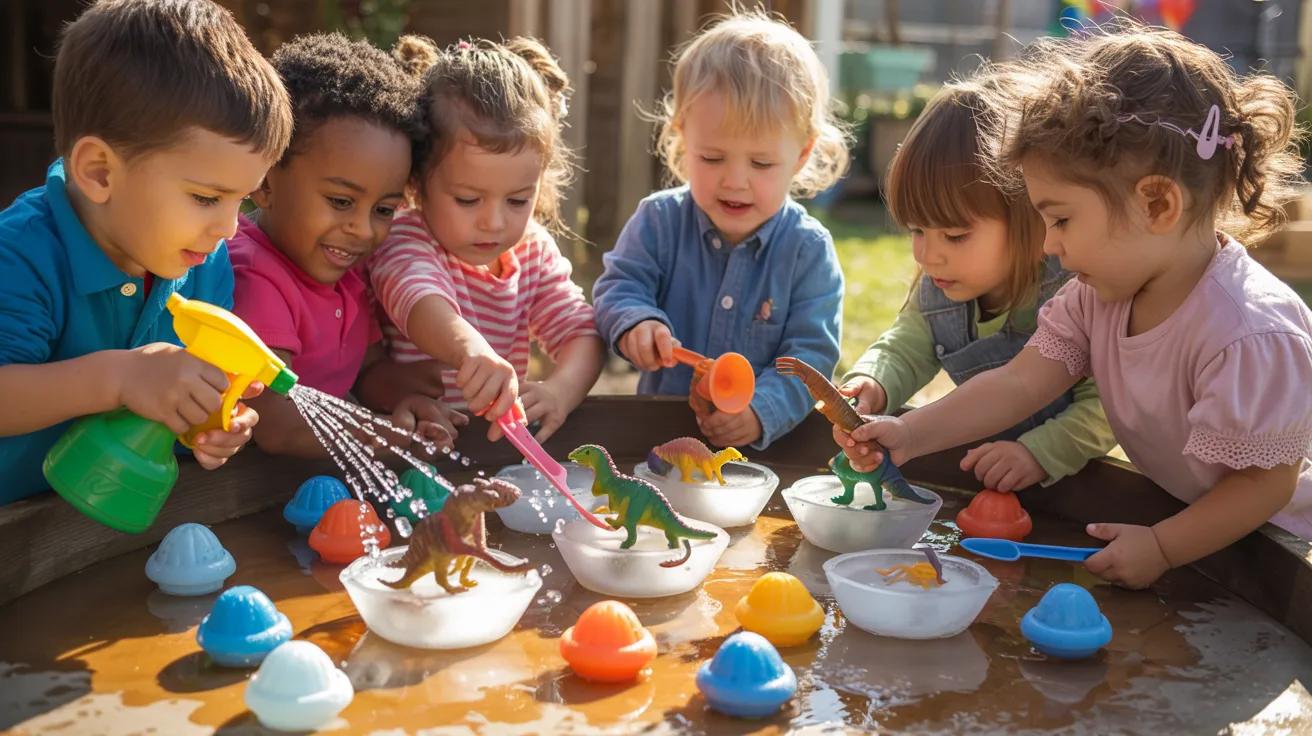
Freeze small dinosaur toys inside water balloons overnight. Give kids warm water, spray bottles, or small tools.
Their job: free the dinosaur. This builds problem-solving skills and teaches kids about ice, heat, and melting. It works well on warm days outside.
Kids stay engaged until the very last second the dinosaur breaks free. Pure hands-on fun with real science behind it.
5. Dinosaur Footprint Painting Art
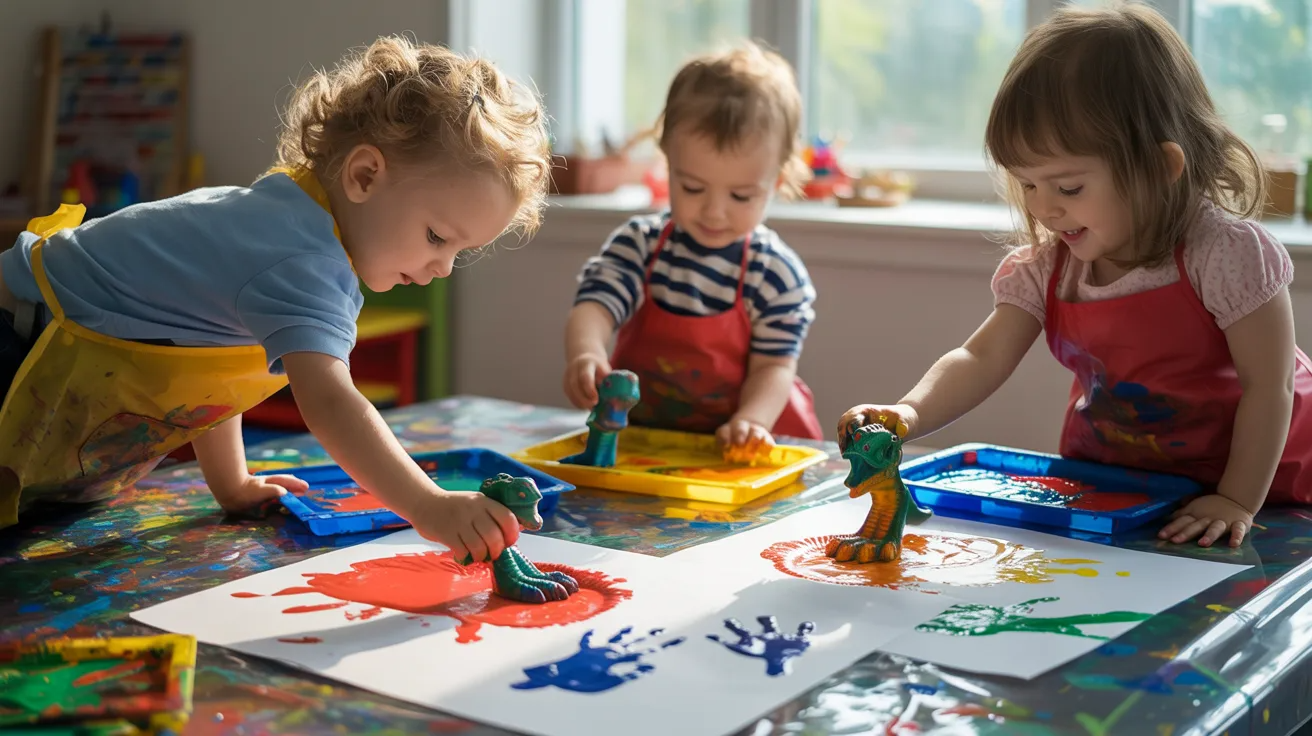
Dip the feet of small toy dinosaurs into paint. Press them onto paper to create track patterns.
Kids can make up stories about where the dinosaur was going. This mixes art with storytelling and fine motor practice.
It's low-prep and easy to clean up. Let kids choose their own colors and dinosaurs. The results always look cool, and every print tells its own little story.
6. Dinosaur Pattern and Shape Matching Activity
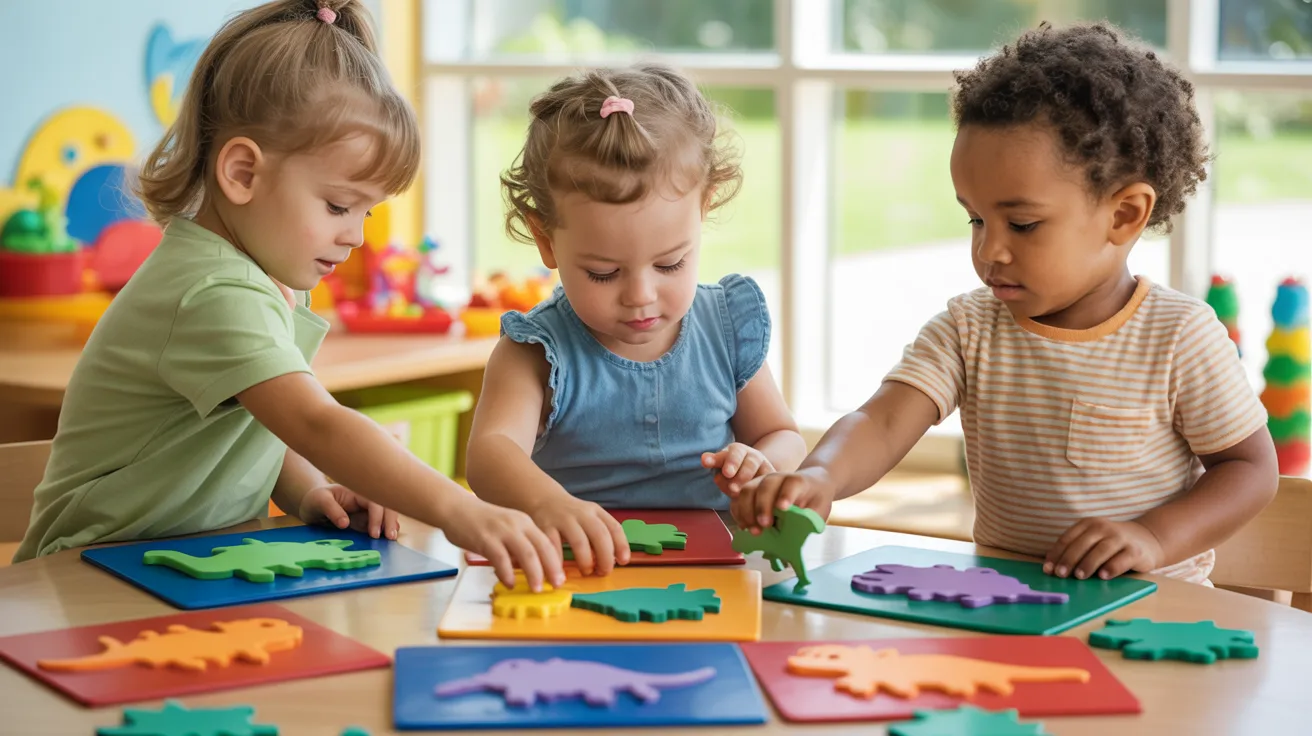
Set up printed dinosaur mats with patterns and shapes. Give kids matching pieces to place on the mat.
This teaches early math thinking like sorting, patterns, and shape recognition. You can make it easier or harder depending on the child.
A simple AB pattern works for younger kids. Older preschoolers can try more complex sequences. It's a quiet, focused play that builds real pre-math skills.
7. Dinosaur Counting and Number Match Game
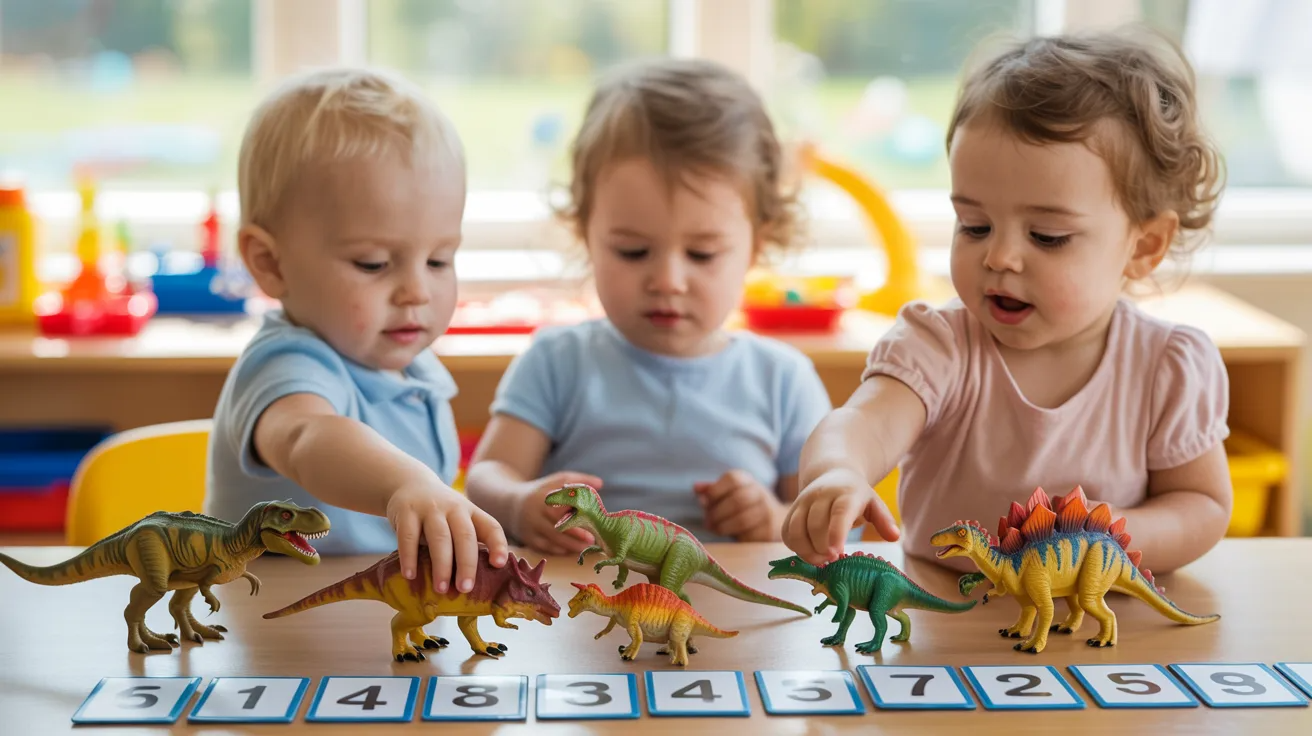
Place numbered cards on the table. Give kids small dinosaur figures. Ask them to place the right number of dinosaurs next to each card.
It sounds simple, but it builds number sense and one-to-one counting skills. You can add dice to make it more active.
This game works well in pairs too. Kids naturally help each other count, which builds social and language skills at the same time.
8. Dinosaur Color Sorting Activity
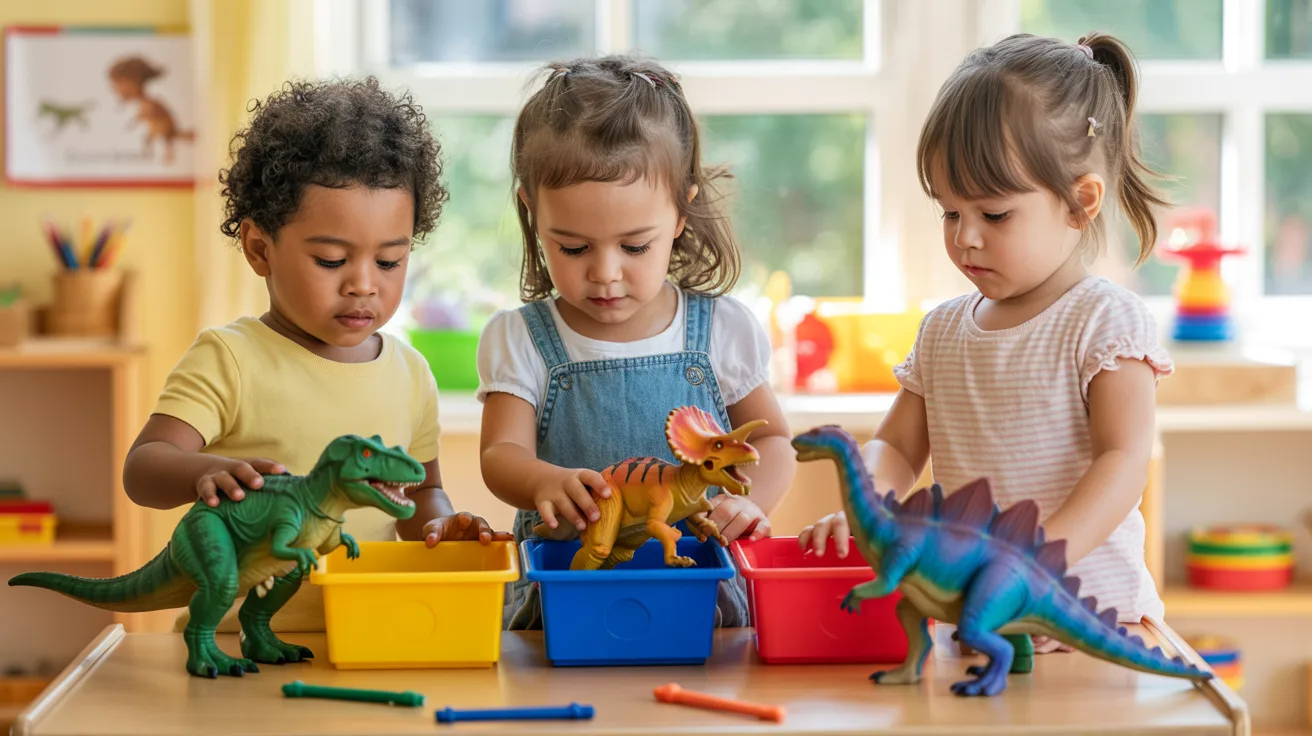
Give kids a mix of colored dinosaur toys or cutouts. Ask them to sort by color, size, or type. This teaches classification, a key early science skill.
Start with two categories for younger kids. Add more groups as they get comfortable. You can make it more fun by setting up "dino habitats" for each group.
A blue bin for water dinosaurs, a green bin for forest ones. Simple but effective.
9. Dinosaur Letter Recognition and Word Match
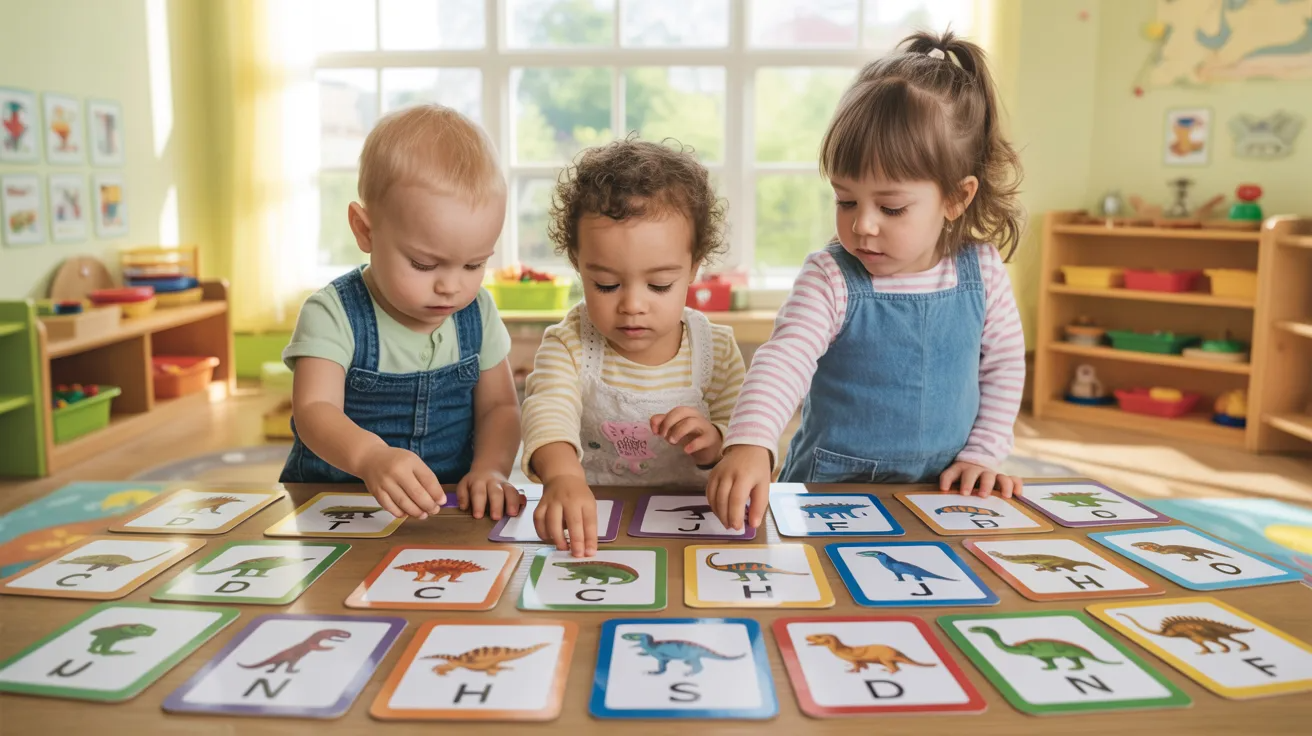
Create cards with dinosaur names or images. Pair them with letter cards. Kids match the first letter of the word to the right card.
This builds phonics awareness and early reading skills. You can also ask kids to trace the letters on a whiteboard.
Keep the words short and clear. Triceratops, Rex, and Dino are great starting points. Kids feel proud when they get the match right.
10. Build a Dinosaur Habitat STEM Challenge
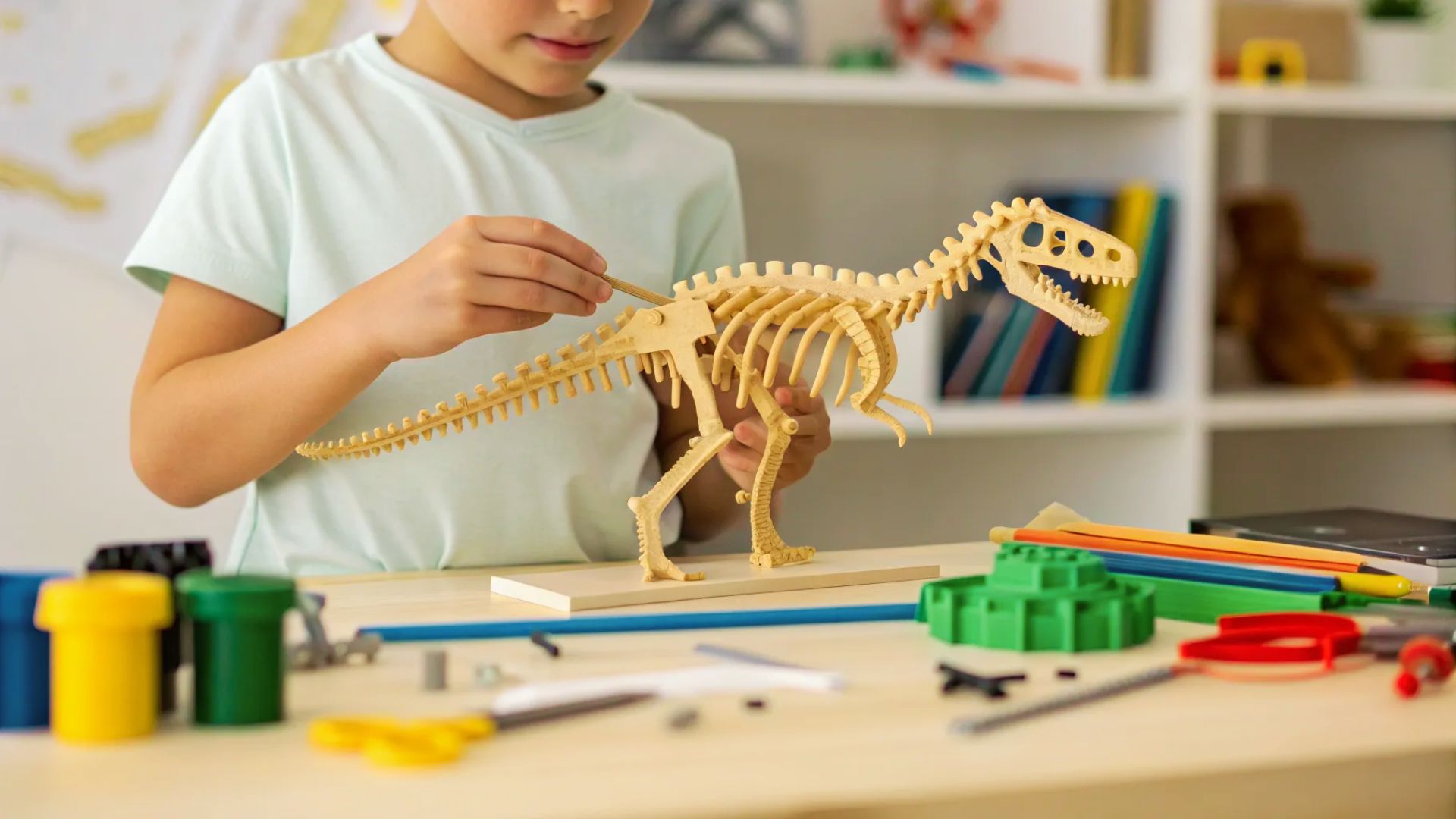
Give kids blocks, sticks, leaves, and other loose parts. Ask them to build a home for their dinosaur.
This is open-ended, so every child makes something different. It builds spatial thinking, creativity, and early engineering skills. Ask questions like, "Will your dinosaur be safe here?" or "What does it need to survive?" There are no wrong answers.
That's what makes it so good for building confidence.
11. Dinosaur Dramatic Play Center
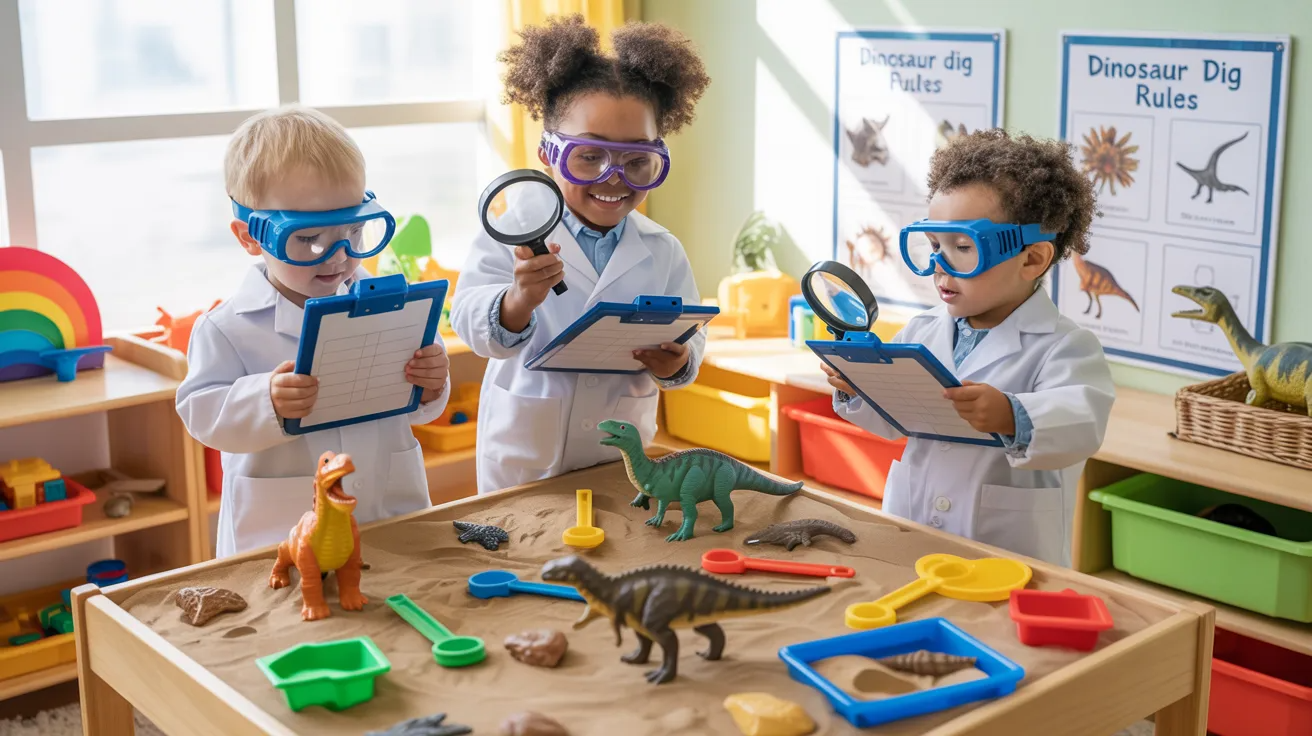
Set up a small area with toy dinosaurs, lab coats, clipboards, and magnifying glasses. Kids can pretend to be paleontologists, dinosaur doctors, or museum guides.
Dramatic play builds language, social skills, and creative thinking all at once. It also lets kids lead their own learning.
I love this one because the stories kids come up with are always wild and funny. Let them run with it.
12. Dinosaur Movement and Obstacle Course Activity
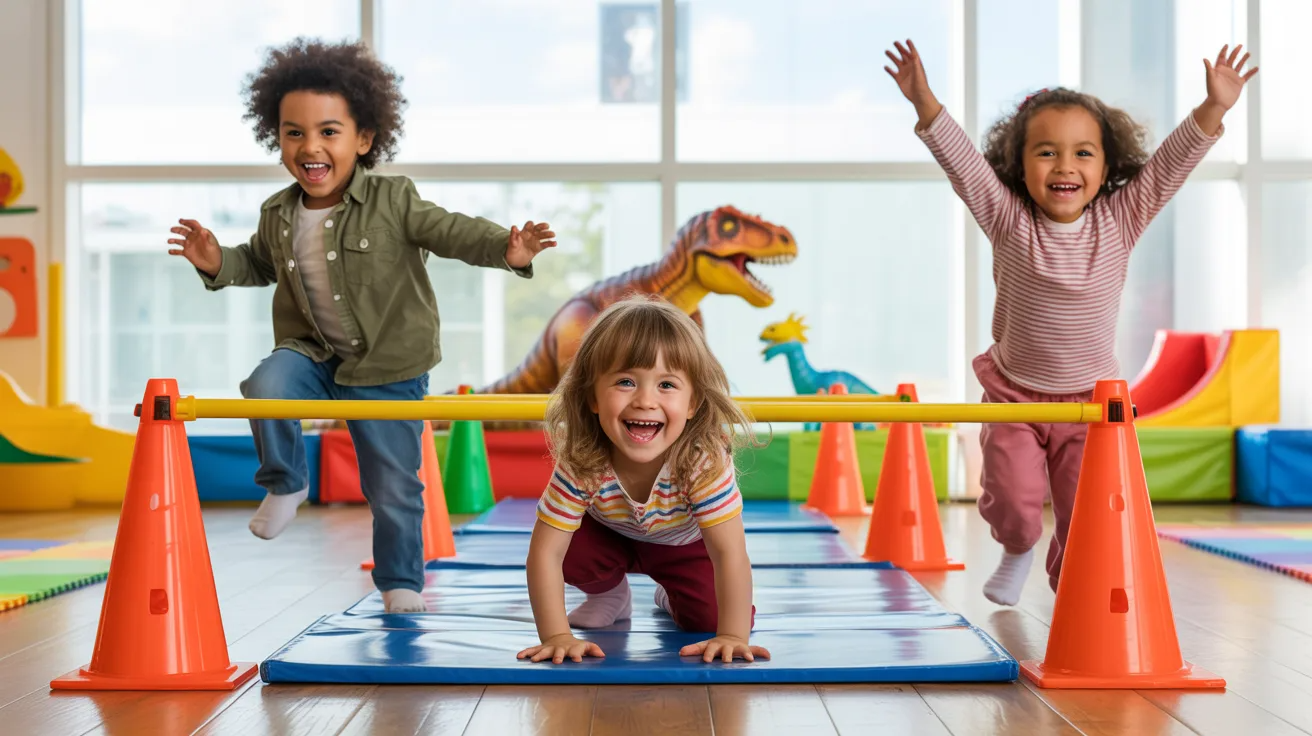
Set up a simple course and assign each station a dinosaur move. Stomp like a T-Rex. Crawl like an Ankylosaurus.
Stretch tall like a Brachiosaurus. This gets kids moving and burns energy in a focused way. It also builds gross motor skills and body awareness.
You can add number or letter cards at each station to mix in learning. Works great indoors or outside.
13. Edible Dinosaur Dirt Cups Sensory Snack
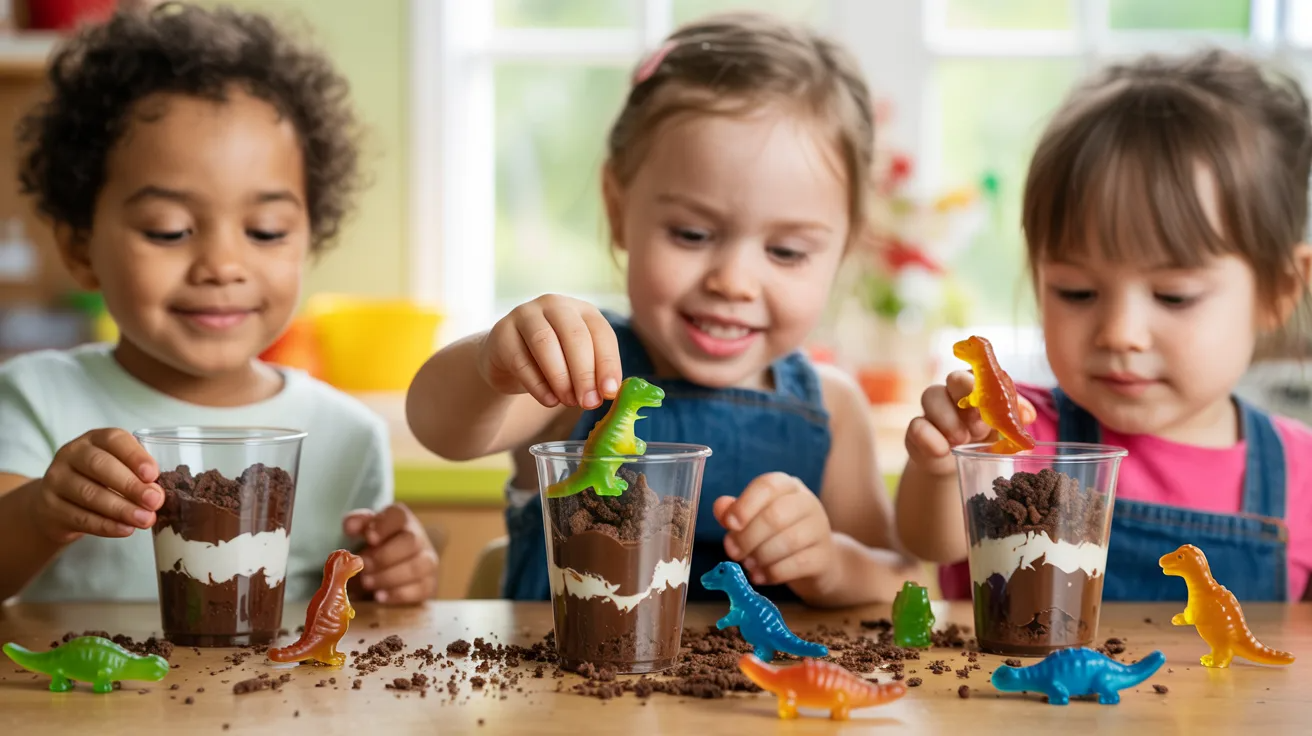
Crush chocolate cookies into a cup to make "dirt." Add gummy dinosaurs poking out of the top. Kids can help assemble their own cups.
This brings food play, fine motor practice, and themed fun together. It's a great ending to a dinosaur-themed day.
Kids are proud of what they made and excited to eat it. Simple ingredients, zero stress, and a lot of smiles.
Tips for Teaching Dinosaur Activities in Preschool
Keep these five simple tips in mind before you get started:
- Keep it hands-on: Let kids touch, build, and pour. Mess is part of the process.
- Adapt for different ages:Simple sorting for younger kids, counting and building for older ones.
- Use what you already have:Sand, rice, paint, and toy dinosaurs are enough.
- Follow the child's lead:If they want more time on one activity, let them stay.
- Keep it short:Aim for 10 to 15 minutes per activity. Short and fun always wins.
The best activity is the one your child wants to do again tomorrow.
Conclusion
I set up a simple sensory bin once for a group of four-year-olds. They played for an hour straight.
That's the power of dinosaur-themed learning. Pick one activity from this list and try it this week.
You'll see the difference right away.
Did your child have a favorite? Drop a comment below and let me know. Share this with a parent or teacher who needs easy, fun ideas today.
Frequently Asked Questions
What age are dinosaur activities best suited for?
Most dinosaur activities work well for kids between ages 2 and 6, depending on how simple or complex you make the setup.
Do I need expensive materials for these activities?
No, most activities use everyday items like sand, rice, paint, baking soda, and basic toy dinosaurs.
How long should each dinosaur activity last?
Aim for 10 to 15 minutes per activity, since preschoolers do best with short, focused play sessions.
Can I do these activities at home, not just in a classroom?
Yes, all 13 activities are easy to set up at home with minimal prep and common household supplies.
How do dinosaur activities support preschool learning goals?
They build skills in literacy, math, science, fine motor development, and social interaction through play-based exploration.