
I still remember the first time I watched a child's face light up after tasting food from another country.
That moment stuck with me. Kids are curious by nature. They notice when people speak, dress, or celebrate differently, and they want to understand why.
In this blog, I'll share 19 hands-on cultural activities for kids that are fun, easy, and meaningful. You'll also get real tips on how to teach them well.
These activities build respect, kindness, and real connections, one simple moment at a time.
Why Cultural Activities for Kids Matter
Teaching kids about other cultures early helps them grow into kind, open-minded, and respectful people.
When children learn how others live, eat, and celebrate, they start to see the world differently. They ask better questions.
They judge less and listen more. Inclusion and kindness grow naturally when kids are exposed to different cultures from a young age.
They also build real emotional skills like empathy, confidence, and teamwork. Cultural activities give kids a safe space to practice all of this.
These are not just fun activities. They are life skills that shape how a child treats people forever.
List of 19 Hands-On Cultural Activities for Kids
Here are 19 fun and easy cultural activities that help kids learn about the world in a real, hands-on way.
1. Cultural Dress-Up Day
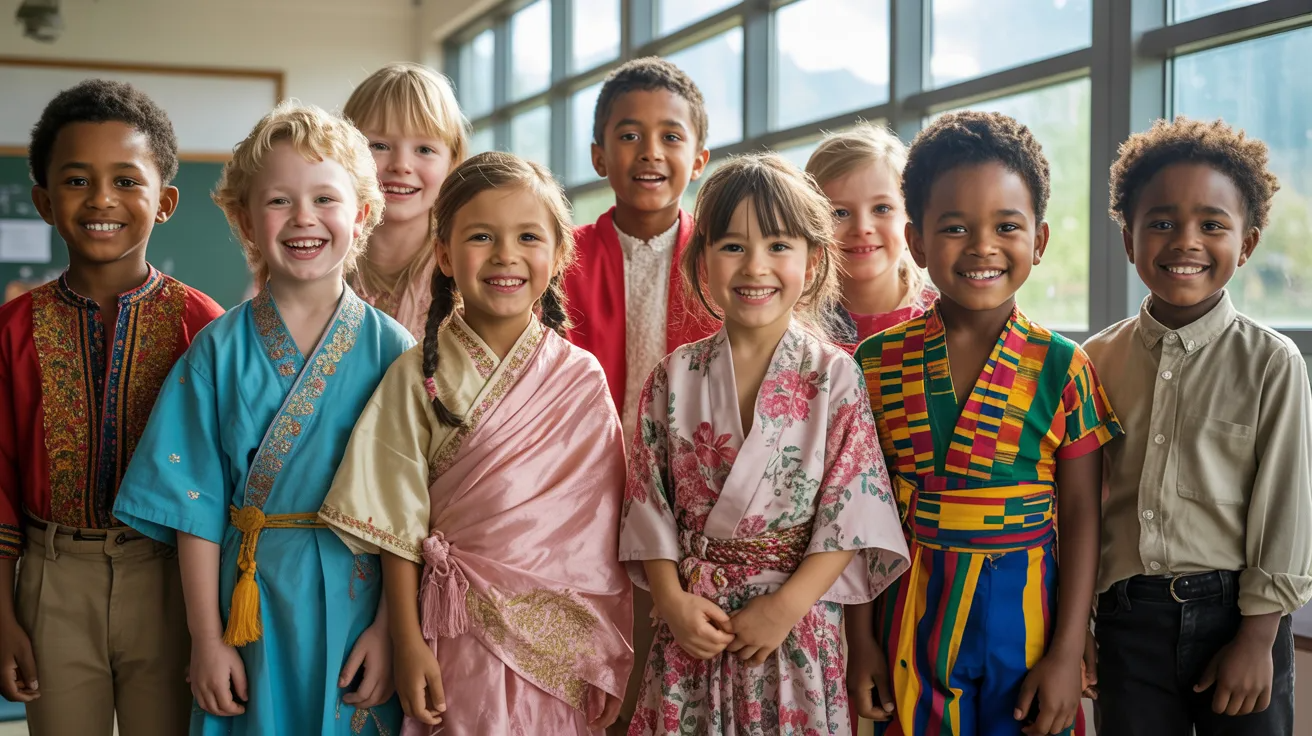
Cultural dress-up day is a fun way for kids to explore clothing from around the world.
Kids can wear a sari from India, a kimono from Japan, or a kente cloth from Ghana. This activity sparks curiosity and real respect.
It helps children see that clothing carries meaning and tells a story about where people come from and who they are.
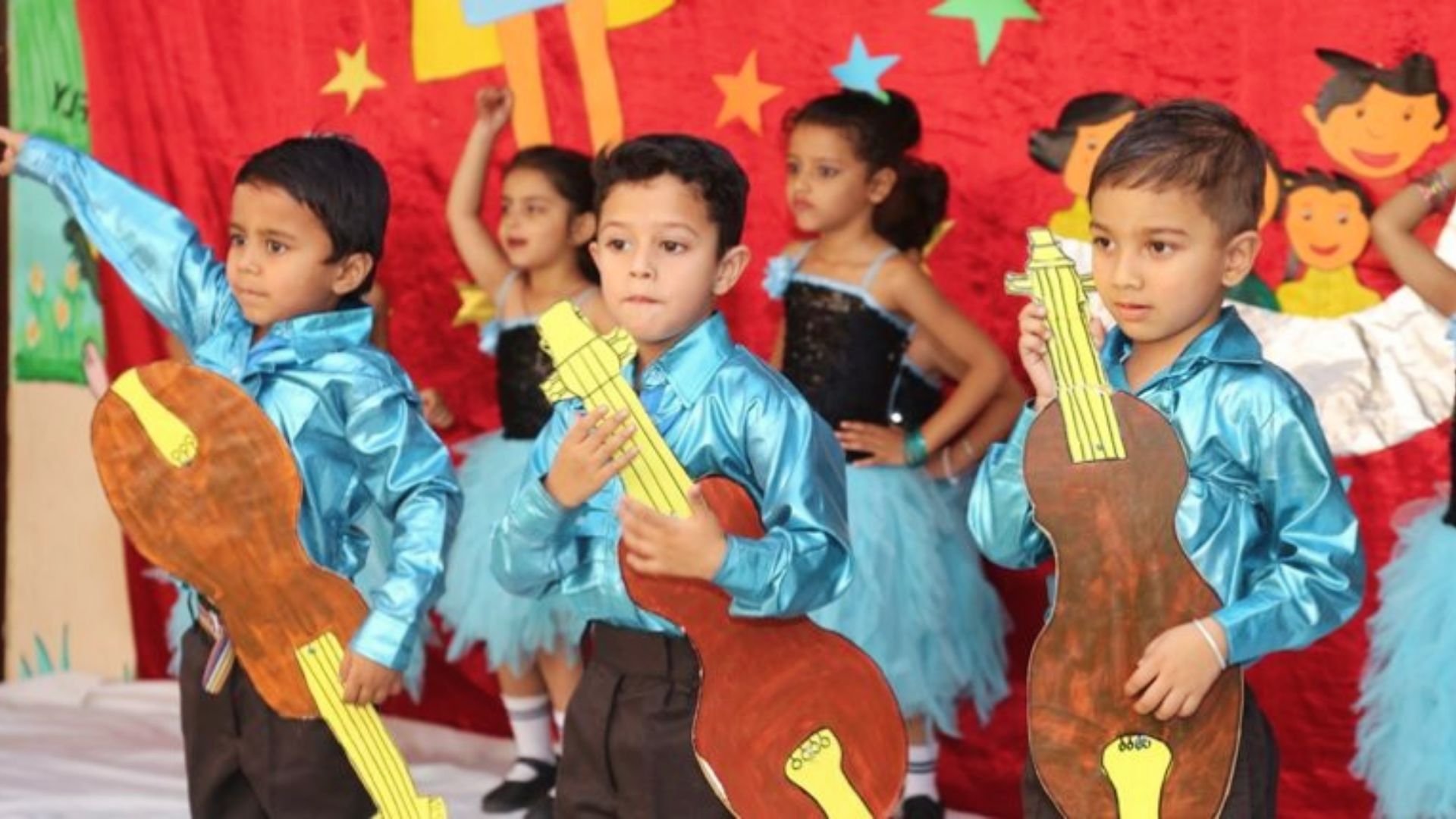
2. Global Music and Dance Party
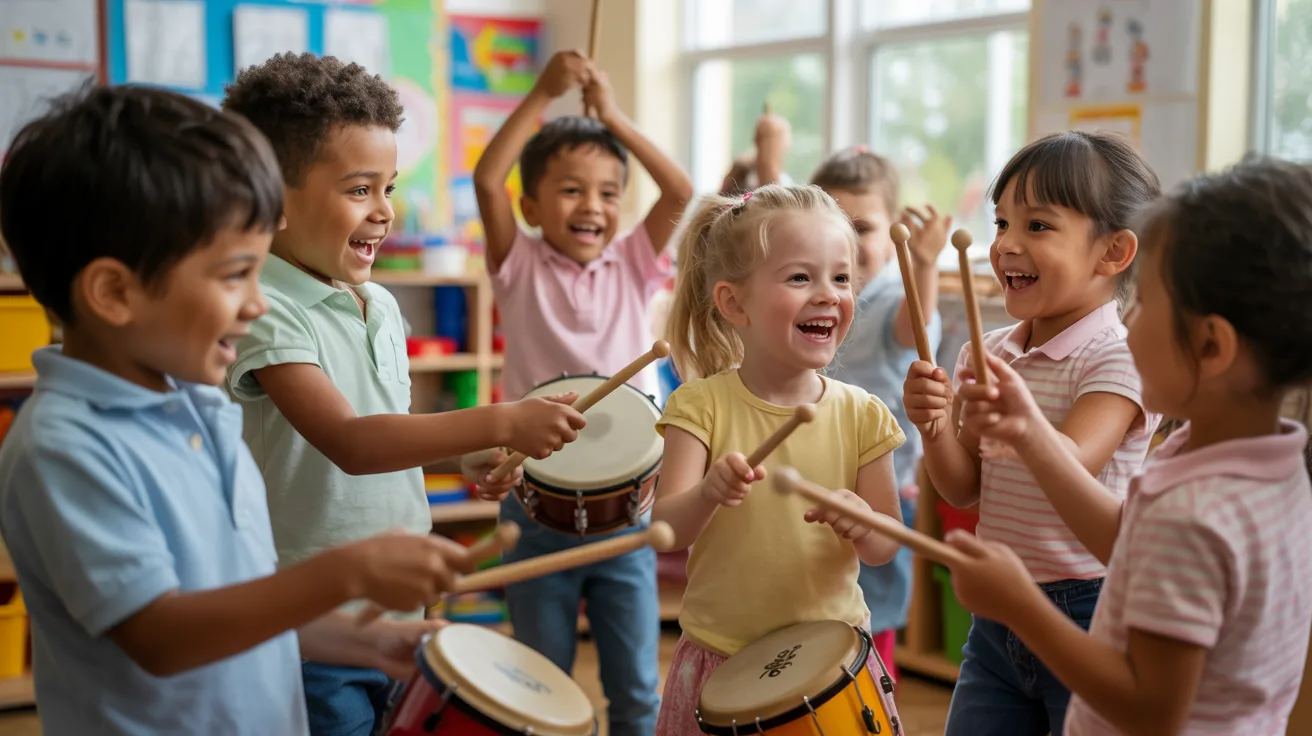
Music brings people together no matter where you come from. A global music and dance party lets kids hear sounds from all over the world.
Play African drumming, Latin rhythms, or traditional Japanese instruments. Let kids move and try to copy the dance styles they see.
This activity builds joy and connection. It shows kids that music speaks to everyone.
3. International Food Tasting
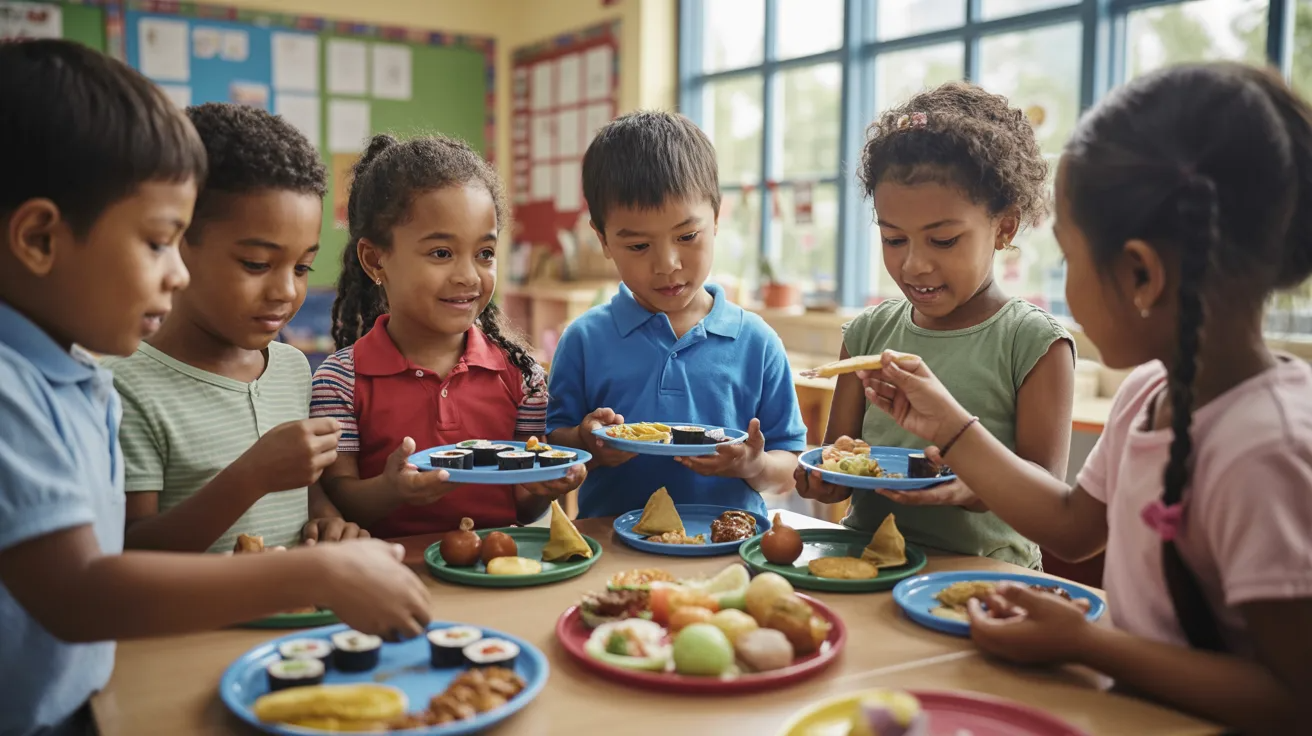
Food is one of the easiest ways to learn about another culture. Set up a small tasting table with dishes from different countries.
Try Japanese mochi, Mexican guacamole, or Indian samosas. Let kids taste, ask questions, and talk about where each food comes from.
This creates a safe space for real curiosity. And honestly, most kids love every part of it.
4. Cultural Arts and Crafts

Art is a window into a culture. Through cultural arts and crafts, kids can make Japanese origami, African tribal masks, or Mexican papel picado.
Each project teaches them something about the people who created these art forms. It also lets kids express themselves in a new way.
Hands-on art activities are some of the best tools for teaching cultural appreciation in a real and lasting way.
5. World Map Study
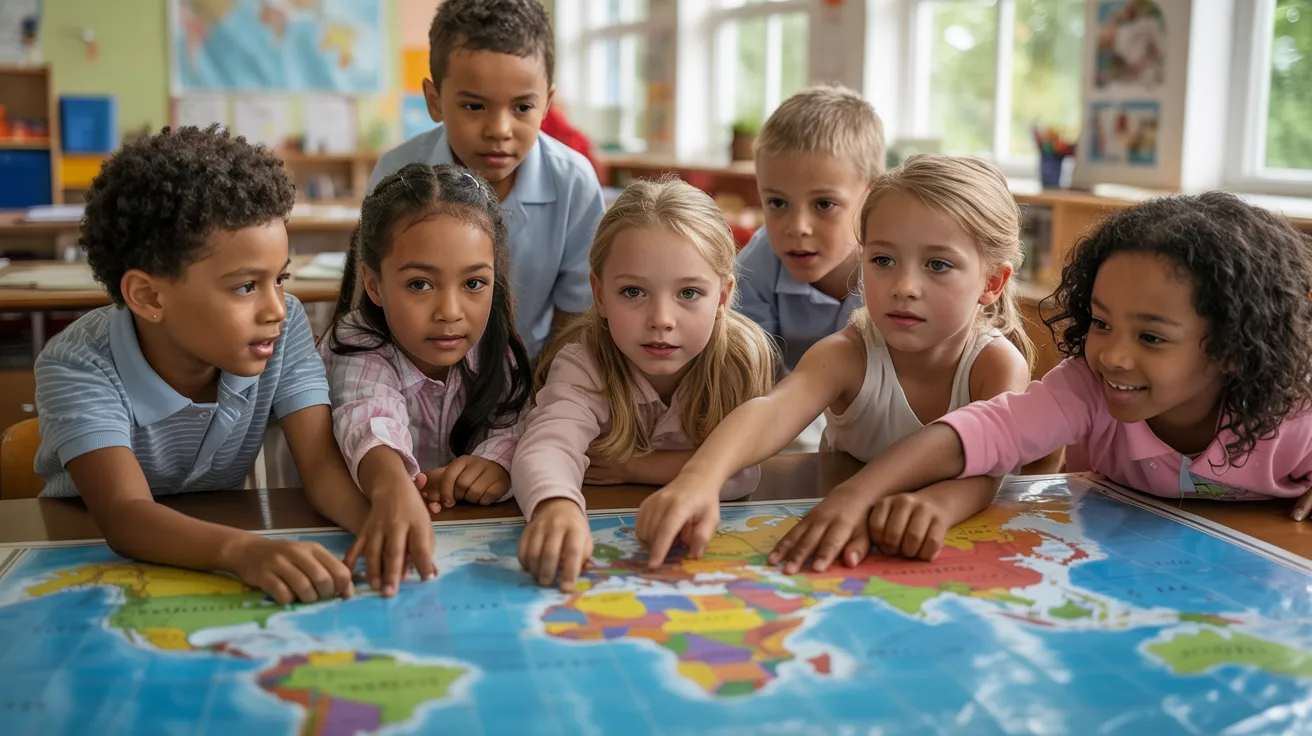
A world map is one of the most useful tools in a classroom or home. Use it to show kids where different countries are and share fun facts about each one.
Point to Japan and talk about sushi. Point to Brazil and talk about Carnival.
This simple activity builds geography skills. It also makes the world feel real, close, and worth knowing more about.
6. Learn Greetings in Different Languages
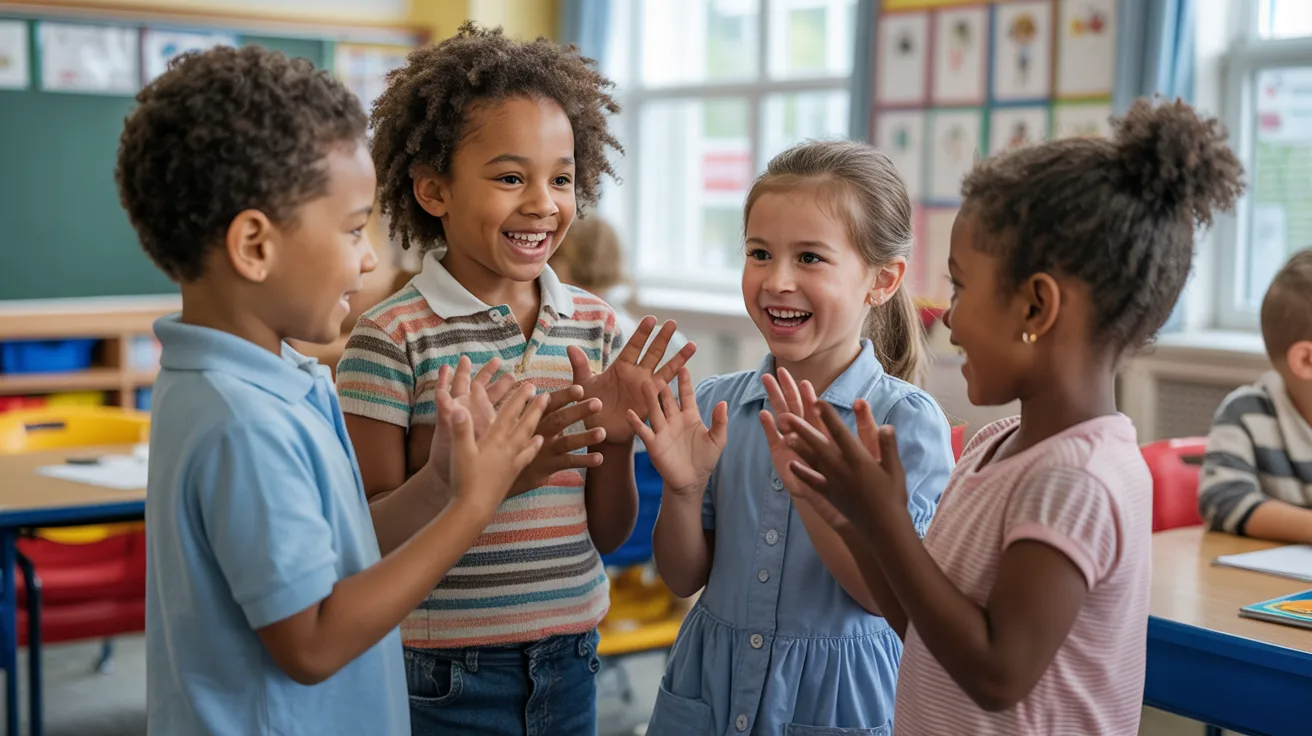
Teaching kids to say "hello" in another language is simple and a lot of fun. Try Mandarin ("Ni hao"), French ("Bonjour"), or Swahili ("Jambo").
When kids learn even one word from another language, something shifts. They feel connected to people they have never met.
This is a great daily activity. Just pick one language each week and practice together as a group or family.
7. Read Books From Around the World
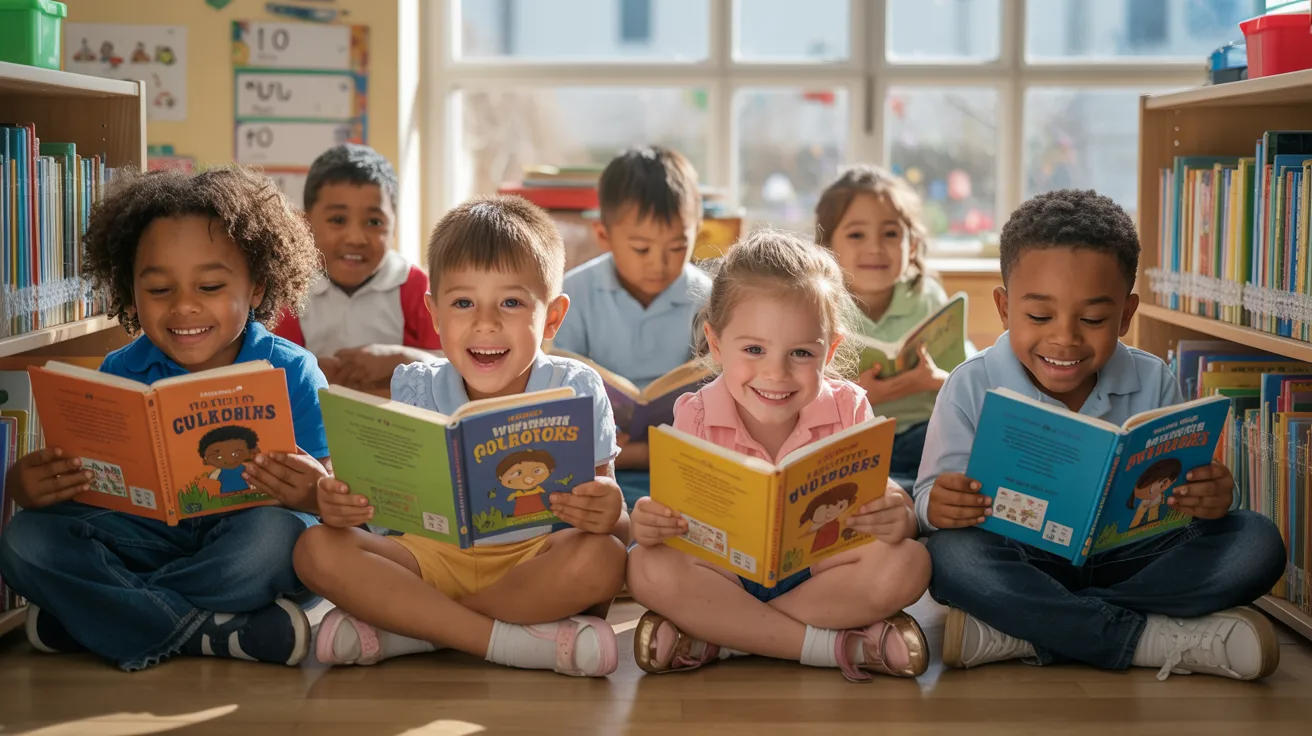
Books open up places we cannot visit in person. Choose stories set in other countries, written by authors from those places.
Look for books that show daily life, not just holidays. When kids see themselves-or others-reflected in stories, it builds empathy.
Reading about different cultures also sparks great conversations at home and in the classroom that you can't always plan for.
8. Celebrate Cultural Holidays
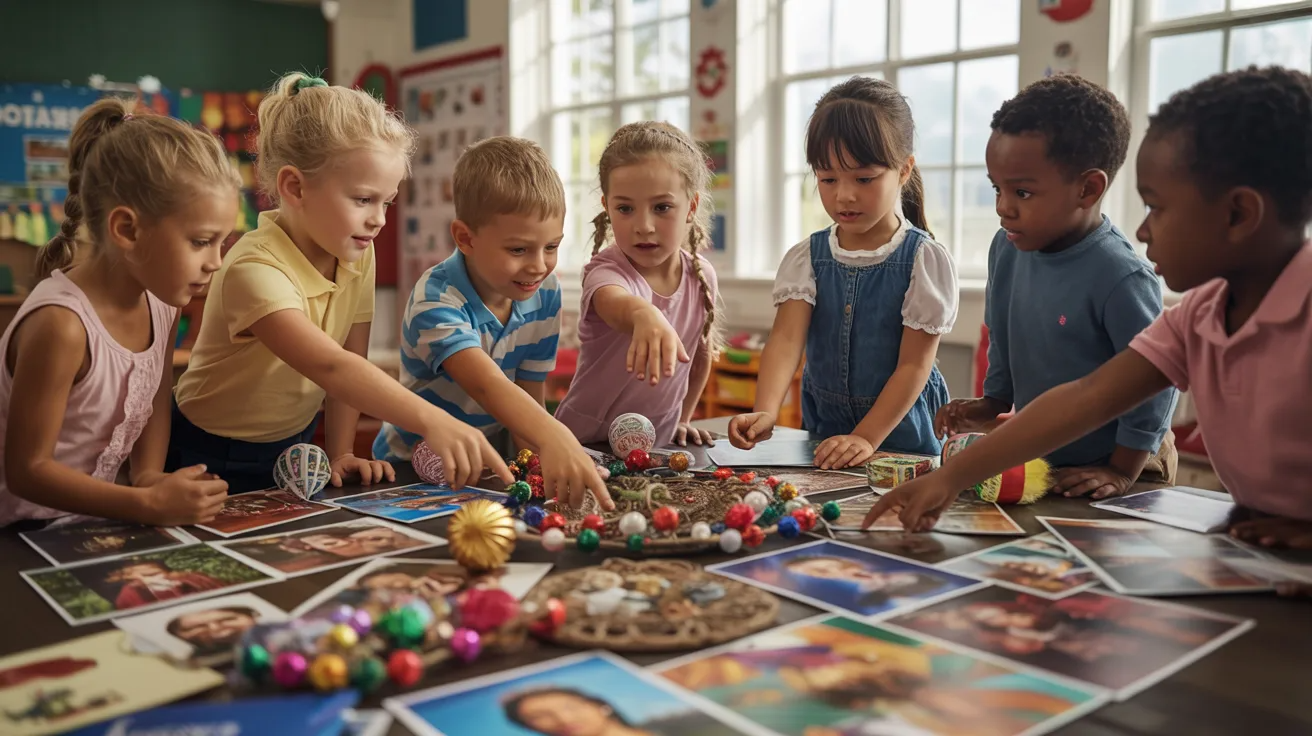
Learning about cultural holidays starts meaningful conversations. Talk about Diwali, Hanukkah, Eid, Lunar New Year, and other celebrations.
Share what each holiday means and how people observe it. Avoid turning it into a costume event. The goal is to learn, not imitate.
Respectful learning about holidays builds knowledge and real warmth between kids from all kinds of backgrounds and family histories.
9. Traditional Games From Different Countries

Games are a fun and low-pressure way to learn about other cultures. Try Mancala from Africa, Bocce from Italy, or Congkak from Malaysia.
Each game has its own rules and history. Playing them together gives kids something to talk about and share.
It also shows that fun looks different all over the world. And that is something worth taking a moment to appreciate.
10. Cultural Storytelling and Folktales

Folktales carry the heart of a culture. Stories like Anansi the Spider from West Africa or tales from the Arabian Nights give kids a look into how different people see the world.
These stories carry lessons about kindness and fairness. Storytelling is a great group activity too.
Everyone listens, learns, and talks about what the story meant to them. That kind of conversation stays with kids.
11. Flag Matching Activities

Flag matching is a hands-on way to teach geography. Print flags from around the world and ask kids to match them to their countries on a map.
Make it a game by timing it or working in teams. This activity teaches kids the names of countries and the symbols that represent them.
It is simple, visual, and a lot of fun for all age groups.
12. Cultural Cooking Activities

Cooking together is one of the most meaningful ways to learn about another culture.
Pick a simple recipe from a country you are studying, like Japanese onigiri or Mexican tortillas. Let kids measure, mix, and taste as they go.
Cooking teaches patience, teamwork, and respect for how other people prepare food. And the best part? Everyone gets to eat something good at the end.
13. Watch Cultural Performances
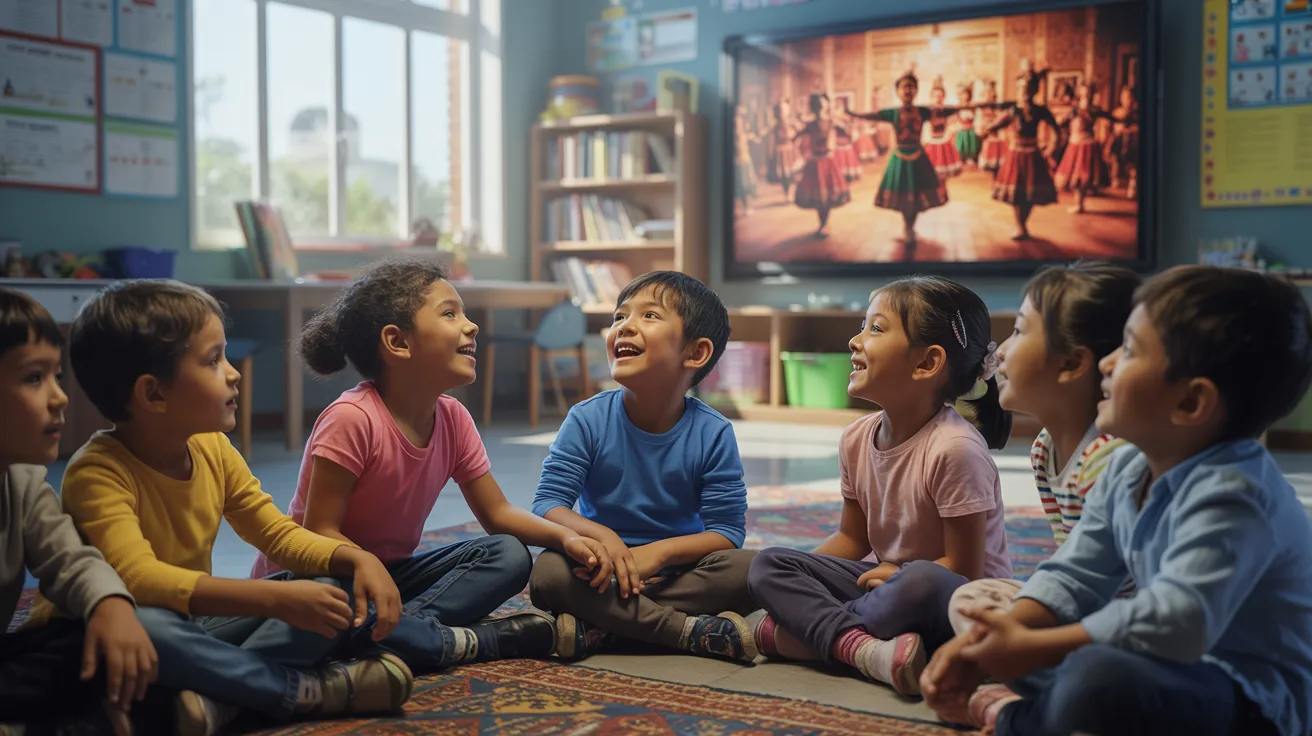
Watching a traditional dance or music performance from another culture is a powerful learning experience.
Look for videos of Bharatanatyam from India, Haka from New Zealand, or Flamenco from Spain. After watching, ask kids what they noticed and how it made them feel.
This encourages both observation and conversation. Visual experiences like these stay with children much longer than a written lesson ever will.
14. Create a Homemade Passport

A homemade passport turns cultural learning into a fun, ongoing activity. Make a small booklet and give each child their own copy.
Every time they learn about a new country, they stamp or draw in their passport. This builds excitement and gives kids a sense of progress.
By the end, they have a personal record of everything they have learned about the world around them.
15. Cultural Sensory Bins

Sensory bins work great for younger kids. Fill a bin with items connected to a specific culture, like spices from India, fabric swatches from West Africa, or small figurines from Mexico.
Let kids touch, sort, and explore freely. Add a few picture cards with basic information about each item.
Sensory play connects learning to the body. Kids remember what they can hold and feel for themselves.
16. Visit Cultural Festivals
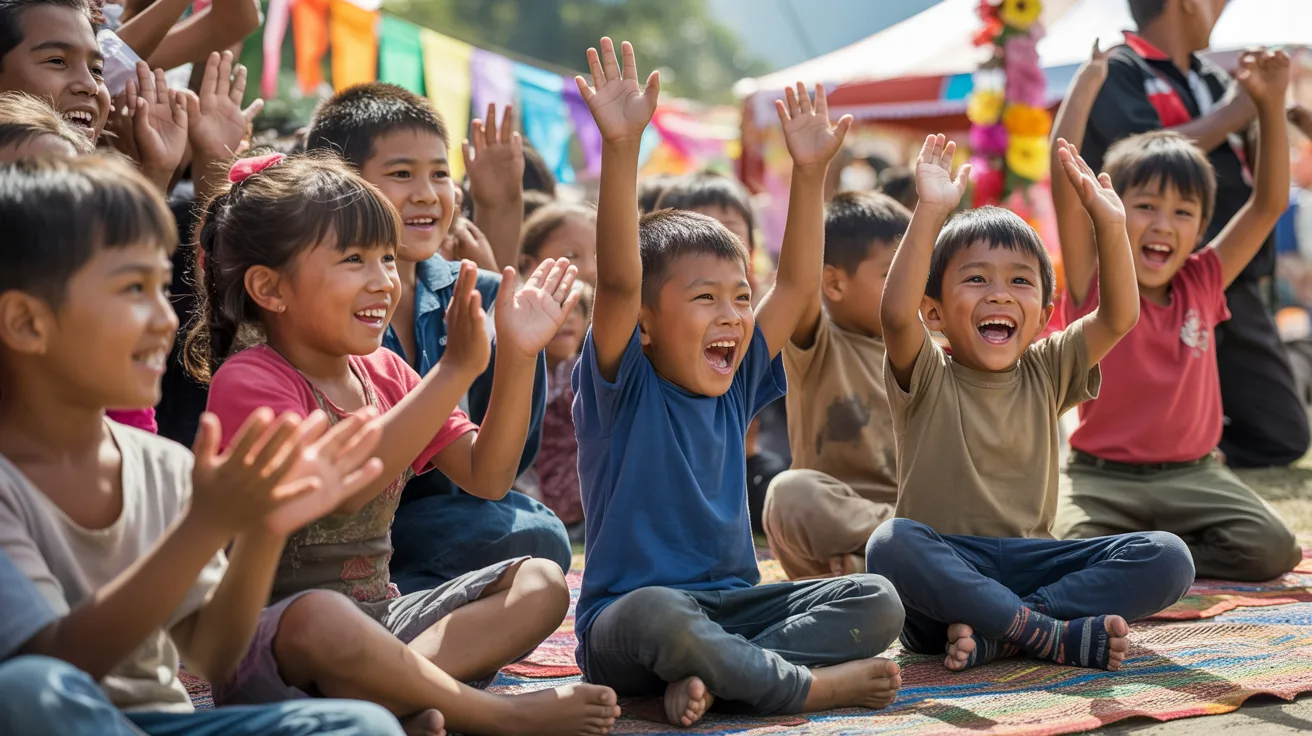
There is nothing quite like experiencing a culture in real life. Take kids to a local cultural festival, parade, or community event.
Let them watch performances, try food, and talk to people. Even a short visit leaves a lasting impression.
Festivals are full of color, sound, and real stories. They bring cultures to life in a way that no classroom activity can fully replace.
17. Animals From Around the World
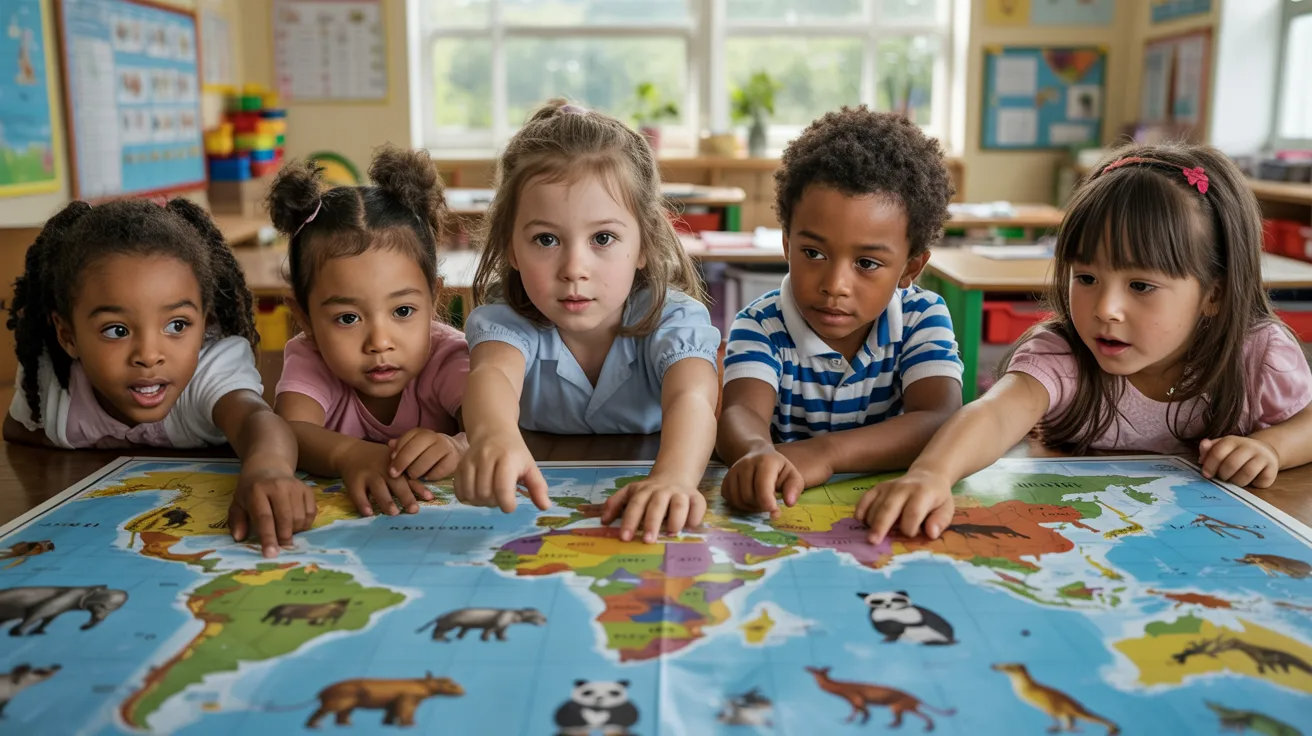
Animals from different regions can teach kids a lot about the world. A giant panda lives in China. A kangaroo lives in Australia.
A jaguar lives in South America. Pair each animal with the country it comes from and share fun facts.
Use maps, photos, and short videos to make it real. This activity works well for younger kids and older ones too.
18. Cultural Role Play Activities

Role play lets kids step into the daily life of someone from another culture. Set up a market scene from Morocco, a tea ceremony from Japan, or a harvest festival from West Africa.
Use simple props and costumes. Encourage kids to speak, move, and think as if they live in that culture.
Role play builds empathy better than almost any other activity you can try.
19. Multicultural Classroom Decorations
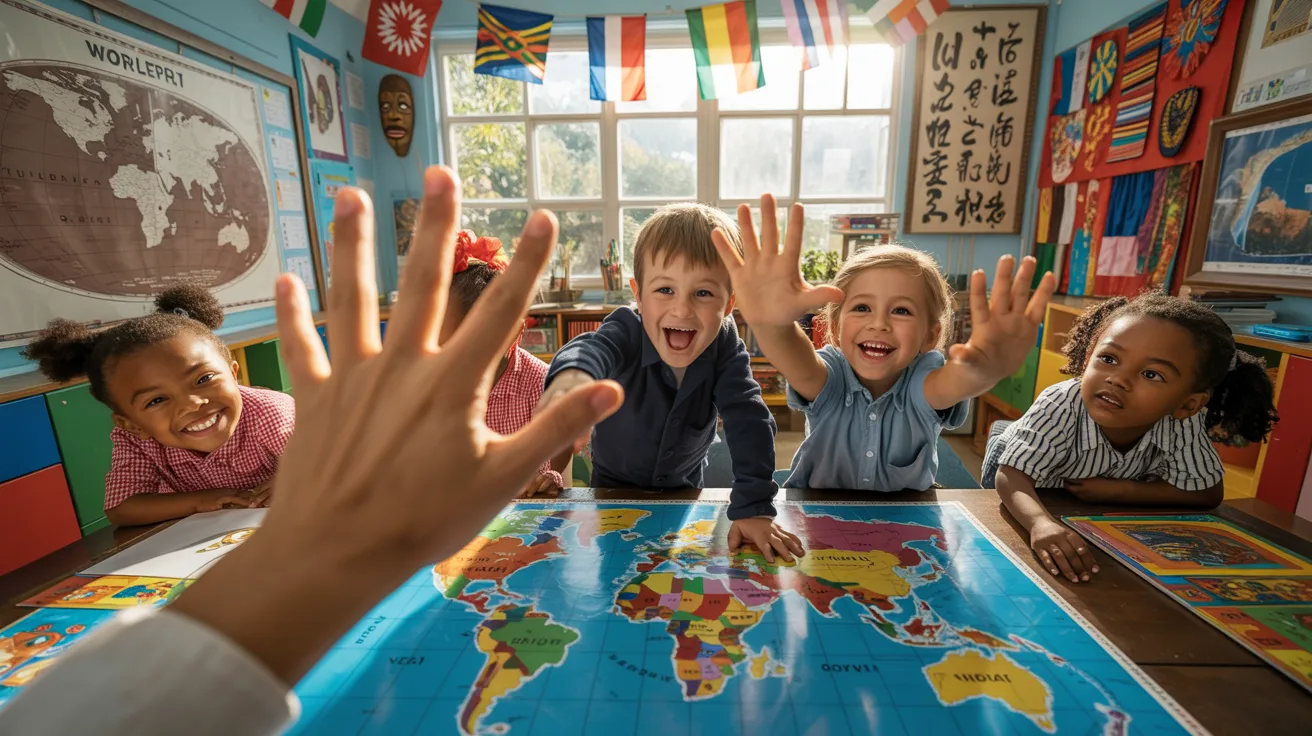
The space where kids learn sends a message. Decorating a classroom with flags, maps, and art from many countries tells kids that the whole world belongs here.
It also sparks daily curiosity. A child who walks past a photo of African kente cloth or a map of Southeast Asia will start asking questions.
That is the goal. Keep the space alive and full of the world.
Tips for Teaching Cultural Activities to Kids
These tips help you teach cultural activities the right way, making sure every child feels safe, seen, and respected.
- Keep Activities Age-Appropriate: Match every activity to the child's age so learning feels natural, not forced.
- Encourage Curiosity and Questions: Let kids ask anything freely and respond with "Let's find out together."
- Focus on Respect and Inclusion: Always explain the meaning behind a cultural practice before doing it.
- Use Hands-On Learning: Give kids something to touch, taste, or make so the lesson actually sticks.
- Create a Safe Learning Space: Make sure every child feels comfortable and open to learning.
The right approach turns a simple activity into a lesson kids carry with them for life.
Conclusion
Learning about other cultures is one of the best gifts you can give a child. I truly believe that.
A simple food tasting or folktale session can shift how a child sees the world. It doesn't take much. Just a little time and one good activity.
Start small. Pick one idea from this list and try it this week.
Did you find this helpful? Drop a comment below and share it with a parent or teacher who needs this today.
Frequently Asked Questions
What age is best to start cultural activities with kids?
You can start as early as age 2 with simple books, music, and sensory play.
How do I teach kids about other cultures without being disrespectful?
Always explain the meaning behind a practice first and focus on learning, not imitation.
Do cultural activities need a lot of materials or prep time?
No. Many activities like learning a greeting or reading a book need almost no prep.
Can cultural activities be done at home, not just in school?
Yes. Food tasting, storytelling, and map exploration all work great at home.
How often should kids do cultural activities?
Once a week is enough to keep the learning consistent and the interest going.