
Can kids eat chia seeds? I asked this exact question when my nephew started solids, and I could not find a clear, simple answer anywhere, so I did the research for you.
In this blog, I cover the right age to introduce chia seeds, how to serve them safely, choking risks to watch for, and how much kids can have daily, all in one place.
I have spent hours going through pediatric nutrition guidelines so you get a reliable answer fast. You will leave this page knowing exactly what to do and what to skip.
Can Kids Eat Chia Seeds?
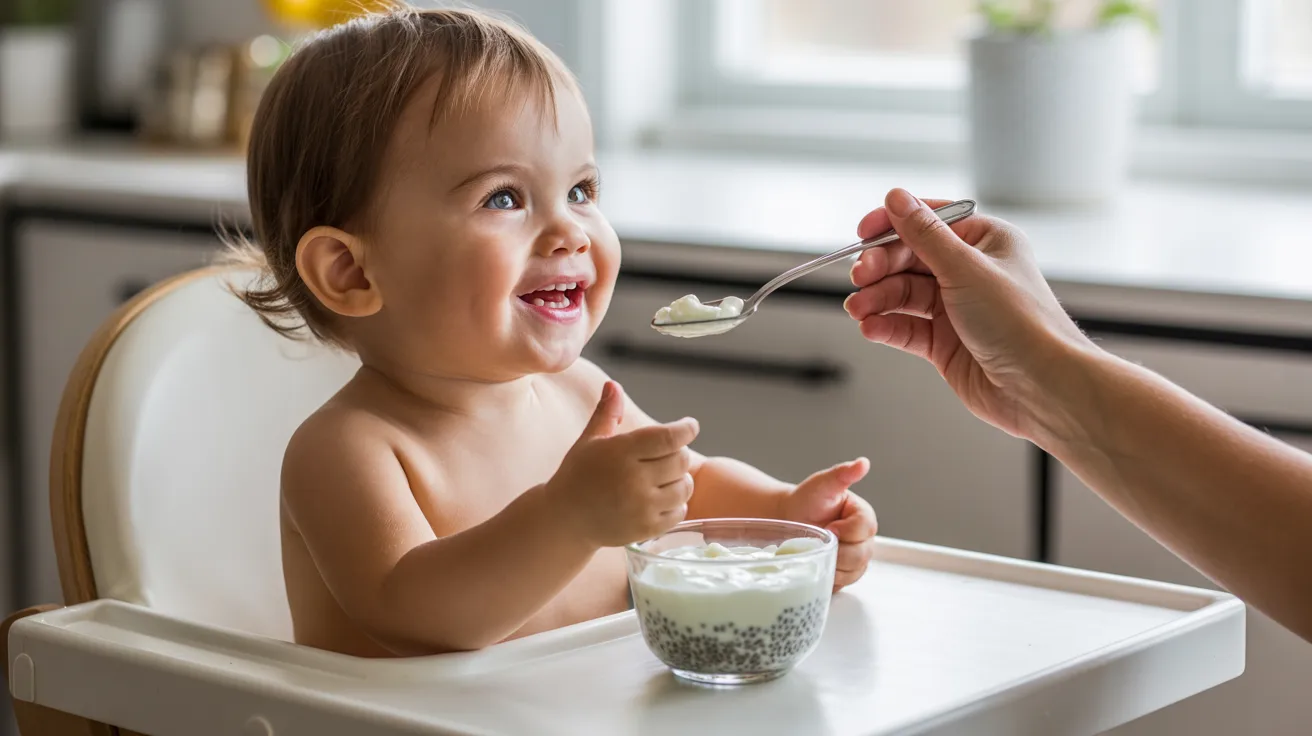
Yes, kids can eat chia seeds. I have seen many parents worry about this, but the short answer is simple.
Chia seeds are safe for most children over 12 months old. They are packed with fiber, omega-3s, and calcium.
However, there is one real concern. Whole dry chia seeds can expand in the throat. Always serve them soaked, blended, or mixed into food.
Start with small amounts. Watch for any allergic reactions.
What Age Can Kids Start Eating Chia Seeds?
Age matters more than most parents think when it comes to introducing chia seeds.
6 Months and Above
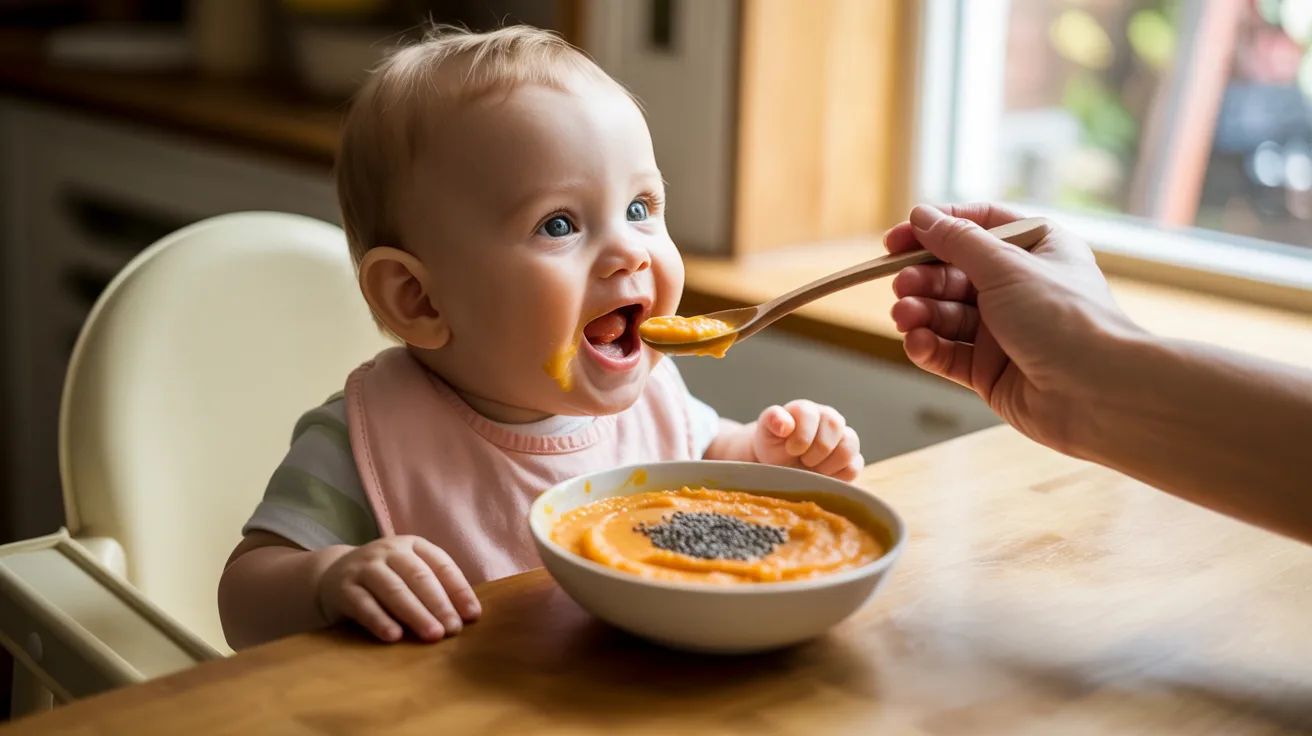
I always recommend waiting until your baby is at least 6 months old. Even then, start slow. Mix a tiny amount into pureed food.
Watch for reactions. Chia seeds must be soaked first, dry seeds are a choking risk for babies at this stage.
Toddlers and Older Kids
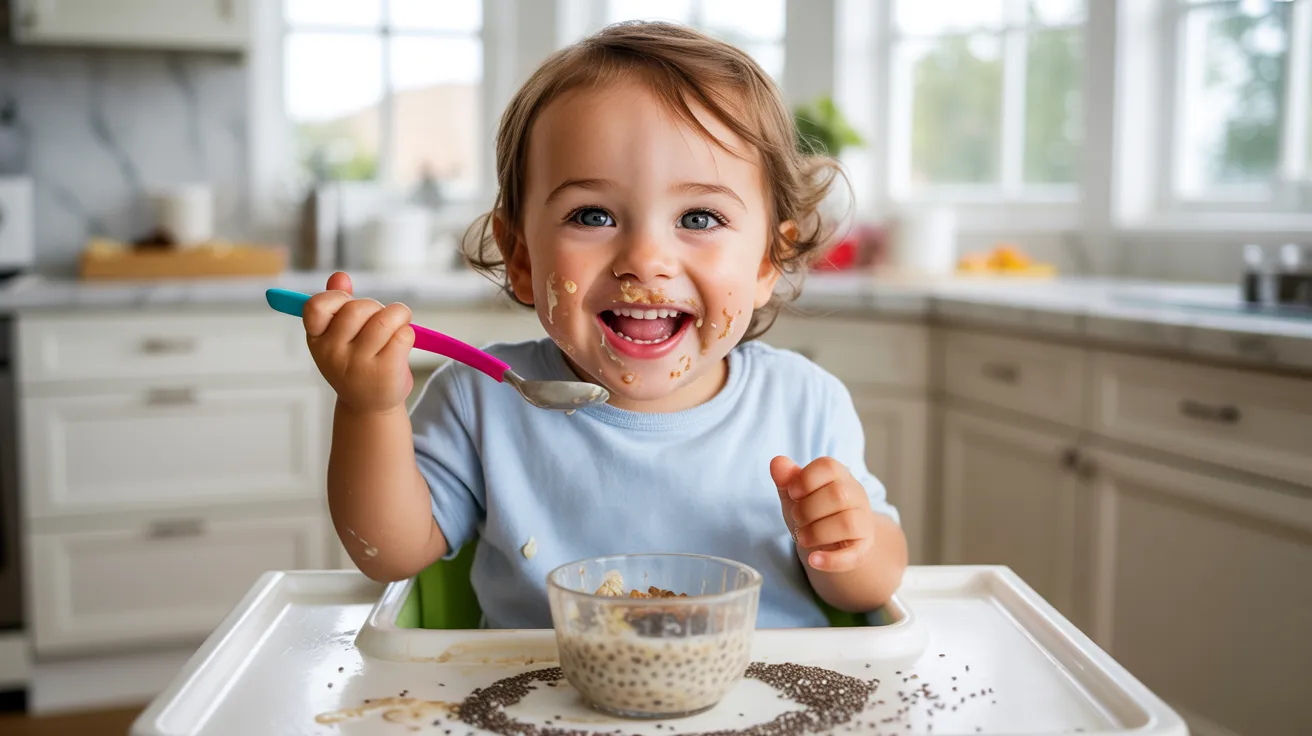
Once your child hits 1 to 2 years, chia seeds get easier to add in. You can stir them into yogurt, oatmeal, or smoothies.
Keep portions small, about half a teaspoon. Older kids can handle up to one teaspoon daily without any issues.
Are Chia Seeds Safe for Kids?
Yes, chia seeds can be safe for kids, but how you serve them matters a lot.
Choking Risk Explained
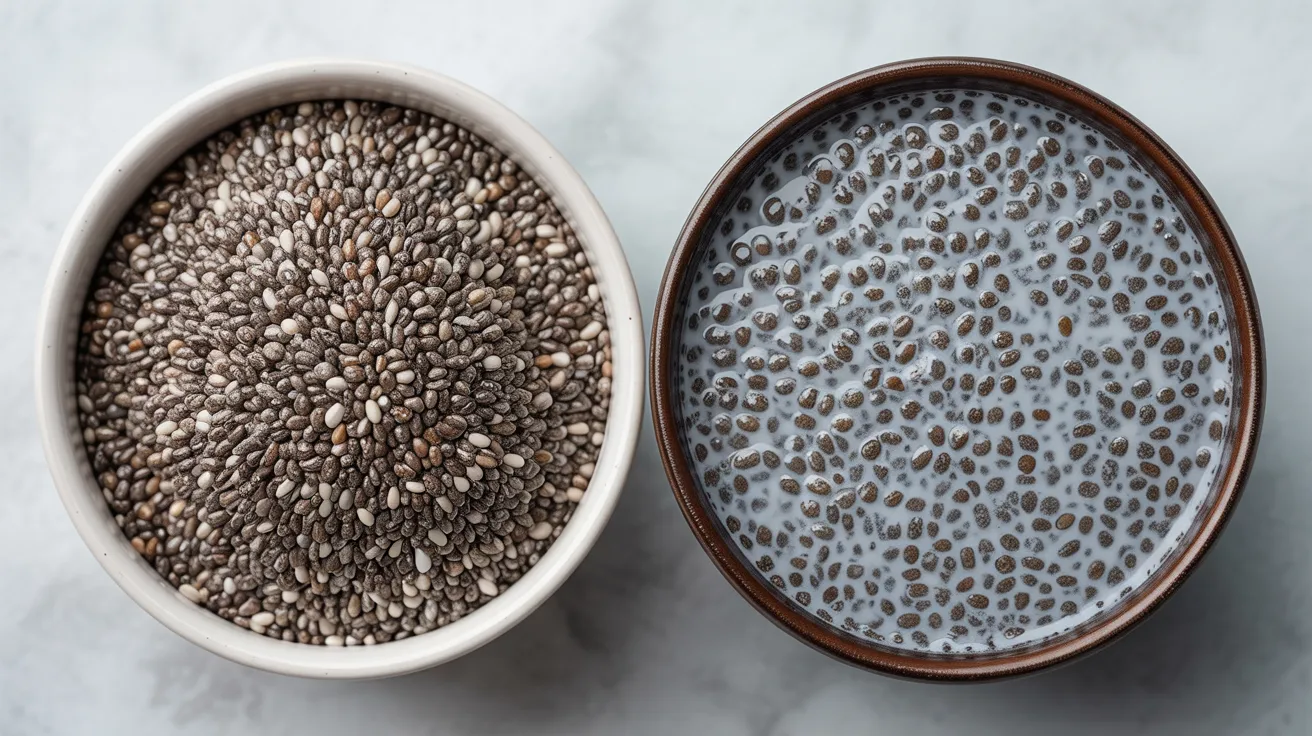
Dry chia seeds are tiny and hard. When a child swallows them dry, they can expand in the throat. This is a real choking risk.
Always check the texture before serving. Kids under 4 are most at risk, so take extra care with this age group.
Importance of Soaking

Soaking changes everything. When you soak chia seeds in water or milk for 15 to 30 minutes, they turn into a soft gel.
That gel is easy to swallow. It also makes digestion easier for small stomachs. I always soak them before adding them to food.
Allergy Considerations

Chia seed allergies are rare but real.
Watch for signs like:
- Hives or skin rash
- Stomach pain or vomiting
- Swelling around the mouth
If your child shows any of these after eating chia seeds, stop serving them. Talk to a doctor before trying again. Starting with a small amount first is always the safer move.
How to Safely Introduce Chia Seeds
Adding chia seeds to your child's diet is simple, you just need to do it the right way.
Start Small and Observe

Begin with just ¼ teaspoon. That's it. I always recommend going slow with new foods for kids. Watch for any rashes, tummy trouble, or unusual fussiness.
If nothing changes after a few days, you can slowly increase the amount.
Always Serve Hydrated

Never give dry chia seeds to young children. Dry seeds expand in the throat and can become a choking risk.
Soak them first, mix with water, milk, or yogurt until they form a gel. That soft, pudding-like texture is what makes them safe to eat.
Ensure Adequate Fluids
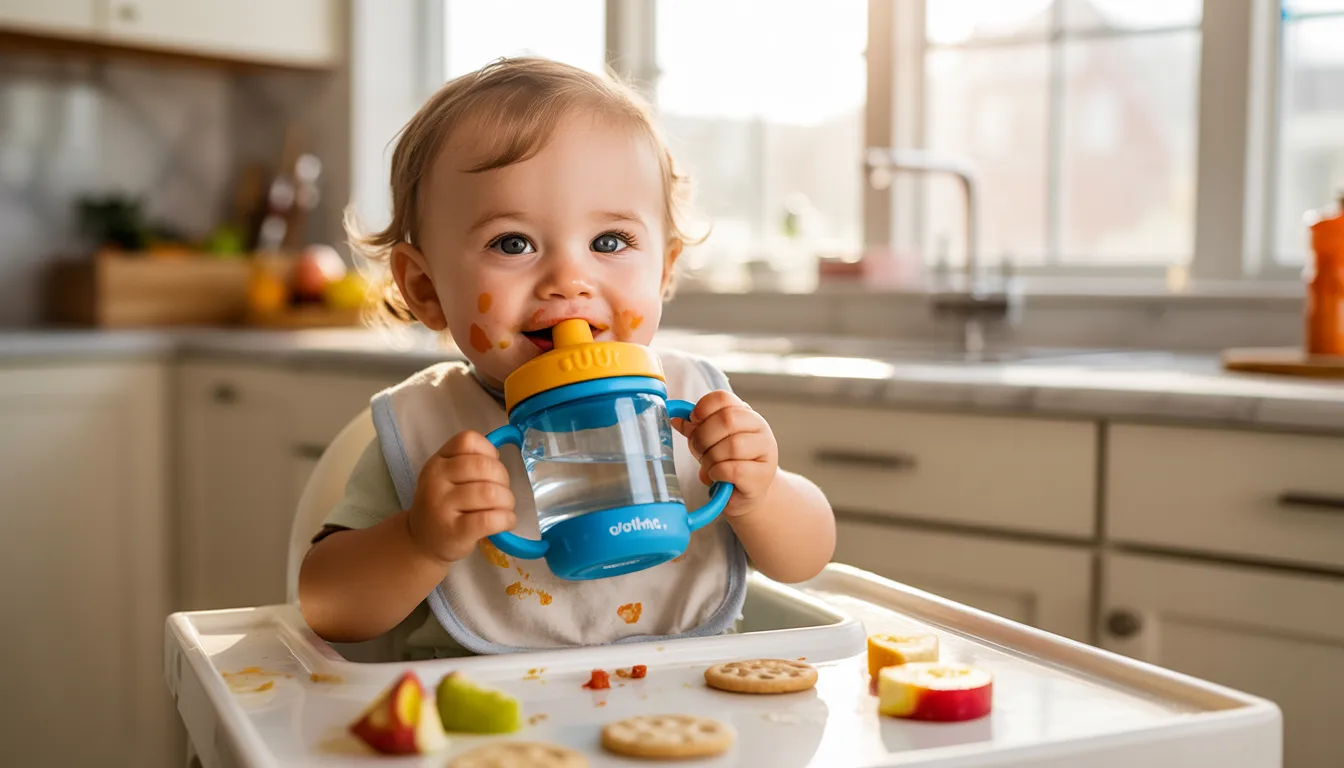
Chia seeds absorb a lot of water, even inside the body. So make sure your child drinks enough fluids throughout the day.
Low fluid intake with high fiber foods can cause constipation. A few extra sips of water with each meal goes a long way.
Can Kids Eat Chia Seeds Every Day?
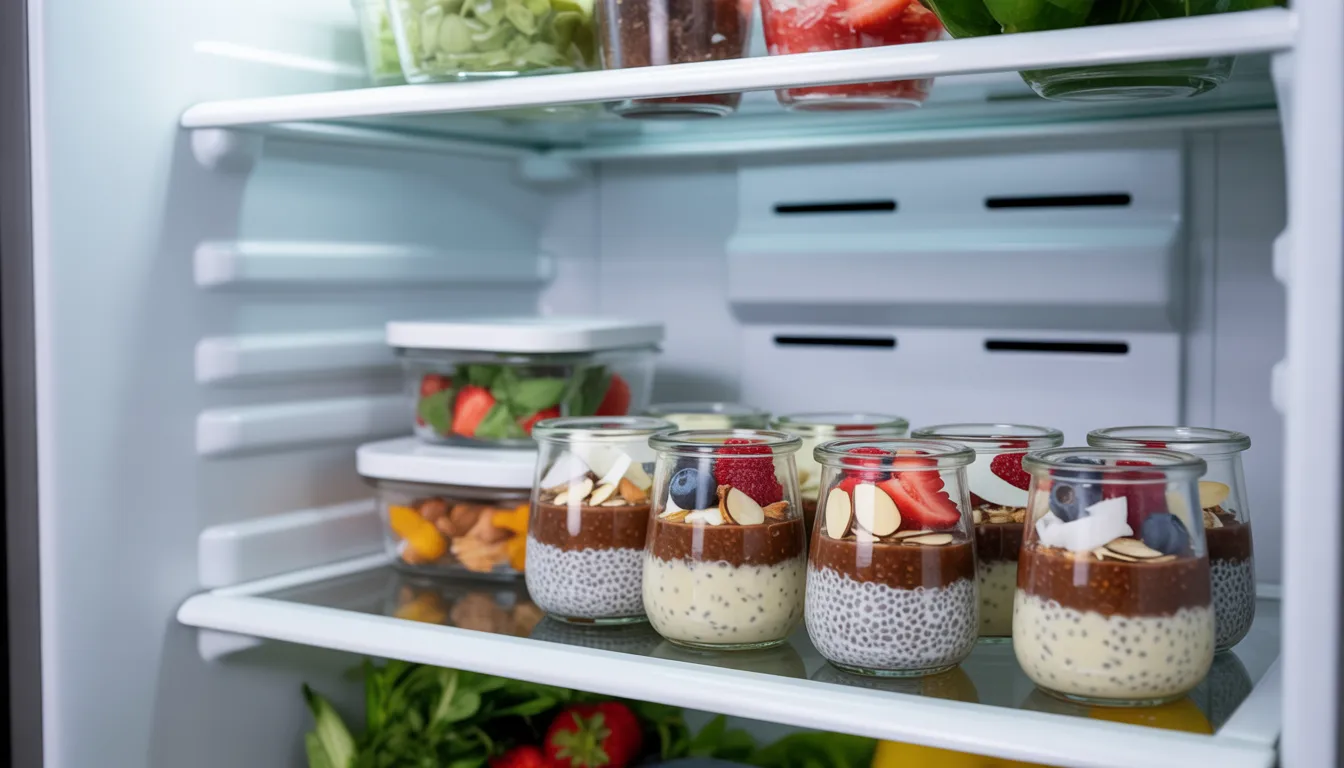
Yes, but keep it small. I always tell parents that too much of a good thing can backfire. Daily chia seeds are fine for kids, just stick to age-appropriate amounts.
For younger kids, that means half a teaspoon. Older kids can handle one teaspoon. The real issue? Chia seeds absorb water and expand.
If your child doesn't drink enough, constipation or bloating can follow. So yes to daily, but smart daily.
Possible Side Effects to Watch For
Chia seeds are mostly safe for kids, but there are a few things to keep an eye on.
Digestive Issues

Chia seeds are high in fiber. Too much fiber too fast can cause bloating, gas, or loose stools in kids.
Start with a small amount, like half a teaspoon. Give their gut time to adjust before increasing the serving size.
Choking Hazard
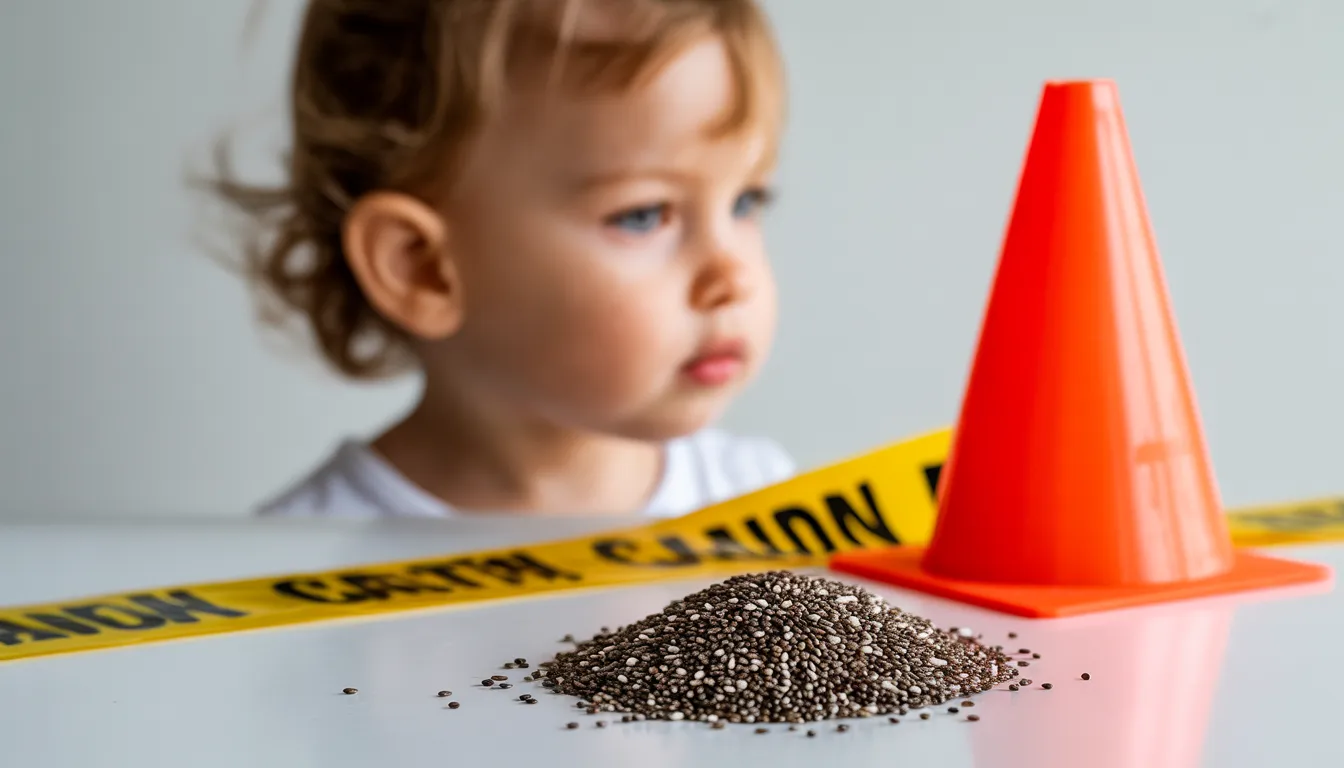
Dry chia seeds can clump in the throat. This is a real risk, especially for toddlers. Always soak chia seeds before serving them to young children.
When soaked, they turn into a soft gel and are much safer to swallow.
Allergic Reactions
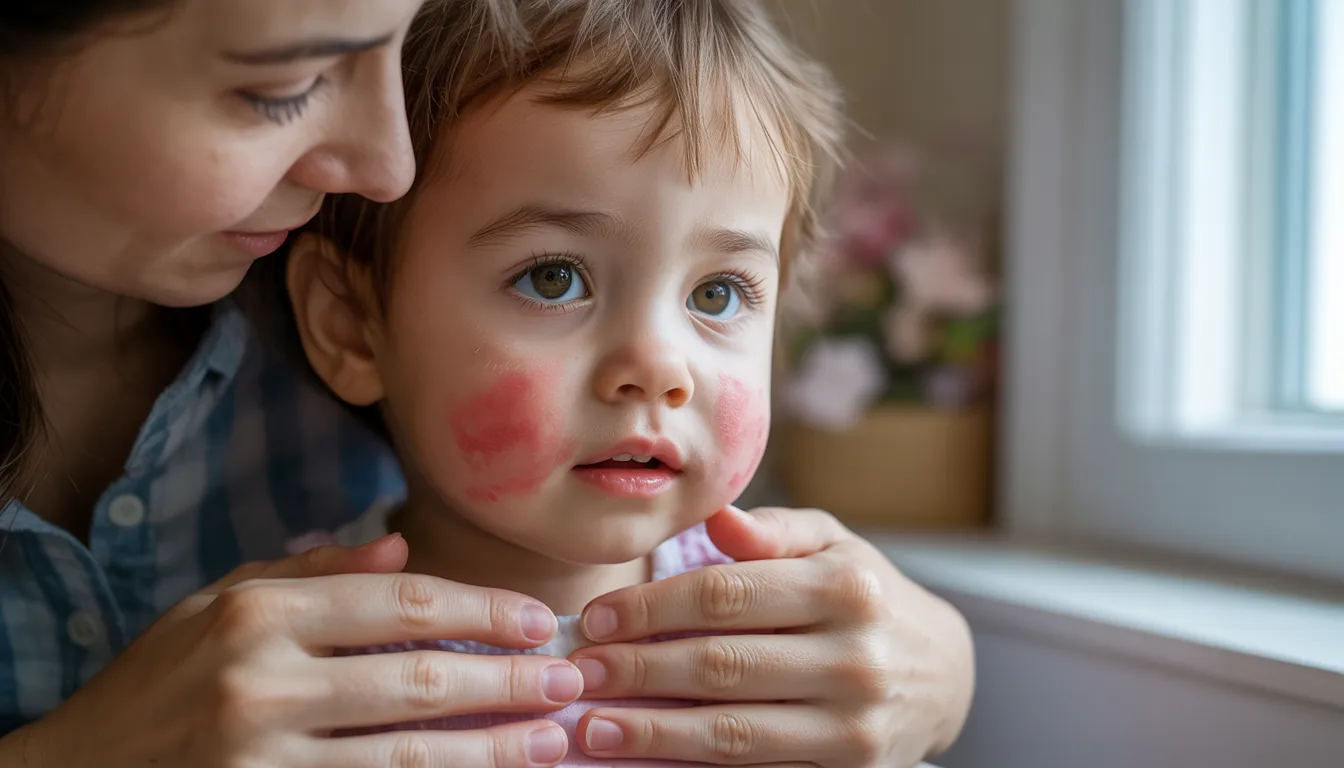
Chia seed allergies are rare but possible. Watch for redness, hives, swelling, or stomach pain after the first few servings.
If your child shows any of these signs, stop giving chia seeds and talk to your doctor right away.
Common Safety Mistakes to Avoid
Even well-meaning parents get this wrong, here is what to watch out for before giving chia seeds to your child.
- Never serve dry chia seeds to young kids. I made this mistake once. Dry seeds swell in the throat and can cause choking. Always soak them first.
- Do not add too much, too fast. Start with a tiny amount, like half a teaspoon. A big serving right away can upset a small stomach.
- Skipping water is a big no. Chia seeds pull water from the body as they digest. Make sure your child drinks enough fluids throughout the day.
- Watch for allergic reactions. I always suggest trying a small amount first. If you notice rashes, swelling, or stomach pain, stop right away and call your doctor.
- Do not give whole seeds to babies or toddlers under 2. Their throats are too small. Wait until they are older and always use ground or soaked chia seeds.
Final Thoughts
I started adding chia seeds to my kid's yogurt almost by accident. One small step, and it became a weekly thing.
If you have been thinking about trying them, start slowly. A teaspoon is enough. Watch how your child reacts. Build from there.
Can kids eat chia seeds? Yes, with the right age, portion, and prep.You now have what you need to make a smart call for your family.
Drop a comment below and tell me how it goes!
Frequently Asked Questions
Can babies under 6 months eat chia seeds?
No, babies under 6 months should only have breast milk or formula. Chia seeds are not safe or needed at this stage.
Are chia seeds a choking hazard for kids?
Dry chia seeds can clump and block the throat, especially in toddlers. Always soak them first or mix them into soft foods before serving.
How many chia seeds can I give my child per day?
Start with half a teaspoon for toddlers and work up to one teaspoon over time. Older kids can handle one to two teaspoons daily, but more than that can upset the stomach.
Can chia seeds cause any side effects in kids?
Yes, too many at once can cause bloating, gas, or loose stools. Always start small and make sure your child drinks enough water throughout the day.
Do chia seeds need to be ground for kids to digest them?
Whole chia seeds are generally fine once soaked, but ground chia seeds are easier for younger kids to digest. If your child is under two, grinding or soaking is the safer option.