
Finding ways to teach kids kindness can feel tough. Especially when you want it to actually stick.
I've worked with young learners for years, and bucket filler activities are one of the best tools I've seen work in real classrooms.
In this blog, you'll find out what bucket filler activities are, why they matter for kids, how to introduce them, and 31 fun, easy activities to try.
I'll help you solve the "how do I teach kindness" problem with ideas that are simple, proven, and fun.
What Are Bucket Filler Activities?

Bucket filler activities teach kids kindness, empathy, and positive behavior.
The idea is simple:everyone carries an invisible bucket. Kind words and actions fill it up. Hurtful ones empty it.
A bucket filler shares, helps, or gives compliments. A bucket dipper teases or ignores others. When kids understand this difference, they start making better choices on their own.
It is a simple concept. But it builds classrooms where kids feel safe, valued, and ready to care for each other.
31 Bucket Filler Activities Kids Will Love
Here are more than 30 fun, easy, and meaningful activities. You can use these in classrooms, at home, or in after-school programs.
1. Read a Bucket Filler Book

Start with a book. "Have You Filled a Bucket Today?" is the most popular choice. There are also other great titles in the series. After reading, talk about the characters and what choices they made.
Ask kids how the story connects to their own life. Reading opens the door to great conversations about kindness.
2. Brainstorm Kindness Ideas

Gather kids in a circle and ask: "What fills your bucket?" Let every child share at least one idea. Write all the ideas on a board or chart paper.
This activity helps kids think creatively and hear ideas from their peers. It also gives you a list of actions they can actually try.
3. Create an Anchor Chart

Let kids help build the anchor chart. Give each student a sticky note and ask them to write one bucket filler idea. Then place all the notes on the chart together.
When kids are part of creating it, they feel more connected to it. Hang it where everyone can see it every day.
4. Sing a Bucket Filler Song
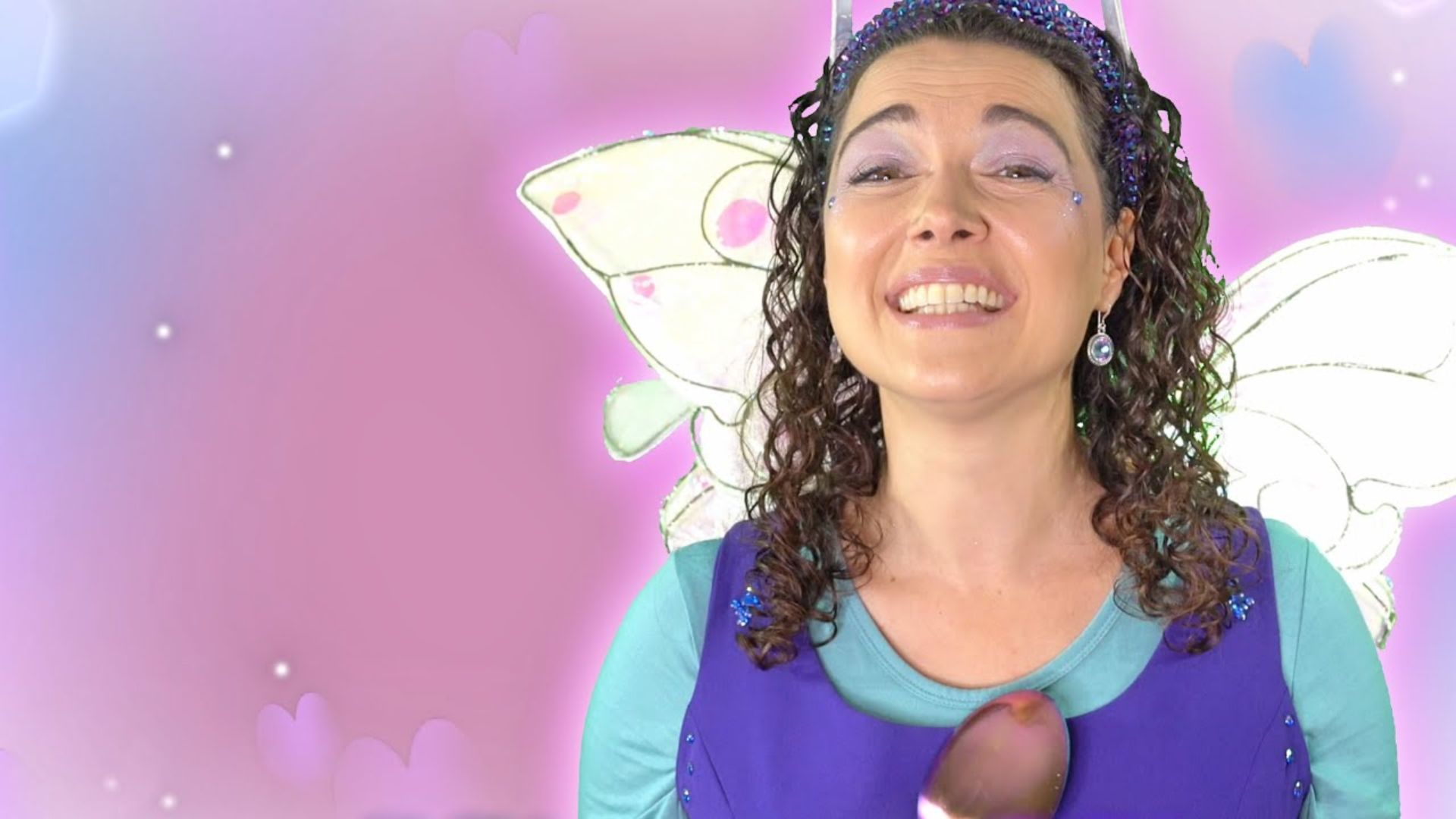
Music helps kids remember ideas. Search for a "bucket filler song" online or make up a simple one with your class. Singing together is also a bucket filler in itself.
It brings joy, laughter, and a sense of community. Even a short song sung every morning can set a positive tone for the day.
5. Sort Bucket Fillers vs Dippers

Write different actions on cards.
For example:"share your lunch," "call someone a name," "hold the door open," or "ignore a friend."
Ask kids to sort the cards into two groups: fillers or dippers. This sorting activity is great for small groups and sparks strong discussions about real-life choices.
6. Color a Bucket Filler Picture

Give younger kids a coloring sheet with a bucket on it. Ask them to write or draw one kind thing they did inside the bucket.
This is a calm, creative activity that still reinforces the message. It also makes a great display for a hallway bulletin board or classroom wall.
7. Fill a Classroom Bucket
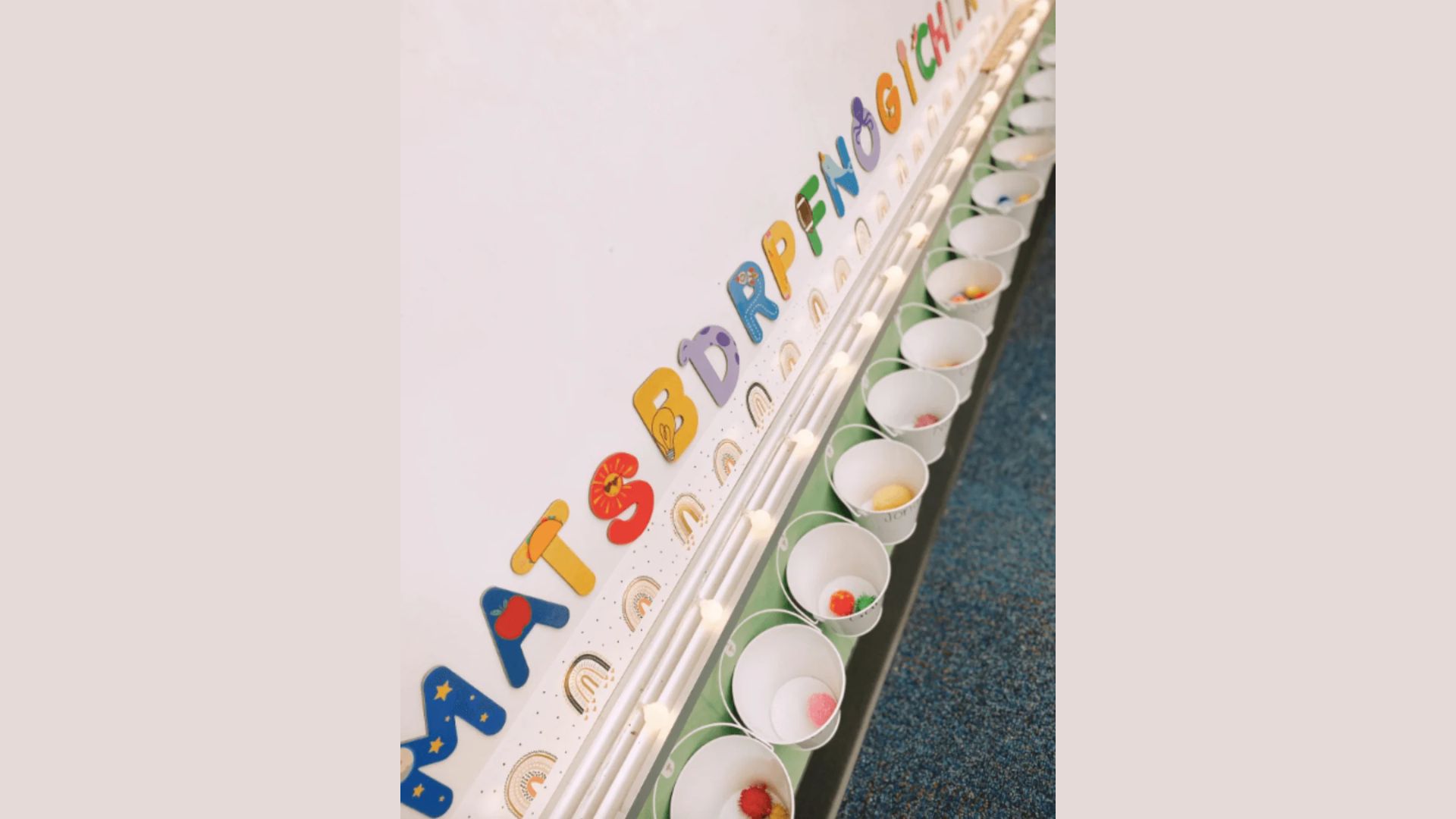
Place a real bucket in your classroom. Every time a student does something kind, add a pom-pom, marble, or slip of paper.
Set a group goal:fill the bucket by Friday. When the bucket is full, celebrate together with a small reward like extra recess or a movie clip. This builds teamwork and shared motivation.
8. Keep a Bucket Filler Journal
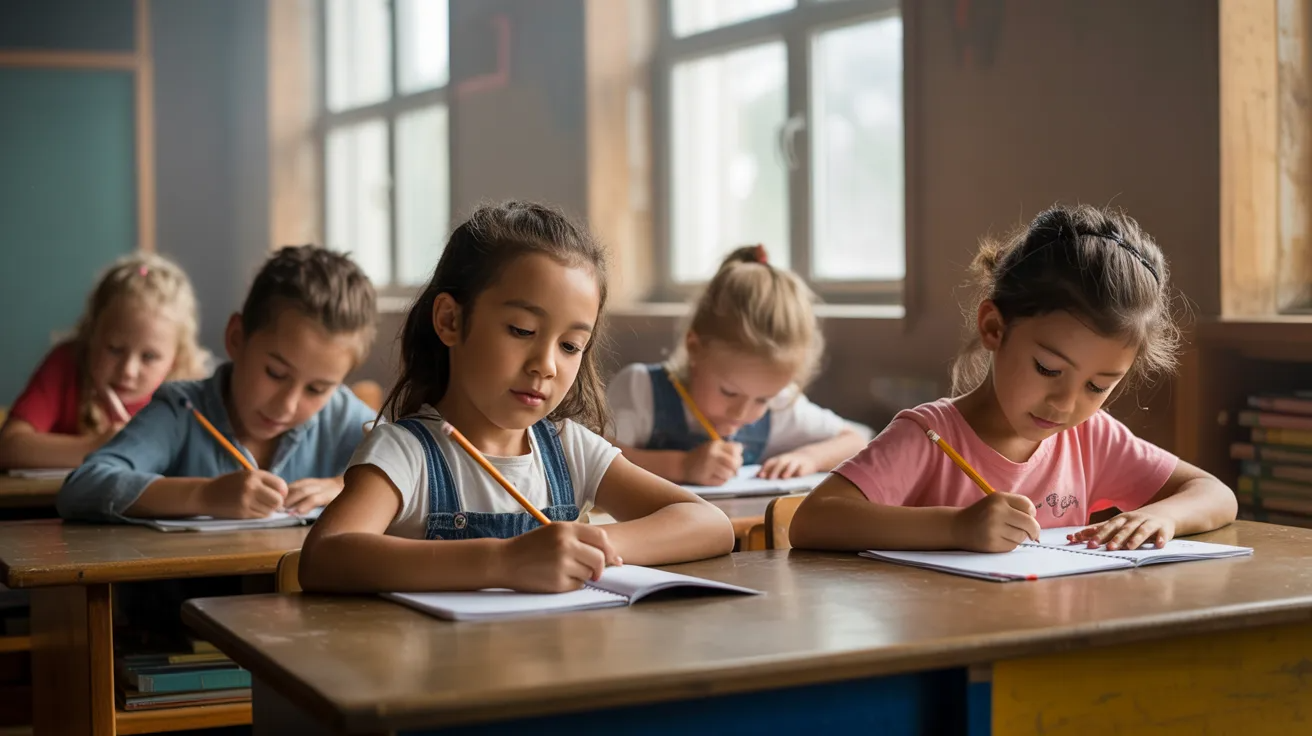
Give each student a small notebook. Ask them to write or draw one bucket filler act each day. It can be something they did, something someone did for them, or something they want to try.
Journaling helps kids reflect and builds a habit of noticing kindness in everyday life.
9. Celebrate Bucket Filler Fridays

Make Fridays special. Each week, have students share one bucket filler act they did or saw that week. You can do this in a circle, in writing, or on a shared board.
Regular celebrations keep the concept alive and give kids something positive to look forward to every week.
10. Craft Personalized Buckets
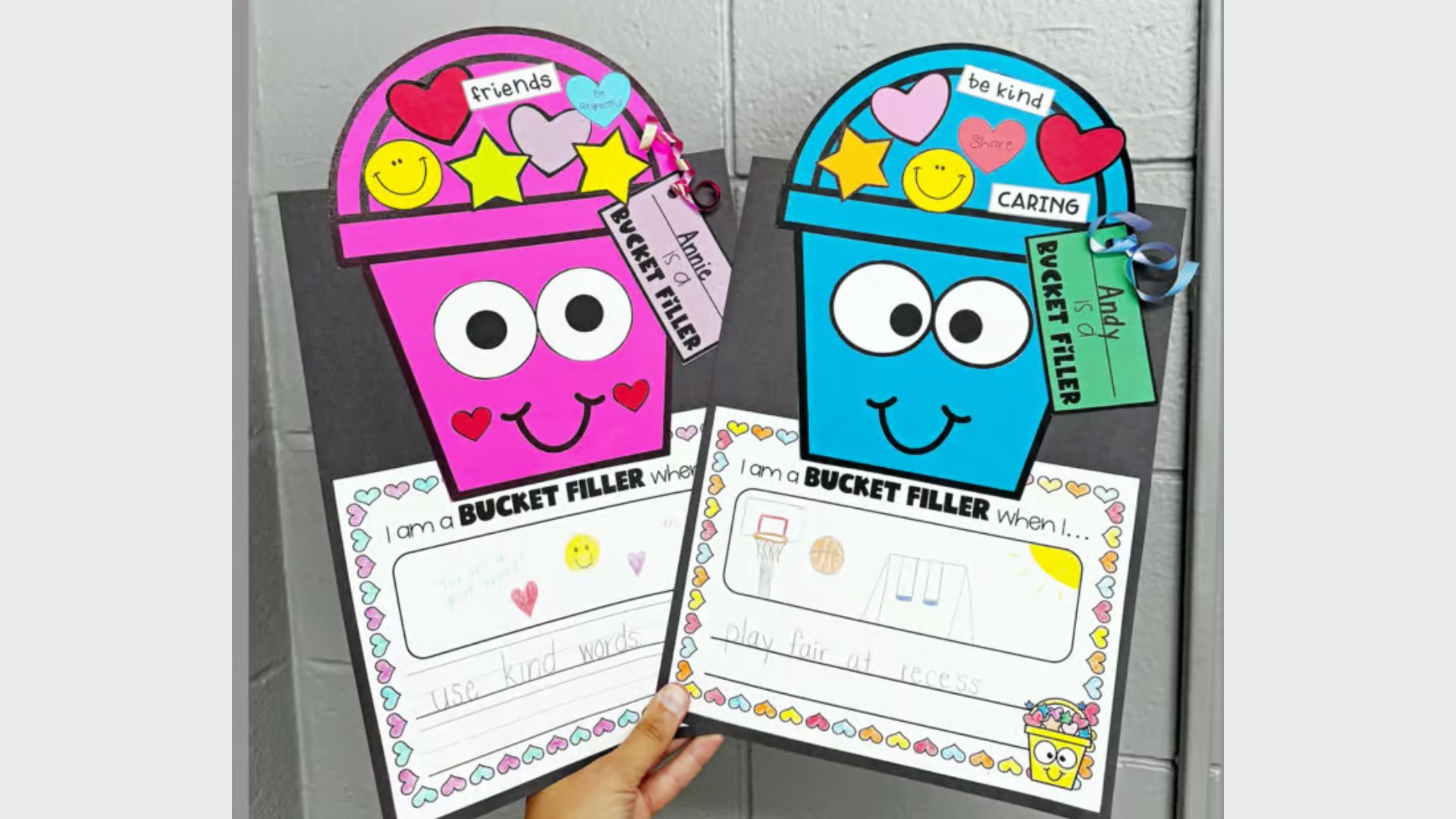
Let each student decorate their own paper or plastic bucket. They can write their name and draw things that fill their bucket. Display these buckets in the classroom.
Throughout the week, classmates can drop kind notes inside each other's buckets. Personalized crafts make the lesson feel meaningful and special to each child.
11. Use a Shoe Organizer for Buckets
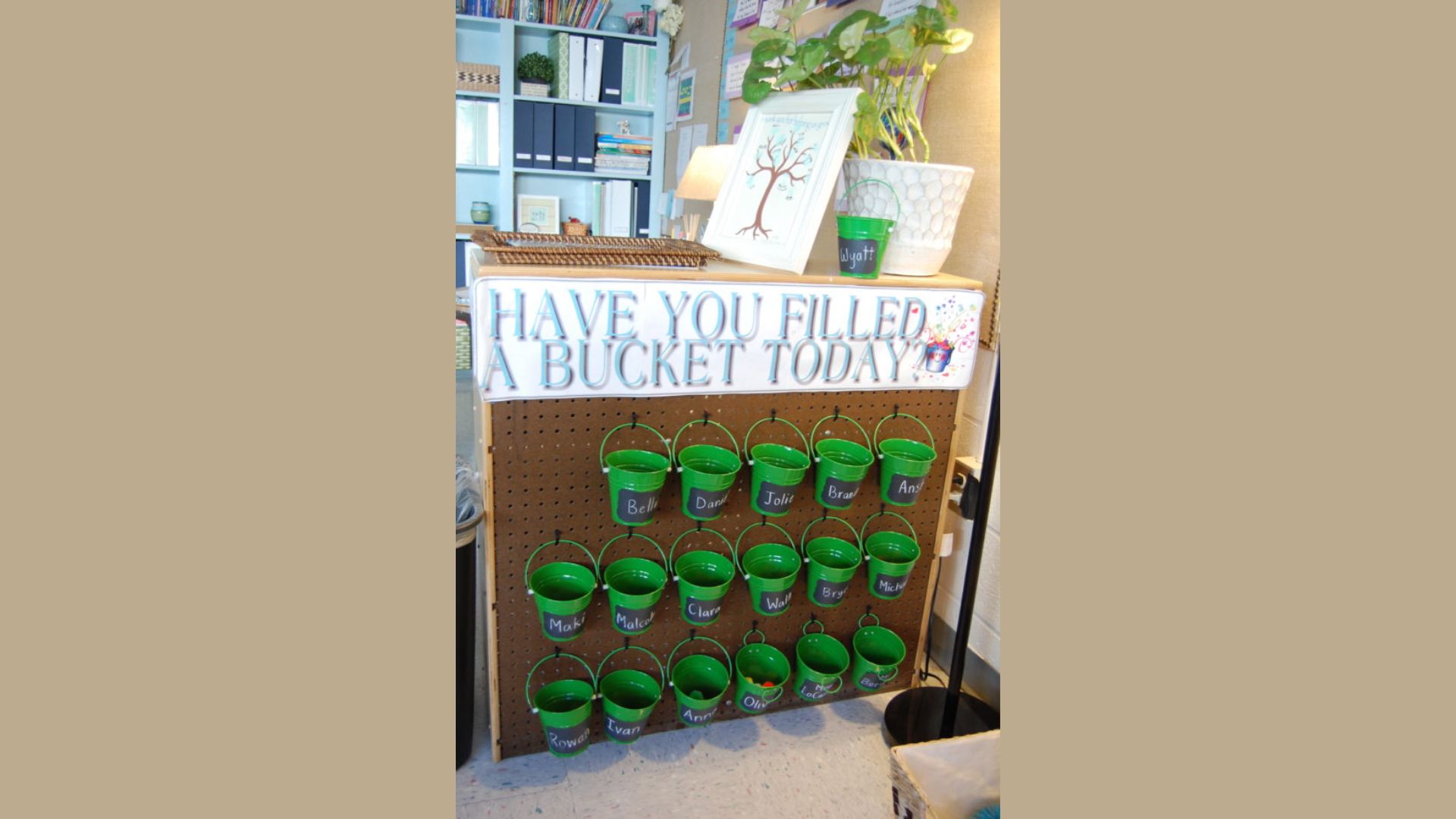
Hang a clear shoe organizer on the classroom wall. Label each pocket with a student's name. Use this as a kindness mail system.
Students can drop notes, drawings, or kind messages into each other's pockets anytime. It is a simple setup that becomes a daily routine kids genuinely look forward to.
12. Hang Buckets on Hooks

Attach small buckets or paper cups to a pegboard or hook system on your classroom wall. Label each bucket with a student's name. Students can add kind notes throughout the day or week.
At the end of the week, everyone takes their bucket home and reads the messages inside. It is a simple and heartwarming activity.
13. Fill a Bucket for Someone Special

Ask each student to pick one person they want to do something kind for. It could be a parent, a sibling, a teacher, or a friend. Have them plan and complete one kind act for that person.
Then share what they did with the class. This activity helps kids think beyond themselves and practice real-world kindness.
14. Wear Bucket Filler T-Shirts
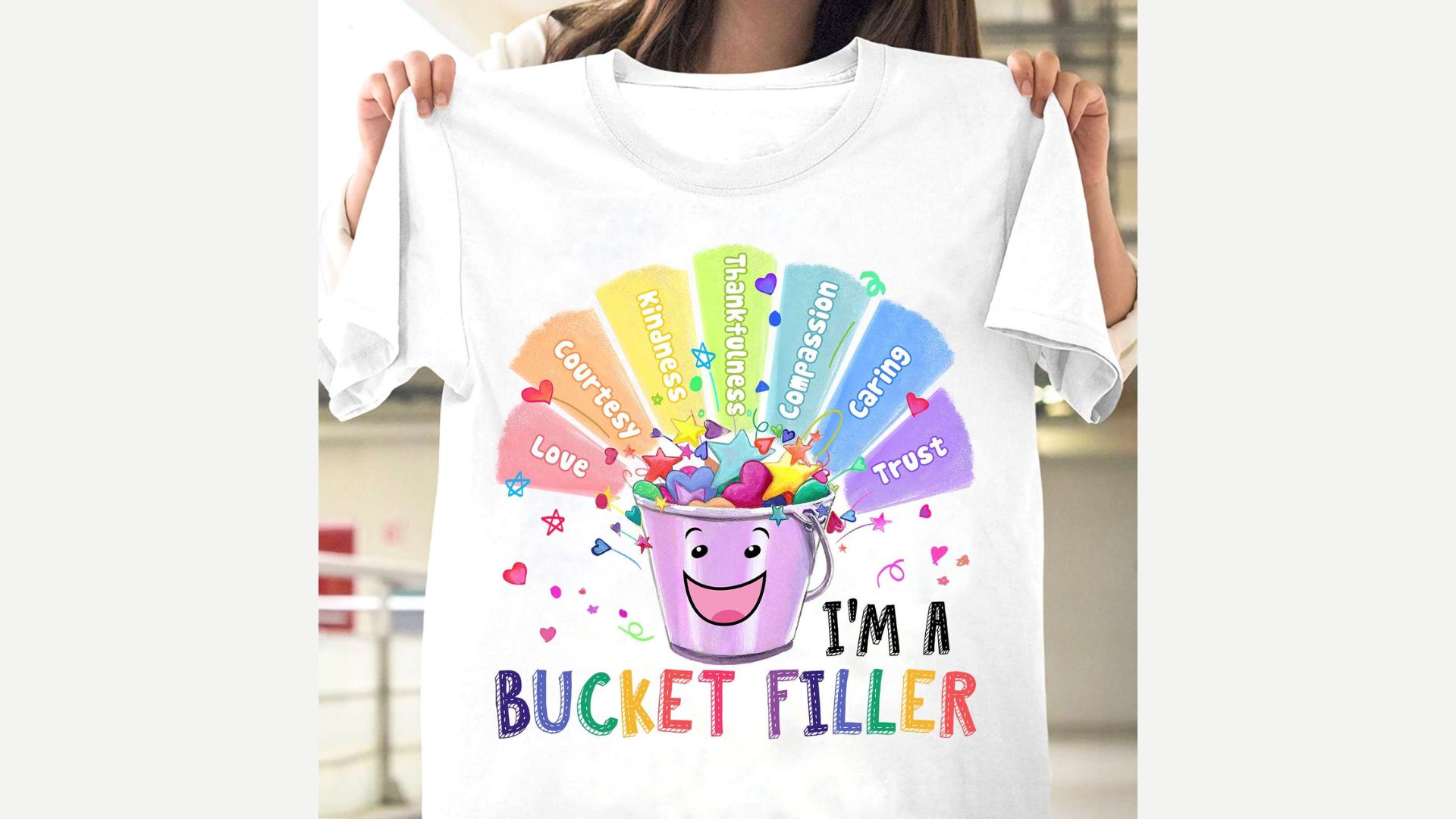
Plan a spirit day where everyone wears something related to kindness or bucket filling. Students can make their own shirts using iron-on letters or fabric markers.
Wearing a shared message creates a sense of community and gives kids something fun to show off. It also spreads the idea of kindness beyond the classroom.
15. Use Pom-Poms as Bucket Fillers
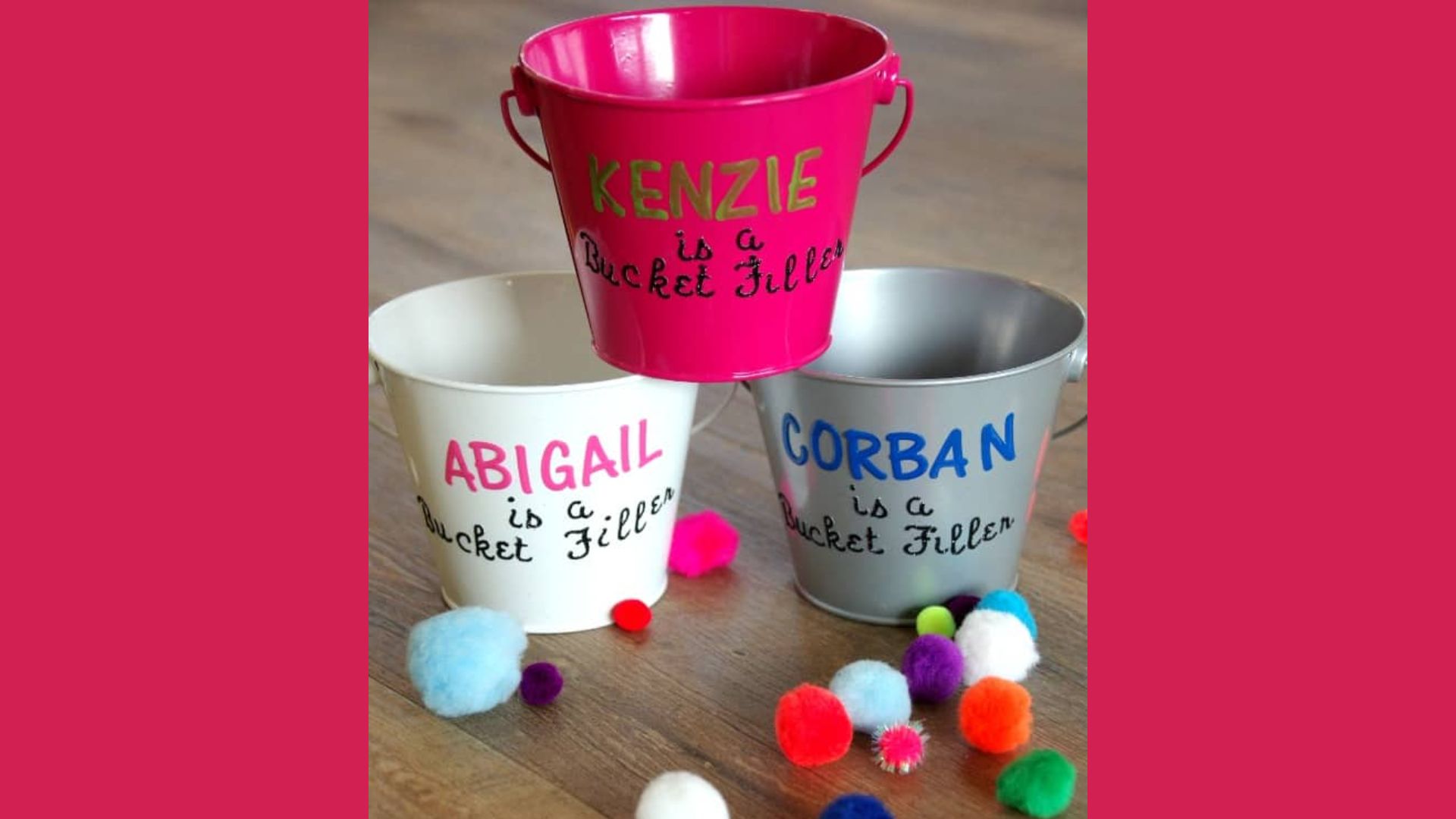
Keep a jar of pom-poms on your desk. When you notice a student doing something kind, ask them to add a pom-pom to the class bucket. This visual reward system is simple but powerful.
Kids get excited watching the bucket fill up. It motivates them to keep choosing kind actions every day.
16. Set a Daily Kindness Challenge

Each morning, post one kindness challenge on the board.
Examples: "Give three compliments today" or "Hold the door for someone." At the end of the day, discuss how it went.
Did it feel easy or hard? How did people react? Daily challenges keep kids focused on kindness and make it feel like a fun goal to meet.
17. Do a Bucket Filler Word Search or Crossword

Create a simple word search or crossword using kindness-related words. Words like "share," "listen," "smile," "help," and "care" work well.
This is a great quiet-time activity that still reinforces the lesson. It is also easy to send home as a family activity or use as a morning warm-up.
18. Make a Bucket Filler Snack
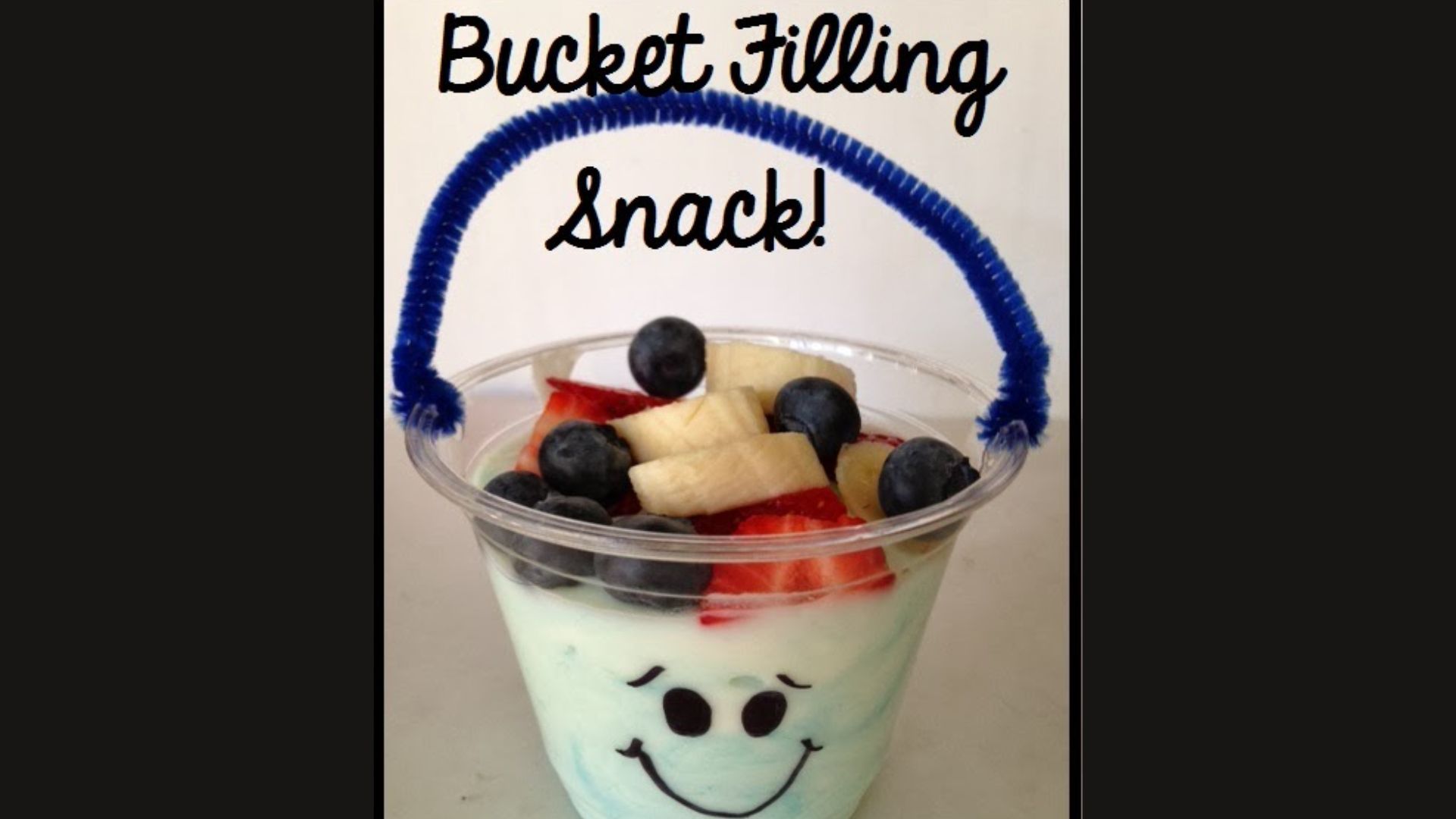
Get creative in the kitchen. Make a snack that looks like a bucket, try a cup of blue Jell-O with gummy fish, or stack graham crackers with frosting to look like a bucket.
While you make or eat the snack, talk about bucket filling. Connecting the concept to food makes it memorable and fun for all ages.
19. Fill the Teacher's Bucket

Turn the focus to the teacher for a day. Ask students to write or draw something they appreciate about their teacher. Collect all the notes in a special bucket.
Then read them aloud or let the teacher read them privately. This activity teaches kids that teachers have feelings too, and that even grown-ups need their buckets filled.
20. Write a Bucket Fillers Book
Work together as a class to write and illustrate a kindness book. Each student contributes one page with a kind act they want to share.
Bind the pages together and add it to your classroom library. Kids love seeing their work in a real book. You can also share it with other classes or send it home.
21. Make Bucket Headbands
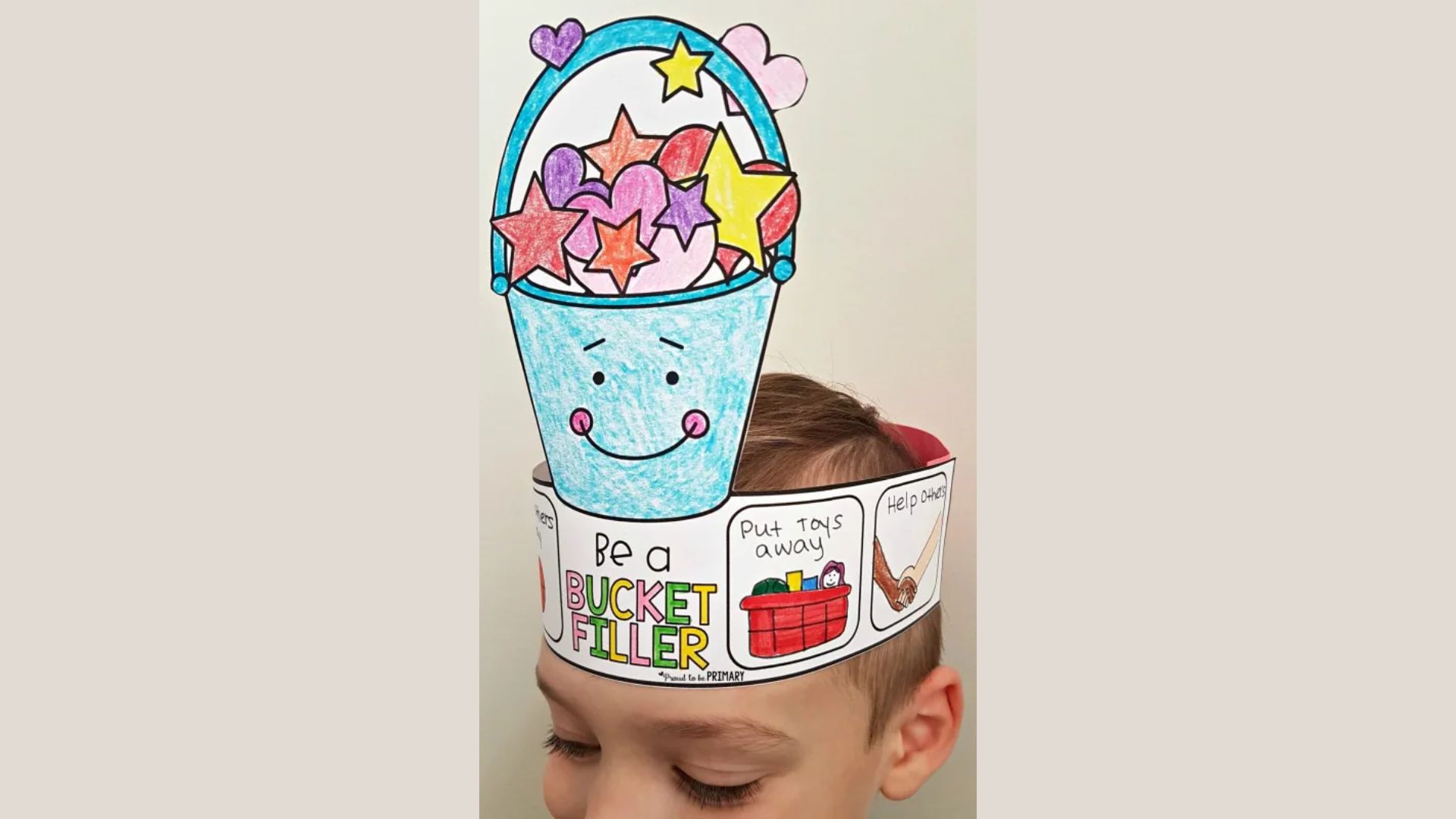
Cut strips of paper or card stock. Let students draw or write bucket filler words and phrases on them. Then shape the strips into headbands and staple them to fit.
Wear the headbands during a kindness lesson or spirit day. It is a quick, low-cost craft that sparks conversation and creativity.
22. Play a Bucket Filler Board Game
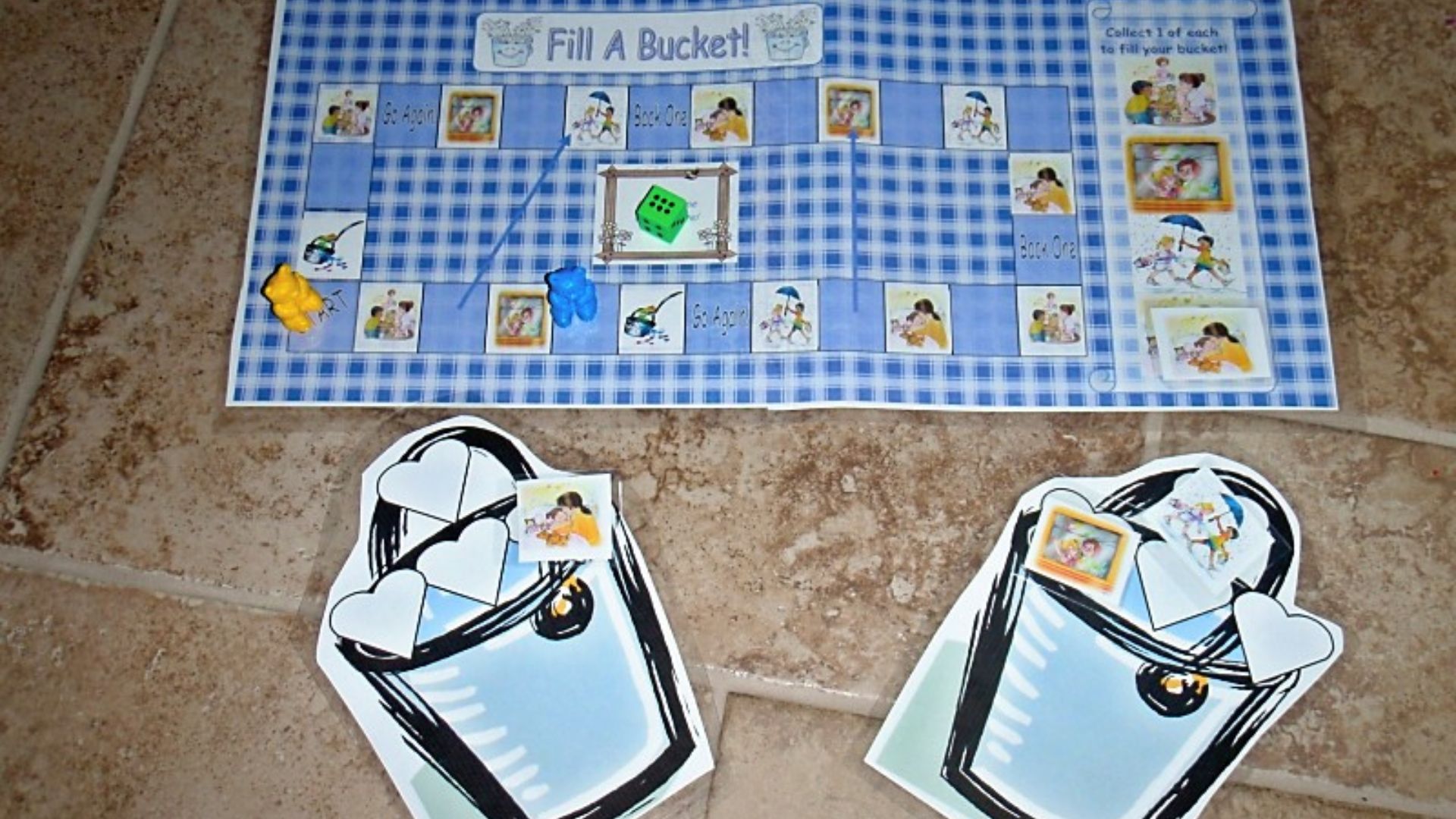
Create a simple board game with kindness scenarios. Players roll a dice and land on spaces with actions like "fill a bucket, move ahead 2" or "dip a bucket, move back 1."
Making the game together is half the fun. Playing it reinforces the concept in a way that feels like pure play, not a lesson.
23. Create Wooden Reminder Buckets
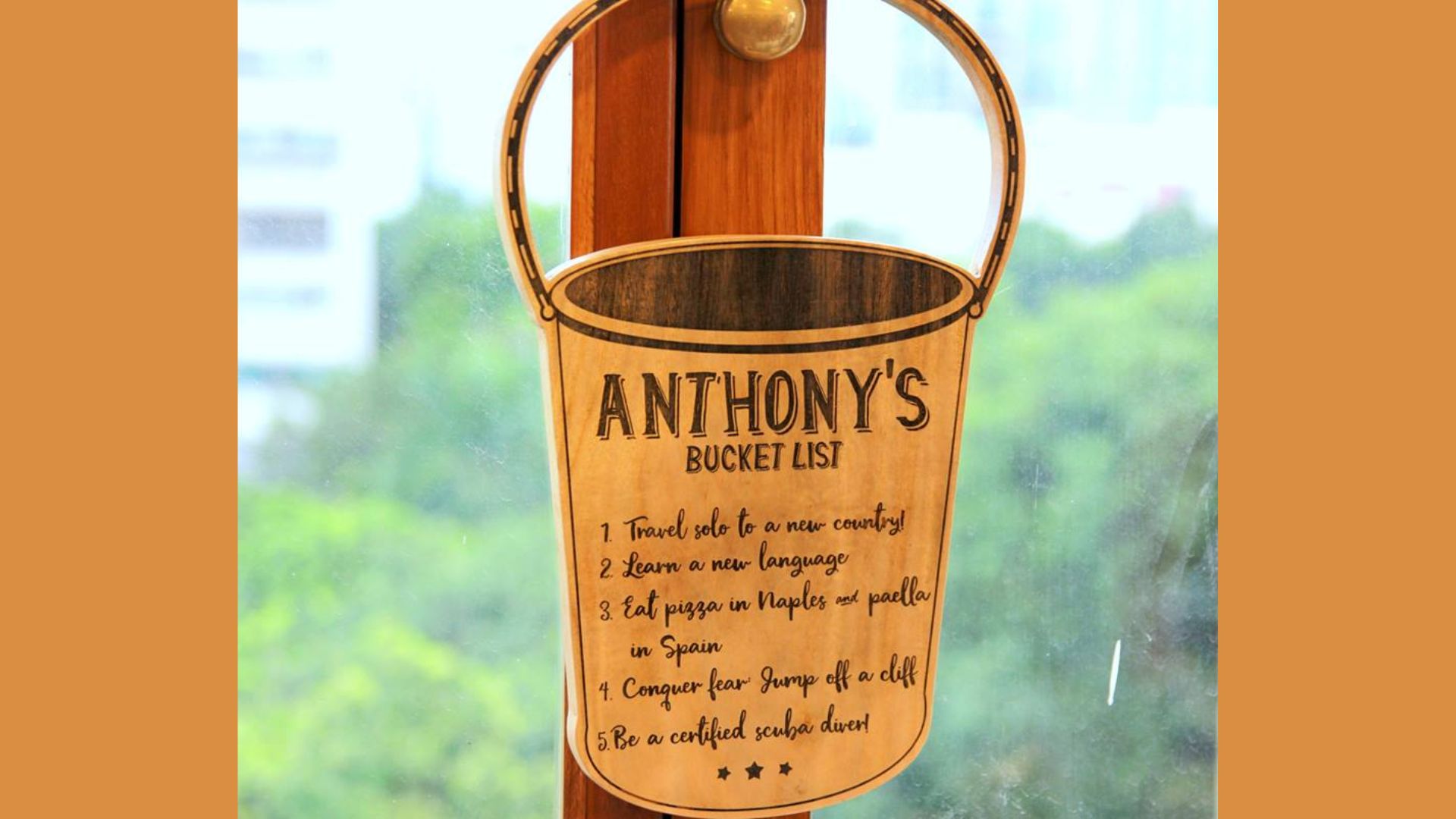
If you have access to small wooden buckets from a craft store, let students paint and decorate them. Write a kindness reminder on each one.
These can sit on a student's desk or bedside table at home as a daily reminder to be kind. They also make a great take-home gift at the end of the school year.
24. Write Sticky Note Bucket Messages

Give every student a few sticky notes. Ask them to write one kind message for a classmate and place it on their desk or in their designated spot.
Do this as a surprise or during a planned kindness activity. Reading a kind note from a peer can turn a hard day around. It is simple, free, and powerful.
25. Dress Up in Bucket Filler Costumes

Plan a fun dress-up day where students wear costumes or outfits that represent kindness. They could dress as helpers, superheroes, community workers, or even carry a tiny bucket.
Let each student explain their costume and what kind of bucket filler it represents. It is a creative way to connect costumes with character.
26. Fill Your Own Bucket Activity
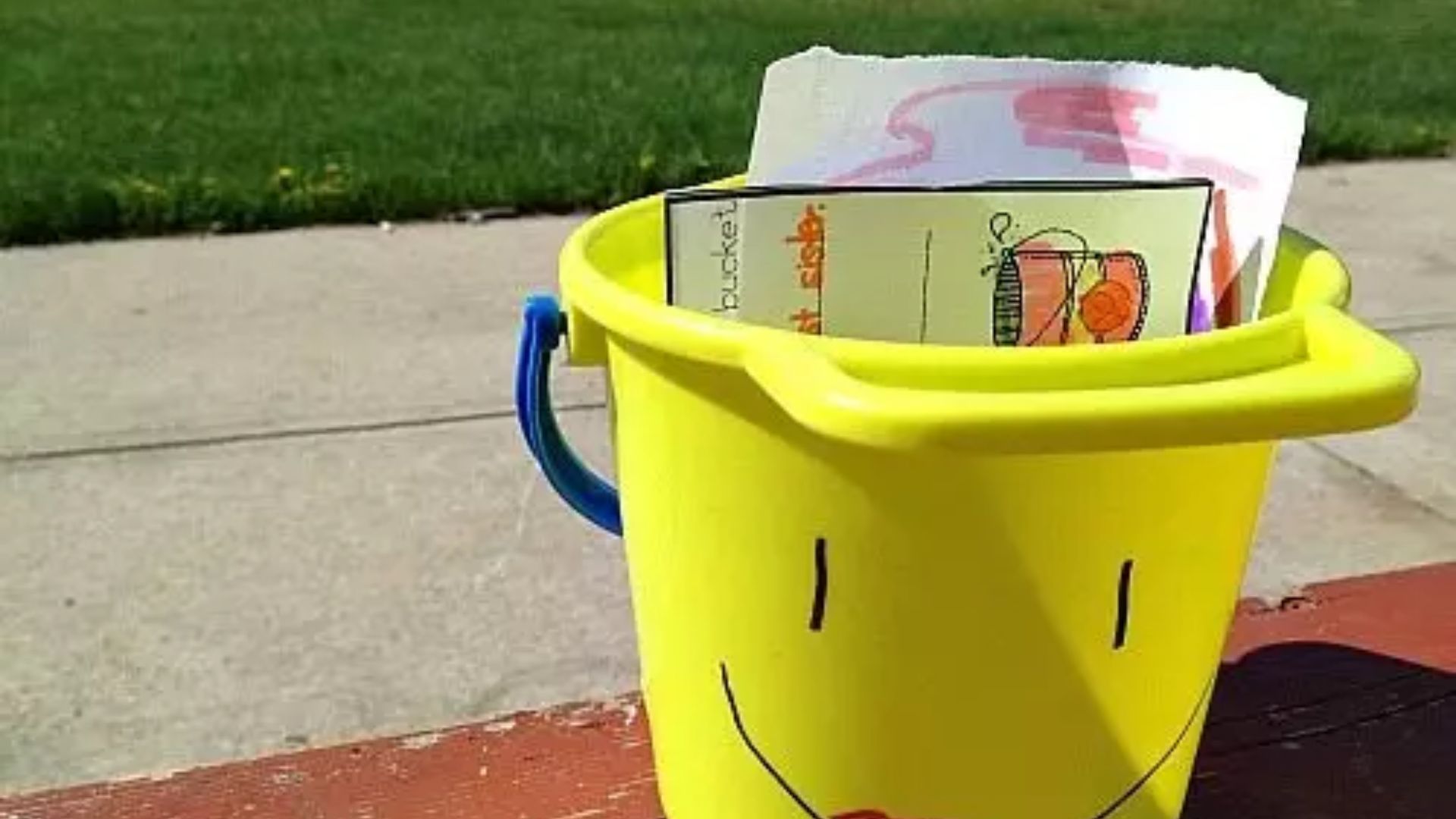
Teach kids that self-kindness matters too. Ask them to write or draw three things that fill their own bucket, things that make them feel happy, calm, or loved. Share in small groups.
This activity helps kids understand that taking care of themselves is not selfish. A full bucket helps them give more to others.
27. Personalize a Bucket Craft

Give each student a plain paper or plastic cup. Let them decorate it with their name, their favorite colors, and drawings of things they love. This becomes their personal kindness bucket.
Keep it on their desk for the week and let classmates drop in kind notes. Personal connection makes the activity more meaningful.
28. Create a Rainbow of Kindness
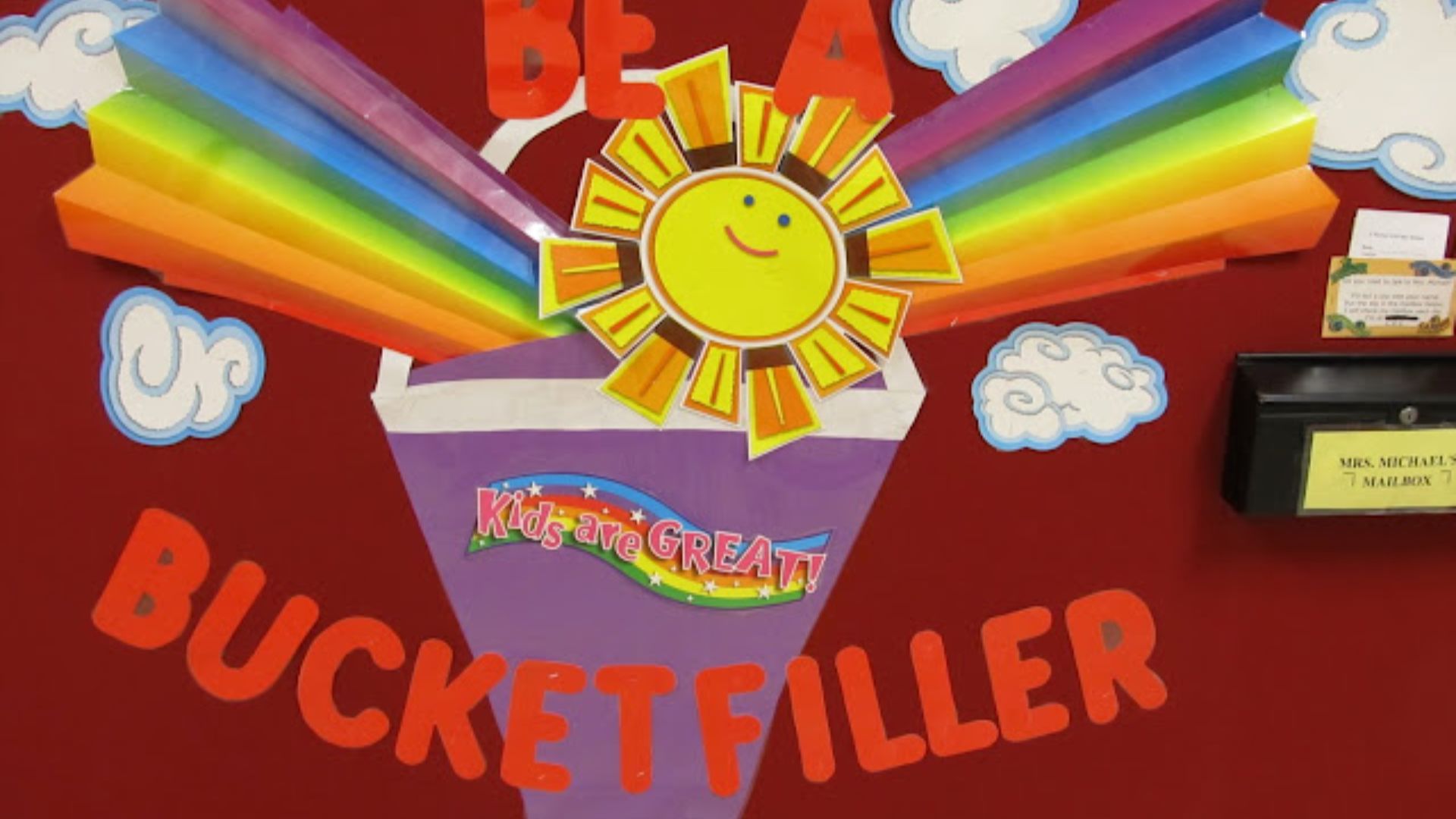
Cut out cloud and raindrop shapes from colored paper. Write one bucket filler idea on each raindrop. Connect the raindrops to a cloud and hang them from the ceiling or bulletin board.
As a class, add more raindrops throughout the year. Watching the rainbow of kindness grow gives kids a visual sense of their positive impact.
29. Have a Compliment Circle
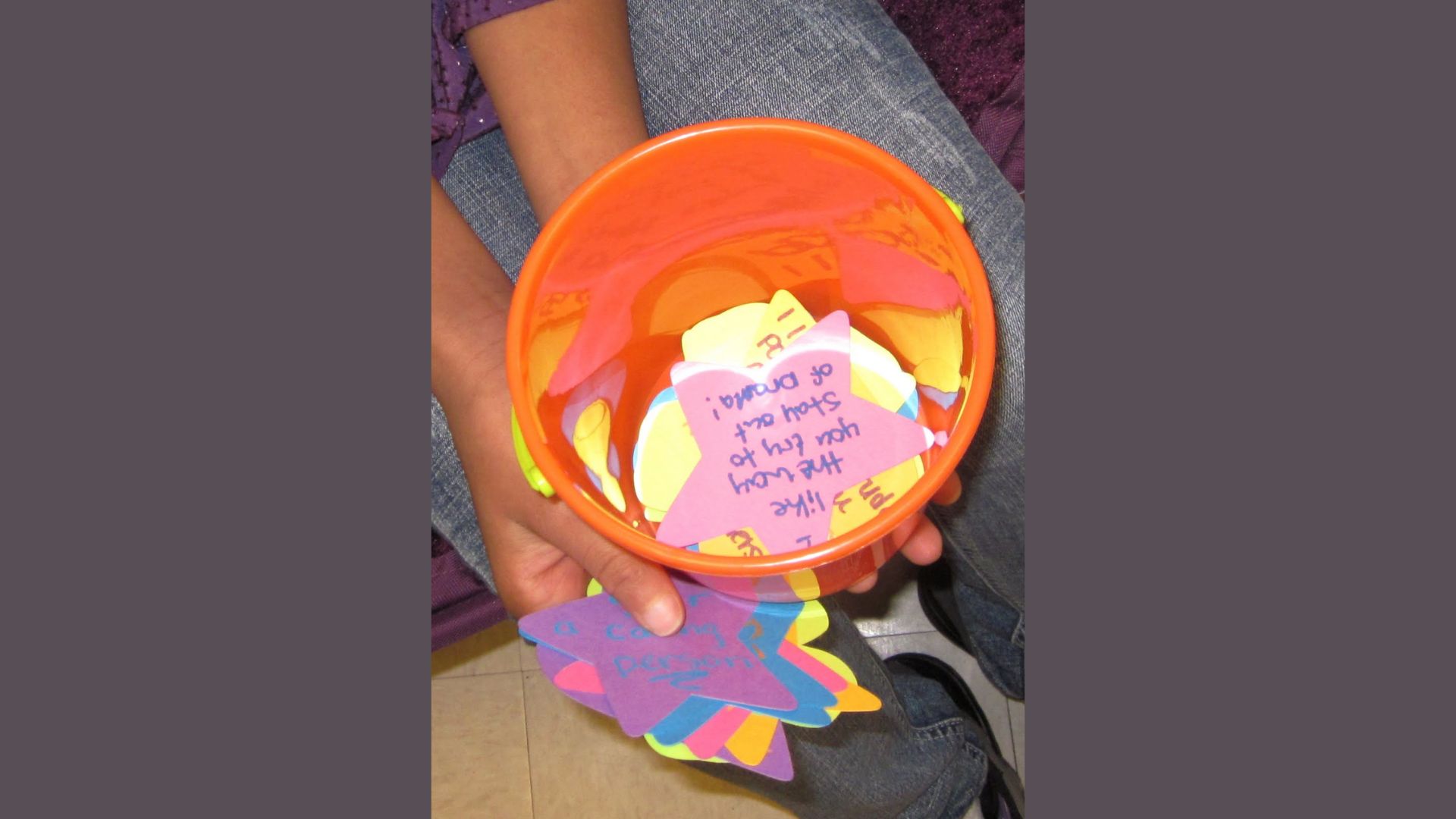
Gather in a circle. Go around and have each student give a compliment to the person next to them. Keep it specific and kind.
For example, "I like how you always share your markers" instead of just "You're nice."
This activity builds confidence, models how to give real compliments, and fills the room with positive energy.
30. Clip Words of Kindness
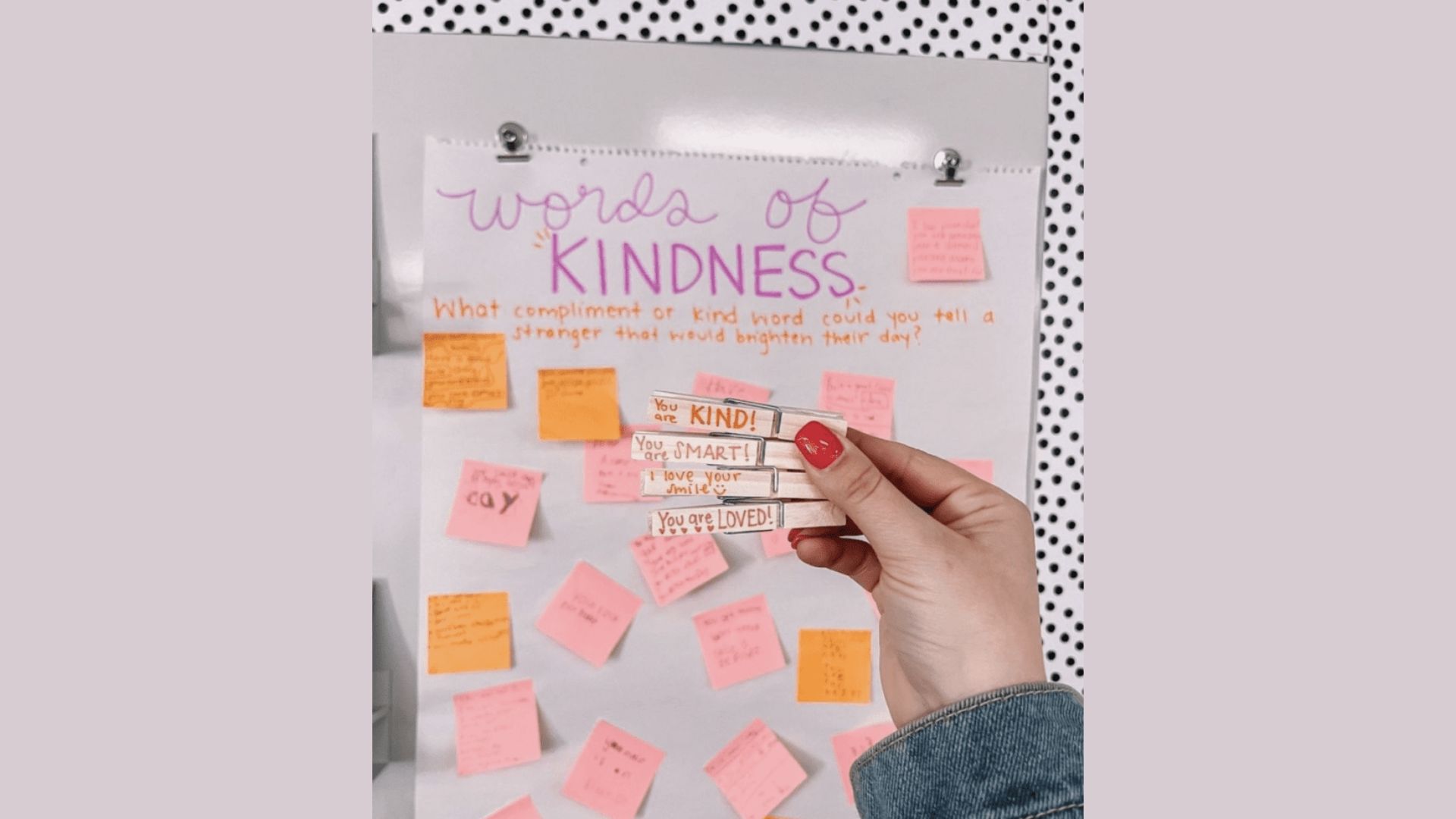
Write kindness words on clothespins.
For example:"caring," "honest," "helpful," "brave," or "gentle." Hang a string across the classroom. Throughout the week, let students clip words onto the string that describe acts of kindness they noticed.
By Friday, the string is full of positive words. It is a beautiful visual reminder of how much kindness was shown that week.
31. Make a Kindness Paper Chain

Cut strips of paper in different colors. Ask each student to write one kind act on each strip and link them together into a chain. Hang the chain around the room.
Every time a new kind act is done, add another link. Watch the chain grow longer throughout the month. It is a simple, visual way to track how kindness adds up.
Tips for Making Bucket Filler Activities Successful
Here are five simple tips to help these activities work well in your classroom or home:
- Keep It Simple. Start with the basic filler vs dipper idea and build from there as kids grow comfortable.
- Make It a Routine. Add a quick kindness check-in at the start or end of each day to keep it consistent.
- Use Visual Support. Posters, real buckets, and color coded cards help kids stay connected to the concept.
- Encourage Peer Recognition. Let students recognize each other's kind acts, not just the teacher.
- Celebrate Small Acts. A smile, a shared crayon, or a held door all count. Every small act matters.
Conclusion
I have used bucket filler activities in real classrooms, and I can tell you they work. The moment a child runs up and says, "I filled someone's bucket today!" you know it has clicked.
Start with one or two activities this week. See how your kids respond.
If this post helped you, share it with a fellow teacher or parent who could use some kind ideas.
And drop a comment below:which activity are you trying first?
Frequently Asked Questions
What is the main idea behind bucket filler activities?
Bucket filler activities teach kids that their actions affect how others feel. When they are kind, they fill someone's invisible bucket. When they are unkind, they dip from it.
What age group are bucket filler activities best for?
These activities work best for children in kindergarten through third grade. However, with small changes, they can also be used with older elementary students who need a refresher on kindness and empathy.
How often should I do bucket filler activities in the classroom?
Daily is ideal, even if it is just a short check-in or one kind act challenge. The more kids are reminded, the more kindness becomes a habit rather than just a one-time lesson.
Can bucket filler activities be done at home?
Yes, absolutely. Parents can use the same bucket and pom-pom system at home, read the books together, or start a family kindness jar. These activities work well in any setting where adults want to build kindness in children.
Do I need to buy the book to use bucket filler activities?
No, you do not need the book to get started. Many of the activities in this blog can be done using just the basic concept. That said, reading the book with kids gives the idea a story they can connect with, which makes it even more effective.Sonnet 4.6