
Kids lose focus. It happens in every classroom, every day.
I have seen it firsthand. Students zoning out mid-lesson, fidgeting, or simply shutting down. That is when brain breaks changed everything for me.
This blog covers brain break activities for kids that are easy to run, require little to no prep, and actually work.
You will find movement-based activities, creative and verbal games, mindfulness exercises, and calm-down and sensory breaks.
With over a decade of classroom experience, I know what keeps kids engaged and what does not.
These activities are tested, teacher-approved, and kid-approved too.
What Are Brain Break Activities for Kids?

Brain breaks are short, intentional pauses built into the school day to help kids reset and refocus.
A brain break is a short activity, usually one to five minutes, that gives the brain a rest from focused learning.
It can be physical, creative, or calm. The goal is simple: let kids recharge so they can come back to learning with fresh energy and better attention.
Kids are not built to sit still for long periods. Their brains and bodies need movement and variety to stay sharp.
Research shows that movement increases blood flow to the brain, which means better attention, better memory, and better mood.
63 Brain Break Activities for Kids
Here are easy, effective, and fun brain break ideas for your classroom.
1. Jump Around Challenge

Ask kids to jump in place as many times as they can in 30 seconds. You can make it more fun by counting out loud together.
This quick burst of physical movement gets the heart rate up and wakes up the body fast. It works especially well in the middle of a long lesson when energy is dropping.
2. Freeze Dance Game
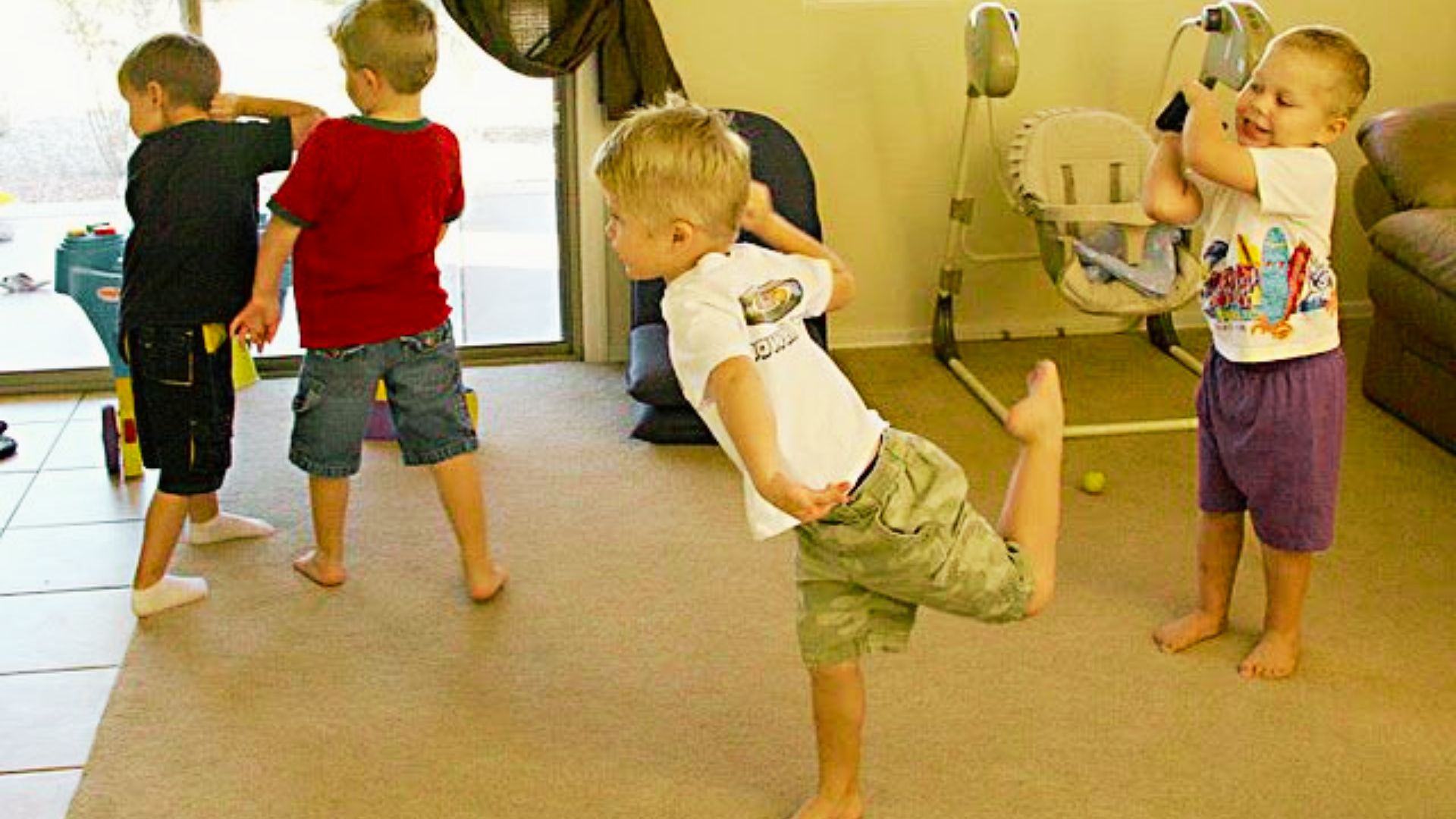
Play a short clip of music and let kids dance freely. When the music stops, everyone freezes in place.
The last one to freeze sits down, or you can just play for fun without eliminating anyone. Kids love this one because it combines movement with music and a little friendly competition.
3. Simon Says
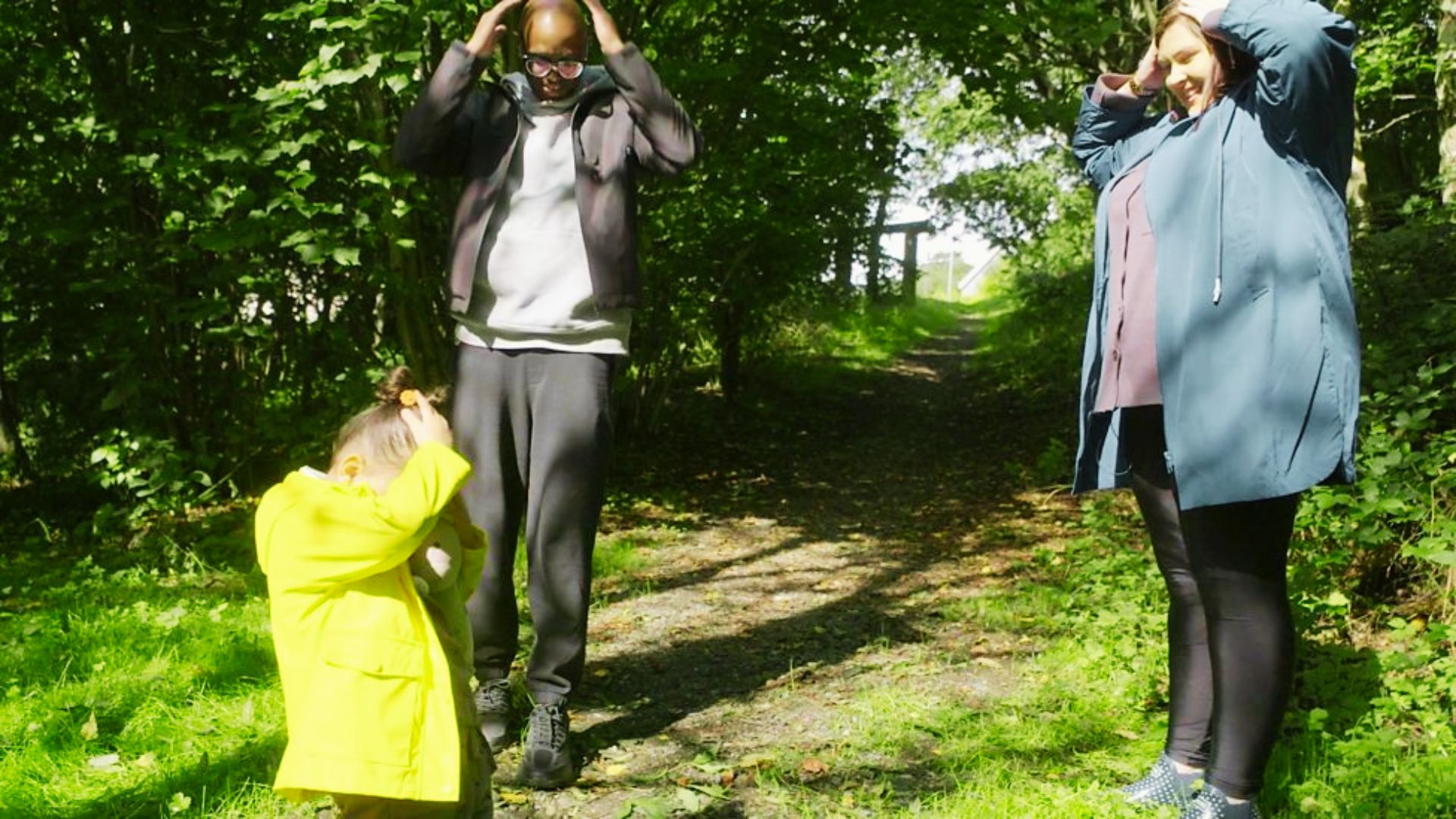
One person is Simon and gives commands. Students only follow if the command starts with "Simon says."
This classic game sharpens listening skills and reaction time. It is a great brain break because it requires both physical action and mental focus at the same time.
4. Human Knot

Students stand in a circle, reach across and grab two different hands, then try to untangle themselves without letting go.
This activity builds teamwork and communication. It also gets kids laughing and moving, which is exactly what a mid-class brain break needs to do.
5. Silent Ball
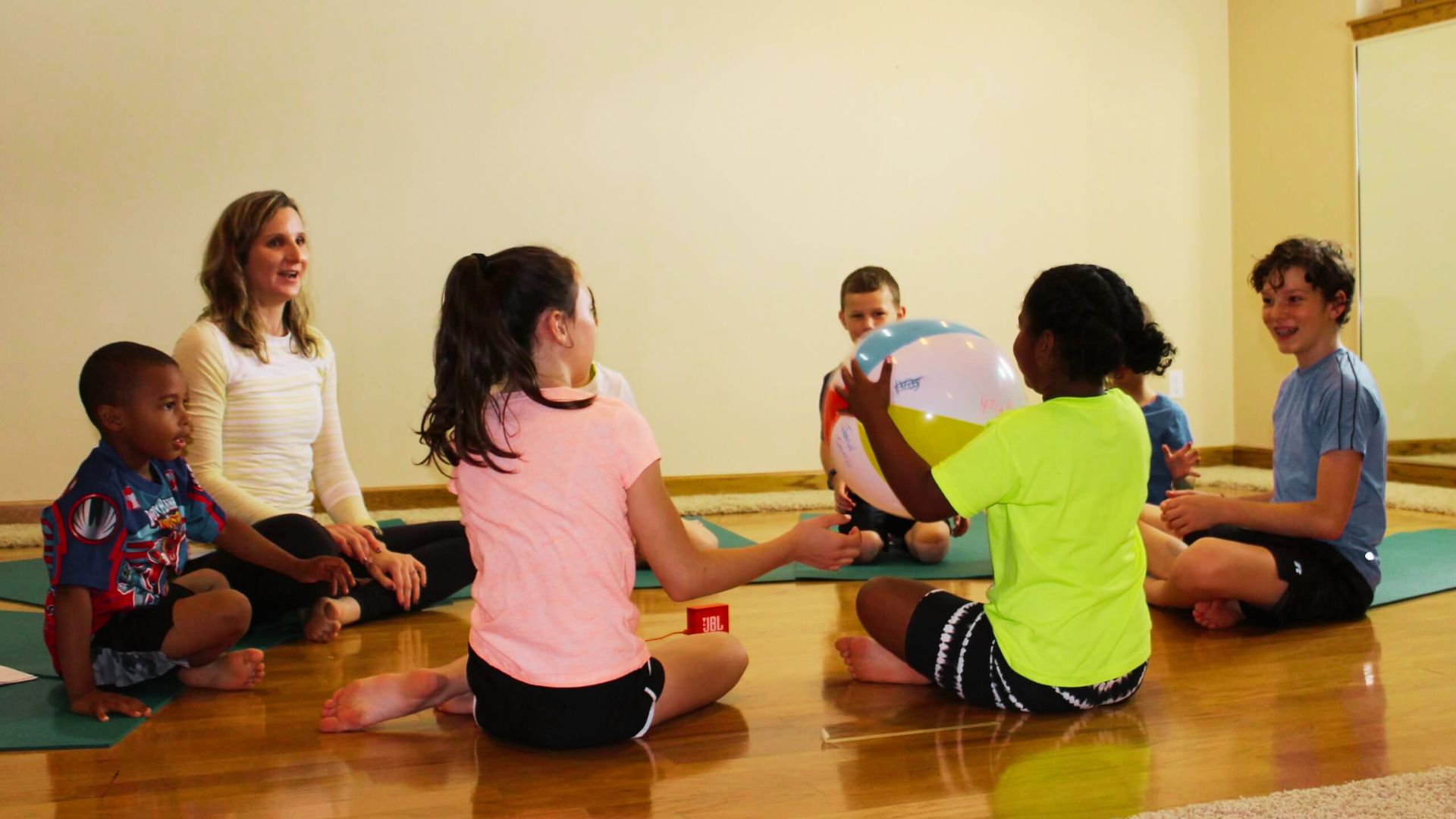
Students pass a ball around the room in complete silence. If anyone talks or drops the ball, they are out.
This game is surprisingly engaging because it mixes physical activity with self-control. It also gives the teacher a moment of quiet while students stay active and alert.
6. Line Up Without Talking
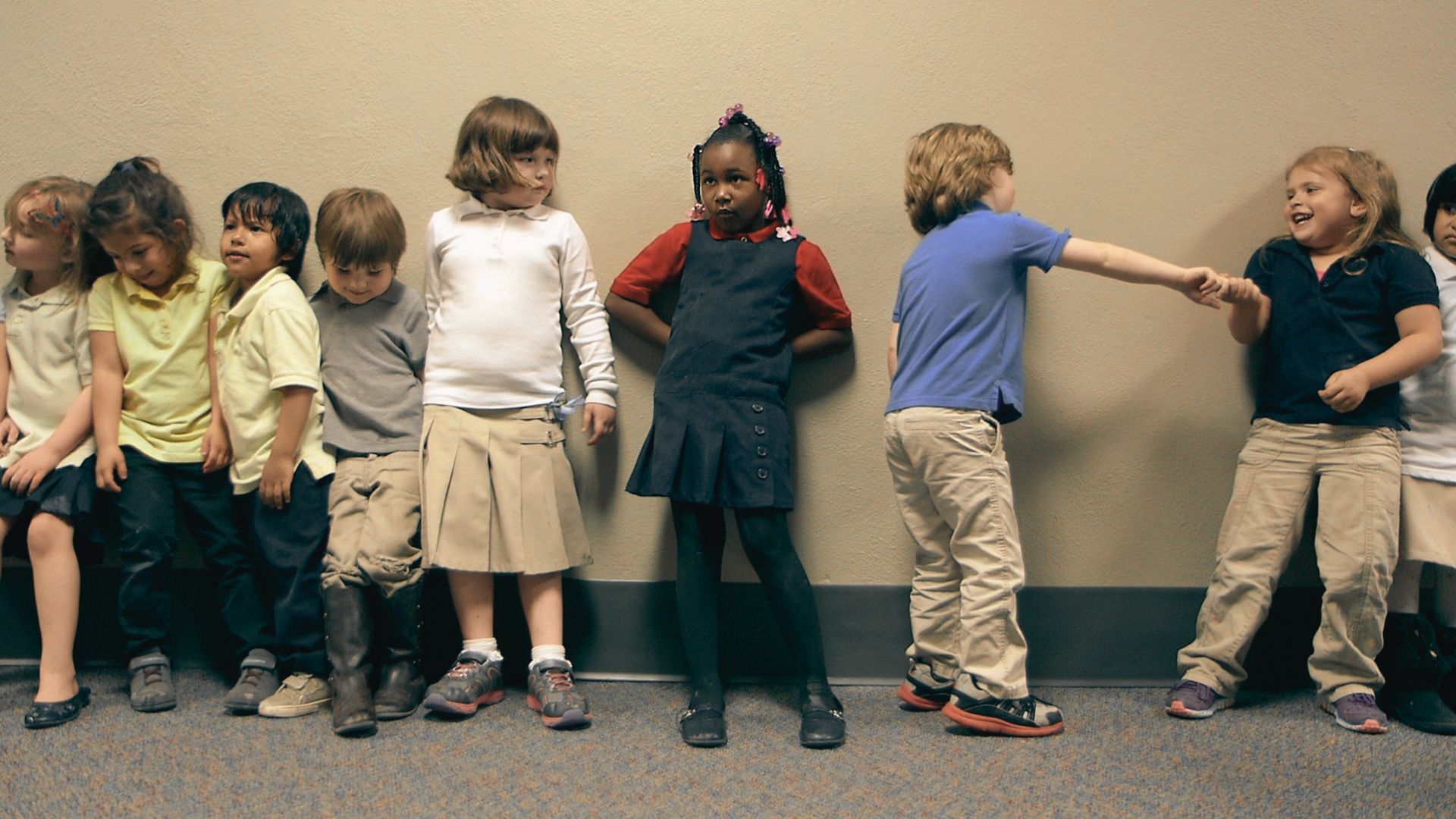
Ask students to line up in a specific order, by birthday, height, or first name, without saying a single word.
They have to use gestures and facial expressions to communicate. This builds nonverbal communication skills and gets students thinking creatively in a short amount of time.
7. Mingle and Group

Call out a number and students must quickly form groups of that size. Anyone left out joins a group anyway.
Then give each group a quick question or topic to discuss briefly. This activity gets kids moving around the room, talking, and thinking all at the same time.
8. Balloon Volleyball

Give each group a balloon and ask them to keep it off the ground for as long as possible. No popping allowed.
This light physical game builds coordination and teamwork. It is also very low-risk since balloons move slowly and there is minimal chance of anyone getting hurt.
9. Crab Walk Race
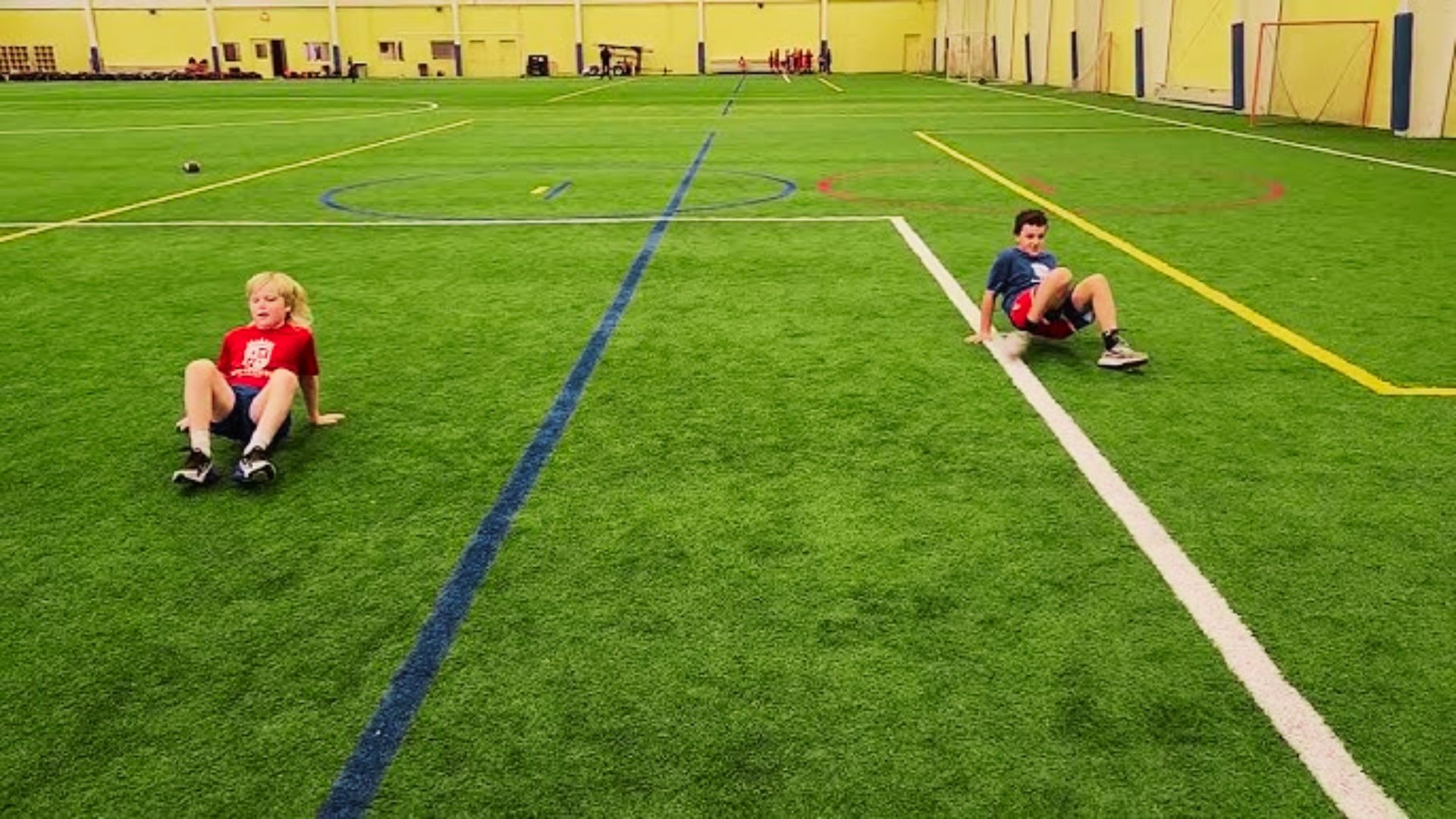
Students get into crab position, hands and feet on the floor with their belly facing up, and race to a finish line.
This is both silly and tiring in the best way. The full-body movement releases built-up energy quickly. Kids also love the humor of watching each other walk like crabs.
10. Obstacle Course

Set up a simple obstacle course using chairs, tape on the floor, or classroom items. Students take turns going through it as fast as possible.
You can time them and encourage friendly competition. Obstacle courses use coordination, focus, and physical effort all at once.
11. Heads Up, 7 Up

Seven students stand at the front. Everyone else puts their heads down with thumbs up. The seven students each tap one person's thumb.
When heads come up, those tapped try to guess who tapped them. This quiet game is a welcome calm-down activity that still keeps kids thinking and engaged.
12. Find It Fast

Call out a color, shape, or object and students race to touch something in the room that matches.
This game gets kids moving quickly while sharpening observation skills. It works well as a very short burst activity when you only have a minute to spare.
13. Boom Clap Snatch

Students stand in a circle. One student says "boom," the next says "clap," the next says "snatch," and so on.
Anyone who hesitates or says the wrong word is out. This rhythm game builds listening skills, pattern recognition, and quick thinking while keeping the energy light and playful.
14. Splat Game
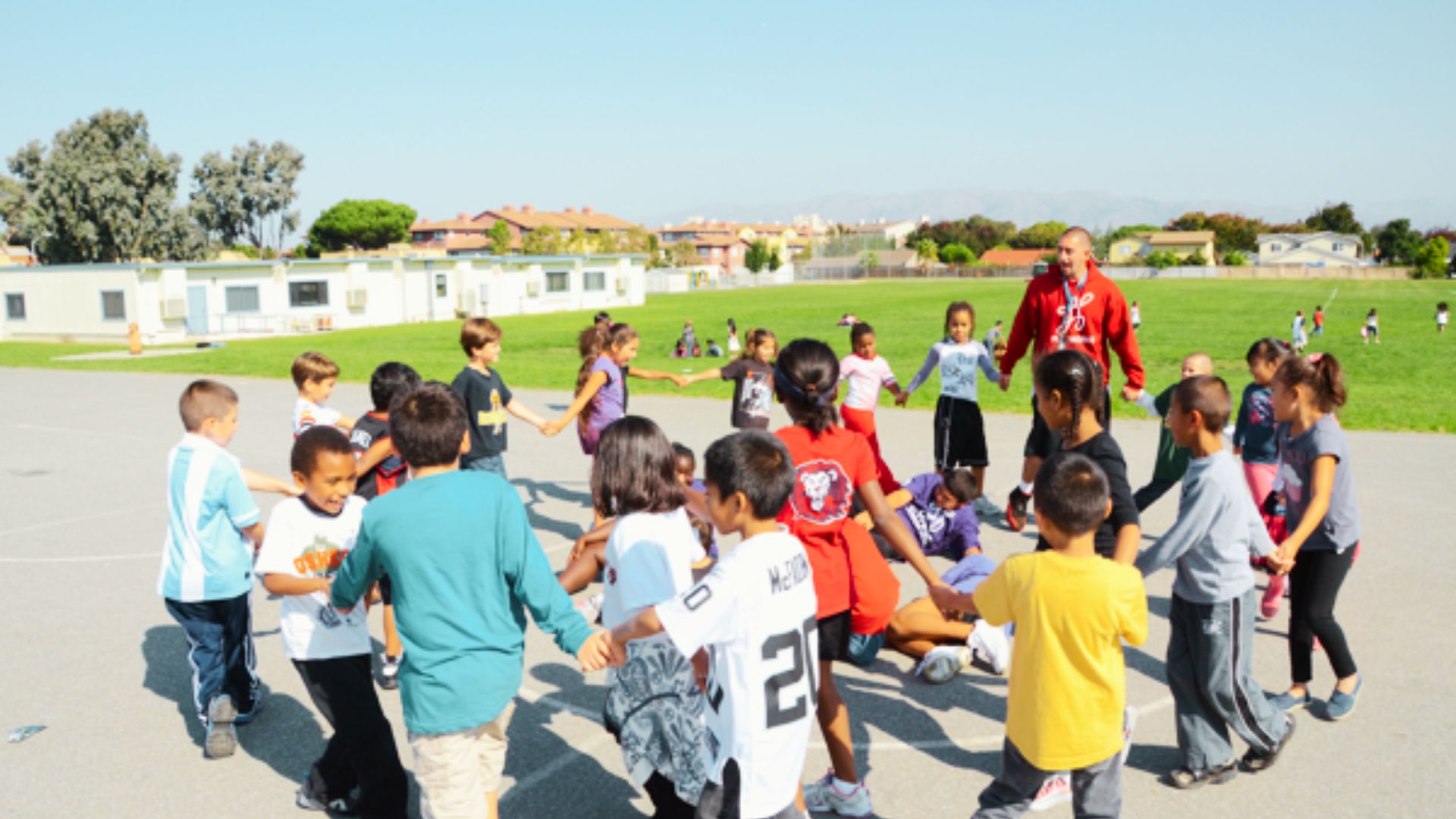
Students stand in a circle. The teacher points to someone and says "Splat!" That person ducks.
The two students on either side point at each other and say "Splat!" The last one to react is out. This game is fast-paced, funny, and keeps everyone paying close attention.
15. Grandma's Footsteps

One student stands at the front with their back to the group. Everyone else tries to sneak up quietly. Whenever "Grandma" turns around, everyone must freeze.
Anyone seen moving goes back to the start. This slow, sneaky game builds body awareness and self-control in a way kids find genuinely exciting.
16. Alien Tiger Cow

This is a group game where everyone secretly picks to be an alien, a tiger, or a cow. On the count of three, everyone shows their character with a pose and sound.
Matching characters team up. This high-energy game gets kids laughing and moving without requiring any materials.
17. Circle Switch
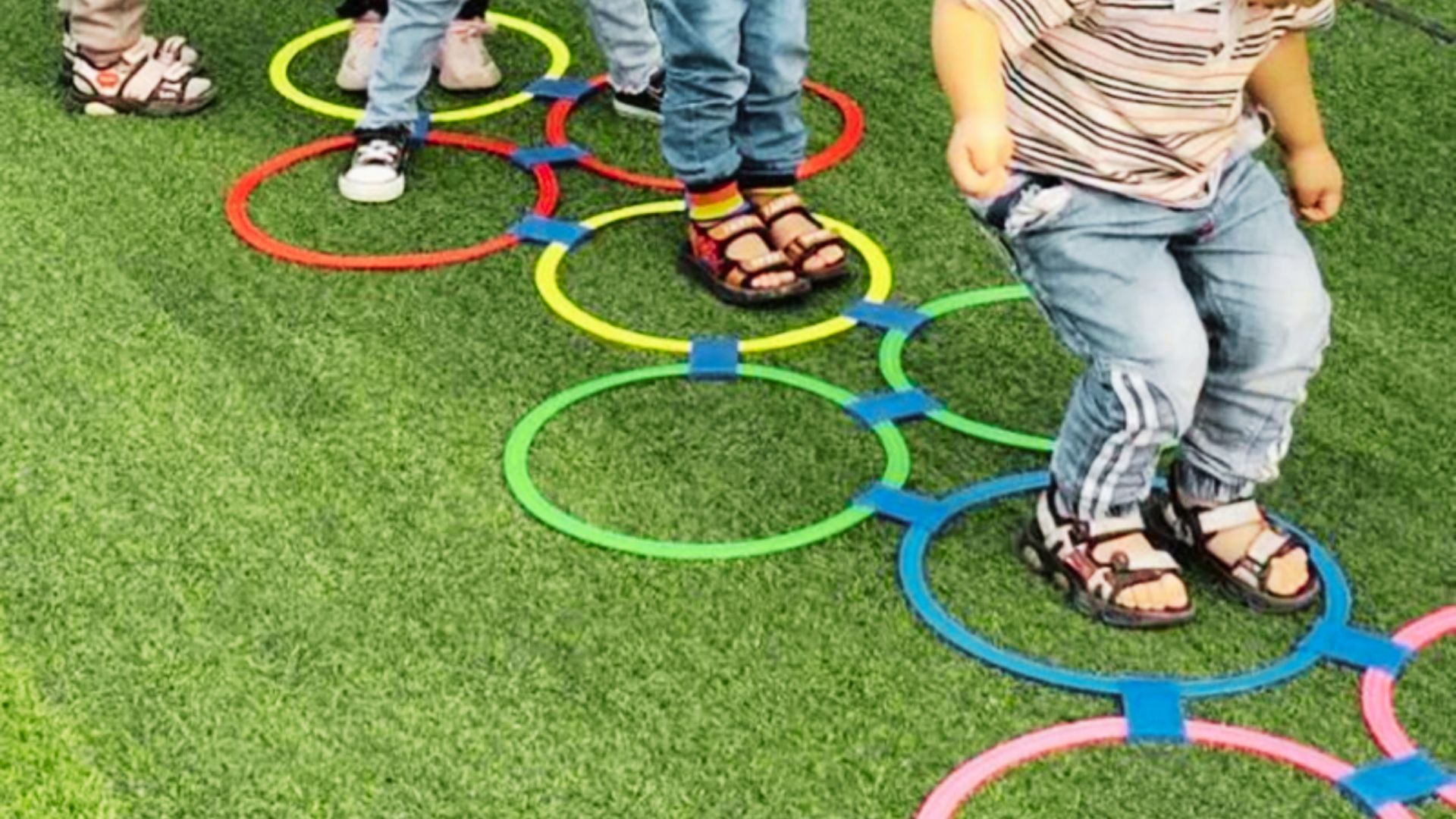
Students sit in a circle. Each student is assigned a category like color, fruit, or animal. When their category is called, they switch seats.
The person in the middle tries to grab a seat during the switch. This quick game mixes listening, reaction time, and movement in a fun way.
18. Cooperative Stand Up

Two students sit back to back with arms linked. They try to stand up together without using their hands. Once they succeed, add more students to the group.
This team challenge builds physical coordination and cooperation. It also creates a lot of good-natured laughter, which is its own kind of brain reset.
19. Movement Songs

Put on a short song that comes with movements like "Head, Shoulders, Knees and Toes" or similar action songs. Students follow along.
This works especially well with younger kids. The combination of music, rhythm, and movement activates multiple areas of the brain at once.
20. Pat Your Head Rub Your Belly
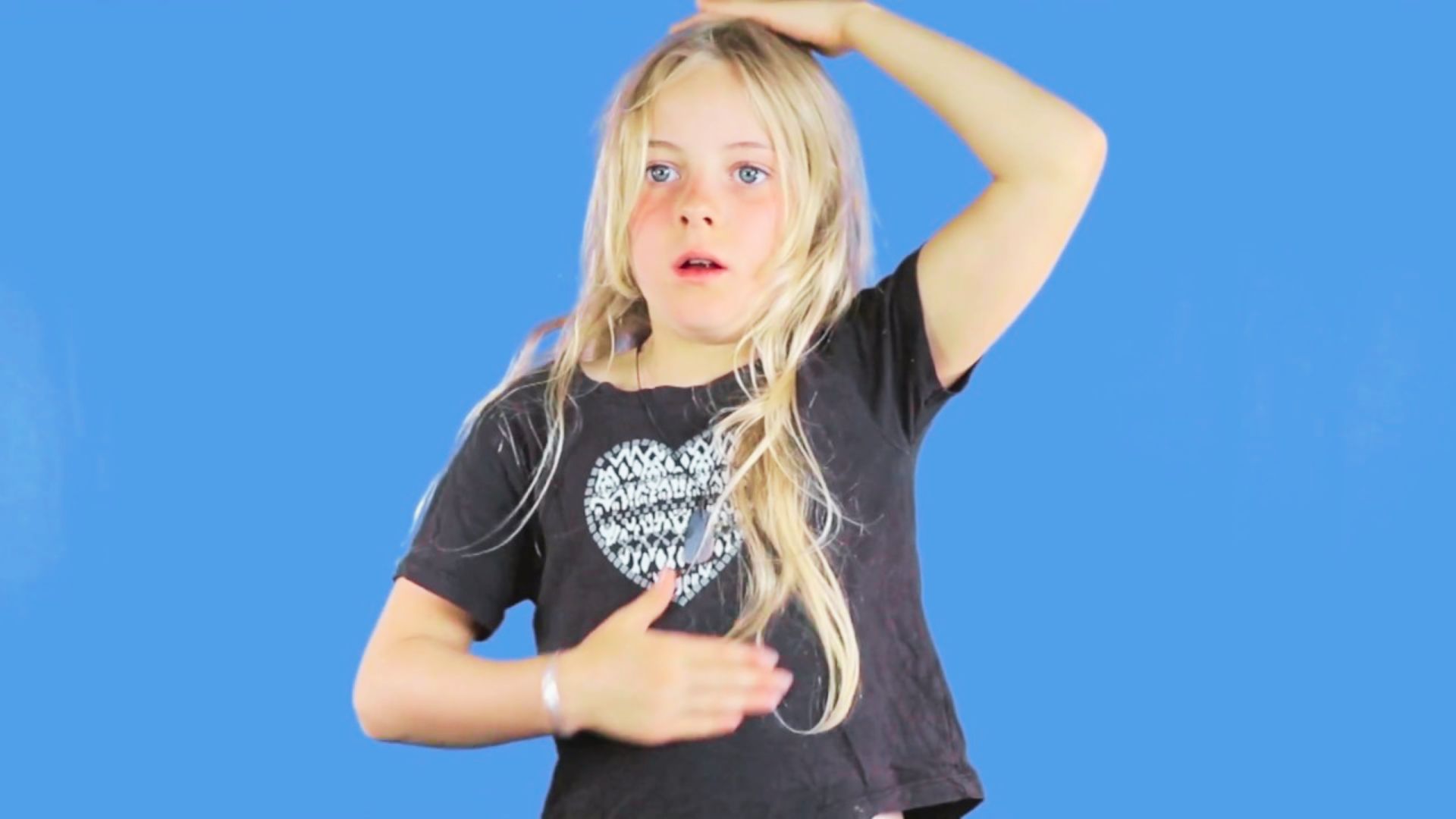
Ask students to pat their head with one hand while rubbing their belly with the other at the same time. Then switch hands.
Add more actions for extra challenges. This simple coordination exercise is harder than it looks and gets kids laughing while sharpening focus and fine motor control.
21. One Word Story

Students sit in a circle. Each person says one word to build a story together. The story can get wonderfully strange.
This game builds listening, creativity, and quick thinking in a totally low-pressure and often hilarious format.
22. Questions Only Story
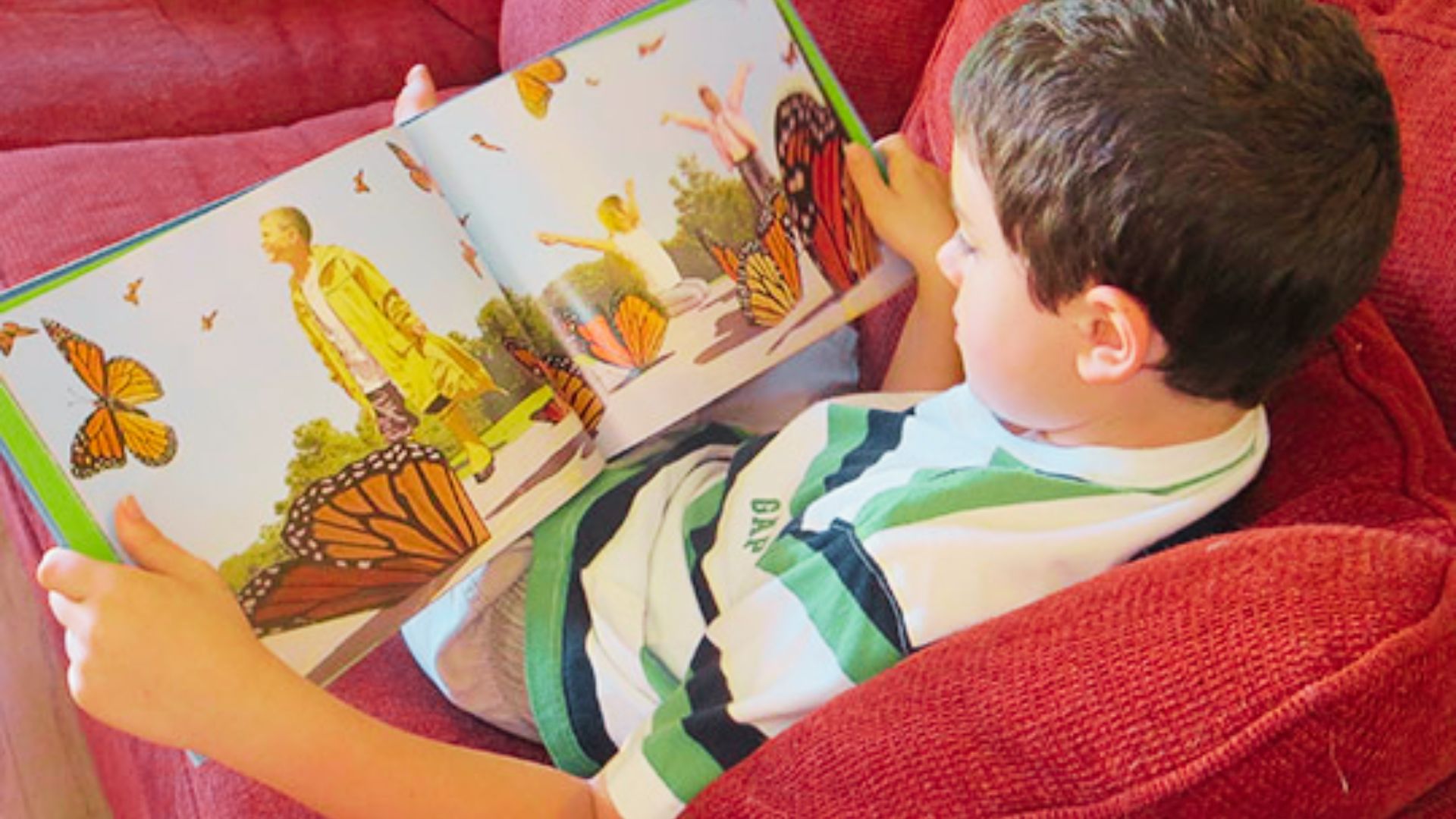
Students try to tell a story using only questions. Anyone who makes a statement is out.
This challenge pushes creative thinking and keeps students highly attentive since they have to constantly monitor what they are saying.
23. Would You Rather

Ask a fun question and have students move to one side of the room based on their answer. This simple activity sparks thinking, movement, and conversation all at once.
It also helps students learn about each other in a relaxed way.
24. Password Game
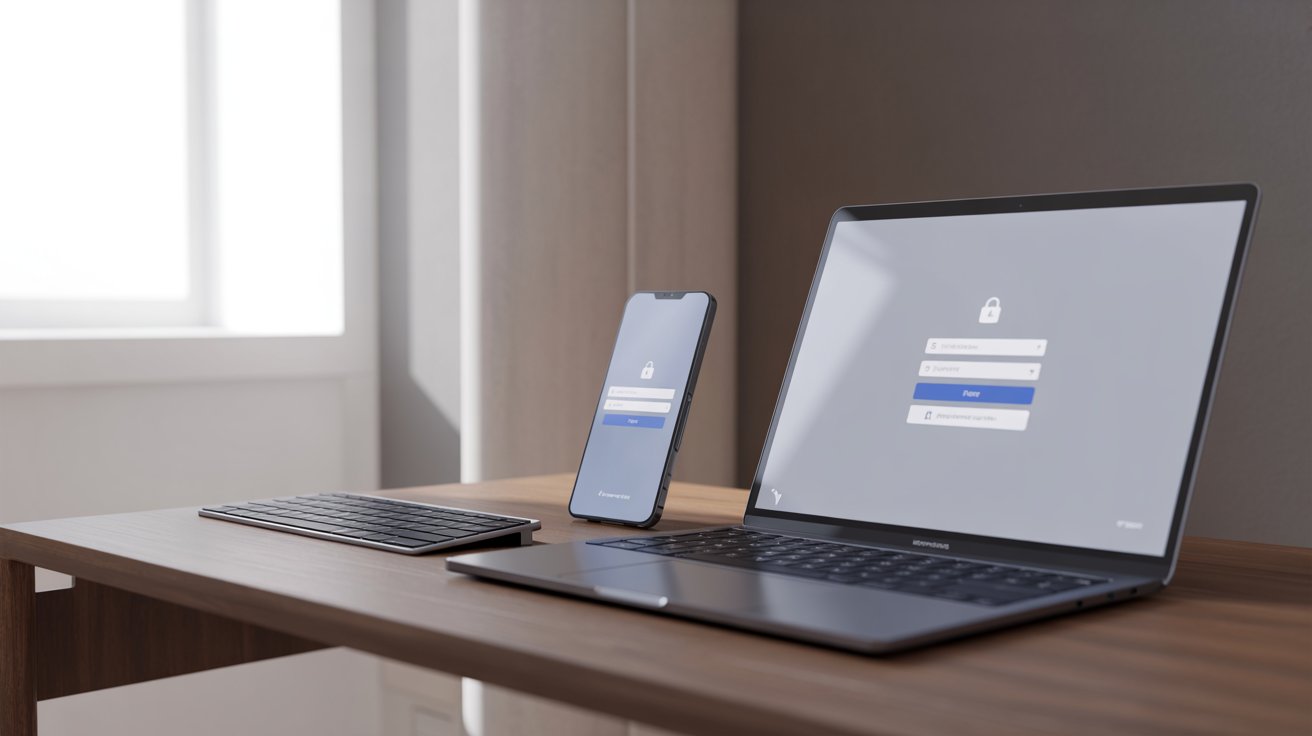
One student thinks of a word. Others ask yes or no questions to figure it out. This is a quieter brain break that still keeps the mind active.
It is a good choice when students need to calm down but stay mentally engaged.
25. Scattergories

Read a short, simple script that walks students' story and a letter. They have to name something in that category that starts with that letter, faster than everyone else.
This quick-fire game builds vocabulary, fast thinking, and a little healthy competition in just a few minutes.
26. 20 Questions Game
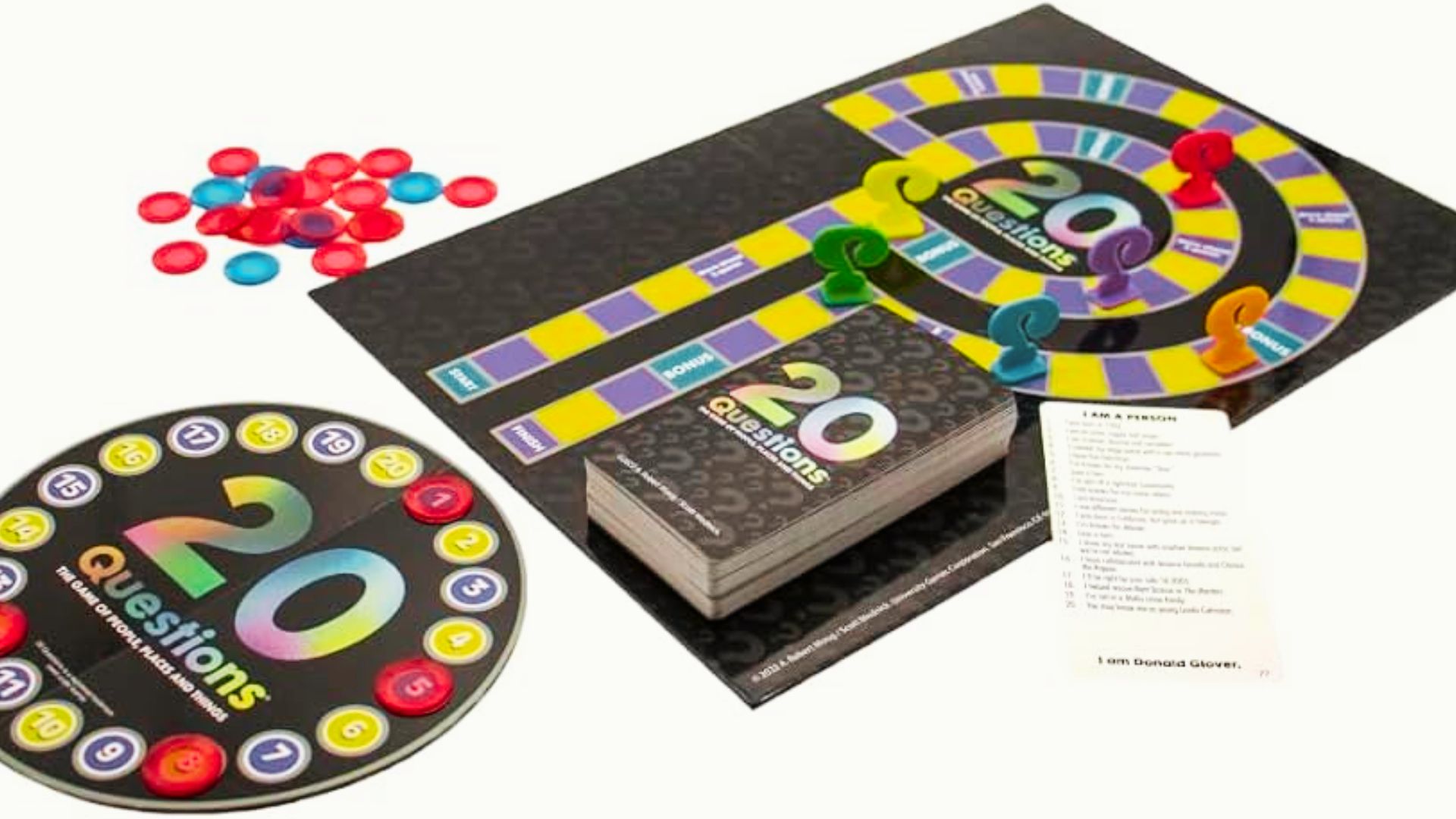
One student thinks of a person, place, or thing. Others ask up to 20 yes or no questions to figure it out.
This classic game keeps kids thinking strategically while using logical reasoning. It is a great calm brain break that still keeps the mind working at full speed.
27. Wordle Classroom Version
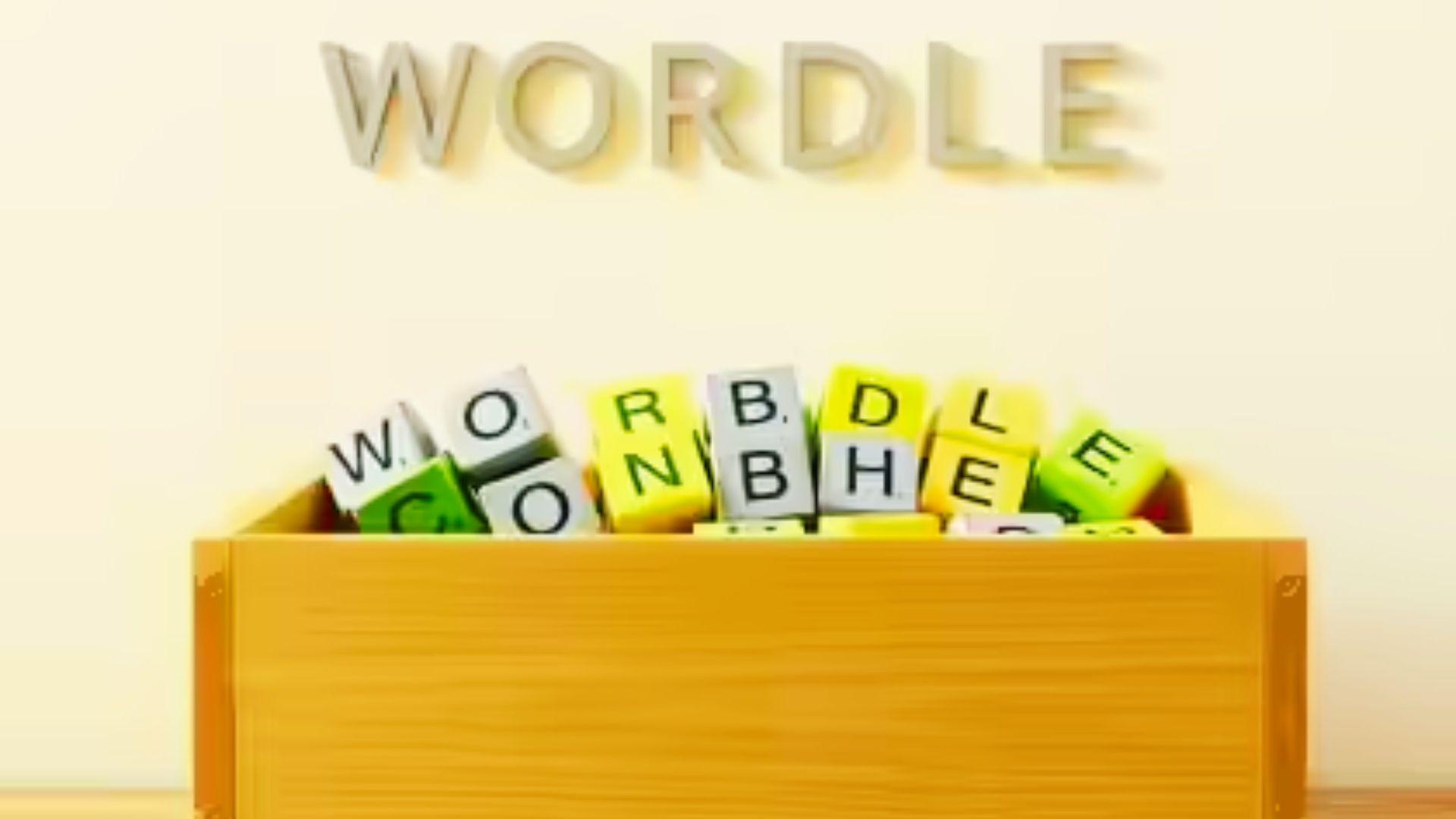
Write a mystery word on the board. Give students a set number of guesses. After each guess, mark which letters are correct and in the right place, correct but in the wrong place, or not in the word at all.
This focused, quiet brain break sharpens word knowledge in a game-like format.
28. Telephone Game
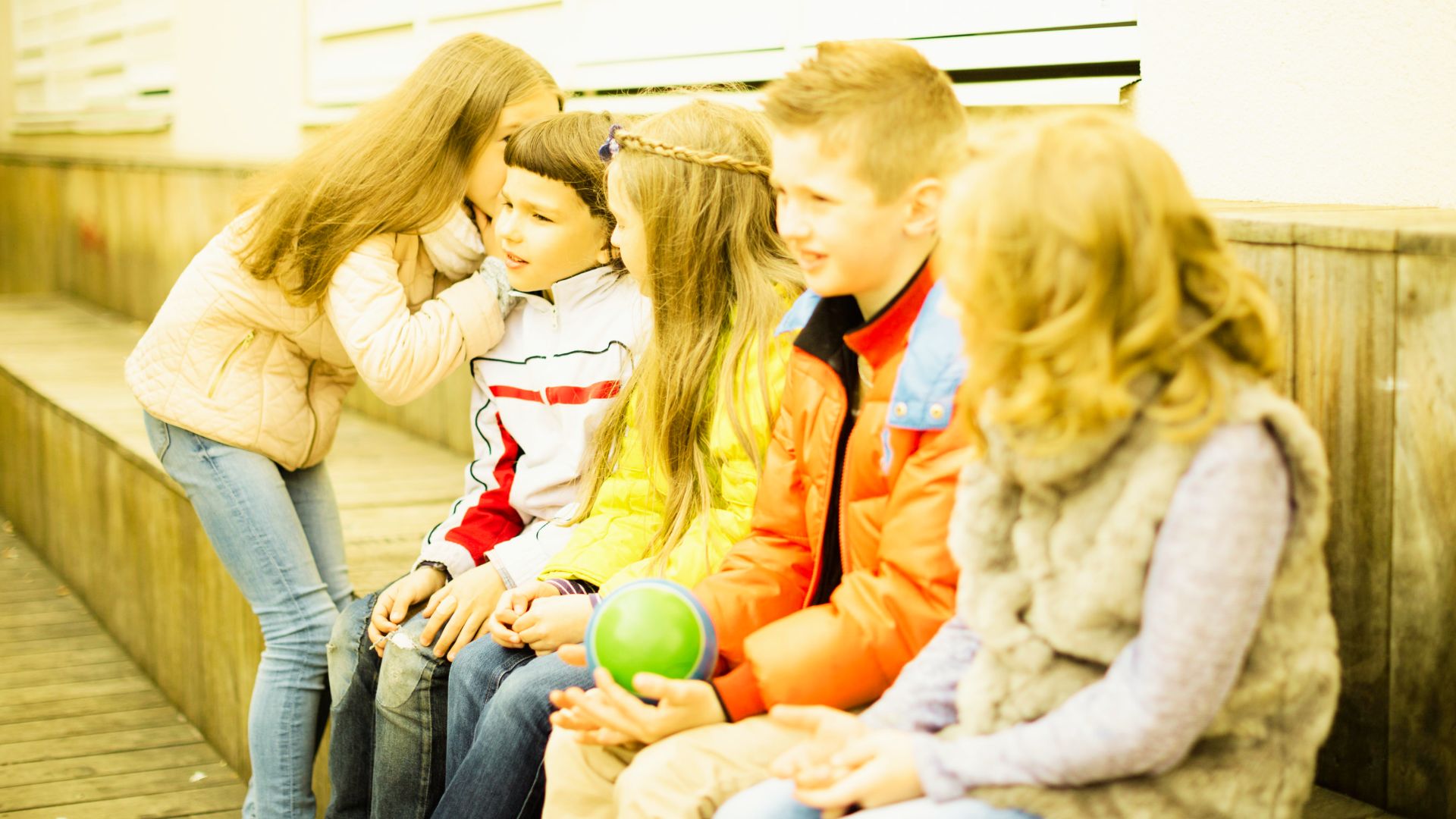
Whisper a message to the first student. Each student whispers it to the next. The last student says the message out loud.
Compare it to the original. The results are usually hilarious and show students how communication can change as it passes through many people.
29. Tongue Twisters

Read a tongue twister out loud as a class, faster and faster each time. Tongue twisters activate the speech and language centers of the brain while producing genuine laughs.
They are short, energetic, and need no preparation at all.
30. Fortunately Unfortunately
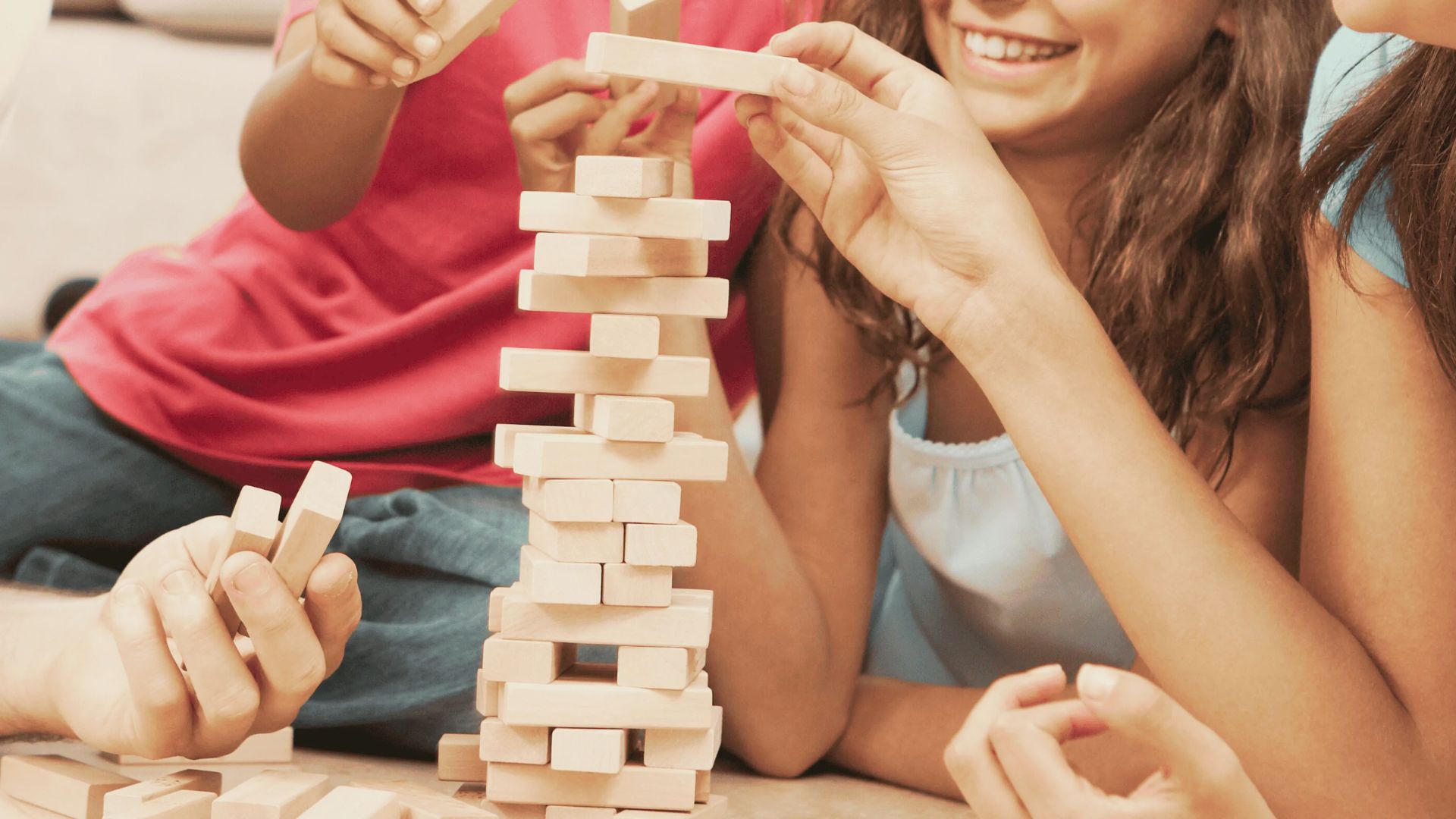
Start a story. The next student says "Fortunately" and adds something good. The one after says "Unfortunately" and adds something bad. Keep going.
This game sparks creative thinking and storytelling in a naturally funny back-and-forth format.
31. Why Because Game

One student asks "Why?" Another answers with "Because" and then asks "Why?" again. Keep going as long as possible.
The answers get more creative and absurd as the chain grows. This activity pushes creative reasoning and quick thinking while keeping the mood light and playful.
32. 3 Word Story Challenge

Each student adds exactly three words to a group story. No more, no fewer. This creates funny, unexpected story turns.
The strict three-word rule forces quick, focused thinking without allowing anyone to dominate the story.
33. Memory Game
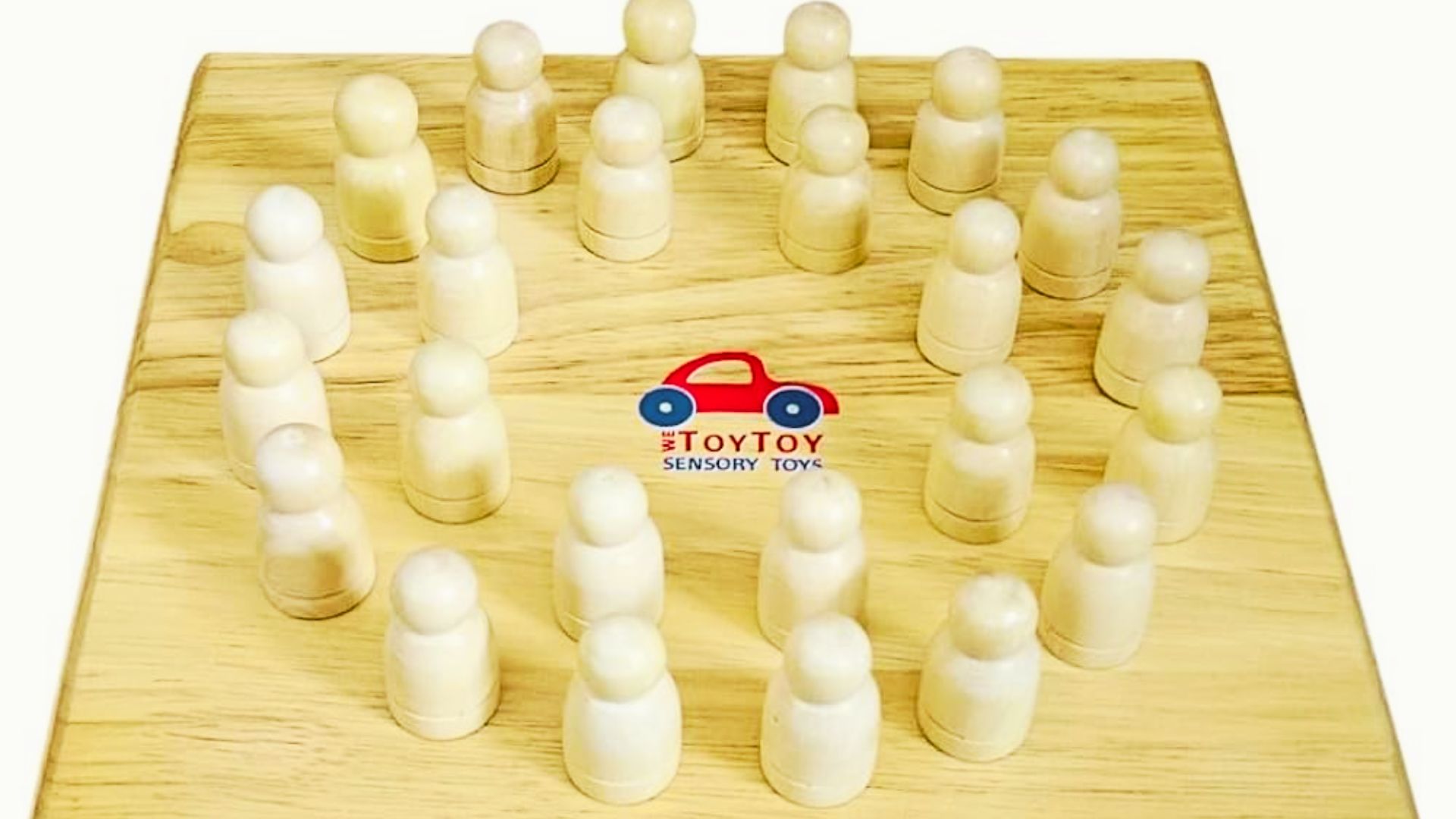
Show students a tray of objects or a list of words for 30 seconds. Then cover or remove them. Students write down as many as they can remember.
This low-movement activity builds focus and short-term memory while giving the body a rest and the brain a gentle challenge.
34. Island Packing List
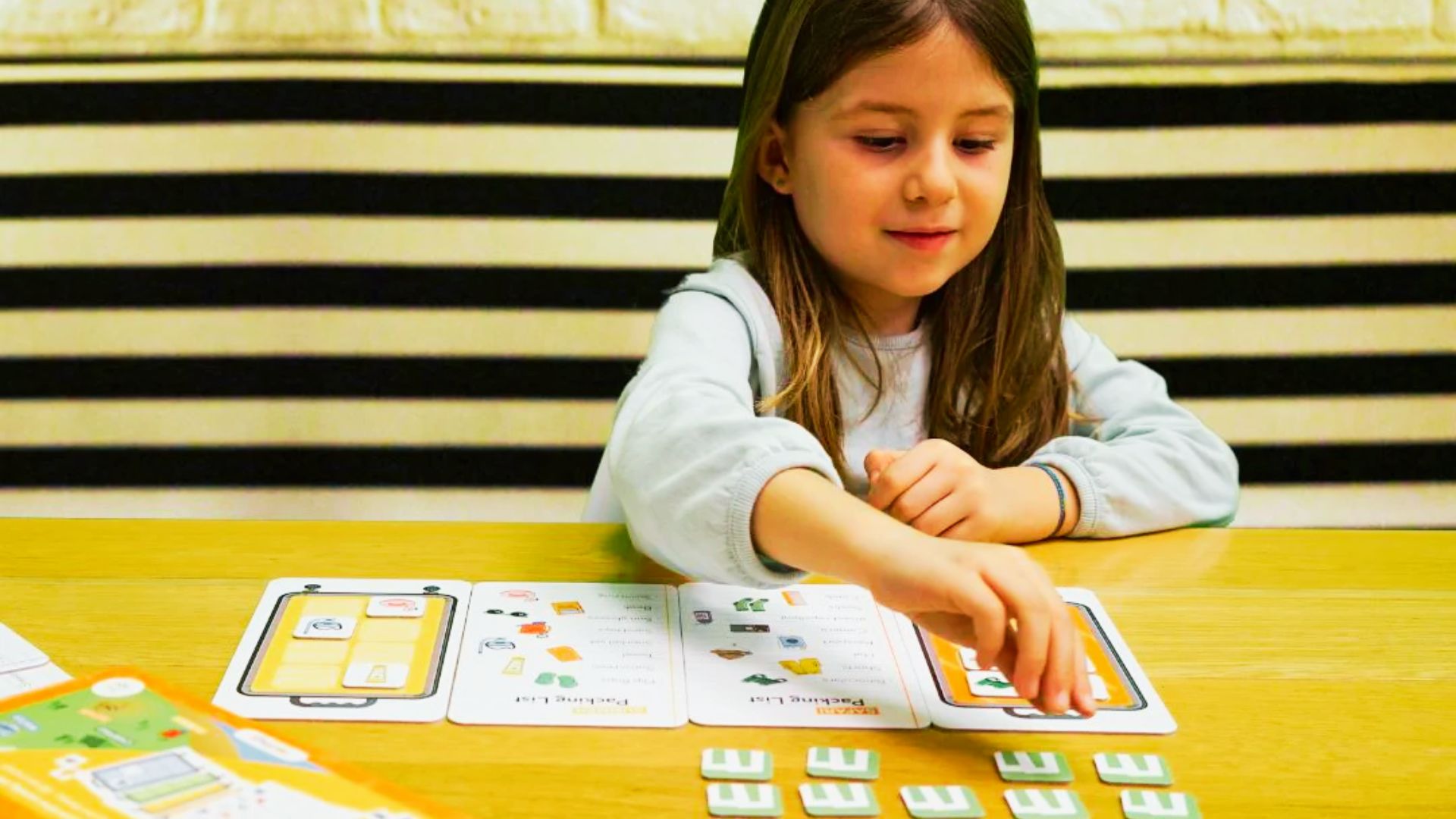
Students take turns adding to a packing list for a deserted island. Each person must repeat everything listed so far and then add one item.
This memory game builds concentration, listening, and a little strategy as students track a growing list in their heads.
35. 2 Truths and a Lie

Each student shares two true statements and one false one. The class votes on which one is the lie. This activity is simple, social, and fun.
It also helps students get to know each other better and builds critical thinking in a light and relaxed atmosphere.
36. Disappearing Man (Hangman Alternative)
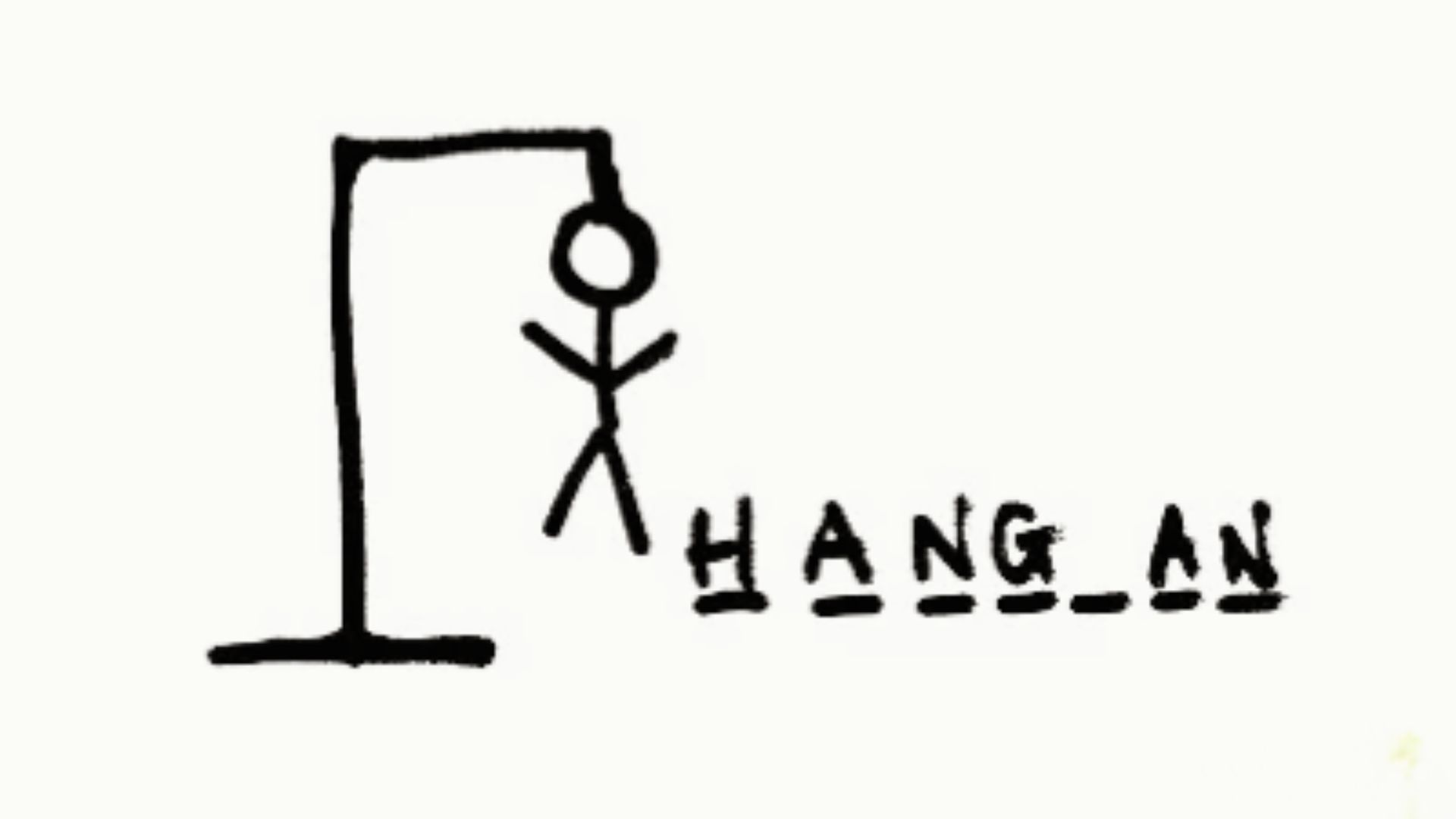
This is a version of Hangman where instead of drawing a hanging figure, students draw a simple stick figure that disappears step by step with each wrong guess.
It is a word-guessing game that keeps kids thinking while being a more positive spin on a classic classroom activity.
37. 1 2 or 3 Word Passage

The teacher reads a short passage. Students have to respond using only one, two, or three words to summarize what they heard.
This builds listening comprehension and the ability to extract key ideas quickly. It also doubles as a quick review activity.
38. Vocabulary Tug of War
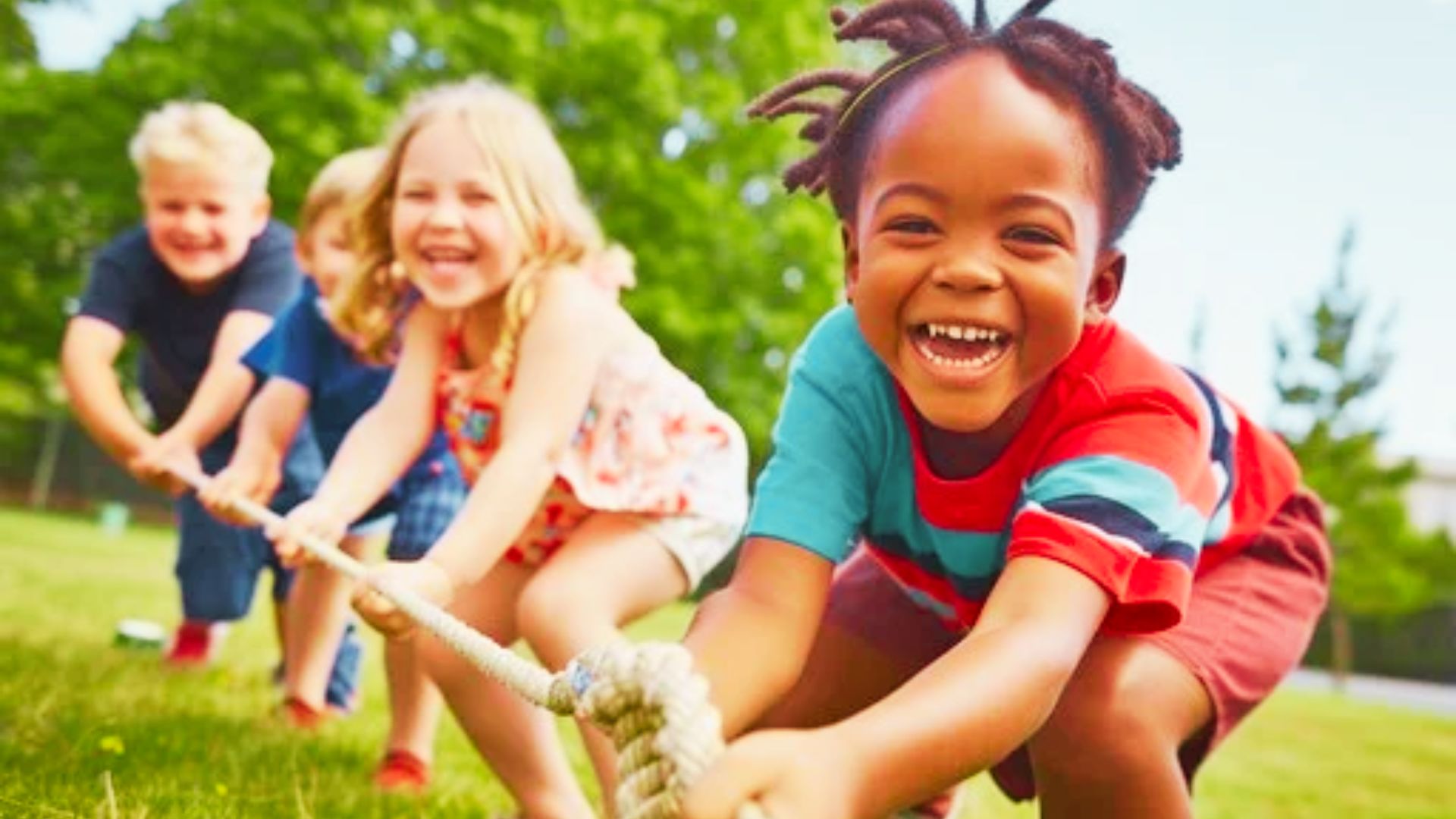
Split the class into two teams. Call out a definition or clue. The first team to give the correct vocabulary word earns a point.
This competitive but calm game reinforces word knowledge while bringing a burst of energy and motivation into the classroom.
39. Guess the Secret Number
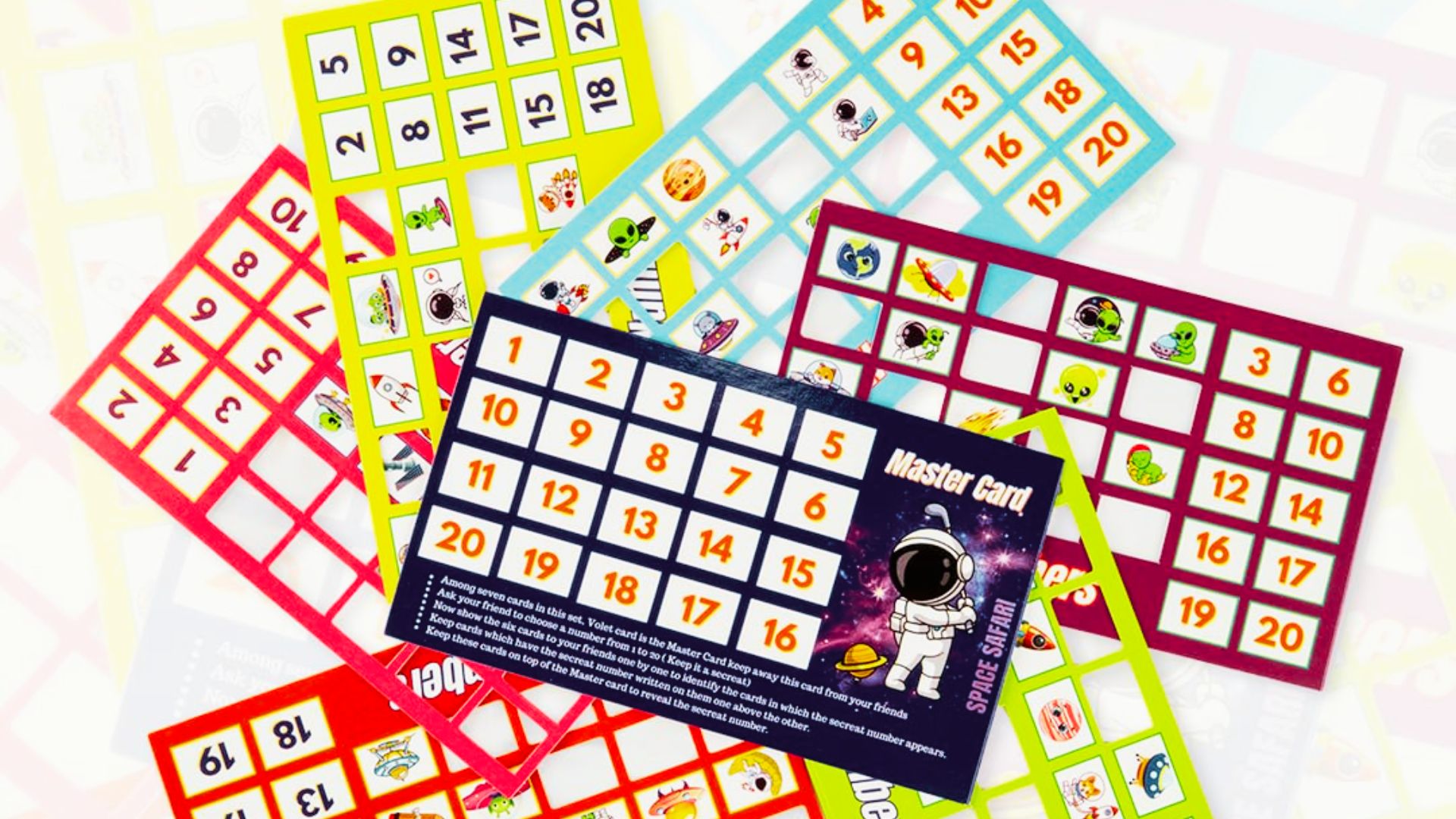
Think of a number within a certain range. Students guess one at a time and you tell them higher or lower.
The student who guesses correctly wins a turn as the number keeper. This simple, low-prep brain break keeps kids engaged and thinking logically.
40. Bingo Bongo Splat
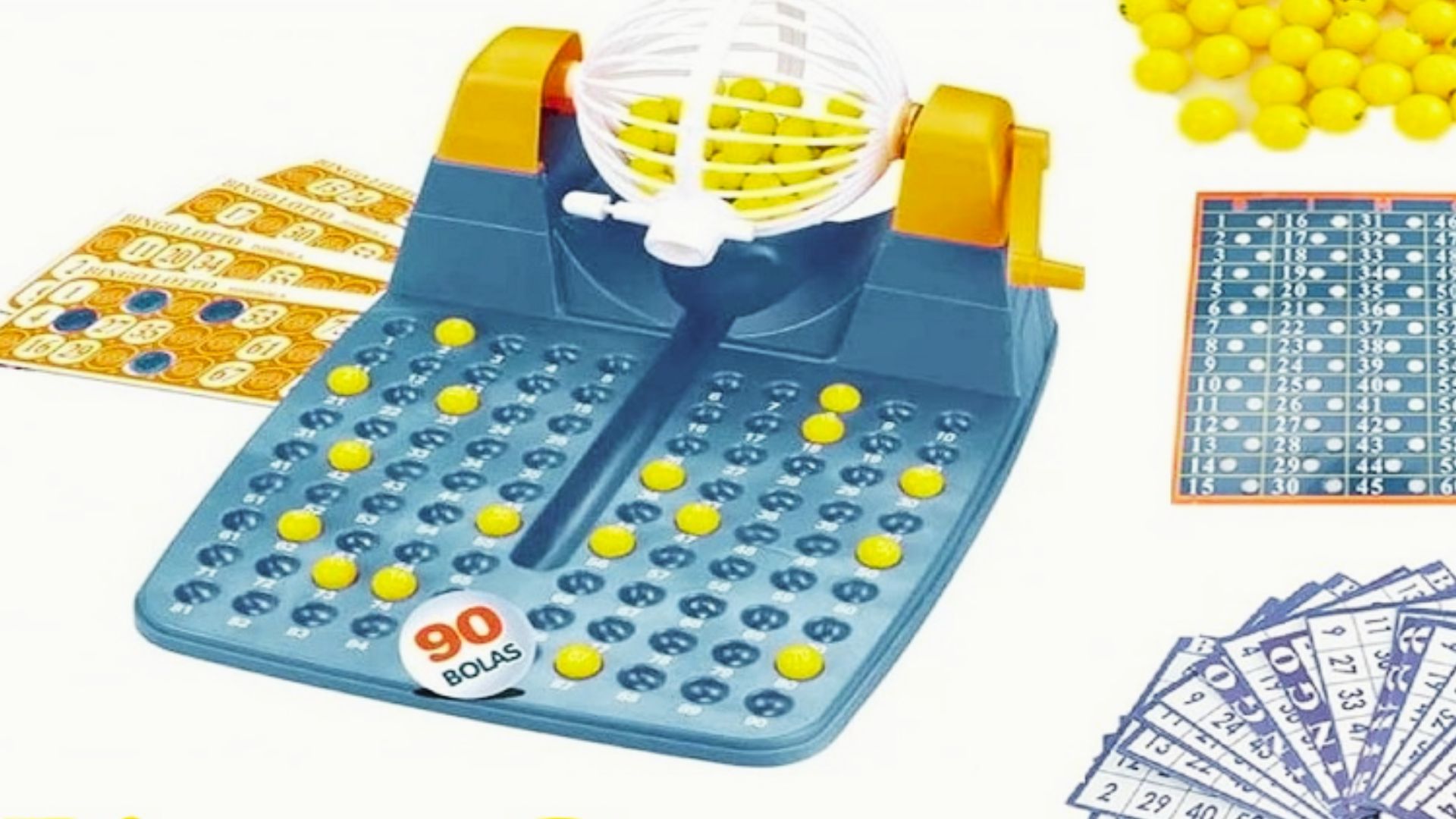
Students stand in a circle. The leader points to someone and says "Bingo." That person ducks. The two beside them say "Bongo" and "Splat" as fast as possible.
The last to react sits down. This fast reaction game keeps everyone on their toes and creates a fun, competitive energy in the room.
41. Pictionary

One student draws a word on the board while the class guesses what it is. Set a timer for extra pressure.
This classic game combines creativity, visual thinking, and quick communication. It works for all ages and needs no special materials.
42. Pass the Drawing
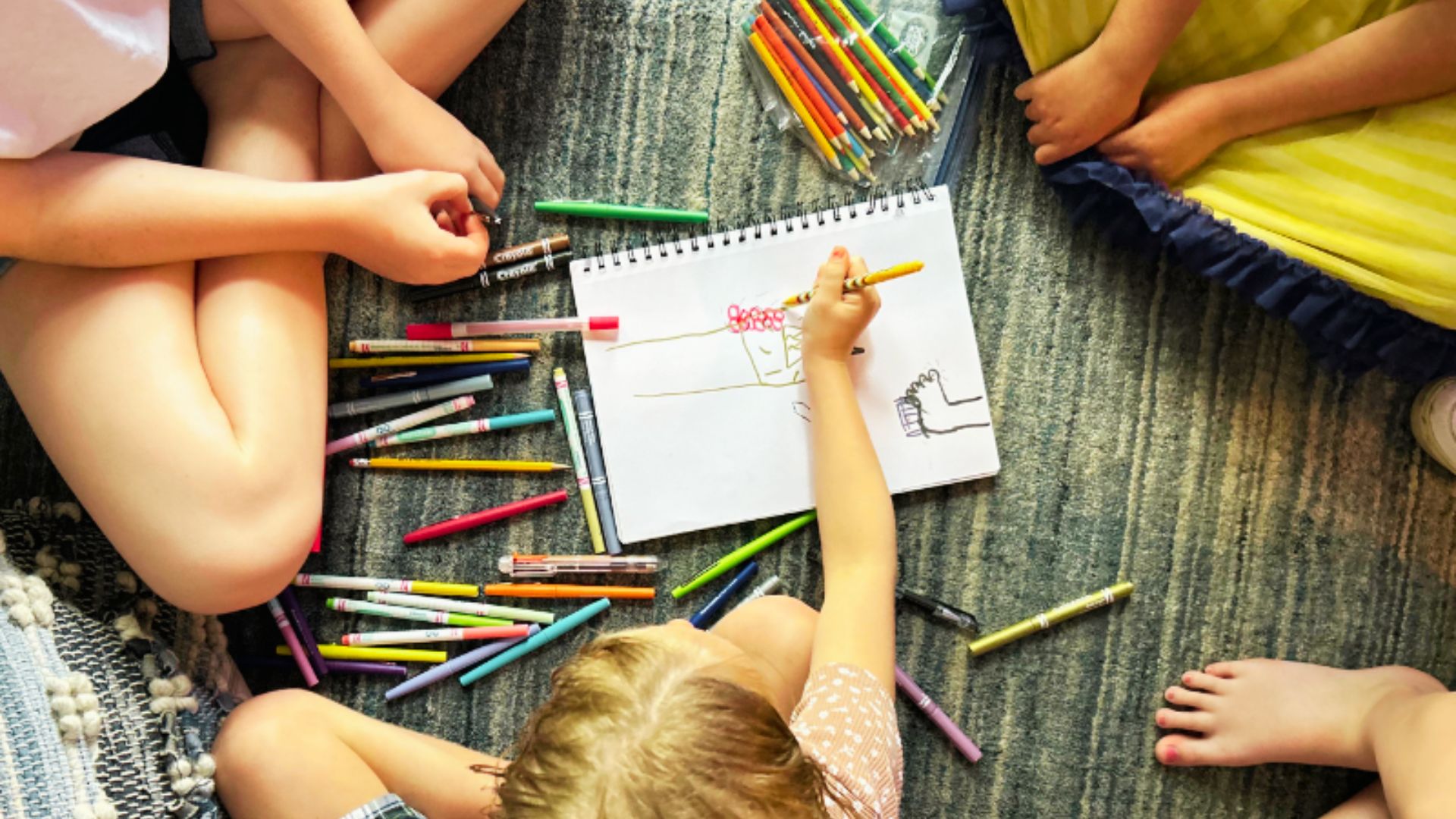
Each student starts a drawing for 30 seconds, then passes it to the next person who adds to it. Keep passing until the drawing is complete.
The final results are often surprising and funny. This activity builds creativity and shows students how collaborative work can take unexpected directions.
43. Two and a Crayon

Pair students up. Give them one crayon or pencil. They must draw something together without talking, holding the pencil at the same time.
This creative challenge builds coordination, nonverbal communication, and teamwork. It is also genuinely funny to watch, which makes it a great mood booster mid-class.
44. Charades

One student acts out a word, phrase, or book title while others guess. No talking or sounds allowed.
Charades builds body language awareness, quick thinking, and a lot of laughter. It works across all grade levels and needs absolutely no materials to run.
45. Story Starter Game
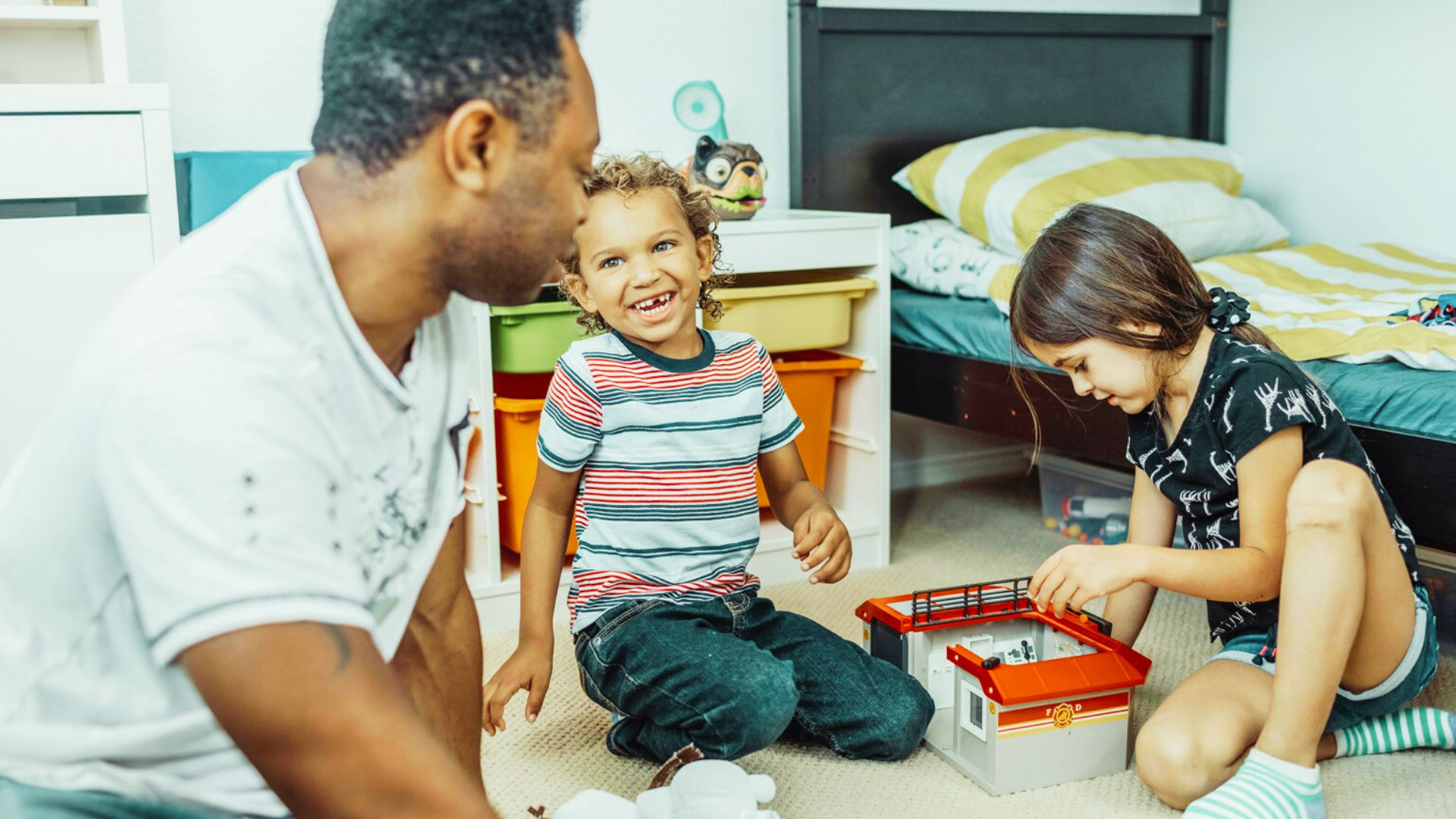
Give students a wild opening sentence and ask them to continue the story out loud, one student at a time.
Story starters spark imagination fast and create a fun, shared narrative that the whole class builds together.
46. Drawing Challenge
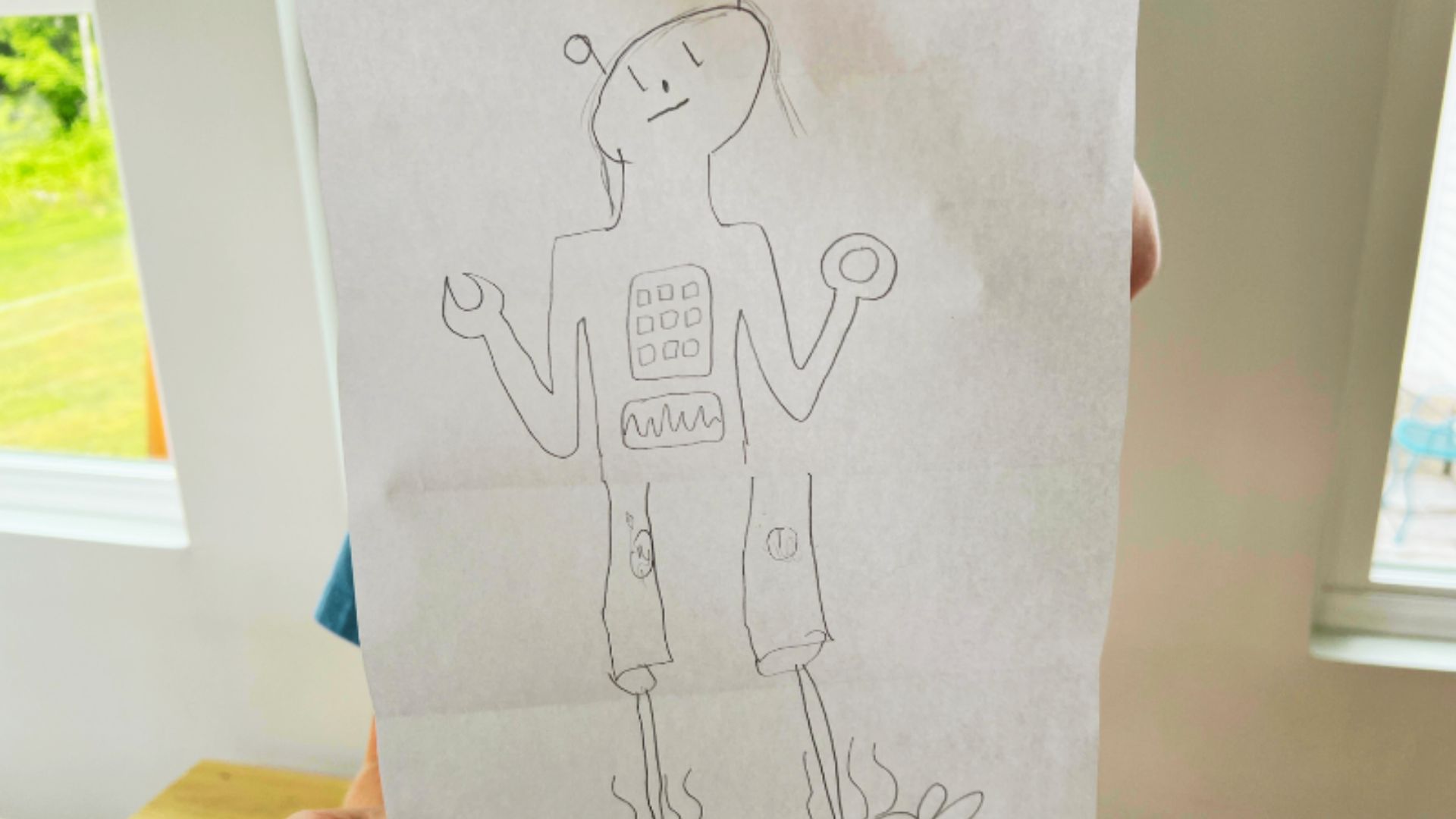
Give students 60 seconds to draw something specific like "a school run by robots" or "a fish on the moon." Share the results.
This short creative burst activates imagination and gives students a mental break from structured content. It is also a great way to end with laughter and a sense of fun.
47. Paper Airplane Contest
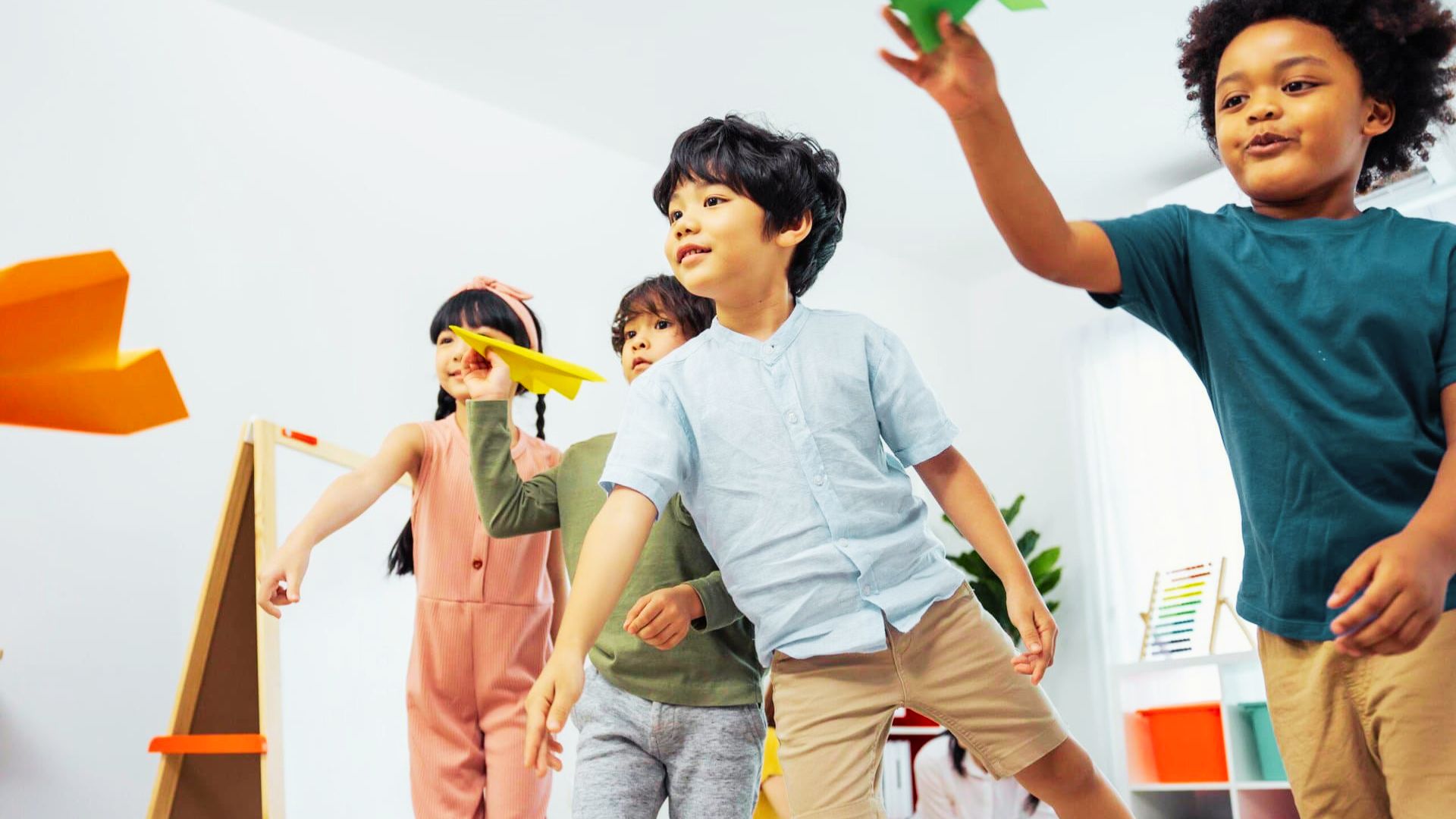
Give each student a sheet of paper and two minutes to fold a paper airplane. Then hold a distance competition.
This hands-on activity builds fine motor skills and a little bit of physics knowledge. It is also a great confidence booster for students who are good with their hands.
48. GIF Imitation Game
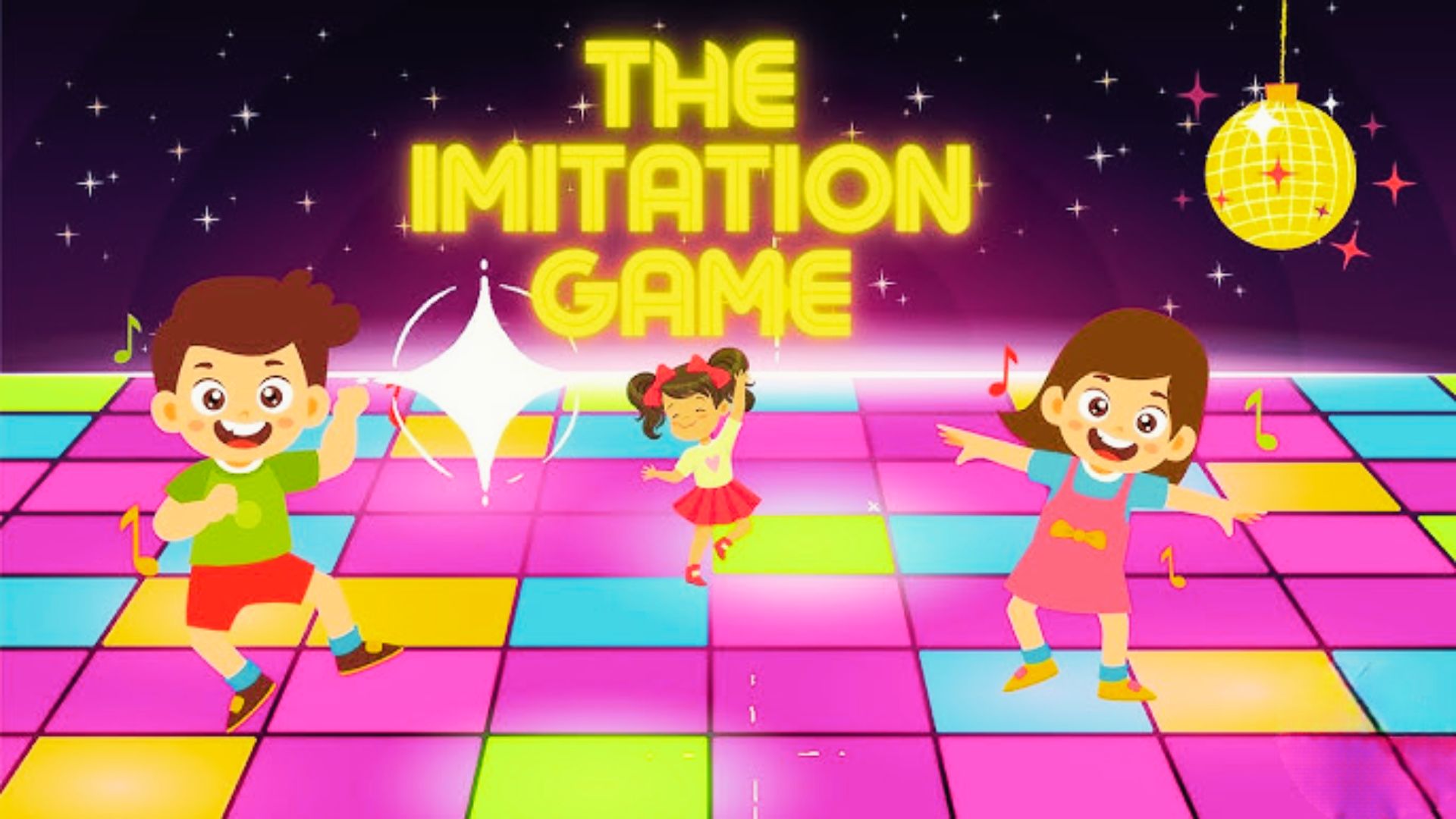
Show a short looping animation or funny clip. Students try to imitate the movement or expression. This activity uses humor and body awareness together.
It is especially good for getting a laugh out of a quiet or tense classroom and builds a sense of ease and connection among students.
49. Shadow Puppet Show
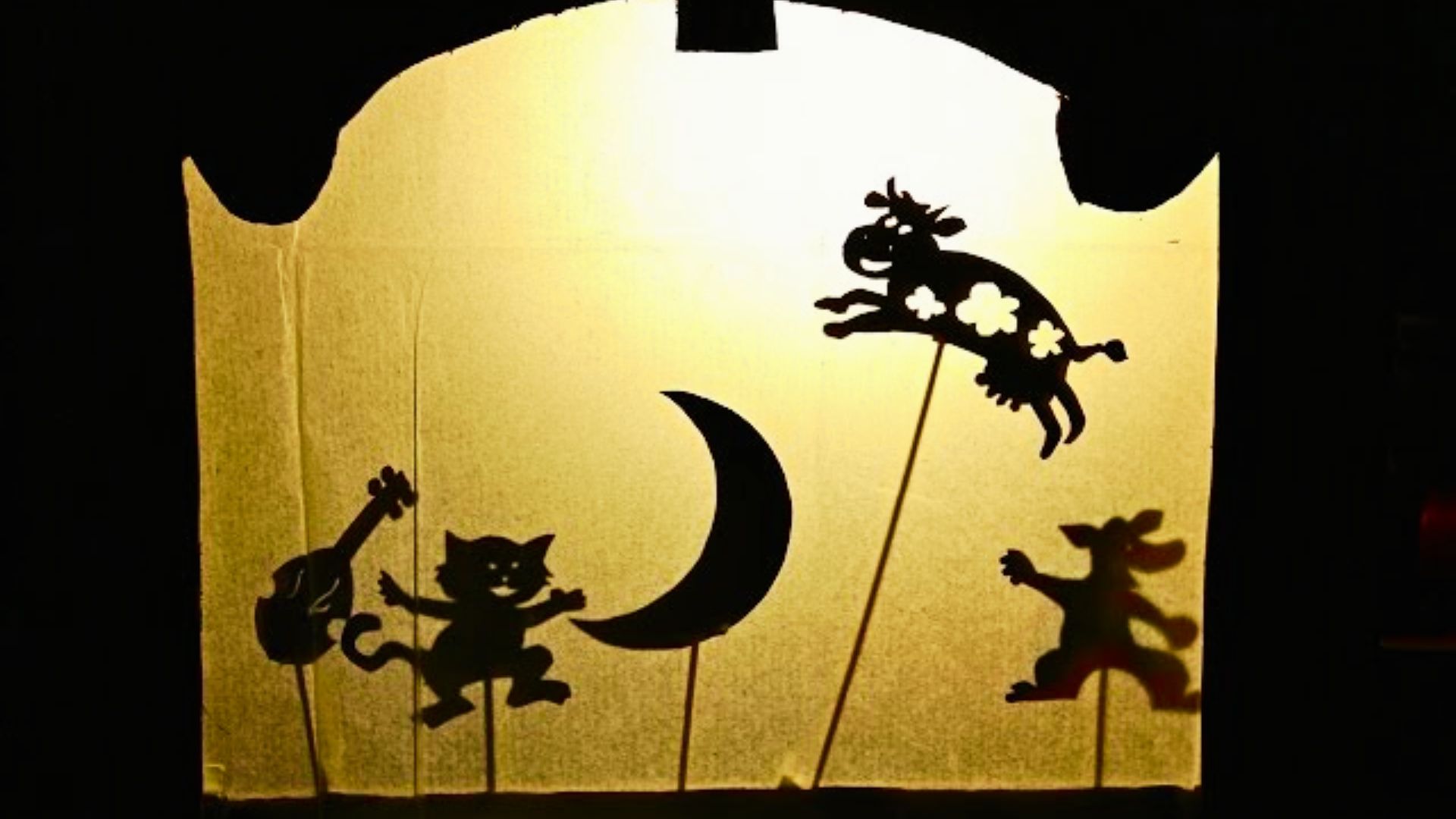
Turn off the lights and use a phone flashlight or projector light. Students use their hands to make shadow puppets on the wall.
Give them two minutes to make a short scene. This calm, creative activity works especially well when students need to settle down after a high-energy period.
50. You Complete the Song

Start humming or singing a well-known song and stop suddenly. Students have to finish the line or hum the next part.
This music-based brain break activates memory and creativity. It is a perfect filler activity between lessons when you only have a minute or two.
51. Deep Breathing Exercises

Guide students through a simple breathing exercise. Breathe in for four counts, hold for four, breathe out for four. Repeat three to five times. Deep breathing activates the calming part of the nervous system.
It reduces stress and anxiety quickly, making it one of the most effective brain breaks for a classroom that feels overwhelmed or restless.
52. Stretch Break

Lead the class through a short series of stretches: reach up, touch your toes, roll your shoulders, turn your neck slowly.
A two-minute stretch break releases physical tension that builds up from sitting too long. Students return to their work feeling physically lighter and more comfortable.
53. Guided Meditation

Through a calm mental image like walking through a quiet forest or floating on a gentle cloud.
This takes about three to five minutes. Guided meditation helps students manage stress, reset their mood, and return to learning with a calmer state of mind.
54. Mindful Listening Activity

Ask students to close their eyes and sit quietly for 60 seconds. Their task is to count how many different sounds they can hear. Then share as a class.
This mindfulness activity sharpens awareness and teaches students to be present. It is also wonderfully quiet, giving both students and the teacher a genuine moment of calm.
55. Five Senses Game
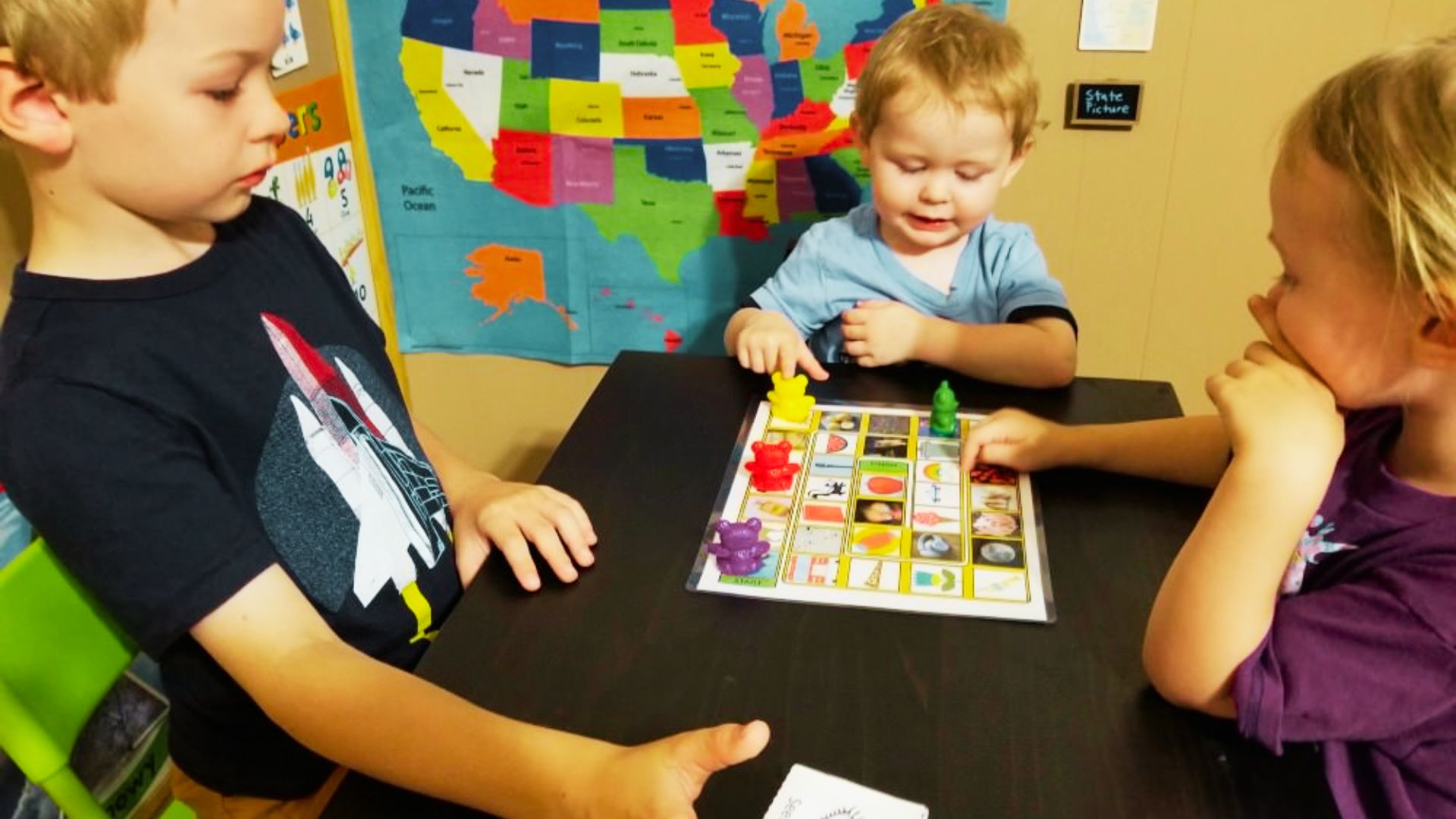
Ask each student to name one thing they can see, hear, smell, feel, and taste right now. This grounding activity is based on mindfulness and is often used to reduce anxiety.
It brings students back into the present moment and helps those who feel distracted or overwhelmed reconnect with their surroundings.
56. Yoga for Kids
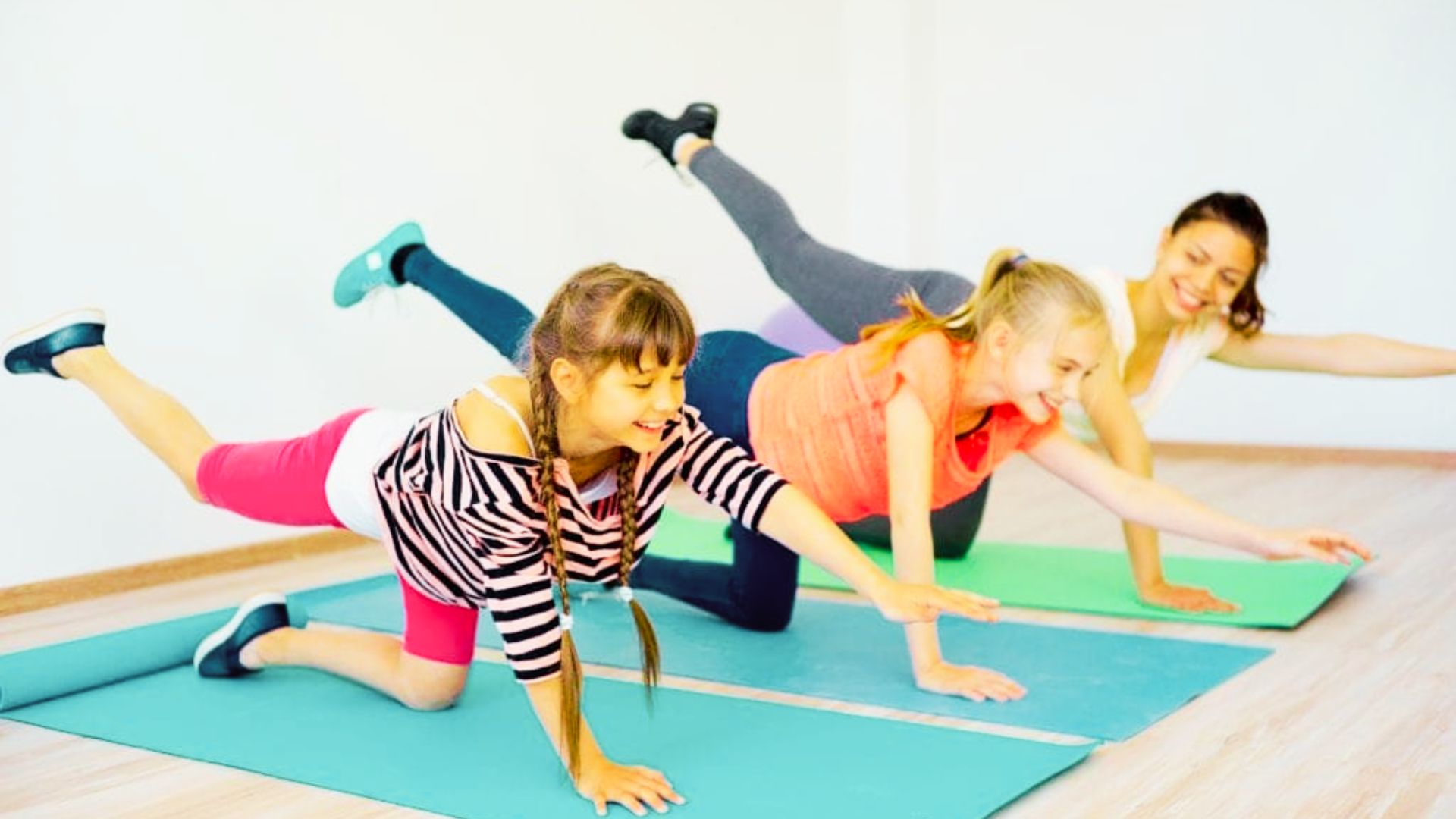
Guide students through three to five simple yoga poses like mountain pose, tree pose, or downward dog.
Keep it brief and light. Even a short three-minute yoga session can reduce restlessness, improve mood, and help students settle back into learning with greater ease.
57. Nature Observation

Take students to a window or step outside for two minutes. Ask them to quietly observe and then share one thing they noticed, a bird, a leaf, the light, or the wind.
This short activity uses sensory awareness and calm attention. It is especially effective after a long period of screen time or heavy academic work.
58. Quiet Rest Time

Sometimes the best brain break is simply a few minutes of silence. Dim the lights if possible. Let students put their heads down or sit quietly with no task.
This unstructured rest gives the brain a chance to process what it has been learning. It is especially helpful after a dense or emotionally heavy lesson.
59. DVD Screensaver Game

Show students the classic bouncing DVD screensaver on the projector. Students watch and try to predict when it will hit a corner exactly.
This low-effort, oddly satisfying activity is a brief mental distraction that makes kids laugh and feel relaxed without requiring any energy from the teacher.
60. Heads or Tails Game

Each student places both hands either on their head or on their backside. The teacher flips a coin. Students who guessed correctly stay in.
Others sit down. Keep going until one winner remains. This simple game is fast, fun, and needs nothing more than a coin to run.
61. Popcorn Game

One student says a word. The next student says a word connected to it. Keep going as fast as possible without pausing.
The chain must make logical sense. This rapid-fire word association game builds vocabulary connections and quick thinking in a short, energetic burst.
62. Funny Joke Time

Each student takes turns sharing a short, clean joke. Laughter is genuinely good for the brain. It reduces stress hormones and increases feel-good chemicals.
A short joke session lightens the mood, builds confidence in reluctant speakers, and resets the emotional temperature of the classroom.
63. Fun Fact Sharing

Ask each student to share one interesting fact they recently learned from class, a book, or anywhere else.
This low-energy brain break builds curiosity and reinforces learning in a casual, social way. It also gives students a chance to shine by sharing knowledge they are genuinely excited about.
Tips to Make Brain Break Activities More Effective
Small changes in how you run brain breaks can make a big difference in how well they work.
- Keep activities between one and five minutes so they stay refreshing and do not become a distraction.
- Match the activity to the energy level in the room. Use calm breaks for wild classes and active breaks for sleepy ones.
- Rotate activities throughout the week so students stay interested and engaged.
- Set clear rules before starting so transitions back to learning are smooth and quick.
- Give a 30-second warning before ending the break so students can mentally prepare to shift back to work.
Conclusion
Brain break activities for kids are one of the simplest tools a teacher can use to improve focus, behavior, and classroom energy.
I started using brain breaks during a particularly tough school year. Long days, restless students, and a class that struggled to stay on task.
Within two weeks of adding short breaks, the difference was clear. Kids were calmer, more focused, and honestly more fun to teach.
If you have not tried brain breaks yet, start with just one or two from this list. See what your class responds to. Then build from there.
Frequently Asked Questions
How long should brain break activities for kids last?
Brain break activities for kids should last between one and five minutes. Keeping breaks short ensures students stay refreshed without losing the momentum of the lesson.
How often should brain breaks be used in class?
Most teachers find that one brain break every 20 to 30 minutes works well. The right frequency depends on the age of the students and the difficulty of the content being taught.
Are brain break activities suitable for all ages?
Yes, brain breaks can work for all age groups. You just need to pick the right type. Younger kids tend to enjoy movement games while older students often respond better to creative or mindfulness activities.
Can brain breaks improve academic performance?
Yes. Regular brain breaks help students maintain focus and retain information better. Short mental resets allow the brain to process and store what it has just learned more effectively.
Do brain breaks work for students with attention difficulties?
Brain breaks are especially helpful for students who struggle with focus or attention. Physical movement and mindfulness activities in particular can help these students self-regulate and return to tasks with greater ease.