Finding the best educational shows for kids is not always easy. I have been there, scrolling through endless options, wondering what is actually worth my child's time.
That is why I put this list together.
In this blog, I cover 23 top learning TV shows that are fun, age-appropriate, and genuinely teach something. From science to reading to social skills, there is something here for every kid.
I have researched and reviewed each one so you do not have to.
Let me help you pick the right show today.
Why Educational Shows Are a Great Learning Tool for Kids
Educational shows are more than just entertainment—they are a powerful way to support early childhood development.
When chosen wisely, they help children build foundational skills in reading, math, science, and problem-solving while keeping them engaged through storytelling, music, and visuals.
These shows also support emotional learning by teaching kids about kindness, friendship, and handling everyday situations.
For busy families, they offer a practical way to combine screen time with meaningful learning, making education both accessible and enjoyable at home.
Best Educational Shows for Kids (Top 23 Learning TV List)
These 23 shows cover reading, math, science, and life skills. Each one makes learning feel like play for kids.
1. Ms. Rachel

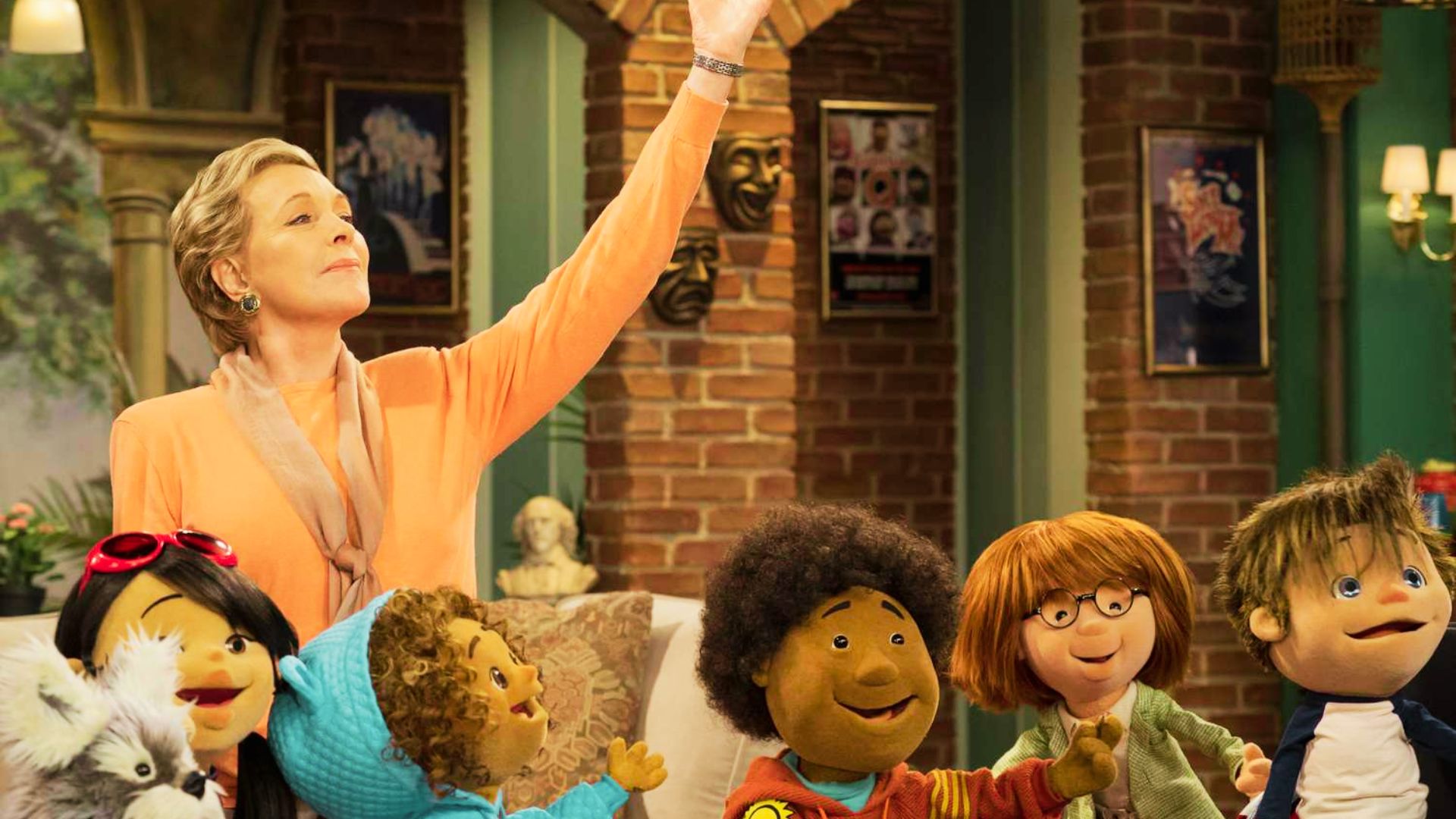
Ms. Rachel uses songs, sign language, and simple speech exercises to help toddlers talk and grow. Her warm, slow-paced style works well for ages 1 to 3.
2. Sesame Street
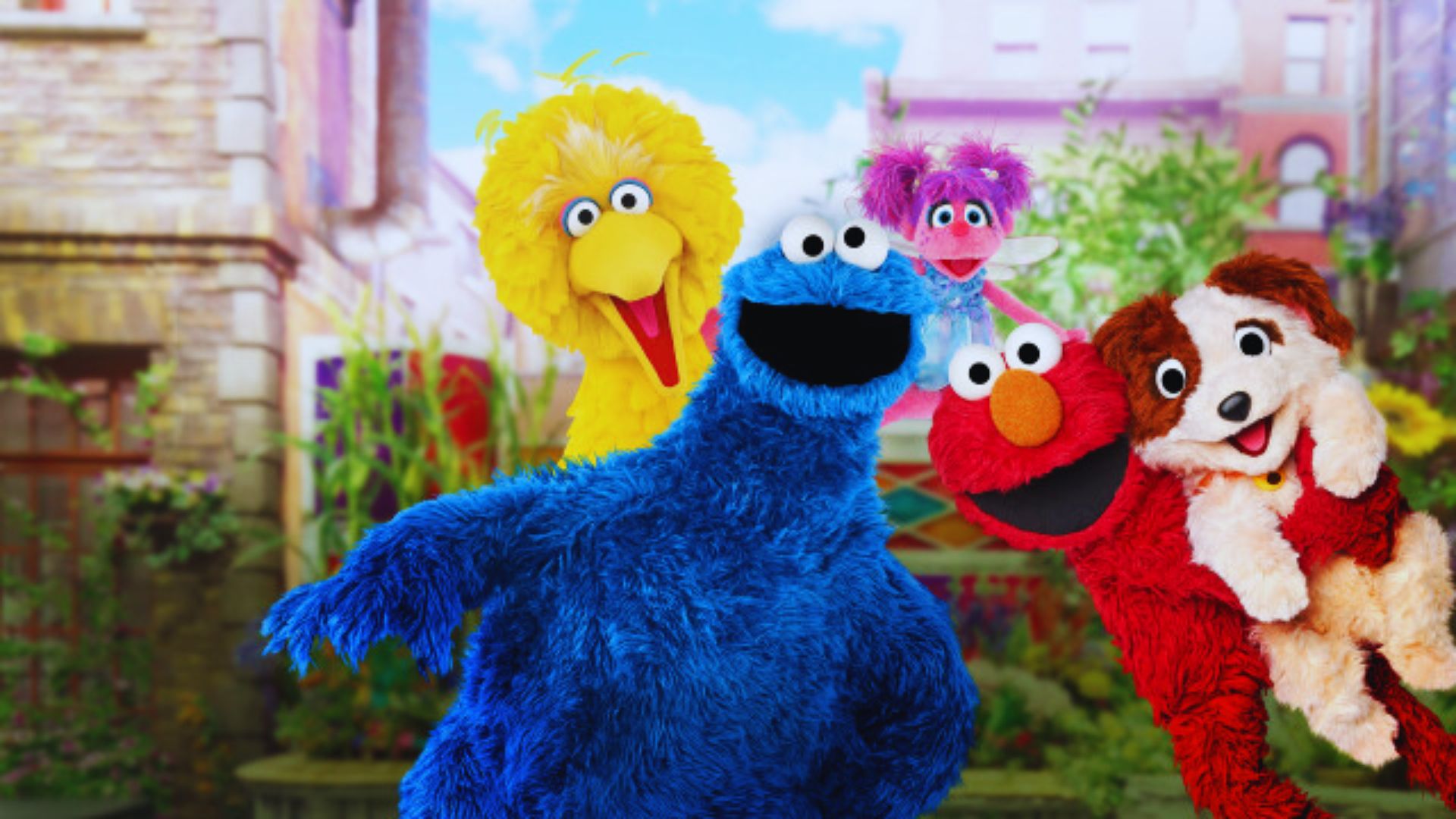
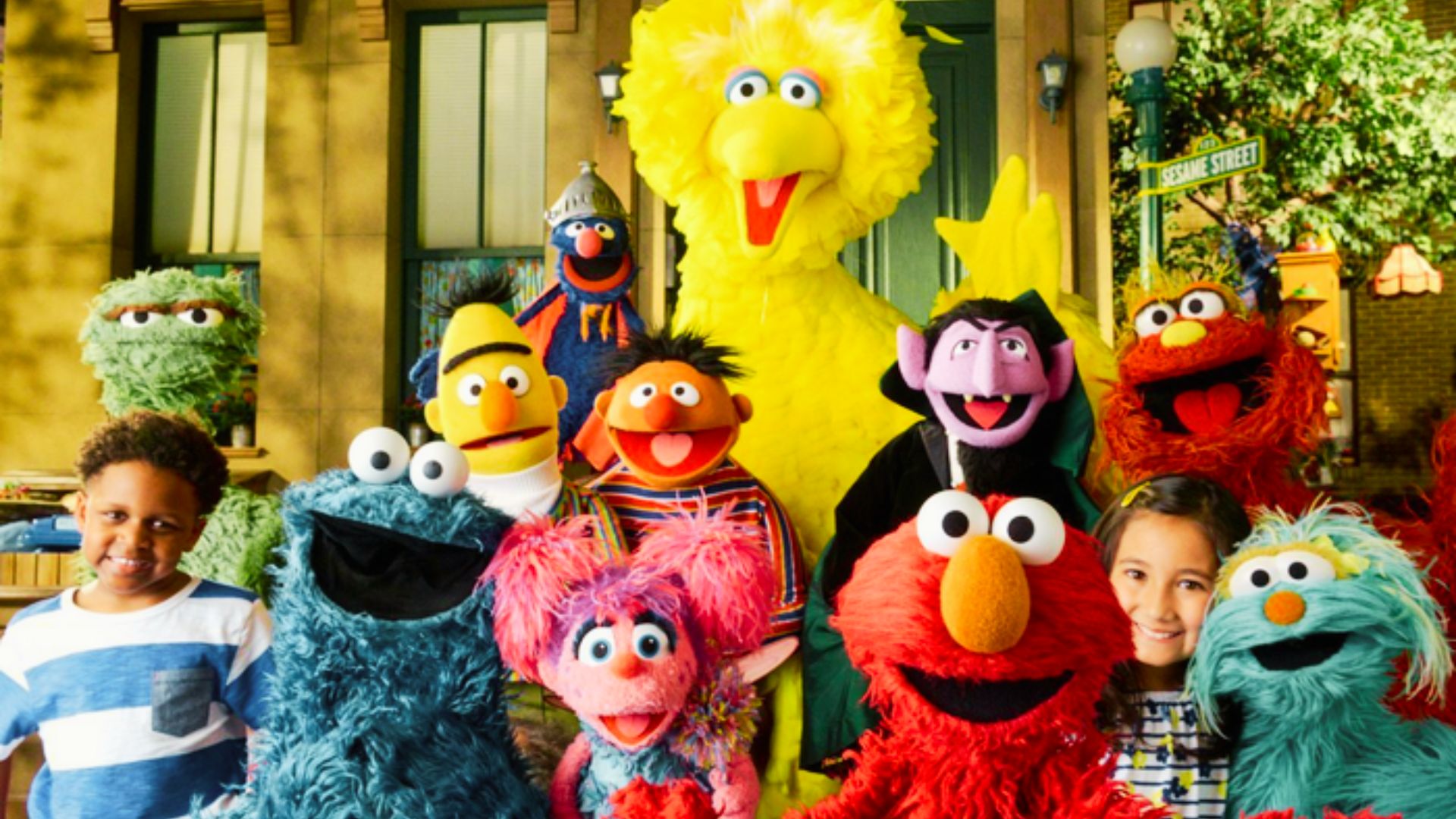
Sesame Street has been teaching kids letters, numbers, and kindness since 1969. It mixes fun characters with real lessons that stick with children for years.
3. Super Why!
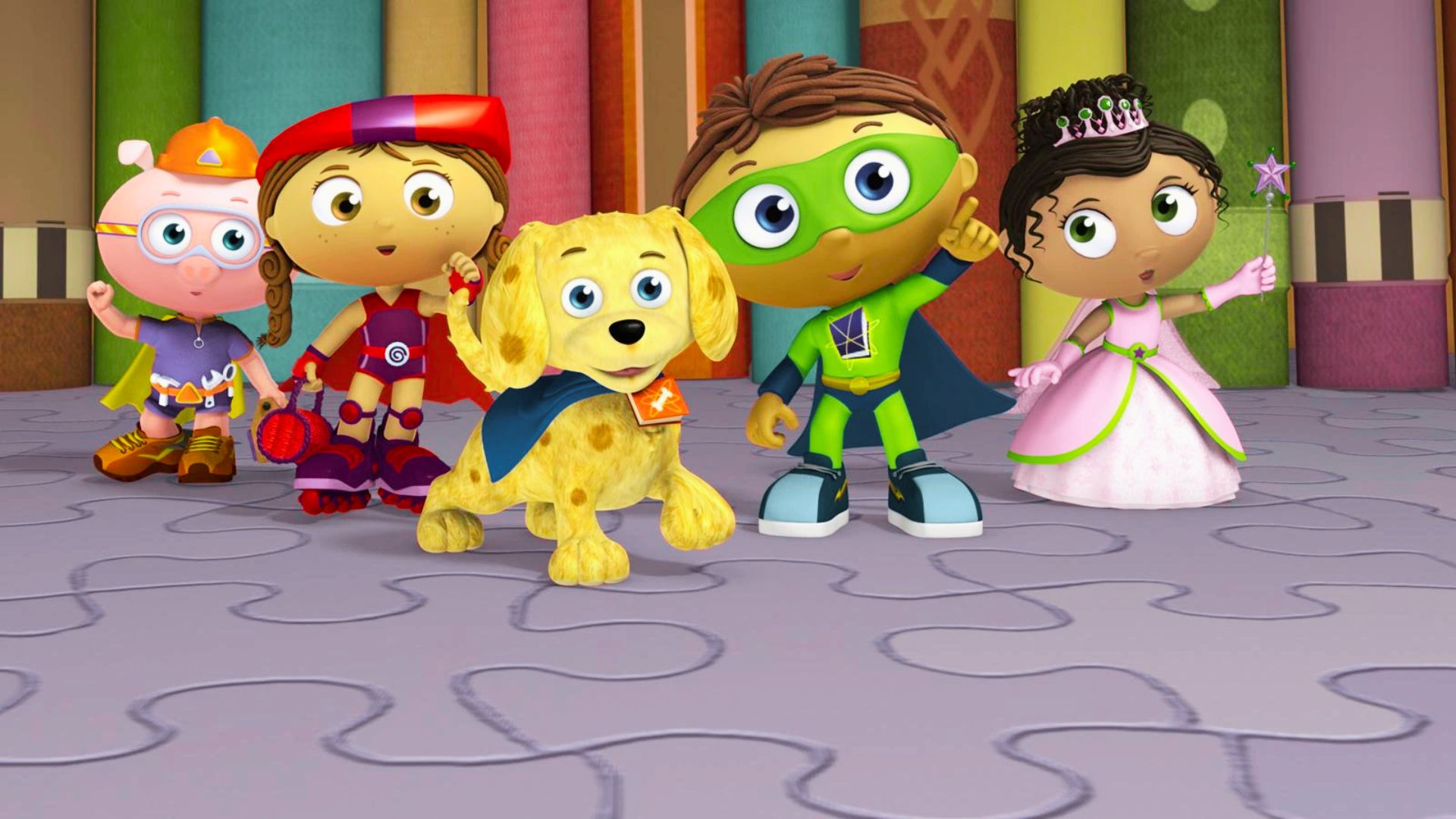
Super Why! turns kids into reading heroes. Each episode uses letter sounds and word-building to help early readers practice phonics in a fun, story-based setting.
4. WordWorld
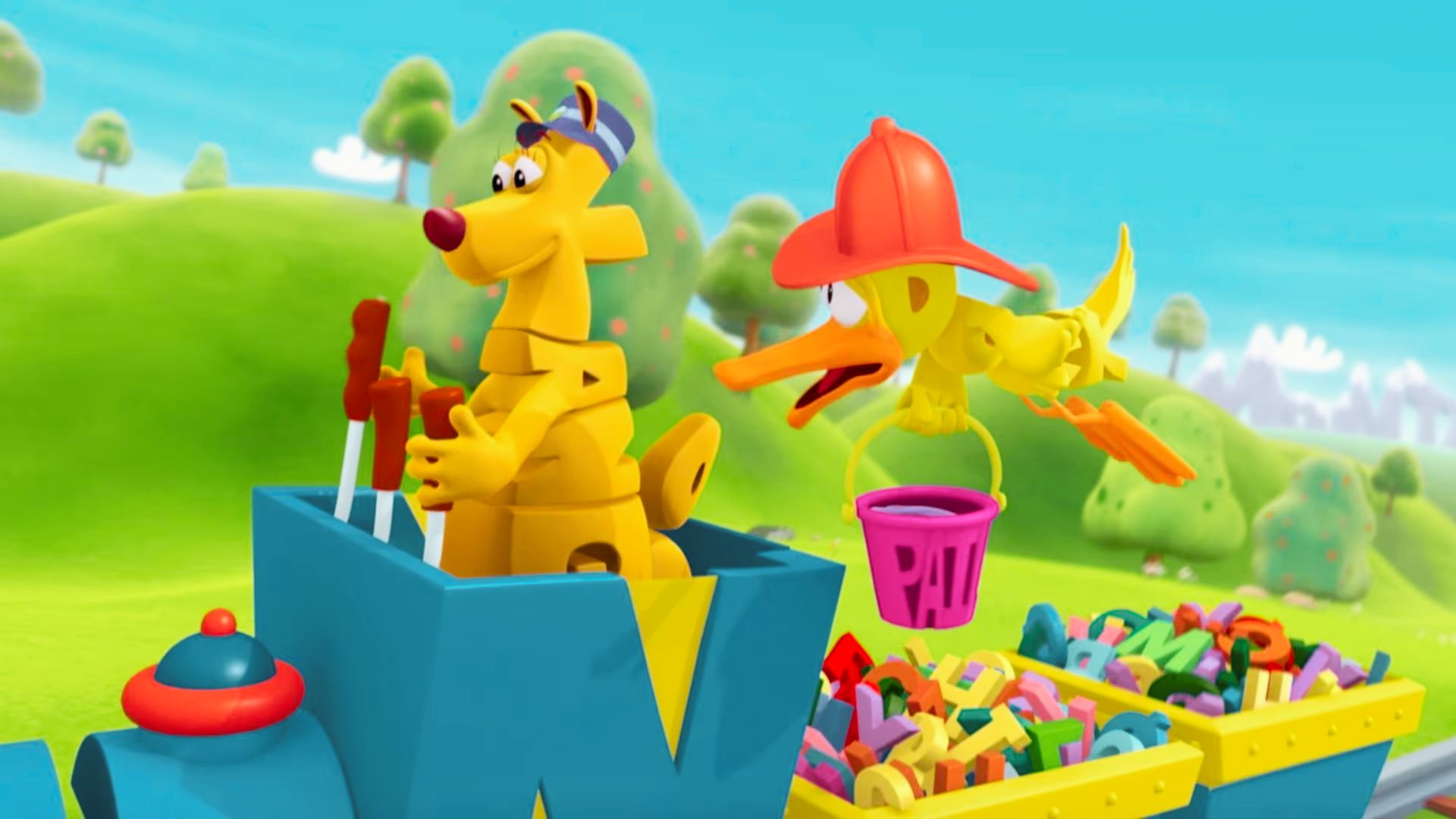
WordWorld builds animals and objects from the letters that spell them. It makes reading feel visual and easy. A smart pick for kids just starting to read.
5. Blue's Clues & You!
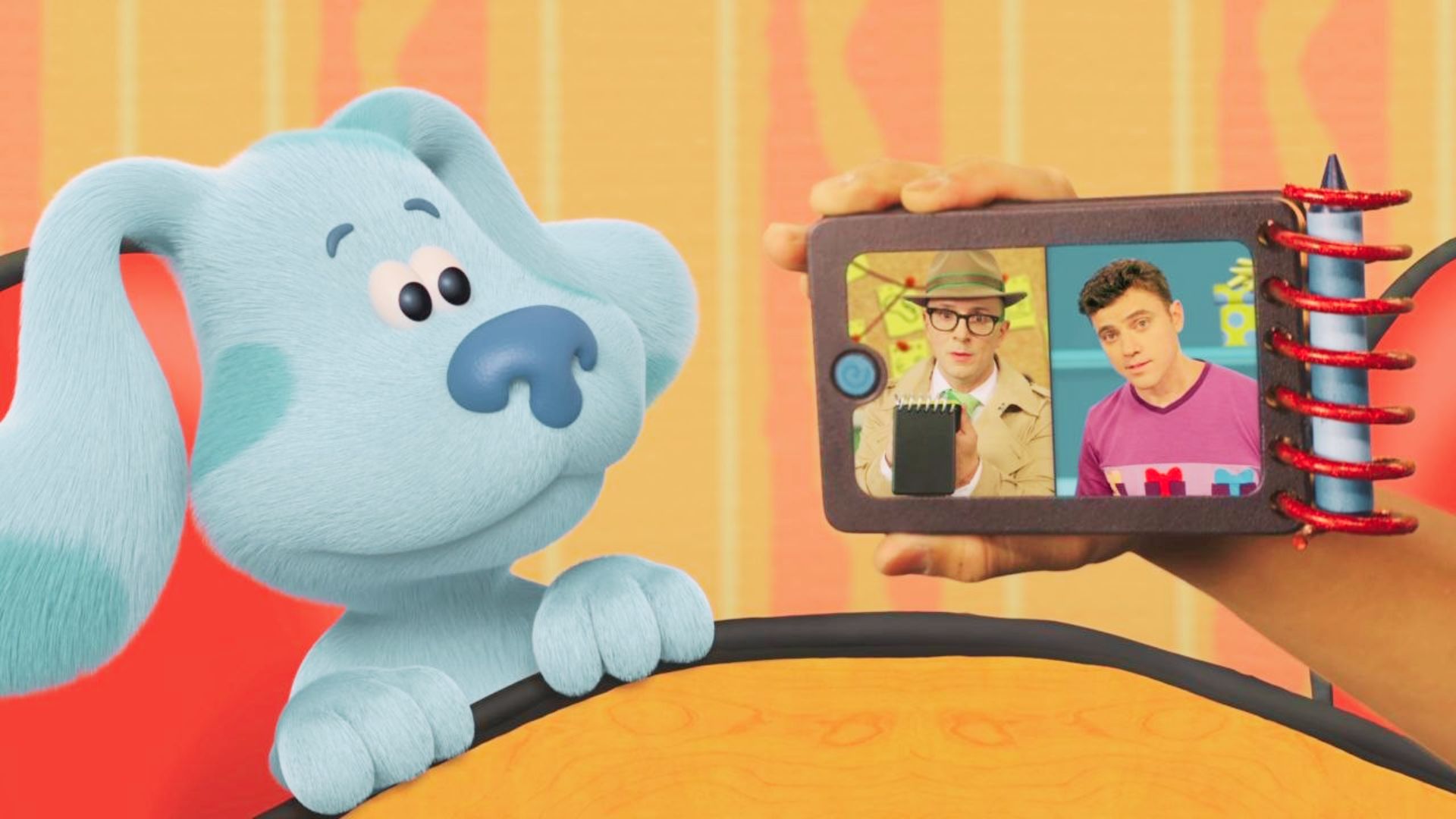
Blue's Clues & You brings back the original show with a fresh host. It builds problem-solving skills and keeps kids engaged through repetition and active participation.
6. Word Party
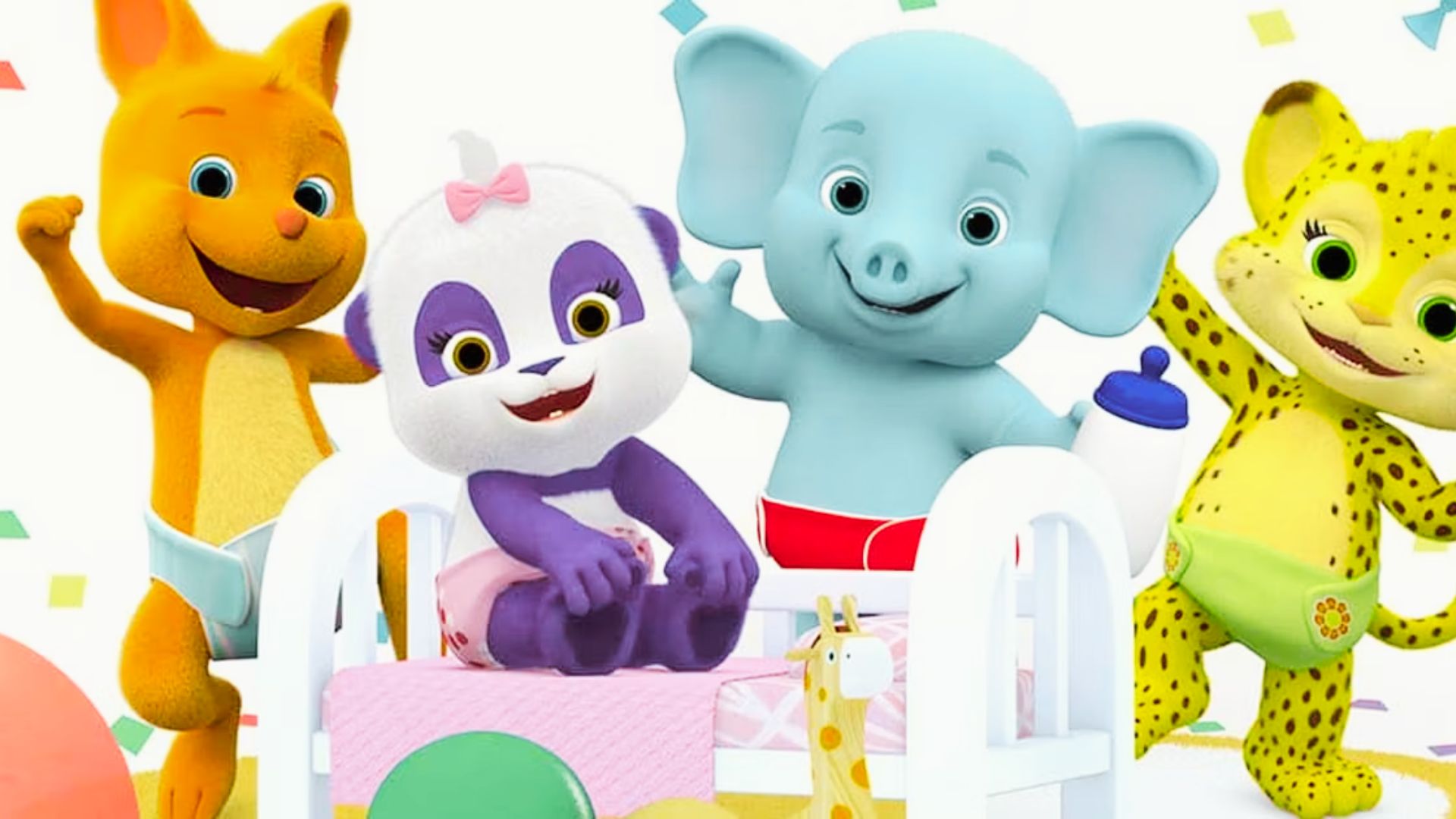
Word Party follows baby animals learning new words every episode. It is made for very young kids and repeats vocabulary in ways that help language skills grow fast.
7. Alphablocks

Alphablocks turn letters into fun characters that form words together. It teaches phonics in a playful way that helps kids connect sounds to spelling without any pressure.
8. Numberblocks
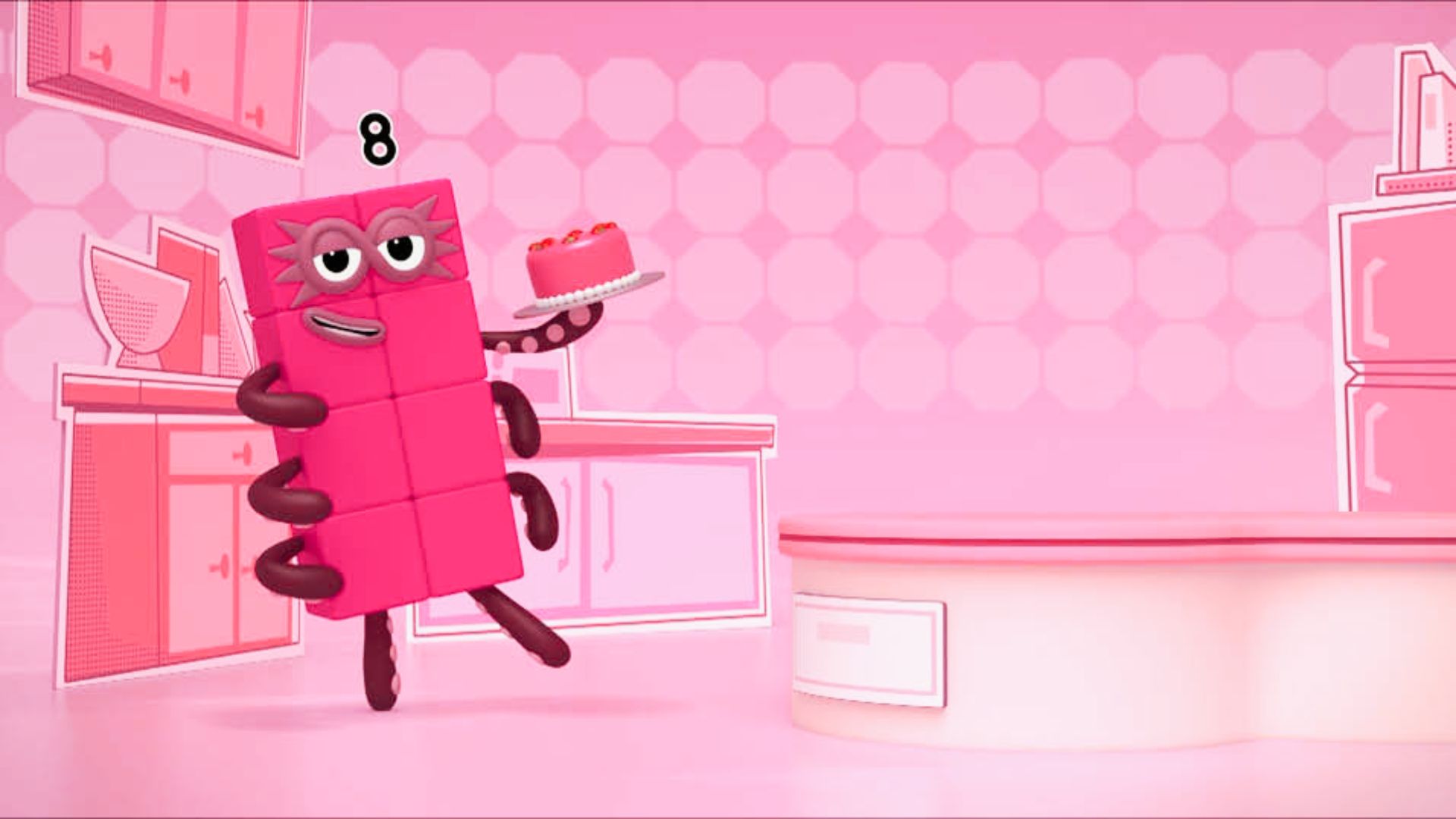
Numberblocks uses block characters to show how numbers work together. Kids pick up counting, addition, and number sense without even realizing they are doing math.
9. Peg + Cat
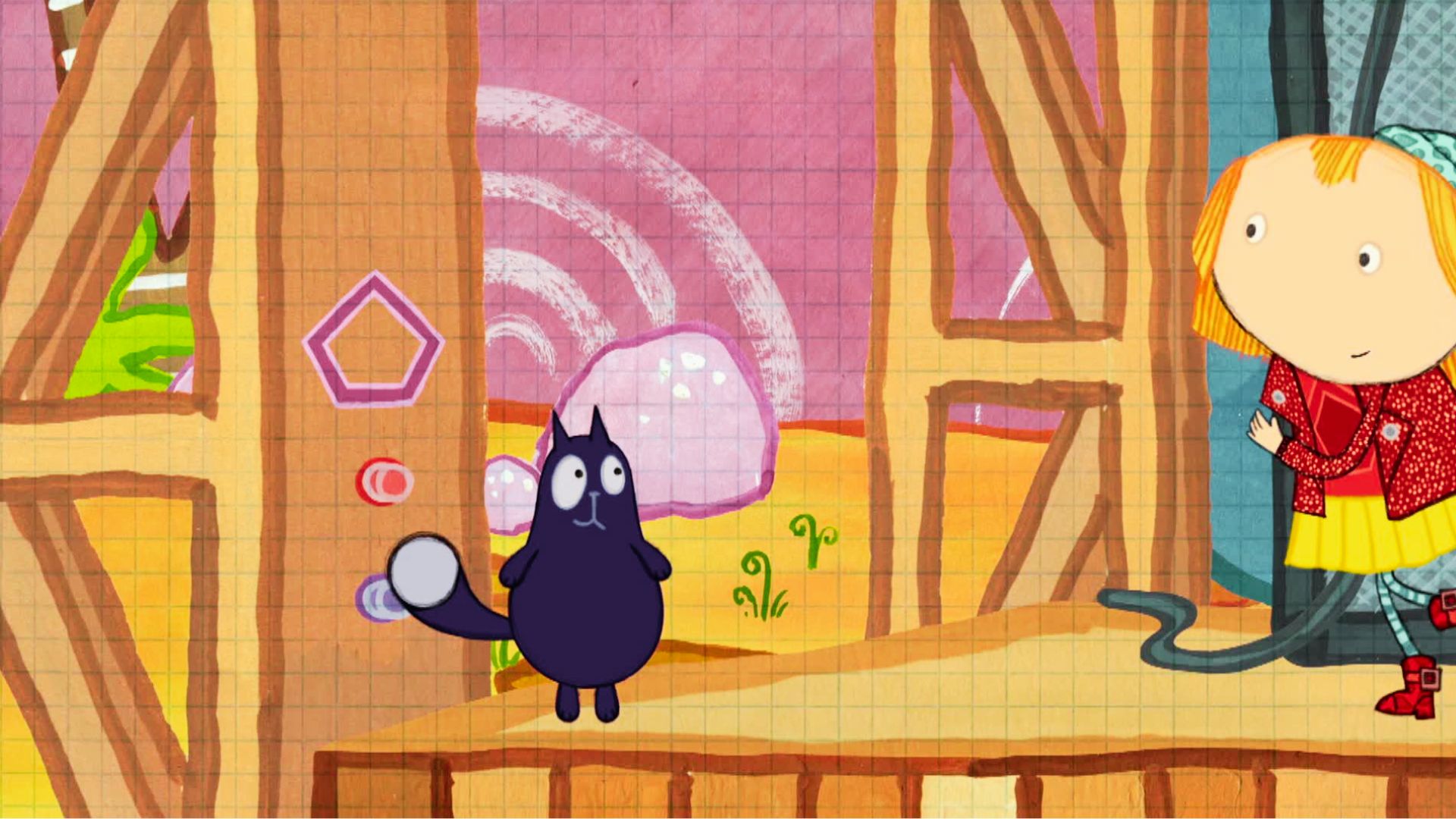
Peg and her cat friend solve problems using basic math. Each story builds number skills and logical thinking. A good watch for kids aged 3 to 6.
10. Team Umizoomi
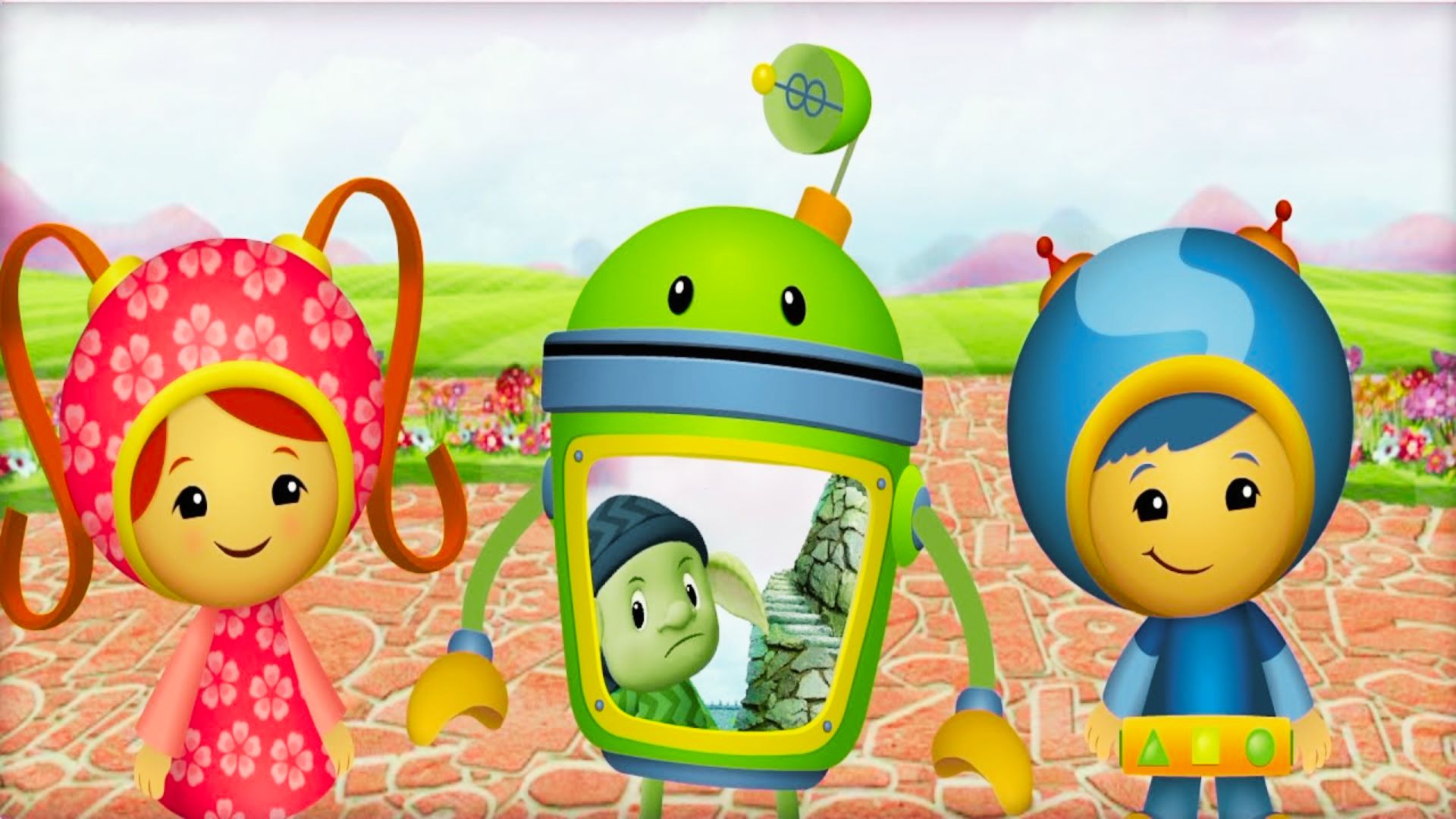
Team Umizoomi is a math-focused show where tiny heroes use shapes, patterns, and numbers to fix problems. It keeps young kids thinking while they watch and play along.
11. Ada Twist, Scientist
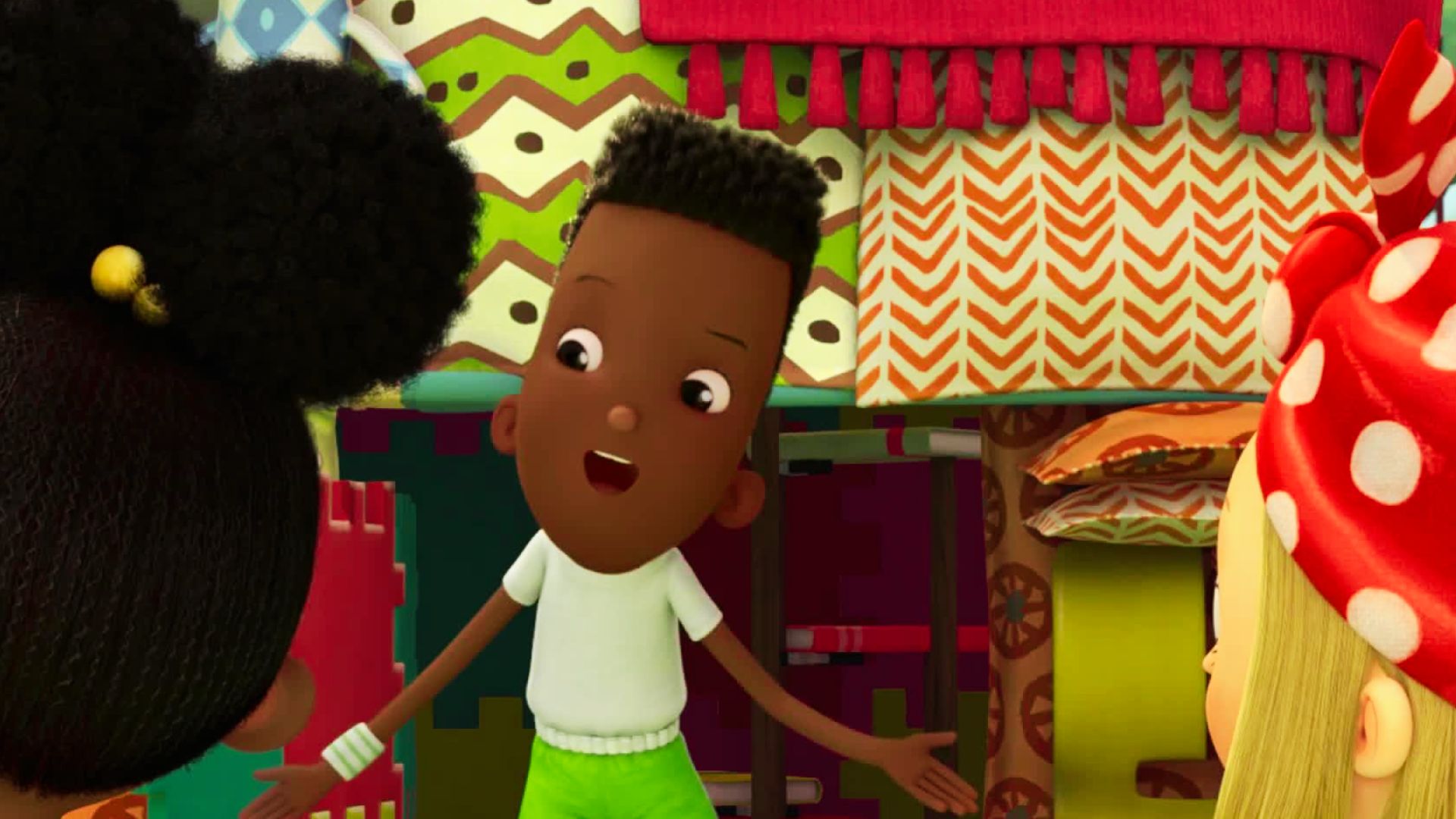
Ada Twist is a curious young girl who asks questions and runs experiments. This show gets kids excited about science and shows that asking "why" is always a good thing.
12. The Magic School Bus / Rides Again
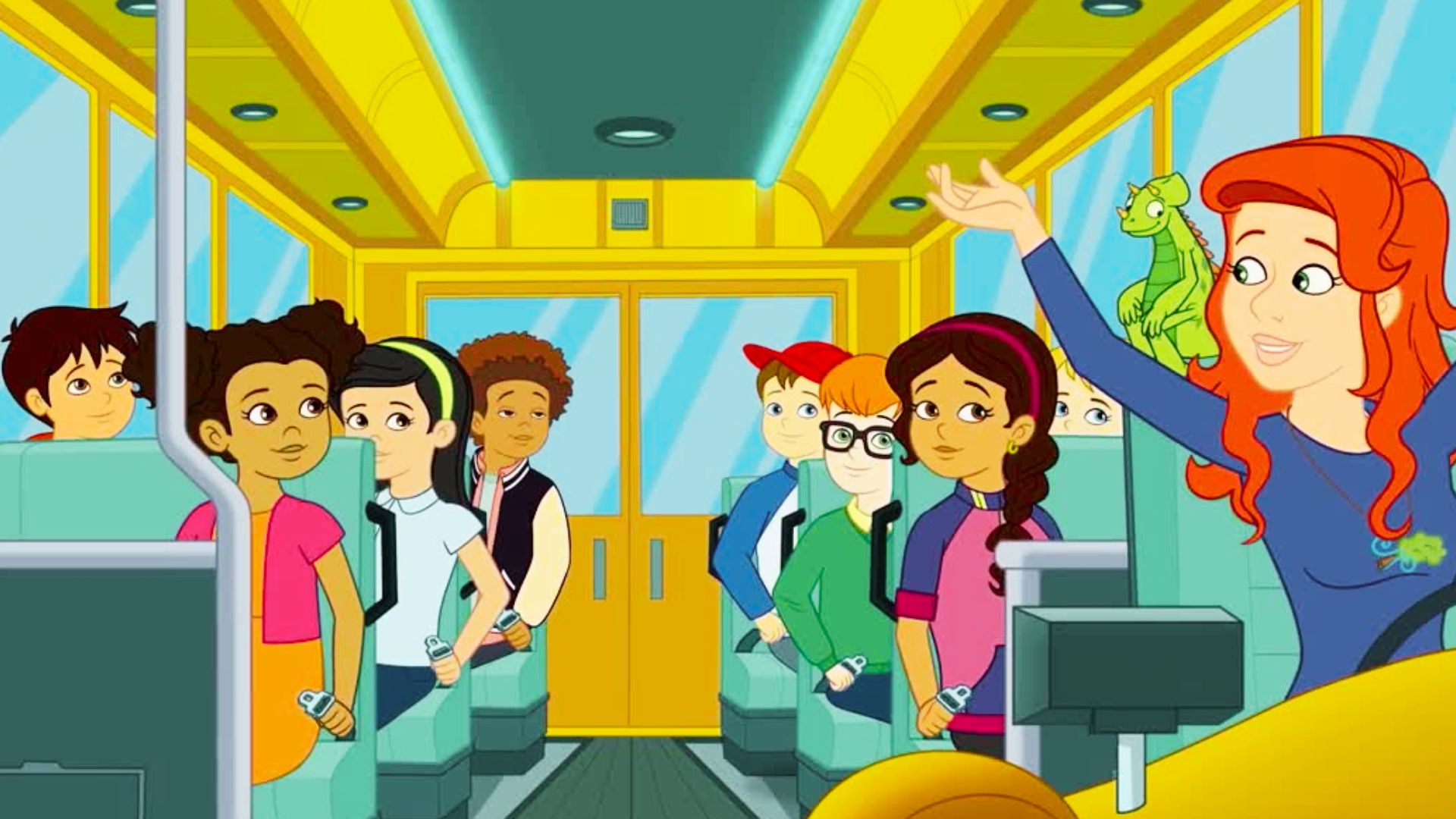
Ms. Frizzle takes her class on wild science trips inside volcanoes, cells, and weather systems. Both the original and the reboot make complex science feel easy and exciting for kids.
13. Sid the Science Kid
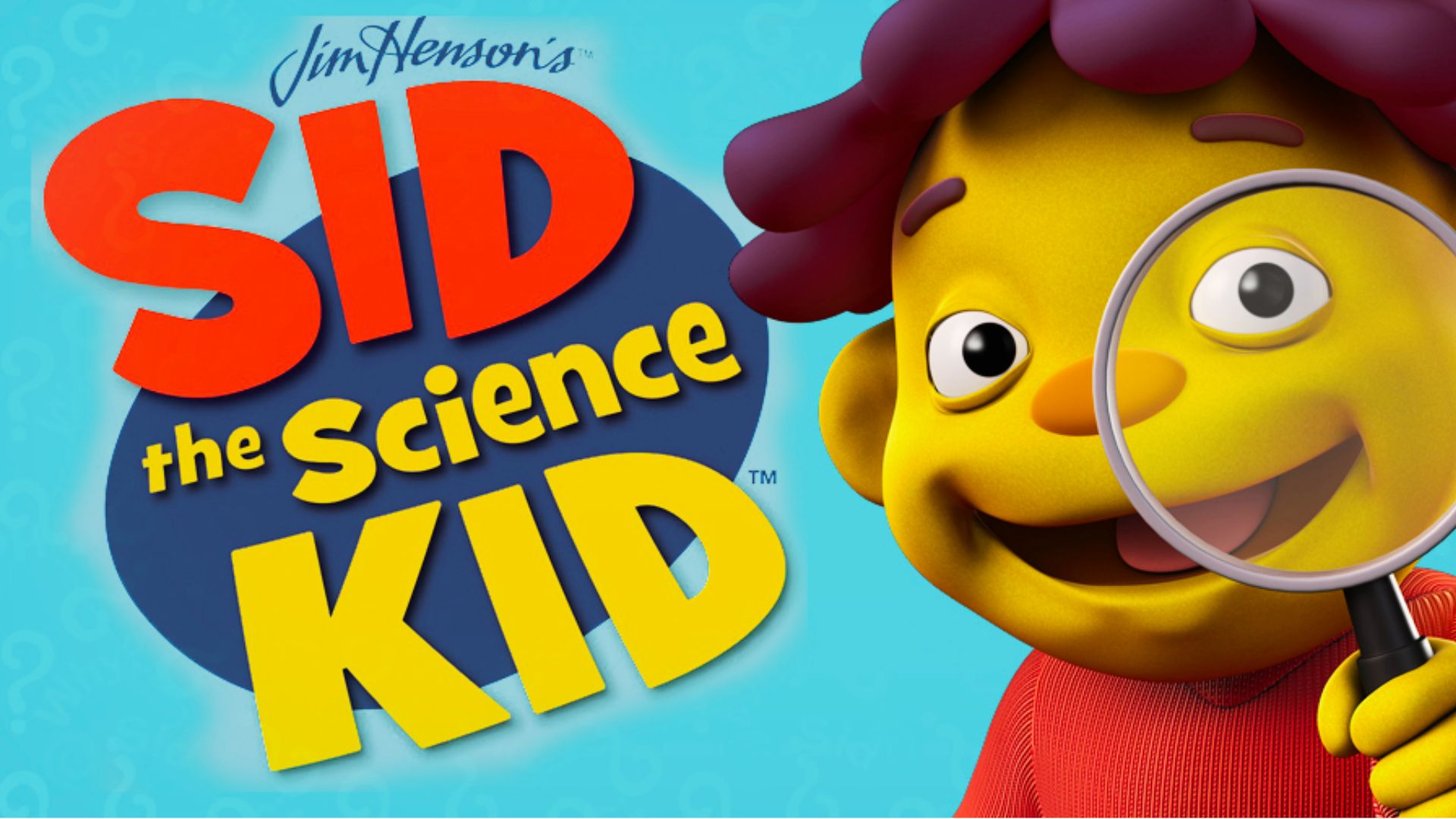
Sid asks big questions about the world around him and tests them out. This show builds a love of observation and critical thinking in kids ages 3 to 6.
14. Peep and the Big Wide World
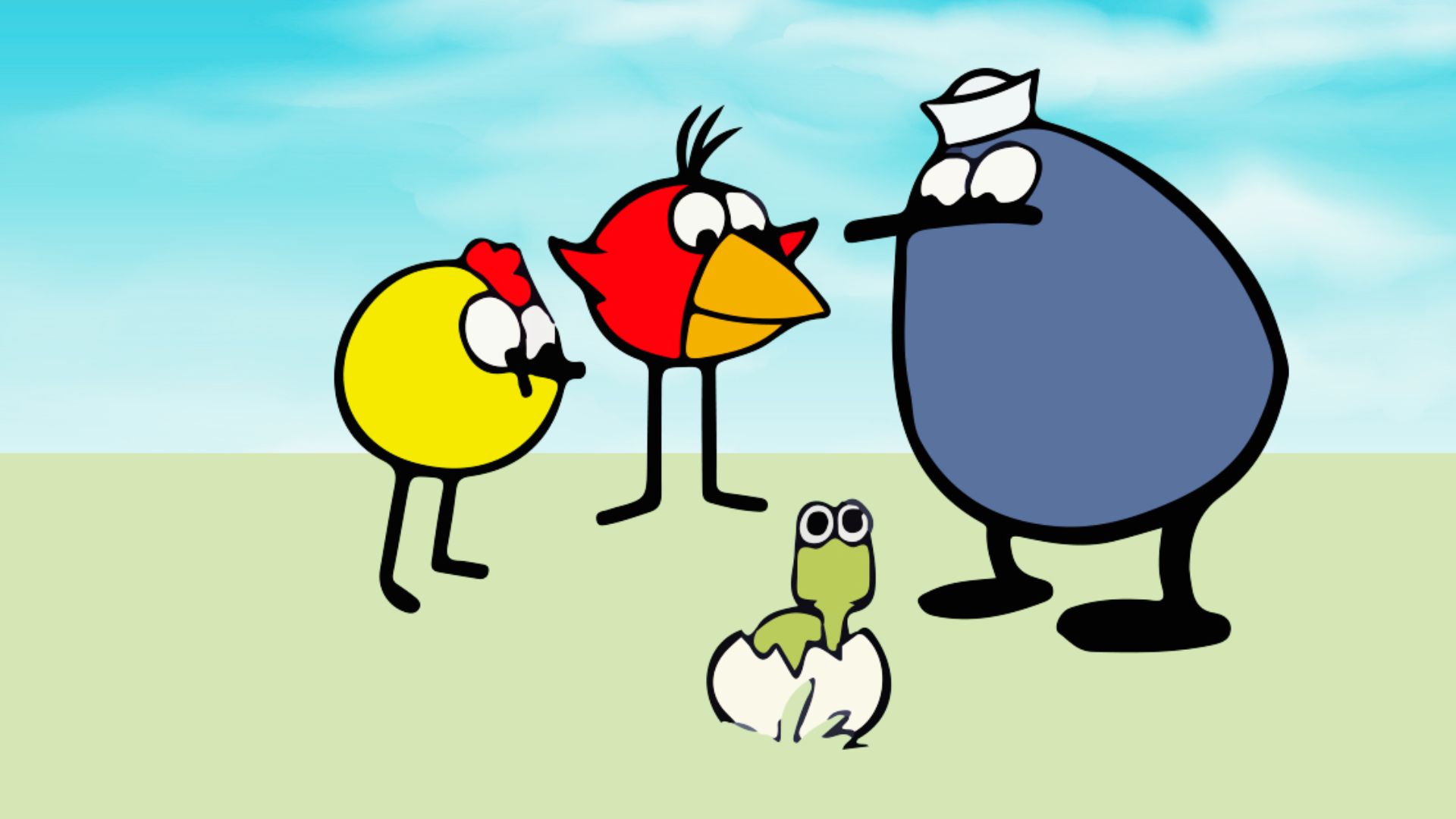
Peep is a small chick with big questions. The show covers basic science topics like water, shadows, and plants. It is calm, simple, and perfect for very young learners.
15. The Cat in the Hat Knows a Lot About That
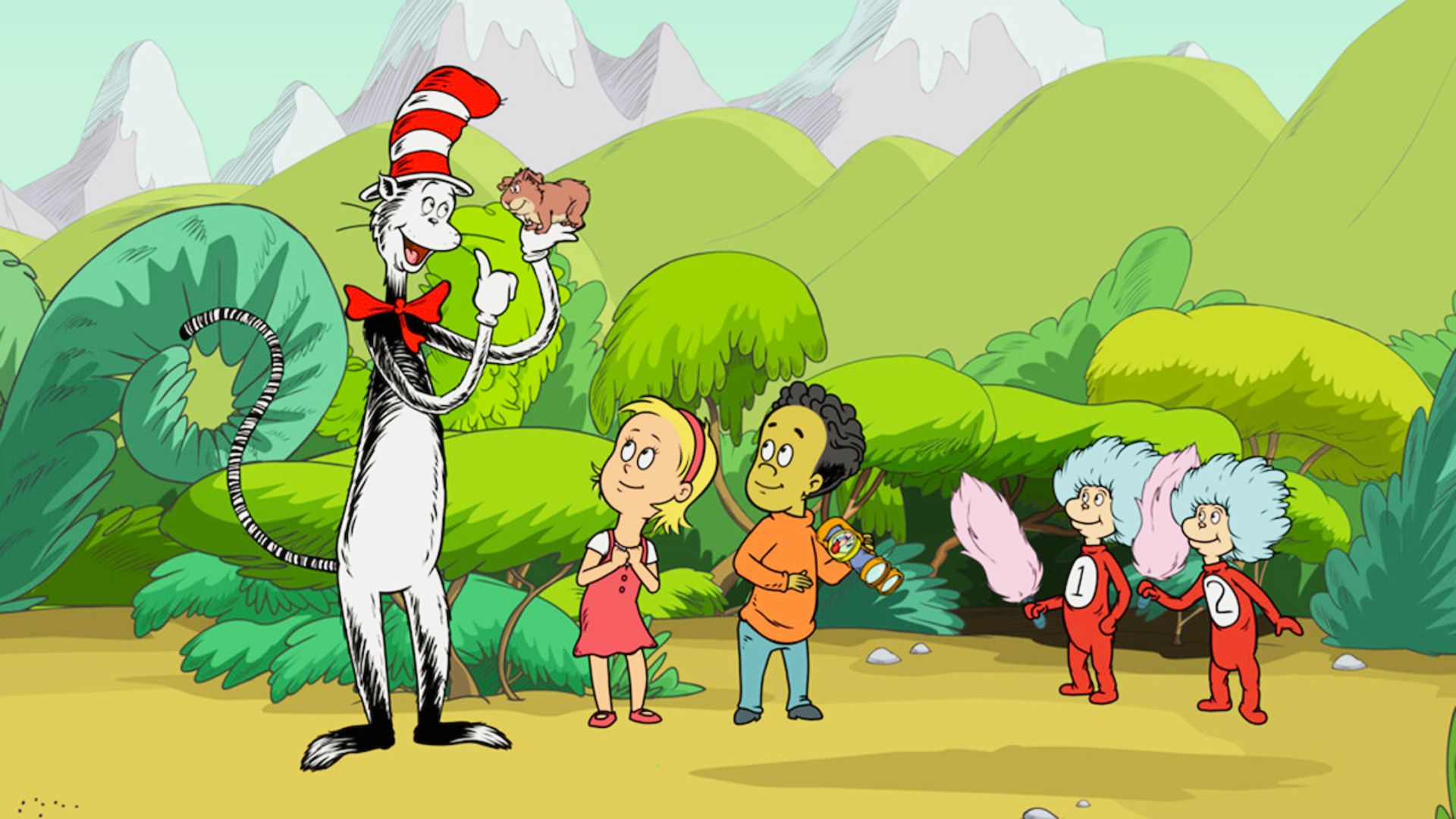
The Cat takes kids on learning trips full of nature and science facts. Based on Dr. Seuss, it keeps the fun language while sneaking in solid educational content.
16. Wild Kratts

The Kratt brothers teach kids about real animals by showing their powers and behaviors. It blends action with accurate animal science that keeps older kids engaged and learning.
17. Octonauts
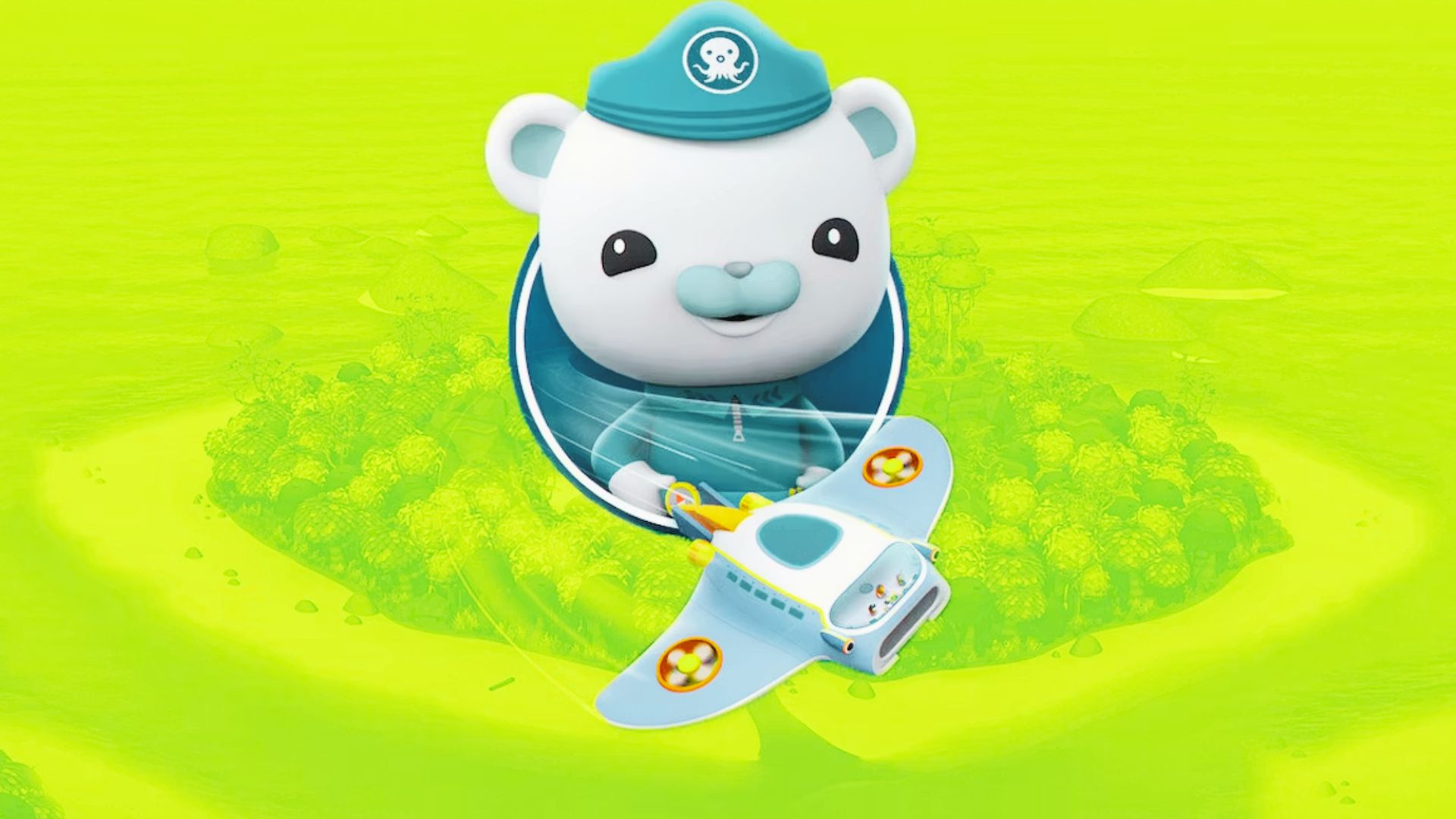
The Octonauts are a team of sea explorers who rescue ocean animals. Each episode covers real sea creatures and their habitats. A great show for kids who love the ocean.
18. A Real Bug's Life

A Real Bug's Life takes a close look at insects and how they survive. It uses stunning visuals and real facts to build curiosity and respect for the small creatures around us.
19. Planet Earth II

Planet Earth II shows wildlife from across the globe in incredible detail. It is best for older kids and builds deep respect for animals, nature, and the world we all share.
20. Daniel Tiger's Neighborhood
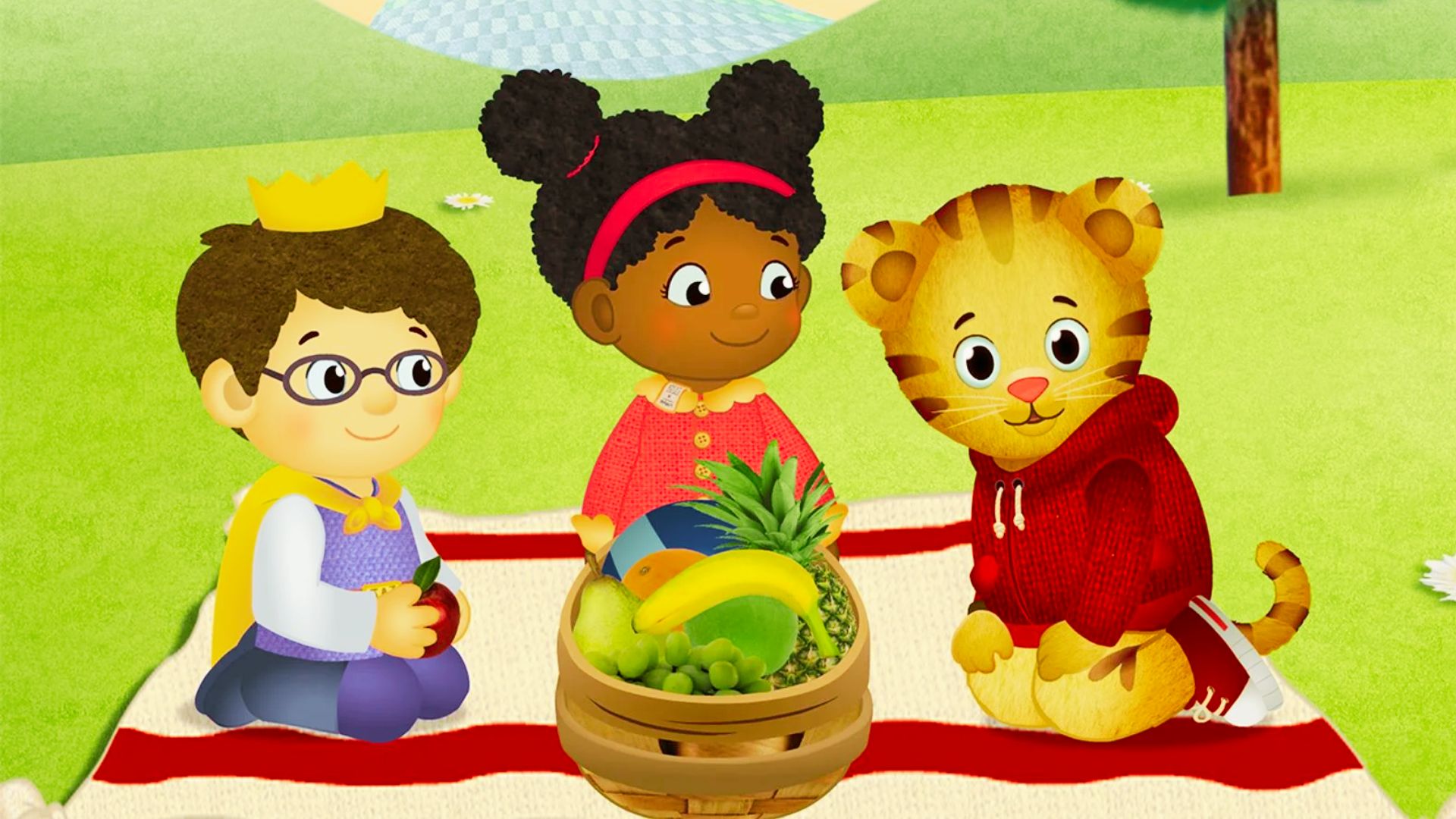
Daniel Tiger teaches kids how to handle big feelings like anger, sadness, and fear. Each episode gives children simple tools to manage their emotions in a kind and gentle way.
21. Mister Rogers' Neighborhood

Mister Rogers talked to kids like they mattered. He covered feelings, kindness, and self-worth in a calm and honest way. This show still holds up and still teaches real values.
22. Xavier Riddle and the Secret Museum
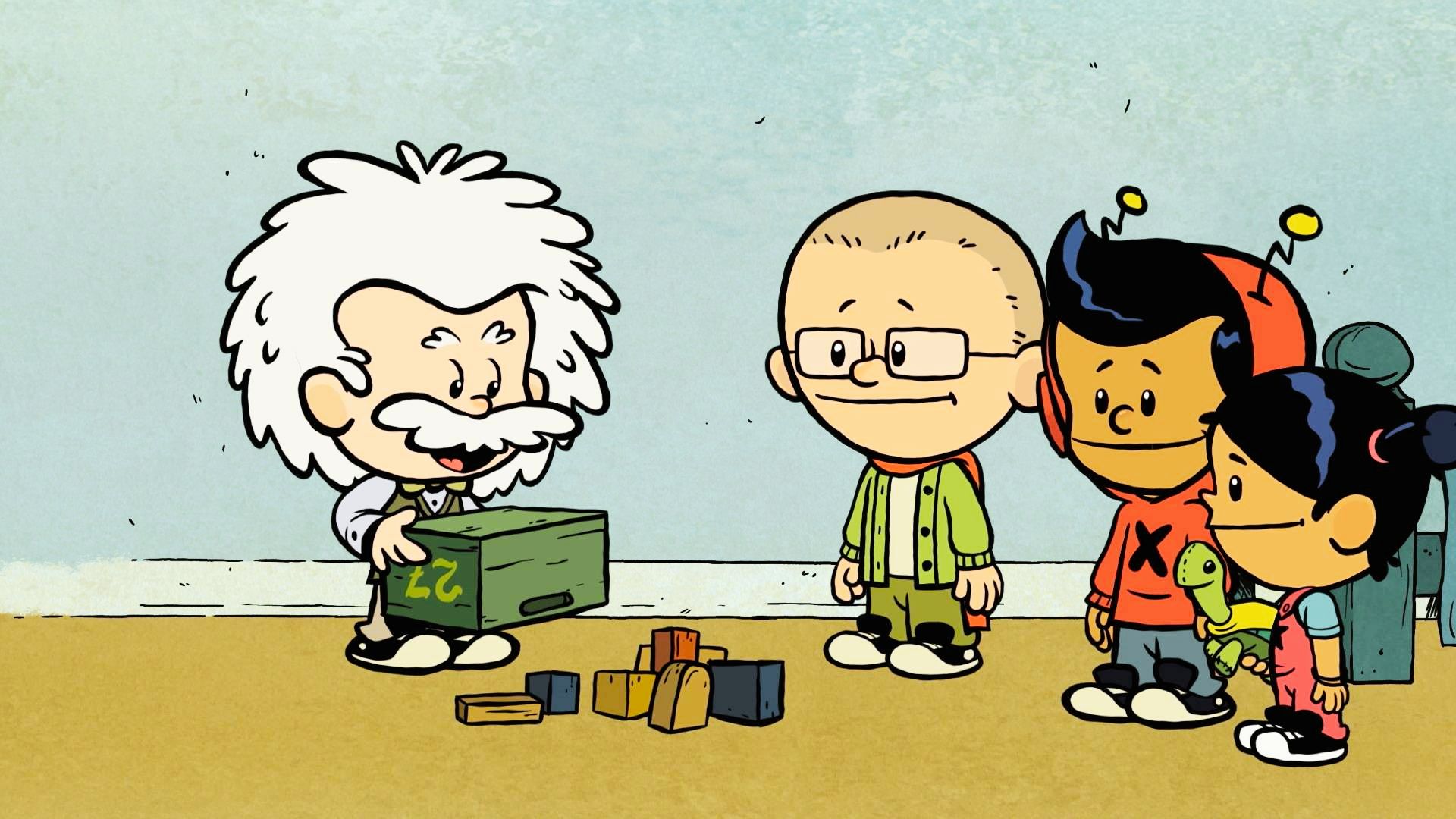
Xavier and his friends travel back in time to meet real historical figures. The show introduces kids to people like Frida Kahlo and Marie Curie in a simple and fun format.
23. StoryBots

StoryBots answers the big questions kids ask every day, like why is the sky blue or how do we sleep. It mixes humor with real facts and keeps kids coming back for more.
How to Choose the Right Educational Show for Your Child
Choosing the right show depends on your child’s age, interests, and learning needs. For toddlers, focus on simple language, repetition, and music-based learning.
Preschoolers benefit from shows that teach letters, numbers, and basic problem-solving. Older kids can explore science, history, and STEM-focused content.
It’s also important to check if the show promotes positive values, encourages curiosity, and keeps your child engaged without overstimulation.
Always try to balance entertainment with real educational value.
Tips to Make Screen Time More Educational
Small changes in how your child watches TV can make a big difference in what they actually learn.
- Watch together when you can. Pause and ask your kid questions about what's happening on screen. It turns passive watching into active thinking.
- Set a time limit before hitting play. 30 to 45 minutes per session works well for most kids. It keeps their focus sharp and prevents zoning out.
- Talk about the episode after it ends. Ask them what they learned or what surprised them. This helps the lesson stick.
- Pick shows that match what they're studying. If they're learning about space at school, queue up a space show. The overlap reinforces the lesson fast.
- Rotate topics. Don't let your child watch only one type of show. Mix science, history, language, and art to keep learning broad.
Conclusion
Finding the best educational shows for kids does not have to be stressful.
I remember sitting with my little one, scrolling through options, just hoping to pick something that would actually stick. These shows made that so much easier.
The right show can spark curiosity in ways you never expect. So pick one from this list tonight and watch what happens.
Did your child have a favorite on this list? Drop it in the comments below. And if this helped, share it with a parent who needs it too.
Frequently Asked Questions
What makes a TV show truly educational for kids?
A good educational show teaches real skills like reading, math, or social awareness through stories kids enjoy. It holds attention without dumbing things down.
How much screen time is okay for young children?
The American Academy of Pediatrics suggests no more than one hour per day for kids aged 2 to 5. For older kids, balance screen time with play and reading.
At what age can kids start watching educational shows?
Most experts recommend waiting until age 2. Before that, hands-on play and face-to-face interaction do more for brain development than any screen can.
Can educational TV shows replace classroom learning?
No. They work best as a supplement, helping kids revisit concepts or get introduced to new ones in a low-pressure setting.
Are educational shows on streaming platforms better than regular TV?
Not always. The platform matters less than the content. What counts is whether the show is age-appropriate and genuinely designed to teach.