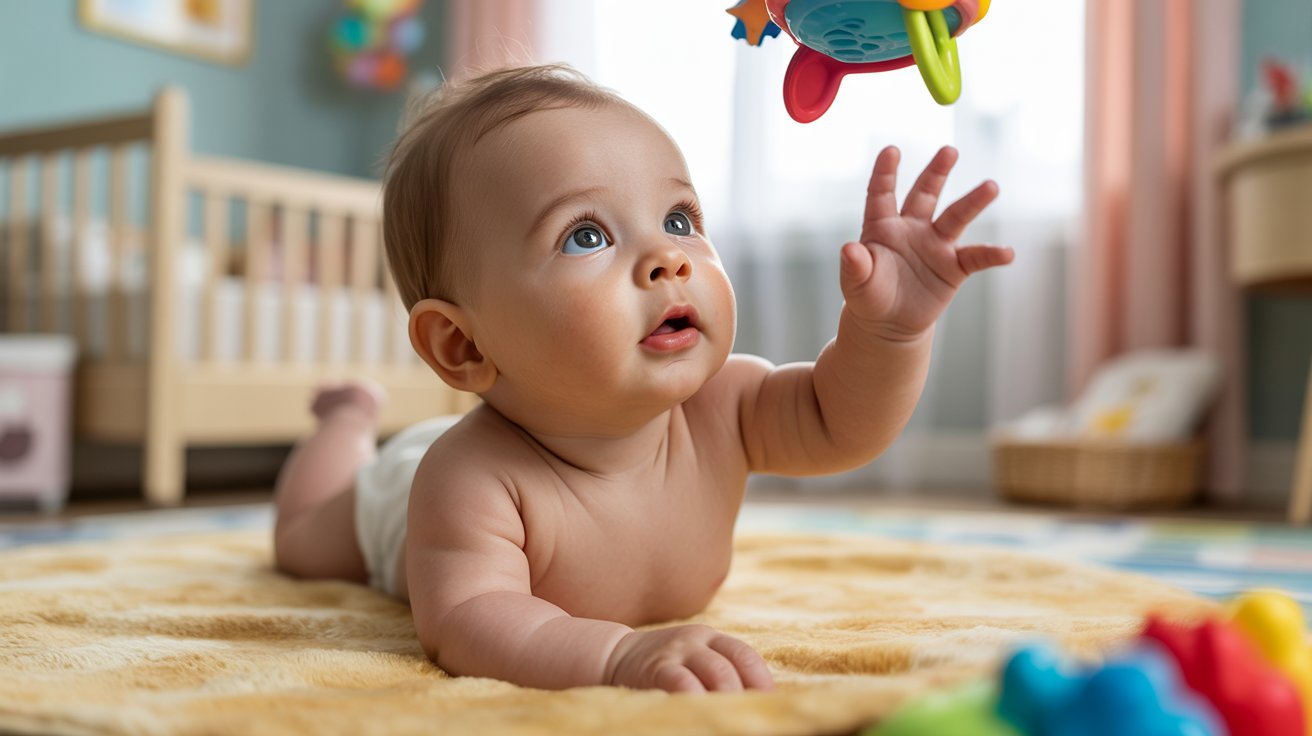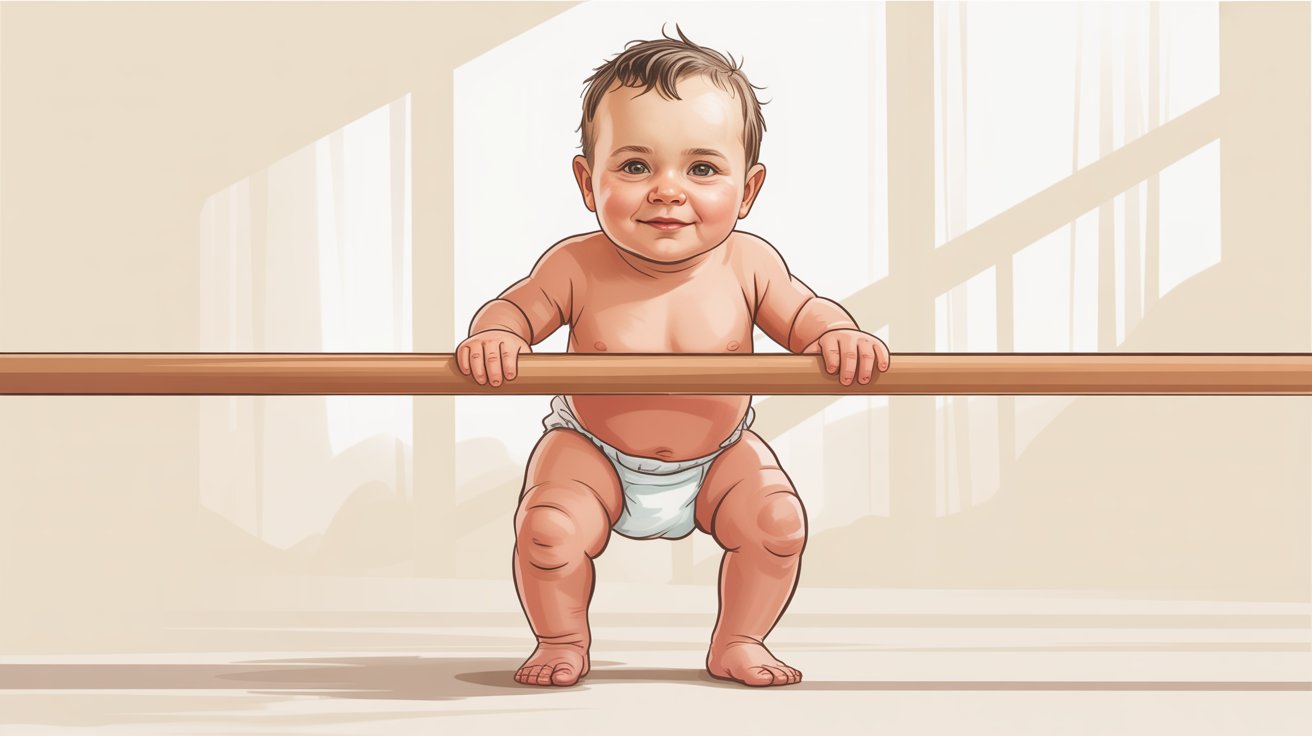

Does your little one suddenly pop up like a jack-in-the-box every time you put them down? You’re not alone. When a baby standing in a crib becomes the new normal, parents everywhere lose sleep and worry.
This phase typically starts around 6 to 9 months old. Your baby has learned an exciting new skill and wants to practice it all the time, even when they should be sleeping. Their brain are so excited about this new ability that rest becomes secondary to practice.
The good news? This stage doesn’t last forever. With the right approach and some patience, your baby will master this skill, and sleep will get better.
Let’s look at why this happens and what you can do to help everyone rest easier. Better nights are coming soon.
Why Babies Stand in Their Cribs?
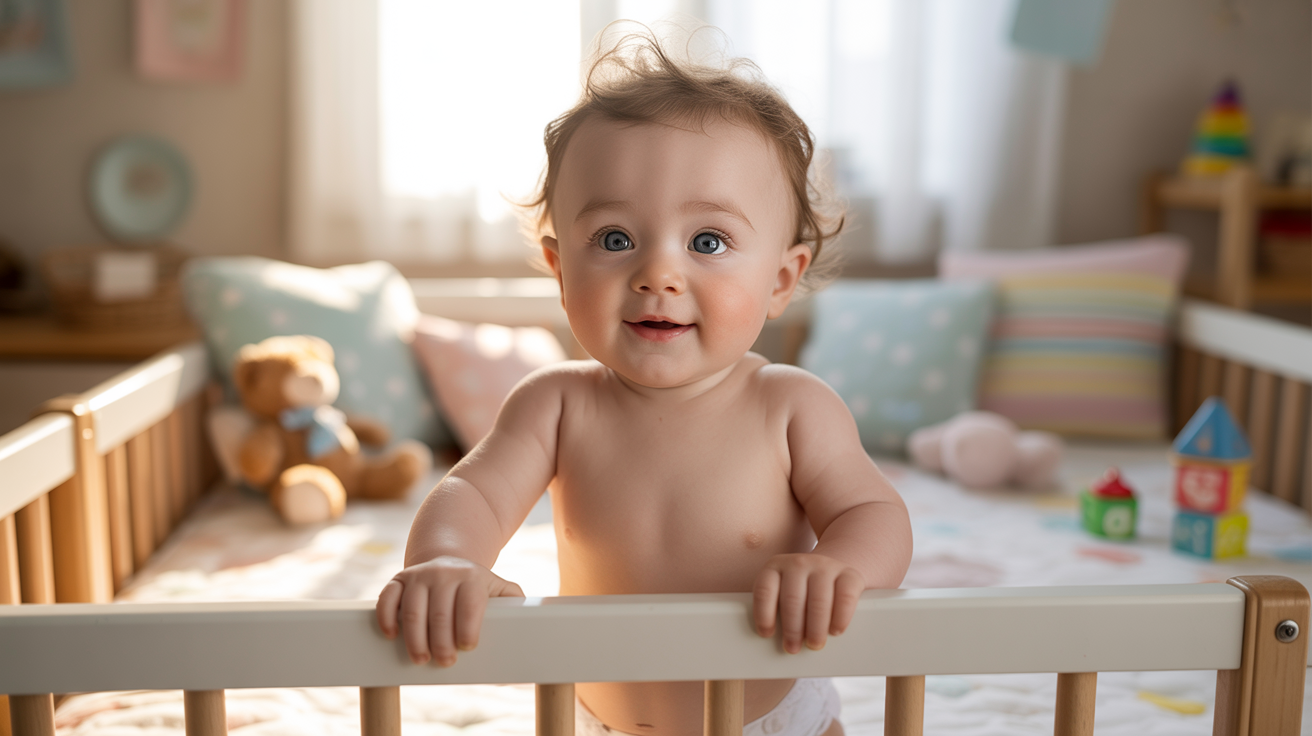
When your baby finds out that they can pull themselves up, their whole world changes. This new view from a standing position is thrilling, and they want to experience it over and over.
It’s a Major Developmental Milestone
Standing up marks a big change in how your baby sees and interacts with everything around them. Their brain gets excited about this new ability, which makes them want to keep doing it.
The urge to practice is strong and constant. Your baby doesn’t understand that nighttime is for sleeping, not for testing out new physical skills. They just know they can do something cool and want to keep trying.
Common Age Range
Most babies start pulling to stand between 6 and 9 months old. Some might do it earlier or later, and that’s completely fine.
Every child grows and learns at their own speed. If your baby’s standing in the crib happens at 7 months or 10 months, both are normal. This skill shows your baby is growing strong and healthy.
How Standing Affects Sleep?

Your baby’s new standing skill can really mess with sleep schedules. They pull up in the crib when they should be drifting off, and suddenly everyone is awake and frustrated.
The problem gets worse when babies pull themselves up but haven’t learned how to get back down. They stand there, stuck and upset, crying for help because their legs won’t cooperate.
This leads to broken sleep for everyone. Naps get shorter or don’t happen at all. Nighttime becomes a series of wake-ups instead of restful hours.
The good news is this phase is temporary and will pass as your baby masters the skill.
Safety First: Preparing the Crib

Before anything else, make sure your crib is safe for a baby who can now stand. A few simple changes will protect your little one during this active phase.
Lower the Mattress
Drop that mattress to the lowest setting right away. Once your baby can pull up, they need less space between the mattress and the top rail.
When your baby is standing in the crib and reaches full height, the top rail should hit around mid chest level. This prevents them from tumbling over the side, which could cause serious injuries.
Keep Crib Empty
Take out all bumpers, pillows, stuffed animals, and loose blankets. These items create climbing aids that make it easier for your baby to climb out.
A sleep sack is safe to use and won’t help your baby climb. In fact, it might actually slow them down a bit while they’re learning to balance and stand.
Check Crib Stability
Go around the crib and check every connection point. Tighten any screws or bolts that feel loose.
A wobbly crib becomes dangerous when a baby starts pulling up and bouncing. Make sure your crib meets current safety standards and hasn’t been recalled.
Helping Your Baby Master This Skill
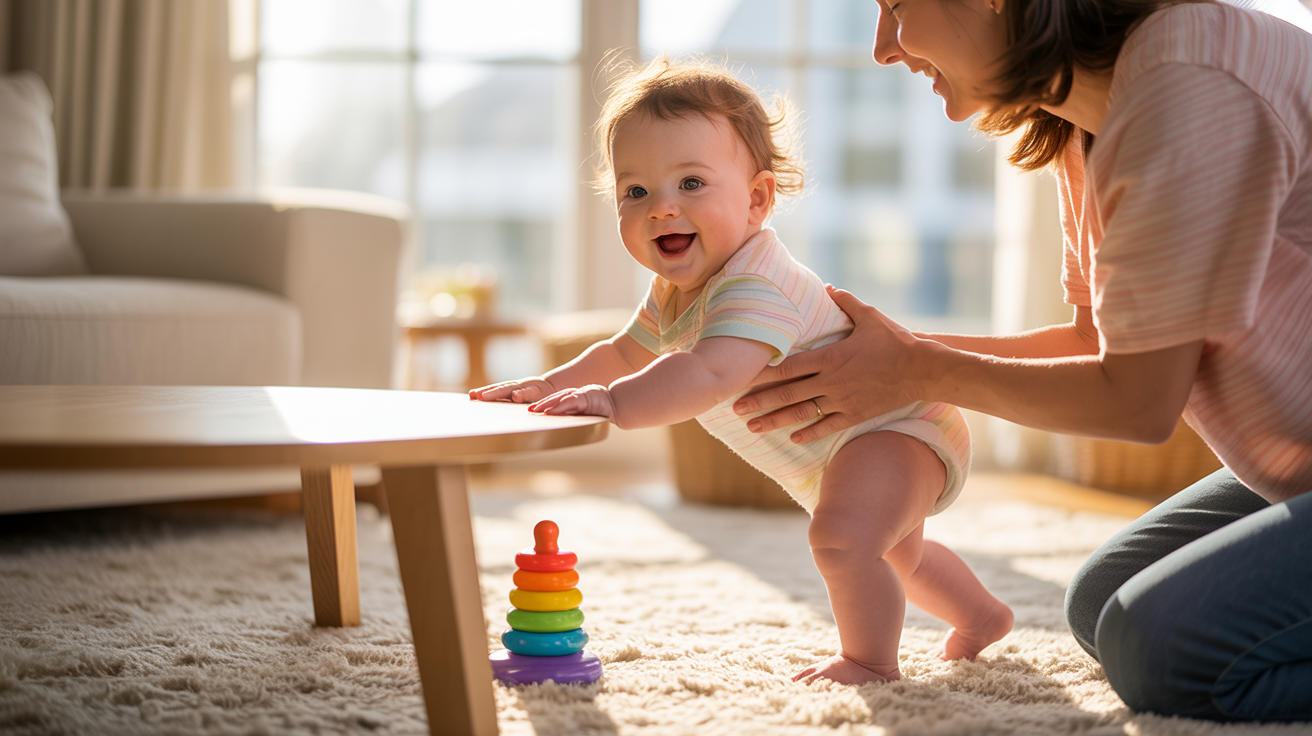
The fastest way through this phase is to help your baby get really good at standing and sitting back down. More practice during awake times means faster mastery.
Practice Pulling to Stand During the Day
Let your baby pull up on the couch, coffee table, or other sturdy furniture throughout the day. The more chances they get to practice, the sooner this skill becomes second nature.
Make it fun, but do it often. When standing becomes boring and automatic, your baby won’t feel the need to practice during sleep times. Repetition is your friend here.
Teach Sitting Back Down
Here’s the tricky part: sitting back down is actually harder than pulling up. Your baby might stand easily but have no idea how to reverse the process.
Put a favorite toy on the floor near your baby to encourage them to reach down and sit. You can gently guide their knees to bend and show them the motion. Hold their hands for support if they need it, and cheer when they succeed. Do this over and over until it becomes natural and easy.
Stay Calm and Positive
Babies pick up on your emotions quickly. If you’re stressed and anxious about the baby standing in the crib situation, they’ll sense it and get more worked up.
Keep your voice cheerful and encouraging. Show confidence that they can figure this out. Your calm energy helps them feel safe while learning these new physical skills.
What to Do When Baby Stands During Sleep Times?

When you put your baby down, and they immediately pop back up, it’s frustrating. Here’s how to handle those moments without creating bad habits.
The One-Time Laydown Rule
Go in and gently lay your baby back down once. Then leave the room and give them space to work it out.
Don’t keep running back every time they stand up again. This can turn into a fun game for your baby, which is the opposite of what you want. Give them a chance to lie down on their own.
When to Help
Use your judgment about when your baby really needs help versus when they’re just practicing. If their legs look locked or stuck in an uncomfortable position, go ahead and assist.
Keep any help brief and boring. Don’t talk much or make eye contact. Just help them down and leave. Trust your gut as their parent.
Be Consistent
Stick with your regular bedtime routine even though sleep is rocky right now. Don’t add new things like extra rocking or feeding to help them sleep.
Keep your response the same each time they stand. Consistency helps babies learn what to expect. This phase requires patience, but staying steady will pay off.
Using Sleep Sacks as a Tool

A sleep sack can be helpful during this transition period. It limits your baby’s mobility just enough to make standing harder without being restrictive or unsafe.
The sleep sack won’t stop a determined baby, but it might slow them down. This buys you some time while they’re still learning the sitting back down part.
Think of it as a temporary helper, not a long-term solution. Once your baby masters standing and sitting, the sleep sack won’t slow them down much anymore.
But during these early weeks, it can make a real difference in how often you’re called back to the room.
How Long Does This Phase Last?

Most babies work through the baby standing in crib phase within 1 to 2 weeks. Some figure it out faster, while others take a bit longer.
The key factor is practice. The more chances your baby gets to stand and sit during the day, the quicker they’ll master it. Make daytime practice a priority.
Once the skill becomes automatic, sleep usually returns to normal. This is a temporary bump in the road, not a permanent sleep problem. Your baby’s brain just needs time to process and master this new ability.
Conclusion
Seeing your baby standing in the crib instead of sleeping is tough on everyone. The wake-ups and disrupted naps can leave you feeling exhausted and worried. But remember, this is a normal part of growth and development that all babies go through.
With the right safety measures in place and lots of daytime practice, this phase will pass quickly. Lower that mattress, practice during the day, and teach your baby how to sit back down. Stay consistent with your approach and trust the process.
You’re doing a great job as a parent, even when it doesn’t feel like it at 2 AM. Keep encouraging your baby, stay patient with the process, and know that better sleep is right around the corner for your whole family.
Frequently Asked Questions
Should I Remove the Crib If My Baby Keeps Standing?
No, keep the crib with the mattress lowered. Only switch to a toddler bed when your baby starts climbing out regularly or reaches the height limit for the crib, usually around age 2 or 3.
Can I Use a Sleep Training Method During This Time?
Yes, you can continue with your current approach. Just be aware that progress might slow down during this learning phase. Stay consistent, but give your baby a bit more grace while they master standing.
My Baby Falls Asleep Standing Up. Is This Normal?
Yes, some babies do fall asleep while standing. They’ll eventually slump down as they relax. You can gently lay them down once they’re fully asleep if you’re worried about their position.
Will This Happen Again With Walking?
Other motor skills, such as walking and climbing, might cause brief sleep disruptions, too. But each phase is usually shorter than the last because your baby gets better at learning new physical skills.
How Can I Tell If Something Else Is Wrong Besides Standing?
Watch for signs like fever, pulling at ears, changes in eating, or extreme fussiness. If sleep problems continue for more than 3 weeks or your baby seems sick, call your doctor.