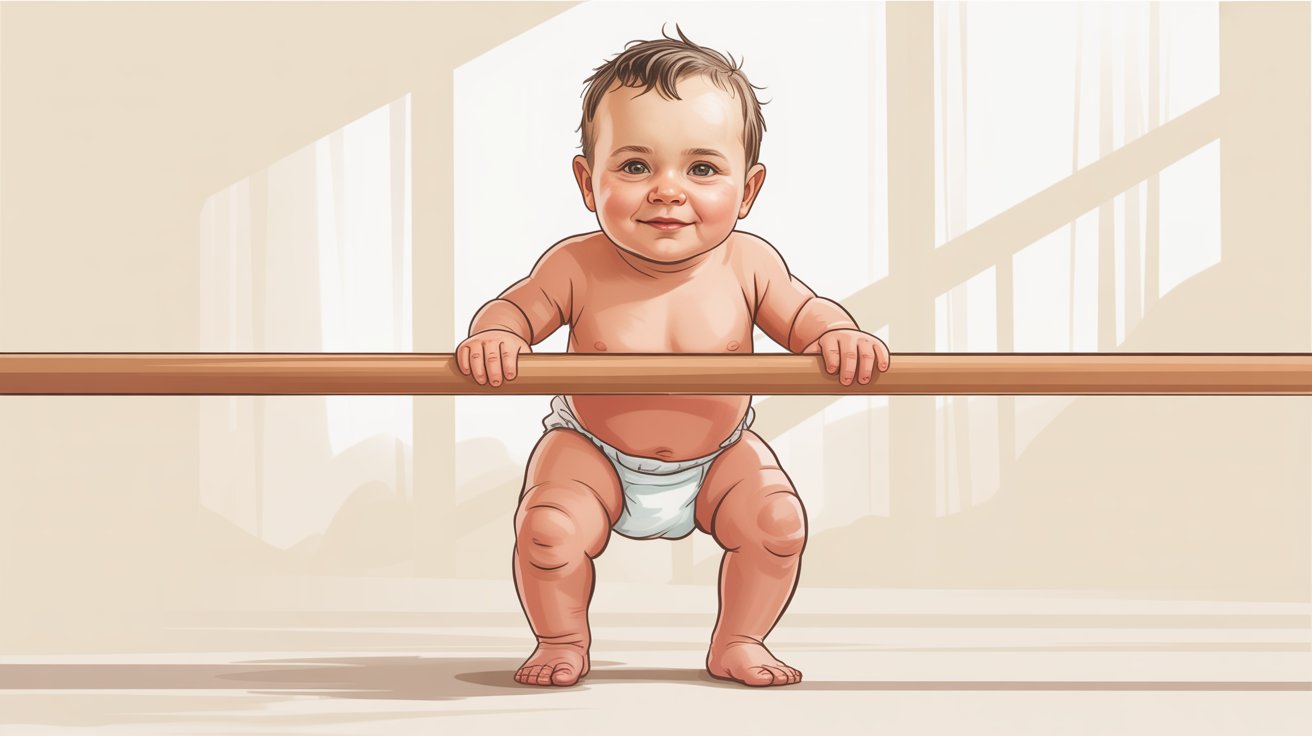

If you’ve noticed gaps between your baby’s teeth, you’re not alone. Many parents wonder if this spacing is normal or something to worry about. Good news: most gaps are completely healthy and help set the stage for adult teeth.
I’ve seen this concern come up countless times, and I’m here to walk you through everything you need to know. In this blog, I’ll explain why gaps happen, when they’re a concern, and how to care for your child’s smile.
With years of experience guiding parents through dental development, I’ll help you understand what’s normal and what needs attention.
Understanding Baby Gap Teeth
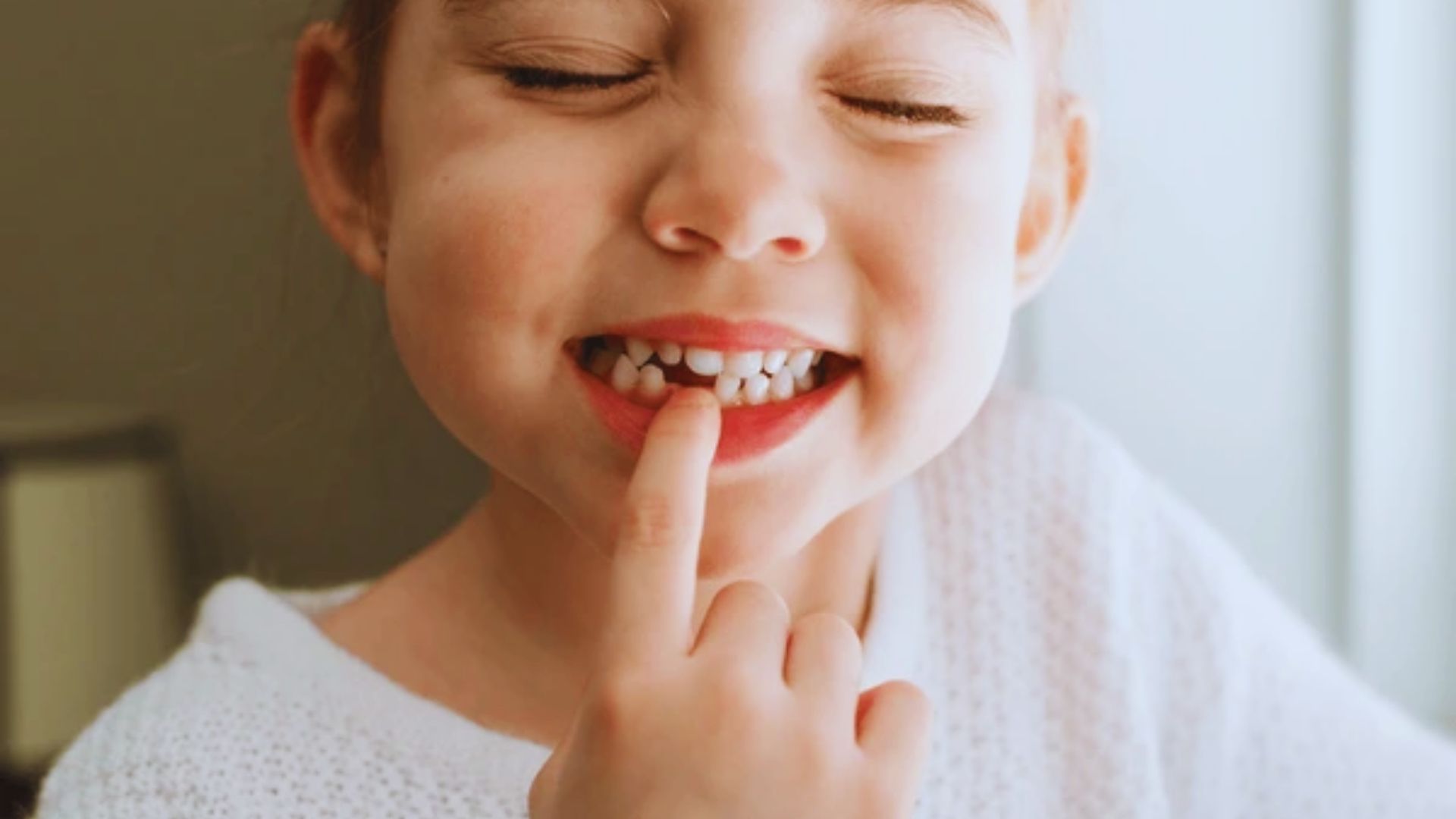
Baby gap teeth are spaces between your child’s teeth, especially the front ones. Dentists call these spaces diastema. They’re incredibly common and usually nothing to stress about.
These gaps can show up anywhere, but are most noticeable between the upper front teeth. Most parents spot them around 6 to 10 months old when the upper front teeth come in.
Gaps are actually helpful. They give permanent teeth room to grow in properly. Baby teeth are smaller than adult teeth, so this extra space prevents crowding later. It’s nature’s way of planning for bigger teeth.
Why Babies Have Gaps Between Their Teeth?
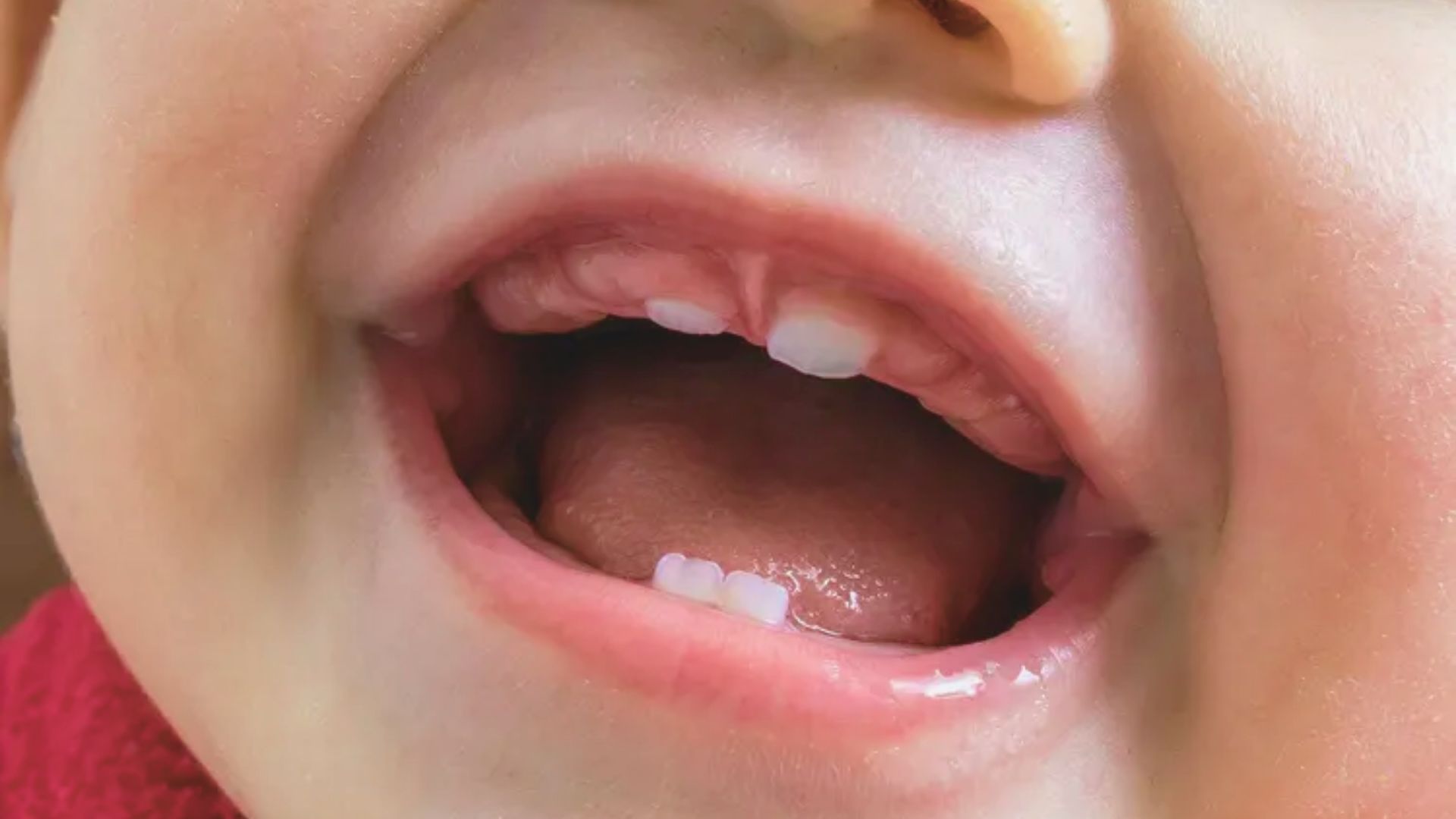
Several factors create those spaces in your baby’s mouth. Understanding them helps you feel more confident about your child’s dental health.
Natural Spacing Between Baby Teeth
Baby teeth are naturally smaller than the permanent teeth that will replace them. The jaw needs to accommodate both sets over time.
This size difference creates built-in spacing. It’s not a flaw. It’s a smart design. Your baby’s mouth is preparing for bigger teeth down the road.
Jaw Growth and Development
Your child’s jaw keeps growing during early childhood. As it expands, the teeth spread apart naturally. This growth creates gaps that weren’t there before.
The process continues until all baby teeth are in place. By around age 3, you’ll see the full set with spacing included.
Tooth Eruption Sequence
Teeth don’t all appear at once. They come in gradually over months or years. When a new tooth breaks through, it might not sit right next to its neighbor immediately.
Temporary gaps form until surrounding teeth fill in. This pattern is normal.
Frenulum Attachment (Lip Tie)
A small piece of tissue called the frenulum connects your baby’s upper lip to the gums. Sometimes this tissue sits between the two front teeth.
When it’s thick or positioned low, it can create a noticeable midline gap. This usually resolves on its own as permanent teeth come in.
Genetic Factors
Spacing patterns often run in families. If you or your partner had gaps as a child, your baby might too.
Tooth size, jaw shape, and spacing tendencies can all be inherited. Check old photos of yourself. You might see similar patterns.
When Baby Gap Teeth Are a Concern?
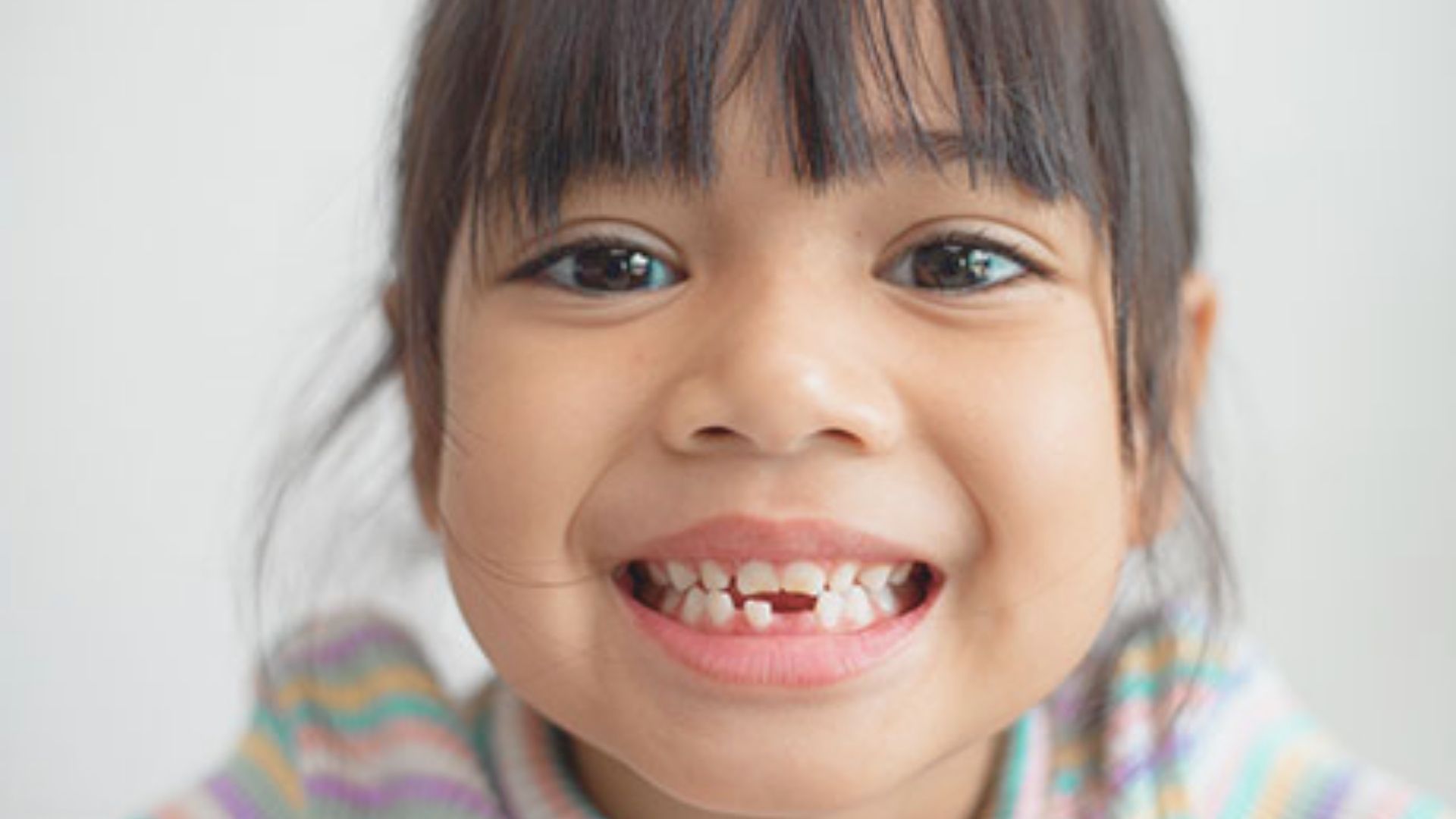
Most gaps are harmless, but some situations need professional evaluation. Here’s what to watch for.
Excessively Large or Persistent Gaps
If gaps seem unusually wide or don’t change as more teeth grow in, mention it to your dentist. Very large spaces might indicate an issue with tooth size or jaw development.
Your pediatric dentist can assess whether the spacing is within normal range.
Missing or Extra Teeth
Sometimes babies are born with fewer or more teeth than expected. This affects spacing significantly. Missing teeth leave obvious gaps, while extra teeth create crowding.
X-rays can show what’s happening beneath the gums. Early detection helps with planning if treatment is needed later.
Teeth That Are Too Small for the Jaw
If teeth are unusually small compared to jaw size, gaps may be more pronounced. This condition, called microdontia, can affect how permanent teeth come in.
Your dentist will monitor the situation and suggest options if necessary.
Gum Health or Soft Tissue Issues
Red, swollen gums around gaps need attention. A thick frenulum that causes persistent spacing might require treatment.
Healthy gums should look pink and firm. Any signs of infection or inflammation warrant a dental visit.
Impact of Habits
Thumb-sucking or prolonged pacifier use can push teeth forward and create gaps. These habits also affect jaw development and bite alignment. Try to limit pacifier use after age 2.
Gently discourage thumb-sucking as your child gets older. Breaking these habits early prevents long-term spacing problems.
How Baby Gap Teeth Affect Permanent Teeth?

Those gaps you see now actually help your child’s adult teeth later. Gaps give permanent teeth room to come in straight. Adult teeth are larger and need more space. If baby teeth were crowded together, permanent teeth would likely crowd too.
Natural spacing prevents this problem. Your child may not need braces later simply because there was enough room early on.
Well-spaced baby teeth guide permanent teeth into good positions. Think of baby teeth as placeholders that keep the spot ready for adult teeth. When spacing is adequate, the transition happens more smoothly. Teeth come in aligned rather than crooked or overlapping.
Monitoring and Caring for Your Baby’s Teeth

Taking care of baby teeth sets the foundation for healthy permanent teeth. Here’s what you need to do.
Schedule Regular Pediatric Dental Visits
Your child should see a dentist by their first birthday. These early visits catch problems before they become serious.
The dentist will check spacing, tooth development, and overall oral health. Regular appointments every six months keep everything on track.
Maintain Good Oral Hygiene
Start brushing twice daily as soon as the first tooth appears. Use a soft-bristled brush and a tiny smear of fluoride toothpaste.
Once teeth touch, start flossing daily. Clean teeth and gums reduce decay risk. Healthy baby teeth maintain proper spacing naturally.
Observe Tooth Eruption Patterns
Keep track of when teeth come in. Most babies get their first tooth around 6 months. By age 3, all 20 baby teeth should be present.
If teeth are significantly delayed or arrive out of order, tell your dentist. They can determine if an evaluation is needed.
Limit Pacifier and Thumb-Sucking Habits
Try to stop pacifier use by age 2 or 3. Discourage thumb-sucking around the same time. These habits can create gaps and bite problems if they continue too long. Offer comfort in other ways. Positive reinforcement works better than punishment.
Prevent Early Tooth Loss
Baby teeth need to stay in place until permanent teeth are ready. Premature loss from decay or injury disrupts natural spacing.
Surrounding teeth can shift into empty spaces, causing crowding later. Protect baby teeth through good hygiene and dental care. Use a mouthguard if your child plays contact sports.
When to Consult a Pediatric Dentist
Knowing when to seek professional help protects your child’s oral health. Schedule an appointment if you notice excessively wide gaps, missing teeth, or gum problems. Speech difficulties, feeding problems, pain, swelling, or bleeding around gaps also need attention.
Catching problems early prevents bigger issues later. Early treatment can guide jaw growth and tooth positioning. It’s easier to correct problems in childhood than adulthood.
Pediatric dentists specialize in children’s oral health and understand normal development patterns. They’ll give you personalized advice based on your child’s specific situation. Don’t hesitate to ask questions or voice concerns. Your child’s smile is worth professional care.
Conclusion
Seeing gaps in your baby’s teeth can feel worrying at first, but now you know they’re usually a healthy sign. Those spaces are making room for strong, straight adult teeth. I remember feeling the same way when I first noticed gaps in my child’s mouth.
It’s natural to wonder if everything’s okay. Keep up with dental visits, maintain good oral hygiene, and watch for any concerning signs. If you ever feel uncertain, your pediatric dentist is there to help.
Trust the process and give your child’s smile the care it deserves. Have questions or experiences to share? Drop a comment below. I’d love to hear from you!
Frequently Asked Questions
Are gaps between baby teeth normal?
Yes, gaps are completely normal and often beneficial. They provide space for larger permanent teeth to come in properly without crowding.
Will gaps in baby teeth close on their own?
Many gaps close naturally as more teeth come in or when permanent teeth replace baby teeth. Some gaps may persist and need evaluation.
Can thumb-sucking cause gaps in baby teeth?
Yes, prolonged thumb-sucking can push teeth forward and create gaps. Limiting this habit by age 2 or 3 helps prevent spacing and bite problems.
When should I worry about gaps in my baby’s teeth?
Consult a dentist if gaps are excessively wide, don’t change as teeth grow, or if you notice missing teeth, gum issues, or speech problems.
Do baby tooth gaps mean my child will need braces?
Not necessarily. Gaps in baby teeth often prevent crowding in permanent teeth. Your dentist can assess if future orthodontic treatment might be needed.