
My son used a sippy cup for almost two years. I never questioned it. It was easy, spill-proof, and he loved it.
But when his dentist pointed out early signs of decay, I started asking questions. I was shocked by what I found.That search led me here.
In this article, I break down what sippy cups can do to your child's teeth, speech, and oral development.
I'll also cover simple, practical tips to lower the risks. By the end, you'll feel confident making the right call for your child.
Let's get into it.
What Are Sippy Cups and Why Are They Used?

Sippy cups are spill-proof drinking cups designed for toddlers making the shift from bottles to regular cups.
They have a lid with a spout or valve that controls liquid flow. Parents use them to reduce spills during this messy learning phase.
They're convenient, portable, and easy to hold for small hands. Most children start using them around 6 to 12 months.
While they serve a practical purpose, how long a child uses them and what goes inside can affect their health over time.
Potential Dental Issues Linked to Sippy Cups
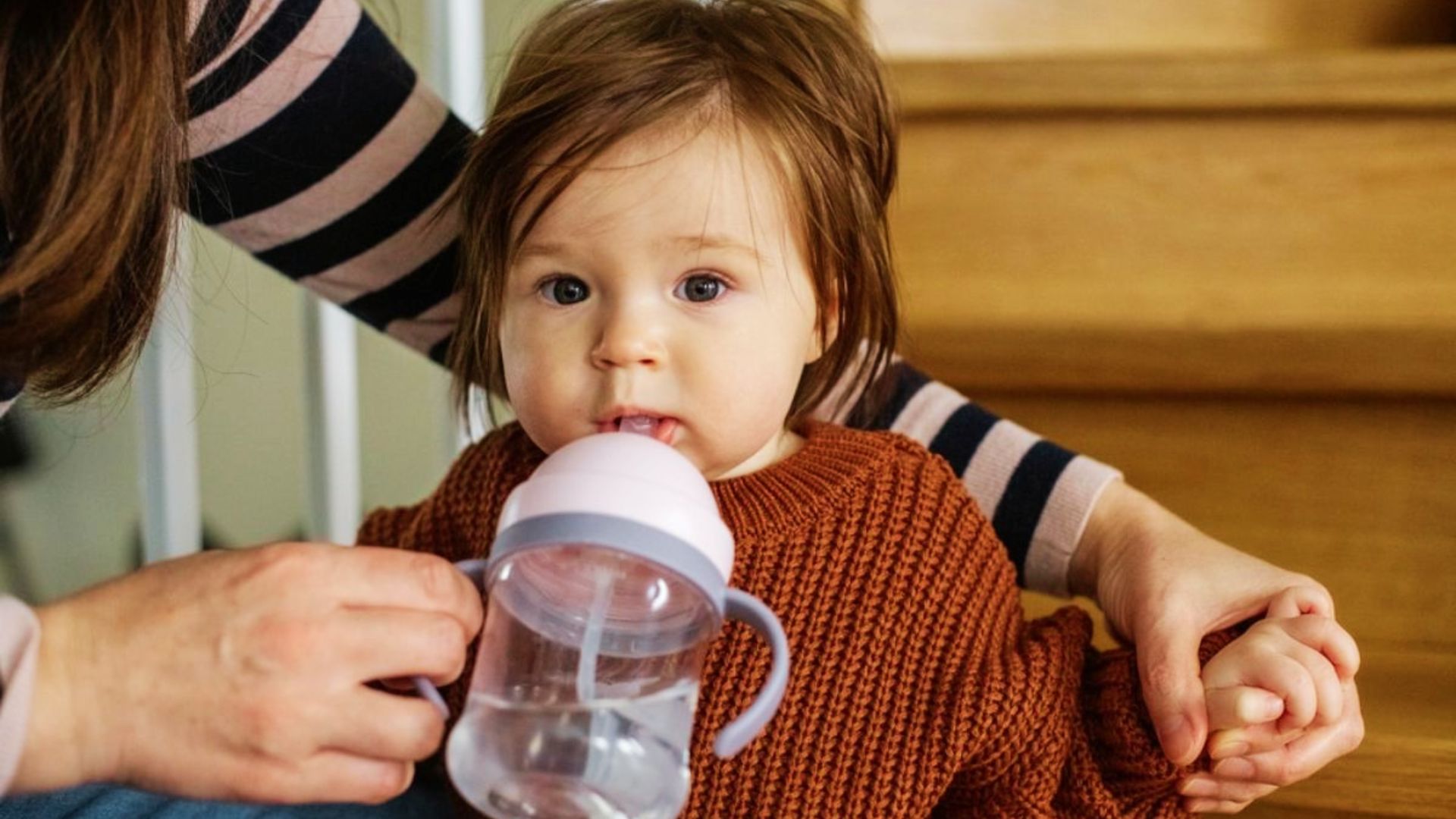
Sippy cups can quietly harm your child's teeth, especially when used too often or filled with the wrong drinks.
Prolonged Exposure to Sugary Drinks
Juice, milk, and sweet drinks are common choices for sippy cups. But these drinks are full of sugars that feed bacteria in the mouth.
The more often a child sips, the more acid attacks the teeth. Over time, this raises cavity risk significantly.
Limiting sweet drinks and rinsing teeth after helps reduce this damage.
Liquid Pooling Around Teeth
A sippy cup releases liquid in small, controlled amounts. This sounds safe, but it means liquid stays in contact with teeth for longer periods.
Unlike drinking from an open cup, where liquid passes quickly, sippy cup use keeps sugars and acids sitting on tooth surfaces.
This constant contact increases the chance of early tooth decay in young children.
Bedtime and All-Day Sipping Risks
Giving a child a sippy cup at bedtime is one of the riskiest habits. Saliva production slows during sleep, which means teeth have less natural protection.
Sugar or milk pools around the teeth all night. All-day sipping has a similar effect.
Constant exposure to any drink other than water keeps the mouth in an acidic state, making tooth decay much more likely.
Speech Development Concerns
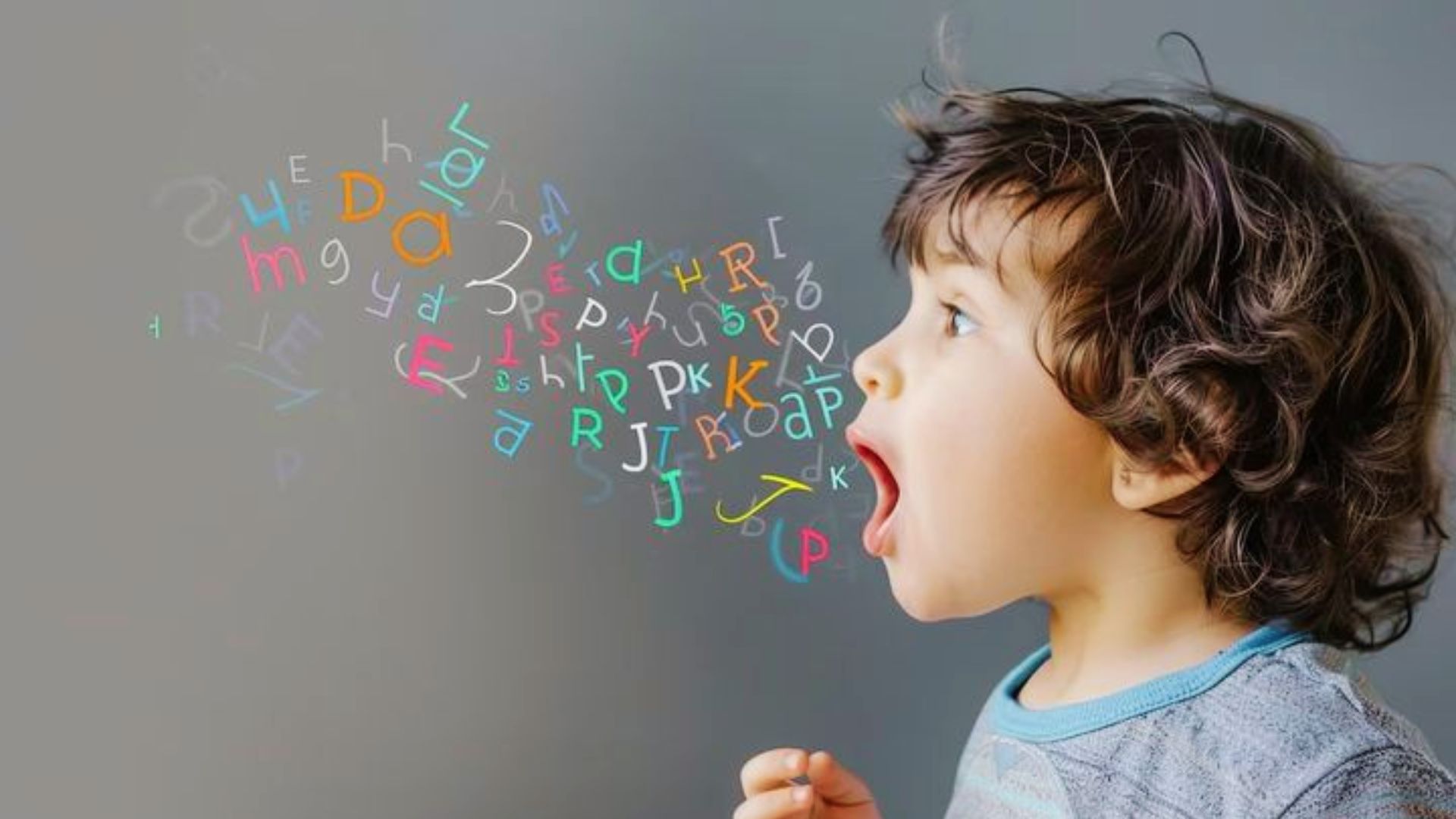
The way a child drinks can actually shape how they learn to speak, and sippy cups may interfere with that process.
Low Tongue Position
Sippy cup spouts often encourage the tongue to rest low in the mouth while drinking. Over time, this can become a habit.
A low tongue position during rest and speech affects how oral muscles develop. Strong, well-positioned tongue muscles are key to clear speech.
Repeated low tongue placement from sippy cup use may make it harder to develop proper oral muscle strength.
Impact on Speech Sound Development
Tongue position directly affects how sounds are formed. When the tongue consistently sits in the wrong position, it can lead to unclear speech sounds.
Some children may develop a lisp or have difficulty pronouncing certain letters.
This does not happen to every child, but the risk increases with long-term sippy cup use that reinforces poor tongue placement habits from an early age.
Delayed Oral Motor Skill Development
Drinking from a sippy cup does not require the same muscle coordination as an open cup or straw.
This means children get less practice using the oral muscles needed for mature drinking and speech. Over time, limited practice can slow the development of these skills.
The earlier children are introduced to straw cups or open cups, the more opportunity they have to build these important oral motor skills.
Oral Development Concerns

Sippy cups can also get in the way of how a child develops normal swallowing and drinking patterns.
Delayed Transition From Bottle-Like Drinking
Sippy cups work a lot like bottles. The child sucks on a spout to get liquid, which mirrors the bottle-feeding pattern.
When children stay on sippy cups too long, they may not learn the tongue and jaw movements needed for mature swallowing.
This delay can carry into later development stages and may require extra support from speech or feeding therapists if it goes unaddressed.
Limited Skill Development
When a child only uses one type of cup, they miss chances to practice other drinking skills. Open cups and straw cups each require different muscle movements and coordination.
Relying on sippy cups for too long reduces that variety. Children need exposure to different drinking methods to build a full range of oral skills.
Introducing new cup types early helps keep their development on track.
Tips to Reduce Potential Risks
A few small changes to your routine can make a big difference for your child's health.
- Limit all-day sipping:Offer drinks at set meal and snack times instead of letting your child carry the cup around all day.
- Choose water between meals:Water does not feed bacteria or coat teeth in sugar, making it the safest choice between meals.
- Transition early:Start introducing straw cups or open cups around 6 months to build better oral habits from the start.
- Avoid bedtime sippy cups: Never put your child to bed with a cup filled with juice or milk. This leads to overnight sugar exposure on the teeth.
- Clean teeth after drinking: Wipe or brush your child's teeth after sugary or milky drinks to remove residue and lower cavity risk.
These simple steps go a long way in keeping your child's teeth and speech development on track.
Conclusion
Sippy cups are not the enemy. I used one with my own kid and things were just fine once I knew what to avoid.
The key is how you use them, not just how long.
Fill them with water, skip bedtime use, and switch to straw or open cups early. Small changes make a real difference.
Found this helpful? Share it with a parent who needs it.
Drop your questions or tips in the comments below!
Frequently Asked Questions
Are sippy cups safe for toddlers?
They are generally safe for short-term use but can cause dental or speech issues when used too long or too often.
At what age should I stop using sippy cups?
Most experts suggest transitioning away from sippy cups by 12 to 18 months of age.
Can sippy cups cause tooth decay?
Yes, especially when filled with juice or milk and used throughout the day or at bedtime.
Do sippy cups affect speech development?
Long-term use may affect tongue positioning and oral muscle development, which can influence speech clarity in some children.
What is a better option than a sippy cup?
Straw cups and open cups are better for oral and speech development and are worth introducing as early as 6 months.