
Kids get angry. That's normal. But when anger takes over, it affects school, friendships, and home life.
I've seen firsthand how the right tools can change everything for a struggling child.
This article gives you 11 simple, proven anger management activities for kids that actually work in real life. No complicated steps. No expensive tools.
We'll cover why anger management matters for kids, 11 hands-on activities you can start today, and practical tips for parents and teachers.
You'll leave with real solutions, not just advice.
Why Anger Management Activities for Kids Are Important

Teaching kids how to handle anger early makes a big difference. It shapes how they deal with emotions for the rest of their lives.
Kids' brains are still growing. The part that controls emotions isn't fully developed until adulthood. So when something upsets them, they react fast. This isn't bad behavior. It's a brain development issue.
Common triggers include feeling unheard, losing a game, screen-time transitions, tiredness, and school stress. Once you spot the triggers, you can step in early.
When kids learn to manage anger young, it stays with them for life.
11 Anger Management Activities for Kids That Work
These activities are simple, fun, and backed by child psychology. You don't need to be a therapist to use them.
1. Calm-Down Jar

What it is: A glitter jar that kids shake and watch settle down.
How it works: Fill a jar with water, glitter glue, and fine glitter. When a child is upset, they shake the jar and watch the glitter swirl and slowly settle.
This gives their brain a visual cue to slow down. The glitter represents their thoughts. Watching it settle helps them feel calmer.
Best for: Ages 3 to 8
How to use it: Keep it nearby. When emotions rise, hand it over without a word. Let the jar do the work.
2. Volcano Activity
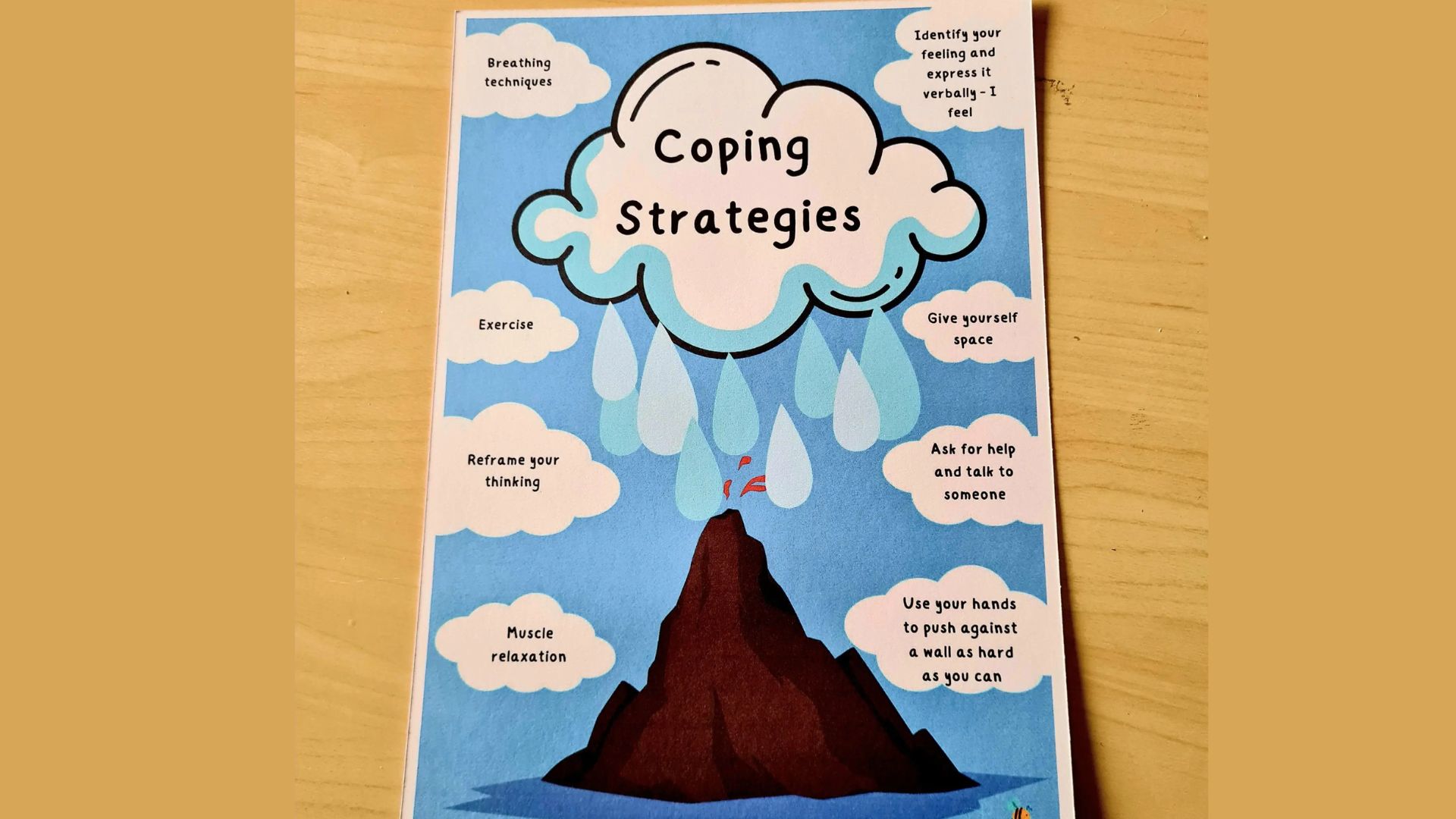
What it is: A role-play and drawing exercise about anger buildup.
How it works: Ask the child to draw a volcano. The bottom layers show small frustrations. The top shows the big explosion.
Talk through each layer. What was the first small thing? Then what happened next?
This helps kids see that anger doesn't come from nowhere. It builds up slowly. When they see the pattern, they can catch it early.
Best for: Ages 6 to 12
3. Fishing for Feelings Game

What it is: A simple game where kids "fish" for emotion cards.
How to make it: Write different feelings on paper fish. Add a paper clip to each. Use a stick with a magnet tied to a string as the fishing rod.
When a child catches a fish, they talk about a time they felt that way.
This builds emotional vocabulary. Kids who can name their feelings handle them better.
Best for: Ages 4 to 10
4. Body Map Activity

What it is: A drawing exercise that connects feelings to physical sensations.
How it works: Draw an outline of a body on paper. Ask the child where they feel anger in their body. Do their fists clench? Does their chest get tight? Does their face feel hot?
They color in those areas.
Why it helps: Most kids don't realize anger lives in the body. When they notice the physical signs early, they can stop the reaction before it gets too big.
Best for: Ages 5 to 12
5. Guided Meditation
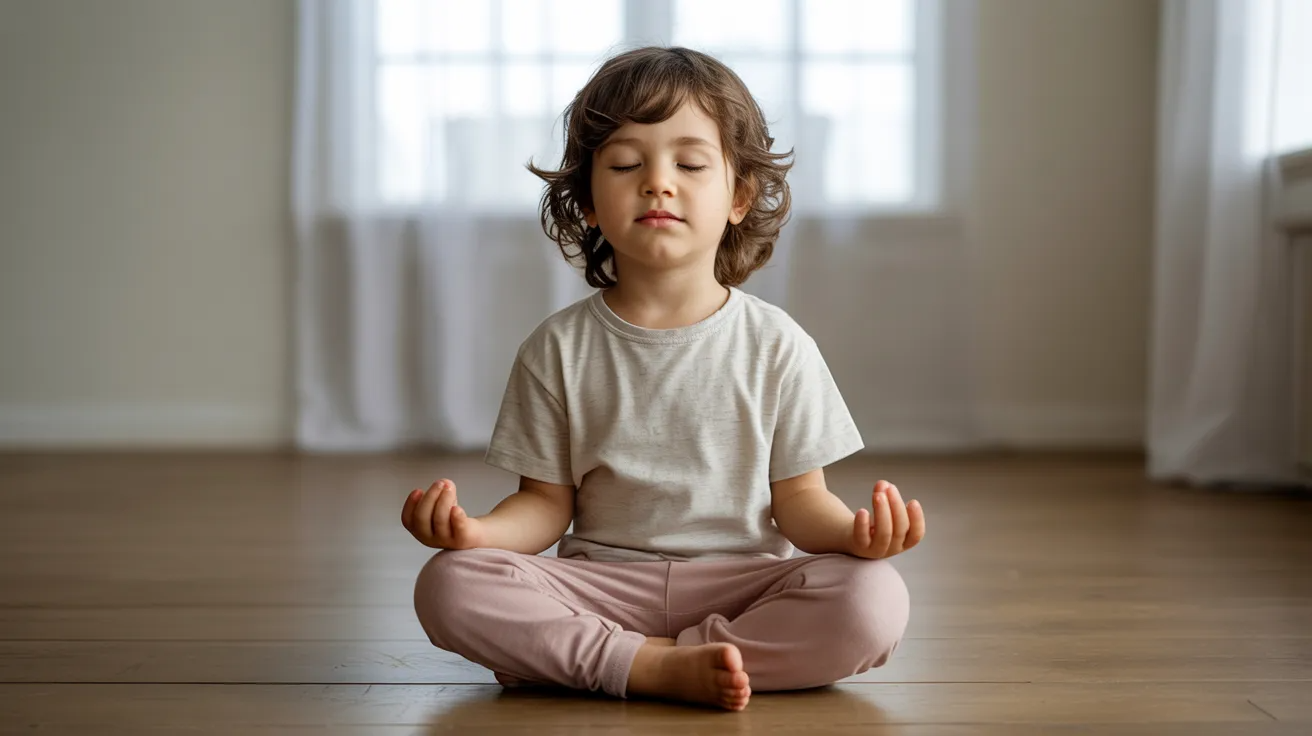
What it is: Short, simple breathing or visualization exercises for kids.
How to use it: Start with 2 to 3 minutes. Ask the child to sit comfortably, close their eyes, and breathe in slowly for 4 counts. Hold for 2. Out for 4.
You can add a story. "Imagine you're lying in soft grass. A warm breeze is passing by…"
Even one minute of calm breathing lowers the stress response in the brain.
Best for: Ages 5 and up
Apps like Headspace for Kids or Calm can help if you want guided audio.
6. Emotional Thermometer
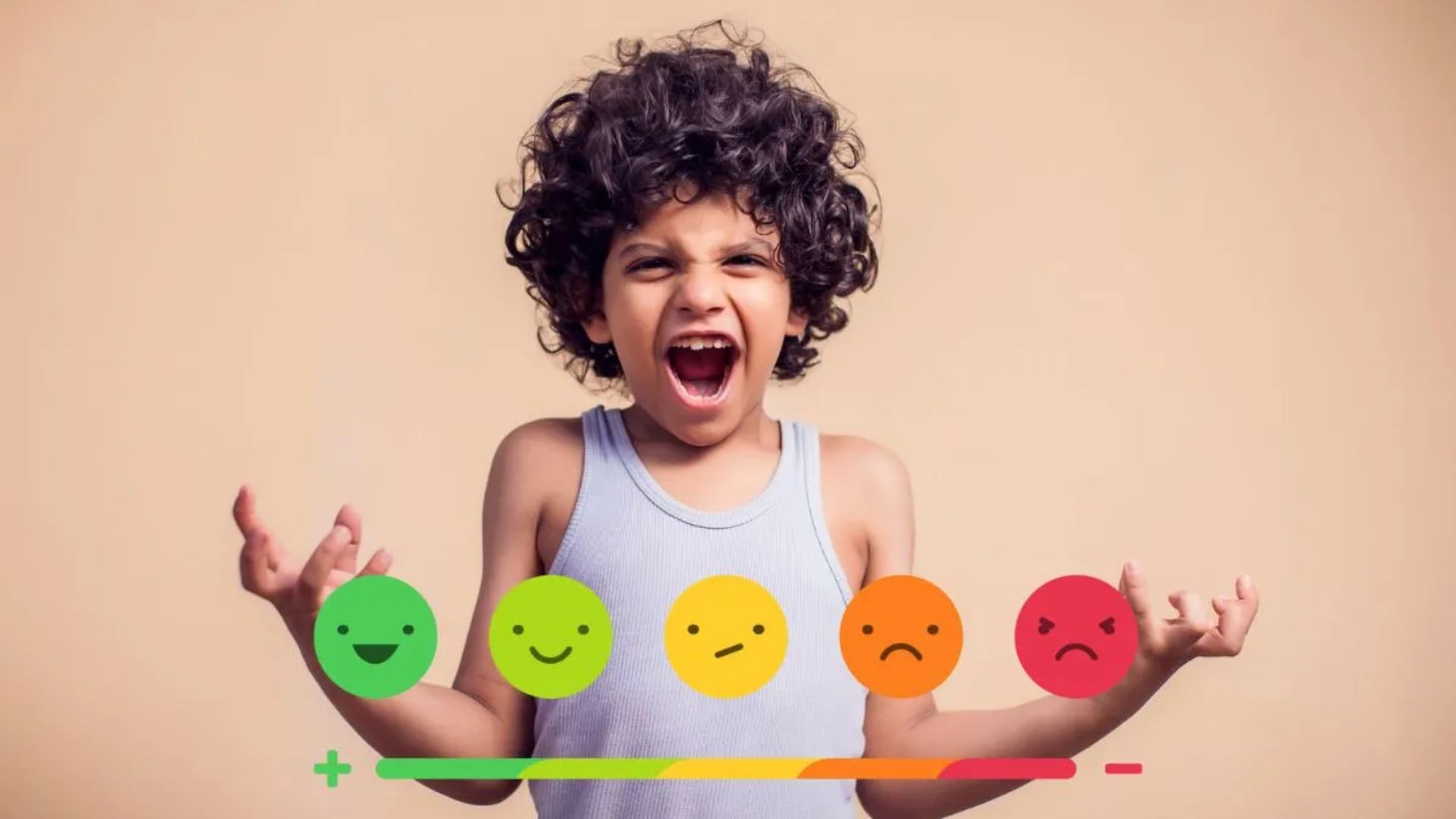
What it is: A visual scale from 1 to 10 that helps kids measure their anger level.
How to make it: Draw a thermometer. Label 1 as "totally calm" and 10 as "ready to explode." Add colors, green to yellow to red as the number goes up.
Ask kids to check their temperature throughout the day.
Why it works: Self-awareness is the first step. When kids can say "I'm at a 7 right now," they've already taken one step back from the edge.
Best for: Ages 6 to 14
7. Conversation Cards

What it is: Simple cards with prompts that open up emotional conversations.
Examples:
- "What made you feel angry today?"
- "What does anger feel like in your body?"
- "What helps you feel better when you're mad?"
Use them at dinner, during a car ride, or before bed.
Kids open up more when they don't feel put on the spot. Cards make the conversation feel like a game, not an interrogation.
Best for: Ages 5 to 14
8. Squeezing Clay or Dough
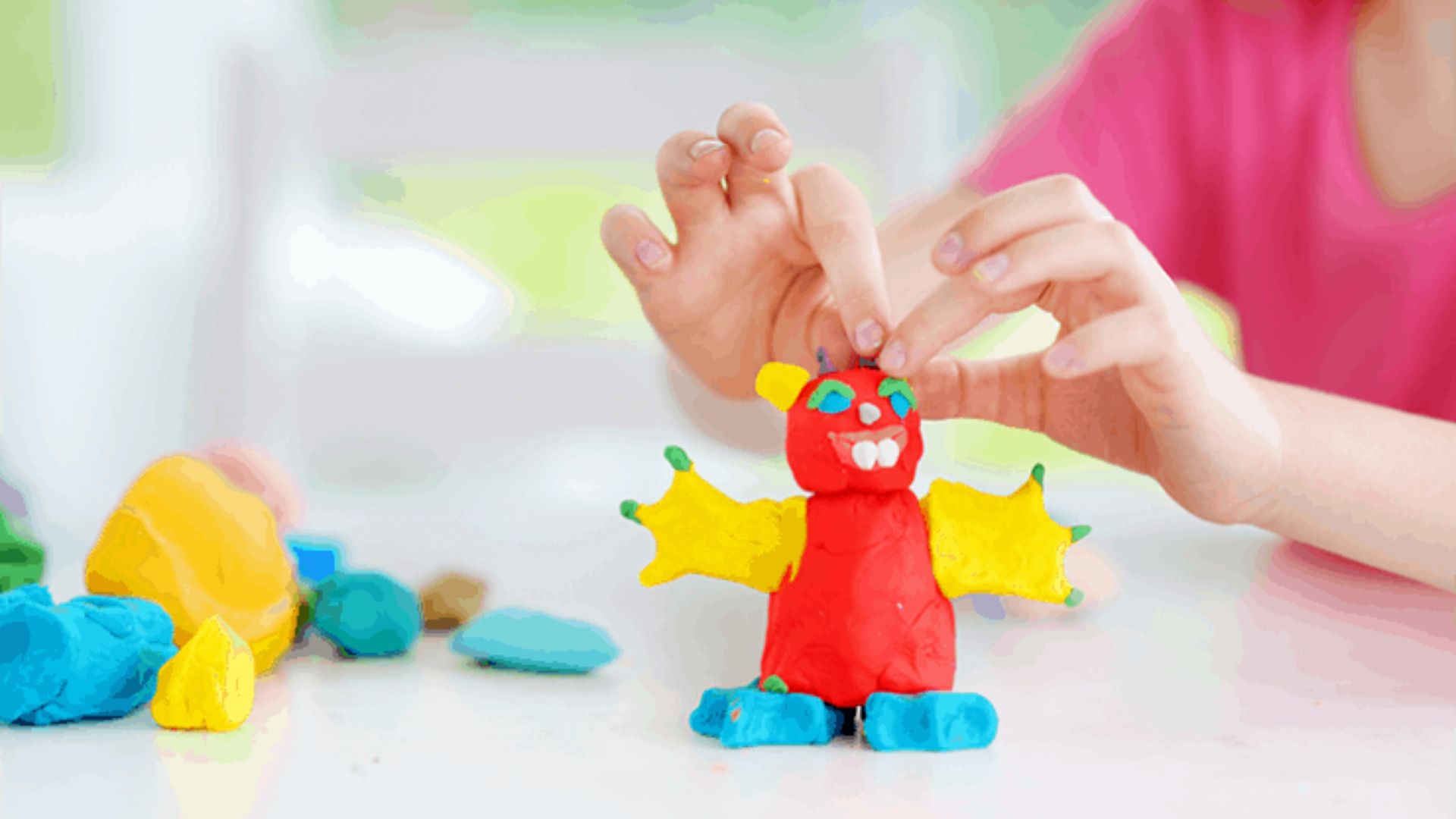
What it is: A hands-on sensory activity using clay, playdough, or putty.
How it helps: Squeezing, stretching, and pounding dough gives the body a safe outlet. It redirects the physical energy of anger into something harmless.
It also keeps the hands busy, which calms the nervous system.
Pro tip: Keep a small container of playdough in a school bag or on the kitchen counter. It works fast.
Best for: All ages
9. Tearing Paper Activity
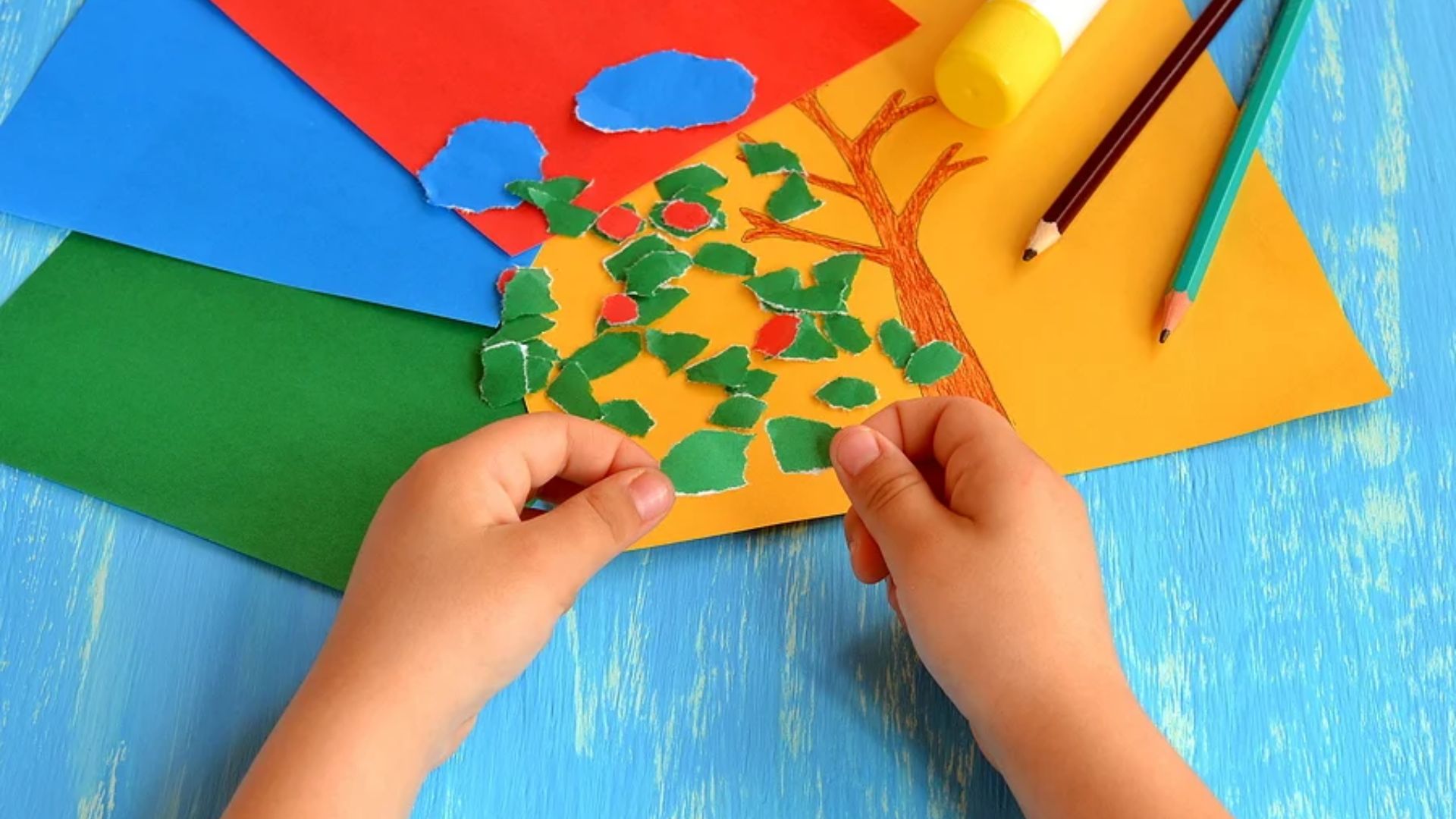
What it is: Letting kids tear up scrap paper when they're frustrated.
How to use it: Keep a pile of old newspaper or scrap paper in a bin. When anger spikes, let the child tear it up freely.
After, talk about how they feel. Usually, they feel lighter.
This gives permission to express anger physically without hurting anyone. It's controlled, safe, and surprisingly effective.
Best for: Ages 3 to 10
10. Heavy Work Activities

What it is: Physical tasks that use deep muscle pressure to calm the nervous system.
Examples:
- Carrying a backpack with light weights
- Pushing a laundry basket across the floor
- Doing wall push-ups
- Carrying groceries
- Climbing on playground equipment
Why it works: Deep pressure and heavy muscle work activate the body's calming response. It's used widely in occupational therapy.
When a child feels overstimulated or angry, these tasks help reset the nervous system in minutes.
Best for: Ages 3 to 12
11. Nature Walks and Sensory Play
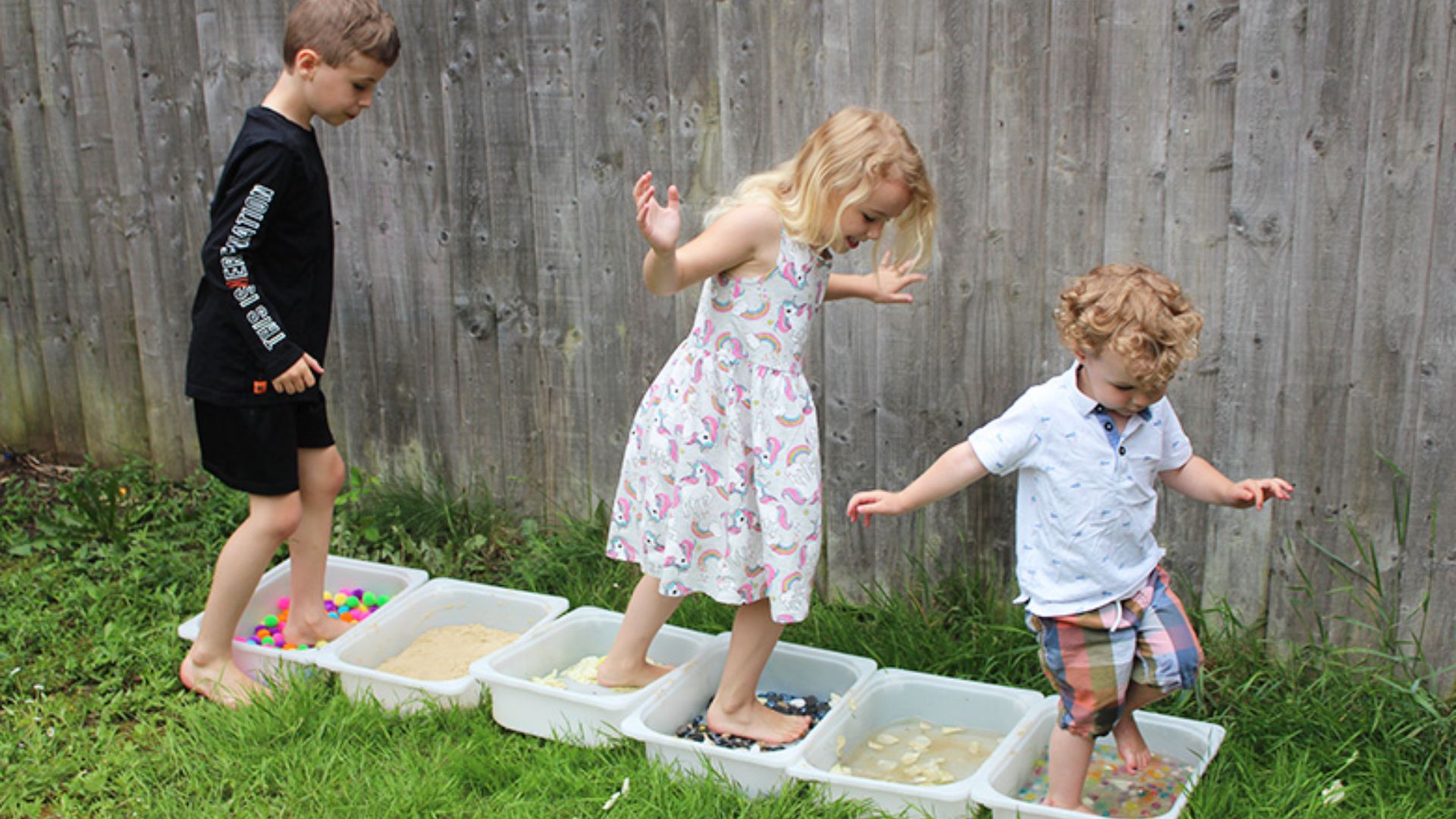
What it is: Taking a short walk outside or playing with natural textures.
How to use it: Go outside. Ask the child to notice five things they can see, four they can hear, three they can touch, two they can smell, and one they can taste.
This is called grounding. It pulls the brain out of the emotional spiral and into the present moment.
Even 10 minutes outside can lower cortisol levels and reset a child's mood.
Best for: All ages
Tips for Parents and Teachers
Stay calm and model the behavior you want to see. Kids learn from watching you, not just listening to you.
- Take a deep breath out loud when you feel frustrated
- Validate feelings before jumping to solutions
- Replace "stop crying" with "I can see you're upset, that makes sense"
- Stay consistent with daily routines like meals, sleep, and playtime
- Let kids express anger safely instead of shutting it down
Conclusion
I won't lie. I used to think kids would just "grow out of" angry phases. I was wrong. What I've learned is that emotional skills need practice, just like reading or math.
These 11 activities are a good starting point. Pick one or two that feel right for your child. Try them consistently. Combine them as you go.
Small steps lead to big changes.
If this helped you, leave a comment below. Share it with another parent or teacher who might need it today.
Frequently Asked Questions
At what age should I start anger management activities with my child?
You can start as early as age 3 with simple tools like calm-down jars and deep breathing. The earlier kids learn to name and handle emotions, the better it sticks.
How long does it take for these activities to show results?
Most kids show small improvements within 2 to 4 weeks of regular practice. Consistency matters more than how long each session lasts.
Can these activities be used in a classroom setting?
Yes. Activities like conversation cards, emotional thermometers, and guided breathing work well in group settings. They take less than 10 minutes and don't require special equipment.
What if my child refuses to do the activities?
Don't force it. Offer choices instead. Letting kids pick between two or three options gives them control, which often reduces resistance. Try again during a calm moment, not during a meltdown.
Should I see a professional if my child's anger is very intense?
Yes. If your child's anger leads to harm, affects daily life, or doesn't improve with consistent support, a child psychologist or therapist can help. These activities support but do not replace professional care.