Finding the right activities for autistic kids can feel overwhelming. I've seen parents spend hours searching, only to feel more confused. That's why I put this list together.
In this article, you'll find 25 simple, tested activities that support social skills, sensory needs, and emotional growth. Each one is easy to start today.
I've personally seen how the right activity can change a child's whole afternoon. These ideas come from real experience working with kids and families.
You don't need fancy tools. Just a little time and the right plan.
Why Activities Matter for Autistic Kids
The right activities help autistic kids grow in ways that feel safe, fun, and meaningful. Structured play gives kids a low-pressure way to practice talking and connecting with others.
Many autistic kids process sights, sounds, and textures differently, so activities with safe sensory input help their brains handle the world better over time.
When kids have a go-to activity during hard moments, they calm down faster and learn to manage big feelings on their own.
Each small win builds self-trust. Finishing something, no matter how simple, helps kids believe they can handle new things and grow more confident every day.
25 Activities for Autistic Kids to Try Today
A practical list of fun, low-cost activities that work well for autistic kids at home or school.
1. Emotion Cards Recognition Activity
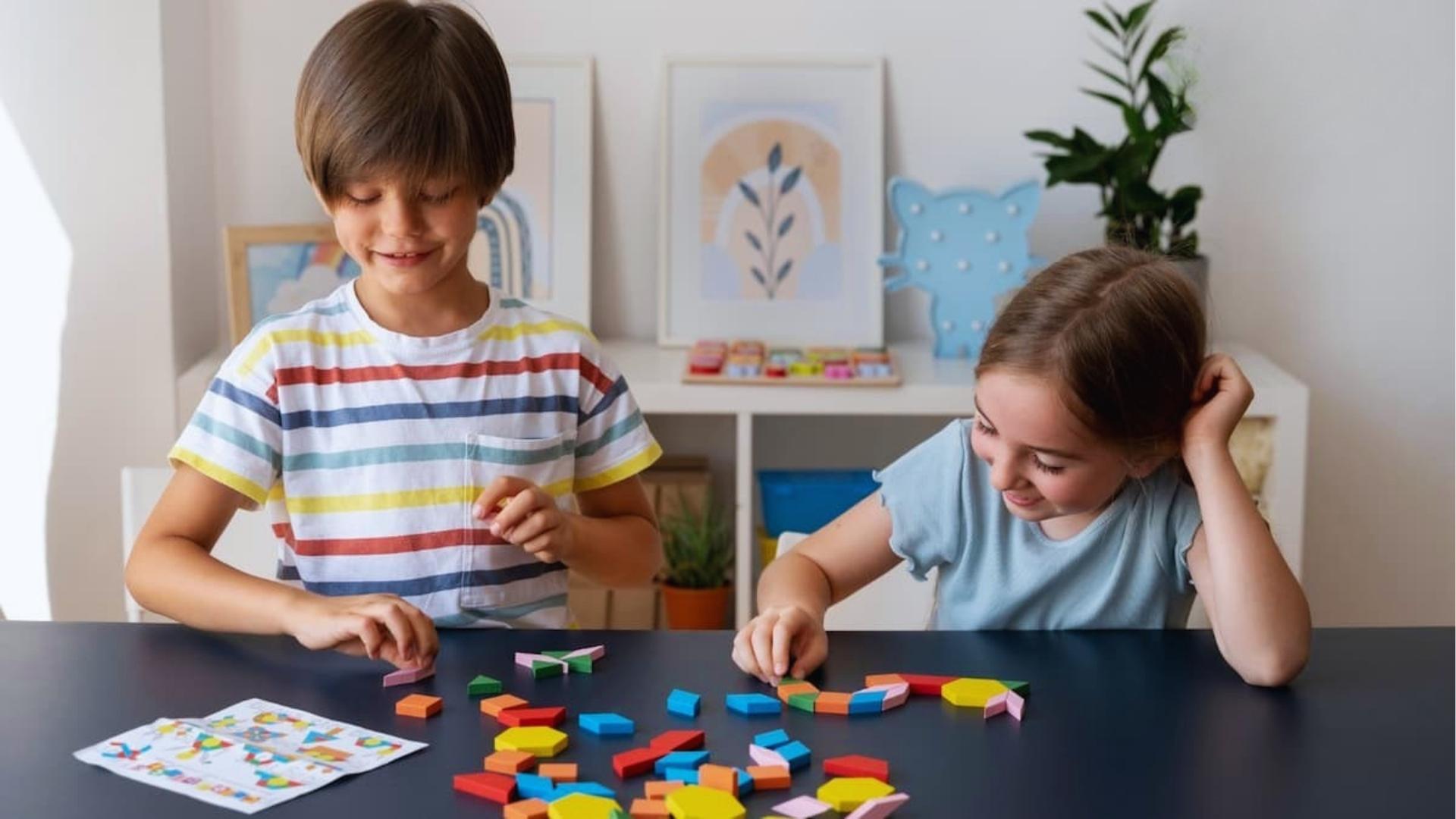
Print or draw simple face cards showing different emotions. Ask the child to name each one and share a time they felt that way.
This helps them connect words to feelings. It's a quiet, focused activity that builds emotional vocabulary without pressure.
2. Weekly Sharing Time
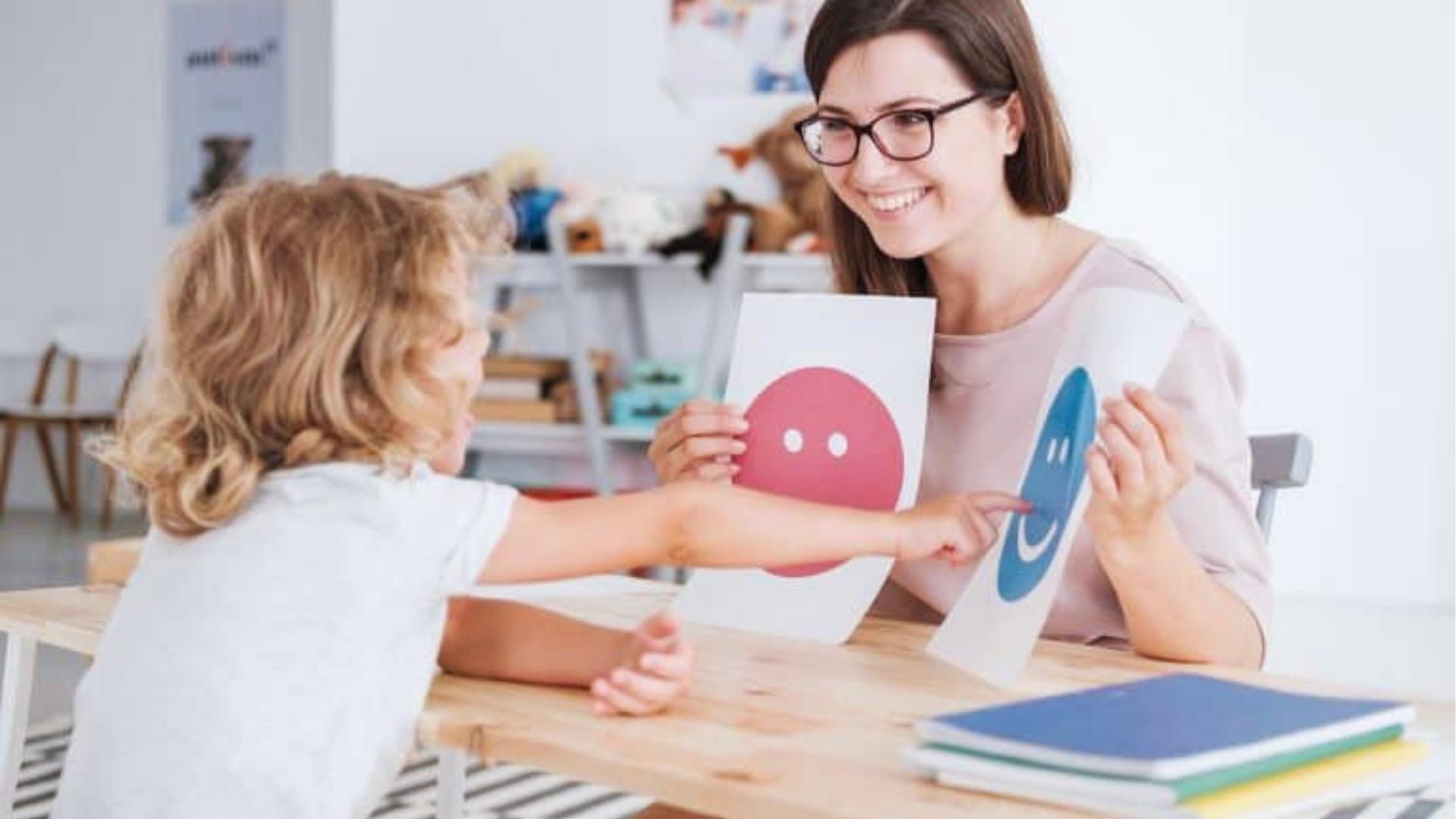
Set aside five minutes each week where the child shares one thing they liked or learned. Keep it casual and short. This builds confidence in speaking and helps them feel heard.
Over time, it becomes something they look forward to.
3. "What Would You Do?" Empathy Game
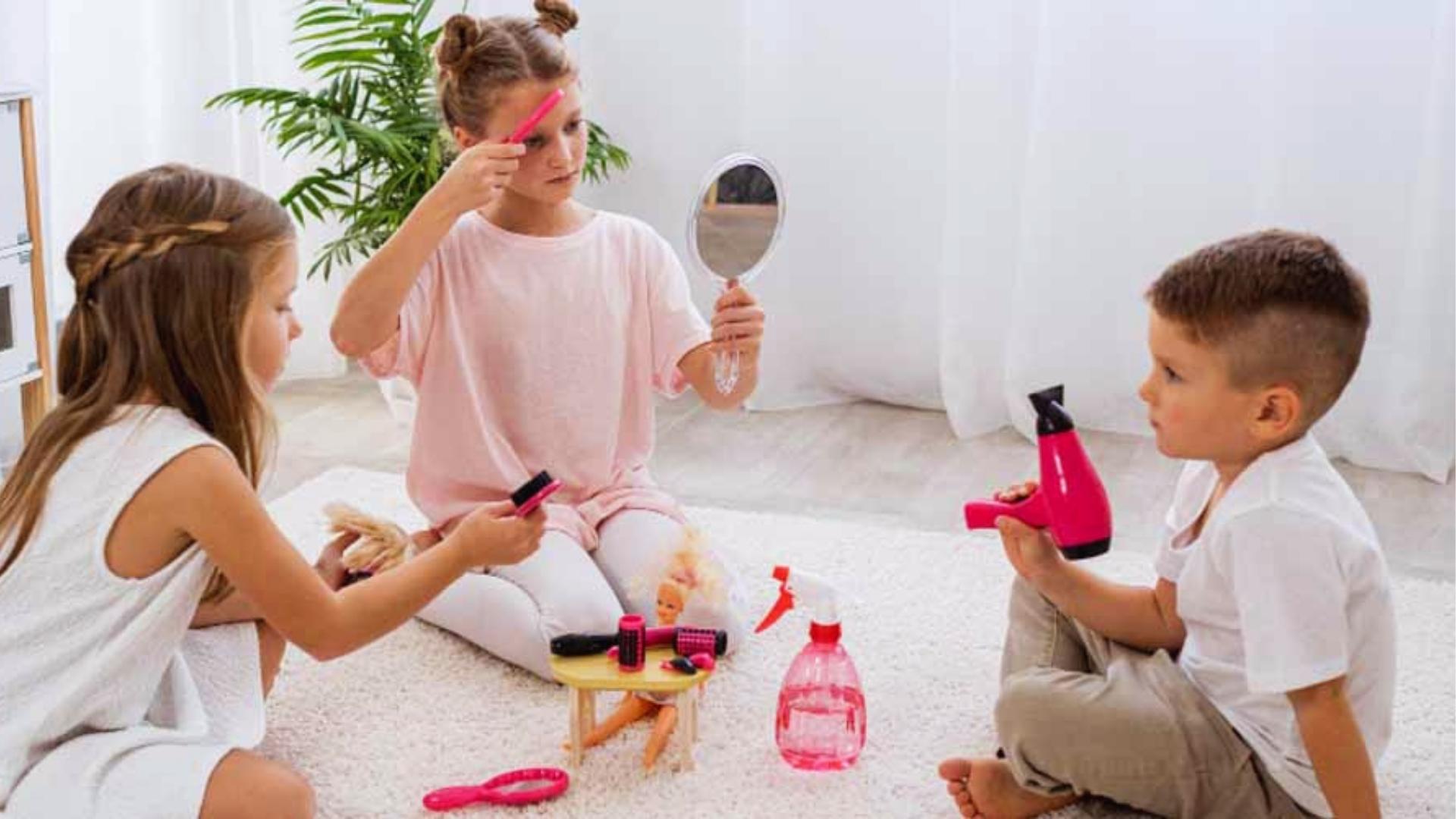
Read out simple real-life situations and ask the child what they would do. For example, "Your friend drops their lunch.
What do you do?" This activity builds thinking skills around other people's feelings in a safe, playful setting.
4. Name Game for Social Interaction

Sit in a circle and pass a ball while saying each other's names. It sounds simple, but it builds eye contact, listening, and turn-taking.
Kids with autism often benefit from structured games where the rules are clear and consistent.
5. Story-Based Perspective Activity
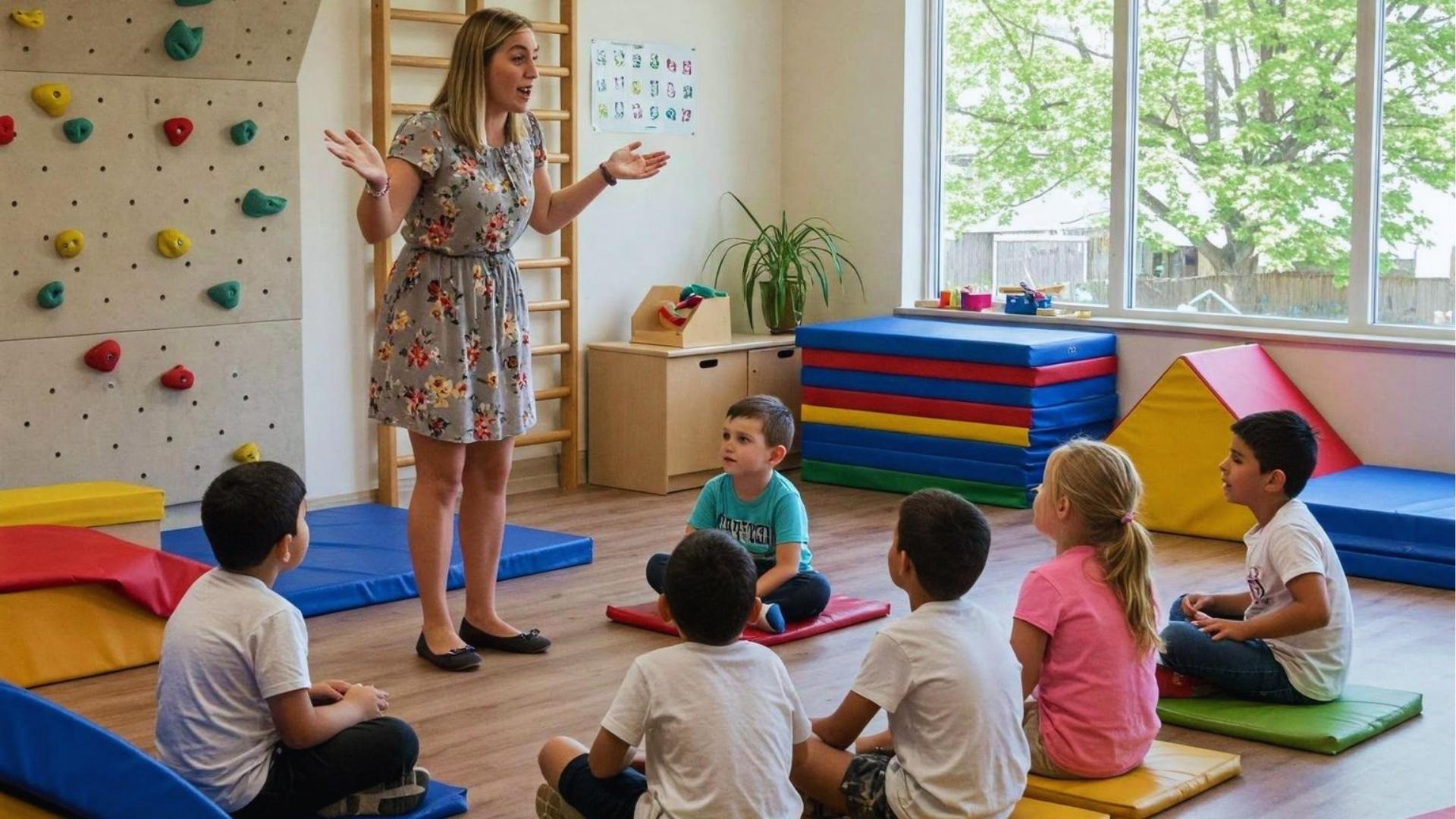
Read a short story and ask the child how different characters might feel. Use the same story multiple times if they enjoy it. Repetition builds comfort.
This activity helps kids start to understand that different people see things differently.
6. Fidget Toys for Focus
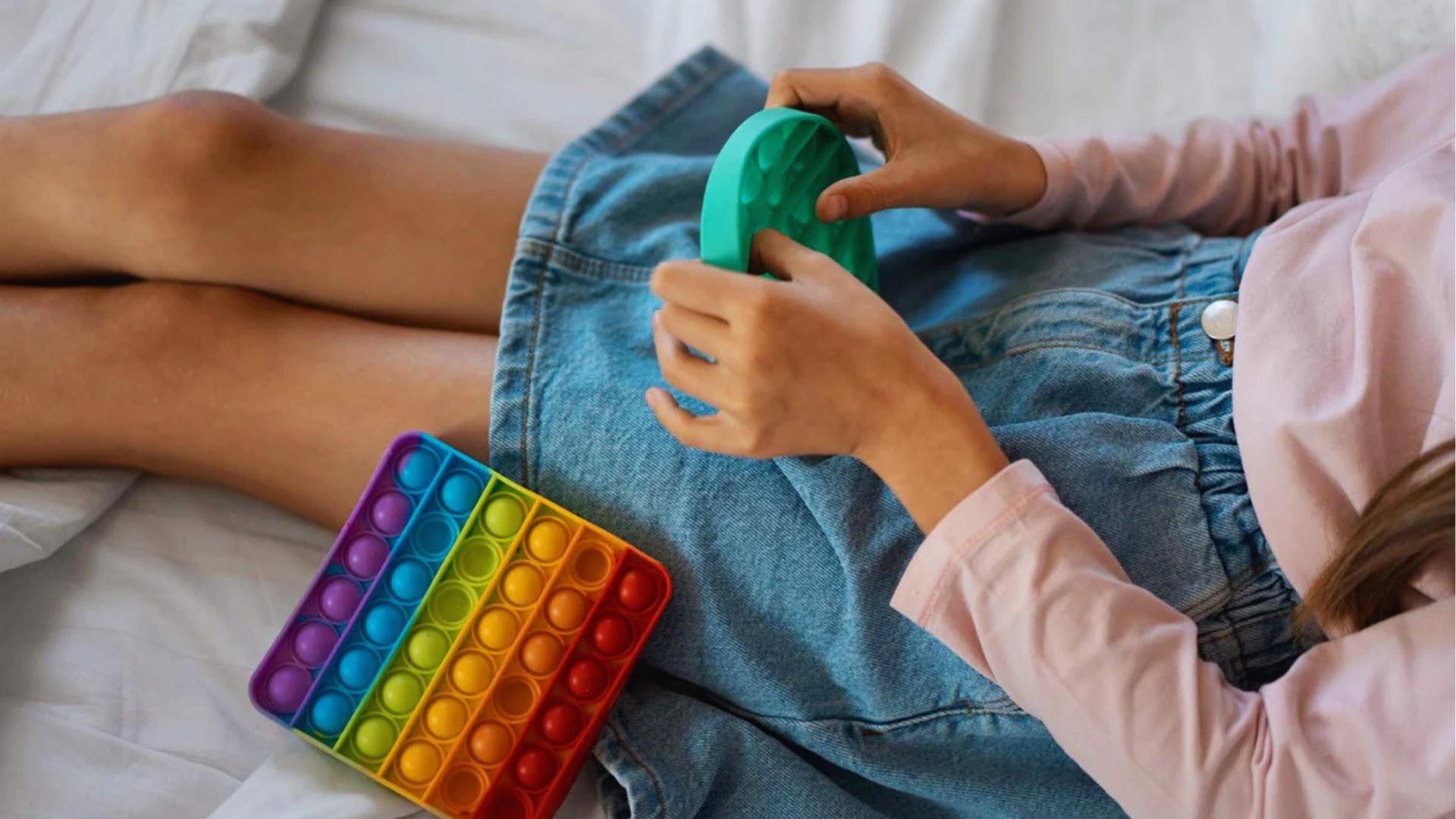
Fidget tools like stress balls, spinners, or textured rings help kids stay focused during learning. Let the child try a few options and pick what works best.
These tools reduce anxiety and give restless hands something safe to do.
7. Musical and Sound-Based Activities
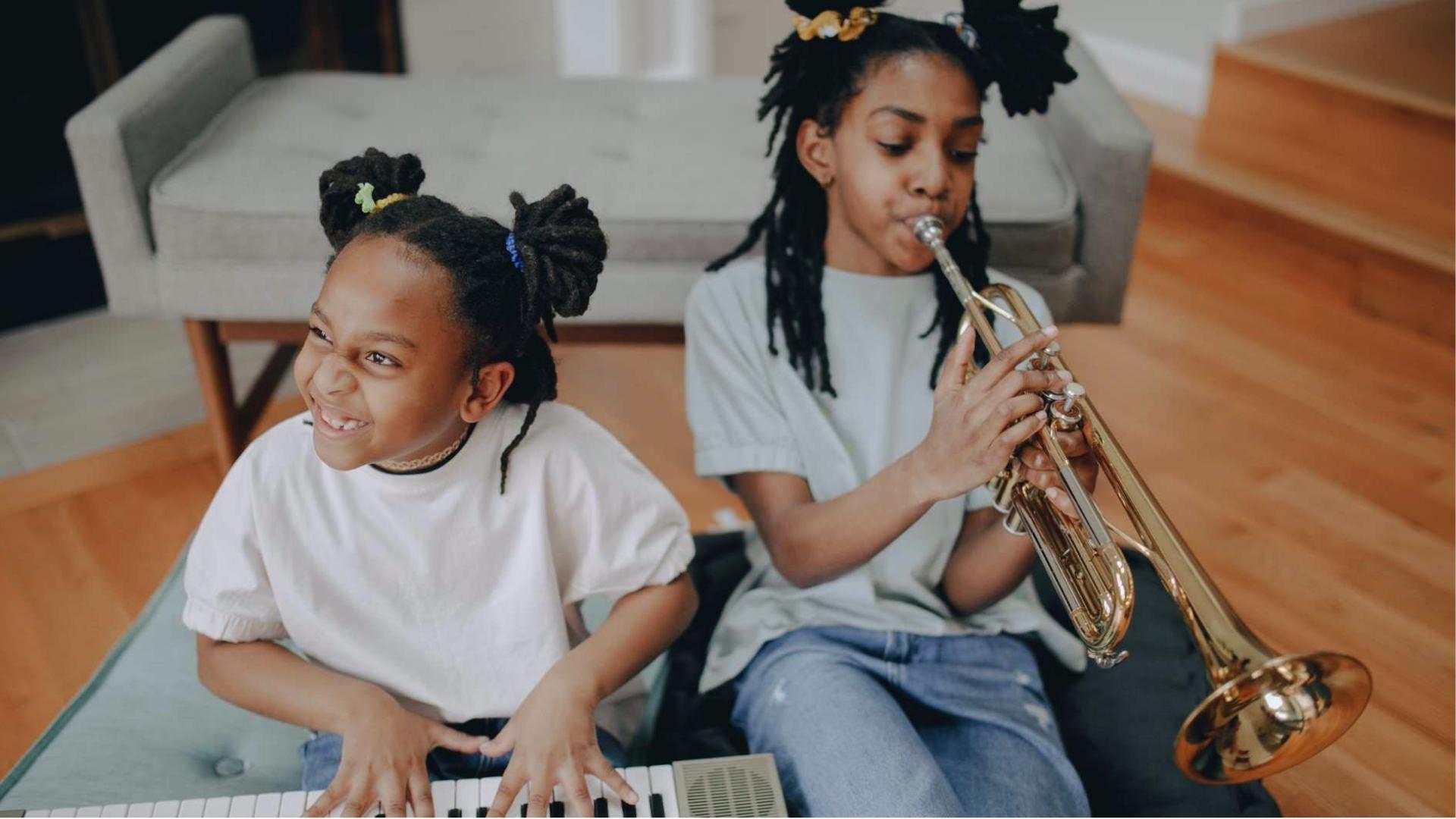
Music can be calming and joyful at the same time. Let kids clap rhythms, play simple instruments, or match sounds to pictures.
Sound-based play supports brain development and often connects well with kids who respond strongly to audio input.
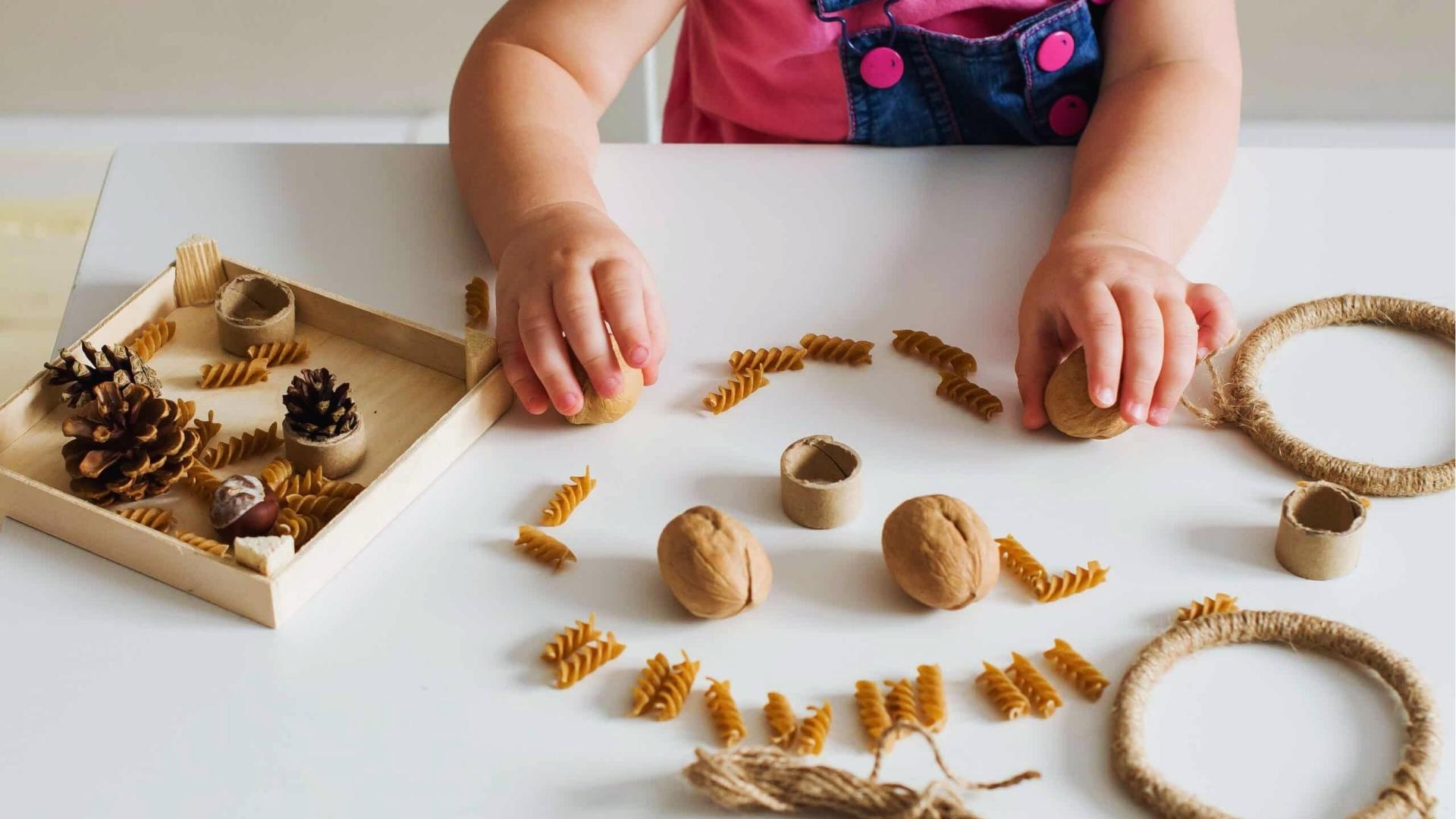
8. Sensory Bin Exploration
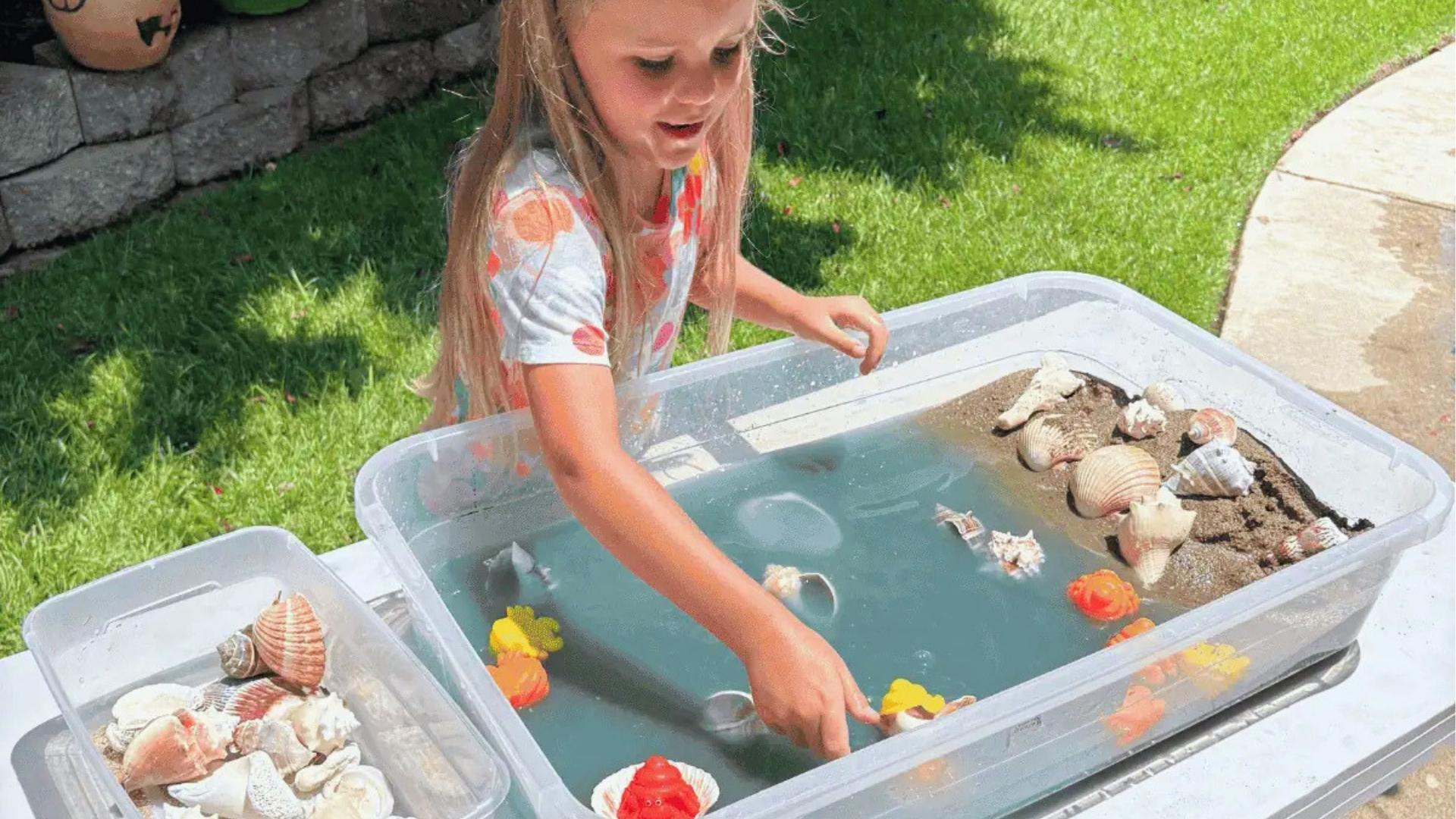
Fill a container with rice, sand, dried beans, or water beads. Let the child dig, pour, and sort freely. Sensory bins give kids a controlled space to process touch input.
Many kids find this deeply relaxing and can stay focused for long stretches.
9. Sorting Snacks Activity
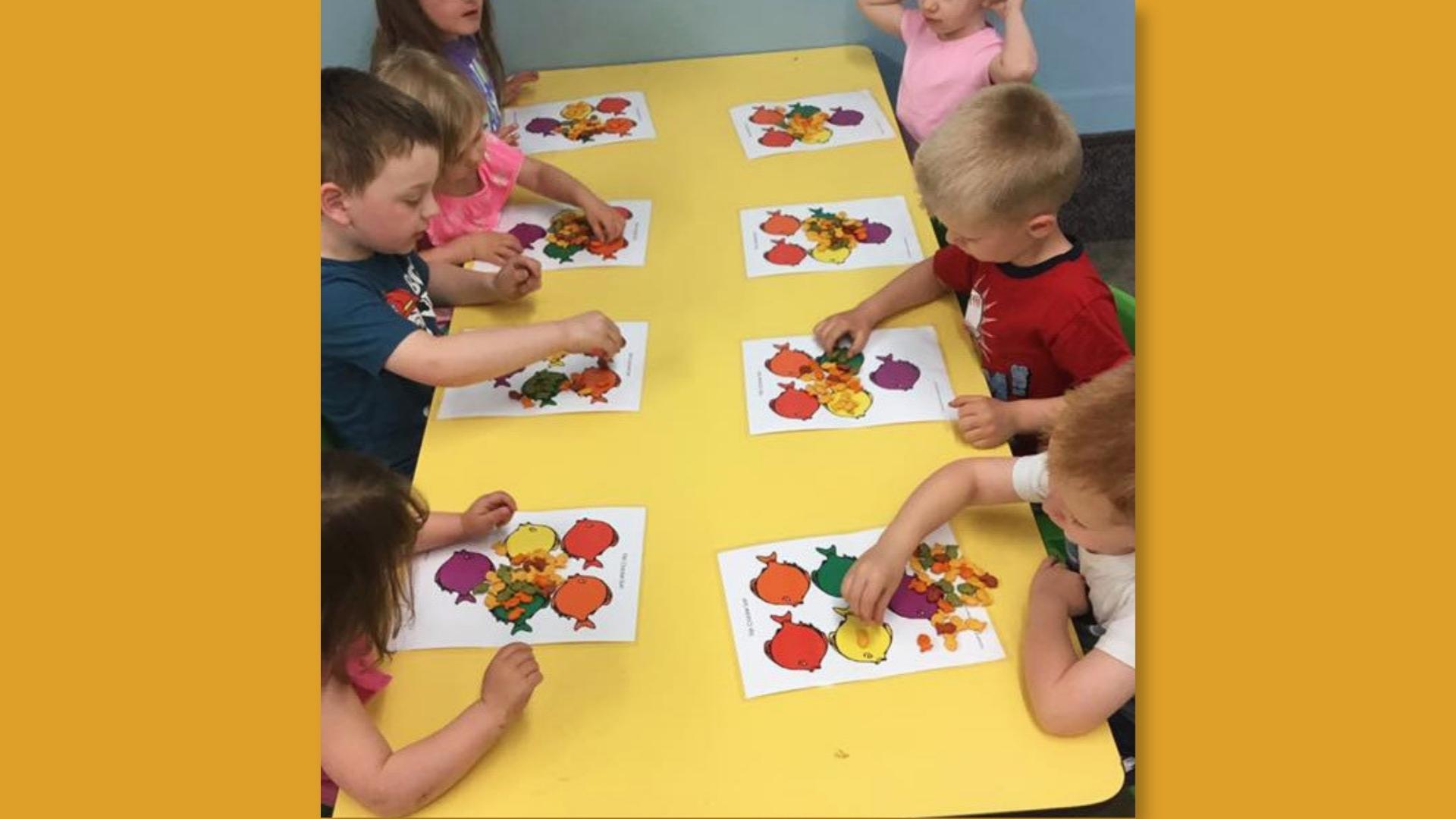
Use colorful snacks like cereal or fruit pieces and ask the child to sort them by color, shape, or size. It combines learning with something enjoyable.
This activity works on focus, fine motor skills, and following simple instructions without feeling like schoolwork.
10. Slime-Making Sensory Play

Making slime is hands-on, predictable, and satisfying. Kids mix simple ingredients and watch the texture change. The process is calming for many kids.
It also gives them a sense of control, which is important for building confidence in daily life.
11. Coloring for Relaxation

Coloring is a low-demand activity with big calming benefits. Use simple outlines or detailed pages depending on the child's preference.
It builds focus and fine motor control. Many kids use coloring as a self-regulation tool when they feel overwhelmed or anxious.
12. Calm-Down Cards Activity

Make a small set of cards with calm-down steps written or drawn on them. For example, "take three deep breaths" or "get a drink of water."
When the child feels upset, pull out the cards together. Over time, they start to use them on their own.
13. Mindfulness Breathing Exercises
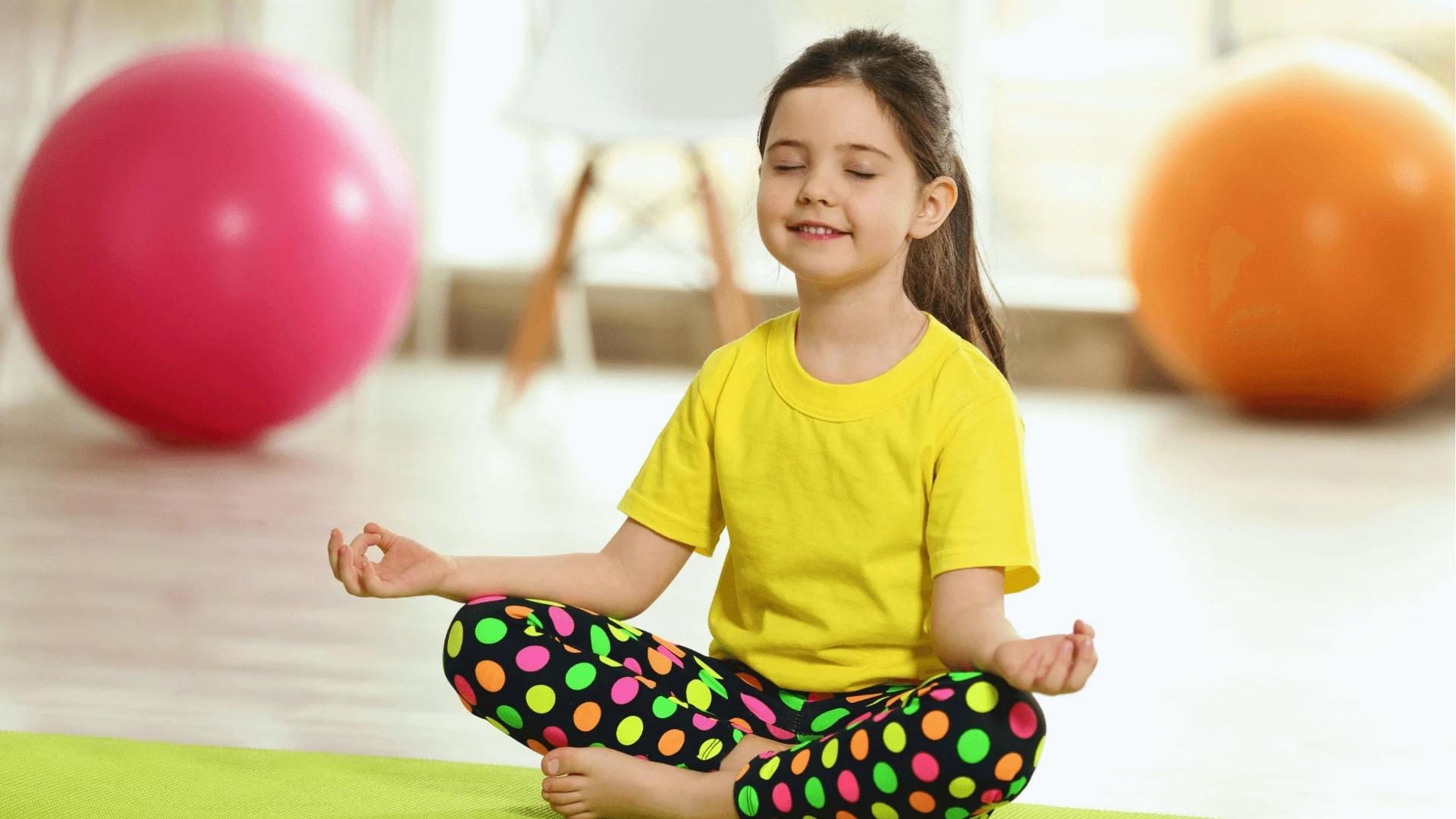
Teach the child one simple breathing exercise, like belly breathing or the 4-7-8 method. Practice it during calm moments so it becomes familiar.
When stress builds, they'll already know what to do. Even two minutes of breathing can shift a child's whole mood.
14. Grounding Techniques Practice
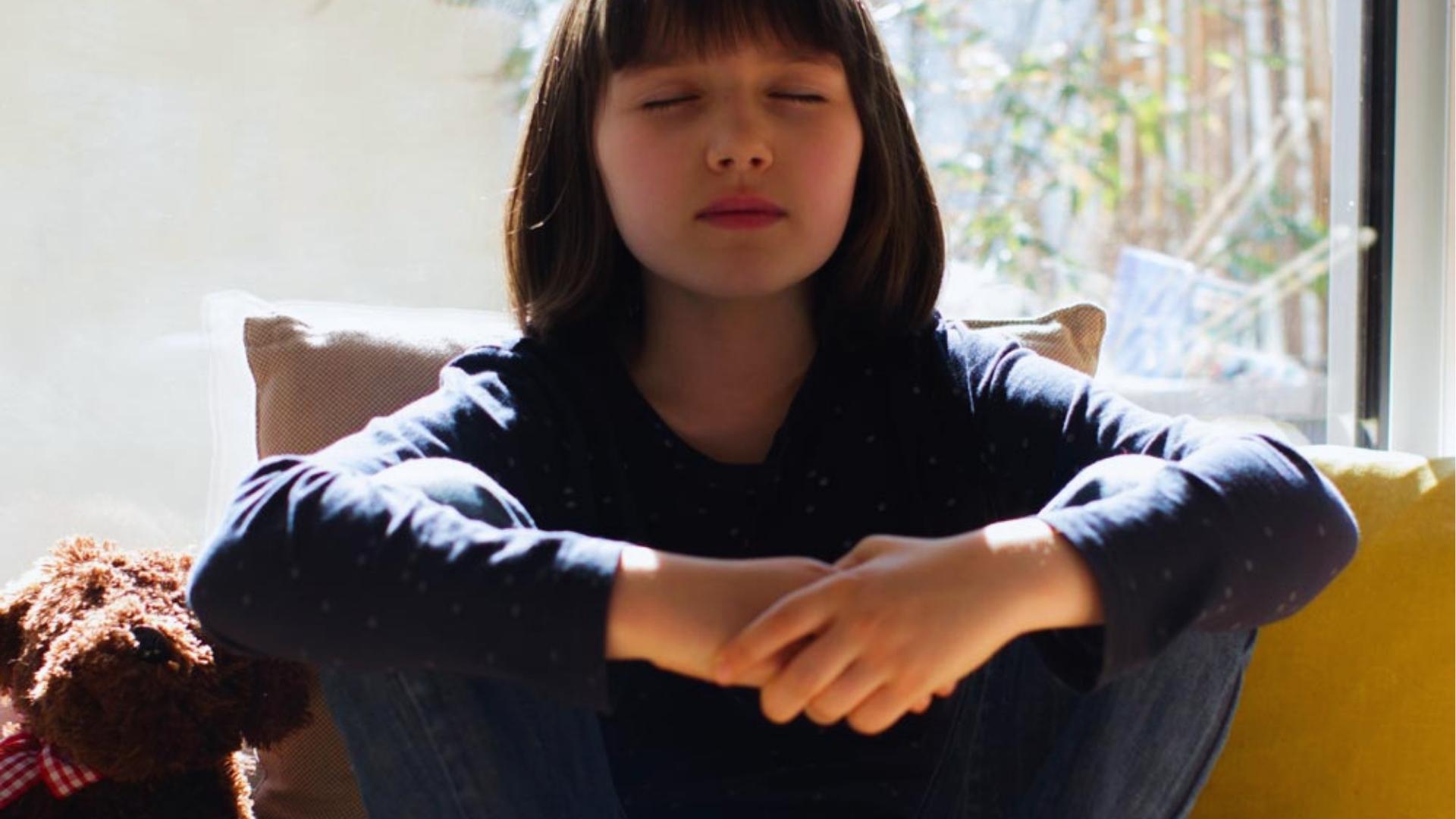
The 5-4-3-2-1 technique asks kids to name five things they see, four they can touch, three they hear, and so on. This pulls their attention back to the present moment.
It's simple to teach and works well for kids who feel overwhelmed by big emotions.
15. Creating a Calm-Down Kit
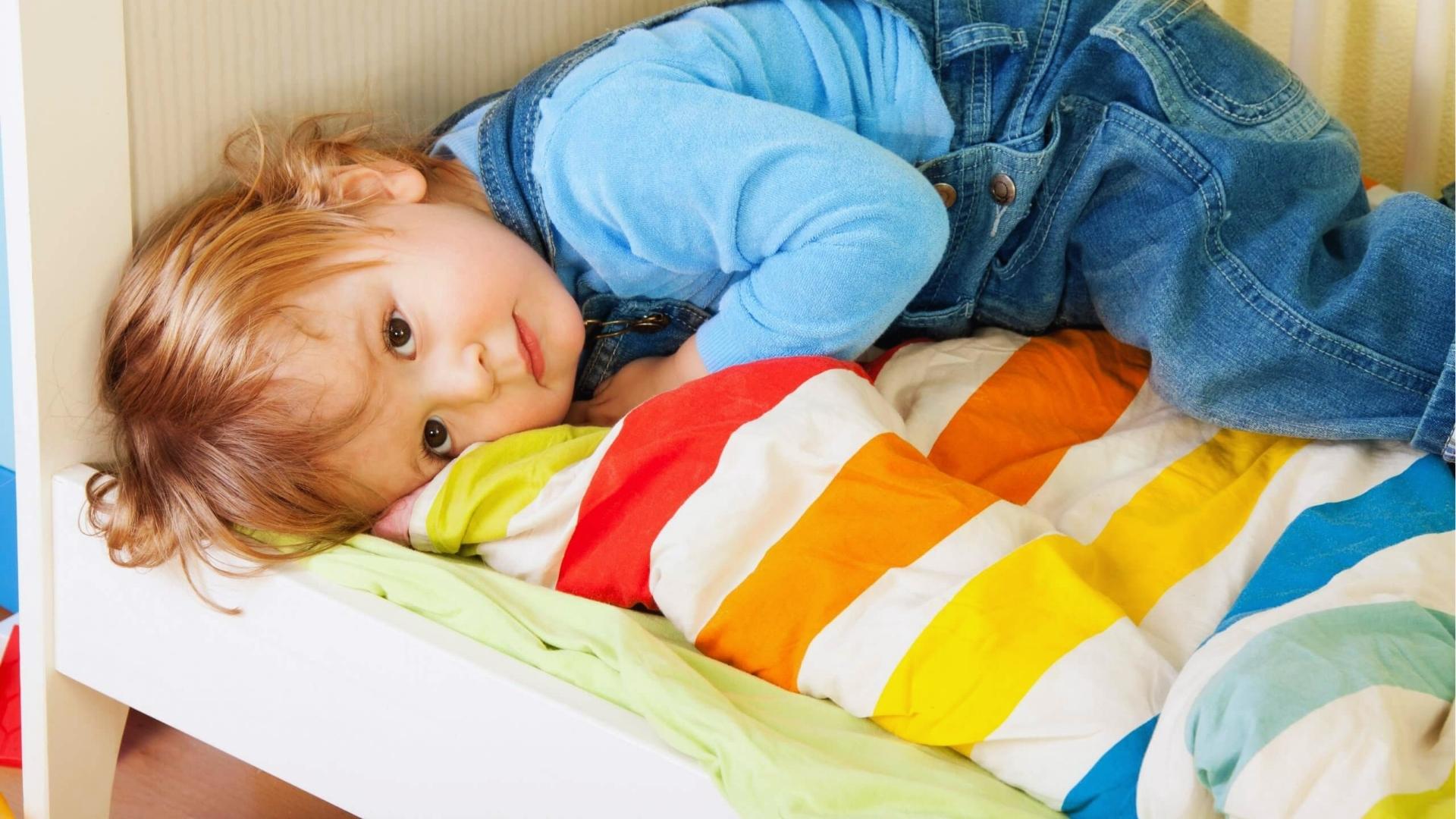
Help the child fill a small box with items that comfort them. This could include a soft toy, a picture of family, a stress ball, or headphones.
Having a personal kit gives them ownership over how they manage hard moments. It's a powerful tool for self-regulation.
16. Setting Up a Retreat or Quiet Zone
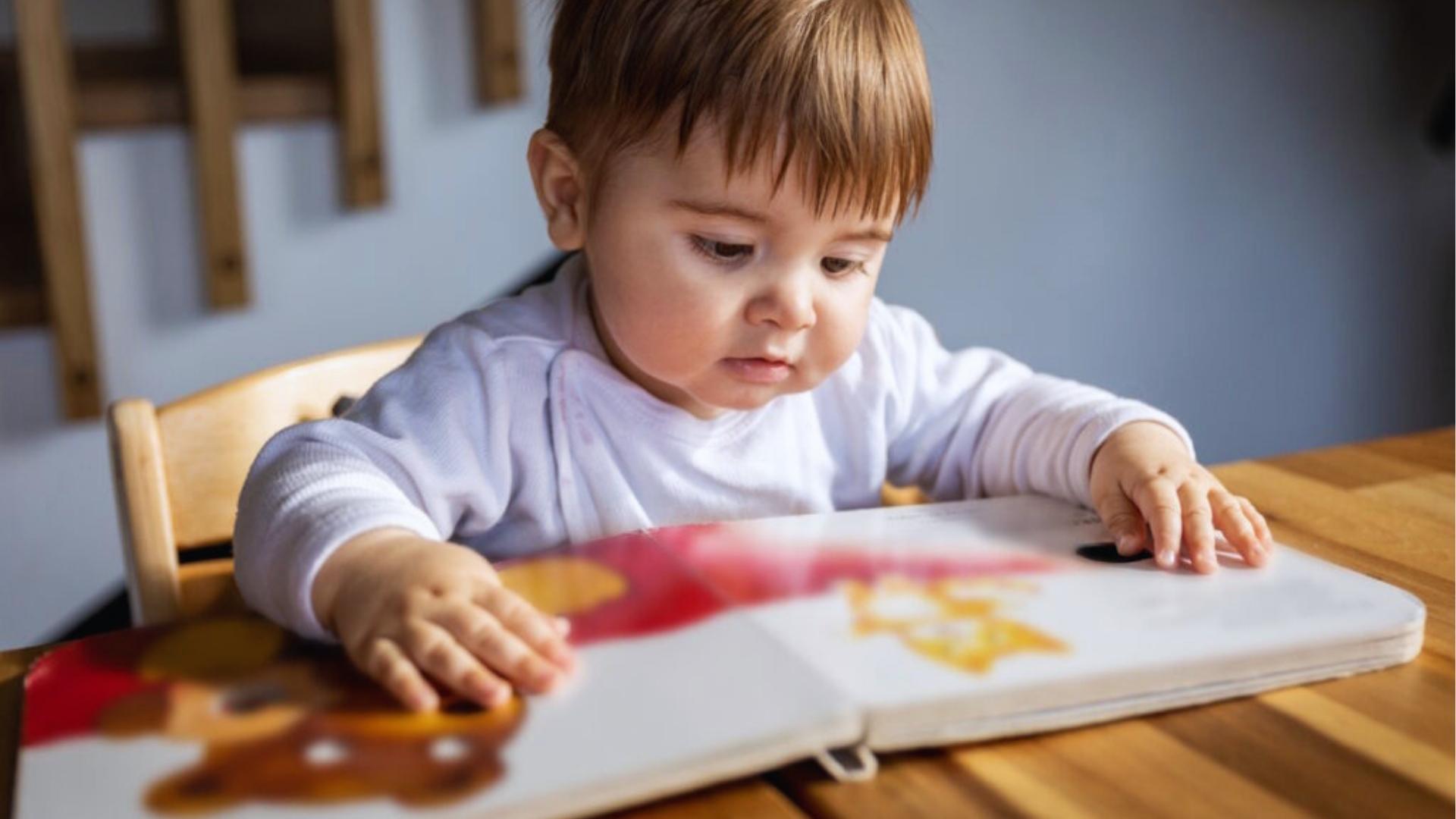
Create a small cozy corner with soft lighting, cushions, and a few calming items. This is not a punishment space. It's a safe place where the child can go when the world feels like too much.
Having a set place helps kids regulate faster and feel more secure.
17. Special Interest-Based Learning Activities

Build lessons around what the child already loves. If they're into trains, use trains to teach counting or reading. If they love space, read books about planets.
Learning feels easier when it starts from a place of real interest and excitement.
18. Visual Learning with Flashcards
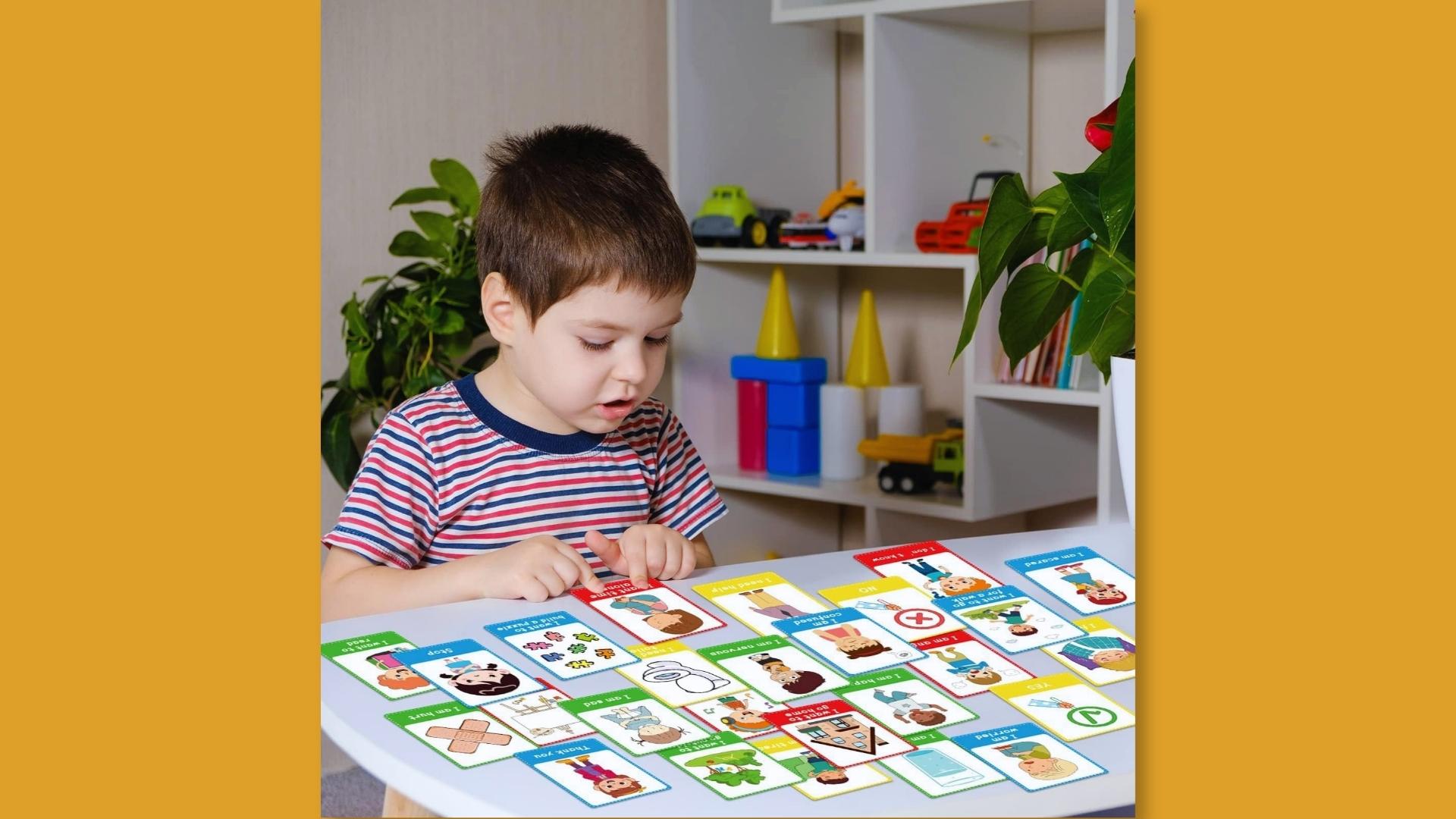
Many autistic kids are visual learners. Use flashcards with pictures and simple labels for words, numbers, or concepts. Keep sessions short and positive.
Flashcards are flexible and can be used anywhere. They're especially useful for building vocabulary without pressure.
19. Routine-Building Daily Schedule Activity
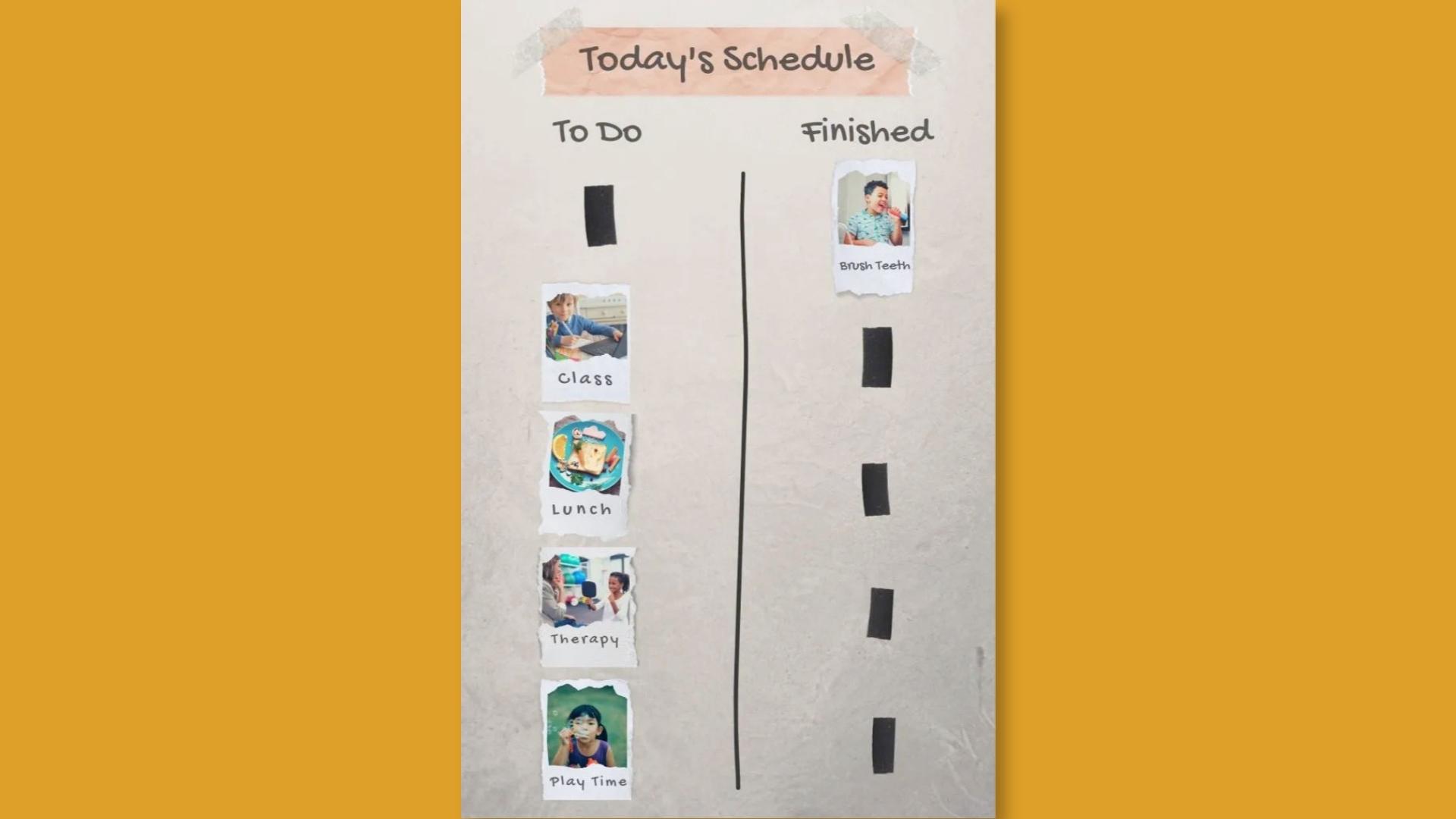
Create a simple picture schedule showing the day's activities in order. Let the child help design it. Knowing what comes next reduces anxiety and improves cooperation.
Consistent routines help autistic kids feel in control and ready to take part in daily life.
20. Simple Yoga or Stretching

A few basic yoga poses like child's pose or tree pose can calm the nervous system. Keep sessions to five to ten minutes.
Stretching helps kids become more aware of their bodies and reduces physical tension. It's also a great way to start or end the day.
21. Bulletin Board Creative Activity
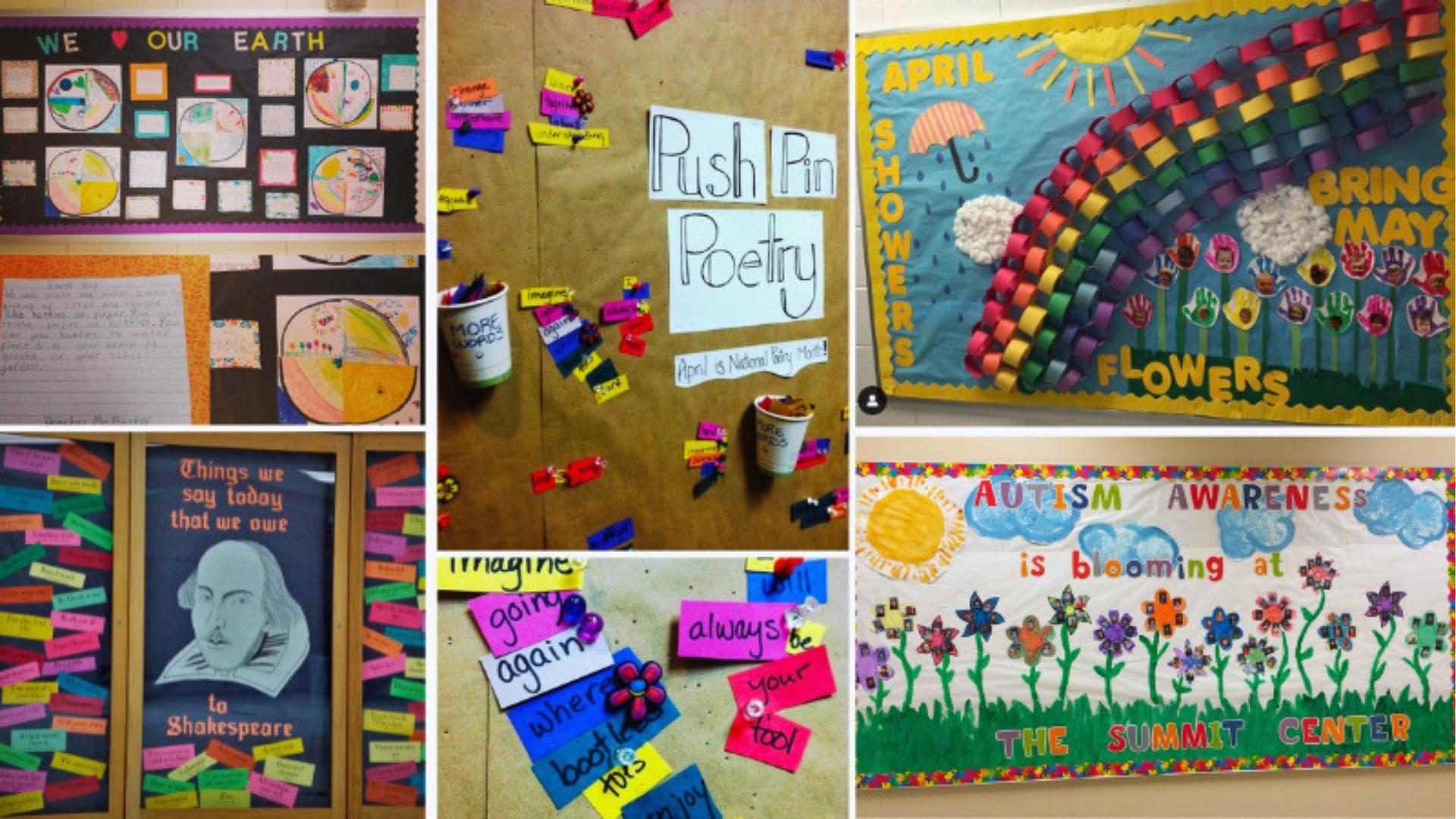
Give the child a board to fill with pictures, drawings, or words that matter to them. This is a creative project with no right or wrong outcome.
It supports communication and self-expression. Looking back at their board also helps kids build a sense of identity and pride in their work.
22. Learning About Famous Autistic Figures

Share age-appropriate stories about successful autistic people like Temple Grandin or Alan Turing. Keep it simple and positive. This helps kids see themselves in a wider world.
It also opens conversations about being different in ways that are honest, respectful, and encouraging.
23. Reading Autism-Inclusive Picture Books
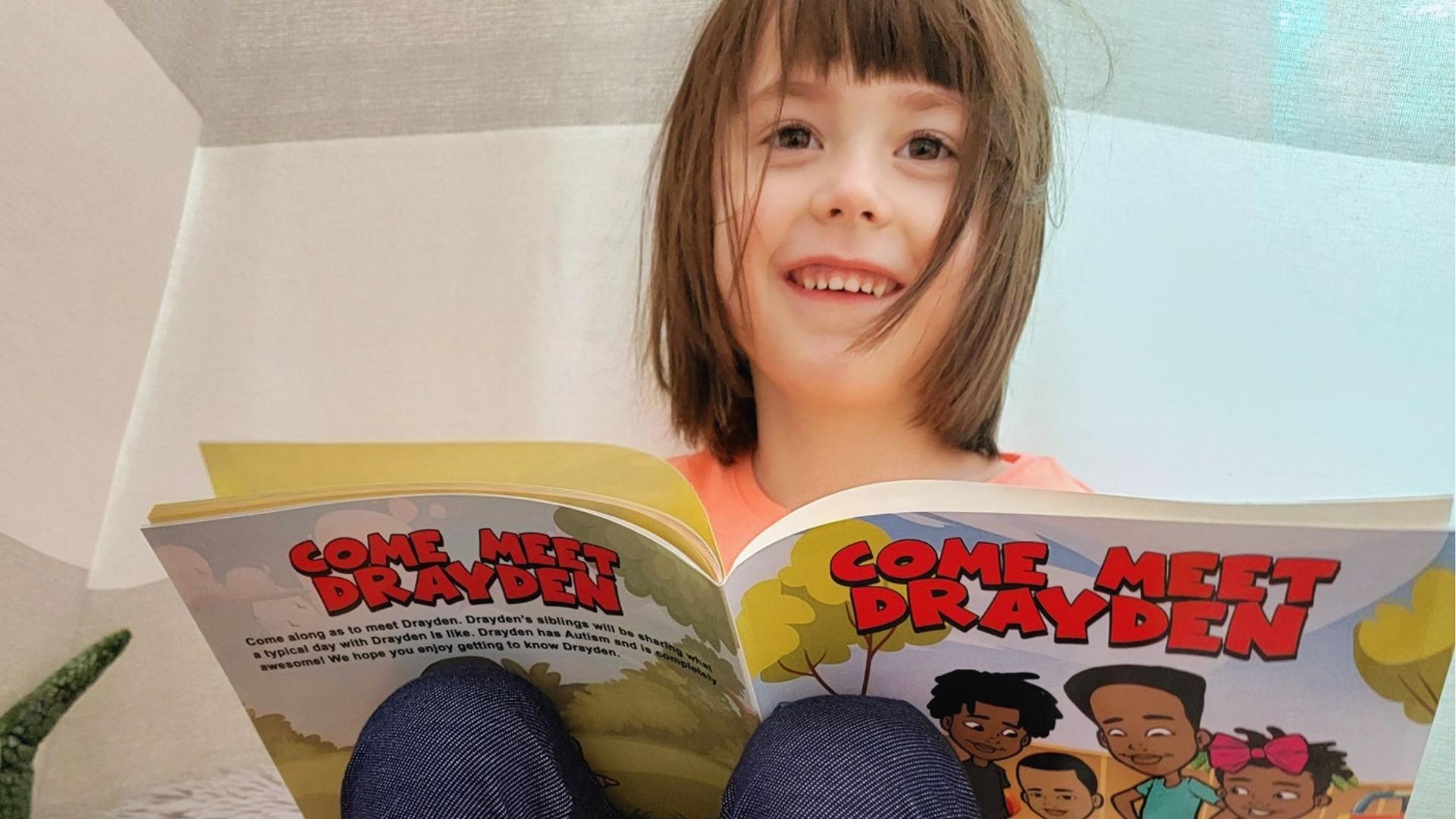
Books that feature autistic characters help kids feel seen. They also help siblings, classmates, and parents understand better. Choose books with honest, kind storytelling.
Reading together creates space for natural questions and conversations that build understanding over time.
24. Group STEM Building Activity
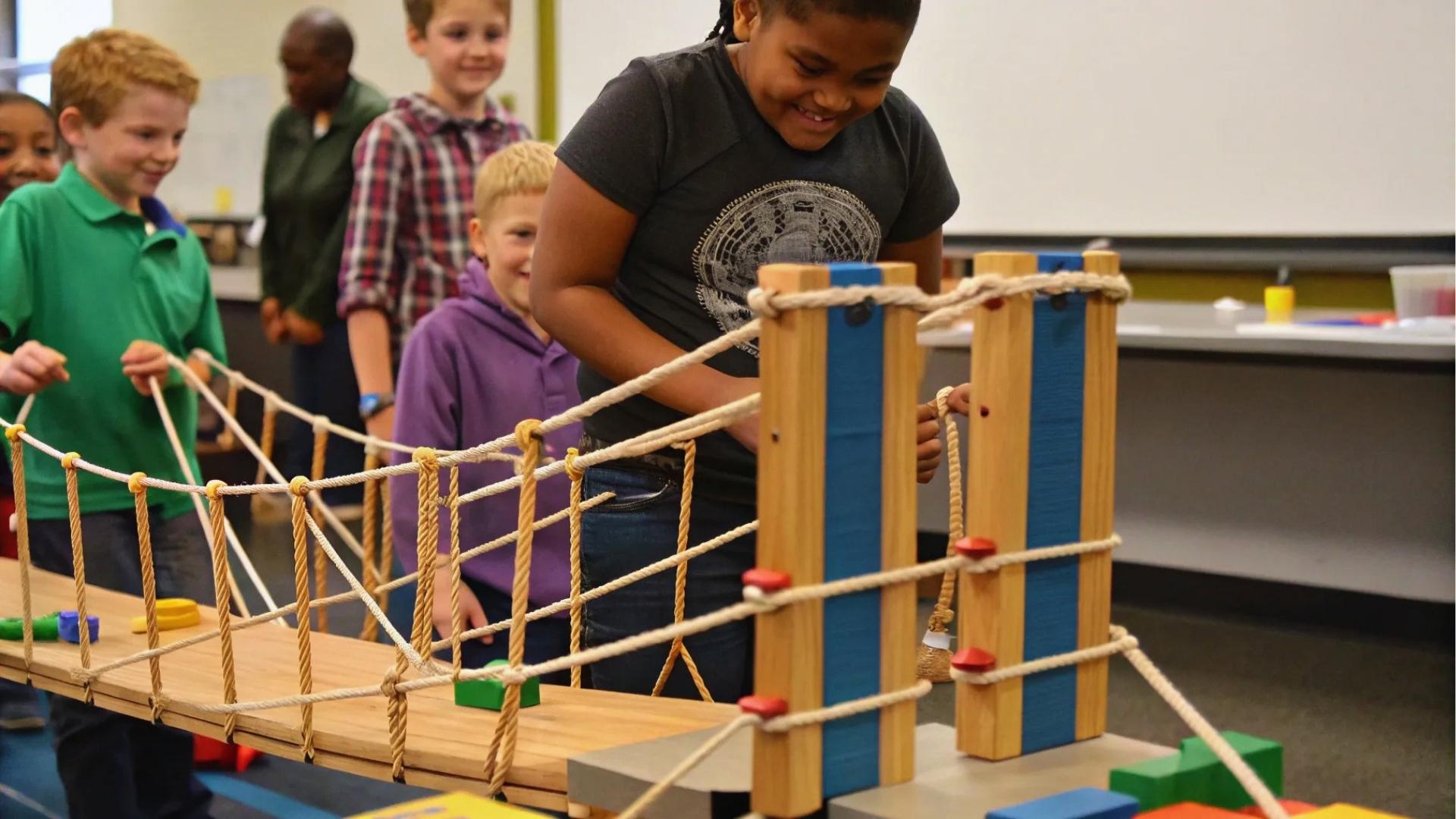
Use blocks, simple circuits, or craft supplies to build something together. Assign each person a small role.
Group STEM activities teach teamwork, problem-solving, and communication in a structured, goal-focused way that many autistic kids respond to really well.
25. Outdoor Nature Walk and Observation
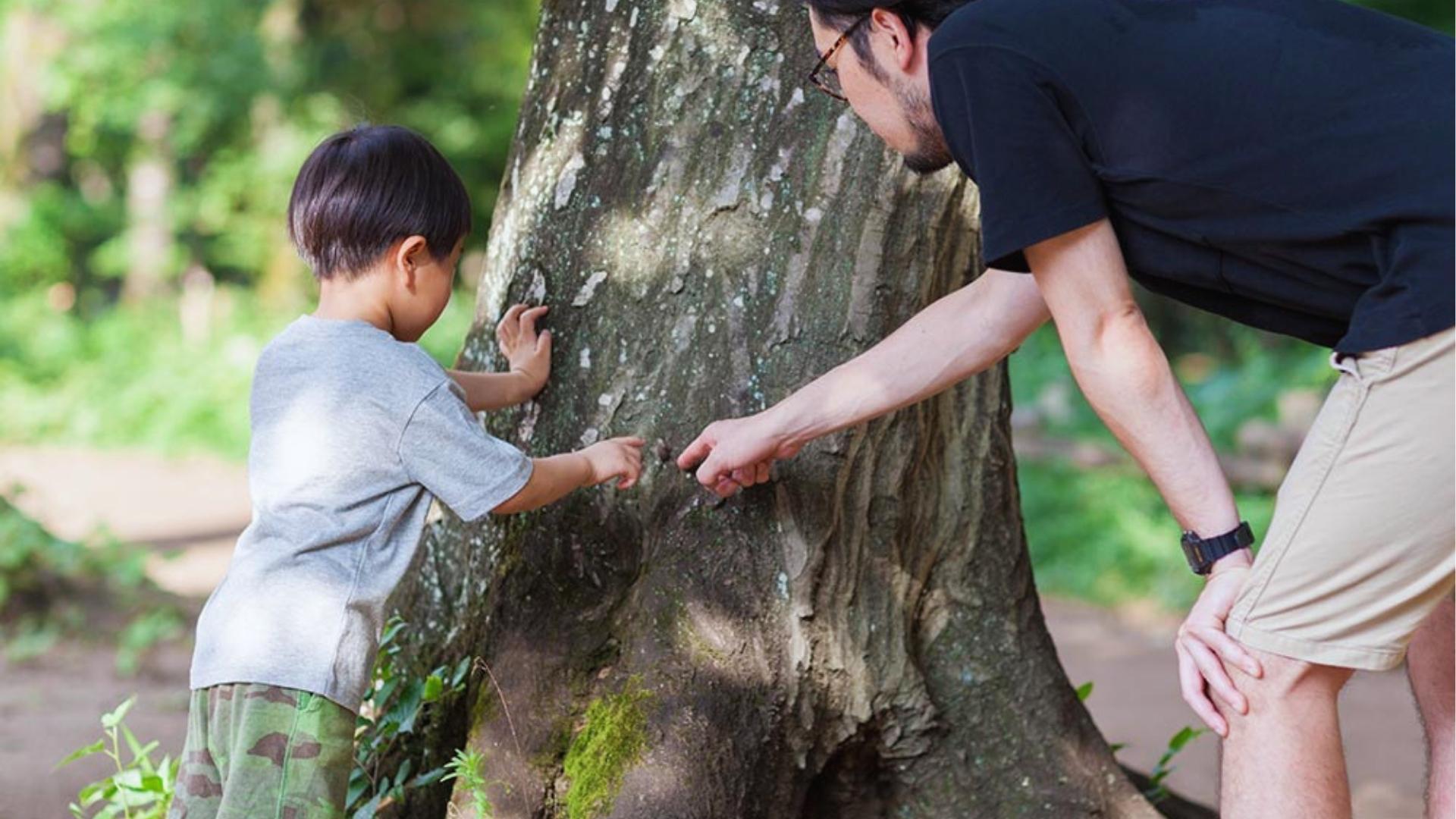
Take a short walk and encourage the child to notice things around them.
Bring a simple checklist:a bird, a rock, a flower.
Nature walks reduce stress and stimulate the senses in a gentle way. Fresh air and movement do a lot for mood and focus.
Tips for Choosing the Right Activities
Choosing well means looking at what the child needs, loves, and feels comfortable doing right now.
- Check the child's sensory comfort before starting any new activity. Some kids avoid touch, while others seek it out.
- If the child is noise-sensitive, choose quieter activities or let them use headphones during louder ones.
- Always build activities around what the child already loves. Interest keeps them engaged far better than anything else.
- Let learning feel natural. When an activity connects to their passion, it stops feeling like work.
- Not every activity will work every day, and that's completely fine. Have a backup option ready.
- Give the child some say in what they do. A little choice goes a long way in reducing resistance and building trust.
Conclusion
I hope this list gives you a real starting point. Activities for autistic kids don't need to be complicated or expensive.
Some of the best results I've seen have come from the simplest ideas, like a calm-down kit or a daily picture schedule.
Start with one or two activities that feel right for your child. Watch what clicks. Keep building from there.
If this helped you, leave a comment below or share it with another parent. You're doing better than you think, and small steps really do add up.
Frequently Asked Questions
What are the best activities for autistic kids at home?
Simple sensory play, visual schedules, and interest-based learning work great at home. They're easy to set up and don't need special tools.
How do activities help autistic kids with emotions?
Activities like calm-down kits and breathing exercises give kids a set way to handle big feelings. Practicing them regularly builds emotional strength over time.
Can autistic kids do group activities?
Yes, many autistic kids do well in structured group activities with clear rules. Games like the name game or STEM building work well with the right support.
How often should I do these activities with my child?
Even two or three times a week makes a difference. Consistency matters more than frequency. Short, regular sessions work better than long, occasional ones.
Do I need special materials for these activities?
Most activities use everyday items like cards, bins, snacks, or books. You don't need to buy anything special to get started today.