
You look at your baby, hoping for that sweet moment when they look back at you. But instead, their eyes seem to wander everywhere else. You might feel worried or even a bit hurt when your 2-month-old baby does not make eye contact day after day.
Take a deep breath. This is something many parents notice, and it’s usually not a problem.
At two months, your baby’s eyes are still learning how to work. Their brain are figuring out how to see the world. In this article, you’ll learn why this happens, when it’s normal, and when you should talk to a doctor. We’ll also share simple tips to help your little one look at you more often.
Is It Normal for a 2-Month-Old to Not Make Eye Contact?
Yes, it’s completely normal for many babies at this age. Your baby’s vision is still growing and changing every day. Their eyes and brain are learning to work as a team, and this takes time.
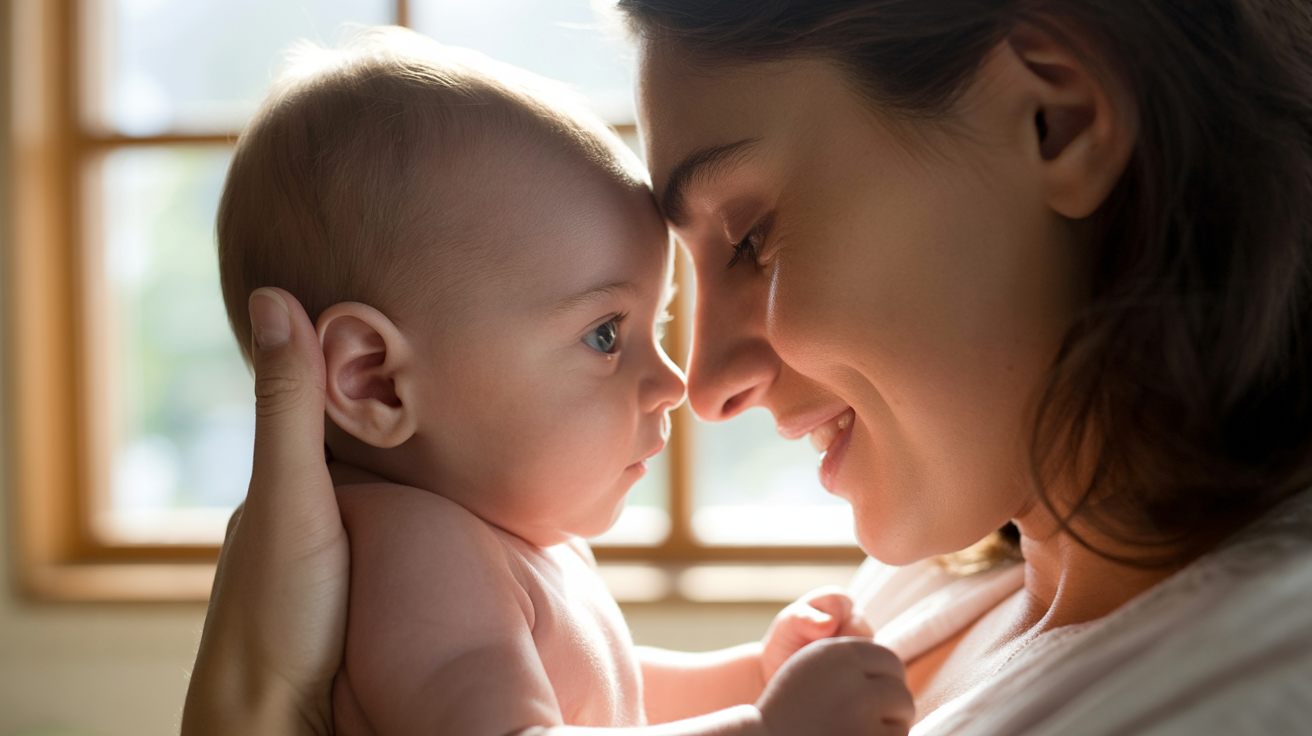
Newborns can only see things clearly when they’re about 8 to 10 inches away. That’s roughly the distance from your face to theirs when you hold them. Even at this close range, everything looks blurry to them. True eye contact skills are just starting to form at two months old.
There’s also a difference between brief eye contact and no eye contact at all. If your baby looks at you for a second or two and then looks away, that’s actually normal. It means they’re trying, even if it doesn’t last long.
How Baby Vision Develops in the First Months
Babies aren’t born with adult vision. Their eyes need time to grow stronger, just like the rest of their body.
Birth to 6 Weeks
When babies are first born, everything looks fuzzy to them. They can see shapes and shadows, but not much detail. However, studies show that babies will watch their mother’s face starting around 7 hours after birth.
These early looks are very short. Your baby might glance at you for just a moment before looking away. This is normal and doesn’t mean anything is wrong. Their little eyes get tired quickly.
6 Weeks to 3 Months
This is when things start to get more interesting. Between 6 and 10 weeks, most babies begin to look directly at you on purpose. It’s not just an accident anymore.
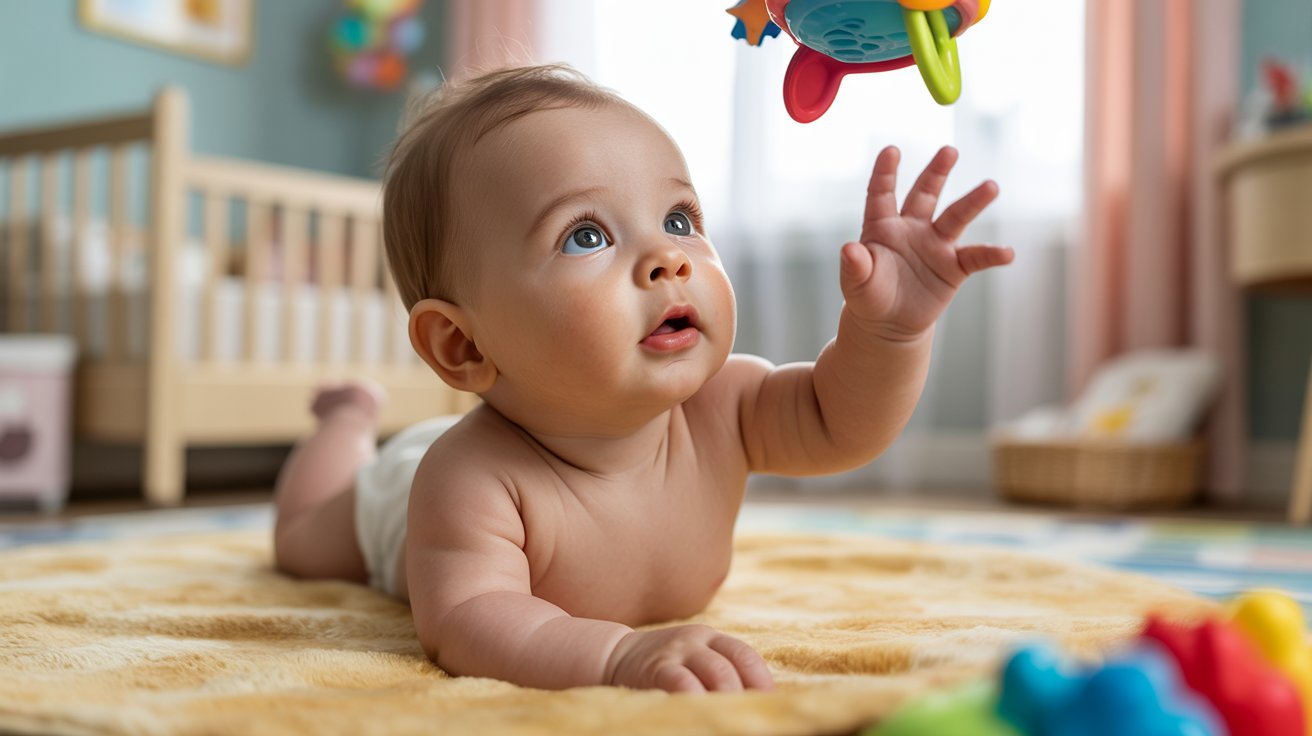
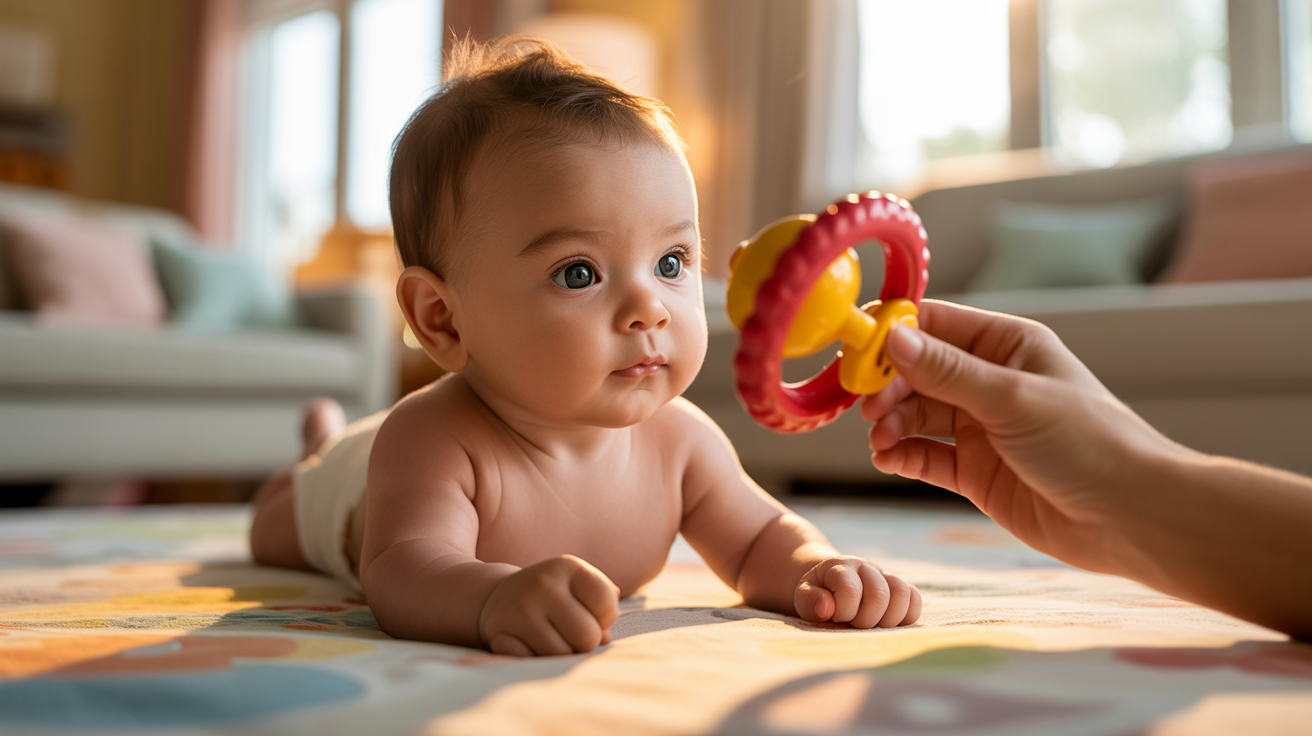
Your baby starts to control where they look. By the time they reach 3 months old, they can follow things that move around them. You might notice them watching a toy as you move it from side to side.
3 to 6 Months and Beyond
After 3 months, eye contact becomes much more intentional. Your baby will look at you to communicate what they need. They might stare at you when they’re hungry or look away when they’ve had enough.
By 9 to 11 months, babies start to understand what they’re seeing. They recognize people, know their favorite toys, and use their eyes to show interest in things around them.
Common Reasons Your Baby Might Not Make Eye Contact Yet

If your 2-month-old baby is not making eye contact seems concerning. There are usually simple explanations. Most of the time, it’s just part of normal growth.
Still Developing Visual Skills
Your baby’s brain is working hard to learn how to see. The eyes send messages to the brain, and the brain has to figure out what those messages mean. This coordination takes time.
Think of it like learning to ride a bike. You don’t get it right on the first try. Your baby’s visual system needs practice to work smoothly.
Overstimulation from Their Environment
Sometimes babies avoid eye contact because there’s too much going on around them. Bright lights can feel overwhelming. Loud noises make it hard to focus.
When you’re in a crowded room or a busy store, your baby might look away more than usual. They’re trying to protect themselves from sensory overload. Creating a calm, quiet space at home can help your baby feel more comfortable making eye contact.
Focusing on Other Things
Babies love looking at things with strong contrast, like black and white patterns. Bright lights also grab their attention more than faces do at this age. This is totally normal.
Your baby is learning about their world. Sometimes, a ceiling fan or a window with sunlight coming through is just more interesting than your face. Don’t take it personally. It’s how babies learn.
Physical Discomfort
When your baby doesn’t feel good, they’re less likely to make eye contact. Even though teething usually starts later, some babies begin experiencing discomfort early. General fussiness, tiredness, or hunger can all affect their behavior.
An uncomfortable baby wants to focus on feeling better, not on social interaction. Once they feel better, you’ll probably notice them looking at you more.
When Should You Be Concerned?

Most cases of a 2-month-old baby not making eye contact are nothing to worry about. But there are some signs that might need a doctor’s attention.
Age makes a difference in what’s expected. A 2-month-old is very different from a 6-month-old. Here are warning signs to watch for:
- No eye contact at all by 3 months old
- Not tracking objects with their eyes when you move things
- Missing other milestones too, like not lifting their head or responding to sounds
- No social smiles or cooing by 3 months old
- Consistent lack of eye contact by 6 months 6-month-old
If vision problems exist, finding them early is really important. Sometimes a lack of eye contact can signal that a neurological evaluation is needed. This doesn’t mean something is definitely wrong, but checking is better than waiting.
Trust your instincts as a parent. You know your baby better than anyone. If something feels off, it’s okay to ask questions.
Simple Ways to Help Your Baby Make Eye Contact

You can encourage your baby to look at you with a few easy techniques. These work best when your baby is calm and alert.
Here are some helpful tips:
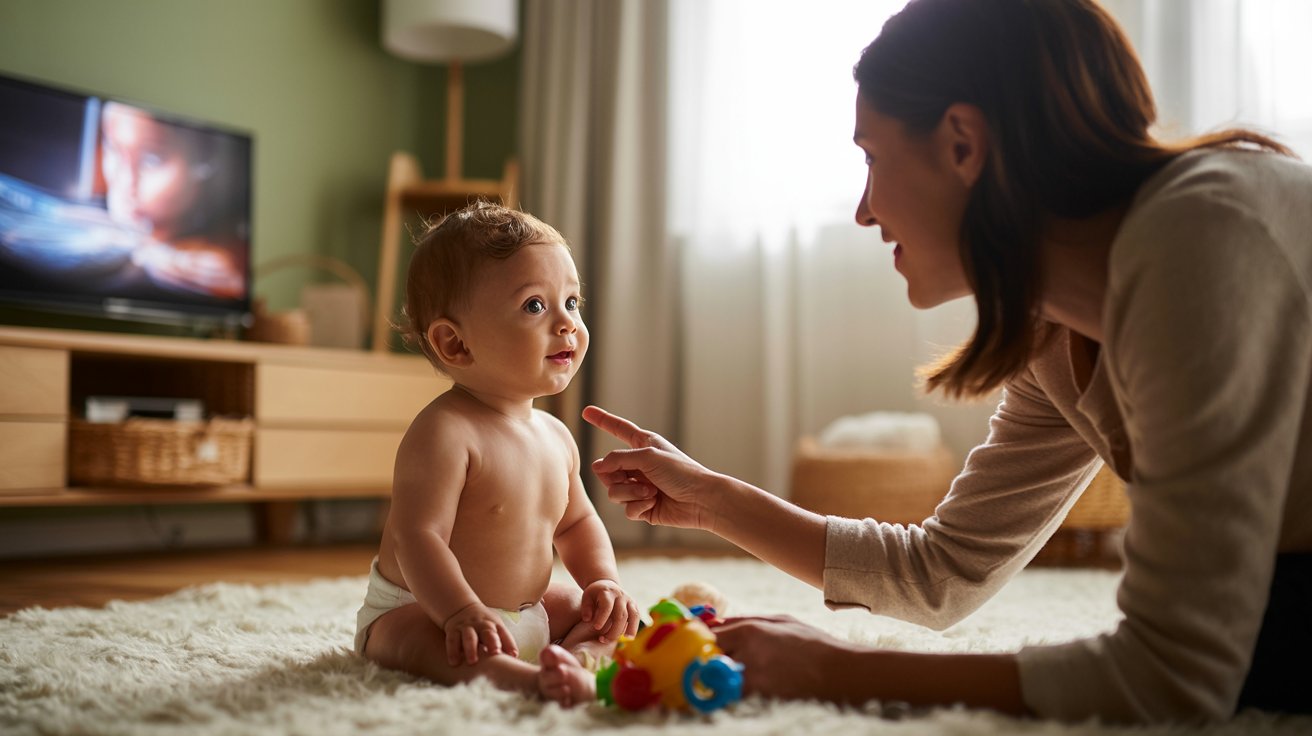
- Get down to their eye level when you play or talk with them
- Keep your face about 8 to 10 inches away, which is the right distance for their vision
- Talk in a gentle, soothing voice that gets their attention
- Use smiles to make them interested in your face
- Try holding a colorful toy near your face, then move the toy away once they look
- Keep the room calm and quiet without too much going on
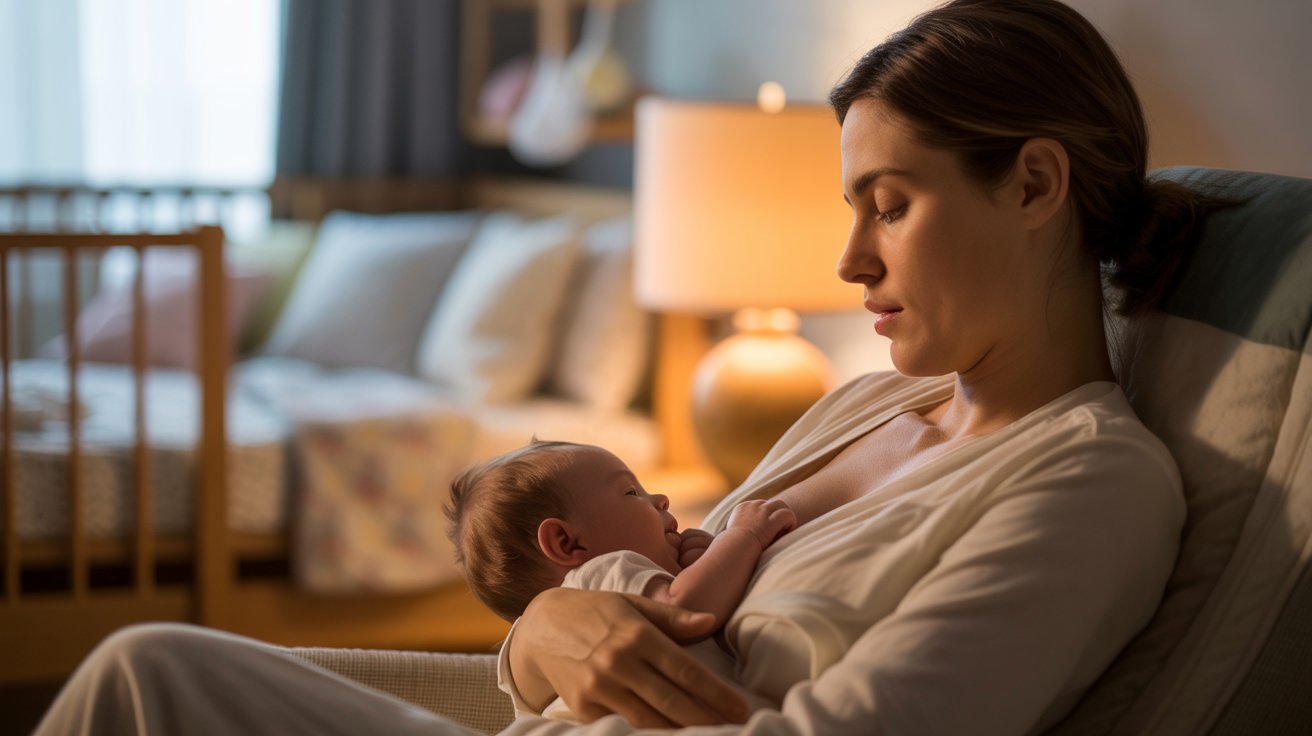
- Make feeding time special by looking at each other
- Be patient and never force eye contact
- Practice in short sessions several times a day
Remember, this takes time. Some babies naturally make more eye contact than others. Your baby will get there at their own speed.
When to Talk to Your Doctor?

Don’t wait if you have real concerns about your baby’s vision or development. It’s always okay to bring things up at regular checkups. Doctors expect parents to ask questions.
Eye examinations should start from birth. Your pediatrician checks your baby’s eyes at every visit. Early treatment can prevent permanent vision loss if there is a problem.
Some conditions that might need attention include:
- Congenital cataracts (clouding in the lens of the eye)
- High refractive errors (needing glasses)
- Corneal diseases (problems with the clear front of the eye)
- Retinal diseases (problems at the back of the eye)
- Neurological conditions (problems with the brain or nervous system)
Most babies won’t have these issues. But knowing what to watch for helps you feel more confident as a parent.
Conclusion
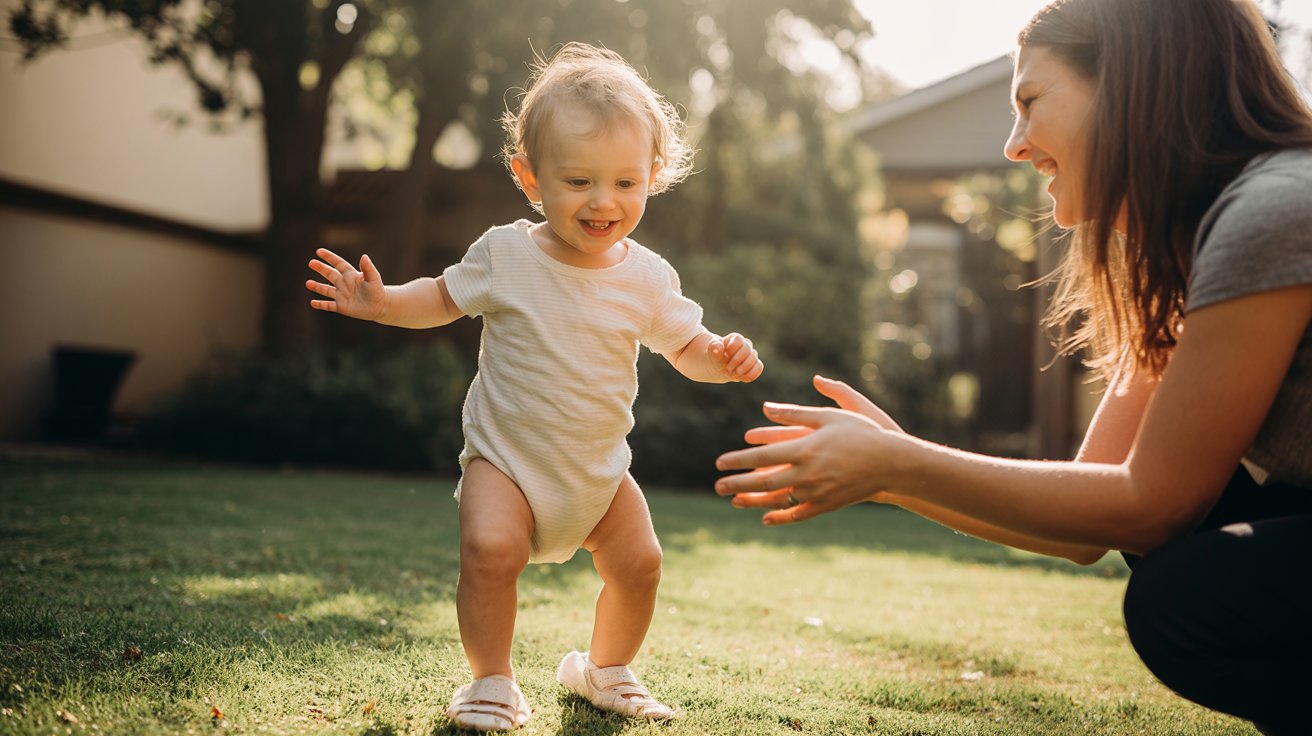
Seeing your 2-month-old baby not making eye contact can feel worrying at first. But remember that every baby grows at their own pace. Most 2-month-olds are still learning how their eyes work.
Keep watching for progress over the next few weeks and months. You’ll probably notice small improvements as time goes on. Trust your instincts, but try not to panic if eye contact isn’t happening yet.
Your baby is learning something new every single day. Eye contact is just one of many skills they’re working on. Give them time, practice the tips we shared, and enjoy watching them grow. If you have concerns, talk to your doctor. They’re there to help you and your baby.
Frequently Asked Questions
Can Babies See Clearly at 2 Months Old?
No, babies cannot see clearly at 2 months. Their vision is still blurry, and they can only focus on objects about 8 to 10 inches away. Everything else looks fuzzy. Their eyesight improves week by week.
How Can I Tell if My Baby Has a Vision Problem?
Watch for signs like not tracking moving objects, eyes that don’t move together, constant eye turning, or no reaction to light. If your baby never tries to look at faces or seems not to notice you, talk to your doctor.
Do All Babies Develop Eye Contact at the Same Rate?
No, babies develop at different speeds. Some make eye contact earlier, while others take more time. A range of normal exists. As long as your baby shows progress and meets other milestones, they’re likely fine.
What Should I Do During Tummy Time to Help Eye Contact?
Get down on the floor at your baby’s level during tummy time. Put your face about 8 to 10 inches from theirs. Talk softly and smile. This position naturally encourages them to lift their head and look at you.
How Long Should Eye Contact Last at This Age?
At 2 months, eye contact is very brief. A few seconds is normal and good. Don’t expect long gazes yet. As your baby gets older, they’ll hold eye contact for longer periods. Short glances show they’re learning.