
I used to think good grades were enough.
Then I watched kids with average scores outperform everyone in real life. Better communicators. More confident. Quicker on their feet.
The difference? They had lives outside the classroom.
Extracurricular activities for kids do something school simply can't. They build the parts of a child that no exam ever tests.
But with so many options, most parents have no idea where to start or what actually works. That's exactly what this guide is for.
By the end, you'll know what to choose and why it matters.
Why Extracurricular Activities for Kids Matter Today
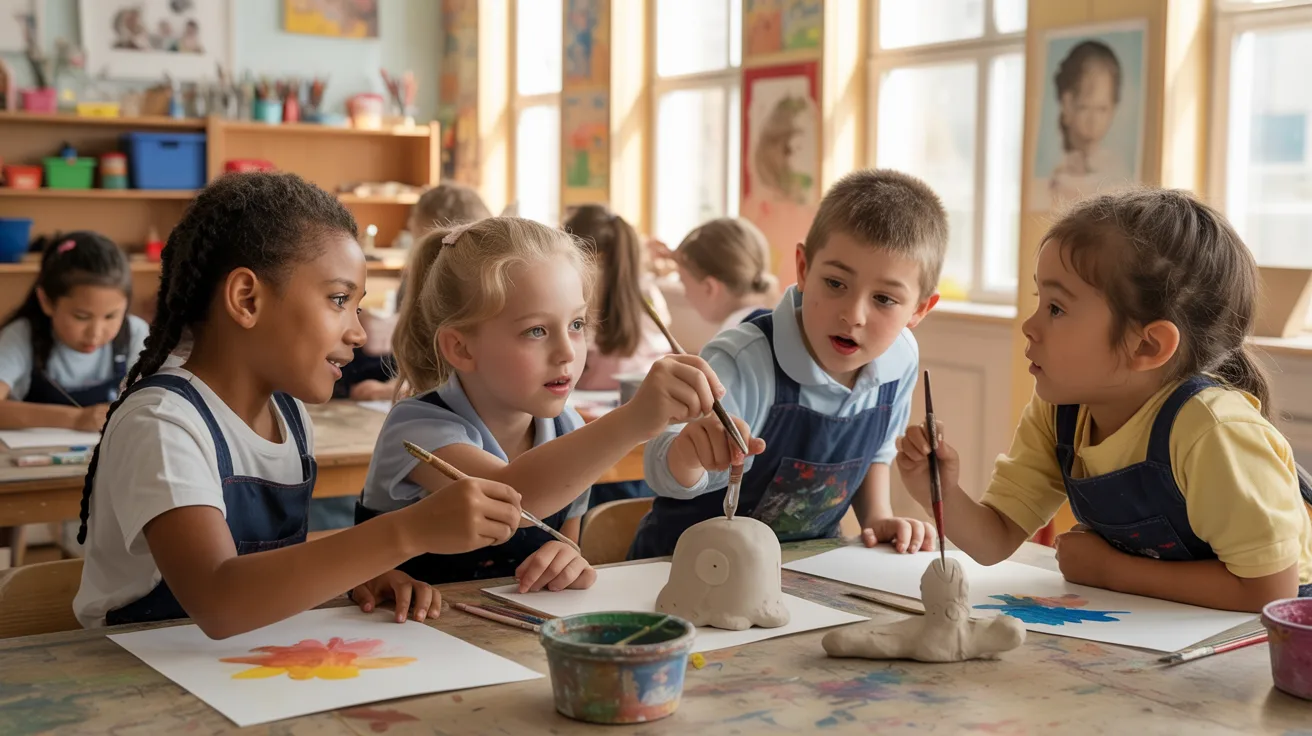
School teaches children what to think. Activities outside the classroom teach them how to think, feel, and work with others.
Confidence grows when a child masters a skill. Discipline builds when they show up to practice even when they don't feel like it. Creativity comes alive when they're given space to try something new.
The social benefits are just as real. Kids who participate in group activities learn to communicate, handle conflict, and build friendships beyond their classroom.
Here's something most parents don't expect. Research consistently shows that kids involved in structured activities outside school perform better academically. The focus and time management they develop carry into their studies.
It also cuts down screen time in a way that no parental rule ever will. When a child is genuinely excited about an activity, they choose it over a screen. Every time.
17 Best Extracurricular Activities for Kids
There is no single best activity. It depends on your child's personality, energy, and interests. But this list covers options across sports, arts, tech, and life skills so you have a clear starting point.
1. Football
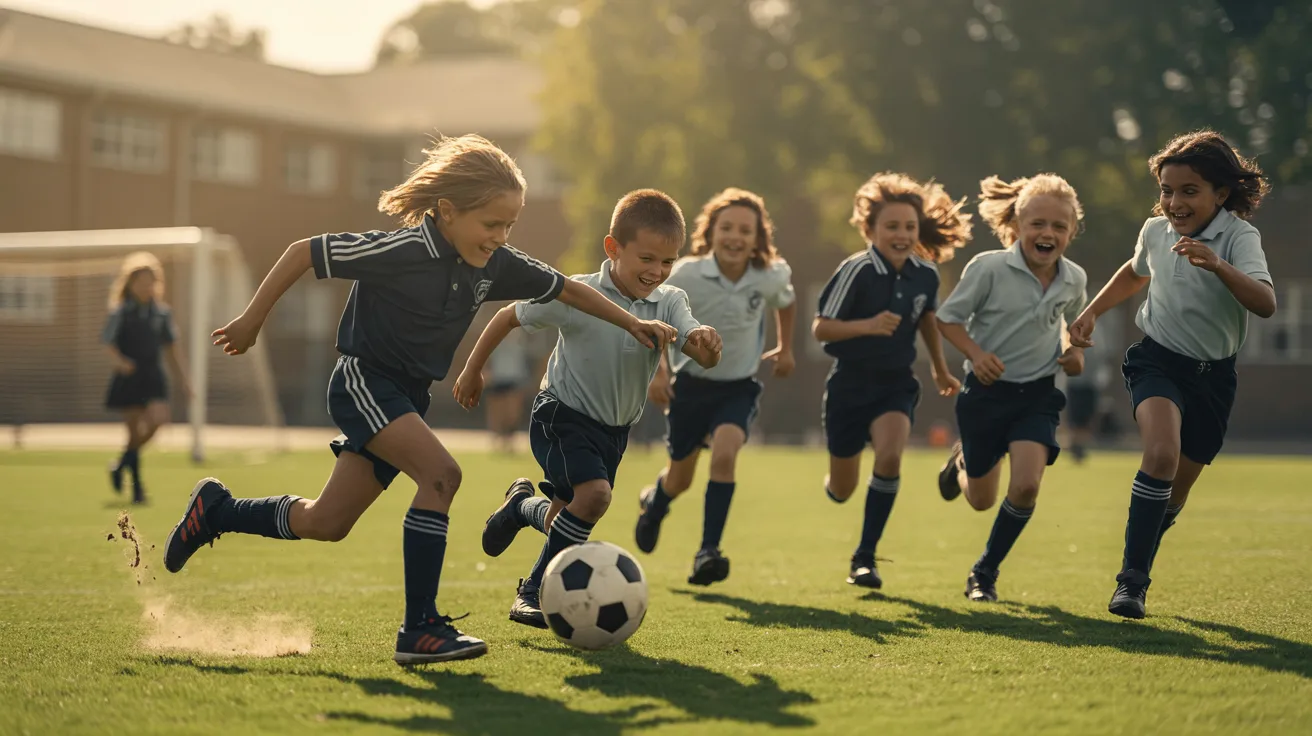
Football is one of the most popular team sports kids can play. It builds stamina, coordination, and the ability to work toward a shared goal.
Playing on a team teaches kids to trust others and handle both winning and losing. Those are lessons that stick long after the game ends.
It's best suited for kids who are physically active and enjoy group energy. Most clubs accept beginners from age five or six.
2. Cricket
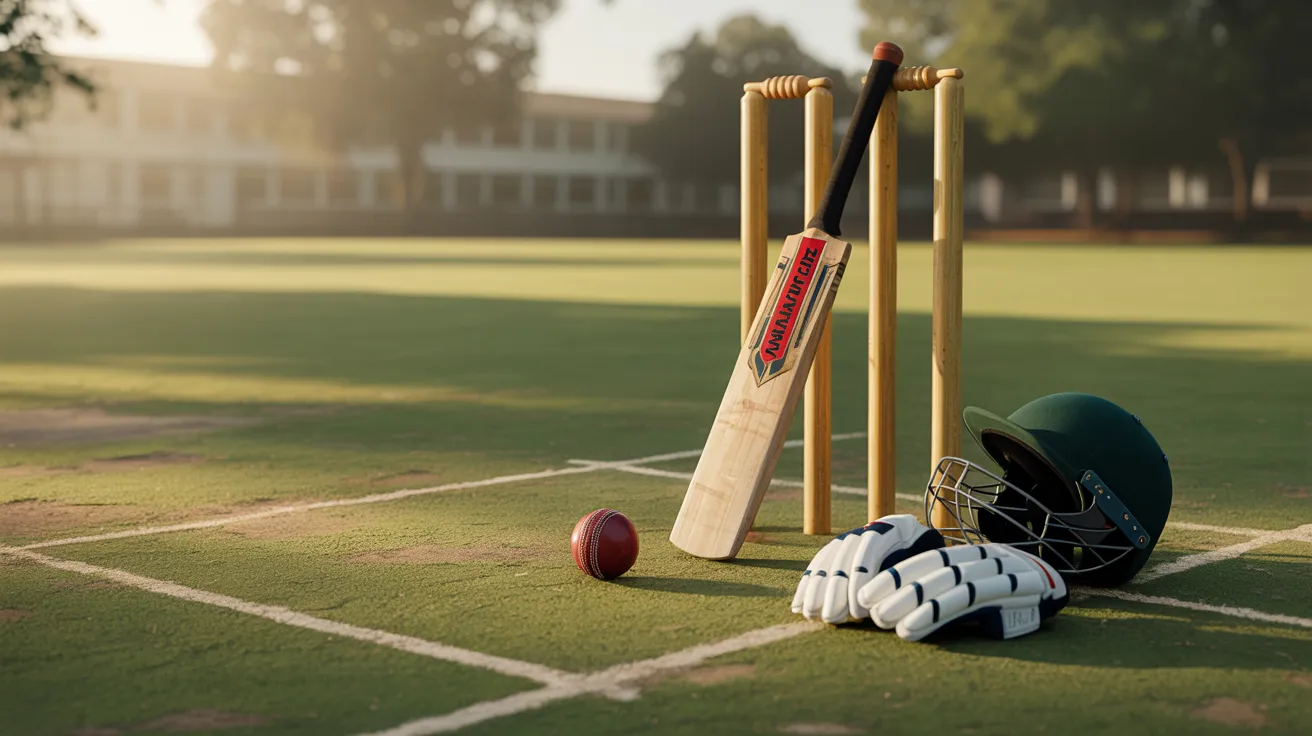
Cricket develops patience, concentration, and strategic thinking. It's not just about hitting or bowling. It's about reading the game and making smart decisions under pressure.
Kids learn to wait for the right moment, which is a skill that quietly shapes their temperament over time.
It's a great fit for children who enjoy both physical activity and mental challenge.
3. Basketball

Basketball is fast, fun, and great for developing reflexes and spatial awareness. It's a sport where communication on the court is just as important as physical ability.
Kids who play basketball get better at reading movement, making quick decisions, and staying calm in high-pressure moments.
It's an excellent option for kids who prefer a fast-paced environment.
4. Swimming
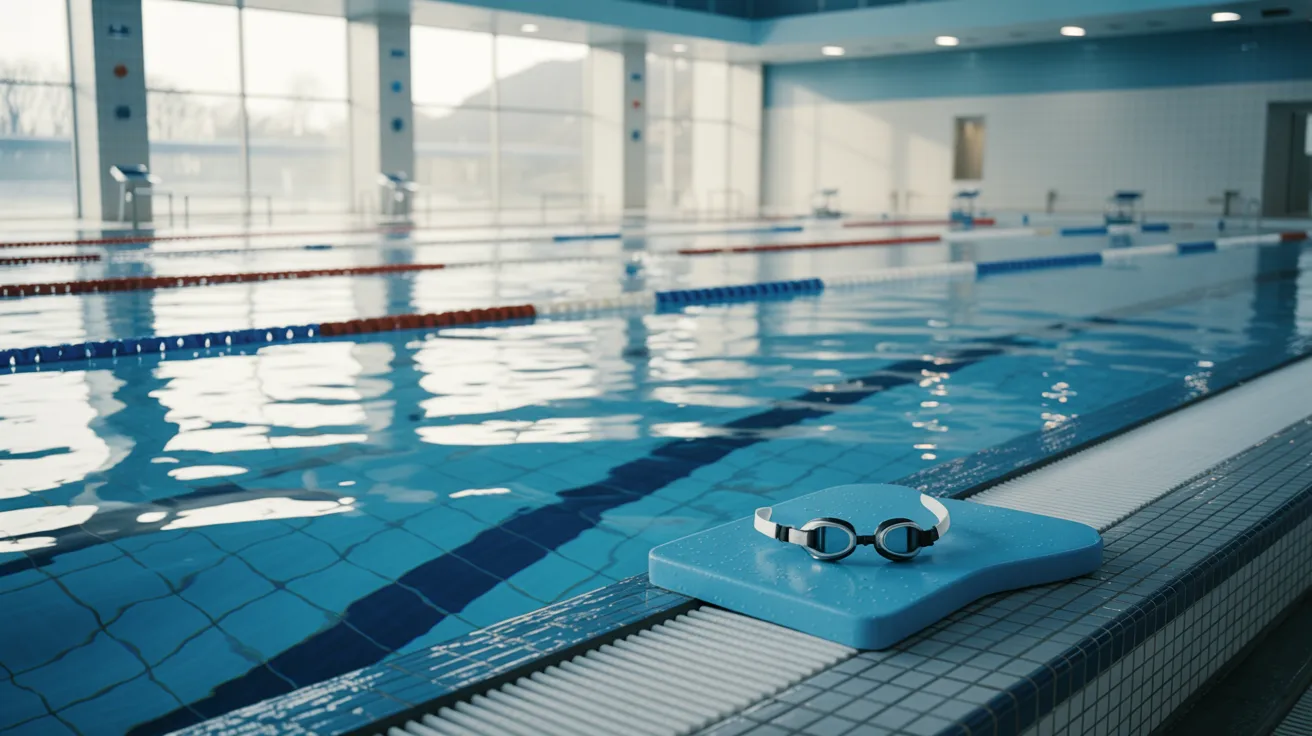
Swimming is one of the few activities that builds physical fitness, breathing control, and mental focus all at once.
It's also a life skill. Every child should know how to swim, and starting early makes it second nature.
Most swim schools take children from age three. Even basic lessons make a meaningful difference in confidence and safety.
5. Martial Arts (Karate/Taekwondo)
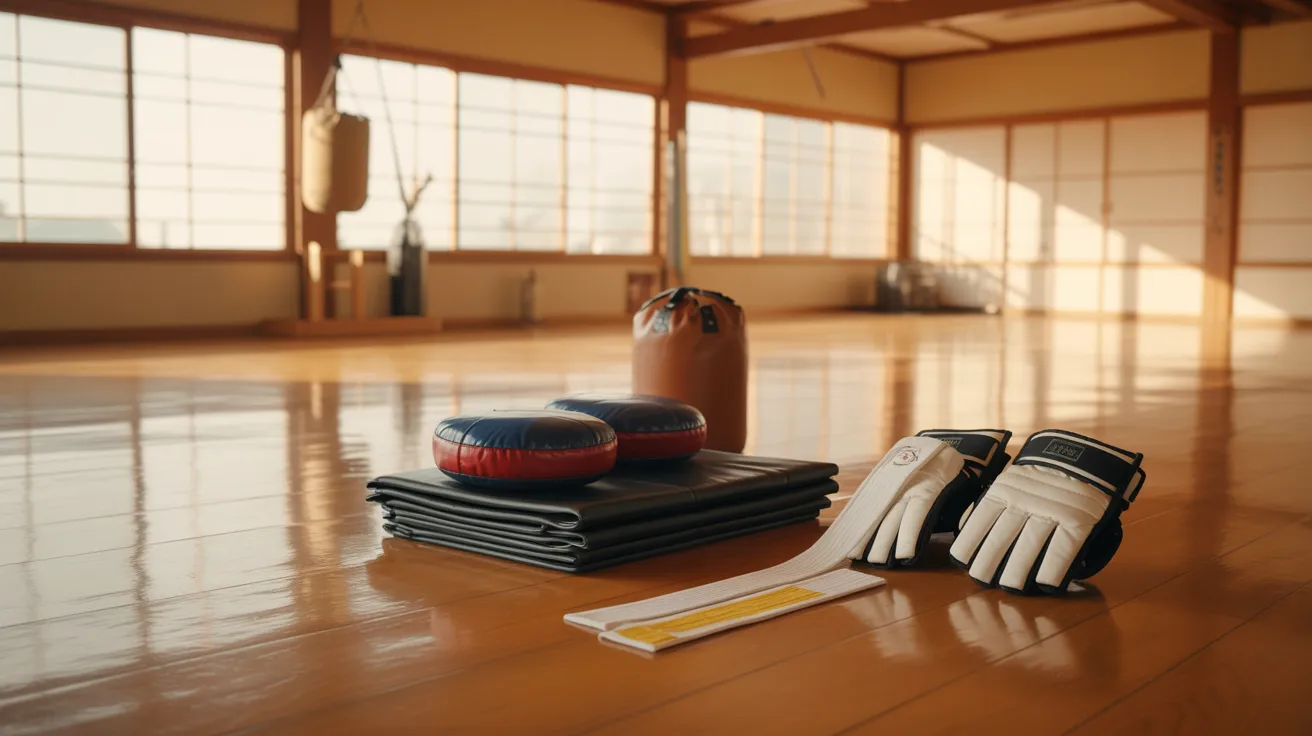
Martial arts is not about fighting. It's about self-control, respect, and mental discipline.
Kids who train consistently become calmer, more focused, and better at handling conflict without aggression. The belt system also gives them a clear sense of progress and achievement.
It works especially well for children who struggle with focus or need a structured environment to thrive.
6. Dance Classes
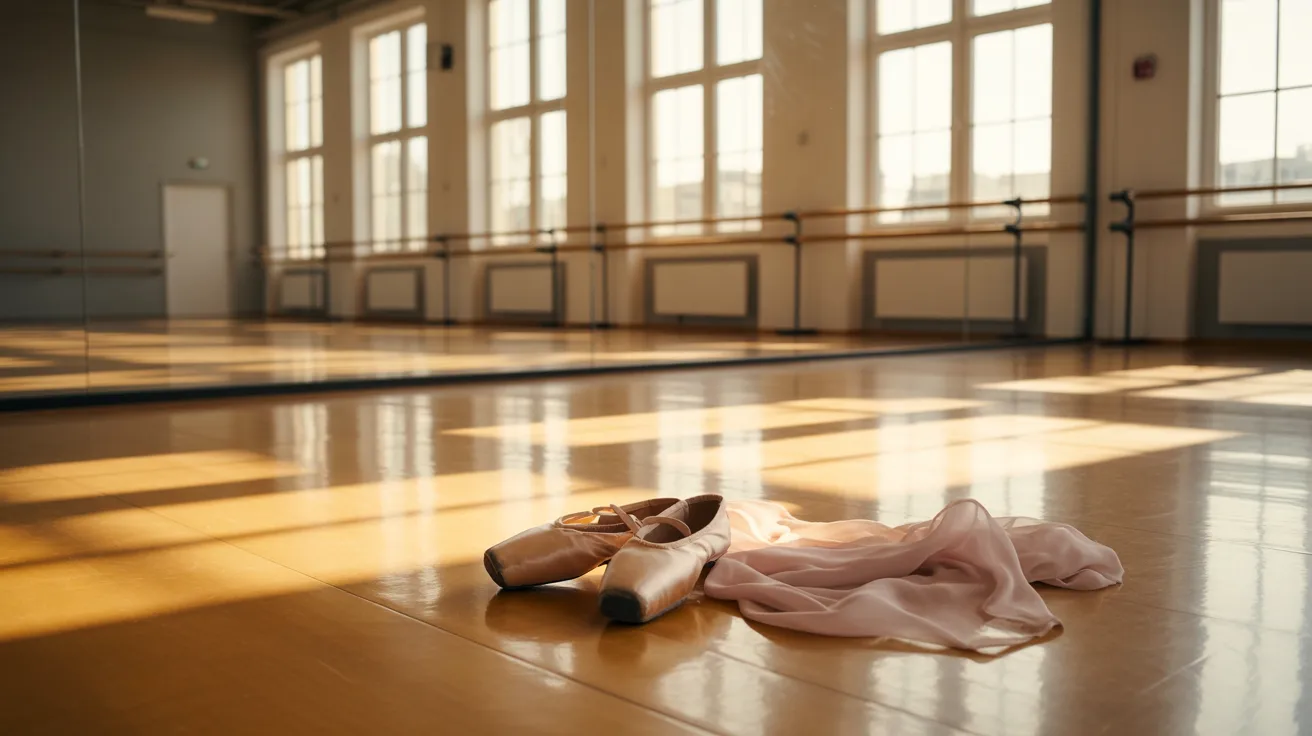
Dance builds body awareness, rhythm, and self-expression. Kids who dance regularly develop better posture, coordination, and confidence in how they carry themselves.
It's also one of the best activities for emotional release. Many children find it easier to express feelings through movement than through words.
From classical to hip-hop, there are styles for every personality.
7. Music (Piano/Guitar/Vocal)

Learning an instrument develops memory, patience, and the ability to follow through on something difficult. It also builds a relationship with creativity that lasts a lifetime.
Vocal training helps children develop confidence in their voice, both in singing and in how they communicate generally.
Studies consistently link early music education with stronger language and math skills.
8. Drawing and Painting

Art teaches children to observe the world carefully and express what they see in their own way.
It builds fine motor skills in younger kids and encourages independent thinking in older ones. There's no right or wrong answer in art, which is refreshing for children who feel pressure to perform.
Even kids who claim they "can't draw" tend to surprise themselves with the right teacher.
9. Chess

Chess is slow. That's the point.
It teaches kids to think ahead, consider consequences, and stay composed when things don't go their way. These are skills that apply directly to academics and real-life decision making.
It's ideal for children who enjoy problem-solving and tend to be more thoughtful by nature.
10. Coding for Kids

Coding teaches logical thinking and the ability to break a big problem into smaller, manageable steps.
Even basic coding at a young age builds a mindset that is useful far beyond tech. Kids learn to test ideas, learn from errors, and try again without giving up.
Many platforms make coding genuinely fun for children as young as six.
11. Robotics
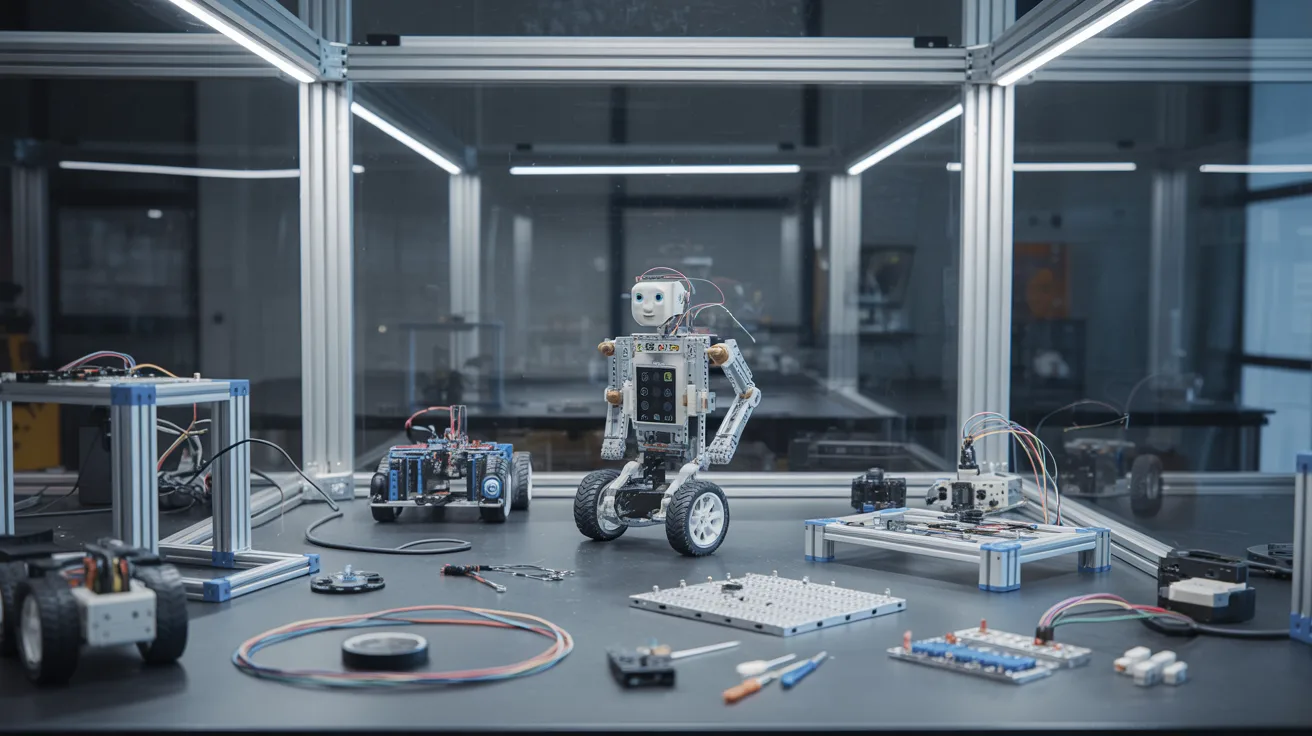
Robotics combines engineering, coding, and creative design in one activity. Kids build something real and then figure out why it does or doesn't work.
The problem-solving involved is hands-on and immediate. That makes it highly engaging for children who learn by doing.
It's one of the fastest-growing extracurricular options in schools and clubs today.
12. Drama and Theatre
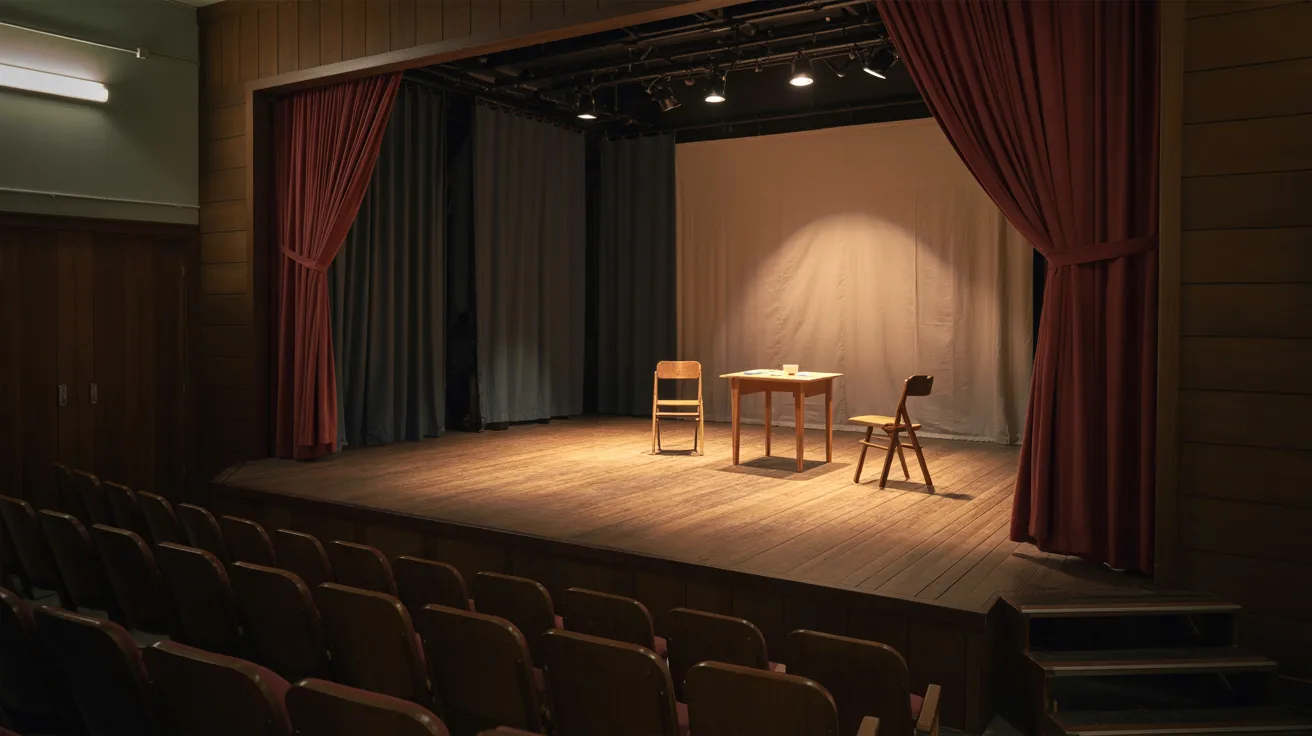
Drama builds confidence in a very specific way. It asks children to stand in front of others, speak clearly, and hold attention.
It also builds empathy. Playing different characters forces kids to think about how other people feel and why they act the way they do.
Children who are naturally shy often open up significantly through theatre.
13. Public Speaking and Debate

The ability to speak clearly and think on your feet is one of the most valuable skills a person can have.
Debate teaches children to research, form an argument, and respond to pushback without falling apart. It directly improves academic writing and critical thinking.
It's never too early to start. Many debate programmes accept children from age eight.
14. Yoga for Kids

Children carry stress too, even if they can't name it.
Yoga teaches them to breathe through discomfort, stay present, and listen to their body. It improves flexibility, posture, and emotional regulation in ways that other activities don't.
It's a calming balance to high-energy sports and works well for kids of all temperaments.
15. Skating

Skating, whether roller or ice, builds balance, coordination, and fearlessness. Kids learn to fall and get back up, literally.
It's also genuinely fun. Kids who skate tend to keep doing it for years simply because they enjoy it.
For children who resist structured sports, skating often feels more like play than practice.
16. Gardening Clubs
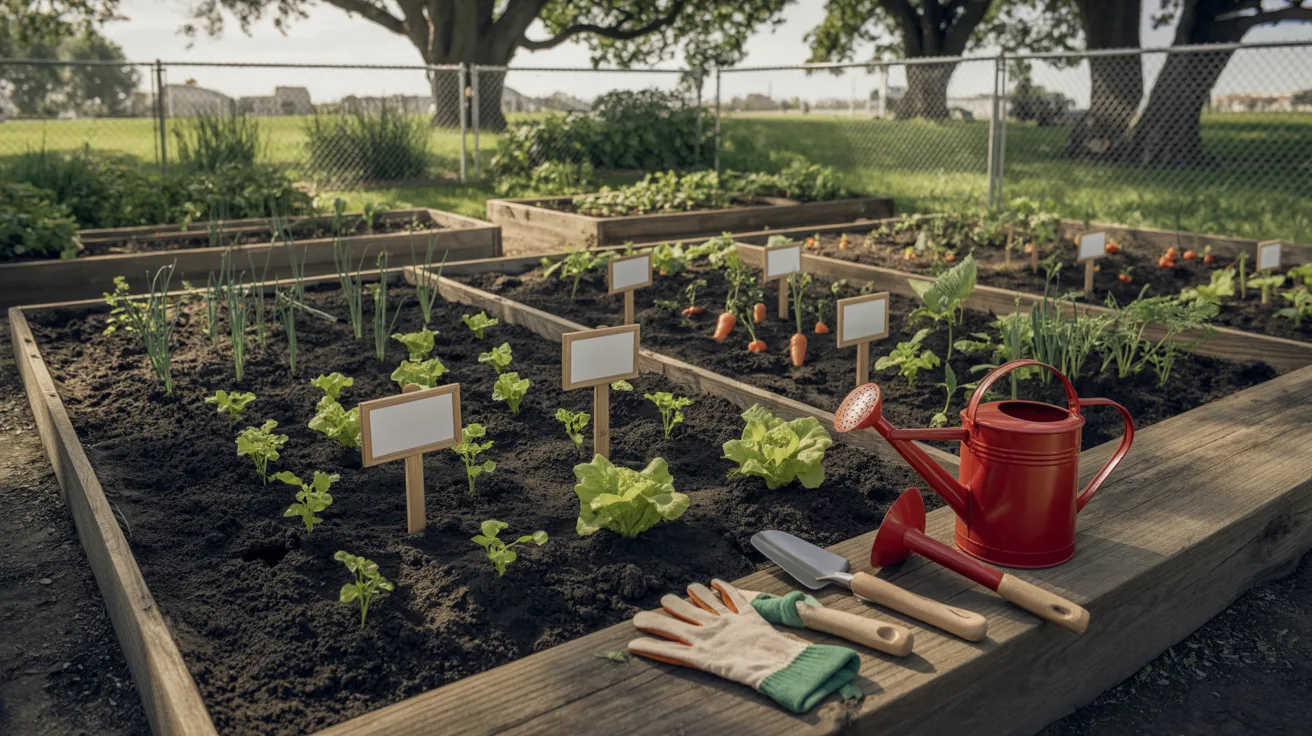
Gardening teaches patience, responsibility, and a connection to the natural world.
Kids who tend to plants develop a sense of care for something outside themselves. They also learn that results take time, which is a lesson that applies everywhere in life.
Many schools now offer gardening as a structured activity, and community gardens welcome young members too.
17. Creative Writing

Writing is thinking made visible. Children who write regularly get better at organising their thoughts, communicating clearly, and telling stories with purpose.
Creative writing clubs give kids a safe space to express themselves without judgment. The confidence that builds from finding your own voice is hard to measure but easy to notice.
It's one of the best activities for introverted children who have a lot going on inside.
How to Choose the Right Extracurricular Activities for Kids
Choosing the right activity is less about what looks impressive and more about what your child will actually want to show up for. Start by watching your child, not researching rankings.
Here are the key things to consider:
- Watch your child's natural interests. What do they do when no one is telling them what to do? That's your first clue.
- Match the activity to their age and physical ability. A six-year-old won't thrive in a competitive debate club.
- Let them try before committing. Most programmes offer trial classes. Use them.
- Avoid pushing your own preferences. Your childhood regrets are not your child's responsibility.
- Check the time commitment honestly. A packed schedule leaves no room to breathe, and burnout is real even in kids.
- Think about long-term value. Some activities build hobbies. Others build life skills. Both are valid, but knowing the difference helps.
The goal is a child who looks forward to their activity, not one who dreads it. That enthusiasm is your most reliable signal that you've made the right choice.
Expert Tips to Maximise Benefits of Extracurricular Activities
Getting your child into an activity is step one. Helping them get the most out of it is the part most parents overlook.
Keep these principles in mind as you support your child:
- Balance is everything. If school plus activities leaves no downtime, something needs to go.
- Encourage consistency, not perfection. Showing up regularly matters more than being the best.
- Be supportive without being overbearing. Ask how practice went. Don't coach from the sidelines.
- Track their progress without comparing them to others. Every child develops at their own pace.
- Allow them to switch activities. Quitting something that isn't working is not failure. It's self-awareness.
The children who benefit most from extracurricular activities are not the ones with the busiest schedules. They're the ones whose parents gave them space to find what they love and then supported them through it.
Conclusion
Your child doesn't need the busiest schedule. They need the right one.
The right extracurricular activities for kids build confidence, character, and skills that last well beyond school years.
Stop waiting for the perfect moment to start. Try one activity. Watch how your child responds. Let that guide you. You know your child better than any expert does.
So tell me, which activity on this list caught your attention? Or is your child already doing something you'd recommend to other parents? Drop it in the comments.
Let's help each other out.
Frequently Asked Questions
What Are the Best Extracurricular Activities for Kids?
The best options cover sports like football and swimming, creative pursuits like music and art, and skill-based activities like coding and chess. The right choice depends on your child's personality and interests.
At What Age Should Children Start Extracurricular Activities?
Children can begin simple, play-based activities as early as age three to five. Structured programmes become more effective around age six when attention spans and motor skills are more developed.
How Many Extracurricular Activities Should a Child Do?
One to three activities at a time is generally ideal. More than that can affect school performance and leave the child with no time to simply rest and play.
Do Extracurricular Activities Affect Academics?
When balanced properly, they have a positive effect. Kids develop focus, time management, and discipline through structured activities, all of which carry directly into their studies.
How Do I Know If My Child Is Interested in an Activity?
Watch for natural enthusiasm before, during, and after sessions. If they talk about it at home, ask to go back, or practise on their own, that's a strong sign it's the right fit.