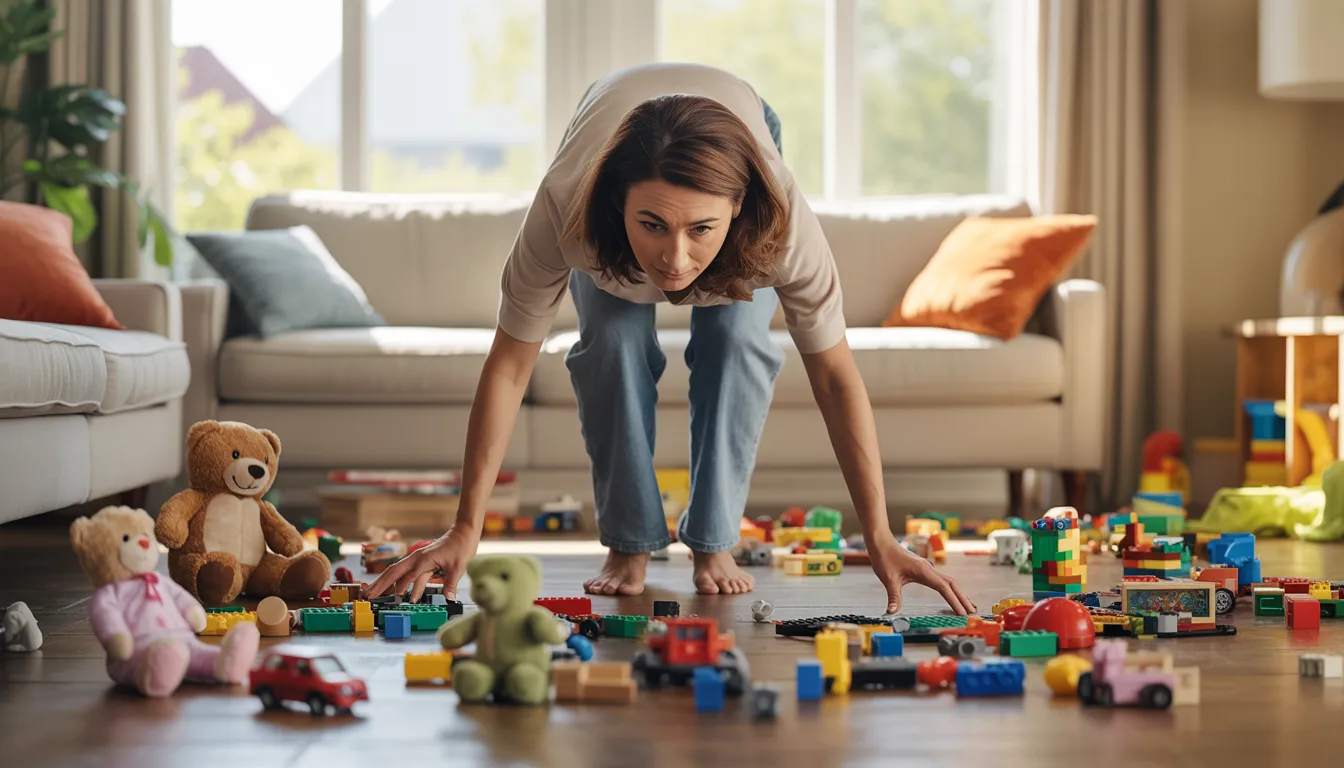
I know how it feels to step on a LEGO at 7 AM. Toy clutter is real, and it can make your home feel out of control fast.
In this blog, I will walk you through how to organize kids toys in a way that is simple, practical, and easy to keep up with.
You will learn a full step-by-step process, storage ideas, and tips to make cleanup feel less like a chore.
I have tested these methods myself. They work.
Why Toy Organization Matters

A tidy play space does more than just look good. It helps kids focus better, find what they want faster, and actually enjoy their toys more.
For parents, it means less stress and less time spent cleaning up. When toys have a set place, kids learn responsibility early on.
It also makes it easier to spot what is broken, outgrown, or no longer used. Good toy organization is a small habit that creates a calmer, more functional home for everyone.
Complete Step-by-Step Guide to Organizing Kids' Toys
Follow this simple guide to go from total toy chaos to a space that stays clean and easy to manage every day.
1. Gather All Toys in One Place

Pull every toy out of every room, bin, and corner. Seeing everything in one spot gives you a clear picture of what you actually have.
It often surprises parents. This step sets the foundation for the whole process and makes sorting much easier going forward.
2. Do a Quick Initial Declutter
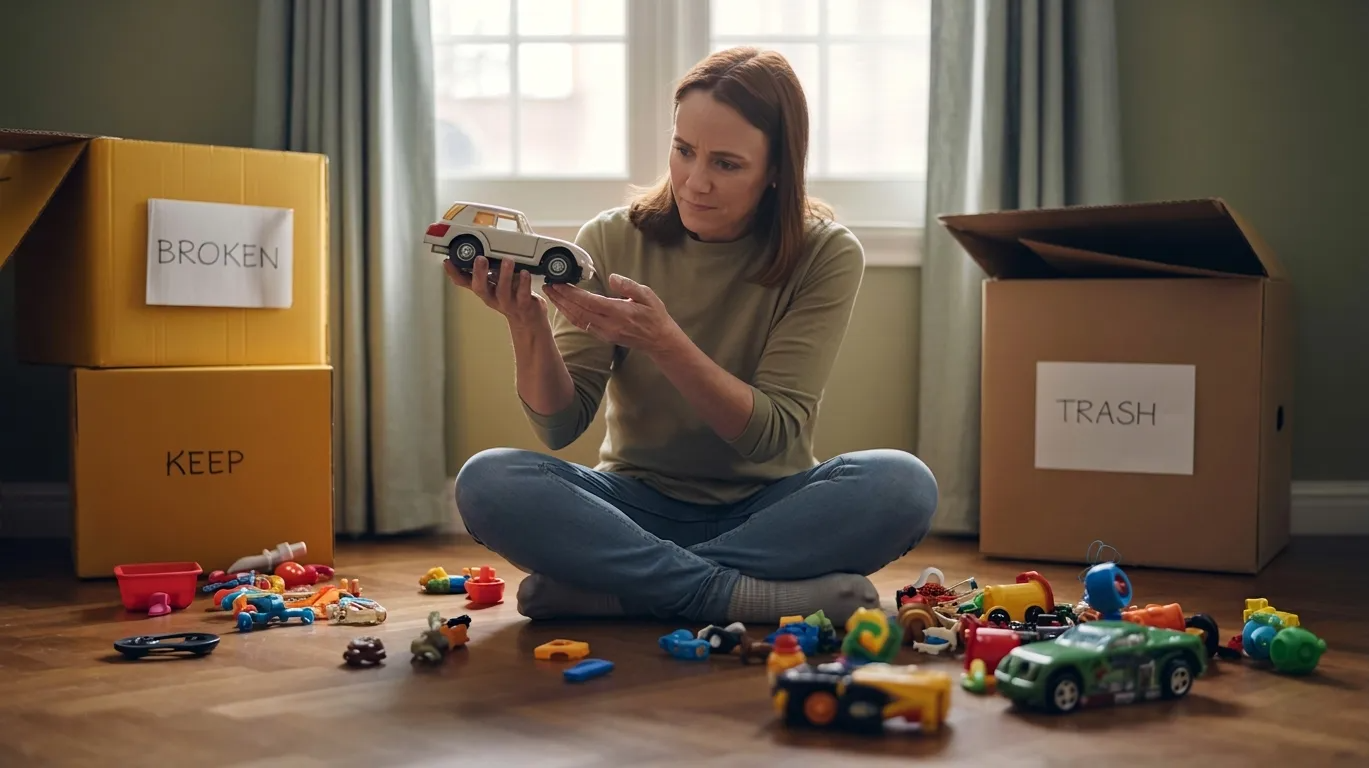
Before sorting, do a fast first pass. Toss anything broken, missing pieces, or unsafe. Do not overthink it at this stage.
Just remove the obvious items that no longer belong. This clears the clutter fast and makes the next steps feel less overwhelming and more manageable right away.
3. Sort Toys into Clear Categories

Group toys by type: building sets, art supplies, vehicles, dolls, puzzles, and so on. Use the floor or a table to lay them out.
Clear categories make it easier to see duplicates, decide on storage, and help kids know exactly where things go when cleanup time comes around.
4. Separate Open-Ended and Closed Toys
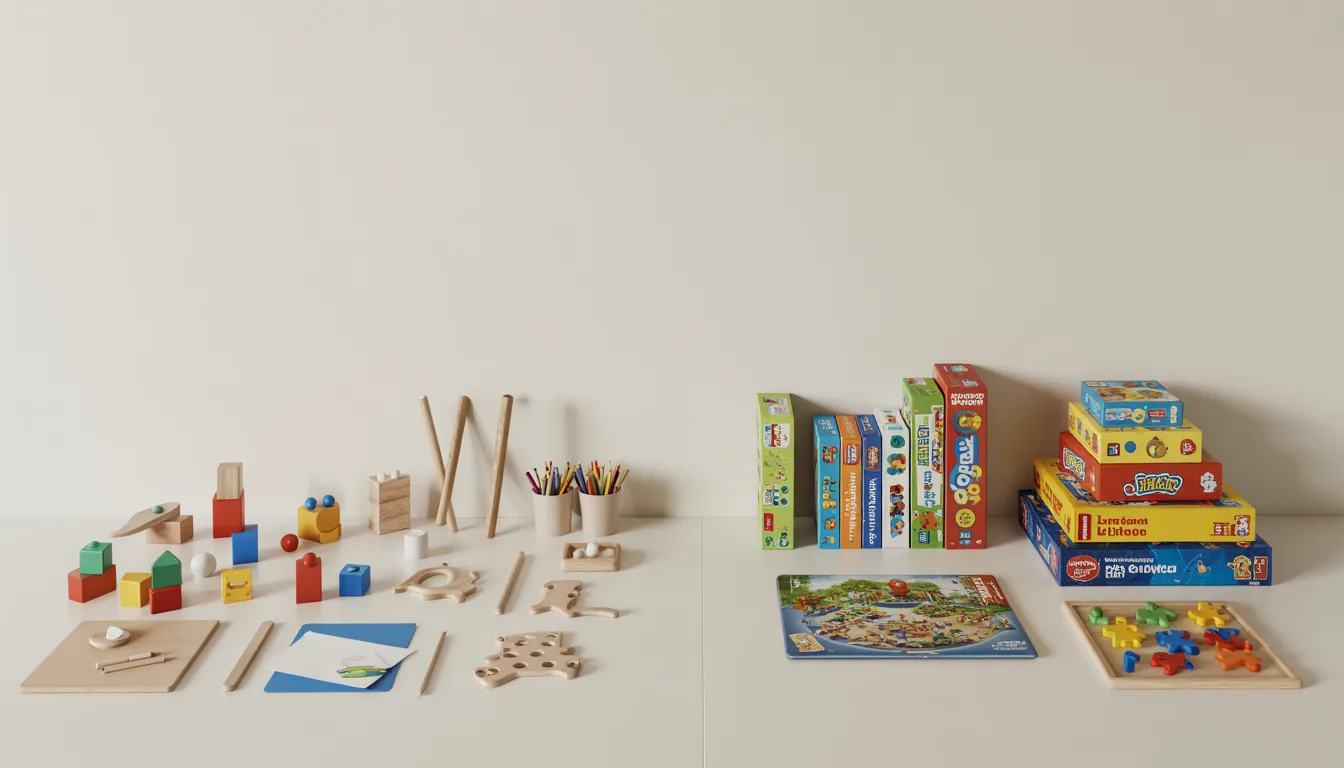
Open-ended toys like blocks or play dough can be used in many ways. Closed toys like board games have set rules and parts.
Keeping these two groups separate helps with storage planning. Open-ended toys stay accessible. Closed toys can be stored up high or rotated in and out as needed.
5. Remove Duplicates and Excess

Kids do not need ten of the same type of toy. Pick the best ones and let the rest go. Too many choices can actually make kids less engaged.
Keeping fewer, better toys leads to more focused play and a tidier space that stays easier to manage on a daily basis.
6. Create Donation and Reuse Piles
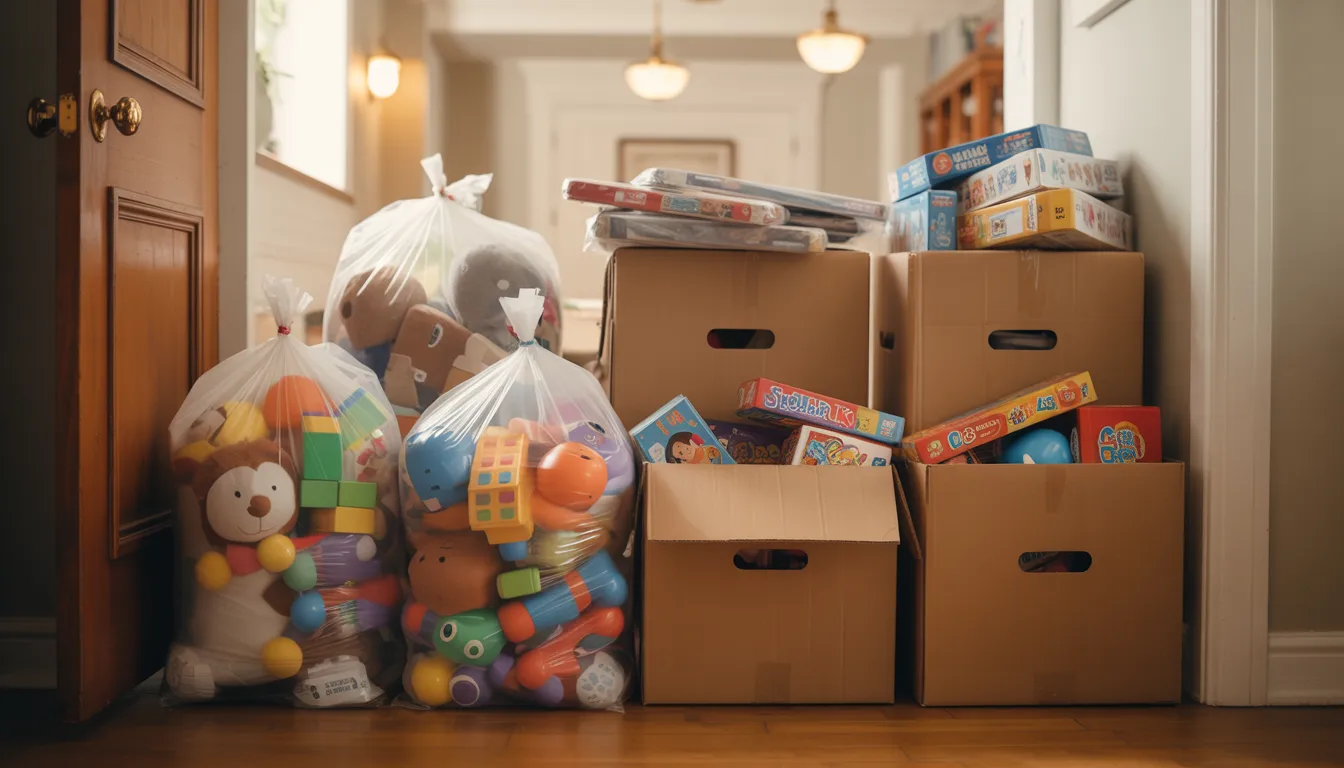
Set up two piles:one to donate and one to pass on to family or friends. Involve your kids in this step when possible.
It teaches generosity and helps them feel part of the process. Bag the donate pile right away so it does not sneak back into the playroom later.
7. Use Storage Bins and Containers

Clear bins work best because kids can see what is inside without dumping everything out. Label each bin with a word or picture for younger children.
Use bins that match the size of the toys inside. Avoid bins that are too deep as things get lost and forgotten at the bottom.
8. Set Up Toy Zones in the Home

Assign different areas for different types of play. A reading corner, a building area, an art station. Zones help kids understand where things belong and make pickup faster.
It also keeps messes contained to one area instead of spreading through the whole house throughout the day.
9. Use a Toy Rotation System
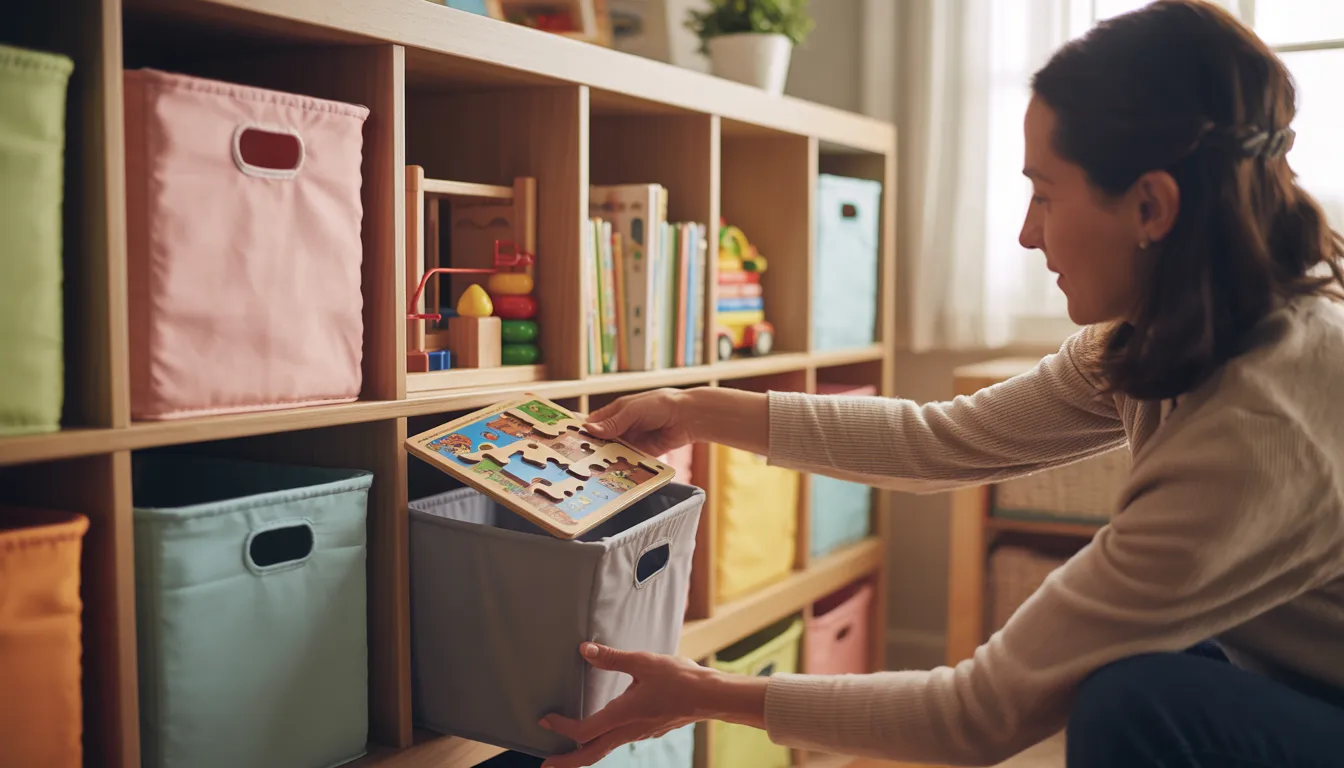
Store some toys away and swap them out every few weeks. Kids get excited to see toys they have not played with in a while.
Rotation keeps things feeling fresh without buying anything new. It also keeps the playroom from getting overcrowded and hard to manage over time.
10. Make Cleanup Kid-Friendly

Cleanup should feel doable for kids, not like a big task. Use low shelves, open bins, and simple labels.
Set a timer for 10 minutes and make it a daily routine. When the system is easy enough for kids to follow on their own, they are far more likely to do it.
11. Maintain the System Regularly

Set aside time once a month to check the system. Remove what is no longer played with. Fix any bins that have gotten messy.
A quick reset keeps things from spiraling back into chaos. Consistency is what makes any toy organization system actually last over the long term.
Tips for Easier Toy Organization
Small habits make a big difference when it comes to keeping toys in order every day.
- Start small. Pick one area first instead of trying to do everything at once.
- Use picture labels on bins so younger kids can sort toys on their own.
- Do a monthly toy audit to pull out anything broken or outgrown.
- Involve your kids in organizing so they feel ownership over the space.
- Buy less going forward. Being more selective about new toys keeps clutter from building back up.
Conclusion
Honestly, I did not realize how much toy clutter was affecting our daily routine until I finally tackled it.
Once I set up a simple system, mornings got calmer and cleanup became a five-minute job instead of a 30-minute battle.
If you are ready to take back your space, start with just one step today. Gather the toys. That is it.
I would love to hear how it goes. Drop a comment below and share what worked best for you in how to organize kids toys.
Frequently Asked Questions
How do I get started with organizing kids' toys without feeling overwhelmed?
Start with just one room or one bin. You do not need to do it all at once. Taking it step by step makes the whole process feel much more manageable.
How often should I go through my kids' toys?
I recommend doing a quick check every month and a deeper sort every three to four months. This keeps things from piling up and makes each session feel quick and easy.
What is a toy rotation system and is it worth it?
A toy rotation means storing some toys away and swapping them out every few weeks. Yes, it is worth it. Kids play better with fewer choices, and the stored toys feel new again when they come back out.
What storage works best for small toy parts?
Clear bins with lids work really well. You can see everything at a glance, and small parts stay contained. I also like using divided organizers for things like art supplies or building pieces.
How do I get my kids to help keep toys organized?
Keep the system simple enough for them to follow. Use picture labels, low shelves, and open bins. Make cleanup a short daily habit rather than a big weekly event. Kids do better when the expectations are clear and easy to follow.