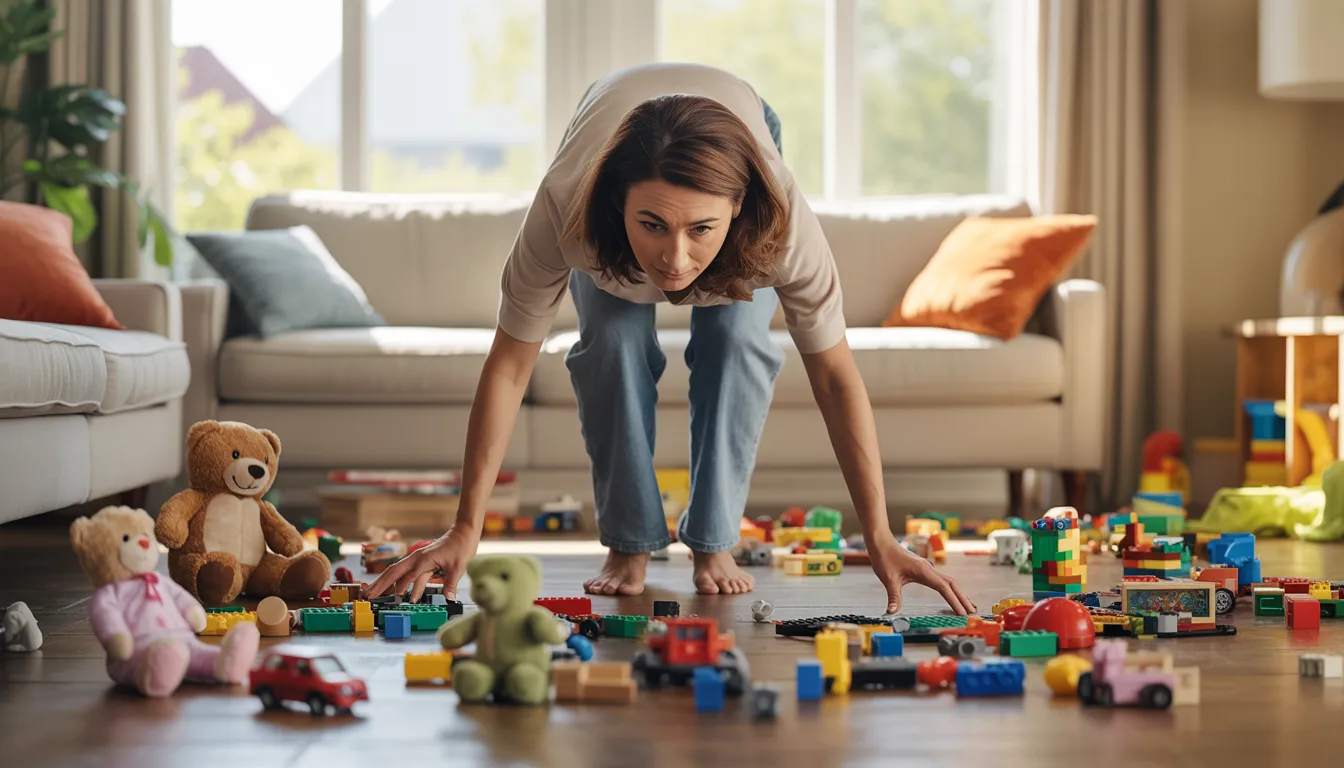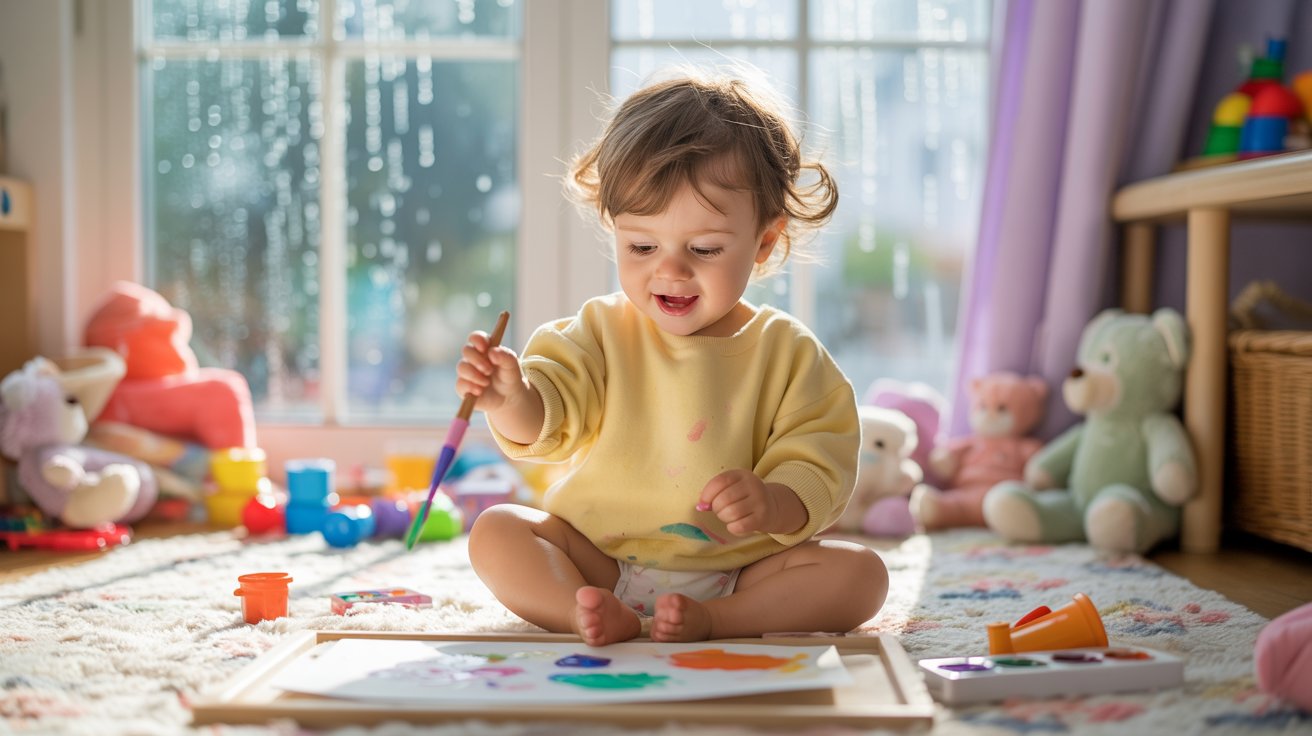

Summer break sounds fun until day three, when the "I'm bored" complaints begin. I've been there. Keeping kids off screens while actually enjoying their time is a real challenge for most parents.
That's why I put together this list of the 11 best summer activities for kids that are simple, low-cost, and genuinely fun.
In this blog, you'll find outdoor ideas, creative projects, and hands-on activities.
I've also included tips to make everything run smoothly. With over a decade of parenting experience, trust me this work.
Why Summer Activities Are Important for Kids

Summer is more than a school break. It is a real chance for kids to move, create, and build bonds with the people around them.
When kids stay active, they sleep better, feel happier, and think more clearly. Physical play builds strong bodies, and creative activities build strong minds.
Boredom is what leads to too much screen time, but when kids are busy with fun things, screens naturally become less appealing.
Regular activities keep their bodies and minds sharp, build independence, strengthen friendships, and cut down screen time.
Even simple things done consistently can make a big difference in a child's confidence and mood.
11 Best Summer Activities for Kids You Must Try Today
Simple, fun, and screen-free ideas to keep your kids happy and busy all summer long.
1. Go Bird Watching

Take a notebook and head outside. Bird watching teaches kids to slow down and pay attention to the world around them. Kids start noticing colors, sounds, and patterns they never noticed before.
It builds curiosity in a quiet, focused way. All you need is a simple bird guide or a free app, and you can even make a checklist of local birds to spot and tick off together.
2. Grow a Mini Herb Garden
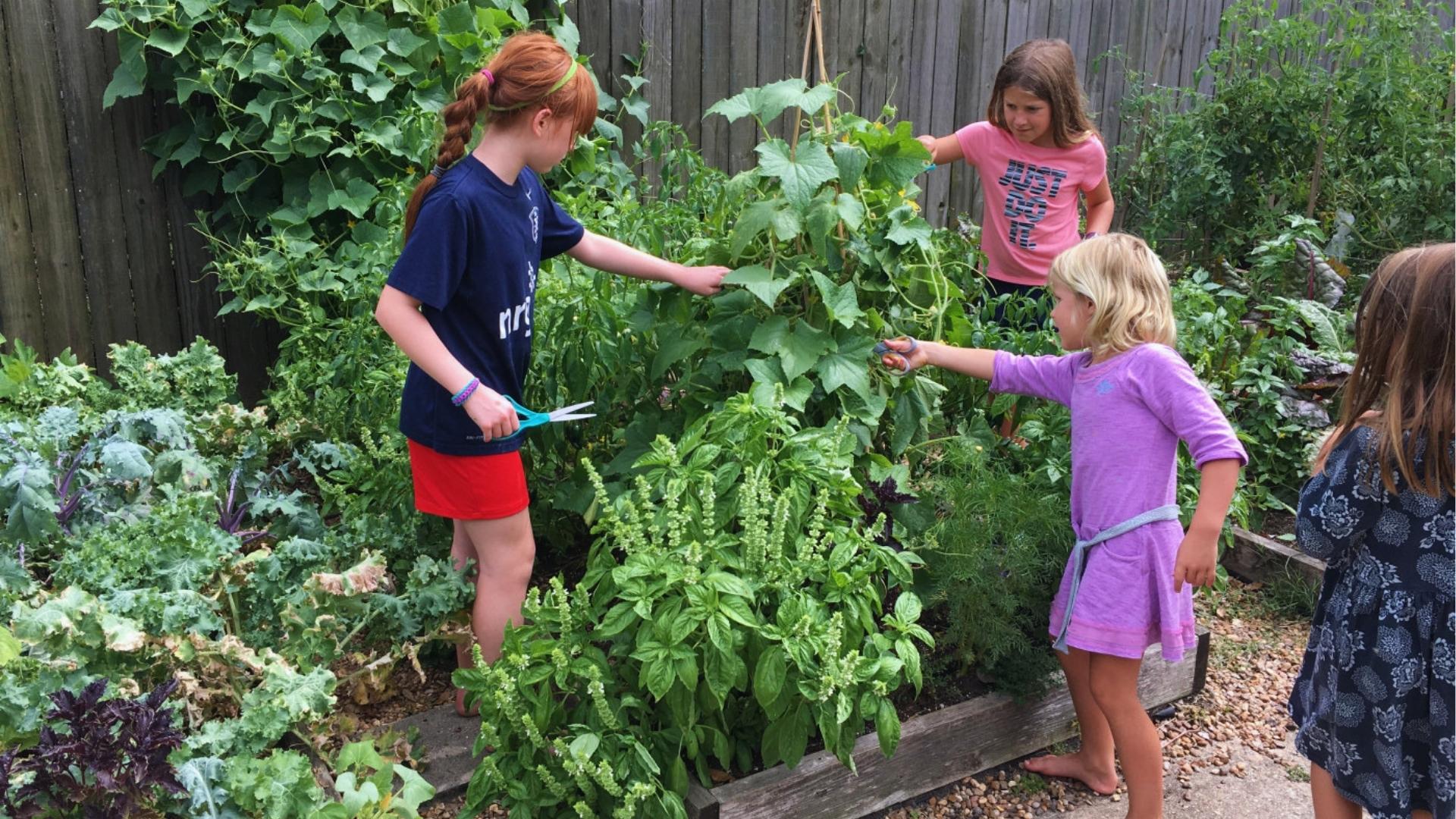
Give your child a pot, some soil, and seeds like basil or mint. Let them water it daily and watch it grow. This simple activity teaches responsibility in a very real way.
Kids feel proud when something they planted actually grows and gets used in food. A sunny windowsill works just as well as a backyard, so anyone can do this one.
3. Build a Fort Indoors

Grab some blankets, pillows, and chairs. That is all it takes to spark hours of imaginative play. Indoor forts are perfect for rainy days when going outside is not an option.
Kids decide the layout, the rules, and what happens inside, which builds real creative confidence. Add a flashlight and some snacks to make it feel even more special.
4. Create a Time Capsule
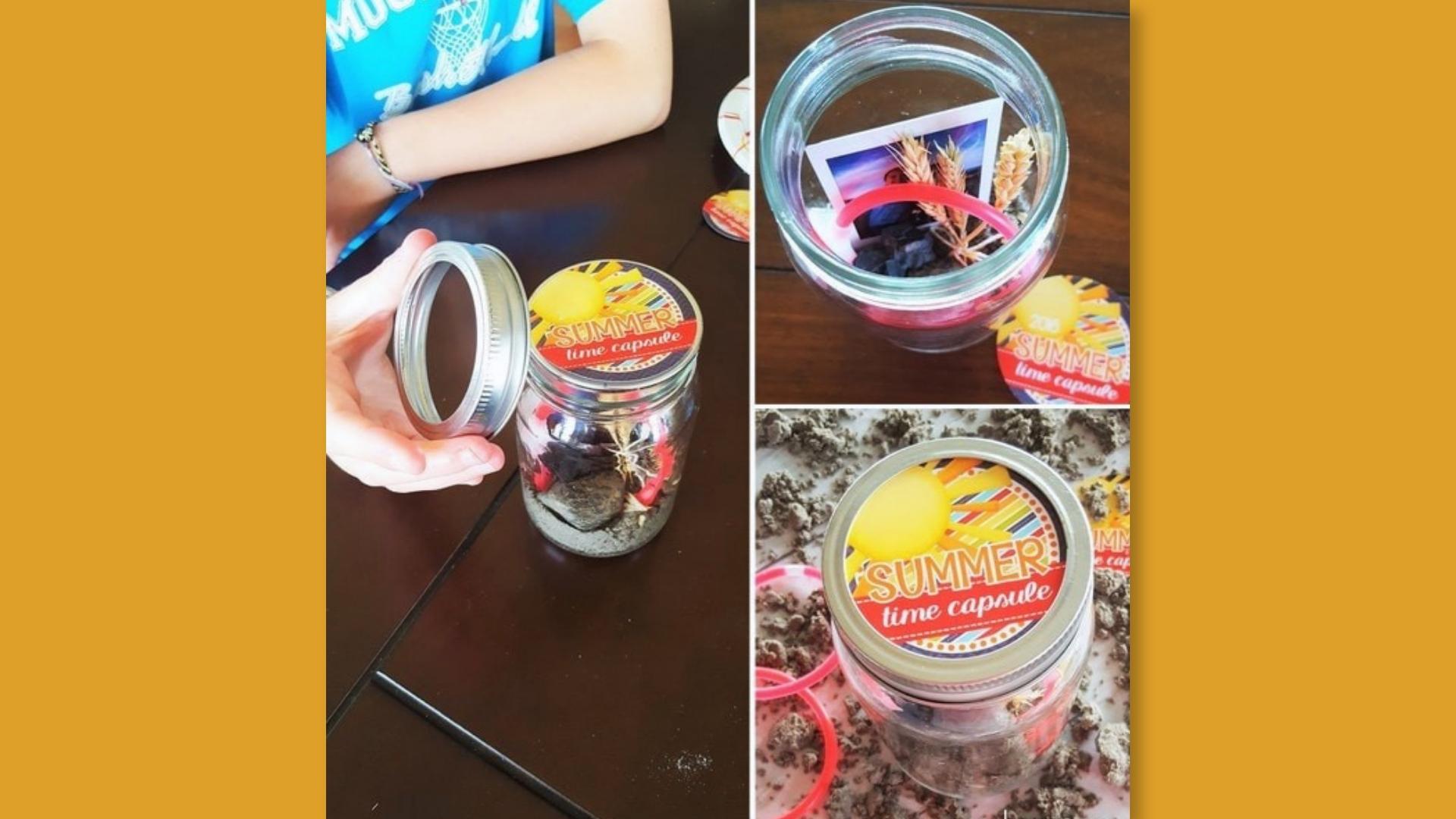
Have your child gather small things that matter to them right now, a photo, a drawing, or a handwritten note. Seal it in a box and pick a date to open it together.
This activity encourages kids to reflect on their life and look forward to how things will change. Include a letter where they write about their favorite things right now.
When you open it a year later, the reactions are always worth it.
5. Visit a Local Farm or Market

A trip to a farm or farmers' market is a hands-on learning experience that gets kids away from screens. Kids see where fruits and vegetables come from and get to ask real questions to the people who grow them.
When kids pick out their own produce, they are far more likely to try it at home. Many farms also offer animal interactions or picking activities that make the visit feel like a full day out.
It is educational without ever feeling like a lesson.
6. Join a Summer Reading Challenge

Most local libraries run free summer reading programs with prizes and fun milestones. Sign your child up and let them track their own progress.
Reading keeps the brain active so kids do not lose the skills they built during the school year. Let your child pick books based on what they actually enjoy, not what seems educational.
A motivated reader will always read more than a forced one.
7. Paint Rocks or Do DIY Crafts
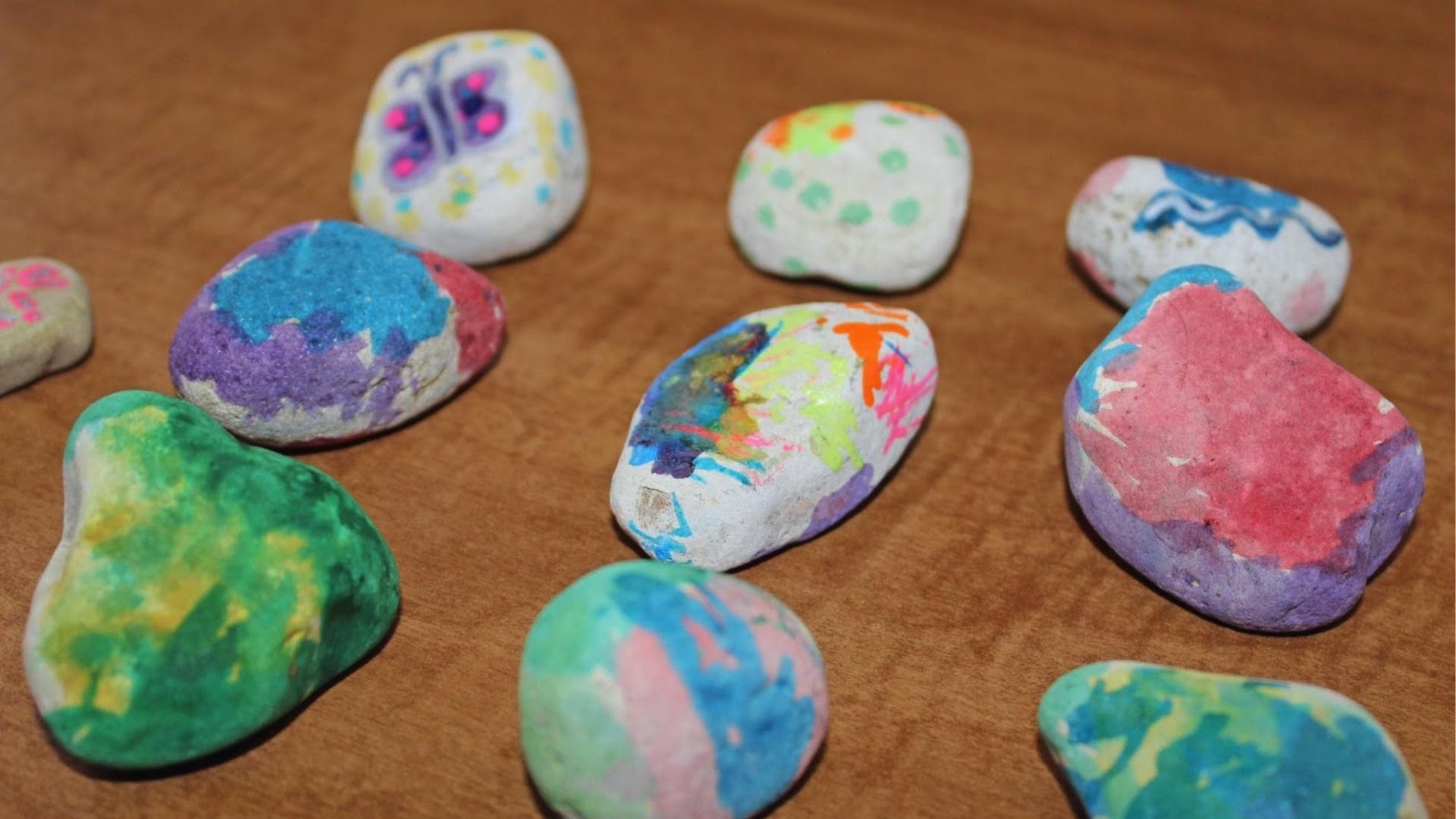
Pick up some smooth rocks and acrylic paint and let kids go wild with designs, patterns, or funny faces. This is a low-cost activity that keeps kids busy for hours without needing any special supplies.
It gives them something real to be proud of when they are done. You can place the painted rocks in the garden or give them as small gifts to friends and neighbors.
If rocks are not available, recycled materials like cardboard tubes or old jars work just as well.
8. Set Up a Backyard Obstacle Course
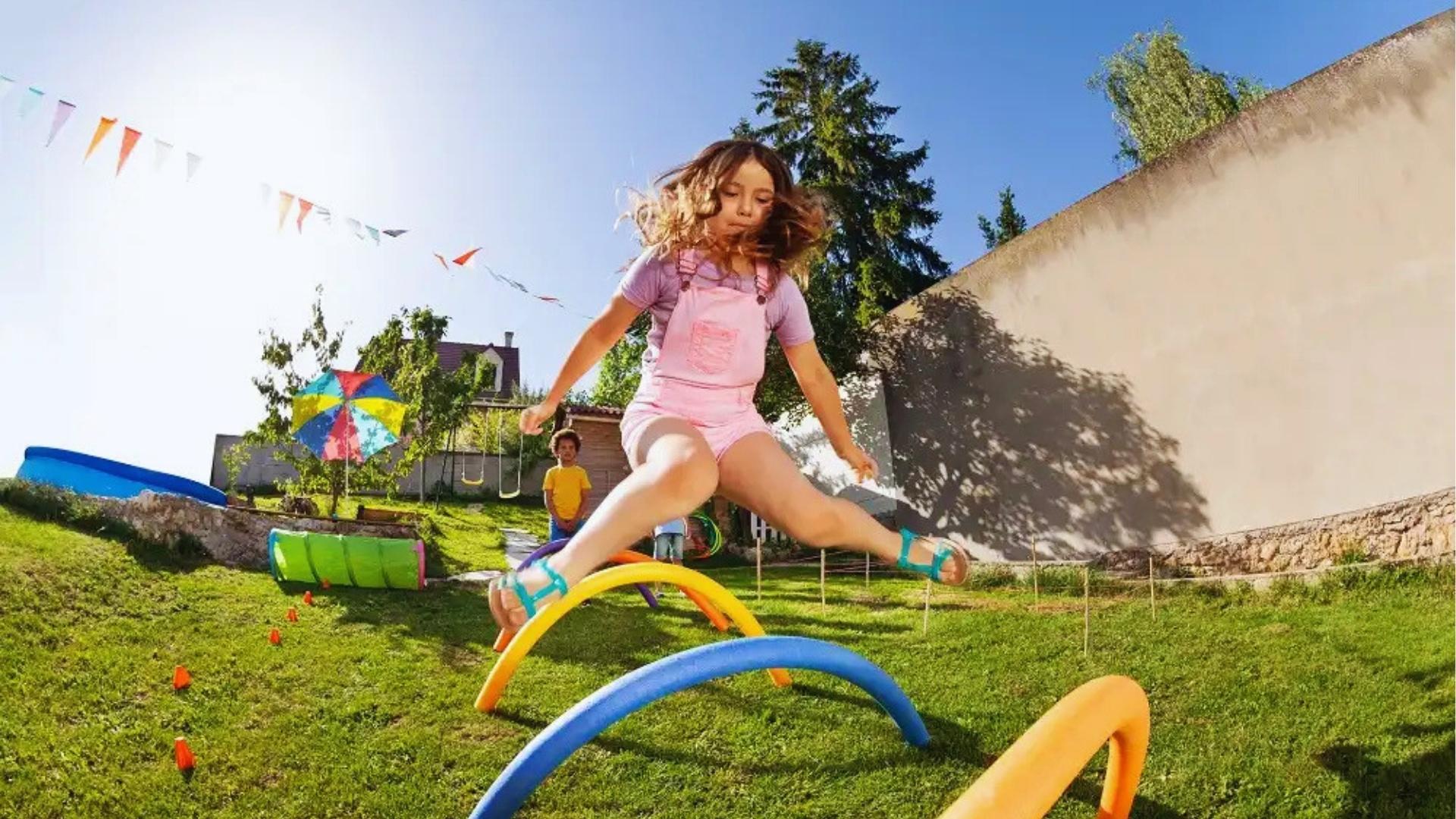
Use cones, hula hoops, jump ropes, and chalk to build a simple course in the yard. Time your kids as they run through it and watch the competition begin.
You can adjust the difficulty based on age, making it accessible for younger kids and more challenging for older ones.
Kids love trying to beat their own time or race against siblings. Change up the course every few days to keep it fresh and exciting.
9. Host an Outdoor Movie Night

Set up a sheet, grab a projector or laptop, and lay out some blankets in the backyard. Pick a movie the whole family loves and add popcorn and snacks to make it feel like a real event.
This is a relaxing and memorable way to end a summer evening together without spending much at all. It feels special even though the setup is simple.
Kids talk about outdoor movie nights long after the summer is over.
10. Organize a Scavenger Hunt

Write a list of things to find around the house or yard and hide clues for kids to solve. Scavenger hunts build problem-solving skills and teamwork at the same time.
Use picture-based clues for younger kids and written riddles for older ones. Add a small prize at the end to keep the excitement going.
It takes about ten minutes to set up and keeps kids busy for much longer.
11. Let Kids Cook a Simple Meal

Let your child help make lunch or dinner, starting with something easy like sandwiches, fruit salad, or scrambled eggs. Cooking builds real life skills and boosts confidence in a way that few other activities do.
When a child makes something and the family eats it, the pride on their face is very real. Kids who help prepare food are also much more willing to eat it, which is great for picky eaters.
Start small, and give them bigger roles as they get more comfortable.
Tips to Make Summer Activities More Enjoyable
Small changes in how you plan activities can make summer feel more fun and less stressful.
- You do not need a packed schedule to have a great summer. A few small choices can make a big difference.
- Let kids lead. When children pick the activity, they stay engaged longer. Give them two or three options and let them decide.
- Mix structured and free time. Planned activities are great, but kids also need unstructured time to play on their own. Both have real value.
- Focus on fun, not results. The point is not a perfect craft or a fast race. The point is that kids enjoy themselves and feel good doing it.
- Match activities to age and interest. A five-year-old and a twelve-year-old need different things. Adjust based on what your child actually likes, not what looks good online.
Conclusion
Summer does not need to be complicated to be good. Looking back, the activities my kids still talk about were never the expensive ones.
They were the backyard hunts, the burnt pancakes they made themselves, and the fort that took over the living room.
I hope this list gives you a starting point. Pick one or two ideas and just try them. Which activity are you most excited to try?
Drop a comment below and let me know. Share this post with another parent who needs fresh ideas this summer.
Frequently Asked Questions
What are the best summer activities for kids at home?
Indoor forts, DIY crafts, cooking simple meals, and reading challenges are great options. They need little to no budget and keep kids engaged for hours.
How do I keep my kids off screens during summer?
Replace screen time with hands-on activities like gardening, scavenger hunts, or obstacle courses. When kids are busy with fun things, they ask for screens less often.
What summer activities are good for young children under five?
Rock painting, growing plants, and building forts are safe and age-appropriate. Keep activities simple, short, and focused on sensory play for younger kids.
Are summer activities important for child development?
Yes. Regular activities support physical health, creativity, social skills, and mental well-being. Kids who stay active during summer also adjust better when school starts again.
How do I get my child excited about non-screen activities?
Let them choose from a small list of options. Kids engage more when they feel in control. Starting with something they already like makes the transition easier.