
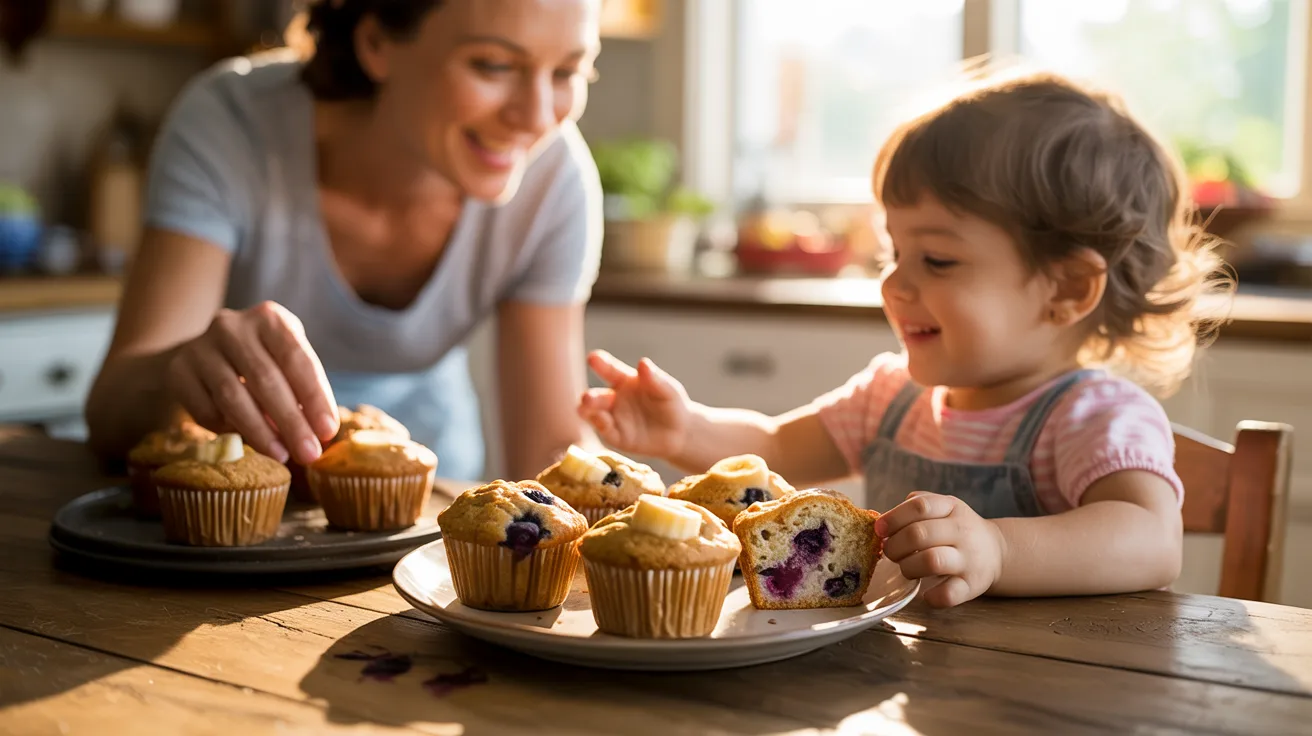
My kid used to reject every snack I made. Every single one.
I tried fruit, crackers, little sandwiches. Nothing stuck. Then I started making healthy muffins for kids at home, and something shifted. They actually asked for seconds.
What is it about muffins that works so well? Maybe it's the size. Maybe it's the smell. Honestly, I think it's because they feel like a treat even when they're not.
In this blog, I'm sharing 21 recipes that are simple, wholesome, and genuinely kid-approved. You might be surprised how easy this gets.
Why Healthy Muffins Are Perfect for Kids

A single muffin can carry a surprising amount of nutrition. Think oats, fruits, vegetables, and natural sweeteners all in one small bite. That's a win for any parent.
The best part? Kids don't see a healthy snack. They see a treat. Sneaking in carrots, spinach, or sweet potato works better in muffin form than almost anywhere else.
Muffins also fit into any part of the day. Breakfast on the go, lunchbox filler, after-school snack. They're flexible in a way most foods aren't.
And with a little prep, you can make easy healthy muffins for kids in batches and have snacks ready for the whole week.
21 Healthy Muffins for Kids You Can Make Today
You don't need fancy ingredients or baking experience to make these. Most of these recipes use things you already have at home. Pick one, try it this weekend, and go from there.
1. Banana Oat Muffins
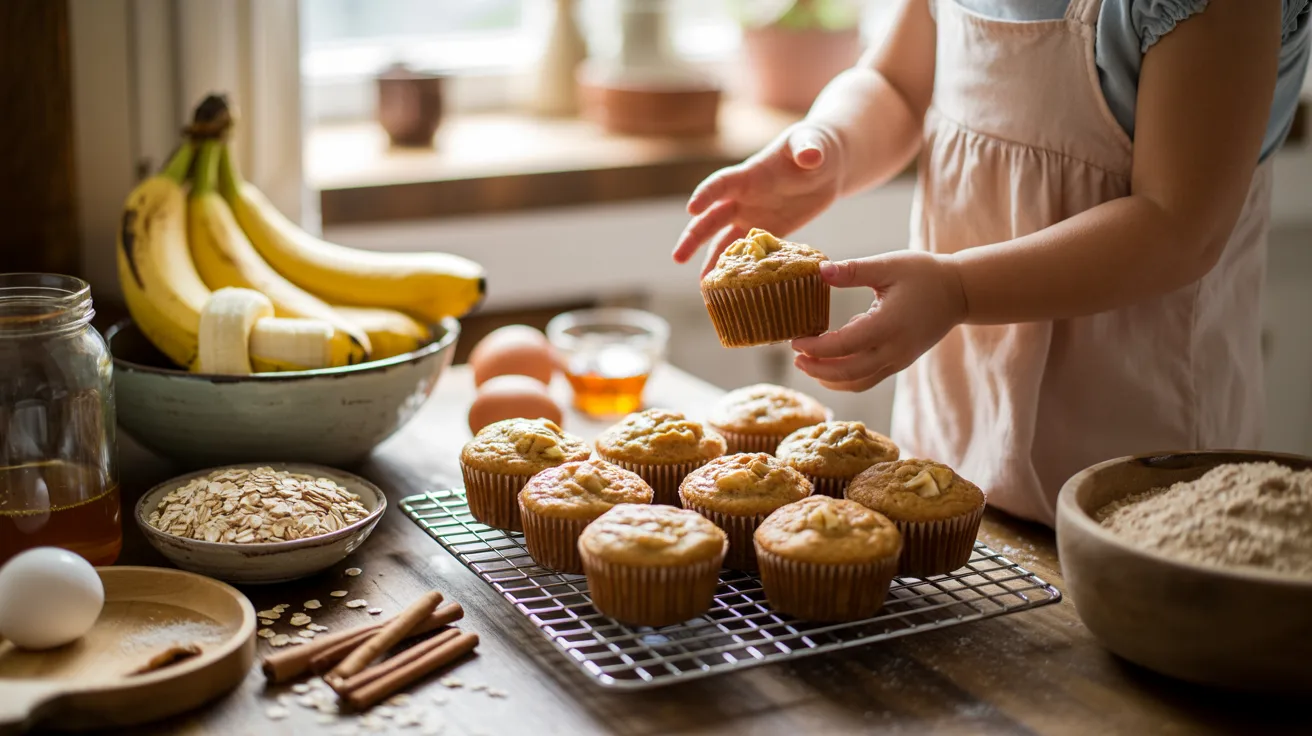
Ripe bananas do all the sweetening here. No refined sugar needed at all. Oats add fiber and keep kids full longer. That makes these great for busy school mornings.
They're soft, naturally sweet, and most kids love them on the first try. A solid place to start if you're new to baking.
2. Apple Cinnamon Muffins

Grated apple keeps these muffins moist and soft. The texture is gentle enough for toddlers to handle easily.
Cinnamon adds warmth and flavor without any added sugar. It also supports digestion, which is a quiet bonus.
These smell amazing straight out of the oven. That alone usually gets kids running to the kitchen.
3. Blueberry Yogurt Muffins

Blueberries are loaded with antioxidants that support brain health and immunity. They're one of the best fruits you can add to kids' snacks.
Yogurt brings in protein and gives these muffins a soft, moist crumb. No dry, crumbly texture here. These work well for breakfast or as a mid-morning snack. Kids love the bursts of fruit in every bite.
4. Carrot Cake Muffins (Healthy Version)
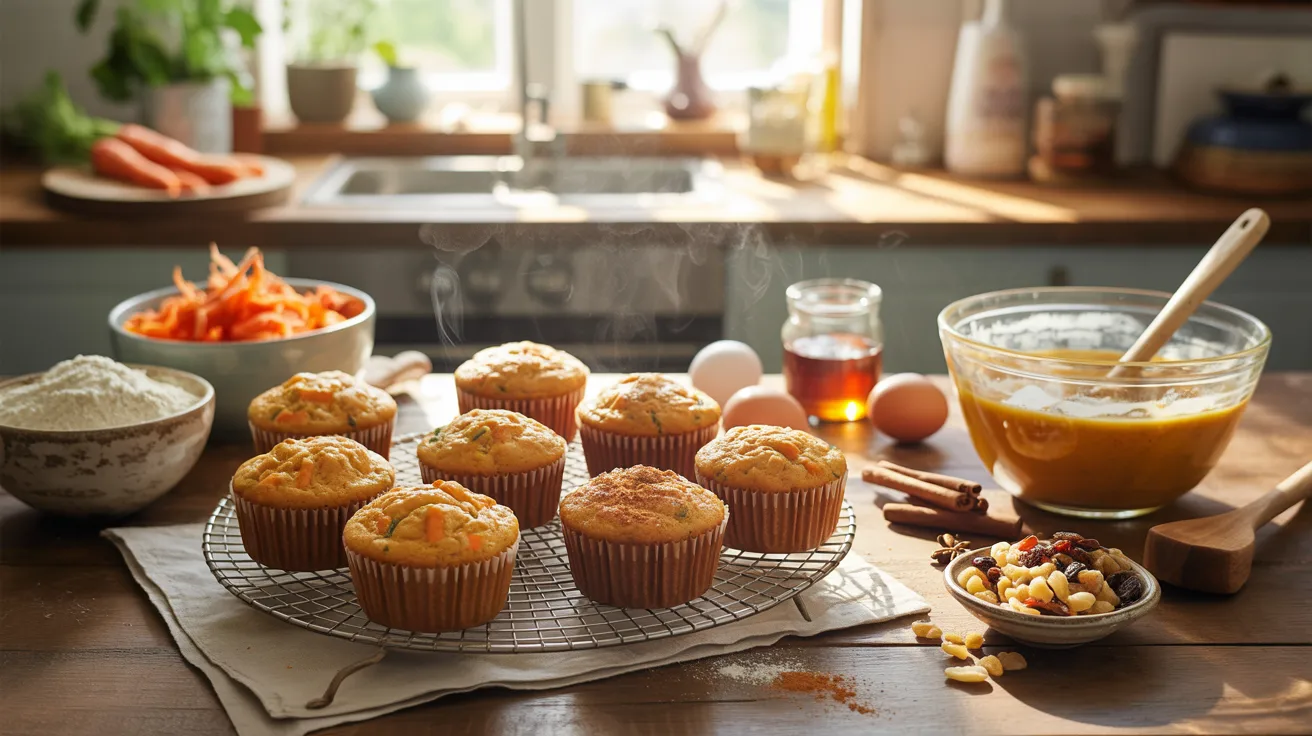
Grated carrot blends right into the batter. Kids can't see it, taste it, or complain about it. Carrots add natural sweetness and are rich in vitamin A. You're sneaking in real nutrition without any battle.
Use whole wheat flour and a little honey to keep things clean. This is one of the most popular healthy muffins for kids in our house.
5. Chocolate Chip Whole Wheat Muffins

Yes, chocolate can still be part of a healthy snack. The key is using dark chocolate chips in small amounts.
Whole wheat flour adds fiber and nutrients that refined flour simply doesn't have. The taste stays familiar, but the nutrition goes up. These are great for kids who resist "healthy" food. It still feels like a treat, and that matters.
6. Pumpkin Spice Muffins

Pumpkin is rich in vitamin C, fiber, and beta-carotene. It also keeps muffins incredibly moist without needing extra butter.
The warm spice blend makes these feel cozy and special. Kids tend to love the flavor even if they don't know what's in them.
These are also great for digestion. A good one to bake in cooler months when seasonal produce is around.
7. Spinach Banana Muffins
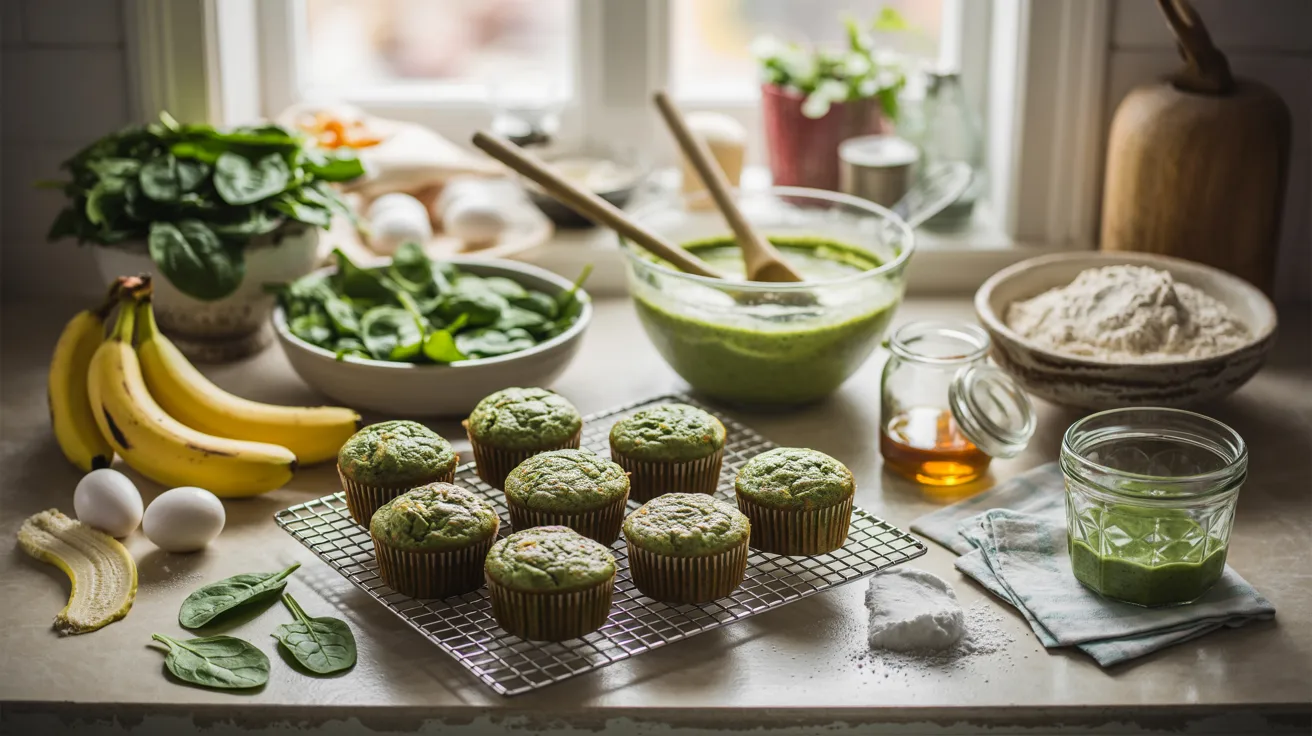
Yes, they're green. No, kids usually don't mind once they take a bite. The banana flavor takes over completely. Spinach adds iron and folate without changing the taste at all.
These are one of those recipes that look suspicious but win every time. I've served these to kids who swore they hated vegetables.
8. Strawberry Oat Muffins
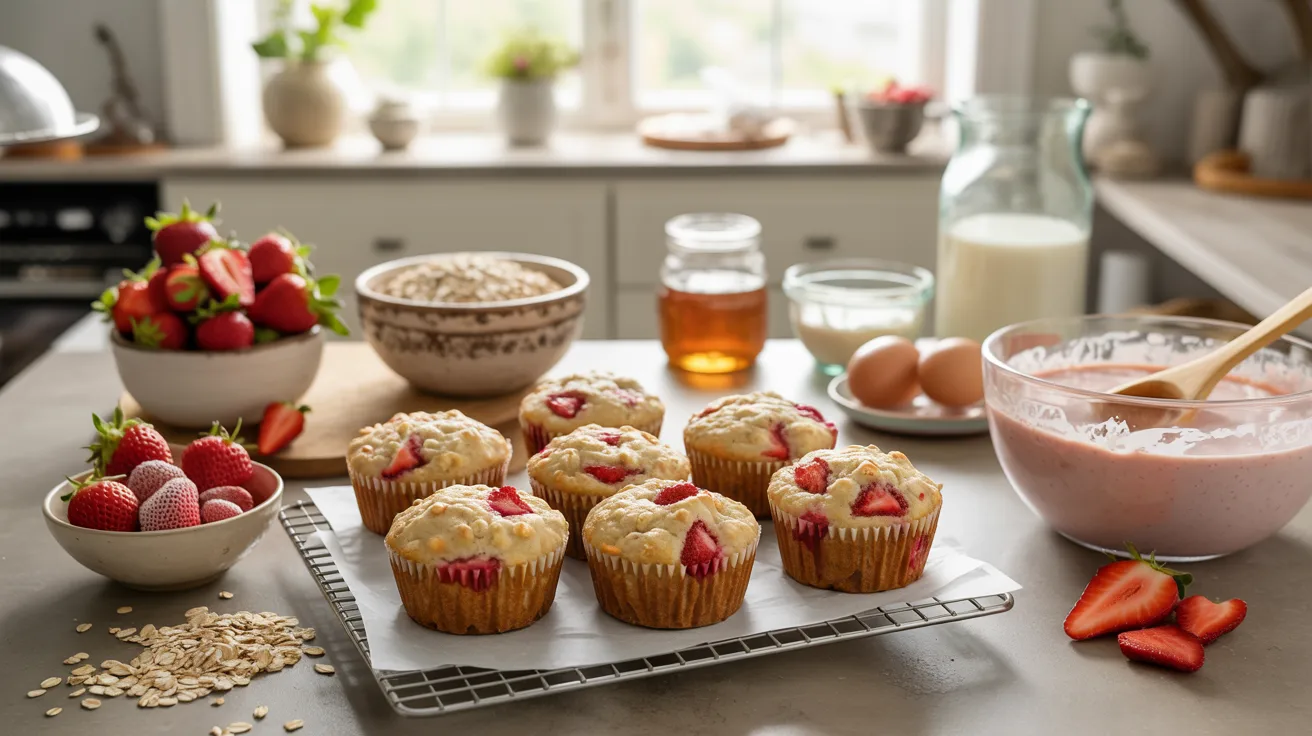
Fresh or frozen strawberries both work here. Either way, you get a fruity, fiber-rich muffin kids genuinely enjoy.
Oats slow down sugar absorption, which means no energy spike and crash afterward. That's good for school days. The color is naturally pink and bright, which makes these feel fun without any food dye.
9. Sweet Potato Muffins

Cooked and mashed sweet potato makes the batter creamy and rich. No need for extra oil or butter. Sweet potatoes are packed with potassium, vitamin A, and fiber. All three are important for growing kids.
The natural sweetness means you can cut back on any added sugar significantly. These are dense, filling, and genuinely good.
10. Zucchini Muffins

Zucchini has a very mild flavor that disappears into batter completely. You'd never know it was there. It keeps muffins moist without needing much fat. Great for picky eaters who reject anything that looks "healthy."
Add a touch of cinnamon and a few chocolate chips to seal the deal. Works every time.
11. Peanut Butter Banana Muffins
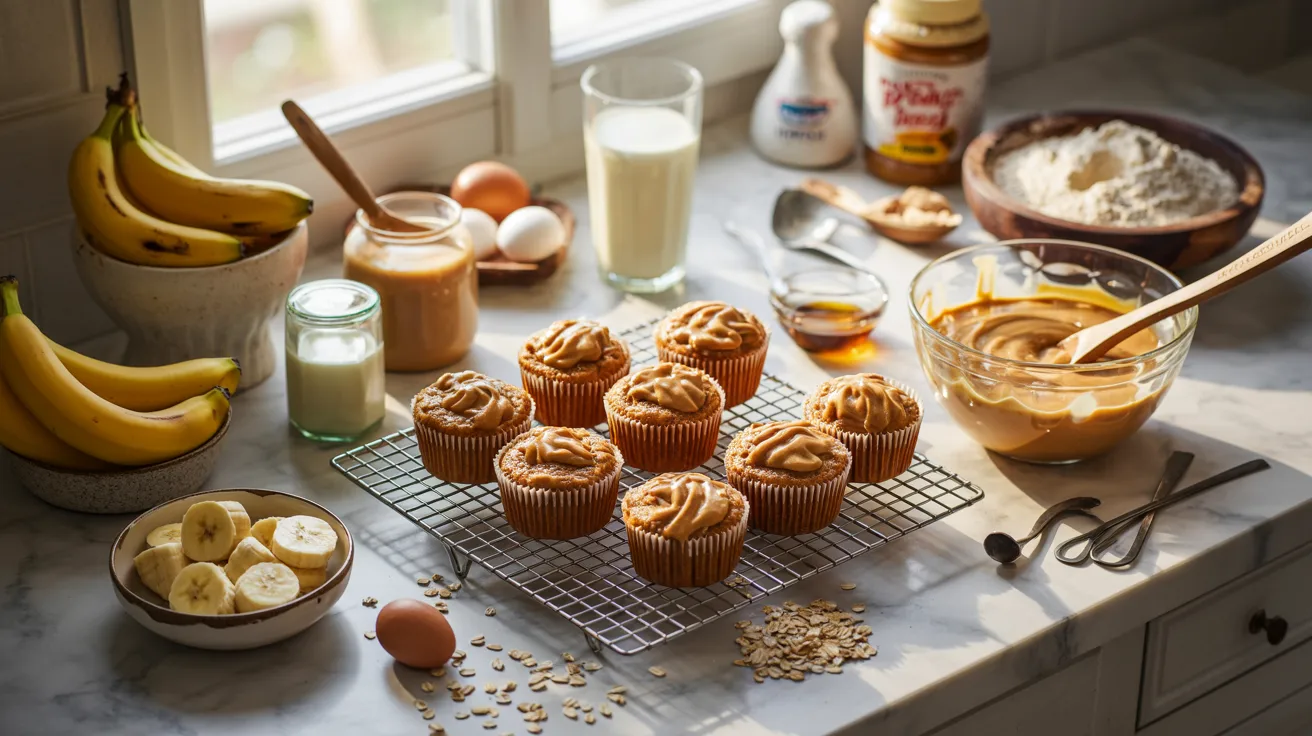
Peanut butter adds protein and healthy fats that keep kids satisfied longer. Paired with banana, the flavor is rich and nutty.
These are filling enough to work as a small breakfast on rushed mornings. One or two muffins and a glass of milk does the job.
Note: Always check for nut allergies before serving these at school or to other children. Sunflower seed butter is a great swap.
12. Eggless Vanilla Muffins

These are soft, light, and gentle enough for babies and young toddlers. No eggs means a lower allergy risk.
Flaxseed or yogurt can replace eggs easily and still hold the batter together well. The texture comes out surprisingly good. A classic vanilla flavor keeps things simple. Great for kids who prefer mild, unfussy tastes.
13. Ragi (Finger Millet) Muffins

Ragi is one of the best sources of calcium and iron for growing kids. It's especially valuable in early childhood. It has a slightly earthy taste that pairs well with banana or jaggery. Most kids adapt to the flavor quickly.
These are among the most nutritious healthy muffins for kids you can bake. Highly recommended for toddlers and school-age children both.
14. Mango Muffins
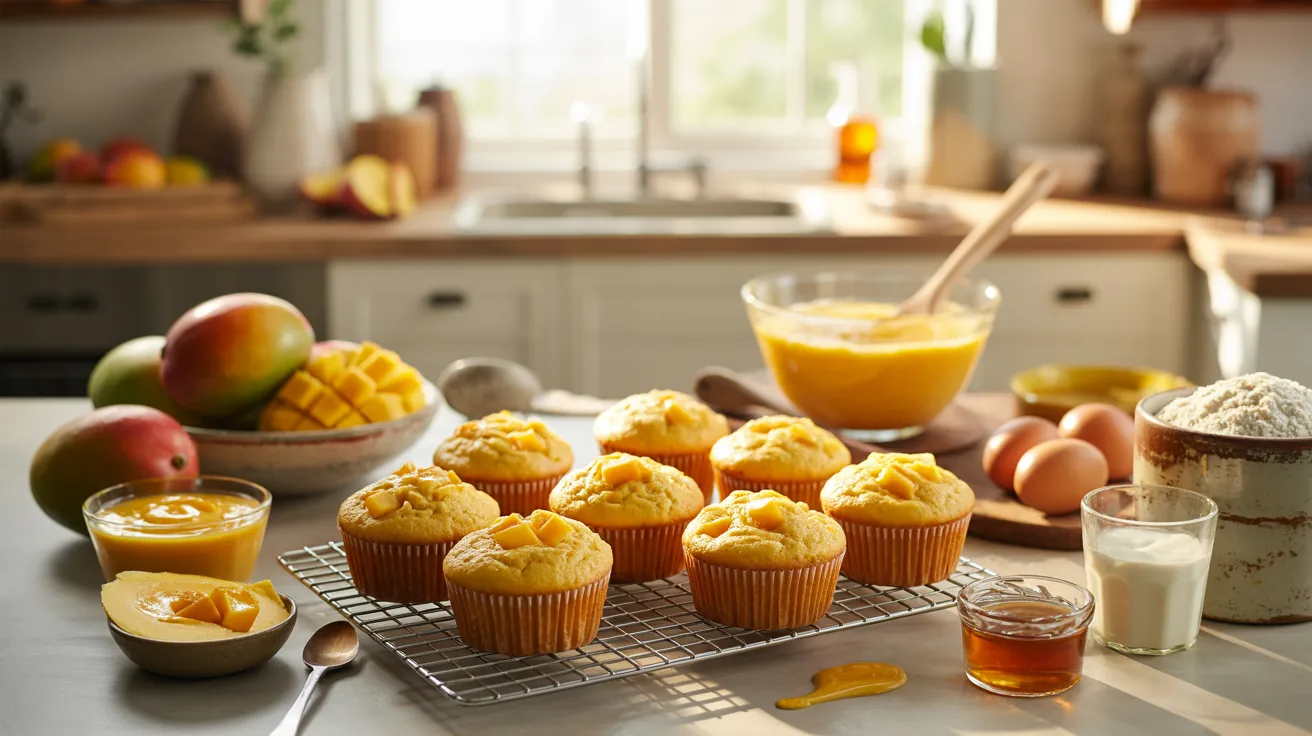
Ripe mango adds natural sweetness and a tropical flavor kids love. No need for extra sugar in most cases.
Mango is rich in vitamin C and supports immunity. It's also a seasonal fruit, so these muffins feel special when mangoes are in. The batter stays moist and fluffy. These disappear fast in my house every single summer.
15. Dates & Walnut Muffins
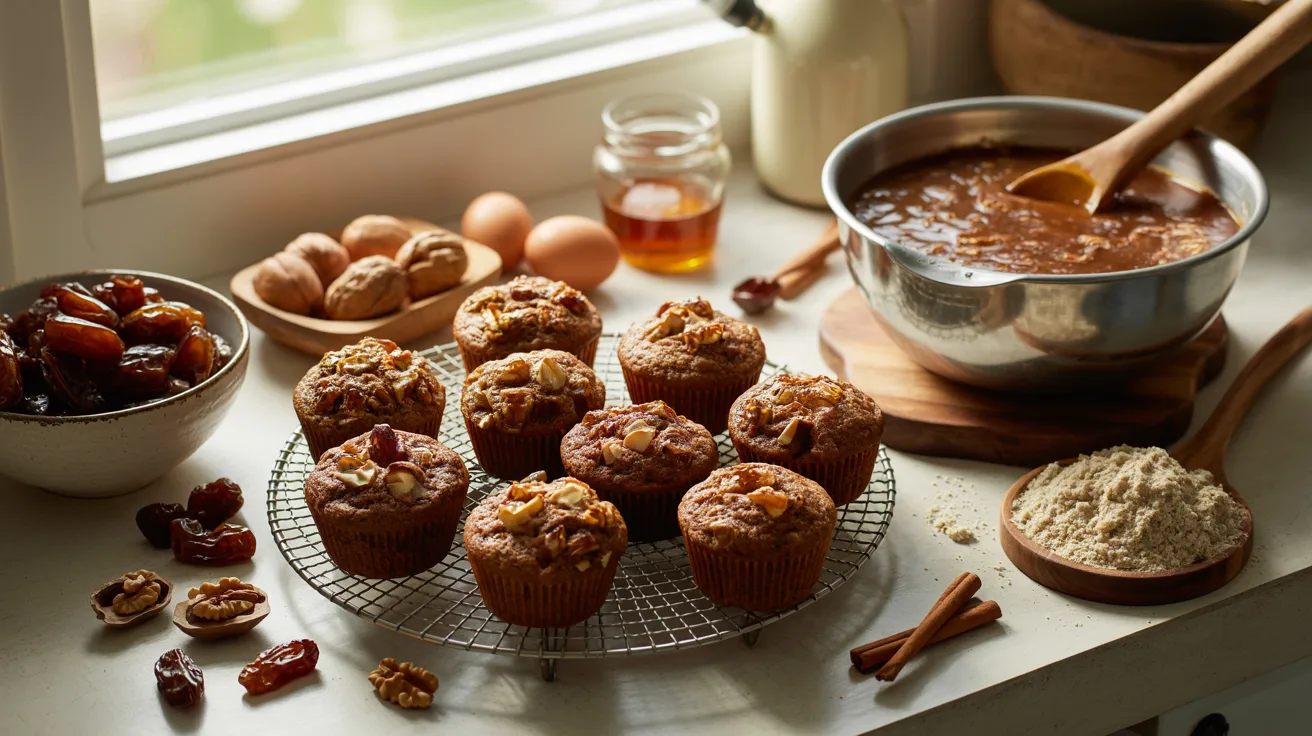
Dates are naturally sweet and act as a refined sugar replacement. They also add fiber and iron to every bite.
Walnuts bring in omega-3 fatty acids that support brain development. That's a combination worth baking regularly. These have a rich, almost caramel-like flavor. Kids who like sweet things tend to love these.
16. Coconut Flour Muffins
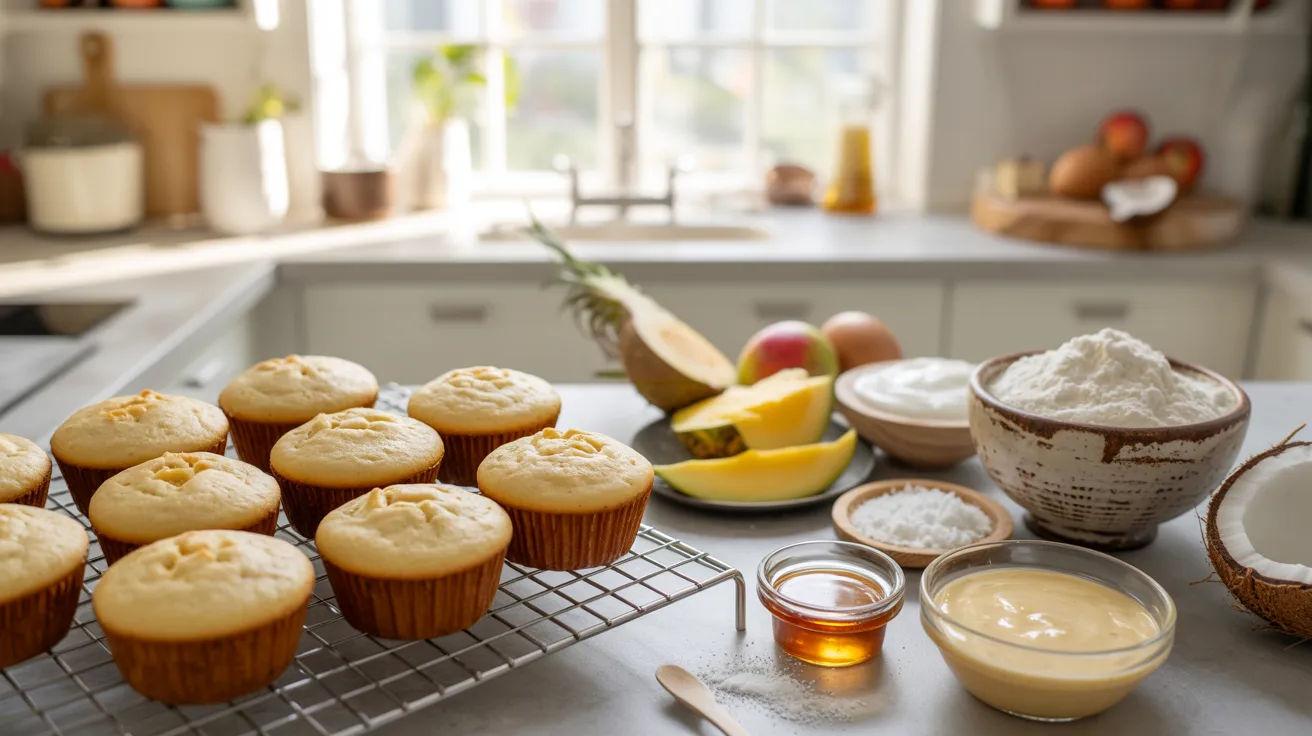
Coconut flour is naturally gluten-free and high in fiber. It's a solid option if your child has a gluten sensitivity.
The texture is a little denser than regular muffins. Adding extra eggs or yogurt helps keep things light and soft. These have a mild coconut flavor that works well with fruits like mango or pineapple.
17. Oats & Honey Muffins

This one uses ingredients most families already have. Rolled oats, honey, milk, and a banana are basically all you need.
Honey adds sweetness without spiking blood sugar as sharply as refined sugar. It also has mild antibacterial properties.
These are the kind of muffins you can throw together on a Sunday night without any planning. Simple and reliable.
18. Mixed Berry Muffins

A mix of strawberries, blueberries, and raspberries makes these colorful and full of antioxidants. The colors alone get kids excited.
Different berries bring different vitamins. Together, they make a well-rounded, nutritious bite. Frozen berries work perfectly here and are available year-round. Great for keeping in stock and baking any time.
19. Cheese & Veggie Savory Muffins
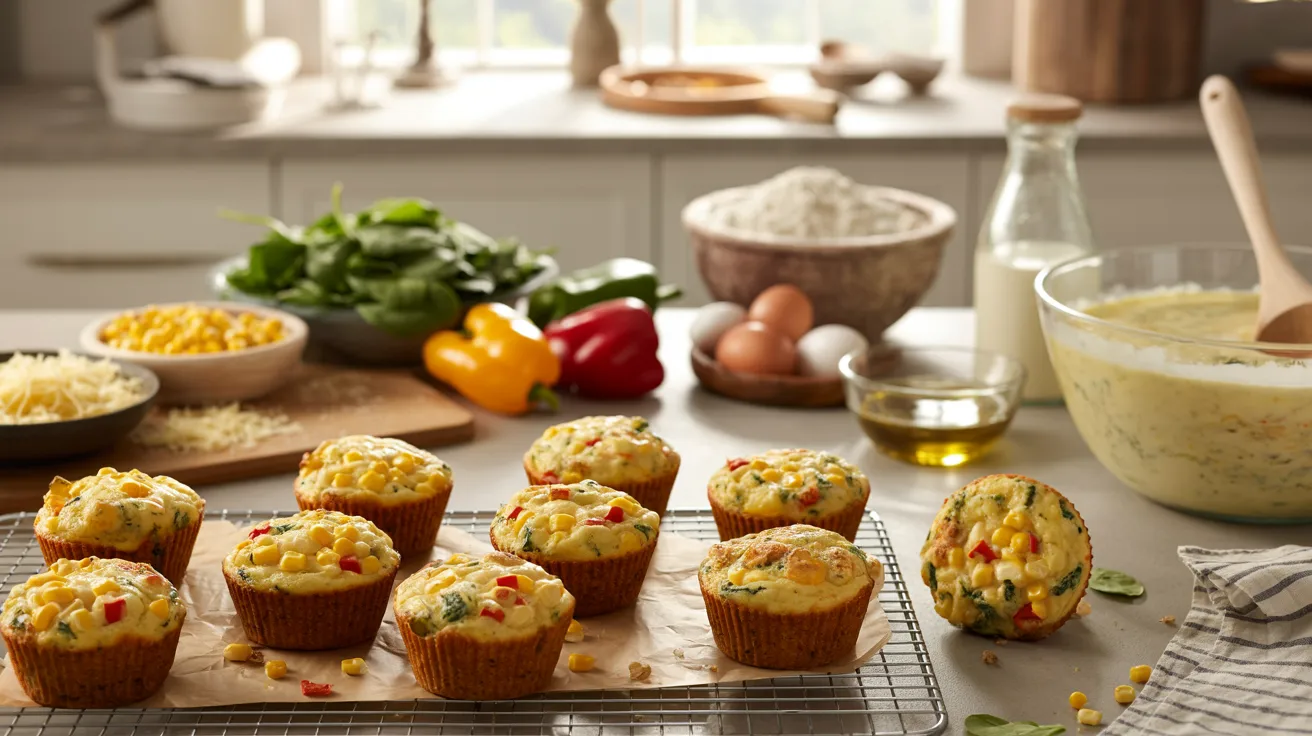
Not every muffin needs to be sweet. These savory ones are perfect for kids who prefer salty snacks. Add grated cheese, corn, bell pepper, or spinach to the batter. The result is filling, flavorful, and packed with nutrients.
These work well in lunchboxes alongside soup or a salad. A great change of pace from the usual sweet options.
20. Almond Flour Muffins
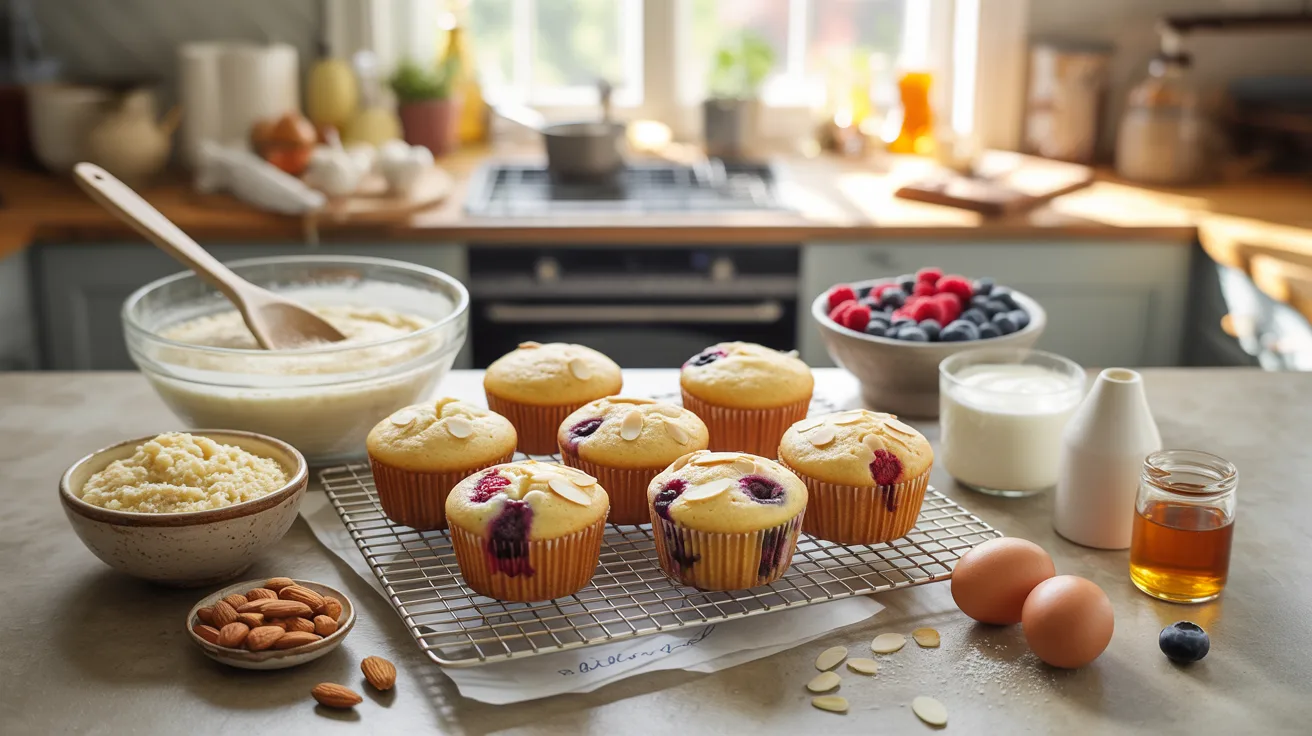
Almond flour is high in protein, vitamin E, and healthy fats. It's also naturally gluten-free, making it a good option for many families.
These muffins have a slightly dense, moist texture that most kids enjoy. They stay soft for longer than regular flour muffins. Add vanilla and a few berries to keep the flavor light and kid-friendly.
21. Mini Baby Muffins (6+ months)

These are made specifically for babies who are just starting solids. No sugar, no salt, no honey. Use mashed banana, oat flour, and breast milk or formula as the base. Soft enough for tiny gums, small enough for little hands.
Always check with your pediatrician before introducing new foods. But these are generally a safe and gentle starting point.
Tips to Make Muffins Kid-Friendly
Making a healthy muffin is one thing. Getting your kid to actually eat it is another. A few small adjustments make a big difference in whether these get gobbled up or pushed aside.
- Keep the texture soft, especially for toddlers. Overmixing the batter makes muffins tough. Stir just until combined.
- Use mini muffin tins for younger kids. Smaller sizes are easier to hold, eat, and fit into lunchboxes.
- Balance sweetness naturally with bananas, applesauce, or dates instead of refined sugar.
- Batch bake on weekends so you have easy healthy muffins for kids ready to grab all week without daily effort.
- Let kids pick add-ins like berries or chocolate chips. When they help choose, they're more likely to eat.
Small changes like these make muffins more appealing without changing the nutrition at all.
Storage & Meal Prep Tips
Baking a big batch saves time and stress during busy weekdays. But knowing how to store muffins properly is just as important as making them.
- Room temperature: Muffins stay fresh for up to 2 days in an airtight container on the counter.
- Refrigerator: They last up to 5 days in the fridge. Place them in a sealed container or zip-lock bag.
- Freezer: Freeze muffins for up to 3 months. Wrap individually before freezing so you can grab just one at a time.
- Reheating: A quick 15 to 20 seconds in the microwave brings them back to soft and warm. Or leave them out at room temperature for 30 minutes.
- Lunchbox tip: Pack a frozen muffin in the morning and it'll be thawed and ready by lunchtime.
A little planning on Sunday can keep your kids fed with wholesome snacks all week long.
Conclusion
Here's what I know for sure. Getting kids to eat well doesn't have to be a daily fight. Sometimes it just takes the right recipe and a little bit of courage to try something new.
Pick one muffin from this list and bake it this week. See what happens. You might just find your new family favorite.
Which recipe caught your eye first? Tell me in the comments below. I read every single one. And if this helped you, share it with a parent who needs a snack win today.
Frequently Asked Questions
Are Muffins Healthy for Kids?
Yes, when made with whole ingredients like oats, fruits, and natural sweeteners, muffins can be a nutritious snack. The key is skipping refined sugar and processed ingredients.
Can Babies Eat Muffins?
Babies from 6 months and up can have soft, sugar-free muffins made with gentle ingredients like banana and oat flour. Always check with your pediatrician before introducing new foods.
How Do I Make Muffins Without Sugar?
Use naturally sweet ingredients like ripe bananas, unsweetened applesauce, or blended dates to replace sugar. These add sweetness along with fiber and nutrients.
Can I Make These Muffins Gluten-Free?
Yes, simply swap regular flour with oat flour, almond flour, or coconut flour. Each one gives a slightly different texture, so try a small batch first.
How Do I Store Muffins for the Week?
Keep them in the fridge for up to 5 days or freeze them for up to 3 months. Reheat briefly in the microwave before serving.