
As a parent, I know that moment well. Your kid stares at your sushi plate and asks, "Can I try?" You pause.
You wonder: when can kids eat sushi?
I've had that same question. So I did the research.
In this blog, I'll cover safe age guidelines, the best sushi types for kids, real risks like raw fish and mercury, and simple tips to introduce it the right way.
I've spent hours going through pediatric nutrition info so you get clear, trustworthy answers in one place.
General Overview Of Sushi Safety For Kids
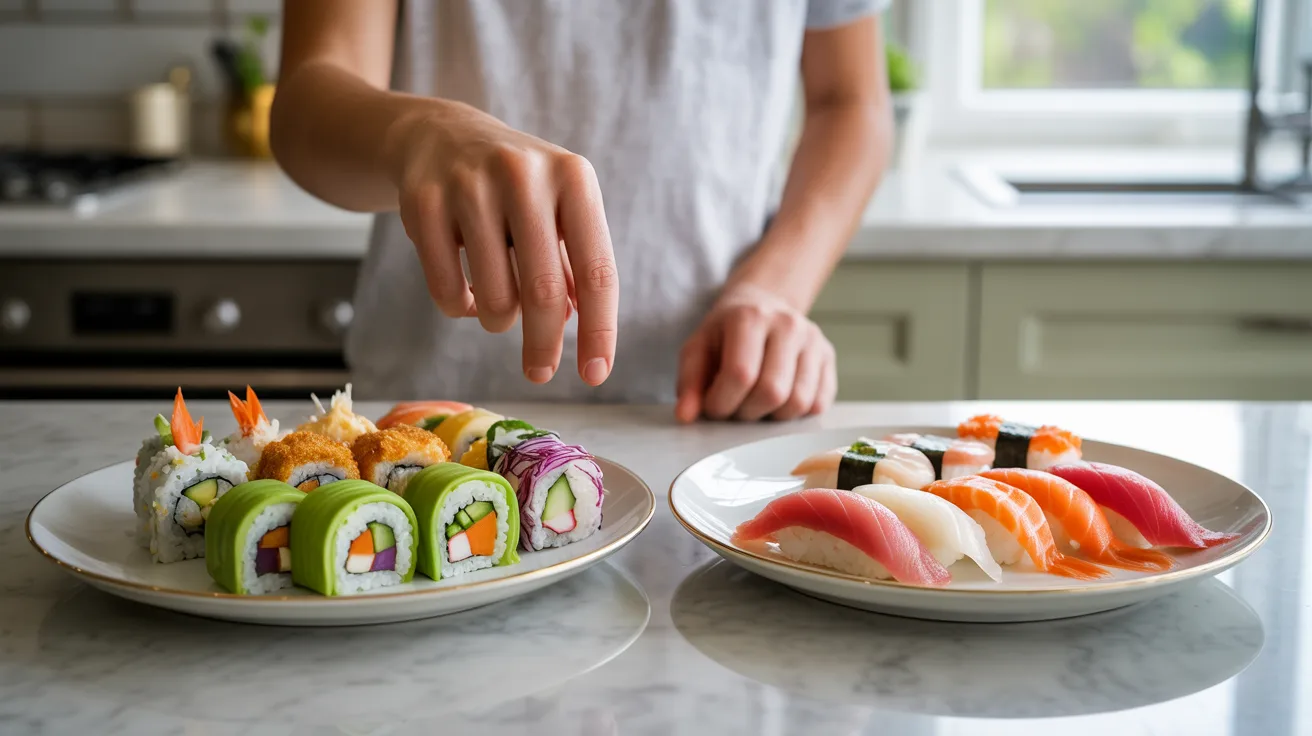
Sushi can be safe for kids, but it depends on age, ingredients, and preparation. Raw fish carries bacteria and parasites that a child's immune system may struggle to fight off.
Cooked and vegetarian options are much safer for young children. The type of fish matters too, especially with mercury levels in mind.
Parents should know what's in each roll before offering it. With the right choices, sushi can be a healthy, enjoyable food for older kids.
When Can Kids Eat Sushi? Age Guidelines Explained
Experts suggest introducing cooked sushi early, while raw fish is generally safer only after around age 5–6.
Toddlers (1–3 Years)
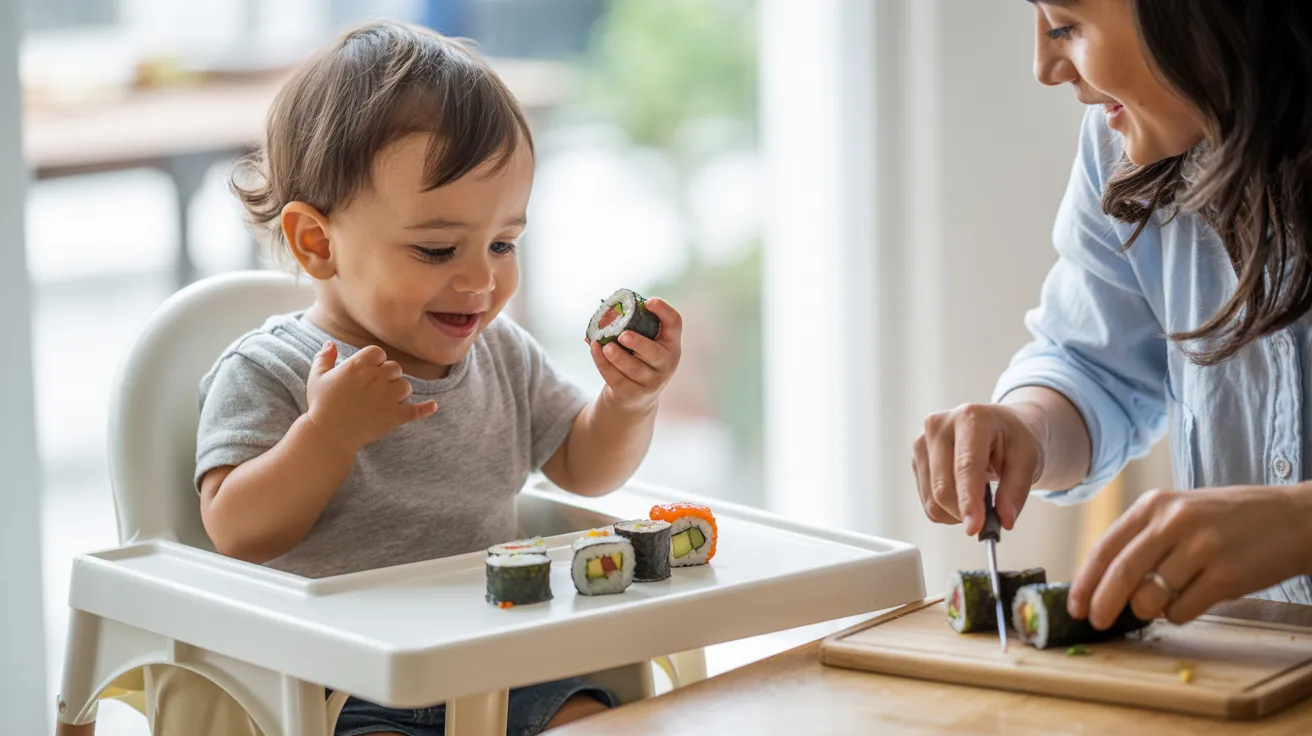
Most experts advise keeping raw fish away from toddlers. Their immune systems are still developing, making them more at risk for foodborne illness.
Soft, cooked options like cucumber or avocado rolls can be tried in small pieces. Always watch for choking. Skip raw fish entirely at this stage.
Preschool Age (3–5 Years)
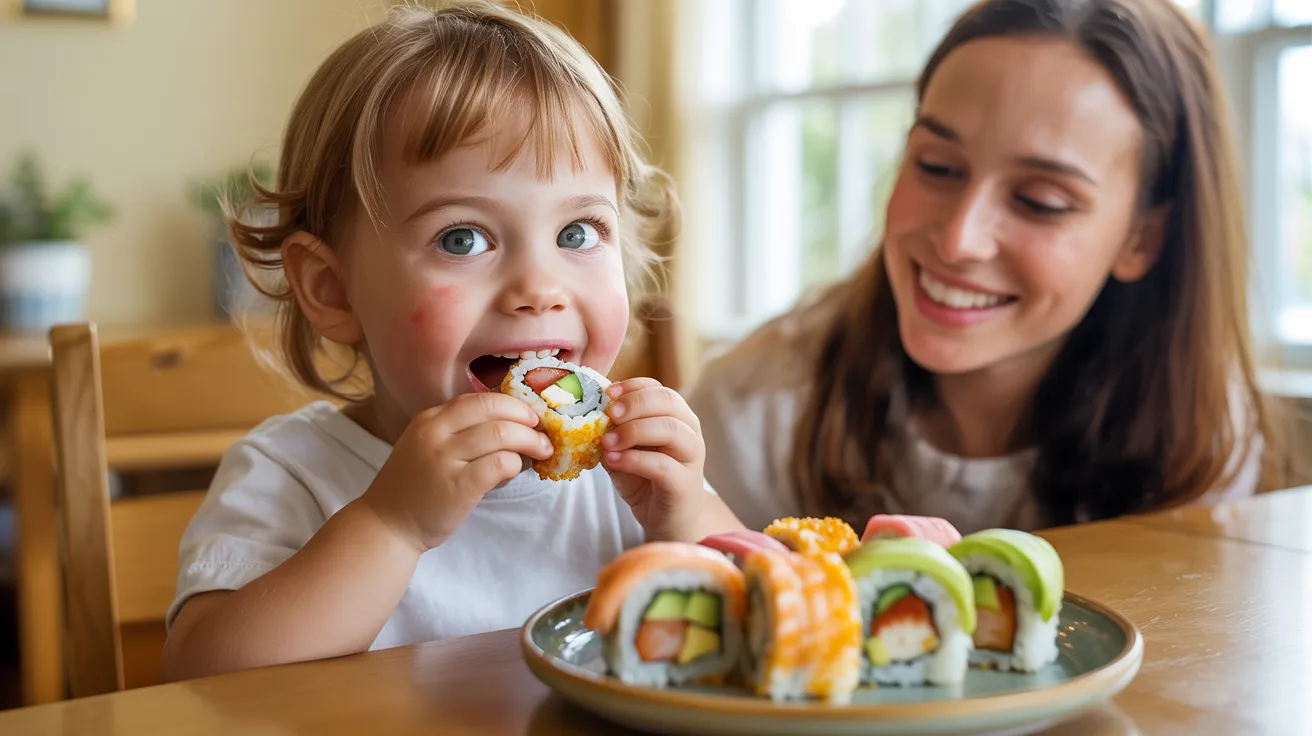
Kids in this age group can try more sushi options, but raw fish should still wait. Cooked rolls are a good starting point.
Their digestive systems are still maturing, so raw seafood still poses risks. Keep portions small and always check for food allergies before letting them try anything new.
Age 5 And Above
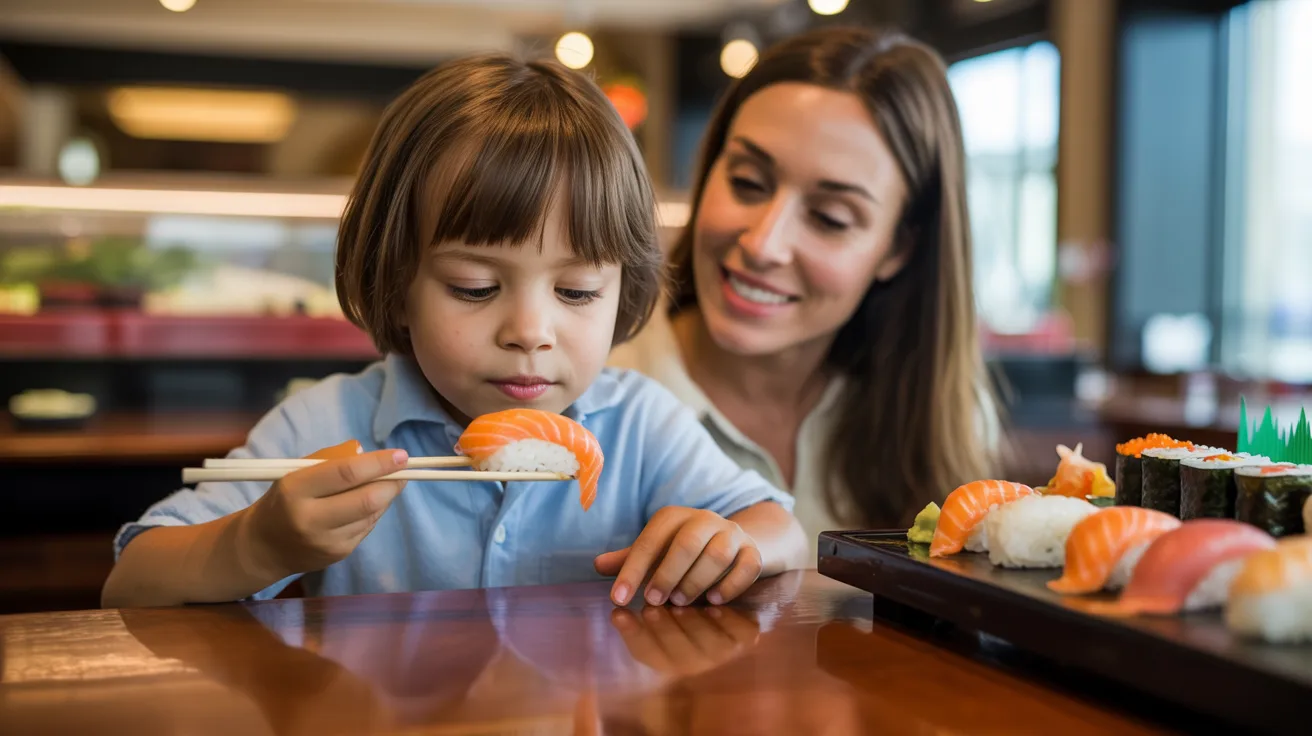
By age 5 or 6, kids can start trying small amounts of raw fish from a trusted source. Their immune systems are stronger now.
Start slow and choose low-mercury fish like salmon. Keep portions small and watch closely for any reaction. Always pick a clean, reputable sushi restaurant.
Safe Types Of Sushi For Kids
Not all sushi is created equal. Here are the safest picks for your child.
Vegetarian Sushi Options
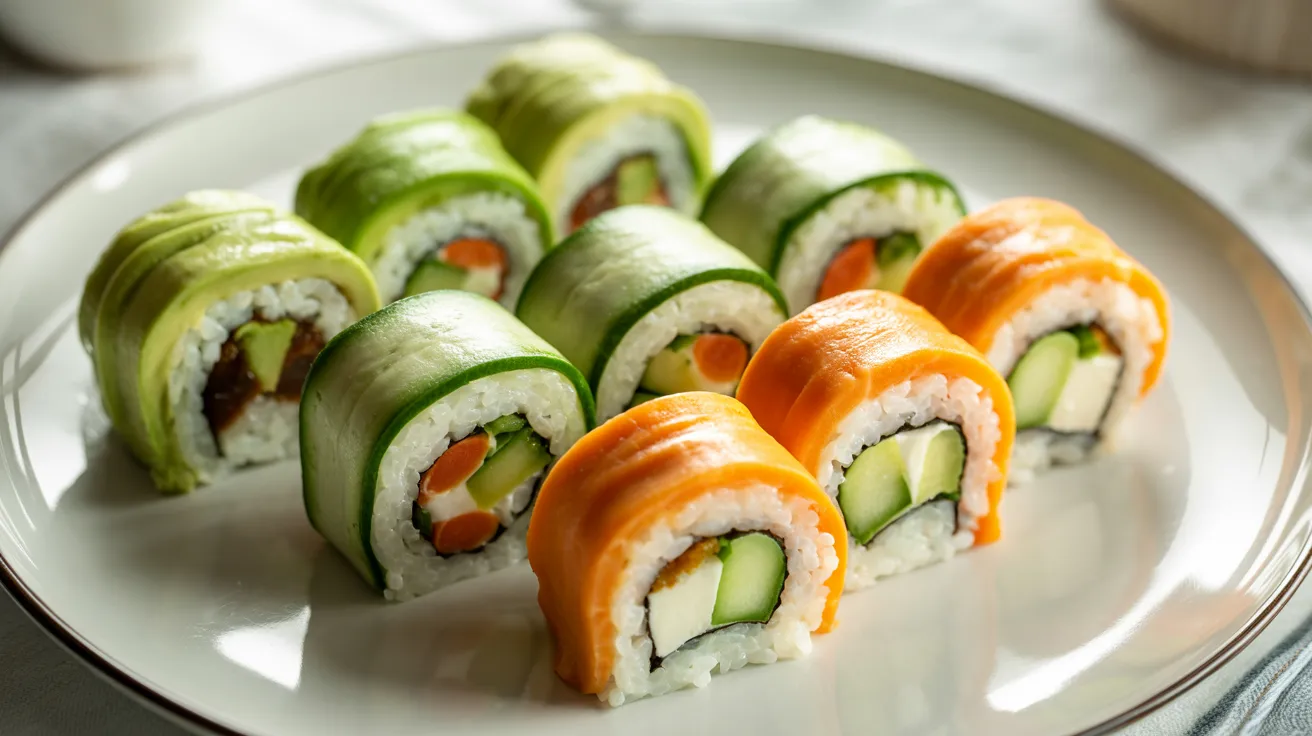
Vegetarian sushi is the safest pick for kids of all ages. Cucumber rolls, avocado rolls, and sweet potato rolls have no fish, no mercury, and no raw protein.
They're soft, easy to chew, and full of good nutrients. A great starting point for any child new to sushi.
Cooked Sushi Options
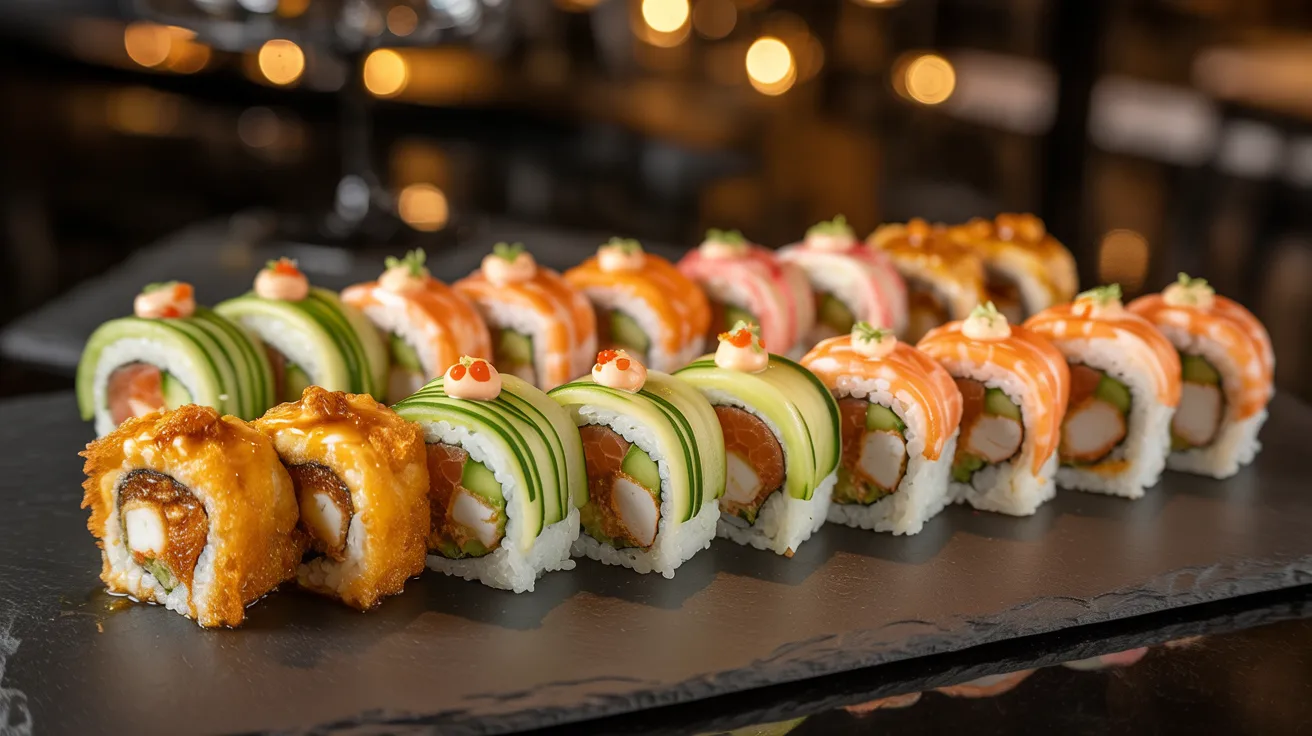
Cooked sushi rolls are another great choice for kids. Options like shrimp tempura rolls, crab sticks, or eel (unagi) are fully cooked and carry much less risk than raw fish.
They still taste great. Just watch out for shellfish allergies and check sodium levels in sauces.
Low-Mercury Fish Choices
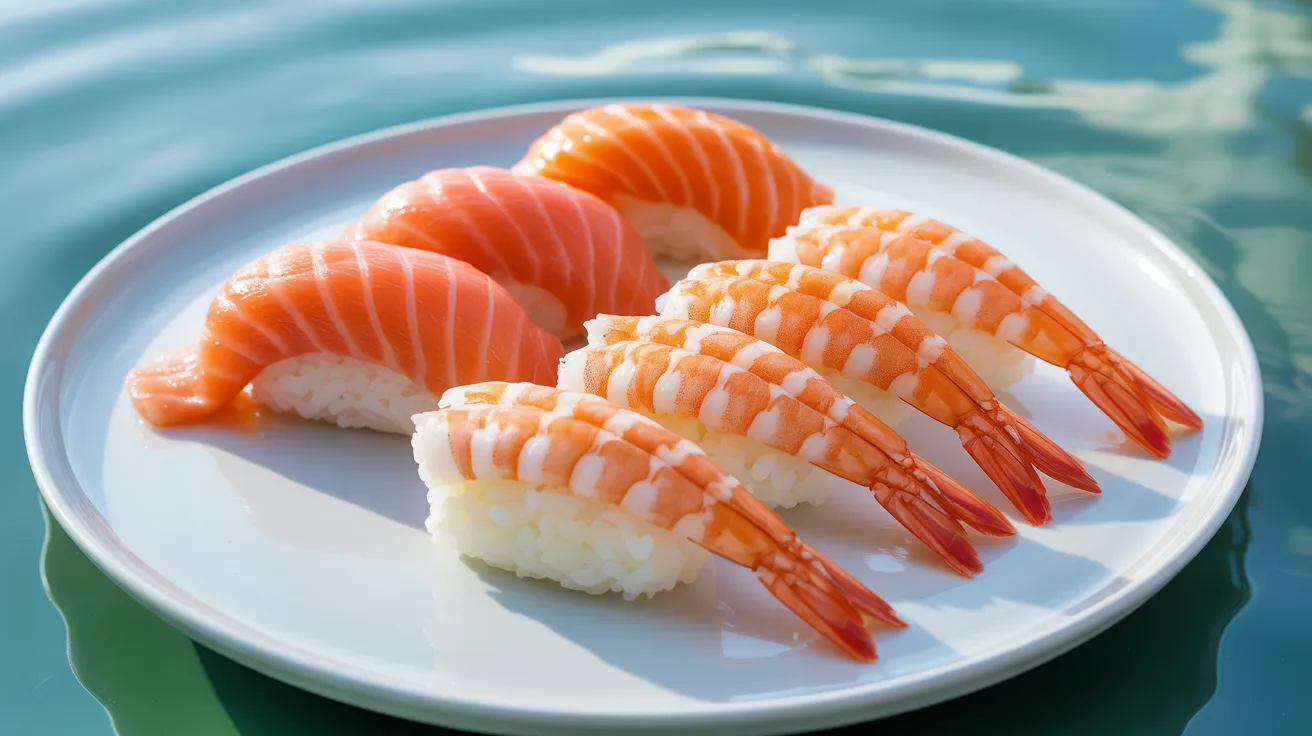
If your child is ready for raw fish, choose low-mercury options. Salmon and shrimp are popular, lower-mercury choices.
Avoid high-mercury fish like king mackerel or swordfish. Mercury can build up over time and affect a child's brain development. Always choose quality-sourced fish from a reputable place.
Risks Of Giving Sushi To Children
Sushi comes with real risks for kids. Knowing them helps you make smarter choices.
Foodborne Illness From Raw Fish

Raw fish can carry harmful bacteria like Salmonella and Listeria, plus parasites. Kids have weaker immune systems, making them more vulnerable.
Symptoms include nausea, vomiting, and stomach cramps. Always buy sushi from clean, reputable places and avoid raw fish for very young children to lower this risk.
Mercury Exposure Risks
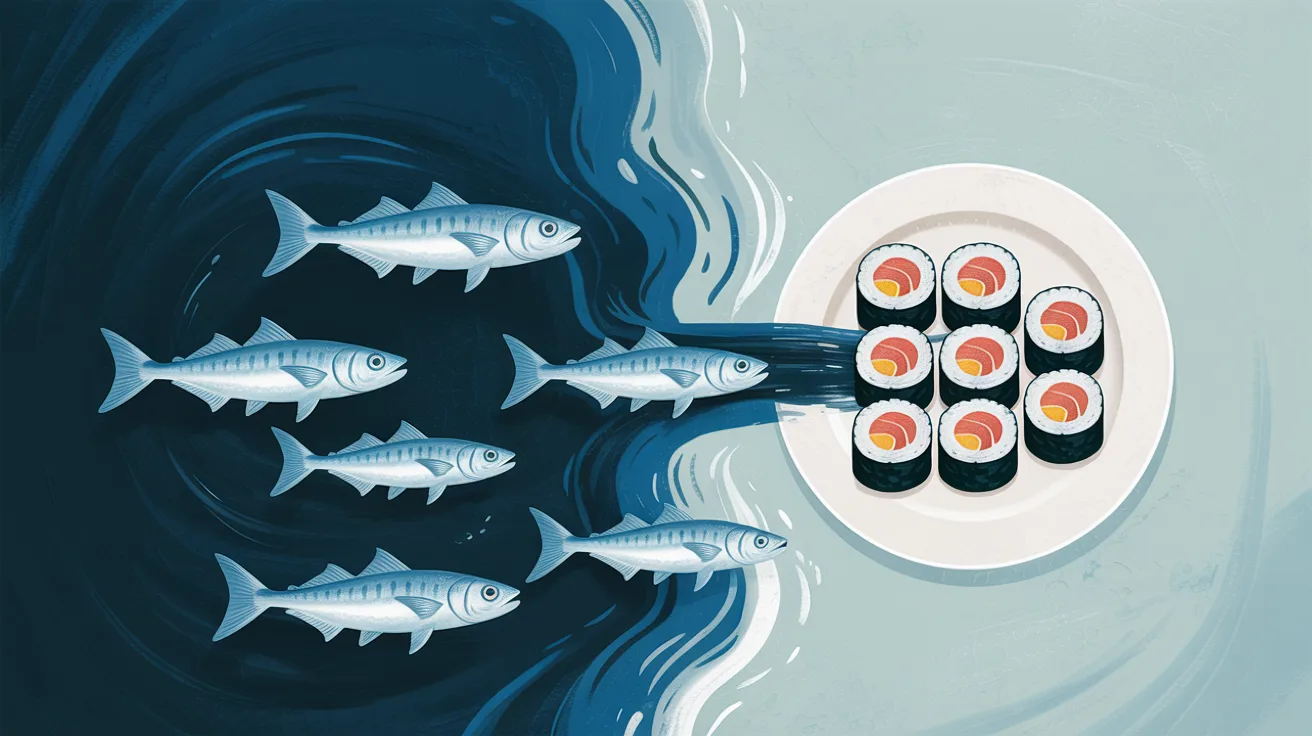
Some fish used in sushi contain high levels of mercury. Repeated exposure can harm a child's nervous system and brain development.
Tuna, especially bigeye and albacore, tends to have higher mercury levels. Limit how often kids eat these fish and stick to lower-mercury options like salmon and shrimp.
Choking Hazards
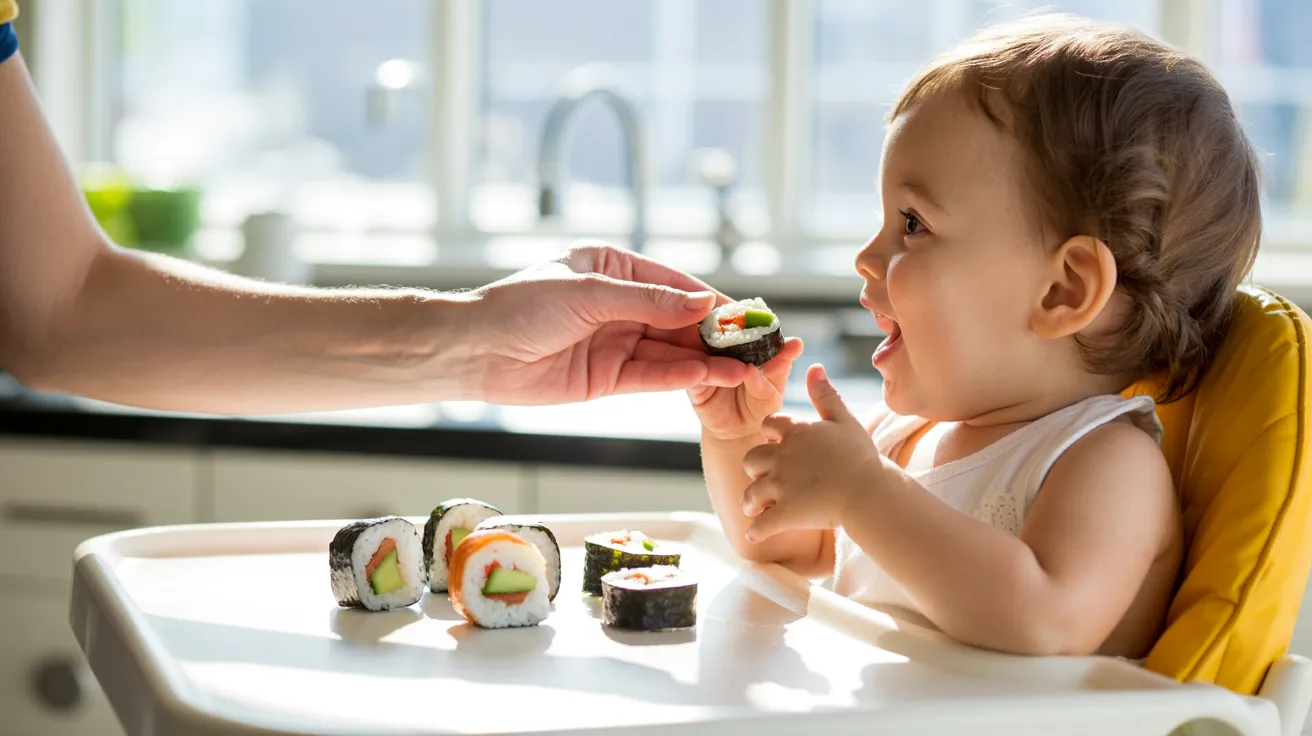
Sushi rolls can be a choking risk for young kids. Sticky rice can clump, and some rolls have large pieces that are hard to chew.
Always cut sushi into small, bite-sized pieces. Stay close and watch your child carefully while they eat to prevent any accidents.
Allergic Reactions

Sushi often contains common allergens like shellfish, soy, and sesame. Kids may not know they have an allergy until they try these foods.
Introduce one new ingredient at a time and watch for reactions like hives, swelling, or trouble breathing. Always check with your pediatrician if you're unsure.
How To Introduce Sushi To Kids Safely
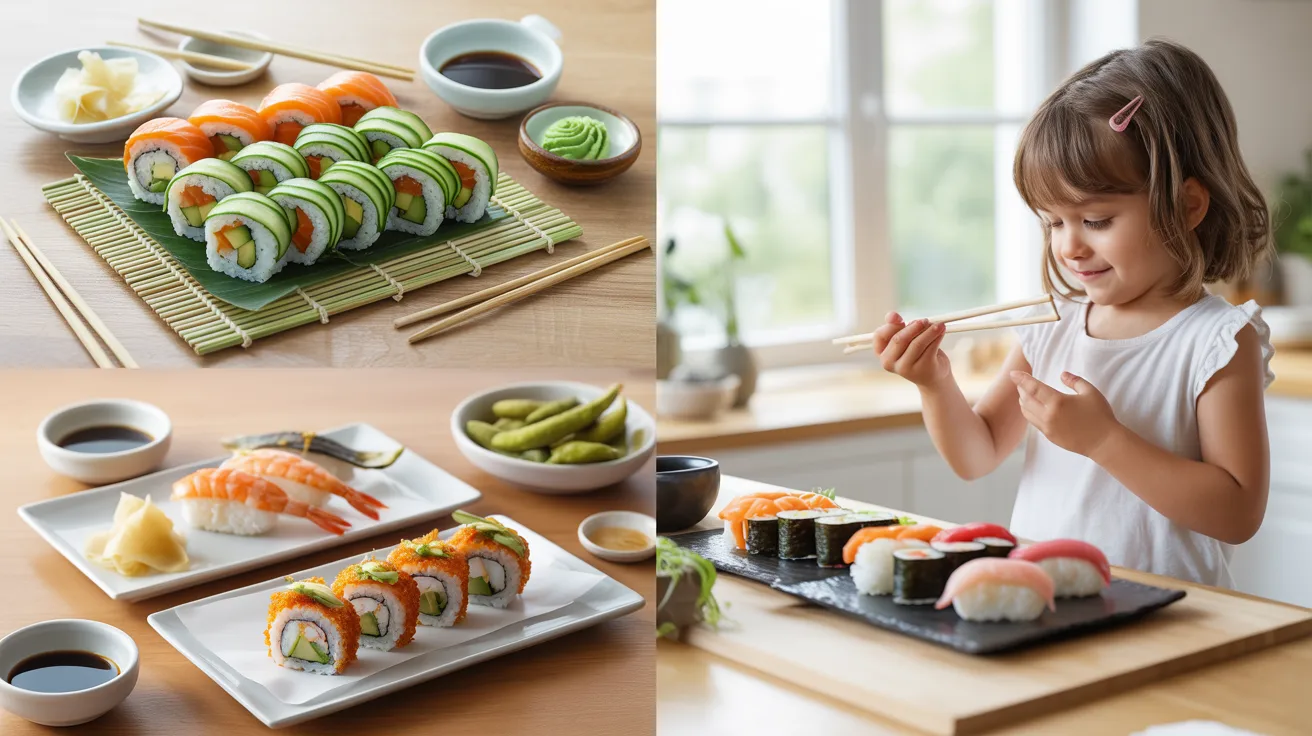
Start simple. Offer a basic vegetarian roll first, like a cucumber or avocado roll. Cut it into small pieces and sit with your child while they try it.
Watch for any allergic reactions or signs of discomfort. If they do well, slowly move on to cooked options.
Avoid raw fish until they are at least 5 or 6. Keep portions small, use low-sodium soy sauce, and always pick a clean, trusted sushi spot to reduce any risk.
Health Benefits Of Sushi For Kids
When chosen wisely, sushi can give kids good nutrition, healthy fats, and important vitamins to support their growth.
- Omega-3 fatty acids from fish like salmon support brain development and help kids focus better in school.
- Seaweed (nori) is rich in iodine and minerals that support thyroid function and healthy growth.
- Rice provides quick, easy energy that keeps kids active and fueled throughout the day.
- Fish is a good source of lean protein, which helps build muscles and supports healthy development.
- Avocado in rolls adds healthy fats that are great for heart health and keeping kids full longer.
Conclusion
So, when can kids eat sushi? It depends on their age and what's in the roll.
I always say, start safe and go slow. Cooked and vegetarian options are great for younger kids. Raw fish can come later, once they're a bit older and ready.
Honestly, I was nervous the first time I let my kid try a cucumber roll too. But with the right choices, it went just fine.
I hope this helped you feel more confident. Drop a comment and tell me how it went. And share this with a parent who needs it!
Frequently Asked Questions
At what age can kids safely eat sushi?
Most kids can start eating cooked sushi around age 3 to 5. Raw fish is generally safer to introduce around age 5 or 6, once their immune system is stronger.
Can toddlers eat California rolls?
California rolls made with imitation crab (which is cooked) can be fine for toddlers in small, cut pieces. Skip any raw fish versions and always watch for choking.
Is raw fish sushi safe for a 5-year-old?
Small amounts of raw fish from a clean, trusted source can be okay for a 5-year-old. Start with low-mercury options like salmon and watch closely for any reaction.
What type of sushi is best for kids?
Vegetarian rolls like cucumber or avocado, and cooked options like shrimp tempura, are the safest picks. They carry no raw fish risk and are easy for kids to chew and digest.
Can sushi cause food poisoning in children?
Yes, raw fish carries bacteria and parasites that can cause food poisoning. Kids are more vulnerable than adults, so always opt for cooked or vegetarian sushi for younger children.