
I've seen kids dread homework, and I've also seen them stay up late because learning felt like a game.
The difference is always how it's presented. If you're wondering how to make learning fun for kids, you're in the right place.
In this blog, I'll share 19 easy, tested ideas that actually work, from play-based learning tips to creative activities and simple daily habits you can start today.
No fluff, no complicated setups. I've tried many of these myself, and I know they work.
Why Making Learning Fun Matters
Kids learn best when they're having a good time. That's not just my opinion. Research backs it up.
When a child enjoys what they're doing, their brain pays attention. They remember more. They ask questions.
They want to keep going. Boring lessons do the opposite. I've seen kids shut down the moment something feels like a chore.
Fun keeps them engaged. It builds confidence. And honestly? It makes your job as a parent or teacher a whole lot easier.
How to Make Learning Fun for Kids: 19 Easy Ideas
Kids learn best when they are having fun. Here are 19 easy ideas to make learning something they actually look forward to.
1. Turn Learning into Games
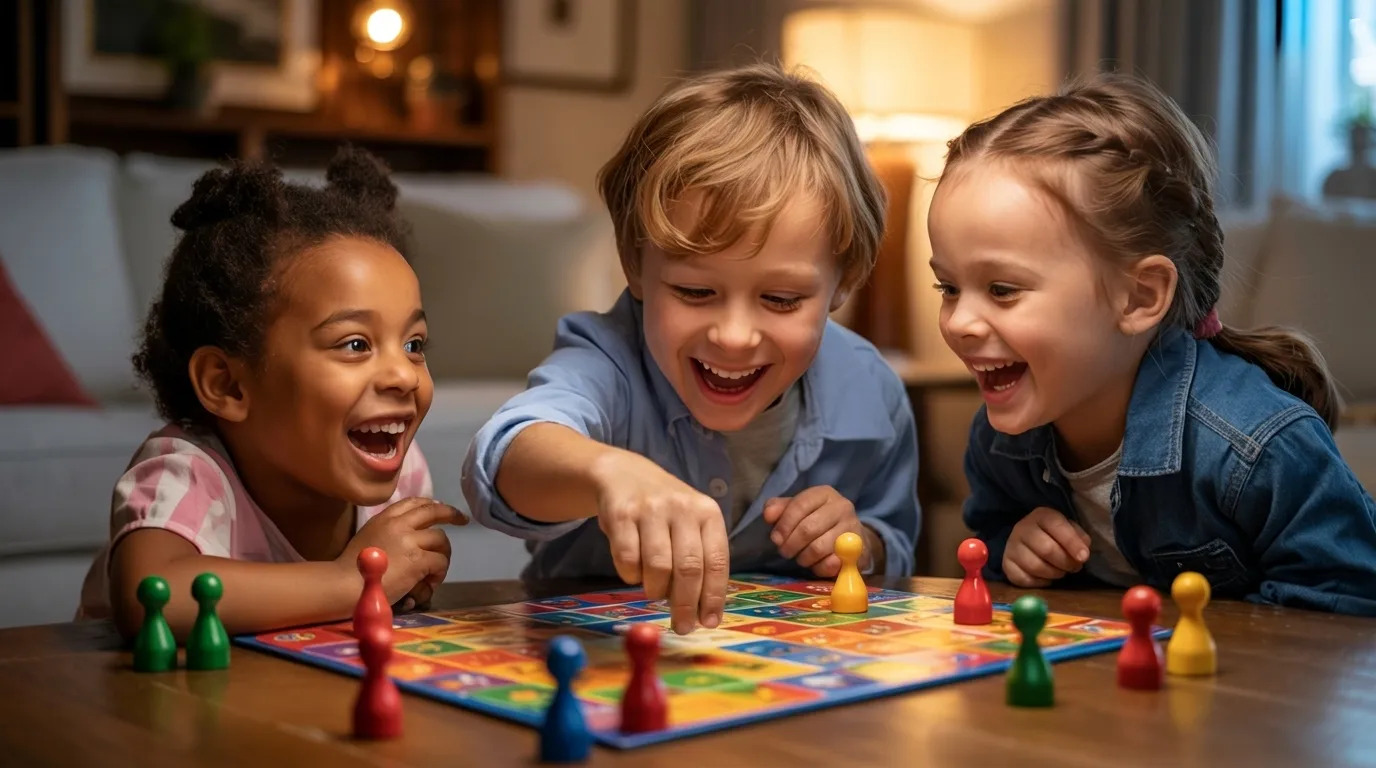
Turn math problems into a race. Use trivia cards for history. Play word games for spelling. When kids are focused on winning, they stop thinking about learning.
That is the trick. Fun and focus go hand in hand.
2. Use Hands-On Activities
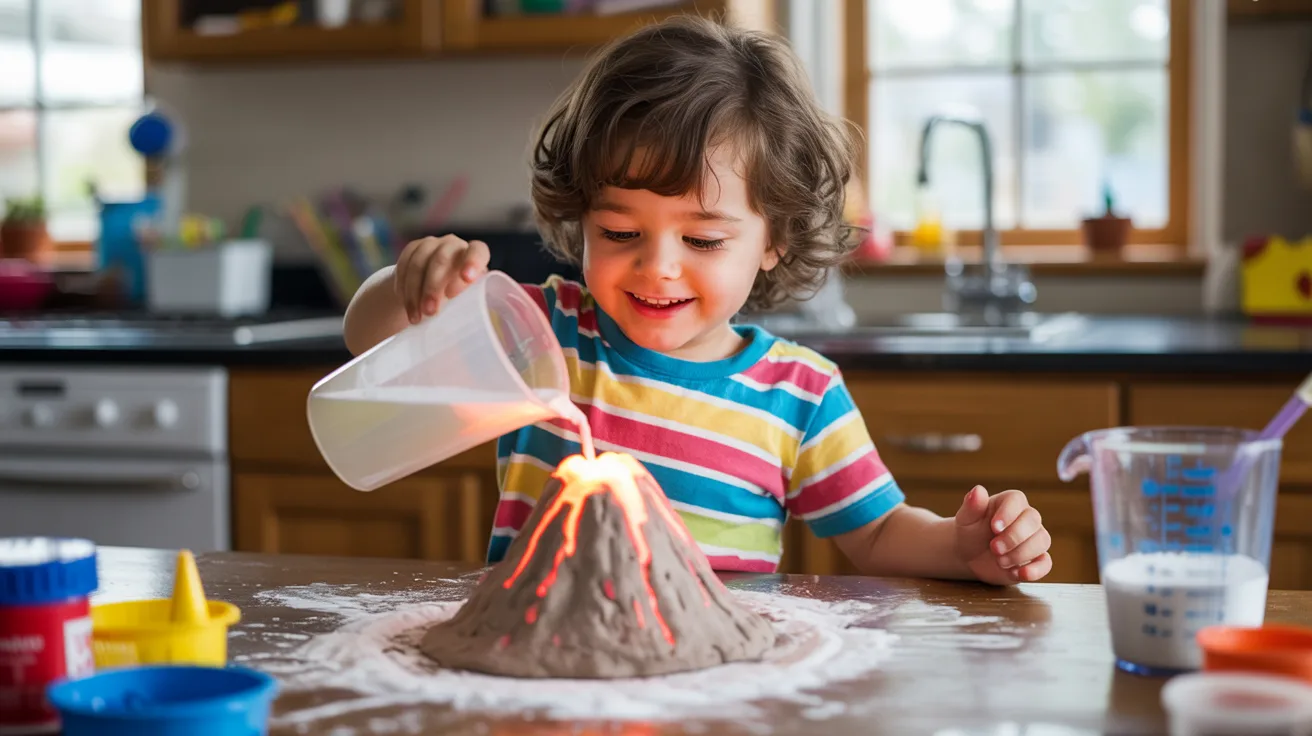
Build models. Do simple science experiments. Use clay, blocks, or everyday objects. Hands-on activities stick in memory longer than textbook reading.
When a child builds something, they own that knowledge.
3. Incorporate Arts and Creativity
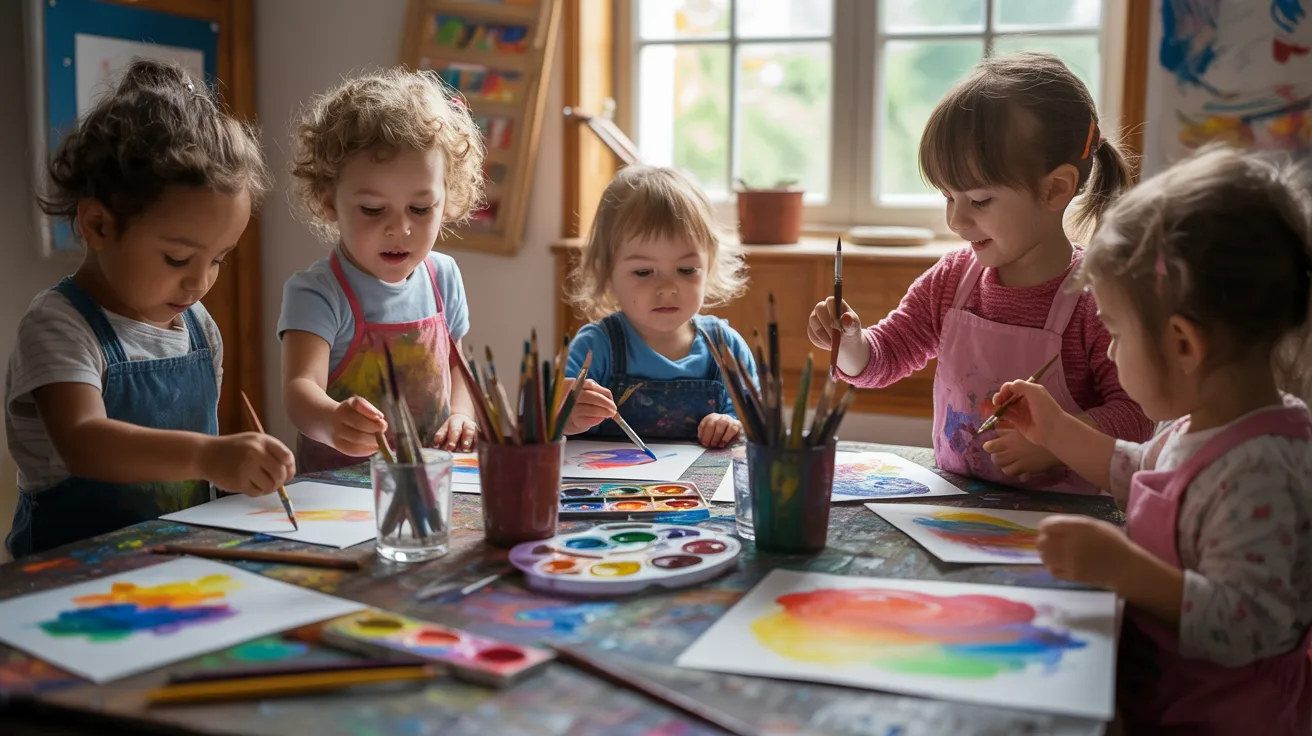
Ask kids to draw what they learned. Make a comic strip about a history lesson. Use art to explain science.
Creative expression helps kids process information. It also gives them a break from structured learning without stopping the learning.
4. Encourage Teamwork and Group Learning
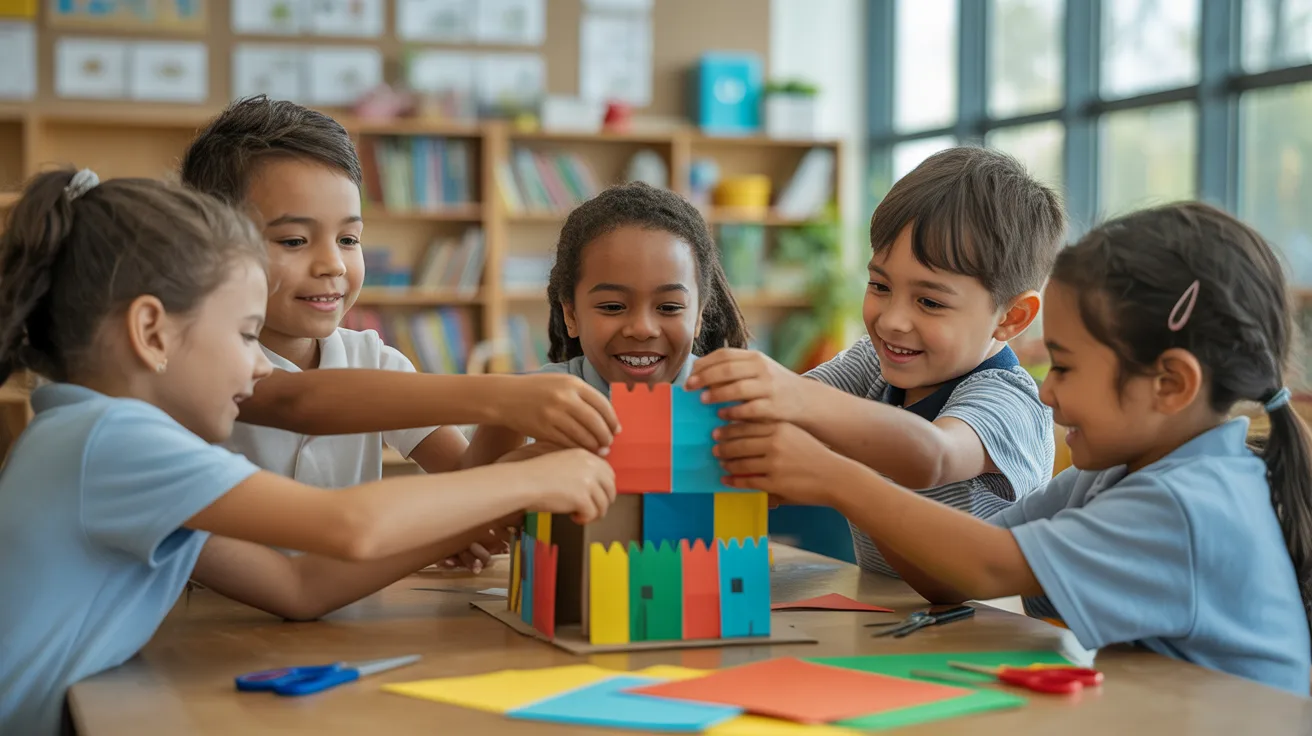
Pair kids for reading. Create small groups for problem-solving. Let them quiz each other. Group learning builds communication skills too.
Plus, it makes studying feel social instead of lonely. That shift changes everything.
5. Offer Choices to Kids
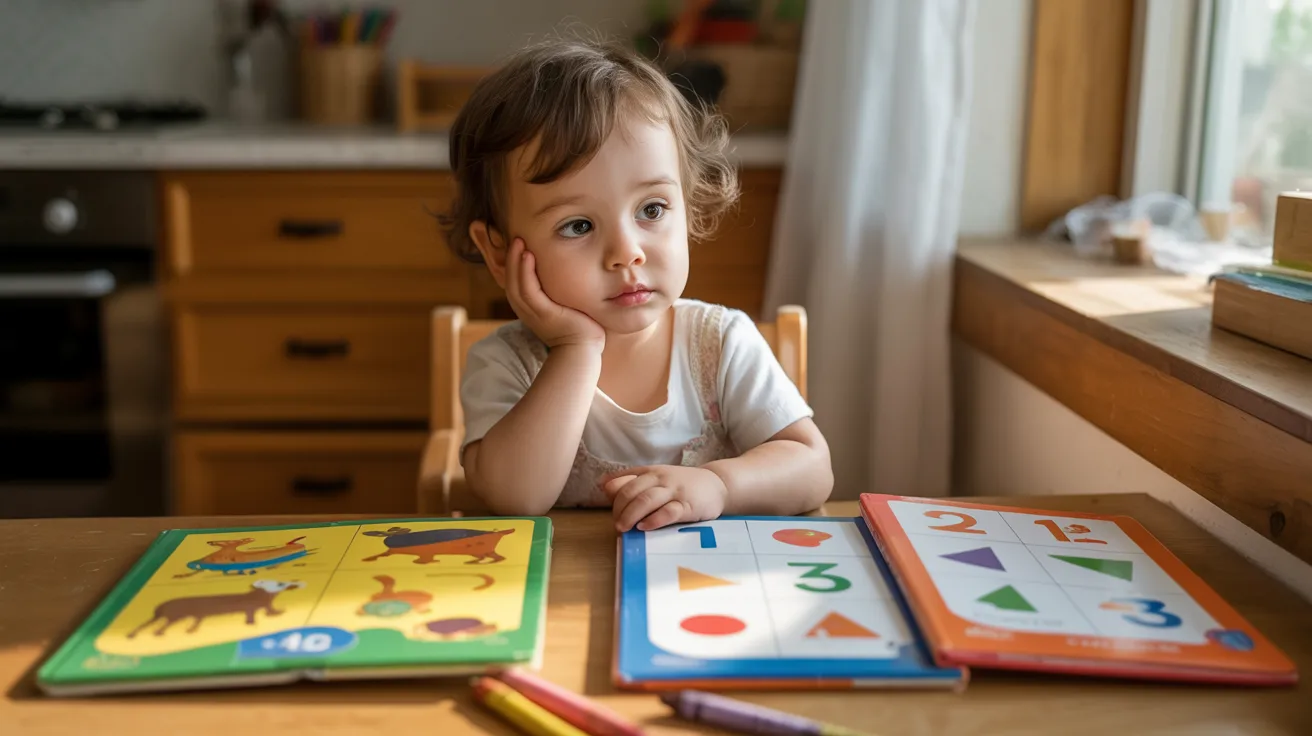
Let them pick which topic to study first. Offer two ways to complete an assignment. Even small choices matter.
A child who feels heard is a child who tries harder. Choice builds ownership over learning.
6. Use Humor and Laughter
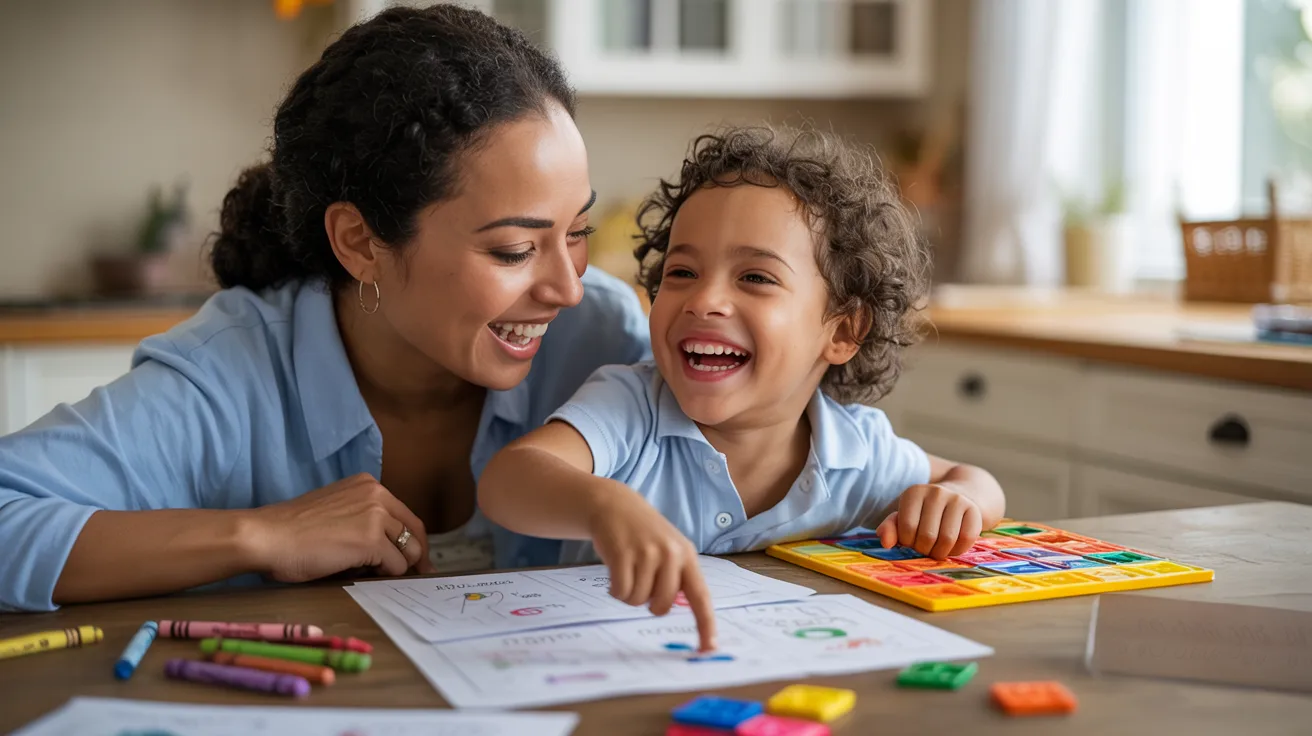
Tell a funny joke tied to the lesson. Use silly voices when reading. Make up ridiculous examples to explain a concept.
Humor keeps kids present. And a relaxed brain absorbs information much better than a stressed one.
7. Change the Learning Environment
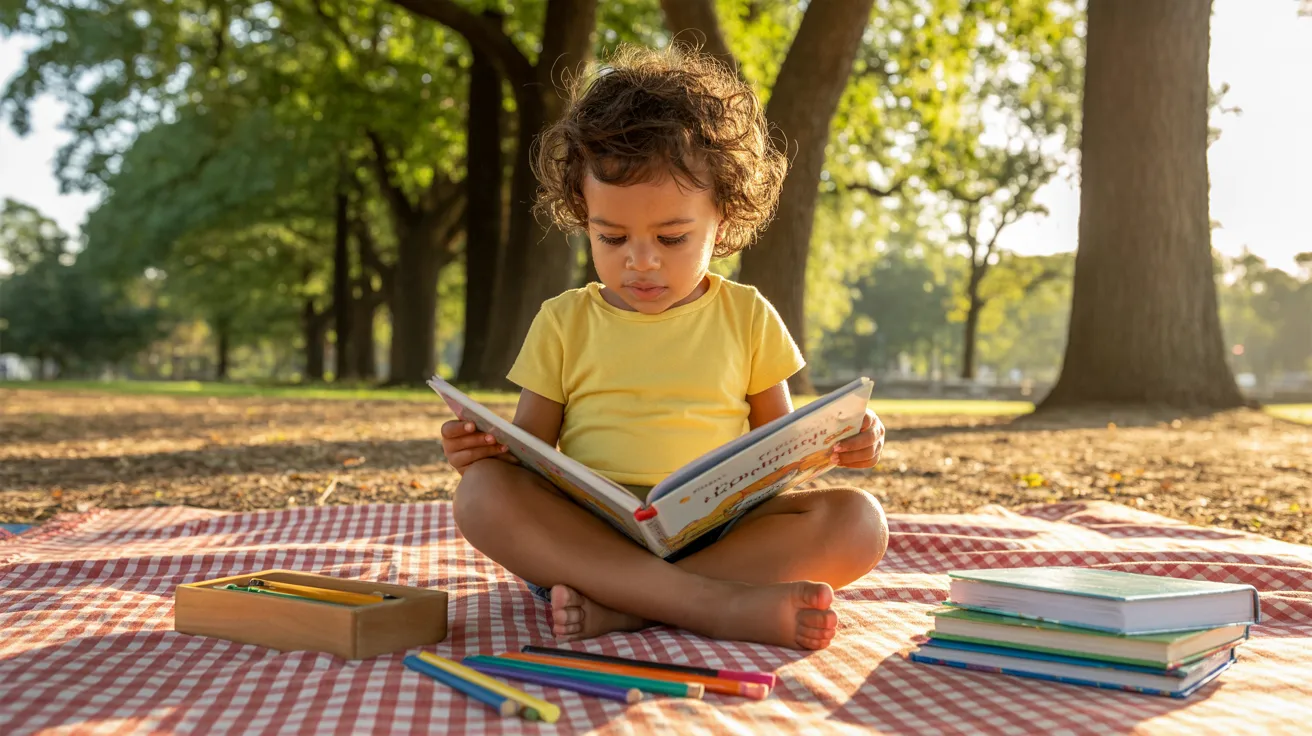
Study in the backyard. Sit on the floor. Go to a library or coffee shop. A new setting makes the brain more alert.
I have noticed that kids focus better when the space feels different. Try it.
8. Add Movement and Physical Activities
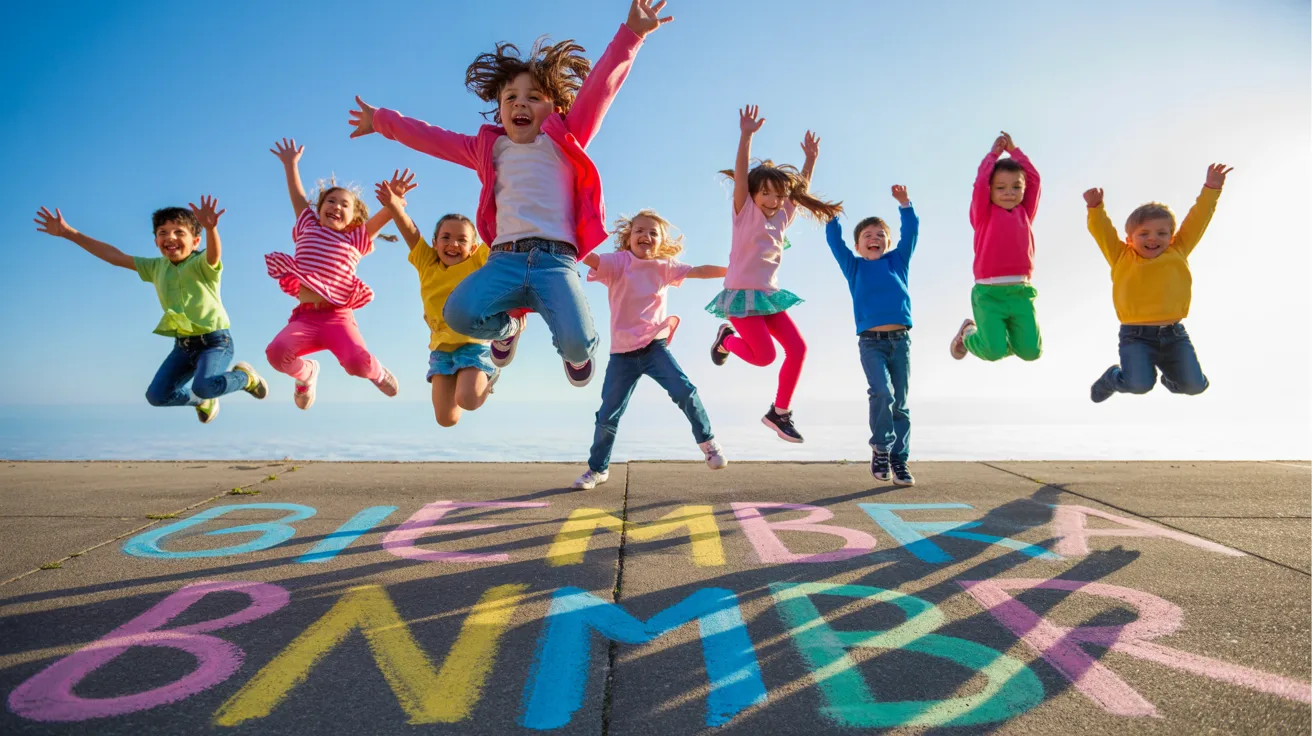
Do jumping jacks between lessons. Act out a story. Use movement to spell words. Physical activity resets the brain and boosts energy.
You do not need a gym. Just a few minutes of movement can make a big difference.
9. Use Props and Visual Aids
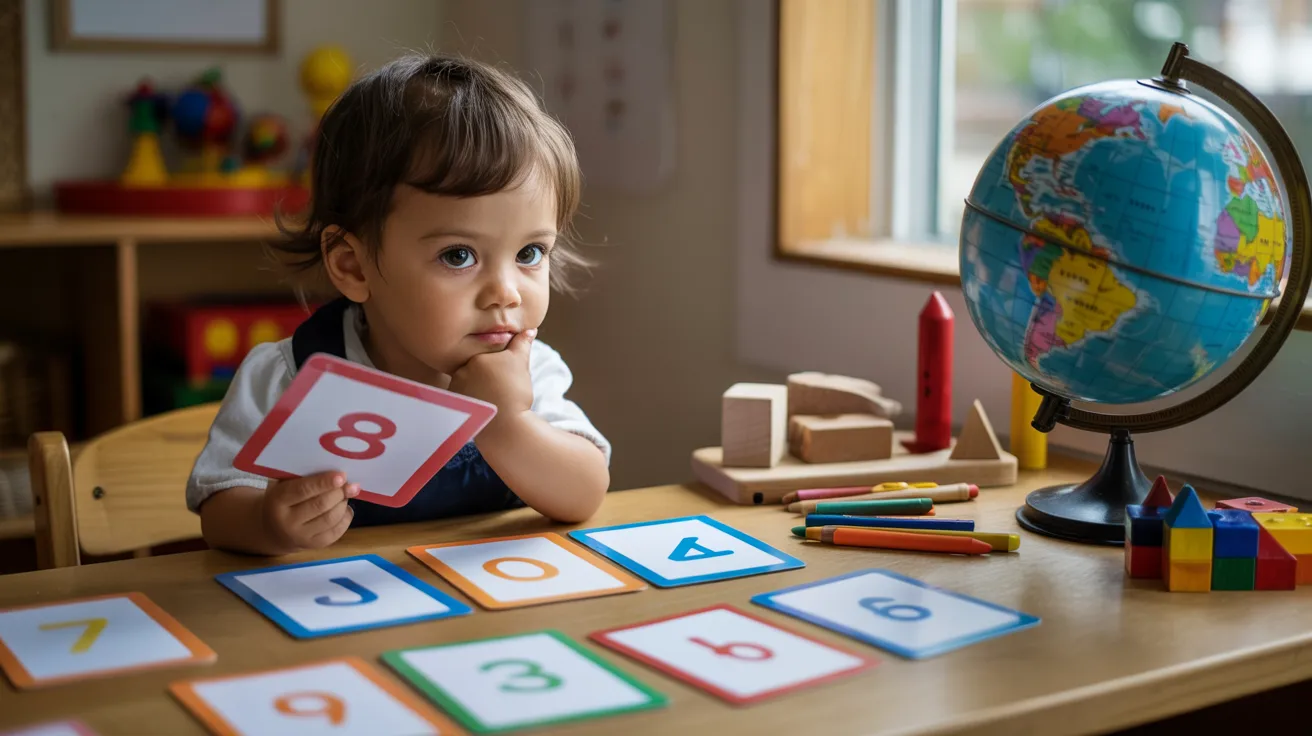
Use flashcards, charts, and diagrams. Bring real objects into lessons. Show a map instead of just talking about a place.
Visual aids help kids who struggle with text-heavy content. They also break up the monotony of a lesson.
10. Incorporate Music and Songs
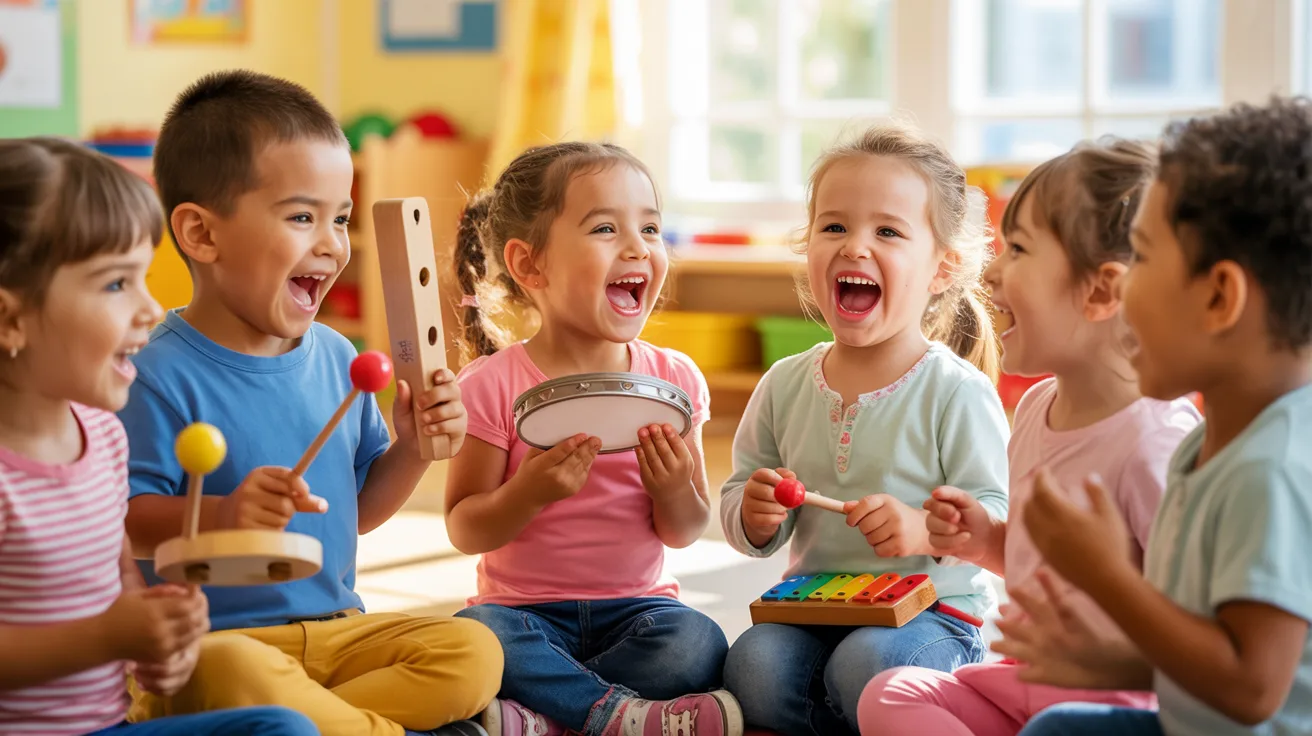
Set multiplication tables to a rhythm. Find educational songs on YouTube. Create a short jingle for a tough concept.
Music taps into memory in a way that plain text cannot. Kids remember song lyrics for years. Use that.
11. Use Technology Wisely
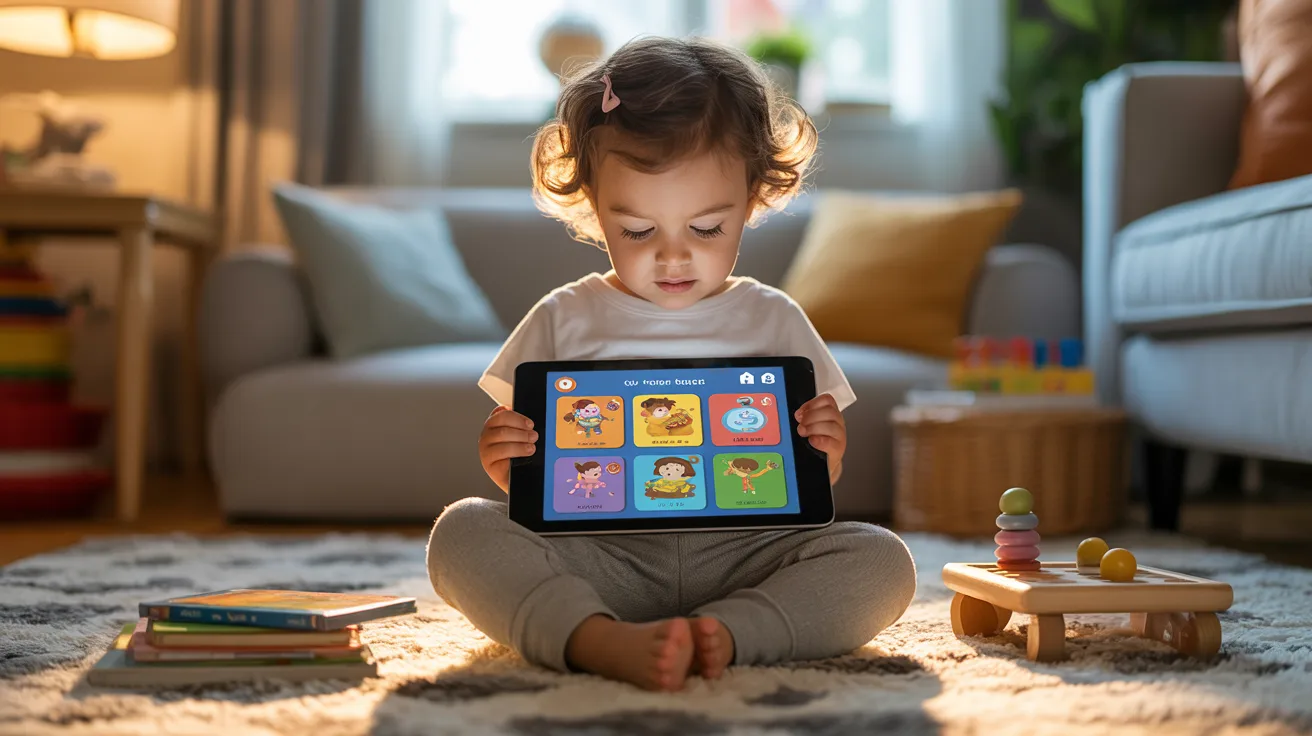
Use apps like Khan Academy or Duolingo. Watch short educational videos. Play coding games. Set a time limit so screens do not take over.
Technology works best as a supplement, not a replacement for real engagement.
12. Let Kids Teach (Role Reversal)
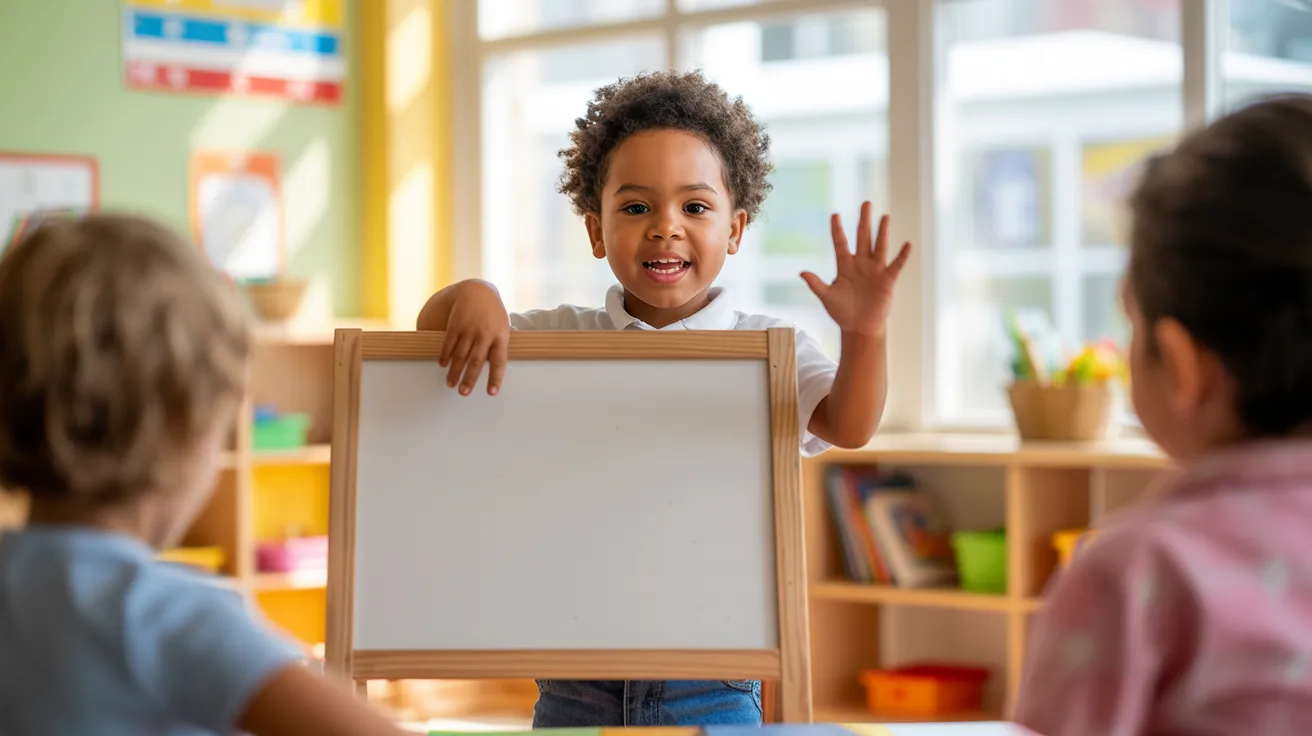
Ask your child to explain what they learned to you or a sibling. Let them create a mini-lesson. Pretend you do not know the answer.
When a kid teaches, they fill in gaps they did not know they had.
13. Introduce New and Exciting Topics

Talk about space, volcanoes, ancient civilizations, or weird animals. Introduce topics that spark curiosity.
You do not need a reason to learn something cool. Interest is the best starting point. Follow what makes their eyes light up.
14. Create Interactive Learning Experiences
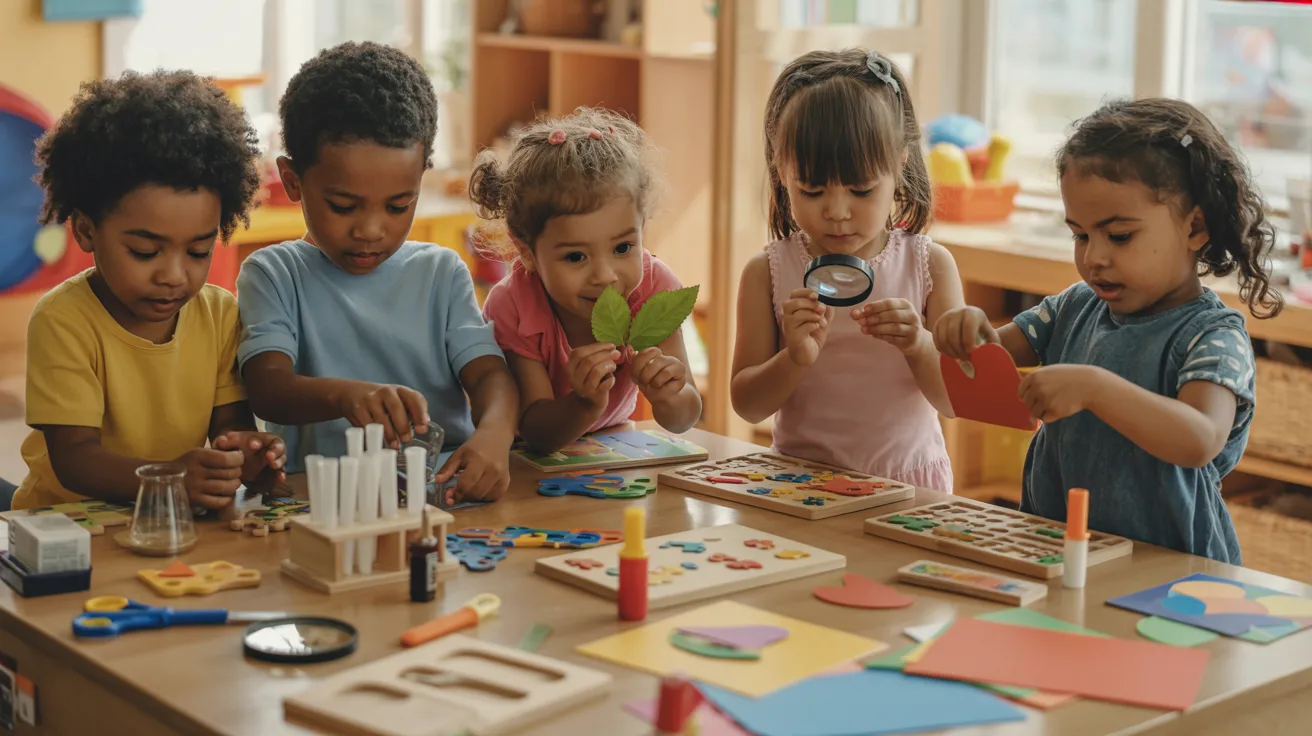
Use role-play. Build projects. Visit a museum or farm. Interactive experiences connect learning to the real world.
A child who touches a fossil in a museum will not forget what fossils are. Experience beats explanation every time.
15. Schedule Regular Breaks
Use the Pomodoro method: 25 minutes of study, 5 minutes of break. Take snack breaks. Go outside for a few minutes.
Rest recharges focus. A tired mind retains nothing. Breaks are not wasted time. They are part of the process.
16. Relate Learning to Real Life

Use grocery shopping to teach math. Cook together to explain measurements. Read road signs for literacy practice.
When kids see how learning applies to life, it stops feeling pointless. Real-life connections make lessons click fast.
17. Encourage Child-Led Learning
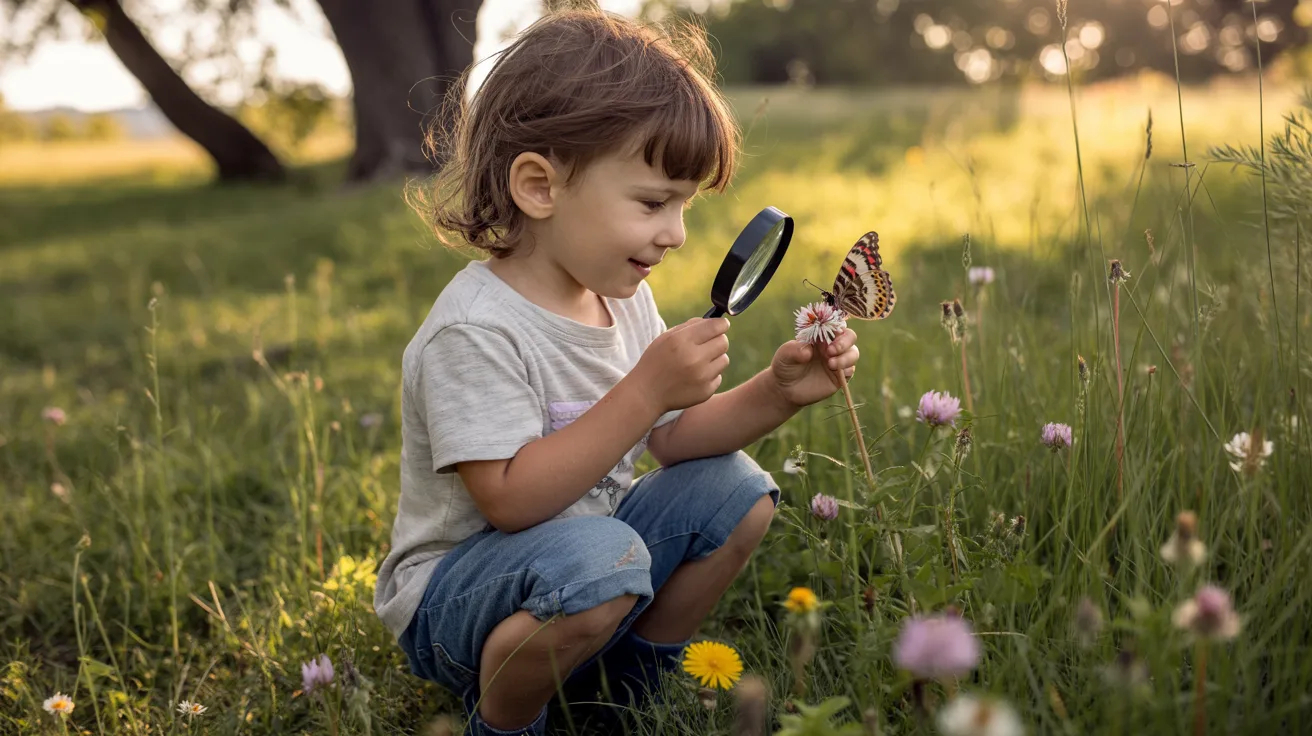
Let them pick a topic they love and research it. Support their interest even if it seems random. A child passionate about dinosaurs can learn science, history, and vocabulary all at once.
Interest-led learning goes deep without any pressure.
18. Celebrate Effort and Progress
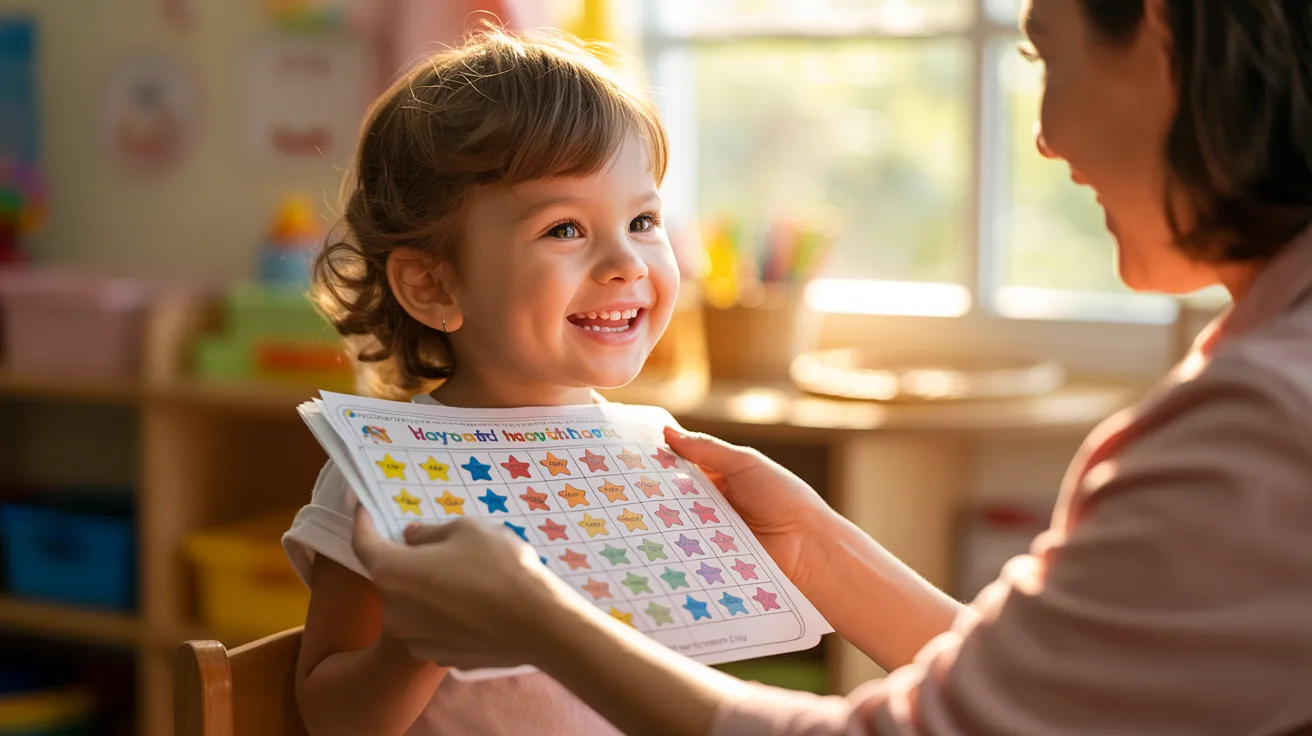
Say "I noticed you kept trying even when it was hard." Use a simple reward chart. Celebrate small wins.
When kids feel seen for their effort, they want to keep going. Focus on progress over perfection. Always.
19. Use Outdoor and Nature-Based Learning
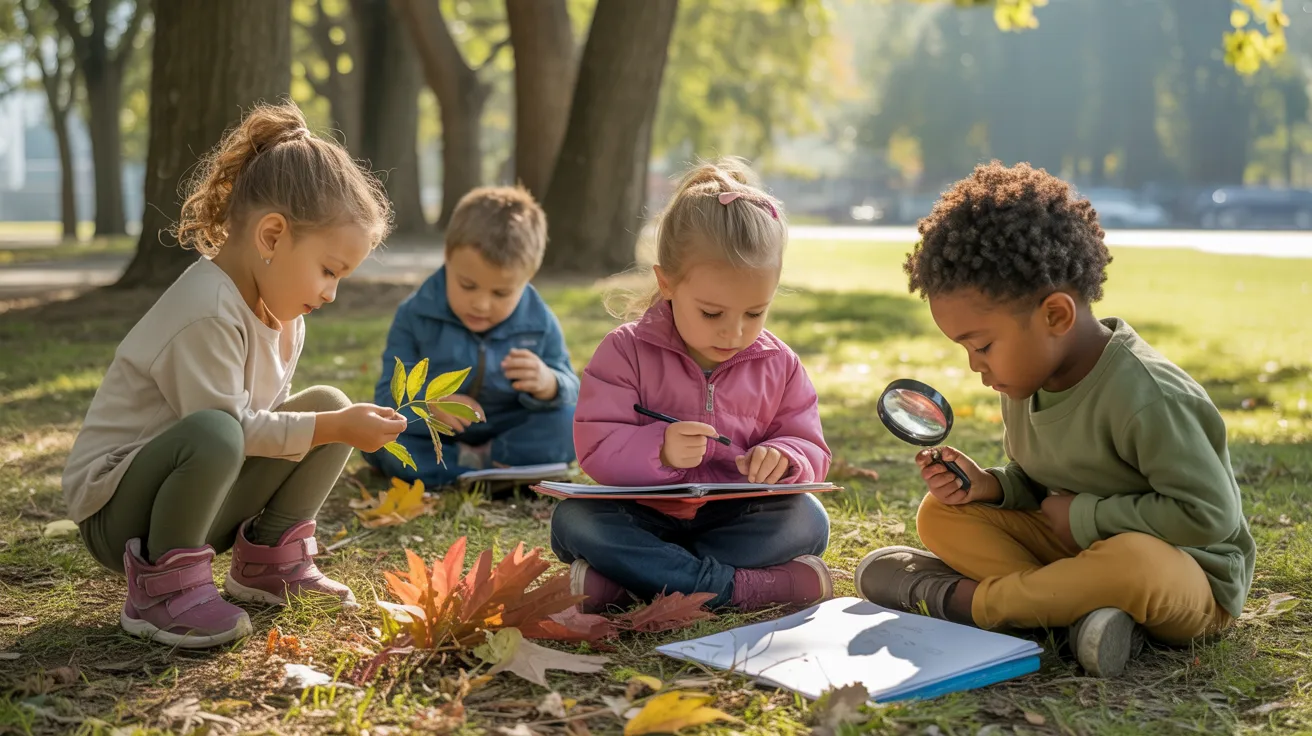
Count bugs. Identify plants. Measure shadows. Do math problems on the sidewalk with chalk. Nature offers real, hands-on context for almost any subject.
Kids who learn outside are more engaged and less restless. The outdoors is one of the best classrooms around.
How to Choose the Right Learning Activities for Your Child
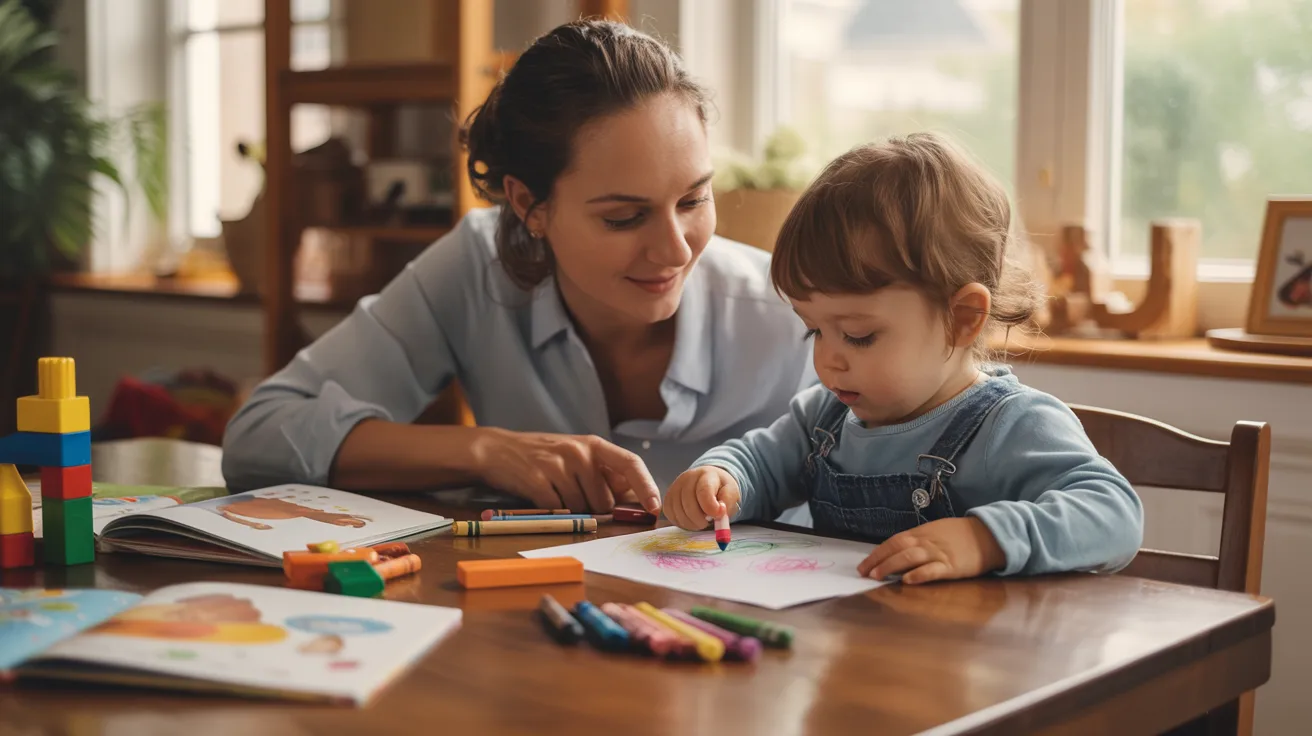
Not every activity works for every kid. I always start by watching what my child naturally gravitates toward.
Does she love building things? Try hands-on science kits. Does he enjoy stories? Make reading the main event.
Match the activity to your child's interests, not yours. Also think about attention span. Younger kids need shorter, simpler tasks.
Older kids can handle more. You know your child best. Trust that.
Tips to Make Daily Learning More Engaging
Small changes to your daily routine can make a big difference in how much your child actually absorbs.
Keep Sessions Short and Interactive
Long sessions lose kids fast. I keep lessons to 15-20 minutes, then we take a short break. Ask questions in between.
Let them move around. Short bursts of focused learning work better than hour-long lectures. Kids stay sharp when they know a break is near.
Mix Different Learning Methods
Not every kid learns the same way. Some like reading, others need to see or do things. I mix videos, hands-on projects, and simple games into lessons.
Switching methods keeps things fresh and fun. It also helps your child find out how they learn best.
Stay Consistent but Flexible
A routine helps kids know what to expect. I study at the same time each day. But I stay flexible. If your child is tired or not in the mood, push the lesson back.
Forcing it never works. Consistency with breathing room is the goal.
Encourage Curiosity and Questions
When a child asks "why," that is a good sign. I never shut down questions. I say, "Let's look that up together."
It builds a strong habit of thinking. You want your child to feel safe asking anything. Curious kids learn faster and remember more.
Common Mistakes to Avoid
Making learning fun is great, but a few wrong moves can quickly kill a kid's interest.
- Forcing too much at once. Piling on lessons back to back leads to burnout fast. Keep sessions short and focused.
- Skipping breaks. Kids need downtime to process what they learned. No breaks means no retention.
- Making it all screens. Too much screen time numbs kids out. Mix in hands-on activities too.
- Praising only results. If you only cheer for correct answers, kids fear making mistakes. Praise effort just as much.
- Ignoring what the child enjoys. Pushing topics they hate kills motivation. Tie learning to their actual interests whenever you can.
Conclusion
Making learning fun for kids does not have to be complicated.
I started with just one idea, a simple science experiment at home, and watched my kid go from "I hate this" to "Can we do it again?"
Small changes really do add up.
Pick one or two ideas from this list and try them this week. You might be surprised how fast things shift.
Did any of these ideas stand out to you? Drop a comment below and let me know which one you're trying first!
Frequently Asked Questions
Can screen time ever help kids learn?
Yes, it can. Apps and videos that involve problem-solving or creativity count as active learning. The key is keeping screen time short and choosing content wisely.
How long should a fun learning session be for young kids?
For kids under 8, aim for 15 to 20 minutes at a time. Short sessions keep their attention sharp and make it easier to stay focused.
Do kids learn better through play than through textbooks?
Most young kids do, yes. Play-based learning builds real understanding because kids are actively doing, not just reading or memorizing.
What if my child loses interest quickly during activities?
Switch things up fast. Mix hands-on tasks with movement or music, and let your child pick between two or three options to keep them in control.
Can everyday tasks at home count as learning for kids?
Absolutely. Cooking, sorting laundry, and grocery shopping all build math, language, and life skills. You do not need a classroom for real learning to happen.