
Finding fun, screen-free activities for kids can feel tough. That is where music saves the day.
In this article, you will find 11 simple music activities kids can enjoy every day at home or school. These ideas need little to no setup and work for toddlers to older kids.
I have worked with families and teachers who use these activities regularly. They work.
You will also get quick tips to keep things going smoothly and easy setup ideas for any space. Let us get started.
Why Music Activities for Kids Matter
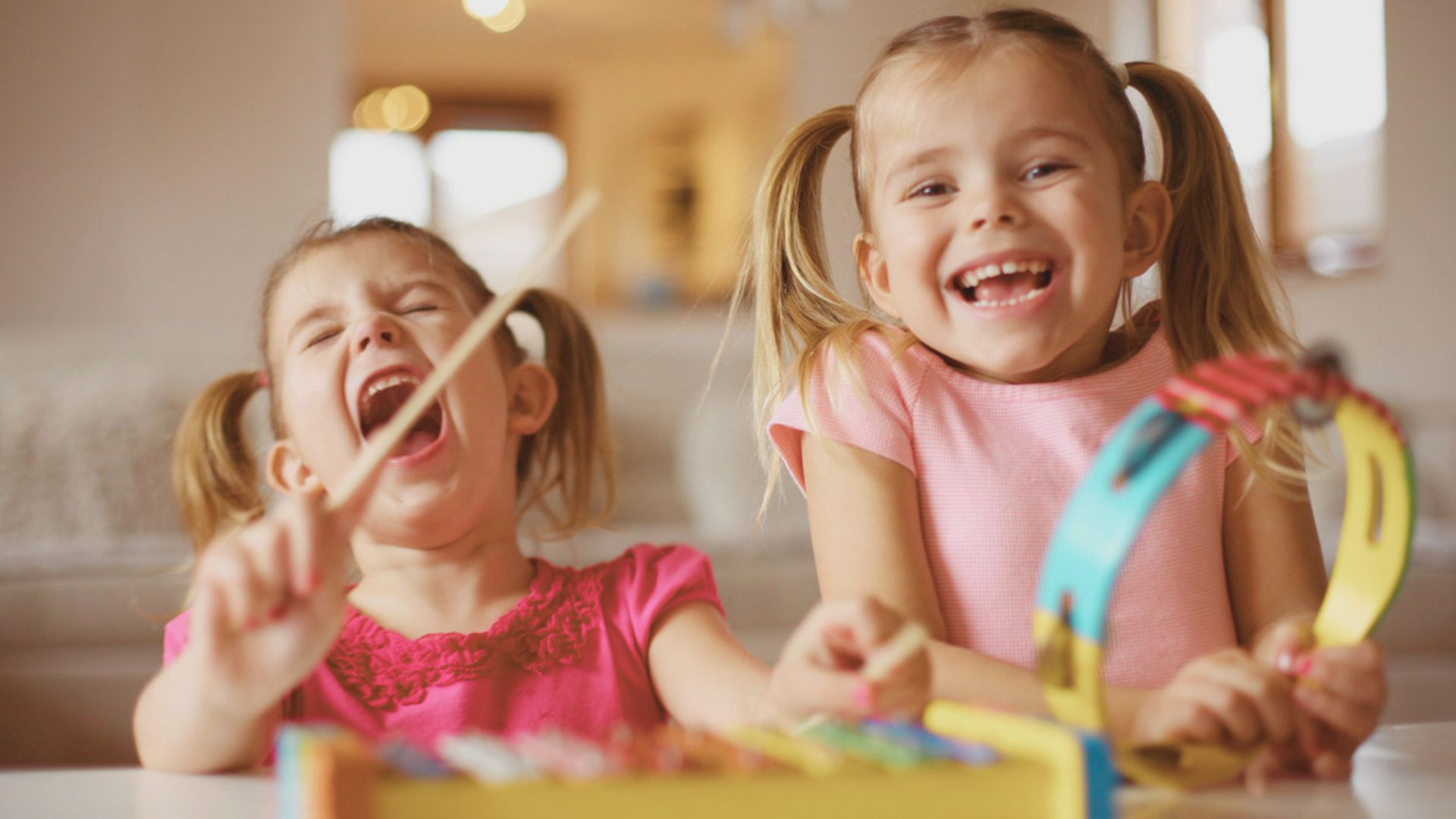
Music does more than just entertain. It supports how kids grow, learn, and connect with others. Regular music play builds better listening and focus skills, improves body coordination, and grows confidence in a low-pressure setting.
It also sparks creativity through sound and expression, and teaches kids how to work and play with others.
Even 10 to 15 minutes a day can make a real difference. These are not just fun moments. They are learning moments in disguise.
11 Top Music Activities for Kids for Daily Fun
Here are 11 activities that are easy to try and genuinely enjoyable for kids of all ages.
1. Musical Statues (Freeze Dance)
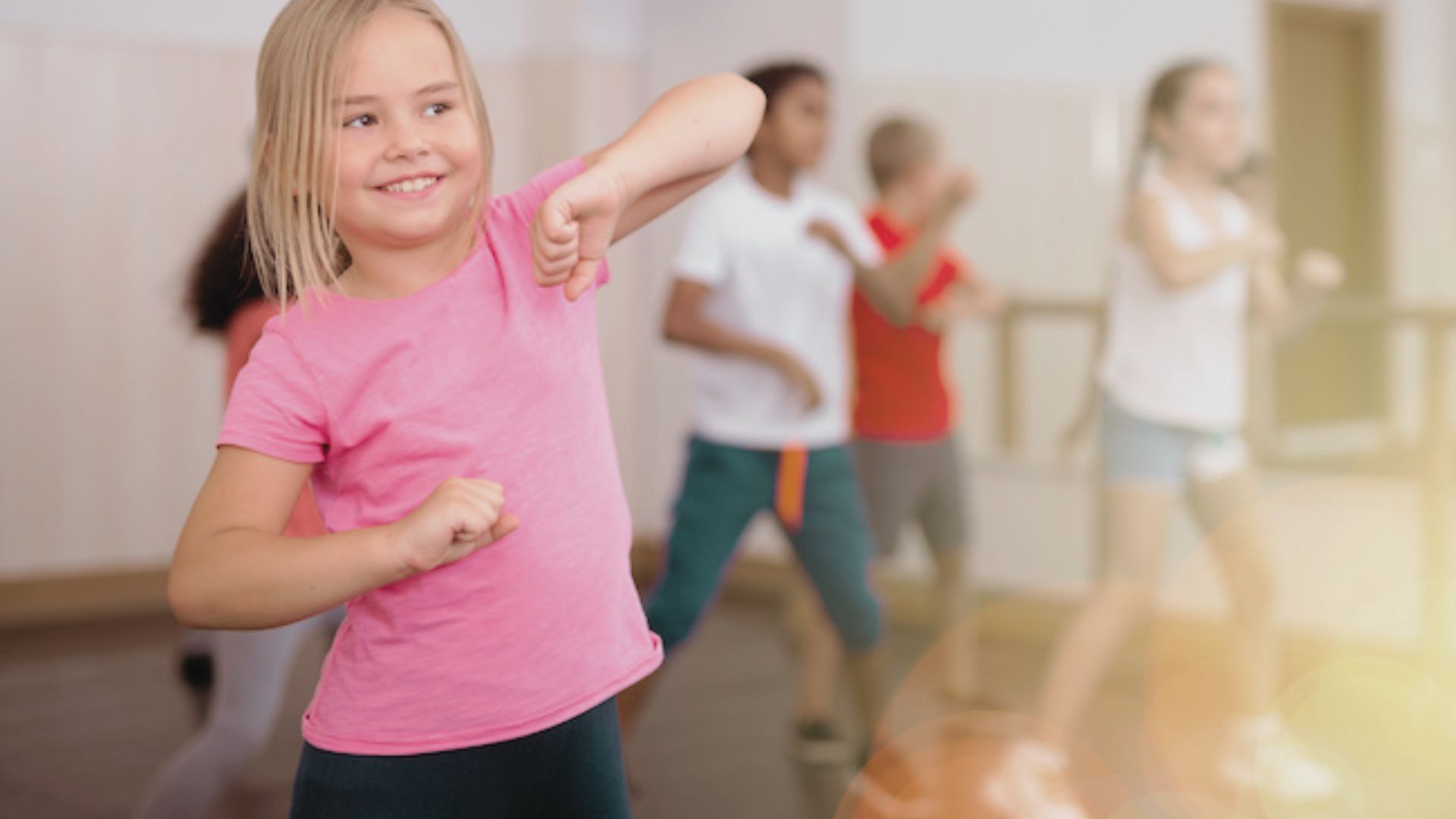
A classic game that gets kids moving, listening, and laughing all at once.
What you need: A music player and some open floor space
How to play: Play any song and let kids dance freely. When the music stops, everyone freezes in place. The last one to freeze sits out, or you can just play for fun without eliminating anyone.
Skills developed: Listening carefully, body control, and coordination
Quick variation: Ask kids to freeze like a superhero, a sleeping bear, or a melting ice cream. It adds a big laugh to the activity.
2. Dance with Props
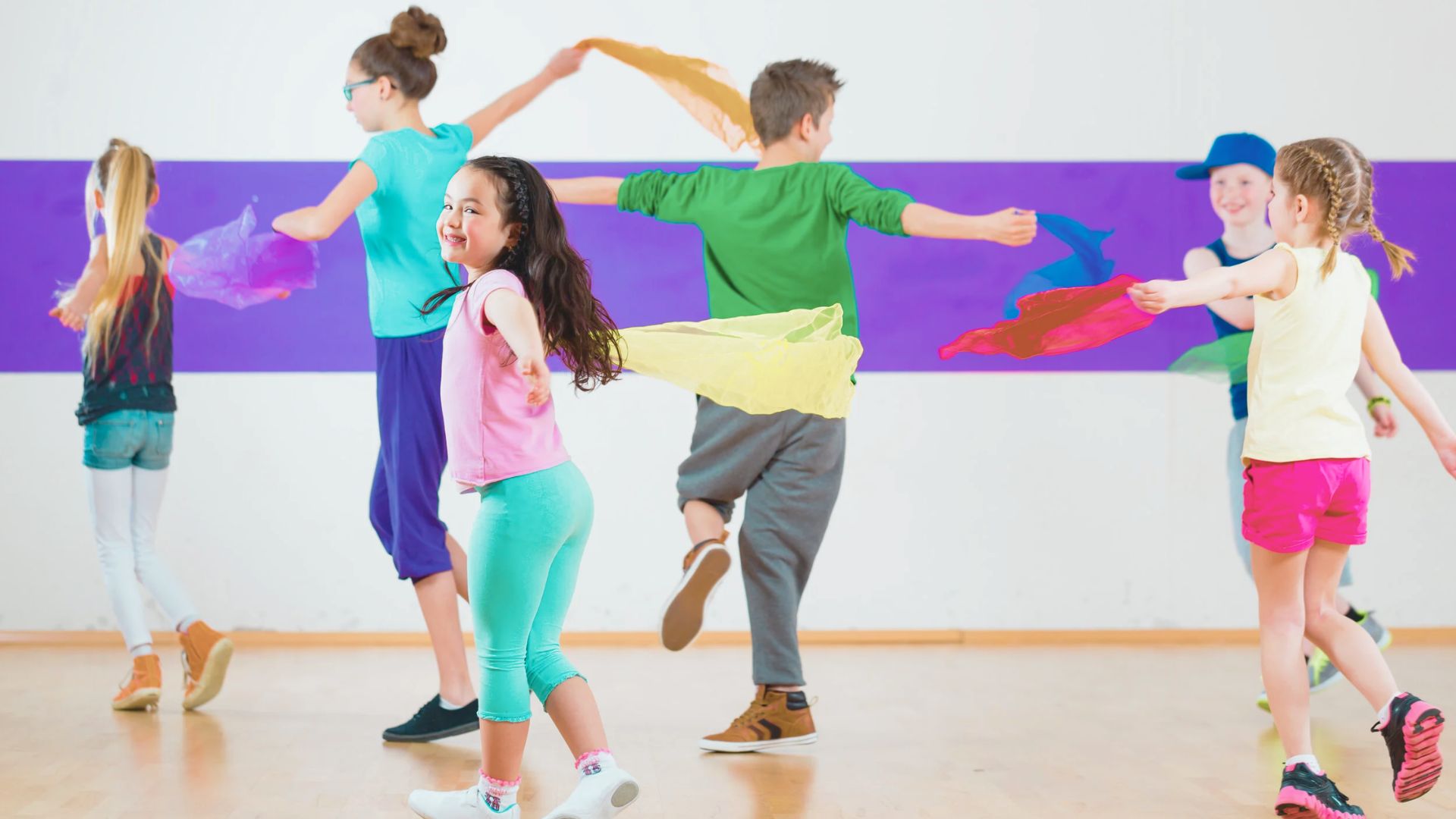
Simple objects from around the house can turn any song into a full-on performance.
What you need: Scarves, ribbons, stuffed toys, hats, or anything soft and safe
How to play: Each child picks a prop and dances with it until the music stops. Then they swap props with someone nearby.
Skills developed: Creative movement, imagination, and sharing
Quick variation: Give the dance a theme. Try "blowing in the wind" or "dancing in the rain." Kids love acting out simple ideas with their props.
3. Action Songs and Fingerplays
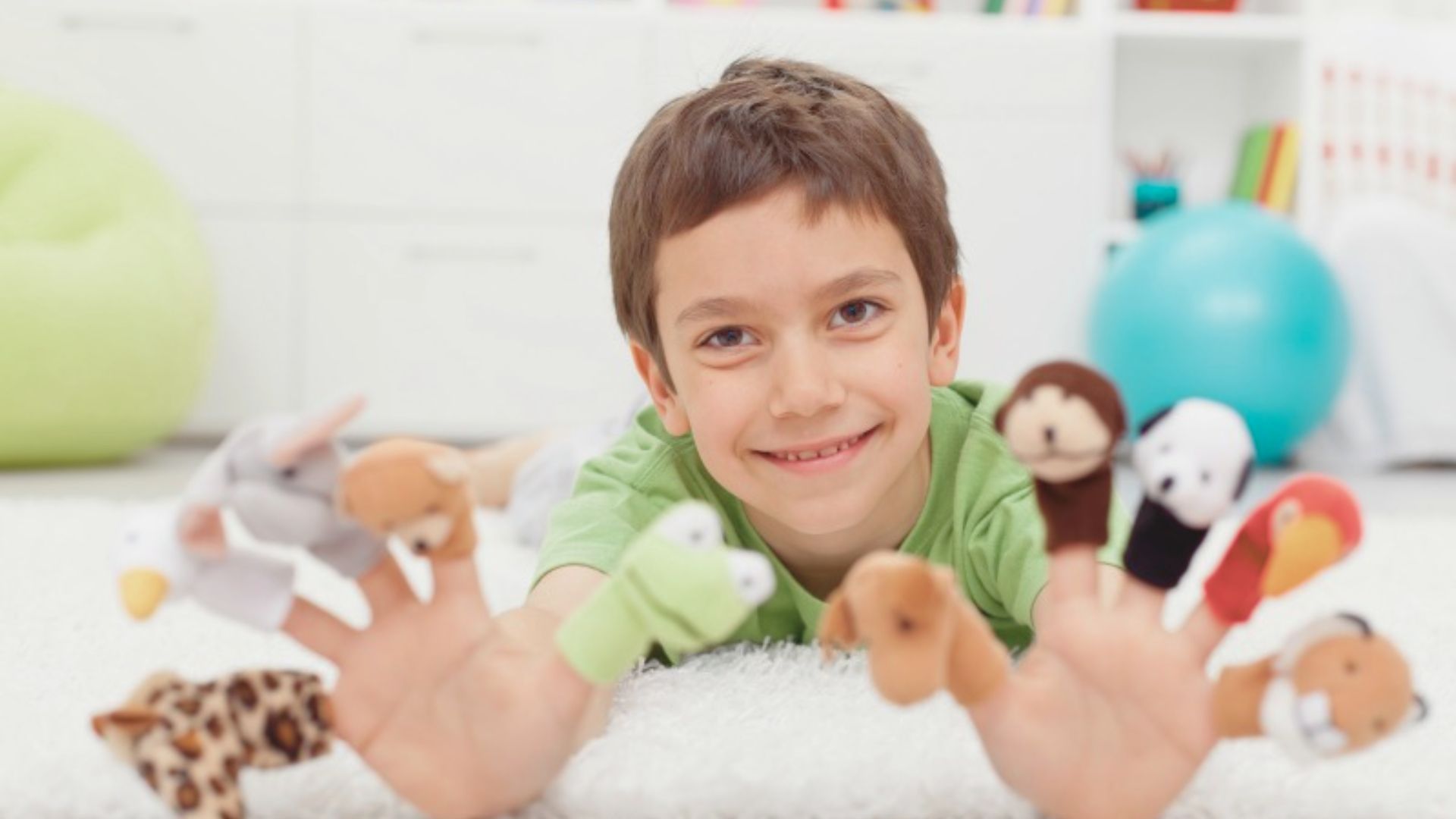
Hands, feet, and voices work together to make singing even more fun.
What you need: Simple songs like nursery rhymes or action songs
How to play: Sing together while doing actions that match the words. Think clapping, stomping, pointing, or wiggling fingers.
Skills developed: Fine motor skills, memory, and listening
Quick variation: Let kids make up their own actions. You will be surprised how creative they get, and it builds real confidence too.
4. Music-Based Circle Time
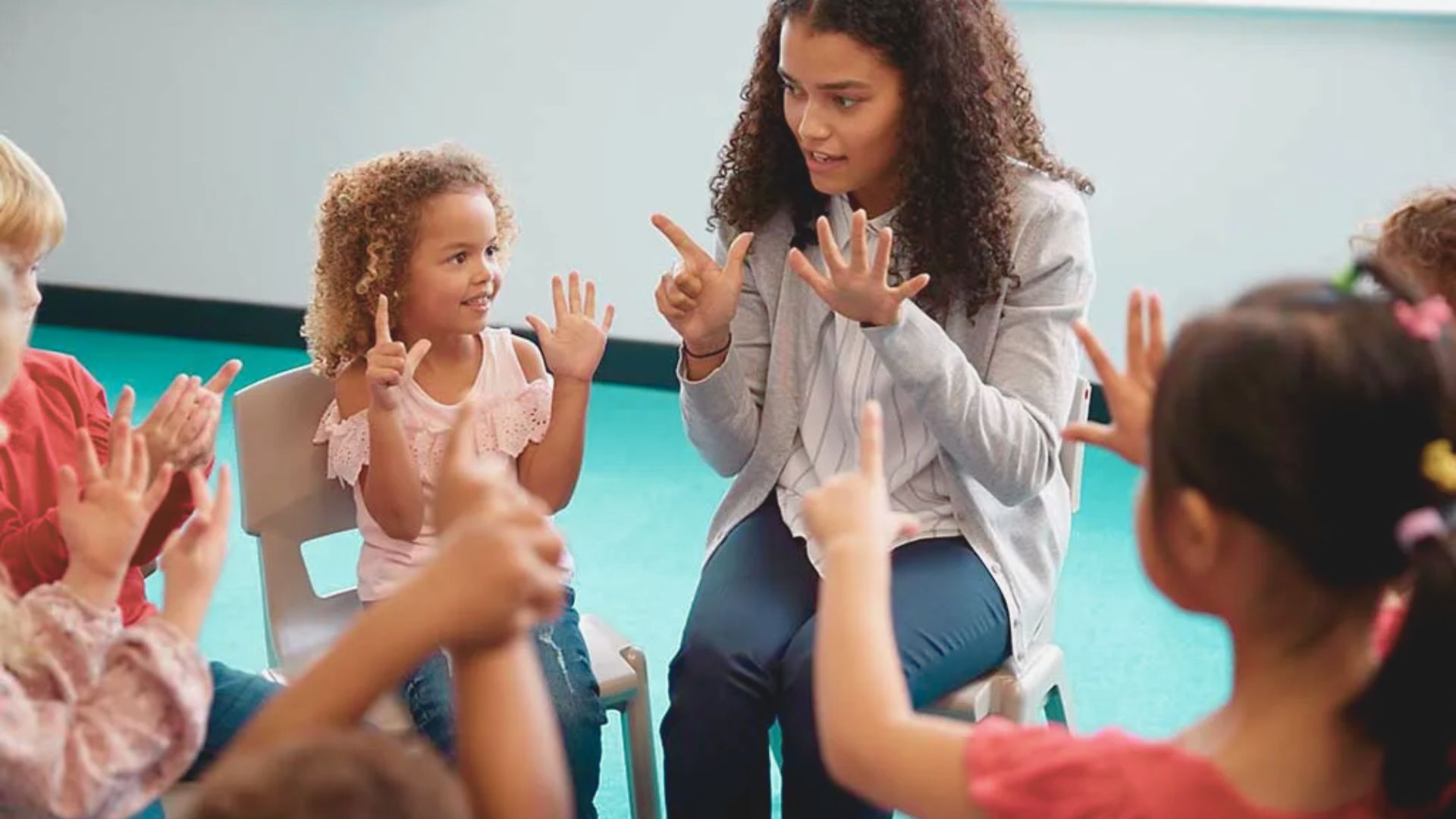
A group activity that brings kids together through song, movement, and rhythm.
What you need: A group space and a short playlist
How to play: Kids sit or stand in a circle. They sing, clap, and move together. Songs can be about greetings, numbers, or anything the group enjoys.
Skills developed: Social skills, teamwork, and a sense of rhythm
Quick variation: Let a different child lead the group song each time. This small step builds speaking confidence and gives every child a moment to shine.
5. Rhythm Sticks and Percussion Play
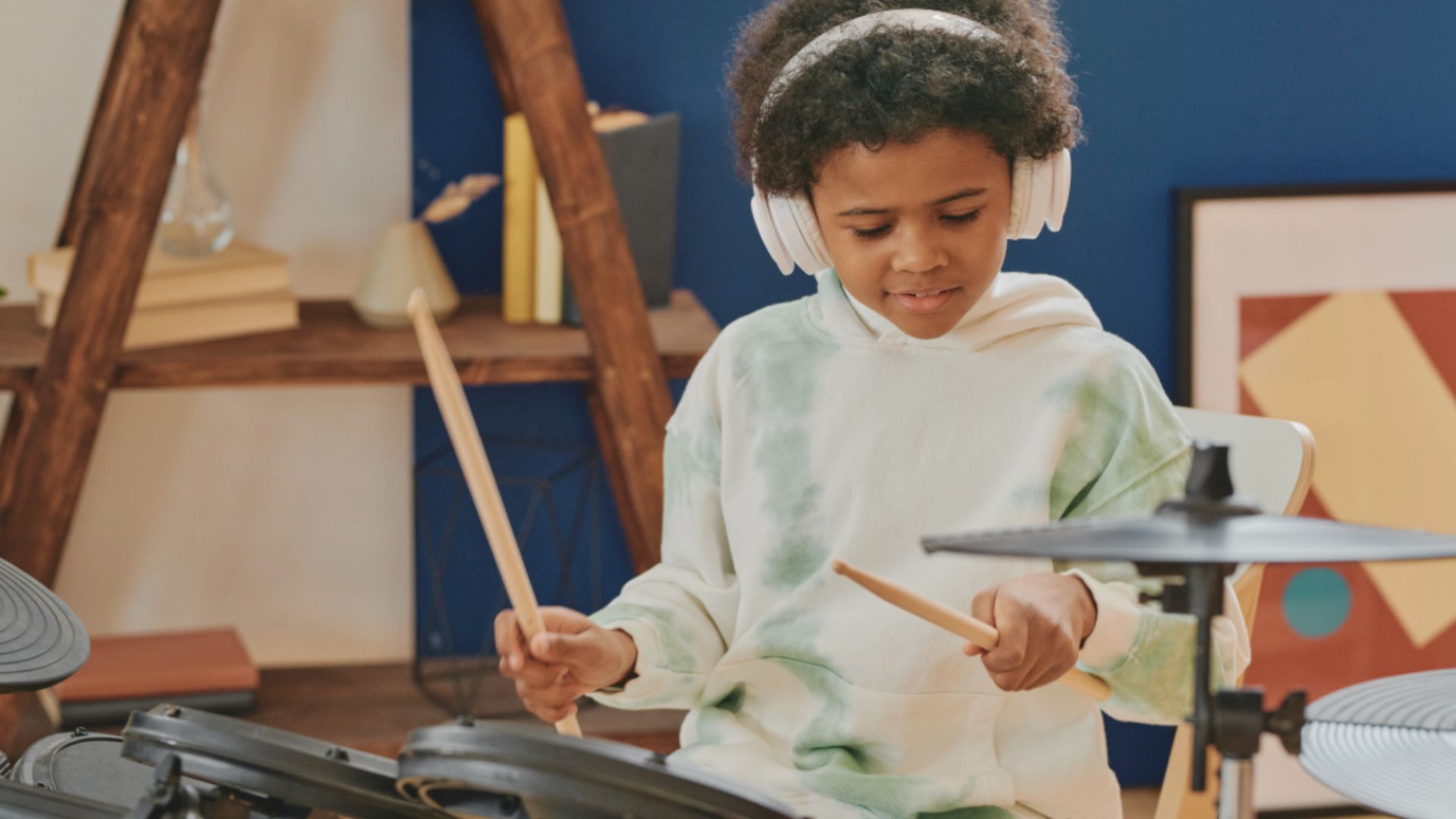
Tapping along to a beat is one of the easiest ways to teach kids about rhythm.
What you need: Wooden sticks, small drums, pots, spoons, or any DIY instrument
How to play: Play a beat and have kids tap along. Start simple. Slow claps, fast taps, pause. Build from there.
Skills developed: Rhythm awareness and hand coordination
Quick variation: Try call and response. You tap a pattern, and kids copy it back. Then let a child lead the pattern. It keeps everyone engaged.
6. Musical Hide and Seek
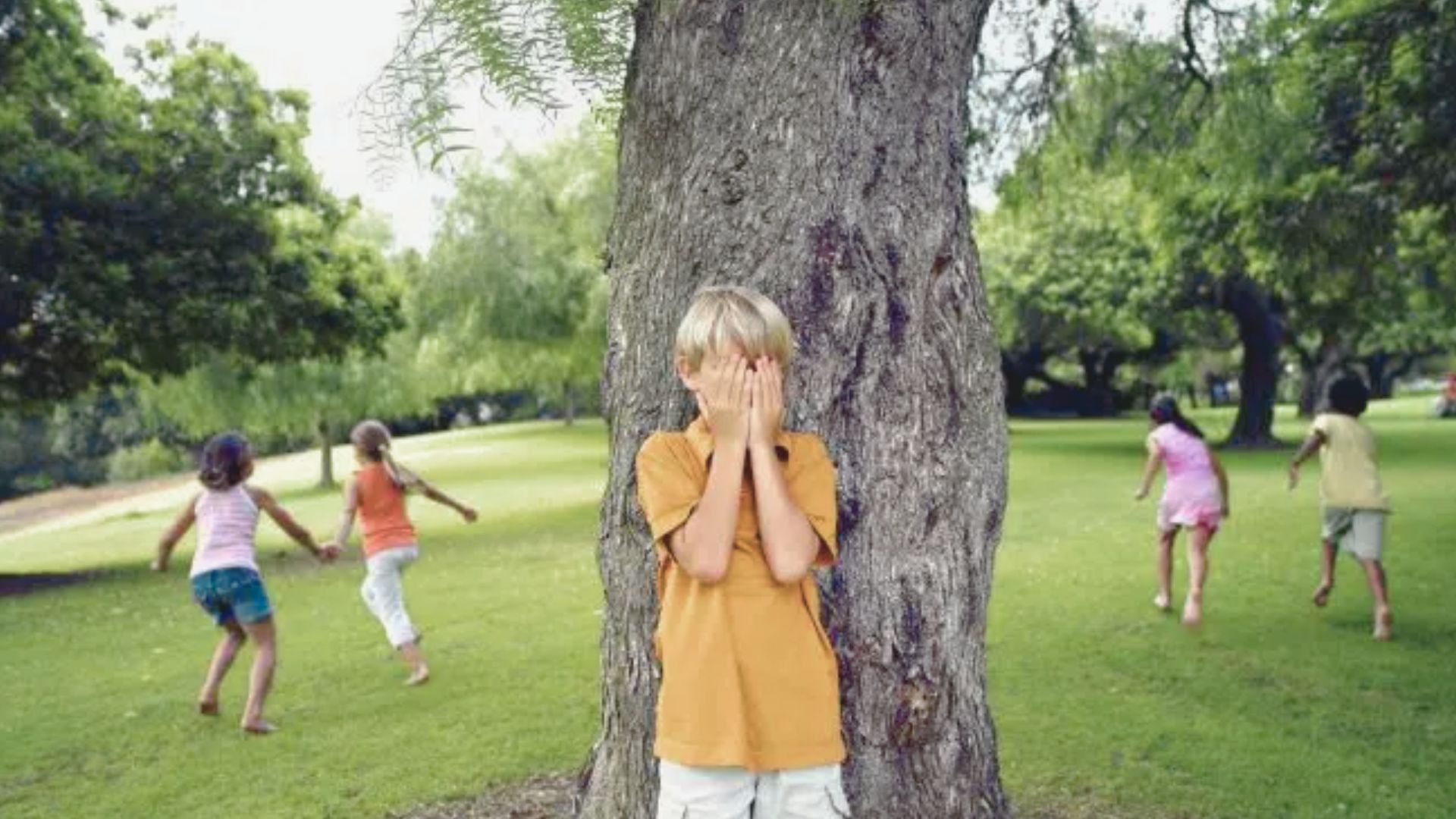
This activity sharpens listening skills in the most playful way possible.
What you need: A musical toy, small speaker, or a phone playing a song
How to play: Hide the sound source somewhere in the room while kids close their eyes. They listen and follow the sound to find it.
Skills developed: Active listening and focus
Quick variation: Lower the volume to make it harder. Or hide multiple sound sources for a bigger challenge.
7. Draw What You Hear
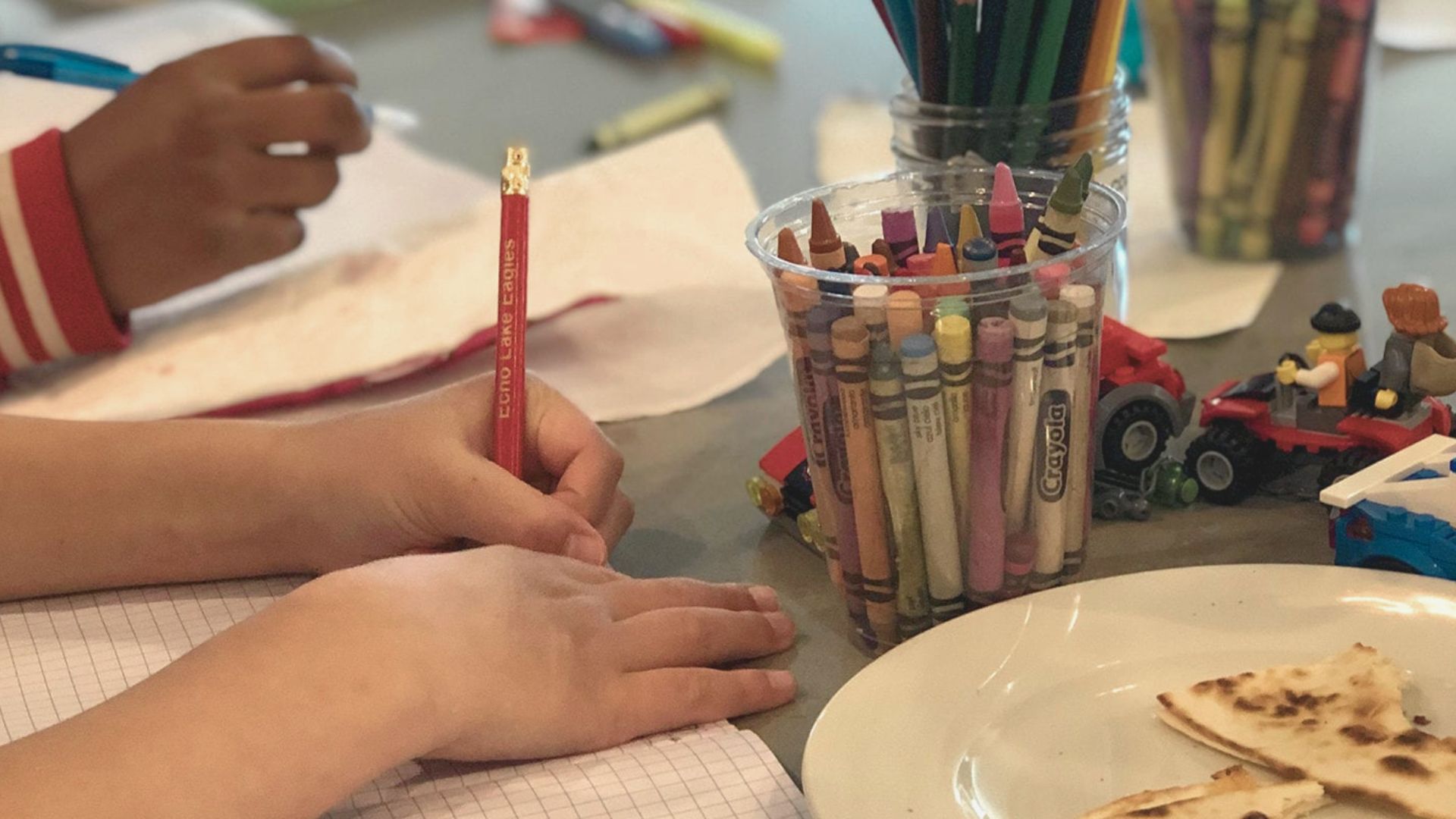
Music speaks to kids in ways words sometimes cannot, and this activity proves it.
What you need: Paper, crayons or markers, and a music playlist
How to play: Play a song and ask kids to draw anything the music makes them feel or think about. There are no wrong answers here.
Skills developed: Creativity and emotional expression through art
Quick variation: Try different types of music. Play something soft and slow, then something fast and upbeat. Watch how the drawings change.
8. Dance Like an Animal
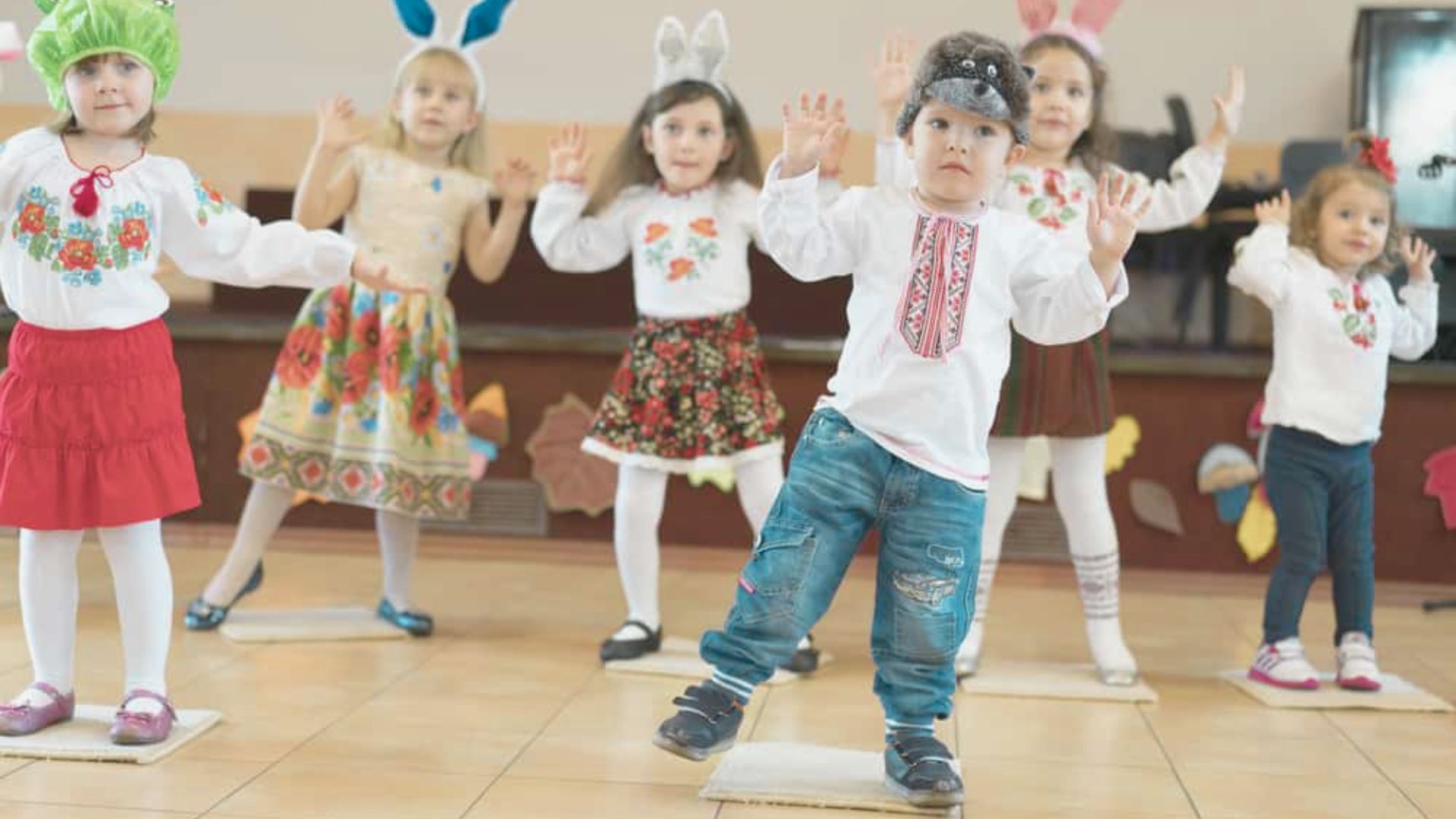
Kids get to move their bodies freely while using their imagination at the same time.
What you need: Animal picture cards (optional but helpful)
How to play: Name an animal or show a picture. Kids move like that animal while the music plays. Hop like a rabbit, stomp like an elephant, slither like a snake.
Skills developed: Imagination, coordination, and physical play
Quick variation: Turn it into a guessing game. One child acts while others guess the animal. Simple and a lot of fun.
9. Musical Story Dramatization
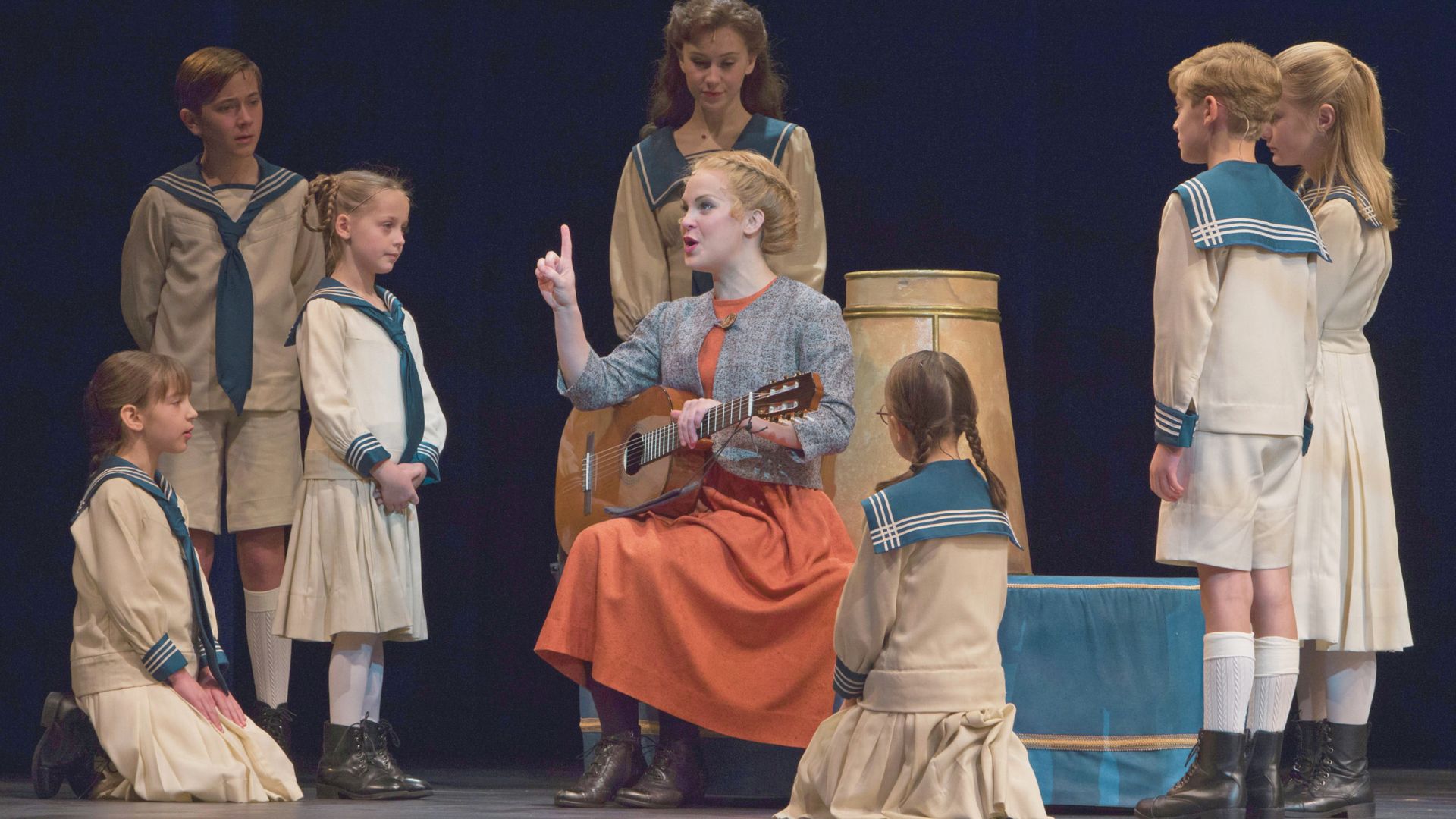
Mixing storytelling with music gives kids a whole new way to express themselves.
What you need: A short and simple story, background music
How to play: Tell the story out loud while kids act it out with movement and sound. The music sets the mood as the story moves along.
Skills developed: Language skills, creativity, and group cooperation
Quick variation: Add simple costumes or props like scarves, hats, or paper crowns. Even small details make kids more excited to participate.
10. Follow the Musical Leader
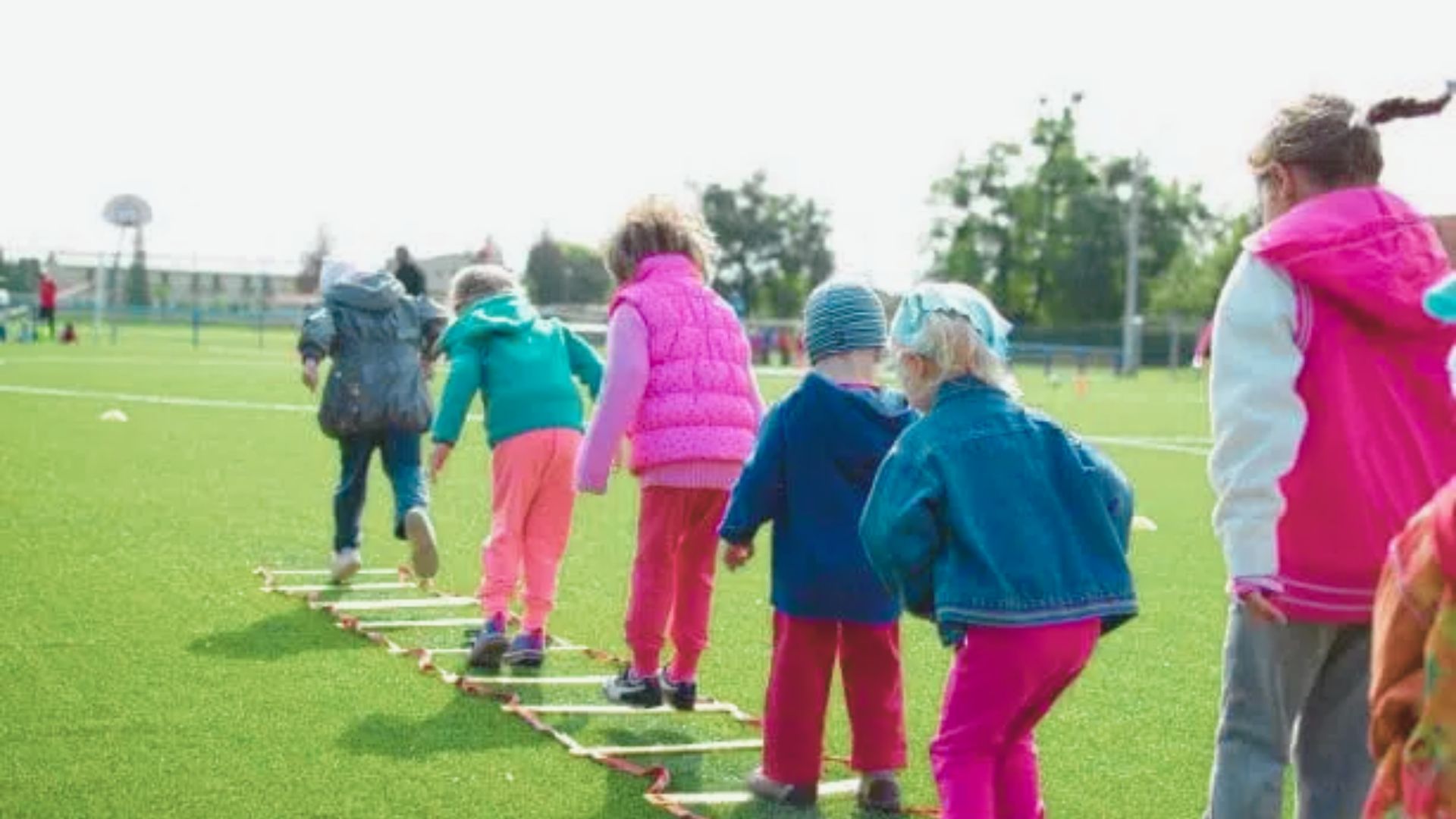
This game teaches kids how to both lead and pay close attention to others.
What you need: A music player
How to play: One child stands in front and leads the group with movements while the music plays. Everyone else copies exactly what the leader does.
Skills developed: Leadership, observation, and focus
Quick variation: Change the leader every 20 to 30 seconds. This keeps it moving fast and gives more kids a chance to lead.
11. Musical Letters Game
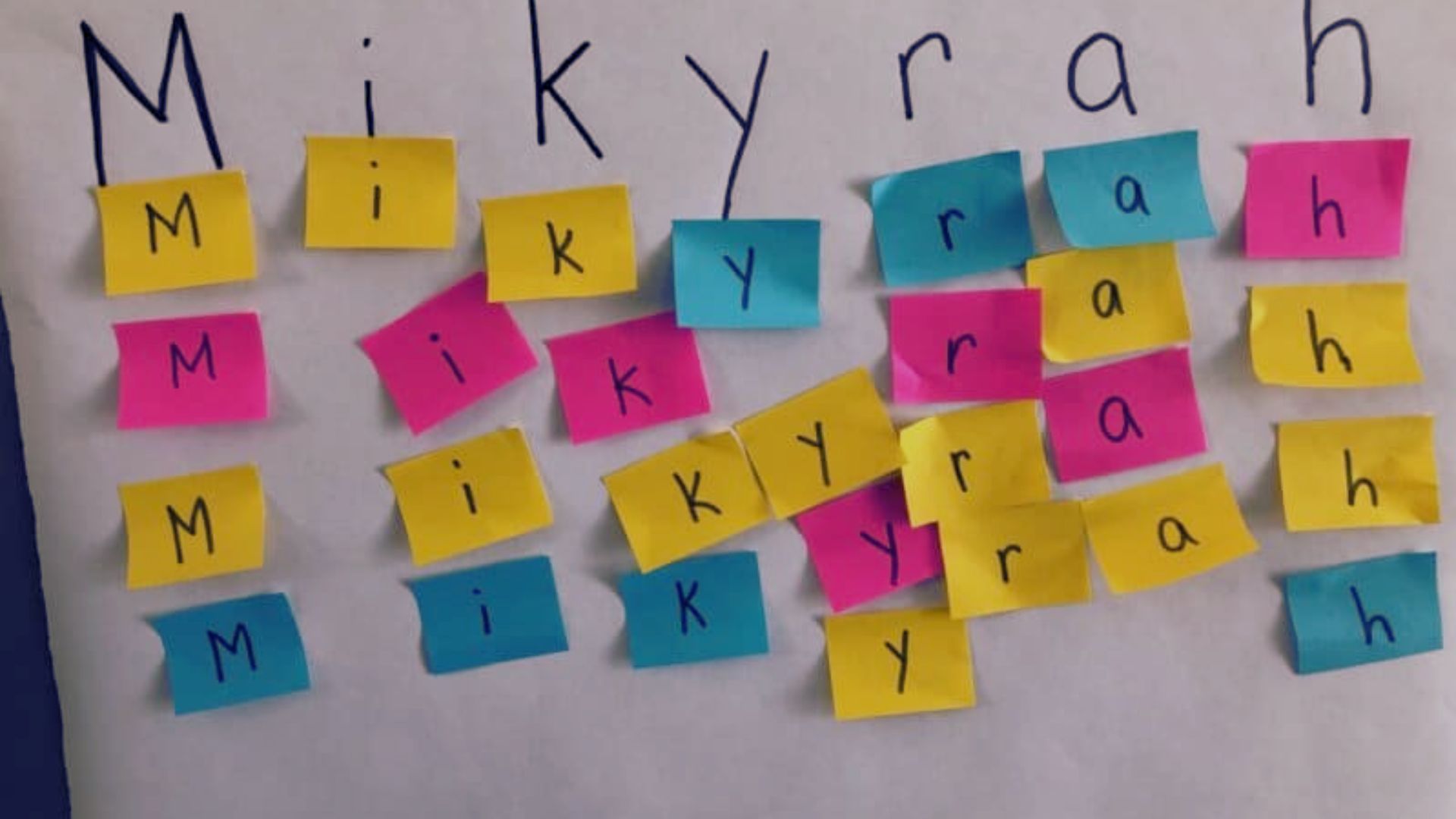
Learning letters becomes a lot more exciting when music and movement are part of it.
What you need: Alphabet cards placed on the floor, music
How to play: Kids walk around the cards while the music plays. When it stops, each child stands on a letter and says a word that starts with that letter.
Skills developed: Early literacy, quick thinking, and listening
Quick variation: Swap alphabet cards for number cards or shape cards. This makes the same game work for different learning goals.
Easy Setup for Music Activities at Home or School
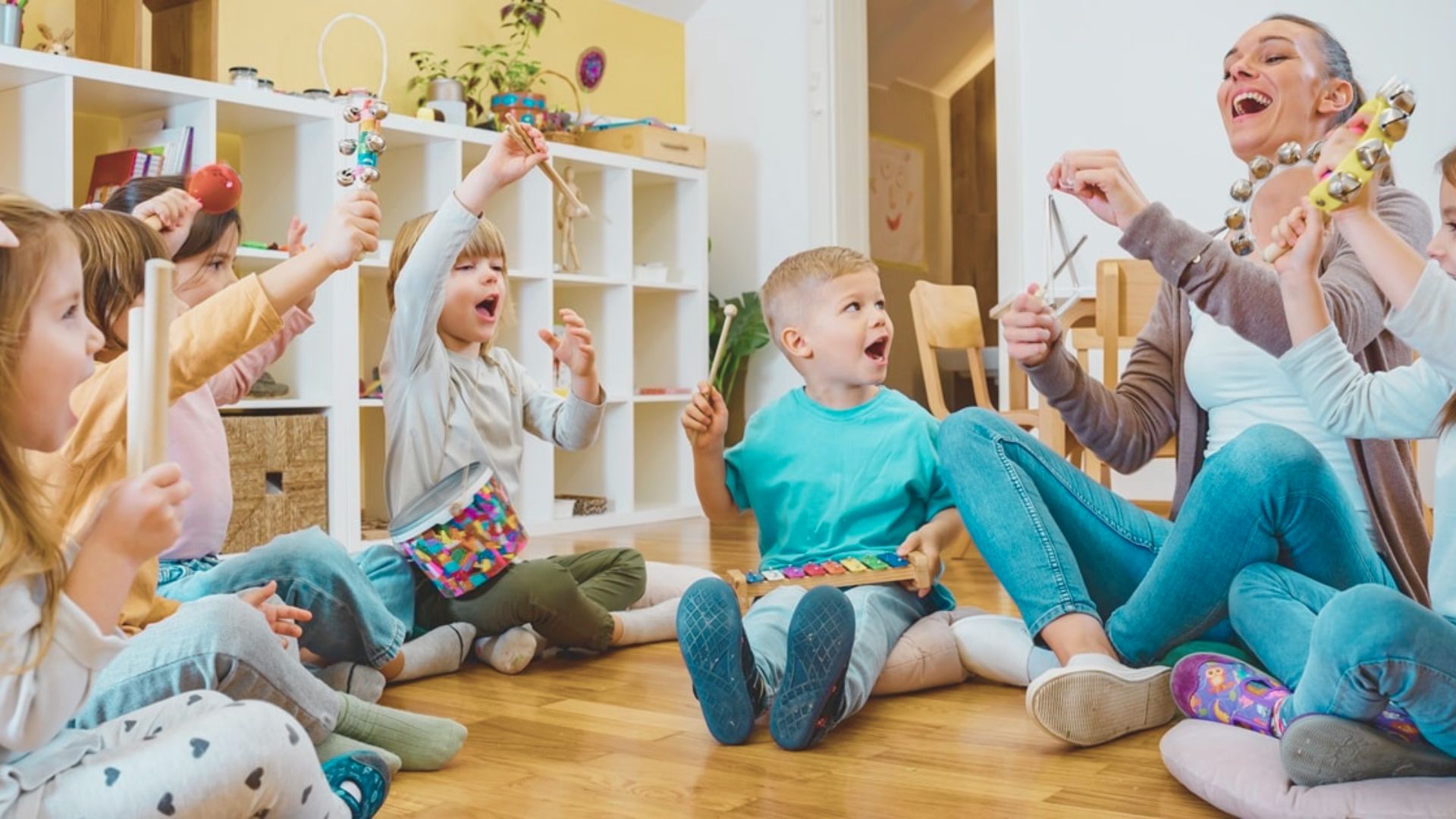
You do not need a big setup. A few simple steps go a long way.
Create a Safe Movement Space
Clear a small area of furniture or sharp objects. Even a living room corner or a classroom rug works fine. Kids need just enough space to move without bumping into each other.
Build a Kid-Friendly Playlist
Put together 10 to 15 songs that match the activities you plan. Include a mix of familiar songs kids already love and a few new ones. Keep the volume comfortable. Too loud can feel overwhelming for young kids.
Use Everyday Items as Instruments
Look around the kitchen or craft drawer. Pots, lids, rubber bands stretched over a box, dried beans in a sealed bottle. These all make great sounds. Kids love making their own instruments, and it adds a whole extra layer of creativity to music time.
Quick Tips to Make Music Activities More Fun
Small tweaks can make a big difference in how much kids enjoy music time.
- Keep sessions to 10 to 20 minutes. Short sessions hold attention better. Always end before kids get tired or bored. Leave them wanting more.
- Use simple props from home. Wooden spoons, plastic containers, scarves, and paper plates all work well. Kids love helping make their own props too.
- Mix fast and slow songs. Move between high-energy and calm songs. This helps kids manage their energy and trains their ears to notice tempo changes.
- Praise effort, not perfection. There is no wrong way to clap, dance, or sing. When kids feel safe to try, they join in more freely and enjoy it more.
- Repeat favorites often. Kids build confidence when they know a song or activity well. Do not rush to introduce new things every session. Familiar activities feel fun and comfortable.
Conclusion
Music activities are some of the simplest ways to bring real joy into a child's day. I still remember doing freeze dance with my little ones and watching them collapse in giggles every time the music stopped. Those moments stick with you.
Try one activity from this list today. You do not need anything special to get started.
If this post helped you, share it with another parent or teacher who might love these ideas. Drop a comment below and let me know which activity your kids enjoyed most!
Frequently Asked Questions
What age group are these music activities best for?
Most of these activities work well for children aged 2 to 8 years. Some, like the Musical Letters Game, are better suited for kids aged 4 and above who are starting to learn letters and sounds.
How long should a music activity session last for young kids?
For toddlers and preschoolers, 10 to 15 minutes is a good length. Older kids can enjoy sessions up to 20 to 30 minutes. Keeping it short helps hold their attention and leaves them excited to do it again.
Do I need musical knowledge to run these activities?
Not at all. You do not need to know how to play an instrument or read music. All you need is a playlist, some open space, and a willingness to move and have fun alongside the kids.
Can these activities be done in a classroom setting?
Yes, most of these activities are great for classroom use. Activities like Music-Based Circle Time, Follow the Musical Leader, and the Musical Letters Game work especially well in group settings with multiple children.
What if a child is shy or refuses to participate?
Let them watch first without any pressure. Many shy kids join in once they see others having fun. You can also offer a smaller role, like controlling the music or holding a prop, to help them feel included at their own pace.