
Teaching kids to recognize their own name is one of the first big steps in early learning. It sounds simple, but it lays the groundwork for reading, writing, and classroom confidence.
In this blog, you will find 11 tried-and-tested name recognition activities that actually work. Each one is easy to set up and fun for kids.
As an early childhood educator with years of classroom experience, I have seen firsthand how the right activity can make a child's face light up the moment they spot their name.
Here is what we will cover:Classroom-based recognition games, Hands-on sensory activities, Group games and digital tools, Benefits and tips for parents and teachers
Why Name Recognition Activities Are Important for Kids

Name recognition is more than just knowing a word. It is the starting point for a child's reading journey.
When a child can spot their own name, they begin to understand that letters carry meaning. This is a core part of early literacy.
It also builds self-identity. Seeing their name on a cubby or a worksheet tells a child, "I belong here." That sense of belonging boosts classroom confidence in a big way.
Fine motor skills also grow through name-related activities. Tracing, building, and writing letters all prepare the hand for future writing tasks.
11 Best Name Recognition Activities for Kids
These activities are fun, easy to set up, and perfect for helping young children learn their name step by step.
1. Find Your Name Around the Classroom

Small labels placed around the room give children repeated chances to spot their name throughout the day.
Using cubbies, desks, coat hooks, and door labels makes practice part of the daily routine. No extra time or special materials needed.
Make the labels colorful and add a small photo to help beginners connect the image to the word.
2. Name Letter Card Sorting Activity
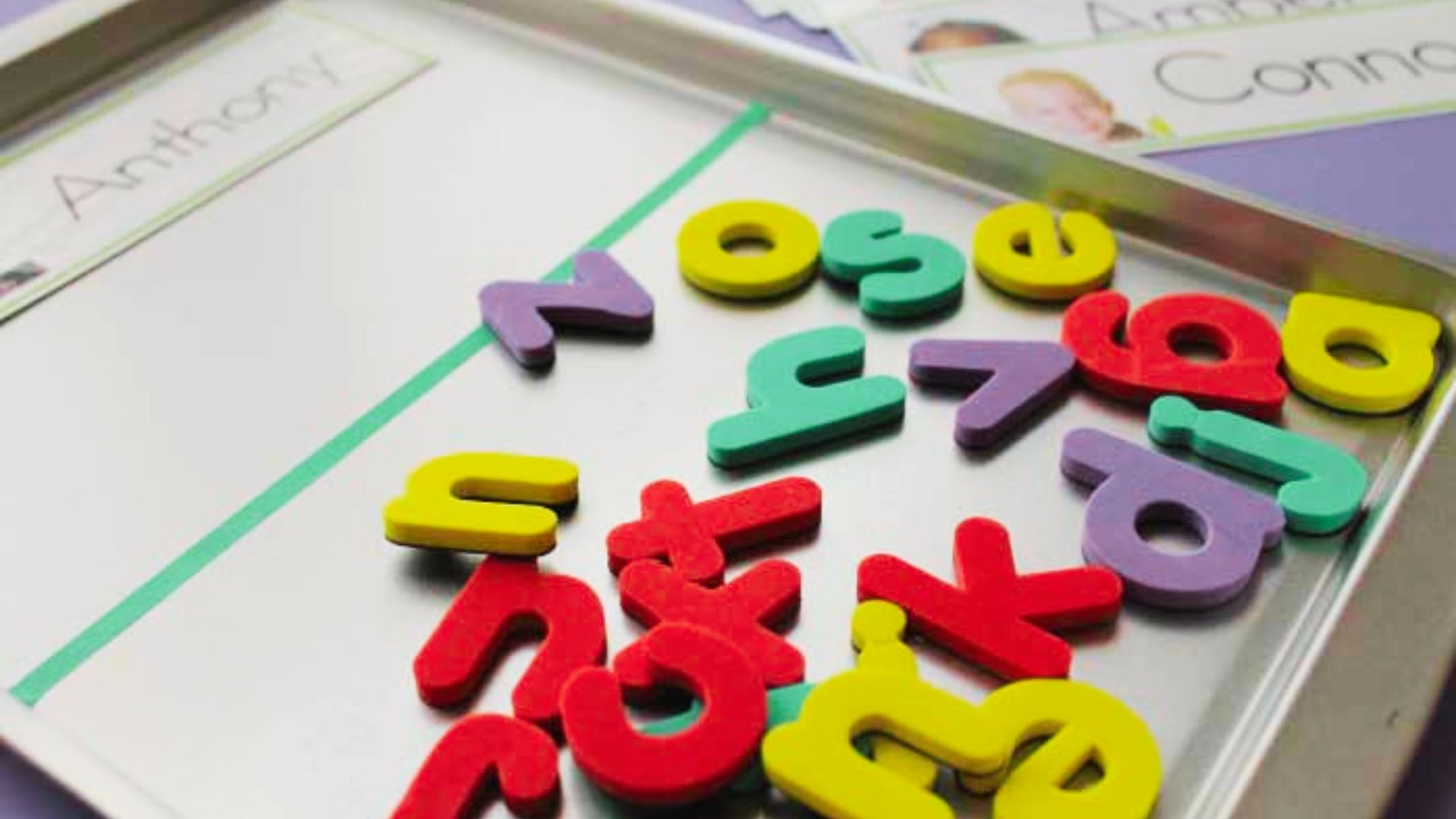
Write each letter of a child's name on a separate card, mix them up, and ask the child to put them back in order.
Start with the first letter and build from there. As confidence grows, remove the visual support and let them work from memory.
3. Trace, Build, Write Name Activity
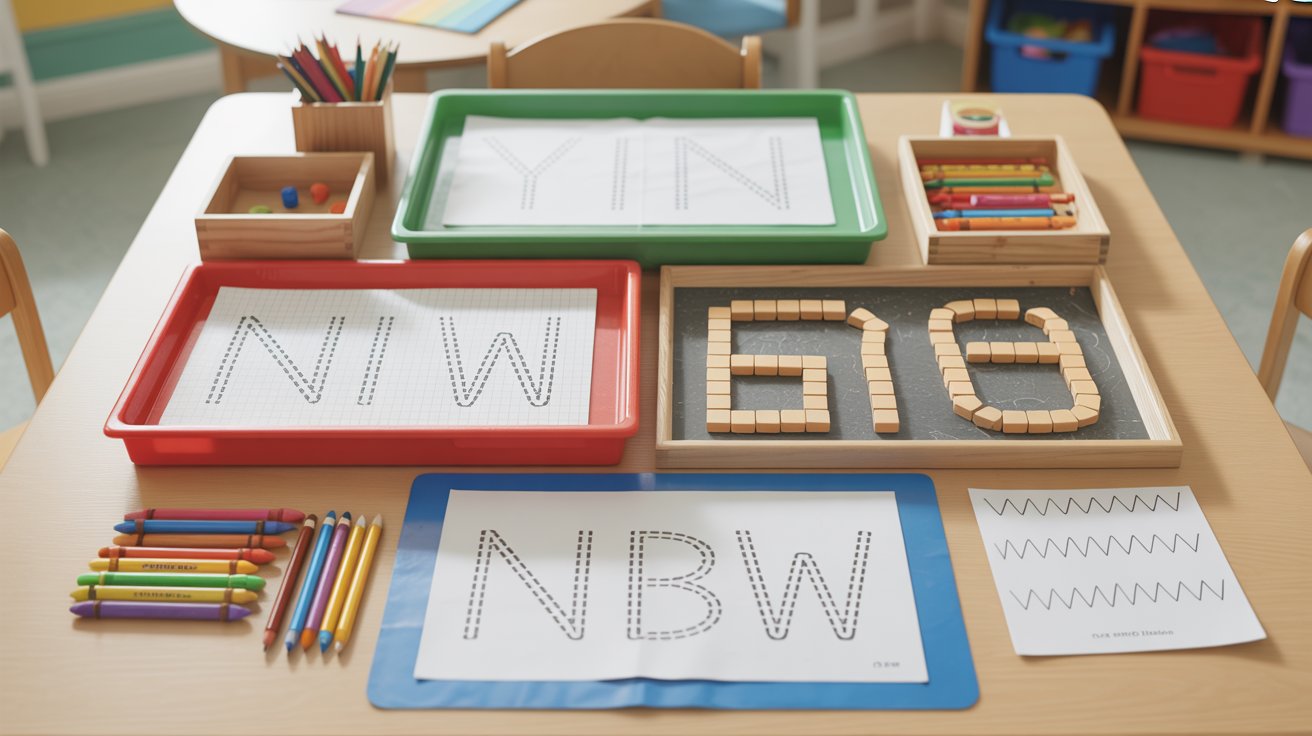
Three steps, one strong result.
First the child traces their name, then builds it using letter tiles, and finally writes it on their own. This method covers visual, hands-on, and motor practice all at once.
I used this in my own classroom and saw real progress within just a few weeks.
4. Name Puzzle Photo Activity
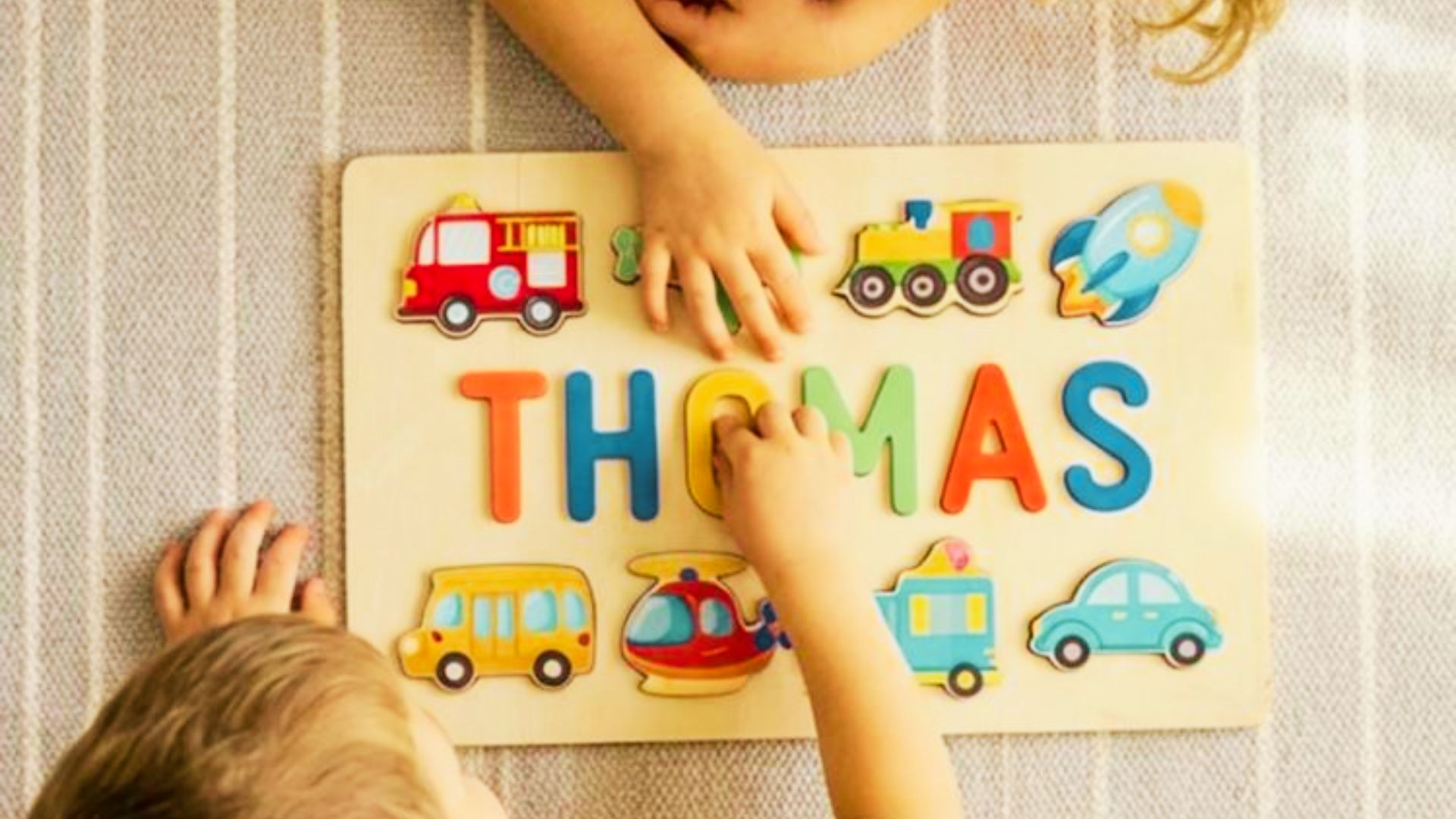
Print a photo of the child with their name written below it. Cut the name into individual letters and let the child put it back together.
The photo acts as a visual anchor. This works great at home too with just a printer and scissors.
5. Roll and Write Name Game

Assign a color to each letter in the child's name. The child rolls a die, finds the matching letter, and writes it in the right color.
The dice keep things fun and break the task into small steps. Works especially well for longer names.
6. Name Writing with Sensory Materials
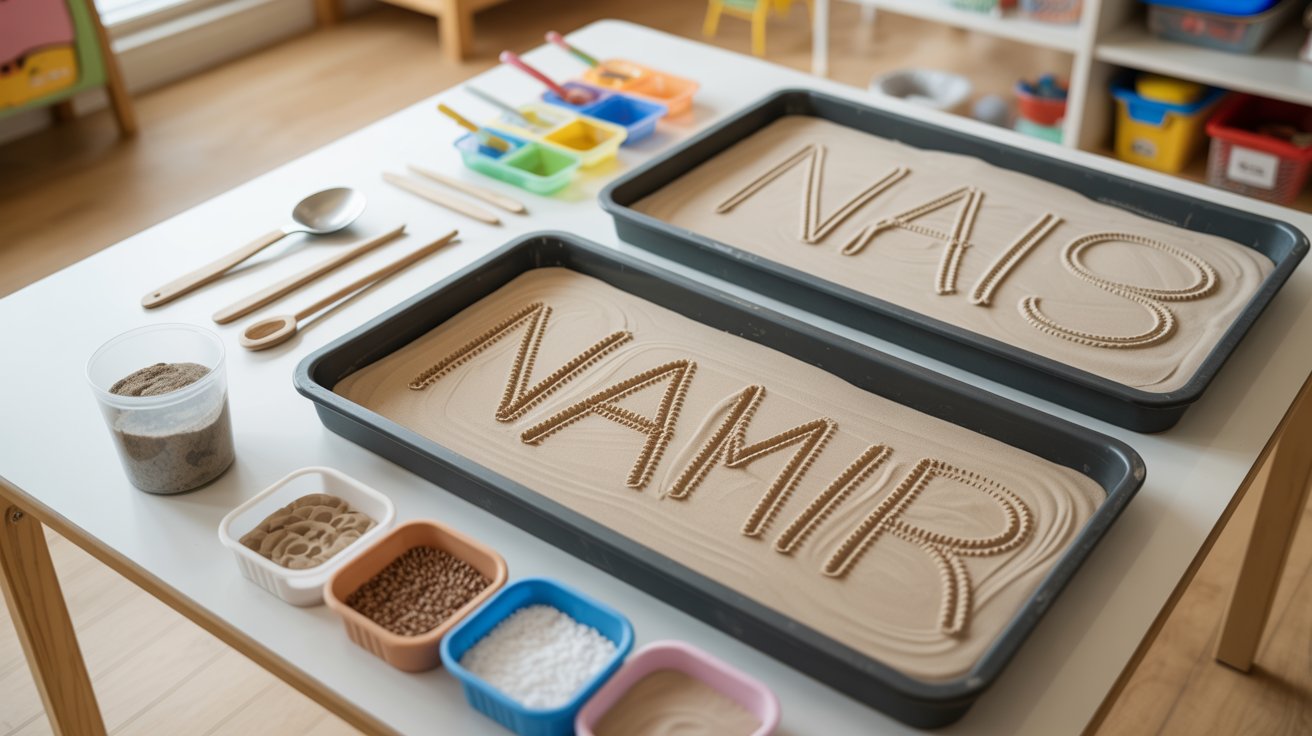
Not every child learns best with a pencil.
Sand trays, playdough, and rice containers let children form letters using their fingers. Sensory writing slows things down in a good way and removes pressure since mistakes disappear quickly.
7. Name Go Fish Game
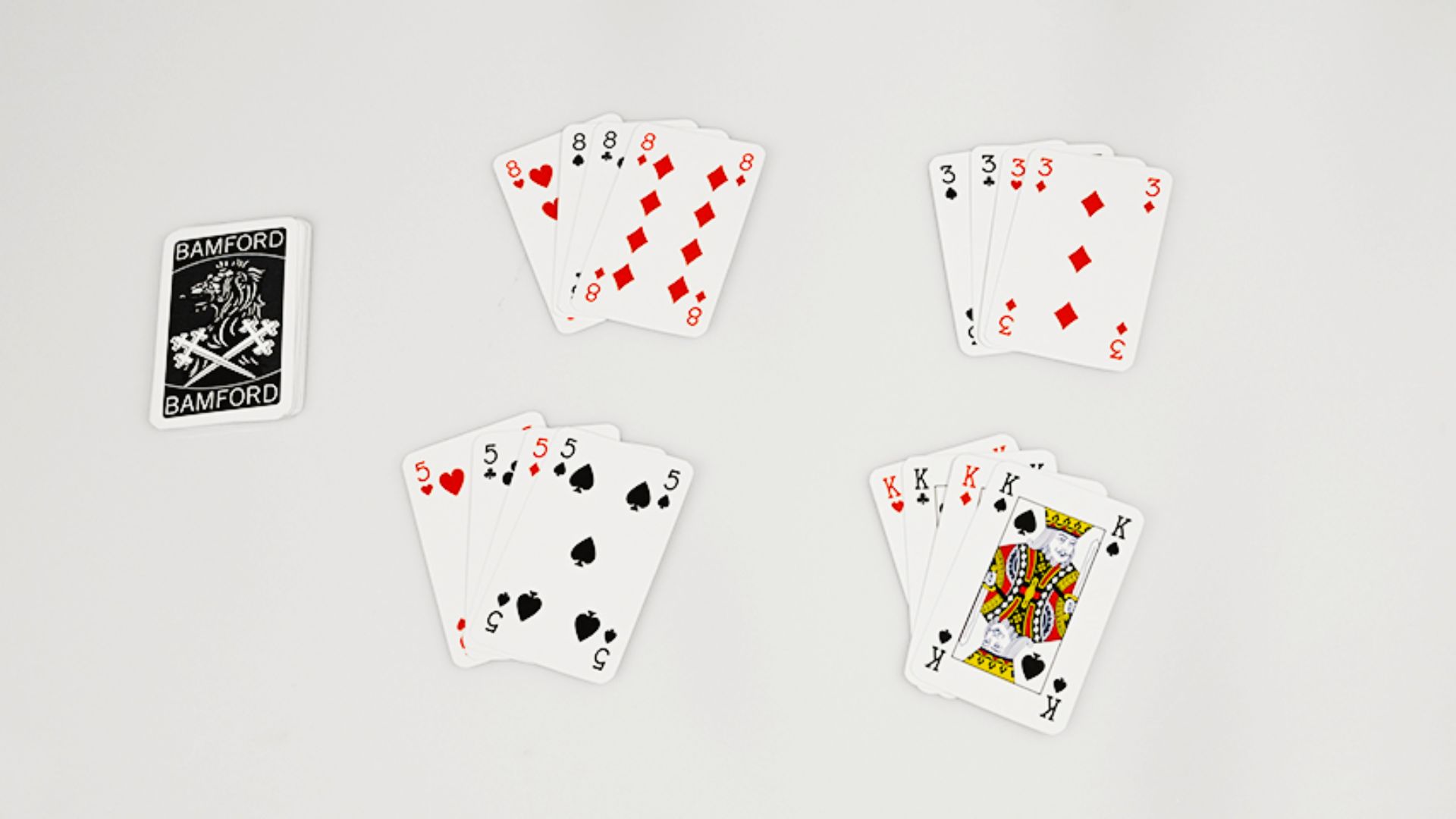
Make card sets with classmates' names and play Go Fish. Children ask for matching name cards by reading the name aloud.
This builds recognition across the whole class and helps children connect names to faces and friendships.
8. Name Bingo Recognition Game

Create bingo cards using names of classmates or family members. Call out a name and children mark it on their card.
Children match what they hear to what they see, which builds audio-visual recognition over time. Works for any group size.
9. Sing and Say Your Name Activity

Use simple songs or chants where children spell or say their name aloud.
Doing this daily as a group gives every child a moment to shine. Repetition through music helps children remember the sound and spelling of their name faster than a worksheet.
10. Digital Name Typing Activity
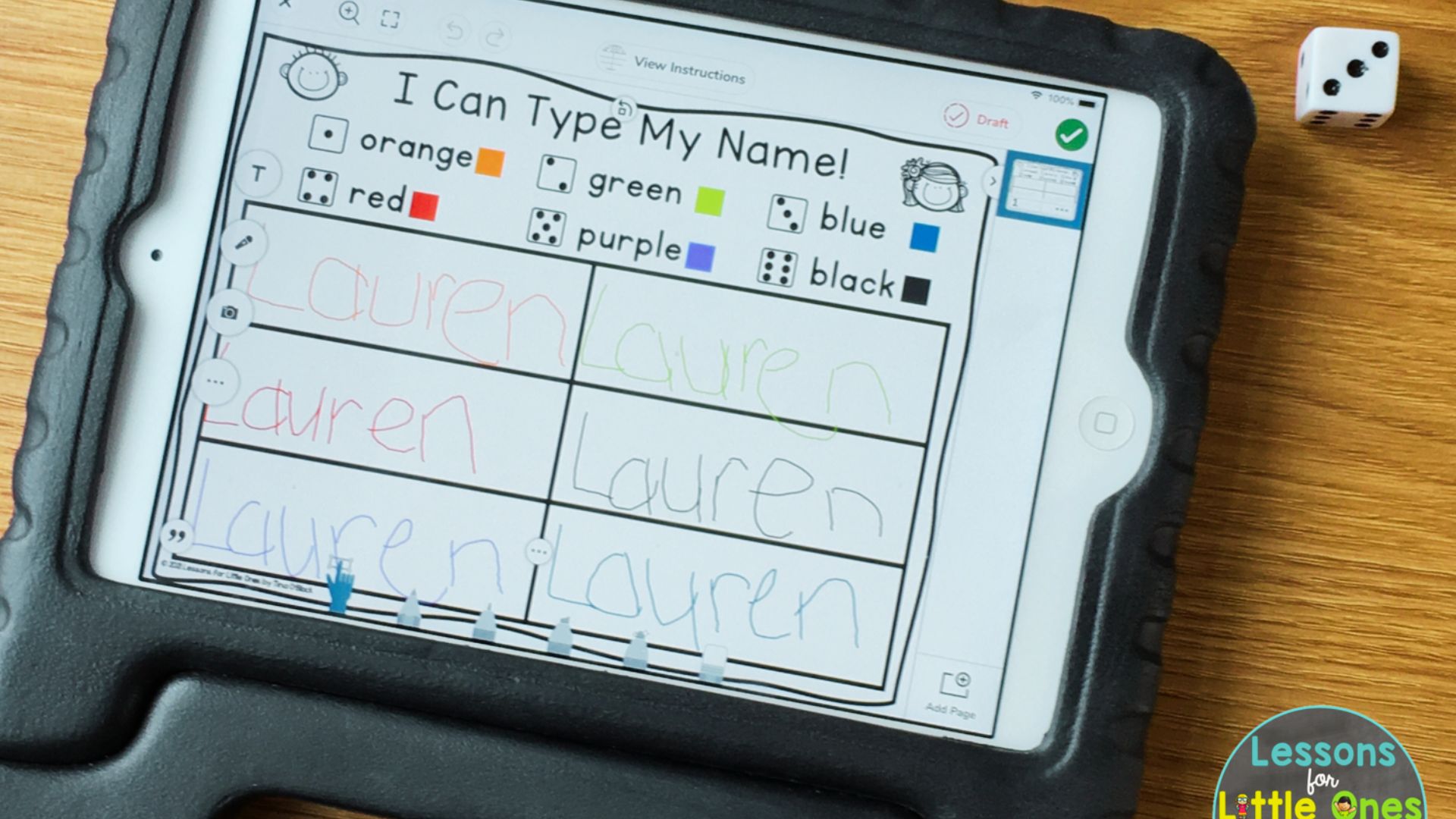
Using tablets or Google Slides, children type their name letter by letter and customize the font or color.
This works well for children who resist pencil tasks. Keep sessions to five or ten minutes. The goal is familiarity, not speed.
11. Hide and Seek Magnetic Letter Game
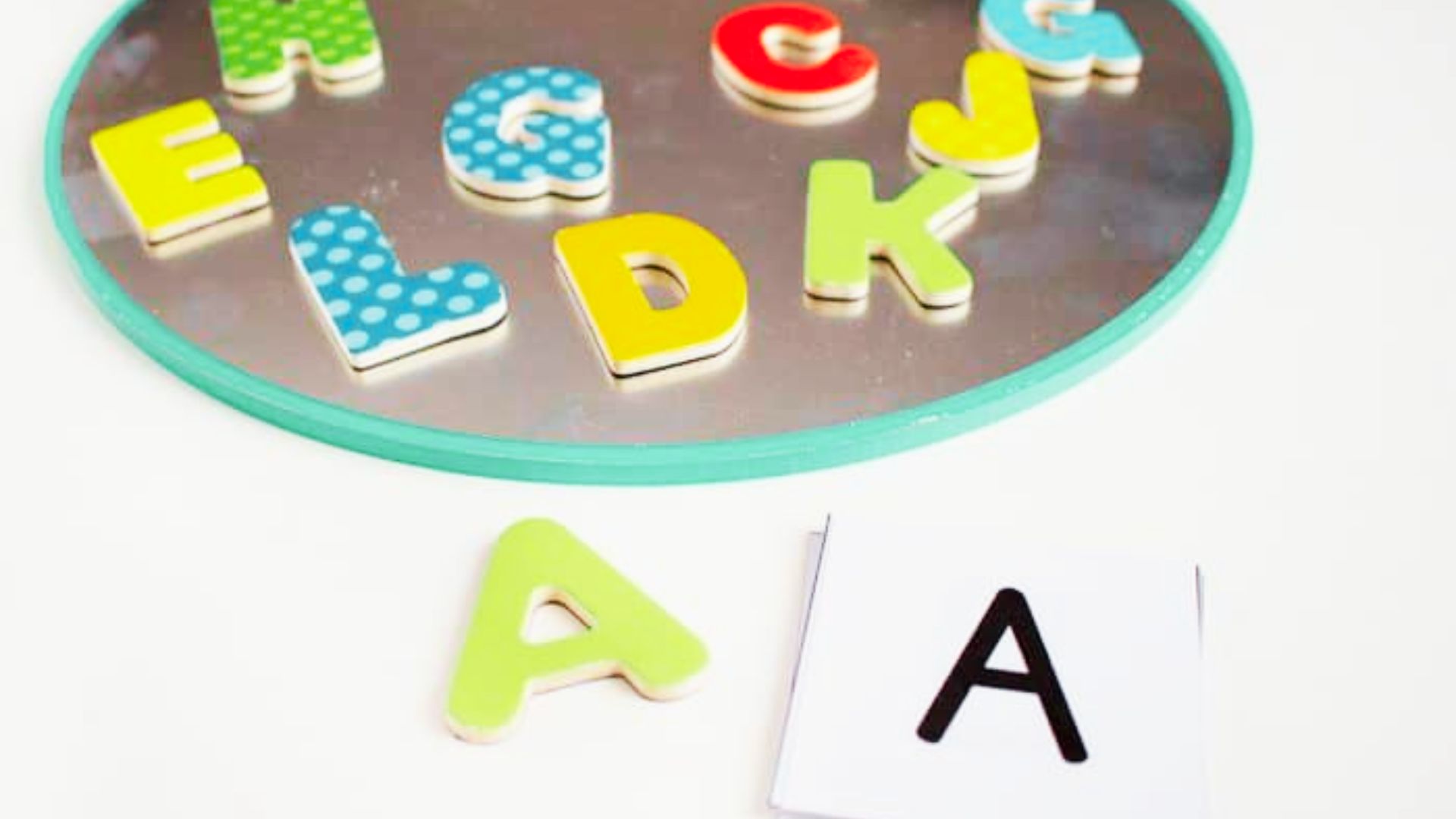
Hide magnetic letters around the room and ask the child to find only the ones in their name.
Once collected, they arrange the letters in the correct order. This gets kids moving and thinking at the same time. A fridge door and a set of magnetic letters work perfectly at home.
Benefits of Name Recognition Activities for Early Learners
These activities do more than teach a name. They build skills that last.
Improves Early Literacy Foundation
Name recognition is often a child's first experience with reading. It teaches children that groups of letters create meaning, which is the foundation of phonics.
Builds Fine Motor Skills and Handwriting Readiness
Tracing, sorting cards, and writing in sand all strengthen the hand muscles children need for writing. Starting early gives them a head start.
Grows Confidence and Classroom Participation
A child who can point to their name and say "that is mine" feels a sense of belonging. That confidence leads to more participation and a willingness to take on new challenges.
Tips for Teaching Name Recognition Effectively
A few simple habits can make a big difference in how quickly children pick up name recognition.
- Use the child's name throughout the day in natural ways, not just during lesson time
- Combine visual, auditory, and hands-on methods so different learners all get something that works for them
- Keep each activity short and end on a positive moment so children stay motivated
- Be consistent. A five-minute daily activity beats a one-hour session once a week
- Celebrate small wins. Recognizing the first letter is progress worth noting
Conclusion
Name recognition is one of the first skills that makes a child feel seen. I still remember watching a quiet child in my group light up the moment she found her name card on the table. That small moment meant everything to her.
Try one or two of these activities this week and see how your child responds. The results might surprise you.
If this post helped you, leave a comment below or share it with another parent or teacher who could use it. Check out our other early learning posts for more ideas.
Frequently Asked Questions
What age should children start name recognition activities?
Most children are ready to begin around age 3. By preschool, many can identify the first letter of their name with simple daily practice.
How can I teach my child to recognize their name at home?
Label common items around the house with your child's name. Use name puzzles, tracing sheets, and magnetic letters to make practice feel like play.
What are the easiest name recognition activities for preschoolers?
Photo name puzzles, classroom labels, and sensory writing trays are great starting points. They are simple to set up and easy for young children to engage with on their own.
Why is name recognition important in early childhood education?
It helps children connect letters to meaning, which is the foundation of reading. It also builds confidence and readiness for writing.
How long does it take for kids to learn name recognition?
Most children begin recognizing their name within a few weeks of consistent daily practice. Full recognition and independent writing may take a few months depending on age and learning pace.